The Battlefields, Memorials and Legacy of Gallipoli

Gallipoli Battlefields – Complete Visitor Guide

Explore the historic battlefields of the 1915 Gallipoli Campaign,
from Anzac Cove and Lone Pine to Chunuk Bair, Turkish memorials, trenches and cemeteries.

Explore Gallipoli Battlefields

Walk the Ground Where the Gallipoli Campaign Was Fought

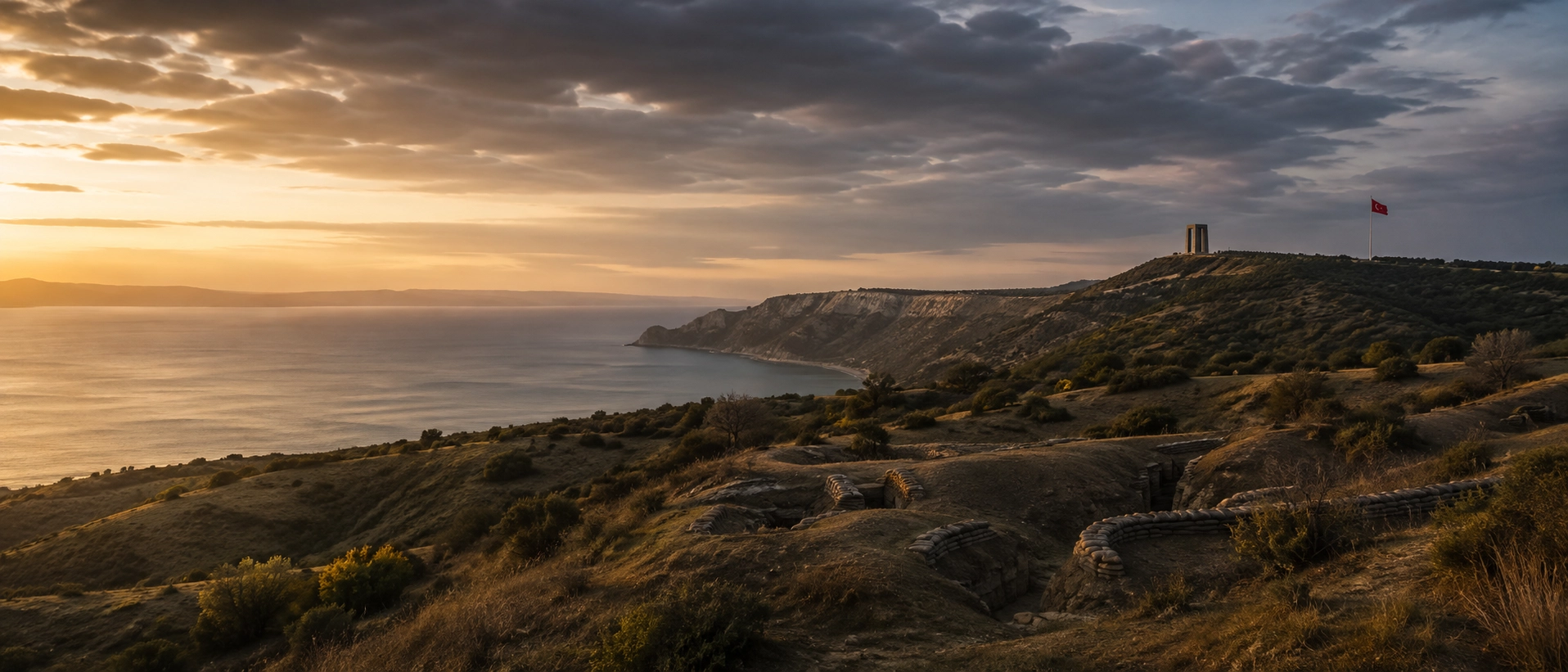
The Gallipoli Battlefields on the Gallipoli Peninsula in Çanakkale preserve one of the most powerful landscapes of the First World War. Here, steep ridges, narrow gullies, beaches, trenches, cemeteries and memorials mark the ground where Ottoman forces and Allied troops fought during the 1915 Gallipoli Campaign.

Gallipoli is not a single monument or battlefield. It is an extensive historical landscape stretching from Cape Helles and Seddülbahir in the south to the Anzac sector, Chunuk Bair and Suvla farther north. Australian, New Zealand, British, French, Indian and other Allied memorials stand alongside Turkish martyrs’ cemeteries and monuments, creating a remarkable place of remembrance for people from many nations.

A Vast Open-Air Battlefield

Explore preserved trenches, ridgelines, landing beaches, cemeteries, monuments and viewpoints across the historic peninsula.

ANZAC Heritage

Visit Anzac Cove, Lone Pine, The Nek and Chunuk Bair—places deeply connected with Australian and New Zealand national memory.

Turkish Remembrance

Discover the 57th Regiment Memorial, Chunuk Bair monuments and the monumental Çanakkale Martyrs’ Memorial overlooking the Dardanelles.

More Than One Front

Understand the Anzac, Helles, Suvla and Dardanelles sectors rather than seeing Gallipoli as a single battle or landing.

Plan Your Visit

Gallipoli Battlefields – Quick Facts

Essential information for understanding and visiting the Gallipoli Historical Site in Çanakkale.

📍

Location

Gallipoli Peninsula, Eceabat district, Çanakkale Province, on the European side of the Dardanelles.

Open on Google Maps
⚔️

Historic Campaign

The major land campaign began with the Allied landings on 25 April 1915 and ended with the final evacuation from Helles in January 1916.

🗺️

Historical Site

The protected Gallipoli Historical Site covers roughly 33,500 hectares and includes battlefields, villages, cemeteries, monuments, forts and natural landscapes.

⏱️

Recommended Time

Allow at least half a day for the core Anzac sector, a full day for a broader visit, or two days for Anzac, Helles and the major Turkish memorials.

🌍

UNESCO Status

The Çanakkale and Gallipoli battle zones have been on Türkiye’s UNESCO World Heritage Tentative List since 2014; they are not currently a fully inscribed World Heritage Site.

🕊️

Character of the Visit

Gallipoli is both a battlefield and a place of remembrance. Cemeteries and memorials should be visited quietly and respectfully.


1915–1916

The Story of the Gallipoli Campaign

Gallipoli was shaped by geography, naval strategy, amphibious warfare, trench fighting and the determination of soldiers on both sides.

During the First World War, Britain and France sought a way through the Dardanelles toward the Ottoman capital, Constantinople, while also hoping to create a maritime route connected with their ally Russia. Early operations focused on forcing the strait by naval power. The major Allied naval attack of 18 March 1915 failed after mines, coastal artillery and Ottoman defenses inflicted serious losses on the fleet.

Allied planners then turned to a land campaign. On 25 April 1915, British and French forces attacked in the southern sector around Cape Helles, while troops of the Australian and New Zealand Army Corps—ANZAC landed farther north at Arıburnu. The rugged terrain immediately became decisive. Steep slopes, deep gullies and narrow ridges slowed the Allied advance and gave Ottoman defenders opportunities to block routes toward the interior.

One of the most important Ottoman commanders in the opening phase was Lieutenant Colonel Mustafa Kemal, commander of the 19th Division. His intervention on the heights above the Anzac landing helped prevent the Allied troops from gaining the commanding ridge system on the first day. The fighting soon settled into a brutal trench stalemate in which opposing positions were sometimes separated by only a short distance.

A major attempt to break the deadlock came with the August Offensive. The campaign expanded around Suvla Bay and the Sari Bair range, while fierce actions were fought at Lone Pine, The Nek and Chunuk Bair. Although individual positions changed hands, the Allies failed to secure the decisive heights needed to transform the campaign.

By late 1915, the Allied leadership concluded that the peninsula could not be held at an acceptable cost. The Anzac and Suvla positions were evacuated in December 1915, followed by the remaining Helles forces in early January 1916. The campaign ended in an Allied military defeat and an Ottoman victory, but its memory developed differently across Türkiye, Australia, New Zealand, Britain, France and the many other communities whose soldiers served here.

Casualty totals vary depending on whether sources count only battlefield losses or also include disease and sickness. What is beyond dispute is the enormous human cost. Today, Gallipoli is best approached not simply as a story of victory and defeat, but as a landscape where hundreds of thousands of soldiers endured combat, injury, illness, separation and loss.


What to See

Top Highlights of the Gallipoli Battlefields

These are the most important stops for a first visit, connecting the Anzac battlefield with Turkish remembrance and the wider Gallipoli story.

Anzac Cove

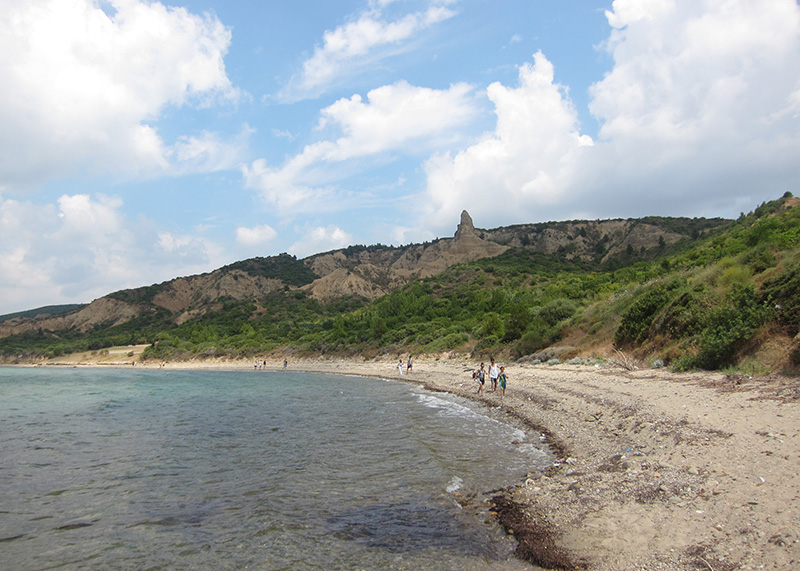
This narrow cove below the steep Arıburnu slopes became the symbolic heart of the Anzac position. The landscape makes the difficulties of the 25 April landing immediately understandable: the shoreline rises abruptly into broken ridges and gullies.

  • Historic date: 25 April 1915
  • Why it matters: Principal landscape associated with the Anzac landing
  • Nearby: Arıburnu Cemetery, Beach Cemetery and the Anzac Commemorative Site

Lone Pine Cemetery & Memorial

Lone Pine stands on the former battlefield known to Ottoman forces as Kanlısırt. The Australian attack of August 1915 led to some of the most intense close-quarter trench fighting of the campaign. The cemetery and memorial now form the principal Australian memorial site on Gallipoli.

  • Major battle: 6–10 August 1915
  • Landscape: Cemetery, memorial and surviving battlefield terrain
  • Look for: The relationship between the memorial ground and the former trench lines

Johnston’s Jolly / Kırmızısırt Trenches

One of the best places to understand how close the opposing trench systems could be. Preserved trenches and battlefield contours reveal the compressed, dangerous character of the Anzac front.

  • Best for: Understanding trench warfare
  • Turkish name: Kırmızısırt
  • Nearby: Allied and Turkish positions along Second Ridge

57th Infantry Regiment Memorial

This major Turkish memorial commemorates the 57th Regiment of Mustafa Kemal’s 19th Division, whose troops played a crucial role in the Ottoman response to the Anzac landing. The present memorial cemetery is symbolic; the original burial area lies elsewhere in the battlefield zone.

  • Focus: Ottoman 57th Infantry Regiment
  • Present memorial: Opened in 1992
  • Importance: One of the most visited Turkish remembrance sites on the peninsula

The Nek

A narrow ridge between Russell’s Top and Baby 700, The Nek became the scene of a devastating Australian Light Horse attack on 7 August 1915. Its small scale makes the battlefield particularly striking: visitors can see how little ground separated the opposing positions.

  • Historic date: 7 August 1915
  • Associated troops: Australian Light Horse and Ottoman defenders
  • Experience: Compact battlefield with strong visual context

Chunuk Bair / Conkbayırı

One of the decisive heights of the Sari Bair range, Chunuk Bair was a central objective of the August Offensive. New Zealand troops reached the summit area during extremely costly fighting before Ottoman counterattacks regained the position. Today the ridge contains New Zealand and Turkish memorials as well as important battlefield viewpoints.

  • Major fighting: August 1915
  • Memorials: New Zealand National Memorial and Turkish monuments
  • Views: Exceptional understanding of the ridge system and surrounding terrain

Çanakkale Martyrs’ Memorial

Rising above Morto Bay near the southern end of the peninsula, the monumental Çanakkale Şehitler Abidesi commemorates Ottoman soldiers who died in the Dardanelles and Gallipoli battles. Opened in 1960, it is one of the defining national memorials of modern Türkiye.

  • Opened: 1960
  • Setting: Eskihisarlık Burnu above Morto Bay
  • Nearby: Symbolic martyrs’ cemetery and French military cemetery

Cape Helles & Seddülbahir

The southern battlefield preserves landing beaches, cemeteries, memorials and fortifications connected with British, French and Ottoman fighting. It is essential for understanding that Gallipoli was much larger than the Anzac sector alone.

  • Key locations: V Beach, Helles Memorial, Seddülbahir and Alçıtepe
  • Campaign role: Southern Allied landing and battlefield sector
  • Best for: A second day or a comprehensive Gallipoli tour

Gallipoli Campaign Timeline

The battlefield makes far more sense when the campaign is understood as a sequence of connected naval and land operations. These five stages provide a useful framework before you begin exploring the peninsula.

18 March 1915 – Naval Attack

A major Anglo-French attempt to force the Dardanelles by sea failed after mines and Ottoman shore defenses caused severe losses. In Türkiye, 18 March remains one of the central commemorative dates associated with Çanakkale.

25 April 1915 – Allied Landings

Allied troops landed at several points on the peninsula. The Anzacs came ashore at Arıburnu, while British forces attacked around Cape Helles and French forces supported operations in the southern sector.

May–July – Trench Stalemate

Neither side achieved a decisive breakthrough. The front hardened into opposing trench systems while disease, water shortages, shellfire, snipers and difficult terrain became part of daily life.

August – The Major Offensive

New landings at Suvla were combined with attacks from the Anzac sector toward the Sari Bair heights. Lone Pine, The Nek, Chunuk Bair and Hill 60 became some of the campaign’s most remembered battlefields.

December 1915–January 1916 – Evacuation

Allied forces withdrew first from Anzac and Suvla in December, then from Helles in early January. The evacuation ended the land campaign without the Allies achieving their strategic objective.

After 1915 – Memory and Commemoration

Gallipoli became deeply important to Turkish, Australian and New Zealand national memory, while British, French, Indian and other communities also preserved the stories of those who served and died here.

The Main Battlefield Sectors of Gallipoli

One of the biggest mistakes first-time visitors make is thinking of Gallipoli as a single battlefield. The campaign stretched across several distinct fronts, each with different objectives, landscapes and military stories.

Anzac Sector

The best-known sector for Australian and New Zealand visitors. Key sites include Brighton Beach, Beach Cemetery, Anzac Cove, Lone Pine, Johnston’s Jolly, The Nek and the approaches to Chunuk Bair.

Sari Bair & Chunuk Bair

The high ridge system above Anzac was strategically critical. The August fighting here involved New Zealand, Australian, British, Indian, Gurkha and Ottoman troops.

Suvla & Anafarta

British forces landed at Suvla in August 1915 as part of the attempt to break the stalemate. The surrounding plains, hills and villages form a separate battlefield landscape north of the original Anzac perimeter.

Cape Helles & Alçıtepe

The southern front saw repeated British, French and Ottoman fighting around the landing beaches, Seddülbahir, Krithia/Alçıtepe, Gully Ravine and the approaches toward Achi Baba.

Dardanelles Forts

The land campaign cannot be separated from the earlier naval struggle. Kilitbahir, Namazgah, Rumeli Mecidiye, Seddülbahir and other fortifications help explain why control of the strait mattered.

Hospitals, Camps & Rear Areas

Gallipoli also contains former medical, supply and command areas. These sites reveal the enormous logistical effort behind the fighting and the suffering caused by wounds and disease.

Mustafa Kemal and the Defense of Gallipoli

Gallipoli occupies a central place in the biography of Mustafa Kemal Atatürk. In 1915 he was a lieutenant colonel commanding the Ottoman 19th Division. His decisions during the opening hours of the Anzac landing and again during the August battles contributed significantly to the defense of the peninsula.

25 April

As Anzac troops moved inland from the coast, Mustafa Kemal directed units toward the heights and helped organize counterattacks before the Allies could secure the commanding ridge line.

The 57th Regiment

The 57th Infantry Regiment became one of the most famous Ottoman units associated with Gallipoli and is commemorated today by one of the peninsula’s major Turkish memorials.

Chunuk Bair

During the August battles, Mustafa Kemal again played an important command role in Ottoman operations around the Sari Bair heights and the counterattack at Chunuk Bair.

Later Significance

Gallipoli strengthened Mustafa Kemal’s military reputation years before he led the Turkish National Movement and became the founding president of the Republic of Türkiye.

A good battlefield visit should place Mustafa Kemal’s role within the wider Ottoman command structure and alongside the actions of the many units and soldiers—Ottoman and Allied—whose experiences shaped the campaign.

Cemeteries and Memorials at Gallipoli

Gallipoli is unusual because the battlefield and the memorial landscape are inseparable. Thousands of visitors come not simply to study military history but to locate names, graves, regiments and places connected with family or national memory.

Commonwealth Cemeteries

Carefully maintained cemeteries are spread across the Anzac, Suvla and Helles sectors. Many stand directly on former battlefield positions, making the topography part of the memorial experience.

Australian Memorials

Lone Pine is the principal Australian memorial on Gallipoli, while sites such as The Nek, Beach Cemetery and Anzac Cove are closely connected with Australian remembrance.

New Zealand Memorials

Chunuk Bair is the most important New Zealand memorial landscape on the peninsula, with additional New Zealand memorials associated with other battlefield sectors.

Turkish Martyrs’ Cemeteries

Turkish memorials and martyrs’ cemeteries commemorate units and individuals across the peninsula, including the 57th Regiment and the soldiers remembered at the Çanakkale Martyrs’ Memorial.

French Cemetery

The French military cemetery above Morto Bay commemorates French and colonial troops who fought in the southern sector of the campaign.

Cape Helles Memorial

The Helles Memorial is one of the principal Commonwealth monuments on the peninsula and is closely connected with the wider British and imperial story of the campaign.

Do You Need a Ticket for the Gallipoli Battlefields?

There is no single entrance ticket for the entire Gallipoli battlefield landscape. The historical site contains public roads, outdoor memorials, cemeteries, battlefield viewpoints, museums, castles and reconstructed exhibition areas. Individual museums and historic buildings may have their own admission fees, opening hours and weekly closing days.

Outdoor Battlefield Stops

Many of the classic battlefield stops are open-air sites reached by road. Access arrangements can change during ceremonies, maintenance, fires or special events.

Museums & Fortifications

Sites such as exhibition centers, restored castles and bastions operate on separate schedules. Check the official Gallipoli Historical Site information before travelling.

ANZAC Day

The 24–25 April commemorations involve special security, traffic and attendance arrangements. Visitors planning to attend official services should check the current registration requirements well in advance.

Respectful Access

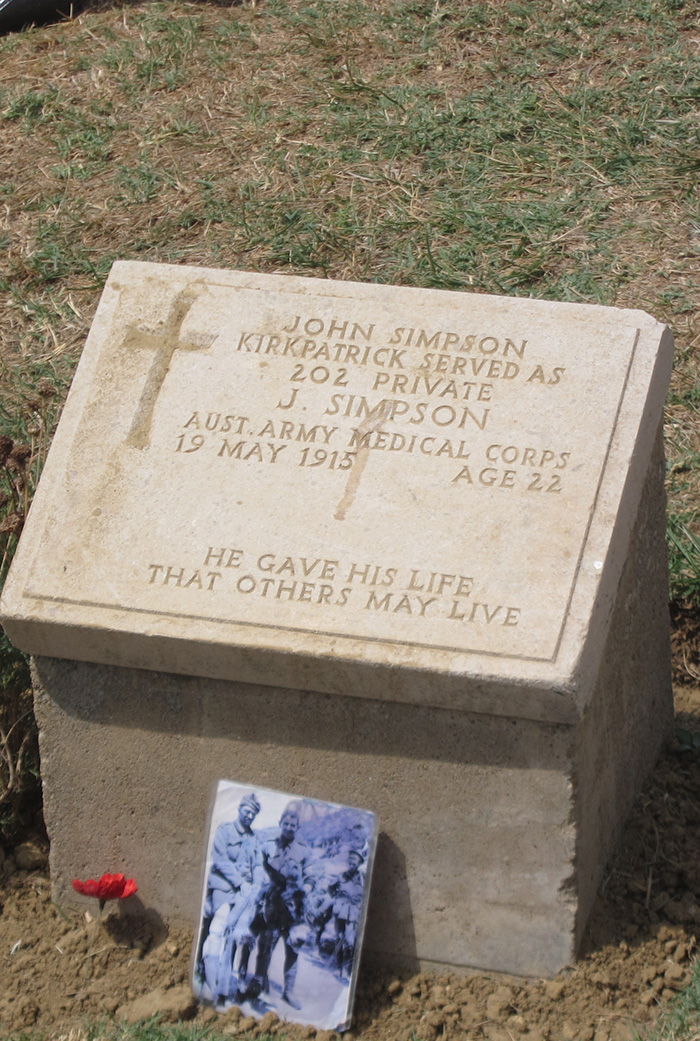
Cemeteries, graves and martyrs’ memorials are commemorative spaces. Follow local signs, remain on permitted paths and avoid disturbing memorial structures or battlefield remains.

Gallipoli Battlefield Visiting Hours and Best Time to Visit

Because Gallipoli is an extensive outdoor historical landscape rather than one enclosed attraction, there is no single daily opening schedule covering every stop. Museums, castles, exhibition areas and visitor facilities operate their own seasonal hours. For battlefield touring, plan your route for daylight and confirm current restrictions before departure.

Best Months Spring and autumn for comfortable walking and clearer battlefield exploration
Summer Hot, sunny and exposed; carry water, sun protection and a hat
Winter Wind, rain and cold conditions can make exposed ridges significantly harder to visit
25 April ANZAC Day involves major commemorations and special access arrangements
18 March A major Turkish national commemoration date connected with the Dardanelles naval victory
Recommended Start Begin early if you want to visit both the Anzac and southern battlefield sectors in one day

The peninsula is often windy, and conditions can change quickly. Even on warm days, exposed ridges such as Chunuk Bair may feel much cooler than sheltered areas. Around commemorative dates, roads and parking can also be regulated.

How to Get to the Gallipoli Battlefields

The core battlefield zone lies around Eceabat on the European side of the Dardanelles. The most practical way to explore the historical site is by private vehicle or guided tour because the memorials and battlefield sectors are spread across a large rural area.

From Istanbul

Gallipoli is reachable by road from Istanbul and is commonly visited on a long day trip. The drive is usually around four to five hours each way depending on traffic, route and stops.

From Çanakkale

Cross the Dardanelles by ferry to Eceabat or Kilitbahir, then continue into the historical site by road. Ferry schedules vary seasonally, so confirm current departures.

From Eceabat

Eceabat is the most convenient local base for the Anzac battlefield route and provides road access toward Kabatepe, Anzac Cove, Lone Pine, the 57th Regiment Memorial and Chunuk Bair.

By Guided Tour

A guided visit is strongly recommended for first-time visitors because the battlefield is geographically complex and many important positions are difficult to interpret without historical context.

Best One-Day Route for the Gallipoli Battlefields

If you have one day and want the classic Gallipoli experience, the most practical route focuses on the Anzac sector and the Sari Bair heights. Travelers with a deeper historical interest should add a second day for Helles, Seddülbahir and the major southern Turkish memorials.

1. Brighton Beach & Beach Cemetery Begin with the coastline and the southern edge of the Anzac position
2. Anzac Cove & Arıburnu Study the landing landscape and the steep ridges rising directly from the shore
3. Anzac Commemorative Site See the area used for the annual 25 April Dawn Service
4. Lone Pine Visit the Australian memorial and understand the August battle on Plateau 400
5. Johnston’s Jolly / Kırmızısırt Examine surviving trenches and the extremely close opposing front lines
6. 57th Regiment Memorial Explore one of the principal Turkish remembrance sites in the Anzac sector
7. The Nek Stand on the narrow ridge associated with the Australian Light Horse attack of 7 August
8. Chunuk Bair / Conkbayırı Finish on the strategic heights with New Zealand and Turkish memorials and panoramic battlefield views

Two-Day Gallipoli Battlefield Plan

A second day changes the experience completely. Instead of seeing only the best-known Anzac sites, you can understand the entire campaign across the northern and southern fronts.

Day 1 – Anzac & Sari Bair

Follow the classic route from Brighton Beach and Anzac Cove through Lone Pine, Johnston’s Jolly, the 57th Regiment Memorial, The Nek and Chunuk Bair.

Day 2 – Helles & Turkish Memorials

Explore Cape Helles, Seddülbahir, V Beach, the Helles Memorial, Alçıtepe, the French cemetery and the Çanakkale Martyrs’ Memorial.

Add the Dardanelles Forts

If time allows, include Kilitbahir and nearby Ottoman bastions to connect the land campaign with the naval battle for the strait.

Stay in Çanakkale or Eceabat

An overnight stay avoids repeating the long drive from Istanbul and gives the battlefield a more thoughtful pace.

How Much Time Do You Need at Gallipoli?

3–4 Hours

Enough for a compressed Anzac-sector visit covering the landing area and several major memorials, but too short for a detailed battlefield study.

Full Day

The best minimum for first-time visitors. You can follow the principal Anzac route without rushing every stop.

Two Days

Recommended for visitors who want the Anzac sector, Cape Helles, Turkish memorials, the French cemetery and a broader understanding of the campaign.

Three Days or More

Ideal for military-history enthusiasts, family research, walking routes, Suvla, lesser-known cemeteries, forts and battlefield archaeology.

Gallipoli Battlefield Visitor Tips

Go with Historical Context

The ridges and gullies can look peaceful today. A guide, battlefield map or reliable historical resource makes the terrain far easier to understand.

Do Not Visit Only Anzac Cove

The landing beach is important, but the campaign becomes clearer when you also see Lone Pine, the trenches and the commanding heights.

Consider Both Sides

Visit Turkish and Allied memorials. The battlefield is more meaningful when you understand the experiences and losses of the soldiers facing one another.

Wear Good Walking Shoes

Even though many sites are reached by road, uneven paths, slopes, cemetery steps and battlefield ground are common.

Carry Water

Facilities are not available at every stop, and summer heat can be intense on exposed ridges and open battlefield ground.

Protect Yourself from the Sun

A hat, sunscreen and light clothing are important during the warmer months, especially around exposed memorials and viewpoints.

Expect Wind

Chunuk Bair and other high positions can be noticeably colder and windier than the coast or sheltered valleys.

Check Ceremony Dates

Traffic and access can be very different around 18 March and 24–25 April, when major commemorative events take place.

Respect Cemeteries

Keep noise low, do not sit or climb on memorial structures, and remember that many visitors are here for personal remembrance.

Do Not Remove Battlefield Objects

Leave archaeological and military remains where they are. The historical landscape is protected and should be preserved intact.

Frequently Asked Questions About the Gallipoli Battlefields

Where are the Gallipoli Battlefields?

They are on the Gallipoli Peninsula in Çanakkale Province, on the European side of the Dardanelles. Eceabat is the most practical local gateway for the core battlefield routes.

Is Gallipoli a UNESCO World Heritage Site?

Not yet. The Çanakkale and Gallipoli battle zones have been on Türkiye’s UNESCO World Heritage Tentative List since 2014, but they are not currently a fully inscribed World Heritage Site.

Is Gallipoli still a national park?

The peninsula was historically protected as a national park, but in 2014 its national-park status was replaced by the Gallipoli Historical Site administration under a dedicated legal framework.

What happened at Gallipoli?

Allied forces attempted to break through the Dardanelles and defeat the Ottoman defenses. After the naval effort failed, Allied troops landed on the peninsula in April 1915. Months of fighting ended with an Allied evacuation and Ottoman victory.

When did the Gallipoli land campaign begin?

The major landings began on 25 April 1915. The wider Dardanelles campaign had already included important naval operations before that date.

When did the Gallipoli Campaign end?

The Anzac and Suvla sectors were evacuated in December 1915, and the final Allied forces left the Helles sector in early January 1916.

Why is 25 April important?

It marks the date of the 1915 Anzac landing and is commemorated as ANZAC Day in Australia and New Zealand. Annual services are held on the peninsula under special access arrangements.

Why is 18 March important in Türkiye?

It commemorates the Ottoman success against the major Allied naval attack through the Dardanelles on 18 March 1915 and is one of the principal remembrance dates associated with the Çanakkale battles.

What are the most important places to see at Gallipoli?

For a first visit, focus on Anzac Cove, Lone Pine, Johnston’s Jolly, the 57th Regiment Memorial, The Nek and Chunuk Bair. A more complete visit should also include Cape Helles, Seddülbahir and the Çanakkale Martyrs’ Memorial.

How long should I spend at Gallipoli?

A full day is the best minimum for most first-time visitors. Two days are much better if you want to include both the Anzac and southern battlefield sectors.

Can I visit Gallipoli from Istanbul in one day?

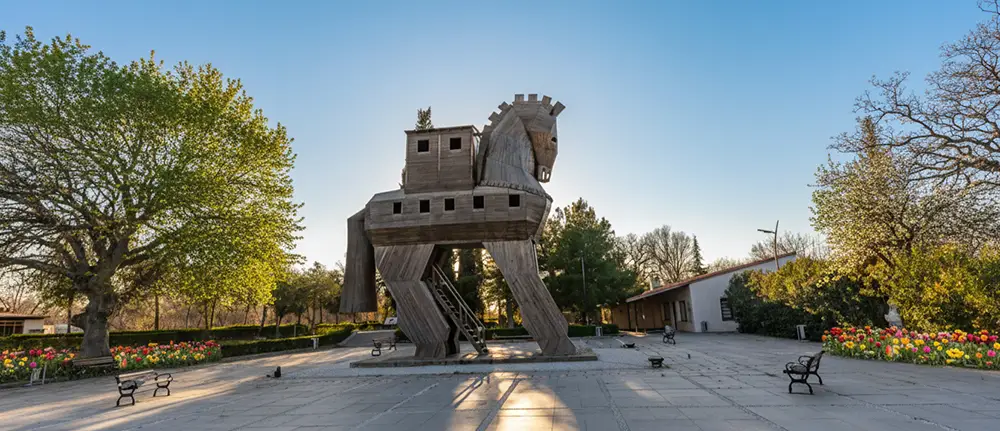
Yes. Day tours from Istanbul are common, although the road journey is long. Staying overnight in Çanakkale or Eceabat gives you more time and makes it easier to combine Gallipoli with Troy.

Do I need a guide at Gallipoli?

It is possible to visit independently, but a professional guide adds enormous value. Many positions are visually subtle, and understanding the relationship between the ridges, trenches, units and battle phases is difficult without context.

Is there an entrance fee for Gallipoli?

There is no single ticket covering the whole battlefield landscape. Individual museums, castles and exhibition areas may charge admission and operate separate schedules.

Is the 57th Regiment Cemetery the original burial ground?

The well-known 57th Regiment memorial cemetery visited today is a symbolic memorial complex. The original burial area is located elsewhere within the battlefield landscape.

Can I visit Anzac Cove on ANZAC Day?

Official 24–25 April commemorations use special registration, security, road and transport arrangements. Always check the current official requirements before planning an ANZAC Day visit.

Is Gallipoli suitable for children?

Yes for families with older children interested in history, but the subject is serious and some memorials may be emotionally intense. The visit also involves driving, walking and exposed outdoor conditions.

Can Gallipoli and Troy be visited together?

Yes. A two-day Gallipoli and Troy itinerary is one of the best ways to experience Çanakkale, combining First World War battlefield history with one of the world’s most famous archaeological sites.

Best Photo Spots at Gallipoli

Gallipoli is visually beautiful, but it is first and foremost a commemorative landscape. Photography should always remain respectful, especially around graves, ceremonies and visitors paying personal tribute.

Anzac Cove

The narrow shoreline beneath the steep ridges captures the geography that shaped the landing and the entire Anzac campaign.

Lone Pine

The memorial, cemetery and open plateau create one of the most recognizable and emotionally powerful views in the Anzac sector.

Johnston’s Jolly Trenches

Preserved trenches and scrub-covered battlefield ground provide strong visual context for the close-range fighting.

Chunuk Bair

The high ridge offers broad views across the battlefield terrain and helps visitors understand why control of the heights mattered so much.

Çanakkale Martyrs’ Memorial

The monumental structure above the Dardanelles is one of the defining images of the Gallipoli Historical Site.

Cape Helles

Coastal memorials, open sea and the southern tip of the peninsula create a very different visual character from the Anzac ridges.

Gallipoli Battlefield Tours from Istanbul

Visit the Gallipoli battlefields with professional guiding, organized transportation and the option to combine the peninsula with Troy and Çanakkale.

Short Gallipoli Tours

Choose a focused Gallipoli day tour or stay overnight and combine the battlefields with Ancient Troy.

Gallipoli, Troy & Longer Türkiye Journeys

Compare short historical packages or include Gallipoli in a wider private journey through western Türkiye.

World Heritage of Türkiye Tour including Gallipoli and Troy

World Heritage of Türkiye Tour

Explore major archaeological, cultural and historical destinations across Türkiye on a longer journey that includes Gallipoli and Troy among many of the country’s most important heritage landscapes.

View Tour