The Treasures, Layers and Legacy of Troy

Troy Museum – Complete Visitor Guide

Discover the archaeology of Troy and the wider Troad through remarkable treasures,
the Polyxena Sarcophagus, Bronze Age finds, interactive displays, and modern museum architecture.

Explore Troy Museum

Discover the Story Behind the Ruins of Troy

Standing beside the world-famous Archaeological Site of Troy near Tevfikiye Village in Çanakkale, Troy Museum is one of Türkiye’s most impressive modern archaeological museums. While the ancient ruins reveal walls, gates, streets, temples, and settlement layers, the museum brings those layers to life through the objects left behind by the people who lived across the Troad for thousands of years.

The museum presents far more than the story of the Trojan War. Its galleries explore the archaeology of the Troad, Bronze Age Troy, Homer’s Iliad, Greek and Roman Ilion, the Byzantine and Ottoman periods, the long history of excavations, and the continuing cultural memory of Troy. Highlights include the extraordinary Polyxena Sarcophagus, the Troas Golds, objects connected with the famous Troy treasures, sculpture, inscriptions, pottery, coins, grave goods, and finds from important ancient cities across northwestern Anatolia.

Beside Ancient Troy

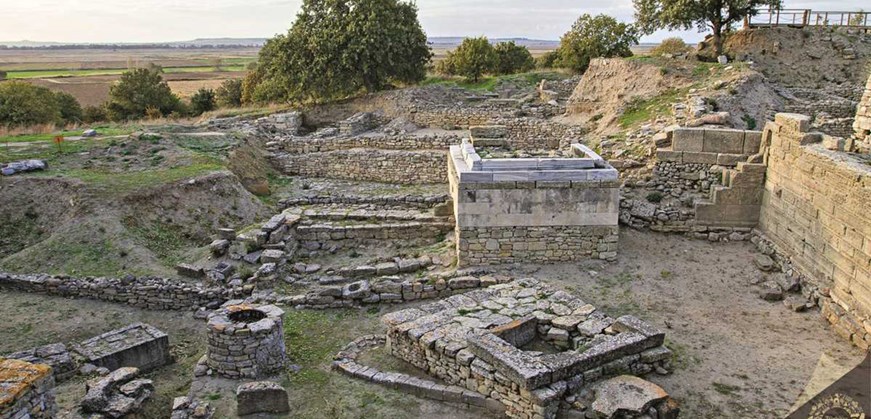
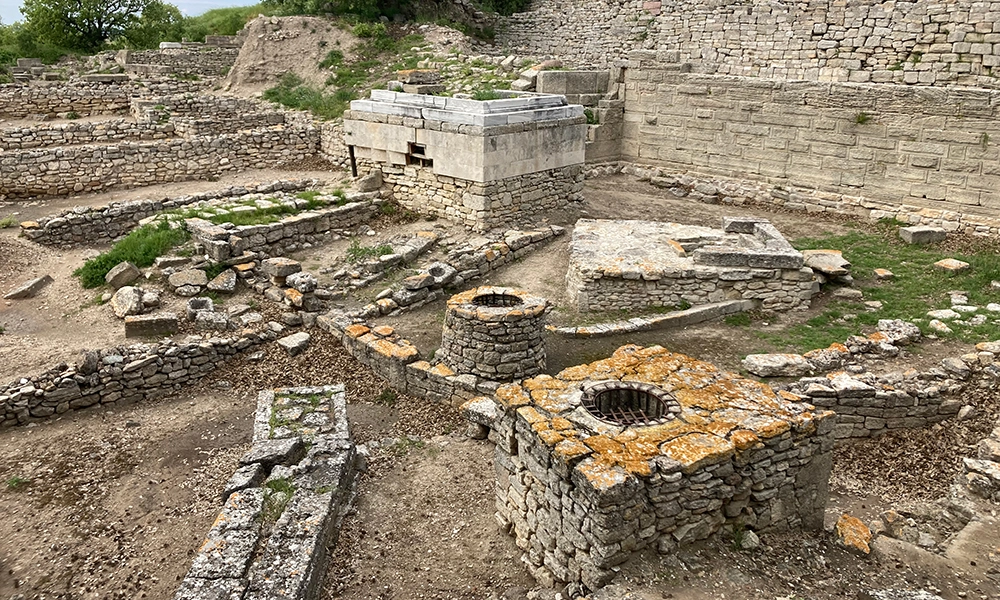
The museum stands at the entrance to the UNESCO-listed archaeological landscape of Troy, making it easy to visit both on the same day.

Outstanding Archaeological Collection

See finds from Troy and the wider Troad, including sarcophagi, gold objects, sculpture, inscriptions, ceramics, coins, and everyday objects.

Polyxena Sarcophagus

One of the museum’s masterpieces is the richly carved Archaic sarcophagus depicting scenes connected with Polyxena and ancient funerary ritual.

A Museum Built Like an Artefact

The weathering-steel building rises from the landscape with a deliberately monumental form that has become a landmark in its own right.

Plan Your Visit

Troy Museum – Quick Facts

Essential information for visiting Troy Museum and combining it with the Archaeological Site of Troy.

📍

Location

Tevfikiye Village, Çanakkale Province, beside the entrance to the Archaeological Site of Troy.

Open on Google Maps
🏛

Museum Type

Modern archaeological museum interpreting Troy, the Troad, Homeric tradition, excavations, and regional history.

Visit Duration

Allow approximately 1.5–2 hours for the museum, or around 3–4 hours when combining it with Ancient Troy.

📅

Opened

The museum began welcoming visitors in October 2018 and was officially opened in March 2019.


From Excavated Objects to a New Museum

The Story of Troy Museum

Troy Museum was created to bring together the archaeology of Troy and the wider Troad in the landscape where that history unfolded.

For more than a century, excavations at Troy and archaeological sites across the Troad produced an enormous range of finds. Many objects were previously displayed or stored in Çanakkale, while the archaeological site itself could be difficult for first-time visitors to interpret because thousands of years of settlement survive in overlapping layers.

A national architectural competition was organised in 2011 for a new museum close to Troy. The winning project, designed by Yalın Mimarlık, approached the museum not simply as a container for artefacts but as part of the archaeological landscape itself. Construction began in 2013, and the museum opened to visitors in October 2018 during the Year of Troy.

The museum has approximately 11,200 square metres of enclosed space, including around 3,000 square metres of exhibition halls. A long ramp system connects the galleries and reinforces the idea of moving through archaeological layers rather than simply walking from room to room.

The permanent exhibition follows seven broad themes: Archaeology of the Troad, Bronze Age Troy, the Iliad and Trojan War, Troy and Ilion in Antiquity, the Eastern Roman and Ottoman periods, the history of archaeology, and the continuing legacy of Troy. This makes the museum one of the best places to understand not only the famous city but the entire cultural landscape surrounding it.

International recognition followed quickly. Troy Museum received a Special Commendation in the European Museum of the Year Awards and later recognition from the European Museum Academy, helping establish it as one of Türkiye’s most important contemporary archaeological museums.


What to See

Top Highlights of Troy Museum

The collection ranges from prehistoric tools and Bronze Age pottery to monumental sculpture, gold jewellery, sarcophagi, inscriptions, coins, and interactive displays.

Polyxena Sarcophagus

One of the museum’s greatest masterpieces, the Polyxena Sarcophagus was discovered in 1994 in the Kızöldün Tumulus near Gümüşçay in the Biga district. Dating to approximately 520–500 BC, it is among the earliest known figurative stone sarcophagi from Anatolia. One side depicts the sacrifice of Polyxena, the daughter of Priam and Hecuba in the Trojan legendary tradition.

  • Date: Late 6th century BC
  • Discovery: Kızöldün Tumulus, 1994
  • Look for: Detailed relief scenes and the remarkable sequence of human figures

Troas Golds

A specially illuminated gallery presents exquisite gold objects from the Troad. These pieces reveal the wealth, craftsmanship, trade connections, and changing artistic traditions of northwestern Anatolia from the Bronze Age into later antiquity.

  • Material: Gold jewellery and precious objects
  • Importance: Evidence of elite culture and long-distance connections
  • Display: Presented in a dedicated, carefully lit gallery

The Troy Treasures Story

The museum explains the famous story of the treasures removed from Troy by Heinrich Schliemann and the continuing debates over archaeological ownership and cultural heritage. Some gold objects associated with Troy remained in Türkiye, while another group identified as originating from Troy was returned from the University of Pennsylvania Museum in 2012.

  • Theme: Archaeology, collecting, repatriation, and cultural heritage
  • Historical figure: Heinrich Schliemann
  • Why it matters: Shows how attitudes toward excavated heritage have changed

Bronze Age Troy

Pottery, tools, weapons, ornaments, architectural models, and multimedia presentations help explain the development of Troy from its earliest settlements through the powerful fortified cities of the Bronze Age. This section is especially useful before walking through the ruins.

  • Focus: Troy’s settlement layers and changing urban life
  • Topics: Craft, trade, domestic life, warfare, and maritime connections
  • Best for: Understanding Troy II, Troy VI, and Troy VII

Altıkulaç Sarcophagus

The Altıkulaç Sarcophagus is one of the important monuments illustrating life and elite culture in the Troad during the period of Persian rule. Its sculpted scenes provide a valuable window into the cultural mixture that characterised northwestern Anatolia in the first millennium BC.

  • Context: Persian-period Troad
  • Type: Monumental stone sarcophagus
  • Importance: Regional art, identity, and elite funerary culture

Parion Kentauros / Triton Statue

Excavated at the ancient city of Parion in 2012, this imposing Roman marble sculpture is one of the museum’s most striking large-scale works. The surviving fragments demonstrate the ambition and quality of Roman sculpture in the cities of the Troad.

  • Period: Roman, 2nd century AD
  • Findspot: Parion theatre
  • Feature: Monumental marble sculpture

Archaic Kouros

An Archaic marble kouros from the Lapseki area represents the artistic world of the Troad in the 6th century BC. Its frontal stance, stylised hair, and carefully controlled proportions connect the region with the wider visual culture of the ancient Aegean.

  • Period: Archaic, 6th century BC
  • Material: White marble
  • Origin: Lapseki area, Çanakkale

Interactive Displays and Reconstructions

Troy Museum uses touchscreens, maps, models, dioramas, projections, animated sequences, and visual reconstructions to make complex archaeological information easier to understand. These displays are particularly helpful for visualising lost buildings and following the chronology of Troy.

  • Formats: Touchscreens, models, projections, and animation
  • Purpose: Explain chronology, archaeology, mythology, and lost architecture
  • Ideal for: Families and first-time visitors

The Architecture of Troy Museum

Troy Museum is memorable before you even enter it. Designed by Yalın Mimarlık following a national architectural competition, the museum is conceived as a powerful object emerging from the archaeological landscape. Its weathering-steel exterior gradually develops a rust-coloured surface that echoes the earth tones of the Troad.

Weathering-Steel Exterior

The reddish-brown metal skin gives the building the appearance of an enormous object aged by time and lifted from the surrounding earth.

Long Ramp Sequence

A ramp system of roughly 480 metres connects the exhibition levels and turns movement through the building into part of the museum experience.

Landscape Integration

Much of the arrival sequence is embedded into the terrain, allowing the main cubic volume to rise dramatically above the archaeological plain.

Controlled Light

Concrete interiors, vertical openings, focused gallery lighting, and dark display elements create a strong contrast around monumental antiquities.

The architecture works particularly well for Troy because the site itself is understood through layers. As visitors move between floors and ramps, the building continually reinforces the idea of excavation, stratigraphy, time, and the recovery of objects from below the ground.

Troy Museum Floors and Exhibition Route

The museum is organised as a chronological and thematic journey. Rather than focusing only on Homer, it begins with the archaeology of the wider Troad and gradually connects Troy with myth, classical civilisation, later history, and the story of archaeological discovery.

Ground Floor – Archaeology of the Troad

Begin with the geography and ancient cities of the region, including Assos, Tenedos, Parion, Alexandria Troas, Smintheion, Lampsakos, Dardanos, and other settlements. Important regional finds, tumulus material, sarcophagi, and the Troas Golds introduce the cultural richness of the landscape.

First Floor – Bronze Age Troy

Follow Troy’s development through its prehistoric and Bronze Age settlement phases. Displays explore daily life, craft production, architecture, maritime trade, pottery, weapons, and the changing character of the fortified city.

Second Floor – Iliad, War and Classical Troy

Explore how the Trojan War tradition shaped art, religion, politics, and cultural memory from the Archaic period into Greek and Roman times. Coins, pottery, marble sculpture, models, maps, and digital displays connect literary Troy with historical Ilion.

Third Floor – Later Troy and Archaeology

The upper galleries examine later settlement in the Troad, the Byzantine and Ottoman periods, travellers searching for Troy, and the excavations of Calvert, Schliemann, Dörpfeld, Blegen, Korfmann, and later archaeological teams.

The Polyxena Sarcophagus

The Polyxena Sarcophagus is one of the most extraordinary objects in Troy Museum. It was uncovered in 1994 during a rescue excavation at the Kızöldün Tumulus near Gümüşçay, roughly 110 kilometres from central Çanakkale. Dating to approximately 520–500 BC, it belongs to the period when the Troad was under Persian influence.

The Sacrifice of Polyxena

One long side depicts the sacrifice of Polyxena, daughter of the Trojan king Priam and Queen Hecuba, showing how the memory of the Trojan War remained powerful centuries after the Bronze Age.

37 Human Figures

The carved decoration includes an unusually rich sequence of figures spread across several connected scenes, making the sarcophagus exceptional both artistically and narratively.

Myth Meets Local Identity

The monument demonstrates how communities in the Troad continued to use Trojan stories as part of their cultural identity during the Archaic period.

More Than a Mythological Scene

Other carved scenes include ceremonial and social imagery, allowing the monument to be read as both a work of funerary art and a record of elite culture.

Take time to walk around the sarcophagus rather than viewing only the most famous side. The narrative unfolds across multiple faces, and the changing light reveals details in clothing, gesture, musicians, attendants, and ritual action that are easy to miss at first glance.

How the Museum Explains the Trojan War

One of Troy Museum’s strengths is that it does not treat the Trojan War as a simple historical event that archaeology has proved. Instead, it shows how a real Bronze Age city, layers of destruction, centuries of oral tradition, Homeric poetry, ancient religion, political memory, and later art gradually became intertwined.

Homer and the Iliad

Displays introduce the poet, characters, places, and episodes associated with the Iliad while explaining the long tradition through which the epic developed.

Historical Troy

Bronze Age artefacts and settlement models show what is archaeologically known about the real communities that lived at Hisarlık.

Later Memory

Greek and Roman societies treated Troy as a place of heroic memory, pilgrimage, political symbolism, and cultural prestige long after the Bronze Age city had disappeared.

Digital Storytelling

Animations, reconstructions, maps, and visual presentations make it easier to distinguish the epic tradition from the evidence uncovered by archaeology.

From Calvert and Schliemann to Modern Archaeology

The history of Troy’s excavation is almost as famous as Troy itself. The museum gives important space to the people who searched for the ancient city, the discoveries they made, the mistakes they committed, and the changing archaeological methods that transformed the study of Hisarlık.

Frank Calvert

Calvert recognised the archaeological importance of Hisarlık and supported its identification with Troy before Schliemann’s famous excavation campaigns.

Heinrich Schliemann

Schliemann brought worldwide attention to Troy in the 1870s, but his aggressive excavation methods destroyed important contexts and his removal of treasures remains controversial.

Dörpfeld and Blegen

Wilhelm Dörpfeld and Carl Blegen refined Troy’s architectural and chronological sequence and helped establish a more systematic understanding of the settlement layers.

Modern Research

Later projects led by Manfred Korfmann and modern Turkish teams expanded research into the lower city, landscape, conservation, scientific analysis, and heritage management.

This section is especially valuable because it turns Troy into a lesson in the development of archaeology itself—from nineteenth-century treasure hunting to stratigraphic excavation, conservation, scientific dating, and modern debates about ownership and repatriation.

Troy Museum Entrance Ticket

Troy Museum is operated under Türkiye’s Ministry of Culture and Tourism. According to the current official ticket listing, the international visitor ticket is €27, and the same ticket is also valid for entry to the Archaeological Site of Troy. Prices and ticket conditions can change, so always confirm the official listing shortly before your visit.

Current International Ticket

€27 according to the current official museum listing.

Troy Archaeological Site Included

The current official ticket information states that the Troy Museum ticket is also valid for entry to the Archaeological Site of Troy.

Müzekart

Müzekart is accepted for eligible Turkish citizens according to current Ministry rules.

Combined Regional Ticket

An official combined ticket product may also be available for Troy Archaeological Site, Troy Museum, and Assos Archaeological Site with limited validity.

Because museum prices and combined-ticket products can be revised, check the official muze.gov.tr information before travelling rather than relying on an older screenshot or third-party price list.

Troy Museum Opening Hours and Best Time to Visit

The current official Ministry listing shows Troy Museum open every day. Seasonal schedules can change, so check again close to your travel date, especially in winter or around public holidays.

Current Opening Time 08:30
Current Closing Time 20:00
Current Ticket Office Closing 19:30
Closed Days Currently listed as open every day
Recommended Museum Time Approximately 1.5–2 hours
Best Visiting Order Museum first, then Ancient Troy, especially for first-time visitors

Unlike the archaeological site, most of the museum visit takes place indoors, making it a very good choice during the hottest part of a summer day or during poor weather. If you plan to see both places, an early museum visit followed by the ruins can give you useful context before you encounter Troy’s complex walls and settlement layers.

How to Get to Troy Museum

Troy Museum is located at Tevfikiye Village, beside the entrance to the Archaeological Site of Troy and approximately 30 kilometres from central Çanakkale. Road transport is the normal way to reach the museum.

From Çanakkale

The drive normally takes around 30–40 minutes, depending on your starting point and traffic.

By Minibus

Local minibus services connect Çanakkale with the Tevfikiye and Troy area. Schedules and departure points can change, so confirm locally.

By Private Vehicle

A private car or transfer is the easiest option if you want to combine the museum with Troy, Assos, Alexandria Troas, or other sites in the Troad.

From Istanbul

Troy can be visited on a long day trip from Istanbul, although staying overnight in Çanakkale allows more time for the museum, ruins, and Gallipoli.

The official museum address is Merkez İlçe, Tevfikiye Köyü, Truva 6 Sokak No:12, Çanakkale. If using navigation, search for “Troya Müzesi” rather than simply “Troy,” as the museum and archaeological-site entrances are separate points within the same visitor area.

Best Route for Visiting Troy Museum

The museum is designed as a narrative journey. For a first visit, follow the exhibition sequence rather than jumping directly to the most famous objects.

1. Orientation and Archaeology Begin with the introductory displays explaining the Troad, archaeological terminology, chronology, dating, conservation, and the idea of settlement layers
2. Archaeology of the Troad Explore regional cities, tumuli, sculptures, the Altıkulaç Sarcophagus, and the Troas Golds
3. Bronze Age Troy Study Troy’s settlement sequence, daily life, craft, maritime trade, pottery, and fortifications before visiting the ruins
4. Polyxena Sarcophagus Spend extra time walking around the sarcophagus and reading the connected relief scenes
5. Iliad and Classical Troy Follow the transformation of Troy from Bronze Age settlement into a legendary place of memory for Greeks and Romans
6. Excavation History Finish with Calvert, Schliemann, Dörpfeld, Blegen, Korfmann, modern archaeology, and the story of the Troy treasures
7. Continue to Ancient Troy Walk or drive to the archaeological site and use what you have learned to identify the layers, walls, ramp, trench, sanctuary, and Odeon

Troy Museum or Ancient Troy First?

For most first-time visitors, visiting Troy Museum before the archaeological site is the better order. Troy’s ruins are fascinating but visually complex: walls from different periods overlap, many ancient buildings survive only at foundation level, and the famous layers can be difficult to distinguish without context.

Museum First

Best if you want to understand the chronology, see reconstructions, learn the settlement sequence, and recognise key features once you enter the ruins.

Ruins First

Works well if you prefer to experience the landscape without too much information and then use the museum to answer questions raised by the site.

With a Professional Guide

A guide can connect objects in the museum directly with the walls, gates, settlement layers, mythology, and excavation history at Troy.

Best Overall Experience

Allow enough time for both. The museum and archaeological site complement one another rather than competing for attention.

Troy Museum Visitor Tips

Do Not Rush the Ground Floor

The wider Troad is essential to understanding Troy. Regional finds show that the famous city was part of a much larger cultural and trading landscape.

Allow at Least 90 Minutes

A fast walk-through misses much of the museum’s value. Give yourself time for the large objects, chronological displays, and multimedia sections.

Visit Before Ancient Troy

For first-time visitors, the museum’s models and layer-by-layer interpretation make the archaeological site much easier to understand.

Use the Audio Guide

The official listing confirms that audio-guidance service is available, which can add useful context if you are visiting independently.

Look Beyond the Trojan War

Some of the museum’s greatest treasures come from Assos, Parion, Dardanos, Lapseki, tumuli, and other places across the Troad.

Study the Polyxena Sarcophagus from Every Side

The famous sacrifice scene is only part of the monument. Walk around it to follow the complete carved programme.

Check Current Hours and Tickets

Official schedules, ticket products, and prices may change during the year, so confirm them shortly before travelling.

Save Energy for the Ruins

If you are visiting both on a hot summer day, remember that Ancient Troy is largely outdoors with limited shade.

Frequently Asked Questions About Troy Museum

Where is Troy Museum?

Troy Museum is in Tevfikiye Village in Çanakkale Province, beside the entrance to the Archaeological Site of Troy and approximately 30 kilometres from central Çanakkale.

Is Troy Museum the same as Ancient Troy?

No. Troy Museum is a modern archaeological museum displaying finds and explaining the history of Troy and the Troad. Ancient Troy is the nearby open-air archaeological site at Hisarlık.

Is Troy Museum worth visiting?

Yes. It is strongly recommended, especially for first-time visitors, because it explains Troy’s chronology and displays the objects, reconstructions, and excavation history that cannot be understood from the ruins alone.

How long should I spend at Troy Museum?

Allow approximately 1.5–2 hours for a good visit. Archaeology enthusiasts may easily spend longer.

How long do I need for Troy Museum and Ancient Troy together?

Plan approximately 3–4 hours for both, and longer if you prefer a slow museum visit, detailed photography, or a guided tour.

What are Troy Museum’s current opening hours?

The current official listing shows opening at 08:30, closing at 20:00, and ticket-office closing at 19:30. Always recheck before travelling because seasonal hours can change.

Is Troy Museum open every day?

The current official Ministry listing states that the museum is open every day. Special holiday arrangements may still apply.

How much is the Troy Museum ticket?

The current official international visitor price is €27. The official listing states that this ticket is also valid for the Archaeological Site of Troy. Prices can change, so confirm before your visit.

Is Müzekart valid at Troy Museum?

Yes, the official listing states that Müzekart is valid for eligible Turkish citizens according to current Ministry conditions.

Should I visit the museum before Ancient Troy?

For most first-time visitors, yes. Seeing the museum first makes Troy’s complicated settlement layers, walls, and archaeological phases much easier to recognise at the ruins.

What is the most famous object in Troy Museum?

The Polyxena Sarcophagus is one of the museum’s signature masterpieces, although the Troas Golds, regional sarcophagi, sculpture, Bronze Age finds, and Troy-related treasures are also major highlights.

Is Priam’s Treasure in Troy Museum?

The complete collection traditionally called “Priam’s Treasure” is not in the museum. Troy Museum instead explains Schliemann’s discovery and removal of the treasures and displays related gold objects, including pieces from Troy that remained in Türkiye or were later returned.

Does the museum only contain objects from Troy?

No. The museum tells the story of the entire Troad and includes finds from places such as Assos, Parion, Alexandria Troas, Dardanos, Lapseki, regional tumuli, and other ancient settlements.

Is there an audio guide?

Yes. The current official museum information lists audio-guidance service as available.

Is Troy Museum suitable for children?

Yes. Models, multimedia presentations, reconstructions, touchscreens, large sculptures, and the Trojan War story can make the museum engaging for families, especially when the visit is kept at an appropriate pace.

Can I visit Troy Museum from Istanbul in one day?

Yes, organised day trips can combine Istanbul and Troy, but the journey is long. An overnight stay in Çanakkale gives you more time for both the museum and archaeological site and makes it easier to include Gallipoli.

When did Troy Museum open?

The museum began receiving visitors in October 2018 and was officially opened on 18 March 2019.

Best Photo Spots at Troy Museum

Troy Museum combines monumental archaeology with striking contemporary architecture. Always follow the museum’s current photography rules and any restrictions around individual displays.

Weathering-Steel Exterior

The rust-coloured cubic museum rising from the open Troad landscape is the building’s defining architectural image.

Entrance Ramp

The descending approach creates strong geometric compositions with concrete walls, landscape, and the museum volume above.

Polyxena Sarcophagus

The monumental sarcophagus is dramatically displayed and offers exceptional close-up details of Archaic relief sculpture.

Main Gallery Interior

Large antiquities, exposed concrete, tall vertical openings, and suspended lighting create some of the museum’s most atmospheric interior views.

Troas Golds Gallery

The carefully controlled lighting around precious objects provides a very different visual experience from the monumental sculpture halls.

Museum Garden

Stone monuments, sarcophagi, columns, stelae, and architectural fragments continue the archaeological experience outdoors.

Troy Museum & Ancient Troy Tours

Combine Troy Museum with the legendary archaeological site, Çanakkale, Gallipoli, or a wider western Türkiye journey.

Short Tours to Troy

Choose a focused Troy day trip or combine Troy and Gallipoli over two days for a more complete Çanakkale experience.

1 Day Group Troy Tour from Istanbul

1 Day Group Troy Tour from Istanbul

Travel from Istanbul to Troy for a guided exploration of the legendary archaeological site. Depending on the programme and available time, Troy Museum can provide valuable additional context for the ruins and the Trojan War tradition.

View Tour

Private and Longer Türkiye Journeys

Add Troy Museum and Ancient Troy to a custom western Türkiye route or a longer itinerary connecting UNESCO sites and historic landscapes.