Natural Hot Springs, Thermal Wellness & Aegean Landscapes

Germencik Thermal Springs – Complete Aydın Visitor Guide

Discover the mineral-rich thermal waters of Germencik,
where centuries-old bathing traditions meet the peaceful landscapes of western Türkiye.

Explore Germencik Thermal Springs

Germencik Thermal Springs – Aegean Türkiye's Natural Hot Water Heritage

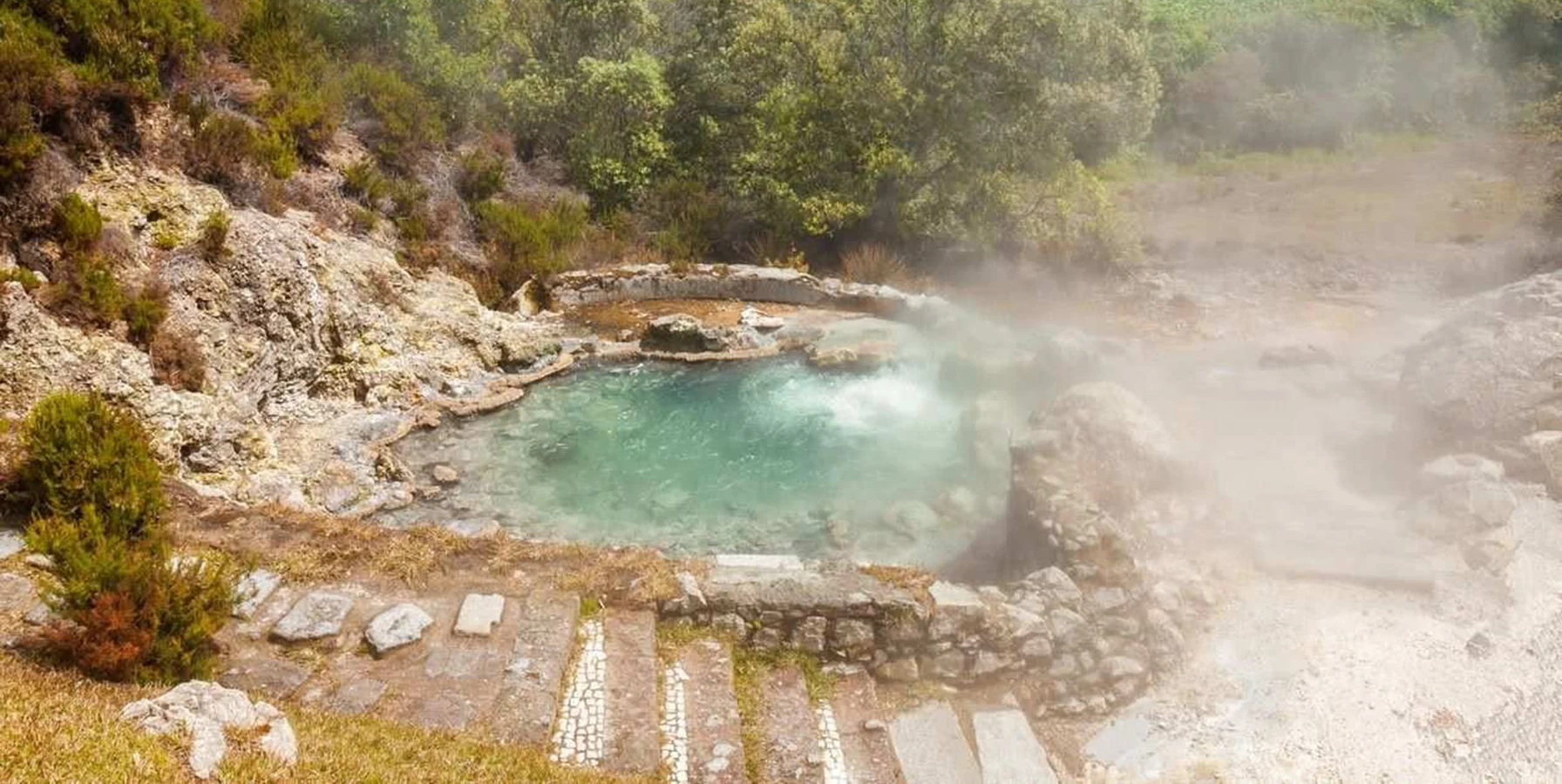
In the fertile landscape of western Türkiye, where the Büyük Menderes Valley meets the foothills of the Aydın Mountains, lies one of the region's most interesting geothermal areas. The Germencik Thermal Springs have attracted attention for generations because of their naturally heated mineral waters, traditional bathing culture and connection with the geological forces shaping the Aegean region.

Situated in Aydın Province, the district of Germencik is particularly associated with the thermal waters of Alangüllü–Bozköy and Gümüşköy. These locations form part of a wider geothermal landscape in which underground heat, mineral-rich water and geological fault systems have influenced both the natural environment and human activity.

The best-known thermal destination is Alangüllü Kaplıcası, also called Bozköy Thermal Springs. Located approximately 10 kilometers north of Germencik town, the springs occupy a green setting near Gümüş Mountain. The area combines traditional thermal bathing with a historic bathhouse known as Çelik Hamamı or Meryem Ana Hamamı.

Although Germencik's thermal waters have traditionally been associated with physical relaxation and bathing-based wellness practices, the area's appeal extends beyond its baths. Visitors can discover rural Aegean scenery, fig orchards, nearby ancient cities and the fascinating geology of the Büyük Menderes Basin.

Today, a visit to Germencik can be incorporated into a broader cultural itinerary through Aydın, Söke, Selçuk and the surrounding countryside. Whether you are planning a relaxing thermal break or exploring the natural and historical heritage of western Anatolia, Germencik offers a different perspective on the Aegean region.

Natural Thermal Waters

Discover mineral-rich geothermal springs associated with the Büyük Menderes geological basin.

Alangüllü–Bozköy

Explore Germencik's best-known thermal area in the foothills of Gümüş Mountain.

Historical Bathing Heritage

Learn about the traditional Meryem Ana Hamamı and the long history of thermal bathing.

Aegean Wellness Escape

Combine warm mineral-water bathing with rural scenery, archaeology and local culture.

Know Before You Go

Germencik Thermal Springs – Quick Facts

Essential information about the geothermal springs, historic baths and thermal landscapes of Germencik in Aydın Province.

📍

Location

Germencik district, Aydın Province, western Türkiye. Alangüllü is approximately 10 km north of Germencik town.

View Location on Maps
♨️

Main Thermal Area

Alangüllü–Bozköy Thermal Springs, situated near Gümüş Mountain in a wooded environment.

💧

Water Characteristics

Naturally heated, mineral-rich water containing sodium, chloride and bicarbonate components.

🏛️

Historical Landmark

Çelik Hamamı, commonly known today as Meryem Ana Hamamı, is associated with the area's bathing heritage.

🌿

Natural Setting

Foothills, wooded landscapes, farmland and the geological environment of the Büyük Menderes Basin.

⏱️

Suggested Visit

Allow 2–4 hours for a thermal experience, or a full day when combining bathing with nearby cultural attractions.


A Natural Treasure Beneath the Aegean Landscape

Why Are Germencik Thermal Springs Important?

Germencik's thermal waters reveal the remarkable connection between geology, traditional bathing culture and modern wellness tourism.

Western Anatolia is one of Türkiye's most important geothermal regions, and Germencik occupies a notable position within this geological landscape. The area's natural hot springs are closely related to underground heat and the tectonic structures of the Büyük Menderes Graben.

For visitors, the springs represent more than naturally heated water. They form part of a longstanding tradition in which communities have valued mineral springs as places for bathing, rest and social activity.

The Alangüllü thermal area is especially significant because it combines mineral-water resources, historic bathing structures and contemporary facilities. The presence of the historical Çelik or Meryem Ana Hamamı provides an important cultural dimension to the geothermal landscape.

Germencik also illustrates how the same underground geological processes can support different activities. Geothermal resources in the wider district are important for energy production, while selected thermal waters are used in bathing and wellness facilities.

For travelers interested in lesser-known destinations, Germencik offers an opportunity to explore a side of Aydın that is often overshadowed by famous archaeological sites and coastal resorts.

Where Are the Germencik Thermal Springs?

The name Germencik Thermal Springs refers to several geothermal locations within the wider district rather than one single spring or publicly accessible thermal complex.

The most important locations for understanding the district's traditional thermal tourism are Alangüllü–Bozköy and Gümüşköy. Historical sources also identify mud-bathing areas around Çamurluılıca.

Alangüllü Thermal Springs

The principal thermal tourism area near Bozköy, known for mineral-rich hot water, wooded surroundings and a longstanding bathing tradition.

Bozköy Thermal Area

The locality containing the well-known Alangüllü springs, thermal facilities and historic bathing heritage.

Gümüş Thermal Springs

A separate geothermal spring area associated with Gümüşköy and the Ortaklar region of Germencik.

Çamurluılıca

A historical thermal locality identified in geological studies, traditionally associated with warm mineral water and mud-bathing practices.

Important distinction: These names do not necessarily represent four separate operating resorts. Alangüllü and Bozköy refer to closely associated locations, while the wider Germencik geothermal area includes additional springs and industrial geothermal installations. Public bathing access must be confirmed individually.

Alangüllü Thermal Springs – The Heart of Germencik's Thermal Heritage

Alangüllü Kaplıcası, also encountered under the names Alangüllü–Bozköy and Elengüllü, is the best-known traditional thermal spring destination in the Germencik district.

The springs are situated approximately 10 kilometers north of Germencik town, near the foothills of Gümüş Mountain. The surrounding landscape forms part of the northern margin of the Büyük Menderes Basin, where lowland agricultural scenery gradually gives way to wooded mountain slopes.

The area's natural hot water has attracted interest because of its mineral composition and suitability for regulated thermal bathing applications. Historical geological surveys documented several hot-water sources with differing temperatures and characteristics.

Unlike a simple roadside spring, Alangüllü developed a more established bathing tradition, with accommodation, pools and facilities appearing in different forms over time.

A particular feature is the presence of the historic Çelik Hamamı, also known as Meryem Ana Hamamı, which connects the site's natural water resources with its architectural and cultural history.

Gümüş Mountain Foothills

The springs occupy an attractive landscape at the transition between the Büyük Menderes plain and the Aydın Mountains.

Mineral-Rich Water

The thermal water is classified in official tourism documentation as a mixed sodium-chloride and bicarbonate mineral water.

Historic Bathhouse

The traditional Meryem Ana Hamamı gives the thermal locality an additional historical character.

Thermal Facilities

Developed bathing and accommodation facilities have operated in the area. Current services should be checked directly with the facility.

Quiet Rural Setting

Wooded slopes and agricultural landscapes create a distinctive alternative to coastal resort environments.

Wellness Traditions

Warm mineral-water bathing has long been associated with relaxation and traditional thermal practices.

Gümüş Thermal Springs – The Lesser-Known Springs Near Ortaklar

In addition to Alangüllü, Germencik is associated with the Gümüş Thermal Springs, located in the broader Gümüşköy and Ortaklar area.

The springs are sometimes called Gümüş Kaplıcası or Gümüşlü Kaplıcası. Historical descriptions place them near the foothills of Gümüş Mountain, approximately six kilometers from Ortaklar.

Gümüş is generally less prominent in regional tourism promotion than Alangüllü, but it forms another important part of the district's documented geothermal heritage.

Geological and tourism publications have described multiple natural sources in the area, with mineral-water characteristics that differ from those of other thermal fields.

The springs help demonstrate that geothermal activity in Germencik is distributed across a broad geological environment rather than concentrated exclusively at one tourist resort.

Ortaklar Region

The traditional spring area is associated with Gümüşköy and the countryside around Ortaklar.

Multiple Water Sources

Historical descriptions identify several distinct springs, with temperatures and mineral characteristics varying by source.

Geological Interest

The locality contributes to the broader understanding of geothermal resources in the Büyük Menderes region.

Traditional Bathing

The area has a history of local thermal-water use, although modern visitor services may differ considerably from older descriptions.

Before traveling to Gümüş: Do not assume that historical references to a thermal spring mean there is currently a staffed, publicly accessible bathing establishment. Confirm operational status, access and available facilities locally.

Çamurluılıca and the Mud Springs of Germencik

The Germencik area also has a historical connection with Çamurluılıca, a geothermal locality whose name refers to muddy or mud-associated warm springs.

Geological investigations undertaken by Türkiye's Mineral Research and Exploration authority examined hot-water sources in both Çamurluılıca and the Bozköy thermal area.

These investigations demonstrated the presence of naturally hot water associated with geological fault systems and the complex underground structure of western Anatolia.

Mud-related thermal practices belong to the wider tradition of peloid therapy, in which specially prepared therapeutic mud is used in regulated wellness or medical settings.

However, not every naturally occurring muddy spring is suitable for bathing, and untreated geothermal mud should not be assumed to be safe for direct application to the skin.

Historical Thermal Locality

Çamurluılıca is documented in studies of the northern Germencik geothermal landscape.

Geothermal Mud

Thermal environments can produce mineral-rich sediments and mud deposits with varying compositions.

Peloid Applications

Regulated facilities may provide specialist mud-based applications according to their available services and permits.

Visitor Safety

Use only supervised treatments offered by properly managed facilities; avoid unknown natural mud deposits.

Health and safety: Mineral content does not automatically make geothermal mud beneficial or safe. Never apply unknown sediment to broken skin, use untreated mud in sensitive areas or enter uncontrolled geothermal pools.

History of the Germencik Thermal Springs

The thermal waters of Germencik belong to a region with a long history of human settlement and changing cultural traditions. Western Anatolia was home to ancient Carian and Ionian communities, followed by Hellenistic, Roman, Byzantine, Turkish and Ottoman societies.

Across the ancient Mediterranean world, naturally heated water played an important role in bathing and social life. Roman bathing culture in particular encouraged the development of elaborate bathhouses in many parts of Anatolia.

Although the general history of thermal bathing in western Anatolia reaches deep into antiquity, claims that every Germencik spring has been used continuously since Roman times should be treated cautiously unless supported by site-specific archaeological evidence.

At Alangüllü, the historic Çelik Hamamı provides more direct evidence of an established local bathing tradition. Research into the site discusses possible medieval use of the thermal waters, while the precise architectural chronology of individual surviving structures remains a subject requiring care.

During the twentieth century, thermal bathing continued to attract regional visitors. Historical accounts describe comparatively simple facilities and periods when guests stayed in temporary accommodation near the springs.

As thermal tourism developed, larger bathing and accommodation establishments emerged. Scientific investigations, mineral-water analyses and government licensing procedures contributed to the modern understanding of the area's resources.

Ancient Anatolia

The wider region develops as an important cultural landscape, although individual spring-use chronologies require archaeological verification.

Medieval Traditions

The historical Çelik Hamamı is associated with the longstanding use of Alangüllü's natural hot water.

Ottoman and Local Bathing Culture

Traditional bathing practices form part of the wider regional heritage of Anatolian thermal springs.

Twentieth-Century Visitors

Local residents and regional travelers continued to use thermal waters, sometimes with modest accommodation facilities.

Scientific Investigation

Hydrogeological surveys documented hot-water sources, geological structures and mineral characteristics.

Modern Thermal Tourism

Developed thermal facilities introduced pools, accommodation and additional visitor services to the area.

Meryem Ana Hamamı – The Historic Bathhouse of Alangüllü

Among Germencik's most distinctive thermal landmarks is the historical bath known as Çelik Hamamı, commonly referred to as Meryem Ana Hamamı.

Located within the Alangüllü–Bozköy thermal area, the bathhouse provides a tangible connection between the natural hot-water sources and earlier generations who used them.

Unlike a modern swimming pool, a traditional thermal bath reflects architectural and social customs connected with bathing, water management and shared community experiences.

Research on Alangüllü identifies the historic bath as an important part of the site's tourism and cultural value. The structure is also recognized in Germencik Municipality's presentation of local historical places.

Visitors should distinguish the bathhouse from the famous House of the Virgin Mary near Ephesus. Despite the similarity in names, they are separate historical locations with different functions.

Alternative Name

The bath is traditionally called Çelik Hamamı and is also known as Meryem Ana Hamamı.

Historical Character

The bathhouse is associated with the older bathing traditions of the Alangüllü thermal locality.

Architectural Interest

Its importance lies in preserving a historical dimension within a landscape now also occupied by modern facilities.

Visiting Arrangements

Ask the current facility operator whether the historical bath is accessible, in use or available only for viewing.

Historical accuracy: The bathhouse is frequently described as centuries old, but a precise construction date should not be presented as certain without a supporting architectural or archaeological study.

The Geology Behind Germencik's Thermal Waters

The extraordinary geothermal activity of Germencik originates from the geological structure of western Anatolia, where tectonic movement has shaped large valleys, mountain ranges and extensive underground fracture systems.

The Büyük Menderes Graben is an important east–west-trending geological depression created through crustal extension and faulting. The region's fault systems help control the circulation of underground water.

Water descending through permeable geological formations can circulate at considerable depth, where it becomes heated before rising toward the surface through suitable fractures and fault zones.

During its underground journey, water interacts with surrounding rocks and dissolves minerals. This process contributes to the distinctive chemical composition of individual geothermal sources.

Geological studies in the Germencik district have identified metamorphic rocks, including schists and gneisses, together with other rock units and fault-related water pathways.

The temperatures and mineral composition of geothermal waters vary according to their source, depth, geological pathway and interaction with different rock formations.

Fault Systems

Geological faults and fractures provide pathways for underground water circulation and thermal discharge.

Underground Heating

Water can warm during deep circulation through rocks exposed to the Earth's geothermal heat.

Mineral Dissolution

Interactions between water and rocks contribute sodium, chloride, bicarbonate and other dissolved constituents.

Natural Springs

Heated water can return to the surface where geological conditions permit discharge.

Different Temperatures

Spring outlets, boreholes and managed bathing pools can have very different water temperatures.

Geothermal Resources

The broader regional geothermal system supports both thermal-water use and energy-related activities.

Mineral Composition of Germencik Thermal Water

One of the main features distinguishing thermal spring water from ordinary heated tap water is its natural mineral composition.

According to information published by the Aydın Provincial Directorate of Culture and Tourism, the Alangüllü thermal source has been classified as a mixed sodium-chloride and bicarbonate thermomineral water.

The official description reports total mineralization of approximately 3,777.93 milligrams per liter for the documented source. This is a recorded analytical value and should not be treated as a universal or permanently fixed measurement for every spring or bathing pool in Germencik.

Other sources within the same geothermal region may have different compositions and concentrations. Understanding those differences requires individual laboratory testing and up-to-date water analysis.

Sodium

A naturally occurring dissolved element present in the documented chemical classification of Alangüllü thermal water.

Chloride

A mineral constituent that contributes to the chemical identity and overall dissolved-salt content of the water.

Bicarbonate

An important dissolved component commonly associated with water-rock interactions in geothermal systems.

Total Mineralization

The combined amount of dissolved mineral matter, which varies between sources and may change over time.

Laboratory Analysis

Approved analyses are necessary to assess the composition and suitability of water for a particular application.

Source-Specific Results

Values reported for Alangüllü should not automatically be applied to Gümüşköy or other geothermal locations.

Can you drink the thermal water? Do not drink water directly from Germencik's geothermal springs. Water suitable for supervised external bathing is not necessarily safe for drinking. Only specifically tested and authorized drinking-water sources should be consumed.

How Hot Are the Germencik Thermal Springs?

Visitors frequently ask about the temperature of the thermal water in Germencik. The answer depends on the particular source being measured and whether the measurement refers to naturally emerging water, a geothermal borehole or a managed bathing pool.

Historical research into the Bozköy and Çamurluılıca thermal areas has recorded spring-water temperatures ranging from approximately 55°C to 85°C at surveyed sources.

These temperatures are much too high for direct immersion. Thermal establishments therefore need appropriate temperature management and bathing-water safety procedures.

The temperature experienced by guests in a regulated bathing pool may be substantially lower than the original temperature of the geothermal source. Individual operators determine their pool conditions according to the facility and its operating requirements.

Natural Source Temperatures Historical surveys report varying high temperatures at Bozköy and Çamurluılıca sources.
Thermal Pool Temperatures Managed separately and dependent on the specific facility.
Water Composition Varies between sources and must be assessed using individual analyses.
Bathing Duration Follow facility guidance and any advice provided by a qualified healthcare professional.
Important Safety Rule Never enter an uncontrolled natural geothermal source or assume the water is safe to touch.
Temperature warning: The historical temperatures above refer to measured thermal sources, not temperatures offered to visitors in swimming or bathing pools. Extremely hot geothermal water can cause serious burns.

Thermal Bathing Experiences in Germencik

A visit to a professionally managed thermal facility can provide an opportunity to experience the traditional warm-water bathing culture associated with the Aegean region.

Depending on the establishment, visitors may encounter indoor thermal pools, private bathing areas, traditional Turkish baths, rest spaces and additional spa or wellness services.

At Alangüllü, modern thermal accommodation has developed alongside the historical bathing landscape. However, pool arrangements, spa services and day-visitor policies can change with the operator and season.

Before making plans, it is worth confirming exactly what is included in a thermal visit and whether advance reservations are required.

Indoor Thermal Pools

Managed pools provide a controlled setting for warm mineral-water bathing where such facilities are offered.

Traditional Turkish Bath

Some establishments may include hammam experiences inspired by Türkiye's longstanding bathing culture.

Private Bathing Areas

Selected facilities may offer private or family bathing options, subject to availability and booking rules.

Separate Bathing Sections

Depending on the establishment, separate women's, men's or mixed-use thermal areas may be available.

Massage and Spa

Optional wellness treatments may complement thermal bathing at establishments equipped to provide them.

Accommodation

A thermal hotel stay may allow visitors to combine bathing, rest and exploration of the surrounding countryside.

Facility availability: The presence of a thermal resource does not guarantee public pools, changing rooms, spa treatments or accommodation. Confirm the services offered by the specific establishment before departure.

Traditional Wellness Uses of Germencik Thermal Water

For generations, people have associated thermal bathing with relaxation, comfort and relief from everyday physical tension.

In modern wellness settings, warm-water immersion may be valued for its relaxing effect, the buoyancy that makes some movements easier and the opportunity it offers for a quieter, more restorative experience.

Official tourism information describes Alangüllü's water as suitable for certain complementary bathing applications in selected chronic rheumatological, neurological and orthopedic conditions.

However, these references should not be interpreted as proof that thermal water cures particular diseases. Medical applications require appropriate assessment, supervision and consideration of individual health circumstances.

Relaxation

Warm-water bathing can form part of a restful routine away from everyday demands.

Gentle Movement

Water buoyancy may make some low-impact movements more comfortable for suitable users.

Thermal Bathing Traditions

Mineral-water immersion continues a longstanding cultural practice in Anatolia.

Rest and Recovery

A quiet thermal stay may provide time for relaxation, subject to personal comfort and health needs.

Supervised Rehabilitation

Certain water-based applications may be used as complementary interventions under appropriate professional supervision.

Mindful Travel

Combining a gentle bathing experience with nature and a slower itinerary can be an appealing travel choice.

Medical disclaimer: Thermal bathing is not a substitute for diagnosis, medical care, prescribed treatment or rehabilitation. Claims about the treatment of illnesses should be evaluated by qualified healthcare professionals.

Health Precautions Before Using Thermal Springs

Thermal bathing can be pleasant, but hot-water exposure places demands on the body. Visitors should consider personal health conditions and follow the rules of the facility.

People with cardiovascular conditions, uncontrolled blood-pressure problems, certain neurological or respiratory conditions, pregnancy-related concerns or other significant medical issues should obtain individualized medical advice before using hot thermal pools.

Visitors should also be cautious when dehydrated, unwell or taking medication that may affect blood pressure, alertness or heat tolerance.

Check the Temperature

Use only managed bathing areas with appropriate water-temperature information and safety procedures.

Stay Hydrated

Drink safe potable water before and after bathing, particularly during hot weather.

Follow Time Limits

Respect any facility recommendations on bathing duration and take regular breaks.

Avoid Bathing When Unwell

Do not enter hot pools if you feel dizzy, faint, feverish or otherwise physically unwell.

Protect Sensitive Skin

Seek guidance if you have open wounds, skin irritation or conditions that may be affected by mineral water.

Supervise Children

Children require close supervision, and some hotter pools may be unsuitable or restricted by age.

Move Carefully

Wet floors and steps can be slippery. Use handrails and avoid sudden changes of position.

Seek Medical Advice

Consult a qualified professional if you have a significant medical condition or are planning therapeutic applications.

Emergency precaution: Leave the pool immediately if you experience dizziness, chest discomfort, palpitations, breathing difficulty or unusual weakness. Seek medical assistance when appropriate.

What to See and Experience at Germencik Thermal Springs

Although mineral-water bathing is the principal attraction, Germencik's thermal landscape also rewards visitors who appreciate local history, nature and the character of lesser-known Aegean destinations.

Alangüllü Thermal Landscape

Discover the natural setting of Germencik's principal thermal area near Bozköy.

Meryem Ana Hamamı

Learn about the historical bathhouse associated with the area's longstanding bathing traditions.

Wooded Foothills

Appreciate the transition from fertile agricultural land to the greener slopes of Gümüş Mountain.

Thermal Bathing

Enjoy a regulated mineral-water bathing experience at an operating facility.

Geothermal Geology

Understand how deep underground circulation and fault systems create natural hot springs.

Village Scenery

Explore the rural landscapes and local settlements that surround Germencik's thermal localities.

Traditional Fig Country

Discover the agricultural landscape for which Germencik and the wider Aydın region are renowned.

Nearby Ancient Cities

Combine a thermal visit with a cultural excursion to important archaeological sites such as Magnesia ad Maeandrum.

Thermal Tourism and Geothermal Energy in Germencik

Germencik is also known for its geothermal energy resources. However, thermal tourism facilities and geothermal power plants are not the same type of destination.

Both depend on underground heat, but their infrastructure, operating temperatures and purposes differ significantly.

Thermal tourism is centered on controlled bathing and related visitor services, while geothermal energy projects use hot underground fluids to support electricity generation and other industrial activities.

These activities are part of the broader resource landscape of western Anatolia, but geothermal drilling sites and power installations should never be approached as informal swimming or bathing areas.

Thermal Tourism Managed bathing pools, traditional baths, accommodation and wellness services.
Geothermal Energy Industrial systems designed to use underground heat for energy production.
Shared Geological Origin Deep geothermal activity and circulating underground water.
Different Safety Conditions Industrial geothermal infrastructure is not suitable for recreational access.
Environmental responsibility: Responsible geothermal development requires careful management of underground water, emissions, land use and natural resources. Visitors should respect industrial safety boundaries and protected environments.

Germencik Thermal Springs Visitor Information

Germencik's thermal springs do not operate as one unified attraction with a single ticket, entrance or timetable. Visitor arrangements depend on the specific thermal facility or spring area.

For most travelers seeking an organized thermal experience, the established Alangüllü–Bozköy area is the most practical starting point.

Before traveling, confirm the facility's current operating status, whether day-use visitors are accepted, pool access conditions, reservation requirements and any restrictions on bathing.

Province Aydın, Türkiye
District Germencik
Main Thermal Destination Alangüllü–Bozköy Thermal Springs
Alternative Spring Area Gümüşköy, near Ortaklar
Distance from Germencik Approximately 10 km to Alangüllü
Opening Hours Depend on the individual operating establishment
Admission Facility-specific; check current day-use and accommodation prices
Recommended Duration 2–4 hours for a relaxed visit, subject to facility rules
Best For Thermal bathing, relaxation, local history and Aegean countryside
Advance Reservation Recommended, especially for accommodation and private bathing
Official background information: The Aydın Provincial Directorate of Culture and Tourism provides an official introduction to the region's thermal tourism resources. Its historical facility descriptions should not be treated as confirmation of current room numbers, prices or operating hours.

Best Time to Visit Germencik Thermal Springs

Thermal bathing can be enjoyed during different seasons, especially at facilities with indoor pools. The most comfortable period depends on whether you are planning a dedicated wellness stay or combining the springs with outdoor sightseeing.

Spring

Mild weather and greener countryside make spring especially pleasant for combining a thermal visit with local sightseeing.

Summer

Hot Aegean afternoons may make outdoor thermal bathing less comfortable. Plan sightseeing for cooler hours.

Autumn

Moderate temperatures create favorable conditions for thermal relaxation and exploring nearby historical destinations.

Winter

Cooler weather can make warm-water bathing particularly appealing at suitable indoor facilities.

Weekdays

Quieter periods may be available outside weekends and holidays, depending on the facility's occupancy.

Early Planning

Check seasonal operating arrangements, room availability and pool schedules before making a journey.

For visitors primarily interested in combining thermal bathing with archaeological exploration, spring and autumn generally provide the most comfortable balance of weather and sightseeing opportunities.

How to Choose a Thermal Facility in Germencik

Not every traveler is looking for the same thermal experience. Some visitors prefer a brief day-use bathing session, while others want accommodation, spa services or a quieter private bathing environment.

When evaluating a facility, look beyond promotional photographs and check the practical details most relevant to your visit.

Day-Use Admission

Ask whether non-resident visitors can use the thermal pools and what the admission fee includes.

Pool Arrangements

Confirm whether the thermal pools are indoor, outdoor, mixed, separate or reserved for particular guests.

Water Information

Ask about current pool temperatures, water analysis and applicable safety procedures.

Accommodation

Check room categories, meal plans, check-in policies and whether bathing access is included.

Private Facilities

Determine whether private baths or family areas are available and require advance booking.

Accessibility

Verify lift access, handrails, pool-entry arrangements and adapted changing facilities where necessary.

Children's Policies

Confirm age restrictions, suitable pool areas and child-supervision requirements.

Additional Services

Ask about massages, hammam treatments, dining, parking and any separate charges.

Practical Tips for Visiting Germencik Thermal Springs

A little preparation can make a thermal visit considerably more comfortable, particularly if you are visiting the district for the first time.

Bring Swimwear

Check the establishment's swimwear policy and bring suitable clothing for the designated bathing areas.

Carry Pool Sandals

Non-slip footwear can help reduce the risk of slipping on wet surfaces.

Take a Towel

Ask whether towels and bathrobes are provided or available for rental.

Bring Drinking Water

Remain hydrated, particularly when alternating between warm baths and other spa facilities.

Remove Jewelry

Some mineral waters may affect certain metals or decorative finishes.

Protect Personal Belongings

Ask about lockers or other secure storage before entering the bathing areas.

Plan a Relaxed Schedule

Avoid squeezing a thermal experience between exhausting journeys and tightly timed activities.

Respect Bathing Etiquette

Follow showering requirements, hygiene rules, quiet-area policies and instructions from facility staff.

How Much Time Do You Need at Germencik Thermal Springs?

1–2 Hours

A brief introduction may suit travelers who want a short stop, provided day-use facilities are available.

2–4 Hours

A comfortable planning allowance for bathing, changing, rest and refreshments at a thermal establishment.

Half Day

Suitable for a less hurried thermal visit with optional spa services and time to appreciate the surrounding setting.

Full Day

Combine a thermal experience with Germencik countryside and a nearby archaeological attraction.

One Night

A convenient format for travelers seeking relaxation without fitting everything into one day.

Two or More Nights

Suitable for visitors who prefer a slower holiday with thermal facilities, nature and regional excursions.

These durations refer to the overall visit rather than continuous time in hot water. Actual immersion periods should follow the facility's rules and individual health guidance.

Accessibility and Family Visits at Germencik Thermal Springs

Modern thermal establishments may offer a range of accessible services, but layouts and facilities vary considerably. It is important to confirm arrangements directly rather than assuming that all thermal pools are suitable for every visitor.

Guests with Limited Mobility

Ask about distances between rooms and pools, stairs, handrails and accessible changing areas.

Wheelchair Access

Confirm step-free routes, appropriate room facilities and whether pool entry can be managed safely.

Older Travelers

Choose comfortable bathing temperatures and allow plenty of time for resting and moving between facilities.

Families with Children

Check which pools allow children, whether family bathing sections exist and what age restrictions apply.

Private Bathing

Ask whether suitable private facilities can be reserved for visitors requiring additional privacy.

Medical Considerations

Discuss any special needs or health restrictions with the establishment before traveling.

Accessibility advice: Even when a hotel has lifts or accessible guest rooms, its thermal pools and historical bathing areas may have separate physical limitations. Confirm the exact facilities you intend to use.

How to Get to Germencik Thermal Springs

Germencik is situated in western Aydın Province, along the important inland transport corridor connecting Aydın with İzmir and the surrounding Aegean region.

Visitors traveling to the Alangüllü–Bozköy Thermal Springs should use Germencik as their principal orientation point before continuing toward the northern countryside.

Because thermal localities are not all located in the town center, it is essential to navigate to the precise establishment or entrance rather than simply entering Germencik into a mapping application.

From Aydın

Travel west toward Germencik, then follow the appropriate local route to the chosen thermal establishment.

From İzmir

Approach the Germencik district via the regional Aydın transport corridor and continue to Bozköy.

From Selçuk

A thermal excursion can be incorporated into a wider journey through the northern Aydın countryside.

From Kuşadası

Travel inland toward the Germencik district, allowing time for both the journey and your booked bathing experience.

From Söke

Reach the Germencik region using the local road network and continue toward the relevant spring area.

From Ortaklar

Ortaklar provides a useful reference point for Gümüşköy and the western part of the district.

A private vehicle or prearranged transfer is often the easiest option for visitors unfamiliar with the rural roads. Local transport services may not deliver passengers directly to each thermal establishment.

Navigation tip: Confirm the exact address of your selected spa or hotel before leaving. The names Alangüllü, Bozköy, Gümüş and Germencik can lead to different map results.

Suggested Germencik Thermal Springs Day Trip

A day in the Germencik region can combine a morning cultural experience with a more relaxed afternoon at a thermal establishment.

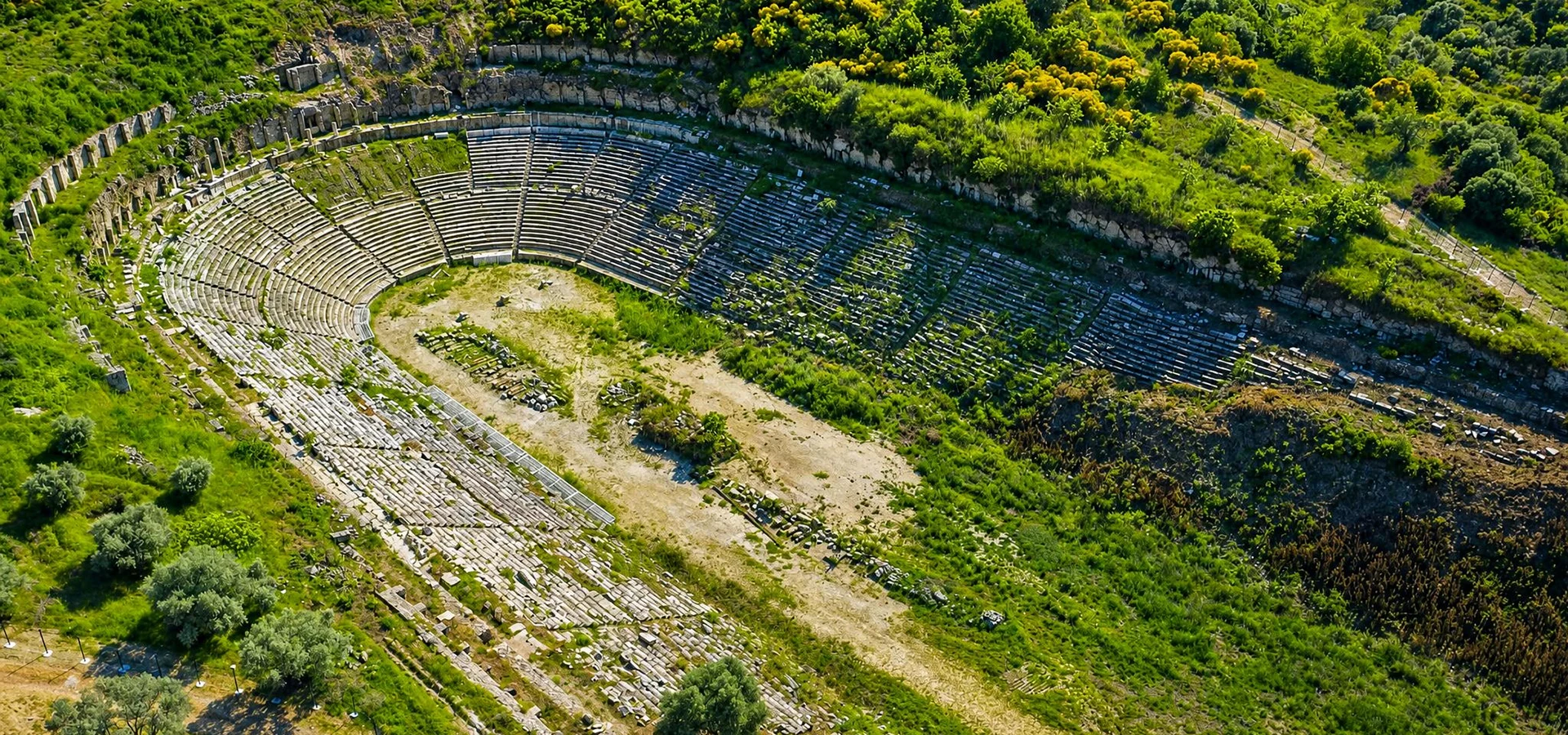
One appealing option is to begin with Magnesia ad Maeandrum, the ancient city near Ortaklar, before continuing toward the Alangüllü thermal area.

Magnesia preserves significant evidence of the ancient civilizations that developed within the Büyük Menderes region. Its archaeological remains provide a fascinating historical contrast to Germencik's natural geothermal resources.

After the archaeological visit, continue to a prebooked thermal facility near Bozköy for bathing, relaxation and refreshments.

Depending on opening times and your interests, finish with a gentle drive through Germencik's countryside or a stop connected with the district's famous fig-growing traditions.

Morning Visit Magnesia ad Maeandrum and explore its ancient heritage.
Midday Enjoy a relaxed lunch or refreshments in the wider Germencik area.
Afternoon Continue to a prearranged Alangüllü–Bozköy thermal bathing experience.
Optional Stop Discover local rural scenery and Germencik's agricultural traditions.
Recommended Format Flexible private day excursion with advance facility confirmation.
Itinerary flexibility: This is a suggested regional itinerary, not a scheduled tour or confirmation of spa admission. Archaeological opening arrangements and bathing reservations should be checked before finalizing the day.

The Natural and Agricultural Landscapes Around Germencik

The setting of Germencik's thermal springs is closely connected with the agricultural and geological identity of the Büyük Menderes Valley.

The district is known for fertile farmland, fig cultivation and rural communities living between the valley floor and surrounding mountains.

Particularly important is the region's connection with the Sarılop fig, one of the characteristic agricultural products of Aydın. Germencik's fig-growing heritage forms an important part of local identity and economic life.

Beyond the cultivated landscape, the foothills near Bozköy provide a greener environment where woodland, slopes and geological formations frame the thermal area.

Fig Orchards

Discover the agricultural landscapes associated with one of Germencik's most celebrated local products.

Büyük Menderes Valley

Observe the broad fertile plain shaped by the river system and surrounding geological structures.

Gümüş Mountain

The mountain foothills provide an attractive natural setting for the Alangüllü thermal area.

Traditional Villages

Experience the quieter rural character of western Aydın away from major coastal resort centers.

Local Food Traditions

Enjoy the flavors of the Aegean countryside, including regional produce and seasonal specialties.

Seasonal Landscapes

Observe how agricultural colors and vegetation change from green spring months to the summer harvest season.

Places to Visit Near Germencik Thermal Springs

Germencik's location makes it possible to combine a thermal visit with archaeological sites, traditional settlements and other cultural attractions across western Aydın and the neighboring İzmir region.

Magnesia ad Maeandrum

Explore an important ancient city near Ortaklar, known for its Hellenistic and Roman heritage and the sanctuary of Artemis Leukophryene.

Ortaklar

Discover a local town that serves as an important gateway to Magnesia and the western Germencik countryside.

Mursallı

Explore a village associated with local cultural history and an older church building in the Germencik area.

Selatin

Discover a traditional settlement known for its monumental plane tree and rural Aegean character.

Germencik Town

Visit the district center and discover the local atmosphere, food traditions and agricultural identity of the region.

Ephesus Ancient City

Extend your journey toward one of the Mediterranean world's most important archaeological destinations.

Şirince Village

Visit a picturesque hillside settlement known for traditional architecture and a distinctive village atmosphere.

Koçarlı

Continue through Aydın's countryside to discover another district rich in rural culture and historical heritage.

Antiocheia ad Maeandrum

Discover another ancient settlement connected with the historical landscape of the Büyük Menderes Valley.

Güzelçamlı

Continue toward the Aegean coast, where natural landscapes and traditional seaside life offer a change of scenery.

Not every destination is immediately adjacent to the thermal springs. Choose attractions according to your starting point, available time and preferred travel route.

Frequently Asked Questions About Germencik Thermal Springs

Where are Germencik Thermal Springs located?

The springs are located in Germencik district in Aydın Province, western Türkiye. The principal tourism area is Alangüllü–Bozköy, approximately 10 kilometers north of Germencik town.

What is the most famous thermal spring in Germencik?

Alangüllü Thermal Springs, also known as Bozköy or Elengüllü, are the district's best-known thermal tourism destination.

Is Alangüllü the same as Bozköy Thermal Springs?

The names are commonly used for the same general thermal locality near Bozköy. Individual establishments within the area may have their own names and operating arrangements.

What are Gümüş Thermal Springs?

Gümüş Thermal Springs are another documented geothermal locality in Germencik district, associated with Gümüşköy and the Ortaklar area.

How hot is the water at Alangüllü?

Historical surveys documented naturally hot sources in the Bozköy region, but the actual temperature varies by spring. Water temperatures in managed bathing pools are different and must be confirmed with the facility.

What minerals are found in Germencik thermal water?

Official information classifies the Alangüllü water as a mixed sodium-chloride and bicarbonate thermomineral water. Other springs may have different compositions.

Are Germencik Thermal Springs natural?

Yes. Their heat originates from natural geothermal processes associated with the tectonic and geological structure of western Anatolia.

Are the springs free to visit?

There is no single admission system for every thermal locality. Managed bathing establishments generally have their own entry, accommodation and service arrangements.

What are the opening hours?

Opening hours depend on the individual thermal facility. Some services may be restricted to hotel guests or available only during designated periods.

Can I visit Germencik Thermal Springs for one day?

Yes, a day visit may be possible at a facility accepting non-resident guests. Confirm day-use availability and reserve ahead when required.

Are there thermal hotels in Germencik?

The Alangüllü–Bozköy area has a history of developed thermal accommodation, and thermal hotel services have been advertised in the region. Check directly for current availability, facilities and prices.

What is Meryem Ana Hamamı?

Meryem Ana Hamamı, also called Çelik Hamamı, is a historic thermal bath associated with the Alangüllü area. It should not be confused with the House of the Virgin Mary near Ephesus.

Is Germencik thermal water good for health?

The water has a history of use in thermal bathing and selected complementary applications. However, it should not be described as a cure for illnesses. Medical uses require professional assessment and supervision.

Can thermal bathing cure arthritis or rheumatism?

Warm-water bathing may be used as part of selected supportive care or rehabilitation programs, but it does not guarantee a cure for arthritis, rheumatism or other medical conditions.

Can I drink the thermal spring water?

Do not drink geothermal spring water unless the specific source has been tested and explicitly authorized for drinking. Water used for bathing is not necessarily potable.

Are mud baths available in Germencik?

The region has historical connections with mud-associated thermal practices. Current supervised mud-treatment availability must be confirmed with the establishment.

Is thermal bathing suitable for children?

Suitability depends on the child's age, the water temperature, facility policies and individual health circumstances. Some hotter pools may be restricted to adults.

Can pregnant visitors use thermal pools?

Pregnant visitors should seek individualized medical advice before using hot thermal pools because overheating can create health risks.

Are the thermal springs wheelchair accessible?

Accessibility varies by facility. Confirm adapted rooms, step-free access, pool-entry arrangements and changing facilities directly before booking.

Can I visit Germencik Thermal Springs in winter?

Yes, thermal bathing can be especially appealing during cooler weather when suitable indoor facilities are operating. Confirm seasonal availability in advance.

What is the best time of year to visit?

Spring and autumn are especially comfortable for combining bathing with outdoor cultural activities. Winter can also be attractive for indoor thermal experiences.

How long should I spend at the springs?

Allow approximately two to four hours for a relaxed facility visit, including changing, bathing and rest. Continuous hot-water immersion should follow safety recommendations rather than the overall visit duration.

Can I combine a thermal visit with Ephesus?

Yes. Germencik can be included in a wider western Aydın and Selçuk itinerary, provided sufficient travel time and advance bathing arrangements are allowed.

What historical sites are near the springs?

Magnesia ad Maeandrum is one of the most important archaeological attractions in the wider Germencik district. Other cultural destinations can be reached through the surrounding Aegean region.

Are Germencik Thermal Springs worth visiting?

For travelers interested in geothermal landscapes, traditional bathing culture, relaxation and lesser-known Aegean destinations, Germencik offers a distinctive experience that can be combined with nearby historical attractions.

Responsible Visiting at Germencik Thermal Springs

Natural thermal waters are valuable geological resources, and responsible tourism requires respect for both the environment and the safety rules of bathing establishments.

Use Authorized Facilities

Choose properly managed thermal bathing areas rather than uncontrolled hot-water sources.

Respect Water Resources

Avoid wasteful water use and follow the environmental rules of the establishment.

Protect Natural Springs

Do not alter spring outlets, damage geological features or disturb surrounding vegetation.

Follow Health Guidelines

Observe temperature guidance, bathing limits and all facility safety instructions.

Respect Historic Buildings

Protect traditional bath structures and follow any restrictions on visiting or photography.

Support Local Communities

Choose responsible local services and explore Germencik's agricultural and cultural heritage respectfully.

Leave No Waste

Dispose of rubbish correctly and avoid littering the wooded slopes and rural landscapes.

Respect Industrial Boundaries

Stay away from geothermal power infrastructure, drilling sites and restricted operational areas.

Responsible thermal tourism: The best way to enjoy Germencik's geothermal heritage is through safe, regulated bathing practices that protect the natural springs and the wider environment.

Private Germencik & Western Aydın Experiences

Combine the thermal landscapes of Germencik with the historical treasures, rural scenery and distinctive traditions of western Anatolia through a carefully planned private journey.

Custom Germencik Cultural and Thermal Excursions

Ask us about a private itinerary adapted to your interests, preferred pace and available time, with no compulsory shopping stops. Thermal bathing arrangements depend on the selected facility.

Continue Exploring Aydın

Discover more remarkable ancient cities, rural destinations and landscapes across western Türkiye.