Private Güzelçamlı & Dilek Peninsula Experience
Ask us about a custom coastal day combining Güzelçamlı, Zeus Cave, beautiful scenery and selected national park visitor areas, subject to current access conditions.
Request a Custom Experience





Güzelçamlı is a coastal town in the Kuşadası district of Aydın Province, on Türkiye's beautiful Aegean coast. Situated at the foot of the forested Dilek Mountains, approximately 25 kilometers south of central Kuşadası, it offers a refreshing combination of beaches, mountain scenery, local life and historical discoveries.
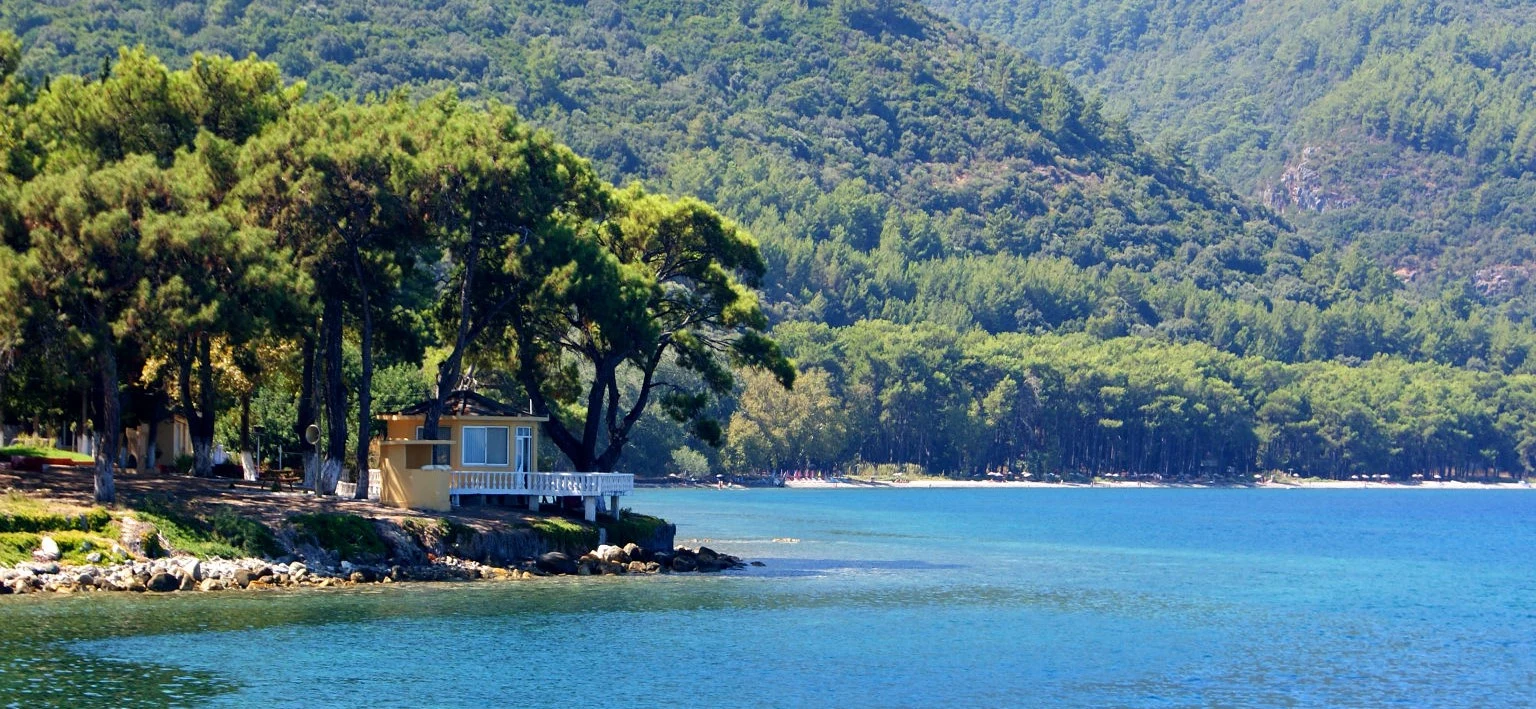
The town is best known as the main northern gateway to Dilek Peninsula–Büyük Menderes Delta National Park, one of western Türkiye's most remarkable protected natural landscapes. Within the peninsula's visitor area, clear Aegean waters meet pine-covered slopes, secluded-looking coves and habitats supporting an extraordinary diversity of plants and wildlife.
Güzelçamlı also has a fascinating ancient past. Near the modern settlement stood Panionion, the important religious gathering place associated with the ancient Ionian cities. Close to the national park entrance, Zeus Cave connects the landscape with stories of Greek mythology.
Unlike the busy resort center of Kuşadası, Güzelçamlı has a more relaxed coastal atmosphere. Visitors come for swimming, boat trips, peaceful waterfront evenings, family holidays, nature photography and excursions into the surrounding countryside. It is equally attractive as a day trip from Kuşadası or a quieter base for exploring southern Aydın.
Explore the protected forests and turquoise bays of the Dilek Peninsula.
Enjoy coastal swimming, clear waters and beautiful mountain views.
Discover Panionion and the religious heritage of the Ionian League.
Experience seafood restaurants, boat trips and a slower holiday atmosphere.
Essential information for planning a coastal escape near Kuşadası.
Güzelçamlı, Kuşadası district, Aydın Province, western Türkiye.
Open on Google MapsApproximately 25 kilometers; usually around 30–45 minutes by road, depending on traffic.
Aegean Sea coastline beneath the forested mountains of the Dilek Peninsula.
Ancient Panionion, associated with the sacred gatherings of the Ionian League.
Dilek Peninsula–Büyük Menderes Delta National Park.
One full day for the highlights or 2–3 days for a relaxed coastal stay.
A destination where beautiful beaches and protected landscapes meet the cultural heritage of the ancient Aegean.
Güzelçamlı offers something increasingly valuable on the Aegean coast: the opportunity to enjoy the sea while remaining close to an extensive protected natural environment. Its position beside the national park gives it a very different character from heavily developed seaside resort areas.
The surrounding coastline combines accessible town beaches with the four principal visitor coves inside the Dilek Peninsula National Park. Forests descend toward the water, mountain ridges dominate the horizon, and on clear days visitors can look across the Aegean toward the Greek island of Samos.
The region is equally interesting for travelers who appreciate history. The slopes above Güzelçamlı formed part of the landscape of ancient Mykale, while Panionion was a center of Ionian religious and communal life. Nearby sites such as Priene reveal the political, artistic and architectural achievements of the ancient cities of western Anatolia.
Güzelçamlı is particularly suitable for couples, families, photographers, nature lovers and visitors who prefer a relaxed travel pace. It can also be combined with our Kuşadası travel guide to explore the wider coastline, historical monuments and inland villages of Aydın Province.
Güzelçamlı lies on the southern coastal route from Kuşadası, beyond the Davutlar area and immediately east of the entrance to Dilek Peninsula National Park. Administratively, it belongs to the Kuşadası district of Aydın Province.
Its location is one of its greatest advantages. The settlement stands beside the northern shore of the Dilek Peninsula, where the slopes of ancient Mount Mykale, also associated with the modern names Samsun Dağı and Dilek Dağları, rise sharply above the Aegean Sea.
Across the water lies Samos Island, while inland routes connect Güzelçamlı with Söke, the Büyük Menderes valley and important ancient sites such as Priene and Miletus. The southern side of the peninsula also contains the historic village of Old Doğanbey and landscapes overlooking the Büyük Menderes Delta.
Although Güzelçamlı is now associated mainly with seaside holidays and the national park, its surroundings have been important since antiquity. The region formed part of the historical landscape of Mykale, a mountainous promontory facing Samos and closely connected with the ancient cities of Ionia.
During the Archaic and Classical Greek periods, the Ionians established a network of influential cities along the western Anatolian coast and nearby islands. Their shared religious gatherings were associated with the sanctuary known as Panionion, traditionally dedicated to Poseidon Helikonios.
Ancient Mykale also entered wider Greek and Persian history. The Battle of Mykale in 479 BC, fought during the Greco-Persian Wars, is traditionally located in the broader region of the peninsula. The exact identification of individual ancient landmarks requires care because the coastline, settlements and historical interpretations have changed over time.
In subsequent centuries, the wider region passed through Hellenistic, Roman, Byzantine, Turkish beylik and Ottoman periods. Agricultural production, coastal activity and the relationship between the mountains and nearby settlements remained important elements of local life.
Modern Güzelçamlı developed into a coastal holiday settlement, particularly as domestic tourism expanded. The establishment of Dilek Peninsula National Park in 1966 helped preserve much of the spectacular landscape immediately west of the town.
The region belonged to the cultural landscape shared by the Ionian cities of western Anatolia and the Aegean islands.
A sacred meeting place linked with Ionian gatherings and worship of Poseidon Helikonios.
The wider Mykale region is associated with the famous Greek victory over Persian forces.
The surrounding Aegean region continued to develop through Roman, Byzantine and Turkish history.
The Dilek Peninsula was declared a national park, marking an important step in its conservation.
A coastal settlement combining local community life, tourism and access to protected nature.
The most celebrated attraction near Güzelçamlı is Dilek Peninsula–Büyük Menderes Delta National Park. This protected landscape extends across the mountainous peninsula and the ecologically important delta to the south.
The peninsula was declared a national park in 1966, and the Büyük Menderes Delta was added in 1994. Together, the two areas cover approximately 27,598 hectares and preserve an exceptional combination of Mediterranean and Aegean habitats.
The peninsula is characterized by steep mountain slopes, forests, Mediterranean scrub, rocky coastal formations and clear marine environments. The southern delta adds wetlands, lagoons, salt marshes and important habitats for migratory birds.
For most holiday visitors staying in Güzelçamlı, the northern coastal section is the most accessible part of the national park. A road from the main entrance leads to four established visitor coves: İçmeler, Aydınlık, Kavaklıburun and Karasu.
The protected area is far more than a collection of beaches. It is an important refuge for native plants, birds, mammals and marine life, and it provides valuable opportunities to observe how the Aegean coastal environment would look without extensive resort development.
Discover slopes covered with pine woodland, Mediterranean vegetation and diverse native plant communities.
Enjoy designated coastal recreation areas with swimming and picnic opportunities.
Look for birds, reptiles and other native animals while maintaining a respectful distance.
Learn about the protected peninsula's rich mixture of Aegean and Mediterranean plant species.
Photograph rugged ridges rising directly above the blue waters of the Aegean.
Understand the importance of protecting fragile forests, coastal habitats and marine ecosystems.
For detailed information about the beaches, protected habitats and visitor routes, see our complete Dilek Peninsula National Park guide.
One of the main reasons to visit Güzelçamlı is the variety of coastal experiences available within a relatively small area. Visitors can choose between convenient beaches near the town and the more natural surroundings of the national park's designated swimming bays.
The four established national park coves are reached along the coastal road west of the park entrance. Distances below are approximate measurements from the entrance rather than from Güzelçamlı town center.
Convenient coastal swimming areas close to local accommodation, cafés, restaurants and town facilities. Conditions vary between individual beach sections.
Approximately 1 kilometer inside the national park, İçmeler is a popular swimming and picnic destination with forested surroundings and relatively convenient access.
Approximately 5 kilometers from the park entrance, Aydınlık offers clear water, a natural shoreline and attractive views of the wooded peninsula.
Approximately 9 kilometers inside the park, this established visitor area is popular for spending several hours beside the Aegean Sea.
Approximately 11 kilometers from the entrance, Karasu is the farthest of the four main developed visitor bays reached by the coastal road.
Some boat excursions explore additional stretches of the coastline, with swimming stops depending on permitted routes, sea conditions and operator schedules.
During busy summer days, parking and visitor capacity inside the national park can be limited. Arriving earlier generally gives visitors more flexibility, although entry is always subject to current park rules.
One of the most interesting short stops near Güzelçamlı is Zeus Cave, known in Turkish as Zeus Mağarası. It lies close to the Dilek Peninsula National Park entrance, beneath a rocky hillside surrounded by vegetation.
The cave contains a natural pool formed within the rock. Its shaded setting, unusual water and enclosed atmosphere create a striking contrast with the sunlit beaches of the nearby coast.
According to local mythology, Zeus sought refuge in the cave when he wished to escape the anger of his brother Poseidon, ruler of the sea. Other stories associate the cave's water with beauty and renewal. These narratives belong to local tradition rather than established archaeological evidence.
Zeus Cave is particularly worthwhile for visitors interested in mythology, natural formations and photography. It also combines conveniently with a trip to Panionion and the national park.
Read more in our dedicated Zeus Cave visitor guide.
Güzelçamlı has a remarkable connection with the history of ancient Ionia. The archaeological site known as Panionion is traditionally associated with the religious gatherings of the Ionian League, an important association of Greek cities in western Anatolia and the eastern Aegean.
The sanctuary was connected with the worship of Poseidon Helikonios. Delegations from the Ionian cities are understood to have gathered for religious ceremonies, communal festivals and activities expressing a shared Ionian identity.
Archaeological investigations conducted in the twentieth century identified remains associated with an ancient sanctuary above Güzelçamlı. The visible features are modest compared with the monumental ruins of Ephesus, Miletus or Priene, and scholarly discussion continues concerning aspects of the site's interpretation and development.
Panionion is therefore best appreciated as a historically significant landscape rather than a large reconstructed archaeological park. Understanding its role in the religious and political world of ancient Ionia makes a visit considerably more rewarding.
A traditional association of twelve Ionian cities sharing cultural and religious connections.
The deity associated with the shared sanctuary and its ancient religious ceremonies.
Religious festivals and communal celebrations helped express a collective Ionian identity.
Explore the historical landscape while recognizing that the surviving structures are limited.
For a deeper account of the ancient sanctuary, see our Panionion history and visitor guide.
Güzelçamlı offers more than a conventional beach holiday. Its surrounding natural environment, ancient heritage and connections with the wider Kuşadası region make it suitable for a varied itinerary.
Spend a day among forested mountains, clear bays and protected coastal scenery.
Choose between local Güzelçamlı beaches and designated national park swimming areas.
Visit a naturally formed pool associated with Greek mythology and local legends.
Learn why this area held religious importance for the ancient Ionian cities.
Enjoy coastal views and scheduled swimming stops on a suitable local boat trip.
Observe coastal vegetation, forest landscapes and local wildlife from permitted visitor routes.
Capture turquoise water, mountain scenery, rocky coves and views toward Samos.
Relax over Aegean dishes, seafood, salads and regional specialties in town.
Enjoy the town's relaxed atmosphere after a day of swimming and sightseeing.
Explore a traditional settlement of restored stone houses on the southern side of the peninsula.
Visit one of the finest examples of an ancient Greek city planned on a regular street grid.
Combine the quieter surroundings of Güzelçamlı with Kuşadası's harbor and historical attractions.
Güzelçamlı occupies a privileged position beside a national park recognized for its exceptional biodiversity. The combination of mountains, forests, Mediterranean scrub, coastal environments and nearby wetlands creates habitats for a remarkable variety of living organisms.
The wider protected area supports hundreds of plant species, including rare and endemic varieties. Its habitats range from dry, sun-exposed slopes to shaded woodland and coastal environments, while the Büyük Menderes Delta provides important conditions for many bird species.
Wild boars are among the more conspicuous animals occasionally encountered near recreation areas. Although visitors sometimes see them close to roads or picnic spaces, they remain wild animals and must never be fed or approached.
Pines, oaks and other trees form part of the peninsula's varied forest communities.
Dense maquis vegetation covers many slopes and contributes to the area's botanical diversity.
The wider national park supports raptors, woodland birds and important migratory bird habitats.
The peninsula provides habitat for wild boars and other mammals that should be observed from a distance.
Rocky shores, underwater habitats and sheltered bays support a variety of marine organisms.
Protected species and distinctive plant communities make conservation particularly important.
Boat excursions are another popular way to experience the coast around Güzelçamlı. Seasonal operators departing from the local harbor offer trips along parts of the Dilek Peninsula and nearby Aegean waters.
These excursions can provide views of coastal cliffs, forested headlands and bays that are difficult or impossible to reach by ordinary road transport. Depending on the operator and conditions, a program may include several swimming stops and lunch on board.
Boat trips are especially appealing for visitors who want to spend a day enjoying the sea without repeatedly moving between beaches by car.
See how the forested mountains meet the Aegean Sea along the peninsula.
Enjoy suitable bays selected according to the operator's route and conditions.
Capture headlands, rocky coastlines, clear water and broad sea views.
Spend several hours away from road traffic and busy urban beaches.
Dining in Güzelçamlı reflects the fresh ingredients and relaxed culinary traditions of the Aegean region. Local restaurants and seaside establishments offer opportunities to enjoy fish, seasonal vegetables, olive-oil dishes and familiar Turkish specialties.
After a day at the national park, a leisurely meal in town is an enjoyable way to experience the local atmosphere. Menus and availability vary between establishments, particularly outside the main summer season.
Grilled or simply prepared fish is a classic option at Aegean coastal restaurants.
Enjoy small dishes prepared with vegetables, herbs, olive oil and seasonal ingredients.
Regional cooking makes generous use of olive oil, greens and fresh produce.
Begin the day with cheese, olives, tomatoes, cucumbers, eggs, bread and tea.
Köfte, grilled meats and other familiar Turkish dishes are widely enjoyed.
Look for dishes featuring local vegetables, fresh fruit and ingredients from the wider Aydın region.
For travelers interested in regional gastronomy, Güzelçamlı can also serve as a starting point for exploring the agricultural traditions and distinctive foods of Aydın Province.
Güzelçamlı has a Mediterranean-influenced Aegean climate, with generally hot, dry summers and milder, wetter winters. The best time to visit depends on whether your priority is swimming, sightseeing, photography or enjoying the natural environment with fewer visitors.
Excellent for green landscapes, sightseeing, nature photography and comfortable outdoor exploration. The sea may still feel cool.
A particularly appealing period for combining beach activities with sightseeing before the busiest summer weeks.
The main summer holiday season brings hot weather, warm sea conditions and the greatest pressure on beaches and parking.
Often an excellent balance of pleasant swimming conditions, warm weather and a more relaxed coastal atmosphere.
Suitable for scenery, cultural visits and peaceful walks, with swimming depending on the weather and personal preference.
Quieter months for experiencing local life and coastal scenery, although some seasonal businesses and excursions may not operate.
Güzelçamlı is a normal coastal settlement, so there is no admission fee or general opening schedule for visiting the town itself. Its beaches, restaurants, public spaces and individual attractions have their own arrangements.
The nearby Dilek Peninsula National Park, however, is a managed protected area with designated entry points, admission charges, operating hours and conservation regulations.
For the 2026 summer season beginning 15 May, the publicly announced national park schedule allowed visitor and vehicle entry between 06:00 and 17:30, with departure required by 19:30. These are seasonal arrangements, not guaranteed year-round hours. The national park's official nature-tourism information also provides general operating details that can differ from the summer timetable.
Entrance procedures and prices may differ according to visitors, vehicles and current regulations. Temporary closures can occur because of fire risk, weather or management decisions, especially during periods of extreme summer heat.
A well-planned day in Güzelçamlı can combine several of its highlights without turning the visit into a rushed excursion. The following route works particularly well for travelers arriving from Kuşadası with a private vehicle or arranged transportation.
Travel from Kuşadası to Güzelçamlı, enjoying the changing coastal scenery as the Dilek Mountains come into view.
Make a short stop near the national park entrance to see the natural cave pool and learn about its mythology.
Continue through the park entrance and explore the scenery along the designated coastal visitor road.
Choose one of the accessible national park bays and allow ample time to relax beside the sea.
If access and timing permit, add a short historical stop to understand the ancient Ionian connection.
Return to town for a comfortable meal before traveling back to Kuşadası or your accommodation.
For travelers staying locally, Güzelçamlı becomes more rewarding when explored over several days. A longer visit provides flexibility for weather conditions, beach relaxation, local dining and historical excursions.
Visit Zeus Cave, spend time at a designated Dilek Peninsula bay and return to Güzelçamlı for a relaxed evening.
Explore Panionion if accessible, then visit Priene Ancient City to understand the wider Ionian historical landscape.
Choose a suitable Güzelçamlı boat excursion or travel around the peninsula toward Old Doğanbey Village.
Enough for a short stop in town and a look at the coastal scenery or Zeus Cave.
Enjoy a local beach or spend a few hours at one accessible national park bay.
The best introduction, combining the national park, Zeus Cave and coastal relaxation.
Allow one day for nature and swimming and another for historical sightseeing or a boat trip.
Enjoy the beaches, national park, Panionion and excursions into the surrounding Aydın countryside.
Use Güzelçamlı as a relaxed coastal base for exploring Kuşadası, ancient sites and nearby villages.
Güzelçamlı is an especially attractive destination for landscape photography. The contrast between turquoise waters, forested hills and the rocky coastline creates beautiful compositions throughout the year.
Photograph the meeting point of woodland, coastal rocks and remarkably clear seawater.
Use the Dilek Mountains to add depth and scale to coastal compositions.
On clear days, capture the island across the Aegean from suitable coastal viewpoints.
Explore contrasts between shaded rock surfaces, vegetation and the natural pool.
Use softer morning conditions for forest details and quieter coastal scenes.
Photograph the town's waterfront and changing light across the sea.
Accessibility varies considerably between the built-up town and the more natural national park environment. Some town streets, restaurants and coastal facilities are relatively straightforward to reach, while rocky beaches, historic sites and nature paths can present difficulties.
Many services are accessible from local roads, but individual pavements and building entrances should be checked.
Vehicle access helps visitors reach designated recreation areas without long walks.
Some shorelines include pebbles, slopes or uneven ground, which may be difficult for wheelchairs and strollers.
The natural approach and rocky surroundings may be unsuitable for visitors with limited mobility.
Plan shorter beach visits, carry adequate drinking water and choose swimming areas appropriate for children.
A suitable vehicle can reduce walking distances and make it easier to organize comfortable sightseeing stops.
Güzelçamlı can be reached by road from Kuşadası, Söke and other destinations in the Aydın region. The most convenient transport option depends on whether you want to explore only the town or continue to individual attractions inside the national park.
Drive south along the coastal route toward Davutlar and Güzelçamlı. The journey is approximately 25 kilometers and commonly takes 30–45 minutes.
Dolmuş services connect Kuşadası with Güzelçamlı. Confirm the current route, timetable and final stop before traveling.
Travel by the regional road network toward Davutlar and Güzelçamlı, with journey times depending on the route and traffic.
Adnan Menderes Airport is the principal international airport serving the wider area. Travel south by arranged transfer, rental vehicle or connecting public transport.
Convenient for visitors seeking direct hotel pickup and flexible sightseeing arrangements.
A vehicle is especially useful for reaching different visitor bays. Do not assume that a town-bound dolmuş serves every beach within the park.
Güzelçamlı is well positioned for exploring both the coastline and the remarkable archaeological heritage of southern Aydın. Some attractions are close to the town, while others make excellent separate excursions by road.
Explore protected forests, mountain scenery and beautiful Aegean swimming bays.
Discover the natural cave pool associated with stories of Zeus and Poseidon.
Learn about the ancient sanctuary linked to the religious gatherings of the Ionian cities.
Explore impressive Hellenistic urban planning, monumental ruins and the Temple of Athena.
Discover traditional stone houses and a peaceful historical settlement near the Büyük Menderes Delta.
Visit a major ancient Ionian city associated with philosophy, trade and urban development.
Explore one of the ancient Mediterranean's most monumental oracular sanctuaries.
Discover Byzantine monastic heritage in the hills of the wider Kuşadası region.
Explore the harbor town, beaches, shopping streets and historical attractions.
Visit the historic island fortress connected to the Kuşadası waterfront.
Plan a longer excursion combining striking lake scenery with ancient and Byzantine remains.
Discover archaeological collections from the ancient civilizations of the wider province.
Güzelçamlı is a coastal town in the Kuşadası district of Aydın Province on Türkiye's Aegean coast, immediately east of Dilek Peninsula National Park.
It is approximately 25 kilometers from central Kuşadası. Driving generally takes around 30–45 minutes, depending on traffic and the starting point.
Yes. Güzelçamlı is especially rewarding for visitors interested in beaches, protected natural landscapes, Greek mythology and the ancient history of Ionia.
It is best known as the gateway to Dilek Peninsula National Park and for its proximity to Zeus Cave, beautiful Aegean coves and ancient Panionion.
Yes. The town has coastal swimming areas, accommodation and restaurants, while the nearby national park provides access to additional designated beaches surrounded by forested mountains.
The four principal developed visitor bays are İçmeler, Aydınlık, Kavaklıburun and Karasu.
Yes. Swimming is a major summer activity at suitable local beaches and designated national park coastal areas. Always check weather, sea conditions and local safety information.
No. The managed park has admission arrangements and applicable charges. Fees and entry procedures may vary, so confirm the current information before visiting.
Hours change seasonally. The announced 2026 summer schedule, beginning 15 May, permitted entry from 06:00 to 17:30 and required exit by 19:30. Check current official information for other periods and temporary restrictions.
Yes. Local minibuses connect Kuşadası and Güzelçamlı. However, visiting multiple national park bays is generally more convenient with a vehicle or an appropriate arranged transport service.
Zeus Cave is a natural cave pool near the national park entrance. It is associated with local legends involving Zeus, Poseidon and the mythological world of ancient Greece.
Do not assume that swimming is currently permitted or safe. The pool is deep, natural rock surfaces may be slippery and supervision may not be available. Follow local restrictions.
Panionion was an ancient sanctuary traditionally associated with the Ionian League and religious gatherings honoring Poseidon Helikonios.
Yes. The archaeological landscape traditionally identified with Panionion lies in the hills above the modern settlement. Site access and visiting conditions should be checked locally.
Yes. The Greek island of Samos can be seen across the Aegean from suitable coastal viewpoints when visibility is good.
Yes. Seasonal boat operators offer coastal excursions, often including swimming stops. Departures and routes vary according to weather and operator schedules.
Yes. Its relaxed atmosphere and beach options make it appealing for families. Parents should select appropriate swimming areas and supervise children carefully near deeper or rocky water.
Walking and nature exploration may be possible on designated, currently permitted routes. Access to some interior areas can be restricted for conservation, safety or fire-prevention reasons.
Yes. The protected area supports many native species, including wild boars. Visitors must never feed or approach wild animals.
June and September are particularly attractive for combining swimming and sightseeing. Spring is excellent for nature, while July and August are the busiest summer holiday months.
It can be busy during summer weekends and holiday periods, especially around national park beaches. Early arrival and advance planning are recommended.
Yes. The town remains a coastal community throughout the year, although swimming conditions, seasonal businesses and national park access may be different from summer.
One full day is enough for an introduction. Two or three days allow a more relaxed combination of beaches, boat trips, ancient history and nearby excursions.
Panionion, Priene, Miletus, Didyma and Old Doğanbey are excellent possibilities, although the more distant sites require separate road excursions.
Güzelçamlı is generally more appealing to travelers seeking a smaller coastal setting and direct access to nature. Central Kuşadası offers a larger concentration of urban facilities, shopping and nightlife.
Güzelçamlı's greatest attraction is its relationship with a protected natural landscape. Responsible travel helps preserve the forests, wildlife, beaches and historical heritage that make the region special.
Follow official signs, access restrictions and guidance provided by park staff.
Never approach or feed wild boars, birds or other animals.
Observe all fire-prevention restrictions and never light fires in unauthorized areas.
Do not remove living organisms, disturb seabed habitats or leave waste in the sea.
Take all rubbish away and avoid leaving plastic packaging, bottles or cigarette ends.
Do not move ancient stones, damage remains or enter restricted excavation areas.
Keep noise reasonable, park responsibly and respect private property.
Choose responsible local services, restaurants and accommodation providers whenever practical.
Discover the natural beauty, ancient history and coastal landscapes of Güzelçamlı through carefully planned private experiences. We can help create a comfortable route based on your interests, travel schedule and preferred pace, without compulsory shopping stops.
Combine scenic coastal stops, protected nature and historical discoveries in a relaxed private itinerary.
Ask us about a custom coastal day combining Güzelçamlı, Zeus Cave, beautiful scenery and selected national park visitor areas, subject to current access conditions.
Request a Custom Experience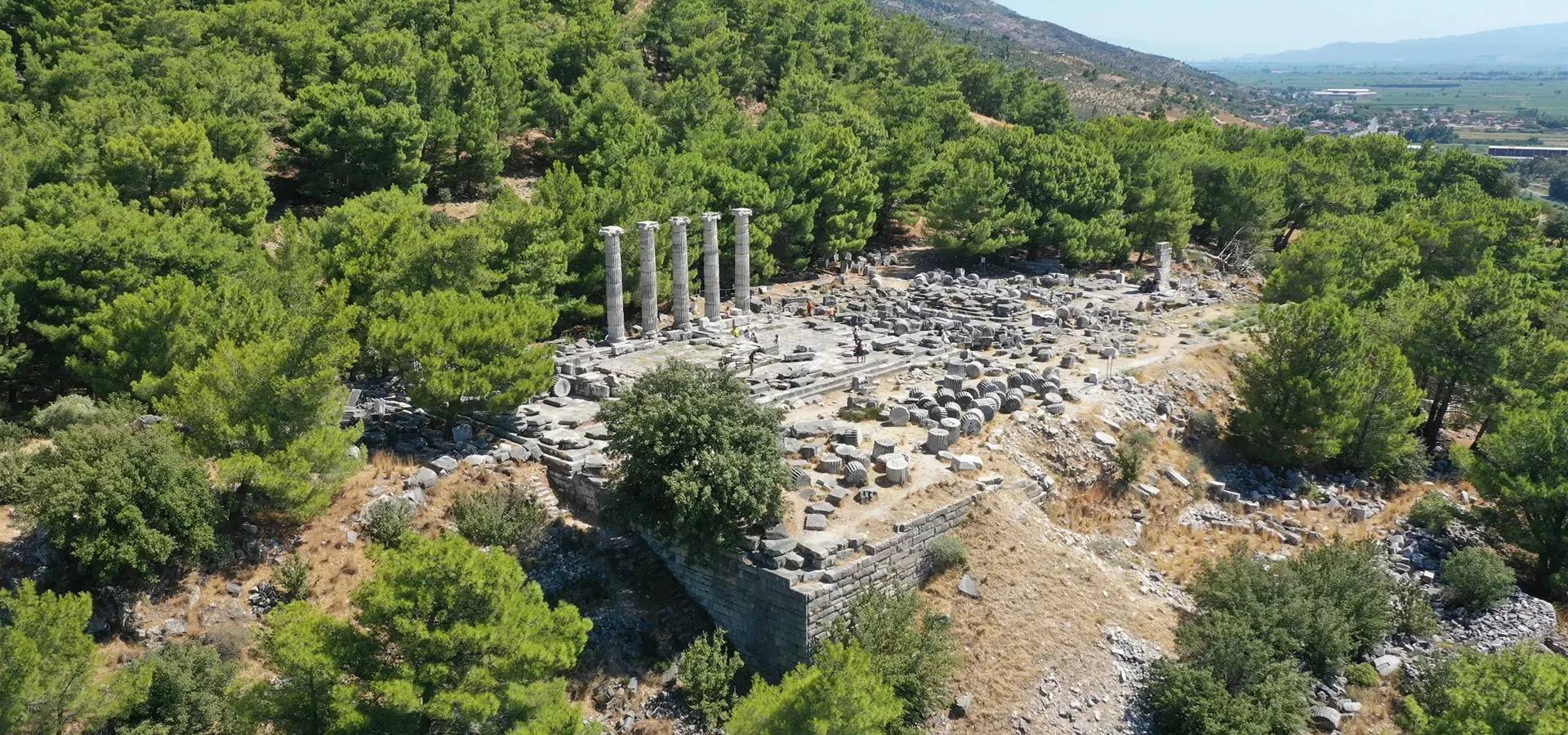
Explore the remarkable ancient heritage of southern Aydın with a personalized historical itinerary featuring selected sites such as Priene, Miletus and Didyma.
Plan Your Historical TourDiscover beautiful coastal landscapes, ancient cities and traditional settlements throughout the region.
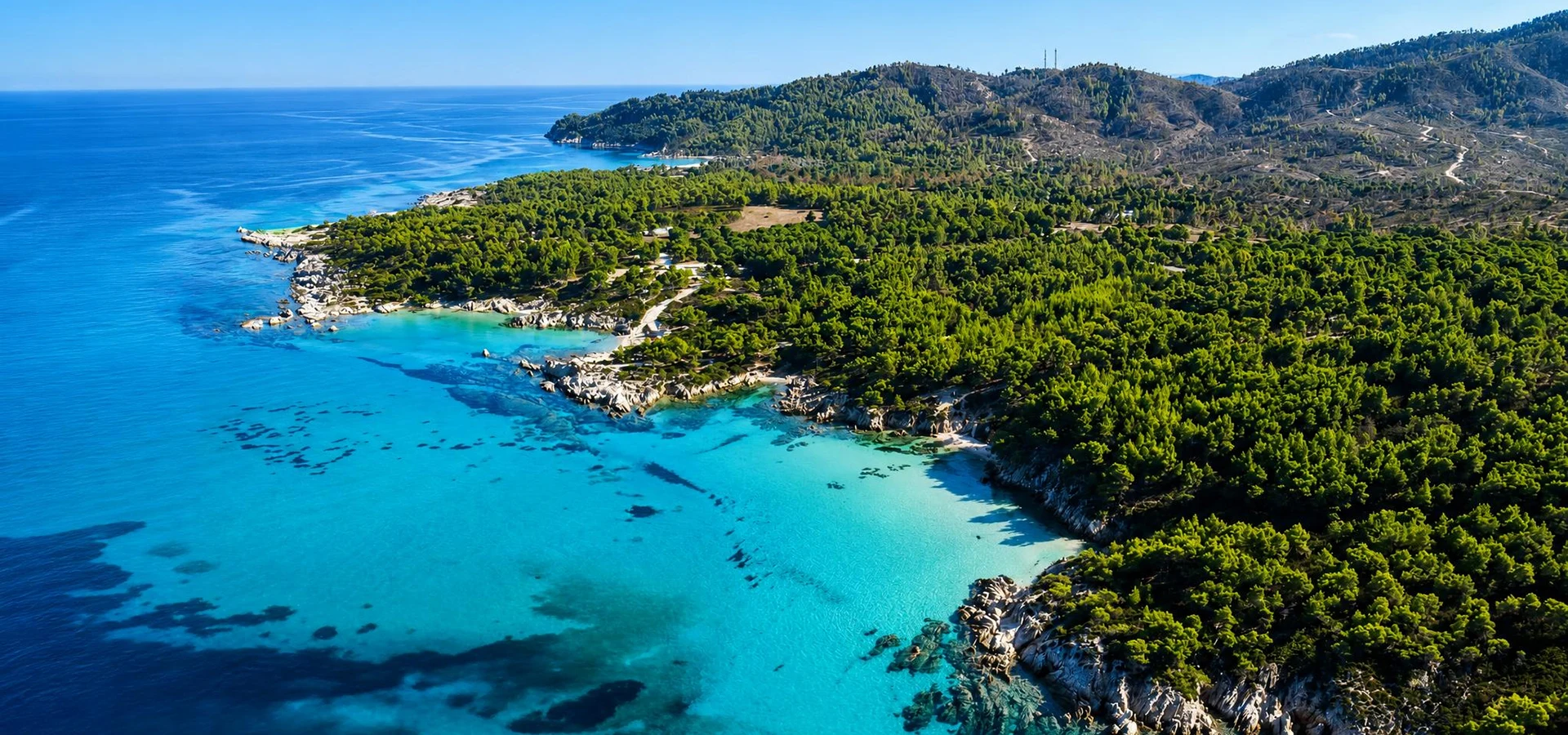
Discover protected forests, scenic mountain landscapes and beautiful Aegean bays.
Explore the National Park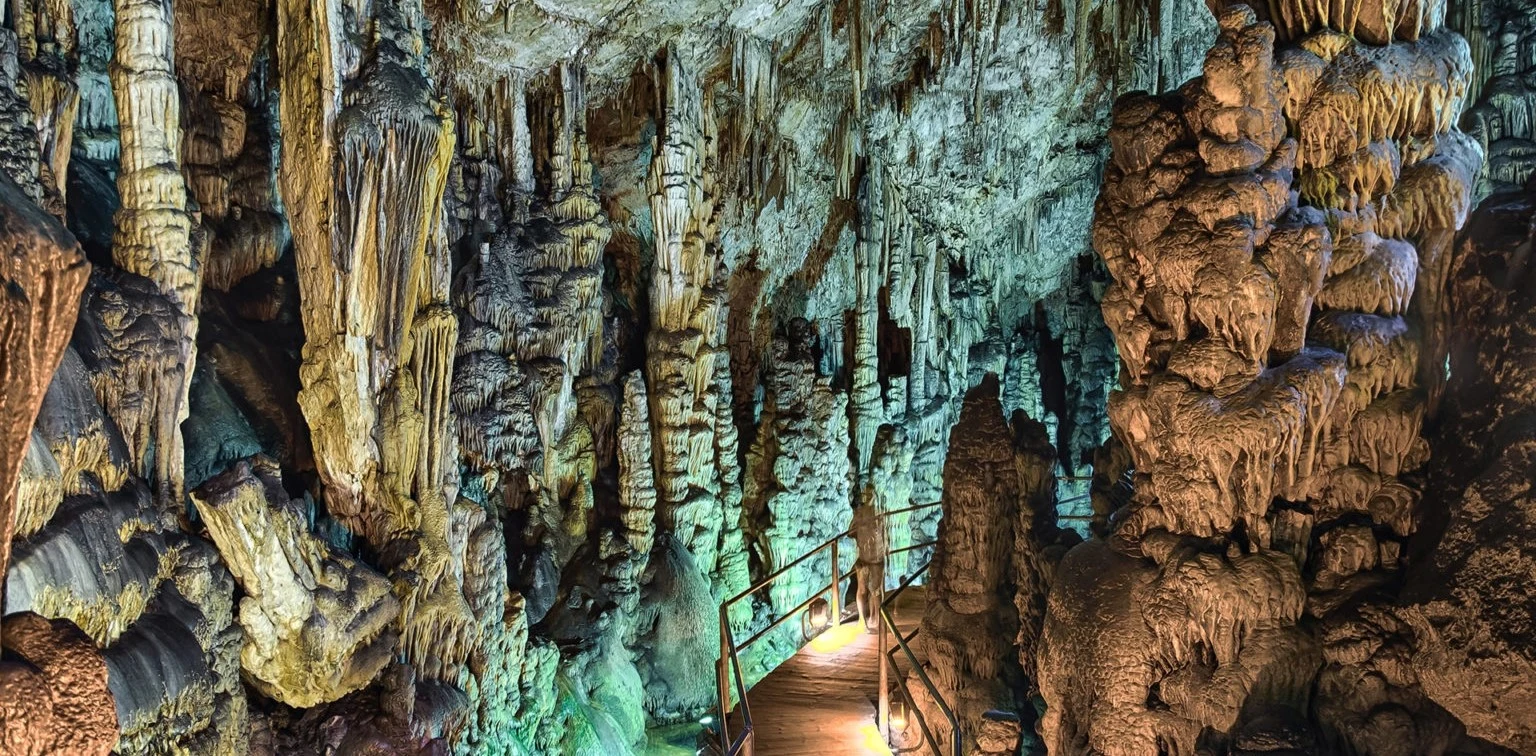
Explore the fascinating natural cave associated with ancient mythology near the park entrance.
Discover Zeus Cave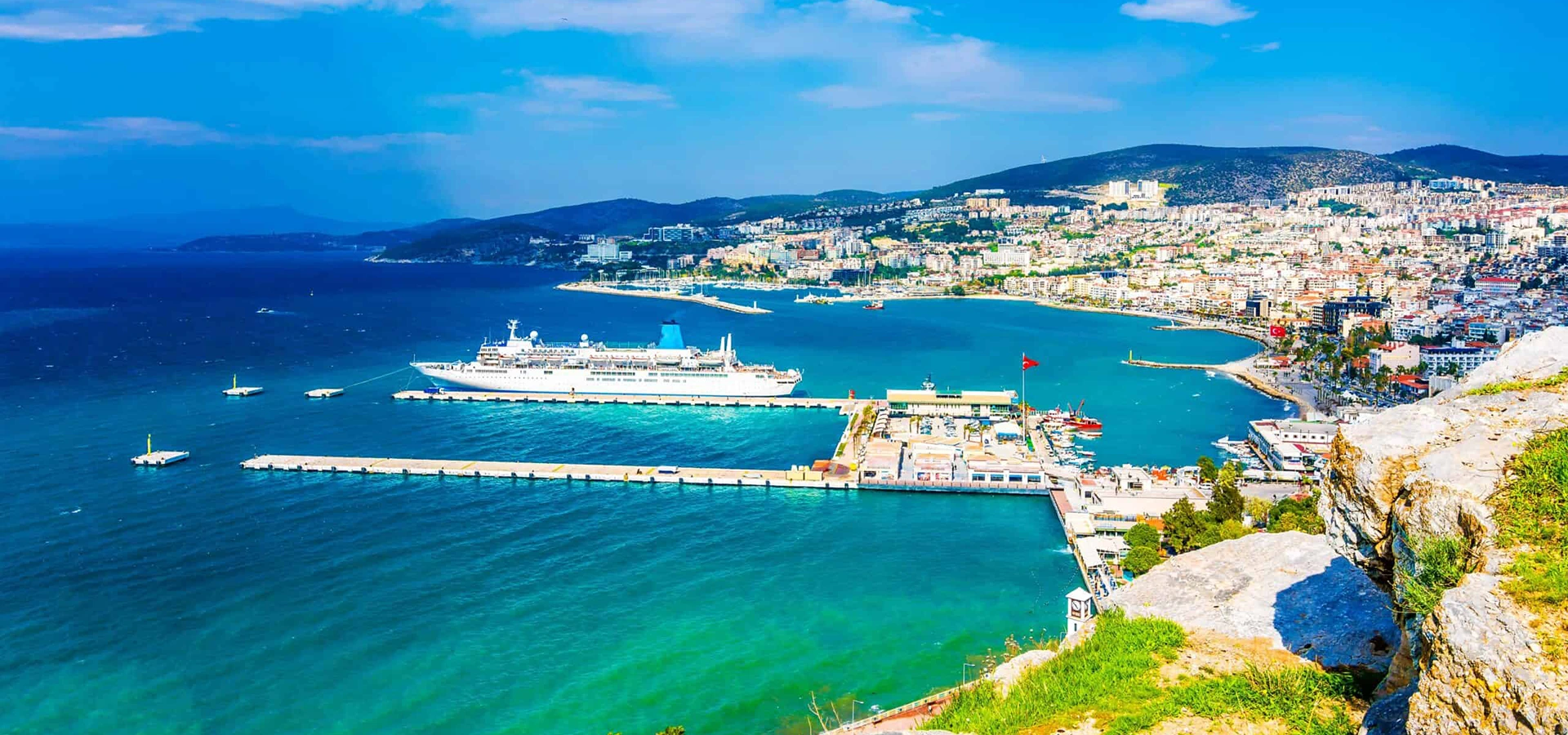
Continue exploring the resort town's coastal attractions, historic landmarks and wider Aegean surroundings.
View Kuşadası Guide