
Discover Tekirdağ
Explore Tekirdağ’s Ottoman heritage, museums, Marmara coastline and regional flavours, including Tekirdağ Köftesi, Çerkezmüsellim Pabuç Köftesi, cheese halva and Hayrabolu Tatlısı.
Explore Tekirdağ





Hidden in the agricultural landscapes of Hayrabolu is one of Tekirdağ Province’s most distinctive regional meat dishes: Hayrabolu Çerkezmüsellim Köftesi, also officially known as Hayrabolu Çerkezmüsellim Pabuç Köftesi.
The meatball takes its name from Çerkezmüsellim, a neighbourhood of Hayrabolu where the tradition is rooted. Its second name, Pabuç Köftesi, comes from the unusual elongated oval shape of each meatball, which resembles a traditional slipper or shoe.
What makes the speciality particularly interesting is the attention paid to the meat itself. The registered preparation uses a carefully defined combination of beef rib, shoulder and neck, together with beef suet, stale wheat bread, onion, garlic and a distinctive mixture of spices.
The prepared mixture is rested for 18–24 hours at 0–4°C, shaped into characteristic oval portions and traditionally cooked on a grooved grill, preferably over hardwood charcoal. Grilled tomatoes and peppers complete the classic presentation.
Each meatball has a distinctive oval form traditionally compared with the shape of a slipper.
The registered meat mixture combines rib, shoulder and neck cuts in precisely defined proportions.
The meatball mixture rests under refrigeration before shaping, helping develop its texture and balanced flavour.
Hayrabolu Çerkezmüsellim Köftesi has been protected as a geographical indication since 2022.
Essential information about one of the most distinctive meatball traditions of Tekirdağ and Turkish Thrace.
Çerkezmüsellim neighbourhood, Hayrabolu district, Tekirdağ Province.
Beef from rib, shoulder and neck cuts combined with beef suet and traditional seasonings.
Traditionally grilled on a grooved barbecue, preferably over hardwood charcoal.
Registered as a Mahreç İşareti on 19 December 2022 with Registration No. 1294.
A village meatball tradition developed into one of Hayrabolu’s best-known regional foods.
Çerkezmüsellim Köftesi belongs to the rural culinary landscape of Hayrabolu, an inland district of Tekirdağ characterised by agriculture, livestock farming and the broad plains of Turkish Thrace.
Its identity is inseparable from Çerkezmüsellim, the settlement from which the meatball takes its name. Rather than becoming a generic style of Turkish meatball, the speciality retained a strong association with this particular community.
Local producers developed a recognisable preparation based on carefully selected beef cuts, beef suet, bread, onion, garlic and spices. Equally important is the long refrigerated resting period that takes place before the meatballs are shaped.
Over time, travellers passing through the region began seeking out the meatball, and its reputation spread beyond Hayrabolu into the wider Thrace region.
The name Pabuç Köftesi also became closely associated with the speciality. The word pabuç means a slipper or shoe, referring to the meatball’s characteristic elongated oval shape.
Recognition of its regional reputation eventually resulted in an application for geographical-indication protection by Hayrabolu Municipality.
On 19 December 2022, the speciality was officially registered under the complete name Hayrabolu Çerkezmüsellim Köftesi / Hayrabolu Çerkezmüsellim Pabuç Köftesi.
Today, tasting the meatball in or around Çerkezmüsellim offers visitors a chance to experience a part of Tekirdağ’s culinary culture that remains strongly connected with its rural place of origin.
Hayrabolu Çerkezmüsellim Köftesi is a seasoned grilled beef meatball produced in the Çerkezmüsellim neighbourhood of Hayrabolu in Tekirdağ Province.
The mixture combines selected beef cuts with beef suet, stale wheat bread, onion, garlic, cumin, black pepper, salt and powdered red pepper.
Unlike a simple freshly mixed meatball, the prepared mixture is refrigerated for approximately 18–24 hours before shaping. This resting period helps create the characteristic elastic structure and allows the meat and seasonings to become evenly distributed.
Elongated and oval, traditionally compared with the appearance of a slipper or pabuç.
Tender and juicy inside with a cohesive, slightly elastic structure developed during the resting period.
Beef-forward and savoury with noticeable garlic, cumin, black pepper and red-pepper seasoning.
Traditionally grilled, preferably over hardwood charcoal, for a smoky exterior and juicy centre.
One of the easiest ways to recognise Çerkezmüsellim Köftesi is its shape.
The Turkish word pabuç traditionally refers to a slipper or shoe. Instead of being formed into a round ball or a short cylinder, the meatball is shaped into a relatively broad elongated oval.
The meat is flattened and elongated rather than rolled into a compact ball.
The registered serving specification describes individual cooked meatballs weighing approximately 50 grams.
The broad shape creates generous contact with the hot grill and encourages attractive browning.
The distinctive form became important enough to appear in the officially protected name of the product.
For visitors who encounter the words Çerkezmüsellim Pabuç Köftesi on a restaurant menu, therefore, the two names describe the same protected Hayrabolu speciality.
The selection of beef is one of the defining characteristics of authentic Çerkezmüsellim Köftesi.
According to its geographical-indication specification, the beef mixture is prepared from three different cuts in carefully defined proportions.
Using several cuts rather than a single piece of meat helps create a balance between flavour, tenderness, structure and fat.
The registered version uses meat from male Holstein and Simmental cattle no more than two years old and within the specified weight range.
The geographical-indication specification connects the character of the meatball not only with its preparation but also with the agricultural landscape surrounding Çerkezmüsellim.
The cattle used for authentic production are associated with local pastures containing a variety of grasses, clovers, herbs and aromatic plants characteristic of the area.
The registered specification requires the relevant cattle to be raised on pastures within the defined geographical area.
Local clovers, grasses, sage, thyme and other plant species form part of the pasture environment.
The specification directly connects these grazing conditions with the aromatic characteristics of the meat.
The connection with livestock farming makes the meatball part of the broader rural food culture of inland Tekirdağ.
Although meat is naturally the dominant ingredient, authentic Çerkezmüsellim Köftesi includes a carefully balanced combination of bread, aromatics, fat and spices.
The geographical-indication specification provides the following ranges for approximately 10 kg of meatball mixture.
The ingredient list is simple, but the distinctive result depends on the quality and proportions of the meat, careful grinding, adequate resting and correct grilling.
The registered production process follows a series of carefully controlled steps designed to create a uniform, juicy and aromatic meatball.
The beef is cleaned of bone, cartilage, tendons, ligaments and excessive connective tissue.
Beef suet is added according to the natural fat level of the meat without allowing the final fat content to exceed the defined limit.
Stale wheat bread, onion and garlic are mixed with the prepared meat.
The meat, bread, onion and garlic mixture passes through the meat grinder.
Cumin, black pepper, salt and powdered red pepper are thoroughly incorporated.
The seasoned mixture passes through the grinder again to create a well-integrated consistency.
The prepared mixture is refrigerated at 0–4°C for approximately 18–24 hours before shaping.
Portions are shaped into slipper-like ovals and grilled, preferably over hardwood charcoal.
This combination of grinding, resting and charcoal grilling is fundamental to the identity of the finished meatball.
One of the most important features of Çerkezmüsellim Köftesi is what happens before it reaches the grill.
After the ingredients have been combined, the mixture is pressed into trays and kept refrigerated at 0–4°C for approximately 18–24 hours.
Resting allows the meat, fat, bread, aromatics and seasonings to become thoroughly integrated.
The spices become distributed more evenly throughout the meat mixture.
The resting process contributes to the characteristic cohesive and elastic structure described in the registered specification.
A properly rested mixture can be formed into the distinctive pabuç shape while maintaining its structure on the grill.
This step is one reason an authentic Çerkezmüsellim meatball is more than simply seasoned minced beef cooked immediately after mixing.
Once rested and shaped, the meatballs are cooked on a grooved grill, traditionally and preferably over hardwood charcoal.
Charcoal provides intense heat together with the subtle smoky character associated with traditional grilling.
The registered preparation specifies an oluklu, or grooved, grill traditionally used for cooking the meatballs.
The flattened oval shape exposes a large area of meat to the heat, encouraging even browning.
Proper cooking aims to brown the exterior while retaining the natural moisture and richness of the beef.
Freshly grilled meatballs are then traditionally served with roasted or grilled tomatoes and peppers.
The flavour of Çerkezmüsellim Köftesi is centred on beef rather than heavy seasoning, but the combination of aromatics, spices, fat and charcoal gives it considerable depth.
Rib, shoulder and neck create a pronounced savoury meat flavour.
Carefully controlled beef fat contributes richness and prevents the meatballs from becoming dry.
Garlic, cumin, black pepper and red pepper create a warm and recognisably Thracian seasoning profile.
Traditional charcoal grilling adds roasted flavours and slight smokiness to the browned exterior.
The result is satisfying without needing elaborate sauces. Grilled vegetables and bread are enough to make the meatballs the centre of a simple regional meal.
The official geographical-indication specification describes a traditional serving as four meatballs accompanied by grilled tomatoes and peppers.
A traditional registered portion contains four individual meatballs.
Each cooked meatball is approximately 50 grams, creating a generous meat-focused portion.
Soft grilled tomato provides freshness and gentle acidity alongside the rich beef.
Charred green pepper is the other classic accompaniment specified for the traditional presentation.
Depending on the restaurant, visitors may also encounter bread, onions, salad, yoghurt-based drinks or other local side dishes, but the defining registered presentation remains remarkably straightforward.
Visitors sometimes assume that Çerkezmüsellim Köftesi is simply another name for Tekirdağ Köftesi. In fact, they are separately registered regional specialities with their own geographical identities and production specifications.
Associated specifically with Çerkezmüsellim in Hayrabolu and recognised by its broad slipper-like oval shape.
A separate geographically indicated meatball associated with Tekirdağ Province as a whole and prepared according to its own registered specification.
Çerkezmüsellim Köftesi has a particularly narrow geographical connection with one settlement within Hayrabolu.
Tasting both offers an excellent introduction to how different local meatball traditions developed within the same province.
Hayrabolu Çerkezmüsellim Köftesi is officially protected within Türkiye’s geographical-indication system.
The registration protects far more than the product’s name. It records the required meat characteristics, ingredients, preparation, resting period, shape, cooking method and serving style.
It also preserves the product’s connection with the livestock and culinary traditions of Çerkezmüsellim.
The most meaningful place to experience the speciality is naturally Çerkezmüsellim itself, in the Hayrabolu district of Tekirdağ Province.
Visiting the community connected directly with the meatball offers the strongest sense of its regional identity.
Restaurants and food businesses around the wider district may also introduce visitors to this local meatball tradition.
Selected restaurants elsewhere in Tekirdağ may offer Çerkezmüsellim-style meatballs, although authenticity should not automatically be assumed.
The protected geographical-indication name and emblem provide useful guidance when seeking the registered product.
If your route through Turkish Thrace passes through Hayrabolu, combining a plate of freshly grilled meatballs with Hayrabolu Tatlısı afterwards creates an especially memorable regional food experience.
The geographical-indication specification also establishes storage conditions for fresh and frozen uncooked Çerkezmüsellim Köftesi.
Fresh meatballs must remain refrigerated and should be kept within the specified cold-storage temperature range.
The registered specification allows fresh product to be stored for a maximum of four days at 2–4°C.
Raw meatballs can be frozen and packed in food-safe packaging while maintaining the cold chain.
Frozen product can be stored for up to six months at -18°C when the cold chain remains intact.
Travellers purchasing packaged meatballs should always follow the individual producer’s storage and cooking instructions and avoid interrupting the cold chain.
Traditional Çerkezmüsellim Köftesi contains fewer ingredients than many processed meat products, but travellers with allergies or dietary restrictions should still ask before ordering.
The traditional recipe contains stale wheat bread and therefore contains gluten.
Both garlic and onion form part of the registered recipe and contribute significantly to the flavour.
The traditional product is made from beef and beef suet and is not suitable for vegetarian diets.
Restaurant kitchens may handle additional allergens, so visitors with serious allergies should always confirm preparation directly.
Recipes served outside the geographical-indication system may differ, so never rely solely on appearance when allergies are a concern.
Regional dishes often preserve the story of the landscape in which they developed, and Çerkezmüsellim Köftesi is a particularly good example.
The recipe is directly connected with cattle raised in the agricultural landscapes surrounding Çerkezmüsellim.
The grinding, long resting period, distinctive shaping and charcoal grilling create a recognisable local method.
Geographical-indication registration formally records the characteristics that distinguish the authentic speciality.
The meatball gives travellers another reason to explore inland Tekirdağ beyond the better-known Marmara coastline.
The speciality demonstrates how a simple food can become deeply associated with a small community through ingredients, technique, agriculture and local reputation.
Çerkezmüsellim Köftesi can become one stop on a much broader culinary journey through Tekirdağ and Turkish Thrace.
The settlement from which the speciality takes its name remains the most meaningful place to experience it.
Fresh grilling gives the best contrast between the browned exterior and juicy interior.
The broad elongated oval is one of the easiest characteristics to recognise.
Cumin, garlic, black pepper and red pepper should complement rather than overpower the flavour of the beef.
The accompanying tomato and pepper are not merely decoration but part of the traditional registered serving.
Trying both is a fascinating way to discover two separate meatball traditions from the same province.
Hayrabolu Tatlısı makes a natural regional finale after a meatball meal.
If buying uncooked meatballs, maintain refrigeration or freezing according to the producer’s instructions.
Continue exploring the food culture, villages, vineyards and local traditions of Tekirdağ Province.
Discover Hayrabolu’s signature cheese-and-semolina dessert baked and soaked in sweet syrup.
Learn about another famous geographically indicated meatball tradition from Tekirdağ Province.
Explore the remarkable regional dessert prepared from fresh unsalted cheese, flour and sugar.
Discover a traditional rural drink prepared from roasted chickpeas in Tekirdağ Province.
Visit one of Türkiye’s historic wine-producing settlements beneath the Ganos Mountains.
Plan a complete journey through Tekirdağ’s history, coastline, villages and distinctive regional cuisine.
Çerkezmüsellim Köftesi is a geographically indicated grilled beef meatball speciality associated with the Çerkezmüsellim neighbourhood of Hayrabolu in Tekirdağ Province.
The registered geographical-indication name is Hayrabolu Çerkezmüsellim Köftesi / Hayrabolu Çerkezmüsellim Pabuç Köftesi.
It comes from Çerkezmüsellim, a neighbourhood in the Hayrabolu district of Tekirdağ Province in Turkish Thrace.
The word pabuç means a slipper or shoe. The name refers to the meatball’s distinctive elongated oval shape.
The registered beef mixture consists of 50% rib, 25% shoulder and 25% neck meat, with beef suet added according to the natural fat content.
The traditional recipe includes stale wheat bread, dry onion, garlic, cumin, black pepper, salt and powdered red pepper.
Yes. Stale wheat bread forms part of the registered recipe and contributes to the meatball mixture.
Yes. Because traditional Çerkezmüsellim Köftesi contains wheat bread, it contains gluten.
It contains cumin, black pepper and powdered red pepper, but the seasoning is intended to complement the meat rather than turn the dish into an intensely hot preparation.
The prepared mixture is refrigerated at 0–4°C for approximately 18–24 hours before shaping.
The resting period helps create the meatball’s elastic structure and allows the flavours of the beef and spices to become evenly distributed.
They are grilled on a grooved grill, traditionally and preferably using hardwood charcoal.
The geographical-indication specification describes a portion containing four meatballs.
Each cooked meatball is approximately 50 grams according to the registered product specification.
The traditional registered presentation includes grilled or roasted tomatoes and peppers.
No. They are two separately registered regional meatball traditions. Çerkezmüsellim Köftesi is specifically connected with Çerkezmüsellim in Hayrabolu and has its own production specification and characteristic slipper-like shape.
Yes. It is officially registered as a Mahreç İşareti.
The geographical indication was officially registered on 19 December 2022.
Hayrabolu Çerkezmüsellim Köftesi has geographical-indication Registration No. 1294.
The geographical indication is registered by Hayrabolu Municipality.
Mahreç İşareti is a type of Turkish geographical indication used for products whose reputation, characteristics or production traditions are connected with a defined geographical area.
Yes. The registered specification permits uncooked meatballs to be frozen and packed in suitable food-safe packaging while maintaining the cold chain.
Frozen product can be stored for up to six months at -18°C when the cold chain is maintained.
Fresh product can be stored for a maximum of four days at 2–4°C according to the registered specification.
The most meaningful place is Çerkezmüsellim itself, where the meatball is directly connected with the local culinary tradition.
A particularly appropriate regional dessert is Hayrabolu Tatlısı, Hayrabolu’s famous cheese-and-semolina sweet soaked in syrup.
Absolutely. It offers travellers an opportunity to discover a highly localised food tradition that combines the livestock culture, ingredients and grilling traditions of rural Tekirdağ.
With its dark grilled surface, elongated form and colourful vegetable accompaniments, Çerkezmüsellim Köftesi can make an excellent subject for regional food photography.
Capture the meatballs immediately after grilling while the browned surface still looks glossy and juicy.
A slightly elevated angle helps reveal the distinctive elongated oval form that gives the meatball its second name.
If permitted, a photograph of the meatballs cooking over charcoal communicates the traditional preparation particularly well.
Grilled tomato and green pepper provide natural colour and belong to the traditional presentation.
Add regional food discoveries such as Çerkezmüsellim Köftesi and Hayrabolu Tatlısı to a private journey through Hayrabolu, Tekirdağ, Şarköy, Mürefte, the Ganos Mountains and the Marmara coast.
Custom-designed itineraries can combine historic attractions, rural towns, coastal landscapes, vineyards and the distinctive food culture of Turkish Thrace.
Explore Tekirdağ’s Ottoman heritage, museums, Marmara coastline and regional flavours, including Tekirdağ Köftesi, Çerkezmüsellim Pabuç Köftesi, cheese halva and Hayrabolu Tatlısı.
Explore Tekirdağ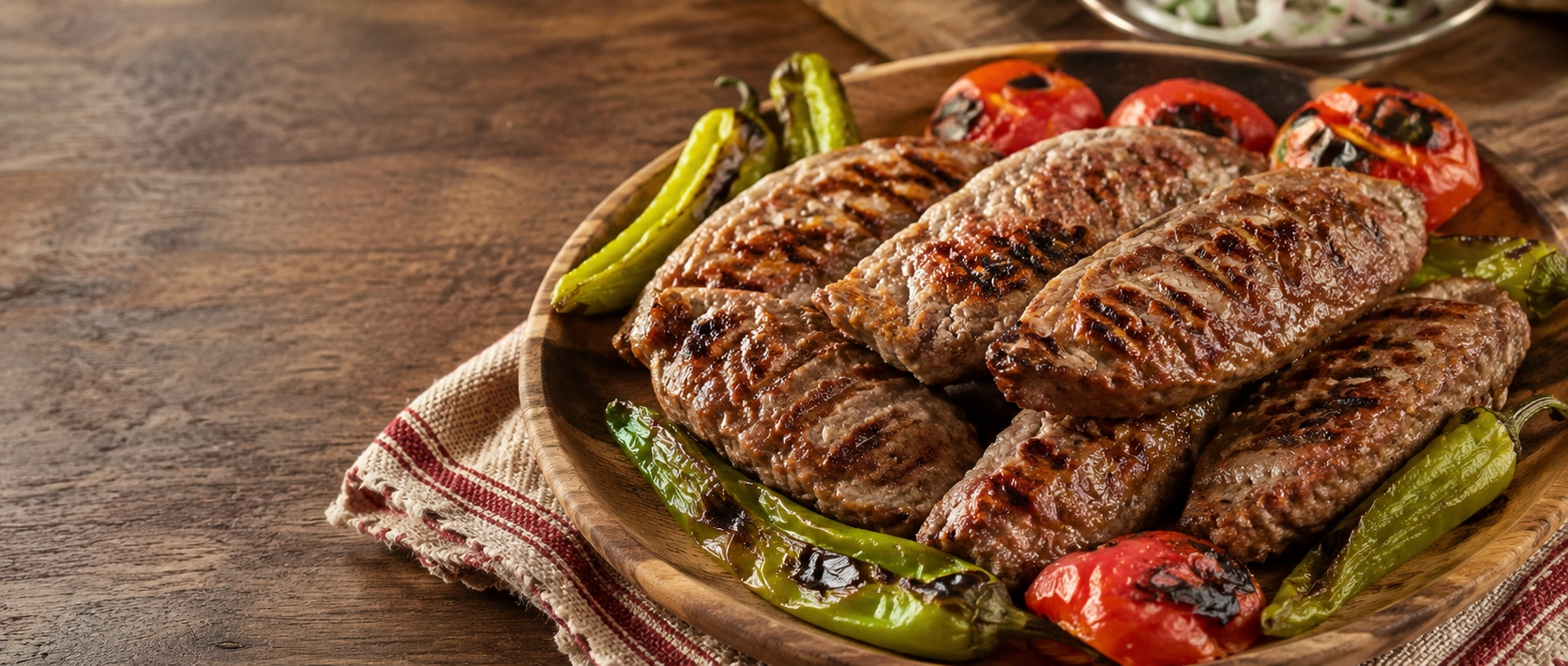
Create a private regional journey combining local meatball traditions, Hayrabolu desserts, vineyards, rural landscapes and the historic attractions of Tekirdağ Province.
Request a Custom Tour