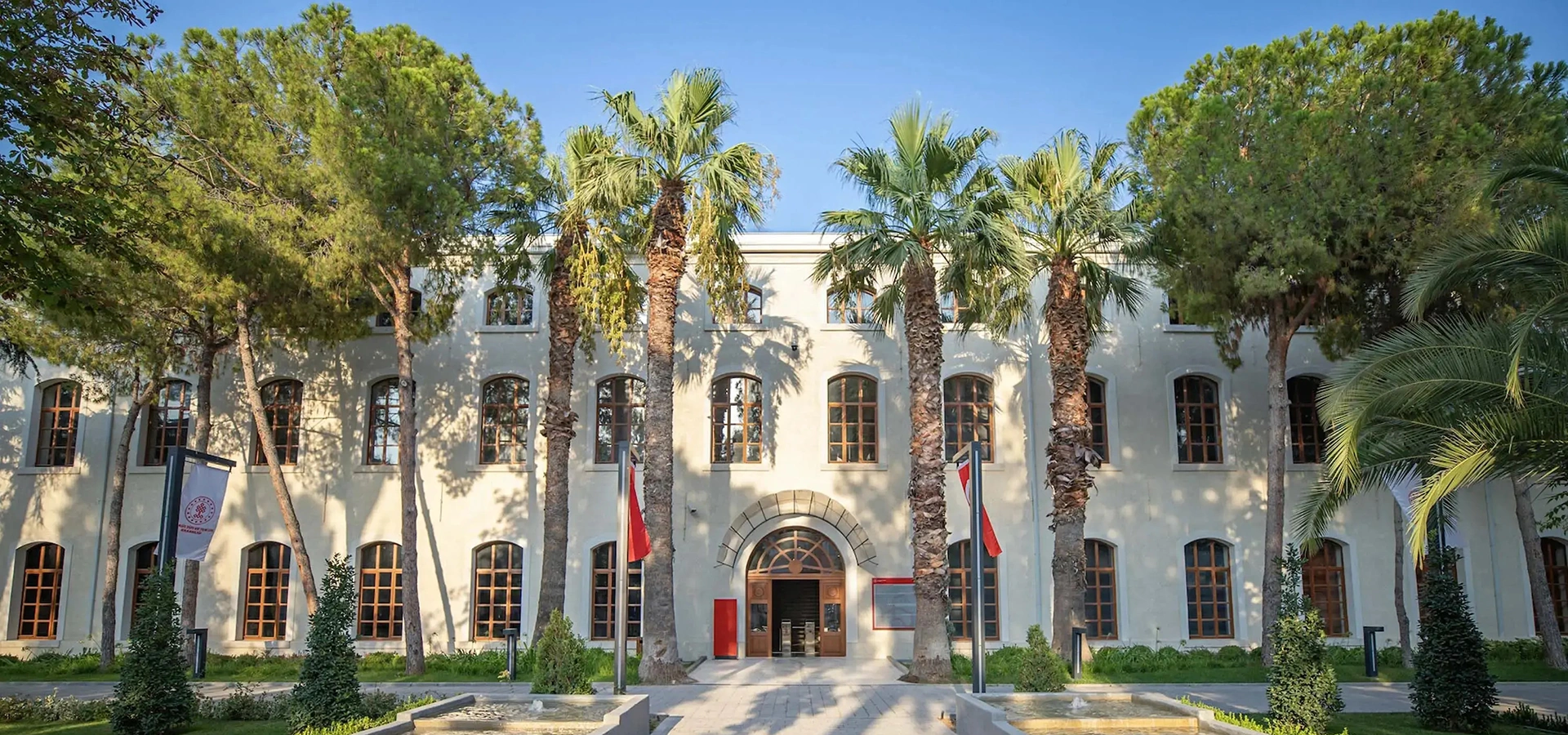
İzmir Kültür Sanat Fabrikası
Explore the complete restored Alsancak Tekel Factory complex with museums, libraries, temporary exhibitions, cultural spaces and landscaped grounds.
Explore the Culture Factory





Among İzmir's museums, few provide a better introduction to the development of modern Turkish visual art than the İzmir Painting and Sculpture Museum — İzmir Resim ve Heykel Müzesi.
Its collection stretches from the artistic transformations of the Tanzimat period through the final decades of the Ottoman Empire, the formative years of the Turkish Republic and the many artistic movements that shaped modern and contemporary Türkiye.
Visitors encounter paintings, sculpture, ceramics and original prints by some of the most important names in Turkish art, including Şeker Ahmet Paşa, İbrahim Çallı, Hikmet Onat, Namık İsmail, Bedri Rahmi Eyüboğlu, Nurullah Berk, Fahrelnisa Zeid, Nuri İyem, Neşet Günal, Adnan Çoker, Neşe Erdok and Devrim Erbil.
The sculpture collection is equally important, with works by artists such as Turgut Pura, Kuzgun Acar, Zühtü Müridoğlu, Ali Hadi Bara, Ferit Özşen and Sadi Öziş, while ceramics introduce visitors to figures including Füreya Koral and other major practitioners of modern Turkish ceramic art.
Since April 2023, the museum has occupied a restored building inside the İzmir Kültür Sanat Fabrikası, the remarkable cultural complex created within İzmir's historic Alsancak Tekel Factory.
Trace major transformations in Turkish painting from the late Ottoman period to contemporary artistic approaches.
Encounter works by many of the painters and sculptors who helped define Türkiye's modern visual culture.
Explore several branches of the visual arts rather than a collection devoted exclusively to painting.
Experience the collection inside the restored Alsancak Tekel Factory, one of İzmir's important industrial heritage complexes.
Essential information for visiting one of İzmir's most important collections of modern Turkish art.
İzmir Painting and Sculpture Museum — İzmir Resim ve Heykel Müzesi.
İzmir Kültür Sanat Fabrikası, Alsancak, Konak.
The institution began as an art gallery in Kültürpark on 9 September 1952.
The museum reopened inside the restored Alsancak Tekel Factory complex in April 2023.
Painting, sculpture, ceramics and original prints spanning major periods of modern Turkish art.
The collection presents an important selection extending from the Tanzimat period to the present.
Works by leading figures including İbrahim Çallı, Fahrelnisa Zeid, Bedri Rahmi Eyüboğlu, Nuri İyem and many others.
Important works by Turgut Pura, Kuzgun Acar, Zühtü Müridoğlu, Ali Hadi Bara and other sculptors.
The collection also includes modern Turkish ceramic art, including works associated with Füreya Koral.
Alsancak Railway Station is approximately 100 metres from the cultural complex.
A ticket for the museum complex currently provides access to both principal museums within İzmir Kültür Sanat Fabrikası.
Allow approximately 1–2 hours for the museum, or longer when temporary exhibitions are included.
Türkiye's history cannot be understood only through archaeology, palaces and monuments. Its painters, sculptors and ceramic artists reveal another story — the transformation of society through images.
The İzmir Painting and Sculpture Museum provides an unusually accessible way to follow that transformation.
Its collection takes visitors through periods when Ottoman artists increasingly encountered European painting traditions, through the cultural reforms and experimentation of the early Turkish Republic, and onward into abstraction, social realism and contemporary visual expression.
Portraits reveal changing ideas of identity. Landscapes record cities and countryside transformed by modernisation. Abstract paintings demonstrate the growing international dialogue of Turkish artists, while sculpture and ceramics reveal new approaches to form, material and space.
The result is much more than a collection of attractive paintings.
It is a visual introduction to the evolution of modern artistic identity in Türkiye.
The story of the museum begins during a period when İzmir's cultural institutions were rapidly expanding.
On 9 September 1952, an art gallery opened inside the former Ministry of Education building in Kültürpark, a structure associated with the celebrated architect Bruno Taut.
The gallery represented an important development for İzmir's artistic community. Local artists gained an institutional venue in which to exhibit, while nationally organised state exhibitions could also reach audiences in the Aegean city.
The institution organised exhibitions, educational activities and art courses, helping establish itself as an important centre within İzmir's cultural life.
A decisive transformation occurred in 1973.
During the directorship of painter and sculptor Turgut Pura, the gallery developed into a museum and moved into a purpose-designed building on Mithatpaşa Caddesi in Konak.
Pura played an especially important role in expanding the museum's permanent collection, helping establish the artistic foundation visitors encounter today.
The museum remained associated with the Konak building for decades until the 30 October 2020 Aegean earthquake damaged the property.
Its activities subsequently returned temporarily to Kültürpark, where a revised exhibition arrangement opened to visitors in March 2022.
Another major chapter began in April 2023, when İzmir Painting and Sculpture Museum reopened inside the newly restored İzmir Kültür Sanat Fabrikası.
Today the collection occupies the second-largest restored building within the historic Alsancak Tekel Factory complex.
The museum's current setting is itself part of the experience.
The Alsancak Tekel Factory was once an important industrial complex associated with tobacco production and the economic development of modern İzmir.
After industrial production ended, the extensive factory site eventually underwent a major conservation, restoration and adaptive-reuse programme.
The resulting İzmir Kültür Sanat Fabrikası opened in 2023 as a large cultural campus incorporating museums, libraries, exhibition spaces, workshops, landscaped grounds and other cultural facilities.
İzmir Painting and Sculpture Museum occupies the second-largest historic building within the former factory.
The museum's architecture preserves the memory of an important chapter in İzmir's industrial and economic history.
The former factory buildings were carefully rehabilitated and adapted for cultural use.
The complex contains both the Painting and Sculpture Museum and the Archaeology and Ethnography Museum.
Specialised and public library facilities make the site valuable far beyond conventional museum tourism.
Additional galleries accommodate changing exhibitions and cultural programming throughout the year.
Gardens and open spaces allow visitors to relax between museums and cultural activities.
The museum's greatest strength is the broad historical span represented by its collection.
Rather than concentrating on a single artist or movement, it allows visitors to move through successive generations of Turkish visual culture.
The largest part of the collection traces changing approaches to portraiture, landscape, still life, abstraction and social themes.
Three-dimensional works demonstrate the emergence and development of modern sculpture in Türkiye.
Modern ceramic art reveals how traditional materials were transformed into independent artistic expression.
Printmaking adds another important dimension to the story of modern Turkish graphic and visual experimentation.
Works connected with the late Ottoman period reveal changing artistic education and increasing engagement with Western painting traditions.
The early Republic brought intense experimentation as artists developed new approaches to landscape, society, identity and modernity.
Later artists explored abstraction, geometry, expressionism and increasingly international artistic languages.
The collection continues toward artists whose careers extend into the later 20th century and contemporary period.
Historic official museum inventories have listed more than 500 works across painting, sculpture, ceramics and printmaking, although only a selection can be displayed at any one time and individual works may rotate.
One of the most rewarding ways to explore the museum is to treat its paintings as a visual timeline.
During the 19th century, increasing numbers of Ottoman artists received academic artistic training and became familiar with European approaches to perspective, oil painting, portraiture, landscape and still life.
Figures such as Şeker Ahmet Paşa became central to the emergence of modern easel painting within the Ottoman world.
Later generations pushed these developments further.
Artists including İbrahim Çallı, Hikmet Onat and Namık İsmail are associated with one of the crucial stages in the development of early 20th-century Turkish painting.
Their generation helped bring greater attention to colour, atmosphere, light, landscape, portraiture and scenes of everyday life.
A pioneering figure in the development of modern Ottoman painting and one of the important early artists represented within the museum tradition.
An influential painter whose work forms part of the transition toward increasingly naturalistic and impressionistic artistic approaches.
One of the most recognisable names in early modern Turkish painting and closely associated with the 1914 Generation.
Especially associated with landscape and atmospheric observation, including scenes connected with Istanbul and the Bosphorus.
A major early Republican-era painter whose career connects artistic education, institutional development and modern painting.
Known particularly for carefully observed architectural interiors and the visual atmosphere of historic spaces.
The establishment of the Turkish Republic created a dramatically changing environment for art and artistic education.
Artists travelled, studied abroad, formed groups, debated artistic direction and experimented with new ways of reconciling international modernism with local experience.
The museum collection includes artists central to these discussions.
Associated with a generation that introduced increasingly modern approaches to composition, structure and form.
An important figure in early Republican Turkish painting whose work contributes to the development of modern artistic language.
A central name in Turkish modernism and among the artists associated with the influential D Group.
His work belongs to the complex interaction between modern European artistic ideas and emerging Republican Turkish art.
One of Türkiye's most beloved modern artists, known for combining modern artistic approaches with Anatolian motifs, folk traditions and strong colour.
An important modernist whose work demonstrates the growing role of abstraction and formal experimentation in Turkish art.
By the middle and later decades of the 20th century, Turkish art had become increasingly diverse.
There was no single dominant direction.
Some artists pursued abstraction and geometry. Others concentrated on social experience, the human figure, rural life, urban transformation or intensely personal modes of expression.
Internationally recognised for monumental compositions in which colour, geometry and energetic abstraction create extraordinary visual intensity.
Known especially for powerful figurative works and faces that became closely associated with social and Anatolian themes.
His art frequently centres on the human figure, rural communities and the difficult realities of life in Anatolia.
A major figure in Turkish abstraction whose compositions explore geometry, space, darkness, architecture and luminous form.
A significant figurative painter whose works examine human presence, social observation and psychological intensity.
Especially associated with intricate, rhythmic interpretations of urban landscapes and bird's-eye views of Istanbul.
His international career forms part of the wider story of Turkish artists participating in European post-war modernism.
Part of a later generation in which conceptual thought, cultural memory and contemporary visual language increasingly intersect.
Painting may dominate the museum's name recognition, but the sculpture collection deserves equal attention.
Modern sculpture developed relatively late as an independent artistic discipline within the Ottoman and early Republican worlds, making the work of Türkiye's pioneering sculptors especially significant.
Both an important sculptor and one of the most influential figures in the institutional history of İzmir Painting and Sculpture Museum.
A pioneering modern sculptor known for experimental, dynamic and frequently abstract approaches to material and space.
One of the formative names in modern Turkish sculpture and an influential figure in the development of sculptural education.
An important modernist sculptor whose career reflects the move from figurative approaches toward increasingly abstract forms.
Represented among the sculptors contributing to the museum's broad overview of modern Turkish three-dimensional art.
An artist whose work belongs to the expanding field of modern sculptural experimentation in Türkiye.
When viewing sculpture, walk around the works whenever the gallery layout allows. Unlike painting, sculpture changes continuously with viewpoint, shadow and distance.
The museum also demonstrates an important transformation in the history of Turkish ceramics.
Ceramic production has existed in Anatolia for thousands of years, but 20th-century artists increasingly approached clay not simply as a utilitarian or decorative medium but as a vehicle for independent artistic expression.
One of the pioneering figures of modern Turkish ceramics and among the most important artists represented in this part of the museum's collection.
Part of the development of studio ceramics as a distinctive field within modern Turkish visual culture.
His work contributes to the museum's representation of modern approaches to ceramic material, form and surface.
A significant ceramic artist closely associated with İzmir and contemporary ceramic practice in Türkiye.
These objects are particularly rewarding when viewed after the paintings and sculpture because they demonstrate how artistic experimentation crossed traditional boundaries between the so-called fine and applied arts.
Look for works revealing how Ottoman artists adopted and transformed Western academic painting techniques.
Notice increasingly free brushwork, light and colour in works associated with artists such as İbrahim Çallı and Hikmet Onat.
Look for the dialogue between modern art and visual traditions drawn from Anatolian folk culture.
Her presence connects Turkish modernism with a wider international history of 20th-century abstraction.
Pay attention to the emotional power of the human figure and the recurring importance of faces within his artistic language.
Look at how geometric forms can create an almost architectural sense of space and depth.
Study the relationship between solid material and the empty space surrounding sculptural forms.
Notice how ceramic material becomes an independent modern artistic language rather than simply decoration.
Artists such as Devrim Erbil demonstrate how the modern city can be transformed into rhythm, pattern and abstraction.
Check the additional exhibition spaces, as changing shows may introduce contemporary artists not represented in the permanent displays.
Visitors sometimes approach art museums believing they need extensive knowledge of art history before they can enjoy them.
You do not.
A few simple questions can completely change the experience.
Enough for a rapid highlights visit if you concentrate on major painters and sculptors.
A good introduction to the main permanent collection without reading every label.
Recommended for most visitors who want to understand the chronological development of Turkish art.
Ideal for art lovers who want time for painting, sculpture, ceramics and temporary exhibitions.
Suitable if a major temporary exhibition is running or you prefer detailed visual study.
Combine the museum with the Archaeology and Ethnography Museum and the rest of İzmir Kültür Sanat Fabrikası.
The museum should not be treated as a completely static collection.
Temporary exhibition spaces within İzmir Kültür Sanat Fabrikası regularly host changing exhibitions, artistic projects and cultural events.
These programmes can include contemporary painting, sculpture, ceramics, mixed exhibitions, talks, workshops and other visual arts activities.
This means that two visits separated by several months may provide noticeably different experiences.
Changing shows introduce additional artists, themes and contemporary approaches beyond the permanent collection.
Cultural programmes may include conversations, lectures and presentations connected with visual culture and art history.
The wider cultural complex hosts educational and creative programmes for different age groups.
Festival periods and cultural programmes can bring additional exhibitions and activities to the museum.
If contemporary art is one of your main interests, check the current İzmir Kültür Sanat Fabrikası event programme shortly before your visit.
The museum is located inside İzmir Kültür Sanat Fabrikası and currently follows the cultural complex's museum visiting schedule.
Opening hours, ticket tariffs and admission rules can change, particularly during holidays or special events, so always check the latest official information before making a special journey.
The museum's relocation to İzmir Kültür Sanat Fabrikası has made it particularly convenient for visitors exploring Alsancak.
The complex stands only around 100 metres from Alsancak Railway Station, one of the most useful public-transport hubs in central İzmir.
Use Alsancak Station and continue on foot. The cultural complex is located only a short distance from the railway station.
Konak Tram services provide convenient access to the Alsancak area, followed by a short walk toward the museum complex.
Numerous municipal bus routes serve Alsancak and the railway-station area from districts throughout İzmir.
The museum is easily walkable from Alsancak Station and can also be reached comfortably from much of central Alsancak.
Ask for İzmir Kültür Sanat Fabrikası on Ziya Gökalp Bulvarı rather than the museum's old Mithatpaşa address.
The cultural complex does not have its own private visitor car park, so public transport is usually the easier option.
A good option for quieter galleries and careful viewing before continuing through Alsancak.
Works particularly well if you plan to have lunch in Alsancak before continuing toward Kordon.
An excellent indoor cultural stop, especially during İzmir's hotter summer months.
Use the museum during the strongest midday heat and return to the waterfront toward late afternoon.
One of central İzmir's best options for a cool or rainy day devoted to museums and culture.
Temporary shows can significantly expand the visit, so check the current cultural calendar beforehand.
Often preferable if you want a slower museum experience away from weekend cultural activity.
Combine it with the adjacent Archaeology and Ethnography Museum for one of İzmir's strongest indoor cultural itineraries.
Photograph works square-on whenever possible to minimise perspective distortion and reflections.
Try several viewpoints rather than assuming the front of a sculpture is always its strongest composition.
Wide compositions can capture the contrast between contemporary museum displays and restored industrial architecture.
Close views of brushwork, texture and sculptural surfaces can reveal elements invisible in wider photographs.
Change your position slightly when photographing works protected by glass to reduce glare from gallery lighting.
Flash can disturb other visitors and may be restricted around artworks.
Photography rules can vary for loaned works and special exhibitions.
Always follow current signage concerning photography, video, flash, tripods and professional equipment.
This is one of the most important practical details to understand before visiting.
For decades, İzmir Painting and Sculpture Museum was associated with its well-known building at Mithatpaşa Caddesi No: 94 in Konak.
Following damage from the 2020 earthquake, the collection temporarily returned to Kültürpark.
Since April 2023, however, the museum's visitor location has been inside İzmir Kültür Sanat Fabrikası in Alsancak.
The original gallery opens in Kültürpark.
The museum becomes closely associated with its purpose-built Mithatpaşa Caddesi location.
A temporary exhibition arrangement operates once again within Kültürpark.
The current museum is located inside İzmir Kültür Sanat Fabrikası on Ziya Gökalp Bulvarı in Alsancak.
When using online maps or older travel websites, always check that the destination shown is the current Alsancak location.
Explore the entire restored factory campus rather than visiting only the painting and sculpture galleries.
The complex's second major museum allows you to move directly from modern art into the much longer history of İzmir and western Anatolia.
The historic station district provides an immediate connection with İzmir's transport and urban history.
Continue toward the waterfront for historic streets, cafés, restaurants and one of İzmir's most enjoyable evening walks.
The extensive park is closely connected with the early history of the museum and remains one of central İzmir's major green spaces.
Continue through Alsancak to explore another important museum connected with İzmir and the early Turkish Republic.
Add a very different layer of İzmir's cultural history through one of the city's important historic Christian landmarks.
Continue south along the waterfront for historic architecture, sea views and the urban heart of central İzmir.
Combine the Painting and Sculpture Museum with the Archaeology and Ethnography Museum in the same cultural complex.
Allow additional time to explore the restored architecture, libraries, temporary exhibitions and landscaped grounds.
Spend the afternoon with Turkish art before walking toward the waterfront for sunset.
Connect the museum's present home with the park in which the institution originally opened in 1952.
Combine modern Turkish art with the Atatürk Museum and other landmarks associated with İzmir's 20th-century history.
Use İzmir Kültür Sanat Fabrikası as the centrepiece of a museum-focused day when outdoor sightseeing is less appealing.
Navigate to İzmir Kültür Sanat Fabrikası rather than the museum's former Mithatpaşa Caddesi building.
Following the collection through time makes the development of Turkish modern art much easier to understand.
A painting's date can be as revealing as its subject when comparing late Ottoman, Republican and modern works.
The museum includes important sculptors, so allow time for three-dimensional works rather than concentrating exclusively on paintings.
Modern ceramics provide one of the most interesting bridges between traditional materials and contemporary artistic ideas.
A changing exhibition can add considerably to the duration and value of your visit.
The adjacent archaeology and ethnography collection makes the Culture Factory particularly worthwhile for museum lovers.
Alsancak Station is extremely close and the cultural complex does not operate a dedicated visitor car park.
Museum schedules and ticket arrangements can change, especially around holidays and special events.
Art museums become far more rewarding when you spend several minutes with selected works instead of trying to see everything equally quickly.
Turn the visit into a visual game by looking for faces, colours, landscapes, shapes, animals and unusual materials.
Individual works may be moved for exhibitions, conservation or changing displays, so specific pieces cannot always be guaranteed.
It is a state art museum preserving and exhibiting important examples of Turkish painting, sculpture, ceramics and printmaking from the late Ottoman period through modern and contemporary Türkiye.
The museum is currently located inside İzmir Kültür Sanat Fabrikası at Mimar Sinan Mahallesi, Ziya Gökalp Bulvarı No: 36 in Alsancak, Konak.
No. Although the museum was located on Mithatpaşa Caddesi for decades, it now operates inside İzmir Kültür Sanat Fabrikası in Alsancak.
The institution first opened as an art gallery in Kültürpark on 9 September 1952.
The gallery was transformed into a museum in 1973 during the period associated with director and sculptor Turgut Pura.
The building was affected by the 30 October 2020 Aegean earthquake, after which the museum temporarily returned to Kültürpark before moving to its present location.
It opened to visitors in its new Alsancak location in April 2023.
The collection includes paintings, sculpture, ceramics and original prints representing important periods and artists in modern Turkish art.
The museum describes its collection as extending from the Tanzimat period to the present.
Artists represented include Şeker Ahmet Paşa, Halil Paşa, İbrahim Çallı, Hikmet Onat, Namık İsmail, Bedri Rahmi Eyüboğlu, Nurullah Berk, Fahrelnisa Zeid, Nuri İyem, Neşet Günal, Adnan Çoker, Neşe Erdok and Devrim Erbil, among others.
Yes. Fahrelnisa Zeid is among the important modern Turkish artists represented in the museum collection.
Yes. Sculptors represented include Turgut Pura, Kuzgun Acar, Zühtü Müridoğlu, Ali Hadi Bara, Ferit Özşen and Sadi Öziş.
Yes. The collection includes important examples of modern Turkish ceramics, including work associated with Füreya Koral and other ceramic artists.
Yes. The museum and wider Culture Factory host changing exhibitions and cultural activities throughout the year.
The museum is currently listed as open every day from 08:30 to 17:30, with the box office closing at 17:00. Always confirm current hours before visiting.
Yes. Current official information lists the museum as open every day of the week, including Monday.
Yes. Current official information states that visitors can enter the museums using MüzeKart according to the applicable conditions.
Current official visitor information states that the museum ticket grants access to both the Painting and Sculpture Museum and Museum İKSF – Archaeology and Ethnography.
Allow approximately 1–2 hours for a comfortable visit. Art enthusiasts or visitors exploring a temporary exhibition may wish to stay longer.
Absolutely. The chronological range makes it an excellent introduction to the development of modern Turkish painting, sculpture and ceramics.
Yes. Colour, portraiture, sculpture and unusual forms can make the museum engaging for children when adults turn the visit into a visual exploration.
Photography arrangements may vary by gallery and exhibition. Follow current museum signage and staff instructions, particularly regarding flash and temporary exhibitions.
Alsancak Railway Station is approximately 100 metres from İzmir Kültür Sanat Fabrikası and provides access to İZBAN and other public transport.
İzmir Kültür Sanat Fabrikası currently states that it does not have its own private visitor car park.
Yes. The Painting and Sculpture Museum and Archaeology and Ethnography Museum occupy the same cultural complex and make an excellent half-day museum combination.
Yes. The museum is ideally positioned for continuing through Alsancak toward Kordon, the Atatürk Museum and İzmir's waterfront.
Its collection brings together important generations of Turkish painters, sculptors and ceramic artists while documenting more than a century of changing artistic ideas and cultural identity.
Use İzmir Painting and Sculpture Museum as the starting point for a wider journey through the museums, historic neighbourhoods and cultural heritage of central İzmir.
Continue from modern Turkish art into archaeology, restored industrial heritage, historic Alsancak and the waterfront culture of the Aegean metropolis.
Explore the complete restored Alsancak Tekel Factory complex with museums, libraries, temporary exhibitions, cultural spaces and landscaped grounds.
Explore the Culture Factory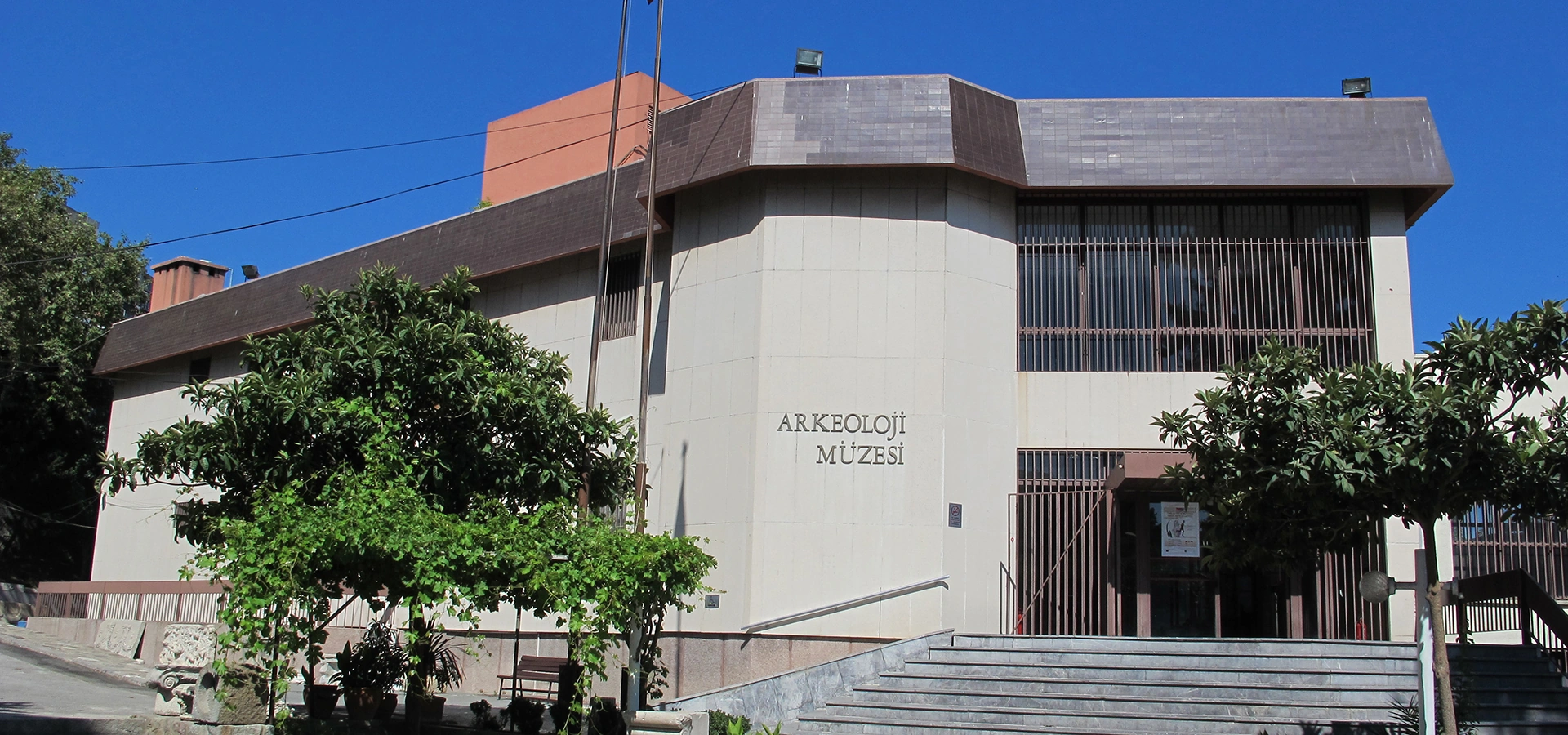
Travel much further back in time through ancient sculpture, ceramics, bronze works, sarcophagi and archaeological discoveries from İzmir and western Anatolia.
Explore İzmir Archaeology Museum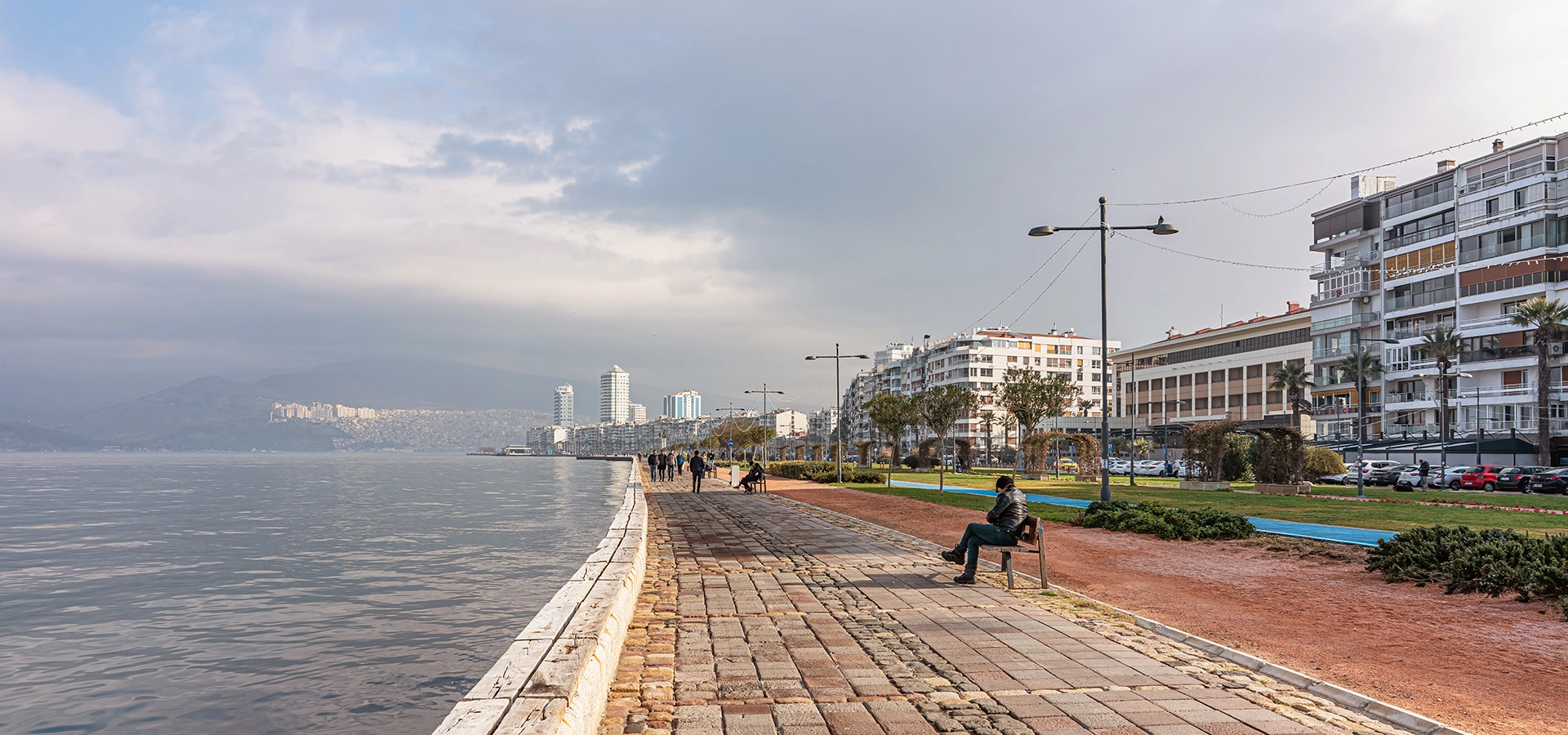
Continue from the museum into one of İzmir's most enjoyable neighbourhoods, filled with historic streets, cafés, waterfront walks and celebrated sunset views.
Explore Kordon & Alsancak
Continue with our complete İzmir guide covering museums, ancient sites, historic neighbourhoods, churches, synagogues, markets, cuisine and day trips.
View İzmir Guide