Private Kalem, Garip & Bademli Experience
Ask us about a tailor-made coastal day combining private transportation, Bademli and a carefully planned island or boat experience.
Request a Custom Experience





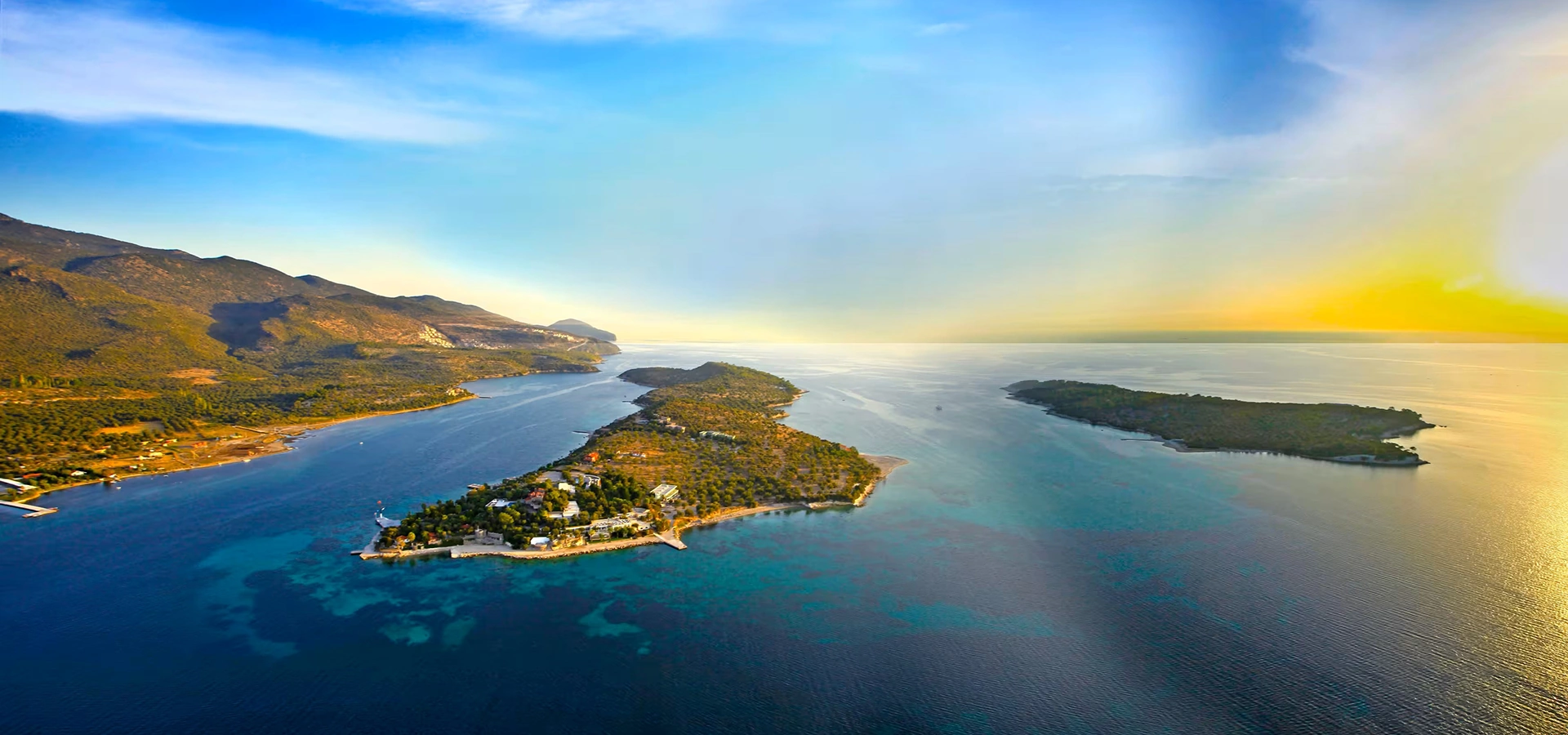
Just offshore from Bademli on the southern side of the Dikili district, Kalem Island and Garip Island form one of the most striking coastal landscapes in northern İzmir. Pale seabeds, sheltered channels and remarkably clear Aegean water create shades of turquoise more commonly associated with the southern Mediterranean.
The islands appear almost close enough to touch from parts of the mainland. Yet their character is very different from an ordinary roadside beach. Access is primarily by boat, and the two islands also have different visitor arrangements.
Garip Island is the more natural day-trip destination. Small boats and local excursions can reach its shores and surrounding bays, but there are no normal shops or beach facilities on the island. Visitors need to arrive prepared with water, sun protection and everything required for their stay.
Kalem Island, immediately opposite, operates differently. It contains a private island hotel and associated facilities, so travellers should never assume that arriving offshore automatically provides public access to the island's private beach areas.
Together with the extraordinary water between them, the islands create one of the defining experiences of the Bademli coast: swimming, boating, snorkelling and enjoying a North Aegean landscape that remains remarkably close to the mainland while feeling completely removed from it.
A natural island of pale beaches, clear water and undeveloped shoreline reached primarily by boat from the Bademli area.
A narrow private island opposite Garip, surrounded by beautiful sea and home to a private island hotel.
Shallow pale seabeds between the islands create some of the most vivid blue and turquoise water around Dikili.
The island group is associated with the ancient Arginusae and the famous naval battle fought nearby in 406 BC.
Essential information for planning an island and swimming experience off the Bademli coast near Dikili.
Kalem and Garip Islands lie offshore from Bademli in the Dikili district of northern İzmir Province.
Kalem Adası lies closer to the Bademli coast, while Garip Adası sits immediately beyond it toward the open Aegean.
Both islands lie only a few hundred metres offshore, with official tourism information placing them at roughly 400 metres from the mainland.
Boat access is the practical option, particularly from Bademli harbour and nearby coastal departure points.
A natural swimming destination with pale sand and clear water but no normal visitor facilities or shops.
A privately operated island with hotel and beach facilities; access conditions should be confirmed directly before visiting.
Exceptionally clear turquoise water, sheltered swimming areas, pale beaches, island scenery and boat excursions.
Garip Island and part of Kalem Island fall within an officially protected natural area with a high conservation status.
The islands are traditionally associated with the ancient Arginusae island group mentioned in classical sources.
The Battle of Arginusae, a major naval battle of the Peloponnesian War, was fought in these waters in 406 BC.
June through September is the classic swimming period, while late spring and early autumn can be quieter.
Allow several hours for an island swimming trip or dedicate a full day to a wider Bademli boat experience.
Kalem and Garip Islands deserve attention not because they are large or filled with attractions, but because the combination of sea colour, sheltered geography and untouched coastal scenery is exceptional.
The first reason to visit is simply the water. Pale sand and shallow seabeds create luminous shades of turquoise around parts of the islands, while deeper channels introduce darker blues only a short distance away.
The second reason is the island setting. Looking back toward the olive-covered Bademli mainland while swimming beside a small Aegean island creates a completely different experience from spending the day on an ordinary town beach.
The third reason is variety. A boat day can combine open-water views, sheltered swimming, small beaches, snorkelling and quiet coves without travelling far along the coast.
Finally, these islands also add historical depth to the landscape. The surrounding waters are traditionally associated with the ancient Arginusae and one of the most remarkable naval episodes of the Peloponnesian War.
Kalem Island and Garip Island lie in the North Aegean directly off the coast of Bademli, south of central Dikili in İzmir Province.
Kalem Island is the elongated island closer to the mainland. Garip Island lies immediately offshore beyond it, separated from Kalem by a beautiful channel of shallow blue and turquoise water.
The protected position of the islands helps create numerous sheltered sections where water can appear extremely calm in favourable weather.
Their proximity to Bademli makes them natural additions to any journey exploring Dikili and the surrounding North Aegean coastline.
Kalem Island is the elongated island that dominates the seaward view from this part of Bademli.
Official İzmir tourism information describes the island as lying approximately 400 metres from the mainland and extending for roughly 1.5 kilometres from north to south at its longest point.
The island is covered with Mediterranean and Aegean vegetation, while its shoreline alternates between beaches, rocky sections, platforms and sheltered water.
Kalem should not be treated as an unrestricted public island. A private island hotel and associated beach operations occupy the island, and visitor access depends on the arrangements of the operating property.
If Kalem Island itself is the main purpose of your journey, confirm current day-use, restaurant, beach or accommodation arrangements in advance rather than arriving at Bademli and assuming access will be available.
Immediately beyond Kalem lies Garip Island, the island most commonly visited during local boat excursions.
Garip has a much more natural visitor character. There are no normal shops, restaurants or organized beach facilities waiting when you arrive.
This simplicity is one of its attractions. Visitors come for the sea, beaches and landscape rather than entertainment infrastructure.
Several sections of the shoreline contain light-coloured sand and very clear shallow water, particularly when the sea is calm.
Shade is limited around much of the coast. Anyone staying on Garip for more than a brief swimming stop should carry sufficient water and serious sun protection.
A privately operated island with accommodation, managed facilities and controlled access arrangements.
A natural island visited primarily for beaches, swimming and boat excursions, without normal visitor facilities.
More structured and service-oriented when access has been arranged through the island's hospitality operation.
More independent and nature-focused, requiring visitors to bring what they need and leave nothing behind.
The important point is not to assume that both islands operate in the same way simply because they stand side by side.
The sea surrounding the islands is one of the main reasons this part of Dikili has become so widely photographed.
In shallow areas, sunlight reflects from pale sand and light-coloured seabed, creating intense turquoise water. Nearby deeper areas appear dark blue, producing remarkable colour transitions when viewed from a boat or from above.
Some local boat operators and travel guides use names such as Akvaryum Koyu, or Aquarium Bay, for particularly clear swimming areas around the islands.
These names should be understood as local coastal descriptions rather than evidence that one entire stretch of water forms a formally managed beach.
The exact colour and clarity vary with wind, waves, sunlight and recent weather, so no two visits look exactly the same.
The extraordinary appearance of this coastline is accompanied by important environmental protection.
In 2021, the protected status of the wider Dikili islands area was formally reorganized through national and provincial conservation decisions.
The designated strictly protected sensitive area includes the entirety of Garip Island and a portion of Kalem Island, while surrounding sections also fall within broader natural-site protection categories.
This means visitors should see the islands not simply as recreational beaches but as part of a sensitive coastal ecosystem.
Never remove sand, plants, shells, stones or archaeological material, and avoid creating new paths or disturbing vegetation.
The history of this coastline reaches far beyond modern tourism.
Official İzmir tourism information associates Garip and Kalem with the ancient island group known as the Arginusae, mentioned by the ancient geographer Strabo.
The ancient geography is particularly interesting because coastlines do not remain completely unchanged over thousands of years.
One island belonging to the traditional group is thought to have become connected with the mainland through natural processes, leaving the modern coastal landscape different from that described in antiquity.
This makes the islands valuable not only for swimming but also for understanding how history, geography and the Aegean Sea interact.
The waters around the ancient Arginusae became famous in 406 BC during the closing years of the Peloponnesian War.
An Athenian fleet confronted the Spartan fleet commanded by Callicratidas in a major naval engagement near the islands.
Athens won the battle, but the aftermath became politically disastrous. Severe weather prevented the rescue of many shipwrecked sailors, and several Athenian commanders were later prosecuted after returning home.
The episode has become one of the most discussed moments of late fifth-century BC Athenian history because military success was followed by an extraordinary political crisis.
Standing beside the quiet turquoise water today, it is difficult to imagine hundreds of ancient warships manoeuvring through the same North Aegean seascape.
The islands should not be imagined as having one continuous organized beach.
Instead, the coastline contains a mixture of small sandy sections, pale shallow seabeds, rocky edges and protected coves.
Garip Island is particularly attractive for visitors who want to swim directly from a natural shore without the atmosphere of a large beach club.
Because the beaches are natural, their shape can vary after winter storms and changing sea conditions.
Seaweed, shells and other natural material may also accumulate along the shoreline. These are normal parts of an undeveloped coastal environment rather than signs that the beach is poorly maintained.
Swimming is the central activity around both islands.
When conditions are calm, sheltered sections can offer exceptionally clear water and comfortable entry from sandy or gently shelving areas.
However, island swimming is different from swimming at a supervised municipal beach. Depth can change, boats operate nearby and currents can become more noticeable outside protected coves.
Always assess conditions before entering, particularly when swimming from a boat rather than from shore.
Do not swim into navigation routes simply because the distance between two visible points appears short.
The clarity of the water makes the Kalem and Garip area suitable for relaxed recreational snorkelling.
Look around rocky sections where small fish and marine life find more structure than on open sand.
Underwater vegetation is an important part of the Aegean ecosystem and should never be pulled up or damaged.
Pale sandy areas create excellent visibility in calm conditions and are ideal for relaxed swimming.
Stay close to your boat or designated swimming zone and remain visible to approaching vessels.
Snorkelling quality changes with wind and surface movement. The calmest day will usually provide the clearest underwater experience.
Travel south toward Bademli and continue to the appropriate harbour or boat meeting point arranged for your excursion.
Bademli is the main coastal base for reaching Garip Island and exploring the surrounding bays by small boat.
Arrange a local small boat, private boat or excursion that includes the island and surrounding swimming areas.
Access is normally linked to the island's private hospitality arrangements and should be confirmed beforehand.
A private boat provides the greatest flexibility for choosing quieter swimming stops and adjusting the day to sea conditions.
Shared excursions can provide an easy way to experience several Bademli coves and island swimming points in one day.
For most independent visitors, Bademli is the logical gateway to Garip Island.
Small local boats operate in the coastal area, while larger excursions may include the islands among several swimming stops around the wider Bademli shoreline.
Schedules, prices and operating days change according to season, demand and weather, so avoid relying on an old online departure timetable.
During the busiest summer weeks, contacting a boat operator beforehand is sensible if reaching Garip Island is a major priority.
For a wider introduction to the village, beaches and surrounding coastline, continue with our complete Bademli travel guide.
Best for couples, families or small groups who want flexible timing and more control over swimming stops.
Usually the simplest option for travellers who want a straightforward full-day coastal experience.
A small local boat can work well when your objective is specifically reaching Garip Island rather than touring the wider coast.
Suitable when you want to combine the islands with several coves, swimming stops and lunch on the water.
Whichever option you choose, confirm what is included, where the boat departs, whether lunch or drinks are provided and whether the itinerary involves swimming ashore rather than docking.
The islands appear extremely close to one another and to the mainland.
That visual impression should not encourage visitors to treat the crossings as casual recreational swims.
Boats move through the area, conditions can change quickly and even moderate wind can create current and surface chop outside sheltered sections.
The safest approach is to use a boat for transfers and swim only within appropriate areas where your captain or local operator considers conditions suitable.
Long open-water swimming should only be attempted with appropriate experience, visibility equipment, local knowledge and support.
Do not expect shops, permanent restaurants, organized sunbeds or reliable visitor services.
Natural shade is limited around much of the shoreline, making an umbrella or other sun protection useful.
Hotel, restaurant and beach facilities exist, but they operate within a private hospitality environment.
Full-day excursion boats may provide toilets, shade, drinks or lunch depending on the vessel and operator.
Never assume Garip will have drinking water available. Carry enough for your entire stay if your boat is leaving you ashore for several hours.
A visit to Garip Island requires more preparation than a normal beach day.
There are no dependable food or drink businesses on the island, so visitors arriving independently should carry their own drinking water and food.
Carry more drinking water than you expect to need, particularly during July and August.
Choose food that travels easily and does not create unnecessary packaging or waste.
Many longer boat experiences include or offer lunch, removing the need to carry a full meal ashore.
Return to the mainland for cafés, restaurants and village food after the island portion of your day.
Beautiful for coastal scenery and spring landscapes, although the sea remains cool for most swimmers.
Excellent for quiet sightseeing, boating on calm days and the beginning of the swimming season.
One of the best overall periods, with warm weather and generally fewer crowds than peak summer.
Classic swimming weather with strong sunshine, warm sea temperatures and increased boat activity.
The busiest period. Reserve boats early and prepare carefully for sun exposure and midday heat.
Outstanding for swimming, with warm sea temperatures and a more relaxed atmosphere later in the month.
Possible on calm sunny days, although boat schedules become less predictable as the season ends.
Beautiful from the coast but much less suitable for planning a conventional recreational island day.
For the strongest combination of warm water, reliable boating conditions and slightly lighter crowds, June and September are particularly attractive.
Morning is generally the most comfortable time to begin an island trip.
Temperatures are lower, the sea can be calmer and you have the full day available if conditions encourage a longer stay.
Around midday, strong overhead sunlight often produces the brightest turquoise colour in shallow water, making this an excellent period for photography from a boat.
Late afternoon provides softer light and beautiful views back toward the mainland, but make sure your return boat arrangements are clear before remaining ashore.
A beautiful sunny forecast does not automatically guarantee ideal boating conditions.
Wind direction and strength can change how comfortable individual bays feel and can influence where a captain chooses to stop.
A sheltered section may remain calm while exposed sides of the islands experience noticeably rougher water.
Local boat captains understand these differences and may modify routes during the day according to actual sea conditions.
Flexibility usually produces a better experience than insisting on one exact anchorage regardless of wind.
Enough for a quick boat crossing and short swimming stop if your schedule is extremely limited.
A reasonable minimum for reaching Garip, swimming and enjoying the coastline without immediately returning.
Ideal for a relaxed half-day including several swims and time ashore where access permits.
Excellent for a private boat focused on the islands and the immediate Bademli coastline.
The best option for combining Kalem and Garip waters with additional coves and a relaxed lunch.
Useful when combining a dedicated island day with beaches, Bademli village and other Dikili attractions.
The itinerary should always remain flexible because the best anchorage depends on wind, sea conditions and seasonal boat traffic.
Elevated standing positions provide the best perspective for showing changes in water colour.
Strong overhead sunlight often produces the brightest colour in shallow sandy areas.
Use pale beach, clear water and surrounding blue sea to create a layered island composition.
The island's long narrow shape is especially impressive when viewed diagonally across the water.
Clear calm water can work beautifully for simple underwater photographs close to the surface.
Small wooden boats add scale and traditional Aegean character to wide island photographs.
Use a waterproof bag or pouch because spray, wet towels and swimmers create constant moisture aboard boats.
Avoid photographing private hotel areas or other visitors at close range without permission.
The islands can provide an excellent family experience, particularly for children already comfortable around boats and water.
Parents should remember that Garip is a natural island rather than a managed family beach. Shade, toilets, food and lifeguard supervision should not be assumed.
Life jackets should be available and correctly sized for children aboard any boat used for the crossing.
Very young children may be more comfortable on a larger shaded boat than on a small open craft during the strongest summer heat.
Accessibility for travellers with restricted mobility depends heavily on the vessel, boarding arrangement and exact landing point.
Discuss mobility requirements with the boat operator before booking rather than assuming that a low dock or easy beach landing will be available.
Follow the captain's instructions and use appropriate safety equipment whenever required.
Never swim across an active channel without proper support and visibility.
Garip has limited shade and reflection from the sea increases sun exposure.
Useful around rocky entries, shells and uneven natural shorelines.
Sea conditions matter even when the sky is clear and temperatures are high.
Carry sufficient drinking water, particularly if spending several hours ashore.
Natural islands do not provide the controlled environment of a hotel swimming pool.
Never remain ashore without a clearly agreed pickup time and communication arrangement.
Carry all bottles, food packaging, cigarette waste and other rubbish back to the mainland.
Do not create new footpaths through protected island plants simply to reach a photograph location.
Natural materials belong on the island and should not be collected as souvenirs.
Observe fish and other sea life without chasing, catching or removing them.
Boat operators should use appropriate anchoring practices and respect sensitive underwater habitats.
Allow the islands to remain a natural coastal environment rather than turning quiet bays into party zones.
Never light fires or disposable barbecues in natural island vegetation.
Follow current conservation notices, access restrictions and instructions from local authorities.
Arrange boats in advance during July, August and busy weekends.
Garip Island has no dependable place to purchase drinks.
Protect yourself from intense Aegean sun while minimizing unnecessary impact on the marine environment.
Shade can be limited both on small boats and along Garip's shore.
Useful for phones, cameras, wallets and clothing when transferring from boat to shore.
They make rocky entries and natural shoreline sections considerably easier.
A lightweight quick-drying towel is ideal when space aboard the boat is limited.
Ask whether your boat docks, anchors offshore or requires passengers to swim or wade to the beach.
Do not assume that private island facilities are automatically available to non-resident visitors.
Wind is just as important as temperature when planning a pleasant island day.
Explore the coastal village, olive landscapes, beaches and beautiful coves directly opposite the islands.
Continue north for town beaches, waterfront restaurants, promenades and a relaxed North Aegean atmosphere.
A beautiful Bademli-area beach known for clear water, pale sand and an attractive natural setting.
Another famous section of the Bademli coastline with distinctive pale seabed and vivid water colour.
A quieter boat-access coastal area that can sometimes be included on local swimming excursions.
Exchange saltwater and islands for forest, natural pools, caves and freshwater cascades inland from Dikili.
Add archaeological heritage, historic neighbourhoods and the extraordinary legacy of ancient Pergamon.
Continue inland into pine forests, highland villages and a completely different North Aegean landscape.
Spend the morning on the water and the late afternoon exploring the village and mainland beaches.
Combine a half-day boat experience with an evening walk and dinner on the Dikili waterfront.
Experience turquoise Aegean water and a shaded inland waterfall valley within the same Dikili journey.
Pair one of northern İzmir's most beautiful marine landscapes with one of Türkiye's great archaeological destinations.
Dedicate the entire day to the sea, combining Garip with several surrounding coves rather than rushing inland.
Include Bademli and the islands within a longer route connecting Dikili, Bergama, Çandarlı and Foça.
They lie off the coast of Bademli in the Dikili district of İzmir Province in western Türkiye.
Official İzmir tourism information places both islands at approximately 400 metres from the mainland.
The usual option is to arrange a small boat or excursion from the Bademli coastal area.
No. Garip is an offshore island and has no road connection with the mainland.
No. Even though it lies close to the mainland, it remains separated by sea and should be reached by boat.
The distance may look short, but open-water swimming involves boat traffic and changing conditions. Boat transport is the sensible choice.
Garip is primarily a natural island destination and does not operate like a populated village or developed resort area.
No normal visitor restaurant or shop should be expected, so take food and drinking water if staying ashore.
Do not rely on finding visitor toilet facilities ashore. Your boat may provide facilities depending on the vessel.
Shade is limited around much of the shoreline, so strong sun protection or a portable umbrella is useful.
The island itself is a natural site, but you will normally need to pay for boat transport or an organized excursion.
Kalem is privately operated. Access to its hotel, beaches and facilities depends on current property arrangements and should be confirmed in advance.
Yes. Kalem Island contains private hotel accommodation.
Do not assume day access is available. Visitor and beach-club arrangements can change, so confirm directly before travelling.
Official tourism information describes it as a narrow island extending approximately 1.5 kilometres from north to south.
Shallow water over pale sand and light-coloured seabed reflects sunlight and creates vivid blue and turquoise tones.
Yes, the area is known for very clear water, although visibility naturally changes with wind, waves and weather.
Yes. Calm conditions can provide excellent simple snorkelling around rocky areas, sand and underwater vegetation.
Some bays and channels have extensive shallow sections, but depth changes quickly in other areas.
Yes when sea conditions are suitable, but Garip has few facilities and children require close supervision around boats and open water.
June and September offer an excellent balance of swimming weather, warm sea temperatures and generally lighter crowds than peak August.
Yes. These are the busiest swimming months, so reserve boats early and prepare carefully for strong sun.
Yes on suitable weather days, although seasonal boat operations may become more limited.
Morning is ideal for starting the trip, while midday sunlight often produces the strongest turquoise water colour.
Allow at least 2–4 hours, or choose a full-day boat trip for a more relaxed experience.
Local seasonal excursions operate around the Bademli coast, but schedules and routes can change from year to year.
Yes. A private boat is particularly useful if you want flexible swimming stops and a quieter itinerary.
It depends on the boat and sea conditions. Some may approach the shore while others anchor offshore for swimming.
Bring drinking water, strong sun protection, hat, towel, swimsuit, water shoes and waterproof protection for electronics.
Yes. Garip Island and part of Kalem Island form part of an officially protected natural-site landscape.
Leave natural materials where they are, particularly because the islands form part of a protected coastal environment.
Do not assume overnight camping is permitted. Protected-area rules and access arrangements should be confirmed before planning any overnight stay.
Ancient sources describe an island group known as the Arginusae, traditionally associated with the modern islands and nearby coastline.
In 406 BC, an Athenian fleet defeated a Spartan fleet in a major Peloponnesian War naval battle near the islands.
Yes. Bademli is the natural mainland base and makes an excellent addition before or after your boat trip.
Yes. An island trip during the day followed by an evening on the Dikili waterfront works particularly well.
Yes if travelling by car. The combination provides a striking contrast between turquoise Aegean water and an inland forest waterfall.
They are especially rewarding for travellers who enjoy clear water, swimming, boating, natural coastlines and quieter Aegean scenery.
A tailor-made North Aegean route can combine the extraordinary waters around Kalem and Garip Islands with Bademli, Dikili, inland nature and the archaeological landscapes around Bergama.
Tell us whether your priority is a private boat, swimming, photography, quiet coves, island scenery, ancient history or a wider North Aegean journey, and we can shape the day around your interests.
Ask us about a tailor-made coastal day combining private transportation, Bademli and a carefully planned island or boat experience.
Request a Custom Experience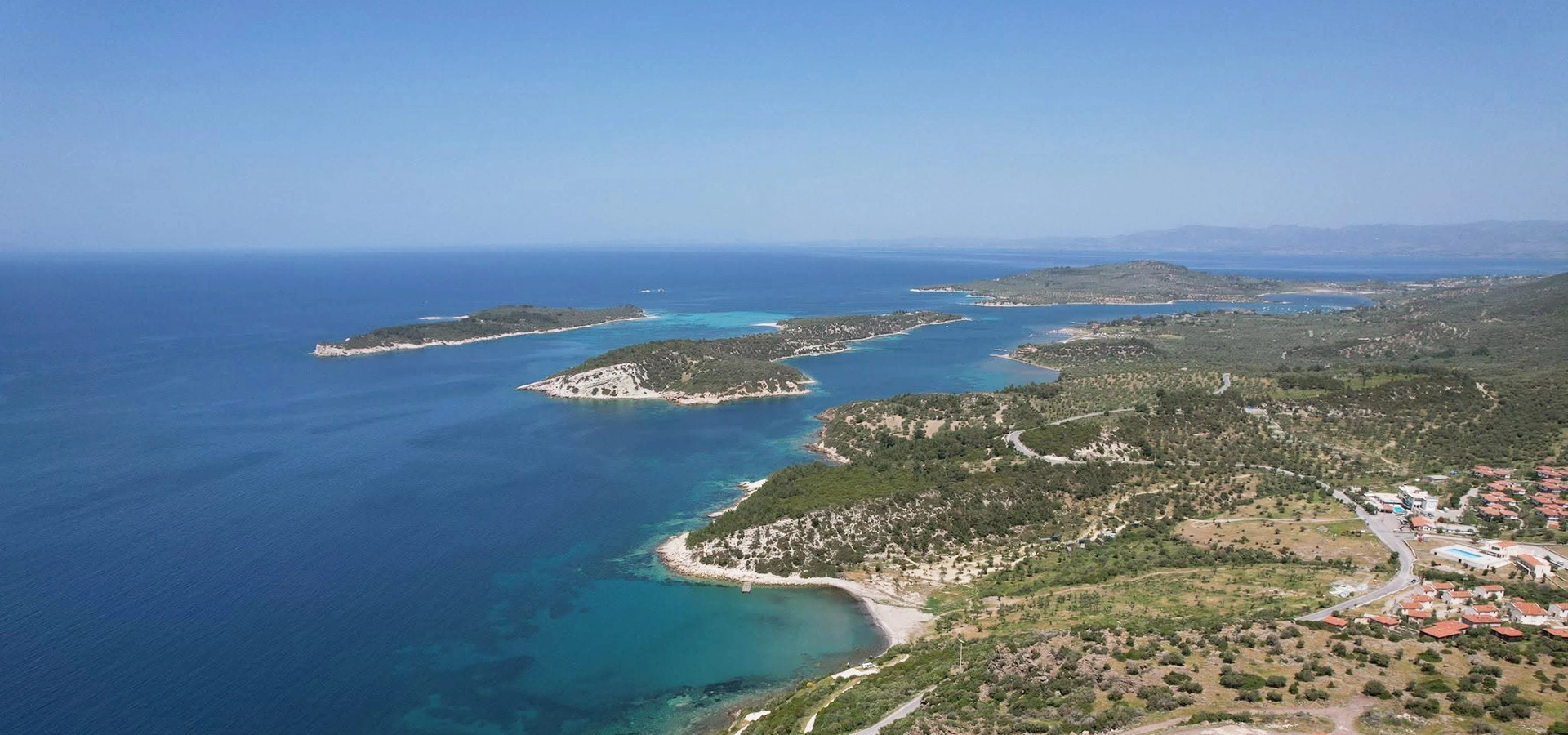
Discover the complete Bademli coastline, including beaches, coves, olive landscapes, swimming areas and practical travel information.
View Bademli Guide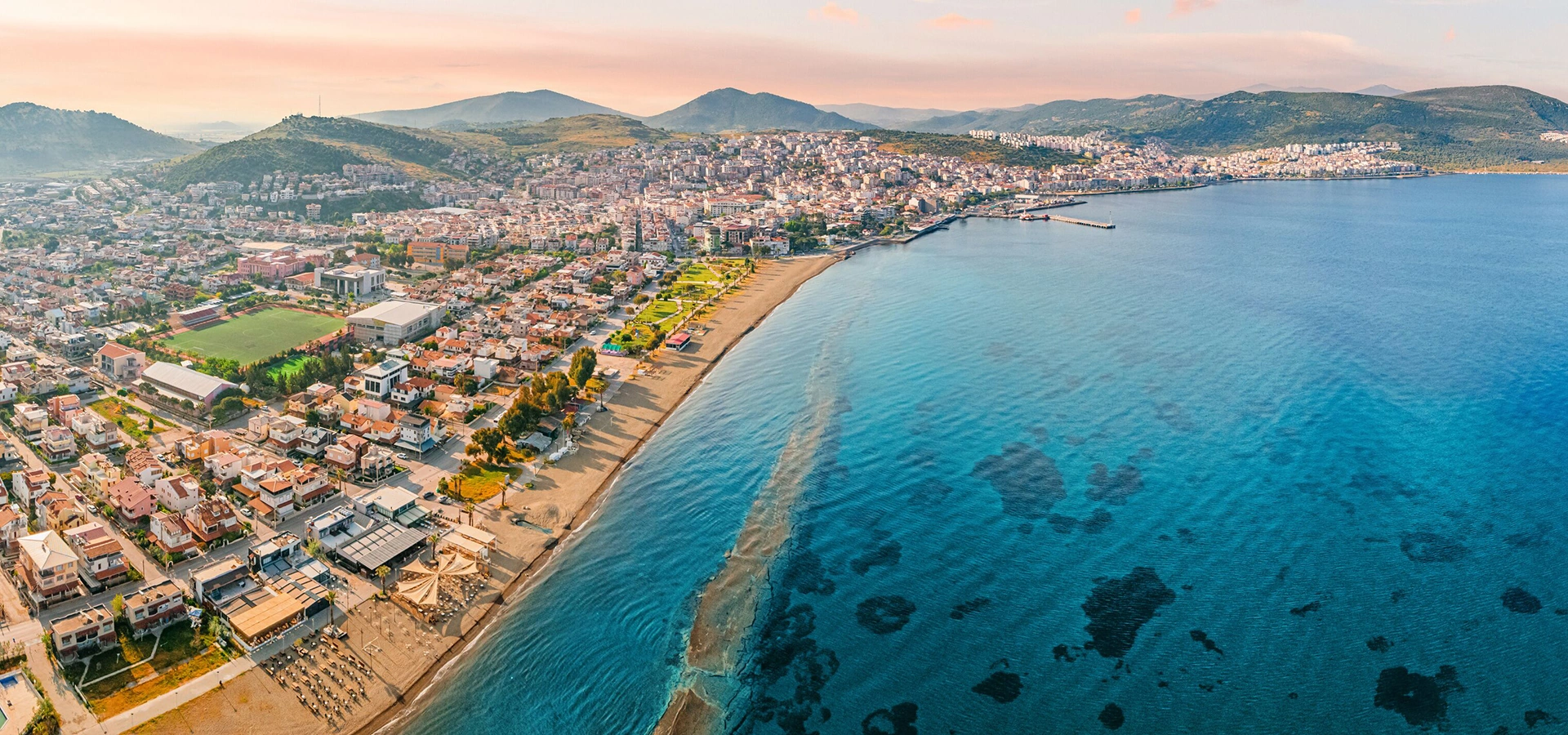
Continue with our complete Dikili guide for beaches, islands, thermal landscapes, countryside and the best places to explore across the district.
View Dikili Guide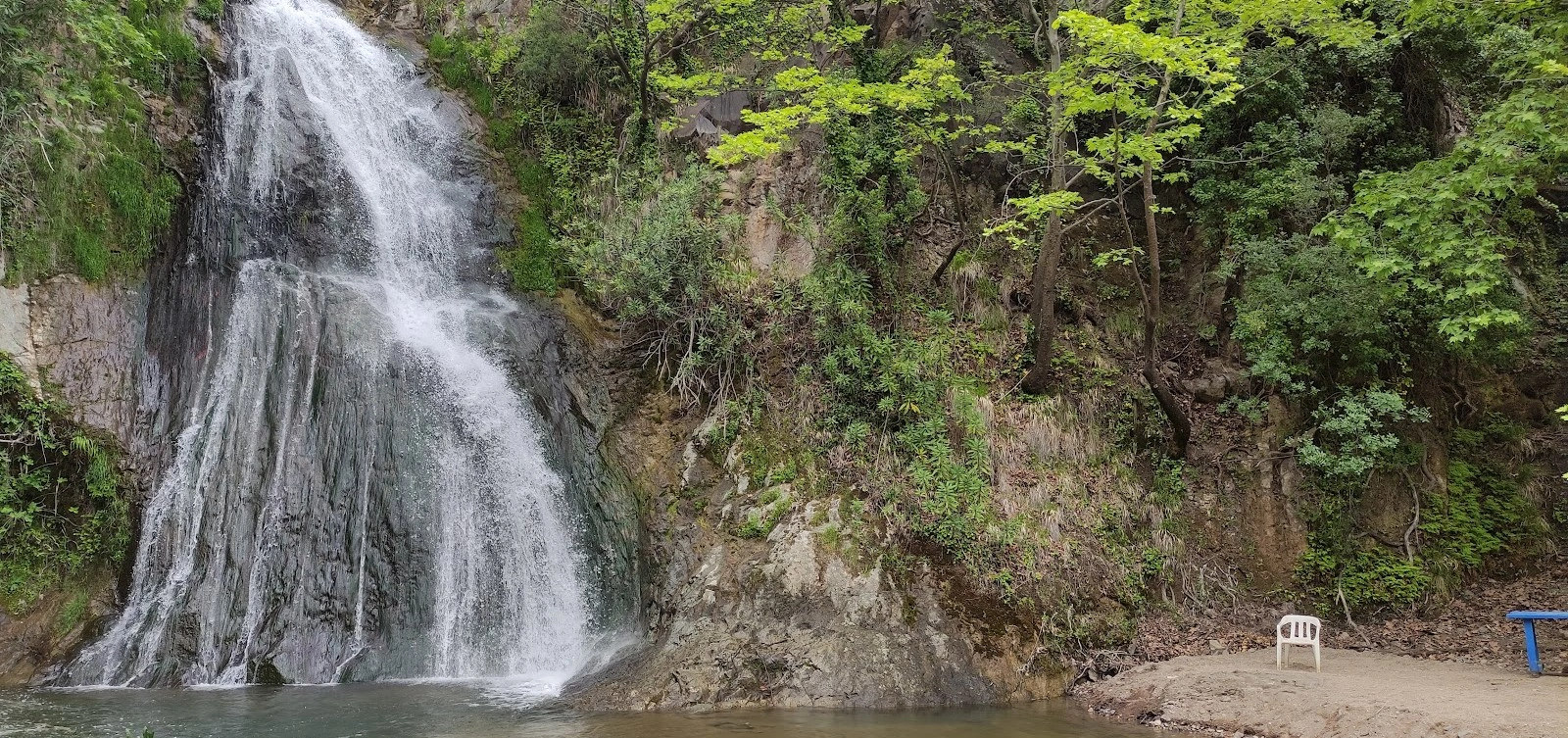
Exchange turquoise saltwater for waterfalls, caves, natural pools and shaded woodland trails in the countryside inland from Dikili.
View Nebiler Guide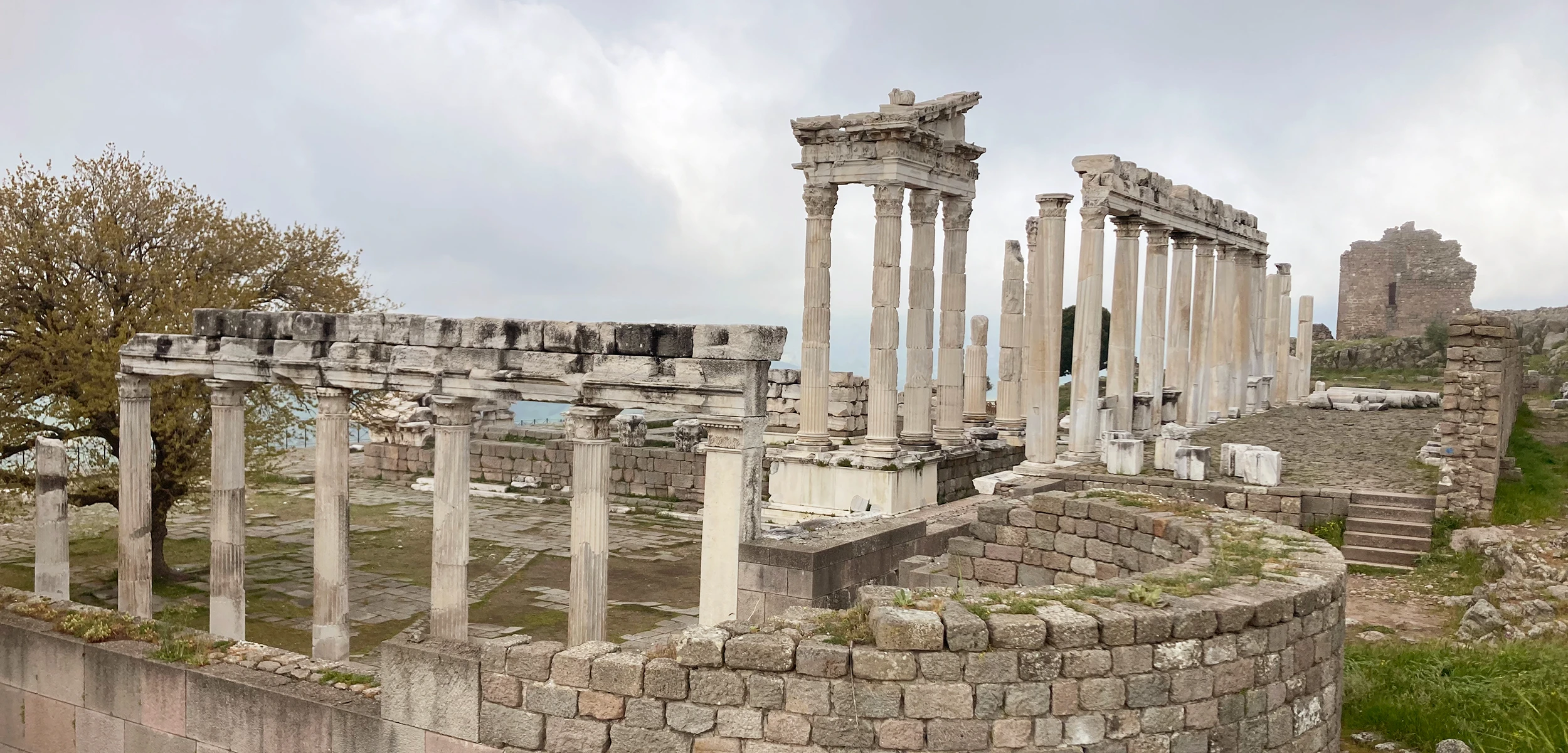
Combine the Dikili coast with privately guided exploration of Pergamon's Acropolis, Asklepion, Red Basilica and remarkable ancient heritage.
Request a Private Pergamon Tour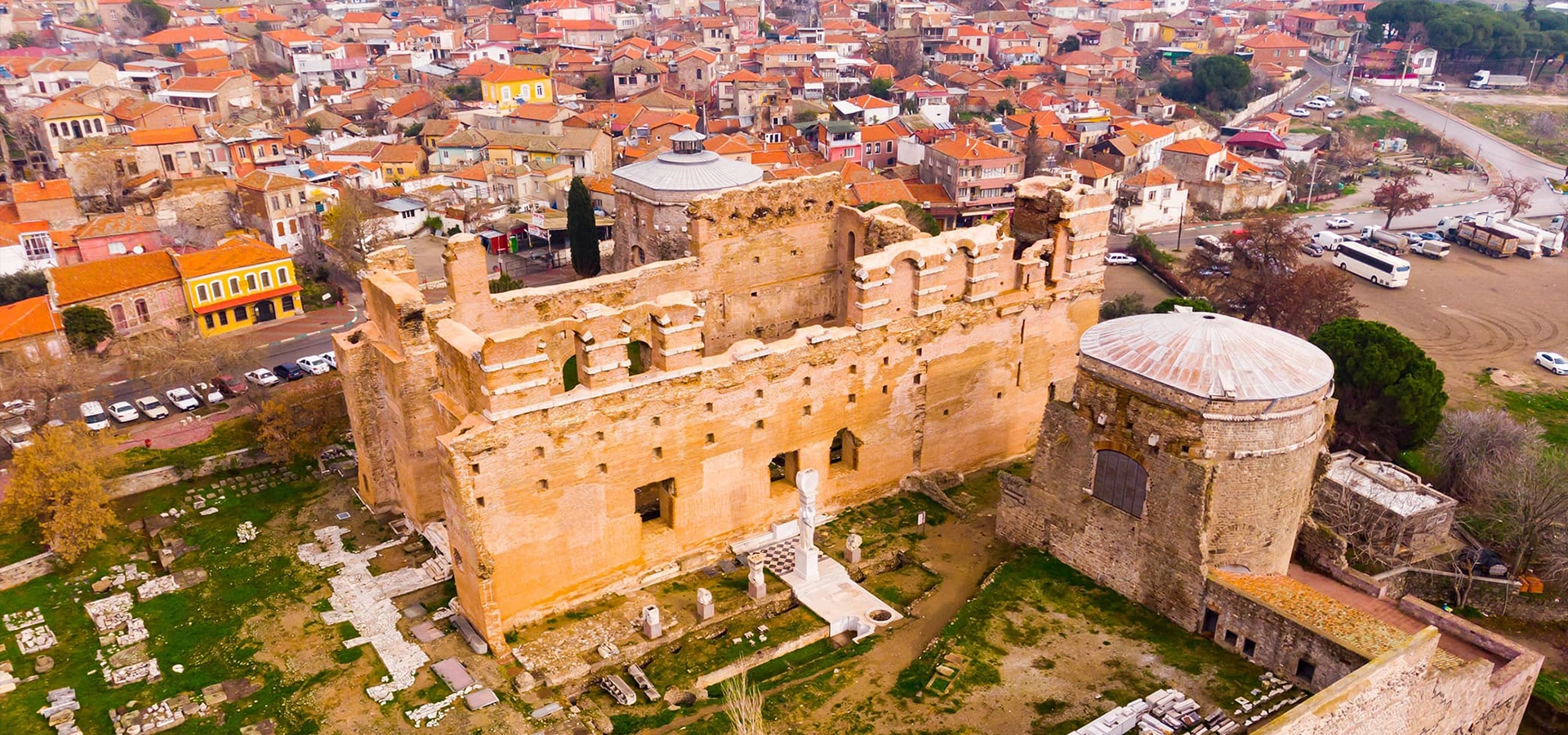
Continue inland through traditional streets, historic houses, local markets and everyday town life beneath ancient Pergamon.
View Bergama Guide