Beef-and-Lamb Blend
The recipe combines minced beef with minced lamb, balancing the beef’s structure with the lamb’s richness and regional character.
- Primary meat: Beef
- Second meat: Kıvırcık lamb
- Texture: Juicy and cohesive






Kırklareli Meatballs, officially registered in Turkish as Kırklareli Köftesi, are a regional speciality prepared from minced beef, minced lamb, bread crumb, dry onion, and salt. Unlike many Turkish meatball recipes, the protected Kırklareli method uses no spices. This restraint allows the natural colour, aroma, fat, and savoury flavour of the meat to remain at the centre of the dish.
The recipe is closely connected with Kırklareli’s livestock landscape. The official specification requires locally associated beef and protected Kırklareli Kıvırcık lamb meat, double mincing, 20–25 minutes of kneading, careful hand shaping, and at least three hours of cold resting. The meatballs are then cooked on a grooved grill over charcoal made from oak wood. Traditionally served with combinations of onion, tomato, grilled green pepper, hot sauce, piyaz, and sheep’s-milk yoghurt, Kırklareli Köftesi received geographical-indication protection in 2026. This complete guide explains its history, registered ingredients, preparation, flavour, serving culture, ordering tips, storage, and the best ways to experience it in Turkish Thrace.
The protected recipe combines minced beef with meat from Kırklareli’s geographically indicated Kıvırcık lamb.
Only bread crumb, dry onion, and salt accompany the meat, preserving its natural aroma, taste, and colour.
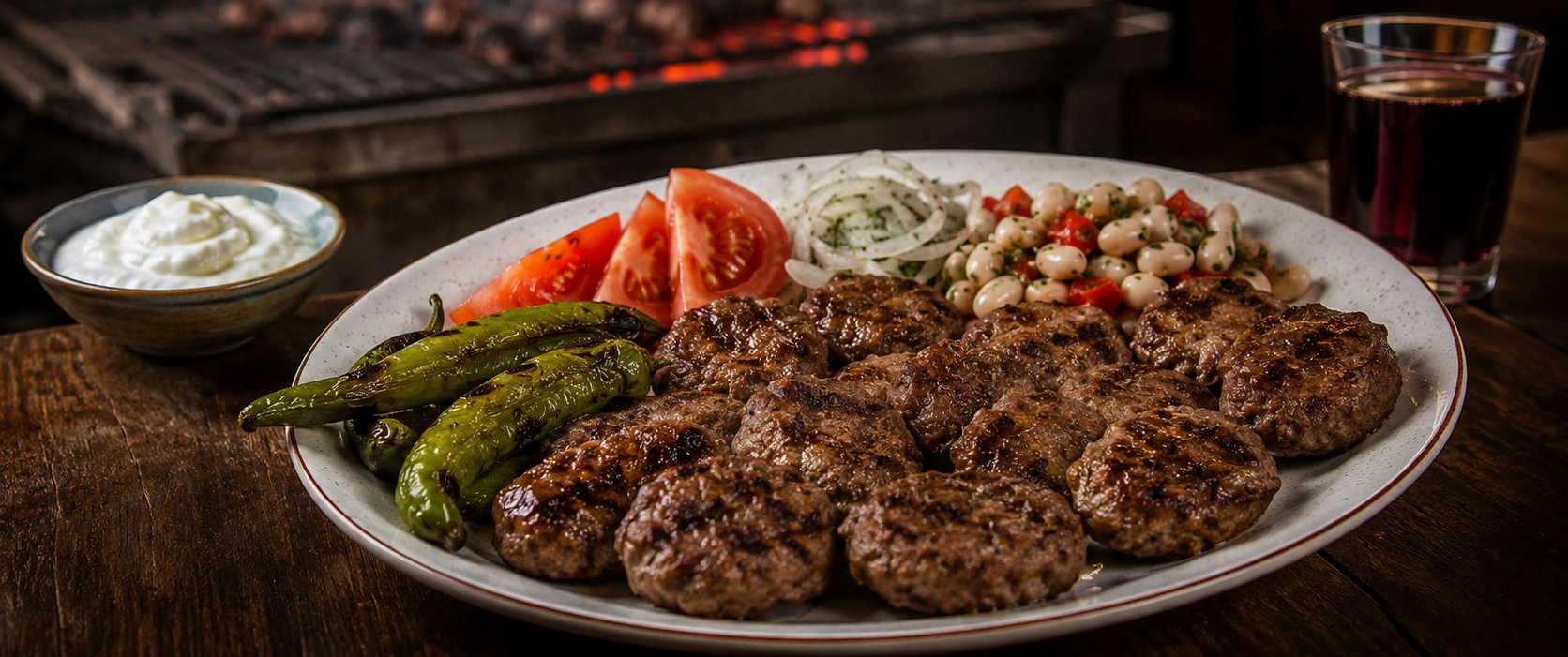
The rested meatballs are cooked on a grooved grill over charcoal produced from oak wood.
Registered by TÜRKPATENT as a geographical indication in 2026 under registration number 1827.
Essential information about one of Turkish Thrace’s most distinctive geographically indicated meat dishes.
Kırklareli Province in Turkish Thrace, in the European part of Türkiye.
Open Kırklareli on Google MapsMinced beef and Kırklareli Kıvırcık lamb, mixed with bread crumb, dry onion, and salt.
Grilled on a grooved grate over charcoal made from oak wood.
Registered as a mahreç işareti by TÜRKPATENT on 9 March 2026 under registration number 1827.
Kırklareli Köftesi reflects the province’s livestock heritage, oak-rich landscapes, local restaurant culture, and generations of practical culinary skill.
Kırklareli stands between the agricultural plains of Turkish Thrace and the forests of the Istranca Mountains. Animal husbandry, village markets, dairy production, and charcoal grilling have long influenced the province’s food culture. Within this landscape, meatballs became more than a convenient grilled dish: they developed a recognisable local identity shaped by the quality of the meat and the judgement of experienced köfte masters.
The official geographical-indication specification describes Kırklareli Köftesi as having a long history within the province and an important place in its cuisine. Its apparently short ingredient list should not be mistaken for a lack of technique. Selecting the meats, establishing the right balance of fat and moisture, mincing twice, kneading until the mixture begins to release its fat, shaping evenly, resting at a controlled temperature, and managing an oak-charcoal fire all require experience.
The absence of black pepper, cumin, garlic, and other common köfte flavourings is one of the recipe’s most revealing features. Instead of masking or redirecting the taste of the meat, Kırklareli Köftesi relies on beef and lamb raised in the regional environment. The lamb component must be Kırklareli Kıvırcık Kuzu Eti, itself protected under geographical-indication registration number 680.
Kırklareli Köftesi was registered as a geographical indication in March 2026 after an application filed by Kırklareli Commodity Exchange in July 2024. The protection records not only a product name but an entire local method—from the origin and preparation of the meats to cold resting, oak-charcoal grilling, serving, transport, and inspection. For travellers, tasting the dish in Kırklareli offers a direct introduction to the region’s everyday food heritage.
Its protected character comes from regional meat, a deliberately spice-free mixture, long kneading, cold resting, hand shaping, and cooking over oak charcoal.
The recipe combines minced beef with minced lamb, balancing the beef’s structure with the lamb’s richness and regional character.
The lamb used in the registered recipe is Kırklareli Kıvırcık Kuzu Eti, a separately protected regional product associated with the province’s pastures and vegetation.
No black pepper, cumin, paprika, or other spice enters the protected mixture. The recipe depends on meat, bread crumb, onion, and salt.
Passing the selected meats through the grinder twice helps create the fine, homogeneous mixture required for consistent shaping and cooking.
The mixture is kneaded for 20–25 minutes. The process stops when it reaches the correct consistency and begins releasing fat into the bowl.
Each meatball weighs approximately 30 g and is first rounded, then gently flattened to create its characteristic compact form.
Once shaped, the meatballs rest at +4°C for at least three hours so the mixture can settle and become ready for the grill.
A grooved grill and charcoal produced from oak wood complete the protected method, giving the meatballs their grilled surface and smoky depth.
Kırklareli Köftesi is protected by the Turkish Patent and Trademark Office as a mahreç işareti. This type of geographical indication protects a product whose reputation, established knowledge, or distinctive qualities are connected with a defined place. The registration formally records the meatball’s reputation and long-standing relationship with Kırklareli Province.
The official protected name is Kırklareli Köftesi.
The product carries geographical-indication registration number 1827.
The registration date is 9 March 2026.
The holder is the Kırklareli Commodity Exchange.
The application was filed on 3 July 2024 under file number C2024/000182. The protected geographical boundary is the whole of Kırklareli Province, and the specification requires all production stages to take place within that boundary. It defines the ingredients, meat preparation, kneading, shaping, resting, grilling, serving, cold-chain transport, storage, labelling, and inspection.
The name Kırklareli Köftesi and the Turkish mahreç işareti emblem should appear on the packaging. When the product is served without packaging, the protected name and emblem should be displayed where customers can easily see them inside the business.
The protected recipe uses only five components. Its character comes from the quality and proportion of the meat, the use of registered Kırklareli Kıvırcık lamb, and the handling of the mixture rather than from a complex spice blend.
The official formulation lists 67.5 g minced beef as the principal meat component.
It lists 28.9 g minced lamb, specifically protected Kırklareli Kıvırcık Kuzu Eti.
9.6 g bread crumb is incorporated to help create the traditional body and texture.
1 g dry onion adds restrained aromatic depth without overwhelming the meat.
1 g salt is the recipe’s only seasoning and supports the meat’s natural savoury flavour.
No spice, food additive, colouring, artificial aroma, or flavouring ingredient is permitted in the registered method.
The gram values above reproduce the average quantities published in the official specification. For commercial production, the complete registered document and current food-safety regulations should be followed rather than treating this visitor guide as a manufacturing formula.
The ingredient list is brief, but the production sequence is precise. Cold storage, double mincing, extended kneading, uniform shaping, resting, and fire control all contribute to the final texture.
Many Turkish köfte traditions use cumin, black pepper, red pepper, garlic, parsley, or regional spice blends. Kırklareli Köftesi takes a different approach. Salt is the only seasoning, and dry onion is used in a restrained quantity. This allows diners to taste the beef, Kıvırcık lamb, natural fat, and charcoal cooking directly.
Without coloured spices, the rested raw meatball keeps the red-brown tones created by the meat itself.
The aroma comes primarily from beef, lamb, onion, browning, rendered fat, and oak-charcoal smoke.
A short ingredient list leaves little room to conceal weak meat, poor fat balance, or careless handling.
Mincing, kneading, resting, shaping, grill heat, and timing become decisive when strong seasonings are absent.
If a restaurant serves a highly spiced meatball under the Kırklareli name, it may be a house interpretation rather than the registered version. Diners interested in authenticity can ask whether the mixture follows the geographical-indication specification.
The protected recipe does not end when the meatballs are shaped. Cooking on a grooved grill over oak charcoal is part of the product’s identity. The grill gives direct heat, allows excess rendered fat to move away, and builds a browned outer surface while an experienced cook protects the interior from drying.
Oak connects the cooking method with the forest character of northern Kırklareli and provides steady charcoal heat.
The specified grate supports even placement and creates direct contact marks on the meatball’s surface.
The cook must balance browning and doneness without scorching the outside or drying the centre.
Kırklareli Köftesi is at its best when eaten soon after leaving the grill, while still hot and juicy.
Kırklareli Köftesi is savoury, meaty, lightly smoky, and intentionally uncomplicated. The precise experience varies with the meat, fat balance, resting time, charcoal condition, and skill of the grill master.
Expect grilled beef and lamb, gentle onion, rendered fat, browning, and a restrained charcoal smokiness.
The surface should be browned by the grill, with light charring possible but no heavy burned crust.
Correct kneading and grilling produce a cohesive, tender centre that remains moist rather than dry or crumbly.
Salt supports the natural flavour, while the absence of spices makes this subtler than cumin-led köfte styles.
The lamb should add richness without turning the meatball into an overwhelmingly strong lamb dish. If you normally associate köfte with intense spice, taste the first piece without sauce to understand what makes Kırklareli’s version different.
The meatballs are served hot, with accompaniments offered according to the restaurant and the diner’s preference. The sides provide freshness, acidity, heat, creaminess, and contrast without changing the identity of the meatball mixture.
Kırklareli city centre is the most convenient place to look for the dish, especially at established köfte restaurants, grill houses, and local eateries. Meatballs are widely available across Thrace, but the protected name refers to a defined Kırklareli recipe and production method rather than every meatball served within the province.
Look for specialist businesses where meatball preparation and charcoal grilling form the centre of the menu.
Ask whether the meatballs are made in-house, contain beef and Kıvırcık lamb, and are cooked over oak charcoal.
Municipal festivals, food fairs, and geographical-indication events may bring several producers together.
A pre-arranged food experience can combine a tasting with regional cheeses, hardaliye, honey, and local heritage.
Opening days, grill hours, and availability can change. Check shortly before travelling, especially on public holidays or when visiting specifically for one restaurant. Ordering a modest first portion allows you to taste the meatballs fresh from the grill and request more if desired.
Ask for “Kırklareli Köftesi” so the restaurant understands that you want the local protected style.
The protected name and mahreç işareti emblem should be visible on packaging or displayed inside the business.
Authentic production combines beef with registered Kırklareli Kıvırcık lamb rather than using beef alone.
The registered mixture contains no spices; a heavily seasoned version follows a different recipe.
Oak-charcoal cooking on a grooved grill is part of the protected preparation method.
Try the first meatball plain to appreciate the meat blend and subtle charcoal character.
Piyaz, grilled pepper, sheep’s yoghurt, and hardaliye turn a simple order into a broader Kırklareli tasting.
The mixture contains bread crumb and therefore gluten; shared grills and kitchen equipment may create other cross-contact risks.
Türkiye has hundreds of named köfte traditions, and neighbouring Thracian towns also have famous versions. Kırklareli Köftesi should be understood through its own registered combination of meat, restraint, technique, and place.
Kırklareli Köftesi contains no cumin, black pepper, paprika, or garlic, giving it a cleaner and more meat-forward profile.
The protected Kırklareli recipe includes both beef and Kırklareli Kıvırcık lamb.
The meatballs themselves are charcoal-grilled and served without being cooked in a tomato or cream sauce.
Ahmetbey Köftesi is a separate protected speciality from Lüleburgaz district with its own registration and production rules.
These differences are not a ranking of quality. They show how small changes in meat selection, seasoning, shaping, resting, cooking fuel, and local custom can produce distinct regional identities within Türkiye’s broad köfte culture.
A home interpretation can follow the recipe’s central principles, although the protected name applies only when the full geographical-indication conditions are met within Kırklareli Province.
The official specification gives clear requirements for transporting and storing uncooked meatballs. These rules are important because minced meat is perishable and must remain within a controlled cold chain.
When transported chilled, the cold chain must remain unbroken and the meatballs must be consumed within four days of production.
Product intended for longer storage is frozen at -32°C and then maintained at -18°C.
The registered specification permits frozen storage for no more than six months from production.
Thawed meatballs must be consumed immediately and must never be frozen again.
For purchased products, follow the producer’s label and use-by date whenever they are stricter. Carry chilled meatballs in suitable cold storage, keep raw meat separate from ready-to-eat food, wash hands and equipment thoroughly, and never rely on smell or colour alone to judge safety.
The traditional recipe contains both beef and lamb and is not suitable for vegetarian or vegan diets.
Bread crumb is a registered ingredient, so standard Kırklareli Köftesi is not gluten-free.
The protected mixture itself does not list milk or yoghurt, although sheep’s yoghurt may be served alongside.
Egg is not among the five specified components, but individual kitchens and shared preparation areas should still be checked.
Anyone with a serious allergy should ask the restaurant about its exact batch, bread ingredients, sauces, side dishes, shared grills, utensils, and cross-contact controls. Salt and fat levels can also vary with the meat and serving size.
Kırklareli Köftesi belongs to a regional table shaped by livestock farming, Balkan migration, vineyards, oak forests, dairy craft, and village agriculture.
A protected brined cheese with a firm yet creamy character, traditionally matured for at least six months.
A firm, matured regional cheese with concentrated savoury flavour and a long local production heritage.
A non-alcoholic fermented grape drink traditionally prepared with mustard seed and associated with Turkish Thrace.
A dark protected honeydew honey shaped by the oak-rich landscapes of five Kırklareli districts.
A Büyükmandıra Pomak celebration pastry distinguished by its cooked dough and two-stage syruping method.
The protected regional lamb that forms an essential part of authentic Kırklareli Köftesi.
A meatball lunch can fit naturally into a day exploring Kırklareli’s Ottoman monuments, traditional neighbourhoods, archaeological sites, forests, and local museums.
Visit one of Kırklareli city centre’s most important Ottoman monuments, part of the historic Hızırbey complex.
Learn about some of the earliest farming communities of Turkish Thrace at this significant prehistoric settlement.
Explore evidence of a prehistoric centre whose cultural connections reached beyond the local Thracian world.
Discover the forested landscape linked with the regional pastures, oak environment, and natural identity of northern Kırklareli.
Explore Kırklareli’s best-known cave system in the forested foothills of the Istranca Mountains.
Plan a wider journey through the province’s museums, historic towns, villages, food heritage, forests, and Black Sea coast.
Kırklareli Meatballs are a protected regional köfte prepared from minced beef, minced Kırklareli Kıvırcık lamb, bread crumb, dry onion, and salt, then rested and grilled over oak charcoal.
The official registered name is Kırklareli Köftesi. “Köftesi” means “its meatball” or simply “meatballs” in the product name.
It comes from Kırklareli Province in Turkish Thrace, the European part of Türkiye. Its protected geographical boundary covers the entire province.
Yes. TÜRKPATENT registered it as a mahreç işareti under registration number 1827.
Kırklareli Köftesi was registered on 9 March 2026 after an application filed on 3 July 2024.
The registration holder is Kırklareli Commodity Exchange, known in Turkish as Kırklareli Ticaret Borsası.
It is a Turkish geographical-indication category for a product whose reputation, traditional knowledge, or distinctive qualities are connected with a defined geographical area.
The protected recipe combines minced beef with minced Kırklareli Kıvırcık lamb meat.
Kırklareli Kıvırcık Kuzu Eti is a separately protected regional meat under registration number 680 and is a required part of authentic Kırklareli Köftesi.
Apart from beef and lamb, the registered mixture contains bread crumb, dry onion, and salt.
No. The protected recipe specifically uses no spices. Salt is the only seasoning.
Garlic is not part of the registered mixture. Dry onion is used in a small quantity.
Egg is not included in the official five-component recipe.
Yes. Bread crumb is part of the registered mixture, so standard Kırklareli Köftesi contains gluten.
The meat is kept at +4°C for two days after cutting and deboning, then passed through a meat grinder twice.
The official method specifies 20–25 minutes, ending when the mixture reaches the correct consistency and begins releasing fat into the bowl.
Each piece weighs approximately 30 g and is rounded before being lightly flattened.
The shaped meatballs rest at +4°C for at least three hours before grilling.
They are cooked on a grooved grill over charcoal produced from oak wood.
Optional traditional accompaniments include dry onion, tomato, green pepper, hot sauce, piyaz, and sheep’s-milk yoghurt.
They are savoury, juicy, meat-forward, and gently smoky, with subtle onion and no dominant spice flavour.
The meatballs themselves are not spicy. Hot sauce or peppers may be offered separately, so you can control the heat.
No. The standard registered mixture contains bread crumb.
The registered meatball mixture does not list dairy, but sheep’s yoghurt may be served beside it and restaurant cross-contact is possible.
No. Kırklareli Köftesi contains both beef and lamb.
No. The registered production method excludes food additives, colourings, artificial aromas, and flavouring ingredients.
No. Ahmetbey Köftesi is a separate geographically indicated product associated with Ahmetbey in Lüleburgaz district and has its own registration and specifications.
Kırklareli city centre is the easiest place to find specialist köfte restaurants, although compliant producers may operate elsewhere within the province.
Water, ayran, or Kırklareli hardaliye all work well. Hardaliye is the most distinctive regional non-alcoholic pairing.
Some producers may sell it chilled or frozen. Check the protected-name labelling, production date, use-by instructions, and cold-chain packaging.
The official specification requires chilled transported product to be consumed within four days of manufacture without breaking the cold chain.
No. The registered guidance says that thawed product should be consumed immediately and not refrozen.
Yes. Its restrained ingredients, regional beef-and-lamb identity, skilled preparation, and oak-charcoal cooking make it an excellent introduction to Kırklareli’s food culture.
The browned meatballs, glowing oak charcoal, grooved grill, rising smoke, colourful side dishes, and informal local restaurant setting all offer strong visual storytelling.
Photograph the meatballs just after cooking, when the surface is glossy and steam is still visible.
A low angle can frame the meatballs above the glowing charcoal without placing the camera dangerously close to the heat.
Include onion, tomato, grilled green pepper, piyaz, or sheep’s yoghurt to show the complete regional meal.
Cut one meatball cleanly to reveal the moist, fine-textured centre while keeping several whole pieces nearby.
With permission, photograph the shaping, turning, and fire management that reveal the skill behind the simple recipe.
A glass of dark red-purple hardaliye beside the plate adds colour and a recognisable Kırklareli connection.
Always ask before photographing staff, guests, kitchen areas, or food preparation. Keep a safe distance from the grill and avoid delaying service while the meatballs are hot.
Discover Kırklareli Köftesi as part of a privately designed journey combining local grills, protected regional foods, prehistoric settlements, Ottoman monuments, villages, forests, vineyards, and the landscapes of Turkish Thrace.
Custom-designed services with private transportation, professional guiding, flexible timing, and culinary visits arranged according to local availability.
Taste oak-charcoal Kırklareli Köftesi alongside protected cheeses, hardaliye, seasonal produce, and selected local specialities.
Request This Experience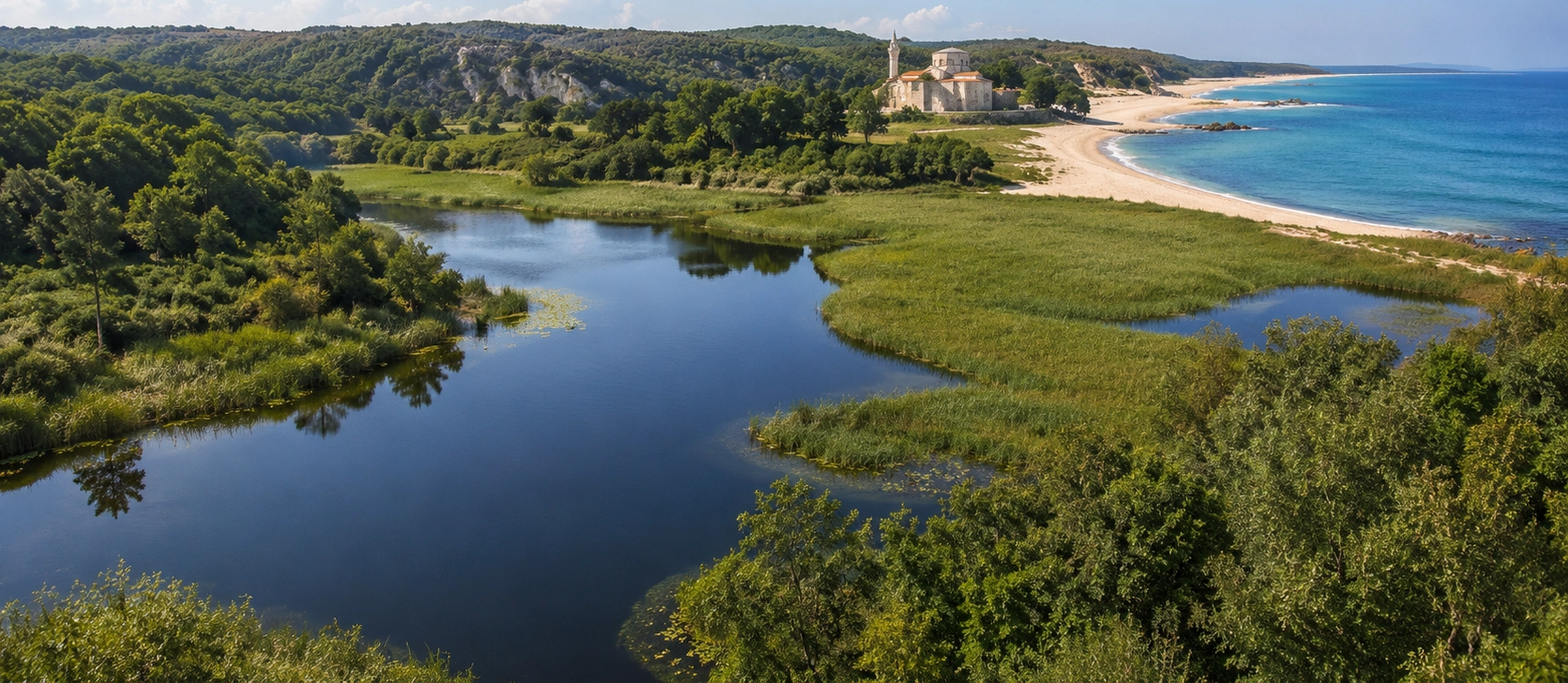
Combine Aşağıpınar, Kanlıgeçit, historic Kırklareli, and a carefully chosen local köfte lunch in one private day.
Request This TourAdd Kırklareli Köftesi to a private route through Kırklareli, Edirne, Tekirdağ, the Istranca Mountains, the Black Sea coast, and Istanbul.
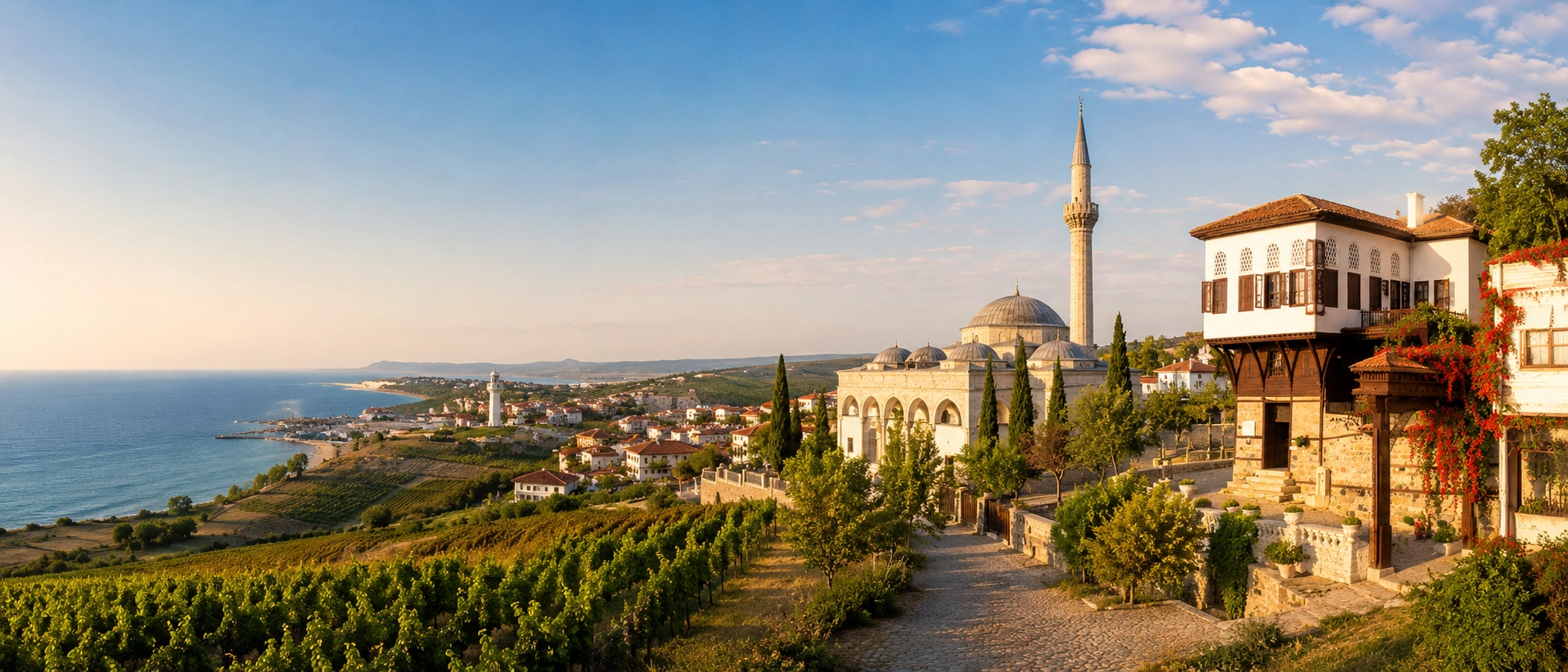
Design a private route through Kırklareli Köftesi, hardaliye, Brakana, oak honey, protected cheeses, vineyards, markets, and Balkan food heritage.
Plan Your Journey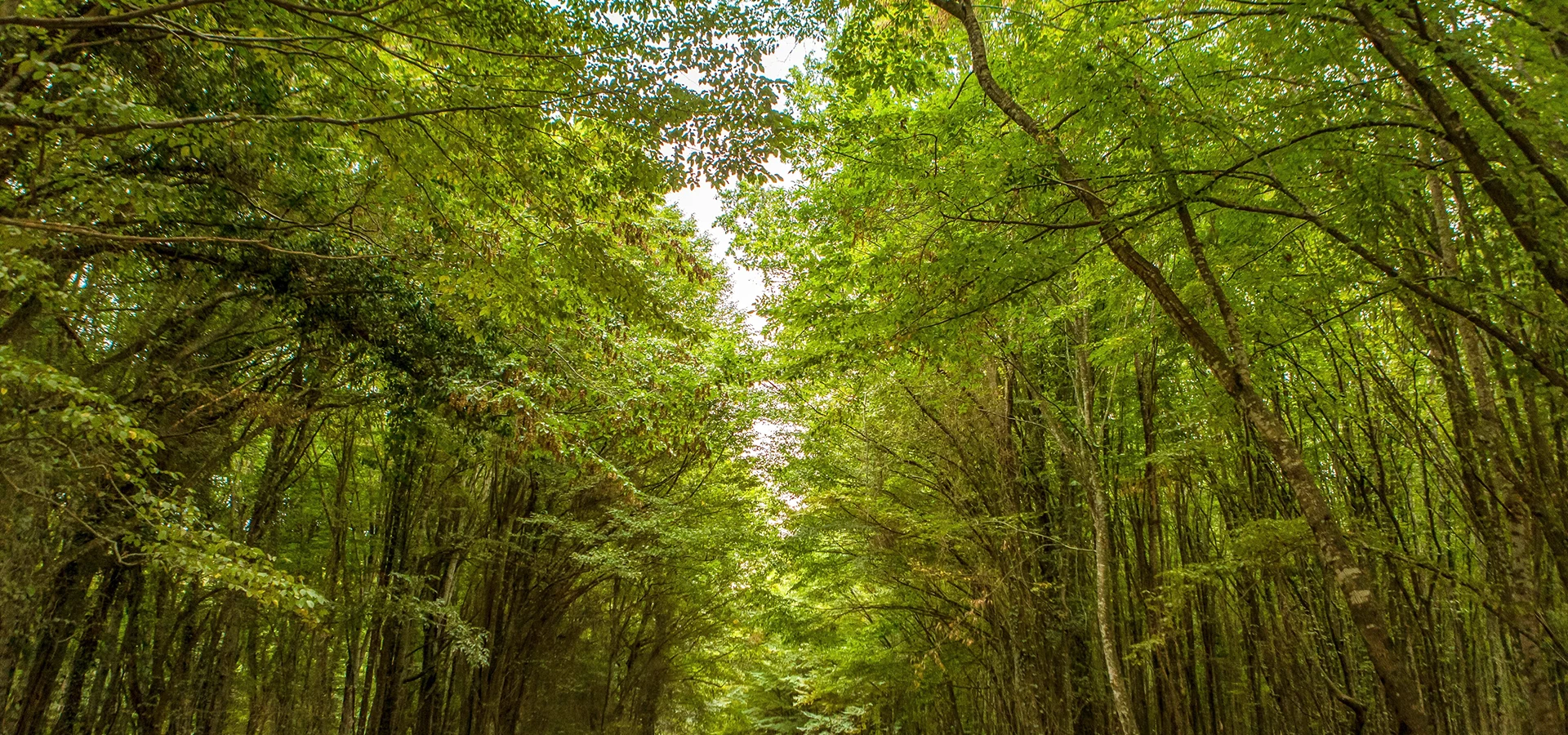
Link Kırklareli’s food traditions with Dupnisa Cave, the Istranca Mountains, Kıyıköy, Vize, and the Black Sea landscapes.
Plan Your Journey