Pomak Culinary Origin
Brakana belongs to the Pomak food heritage of Büyükmandıra. Its documented local story reaches back to families who settled in the town in 1877–1878.
- Community: Pomak
- Local home: Büyükmandıra
- Documented link: 1877–1878





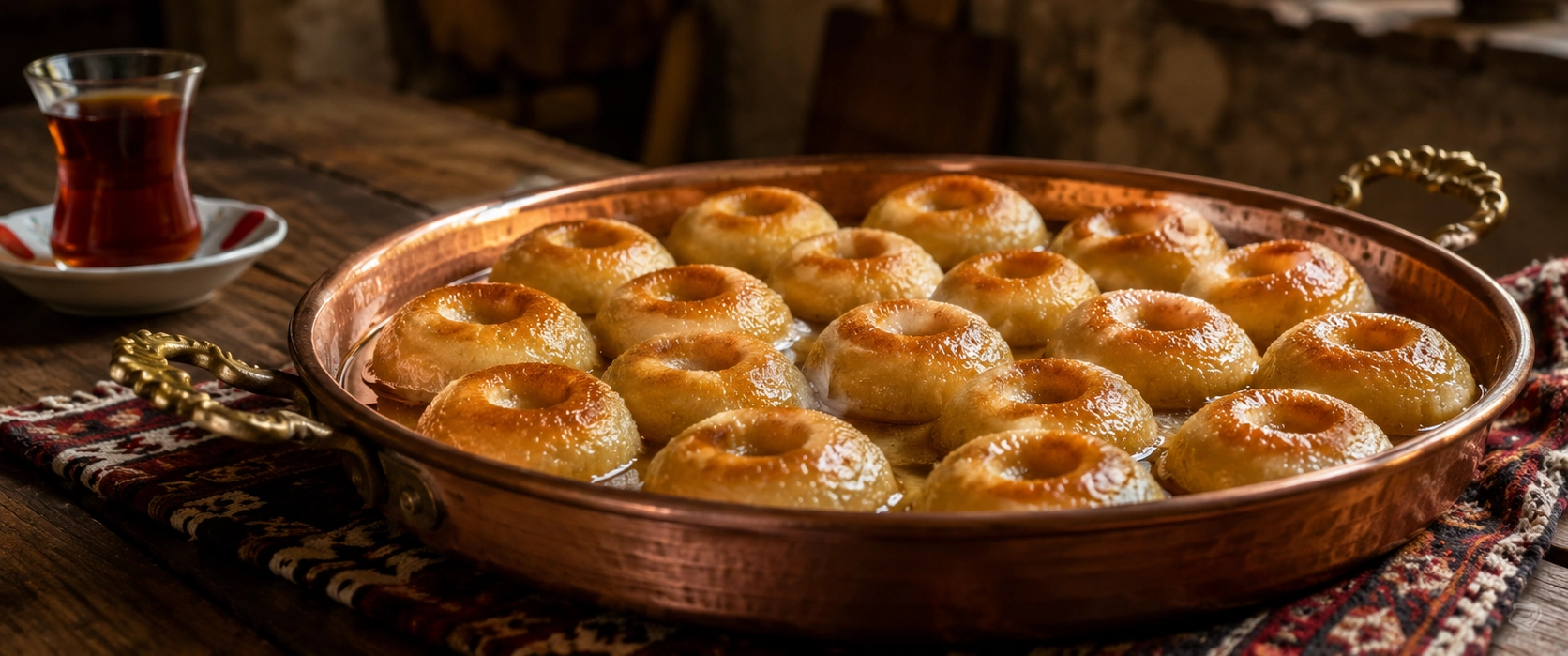
Brakana Dessert, officially registered in Turkish as Brakana Tatlısı, is a syrup-soaked pastry associated with the town of Büyükmandıra in Babaeski, Kırklareli. Its rich dough is prepared with wheat flour, milk, eggs, solid cooking fat, and liquid oil, then shaped into small domes with a shallow hollow pressed into the centre.
What makes Brakana especially distinctive is its unusual finishing method. The warm pastries are syruped twice: half of the hot syrup is added when the dough has just begun to turn pink, the tray returns to the oven for a short second bake, and the remaining syrup is added after the tops become lightly browned. Connected with the Pomak families who settled in Büyükmandıra in 1877–1878, Brakana is still remembered as a food for weddings, holidays, births, funerals, hospitality, and community gatherings. This complete guide explains its protected status, history, ingredients, shape, preparation, flavour, cultural importance, serving traditions, buying tips, storage, and the best ways to experience it in Turkish Thrace.
The dessert is linked with Pomak families who settled in Büyükmandıra during 1877–1878 and carried their food traditions into Thrace.
Hot syrup is added in two stages, with a brief return to the oven between the first and second additions.
Brakana is traditionally prepared for weddings, holidays, births, funerals, and other occasions that bring the community together.
Registered by TÜRKPATENT as a geographical indication in 2023 with registration number 1494.
Essential information about one of Kırklareli’s most distinctive geographically indicated sweets.
Büyükmandıra town in the Babaeski district of Kırklareli, in the European part of Türkiye.
Open Büyükmandıra on Google MapsA baked, syrup-soaked pastry with a rich flour, milk, egg, and fat-based dough.
The warm pastries receive hot syrup in two stages and return briefly to the oven after the first syruping.
Registered as a mahreç işareti by TÜRKPATENT on 13 November 2023 under registration number 1494.
More than a syrup dessert, Brakana preserves the migration memory and communal food culture of Büyükmandıra’s Pomak families.
Büyükmandıra lies in the Babaeski district of Kırklareli, within the broad agricultural landscape of Turkish Thrace. The official geographical-indication record connects Brakana’s local history with Pomaks who settled in the town in 1877–1878 and began making the dessert there. Over successive generations, the recipe became closely identified with Büyükmandıra rather than remaining simply a general syrup pastry.
The dessert’s importance comes not only from its ingredients but from when and why it is prepared. Brakana appears at holidays, births, funerals, and especially weddings. These are occasions when food becomes part of welcome, celebration, remembrance, mutual support, and the maintenance of community relationships.
Its preparation also rewards cooperation. A rich cooked dough must be cooled before the eggs are kneaded into it, pieces must be shaped consistently, baking must be watched closely, and the hot syrup must be divided accurately between two stages. In a home or communal kitchen, these tasks can naturally be shared among several people.
Brakana received national protection as a geographical indication in 2023. That recognition formally records the connection between the dessert’s reputation, established production method, Pomak cultural background, and Büyükmandıra. Today, tasting it offers travellers a small but meaningful introduction to the layered Balkan heritage of Kırklareli.
Its protected identity is defined by a rich cooked dough, a recognisable hand-shaped form, careful temperature control, and a two-stage syruping technique.
Brakana belongs to the Pomak food heritage of Büyükmandıra. Its documented local story reaches back to families who settled in the town in 1877–1878.
Each portion is rolled into a ball and pressed gently in the centre, producing the dessert’s characteristic semi-spherical form and shallow hollow.
Milk, solid fat, and liquid oil are heated before flour is incorporated. This creates a dense, enriched dough unlike an ordinary cake batter.
The cooked mixture must cool before the eggs are kneaded into it. This prevents the eggs from setting on contact with excessive heat.
Half of the hot syrup is added when the pastries first turn pink; the rest follows after a short second bake has lightly browned the tops.
Correctly made Brakana absorbs the syrup while retaining an individual rounded form, with a lightly browned surface and tender interior.
Brakana is strongly associated with gatherings that mark the major transitions, celebrations, and remembrances of community life.
Its geographical indication specifies the principal ingredients, shaping, oven temperature, split syruping, second bake, covering, resting, and serving.
Brakana Tatlısı is protected by the Turkish Patent and Trademark Office as a mahreç işareti. This category protects a product whose reputation, traditional knowledge, or distinctive quality is connected with a particular geographical area. The registration formalises Brakana’s established relationship with Büyükmandıra and its Pomak culinary culture.
The official protected name is Brakana Tatlısı.
The product carries geographical-indication registration number 1494.
The registration date is 13 November 2023.
The holder is the Büyükmandıra Handicrafts and Natural Life Association.
The registration application was filed on 5 October 2022 under file number C2022/000333. The specification places the dessert in the category of bakery, pastry, dough, and sweet products and defines its ingredients, preparation, form, baking, syruping, resting, cultural reputation, labelling, and inspection.
Authentic commercial use of the protected name should follow the registered production rules and geographical-indication labelling requirements. Visitors buying a packaged product can look for the full name Brakana Tatlısı, the Turkish geographical-indication emblem, producer information, and a traceable label.
The official recipe uses a compact list of familiar ingredients. Its distinctive character comes less from rare flavourings than from the proportions, cooked-dough method, egg timing, hand shaping, and two-stage application of syrup.
400 g special-purpose wheat flour forms the main structure, with a little extra added only if the dough remains too soft.
400 ml milk is heated together with the fats before the flour is incorporated.
250 g solid cooking fat contributes richness and helps create the dessert’s characteristic texture.
400 ml liquid oil is combined with the milk and solid fat at the beginning of the process.
Four eggs are used as two whole eggs plus the yolks of two additional eggs, added only after the dough has cooled.
10 g baking powder and 2 g baking soda are kneaded into the cooled mixture.
800 g white sugar provides the sweetness in the syrup rather than being mixed directly into the dough.
1 litre water is boiled with the sugar to prepare the syrup used in two separate additions.
The protected specification does not make walnuts, hazelnuts, semolina, yoghurt, cinnamon, or citrus essential ingredients. Household interpretations may exist, but they should not be confused with the registered Büyükmandıra method.
Brakana requires careful sequencing. Temperature matters at three decisive moments: while cooking the flour mixture, before adding the eggs, and while applying hot syrup to the warm pastries.
Many syrup desserts are baked fully before syrup is added. Brakana follows a more unusual sequence: baking is interrupted, half the hot syrup is added, and the pastry finishes browning in the oven before receiving the rest. This is one of the clearest details separating the protected dessert from visually similar round sweets.
The first bake ends when the dough has only begun to turn pink or pale golden rather than becoming fully browned.
Half of the hot syrup meets the hot pastry, beginning absorption while the interior and surface are still developing.
Another 5–6 minutes in the oven deepens the colour and integrates the first syrup addition into the pastry.
The remaining hot syrup is poured over the baked pieces before the covered tray is left to rest and cool.
For home cooks, visual judgement is important because ovens differ. “Pink” in the traditional description means the dough has just begun to colour; waiting for a dark crust before the first syruping would miss the intended two-stage process.
The same dessert can accompany joyful beginnings, annual celebrations, and solemn remembrance. That breadth explains why Brakana carries a deeper meaning in Büyükmandıra than an everyday sweet purchased simply for convenience.
The official record places particular emphasis on weddings, where large-scale preparation expresses hospitality and shared celebration.
Holiday tables allow families to renew the recipe and offer it to relatives, neighbours, and visitors.
Brakana can accompany the welcome of a new family member and the visits surrounding an important life event.
Its presence at funerals reflects food’s role in remembrance, gathering, and practical support for bereaved families.
Visitors should approach these traditions respectfully. A dessert prepared for a private wedding or family ceremony is not automatically a tourist product; the best public tasting opportunities may instead come through a local bakery, food event, producer, restaurant, or pre-arranged culinary visit.
Brakana is a rich, sweet, and satisfying dessert. Its exact texture depends on dough consistency, piece size, baking time, syrup temperature, absorption, and resting time.
Expect warm baked notes from flour, milk, egg, and fat rather than strong spice, nut, or fruit aromas.
The top is lightly browned after the short second bake and becomes moist as the divided syrup settles into the pastry.
The centre should be tender, rich, and syrup-soaked while the piece retains its recognisable rounded form.
It is intentionally sweet and substantial, so a modest portion pairs well with unsweetened tea or Turkish coffee.
Brakana may remind first-time visitors of other small Turkish syrup pastries, but its milk-rich dough and interrupted baking-and-syrup sequence give it a character of its own. Taste the registered Büyükmandıra version before drawing comparisons based only on appearance.
The registered method serves Brakana after it has cooled. Resting gives the syrup time to spread through the pastry and allows the texture to settle before the pieces are lifted from the tray.
The most meaningful place to look for Brakana is Büyükmandıra itself. Because the dessert is closely tied to home kitchens and special occasions, it may not appear every day in every bakery or restaurant. Availability can be more limited than that of mass-produced Turkish sweets.
Ask whether Brakana is available that day, whether it is made in-house, and whether advance ordering is required.
Selected restaurants, caterers, and local-product shops may prepare it for events or offer it at particular times.
Municipal celebrations, food festivals, association events, and regional fairs may provide seasonal tasting opportunities.
A planned culinary experience may offer the best chance to meet a knowledgeable maker and understand the process.
Confirm opening hours, current availability, order quantities, and payment options before travelling specifically for the dessert. If you encounter it elsewhere in Kırklareli, ask whether it follows the registered Büyükmandıra method.
Ask for “Brakana Tatlısı” and mention Büyükmandıra if the seller offers several regional syrup desserts.
Look for individual semi-spherical pieces with a small hollow pressed into the centre.
A traceable bakery, producer, association, or home-based maker can explain when and how the batch was prepared.
Freshness affects aroma and texture, so ask when the tray was baked and syruped.
Look for ingredients, producer details, storage advice, date information, and the geographical-indication emblem where applicable.
Choose a clean, food-safe container that closes securely and keeps the syrup from leaking during transport.
The standard recipe contains wheat, milk, and eggs; ask about the exact fats and possible cross-contact.
Brakana’s identity lies in its dough and technique, not in nuts, cinnamon, cream, or elaborate toppings.
The official quantities provide a valuable reference, but a successful batch still depends on judgement. Flour absorption, egg size, fat type, saucepan width, oven calibration, and tray size can all influence the result.
Fresh Brakana contains milk and eggs and is soaked with syrup. Follow the producer’s instructions for any purchased product, especially when a label gives a specific temperature or use-by date.
Use a clean, food-safe container to protect the dessert from drying, odours, insects, and contamination.
Do not leave the tray beside a sunny window, heater, oven, or inside a warm vehicle.
Lift pieces with a clean fork or serving tool rather than repeatedly touching the syrup by hand.
Storage can depend on recipe, packaging, room temperature, and expected holding time; follow the maker’s guidance.
For travel, use a rigid leak-resistant container and keep it upright. Syrup desserts can shift, soften, and leak in luggage, so confirm airline and customs rules before carrying Brakana across a border.
The registered recipe uses wheat flour and is not suitable for people who must avoid gluten.
Milk is a core dough ingredient. Ask the maker about every fat used if you have a dairy allergy.
The traditional mixture includes whole eggs and extra yolks, so it is not egg-free or vegan.
Brakana is a rich celebration sweet. Portion size matters for anyone monitoring sugar, energy, or fat intake.
Recipes and kitchen practices can vary. Anyone with a serious allergy should ask about the exact ingredients, shared equipment, frying or baking surfaces, garnishes, and cross-contact before tasting.
Brakana belongs to a regional table shaped by Balkan migrations, Thracian agriculture, livestock farming, vineyards, forests, and village cooking.
A protected brined cheese with a firm yet creamy character, traditionally matured for at least six months.
A firm, matured regional cheese with concentrated savoury flavour and a long local production heritage.
A non-alcoholic fermented grape drink traditionally prepared with mustard seed and associated with Turkish Thrace.
A dark protected honeydew honey from the oak-rich landscapes of five Kırklareli districts.
A protected local agricultural product that represents the fertile plains and food traditions surrounding Babaeski.
Grilled meatballs are found throughout the region, commonly served with bread, peppers, tomatoes, piyaz, or salad.
A Brakana tasting can form part of a wider journey through Babaeski, Kırklareli, and the cultural landscapes of Turkish Thrace.
Visit Babaeski’s celebrated Ottoman mosque complex, traditionally associated with the architectural world of Mimar Sinan.
See a historic Ottoman stone bridge that once helped carry travellers and trade through the Thracian landscape.
Discover another historic bridge and a quieter corner of western Kırklareli’s rural transport heritage.
Explore museums, traditional neighbourhoods, regional food shops, archaeological heritage, and the wider story of the province.
Learn about some of the earliest farming communities of Turkish Thrace at this important prehistoric settlement.
Explore the evidence of a prehistoric settlement whose connections reached beyond the local Thracian world.
Brakana is a baked and syrup-soaked pastry associated with Büyükmandıra in Babaeski, Kırklareli. Its rich dough contains wheat flour, milk, eggs, solid fat, and liquid oil.
The official registered name is Brakana Tatlısı. “Tatlısı” means “its dessert” or simply “dessert” in this product name.
It is specifically associated with Büyükmandıra, a town in the Babaeski district of Kırklareli Province in Turkish Thrace.
Yes. The official geographical-indication record connects its local production with Pomaks who settled in Büyükmandıra in 1877–1878.
Yes. TÜRKPATENT registered Brakana Tatlısı as a mahreç işareti under registration number 1494.
Its geographical indication was registered on 13 November 2023 after an application submitted on 5 October 2022.
The registration holder is the Büyükmandıra Handicrafts and Natural Life Association.
It is a Turkish geographical-indication category protecting a product whose reputation, traditional knowledge, or distinctive qualities are connected with a defined place.
The registered recipe uses special-purpose wheat flour, milk, eggs, solid cooking fat, liquid oil, baking soda, baking powder, sugar, and water.
Nuts are not essential ingredients in the registered specification. Individual makers may offer variations or garnishes, so ask when allergies or authenticity are important.
Adding eggs to very hot dough could cook them immediately and prevent them from mixing evenly. The protected method therefore adds them after cooling.
The dough is divided into pieces, rolled into balls, and pressed lightly in the centre to form a small semi-spherical pastry with a shallow hollow.
The registered method specifies an oven temperature of 180°C.
The divided syruping is a defining method. Half is added when the pastries first begin to colour; after a short second bake, the remaining half is added.
Yes. The official method brings hot syrup and hot pastry together during both syrup additions.
After the first half of the syrup is added, the tray returns to the oven for approximately 5–6 minutes, until the tops are lightly browned.
The protected method places another tray upside down over the dessert tray during the resting stage, helping create the intended covered soaking environment.
It is associated with weddings, holidays, births, funerals, and other shared occasions in Büyükmandıra’s community life.
The ingredients are not strongly seasonal, but commercial availability may be irregular because the dessert remains closely linked to events, orders, and local production.
It is rich, sweet, tender, and syrup-soaked, with warm baked flavours from flour, milk, egg, and fat and a lightly browned surface.
No. The rounded form may appear familiar, but Brakana has its own registered ingredient proportions, cooked dough, egg timing, hollowed shape, and two-stage syruping method.
It may suit many ovo-lacto vegetarians, but the exact solid fat should be confirmed with the maker. It is not vegan because it contains milk and eggs.
No. Wheat flour is a principal ingredient in the registered recipe.
The standard recipe contains wheat, milk, and eggs. Ask about the fats, garnishes, and cross-contact practices of the individual kitchen.
The dessert is served after cooling and resting. Unsweetened Turkish tea or plain Turkish coffee pairs well with its rich sweetness.
Büyükmandıra is its cultural home. Check local bakeries, food businesses, festivals, associations, and pre-arranged culinary experiences.
Usually, but its syrup can leak and its texture changes with time. Use a rigid sealed container, follow storage advice, and check transport and customs rules.
Yes. It combines a distinctive technique with the migration memory, hospitality, and Pomak cultural heritage of Büyükmandıra.
Brakana’s rounded shape, shallow centres, lightly browned tops, glossy syrup, traditional trays, and connection with shared tables all provide strong visual details.
An overhead composition reveals the repeated hand-shaped forms and the communal scale of preparation.
A close-up from a low angle shows the slight hollow that distinguishes the pastry’s silhouette.
Soft side light brings out the syrup’s sheen without producing harsh reflections on the plate.
Cut one piece cleanly to show the tender, soaked crumb while leaving several whole pieces nearby for context.
Pair the dessert with Turkish tea, simple plates, and a shared tray to suggest hospitality rather than studio styling.
With permission, photograph the shaping, centre pressing, syrup pouring, and tray covering that define the method.
Always ask before photographing makers, home kitchens, ceremonies, or private gatherings. Avoid interrupting time-sensitive stages such as handling boiling syrup or moving a hot tray.
Discover Brakana as part of a privately designed journey combining Pomak food heritage, Ottoman monuments, prehistoric settlements, protected regional products, villages, vineyards, and the landscapes of Turkish Thrace.
Custom-designed services with private transportation, professional guiding, flexible timing, and culinary visits arranged according to local availability.
Explore Brakana’s ingredients, two-stage syruping, migration story, and community traditions through a carefully arranged local culinary visit, subject to maker availability.
Request This Experience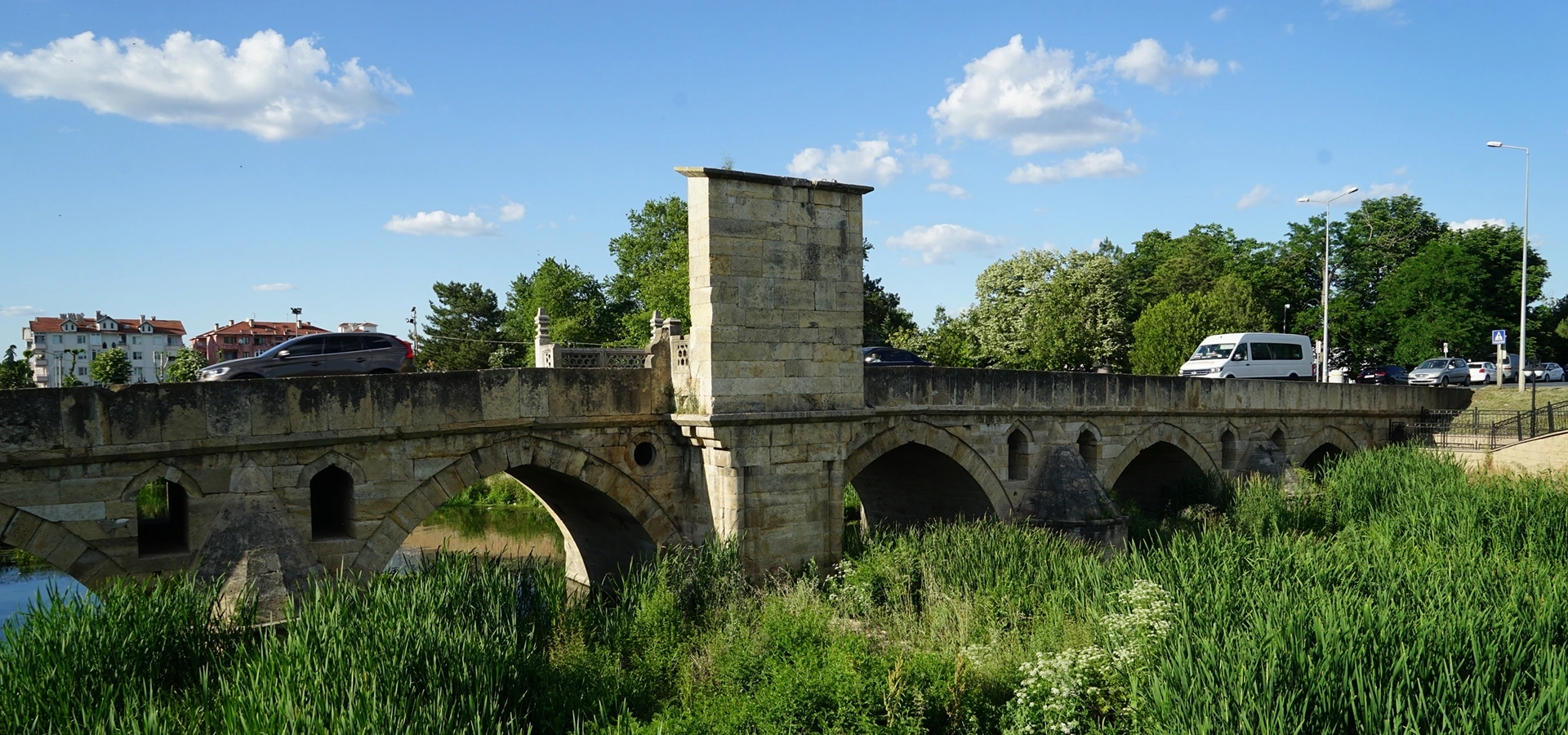
Combine Büyükmandıra’s Brakana tradition with Babaeski’s Ottoman mosque, historic bridge, rural scenery, protected garlic, and regional cuisine.
Request This TourAdd Brakana and Büyükmandıra to a private route through Kırklareli, Edirne, Tekirdağ, the Istranca Mountains, and Istanbul.
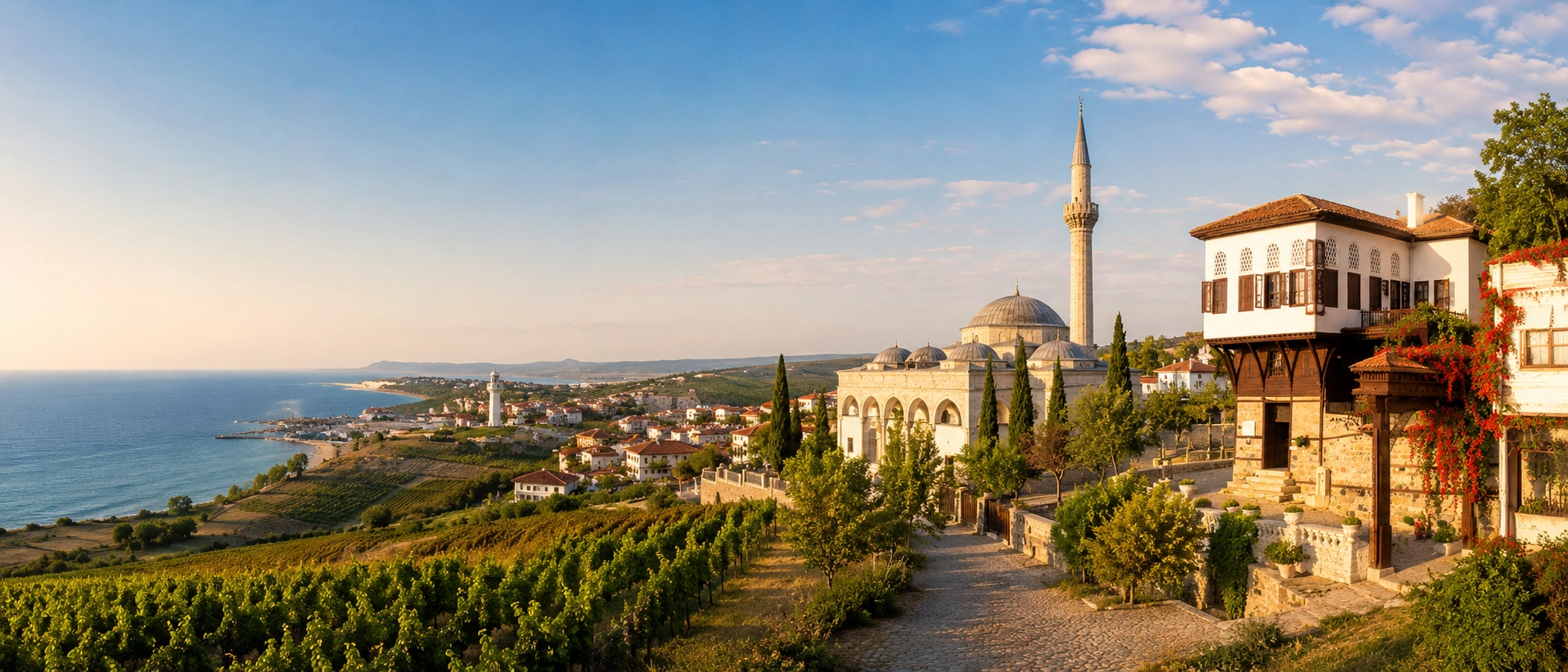
Design a private route through Brakana, hardaliye, oak honey, protected cheeses, vineyards, meatballs, markets, and the Balkan food heritage of Thrace.
Plan Your Journey
Link Büyükmandıra and Babaeski with Kırklareli’s protected foods, Aşağıpınar, Kanlıgeçit, historic towns, rural traditions, and local hospitality.
Plan Your Journey