Useful Questions
Frequently Asked Questions About Kırklareli Hardaliye
What is Kırklareli Hardaliye?
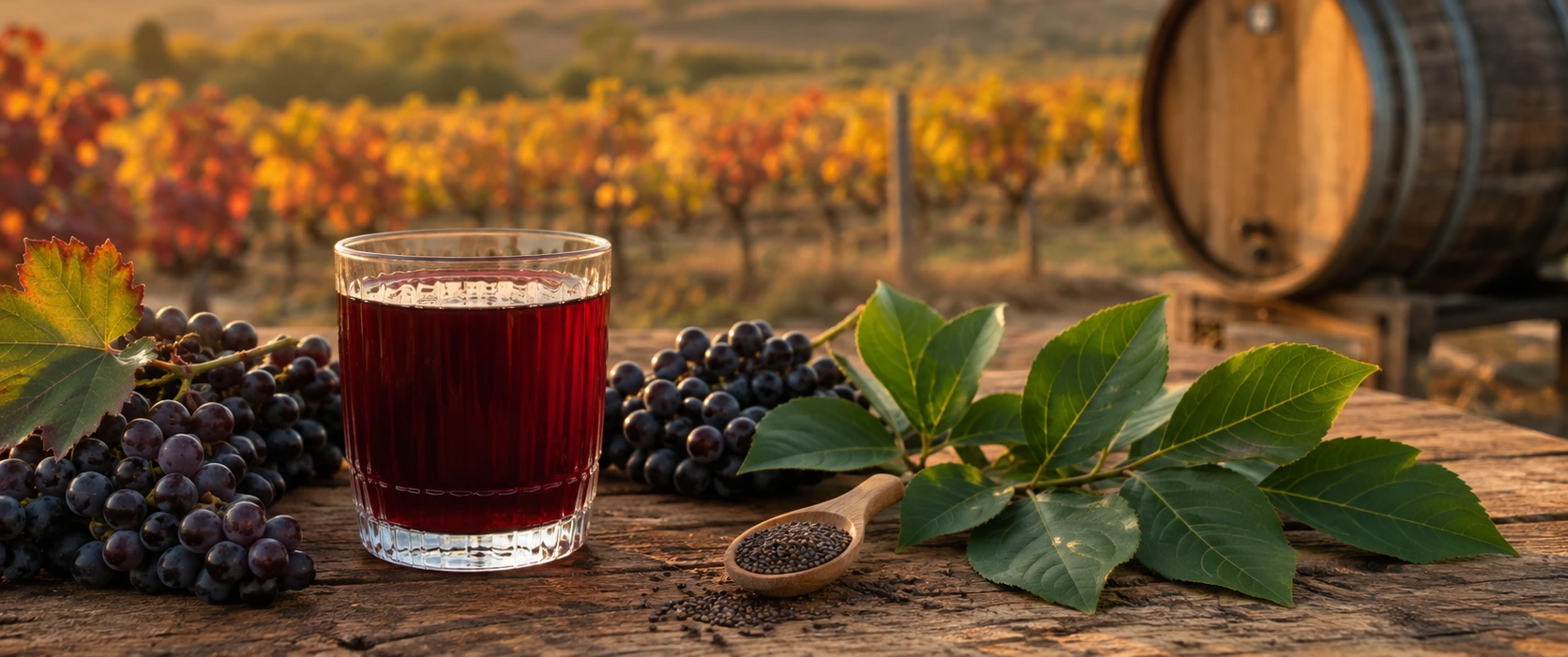
Kırklareli Hardaliye is a traditional fermented grape beverage made with ripe grapes, crushed mustard seeds, and sour-cherry leaves. It is associated with Kırklareli and the wider culinary culture of Turkish Thrace.
What is hardaliye called in Turkish?
It is called hardaliye. The protected regional name is Kırklareli Hardaliyesi.
Why is it called hardaliye?
The name is connected with the Turkish word hardal, meaning mustard. Crushed mustard seeds are essential to the drink’s flavour and production.
Is Kırklareli Hardaliye geographically indicated?
Yes. Kırklareli Hardaliyesi is registered by the Turkish Patent and Trademark Office as a mahreç işareti with registration number 278.
When was Kırklareli Hardaliye registered?
The geographical-indication registration was completed on 28 December 2017 after an application submitted by the Kırklareli Chamber of Commerce and Industry.
Is hardaliye alcoholic?
Kırklareli Hardaliyesi is officially registered in the non-alcoholic beverages category. Because methods and regulations can differ, anyone requiring strict certainty should check the specific product label or ask its producer.
Is hardaliye the same as grape juice?
No. Ordinary grape juice is pressed and bottled without hardaliye’s defining mustard seeds, sour-cherry leaves, and controlled fermentation process.
Is hardaliye the same as şıra?
They are related grape beverages, but hardaliye is distinguished by mustard seeds, sour-cherry leaves, its regional method, and its protected Kırklareli identity.
What grapes are used for hardaliye?
The registered description includes Cabernet, Merlot, Shiraz, Öküzgözü, Pamit, Papazkarası, Cardinal, and Alphonse. Dark red aromatic grapes are generally preferred.
Why are mustard seeds used?
They provide a mild warming flavour, contribute characteristic aroma, and influence fermentation by limiting the activity associated with ordinary alcoholic grape fermentation.
Does hardaliye taste strongly of mustard?
Usually not. The mustard is noticeable as a light sharpness or warming finish, while ripe grape remains the dominant flavour.
Are cherries added to hardaliye?
The traditional recipe uses sour-cherry leaves rather than cherry fruit or cherry juice. Their contribution is subtle and aromatic.
How long does hardaliye ferment?
The registered method describes approximately 4–5 weeks of fermentation at about 20–22°C, followed preferably by 2–3 weeks of cooler resting and clarification.
What colour is hardaliye?
It is normally deep red, purple-red, or dark ruby, depending on the grapes, extraction, clarification, and storage.
What does hardaliye taste like?
It tastes fruity, sweet to semi-sweet, tangy, gently tannic, and lightly warming from the mustard seeds. Different grape varieties and producers create noticeable variation.
How should hardaliye be served?
It is best served chilled in a small glass. Follow the producer’s instructions regarding shaking, refrigeration, and consumption after opening.
Does hardaliye need refrigeration?
Yes. It should be stored cold according to its label. Refrigeration is especially important after opening.
When is hardaliye traditionally made?
Production is closely connected with the autumn grape harvest, especially September, October, and November, when grapes reach full ripeness.
Where can I buy hardaliye?
Look for it at local producers, regional food shops, selected restaurants, markets, and seasonal festivals in Kırklareli. Availability should be confirmed before travelling.
Can I take bottled hardaliye home?
Yes, but keep it cool, protect it from sunlight, check transport restrictions, and follow the bottle’s storage instructions throughout the journey.
Does hardaliye contain allergens?
It contains mustard, an important allergen for some people. Commercial products may also use permitted preservatives, so always read the ingredient label.
Is hardaliye suitable for children?
It is registered as a non-alcoholic beverage, but parents should check the specific label, sugar content, allergens, preservatives, and professional dietary advice where relevant.
Is hardaliye a medicine?
No. It is a traditional food and beverage. Research into grape compounds and fermentation does not make hardaliye a treatment or substitute for medical care.
What foods go well with hardaliye?
It can accompany local cheese, savoury pastries, Kırklareli meatballs, roasted meat, a Thracian breakfast, nuts, and dried fruit.
Is hardaliye worth trying in Kırklareli?
Yes. It is one of the most direct ways to experience Kırklareli’s vineyard culture, autumn harvest traditions, fermentation knowledge, and protected culinary heritage.