Private Amyzon Ancient City Experience
Ask us about an archaeological experience exploring the sanctuary of Artemis, Hecatomnid architecture, ancient Carian history and the impressive mountain landscape of Amyzon.
Request a Private Experience





Hidden among the rugged hills of southwestern Türkiye, Amyzon Ancient City is one of the lesser-known archaeological treasures of Aydın Province. Also known as Mazın Kalesi, the ancient settlement lies in the mountainous countryside of Koçarlı, near the villages of Gaffarlar and Akmescit.
Unlike the monumental coastal cities of Ephesus and Miletus, Amyzon offers a quieter encounter with antiquity. Its history is closely connected with the religious traditions of ancient Caria, particularly the worship of Artemis and Apollo, and with the changing political powers that governed western Anatolia after the Classical period.
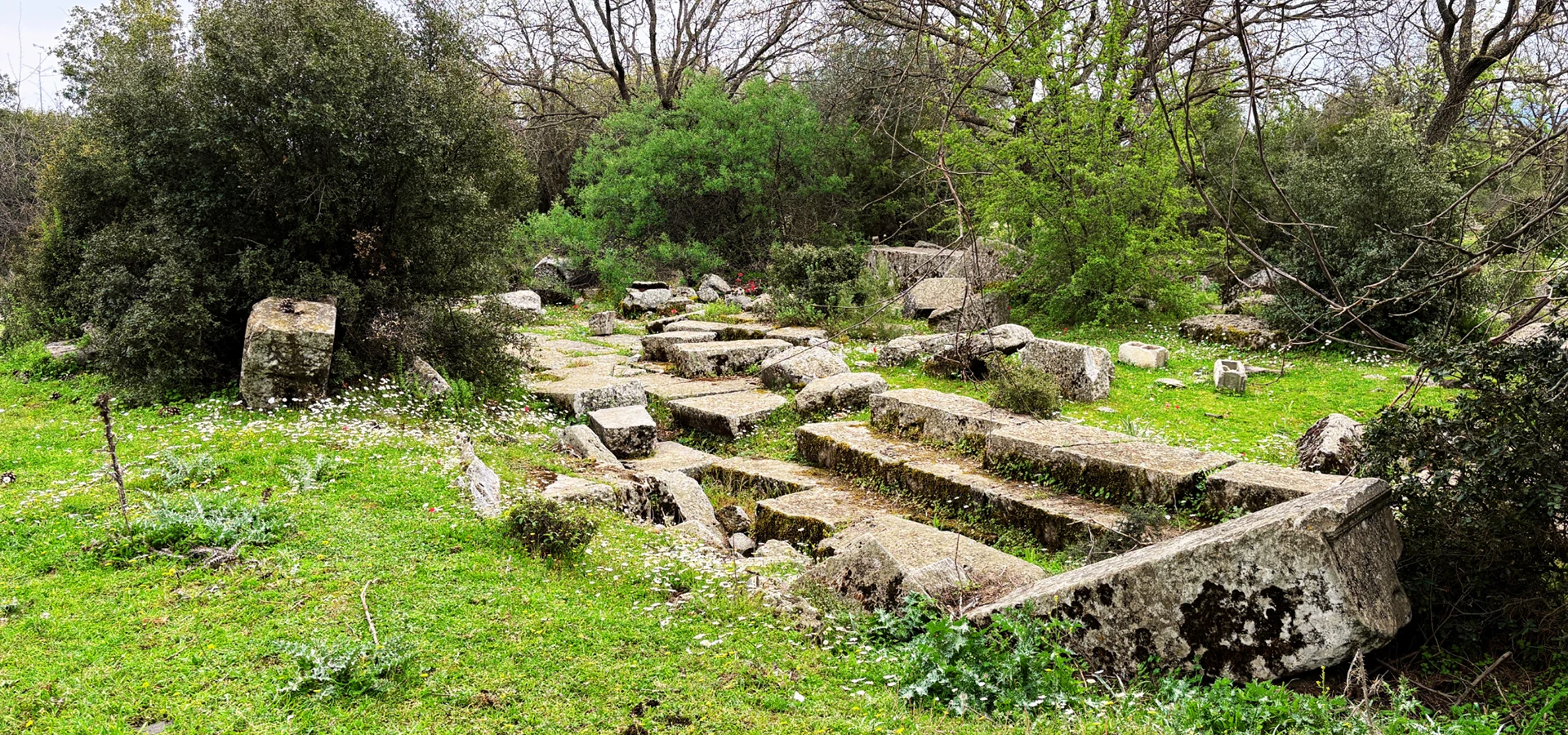
The most striking remains belong to the ancient sanctuary of Artemis, where carefully cut stone blocks form an imposing elevated terrace. These walls reveal the architectural ambition of the 4th century BC, when the Hecatomnid rulers of Caria supported major religious and building projects throughout the region.
Amyzon is especially important for its Greek inscriptions. These documents illuminate local religious privileges, civic decisions, royal officials, diplomacy and the relationship between a small Carian community and the powerful Ptolemaic and Seleucid kingdoms.
Visitors today encounter an atmospheric archaeological landscape rather than a fully developed tourist attraction. Fragmentary temple architecture, impressive masonry, vaulted underground chambers and later Byzantine structures lie within a rocky setting of Mediterranean vegetation and mountain views.
Explore an archaeological site connected with the distinctive cities and sanctuaries of Caria.
Discover the monumental terrace of an important ancient religious complex.
Learn how surviving texts reveal Amyzon's political and sacred history.
Experience a remote mountain site far from Türkiye's busiest archaeological destinations.
Essential information for discovering the ancient Carian sanctuary of Amyzon in Aydın.
Near Gaffarlar and Akmescit, Koçarlı District, Aydın Province, Türkiye.
Open on Google MapsCaria, a historic region of southwestern Anatolia.
Classical and Hellenistic periods, with later Roman and Byzantine activity.
The Sanctuary of Artemis, also associated with the worship of Apollo.
Mazın Kalesi, referring to the fortified character of the ruins.
Allow approximately 1–2 hours on site, excluding the rural journey.
Private vehicle or a locally arranged driver is the most practical option.
Confirm current access and any restrictions locally before traveling.
A comparatively small sanctuary that preserves an extraordinary record of religion, politics and architecture in ancient southwestern Anatolia.
Amyzon occupies a special place in the archaeology of Caria because its importance cannot be measured simply by the size of its surviving buildings. The site preserves evidence of a religious community whose sanctuary maintained relationships with local citizens, regional rulers and international Hellenistic powers.
During the 4th century BC, Caria experienced an ambitious period of monumental construction under the Hecatomnid dynasty. The surviving architecture at Amyzon belongs to this broader cultural environment, in which local traditions interacted with Greek architectural forms and the political structures of the eastern Mediterranean.
The sanctuary was dedicated principally to Artemis, while Apollo also held a significant place in its religious life. The two deities appear together in inscriptions and other evidence, revealing that Amyzon was both a sacred destination and a functioning civic community.
The inscriptions are particularly valuable. Some record honors granted to officials, while others concern sanctuary privileges and political relationships. They provide unusually detailed evidence for the history of a place that receives relatively little attention in surviving ancient literature.
Amyzon also illustrates how ancient buildings could acquire entirely different functions over time. Elements of the earlier sanctuary were reused or incorporated into defensive structures during the Byzantine period, creating the fortified landscape that later became known as Mazın Kalesi.
Amyzon stands in the mountainous landscape of northern Caria, within modern Aydın Province. The archaeological site is associated with Mazın Kalesi, in the countryside around Gaffarlar and Akmescit, south of Koçarlı.
The surrounding terrain is very different from the fertile river plains that supported several of western Anatolia's better-known ancient settlements. Rocky slopes, wooded hills and natural ridges shaped communication, settlement patterns and the choice of prominent locations for religious buildings.
Amyzon belonged to a wider network of Carian places, including Alinda, Alabanda, Euromos and Heracleia under Latmos. These communities differed greatly in size and political influence, but they shared commercial, cultural and religious connections across the region.
Ancient geographical writers knew Amyzon, although they did not describe it as a major metropolis. Strabo associated it with Alabanda and used the term peripolion, suggesting a relatively small or dependent settlement.
Archaeological scholarship emphasizes that the visible remains are dominated by a substantial sanctuary. This makes Amyzon particularly interesting: the sacred complex may have been more architecturally significant than the surrounding settlement.
The earliest history of Amyzon remains incompletely understood. Archaeological material indicates religious activity before the construction of the monumental sanctuary visible today, while surviving historical inscriptions become particularly informative from the Classical and Hellenistic periods onward.
During the 4th century BC, Caria was governed by the Hecatomnid dynasty, whose rulers included Mausolus, Artemisia II and Idrieus. This era witnessed major investments in public architecture, fortified settlements and sanctuaries.
Architectural inscriptions and building remains link the sanctuary at Amyzon with this period. Idrieus, who ruled Caria during the middle of the 4th century BC, is associated with the sanctuary's monumental building program.
Following the campaigns of Alexander the Great and the breakup of his empire, southwestern Anatolia became contested territory among Hellenistic kingdoms. Amyzon entered a period in which its political relationships changed according to the ambitions of larger regional powers.
In the 3rd century BC, inscriptions indicate connections with the Ptolemaic dynasty, which ruled Egypt and held territories across parts of the eastern Mediterranean. A decree dated to approximately 277 BC honored a Ptolemaic official named Margos for his services to the people and gods of Amyzon.
The city later came within the influence of the Seleucid kingdom. In 203 BC, King Antiochus III confirmed privileges associated with Amyzon, including protections connected with the sacred sanctuary.
Amyzon also maintained regional civic relationships. An agreement with Heracleia under Latmos, generally placed toward the end of the 2nd century BC, demonstrates the continuing importance of cooperation among Carian communities.
During the Roman period, Amyzon appears to have remained a comparatively modest community, with its sanctuary continuing to define much of its historical identity.
In Byzantine times, the site experienced further architectural transformation. Building materials from the ancient sanctuary were reused in later construction, while the elevated position acquired additional defensive importance.
Archaeological finds indicate worship at the site before the major Hecatomnid construction phase.
The sanctuary develops monumental architecture associated with Hecatomnid Caria and Idrieus.
An inscription documents honors connected with Bagadates, an administrator of the Artemis sanctuary.
A civic decree honors Margos, a Ptolemaic official, for his services to Amyzon.
Antiochus III confirms important privileges of the community and its sanctuary.
Amyzon establishes a documented civic agreement with Heracleia under Latmos.
Older sanctuary structures are altered and architectural materials are reused in fortifications.
Jeanne and Louis Robert undertake important archaeological investigations at the sanctuary.
The best-known archaeological monument at Amyzon is the Sanctuary of Artemis. Its prominent terrace and surviving architectural fragments indicate that the sacred precinct was among the most important constructed spaces of the settlement.
Artemis was widely worshipped throughout the Greek world and Anatolia, although her local cults varied considerably. In Caria, established regional religious traditions frequently interacted with Greek divine names and iconography.
At Amyzon, Artemis was the principal deity of the sanctuary, while Apollo also featured in religious ceremonies, civic inscriptions and coin imagery. The relationship between their cults forms an important part of the site's identity.
The sanctuary stood on an artificially supported terrace. Large, precisely fitted stone blocks created the level space needed for monumental architecture on the uneven mountain terrain.
Archaeological investigations have identified remains associated with the temple, its surrounding sacred enclosure and entrance architecture. The precise reconstruction of the complex remains a subject of architectural study, particularly concerning the attribution of surviving Doric and Ionic elements.
One of the most significant discoveries was an architectural inscription connecting Idrieus with the sanctuary's building program. It provides valuable evidence of Hecatomnid involvement in sacred construction beyond the dynasty's most famous centers.
Religious activity at Amyzon was not limited to ceremonies. The sanctuary also possessed institutional privileges, administrators and a recognized status in civic life. Its role as a place of protection illustrates how sacred authority could intersect with law and government.
The principal deity of the sanctuary and a central figure in Amyzon's surviving religious evidence.
A deity associated with the sanctuary's worship, sacrifices and religious imagery.
A monumental stone platform supported the temple precinct on the elevated hillside.
Surviving foundations and architectural fragments provide evidence for the ancient temple.
Architectural remains indicate a formal approach to the sacred enclosure.
Royal correspondence and civic documents illuminate the sanctuary's protected status.
Amyzon's architecture demonstrates the ability of ancient builders to create impressive monumental spaces in difficult mountainous terrain.
The most visually striking masonry consists of large rectangular stone blocks laid in carefully aligned horizontal courses. This technique is generally known as isodomic masonry and was used in prestigious Greek and Carian building projects.
Sections of the substantial terrace enclosure survive to a considerable height. Their scale can easily create the impression of a purely defensive structure, although the monumental stonework is closely related to the sanctuary's architectural setting.
Different periods of construction can be identified through building techniques, masonry joins and reused architectural blocks. Later Byzantine construction further complicates the interpretation of the visible remains.
Large ashlar blocks support the elevated ground of the principal sanctuary.
Architectural foundations and displaced fragments preserve the outline of the sacred building.
The temenos defined an area reserved for religious functions and ceremonial activity.
Remains of monumental access structures reflect the importance of approaching the sanctuary.
Underground structures have been interpreted as spaces connected with storage or water management.
Later buildings and reused stonework demonstrate continued occupation and adaptation.
Archaeological descriptions also report features associated with a small theater and other settlement buildings.
Columns, carved blocks and other displaced stones help scholars reconstruct the lost monuments.
Among the more unusual remains at Amyzon are the vaulted underground chambers associated with the monumental complex.
Archaeological descriptions record a series of covered spaces constructed beneath or alongside the sanctuary terrace. These are important examples of how builders used the natural slope and structural engineering to organize the ancient site.
The chambers have frequently been interpreted as storage facilities, although some researchers have also considered possible water-management functions.
Such spaces could serve practical needs within a sanctuary, including the storage of equipment, offerings or supplies. However, the exact original function of every chamber has not been securely established.
Their existence demonstrates that the sacred complex involved more than one temple building. It required supporting infrastructure, carefully planned circulation and the management of space on difficult terrain.
One of Amyzon's greatest contributions to ancient history is its collection of Greek inscriptions. Although the site is less visually complete than some of Anatolia's famous classical cities, its written evidence is exceptionally informative.
Inscriptions recorded religious dedications, honors awarded to officials, public decisions and correspondence with powerful rulers. These texts provide a clearer picture of Amyzon's institutions than the brief references found in ancient geographical literature.
The documents reveal how a small Carian community negotiated relationships with regional governments while maintaining its religious identity and civic privileges.
Architectural evidence links the Hecatomnid ruler Idrieus with the sanctuary's monumental construction.
A late 4th-century BC decree records honors involving Bagadates, associated with temple administration, and his son.
A decree of approximately 277 BC honors a Ptolemaic official for goodwill toward Amyzon and its gods.
A royal communication dated to 203 BC confirms privileges important to the community and its sanctuary.
Decrees reveal local institutions, public honors and relationships between the community and outside officials.
Written records preserve the religious and legal significance of protection for those seeking refuge at the sanctuary.
These records are especially important for understanding the Hellenistic period, when political control over western Anatolia changed repeatedly.
Amyzon's inscriptions reveal a world in which local identity could remain strong despite the presence of distant kings, provincial officials and competing royal administrations.
The geography of Caria brought together coastal ports, river valleys, fortified hills and isolated mountain sanctuaries. Amyzon belonged to this network rather than existing as a completely independent cultural island.
Its ancient relationships help explain the political and religious importance of the site.
A neighboring Carian center with substantial fortifications and a prominent Hellenistic archaeological landscape.
A major settlement associated with Amyzon in ancient geographical descriptions.
An important Carian sanctuary center, particularly celebrated for its surviving Temple of Zeus.
A city with which Amyzon maintained documented civic relations during the Hellenistic period.
A major sanctuary of Zeus closely associated with the monumental building programs of the Hecatomnids.
Ptolemaic and Seleucid influence illustrates the region's place within the wider Hellenistic world.
The religious architecture of Amyzon is particularly meaningful when compared with other Hecatomnid sanctuaries. These projects helped express religious devotion, political authority and local identity through carefully constructed sacred spaces.
Visitors should approach Amyzon as an archaeological landscape in which fragments of ancient architecture must be read together. The site is best appreciated slowly, with attention to its setting, surviving masonry and historical context.
The most visually impressive remains, demonstrating carefully planned stone construction on steep terrain.
The central sacred area associated with the worship of Artemis and Apollo.
Surviving structural remains and scattered architectural blocks linked with the religious complex.
Unusual covered spaces that illustrate the engineering and practical organization of the site.
Later defensive alterations that contributed to the site's identification as Mazın Kalesi.
Evidence of later occupation, rebuilding and the reuse of earlier architectural materials.
Displaced blocks, column elements and other traces of the once-monumental sanctuary.
The surrounding Carian hills provide an important perspective on the site's remote location.
Amyzon has attracted the attention of travelers and archaeologists for generations, particularly because of its unusual combination of sanctuary architecture and important historical inscriptions.
Among the most influential researchers were the French scholars Jeanne and Louis Robert, whose investigations at Amyzon in the mid-20th century contributed greatly to the identification and interpretation of the ancient sanctuary.
Their fieldwork documented architectural remains, inscriptions and evidence for the history of the local community. The resulting research established Amyzon as an important source for understanding Carian religion and Hellenistic political relationships.
The major publication Fouilles d'Amyzon en Carie, issued in 1983, remains a fundamental scholarly reference for the site.
Subsequent studies have continued to examine the architecture of the sanctuary, the attribution of surviving building fragments and the historical significance of its inscriptions.
One important topic concerns the architectural order of the temple. Traditional descriptions have identified Doric elements, while further architectural analysis has drawn attention to Ionic components and questions about how the surviving fragments should be assigned to particular buildings.
This is a reminder that archaeology develops through continuing interpretation. Reconstructions of ancient monuments may change as researchers reexamine inscriptions, measurements and the original positions of architectural pieces.
Historical travelers and scholars recorded the ruins and investigated their identification with ancient Amyzon.
Mid-20th-century archaeological work documented the sanctuary and its written records.
Greek inscriptions provide the basis for reconstructing much of Amyzon's political history.
Researchers continue to evaluate temple fragments, terrace construction and later alterations.
Amyzon is best suited to travelers who enjoy remote historical places and are comfortable exploring uneven outdoor terrain. Preparation is important because the site should not be approached like a conventional ticketed museum.
Check locally for any restrictions, conservation activity or changes affecting the approach to the ruins.
Rural roads may be narrow, rough or affected by weather. Verify the final approach before traveling.
Choose sturdy footwear with good grip for stones, loose soil, slopes and uneven surfaces.
Do not rely on finding a café, shop or drinking-water facility at the archaeological site.
Use sunscreen, a hat and weather-appropriate clothing, particularly in the hotter months.
Mobile navigation may be less reliable on rural mountain roads and isolated tracks.
Allow sufficient time to complete your visit and return along unfamiliar roads before dark.
Never move stone blocks, enter unstable openings, climb walls or remove archaeological objects.
Start by identifying a safe, permitted approach to the archaeological remains. Before examining individual structures, spend a few moments observing the surrounding slopes and the elevated position of the ancient sanctuary.
Continue toward the monumental terrace walls, where the scale and precision of the stonework are most apparent. These remains provide a starting point for understanding the architectural development of Amyzon.
From accessible areas, examine the scattered architectural blocks and visible traces of the Sanctuary of Artemis. Imagine how a carefully designed sacred precinct once occupied the elevated ground.
Next, observe the exterior of the vaulted underground structures from a safe distance. Their relationship with the terrace provides an opportunity to consider how ancient builders organized practical spaces beneath monumental architecture.
Finally, look for differences between the large, regular blocks of the ancient sanctuary and later structural additions. These changes help explain the site's transformation during the Byzantine period.
Amyzon is a remote archaeological site in the Koçarlı countryside. It is not generally presented as a developed archaeological museum with extensive visitor infrastructure.
Reliable, regularly updated public information about fixed admission fees, ticketing and daily opening hours is limited. Therefore, visitors should not assume that the site operates according to a standard museum schedule or that every part of the ruins is freely accessible.
Before making the journey, consult current local guidance or contact the relevant tourism and cultural heritage authorities to confirm access conditions.
Because Amyzon is an outdoor archaeological landscape with limited visitor facilities, weather can significantly influence the quality and safety of a visit.
Generally pleasant temperatures and green vegetation make spring attractive for exploring the ruins.
Cooler conditions and softer sunlight are well suited to archaeological exploration and photography.
Hot weather and exposed areas make early morning visits preferable to midday exploration.
Rain, slippery ground and potentially difficult rural roads require extra preparation.
Good for comfortable exploration, especially during the warmer months.
Warm light can enhance the stonework, but allow enough daylight for the return journey.
For most visitors, spring and autumn offer the most comfortable combination of temperature, daylight and outdoor walking conditions.
The time required depends on your archaeological interests, the state of the access routes and how carefully you want to examine the remains.
A brief introduction to the visible terrace walls and surrounding archaeological landscape.
A practical short visit emphasizing the sanctuary's main surviving architectural features.
A more detailed exploration of visible structures, building phases and landscape views.
Allowing for the rural journey, site exploration and photography can easily occupy half a day.
Extra time is worthwhile when examining the masonry and discussing Carian religious history.
Consider a shorter visit because of uneven ground, exposed ruins and limited facilities.
Amyzon offers distinctive photography opportunities for travelers interested in archaeology, architecture and landscape. Its ruins are best photographed as part of the surrounding mountain environment rather than as isolated architectural objects.
Use wide compositions to show the scale and careful arrangement of the ancient blocks.
Capture stone joints, weathering patterns, carved surfaces and ancient construction techniques.
Photograph visible temple foundations and architectural fragments without moving any material.
Include the surrounding hills to communicate the remote character of the ancient sanctuary.
Soft directional light can reveal the texture and form of weathered stonework.
Avoid climbing ruins, entering chambers or crossing unsafe ground for dramatic angles.
Amyzon is an undeveloped archaeological landscape containing uneven ground, natural slopes, loose stones and exposed remains. Its terrain can create substantial challenges for visitors with limited mobility.
Expect natural ground, stones, vegetation and irregular archaeological terrain.
The elevated setting may require movement across uneven or inclined ground.
No verified continuous accessible route should be assumed; confirm conditions in advance.
Ordinary strollers may be unsuitable for the terrain near the ruins.
Do not rely on accessible toilets, seating or other visitor facilities at the site.
Keep away from exposed edges, unsupported masonry and underground openings.
Amyzon lies in the countryside of Koçarlı District, in Aydın Province. The site is associated with the locality of Mazın Kalesi, near Gaffarlar and Akmescit.
The most practical approach is normally by private vehicle or with an experienced local driver. Rural roads and the final access route should be checked before departure.
Travel toward Koçarlı and continue through the appropriate rural road network toward the archaeological site.
Follow a verified route toward the Gaffarlar–Akmescit area and Mazın Kalesi.
The most flexible transport choice, provided the approach road is suitable for the vehicle.
A practical option for visitors unfamiliar with the local roads or wishing to avoid navigation difficulties.
Do not assume that public transportation reaches the archaeological entrance or the final approach road.
Search for Amyzon Antik Kenti or Mazın Kalesi, then verify the route and road conditions locally.
Amyzon forms part of the remarkable archaeological heritage of Aydın and ancient Caria. Visitors exploring the wider province can discover additional ancient settlements, sanctuaries, museums and historic landscapes. These are regional suggestions rather than attractions within walking distance of Amyzon.
Discover a major Carian settlement known for its impressive fortifications and Hellenistic architecture near Karpuzlu.
Explore another important Carian city with historical connections to Amyzon.
See the celebrated Temple of Zeus and compare another important sanctuary tradition of Caria.
Discover ancient Heracleia beside Lake Bafa, a city historically connected with Amyzon.
Explore an enigmatic Carian sanctuary landscape with unusual monumental stone remains.
Learn about an important ancient settlement associated with the Maeander Valley.
Encounter the wider archaeological history of the Miletus region through museum collections.
Discover remarkable ancient sculpture and the artistic traditions of one of Caria's most celebrated cities.
Amyzon is located in Koçarlı District of Aydın Province, near the villages of Gaffarlar and Akmescit in southwestern Türkiye.
Amyzon is an ancient Carian settlement and sanctuary known especially for the worship of Artemis and Apollo, monumental stone terraces and important Greek inscriptions.
Yes. The archaeological site is commonly known as Mazın Kalesi, a Turkish name associated with its fortress-like remains.
The site preserves evidence of ancient religious activity, while its most important monumental building phase is associated with the 4th century BC.
Amyzon belonged to the ancient region of Caria. Its monumental sanctuary developed within Carian traditions and the political environment of the Hecatomnid dynasty.
Artemis was the principal deity of the sanctuary, while Apollo was also important in its religious life.
The principal sanctuary is generally identified with Artemis, but inscriptions and coins also document the worship of Apollo. Both deities belong to Amyzon's religious history.
Idrieus was a Hecatomnid ruler of Caria in the 4th century BC. Architectural evidence associates him with an important building program at the sanctuary.
Its inscriptions document religious institutions, local civic decisions and political connections with Hellenistic powers such as the Ptolemies and Seleucids.
King Antiochus III confirmed privileges associated with Amyzon, including protections connected with the sanctuary.
The ruins include monumental terrace walls, temple-related remains, architectural fragments, underground vaulted chambers and later Byzantine structures.
Some visible masonry relates to the sanctuary's monumental terrace enclosure rather than ordinary defensive city walls. Later fortification phases also exist at the site.
They have been interpreted as storage or possibly water-management structures, although the precise original use of individual spaces remains uncertain.
Yes. Amyzon remained part of the regional historical landscape during Roman times, although it was much smaller than the major cities of western Anatolia.
Yes. Later Byzantine structures and reused architectural materials show that the ancient site underwent further changes after the Classical and Hellenistic periods.
Jeanne and Louis Robert conducted influential archaeological investigations in the mid-20th century, helping document the sanctuary and its inscriptions.
Current admission arrangements are not reliably confirmed through a regular official ticketing schedule. Check locally before planning a visit.
A verified standard daily opening schedule is not available. Contact relevant local authorities to confirm current access conditions.
Travel toward Koçarlı and the Gaffarlar–Akmescit countryside. A private vehicle or locally arranged driver is generally the most practical option, but the final route should be verified.
Independent exploration may be possible where access is permitted, but local guidance is useful for navigation, archaeological interpretation and safety.
Approximately one to two hours is a reasonable allowance for the archaeological remains, excluding travel time.
Spring and autumn generally provide comfortable conditions for exploring the outdoor ruins and mountain landscape.
The site contains uneven archaeological terrain and no verified continuous accessible route. Visitors with mobility needs should confirm current conditions before traveling.
Do not enter unmaintained underground spaces or partially collapsed structures. They may contain unstable masonry and other hazards.
Yes, particularly for travelers interested in Carian archaeology, ancient religion, Greek inscriptions and remote historical landscapes. The experience is very different from visiting a developed archaeological museum.
Remote archaeological sites are particularly vulnerable to erosion, vandalism, disturbance and the removal of historical material. Responsible visiting helps protect the evidence that makes Amyzon important.
Never move architectural fragments, pottery, carved blocks or other archaeological material.
Historic masonry may be unstable, and climbing can damage ancient structures.
Follow signs, barriers and instructions from the relevant heritage authorities.
Avoid unnecessary damage to trees, shrubs and natural ground cover around the ruins.
Carry bottles, food packaging and other waste back to an appropriate disposal point.
Use established routes and avoid entering private land or agricultural areas without permission.
Discover the archaeological heritage of ancient Caria through a private experience focused on history, sacred architecture and remarkable landscapes. We can help you explore the possibilities of a carefully planned itinerary, subject to current site access and road conditions.
A journey into the overlooked sanctuaries and mountain settlements of ancient Caria.
Ask us about an archaeological experience exploring the sanctuary of Artemis, Hecatomnid architecture, ancient Carian history and the impressive mountain landscape of Amyzon.
Request a Private Experience
Explore possible routes connecting the archaeological heritage of Aydın, including ancient Carian sanctuaries, historic settlements and distinctive landscapes, with an itinerary tailored to your interests.
Plan Your Heritage JourneyDiscover more archaeological landscapes, ancient cities and cultural heritage across the region.
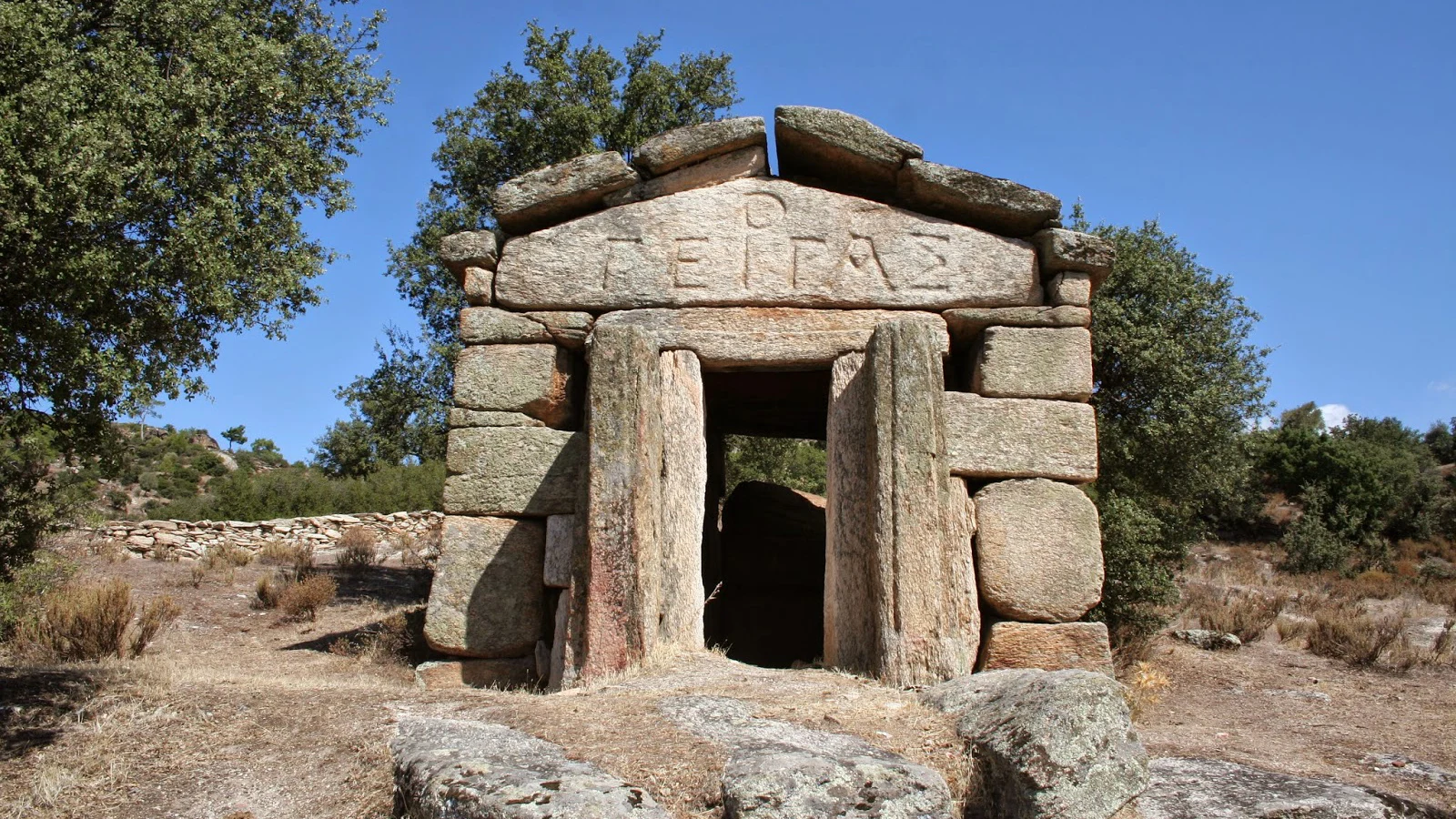
Explore an enigmatic Carian sanctuary landscape with extraordinary ancient stone monuments.
Explore Gerga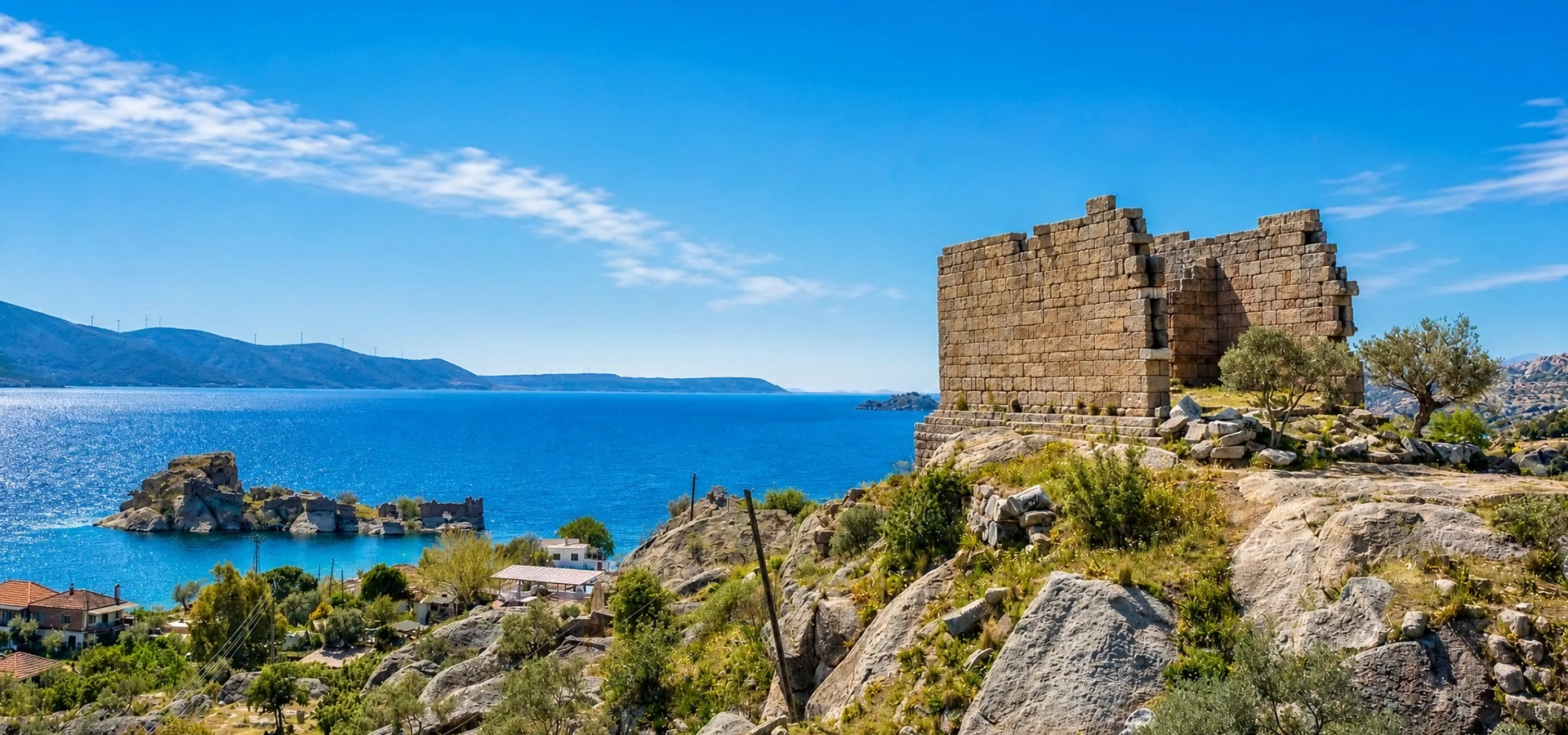
Discover a lakeside ancient city connected with Amyzon through the history of Hellenistic Caria.
Explore Heracleia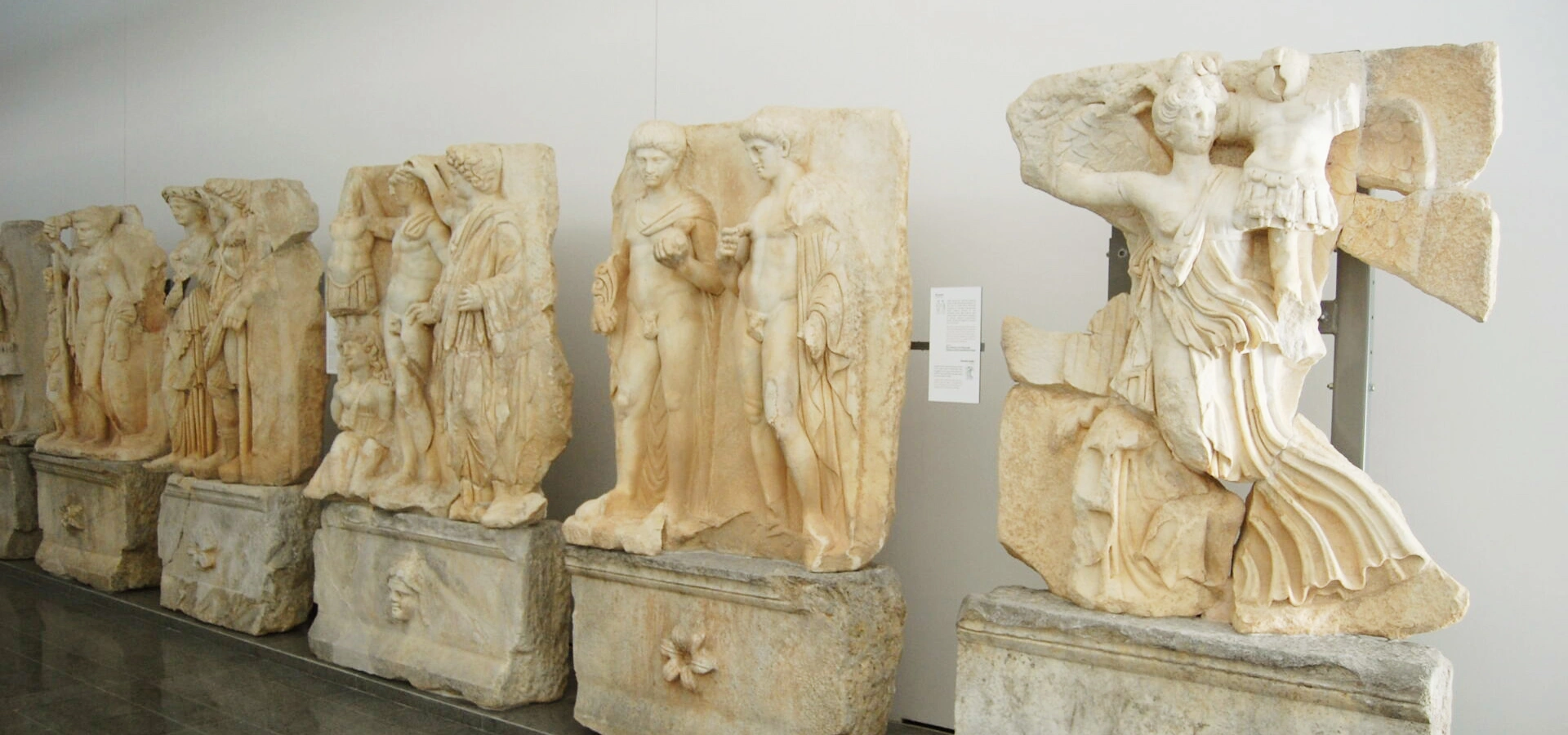
Encounter the artistic achievements, sculptures and archaeological discoveries of ancient Caria.
Explore Aphrodisias Museum