Ancient Ionia, Archaeological Treasures & Aegean Civilizations

Milet Museum – Complete Aydın Visitor Guide

Discover the archaeological treasures of Miletus, Didyma and Priene,
where thousands of years of Aegean history come to life.

Explore Milet Museum

Milet Museum – Discovering the Ancient Civilizations of Ionia

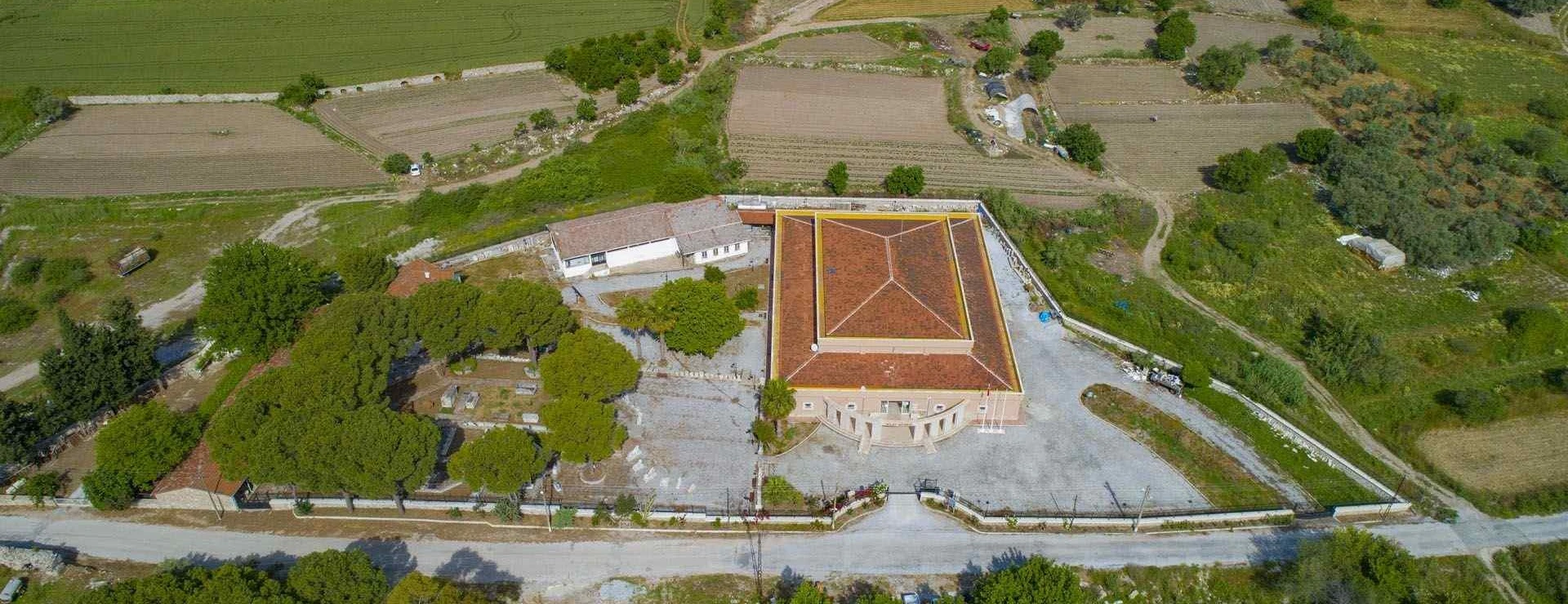
Milet Museum, known in Turkish as Milet Müzesi, is one of the most important archaeological museums in the western Anatolian region of Aydın Province, Türkiye. Located beside the ancient city of Miletus, near Balat in the district of Didim, the museum preserves and exhibits archaeological discoveries from three extraordinary centers of ancient Ionian civilization: Miletus, Didyma and Priene.

Its collections offer visitors a remarkable journey through the civilizations that developed along the Aegean coast, from Bronze Age maritime connections and the flourishing cities of ancient Ionia to Hellenistic, Roman, Byzantine and medieval Turkish cultural traditions.

Miletus was once among the most influential cities of the ancient Greek world. Its merchants traveled across the Mediterranean and Black Sea, its sanctuaries attracted worshippers, and its intellectual traditions helped transform the history of philosophy and scientific inquiry.

The city is especially associated with Thales, Anaximander and Anaximenes, thinkers whose investigations into nature, the universe and the origins of physical phenomena occupy an important place in the history of early Greek philosophy.

While the archaeological remains of Miletus preserve its monumental architecture, the museum introduces another dimension of ancient life: the objects people made, exchanged, worshipped with, used in their homes and placed in their graves.

The museum's displays include ceramic vessels, sculptures, architectural fragments, inscriptions, coins, jewelry, glass objects, bronze artifacts, terracotta figurines and funerary monuments.

Among its particularly important collections are finds associated with the Minoan and Mycenaean periods, the Archaic sanctuary of Aphrodite at Zeytintepe, ancient burial areas, the Sacred Way connecting Miletus with the sanctuary of Apollo at Didyma, and the remarkable domestic archaeology of Priene.

Milet Museum was originally established in 1973. After its first building was closed because of structural problems, a new museum building was constructed and opened to visitors in May 2011.

The newer building has an overall usable area of approximately 1,200 square meters, including around 600 square meters of indoor exhibition space.

The displays are divided into two principal environments: indoor galleries presenting smaller archaeological objects and thematic collections, and an outdoor museum garden containing larger sculptures, architectural elements and stone monuments.

For travelers exploring the ancient cities of Aydın, Milet Museum provides an excellent introduction to the interconnected history of Miletus, Didyma and Priene.

It also offers an opportunity to appreciate the sophistication of ancient craftsmanship and the discoveries made through more than a century of archaeological investigation in the region.

Visitor information: Milet Museum stands close to the archaeological site of Miletus, making the two attractions especially convenient to explore together. Published opening hours, ticket arrangements and access to individual galleries may change; check the official museum listing before your visit.

Three Ancient Civilizations

Explore archaeological collections from Miletus, Didyma and Priene, three interconnected centers of ancient Ionian culture.

Remarkable Archaeological Finds

Discover sculptures, inscriptions, ceramics, ancient jewelry, votive offerings and objects from everyday life.

Bronze Age to Medieval History

Trace evidence of Minoan connections, Greek and Roman civilization, and later Byzantine and Turkish heritage.

Indoor Galleries & Sculpture Garden

Experience carefully arranged museum exhibitions alongside large ancient marble monuments displayed outdoors.


Know Before You Go

Milet Museum – Quick Facts

Essential information about one of Aydın's most fascinating archaeological museums and the ancient civilizations represented in its collections.

📍

Location

Balat, Didim district, Aydın Province, Türkiye, beside ancient Miletus.

View on Google Maps
🏛️

Turkish Name

Milet Müzesi.

📅

Original Opening

1973.

🏗️

Current Museum Building

Opened in May 2011.

📐

Building Area

Approximately 1,200 m² of usable space, including approximately 600 m² of indoor exhibition area.

🏺

Main Collections

Archaeological artifacts from Miletus, Didyma and Priene.

🗿

Outdoor Exhibits

Lion sculptures, sarcophagi, inscriptions, tomb steles and architectural fragments.

⏳

Suggested Visit

Approximately 45–90 minutes for a comfortable museum visit.

🎟️

Admission

Official ticketing information currently identifies a combined museum and Miletus archaeological-site admission arrangement.

🕰️

Opening Hours

The official ticketing portal currently lists 09:00–17:30, with ticket office closing at 17:00. Verify before travel.

🏺

Historical Periods

Bronze Age, Archaic, Classical, Hellenistic, Roman and later regional history.

📚

Special Significance

Archaeological evidence illustrating the trade, religion, culture and everyday life of ancient Ionia.


One of Western Anatolia's Important Archaeological Collections

Why Is Milet Museum Important?

A remarkable meeting point of archaeological discovery, ancient religion, maritime exchange, artistic production and the intellectual heritage of Ionia.

Milet Museum occupies a special place in the cultural landscape of western Türkiye because it brings together archaeological evidence from several closely connected ancient settlements.

Rather than presenting the history of one isolated city, its collections reveal relationships between urban life, sacred landscapes, international trade and regional cultural traditions.

The museum is particularly valuable because the ancient cities represented in its exhibitions played different but complementary roles.

Miletus was a major maritime and intellectual center. It developed extensive trading connections and became associated with some of the earliest philosophical investigations into the natural world.

Didyma was an internationally significant religious sanctuary. Its oracle of Apollo attracted worshippers and visitors, while its relationship with Miletus was expressed through the famous Sacred Way.

Priene was an important example of ancient urban planning. Its carefully organized streets, public buildings and domestic architecture provide exceptional evidence of Hellenistic city life.

The museum also preserves material from older periods, revealing that this part of Anatolia participated in wider Aegean networks long before the classical Greek city-states reached their greatest prominence.

Its Minoan and Mycenaean finds are especially interesting because they demonstrate the importance of maritime contacts between western Anatolia and the Aegean islands during the Bronze Age.

Another strength of the museum is its combination of monumental and everyday archaeology.

Large sculptures, inscriptions and decorated architectural fragments reveal aspects of public identity and religious expression.

Meanwhile, small objects such as pottery, lamps, jewelry, coins and household equipment provide insights into the experiences of ordinary people.

The result is a more complete understanding of antiquity, in which the achievements of cities, artists and religious institutions can be studied alongside domestic life and personal possessions.

For visitors, the museum therefore serves as both a destination in its own right and an excellent introduction to the nearby archaeological sites.

Where Is Milet Museum Located?

Milet Museum is situated in the Balat area of Didim district, within Aydın Province in southwestern Türkiye.

The museum stands near the ancient city of Miletus, in a landscape historically associated with the mouth of the Maeander River, known today as the Büyük Menderes.

In antiquity, Miletus occupied a strategic coastal position overlooking important maritime routes.

Over thousands of years, sediment carried by the Maeander River gradually transformed the surrounding geography.

Former bays and maritime channels became progressively filled with alluvial deposits, leaving the ruins of a once-powerful port city inland from the modern coastline.

The museum's setting therefore introduces visitors not only to ancient history but also to the extraordinary relationship between human settlement and environmental change.

Today, the surrounding landscape contains agricultural areas, archaeological remains and the broad lowlands of the former coastal environment.

Address

Milet Müzesi
Balat Mahallesi, Milet Sokak, No:7
Didim, Aydın, Türkiye.

The museum is located along the access route to the archaeological area of Miletus.

Province

Aydın, in southwestern Türkiye.

District

Didim.

Local Area

Balat, near the ruins of ancient Miletus.

Historical Region

Ionia, one of the most important cultural regions of the ancient Aegean world.

Ancient Environment

A former coastal and harbor landscape shaped by the Maeander River.

Nearby Archaeological Site

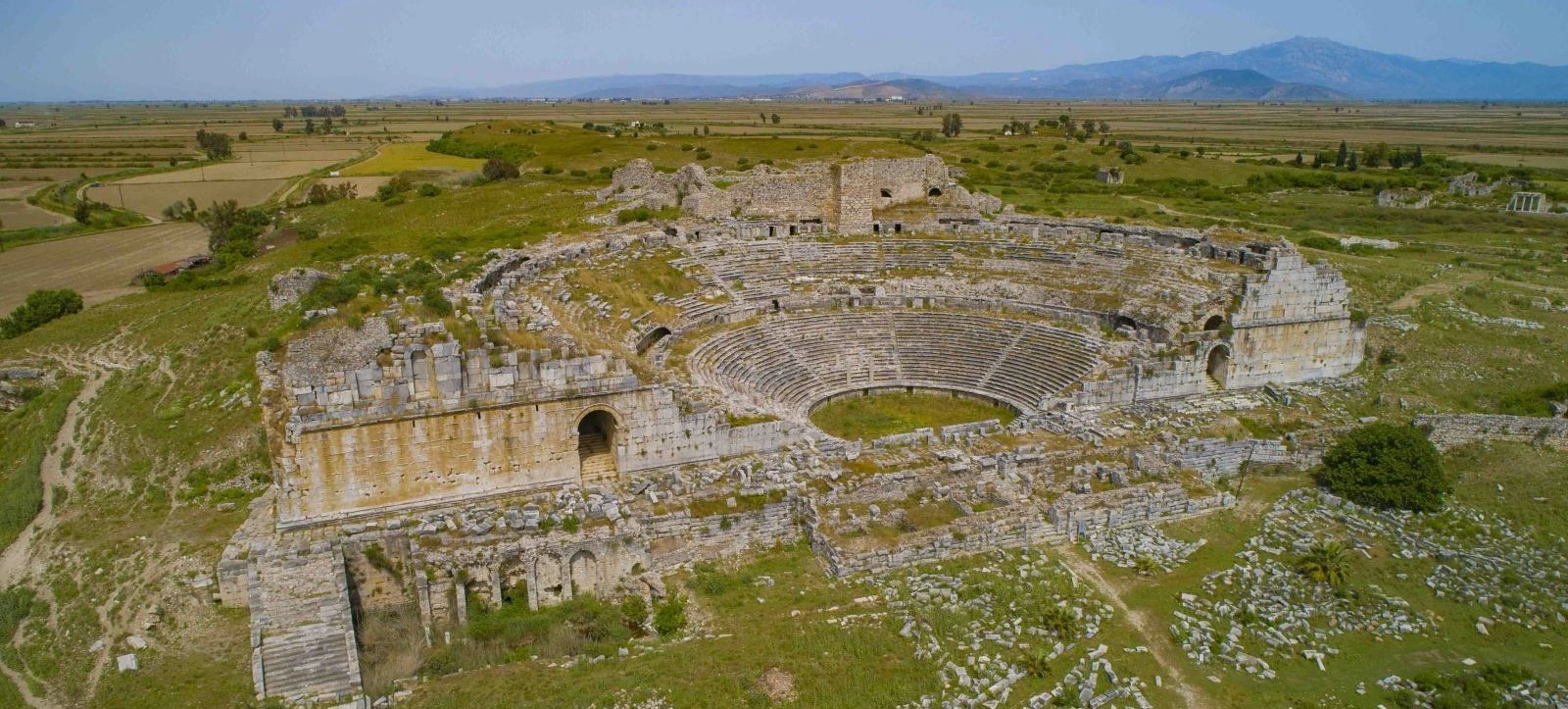
Miletus Ancient City, including its theater and extensive urban remains.

Location clarification: Milet Museum is not located in the center of Didim or Aydın city. It stands beside the Miletus archaeological area near Balat. Travelers should navigate specifically to Milet Müzesi rather than searching only for the town of Didim.

The History of Milet Museum

The history of Milet Museum is closely connected with the archaeological investigation and preservation of ancient Miletus.

Archaeological research in the region revealed extensive remains of ancient settlements, public monuments, religious sanctuaries, residential areas and burial grounds.

As excavations progressed, the need to preserve and present discoveries near their historical context became increasingly important.

The Original Museum – 1973

The first Milet Museum building opened in 1973.

Its establishment provided a dedicated institution for protecting and presenting archaeological finds from Miletus and the surrounding region.

Rather than relocating every object to a distant urban museum, the institution enabled many discoveries to remain close to the landscapes in which they had been unearthed.

This relationship between museum and excavation site continues to define the visitor experience today.

Closure of the Original Building

Over time, structural deterioration affected the original building.

Official cultural heritage records explain that the condition of the structure created safety concerns, leading to its closure to visitors around the beginning of the 2000s.

The closure made the construction of a safer and more suitable museum building necessary.

Construction of the New Museum

Work toward a replacement building progressed during the following years, with construction beginning in 2007.

The new institution was designed to provide improved conditions for the preservation and public exhibition of archaeological material.

Its total usable space measures approximately 1,200 square meters.

Approximately 600 square meters are devoted to indoor exhibitions.

Reopening in May 2011

The present museum building opened to visitors in May 2011.

The new exhibition arrangement brought together collections from Miletus, Didyma and Priene in galleries organized around their archaeological origins and historical significance.

It also preserved the relationship between indoor collections and an outdoor display of monumental stone objects.

Milet Museum Today

Milet Museum operates as part of Türkiye's official cultural heritage and museum system.

Beyond its public exhibition role, the institution is connected to the storage, documentation and preservation of archaeological material from the region.

The museum and its associated storage facilities remain important to continuing scientific investigations at Miletus.

1973 Original Milet Museum opens.
Early 2000s Original museum building closed because of structural safety concerns.
2007 Construction of a new museum building begins.
May 2011 New Milet Museum opens to visitors.
Present Role Exhibition, preservation and archaeological heritage management for the Miletus region.

The Ancient History Represented at Milet Museum

Milet Museum's collections provide evidence for an exceptionally long and diverse history of human settlement.

The material includes discoveries associated with Bronze Age societies, the Greek cities of Ionia, the Hellenistic kingdoms, the Roman Empire and later regional cultures.

Bronze Age Miletus and Aegean Connections

The origins of settlement at Miletus extend far earlier than the classical monuments visible today.

Archaeological finds indicate connections between the settlement and wider Bronze Age Aegean cultural networks.

Material associated with Minoan Crete and the Mycenaean world reveals the importance of maritime interaction across the Aegean Sea.

The museum's prehistoric collections help visitors understand that western Anatolia was never culturally isolated.

Instead, communities participated in complex exchanges involving goods, technologies, customs and artistic traditions.

The Archaic Ionian Period

During the Archaic period, especially the seventh and sixth centuries BCE, Miletus became one of the most important cities in Ionia.

Its maritime connections, commercial networks and colonial activities extended across large parts of the ancient Mediterranean and Black Sea worlds.

Religious sanctuaries and distinctive ceramic traditions also developed within this flourishing cultural environment.

The museum's Archaic finds, especially those associated with the sanctuary of Aphrodite, provide material evidence of this period.

Miletus and the Persian Empire

Miletus played a significant role in the Ionian Revolt against Persian rule.

The city suffered a devastating defeat in 494 BCE, an event that deeply affected its history.

Archaeological study of settlement phases and material culture helps researchers examine both the earlier prosperity of the city and its subsequent development.

Classical and Hellenistic Miletus

During the Classical and Hellenistic periods, the city continued to develop important public buildings, religious institutions and urban spaces.

Miletus is also closely associated with the development of systematic city planning, particularly through the ancient urban-planning tradition linked with Hippodamus of Miletus.

Architectural and everyday objects from these periods reveal the sophisticated organization of the ancient city.

Roman Miletus

Under Roman rule, Miletus experienced major monumental development.

Large public structures, baths, streets, religious buildings and civic monuments became important features of the urban landscape.

The Roman theater remains one of the most recognizable monuments of the archaeological site.

Roman-period pottery, funerary material and objects used in daily life complement these architectural remains.

Byzantine and Medieval Turkish Heritage

The region's history did not end with the decline of classical urban life.

Byzantine communities occupied and transformed parts of the former ancient landscape.

Later, Turkish political and cultural traditions became important, especially during the period of the Menteşe Beylik.

The nearby İlyas Bey Complex represents this medieval heritage, and archaeological finds associated with it are included in the museum's collections.

Understanding the chronology: The museum displays objects from several ancient sites and different historical periods. Not every collection follows an uninterrupted chronological sequence, and the exact archaeological dating of an individual object should be taken from its exhibition label.

What Can You See Inside Milet Museum?

Milet Museum offers a combination of archaeological collections organized by site and thematic displays that introduce different aspects of ancient life.

The principal indoor sections are associated with Miletus, Didyma and Priene, while a central area presents additional collections including objects from the İlyas Bey Complex and a variety of smaller archaeological finds.

Outside the building, the museum garden contains large stone monuments and architectural elements.

Miletus Gallery

Bronze Age finds, Minoan and Mycenaean ceramics, Aphrodite sanctuary objects and funerary discoveries.

Didyma Gallery

Material associated with the Sacred Way, Branchidae figures, sphinx sculptures and the sanctuary of Apollo.

Priene Gallery

Hellenistic domestic discoveries and architectural elements associated with the Temple of Athena.

Central Gallery

Medieval finds, coins, jewelry, glassware, bronze objects and terracotta figurines.

Outdoor Museum Garden

Stone lions, inscriptions, sarcophagi, tomb steles, column capitals and architectural fragments.

Archaeological Interpretation

Exhibition information explaining the discoveries and historical landscapes of ancient Ionia.

The exact positioning of individual objects may change because of conservation requirements, exhibition updates or ongoing museum work.

Minoan and Mycenaean Heritage at Milet Museum

The prehistoric material at Milet Museum is particularly interesting because it connects Miletus with the wider Bronze Age civilizations of the Aegean.

The Minoan civilization developed on Crete during the Bronze Age and became known for its complex settlements, artistic traditions, maritime activities and distinctive material culture.

The Mycenaean civilization, associated mainly with mainland Greece, became another major cultural force in the later Bronze Age.

Archaeological evidence from Miletus indicates that communities along the Anatolian coast participated in networks linking these societies.

Why Are These Connections Important?

Trade and maritime contact allowed goods, technologies and ideas to move between coastal settlements.

Pottery is especially useful for studying these connections because vessel forms and decorative traditions can be compared across archaeological sites.

Changes in imported ceramics, locally made imitations and other artifacts may help researchers investigate economic and cultural relationships.

The Minoan Kitchen Reconstruction

The reconstructed Minoan-period kitchen offers a more immediate perspective on the ancient world.

Instead of focusing on kings, temples or battles, it draws attention to the practical activities of daily life.

Food preparation required containers, tools, storage facilities and specialized knowledge.

Domestic spaces therefore provide valuable evidence about the organization of households and the everyday experiences of ancient communities.

What Visitors Should Look For

Examine the shapes and decorative features of the ceramic objects presented in the Bronze Age section.

Consider how vessels might have been used for cooking, serving, storing food or transporting goods.

It is also worth reflecting on how ancient maritime routes connected communities separated by large stretches of sea.

Historical context: Minoan and Mycenaean cultural material demonstrates connections with the wider Bronze Age Aegean world. Individual artifacts should be interpreted according to their archaeological context rather than assuming that every object proves the permanent presence of a particular ethnic community.

Finds from the Sanctuary of Aphrodite at Zeytintepe

One of the most historically significant collections in Milet Museum is associated with the Archaic sanctuary of Aphrodite at Zeytintepe.

Located within the wider landscape of ancient Miletus, this sacred area provides evidence of religious activity during an important period of the city's development.

Aphrodite was a major goddess in Greek religious tradition, commonly associated with love, beauty, desire and relationships.

Her worship formed part of a complex religious world in which sanctuaries provided places for rituals, offerings, gatherings and expressions of community identity.

What Is a Sanctuary?

In the ancient Greek world, a sanctuary was a space dedicated to a deity.

Such places could include altars, temples, sacred enclosures, offering deposits and other facilities associated with religious practice.

Not every sanctuary possessed the same architectural organization or ritual traditions.

Votive Offerings

Religious offerings are particularly important archaeological evidence.

Ancient worshippers could dedicate objects to a deity as expressions of devotion, gratitude, hope or fulfillment of a religious obligation.

Depending on the context, offerings might include pottery, figurines, miniature objects or other valuable items.

What Can Archaeologists Learn?

Objects from sacred areas can reveal aspects of ritual activity, artistic preferences, production techniques and connections with other communities.

The archaeological context in which an item was discovered may be as important as its individual appearance.

By studying groups of artifacts together, researchers can investigate how a sanctuary developed and changed over time.

Why the Zeytintepe Finds Matter

The discoveries help illuminate the religious life of Miletus during its Archaic flourishing.

They also provide a connection between the material culture displayed in the museum and the sacred landscapes surrounding the ancient city.

Archaic Period

An important phase in the political, commercial and religious development of Miletus.

Aphrodite Worship

Religious traditions associated with one of the major goddesses of the Greek world.

Sacred Offerings

Objects dedicated or deposited within the sanctuary's ritual environment.

Ancient Craftsmanship

Artistic and technical traditions represented through material culture.

Ancient Burial Finds from the Miletus Region

Funerary archaeology is another important subject represented in Milet Museum.

The Miletus collections include discoveries from burial contexts associated with the area identified in official museum descriptions as Kazartepe or Gacartepe.

These finds provide insight into burial customs during the Hellenistic and Roman periods.

Why Were Objects Placed in Ancient Graves?

Many ancient societies placed objects within or near burials.

The meaning of these items varied according to time, place, religious beliefs and individual customs.

Some objects may have been personal possessions, while others were specifically produced or selected for funerary purposes.

Archaeologists interpret such material by studying both the artifacts themselves and their relationships with the surrounding burial context.

Jewelry and Personal Adornment

Personal ornaments can reveal information about artistic traditions, craftsmanship, social identity and access to valuable materials.

Small objects may also provide evidence about broader trade networks and changing fashions.

Ceramics and Funerary Offerings

Ceramic vessels frequently appear in ancient funerary contexts.

Depending on their form and archaeological setting, they may have been associated with offerings, containers for substances or established burial customs.

Tomb Steles and Inscriptions

Stone funerary monuments can preserve names, images and expressions of remembrance.

They are valuable sources for understanding ancient language, social relationships and commemorative practices.

Visitors interested in funerary archaeology should also explore the larger stone monuments displayed in the museum garden.

Archaeological interpretation: Grave goods do not always reveal the complete social identity, occupation or religious beliefs of the deceased. Their meaning depends on excavation records, dating and the relationships between individual finds.

The Sacred Way Between Miletus and Didyma

The Sacred Way is one of the most fascinating historical subjects connected with Milet Museum.

In antiquity, religious processions formed an important part of communal worship.

The journey from Miletus to Didyma expressed the close relationship between the city and the sanctuary of Apollo.

A Processional Landscape

The Sacred Way was more than a practical road.

It formed part of a ceremonial landscape in which movement, sculpture, religious identity and sacred architecture were connected.

Ancient travelers following the route participated in a cultural environment shaped by ritual traditions and the prestige of Apollo's oracle.

Monumental Sculptures

Statues and other sculptural monuments associated with the route helped create a visually significant religious setting.

The Branchidae and sphinx figures displayed in the museum are particularly relevant to this history.

They provide surviving evidence of the monumental imagery connected with the sanctuary's ceremonial environment.

Religious and Political Identity

Major sanctuaries could express both religious devotion and the public identity of their associated communities.

Processions brought people together through shared movement, ceremony and religious practice.

The Miletus–Didyma connection was therefore an important component of the wider cultural landscape of ancient Ionia.

Understanding the Surviving Evidence

Much of the ancient route has changed through later settlement, agricultural activity and environmental transformation.

The museum helps visitors understand this historical landscape through objects recovered from archaeological contexts.

For a fuller experience, combine the gallery with a visit to the monumental sanctuary of Didyma.

Visitor clarification: The historical Sacred Way should not be confused with a fully preserved, continuously accessible modern walking trail. Surviving remains and access arrangements vary between locations.

The Outdoor Sculpture Garden of Milet Museum

The museum garden forms an essential part of the visitor experience.

While the indoor galleries contain many smaller and more delicate objects, the outdoor display provides space for larger archaeological monuments.

Its exhibits include lion sculptures, inscriptions, funerary steles, sarcophagi, architectural blocks and column capitals.

The Famous Lion Sculptures

Among the most recognizable outdoor exhibits are the stone lions associated with the ancient city of Miletus.

The lion was an important symbol of the city and appears in its artistic and civic traditions.

Ancient sculptors frequently represented lions as powerful animals connected with strength, protection and monumental display.

These sculptures are particularly interesting because they bring visitors face to face with ancient stone-carving traditions.

Ancient Inscriptions

Stone inscriptions provide valuable evidence about ancient societies.

They can record names, dedications, public decisions, religious information, commemorations or other official and private matters.

Even a fragmentary inscription may preserve historical information unavailable from later written sources.

Funerary Steles

Funerary steles were stone monuments associated with burials and remembrance.

Some contain inscriptions, carved figures or other decorative features.

They help illuminate ancient commemorative traditions and the relationship between images, language and personal identity.

Sarcophagi

Sarcophagi are stone coffins or funerary containers.

Their design and decoration varied across the ancient Mediterranean world.

Examples displayed in the museum garden allow visitors to appreciate the scale and craftsmanship of ancient funerary monuments.

Column Capitals and Architectural Fragments

Large stone architectural elements reveal how the monumental buildings of antiquity were constructed and decorated.

Column capitals are particularly useful for understanding classical architectural traditions.

Visitors may encounter elements displaying the vocabulary of ancient Greek and Roman architectural design.

Stone Lions

Impressive sculptures associated with the civic symbolism of Miletus.

Inscriptions

Ancient writing preserved on stone monuments and architectural fragments.

Funerary Steles

Monuments reflecting burial customs and commemorative traditions.

Sarcophagi

Large stone funerary objects from the ancient region.

Column Capitals

Architectural details demonstrating ancient stone-cutting techniques.

Marble Fragments

Monumental pieces preserving aspects of ancient building design.

Outdoor displays: Stone artifacts are fragile historical objects despite their monumental appearance. Visitors should remain within permitted areas and avoid climbing, sitting or leaning on archaeological monuments.

Everyday Life in Ancient Ionia Through Museum Artifacts

One of the most rewarding ways to experience Milet Museum is to look beyond the artistic value of individual objects and consider the people who originally used them.

Ancient civilizations were shaped not only by rulers, philosophers and religious leaders but also by farmers, traders, potters, builders, sailors and families.

Cooking and Food Preparation

Ceramic vessels provide evidence of how people prepared and stored food.

Their shapes often reflect practical requirements, such as cooking, carrying liquids or storing agricultural products.

Wear marks, deposits and archaeological context can sometimes help researchers interpret their original functions.

Trade and Commerce

Miletus developed extensive maritime connections.

Artifacts can offer clues about exchanges of materials, objects and artistic traditions across the ancient world.

Coins, imported ceramics and other material evidence are particularly important to the study of ancient economic relationships.

Personal Appearance

Jewelry and personal ornaments provide insights into ancient styles and individual preferences.

These objects also reflect specialized production techniques and access to different materials.

Religion and Worship

Votive offerings and figurines provide evidence of religious customs.

They remind visitors that sacred activity was an important part of ancient social and cultural life.

Death and Remembrance

Funerary objects and monuments reveal how ancient communities remembered the dead.

Inscriptions, sculptural imagery and burial goods provide different kinds of evidence for commemorative practices.

Artisans and Technology

Every object displayed in a museum also reflects a production process.

Pottery required knowledge of clay preparation, shaping and firing.

Bronze objects depended on metalworking skills.

Marble sculptures required specialized tools, technical knowledge and artistic experience.

Glass vessels reveal another form of ancient manufacturing expertise.

Together, these objects demonstrate the creativity and practical knowledge of the communities represented in the museum.

Ancient Coins and the Economic History of Miletus

The coin collection offers an excellent opportunity to explore the economic and political history of the ancient region.

Coinage became a major feature of commercial and civic life in the ancient Mediterranean world.

Individual cities, kingdoms and empires used coins to facilitate exchange and communicate political authority.

Coins as Historical Documents

A coin can preserve information about its issuing authority, approximate historical period, religious imagery or civic identity.

Because coins were produced in large numbers and circulated through different communities, they are especially valuable to archaeologists and historians.

Symbols of Civic Identity

Ancient cities frequently used recognizable symbols on their coinage.

Such imagery could express relationships with gods, local traditions, important animals or significant historical associations.

Visitors interested in Miletus should look for the lion among the city's well-known civic symbols, while consulting individual labels for the exact identification of any exhibited coin.

Coinage and Trade

Coins also help researchers understand commercial networks.

The discovery of coins outside their original issuing area can provide evidence of movement and economic relationships.

However, the presence of a coin in a particular location does not automatically demonstrate the existence of direct trade between two specific cities.

What Makes an Ancient Coin Interesting?

Even a small coin may preserve detailed artistic work.

Portraits, religious symbols, lettering and other designs can reveal the technical ability of ancient engravers.

For visitors, coin displays offer a fascinating combination of archaeology, economic history and miniature art.

Ancient Sculpture and Stone Craftsmanship at Milet Museum

Stone sculpture is an important feature of Milet Museum's collections.

Ancient sculptors produced a wide range of objects, from monumental figures and architectural decoration to reliefs and funerary monuments.

The surviving examples provide evidence of artistic techniques and changing visual traditions.

Human Figures

Ancient Greek and Roman sculpture frequently represented gods, worshippers, civic figures and other human subjects.

Their style changed over time according to artistic conventions, local preferences and broader cultural developments.

Some works emphasize formal balance and idealized proportions, while others show greater interest in expressive detail.

Animal Sculpture

Animal imagery played an important role in ancient art.

Lions, sphinxes and other figures could appear in religious, architectural, funerary and civic contexts.

The museum's lion sculptures and Sacred Way material are particularly interesting examples.

Architectural Sculpture

Ancient buildings often included carved decoration.

Reliefs, capitals and ornamental blocks helped create visually impressive public and religious architecture.

The museum allows visitors to examine details that may be difficult to appreciate on large ruined buildings.

Unfinished Sculptures

Official museum descriptions also mention an unfinished sculptural group among the displayed material.

Unfinished stonework is especially useful for understanding ancient production methods.

It can reveal stages in carving that are usually hidden beneath the smooth surfaces of completed works.

Preservation and Fragmentation

Many ancient sculptures survive only in fragments.

Breakage, reuse, environmental conditions and later historical events have affected the preservation of stone monuments.

A missing head, arm or architectural element does not necessarily reduce the historical value of an object.

Fragments can preserve important evidence of carving techniques, inscriptions, iconography and ancient building practices.

İlyas Bey Complex Finds and the Later History of Miletus

The presence of discoveries associated with the İlyas Bey Complex is an important reminder that the region continued to develop after antiquity.

Following the classical Greek and Roman periods, the historical landscape of Miletus experienced Byzantine occupation and later Turkish settlement.

The city became associated with the medieval settlement of Balat.

The Menteşe Beylik

The Menteşe Beylik was an important Turkish political power in southwestern Anatolia during the late medieval period.

Its historical legacy is visible through architecture and archaeological remains across the region.

The İlyas Bey Complex

The İlyas Bey Mosque and Complex, dating to the early fifteenth century, is among the most important monuments associated with this period near ancient Miletus.

Its architecture reflects the artistic and building traditions of medieval Anatolia.

The complex forms part of the wider historical landscape in which ancient remains and later cultural traditions coexist.

Archaeological Finds from the Complex

Milet Museum's central collection includes ceramic and other material associated with the İlyas Bey Complex.

These discoveries help illuminate aspects of settlement, material culture and the region's later historical development.

Why This Collection Matters

Archaeological museums often emphasize the most visually impressive periods of ancient history.

Yet later material is equally important for understanding how landscapes changed over time.

The İlyas Bey finds demonstrate that the history of Miletus cannot be reduced to its Greek and Roman achievements alone.

They form part of a much longer history of communities living, building and adapting within the same geographical setting.

Archaeological Excavations and Research at Miletus

The collections of Milet Museum are closely connected with the history of scientific excavation in the region.

Miletus has attracted archaeological attention for well over a century because of its importance in ancient history, urban planning, religion and maritime exchange.

Early Archaeological Investigations

Systematic excavations at Miletus began in 1899 under the direction of the German archaeologist Theodor Wiegand.

These investigations contributed to the identification and study of major architectural remains within the ancient city.

Archaeological methods and research questions have developed considerably since those early campaigns.

Twentieth-Century Excavations

Further research examined the settlement's monuments, historical phases and extensive urban landscape.

Investigations contributed to the recovery of objects representing different aspects of ancient life.

Over time, attention expanded beyond major architectural structures to include smaller artifacts, domestic spaces and early settlement layers.

Modern Archaeological Research

Contemporary investigations use a combination of excavation, architectural documentation, ceramic analysis, scientific dating methods and other specialized approaches.

These techniques help researchers establish the chronology and cultural relationships of discoveries.

They also support the conservation and interpretation of the archaeological site.

Why Archaeological Context Matters

An archaeological object provides much more information when its original findspot is recorded.

The relationship between an artifact, its surrounding soil layers and neighboring discoveries can help determine its date and possible function.

Removing an object without documentation can permanently destroy this historical information.

The Museum's Research Role

Milet Museum is connected with the storage and preservation of material recovered during archaeological investigations.

Not every excavated artifact is displayed publicly.

Some objects require conservation, specialist study or secure storage.

The museum therefore plays a role that extends beyond the exhibition galleries.

1899 Excavations

The beginning of major systematic archaeological investigation at Miletus.

Urban Archaeology

Research into streets, public buildings, residential areas and the organization of the ancient city.

Prehistoric Studies

Investigation of settlement phases predating the classical Greek city.

Artifact Conservation

Protecting archaeological material for research and future generations.

Scientific Documentation

Recording the original context and historical significance of archaeological discoveries.

Ongoing Research

Continuing investigation into the city and its surrounding archaeological landscape.

Milet Museum or Miletus Ancient City – What Is the Difference?

Visitors sometimes confuse Milet Museum with the nearby archaeological site of Miletus.

Although they are closely connected, they provide different experiences.

Milet Museum

The museum focuses on archaeological objects discovered at Miletus and neighboring ancient centers.

Its indoor galleries allow visitors to examine smaller artifacts, including ceramics, figurines, coins, jewelry and religious objects.

The outdoor garden contains larger stone monuments.

The museum is particularly useful for understanding the material culture and historical background of the region.

Miletus Ancient City

The archaeological site preserves the physical remains of the ancient settlement.

Visitors can explore the monumental theater and other surviving architectural features representing the city's development.

The visible ruins illustrate the scale of the ancient city and the organization of its public spaces.

Why Visit Both?

The museum provides a close view of objects that belonged to ancient buildings, houses, sanctuaries and burial grounds.

The archaeological site provides the spatial context in which many aspects of that historical world can be imagined.

For example, the museum's pottery and domestic artifacts help visitors understand activities that once took place inside the buildings of the city.

Architectural fragments complement the surviving ruins, while inscriptions and sculptures illustrate ancient public and religious traditions.

Which Should You Visit First?

Beginning with the museum is often an excellent choice, particularly for visitors who want an introduction to the city's chronology and archaeology.

Afterward, the archaeological site provides the opportunity to explore the physical setting of the ancient city.

However, both orders can work, depending on weather, opening arrangements and personal interests.

Museum Focus Archaeological artifacts, historical interpretation and material culture.
Ancient City Focus Architectural ruins, streets, monumental buildings and the historical urban landscape.
Museum Visit Approximately 45–90 minutes suggested.
Ancient City Visit Allow approximately 1.5–2.5 hours or longer, depending on the walking route.
Best Experience Explore both for a more complete understanding of ancient Miletus.

What to Expect When Visiting Milet Museum

Milet Museum offers a relatively compact archaeological experience compared with very large national museums.

Its organization makes it possible to explore different aspects of the region's history without requiring an entire day inside the building.

Indoor Galleries

Visitors encounter exhibition spaces containing archaeological artifacts arranged in display cases and dedicated sections.

The indoor collections are especially suitable for studying smaller objects and reading information about their archaeological origins.

Outdoor Sculpture Garden

The garden offers a different atmosphere, with larger stone monuments displayed in the open air.

It provides an opportunity to appreciate the scale of ancient sculpture and architectural fragments.

Exhibition Labels

Interpretive information helps visitors connect individual discoveries with their historical contexts.

Language availability and the detail provided for each object may differ between displays.

Suggested Visiting Time

A general museum visit may take approximately 45–90 minutes.

Visitors with a strong interest in ancient religion, ceramics, sculpture or archaeology may wish to spend longer examining the collections.

Guided Visits

A knowledgeable licensed guide can help connect the exhibits with the archaeological landscapes of Miletus, Didyma and Priene.

Guiding arrangements should be made in advance if a specialized historical explanation is desired.

Visiting with Children

The museum can be an educational stop for families, particularly when children are encouraged to look for recognizable objects such as animal sculptures, pottery and jewelry.

Adults should supervise children closely around display cases and outdoor monuments.

Recommended approach: Allow time for both the indoor galleries and the outdoor garden. Visitors planning to continue to the Miletus ruins should also consider the heat and walking conditions at the archaeological site.

Photography at Milet Museum

Milet Museum contains fascinating subjects for visitors interested in historical and archaeological photography.

Its combination of detailed indoor exhibits and larger outdoor stone monuments offers a variety of visual compositions.

Stone Lions

The lion sculptures are among the most recognizable features of the outdoor museum display.

Their sculptural forms, textures and weathered surfaces can create impressive compositions.

Architectural Details

Column capitals, carved blocks and decorative fragments reveal the skill of ancient stoneworkers.

Close attention to their forms can make even a small architectural fragment visually interesting.

Ancient Ceramics

Pottery provides opportunities to study vessel shapes, surface patterns and differences between historical periods.

When photography is permitted, avoid creating reflections or interfering with other visitors.

Religious Sculptures

The Branchidae and sphinx-related collections are particularly meaningful subjects for visitors interested in ancient religious art.

Outdoor Natural Light

The museum garden can be attractive in softer daylight.

Morning and late-afternoon light may reveal the surfaces of stone sculptures differently from harsh midday sunlight.

Photography Rules

Photography policies may change according to the museum's regulations, individual objects and exhibition conditions.

Flash photography, tripods, professional filming and commercial photography may require permission or be restricted.

Always follow posted instructions and staff guidance.

Stone Sculptures

Photograph the textures and forms of monumental ancient stonework where permitted.

Architectural Fragments

Explore the decorative details of capitals and carved building elements.

Pottery Collections

Study ancient ceramic forms and decorative traditions.

Religious Art

Appreciate the visual symbolism of ancient sacred objects.

Respectful Photography

Avoid blocking visitors or using restricted photographic equipment.

Conservation Rules

Do not touch or reposition objects for photographs.

Best Time to Visit Milet Museum

Milet Museum can be an interesting cultural attraction throughout the year, subject to its official operating schedule.

However, seasonal conditions become more important when visitors plan to combine the museum with nearby archaeological sites.

Spring – March to May

Spring is often a particularly comfortable season for exploring ancient sites in the Aydın region.

Milder temperatures can make walking around Miletus, Priene and Didyma more enjoyable.

The surrounding countryside is also frequently greener during this period.

Summer – June to August

Summer can bring intense heat to the Büyük Menderes region.

While the museum's indoor galleries provide an alternative to extended outdoor sightseeing, the sculpture garden and nearby ruins remain exposed to seasonal temperatures.

For visitors combining museum and archaeological sites, an early start is usually advisable.

Autumn – September to November

Autumn often provides favorable conditions for cultural excursions.

Temperatures may become more comfortable after the peak summer period.

This can be an excellent time to combine several archaeological destinations in one trip.

Winter – December to February

Winter visits may offer a quieter atmosphere.

However, rain, shorter daylight hours and temporary site arrangements may affect plans.

Check current opening information before traveling.

Best Time of Day

Morning is often a practical choice, especially when the museum visit is followed by outdoor exploration of Miletus.

During hotter months, consider spending the cooler hours at exposed archaeological remains.

Spring

Generally pleasant conditions for combining indoor archaeology with outdoor historical exploration.

Summer

Plan around strong sunshine and high temperatures at nearby ruins.

Autumn

Often comfortable for multi-site cultural itineraries.

Winter

Potentially quieter, but weather and operating arrangements should be checked.

How to Get to Milet Museum

Milet Museum is located near Balat, within the archaeological landscape of ancient Miletus.

Travel arrangements depend on the visitor's starting location and whether additional archaeological sites are included.

From Didim

Visitors staying in Didim can reach the Miletus area by road.

Private vehicles, arranged transfers or suitable local transport services may be used depending on availability.

Those hoping to visit several historical attractions in one day may find a private vehicle particularly convenient.

From Söke

Söke provides another common starting point for exploring the region.

The museum can be included in a wider archaeological excursion connecting Priene, Miletus and Didyma.

From Kuşadası

Travelers staying in Kuşadası can arrange a cultural excursion into southern Aydın Province.

The route may include Priene, Miletus and the Temple of Apollo, depending on the available time.

Because the monuments are spread across different locations, advance itinerary planning is recommended.

From Aydın City

Visitors starting in central Aydın can travel toward the Söke and Didim region.

The museum can form part of a full-day historical excursion.

By Private Vehicle

A private vehicle offers flexibility for combining the museum with nearby archaeological sites.

It also makes it easier to adjust the visit according to weather and individual interests.

By Public Transportation

Public transportation arrangements in the region can vary according to destination and season.

Travelers should verify current services and connections before setting out.

Do not assume that every regional bus or minibus stops directly outside the museum.

Parking

Official museum information identifies parking among the available visitor facilities.

Parking arrangements and capacity should nevertheless be checked on arrival.

Destination Milet Museum, Balat, Didim, Aydın.
Recommended Transport Private vehicle or arranged regional excursion for multi-site sightseeing.
Nearby Site Miletus Ancient City.
Regional Route Priene – Miletus Museum – Miletus Ancient City – Didyma.
Navigation: Open Milet Museum on Google Maps. Driving times depend on your starting point, road conditions and any stops included in the itinerary.

Milet Museum Visitor Information

Before visiting Milet Museum, travelers should verify current opening hours, ticket conditions and any temporary changes to exhibition access.

Opening Hours

The official Turkish museum ticketing website currently lists the following schedule:

Opening Time 09:00
Closing Time 17:30
Ticket Office Closing 17:00
Regular Closed Day The official ticketing listing currently indicates daily opening.

These are published listing details rather than guaranteed hours for every date. Seasonal changes, public holidays, conservation work or administrative decisions may affect access.

Admission Tickets

Milet Museum is part of Türkiye's official museum admission system.

The official ticketing information currently indicates that the same admission ticket can also be used to visit the Miletus archaeological site.

Visitors should verify the current scope of this arrangement before purchasing tickets.

Museum Pass and Müzekart

The official listing confirms Müzekart validity for eligible Turkish citizens.

International visitors should check which current museum passes or admission products apply to their circumstances.

Eligibility, validity conditions and ticket prices can change.

Facilities

Official Turkish Museums information identifies parking and restroom facilities.

Availability of additional services should be confirmed directly with the museum.

Accessibility

Visitors with mobility requirements should contact the museum in advance to confirm suitable entry routes, gallery access and conditions in the outdoor garden.

The nearby archaeological site may present additional challenges because of exposed terrain and uneven historical surfaces.

Official Contact Information

Milet Museum Directorate
Balat Mahallesi, Milet Sokak, No:7
Didim, Aydın, Türkiye.

Telephone: +90 256 875 52 06

Alternative Telephone: +90 256 875 50 38

Email: [email protected]

Official ticketing information: Milet Museum – Turkish Museums

Important: Opening hours and prices published online can change without notice. The official museum portal or museum directorate should be treated as the final authority for the date of your visit. Ticket prices are intentionally not fixed in this guide.

Best Places to Visit Near Milet Museum

Milet Museum is particularly well situated for visitors interested in the archaeological and natural heritage of southern Aydın Province.

Several important historical sites can be combined in a regional cultural excursion.

Miletus Ancient City

Discover the monumental theater, ancient urban remains and fascinating history of one of Ionia's most influential cities.

Temple of Apollo at Didyma

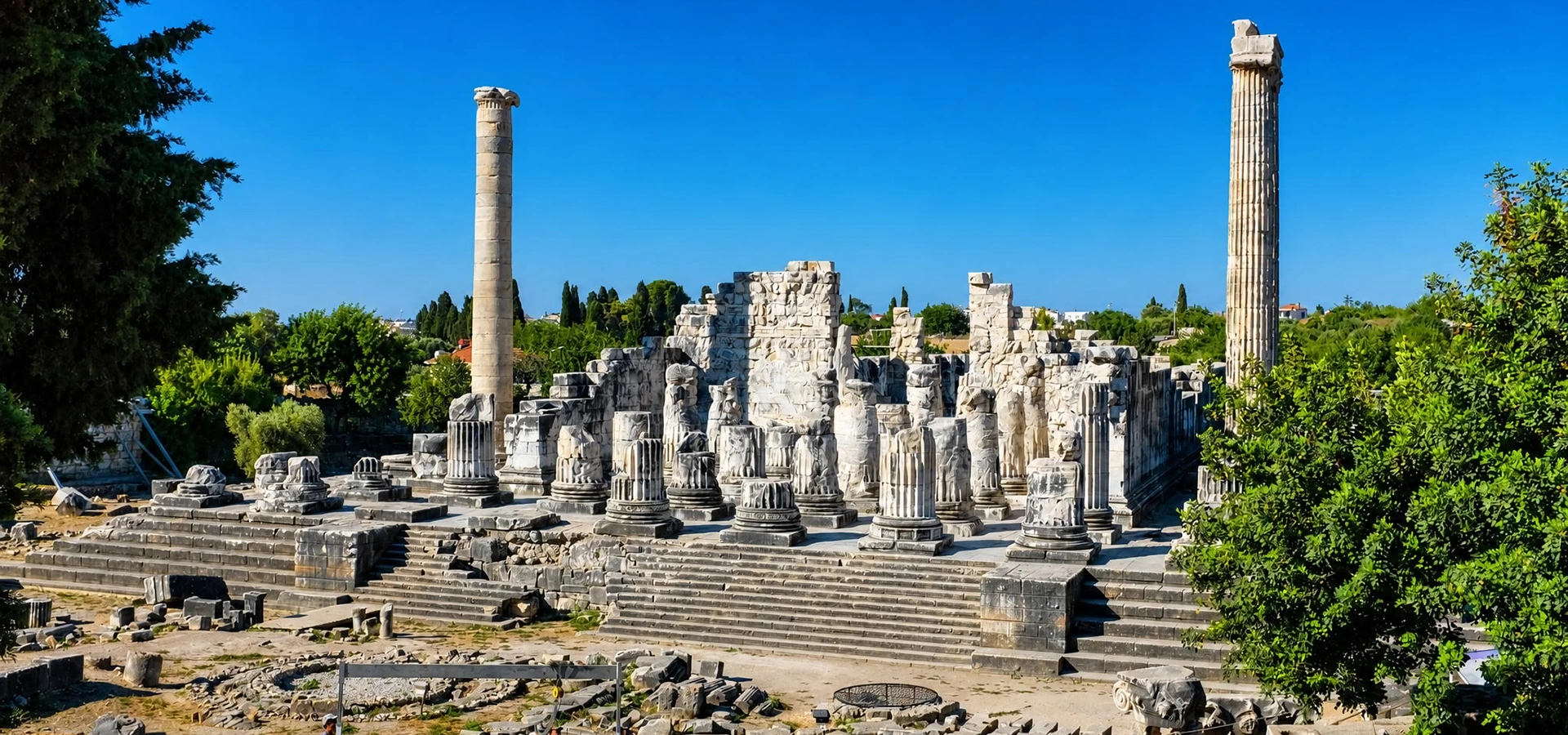
Explore the extraordinary sanctuary associated with the oracle of Apollo and its monumental Ionic architecture.

Priene Ancient City

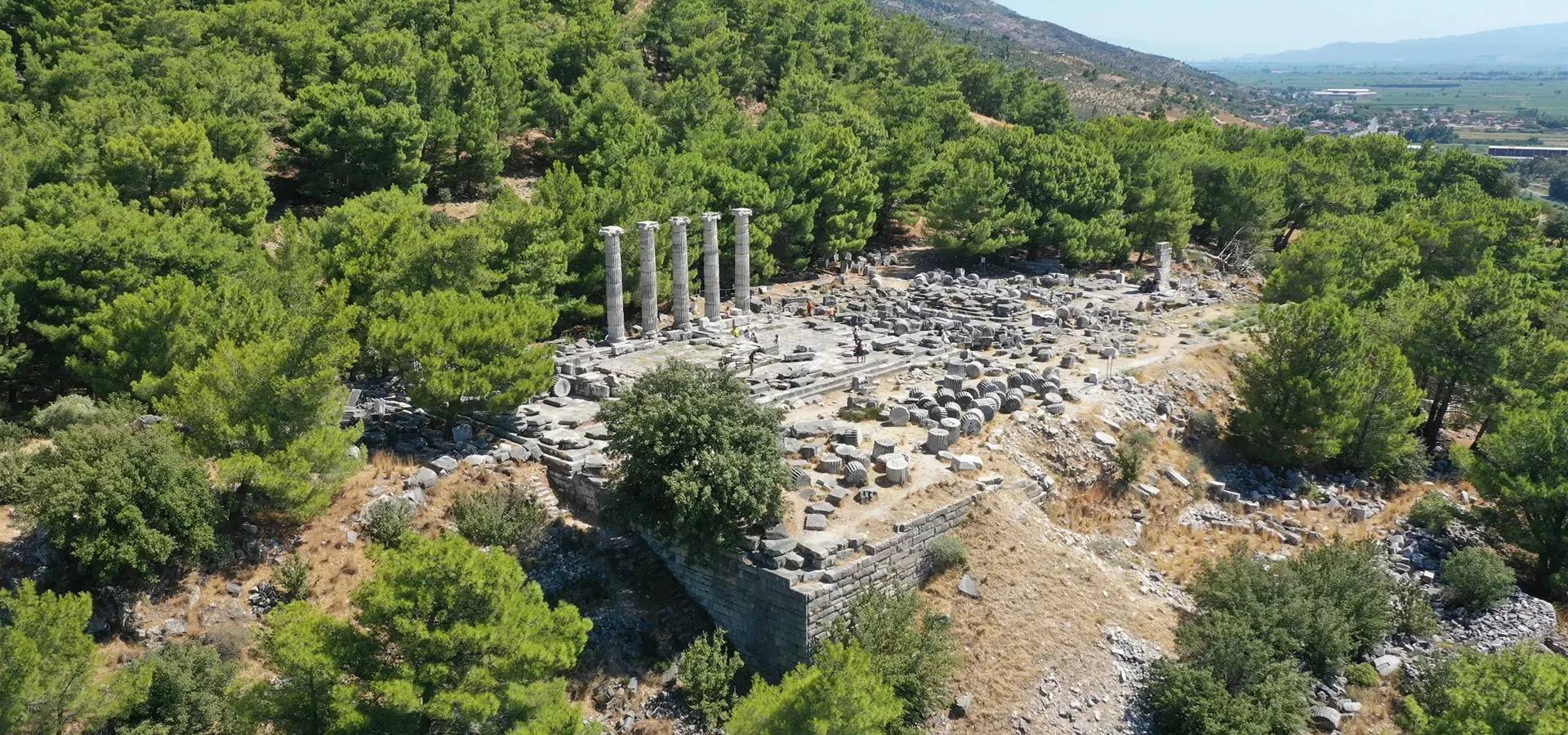
Walk through an exceptional ancient city known for its organized street layout, theater and Temple of Athena.

Lake Bafa & Heracleia

Explore dramatic natural landscapes alongside the ruins of ancient Heracleia at Latmus.

Dilek Peninsula National Park

Discover the protected coastal landscapes, forests and natural heritage of the region.

İlyas Bey Mosque and Complex

Visit an important medieval Turkish monument near the ancient Miletus landscape, subject to current access arrangements.

Aydın Archaeology Museum

Discover additional archaeological collections from important ancient settlements across Aydın Province.

Kuşadası

Combine ancient history with one of the Aegean region's most popular coastal destinations.

Miletus Ancient City

The most natural companion to Milet Museum is the nearby archaeological site of Miletus.

Its theater and other monumental remains offer a physical introduction to the city whose artifacts are presented in the museum.

Didyma – Temple of Apollo

Didyma's extraordinary temple provides the architectural setting for the religious traditions represented in the museum's Didyma gallery.

Visitors can connect the surviving sanctuary with the objects and sculptures associated with the Sacred Way.

Priene Ancient City

Priene offers a different perspective on Ionian civilization through its planned streets and preserved urban setting.

Its archaeological remains complement the museum's domestic finds and architectural fragments.

Lake Bafa and Heracleia

For visitors who appreciate both ancient history and natural scenery, the Lake Bafa region offers another fascinating destination.

Its landscapes contain archaeological remains, historic settlements and the distinctive rocky surroundings of Mount Latmus.

Suggested One-Day Priene, Miletus Museum & Didyma Itinerary

For travelers interested in ancient Greek history, religious traditions and archaeological discoveries, the classic Priene–Miletus–Didyma route is one of the most rewarding cultural excursions in Aydın Province.

The following itinerary is an illustrative full-day private excursion, with timing adjusted according to the starting location, season and individual preferences.

Morning – Priene Ancient City

Begin with a visit to Priene, one of the finest surviving examples of planned Hellenistic urban development.

Explore its ancient streets, theater, public buildings and the remains of the Temple of Athena.

Allow time to appreciate the relationship between the city's architecture and the dramatic setting of Mount Mycale.

Late Morning – Milet Museum

Continue to Milet Museum to discover archaeological material from the cities and sanctuaries included in the excursion.

Begin with the Miletus collections, including Bronze Age finds and discoveries from the sanctuary of Aphrodite.

Continue through the Priene and Didyma displays to understand the wider relationships between these ancient centers.

Finish with the outdoor sculpture garden, including the stone lions and architectural fragments.

Midday – Miletus Ancient City

Explore the nearby ruins of Miletus.

The monumental theater provides an impressive introduction to the city's scale and historical importance.

Depending on the available time and walking conditions, continue through other accessible areas of the archaeological site.

Lunch Break

Plan a relaxed lunch break at a suitable restaurant along the route.

Restaurant choice should depend on opening schedules, the group size and the preferred pace of the excursion.

Afternoon – Temple of Apollo at Didyma

Continue to Didyma.

Explore the extraordinary Temple of Apollo, one of the most ambitious monumental religious structures of the ancient Greek world.

Discuss the sanctuary's oracle, the Sacred Way and its historical relationship with Miletus.

Return Journey

Conclude the archaeological excursion with a return to your accommodation or preferred drop-off location.

First Stop Priene Ancient City – urban planning, Hellenistic architecture and the Temple of Athena.
Second Stop Milet Museum – archaeology and material culture from three ancient sites.
Third Stop Miletus Ancient City – theater and surviving monumental architecture.
Lunch Relaxed break at a suitable restaurant along the route.
Final Stop Temple of Apollo at Didyma – ancient religion, sacred architecture and the oracle.
Main Themes Ancient Ionia, philosophy, religion, archaeology, architecture and everyday life.
Planning advice: This is a suggested itinerary, not a fixed scheduled departure. The available visiting time will depend on your starting point, transportation, museum and archaeological-site opening hours, walking conditions and preferred pace.

Frequently Asked Questions About Milet Museum

What is Milet Museum?

Milet Museum is an archaeological museum in Aydın Province, Türkiye, displaying discoveries from Miletus, Didyma and Priene.

Where is Milet Museum located?

It is located near Balat in the Didim district of Aydın Province, beside the archaeological site of ancient Miletus.

What is the museum called in Turkish?

It is called Milet Müzesi.

When was Milet Museum founded?

The original museum opened in 1973.

When did the present museum building open?

The new museum building opened in May 2011.

Why was the old museum closed?

The original building developed structural problems that created safety concerns, leading to its closure.

What can you see at Milet Museum?

The museum displays ancient ceramics, sculptures, inscriptions, coins, jewelry, glassware, bronze objects, terracotta figurines and funerary monuments.

Which ancient cities are represented in the museum?

The principal collections come from Miletus, Didyma and Priene.

Does Milet Museum have Minoan artifacts?

Yes. Its Miletus collection includes Bronze Age material associated with Minoan culture and a Minoan-period kitchen reconstruction.

Are Mycenaean artifacts displayed?

Official museum descriptions include Mycenaean ceramic material among the objects represented in the Miletus gallery.

What is the Zeytintepe Aphrodite Sanctuary?

It is an ancient sacred area associated with the worship of Aphrodite at Miletus. Archaeological finds from the sanctuary are represented in the museum.

What is the Sacred Way?

The Sacred Way was a ceremonial route connecting Miletus with the sanctuary of Apollo at Didyma.

What are the Branchidae sculptures?

They are figures associated with the religious traditions of Didyma and the Sacred Way, connected with the sanctuary's priestly heritage.

Does the museum contain sphinx sculptures?

Yes. Official museum descriptions identify sphinx sculptures among discoveries associated with the Sacred Way.

Why does Milet Museum display artifacts from Priene?

The museum serves the wider archaeological region and includes discoveries from Priene, particularly small finds from Hellenistic houses and architectural elements from the Temple of Athena.

What can be seen in the museum garden?

The outdoor exhibition contains lion sculptures, inscriptions, tomb steles, sarcophagi, column capitals and other architectural fragments.

Why are lion statues important at Miletus?

The lion was a recognizable symbol associated with the city of Miletus and appears in its artistic and civic traditions.

Does Milet Museum contain Roman artifacts?

Yes. The collections represent several historical periods, including the Hellenistic and Roman eras.

Are there medieval Turkish artifacts in the museum?

Yes. The museum includes archaeological finds associated with the İlyas Bey Complex and the region's later cultural history.

How large is Milet Museum?

The current museum building has approximately 1,200 square meters of usable space, including around 600 square meters of indoor exhibition area.

How long does it take to visit Milet Museum?

Approximately 45–90 minutes is a reasonable suggested duration, although visitors particularly interested in archaeology may prefer longer.

What are the opening hours of Milet Museum?

The official ticketing listing currently indicates 09:00–17:30, with ticket office closing at 17:00. Always verify the schedule before visiting.

Is Milet Museum open every day?

The official ticketing portal currently indicates daily opening, but temporary closures and changes are possible.

How much does Milet Museum cost?

Admission fees depend on current official tariffs and visitor eligibility. Consult the Turkish Museums ticketing portal for up-to-date prices.

Is Müzekart valid at Milet Museum?

The official ticketing listing confirms Müzekart validity for eligible Turkish citizens. International visitors should check their applicable ticket or museum-pass options.

Can the museum and Miletus Ancient City be visited with one ticket?

The official ticketing information currently identifies an arrangement allowing the same ticket to be used for the museum and Miletus archaeological site. Verify the current conditions before purchasing.

Is Milet Museum the same as Miletus Ancient City?

No. The museum displays archaeological objects, while the ancient city preserves architectural ruins and the historical urban landscape.

Should I visit the museum or the ruins first?

Visiting the museum first is often helpful because it introduces the historical background and material culture of the ancient city.

Can I visit Milet Museum and the Temple of Apollo on the same day?

Yes. Milet Museum and Didyma can be combined in a regional excursion, subject to opening hours and transportation arrangements.

Can I combine Priene, Miletus and Didyma in one day?

Yes. These three sites form a classic archaeological route in southern Aydın Province. A private vehicle and carefully planned timing are helpful.

Is Milet Museum suitable for families?

Yes. Its archaeological collections can provide an educational introduction to ancient history. Children should be supervised around fragile displays and stone monuments.

Is Milet Museum accessible for wheelchair users?

Visitors with mobility requirements should contact the museum directly to confirm the current accessibility of entrances, galleries, restrooms and garden paths.

Can visitors take photographs?

Photography is subject to current museum regulations. Ask staff about flash, tripods, professional equipment and any restricted exhibits.

Is parking available?

Official Turkish Museums information lists parking among the museum's facilities.

Does the museum have restrooms?

Restroom facilities are included in the official museum information.

Does Milet Museum display objects associated with Thales?

Miletus is historically associated with Thales and the Milesian philosophical tradition, but this should not be understood as evidence that the museum displays verified personal belongings of the philosopher.

Why is Milet Museum worth visiting?

It brings together the archaeological heritage of three important ancient centers and helps visitors understand the relationships between early Aegean civilization, religious traditions, everyday life, art and urban history.

Responsible Tourism at Milet Museum

Archaeological artifacts are irreplaceable sources of historical information.

Responsible museum visits help protect these objects while supporting the public appreciation of ancient cultural heritage.

Do Not Touch Artifacts

Even apparently durable stone objects can suffer damage through repeated handling.

Respect Museum Barriers

Stay within designated visitor routes and observe all exhibition restrictions.

Follow Photography Rules

Use only permitted equipment and avoid flash where restricted.

Protect the Sculpture Garden

Never climb, sit or lean on ancient statues and architectural fragments.

Supervise Children

Help younger visitors appreciate the exhibits without touching fragile objects.

Respect Other Visitors

Keep pathways clear and allow others to examine exhibition information comfortably.

Support Heritage Preservation

Choose authorized cultural experiences and respect archaeological-site regulations.

Preserve Archaeological Context

Never remove stones, pottery fragments or other objects from historical sites.

By exploring Milet Museum respectfully, visitors contribute to a culture of archaeological awareness and help ensure that these discoveries remain available for future generations.

Sources and Further Reading About Milet Museum

This visitor guide draws on official Turkish cultural heritage information and archaeological research publications relating to Miletus, Didyma, Priene and the museum's collections.

The museum's historical development and its principal exhibition groups are documented by the Turkish Ministry of Culture and Tourism.

Aydın Provincial Directorate of Culture and Tourism

Official information about the museum's history, exhibition areas, sculpture garden and archaeological collections.

View Official Milet Museum Information

Directorate General for Cultural Heritage and Museums

Official information about Milet Museum, its galleries, archaeological collections, address and contact details.

View Museum Directorate Information

Turkish Museums – Official Ticketing Portal

Current museum listing for admission arrangements, opening hours, ticketing and visitor information.

Check Museum Opening Hours and Tickets

Türkiye Culture Portal

Government cultural heritage information describing the museum's collections and principal archaeological exhibits.

Explore Milet Museum on the Culture Portal

Miletus Excavation – University of Hamburg

Archaeological research information about Miletus, the museum, its collections and the ancient city's historical landscape.

Read the Archaeological Research Guide

Turkish Museums – Milet Museum

National museum information covering the galleries, sculpture garden and archaeological material from Miletus, Didyma and Priene.

View National Museum Information

Information accuracy: Historical and collection descriptions are based on published institutional information. Artifact displays, gallery arrangements, visiting hours, admission conditions and visitor services may change. Confirm current information with the museum before travel.

Private Miletus, Didyma & Priene Cultural Experiences

Discover the extraordinary civilizations of western Anatolia through thoughtfully planned private excursions combining archaeological museums, monumental ancient cities and remarkable sacred landscapes.

Discover Milet Museum and Ancient Miletus

Explore archaeological discoveries alongside the surviving monuments of one of the ancient world's most influential cities.

Explore the Great Cities and Sanctuaries of Ionia

Continue your cultural journey through the ancient architectural and religious heritage of southwestern Türkiye.

Ancient Greek architectural ruins at Priene archaeological site near Söke Aydın Türkiye

Priene Ancient City

Explore one of the finest examples of Hellenistic urban planning, with historic streets, a beautifully situated theater and the impressive remains of the Temple of Athena.

Discover Priene
Ancient archaeological heritage natural landscapes and historical attractions of Aydın Province Türkiye

Explore Aydın

Continue discovering the remarkable history and cultural landscapes of Aydın, from ancient Ionian cities and archaeological museums to traditional settlements and natural wonders.

View Aydın Visitor Guide