History, architecture & cultural heritage

Melikgazi Mausoleum – History & Visitor Guide

A stone mausoleum reflecting medieval Anatolia’s layered religious and political history. Explore its architectural form without confusing later local legends with documented dates.

Discover Melikgazi Mausoleum

Discover Melikgazi Mausoleum

Explore the history, surviving features and cultural significance of Melikgazi Mausoleum in Kırşehir, while separating secure evidence from later traditions.

The Melikgazi kümbet is a medieval tomb monument linked in official heritage interpretation with the Mengücek dynasty and Muzaffereddin Behram Şah. It is commonly dated to about 1240–1250, though published scholarly descriptions differ on the exact dating and the person commemorated. Do not treat a conventional date range as a precise foundation inscription.

A Mengücekli connection in the heart of Kırşehir

The Melikgazi kümbet is a medieval tomb monument linked in official heritage interpretation with the Mengücek dynasty and Muzaffereddin Behram Şah. It is commonly dated to about 1240–1250, though published scholarly descriptions.

From a square base to a tent-like roofline

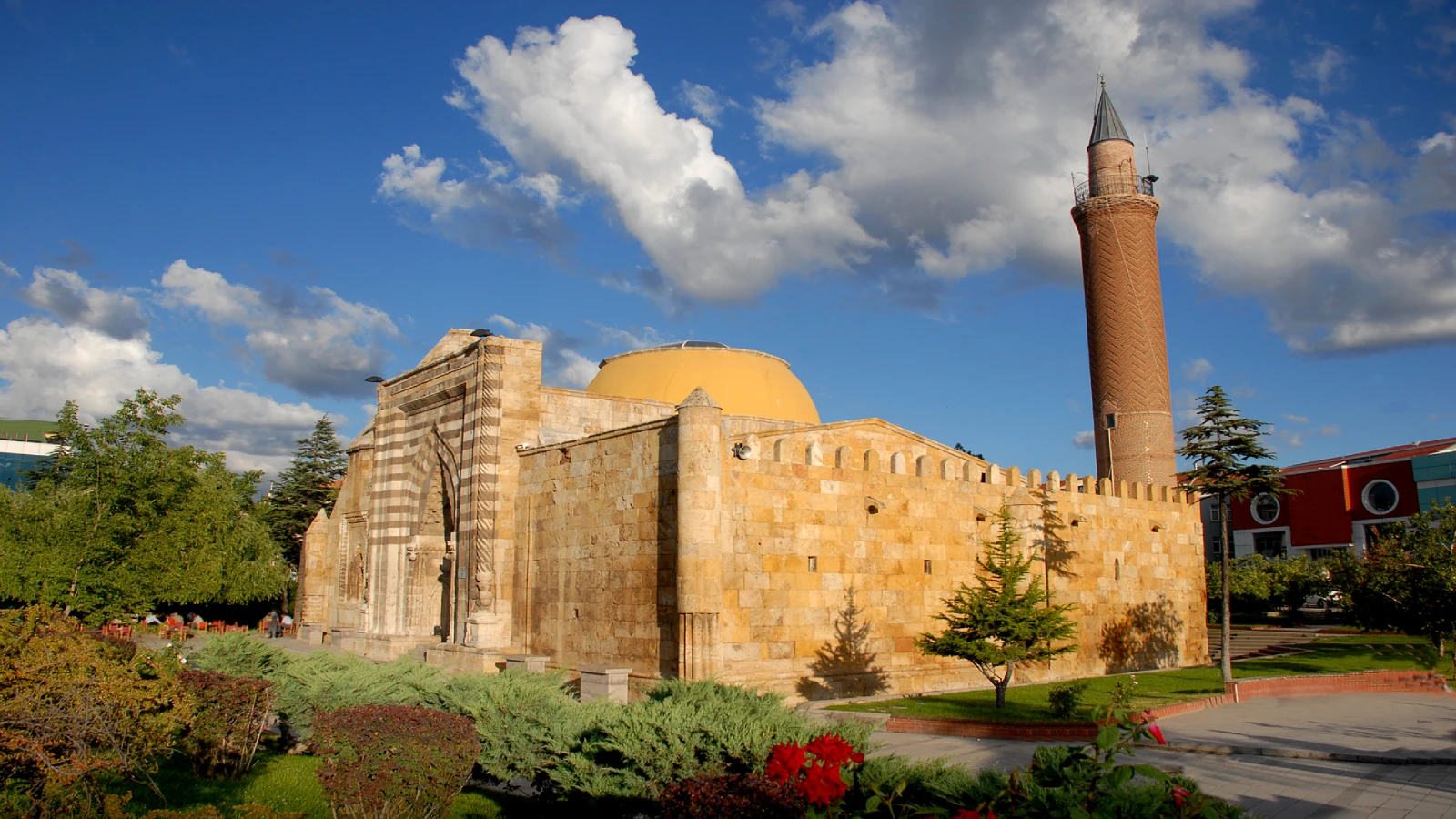
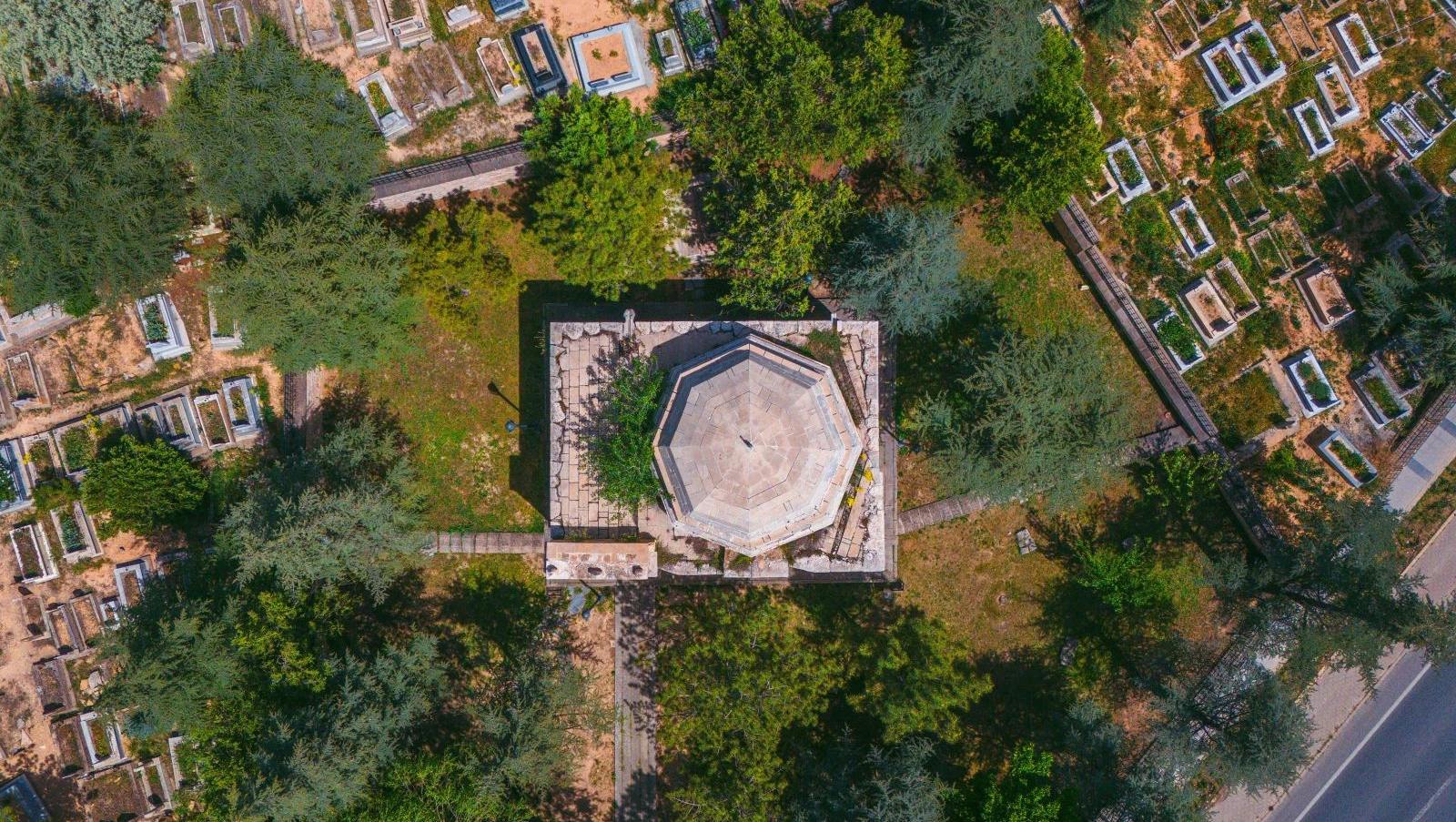
The structure has a square base articulated by chamfered corners, an octagonal body and a tapered roof. The angled transitions create the appearance that prompted comparisons with portable tent forms of Central Asian visual culture.

A compact medieval heritage walk

The mausoleum is best interpreted in the context of Kırşehir’s late Seljuk, post-Seljuk and regional dynastic patrons. A route incorporating Lale Mosque, Fatma Hatun Kümbeti and Cacabey shows how variations in tomb and mosque forms.

What to look for

Two useful themes here are stone masonry and medieval urban heritage. Observe the site in relation to the surrounding land and settlements. Where the evidence is fragmentary, avoid assigning precise dates or functions to individual.

Quick reference

Melikgazi Mausoleum – Essential Facts

Key distinctions, reliable context and practical considerations.

📍

Area / Location

Kırşehir Centre, Kırşehir, Türkiye

🏛️

Known For

Medieval funerary architecture

🔎

Context to Know

The Melikgazi kümbet is a medieval tomb monument linked in official heritage interpretation with the Mengücek dynasty and Muzaffereddin Behram Şah. It is commonly dated to about 1240–1250, though published scholarly descriptions.

ℹ️

Plan Carefully

Visitor information: Opening hours, admission, site access and road conditions are not guaranteed. Please verify locally before travel, especially for remote ruins and research areas.


Culture, evidence & context

History, Architecture & Cultural Context of Melikgazi Mausoleum

Page-specific research and local distinctions, not generic regional claims.

A Mengücekli connection in the heart of Kırşehir

The Melikgazi kümbet is a medieval tomb monument linked in official heritage interpretation with the Mengücek dynasty and Muzaffereddin Behram Şah. It is commonly dated to about 1240–1250, though published scholarly descriptions differ on the exact dating and the person commemorated. Do not treat a conventional date range as a precise foundation inscription.

From a square base to a tent-like roofline

The structure has a square base articulated by chamfered corners, an octagonal body and a tapered roof. The angled transitions create the appearance that prompted comparisons with portable tent forms of Central Asian visual culture. This is a scholarly architectural comparison, not direct evidence that the tomb was built as a tent. Study the silhouette from different sides before comparing it with the nearby Fatma Hatun monument.


Architecture, Cultural Meaning & What to Look For

Original Kırşehir context, significant details and interpretation from the researched guide.

A compact medieval heritage walk

The mausoleum is best interpreted in the context of Kırşehir’s late Seljuk, post-Seljuk and regional dynastic patrons. A route incorporating Lale Mosque, Fatma Hatun Kümbeti and Cacabey shows how variations in tomb and mosque forms developed across the city.

What to look for

Two useful themes here are stone masonry and medieval urban heritage. Observe the site in relation to the surrounding land and settlements. Where the evidence is fragmentary, avoid assigning precise dates or functions to individual features without a published source.

An unusual roofline in the old city

The Melik Gazi Kümbeti is a distinctive medieval tomb near Lale Street in Kırşehir’s Medrese neighbourhood. Regional architectural accounts describe its steep pyramidal cap and pronounced triangular details beneath the roof. These are visible, interpretable architectural features; the origin story and precise identity of every historical patron require more caution.

Rather than treating this as a generic “Seljuk tomb,” explain the regional princely connections usually discussed in art history and invite visitors to compare its roof geometry with the Fatma Hatun tomb. Respect its funerary purpose and check whether the space around the monument is affected by conservation work.

The tomb’s patron and dating in different sources

The Kırşehir Governorate credits the monument to Melik Muzaffereddin Behram Şah’s wife and assigns its construction broadly to 1240–1250. Specialist catalogues sometimes prefer a wider or later thirteenth-century date. These are different levels of historical certainty, not a reason to make up an exact dedicatory inscription. The monumental roof, triangular transitional elements and stone surfaces offer strong architectural evidence regardless of which proposed chronology is followed. The mausoleum’s proximity to Lale Mosque gives visitors a way to compare elite funerary and religious patronage in the medieval city.

Why Melikgazi Mausoleum Matters

The Kırşehir Governorate credits the monument to Melik Muzaffereddin Behram Şah’s wife and assigns its construction broadly to 1240–1250. Specialist catalogues sometimes prefer a wider or later thirteenth-century date. These are different levels of historical certainty, not a reason to make up an exact dedicatory inscription. The monumental roof, triangular transitional elements and stone surfaces offer strong architectural evidence regardless of which proposed chronology is followed. The mausoleum’s proximity to Lale Mosque gives visitors a way to compare elite funerary and religious patronage in the medieval city.

A Mengücekli connection in the heart of Kırşehir

The Melikgazi kümbet is a medieval tomb monument linked in official heritage interpretation with the Mengücek dynasty and Muzaffereddin Behram Şah. It is commonly dated to about 1240–1250, though published scholarly descriptions differ on the exact dating and.

From a square base to a tent-like roofline

The structure has a square base articulated by chamfered corners, an octagonal body and a tapered roof. The angled transitions create the appearance that prompted comparisons with portable tent forms of Central Asian visual culture. This is a scholarly.

A compact medieval heritage walk

The mausoleum is best interpreted in the context of Kırşehir’s late Seljuk, post-Seljuk and regional dynastic patrons. A route incorporating Lale Mosque, Fatma Hatun Kümbeti and Cacabey shows how variations in tomb and mosque forms developed across the city.

What to look for

Two useful themes here are stone masonry and medieval urban heritage. Observe the site in relation to the surrounding land and settlements. Where the evidence is fragmentary, avoid assigning precise dates or functions to individual features without a.

Finding & Experiencing Melikgazi Mausoleum

Visitor information: Opening hours, admission, site access and road conditions are not guaranteed. Please verify locally before travel, especially for remote ruins and research areas.

Where to Start

Kırşehir Centre in Kırşehir Province, central Türkiye. Check the exact approach or local kitchen before travel.

Evidence and Expectations

The Melikgazi kümbet is a medieval tomb monument linked in official heritage interpretation with the Mengücek dynasty and Muzaffereddin Behram Şah. It is commonly dated to about 1240–1250, though published scholarly descriptions.

What to Verify

Visitor information: Opening hours, admission, site access and road conditions are not guaranteed. Please verify locally before travel, especially for remote ruins and research areas.

Wider Regional Context

Explore our Kırşehir province guide to plan related places and regional food traditions.

Responsible Visiting Tips

Respect living heritage

Be considerate of active worship, residents and any commemorative activities.

Notice layers of history

Repairs, reuse and modern conservation may coexist with historic fabric.

Photograph thoughtfully

Confirm whether interior photography or drone use is allowed before proceeding.

Verify access first

Check any restoration closures, opening hours and admission arrangements with local authorities.

Who Will Appreciate Melikgazi Mausoleum?

Cultural travellers

Explore the monument through its architecture and regional history.

Architecture enthusiasts

Look for building materials, spatial organization and later adaptations.

Thoughtful photographers

Document characteristic details without disturbing heritage or worship.

Regional history readers

Connect local stories with documented Anatolian history.

Frequently Asked Questions about Melikgazi Mausoleum

Where is Melikgazi Mausoleum?

Melikgazi Mausoleum is associated with Kırşehir Centre, in Kırşehir province, central Türkiye. Confirm the exact entrance or meeting point before setting out.

Can I visit Melikgazi Mausoleum without advance arrangements?

Access arrangements for Melikgazi Mausoleum can change. For archaeological sites, ruins, thermal sources and small cultural houses especially, verify whether public admission is currently possible.

What else can I see near Melikgazi Mausoleum?

Use the Kırşehir province guide to plan other heritage stops and consider the Kaman museum, the historic city centre or Mucur depending on your route.

Architectural Photography & Respectful Observation

Look for the subject's real character, rather than using a photograph from a different site or a generic representation as documentary evidence.

A Mengücekli connection in the heart of Kırşehir

The Melikgazi kümbet is a medieval tomb monument linked in official heritage interpretation with the Mengücek dynasty and Muzaffereddin Behram Şah. It is commonly dated to about 1240–1250, though published scholarly descriptions.

From a square base to a tent-like roofline

The structure has a square base articulated by chamfered corners, an octagonal body and a tapered roof. The angled transitions create the appearance that prompted comparisons with portable tent forms of Central Asian visual culture.

A compact medieval heritage walk

The mausoleum is best interpreted in the context of Kırşehir’s late Seljuk, post-Seljuk and regional dynastic patrons. A route incorporating Lale Mosque, Fatma Hatun Kümbeti and Cacabey shows how variations in tomb and mosque forms.

What to look for

Two useful themes here are stone masonry and medieval urban heritage. Observe the site in relation to the surrounding land and settlements. Where the evidence is fragmentary, avoid assigning precise dates or functions to individual.

Best Time & Practical Planning

Schedules and conditions vary. These are planning considerations, not fixed opening hours or admission guarantees.

Opening and restoration

Official arrangements can change; verify them close to your visit.

Religious use

At active monuments, worship or ceremonies have priority.

Comfort

Allow suitable daylight and conditions for exterior observation.

Access

Verify whether the interior, courtyard or cemetery is open to visitors.

Plan a More Meaningful Kırşehir Route

Choose a realistic combination of Kırşehir heritage and landscapes, taking road distances, access permissions and conservation requirements into account.

Evidence, Historical Context & Further Reading

Sources below were used in the previous research and editorial review. Historical inventories do not by themselves guarantee current opening, access, prices or conservation status. Where published sources disagree, the text distinguishes the accounts rather than presenting an invented certainty.

Editorial review: November 2026. For current arrangements, consult the operator or relevant local authorities.

Kırşehir Provincial Directorate of Culture and Tourism