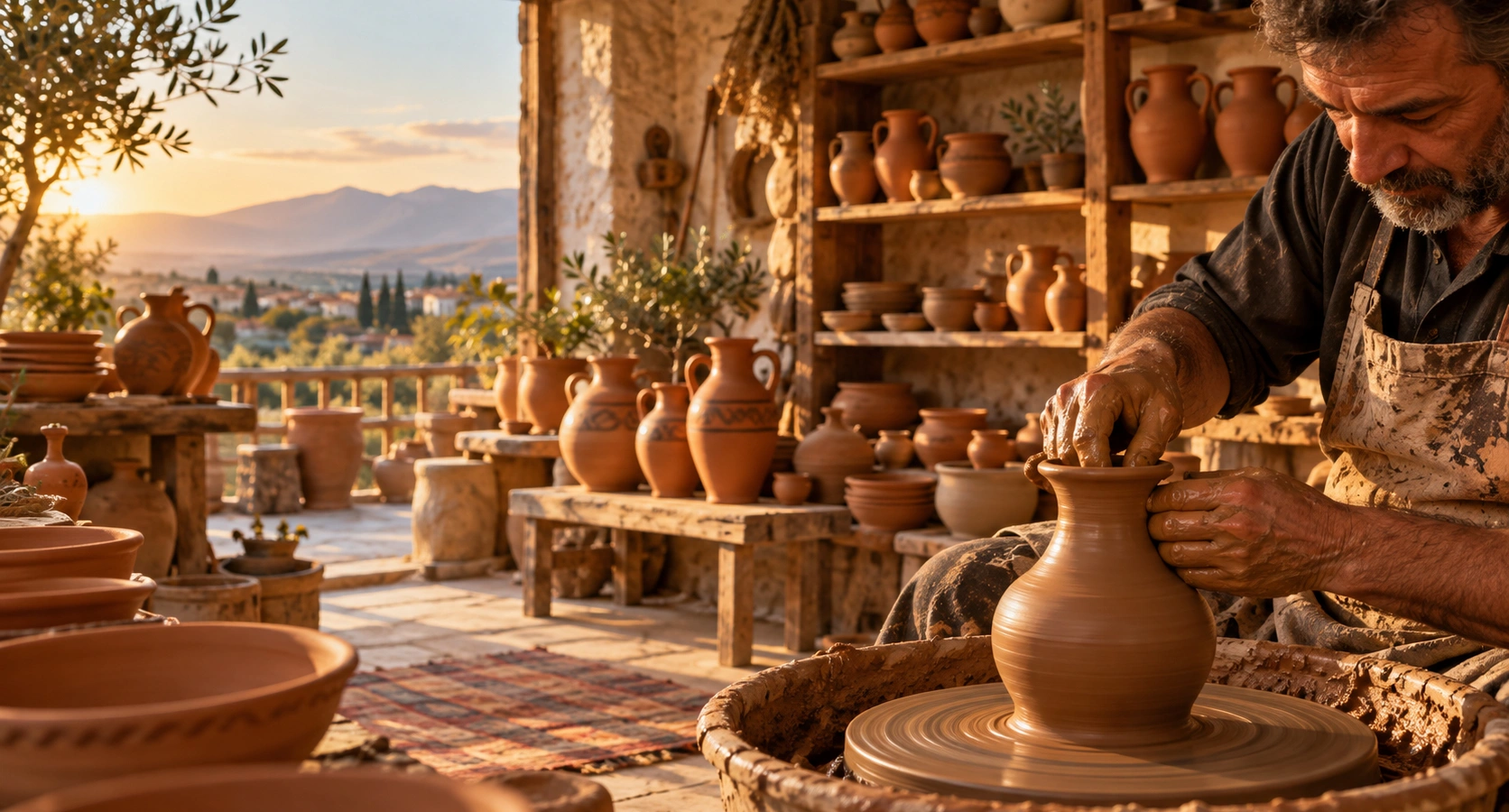
Private Menemen Pottery Workshop Experience
Visit a working pottery environment, watch clay being shaped on the wheel and discover the techniques behind one of İzmir's most characteristic living crafts.
Request a Private Experience





North of İzmir, the district of Menemen preserves one of western Türkiye's most recognizable traditional crafts: handmade pottery.
Here, ordinary earth is transformed through a sequence that has defined pottery for thousands of years: clay is prepared, cleaned, shaped on the wheel, dried, fired and sometimes glazed.
What makes Menemen especially interesting is that this is not simply a craft remembered in museums.
Pottery remains a living profession.
Workshops continue to produce jugs, storage vessels, flowerpots, cups, decorative ceramics and objects designed for contemporary homes and gardens.
Visitors can encounter shelves filled with terracotta, watch clay rise beneath a potter's hands and discover how seemingly simple vessels require balance, speed, pressure and years of experience.
The craft has also gained a new international platform through the International Menemen Pottery Festival, which brings potters, ceramic artists, academics and visitors together around the traditions and future of clay.
Menemen therefore offers something increasingly rare: not the reconstruction of an old craft, but the opportunity to see traditional knowledge still being practiced, adapted and passed forward.
Meet a pottery tradition that continues in active workshops rather than surviving only as historical memory.
Discover how clay from the region is prepared, cleaned and transformed before reaching the potter's wheel.
Watch skilled hands transform a rotating mass of wet clay into balanced vessels in only minutes.
Learn how Menemen has become a meeting point for traditional potters and contemporary ceramic artists from around the world.
Essential information for discovering one of İzmir's most characteristic traditional handicrafts.
Menemen district, north of central İzmir on Türkiye's Aegean coast.
Open on Google MapsMenemen is one of İzmir Province's best-known centers for wheel-thrown pottery and terracotta production.
The craft traditionally depends on clay-rich soil from the surrounding region.
Clay is prepared and then shaped by hand while rotating on the potter's wheel.
Once formed and dried, vessels are fired so that soft clay becomes durable ceramic material.
Traditional jugs, pots, planters, decorative vessels, cups and handmade ceramic souvenirs.
Some cultural traditions are preserved behind glass. Menemen pottery can still be encountered where it has always mattered most: inside the workshop.
A visit to a pottery workshop reveals something that finished ceramics rarely show: the process.
Before a vessel becomes perfectly symmetrical, the material begins as wet, heavy and apparently shapeless clay.
The potter centers it on the spinning wheel, opens the middle, raises the walls and gradually determines the final form using little more than hands, water and controlled pressure.
The transformation can happen surprisingly quickly.
What looks effortless, however, depends on experience developed through thousands of repeated movements.
This relationship between material and maker is the real reason Menemen pottery is worth discovering.
The visitor is not simply looking at a ceramic object.
You are watching knowledge move directly from human hands into clay.
Pottery developed wherever communities had three important things: suitable clay, the need for containers and enough knowledge to control fire.
Western Anatolia possessed all three.
Archaeological evidence demonstrates that ceramic production has extremely deep roots across Anatolia, while pottery centers eventually developed distinctive local forms and techniques.
The İzmir region was especially well positioned for this craft.
Clay-rich soils provided the raw material, while agriculture created constant demand for containers.
Wine, olive oil, water, grain and other products required vessels for transport, storage and everyday domestic use.
Menemen eventually became one of the places where this relationship between agriculture, earth and pottery remained particularly strong.
Today, the craft has expanded beyond purely functional containers.
Traditional forms continue, but Menemen workshops also produce garden ceramics, decorative pieces and contemporary objects for visitors and collectors.
The surrounding landscape provides clay suitable for traditional pottery production.
Pottery historically answered practical needs for storing water, food, wine, oil and agricultural products.
Knowledge is preserved through working potters rather than only through archaeological objects.
Traditional hand skills remain central even when modern electric wheels or workshop equipment are used.
Menemen is notable for the continuing involvement of younger craftspeople and ceramic artists.
Modern workshops increasingly combine traditional methods with new shapes, decoration and artistic experimentation.
The history surrounding Menemen pottery forms part of a much larger Anatolian story.
Pottery developed in Anatolia during the Neolithic period, when increasingly settled communities required durable containers for storing, preparing and serving food.
The earliest vessels were made without a fast potter's wheel.
Clay could be built by hand, including through coil-like techniques, before being hardened by fire.
By around the 3rd millennium BC, wheel-based forming had become part of ceramic production in Anatolia.
The technology transformed what potters could achieve.
Rotational movement allowed vessels to become faster to produce, more symmetrical and increasingly standardized.
Across the centuries, different Anatolian regions developed their own ceramic traditions.
Menemen should therefore not be described as the birthplace of all Anatolian pottery.
Its importance lies elsewhere: it remains one of the places where that enormous ceramic heritage can still be experienced as a working craft today.
Before the wheel, before the kiln and before decoration, there is clay.
The geological character of the Menemen area has long helped support pottery production because suitable clay-rich soils are available in the region.
Traditional preparation involves much more than simply digging earth from the ground and placing it on a wheel.
The raw material must first be transformed into a workable body.
Clay can be mixed with water in preparation pools, allowing unwanted particles to be separated and the material to become more uniform.
It is then filtered, cleaned and allowed to lose excess moisture until it reaches the consistency required for shaping.
The resulting clay must be soft enough to respond to the potter's hands but stable enough to hold its form.
Too wet, and the vessel may collapse.
Too dry, and shaping becomes difficult.
Understanding this balance is one of the hidden skills behind every successful piece.
The process begins with clay-rich material obtained from the region.
Water allows the material to be processed and prepared into workable clay.
Impurities and unsuitable particles are removed before the clay reaches the wheel.
The clay must contain the correct amount of moisture for successful wheel throwing.
Good pottery clay responds to pressure without immediately cracking or collapsing.
The nature of the clay influences the appearance and working behavior of Menemen ceramics.
Watching an experienced potter work is one of the most memorable parts of visiting Menemen.
The process appears almost impossibly fluid.
Yet every stage has a purpose.
Each stage affects the next.
A badly centered piece becomes difficult to control.
Walls that are too thin may collapse.
Uneven drying can create cracks.
Incorrect firing can ruin hours of careful work.
This is why handmade pottery should not be understood as simply shaping mud.
It is a continuous negotiation between material, moisture, movement, air and fire.
The potter's wheel is the visual heart of the workshop.
Once the clay is centered, the spinning motion allows the craftsperson to work evenly around the entire vessel.
Hands remain almost stationary while the clay rotates beneath them.
A small change in finger pressure can widen a shoulder, narrow a neck, thin a wall or completely alter the silhouette.
Traditional wheels were powered physically.
Modern Menemen workshops may use electrically driven wheels, but mechanizing the rotation does not replace the artisan's skill.
The wheel merely supplies movement.
The human hand still determines whether the clay becomes a bowl, jug, pot, vase or something entirely new.
The first challenge is bringing the clay into perfect balance on the rotating wheel.
Wheel speed changes according to the stage of forming and the type of vessel being created.
A small amount of water reduces friction between hands and clay while shaping.
Even slight differences in pressure can change the thickness or curve of the vessel.
Rotation makes highly balanced circular forms possible when the clay is properly centered.
Experienced potters develop a sensitivity to clay that cannot be learned through theory alone.
The earliest purpose of pottery was practical.
Containers had to hold, store, carry or serve something.
That functional heritage remains visible in the forms traditionally associated with Menemen.
Traditional jugs used for carrying or serving liquids remain one of the most recognizable pottery forms.
Larger storage vessels reflect the ancient practical relationship between pottery and agricultural life.
Terracotta garden pots form an important part of Menemen's continuing ceramic production.
Smaller household objects demonstrate how the craft extends beyond monumental storage ceramics.
Contemporary workshops create objects designed primarily for visual appeal and interior decoration.
Smaller handmade pieces make it possible for visitors to take a practical example of Menemen craftsmanship home.
A shaped clay vessel is still fragile.
Until firing, water can soften it and careless handling can destroy it.
The kiln changes everything.
Controlled heat produces permanent physical and chemical transformations within the clay body.
After firing, the vessel is no longer simply dried earth.
It has become ceramic.
Traditional pottery production required craftspeople to develop a deep understanding of fuel, airflow, temperature and the position of objects inside the kiln.
The result was never determined by shaping alone.
Fire was effectively the final collaborator in the workshop.
Menemen clay has traditionally been valued for its suitability for producing both glazed and unglazed forms, allowing workshops to create objects ranging from natural terracotta to more decorative finished surfaces.
Pottery must lose enough moisture before firing to reduce the risk of cracking or failure.
Firing transforms the physical character of clay and gives the object long-term durability.
Many traditional pieces celebrate the warm natural appearance of fired clay.
A glaze can change color, texture and surface behavior while also creating a more sealed finish.
Variations created during firing can contribute to the individuality of handmade pottery.
Small differences in throwing, drying and firing mean handmade ceramics naturally vary from one another.
Industrial ceramics aim for repetition.
Traditional handmade pottery celebrates something different.
Two jugs created by the same potter on the same day may look almost identical from a distance.
Look closely, however, and small differences appear.
One rim may open slightly more.
One shoulder may rise a little higher.
Finger marks, surface variations and differences created by firing can remain visible.
These are not necessarily defects.
They are often evidence of human production rather than mechanical repetition.
For travelers who value traditional craftsmanship, this individuality is part of the appeal.
The best way to understand Menemen pottery is not simply to see a finished object.
It is to visit a working environment.
Depending on the workshop and current production schedule, visitors may be able to observe clay preparation, wheel throwing, drying shelves, kilns and completed ceramics awaiting sale.
Watching a demonstration also makes the difficulty of the craft immediately clear.
An experienced potter may form a vessel in minutes.
For someone touching the wheel for the first time, simply keeping the clay centered can be a challenge.
Some workshops or organized events may also offer hands-on experiences.
These should always be arranged in advance rather than assumed, because working pottery studios are production spaces and not every workshop operates as a permanent visitor attraction.
The most memorable moment is usually seeing a potter raise a vessel directly from spinning clay.
Drying shelves, kilns, tools and stacks of finished pottery reveal the full production environment.
Buying directly from craftspeople creates a much stronger connection between object and origin.
Always request permission before taking close photographs of artisans or active production areas.
Pottery experiences may be available through selected studios or special events, but advance arrangements are recommended.
Purchasing directly from a working artisan helps traditional workshop knowledge remain economically viable.
Menemen's pottery identity now reaches far beyond the walls of individual workshops.
The International Menemen Pottery Festival has developed into an important meeting point for traditional craftspeople, ceramic artists, academics and pottery enthusiasts.
The 5th International Menemen Pottery Festival was held on 18–20 September 2026 at Menemen City Park.
The program brought together participants from many countries and included pottery demonstrations, competitions, workshops, ceramic exhibitions, sales stands and alternative firing performances.
One of the central events is the Hünerli Eller – Skilled Hands Pottery Competition, where potters demonstrate both technical control and creative interpretation.
The festival is important for more than tourism.
It creates a place where experienced workshop masters, young potters, designers, students and international ceramic artists can encounter one another.
In this way, Menemen pottery is not treated as a frozen tradition.
It becomes part of an active conversation between heritage and contemporary ceramic art.
Watch how the potter forces the clay into perfect balance before attempting to create the vessel.
A thumb or finger opens the center and transforms a solid lump into the beginning of a container.
Notice how the craftsperson gradually raises the clay while maintaining surprisingly even walls.
Narrow-necked jugs require careful pressure because the opening must contract without destabilizing the vessel.
Subtle rings and surface traces can reveal how the piece moved beneath the potter's hands.
Rows of unfinished pottery show how much workshop space is devoted to stages visitors rarely think about.
The firing environment explains why pottery depends as much on controlling heat as on shaping clay.
Compare traditional terracotta pieces with glazed, decorative and contemporary interpretations.
For many visitors, a handmade ceramic object is one of the most meaningful souvenirs they can take from western Türkiye.
Unlike a mass-produced decorative object, a workshop piece carries a direct connection with a particular material, place and craftsperson.
Before purchasing, think about how you plan to use the object.
A large garden pot, decorative amphora-style vessel and small glazed bowl each require different considerations.
If an item will be used for food, drink or cooking, ask the maker specifically whether the glaze, clay body and firing are suitable for that purpose.
Do not assume that every decorative ceramic vessel is designed for food contact or direct heat.
If you are flying, smaller pieces are generally easier to protect.
Ask the workshop to wrap fragile pottery carefully and consider carrying particularly valuable pieces in hand luggage where airline regulations permit.
Purchasing directly from a workshop connects your souvenir with the people who actually produced it.
Look at the foot and underside, where marks from forming, trimming or workshop identification may remain visible.
Handmade pieces naturally differ slightly in size, profile and surface character.
Confirm whether an item is intended for food, water, decoration, plants or another specific purpose.
Clay becomes durable after firing, but ceramic vessels can still break easily during transport.
The most memorable piece is often not the most perfect one, but the object whose handmade character you notice immediately.
Pottery workshops can be remarkably photogenic.
Wet clay, terracotta surfaces, rotating wheels, working hands and rows of drying vessels provide far more visual interest than a conventional souvenir shop.
But remember that these are working environments.
The people you photograph are craftspeople doing their jobs, not performers.
Always ask before photographing a potter closely, especially during concentrated work.
Close compositions of hands shaping wet clay communicate the craft more powerfully than posed photographs.
A slightly slower shutter can suggest movement while keeping the artisan's hands relatively sharp.
Repeated terracotta forms create strong patterns on drying shelves and workshop floors.
Photograph wet, leather-hard and fired surfaces to show how dramatically the material changes.
Firing areas and darkened surfaces can reveal another visual side of pottery production.
Respect the potter's workspace and never interrupt an important stage simply to create a photograph.
Menemen lies north of central İzmir and can be incorporated into a wider journey through the northern part of the province.
Unlike a single museum or archaeological site, Menemen pottery is distributed among working workshops and artisan spaces.
For that reason, it is better to plan a specific workshop visit rather than arriving with the expectation that every studio operates regular tourist opening hours.
Some workshops concentrate primarily on production.
Others are more accustomed to visitors, demonstrations or ceramic sales.
If pottery is an important part of your İzmir itinerary, arranging the visit beforehand offers the best chance of seeing active production.
Pottery studios are workplaces, so confirming a visit is better than relying on spontaneous access.
A focused workshop visit normally gives enough time for a demonstration, conversation and browsing.
Workshop floors may contain water, clay dust and uneven working surfaces.
Clay splashes, stacked pots, tools and production materials are part of the experience rather than something to be hidden.
Menemen also contains Ottoman monuments and archaeological landscapes that can expand a pottery-focused visit.
Menemen can be combined with the historic and archaeological attractions of the northern Aegean coast.
Comfortable temperatures make spring excellent for combining workshops with archaeological and outdoor sightseeing around northern İzmir.
Pottery workshops provide an interesting cultural alternative to purely coastal sightseeing during the Aegean summer.
September is particularly significant because Menemen's international pottery festival has recently been organized during this period.
Milder weather works well for combining Menemen with Foça and other historical destinations north of İzmir.
An indoor or semi-indoor craft experience can be especially rewarding when coastal weather becomes less predictable.
Festival schedules can change from year to year, so always check the official program before planning a trip around the event.
Traditional craft survives when knowledge, time and skilled labor are valued.
A pottery workshop should therefore be approached differently from an ordinary retail store.
Do not enter production areas, touch tools or move unfinished pieces without permission.
Unfired clay can be extremely fragile even when a vessel appears solid.
Respect artisans who may prefer not to be photographed during concentrated work.
A handmade ceramic includes preparation, forming, drying, firing and the risk that a piece may fail before completion.
Supporting authentic working studios helps create an economic reason for traditional knowledge to continue.
Ask about technique, clay and forms rather than seeing the workshop only as a shopping stop.
Menemen works especially well as part of a broader journey through northern İzmir.
Begin with a pottery workshop while craftspeople are active and daylight illuminates the working space.
Watch clay being shaped, learn how vessels are dried and fired and spend time examining finished pieces.
Afterward, explore Menemen's historical environment before continuing toward Old Foça.
There, the day changes from living craft to ancient maritime history, historic streets and Aegean scenery.
With additional time, visit the extraordinary Persian Tomb Monument – Taş Kule before entering Foça itself.
Finish the day beside the old harbor, where the cultural landscape of the northern Aegean meets the sea.
A workshop visit can become part of a much larger journey through the archaeology, historic towns and landscapes of northern İzmir.
Discover one of the district's important historic structures and a surviving reminder of Menemen's Ottoman urban heritage.
Explore the archaeological landscape associated with an important prehistoric settlement in the Menemen region.
Discover the remains of an ancient settlement overlooking the Gediz plain north of İzmir.
Continue toward the Aegean coast for ancient history, historic streets, harbors and one of northern İzmir's most atmospheric towns.
Visit Taş Kule, one of western Anatolia's most unusual monuments associated with the period of Achaemenid Persian influence.
Explore the fortifications that protected the strategically important harbor of ancient and medieval Foça.
Continue the journey into Foça's mythological and natural maritime landscape offshore from the ancient city.
Travel farther north for beaches, historic residential streets and relaxed northern Aegean waterfront scenery.
It is easy to admire a handmade pot without thinking about everything required for it to exist.
Someone must know where the clay comes from.
Someone must understand how to prepare it.
Someone must be able to judge moisture without consulting a machine.
Someone must know how much pressure a wall of clay can tolerate before it collapses.
Someone must understand drying.
Someone must control fire.
And, most importantly, someone must teach these things to the next person.
This is why living craft traditions are fragile.
The object may survive for centuries.
The knowledge used to make it can disappear within a single generation.
Menemen is important because that knowledge has not disappeared.
Its pottery workshops connect the ancient human relationship with clay to modern design, tourism and artistic experimentation.
The tools may change.
The wheel may now be powered by electricity.
New glazes, forms and artistic ideas may appear.
But the essential moment remains remarkably familiar:
a pair of hands, a rotating wheel and a piece of earth slowly becoming a vessel.
Menemen pottery is the traditional ceramic craft associated with Menemen in İzmir Province, where clay is shaped into functional and decorative vessels, particularly using the potter's wheel.
Menemen is a district north of the city of İzmir in western Türkiye's Aegean Region.
The surrounding region contains clay suitable for pottery, and the craft developed alongside the practical need for vessels used in agriculture, storage and daily life.
Yes. Menemen remains an active pottery center with craftspeople and workshops continuing the tradition today.
Traditional production involves extensive handwork, particularly during wheel forming, shaping and finishing, even when modern electrically powered wheels are used.
It is made from clay, traditionally associated with clay-rich material available in the surrounding region.
Traditional preparation can involve mixing clay with water, filtering and cleaning it, removing excess moisture and bringing the material to the correct consistency for shaping.
Many traditional vessels are formed on a rotating potter's wheel, where the craftsperson uses controlled hand pressure to raise and shape the walls.
Traditional production includes jugs, storage vessels, flowerpots, cups and smaller household objects, alongside decorative ceramics and souvenirs.
A testi is a traditional jug, often made from earthenware and historically associated with carrying or serving liquids.
Both glazed and unglazed pottery can be produced. The chosen surface depends on the design, function and production technique of the individual piece.
Yes, selected workshops can be visited, and İzmir tourism information specifically recommends seeing Menemen pottery production. Advance arrangements are advisable because studios are working production spaces.
Depending on the workshop and production schedule, visitors may be able to watch clay being shaped directly on the potter's wheel.
Hands-on workshops may be available through selected studios, special events or the International Menemen Pottery Festival. Availability should be confirmed in advance.
It is an international event celebrating pottery and ceramic art through competitions, demonstrations, workshops, exhibitions, sales stands and cultural activities.
The fifth edition took place from 18 to 20 September 2026 at Menemen City Park.
Hünerli Eller, meaning approximately Skilled Hands, is a pottery competition organized as part of the international festival and showcases the technical and artistic abilities of participating potters.
Pottery itself has extremely ancient roots in Anatolia. Menemen's modern workshop tradition belongs to this much broader ceramic heritage, but it is better to distinguish the deep archaeological history of Anatolian pottery from the specific history of individual modern workshops.
Yes. Buying directly from a workshop is one of the most meaningful ways to take home a piece of Menemen craftsmanship while supporting the people maintaining the tradition.
No. If you plan to use pottery for food, drink or cooking, ask the maker whether the specific clay, glaze and firing method are appropriate for that purpose.
Around one to two hours works well for a focused workshop visit, particularly if it includes a demonstration, conversation with the artisan and time to browse finished work.
It is especially interesting for travelers interested in traditional crafts, ceramics, design, photography, local culture and experiences that involve meeting working artisans.
A pottery visit can be combined with Menemen's historic sites and then continued toward Taş Kule, Old Foça, Foça Castle and the Siren Rocks.
Go beyond conventional sightseeing with private experiences combining traditional craftsmanship, local history, archaeology and the landscapes of northern İzmir without compulsory shopping stops.
Meet working artisans, discover traditional ceramic production and see how clay becomes pottery.
Visit a working pottery environment, watch clay being shaped on the wheel and discover the techniques behind one of İzmir's most characteristic living crafts.
Request a Private Experience
Combine pottery craftsmanship with the historic character of Menemen for a cultural visit focused on local heritage rather than conventional sightseeing alone.
Create Your Menemen ExperienceCombine living craftsmanship with the extraordinary archaeological and maritime history of northern İzmir.
Begin with traditional pottery craftsmanship before continuing toward ancient Phokaia, historic Foça and the northern Aegean coast.
Plan Your Private Day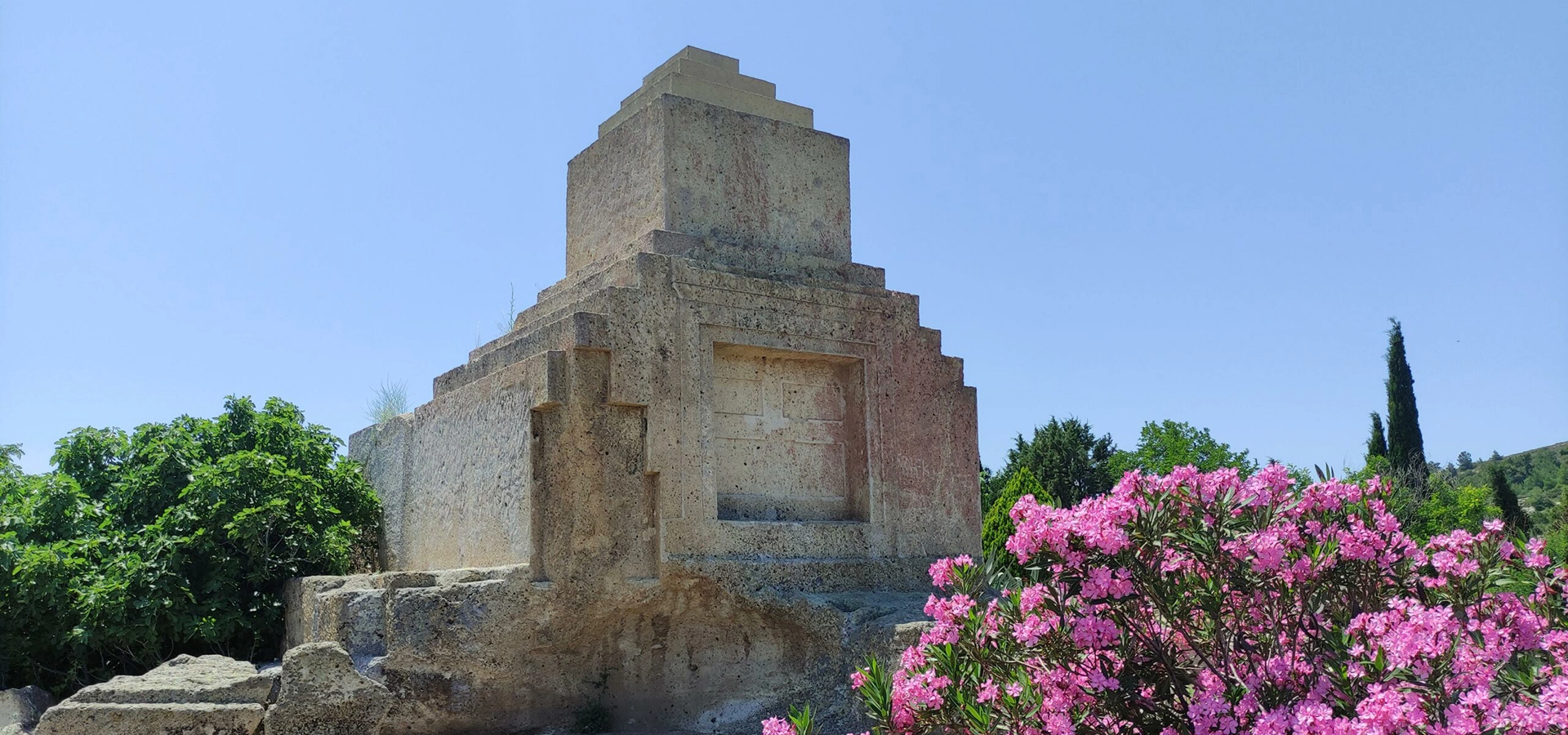
Travel from Menemen's living pottery tradition into the Persian-period archaeological landscape surrounding ancient Phokaia.
Explore Taş KuleContinue from workshop culture into ancient harbors, fortifications and the maritime landscapes of Phokaia.
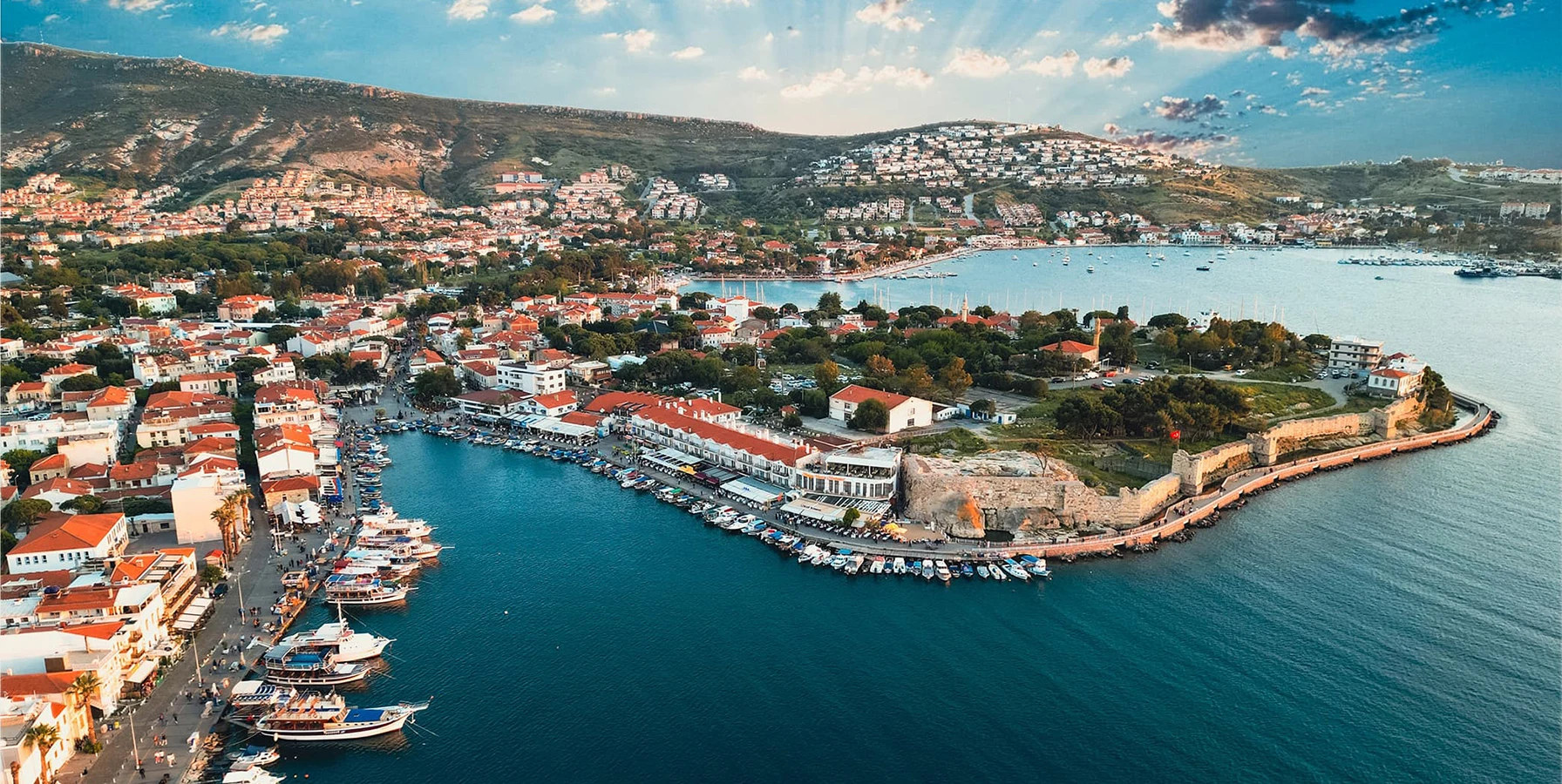
Explore one of ancient Ionia's great maritime cities and discover the historic harbors, streets and archaeology of modern Old Foça.
Explore Old Foça
Explore the defensive architecture that protected Foça's strategically important harbor through centuries of changing political power.
Explore Foça CastleExtend your journey beyond Menemen through historic settlements, coastal landscapes and quieter corners of northern İzmir.

Move from clay and archaeology on land into the mythology, geology and natural beauty of Foça's island landscape.
Explore the Siren Rocks
Continue north toward historic houses, beaches and the relaxed waterfront atmosphere of Yeni Foça.
Explore New Foça