Private Foça History & Heritage Tour
Discover Foça Castle, Beşkapılar, historic streets, Ottoman monuments and the maritime landscape of ancient Phokaia on a private guided journey.
Request a Custom Tour





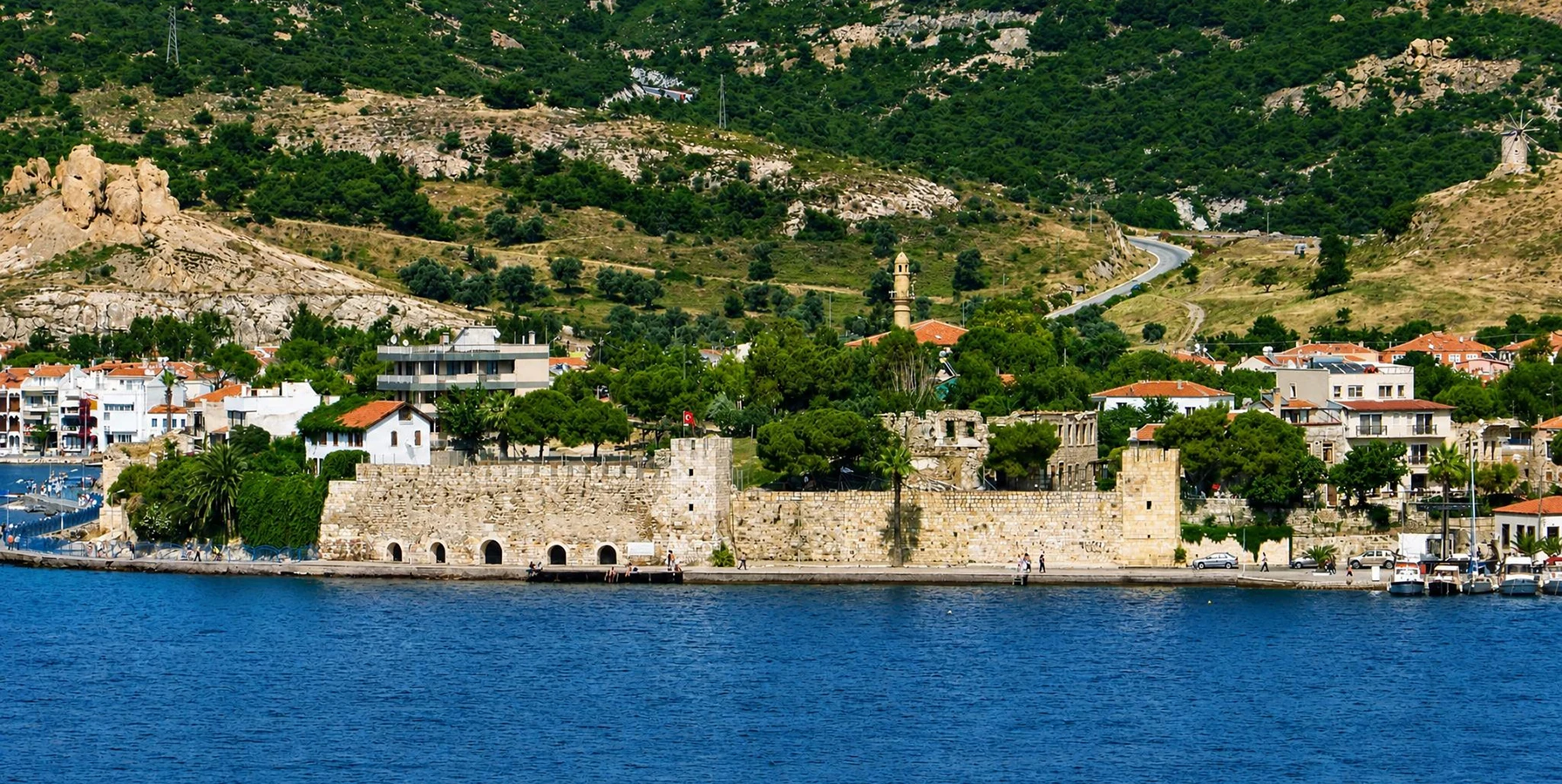
The historic Foça Castle and Beşkapılar fortifications stand beside the waterfront of Eski Foça, where the ancient city of Phokaia once developed between two natural harbors on the coast of western Anatolia.
Few places in İzmir bring together so many layers of Aegean history within such a compact landscape. Ancient defensive traditions were followed by Byzantine fortifications, Genoese occupation and reconstruction, and extensive repairs during the Ottoman period.
The surviving walls therefore should not be understood as the product of a single century. They form part of a defensive landscape repeatedly adapted by the different powers that controlled Foça and its strategically important harbors.
Among the most recognizable sections is Beşkapılar, whose name means “Five Gates.” This waterfront structure formed part of the Ottoman-period castle complex and is traditionally identified as its kayıkhane, or boathouse section.
Today the castle walls, sea, historic streets and harbor remain inseparable from one another. Visitors can explore the fortifications while continuing directly into the atmospheric waterfront streets of Old Foça.
Discover a fortress connected with the maritime trading networks of medieval Genoa.
See the famous waterfront section associated with the Ottoman castle's historic boathouse.
Walk beside stone fortifications standing directly between Foça's historic harbor and the sea.
Learn why Foça Fortress forms part of Türkiye's current Genoese Maritime Network proposal.
Essential information for exploring one of the most atmospheric historic fortifications on the northern İzmir coast.
Eski Foça, Foça District, İzmir Province, western Türkiye.
Open on Google MapsHistoric coastal fortifications containing Byzantine, Genoese and Ottoman-period phases.
The famous waterfront section associated with the Ottoman castle's historic boathouse.
Foça became an important Genoese stronghold on the Aegean during the late medieval period.
Foça Fortress is a component of a property currently included on Türkiye's UNESCO Tentative List.
Allow approximately 30–60 minutes for the castle area, or longer when combined with Old Foça.
Foça Castle preserves the strategic importance of a harbor town contested and fortified by different powers for centuries.
The importance of Foça Castle begins with geography. Ancient Phokaia developed beside natural harbors on the Aegean coast, making the settlement closely connected with maritime travel, trade and naval activity.
Fortifications around the town were repeatedly repaired and reorganized as control of the region changed. Byzantine, Genoese and Ottoman phases can therefore be understood as different chapters within a much longer defensive history.
The medieval chapter became especially important after Genoese merchants established themselves at Foça. The town's position and the valuable alum deposits of the surrounding region increased its economic significance within wider Mediterranean commercial networks.
Following the incorporation of Foça into the Ottoman Empire in 1455, the fortifications continued to protect the harbor. Repairs and additions strengthened the walls, while the Beşkapılar section became one of the most recognizable surviving elements of the Ottoman castle.
Today, the fortress is also important internationally because Foça forms part of Türkiye's UNESCO Tentative List proposal concerning the extensive network of Genoese maritime trading posts and fortifications extending between the Mediterranean and Black Sea.
The history of the castle cannot be separated from the much older history of Phokaia, one of the important Ionian cities of the ancient Aegean world.
The ancient settlement developed around Foça's advantageous coastal geography. Defensive walls protected parts of the city from an early period, although the fortifications visible today largely reflect later centuries of reconstruction, repair and reuse.
During the Byzantine period, Foça remained strategically important. Existing defenses were maintained and modified as control of the Aegean coastline continued to be contested.
A major new phase began during the 13th century when Foça became closely associated with the Genoese.
In 1275, Byzantine Emperor Michael VIII Palaiologos granted Old Phocaea to members of the Genoese Zaccaria family. Their commercial interests were strongly connected with the valuable alum resources of the region.
The Genoese strengthened Foça's position within an extensive maritime network linking the Aegean with the eastern Mediterranean, Constantinople and the Black Sea.
Foça entered Ottoman control in 1455. The walls were subsequently repaired and strengthened, and the castle remained important for the protection of the coastal settlement and its harbor.
One of the most important surviving Ottoman interventions is recorded at Beşkapılar, where an inscription documents repairs undertaken in 1538–1539 during the reign of Sultan Süleyman the Magnificent.
The castle landscape occupies part of a settlement whose defensive traditions extend back into antiquity.
Foça's strategic coastal defenses continued to be maintained during the medieval Byzantine era.
Old Phocaea became associated with the Genoese Zaccaria family under Byzantine authority.
The settlement became part of wider commercial and maritime networks across the Aegean.
Foça was incorporated into the Ottoman Empire during the reign of Mehmed II.
An inscription at Beşkapılar records an important Ottoman repair of the fortifications.
Long before Genoese merchants and Ottoman soldiers occupied Foça's fortifications, the area formed the heart of ancient Phokaia.
Phokaia was one of the historic cities of Ionia, the remarkable cultural region that occupied much of the central Aegean coastline of western Anatolia.
The Phocaeans became famous in antiquity as sailors and colonists. Their maritime connections extended far beyond Anatolia into the wider Mediterranean.
Foça's natural harbors were central to this identity. The sheltered coastline provided an excellent base for maritime activity and helps explain why control of the site continued to matter throughout later history.
Modern Foça developed directly over significant parts of the ancient city. Archaeological remains, historic walls and modern streets therefore form an unusually complex cultural landscape rather than a single isolated archaeological park.
The Genoese chapter is one of the most historically important periods in the development of Foça's medieval fortifications.
During the late 13th century, the Republic of Genoa was building an extensive commercial network across the eastern Mediterranean and Black Sea.
Following agreements with the Byzantine Empire, Genoese merchants gained important economic privileges at strategic coastal settlements.
In 1275, Old Phocaea was granted to members of the Zaccaria family, who were closely connected with Genoese maritime commerce.
One of the region's most valuable resources was alum, a mineral important to medieval industries, particularly textile production and dyeing. Control of its production and export increased the economic importance of Foça.
The castle therefore served more than a purely military purpose. Its walls protected a settlement positioned within a much larger system of merchants, ships, ports, commercial privileges and maritime routes.
A major medieval maritime republic with commercial networks throughout the Mediterranean and Black Sea.
A powerful Genoese family closely associated with medieval Foça and its commercial resources.
A valuable mineral resource that helped make the Foça region commercially attractive.
Foça's protected coastal geography supported shipping, trade and strategic control.
Existing defenses were repaired and strengthened during periods of Genoese control.
Foça formed part of a commercial world stretching far beyond the Aegean coastline.
Foça became part of the Ottoman Empire in 1455, during the reign of Sultan Mehmed II.
The strategic importance of the harbors did not disappear with the change of political control. Ottoman authorities repaired and reinforced the existing defenses rather than abandoning the historic fortified landscape.
The surviving walls around the peninsula contain important evidence of these Ottoman interventions.
The best-known Ottoman section is Beşkapılar. An inscription records an important repair carried out in 1538–1539, during the reign of Sultan Süleyman the Magnificent.
Historical information preserved locally associates this work with Silahtar İskender Ağa during the period when Şehzade Mustafa, the son of Süleyman the Magnificent, governed the Saruhan region.
Beşkapılar literally means “Five Gates” and is one of the most recognizable sections of Foça's historic defensive complex.
The structure stands immediately beside the waterfront, creating one of the most distinctive views in Old Foça: massive stone fortifications rising directly above the Aegean shoreline.
Official local historical descriptions identify Beşkapılar as the kayıkhane, or boathouse, section of the Ottoman-period castle. Its arched openings demonstrate the close relationship between Foça's fortifications and its maritime environment.
The structure underwent restoration work in the modern period, including campaigns in 1983 and 1994.
The historic boathouse area has also been used as an open-air theatre, giving the defensive structure a new cultural role within modern Foça.
The name Beşkapılar refers to the distinctive historic waterfront section of the castle.
Official local descriptions identify the structure as the boathouse section of the Ottoman castle.
The walls stand directly beside the sea, emphasizing the castle's maritime function.
Arched openings, towers and substantial masonry create one of Foça's most recognizable historic scenes.
Beşkapılar underwent restoration campaigns during the late 20th century.
The former boathouse area has been adapted for use as an atmospheric open-air performance space.
Visitors should not expect Foça Castle to resemble a perfectly preserved fortress constructed according to a single architectural plan.
Its importance lies precisely in the opposite characteristic: the fortifications developed through repeated phases of construction, destruction, rebuilding and repair.
The strongest surviving sections around the peninsula contain masonry associated with Byzantine, Genoese and Ottoman periods.
Different building techniques, towers, walls and openings reflect changing military requirements and changing political authorities.
The relationship between architecture and geography is equally important. Rather than standing isolated on a hill, the fortifications follow Foça's narrow peninsula and the edges of its protected coastal environment.
Long sections of masonry once formed part of the defensive enclosure protecting Foça.
Surviving towers strengthened vulnerable sections and provided positions for observation and defense.
The arches of Beşkapılar are among the most distinctive architectural elements beside the harbor.
Centuries of rebuilding created walls containing construction from different historical periods.
The fortifications were shaped by Foça's narrow landforms, sheltered bays and surrounding sea.
The castle's architecture demonstrates the close relationship between coastal defense and maritime activity.
Foça Fortress has gained additional international significance through its connection with the heritage of medieval Genoese maritime trade.
As of 2026, Foça Fortress is one of the component sites included in “The Genoese Maritime Network: Trading Posts and Fortifications from the Mediterranean to the Black Sea.”
The serial property appears on Türkiye's UNESCO World Heritage Tentative List and includes fortified sites located across several provinces.
Foça is included because its medieval history demonstrates the influence of Genoese commercial networks in the eastern Mediterranean and Aegean.
This status should not be confused with inscription on the UNESCO World Heritage List. A Tentative List identifies properties a country may consider for future nomination.
Foça Castle is best explored as part of the wider historic waterfront rather than as an isolated monument.
Examine the famous waterfront arches and the former Ottoman boathouse section of the fortress.
Follow the surviving stone defenses around the historic peninsula.
Look for the surviving towers that once strengthened Foça's defensive perimeter.
The Ottoman repair inscription helps connect the surviving architecture with the 16th-century restoration.
Walk beside the walls where the stone fortifications meet the Aegean shoreline.
Observe the natural bays that explain Foça's long importance as a maritime settlement.
Continue directly into the traditional streets, harborfront and historic center surrounding the castle.
Late afternoon light creates beautiful contrasts between the stone walls, harbor and Aegean Sea.
Foça's geography is fundamental to understanding the castle.
The historic settlement developed around the coastal area between the bays traditionally known as Küçükdeniz and Büyükdeniz.
These protected waters created favorable conditions for ships while the narrow peninsula provided a naturally defensible position.
The same geography attracted ancient sailors, medieval merchants and later Ottoman administrators.
Standing beside Beşkapılar today, the connection becomes immediately visible. The fortifications were built not simply to defend land but to control and protect a maritime settlement whose prosperity depended heavily upon the sea.
Begin beside Beşkapılar, where the waterfront arches provide an excellent introduction to Foça's maritime history.
Continue along the surviving castle walls, observing the different masonry and towers while looking across the surrounding bays.
From the fortifications, walk toward the historic streets of Eski Foça and continue to Fatih Mosque, one of the important surviving monuments of Ottoman Foça.
Continue through the old town toward the harbor, where fishing boats, traditional houses, waterfront restaurants and the Aegean landscape preserve the maritime character that has defined Foça for centuries.
Travelers with additional time can continue toward Foça's historic windmills or explore other archaeological remains associated with ancient Phokaia.
Do not limit your visit to one viewpoint; the relationship between walls and sea changes as you walk around the peninsula.
Late afternoon provides attractive light while leaving enough time to examine the historic masonry.
Stone surfaces, historic streets and uneven areas make practical footwear useful.
Old Foça itself deserves exploration, so avoid treating the castle as a quick roadside photo stop.
Look across both harbor areas to understand why this narrow coastal location was strategically important.
Restoration, conservation or event arrangements may temporarily change access to individual sections.
Morning and late afternoon are generally more comfortable than the hottest part of the day.
Foça works especially well for travelers wanting archaeology, historic architecture and Aegean scenery in one destination.
Foça Castle is integrated into the historic fabric of Old Foça rather than functioning like a large enclosed archaeological park.
The waterfront walls and surrounding historic landscape can therefore be experienced naturally as part of a walk through the town.
Access to individual enclosed areas, performance spaces or restored sections may vary, particularly when cultural events, maintenance or conservation work is taking place.
Mild temperatures and greener surrounding landscapes make spring excellent for walking through Old Foça.
Long daylight hours create ideal conditions for combining the castle with the harbor and surrounding coast.
Explore before temperatures rise and before the waterfront becomes busier.
Soft light enhances the textures of the stone walls and creates beautiful harbor photography.
Comfortable temperatures and a quieter atmosphere make autumn particularly pleasant.
The waterfront can be atmospheric and peaceful, although strong Aegean winds may affect comfort.
A short visit focusing mainly on Beşkapılar, the waterfront walls and photographs.
A comfortable amount of time for examining the principal castle sections and surrounding waterfront.
Add historic streets, Fatih Mosque and a relaxed walk around the Old Foça peninsula.
Combine the castle with Old Foça, the windmills, harbor areas and other historic landmarks.
Explore Foça's history before adding beaches, coastal scenery or a boat trip into the surrounding Aegean landscape.
Allow additional time to understand the relationship between ancient Phokaia, Genoese trade and Ottoman Foça.
Foça Castle is especially photogenic because the architecture remains closely integrated with the sea and living historic town.
The most successful compositions often include the stone fortifications together with water, boats or the surrounding landscape.
The repeated waterfront arches create one of the castle's most recognizable compositions.
Use wider compositions to show how closely the fortifications follow the Aegean shoreline.
Side lighting helps reveal differences in historic masonry and centuries of repair.
Harbor scenes can connect Foça's historic maritime character with everyday life today.
Late afternoon and sunset create warm light across the fortifications and waterfront.
The castle and harbor can be particularly atmospheric shortly after sunset.
Because the fortifications are integrated into the waterfront and historic urban landscape, accessibility varies considerably between different areas.
Some modern promenade sections around the castle are relatively level and easier to approach.
Expect stone paving, irregular ground and changes in level around older sections.
Do not assume that every part of the historic fortification is continuously step-free.
Viewing portions of the exterior may be easier than accessing every historic section.
Modern waterfront paths are generally easier than uneven historic passages and stone surfaces.
Visitors with specific mobility requirements should verify local conditions before traveling.
The castle is located within Eski Foça on the northern Aegean coast of İzmir Province.
Once you reach the center of Old Foça, the historic fortifications are easily combined with the waterfront and surrounding old town on foot.
Travel north from İzmir toward Foça and continue to the historic center of Eski Foça.
Follow the coastal district route toward Eski Foça and the historic harbor area.
A private vehicle provides flexibility when combining Foça with other northern İzmir destinations.
The castle, harbor, historic streets and nearby Ottoman monuments form a convenient walking area.
A guide can connect the surviving fortifications with the much broader story of ancient Phokaia and Genoese Foça.
Use Foça Castle, Beşkapılar or Eski Foça as your final geographic reference.
The castle stands within one of the most interesting historic and coastal landscapes of northern İzmir, making it easy to combine with several other attractions.
Experience fishing boats, waterfront restaurants and the maritime atmosphere surrounding the historic peninsula.
Visit one of Foça's most important Ottoman monuments, located within the historic fortified town.
Climb toward the historic windmill area for a different perspective across Foça and the Aegean coast.
Discover archaeological traces connected with the Ionian city that existed here long before the medieval castle.
See the unusual rock-cut funerary monument outside Foça associated with Persian-period cultural influence.
Explore Foça's offshore landscape associated in local tradition with the mythical Sirens of the ancient Aegean.
Continue along northern İzmir to another important coastal fortress associated with medieval Genoese history.
Explore dramatic Aegean coastlines, traditional settlements and quieter landscapes across the İzmir region.
Travelers interested in military architecture can use Foça as part of a wider exploration of historic fortifications along the İzmir coast.
Begin with Foça Castle, where ancient Phokaia, Genoese commercial history and Ottoman coastal defense overlap.
Continue north toward Çandarlı Castle, another impressive coastal fortress whose surviving walls dominate its historic harbor.
On a wider İzmir journey, continue toward Çeşme Castle, the monumental fortress overlooking one of the westernmost harbors of the peninsula.
Together, these sites demonstrate the strategic importance of the İzmir coastline across medieval and Ottoman maritime history.
Foça Castle is located in Eski Foça in Foça District, İzmir Province, on the Aegean coast of western Türkiye.
Beşkapılar is one of the best-known sections of Foça's historic fortifications. Official local historical descriptions identify it as the kayıkhane, or boathouse, section of the Ottoman-period castle.
Beşkapılar means “Five Gates” in Turkish.
The defensive history of Foça extends back to ancient Phokaia, but much of the fortification visible today reflects later Byzantine, Genoese and Ottoman rebuilding.
The answer is more complex than a single construction date. Fortifications existed before Genoese rule, but the Genoese repaired and strengthened Foça's defenses during their period of control.
A major Genoese phase began in the late 13th century. In 1275, Old Phocaea was granted to members of the Genoese Zaccaria family under Byzantine authority.
Foça possessed natural harbors and lay close to important deposits of alum, a valuable commodity used extensively in medieval textile production.
Foça was incorporated into the Ottoman Empire in 1455 during the reign of Mehmed II.
An inscription records an important repair at Beşkapılar in 1538–1539 during the reign of Sultan Süleyman the Magnificent.
Yes. Official local historical sources describe Beşkapılar as the kayıkhane, or boathouse, section of the Ottoman castle.
No. Foça Fortress is currently a component of a serial property on Türkiye's UNESCO World Heritage Tentative List. Tentative List status is different from full inscription on the World Heritage List.
Foça Fortress is included in the property titled “The Genoese Maritime Network: Trading Posts and Fortifications from the Mediterranean to the Black Sea.”
Visitors can see historic defensive walls, towers, the waterfront Beşkapılar section, arched openings and extensive views across Foça's harbors and the Aegean Sea.
Approximately 30–60 minutes is suitable for the castle itself. Allow one to two hours or more when combining it with the historic streets and harbor of Old Foça.
Spring and autumn provide comfortable conditions, while early morning and late afternoon are particularly pleasant during summer.
Yes. Late afternoon and sunset light can be especially attractive around the fortifications, waterfront and surrounding Aegean bays.
Yes, although children should be supervised around historic masonry, waterfront edges and any uneven sections of the fortifications.
Some waterfront areas are easier to approach than others, but continuous step-free access through every historic section should not be assumed.
Yes. The two fortresses make an interesting combination for travelers exploring the maritime and military history of northern İzmir.
Foça Castle is particularly rewarding for travelers interested in maritime history, Genoese heritage, Ottoman architecture, historic towns and beautiful Aegean scenery.
Avoid climbing historic masonry or standing on fragile defensive structures for photographs.
Conservation areas and closed sections should never be entered without permission.
Never remove fragments, stones or archaeological material from the historic landscape.
Take all rubbish with you and help preserve both the historic and natural environment.
Beşkapılar may occasionally function as a cultural venue, so follow temporary access arrangements.
Spend time in the surrounding historic town and support local businesses during your visit.
Discover Foça Castle, ancient Phokaia and the historic landscapes of northern İzmir with a private route designed around archaeology, maritime history, traditional towns and the Aegean coast without compulsory shopping stops.
Explore a town where Ionian history, Genoese maritime networks, Ottoman architecture and Aegean life continue to overlap.
Discover Foça Castle, Beşkapılar, historic streets, Ottoman monuments and the maritime landscape of ancient Phokaia on a private guided journey.
Request a Custom Tour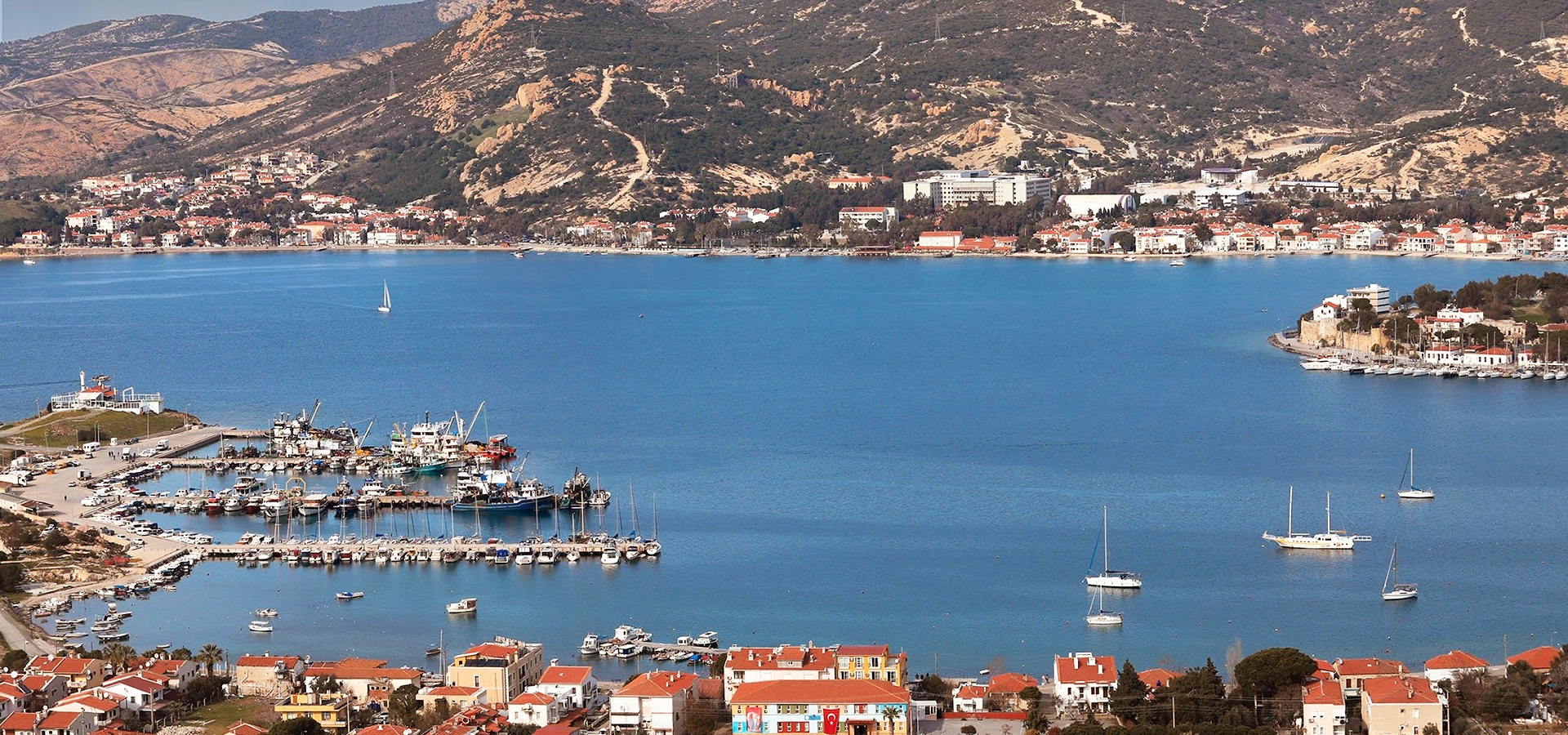
Combine historical exploration with Foça's harbor, traditional neighborhoods, coastal scenery and relaxed Aegean atmosphere.
Plan Your Foça ExperienceFollow the Aegean coastline through fortresses that protected strategic harbors and maritime routes for centuries.
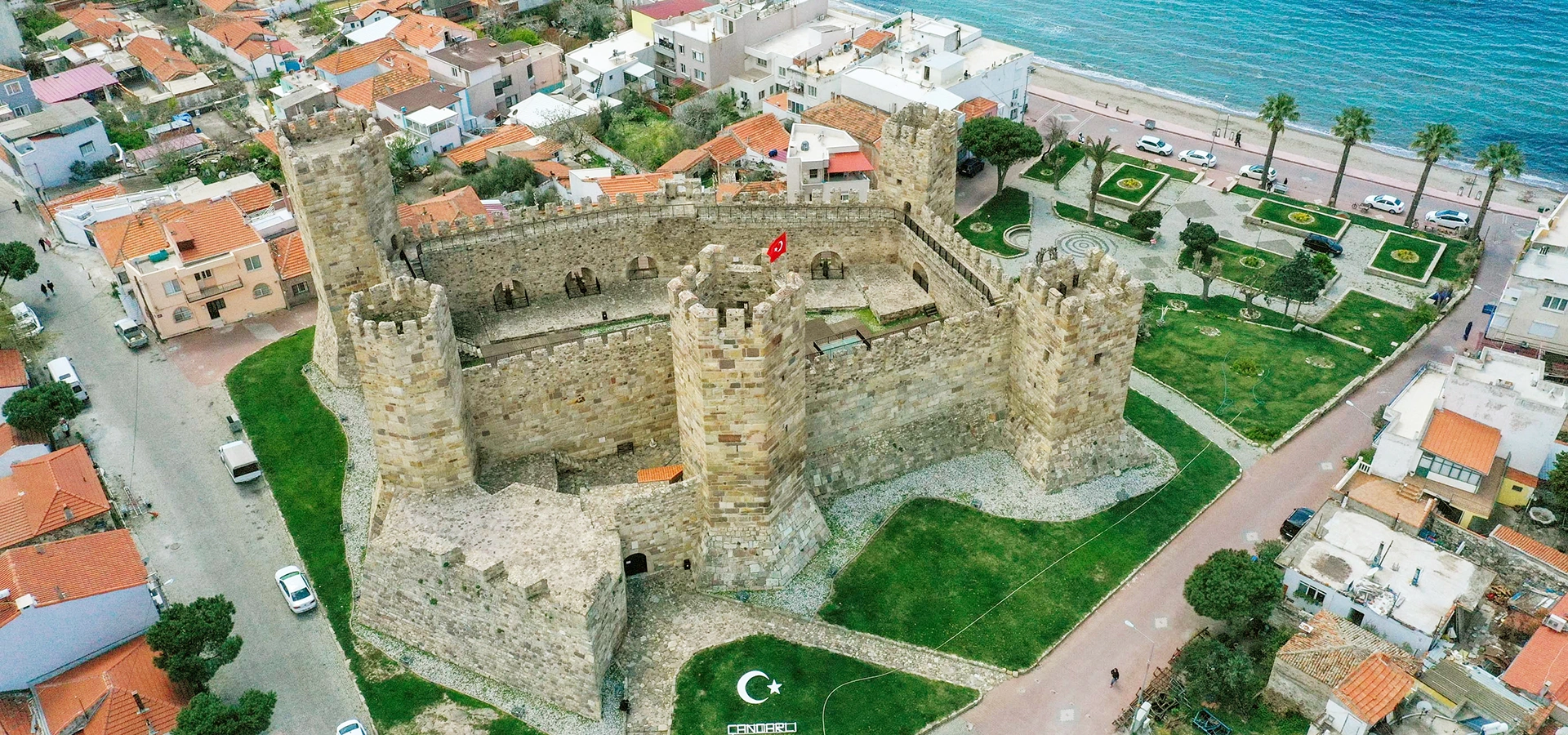
Explore another remarkable fortified harbor of northern İzmir and continue the story of Genoese and Ottoman maritime defense.
Explore Çandarlı Castle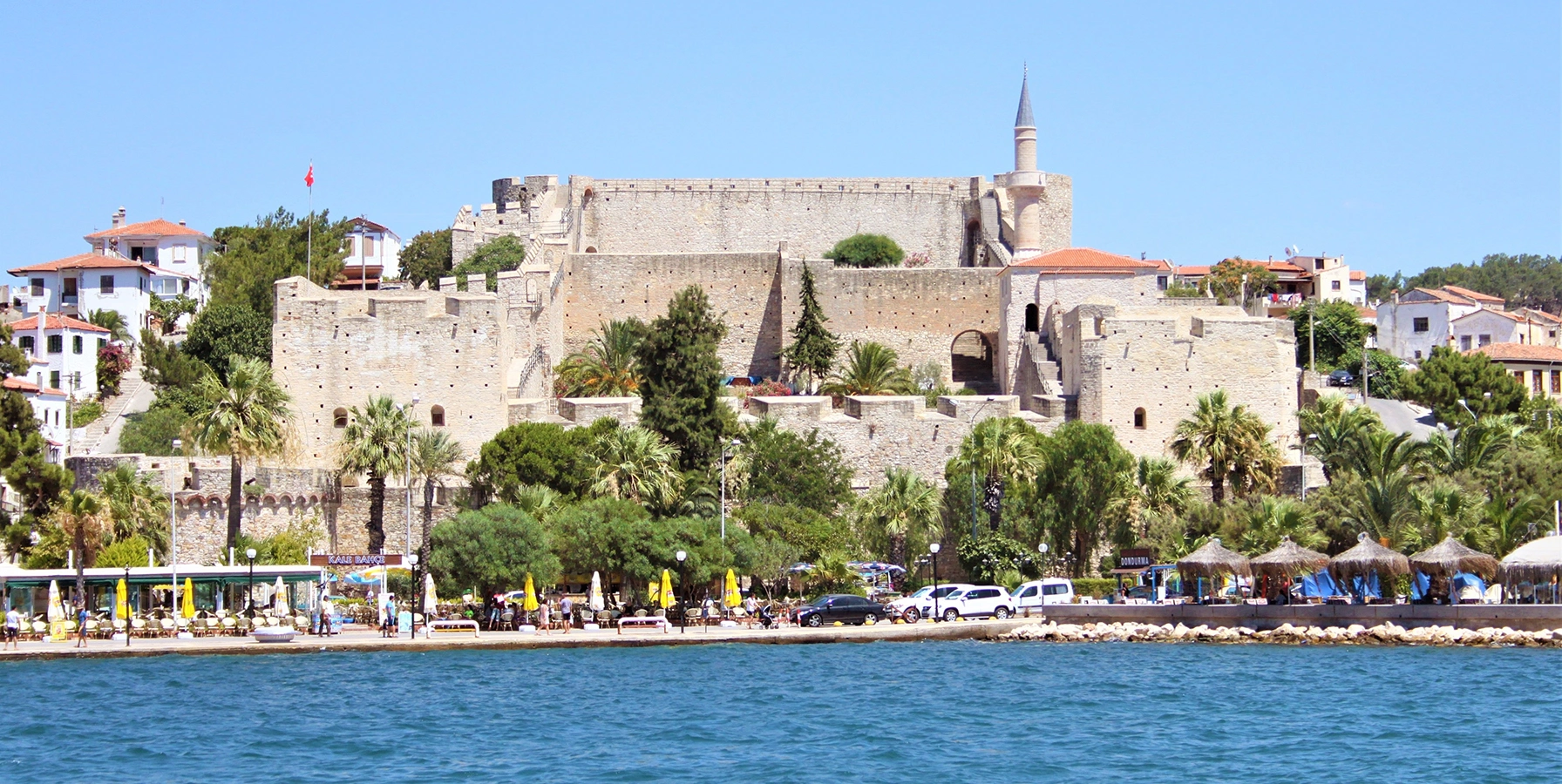
Discover the monumental fortress protecting Çeşme's historic harbor on the western edge of the İzmir Peninsula.
Explore Çeşme CastleContinue from historic Foça toward traditional towns, dramatic peninsulas and archaeological landscapes around the Aegean.
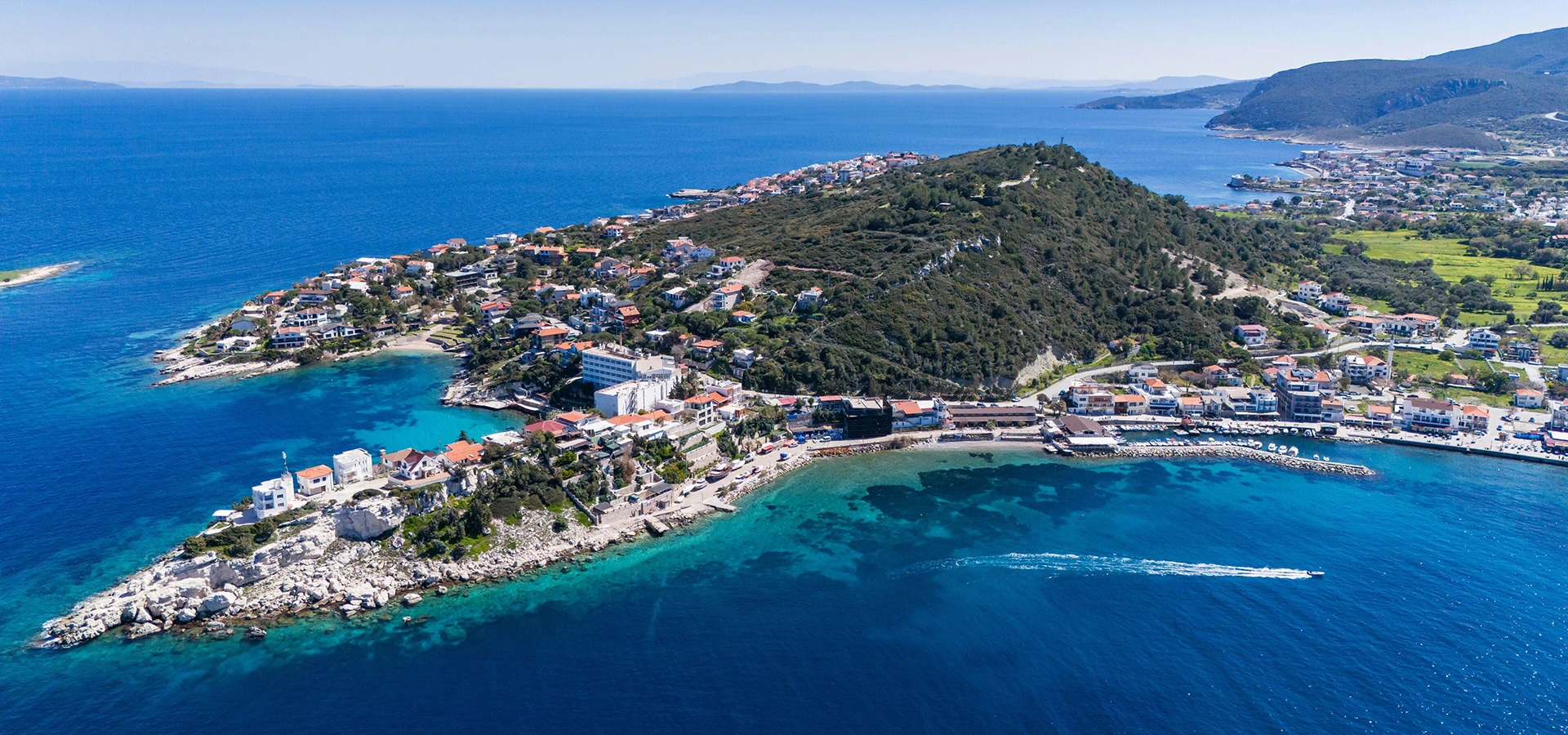
Explore one of İzmir's quietest peninsulas with traditional villages, rugged coastlines and beautiful Aegean scenery.
Explore Karaburun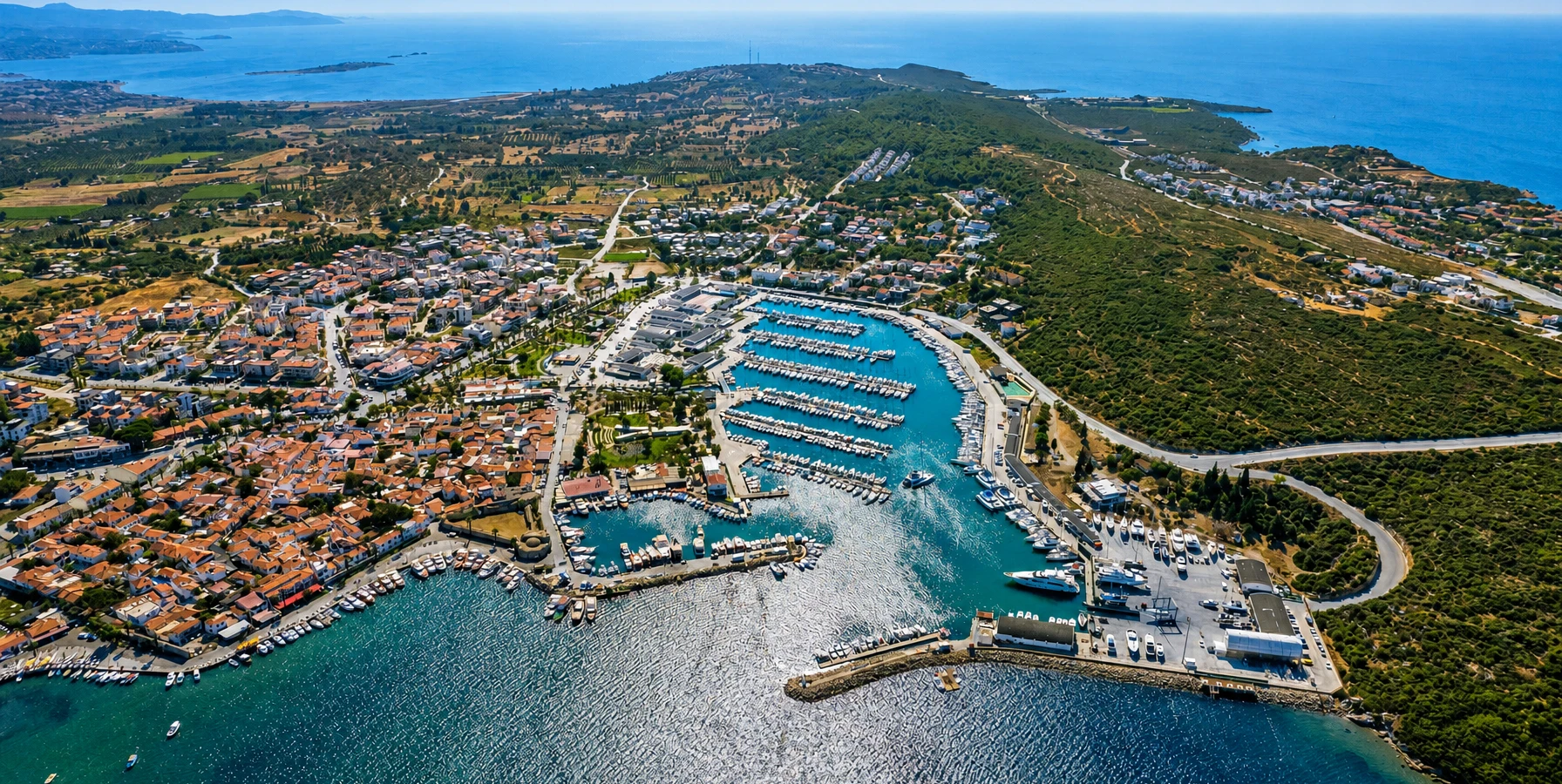
Discover another historic Aegean district combining ancient heritage, coastal landscapes and traditional town life.
Explore Seferihisar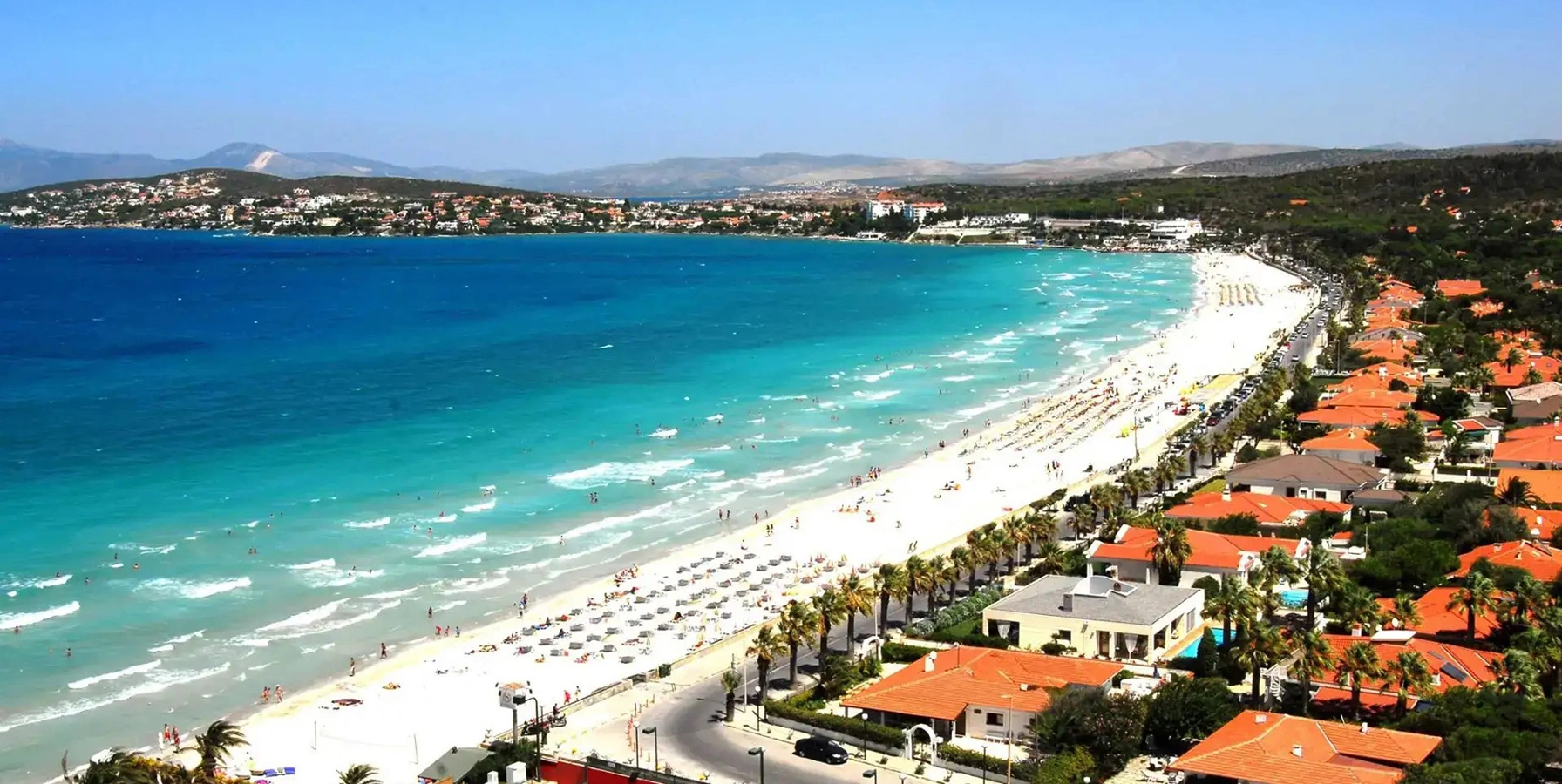
Continue through the İzmir Peninsula to stone houses, historic windmills, traditional streets and one of the Aegean's most distinctive towns.
Explore Alaçatı