Hungarian Exile, Ottoman Hospitality and a House of Memory

Rákóczi Museum House – Complete Visitor Guide

Discover the Tekirdağ home of Prince Ferenc II Rákóczi,
one of the most important Hungarian memorial sites outside Hungary.

Discover the Rákóczi Museum

Discover the Rákóczi Museum House in Tekirdağ

The Rákóczi Museum House in Tekirdağ preserves the memory of Ferenc II Rákóczi, Prince of Transylvania and leader of the Hungarian struggle for independence against Habsburg rule in the early eighteenth century. After years of political exile in Europe, Rákóczi accepted an invitation from Ottoman Sultan Ahmed III and eventually settled with his followers in Tekirdağ, historically known to Hungarians as Rodostó.

Rákóczi lived in Tekirdağ from 1720 until his death in 1735. Around him developed a small Hungarian exile community whose members included nobles, soldiers, servants, writers and political companions. The best-known literary witness to this world was Kelemen Mikes, whose celebrated Letters from Turkey transformed daily life in exile into one of the classics of Hungarian prose.

Today the museum is far more than a historic house. It is a powerful symbol of Turkish-Hungarian historical relations, political exile, memory and cultural survival. Its restored Ottoman domestic architecture, period-style interiors, portraits, objects and modern exhibition introduce visitors to Rákóczi's family, his independence movement and the remarkable final chapter of his life in the Ottoman Empire.

1720–1735

Ferenc II Rákóczi spent the final fifteen years of his life in Tekirdağ, the Ottoman port known in Hungarian tradition as Rodostó.

Hungarian Exile

The house recalls the political refugees who settled in Tekirdağ under the protection of Sultan Ahmed III.

Ottoman House

The memorial preserves the atmosphere of an eighteenth-century Ottoman residence associated with Rákóczi's community.

Shared Heritage

The museum is one of the most important cultural symbols connecting the histories of Türkiye and Hungary.

Know Before You Visit

Rákóczi Museum House – Quick Facts

Essential information about one of Tekirdağ's most distinctive historic house museums.

📍

Location

Ertuğrul Mahallesi in central Süleymanpaşa, Tekirdağ, overlooking the Marmara coast.

Open Rákóczi Museum on Google Maps
👑

Who Lived Here?

Ferenc II Rákóczi, Prince of Transylvania and leader of the Hungarian War of Independence of 1703–1711.

📜

Years in Tekirdağ

Rákóczi and his followers settled in Rodostó/Tekirdağ in 1720. He remained here until his death in 1735.

🏛️

Museum

The house was restored with Hungarian involvement and today serves as a memorial to Rákóczi and the Hungarian political exiles.


From Revolution to Exile

The Story Behind the Rákóczi Museum

The history of this small house reaches from Central European politics to the Ottoman court and the shores of the Sea of Marmara.

Ferenc II Rákóczi (1676–1735) belonged to one of the most prominent noble families of the Hungarian and Transylvanian world. He became the central political figure of the uprising that broke out in 1703 against Habsburg rule, a conflict remembered in Hungary as the Rákóczi War of Independence.

The struggle lasted until 1711. Rákóczi did not accept the political settlement that followed and spent years seeking support abroad. His exile took him through Poland and France before the Ottoman Empire offered him refuge during the reign of Sultan Ahmed III.

Rákóczi arrived in Ottoman territory in 1717. In 1720, the sultan designated the busy Marmara port of Rodostó, today's Tekirdağ, as the residence of Rákóczi and the Hungarian political exiles who had accompanied him.

The exiles lived in a group of houses close to the coast. Rákóczi continued corresponding with European courts, writing and reflecting on his political career while maintaining the ceremonial life of a prince in exile. His household became a small cultural and intellectual centre far from Hungary.

Rákóczi died in Tekirdağ on 8 April 1735. Over the centuries, Rodostó became deeply embedded in Hungarian historical memory as a symbol of exile, loyalty and the hope of national independence.

People, Places and Memory

What Makes the Rákóczi Museum Important?

The museum brings together Hungarian political history, Ottoman hospitality, literature, architecture and the personal story of a community living far from home.

Ferenc II Rákóczi

The museum is dedicated above all to Ferenc II Rákóczi, the Transylvanian prince whose name became inseparable from the Hungarian independence movement of the early eighteenth century.

  • Born: 1676
  • Died: 1735 in Tekirdağ
  • Known for: Leadership of the 1703–1711 independence struggle

The Rákóczi War of Independence

Between 1703 and 1711, Rákóczi led a major anti-Habsburg movement seeking to restore Hungarian political self-determination. Its failure ultimately shaped the rest of his life.

  • Period: 1703–1711
  • Region: Kingdom of Hungary and Transylvania
  • Aftermath: Rákóczi chose exile rather than political submission

Ottoman Refuge

Sultan Ahmed III invited Rákóczi to the Ottoman Empire. After his arrival in 1717, the prince and his companions were eventually assigned a permanent residence in Rodostó.

  • Ottoman ruler: Sultan Ahmed III
  • Arrival: 1717
  • Settlement in Tekirdağ: 1720

The Hungarian Colony of Rodostó

Rákóczi did not live in isolation. A wider Hungarian exile community settled in neighbouring houses, creating a remarkable Central European enclave on the Marmara coast.

  • Community: Political exiles and their households
  • Historic name: Rodostó
  • Legacy: A lasting symbol of Hungarian exile

Kelemen Mikes

Writer and courtier Kelemen Mikes accompanied Rákóczi into exile and later became one of the most famous literary voices associated with Tekirdağ.

  • Born: 1690
  • Role: Rákóczi's companion and secretary
  • Famous work: Letters from Turkey

Letters from Turkey

Mikes's Törökországi levelek, commonly translated as Letters from Turkey, offers a vivid literary portrait of everyday life, homesickness, humour and exile in Rodostó.

  • Language: Hungarian
  • Setting: Ottoman exile
  • Importance: A classic of Hungarian prose

Ottoman Domestic Architecture

The memorial house preserves the atmosphere of an Ottoman-era residence with timber construction, projecting upper floors, decorative woodwork and intimate interior rooms.

  • Building type: Historic Turkish house
  • Character: Timber domestic architecture
  • Setting: Historic hillside neighbourhood above the Marmara coast

Turkish-Hungarian Shared Heritage

Few places in Türkiye express the long and complicated relationship between Ottoman and Hungarian history as personally as Rákóczi's house in Tekirdağ.

  • Theme: Political asylum and cultural memory
  • Countries: Türkiye and Hungary
  • Today: A major Hungarian memorial site abroad

Who Was Ferenc II Rákóczi?

Ferenc II Rákóczi was born in 1676 into a family with deep political connections to Transylvania and the Kingdom of Hungary. His family background placed him at the centre of the complex relationship between the Habsburg monarchy, Transylvania and the Ottoman world.

Aristocratic Background

Rákóczi belonged to one of the most powerful noble families in the Hungarian lands and inherited substantial political prestige.

Prince of Transylvania

He became closely associated with the Transylvanian princely tradition and emerged as a national political leader during the anti-Habsburg uprising.

Independence Leader

From 1703, Rákóczi became the central figure of a movement seeking greater Hungarian autonomy and political self-determination.

Symbol of Exile

After the struggle ended, his refusal to abandon his political position transformed him into one of Hungary's most enduring symbols of principled exile.


For Hungarian visitors, Rákóczi is therefore not simply a historical personality. His life combines political leadership, military struggle, personal sacrifice, exile and an extraordinary afterlife in national memory.

The Hungarian War of Independence and Its Aftermath

The uprising associated with Rákóczi began in 1703 during a period of deep political and social tension in the Hungarian lands. Supporters of the movement, often known as Kuruc forces, fought against Habsburg authority for much of the following decade.

1703 The anti-Habsburg uprising expands and Rákóczi emerges as its political leader
1704 Rákóczi is elected Prince of Transylvania
1705 His political leadership over the confederated estates is formally strengthened
1711 The conflict ends with the Peace of Szatmár while Rákóczi remains outside the country
After 1711 Rákóczi seeks diplomatic support abroad rather than accepting the settlement personally

The end of the war did not end Rákóczi's political hopes. He continued looking for international support, first in Central and Western Europe and later from within the Ottoman Empire.

Why Did Rákóczi Come to Ottoman Türkiye?

After years in Poland and France, Rákóczi accepted an invitation from Sultan Ahmed III and entered Ottoman territory in 1717. He hoped changing European alliances might someday allow him to renew the Hungarian political struggle.

The diplomatic situation changed, however, and a return to political power became increasingly unrealistic. The Ottoman government nevertheless continued to provide Rákóczi and his companions with protection and a place to live.

Political Refuge

The Ottoman Empire provided Rákóczi and his companions with a secure place of residence after their years of wandering in Europe.

Sultan Ahmed III

The sultan's invitation and patronage created the conditions for Rákóczi's final years in Ottoman lands.

From Diplomacy to Exile

Rákóczi continued corresponding with European courts even after hopes for a successful return to Hungary had faded.

Permanent Settlement

In 1720, Rodostó on the Sea of Marmara became the designated residence of the Hungarian exile community.

Rodostó – The City of the Hungarian Exiles

Tekirdağ has carried many names through history. In European languages the old name Rodosto remained widely known, while Hungarians traditionally call the city Rodostó. Because of Rákóczi and his companions, that name gained an emotional meaning far beyond geography.

In 1720, the Ottoman authorities allocated houses and space in the port city for Rákóczi's entourage. Hungarian memorial sources describe a sizeable group of neighbouring residences that formed a distinct exile quarter.

A Marmara Port

Rodostó was a commercially active Ottoman port on the northern shore of the Sea of Marmara.

A Community in Exile

The Hungarian refugees lived near one another, maintaining courtly customs, language, correspondence and social life.

Close to Istanbul

Its position within reach of the Ottoman capital allowed communication with officials, diplomats and wider imperial networks.

A National Symbol

Over time, Rodostó became a poetic and historical symbol of Hungarian exile and loyalty to a lost political cause.


For this reason, many Hungarian travelers visit Tekirdağ not simply to see a museum, but to encounter a place deeply embedded in their country's historical consciousness.

The Rákóczi House and Its Architecture

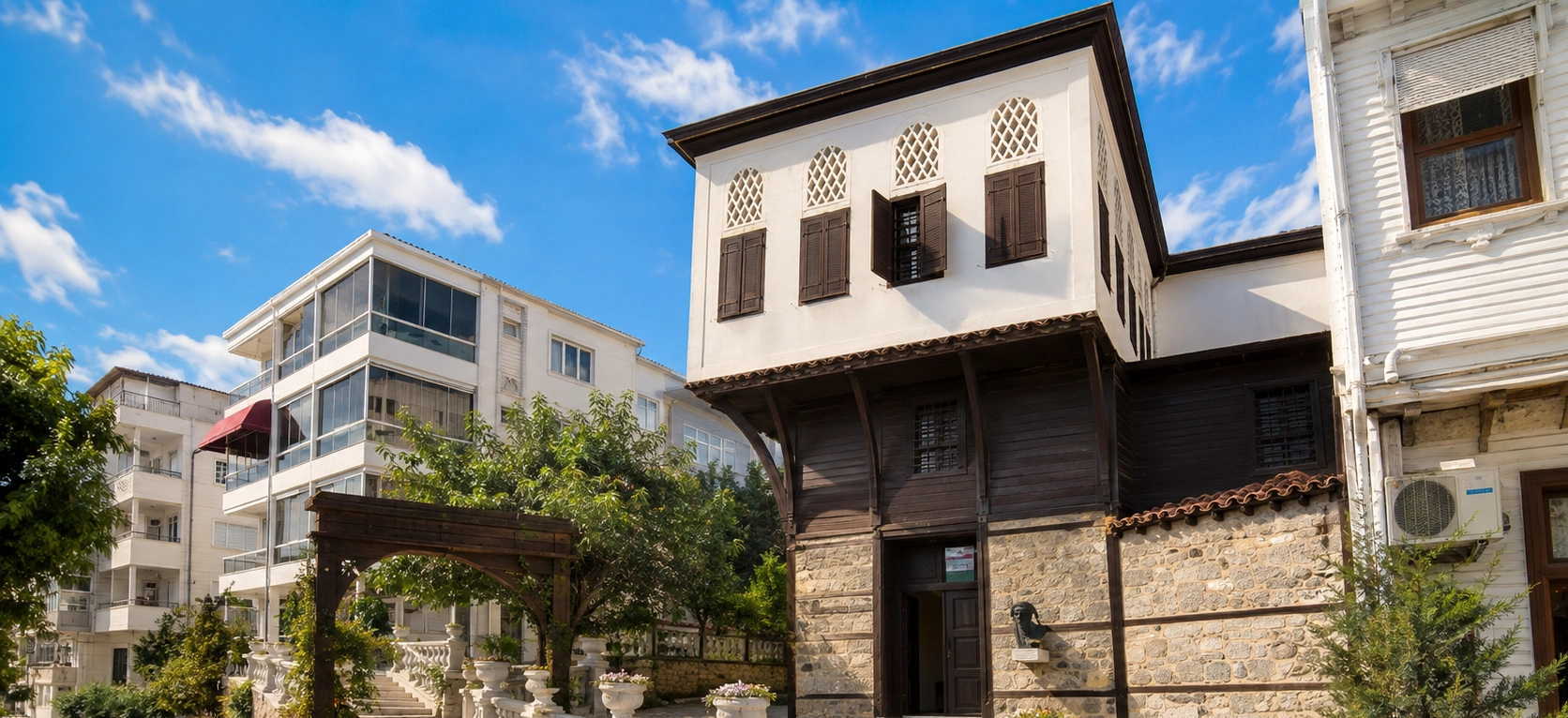
The museum occupies a historic Turkish house associated with the residence of Rákóczi in Tekirdağ. Its architectural character reflects the timber domestic tradition of the Ottoman period rather than the monumental architecture of palaces, mosques or fortresses.

Timber Construction

Wood is one of the defining materials of the building and gives the house the intimate scale of an Ottoman urban residence.

Projecting Upper Floors

The upper levels extend outward in the manner characteristic of many traditional Turkish houses.

Decorative Woodwork

Interior and exterior wooden details contribute to the historic atmosphere and visual identity of the museum.

Sea-Facing Setting

The historic neighbourhood occupies sloping ground above the Marmara coast, connecting the house visually with Tekirdağ's maritime landscape.


The building has undergone restoration over time, so visitors should understand it as both a historic residence and a carefully maintained memorial environment shaped by later conservation work.

Rooms and Interiors of the Rákóczi Museum

The museum's rooms are arranged to evoke the world of the prince and the Hungarian political exiles who lived in eighteenth-century Rodostó. The most memorable spaces combine Ottoman domestic architecture with displays connected to Hungarian history.

Reception and Dining Spaces Formal rooms recall the ceremonial household of a prince living in exile
Decorated Ceilings Wooden structural elements and ornamental details create one of the most atmospheric features of the interior
Traditional Windows Upper-floor windows and filtered light reinforce the character of an Ottoman domestic interior
Historic Furnishings Furniture, reproductions and display objects help visitors imagine everyday life in the exile household
Portraits and Memorial Objects Images of Rákóczi, his family and companions connect the building with the wider history of the independence movement

The museum is relatively intimate in scale. Its strength lies not in a huge collection but in the way architecture, objects and biography come together in the very city where Rákóczi spent his final years.

The Museum Collection and Exhibition

The exhibition presents the life of Ferenc II Rákóczi, his family, the Hungarian independence struggle and the experience of political emigration in the Ottoman Empire.

Rákóczi and His Family

Portraits and historical displays introduce the prince's family background and the political world from which he came.

War of Independence

Exhibition material explains the events of 1703–1711 and the political cause that shaped Rákóczi's life.

Personal and Family Objects

Official Turkish tourism information notes that objects connected with Rákóczi and his family form part of the museum display.

Turkish-Hungarian Connections

Displays also emphasize cultural parallels and the long relationship between the two peoples.

Life in Rodostó

The exhibition explores how the exiles lived, maintained their community and adapted to a permanent life far from Hungary.

Multilingual Interpretation

The modernized exhibition was designed to make the history accessible to international visitors as well as Hungarian pilgrims.

Kelemen Mikes and Letters from Turkey

One of the most fascinating figures connected with the Rákóczi community is Kelemen Mikes (1690–1761). He accompanied the prince into exile and remained in the Ottoman Empire long after Rákóczi's death.

Mikes transformed the experience of displacement into literature through a sequence of fictional letters generally known in English as Letters from Turkey. Addressed to an imaginary relative, the letters combine observation, melancholy, wit, homesickness and descriptions of everyday life.

Companion of Rákóczi

Mikes belonged to the prince's inner circle and witnessed the long years of exile at close range.

Life in Tekirdağ

Rodostó became the setting for many of his reflections on home, community and the passing of time.

Hungarian Literary Classic

The letters are now considered among the most important prose works of eighteenth-century Hungarian literature.

A Human Perspective

Unlike diplomatic records, Mikes's writing brings the exile community to life through small details, emotions and personal observations.


Understanding Mikes adds another dimension to the museum. Rákóczi House is not only the memorial of a political leader; it is also connected to one of the most vivid literary records of life in the Ottoman Empire written by a European exile.

Rákóczi's Writings in Rodostó

Political exile did not mean intellectual silence. Hungarian memorial sources emphasize that Rákóczi continued writing during his years in Rodostó, turning his enforced distance from Hungary into a period of reflection.

Memoirs Rákóczi reflected on the political events and struggles that had shaped his life
Confessions His spiritual and autobiographical writing reveals a deeply personal side of the exiled prince
Contemplations Religious and philosophical reflection became an important part of his later intellectual life
Treatise on Power Political thought remained central even after the possibility of returning to rule had disappeared

These writings help explain why Rodostó occupies such an important place in Rákóczi's biography: it was both the end of his political career and the setting in which he shaped the memory of that career for later generations.

Rákóczi's Death, Burial and Return to Hungary

Ferenc II Rákóczi died in Tekirdağ on 8 April 1735. His death did not end the symbolic journey of the prince or the Hungarian exile community.

1735 – Tekirdağ Rákóczi dies in Rodostó after fifteen years in the city
Istanbul His remains were buried in the Saint Benedict religious complex in the Ottoman capital, close to his mother Ilona Zrínyi
1906 Rákóczi's remains were ceremonially transferred from Istanbul back to his historic homeland
Košice He was reburied in St. Elizabeth Cathedral in Košice, today in Slovakia

The transfer in 1906 was a major act of national remembrance. Yet Tekirdağ retained a powerful place in the Rákóczi story because the city preserves the landscape, house and memory of the years he spent in Ottoman exile.

Restoration and the Creation of the Museum

The buildings associated with the Hungarian exile community gradually deteriorated after the eighteenth century. By the late nineteenth and early twentieth centuries, preserving the surviving Rákóczi heritage had become an important cultural concern.

1932 Restoration

Turkish official sources record that the Hungarian government restored the Rákóczi house in 1932 in keeping with its historic character.

Museum Opening

Official Tekirdağ tourism information records that the museum was opened to visitors on 25 September 1982.

2007 Conservation

Hungarian memorial information notes a major restoration carried out by the Republic of Hungary in 2007.

Renewed Exhibition

A modernized exhibition about Rákóczi, his family, the independence movement and the exile community has been presented since 2010.


These different stages explain why the museum combines genuine historical memory with later conservation, reconstruction and exhibition design. The result is a living memorial rather than an untouched eighteenth-century house.

Why the Museum Matters to Turkish-Hungarian Relations

The Rákóczi Museum has significance far beyond the biography of one prince. It represents a moment when the Ottoman Empire gave refuge to a political leader whose cause had failed in Central Europe.

For Hungary, Tekirdağ became a place of national memory. For Türkiye, the story is part of a much wider history of diplomacy, migration, asylum and cultural exchange between the Ottoman world and Central Europe.

Political Asylum

Rákóczi's final years illustrate the Ottoman tradition of receiving foreign political exiles at key moments in European history.

Cultural Exchange

The exile community lived within Ottoman society while preserving its own language, traditions and political identity.

Modern Commemoration

Hungarian delegations and travelers continue to visit Tekirdağ for remembrance ceremonies and cultural events.

International Heritage

The museum demonstrates how a local historic house can hold meaning for communities and nations far beyond its immediate surroundings.

Rákóczi Museum Visitor Information

The museum is located in the historic centre of Tekirdağ's Süleymanpaşa district and can easily be combined with other cultural attractions in the city.

Location Ertuğrul Mahallesi, central Süleymanpaşa, Tekirdağ
Opening Days Official listings currently state Tuesday to Sunday
Opening Hours 09:00–12:00 and 13:00–17:00
Closed Monday
Telephone +90 282 263 85 77
Photography The provincial tourism listing states that photography is prohibited; ask museum staff about the current rule before taking interior photographs

Important: Opening hours, admission arrangements and photography rules can change during public holidays, restoration work or special events. Confirm locally before making a special journey.

How Much Time Do You Need at the Rákóczi Museum?

The museum is compact, but visitors interested in Hungarian history, Ottoman diplomacy or literary history may want to spend more time reading the displays and understanding the wider story.

Quick Visit

Allow around 30 minutes if you mainly want to see the house, principal rooms and basic exhibition.

History-Focused Visit

Allow 45–60 minutes if you want to follow Rákóczi's biography, the independence struggle and the exile years carefully.

Hungarian Heritage Visit

Visitors with a special interest in Rákóczi or Kelemen Mikes may want an hour or more to appreciate the memorial context.

Combine with Tekirdağ

The museum works especially well as part of a half-day walking route through central Tekirdağ's historic and cultural sites.

Rákóczi Museum Visitor Tips

Read the History First

A basic understanding of the 1703–1711 independence movement makes the house far more meaningful.

Remember the Name Rodostó

Hungarian sources often refer to Tekirdağ as Rodostó. Knowing this name helps connect the museum with Hungarian literature and memory.

Look Beyond Rákóczi

Pay attention to the wider exile community, especially Kelemen Mikes and the people who remained in Ottoman lands for decades.

Notice the Architecture

The modest scale of the wooden house is an important contrast with the grand political history associated with its resident.

Ask About Photography

Official local information lists interior photography as prohibited. Check with museum staff before taking photographs.

Visit the Surrounding Streets

The historic quarter around the museum helps you imagine the neighbourhood where the Hungarian exile community once lived.

Combine with Rüstem Pasha Mosque

Tekirdağ's major Ottoman monument provides another perspective on the city's history and can be visited during the same walk.

Allow Time for the Waterfront

The nearby Marmara coast adds geographical context to the story of a community that lived in an Ottoman port city.

Places to Visit Near the Rákóczi Museum

The museum stands in one of the most historically interesting parts of central Tekirdağ. Several cultural landmarks can be combined into an easy city itinerary.

Tekirdağ City Guide

Explore the wider city, Marmara waterfront, museums, historic streets, local foods and cultural attractions of Tekirdağ.

Rüstem Pasha Mosque & Complex

Visit Tekirdağ's important sixteenth-century Ottoman mosque and complex associated with Grand Vizier Rüstem Pasha and the architectural tradition of Mimar Sinan.

Tekirdağ Archaeology & Ethnography Museum

Discover archaeological finds, coins, stone monuments and ethnographic objects illustrating the much longer history of the Tekirdağ region.

Namık Kemal House

Explore the memorial house dedicated to Namık Kemal, one of the most important literary and intellectual figures of the late Ottoman period.

Historic Tekirdağ Streets

Walk through the older hillside neighbourhoods to see surviving examples of traditional urban architecture and the city's layered cultural character.

Marmara Waterfront

Continue downhill to the sea and experience the port landscape that shaped everyday life in eighteenth-century Rodostó.

Frequently Asked Questions About the Rákóczi Museum House

What is the Rákóczi Museum House?

The Rákóczi Museum House is a historic memorial museum in Tekirdağ dedicated to Ferenc II Rákóczi, his family, the Hungarian independence struggle and the political exiles who lived in Ottoman Rodostó.

Where is the Rákóczi Museum?

It is located in Ertuğrul Mahallesi in central Süleymanpaşa, Tekirdağ, on the northern coast of the Sea of Marmara.

Who was Ferenc II Rákóczi?

Ferenc II Rákóczi was a Prince of Transylvania and the leading figure of the Hungarian anti-Habsburg independence movement fought between 1703 and 1711.

Why did Rákóczi live in Türkiye?

After the failure of the Hungarian independence struggle, Rákóczi lived in political exile. He accepted an invitation from Ottoman Sultan Ahmed III and entered Ottoman territory in 1717.

When did Rákóczi settle in Tekirdağ?

Rákóczi and his companions settled in Rodostó, today's Tekirdağ, in 1720.

How long did Rákóczi live in Tekirdağ?

He lived in Tekirdağ for approximately fifteen years, from 1720 until his death in 1735.

What does Rodostó mean?

Rodostó is the traditional Hungarian name for Tekirdağ, related to the city's older historical name Rodosto. Because of Rákóczi, the name has a special place in Hungarian historical memory.

Who were the Hungarian exiles in Rodostó?

They were political companions, nobles, soldiers, courtiers, servants and family members who followed Rákóczi into Ottoman exile and lived in neighbouring houses in Tekirdağ.

Who was Kelemen Mikes?

Kelemen Mikes was a Hungarian writer and member of Rákóczi's exile community. He is famous for Letters from Turkey, a literary portrayal of life in Ottoman exile.

What can I see inside the Rákóczi Museum?

Visitors can see restored historic interiors, portraits, memorial objects, personal and family-related items, and displays explaining Rákóczi's life, the independence movement and the Hungarian exile community.

Is the Rákóczi House an Ottoman building?

The memorial is associated with a historic Turkish house and preserves the character of Ottoman domestic architecture, especially through its timber construction and traditional interior atmosphere.

When did the building become a museum?

Turkish official sources note Hungarian restoration work in 1932 and record that the museum opened to visitors on 25 September 1982. The building underwent another major Hungarian restoration in 2007, followed by a modernized exhibition.

When was the museum last significantly restored?

Hungarian memorial information records a major restoration by the Republic of Hungary in 2007, with a renewed exhibition available from 2010.

What are the Rákóczi Museum opening hours?

Official listings currently state Tuesday to Sunday, 09:00–12:00 and 13:00–17:00, with the museum closed on Monday. Confirm before visiting because schedules can change.

Is the Rákóczi Museum open on Mondays?

No. Current official visitor information lists Monday as the museum's weekly closing day.

Can I take photographs inside the Rákóczi Museum?

The Tekirdağ provincial tourism listing states that photography is prohibited. Ask museum staff about the current policy before taking interior photographs.

How much time should I allow for the museum?

Around 30–60 minutes is suitable for most visitors. Travelers with a strong interest in Hungarian history or the Rákóczi exile may wish to stay longer.

Is the Rákóczi Museum worth visiting?

Yes, especially for visitors interested in Hungarian history, Ottoman diplomacy, political exile, literature and historic houses. It is one of the most unusual cultural sites in Tekirdağ.

Why is the Rákóczi Museum important to Hungarians?

Rákóczi is one of Hungary's major national historical figures, and Rodostó became a lasting symbol of his exile. The museum is therefore an important place of remembrance for Hungarian visitors.

Where was Rákóczi buried?

After his death in Tekirdağ, Rákóczi was buried in Istanbul. His remains were transferred in 1906 and are now interred in St. Elizabeth Cathedral in Košice, Slovakia.

What else should I visit in Tekirdağ?

Combine the museum with Rüstem Pasha Mosque, the Tekirdağ Archaeology and Ethnography Museum, Namık Kemal House, the historic centre and the Marmara waterfront.

Photography at the Rákóczi Museum

The exterior of the house, its timber façade, traditional entrance and surrounding historic streets make the museum an attractive subject for travel photography. Interior photography, however, should be treated differently.

Exterior Façade

The projecting wooden upper floors and entrance provide the clearest architectural view of the memorial house.

Historic Street

Step back to include the surrounding neighbourhood and show the house within Tekirdağ's older urban fabric.

Architectural Details

Woodwork, shutters, windows and entrance details help communicate the character of a traditional Turkish house.

Interior Restrictions

Official provincial information states that photography is prohibited inside. Always follow staff instructions and any signs displayed during your visit.


Even if rules have changed since an online listing was published, always ask permission before photographing inside the museum or photographing staff and other visitors.

Tekirdağ and Cultural Heritage Journeys

The Rákóczi Museum can be included in a private route through Tekirdağ, Edirne, Gallipoli, Troy and the wider heritage landscapes of western Türkiye.

Custom Tekirdağ Experience

Tell us your interests and we can design a private cultural route focused on Ottoman history, Hungarian heritage, museums, local food and the Marmara coast.

Longer Heritage Journeys

Tekirdağ is well positioned for travelers moving between Istanbul, Edirne and the Dardanelles, making the Rákóczi Museum an excellent addition to a wider historical itinerary.