Five-millimetre squares
The small pasta size is one of the most recognisable technical details.






Sübüra is a traditional Sivas dough dish made from exceptionally small squares of egg-and-flour pasta. The boiled pieces are usually dressed with garlic yoghurt and red-pepper butter.
The small pasta size is one of the most recognisable technical details
A name given to even smaller village-style pasta pieces
The standard dish is boiled small pasta, despite the historical sound of its name
Extra dough pieces can be dried before later cooking
Its place in Sivas cuisine and the defining preparation details.
Sivas province, Türkiye
Regional food
Mix flour, egg, water and salt into a firm dough.
No confirmed registration claimed for this specific dish
Although its name resembles “su böreği”, the provincial culinary record explicitly says that ordinary sübüra is not the layered oven-baked su böreği commonly found elsewhere. In Sivas it is made from small, individual square pieces cut from rolled pasta dough.
The local method mixes egg, water, salt and flour into a fairly firm dough. Thin rolled sheets are lightly dried, dusted with flour, stacked and cut into narrow strips, then across the strips to yield squares around five millimetres. Village cooks may cut even smaller pieces called boncuk hamur.
Because the little squares can be dried and stored, sübüra also belongs to the pantry traditions of households that prepared pasta in quantity. A separate filled version, yapma sübürâsı, is closer to a dumpling or mantı and should not be presented as the unfilled dish.
The small pasta size is one of the most recognisable technical details.
A name given to even smaller village-style pasta pieces.
The standard dish is boiled small pasta, despite the historical sound of its name.
Extra dough pieces can be dried before later cooking.
Some families use browned mince or an egg cooked in butter.
These are ingredients documented in the local culinary sources or used in the explained traditional method. Amounts are included only where the available source specifies them; household quantities vary.
Wheat flour
Egg
Water and salt
Yoghurt
Garlic
Butter or clarified butter
Red pepper flakes
Optional browned mince or fried egg in some family versions
The provincial record describes rolling dough approximately a millimetre thin and cutting squares of about five millimetres. Sheets can be stacked after dusting with flour, but too much moisture would cause the layers to glue together.
Su böreği is a layered pastry cooked with multiple large sheets and a filling. Sübüra is boiled like small pasta and dressed with yoghurt and butter. The resemblance of the names has generated confusion, which the local culinary source explicitly addresses.
The most familiar topping over the boiled squares.
Some homes finish the dish with pan-browned meat.
The provincial account records butter-fried egg as another option.
The separate filled preparation uses larger parcels and should be identified as such.
Spoon the sauced pasta into shallow bowls and add red-pepper butter while hot. This is a wheat-and-dairy dish; visitors with relevant dietary restrictions should ask about the egg, yoghurt and any meat topping.
Village families can cut extra squares and dry them. Later, the pieces are quickly boiled in salted water and served with garlic yoghurt. The even smaller boncuk hamur variety shows how fine the cutting skill could become.
Do not confuse the dish with layered su böreği or with meat-filled hıngel.
Cut pieces uniformly so they cook at a similar rate.
Ask local restaurants, bakers or specialist food shops for Sübüra. Availability depends on the dish and preparation schedule; slow-cooked, preserved and festival foods are not necessarily offered every day. For historical context and other Sivas places, browse our Sivas food and craft guide.
No. The common Sivas dish consists of tiny boiled pasta squares.
A local name for particularly tiny hand-cut pieces of pasta.
Ordinary sübüra is unfilled; yapma sübüra is a separate filled version.
Yes, cut pieces may be dried for later cooking.
The Sivas Provincial Directorate of Culture and Tourism publishes a documented introduction to Sübüra or the relevant Sivas culinary tradition, linked in the sources below.
This guide draws on the provincial Culture and Tourism Directorate’s culinary documentation and, where the product is registered, TÜRKPATENT’s official geographical-indication register. Historical traditions are identified as local culinary accounts, not dated archaeological proofs.
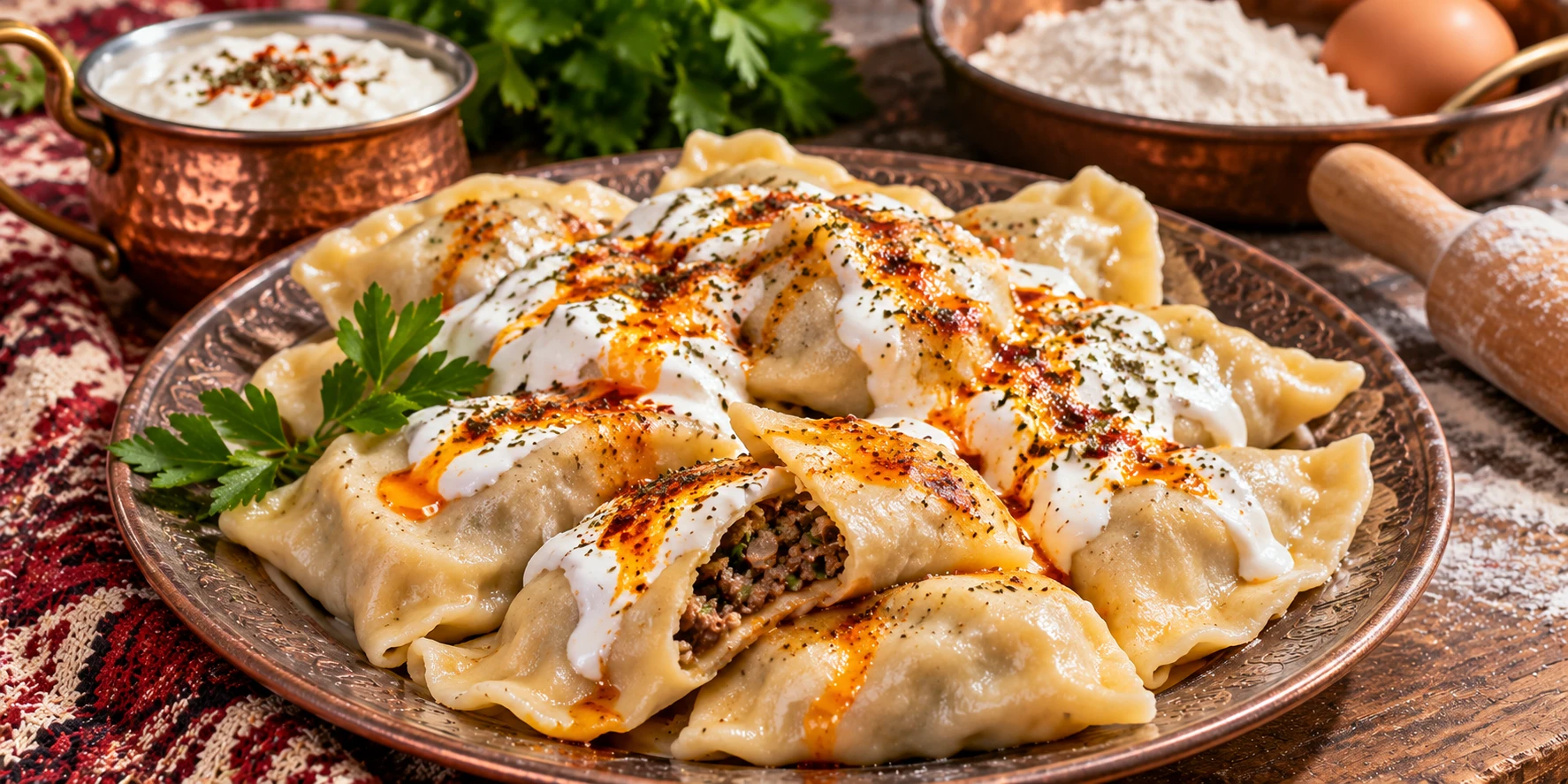
Hıngel is a handmade dumpling with a thin wheat dough folded around seasoned potato or minced meat. Its Sivas version is boiled and commonly served with buttery sauce and, depending on the filling, garlic yoghurt.
Read Food Guide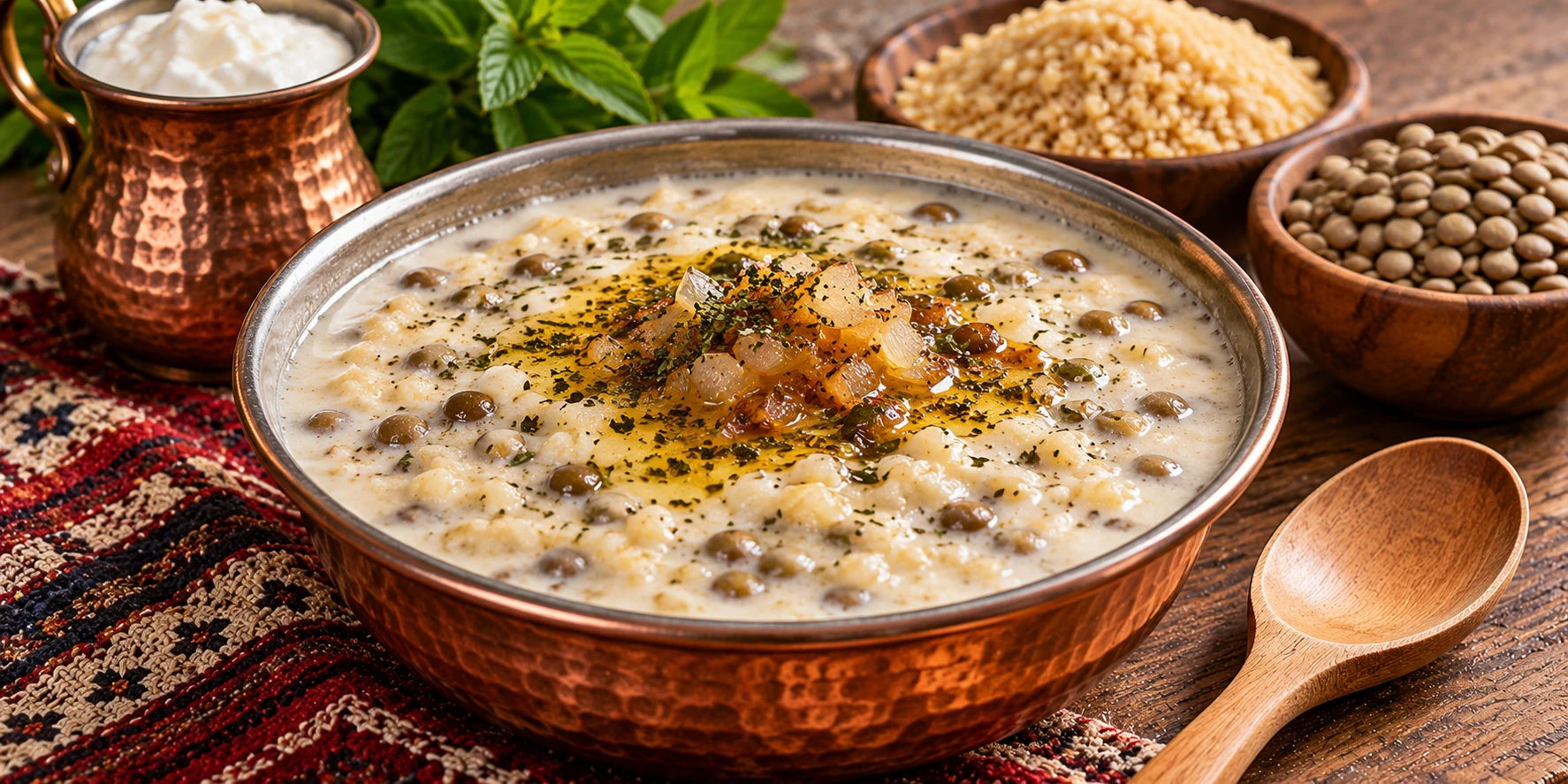
Peskütan Çorbası is a characteristic Sivas soup based on locally prepared peskütan, diluted to an ayran-like consistency and cooked with wheat and green lentils. Onion, mint and butter complete the dish.
Read Food Guide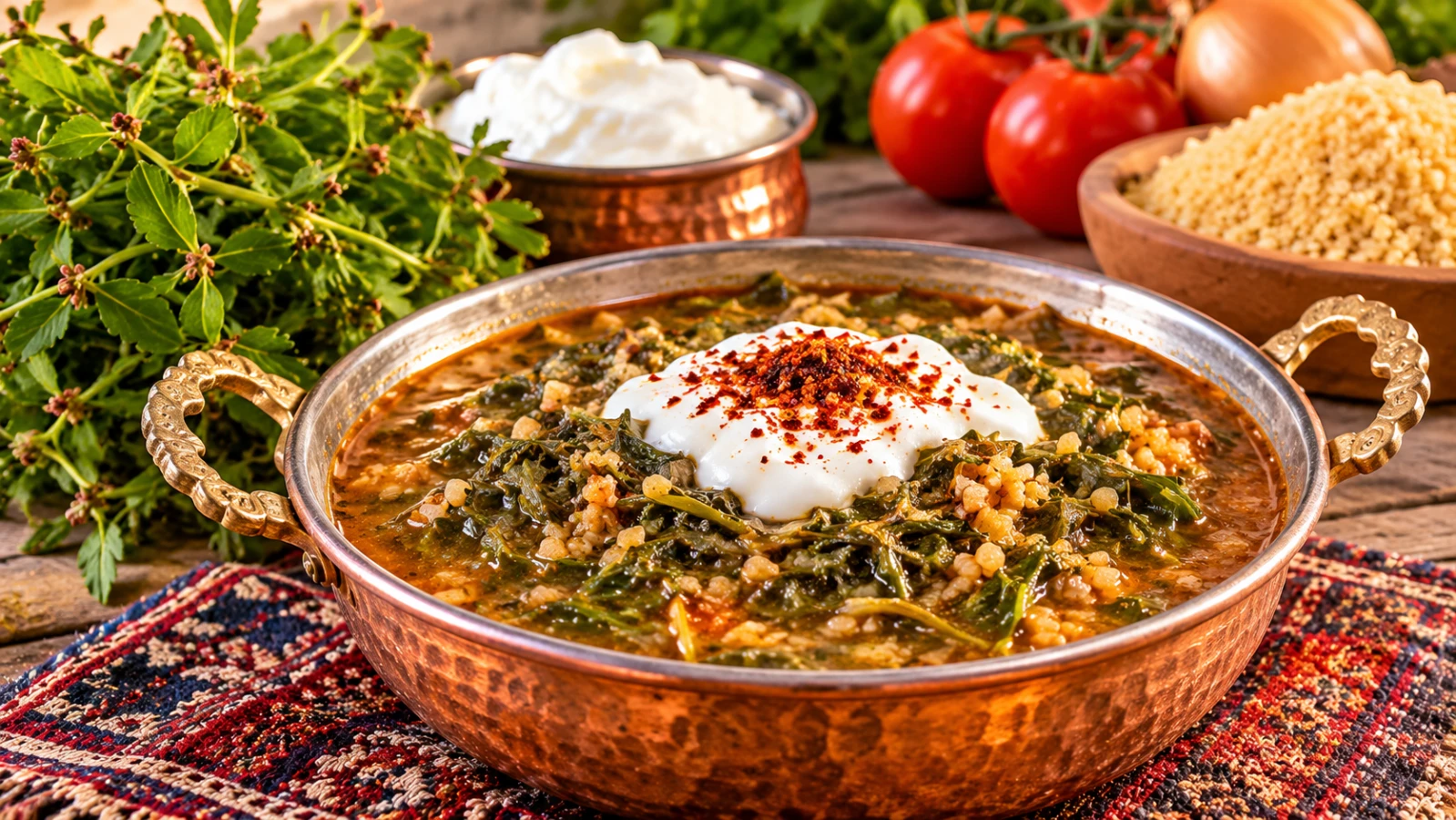
Madımak Aşı is a seasonal dish prepared from young madımak leaves, a wild edible green collected in the Sivas countryside. Bulgur, onion, butter and sometimes pastırma or çemen build the cooked flavour.
Read Food Guide