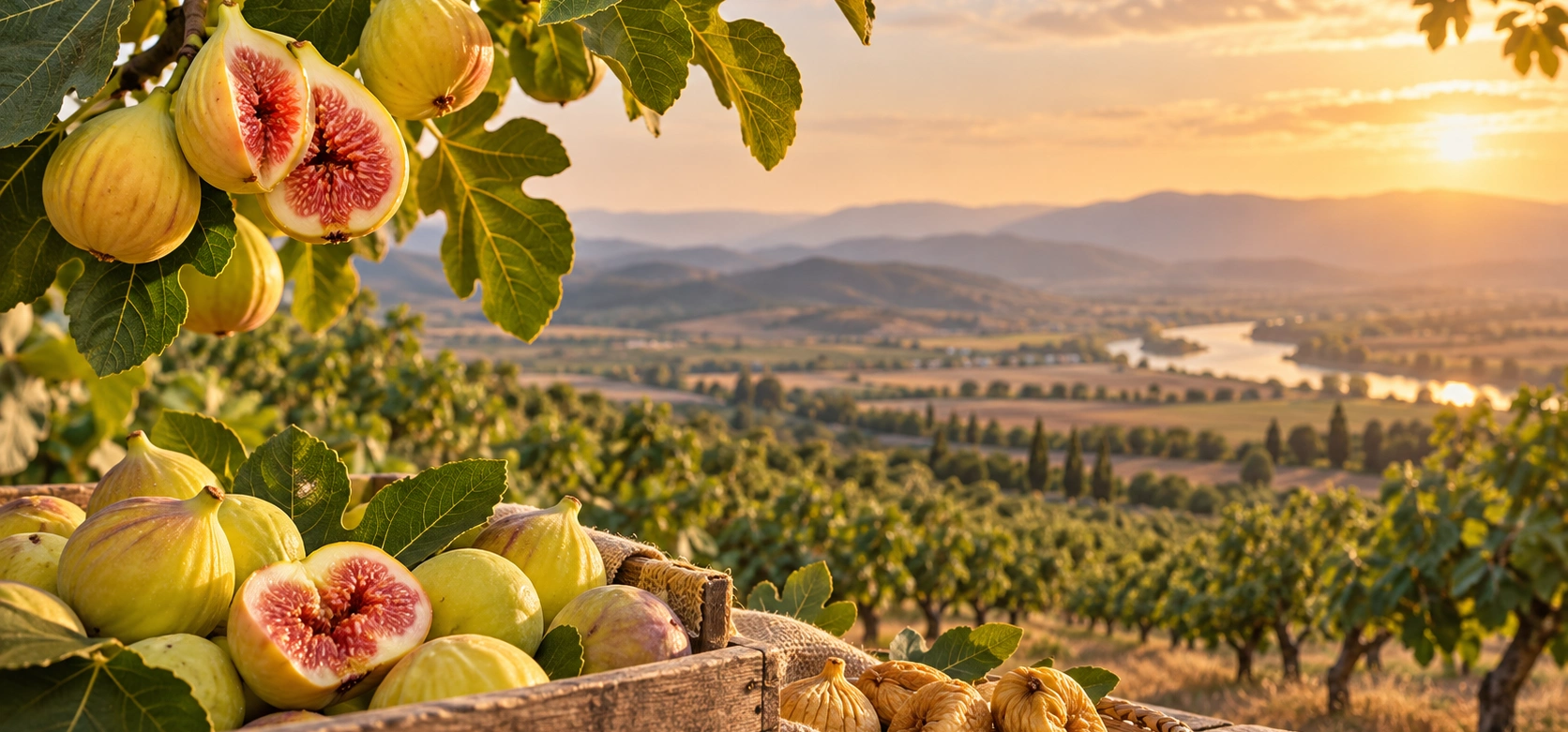
Aydın Fig
Discover one of the Aegean region's most celebrated fruits and the agricultural traditions behind its remarkable reputation.
Discover Aydın Figs





Sultanhisar Strawberry, known in Turkish as Sultanhisar Çileği, is one of the most recognizable agricultural specialties of Aydın Province in western Türkiye. Celebrated for its attractive red color, pleasant fragrance and distinctive flavor, this locally grown fruit has become an important symbol of the fertile Sultanhisar district and the surrounding agricultural communities.
Situated within the productive Büyük Menderes Valley, Sultanhisar benefits from favorable climatic conditions, fertile alluvial soils and generations of accumulated agricultural knowledge. Together, these characteristics have helped establish the district as one of Türkiye's notable strawberry-growing areas.
The documented history of commercial strawberry cultivation in Sultanhisar reaches back to 1973. Since then, strawberry farming has developed into an important agricultural activity, supporting local producers, agricultural workers, packaging businesses and regional fruit distribution networks.
On November 30, 2020, Sultanhisar Çileği received official geographical indication registration from the Turkish Patent and Trademark Office under registration number 613. Registered as a Mahreç İşareti, the designation recognizes the connection between the strawberries, their defined production area and the local cultivation practices that distinguish the product.
Today, Sultanhisar strawberries are cultivated through carefully managed agricultural methods, including raised planting beds, drip irrigation, protective tunnel structures and precise harvesting practices designed to protect the delicate fruit.
Beyond its agricultural importance, the strawberry has become a celebrated part of local identity. The long-established International Sultanhisar–Atça Nysa Strawberry Agriculture, Culture and Art Festival brings together farming, community celebrations, cultural performances and regional traditions.
For visitors exploring Aydın, Sultanhisar Strawberry offers more than a sweet taste. It introduces the agricultural landscape of the Aegean region, the communities who cultivate its fertile lands and a living heritage that connects local food production with regional culture.
Officially registered in Türkiye in 2020 under registration number 613.
The documented history of local strawberry cultivation extends to 1973.
Produced in the productive agricultural environment of the Büyük Menderes basin.
Strawberry farming is honored through the Sultanhisar–Atça Nysa cultural festival.
Essential information about one of western Türkiye's geographically registered agricultural specialties.
Sultanhisar district and specified neighboring areas of Aydın Province, Türkiye.
Explore Sultanhisar on Google MapsFresh cultivated strawberries, known as Sultanhisar Çileği.
Geographical Indication No. 613, registered November 30, 2020.
Commercial strawberry-growing history documented since 1973.
Fertile alluvial soils, favorable microclimate and carefully managed irrigation.
Harvest may begin in February or April, depending on planting methods.
Attractive red color, pleasant fragrance, flavor and marketable appearance.
International Sultanhisar–Atça Nysa Strawberry Agriculture, Culture and Art Festival.
Discover the cultivated strawberry that has become an important agricultural and cultural symbol of Aydın Province.
Sultanhisar Strawberry refers to strawberries grown within the geographical production area defined by the official registration for Sultanhisar Çileği.
The product belongs to cultivated strawberry varieties within the Fragaria × ananassa group, part of the Rosaceae family.
Its identity is based not on one exclusive strawberry variety but on the cultivation of suitable varieties under the agricultural and environmental conditions associated with the registered area.
The geographical indication describes the strawberries as fragrant, flavorful and red-colored, qualities that contribute to their recognition in regional fruit markets.
One of the distinguishing characteristics of Sultanhisar strawberry production is the combination of favorable soil conditions, a local microclimate and accumulated farming experience.
Strawberries are delicate fruits. Their quality depends on suitable varieties, growing conditions, water management, harvesting at the correct stage of maturity and careful handling after picking.
Local producers use established cultivation methods to help achieve attractive fruit development, suitable texture and the freshness required for commercial distribution.
Today, Sultanhisar Çileği represents both an agricultural product and a recognized element of Aydın's regional food heritage.
Sultanhisar is a district of Aydın Province, located in the fertile agricultural environment of the Büyük Menderes basin.
The district's economy and landscape are closely associated with agriculture, including fruit cultivation and other crops characteristic of western Anatolia.
The presence of fertile plains, favorable temperatures and established irrigation practices has supported the development of specialized horticultural activities.
Strawberry cultivation is particularly important because it provides a high-value fresh agricultural product requiring careful management throughout the growing and harvesting periods.
Within the wider district, Atça is especially associated with strawberry farming and the cultural celebrations surrounding the crop.
The surrounding landscape also contains remarkable historical heritage, including the ancient city of Nysa, making Sultanhisar an interesting destination where agriculture and archaeology meet.
A productive agricultural landscape that supports numerous crops throughout western Türkiye.
Alluvial soils contribute to the agricultural potential of the area.
An important strawberry-growing community and one of the centers of the local strawberry festival.
Producers have developed practical experience in cultivation, harvesting and fruit preparation.
An archaeological destination reflecting the region's much older historical heritage.
Fresh fruit production forms an important part of the culinary identity of Aydın.
The official geographical indication documentation traces strawberry cultivation in the Sultanhisar region to 1973.
Over subsequent decades, producers developed greater familiarity with strawberry varieties, planting techniques, irrigation requirements and harvesting practices.
The agricultural characteristics of the Büyük Menderes basin helped create favorable conditions for the gradual expansion of strawberry production.
As cultivation developed, strawberries became an important component of local agricultural activity, supporting farming households and related commercial businesses.
Improvements in protective cultivation, irrigation, planting materials and post-harvest handling contributed to the industry's development.
The growing regional reputation of the strawberries eventually supported efforts to obtain formal geographical indication protection.
On September 17, 2018, the Sultanhisar Chamber of Agriculture submitted the geographical indication application for Sultanhisar Çileği.
The application was approved, and the product received official registration on November 30, 2020.
Today, the registered identity provides a framework for preserving the connection between regional agricultural knowledge and the strawberries produced within the designated geographical area.
The documented history of strawberry cultivation in Sultanhisar begins.
Strawberry farming becomes increasingly established within the local agricultural economy.
Protective tunnels, planting improvements and managed irrigation support commercial production.
The official geographical indication application is submitted.
Sultanhisar Çileği receives geographical indication registration number 613.
Strawberry cultivation remains a recognizable part of the agricultural identity of Sultanhisar and Atça.
Sultanhisar Çileği was officially registered by the Turkish Patent and Trademark Office on November 30, 2020.
The product carries geographical indication registration number 613 and application number C2018/181.
The registration holder is the Sultanhisar Chamber of Agriculture, known in Turkish as Sultanhisar Ziraat Odası.
The designation is classified as a Mahreç İşareti, a geographical indication recognizing the relationship between a product and a particular geographical area.
Although the product takes its name from Sultanhisar, the registered geographical boundary is not limited to the district itself.
The specification includes Sultanhisar district, İsabeyli neighborhood of Nazilli, and the Altıeylül, Serdaroğlu, Çarşı, Ovaköy, Beyköy and Yavuzköy neighborhoods of Köşk district.
The official specification requires the defined production stages to occur within the registered geographical area. However, the strawberry seedlings themselves do not have to be produced there.
The registration documents characteristic product qualities, cultivation methods, harvest handling, packaging requirements and the use of the geographical indication emblem.
The reputation of Sultanhisar Çileği reflects the combined influence of its growing environment, carefully selected strawberry varieties and established local agricultural practices.
The official geographical indication recognizes the role of the region's soil characteristics, microclimate and farming knowledge in producing strawberries with desirable commercial and sensory qualities.
The fruit is recognized for its appealing strawberry aroma.
Suitable growing conditions and harvesting practices help develop the characteristic fruit flavor.
The ripe strawberries display the recognizable red appearance associated with the registered product.
The alluvial plains provide an important foundation for local agricultural production.
Local climatic conditions influence fruit development, coloring and harvest timing.
Decades of cultivation have contributed to specialized farming knowledge.
Picking at an appropriate stage of ripeness helps protect quality and appearance.
The geographical indication establishes requirements for products using the registered name.
The agricultural success of Sultanhisar strawberry production is closely connected with the environmental conditions of the Büyük Menderes basin.
The registered geographical specification identifies the fertile Çomaklı Plain, formed within the alluvial environment of the Büyük Menderes River, as a particularly important agricultural area.
Streams descending from the Aydın Mountains, including Malgaç and Yağdere, contribute to the wider river system associated with the plain.
According to the official specification, the local soils have properties suitable for strawberry cultivation, including relatively low salinity, a loamy character and slightly alkaline pH values.
The region also benefits from a microclimate that influences strawberry growth, ripening, coloring and the possibility of earlier harvests.
These factors do not eliminate the need for careful management. Strawberries remain sensitive to inappropriate irrigation, soil conditions, pests and diseases.
However, the combination of natural agricultural potential and established farming knowledge helps distinguish the production area.
River-influenced agricultural soils contribute to the fertility of the growing area.
Suitable soil structure supports root development and managed irrigation.
The registered specification identifies low soil salinity as beneficial for sensitive strawberry plants.
Favorable temperature patterns influence growth, maturity and fruit quality.
The surrounding landscape contributes to the district's distinctive environmental setting.
Carefully controlled irrigation is essential for productive strawberry cultivation.
Sultanhisar Çileği is not defined as one single, exclusive strawberry cultivar.
The official product specification recognizes cultivated strawberry varieties belonging to the Fragaria × ananassa hybrid group.
This distinction is important because commercial strawberry cultivation can involve different varieties selected for their suitability to local growing conditions and production needs.
Growers may consider characteristics such as fruit quality, harvest timing, firmness, appearance, productivity and resistance to relevant cultivation challenges.
Regardless of the selected varieties, strawberries marketed under the registered geographical indication must comply with the relevant production and geographical requirements.
Rosaceae, the rose family.
Fragaria × ananassa cultivated strawberry hybrids.
The registered identity is not limited to one named commercial strawberry variety.
Suitable varieties are selected according to agricultural requirements and market characteristics.
Modern Sultanhisar strawberry production combines suitable planting material, prepared agricultural beds, protective coverings, irrigation systems and regular crop management.
The following stages summarize key cultivation practices documented in the geographical indication specification.
Fields are prepared for strawberry cultivation, with appropriate soil improvement and pest-management measures when needed.
Strawberry plants are cultivated on prepared raised beds designed to support orderly planting and crop management.
Where necessary, controlled solarization helps manage certain soil-borne pests, pathogens and weeds before planting.
Suitable strawberry plants are selected from recognized planting-material types.
Seedlings are planted according to the chosen summer or autumn cultivation system.
Mulch helps manage weeds, protect fruit from contact with soil and support cultivation objectives.
High tunnel structures provide a managed growing environment and contribute to early-season production.
Water is delivered through irrigation systems designed to support controlled moisture management.
Fertilization is adjusted according to cultivation requirements and soil analysis.
Farmers monitor plant health, remove unwanted runners and manage weeds throughout the growing period.
Fruit maturity and visual characteristics are monitored to determine suitable harvest timing.
Ripe strawberries are harvested carefully and prepared for packaging and distribution.
The geographical indication specification identifies two principal planting approaches used for Sultanhisar Strawberry production: summer planting and autumn planting.
These approaches differ in the types of strawberry seedlings used, planting periods and the timing of fruit production.
Summer planting commonly uses frigo seedlings, while autumn planting uses fresh or plug-type planting material.
The choice of cultivation system affects agricultural scheduling and the beginning of the harvest period.
Generally uses frigo seedlings planted during August and September.
Uses fresh or plug seedlings, generally planted during September and October according to seedling type.
Dormant strawberry plants maintained under controlled cold-storage conditions before planting.
Planting material lifted from nurseries and transferred for autumn cultivation.
Young strawberry plants rooted in individual growing containers before field planting.
Autumn planting can support earlier harvests under suitable local growing conditions.
One recognizable feature of commercial strawberry growing in Sultanhisar is the use of plastic-covered high tunnel structures.
These tunnels help growers manage the environment around strawberry plants and support production objectives such as earlier harvesting, improved fruit quality and crop protection.
The official geographical indication specification describes high tunnel systems containing multiple planting beds.
By reducing exposure to certain weather conditions, protective cultivation can help producers manage crop development more consistently.
However, tunnels still require appropriate ventilation, irrigation, temperature management and plant-health monitoring.
Protective structures can support fruit production earlier in the season.
Plastic coverings reduce direct exposure to some unfavorable weather conditions.
Tunnels create a structured environment for cultivation and maintenance activities.
Careful management supports consistent fruit development and market preparation.
The strawberry harvest in Sultanhisar varies according to the planting system, seasonal weather and development of the fruit.
According to the registered specification, harvesting may begin in February for autumn-planted strawberries and in April for summer-planted strawberries.
Actual availability varies from season to season, and production may continue beyond the initial harvesting dates under suitable conditions.
Because strawberries are delicate, careful handling during harvest is important to maintain their appearance, firmness and market quality.
Harvesting is generally carried out during the cooler early hours of the day, reducing unnecessary exposure of picked fruit to heat.
The official specification describes harvesting strawberries by their stems rather than pulling directly on the fruit, leaving a short stem attached.
Freshly harvested strawberries are sorted and packaged according to quality classifications before cooling or commercial distribution.
Harvesting may begin for strawberries produced through autumn planting.
Harvesting may begin for strawberries produced through summer planting.
Cooler harvesting conditions help protect the delicate fruit.
Strawberries are harvested after reaching a suitable stage of maturity and red coloration.
Harvesting techniques aim to avoid bruising or damaging the fruit.
Strawberries are classified and placed into suitable containers close to the time of harvest.
Harvesting is only one part of successful strawberry production. The handling of fruit after picking has an important influence on its quality.
Strawberries are particularly vulnerable to bruising, moisture-related deterioration and inappropriate storage temperatures.
The official registered production method emphasizes prompt sorting, suitable packaging and rapid cooling after harvest.
Commercial strawberries may be separated into different quality categories according to characteristics including appearance, maturity and size.
The specification identifies an extra class and a first class, with different standards relating to uniformity and minimum fruit diameter.
After sorting, strawberries require appropriate refrigeration and transportation procedures to help maintain freshness.
Harvested strawberries are classified according to established quality requirements.
Higher uniformity requirements apply to appearance, maturity, color and size.
Suitable market-quality strawberries are accepted with less demanding uniformity requirements.
Protective containers help reduce physical damage during handling.
Pre-cooling shortly after harvest helps preserve fruit quality.
Suitable cold-chain management supports distribution to markets and retailers.
The geographical indication description recognizes Sultanhisar strawberries for their pleasant fragrance, appealing taste and red coloration.
Fresh ripe strawberries generally combine sweetness with natural fruit acidity, creating the refreshing character appreciated in the fruit.
The exact balance of sweetness and acidity can vary with strawberry variety, growing conditions, stage of ripeness and storage.
Fruit harvested at a suitable level of maturity can provide an attractive combination of aroma, flavor and juicy texture.
Like other cultivated strawberries, Sultanhisar strawberries should be evaluated according to the condition of the actual fruit rather than assuming every harvest will have identical sweetness or firmness.
An appealing strawberry aroma is one of the recognized characteristics of the regional product.
Ripe fruit offers the recognizable taste of fresh cultivated strawberries.
Strawberries develop natural sugars during ripening, although sweetness varies.
Natural fruit acids contribute balance to the strawberry's flavor.
Fresh strawberries contain abundant moisture and have a delicate fruit structure.
Red coloration is among the characteristic features documented for Sultanhisar Çileği.
Strawberries are widely enjoyed as fresh fruit and can contribute vitamins, fiber and other naturally occurring plant compounds to a balanced diet.
Fresh strawberries are naturally rich in water and generally provide relatively little energy per serving compared with many processed desserts.
They contain vitamin C, dietary fiber and naturally occurring antioxidant compounds, including pigments associated with their red color.
These are general nutritional characteristics of cultivated strawberries. They should not be treated as laboratory-tested, product-specific measurements for Sultanhisar Çileği.
Fresh strawberries are a recognized dietary source of vitamin C.
Strawberries provide fiber as part of a varied diet.
The fruit's natural moisture contributes to its refreshing character.
Anthocyanin compounds contribute to the recognizable red appearance of strawberries.
Ripened strawberries contain naturally occurring fruit sugars.
They can be included in breakfast dishes, snacks and fruit-based desserts.
One of the most appealing qualities of fresh strawberries is their versatility in the kitchen.
Sultanhisar strawberries can be enjoyed fresh or incorporated into many familiar fruit-based dishes and beverages.
Eating ripe strawberries without additional ingredients allows their natural aroma and flavor to remain the focus.
They may also be used in jams, marmalades, cakes, desserts, dairy products and refreshing drinks.
The following are common culinary uses for cultivated strawberries rather than exclusive traditional recipes of Sultanhisar.
Enjoy washed, ripe strawberries as a simple seasonal fruit.
Strawberries can be preserved with sugar to prepare traditional-style fruit jam.
Cooked strawberries can be prepared as a smooth fruit spread.
Fresh fruit complements cakes, pastries and chilled desserts.
Strawberries can be used to create refreshing fruit-flavored frozen desserts.
Fresh strawberries combine naturally with plain yogurt.
Blend strawberries with suitable fruit or dairy ingredients for a refreshing drink.
Cooked strawberries can be prepared as a light fruit accompaniment.
Strawberries add color, fragrance and flavor to mixed fresh-fruit dishes.
Sliced strawberries can accompany cereals, oats and yogurt.
Properly frozen fruit can be used later in desserts and other recipes.
Strawberries can be transformed into colorful toppings for selected desserts.
In Türkiye, fruit preserves are a familiar part of many traditional breakfast tables.
Strawberry jam, called çilek reçeli in Turkish, is among the popular preserves made from fresh strawberries.
When suitable strawberries are gently cooked with sugar, their flavor and fragrance become the foundation of a sweet fruit preserve.
Strawberry jam may be served with fresh bread, butter, kaymak or other familiar breakfast accompaniments.
Using locally grown strawberries can help connect this simple preparation with the agricultural identity of Sultanhisar.
However, the geographical indication for Sultanhisar Çileği specifically describes the registered strawberry product. It should not be assumed that every strawberry jam sold in the region is separately registered or certified.
The Turkish name for strawberry jam.
Fruit preserves are often enjoyed alongside fresh bread and other breakfast dishes.
Jam-making allows strawberries to be enjoyed in another form beyond the fresh harvest.
Using strawberries grown in Sultanhisar can highlight the region's agricultural produce.
One of the most distinctive cultural celebrations associated with Sultanhisar strawberries is the International Sultanhisar–Atça Nysa Strawberry Agriculture, Culture and Art Festival.
Known in Turkish as Uluslararası Sultanhisar–Atça Nysa Çilek Tarım Kültür ve Sanat Festivali, the event brings together agricultural identity, local community celebrations and cultural activities.
The festival has a long history and represents an important part of the district's annual cultural calendar.
Activities have included strawberry presentations, tasting opportunities, agricultural competitions, musical performances, folk dancing and community gatherings.
The festival's modern program reflects both the importance of the strawberry industry and the broader cultural heritage of Sultanhisar and Atça.
The name Nysa also connects the event with the region's ancient historical landscape.
In 2026, the municipality celebrated the 54th edition of the international festival. The event took place between May 6 and May 17, with activities held in Sultanhisar and Atça.
Festival schedules, locations and programs are subject to annual confirmation. Visitors should check current municipal announcements before making travel arrangements.
The festival highlights the agricultural product most closely associated with Sultanhisar and Atça.
Strawberry growers and agricultural activities form an important part of the festival's identity.
Festival programs may include opportunities to discover locally grown strawberry varieties.
Traditional and contemporary cultural performances contribute to the celebrations.
Concerts and public activities have been prominent elements of recent festivals.
The event brings together agricultural identity, local traditions and civic celebrations.
Atça is a community within Sultanhisar district that has a particularly strong association with the cultivation and celebration of strawberries.
Its surrounding agricultural landscape reflects the productive conditions of the Büyük Menderes basin.
Strawberry fields and related agricultural businesses contribute to the identity of the area.
Atça is also one of the principal locations associated with the annual Sultanhisar–Atça Nysa Strawberry Festival.
Visitors interested in regional agriculture may enjoy discovering the relationship between the town, nearby cultivated landscapes and the local fruit trade.
Field visits should be arranged with the permission of growers. Commercial strawberry farms are working agricultural environments rather than automatically open public attractions.
Fruit farming is an important part of Atça's agricultural identity.
The strawberry industry connects local growers, workers and commercial businesses.
Atça hosts activities associated with the annual strawberry festival.
The surrounding cultivated fields offer insight into the fertile plains of Aydın.
Sultanhisar offers visitors an unusual opportunity to discover both agricultural traditions and archaeological heritage within the same destination.
The ancient city of Nysa is located near modern Sultanhisar, within the historical landscape of the Büyük Menderes region.
Nysa developed as an important ancient settlement and preserves archaeological remains reflecting the cultural history of western Anatolia.
Visitors interested in ancient architecture can explore its surviving structures and learn about the region's classical past.
The strawberry festival's name includes Nysa, connecting modern community celebrations with the district's archaeological identity.
For travelers exploring Aydın, combining a visit to the ancient city with an opportunity to discover seasonal local fruit can provide a memorable perspective on the region.
Nysa offers an introduction to the archaeological history of western Anatolia.
The ancient settlement belongs to the wider cultural geography of the Büyük Menderes valley.
The Nysa name appears in the title of the district's strawberry festival.
An archaeological visit can complement an exploration of contemporary farming traditions.
Commercial strawberry cultivation contributes to the agricultural economy of Sultanhisar and its neighboring production areas.
Strawberries require substantial attention during planting, crop maintenance, harvesting, sorting and distribution.
This creates economic activity not only for farmers but also for agricultural workers and businesses involved in cultivation supplies, packaging, transport and trade.
The product's recognizable regional identity can also help communicate the agricultural heritage of Sultanhisar to consumers in other markets.
Geographical indication registration provides a formal framework for distinguishing compliant regional production.
The wider significance of strawberry growing lies in its connection to local livelihoods, practical farming knowledge and the cultural identity of the district.
Strawberry cultivation provides an agricultural income opportunity for regional producers.
Harvesting and related activities create demand for agricultural labor.
Fresh fruit requires suitable sorting and packaging before distribution.
Refrigerated logistics help deliver perishable strawberries to their markets.
The registered name promotes awareness of the geographical identity of the product.
Accumulated cultivation experience represents an important local resource.
When purchasing strawberries marketed as Sultanhisar Çileği, consumers can look for information connecting the fruit to the registered geographical indication.
The official specification provides for the use of the Sultanhisar Çileği name together with the applicable Mahreç İşareti emblem.
This identification may appear on the product or its packaging. Where direct placement is not possible, the registered name and emblem must be displayed appropriately at the business.
Buyers should also consider the identity of the producer or supplier, the condition of the fruit and the reliability of its distribution.
Look for the designation Sultanhisar Çileği.
Check for the appropriate Mahreç İşareti identification.
Prefer identifiable businesses supplying strawberries from the registered area.
Choose strawberries displaying appropriate ripeness and good physical condition.
Avoid damaged or contaminated packages.
Properly handled fresh strawberries should be free from visible spoilage.
Fresh strawberries are highly perishable and require careful storage to preserve their quality.
Once harvested, strawberries can lose freshness rapidly if exposed to excessive heat or unsuitable handling conditions.
Commercial storage requires controlled temperature, humidity and packaging.
The official geographical indication specification describes approximately 0°C and 90–95% relative humidity as suitable professional storage conditions, with a possible storage duration of approximately seven to ten days under the specified conditions.
These are controlled commercial storage conditions, not a guarantee of how long strawberries will remain fresh in a household refrigerator.
For home use, refrigerate strawberries promptly, minimize bruising and wash them just before consumption.
Keep strawberries cool rather than leaving them at room temperature for extended periods.
Store the delicate fruit in containers that minimize pressure and bruising.
Rinse strawberries gently under clean running water shortly before serving.
Inspect the container and discard strawberries showing mold or deterioration.
Properly prepared strawberries can be frozen for later use in recipes.
Fresh strawberries are generally best enjoyed soon after purchase.
Visitors interested in purchasing Sultanhisar strawberries can begin their search in Sultanhisar and Atça, particularly during the active harvest season.
Local greengrocers, fruit retailers and produce markets may offer opportunities to purchase strawberries grown in the surrounding agricultural area.
Availability depends on the season, individual retailers and current supply.
Consumers looking specifically for the geographically registered product should verify the name, origin and appropriate producer information.
Ask established fruit retailers about locally produced strawberries during the harvest season.
Explore local produce outlets in a community closely associated with strawberry production.
Fresh fruit markets in Aydın may carry strawberries from Sultanhisar depending on supply.
Ask about the origin, harvest date and condition of fresh strawberries.
Enquire about growers using the registered geographical indication.
Festival activities may provide opportunities to learn about local agricultural production.
Sultanhisar Çileği is a regional agricultural product rather than a single visitor attraction with fixed admission fees or opening hours.
Travelers can discover the strawberry-growing identity of the district through local markets, town visits and seasonal cultural events.
Visits to working strawberry farms require the approval of their owners or operators. Agricultural fields should not be entered without permission.
A broader visit can include nearby Atça and the archaeological site of Nysa, depending on individual interests and available time.
The ideal time for a strawberry-focused visit depends on whether the traveler wants to buy fresh fruit, discover local agricultural landscapes or attend a cultural celebration.
The official specification describes harvest beginnings in February or April depending on planting technique.
For many visitors, the spring months offer a practical opportunity to explore strawberry production and the surrounding countryside.
The district's strawberry festival has traditionally been associated with the spring season, although future dates require confirmation.
Early harvests may begin for strawberries grown through autumn planting.
Seasonal availability depends on weather, growing systems and producer schedules.
Harvesting may begin for summer-planted crops, increasing opportunities to discover fresh local fruit.
A popular period for local strawberry celebrations and springtime agricultural experiences.
Availability may continue in suitable circumstances, depending on the growing season.
Explore the district's agricultural heritage and historical attractions even outside the main harvest period.
Aydın Province is recognized for a diverse range of agricultural products and traditional regional foods.
Its fertile plains, Mediterranean-influenced climate and established agricultural traditions support fruit cultivation, olive production and many other crops.
Sultanhisar Strawberry represents one part of this broader agricultural identity.
Other recognizable Aydın products include figs, olives, olive oil and a variety of local breads and traditional dishes.
Visitors interested in regional gastronomy can discover how different districts develop distinctive culinary identities through their agricultural environments and inherited food knowledge.
One of the province's internationally recognized agricultural specialties.
An important olive variety associated with the agricultural landscapes of the Aegean region.
Olive cultivation contributes significantly to the region's traditional food culture.
Traditional bread-making practices reflect the culinary history of western Anatolia.
Different districts of Aydın preserve their own local flatbread and pide traditions.
Strawberries contribute to the diversity of fresh agricultural products available in the region.
Strawberry production depends on healthy soil, suitable water supplies, careful plant management and effective post-harvest handling.
As with other agricultural products, the long-term success of strawberry growing requires attention to natural resources and production practices.
Drip irrigation can support more targeted water delivery, while appropriate soil management and plant-health practices can contribute to efficient cultivation.
Responsible farming also includes the correct use of authorized agricultural inputs, monitoring crop health and protecting worker safety.
Strawberries are sensitive to environmental conditions, making careful management particularly important throughout the production cycle.
Geographical indication registration documents agricultural methods and product characteristics, but it should not automatically be interpreted as organic certification or proof of a particular sustainability standard.
Appropriate irrigation planning helps match water use to crop requirements.
Maintaining suitable soil characteristics is important for long-term agricultural production.
Monitoring pests and diseases supports crop quality and responsible production.
Reducing bruising and spoilage can help limit food loss.
Safe working practices are important throughout planting, maintenance and harvesting.
Clear information about origin and production helps consumers make informed choices.
A little preparation can make discovering Sultanhisar strawberries more enjoyable, particularly for visitors unfamiliar with the region's agricultural calendar.
Confirm current harvest availability before traveling specifically to buy fresh strawberries.
Enquire whether the fruit comes from the registered Sultanhisar production area.
Choose strawberries without visible mold, significant bruising or signs of deterioration.
Avoid placing heavy shopping items over delicate strawberry containers.
Use suitable insulated storage when traveling with fresh strawberries in warm weather.
Do not enter growing fields or pick strawberries without the producer's permission.
Use current municipal announcements when planning around local cultural events.
Combine agricultural discovery with cultural attractions such as ancient Nysa.
Sultanhisar Strawberry represents an agricultural tradition that has become closely connected with the identity of its production area.
Its importance extends beyond the taste or appearance of the fruit.
Decades of farming experience have contributed to local knowledge about planting, managing and harvesting strawberries under the environmental conditions of the district.
The industry's development has also supported economic relationships among farmers, workers, traders and agricultural businesses.
Through geographical indication registration, the distinctive connection between Sultanhisar Çileği and its documented production area has received formal recognition.
Meanwhile, the long-established strawberry festival celebrates the crop as part of the cultural identity of Sultanhisar and Atça.
Preserving this heritage means recognizing the role of agricultural knowledge, local communities and responsible production in maintaining the region's distinctive fruit-growing tradition.
Recognize the geographical connection between the product and its growing area.
Value the experience accumulated by growers over decades of cultivation.
Encourage transparent, properly documented regional agricultural production.
Recognize the role of the strawberry festival in local cultural life.
Help visitors understand the work involved in producing fresh fruit.
Discover how geography, farming and community heritage shape regional gastronomy.
Sultanhisar Strawberry is a geographically registered strawberry product grown within a defined agricultural area of Aydın Province, Türkiye.
It is called Sultanhisar Çileği.
Sultanhisar is a district of Aydın Province in western Türkiye, within the agricultural landscape of the Büyük Menderes basin.
The area is associated with favorable growing conditions, fertile soils, an advantageous microclimate and decades of strawberry cultivation experience.
The official geographical indication specification traces the local cultivation history to 1973.
Yes. Sultanhisar Çileği was registered by the Turkish Patent and Trademark Office on November 30, 2020.
The official registration number is 613.
The registration holder is the Sultanhisar Chamber of Agriculture, known as Sultanhisar Ziraat Odası.
The product is registered as a Mahreç İşareti, a Turkish geographical indication category.
No. It includes Sultanhisar district together with the specified İsabeyli neighborhood of Nazilli and several designated neighborhoods of Köşk district.
The registered product is recognized for its fragrant, flavorful, red-colored fruit and its connection to a particular growing environment and cultivation tradition.
No. They belong to cultivated strawberry varieties within the Fragaria × ananassa hybrid group.
The registered specification identifies harvest beginnings in February for autumn-planted crops and April for summer-planted crops. Actual availability varies.
Yes. High tunnel cultivation is part of the production method described in the official specification.
Drip irrigation is described in the registered cultivation method.
The fertile alluvial environment and documented soil characteristics help provide suitable conditions for strawberry cultivation.
Not necessarily. Sweetness depends on variety, ripeness, growing conditions and handling. The registration identifies desirable regional characteristics but does not establish that every fruit is sweeter than every strawberry grown elsewhere.
Red coloration is one of the characteristic qualities described in the geographical indication.
Yes. Like other cultivated strawberries, they can be used to prepare jam, marmalade and various desserts.
No. Strawberries can also be processed into preserves, beverages, frozen products and desserts.
Farm visits may be possible by prior arrangement with a grower. Commercial agricultural properties should not be entered without permission.
Local fruit retailers, greengrocers and markets in Sultanhisar, Atça and the wider Aydın region may stock them during the harvest season.
It is a long-established agricultural and cultural celebration bringing together strawberry farming, music, community activities and regional heritage.
The festival has generally been associated with spring. The 2026 edition took place from May 6 to May 17. Future dates should be confirmed through official announcements.
Atça is an important community within Sultanhisar district, recognized for strawberry cultivation and its involvement in the annual festival.
Nysa is an ancient city near Sultanhisar, representing the archaeological heritage of the region.
Yes. A cultural excursion to Nysa can complement a visit to Sultanhisar and Atça, depending on the season and local arrangements.
Geographical indication registration does not automatically mean that a product is organically certified. Organic status requires separate verification.
Refrigerate them promptly, avoid crushing the fruit, inspect for spoilage and wash gently before eating.
It formally recognizes the connection between the registered product, its designated geographical area and the cultivation requirements that support its identity.
Exploring Sultanhisar's strawberries can become part of a wider journey through the agricultural landscapes, historic sites and local food traditions of Aydın Province.
Spring offers opportunities to discover fresh strawberries, depending on seasonal conditions.
Discover a community closely connected with strawberry cultivation and regional celebrations.
Combine agricultural heritage with an exploration of western Anatolia's classical past.
Purchase fresh seasonal produce from identifiable and reputable sellers.
Recognize the role of official registration in documenting regional agricultural products.
Discover figs, olives, olive oil, local breads and traditional regional cuisine.
The geographical indication, agricultural methods and protected production area described in this guide are based primarily on official Turkish product-registration documentation.
Official geographical indication registration number 613 for Sultanhisar Çileği.
Official technical documentation covering geographical boundaries, cultivation, harvesting and packaging.
Local information concerning the district and its strawberry production.
Municipal information and announcements regarding the Sultanhisar–Atça Nysa Strawberry Festival.
Continue your journey through the agricultural treasures, traditional cuisine and remarkable heritage of western Türkiye. Discover Aydın with private, personalized cultural experiences and no compulsory shopping stops.
Explore the fruits and agricultural products that contribute to the region's celebrated culinary identity.
Discover one of the Aegean region's most celebrated fruits and the agricultural traditions behind its remarkable reputation.
Discover Aydın Figs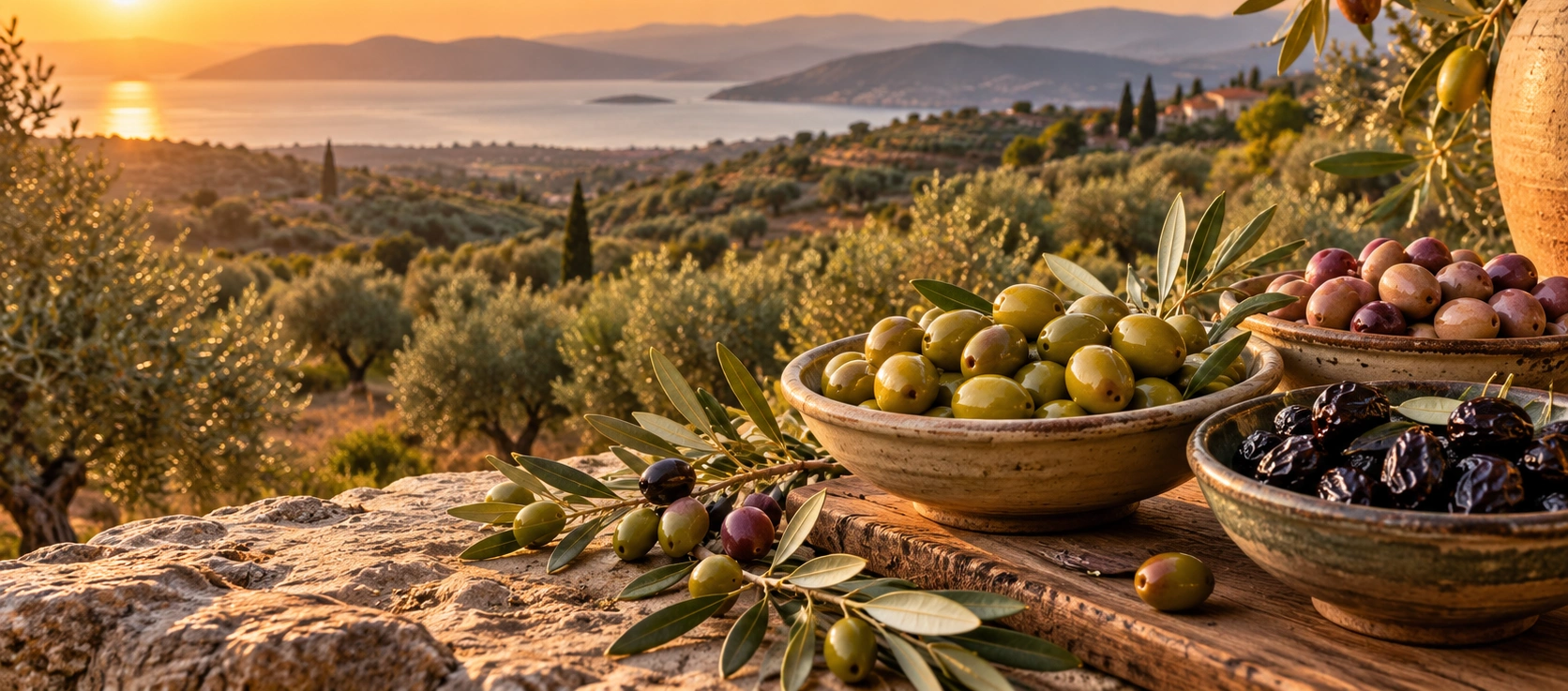
Explore the famous Memecik olive variety and its connection with the agricultural landscape of western Anatolia.
Explore Memecik Olives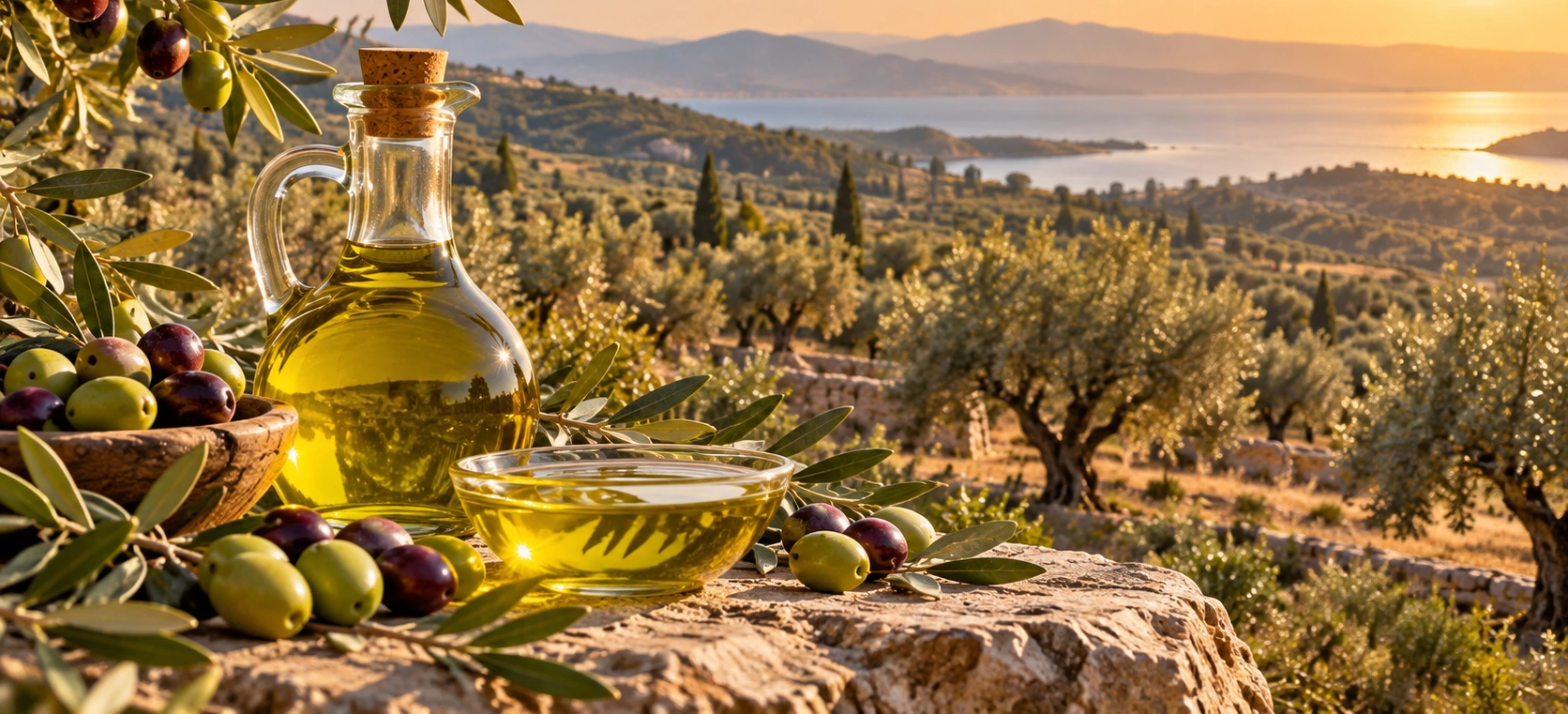
Learn how olive-growing traditions contribute to the distinctive flavors and culinary identity of Aydın.
Discover Aegean Olive OilDiscover traditional dishes, regional breads and the flavors of western Türkiye.
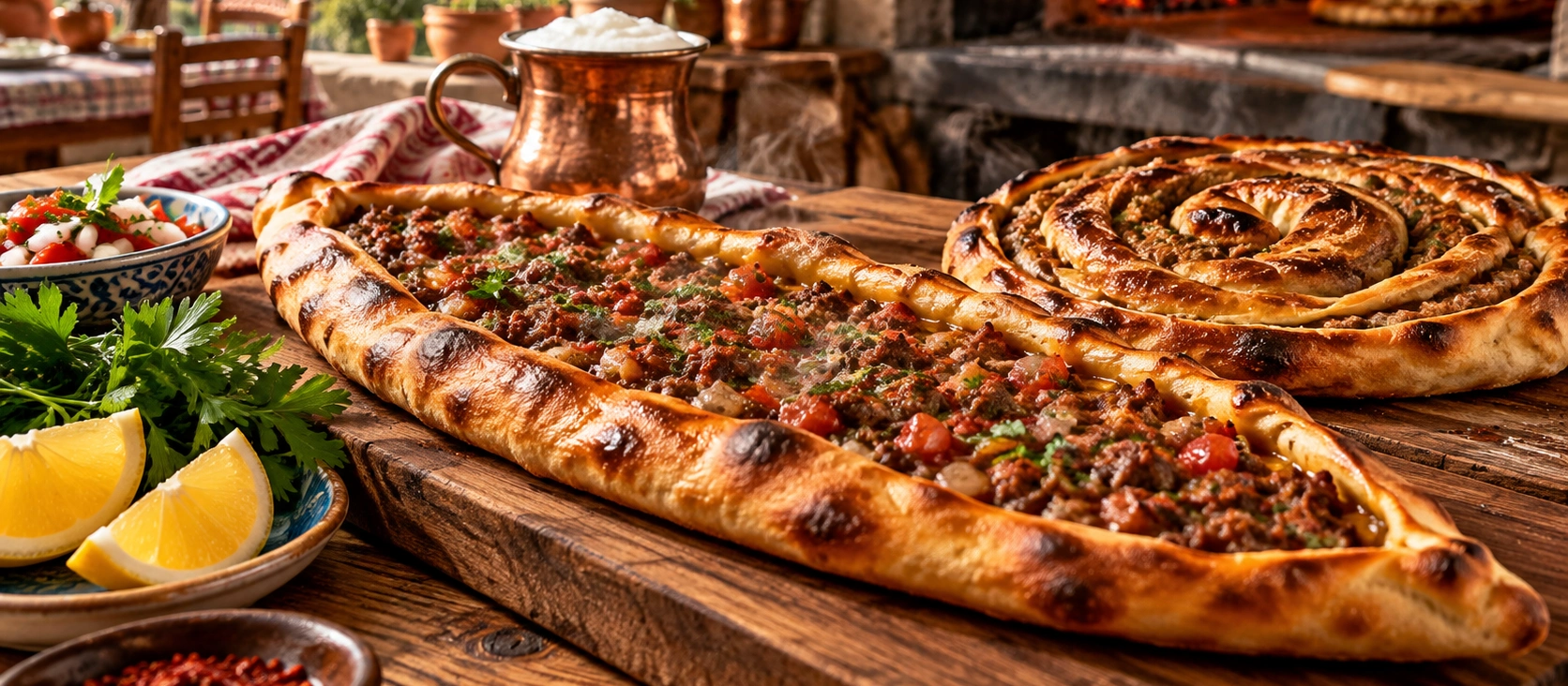
Explore the traditional baking culture of nearby Nazilli and discover one of Aydın's distinctive regional foods.
Discover Nazilli Pide
Discover the distinctive freshly baked pide traditions of Söke and the wider Aydın region.
Explore Söke Pide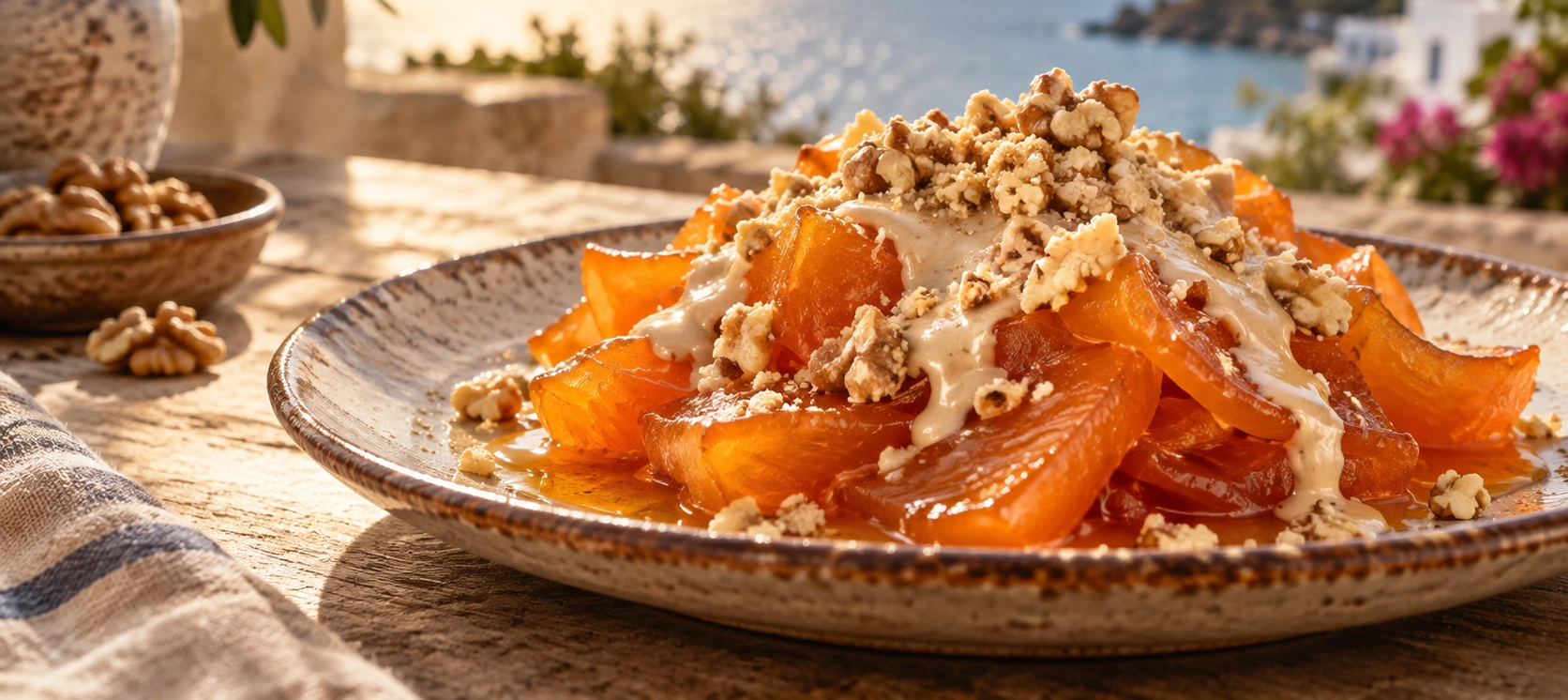
Discover another sweet regional tradition and learn about the fruit-based desserts enjoyed in Aydın.
Discover Aydın DessertsExperience the fascinating connection between western Anatolia's fertile lands and its extraordinary archaeological heritage.
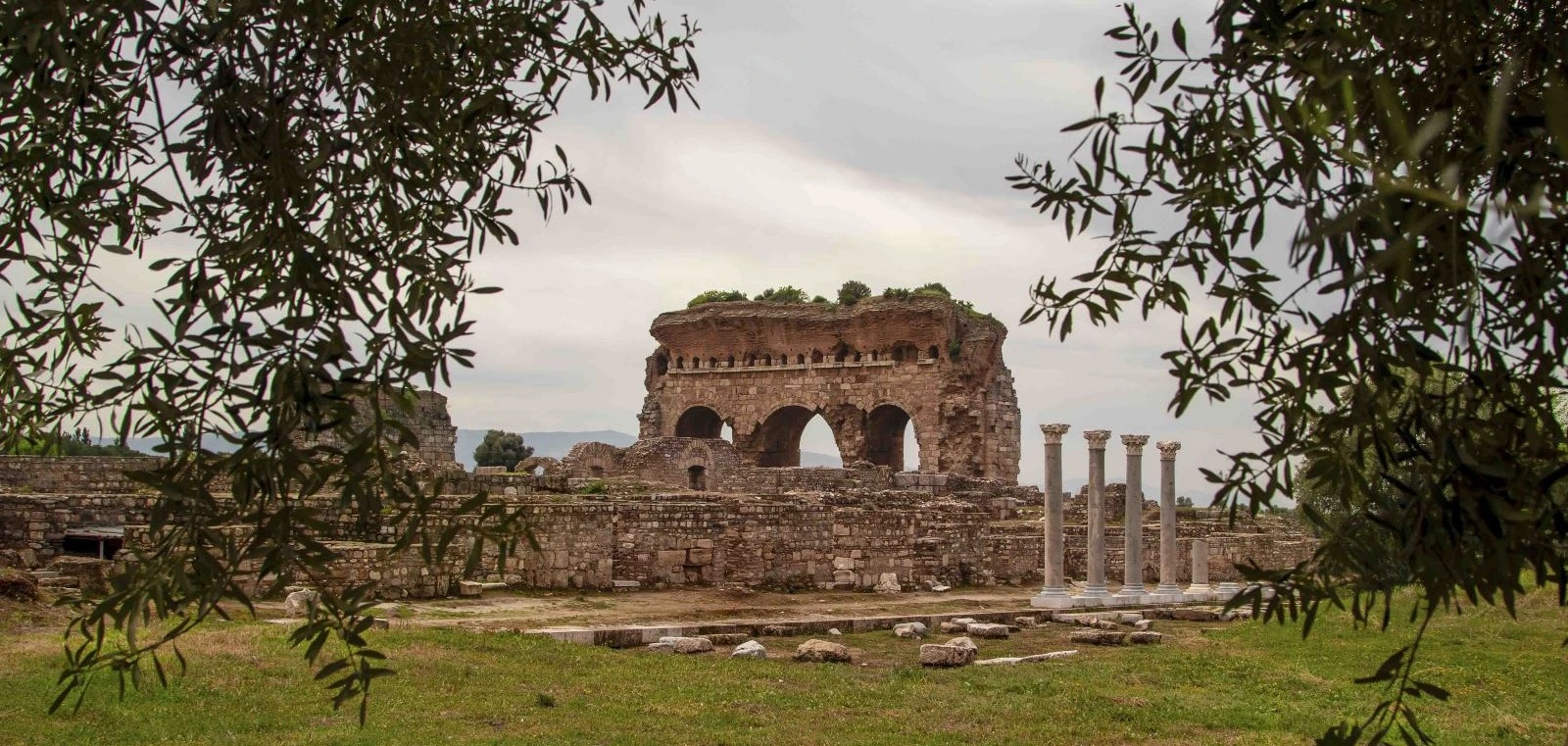
Explore a remarkable archaeological site and uncover another chapter in the ancient history of Aydın Province.
Explore Ancient Tralleis
Ask about a personalized journey exploring Sultanhisar, ancient heritage, traditional villages and regional gastronomy with a licensed guide and private vehicle.
Request a Custom Experience