A Geographically Indicated Culinary Treasure of Aydın

Söke Pide – Complete Traditional Food Guide

Discover slow-roasted minced beef, rich traditional fillings,
oak-fired stone ovens, buttery crusts, and the famous sweet tahini pide of Aydın's Söke district.

Discover Söke Pide

Discover the Traditional Pide of Söke

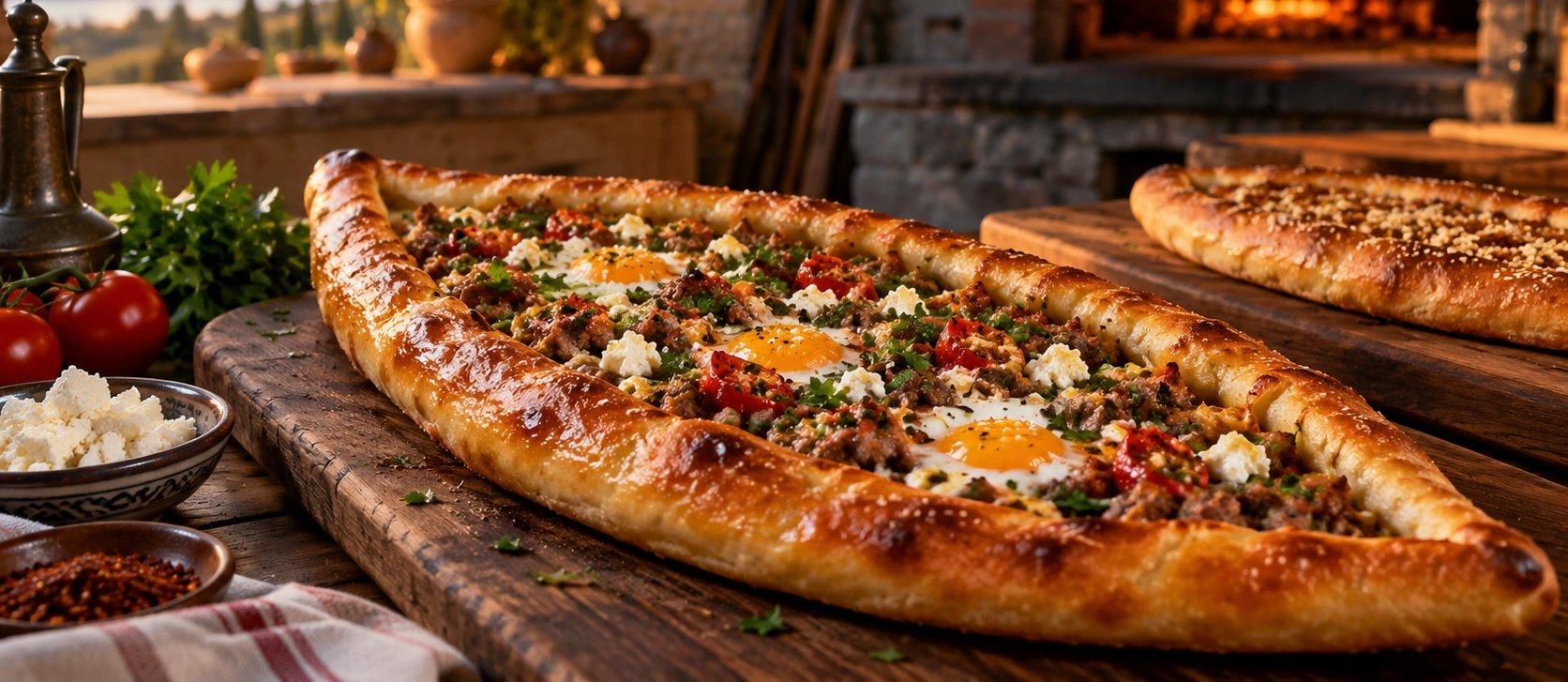
Söke Pide, known in Turkish as Söke Pidesi, is one of the most distinctive regional baked specialities of Aydın Province in western Türkiye. Originating in the fertile district of Söke, this celebrated pide combines fermented wheat dough, carefully prepared minced beef, fresh vegetables, eggs, local curd cheese, and traditional stone-oven baking.

Unlike many familiar varieties of Turkish pide, traditional Söke Pidesi features an exceptionally generous filling prepared from two separate mixtures. The first contains slowly roasted minced beef and tomatoes, while the second combines parsley, eggs, and çökelek, a traditional fresh curd cheese. These ingredients are mixed together immediately before the pide is prepared.

Another defining characteristic is its baking method. Söke Pidesi is traditionally cooked in a stone oven heated with oak firewood. After baking, melted butter is brushed onto the thicker edges of the pide, creating a distinctive contrast between the richly flavoured filling and soft, buttery crust.

Söke is also famous for another speciality: Söke Tahinli Pidesi, a sweet pide prepared with sesame tahini, sugar, and butter. Its delicate layers, rich sesame flavour, and distinctive shaping technique make it a memorable conclusion to a traditional Söke meal.

Both specialities have received official geographical-indication recognition from the Turkish Patent and Trademark Office. Traditional Söke Pidesi was registered on 31 October 2022, while Söke Tahinli Pidesi received its own separate registration on 18 January 2024.

This complete guide explores the history, officially registered characteristics, ingredients, traditional preparation methods, slow-roasted meat filling, stone-oven baking, sweet tahini speciality, serving customs, local dining culture, and practical visitor recommendations associated with Söke's culinary heritage.

Slow-Roasted Beef

Lean minced beef is traditionally roasted for several hours before being combined with fresh ingredients.

Generous Filling

A rich mixture of meat, tomatoes, eggs, parsley, and fresh curd cheese distinguishes the traditional pide.

Oak-Fired Stone Oven

Traditional Söke Pidesi is baked in a stone oven heated with oak firewood and finished with melted butter.

Protected Heritage

Söke's savoury pide and sweet tahini pide hold two separate geographical-indication registrations.

Know Before You Taste

Söke Pide – Quick Facts

Essential information about one of the most distinctive traditional pide specialities of Türkiye's Aegean region.

📍

Origin

Söke district, Aydın Province, western Türkiye.

Open Söke on Google Maps
🥩

Signature Filling

Slow-roasted minced beef combined with tomatoes, parsley, eggs, and çökelek cheese.

🔥

Traditional Baking

Stone oven heated with oak firewood, traditionally reaching 350–380°C.

🏅

Geographical Indication

Söke Pidesi registered in 2022 under number 1248; Söke Tahinli Pidesi registered in 2024 under number 1521.


A Living Aegean Culinary Heritage

The History and Tradition of Söke Pide

Discover the relationship between traditional baking, local agriculture, and the culinary identity of Söke.

Located in the western part of Aydın Province, Söke is a historic agricultural district situated near the fertile Büyük Menderes Plain. Its surrounding landscape has long supported agricultural production, rural settlements, local markets, and distinctive food traditions.

Wheat-based foods are an important part of Anatolian culinary history. Across western Türkiye, regional communities developed their own bread, pastry, and pide traditions according to the ingredients available, local tastes, and skills of experienced bakers.

Within this wider tradition, Söke established a recognisable style of pide, particularly distinguished by the preparation of its minced-meat filling.

Rather than placing ordinary raw minced meat directly onto the dough, the traditional Söke method involves carefully roasting lean minced beef before preparing the final filling.

The roasted meat is combined with tomatoes, while a separate mixture of parsley, eggs, and fresh curd cheese is prepared. Bringing these two mixtures together creates a filling that is rich, satisfying, and particularly characteristic of Söke.

The dish became associated with the district's traditional pide bakeries, neighbourhood restaurants, family meals, and local hospitality.

Its reputation grew through regional travel and word of mouth. Visitors passing through Söke on journeys between Aydın, Kuşadası, Didim, and nearby cultural attractions have opportunities to discover the district's distinctive pide tradition.

Another important element of Söke's bakery culture is tahini pide. This sweet speciality demonstrates the versatility of local dough-making techniques, transforming wheat flour, sesame tahini, sugar, and butter into a rich baked treat.

The recognition of Söke Pidesi in 2022 and Söke Tahinli Pidesi in 2024 provided official documentation of two important elements of the region's culinary heritage.

Today, Söke Pide represents more than a traditional meal. It reflects the relationship between local agriculture, experienced bakery masters, regional ingredients, and the food culture of Aydın's fertile western landscapes.


What Makes Söke Pide Special

Distinctive Characteristics of Traditional Söke Pidesi

Several carefully defined ingredients and production techniques distinguish geographically indicated Söke Pidesi from ordinary Turkish pide.

Slow-Roasted Minced Beef

Lean minced beef is traditionally roasted at a relatively low oven temperature for several hours before becoming part of the final filling.

  • Meat: Lean beef
  • Roasting: Approximately 3–4 hours
  • Purpose: Develop a distinctive filling texture

Two Separate Filling Mixtures

The traditional filling is prepared in two stages, with roasted beef and tomatoes kept separate from the parsley, cheese, and egg mixture until needed.

  • First mixture: Roasted beef and tomato
  • Second mixture: Parsley, çökelek, and egg
  • Final step: Mix immediately before preparation

Traditional Çökelek Cheese

Çökelek, a fresh curd-style cheese, contributes a characteristic dairy flavour and texture to the traditional Söke filling.

  • Turkish name: Çökelek
  • Type: Fresh curd cheese
  • Combined with: Eggs and parsley

Oak-Fired Stone Oven

Authentic geographically indicated Söke Pidesi is baked in a traditional stone oven heated with oak wood.

  • Fuel: Oak firewood
  • Oven: Stone-based
  • Temperature: 350–380°C

Distinctive Oval Shape

The traditional pide is shaped into an open oval, allowing the generous filling to cook evenly across its surface.

  • Length before baking: 32–35 cm
  • Width before baking: 15–18 cm
  • Shape: Open oval

More Filling Than Dough

One of the registered product's most recognisable characteristics is the generous quantity of filling compared with the dough.

  • Dough portion: 180–200 g
  • Filling: Approximately 200–250 g
  • Character: Rich and satisfying

Soft Butter-Finished Edges

After baking, melted butter is brushed over the thicker side edges of the pide, helping maintain their soft texture.

  • Finishing ingredient: Melted butter
  • Applied: After baking
  • Result: Soft, buttery edges

Sweet Tahini Pide

Söke also has a separately registered sweet pide prepared with sesame tahini, granulated sugar, and butter.

  • Turkish: Söke Tahinli Pidesi
  • Flavour: Sweet and nutty
  • Registration: No. 1521

Söke Pide and Its Two Geographical-Indication Registrations

A particularly important feature of Söke's culinary heritage is that its traditional savoury pide and its sweet tahini pide have received two separate geographical-indication registrations from the Turkish Patent and Trademark Office, known as TÜRKPATENT.

1. Söke Pidesi – Registration No. 1248

Registered Name

Söke Pidesi

Registration Number

1248

Registration Date

31 October 2022

Application Date

6 December 2021

Registration Holder

Söke Commodity Exchange (Söke Ticaret Borsası).

Geographical Boundary

Söke district, Aydın Province.


The registered product is an open, oval-shaped pide prepared with fermented wheat dough and a traditional filling of roasted lean minced beef, tomatoes, eggs, parsley, and çökelek.

Its specification defines the dough characteristics, preparation of two separate filling mixtures, oak-fired stone oven, cooking conditions, butter finishing, and traditional serving method.

All production stages of geographically indicated Söke Pidesi must take place within the registered geographical boundary of Söke district.

View the Official Söke Pidesi Geographical-Indication Registration


2. Söke Tahinli Pidesi – Registration No. 1521

Registered Name

Söke Tahinli Pidesi

Registration Number

1521

Registration Date

18 January 2024

Application Date

27 March 2023

Registration Holder

Söke Chamber of Commerce (Söke Ticaret Odası).

Geographical Boundary

Aydın Province.


Söke Tahinli Pidesi is a sweet baked speciality made with wheat flour, yeast, water, salt, tahini, sugar, and butter.

Its production involves a distinctive rolling, wrapping, and reopening technique that distributes the tahini and sugar through the dough.

Although strongly associated with Söke district, the geographical-indication specification for Söke Tahinli Pidesi defines Aydın Province as its production boundary.

View the Official Söke Tahinli Pidesi Geographical-Indication Registration

Traditional Söke Pidesi – The Famous Minced-Meat and Egg Pide

The most distinctive registered version of Söke Pidesi is a generously filled savoury pide combining roasted minced beef, tomatoes, eggs, parsley, and fresh curd cheese.

In everyday conversation, this speciality may also be described as kıymalı yumurtalı Söke pidesi, referring to its traditional minced-meat and egg filling.

What makes this version particularly interesting is its preparation method. The meat is not simply mixed with raw vegetables and spread directly over the dough. Instead, the beef undergoes a lengthy roasting process before being combined with the other ingredients.

Roasted Lean Beef

Provides the savoury foundation of the traditional filling.

Fresh Tomatoes

Add moisture, balance, and a fresh vegetable flavour.

Eggs

Bind the ingredients together and enrich the cooked filling.

Çökelek Cheese

Adds a fresh, gently tangy dairy character to the mixture.

Parsley

Introduces freshness and a characteristic herbal note.

Butter

Softens and enriches the baked side crust immediately before serving.


The result is a rich, aromatic pide in which the meat, dairy, eggs, and vegetables come together in a single substantial filling.

Traditional Söke Pidesi is normally served hot and sliced into portions, making it suitable for sharing or enjoying as a complete meal.

How the Traditional Söke Pide Meat Filling Is Prepared

One of the most distinctive characteristics of Söke Pidesi is the preparation of its minced-beef filling. The registered method involves several carefully controlled stages rather than a simple combination of raw ingredients.

Selecting the Beef

The traditional recipe uses lean minced beef obtained from selected parts of the animal, including the shoulder, flank, and rib areas.

Excessively fatty meat is avoided because the goal is to produce a carefully roasted filling that retains its characteristic texture without becoming overly greasy.

Slow Roasting in the Stone Oven

The minced meat is spread across a suitable oven tray and roasted in a stone oven at approximately 120–130°C for 3–4 hours.

During this process, salt is added and the meat is worked to prevent large lumps from remaining.

The traditional registered method describes breaking down clumped pieces until they approach the size of rice grains.

Combining the Roasted Meat with Tomatoes

After roasting, the minced beef is mixed with grated or finely diced fresh tomatoes.

This creates the first of the two mixtures used in the final pide filling.

Lean Beef

Traditionally selected for the roasted minced-meat mixture.

Slow Roasting

Approximately 3–4 hours at 120–130°C.

Fine Texture

Roasted meat is broken into small, relatively even pieces.

Fresh Tomato

Added to the roasted meat before the final filling is assembled.


This patient preparation helps explain why authentic Söke Pidesi is associated with experienced bakery masters and carefully organised daily production.

Why Söke Pide Contains Eggs, Parsley, and Çökelek

The second important component of the traditional filling combines three relatively simple ingredients: eggs, fresh parsley, and çökelek cheese.

Çökelek is a traditional Turkish fresh curd-style cheese associated with regional dairy-making practices. Its texture and dairy flavour make it particularly suitable for combining with eggs and herbs.

For Söke Pidesi, the parsley is finely chopped before being mixed with the çökelek and eggs.

This mixture is kept separate from the roasted meat until the pide is ready to be assembled.

Çökelek

Traditional curd cheese providing a fresh dairy flavour.

Eggs

Help combine and enrich the ingredients during baking.

Parsley

Finely chopped fresh parsley brings herbal freshness.

Optional Seasoning

Black pepper and red pepper flakes may be included according to preference.


Combining the Two Fillings

The registered preparation requires the two filling mixtures to be combined shortly before the pide is assembled.

The roasted meat-and-tomato mixture and the egg, parsley, and çökelek mixture are brought together in approximately equal proportions.

The finished mixture is then distributed across the prepared oval dough.

This process produces the particularly rich filling associated with traditional Söke Pidesi.

Ingredients Used in Authentic Söke Pidesi

The official geographical-indication specification provides detailed ingredient quantities and methods for the registered savoury pide.

Traditional Söke Pide Dough – Based on 1 Kilogram of Flour

Special-Purpose Wheat Flour 1 kilogram
Salt 10 grams
Fresh Yeast 10–15 grams
Water 300–350 ml, according to the registered specification

Traditional Meat Filling – Based on 1 Kilogram of Minced Beef

Lean Minced Beef 1 kilogram
Fresh Tomatoes 4 medium tomatoes, approximately 400–600 grams
Fresh Parsley 4 bunches
Eggs 2 eggs, approximately 100 grams
Çökelek Cheese 350–400 grams
Salt for Meat Approximately 1% of the meat weight
Optional Seasoning Black pepper or red pepper flakes

Traditional Finishing Ingredients

Melted Butter Approximately 15–20 grams per pide
Application Brushed over the thicker edges after baking
Serving Sliced and served hot

These quantities refer to the documented traditional production method. They are intended to describe the geographically indicated speciality rather than serve as a simplified domestic recipe.

How Söke Pide Dough Is Traditionally Prepared

The traditional dough for Söke Pidesi is prepared with wheat flour, water, fresh yeast, and salt.

Although these ingredients are relatively simple, the proportions, fermentation time, shaping, and final baking method are important for obtaining the characteristic texture.

1. Prepare the Ingredients Measure the wheat flour, water, fresh yeast, and salt
2. Mix the Dough Combine the ingredients into a consistent dough
3. Knead Thoroughly Work the mixture until it becomes suitable for fermentation and shaping
4. Allow Fermentation Rest the dough for approximately 25–30 minutes
5. Knead Again Work the fermented dough briefly on a floured surface
6. Divide into Portions Prepare dough balls weighing approximately 180–200 grams
7. Rest the Portions Allow the dough balls to rest briefly before shaping
8. Shape the Dough Open into the characteristic oval form
9. Add the Filling Spread the freshly combined filling across the open dough
10. Bake and Finish Bake in the oak-fired stone oven and brush the edges with melted butter

The Traditional Oval Shape

The registered product specification describes the uncooked Söke Pidesi as approximately 32–35 centimetres long and 15–18 centimetres wide.

The dough may be shaped by hand or using a rolling pin, according to the registered method.

The result is an open oval designed to accommodate a substantial quantity of filling.

How Söke Pide Is Baked in an Oak-Fired Stone Oven

Traditional stone-oven baking is central to Söke Pidesi. The registered speciality is cooked in an oven heated with oak firewood, using the intense heat of the stone chamber to bake both the dough and rich filling.

Oak Firewood

The registered preparation specifically identifies oak as the traditional fuel.

Stone Oven

The prepared pide is baked in a traditional stone-based oven.

High Temperature

The registered baking temperature is approximately 350–380°C.

Baking Duration

The traditional specification describes approximately 10–15 minutes of baking.

Generous Filling

The meat, cheese, egg, and vegetable mixture cooks across the open surface of the dough.

Butter Finish

Melted butter is brushed over the thicker side crust after baking.


The pide remains in the oven until its underside and filling are appropriately cooked and browned.

Once removed, melted butter is applied to the raised edges with a suitable brush.

This finishing stage is especially characteristic of Söke Pidesi because it helps prevent the thicker crust from becoming excessively hard.

The result is a satisfying combination of rich filling, baked wheat dough, and soft buttery edges.

Söke Tahinli Pidesi – Traditional Sweet Tahini Pide

Söke Tahinli Pidesi is one of the district's best-known sweet baked specialities. Unlike the savoury minced-meat pide, this traditional preparation combines wheat dough with rich sesame tahini, granulated sugar, and butter.

The result is a sweet, fragrant baked dish with distinctive sesame flavours and a texture created by carefully wrapping and reopening the prepared dough.

Söke Tahinli Pidesi received its own geographical-indication registration in January 2024, reflecting the importance of this speciality in the culinary culture of Söke and Aydın.

Sesame Tahini

Creates the rich, nutty foundation of the sweet filling.

Granulated Sugar

Provides the sweetness characteristic of the registered preparation.

Butter

Enhances the flavour and richness of the baked dough.

Fermented Wheat Dough

Forms the soft, elastic base required for the distinctive wrapping technique.


What Makes Söke Tahinli Pidesi Special?

The most interesting part of its preparation is the way tahini and sugar are distributed through the dough.

Rather than simply spreading a filling over a flat base and placing it in the oven, the traditional method involves rolling the dough, spreading tahini and sugar, wrapping it, and then reopening the dough.

This process creates the characteristic arrangement of dough and sesame filling.

Additional tahini, sugar, and butter are applied before baking, producing a sweet speciality with a particularly rich flavour.

Söke Tahinli Pidesi is best enjoyed warm, either as a sweet treat on its own or after a traditional savoury pide meal.

Traditional Ingredients for Söke Tahinli Pidesi

The registered specification provides the following approximate quantities for a preparation serving fifteen people.

Wheat Flour 1.5 kilograms
Water 1 litre
Sesame Tahini 1 kilogram
White Granulated Sugar 1 kilogram
Butter 300 grams
Salt 20 grams
Baker's Yeast 10 grams

The generous amount of tahini is responsible for the distinctive sesame richness of Söke Tahinli Pidesi.

Sugar balances the nutty character of the sesame, while butter adds further richness and helps develop the finished texture.

As with many traditional regional baked products, professional bakery masters rely on experience to shape, handle, and bake the prepared dough successfully.

How Authentic Söke Tahinli Pidesi Is Prepared

The preparation of Söke Tahinli Pidesi requires careful dough handling and a distinctive sequence of rolling, spreading, wrapping, and reopening.

1. Prepare the Dough Combine wheat flour, water, salt, and activated yeast
2. Knead Thoroughly Work the dough until smooth, elastic, and consistent
3. Rest the Dough Allow the freshly prepared dough to rest briefly
4. Divide into Portions Prepare approximately 150-gram dough portions
5. Open into Circles Roll the dough into circular shapes approximately 20 centimetres across
6. Allow Additional Fermentation Rest the shaped dough for approximately 30 minutes
7. Add Tahini and Sugar Spread sesame tahini and granulated sugar over the dough
8. Wrap and Reopen Roll, coil, and reopen the dough using the traditional technique
9. Add the Final Topping Spread butter, additional tahini, and sugar over the prepared dough
10. Bake Cook at approximately 250°C for around 10 minutes

Traditional Resting and Serving

According to the registered method, baked Söke Tahinli Pidesi is arranged without stacking and allowed to rest for approximately 15–20 minutes.

Individual portions generally weigh around 200 grams after baking, although actual sizes may vary slightly.

The completed pide can be presented whole or sliced. Serving it warm is particularly recommended because the sesame flavour and buttery dough are especially enjoyable at this temperature.

Söke Pidesi vs. Söke Tahinli Pidesi

Although both dishes are associated with Söke's traditional bakery culture, their ingredients, preparation, flavours, and geographical-indication registrations are different.

Traditional Söke Pidesi

Type: Savoury pide.

Main filling: Roasted minced beef, tomatoes, eggs, parsley, and çökelek.

Shape: Open oval.

Oven: Oak-fired stone oven.

Finish: Melted butter on the edges.

Registration: No. 1248, 2022.

Söke Tahinli Pidesi

Type: Sweet pide.

Main ingredients: Sesame tahini, sugar, butter, and wheat dough.

Shape: Circular, with wrapped and reopened dough.

Oven: Preferably stone-based.

Finish: Tahini, sugar, and butter applied before baking.

Registration: No. 1521, 2024.


For visitors interested in experiencing both sides of Söke's culinary tradition, enjoying the savoury pide first and finishing with the sweet tahini version provides a particularly satisfying combination.

Other Pide Varieties You May Find in Söke

In addition to the two officially registered specialities, pide restaurants in Söke may offer a wider selection of Turkish pide varieties.

These dishes reflect the diversity of everyday Turkish bakery culture, but they should not be confused with the specific preparation defined by the geographical-indication registration for Söke Pidesi.

Kıymalı Pide

A familiar Turkish pide filled with minced meat and selected vegetables or seasonings.

Kuşbaşılı Pide

A savoury pide prepared with small pieces of meat rather than minced beef.

Peynirli Pide

A cheese-filled variety offering a rich and satisfying alternative to meat.

Kaşarlı Pide

A pide prepared with kaşar cheese, which softens and melts during baking.

Çökelekli Pide

A regional-style cheese pide featuring fresh curd cheese, sometimes combined with herbs.

Karışık Pide

A mixed-filling pide that may combine meat, cheese, and other ingredients depending on the restaurant.


For the most characteristic Söke experience, ask specifically for traditional Söke Pidesi prepared with roasted beef, egg, parsley, and çökelek, and Söke Tahinli Pidesi for a sweet conclusion.

How Söke Pide Is Traditionally Served

Traditional Söke Pidesi is served hot, usually sliced into convenient portions after being removed from the stone oven.

One of the most distinctive final touches is the application of melted butter to the thicker side crust, which helps maintain its softness.

Traditional Savoury Pide Served hot with its characteristic roasted meat, egg, cheese, and herb filling
Butter Finish Melted butter applied to the side crust after baking
Presentation Usually sliced into portions before serving
Sweet Tahini Pide Served warm, whole or sliced
Traditional Drinks Ayran, water, or tea according to preference
Sharing Several portions or different pide varieties may be enjoyed together

The savoury pide is particularly satisfying when eaten immediately after baking, while its filling is hot and the buttered edges remain soft.

Söke Tahinli Pidesi offers a contrasting experience, with a rich sesame flavour and characteristic sweetness.

Ordering the two specialities during the same meal is an excellent way to discover the breadth of Söke's culinary traditions.

What Does Traditional Söke Pide Taste Like?

Söke Pidesi has a distinctive flavour arising from its unusually rich filling, slow-roasted beef, fresh curd cheese, eggs, herbs, and traditional stone-oven baking.

Rich Savoury Flavour

Slow-roasted minced beef provides depth and a distinctive cooked-meat character.

Fresh Dairy Notes

Çökelek cheese contributes a mild, fresh dairy element to the filling.

Soft Egg Texture

Eggs help create a substantial, cohesive filling during baking.

Herbal Freshness

Parsley adds freshness to balance the meat and dairy components.

Buttery Crust

Melted butter provides richness and helps soften the baked edges.

Sweet Sesame Finish

The separate tahini speciality offers sweet, nutty, buttery flavours.


For travellers familiar with ordinary minced-meat pide, the combination of slow-roasted beef, eggs, and çökelek can be a particularly interesting discovery.

The sweet tahini version presents an entirely different flavour profile, making it especially enjoyable after the savoury dish.

How Söke Pide Differs from Other Traditional Turkish Pides

Türkiye has an extraordinary variety of regional pide traditions. Many share similar foundations of wheat dough, savoury fillings, and oven baking, but local preparation methods create noticeable differences.

Slow-Roasted Meat Filling

Söke's registered savoury pide uses beef roasted before being combined with the remaining ingredients.

Egg and Curd Cheese

The combination of eggs, çökelek, and parsley with minced beef is central to the registered speciality.

Two-Part Preparation

The two filling mixtures are prepared separately and combined shortly before the pide is assembled.

High Filling-to-Dough Ratio

The registered pide contains an especially generous quantity of filling.

Oak Firewood

The savoury speciality's registered baking method specifically requires an oak-fired stone oven.

Distinctive Sweet Pide

Söke's separate tahini registration documents another important tradition of the district's bakery culture.


Nearby districts such as Nazilli, Yenipazar, Bozdoğan, and Karacasu also have distinctive pide traditions, making Aydın an especially interesting destination for travellers who enjoy regional Turkish cuisine.

Söke Pide in the Culinary Culture of Aydın

Traditional pide is closely connected with everyday food culture in western Türkiye, and Söke's speciality occupies an important place within this regional tradition.

Local pide restaurants provide opportunities for residents, families, and visitors to enjoy freshly prepared baked dishes in an informal and welcoming environment.

Family Dining

Traditional pide is suitable for shared meals with relatives and friends.

Local Bakeries

Experienced bakers preserve traditional dough preparation, filling, and baking practices.

Everyday Meals

Savoury pide provides a substantial meal enjoyed throughout the year.

Festive Occasions

Sweet tahini pide is associated with local hospitality and special occasions.

Regional Agriculture

Wheat, dairy ingredients, vegetables, and meat connect the dish with surrounding agricultural traditions.

Culinary Tourism

Geographical-indication recognition helps introduce the district's distinctive food heritage to visitors.


Söke's position near several important cultural and natural attractions makes it possible to combine a traditional meal with a broader exploration of western Aydın.

From ancient cities and coastal landscapes to rural villages and fertile farmland, the surrounding region offers an appealing setting for discovering local cuisine.

Where to Eat Traditional Söke Pide

The most meaningful place to experience traditional Söke Pidesi is in Söke district itself, where local pide restaurants and bakeries continue to serve regional specialities.

Söke Town Centre

Explore established local pide restaurants in and around the central commercial streets.

Traditional Stone-Oven Bakeries

Look for establishments preparing pide in traditional ovens with freshly assembled fillings.

Specialist Söke Pide Restaurants

Ask whether the restaurant prepares the registered minced-meat, egg, and çökelek speciality.

Sweet Tahini Pide

Choose a bakery or restaurant where Söke Tahinli Pidesi is prepared fresh.


Before ordering, it is helpful to distinguish traditional Söke Pidesi from ordinary minced-meat pide. Ask whether the filling contains the characteristic roasted beef, eggs, parsley, and çökelek.

Restaurant menus, opening hours, availability, and prices can change, so it is advisable to confirm current details.

Find Traditional Pide Restaurants in Söke on Google Maps

What Should You Order on Your First Visit?

For first-time visitors, the best introduction to Söke's culinary identity is to experience both its savoury and sweet geographically indicated pide specialities.

First Course Traditional Söke Pidesi with roasted beef, eggs, parsley, and çökelek
Serving Style Enjoy the pide hot and freshly sliced
Traditional Finish Notice the soft edges brushed with melted butter
Sweet Course Order warm Söke Tahinli Pidesi with its rich sesame filling
Sharing Consider ordering together to sample both specialities

The contrast between the savoury beef-and-egg filling and the sweet sesame tahini pide offers an especially memorable introduction to Söke.

Practical Tips for Tasting Authentic Söke Pide

Ask for Traditional Söke Pidesi

Choose the signature roasted minced-meat, egg, parsley, and çökelek preparation.

Look for a Stone Oven

The registered savoury speciality requires traditional stone-oven baking with oak firewood.

Enjoy It Fresh

Söke Pidesi is particularly appealing when served immediately after baking.

Notice the Filling

The generous quantity of filling is one of the dish's defining characteristics.

Try Tahini Pide

Save room for the separately registered sweet sesame speciality.

Ask About Preparation

Traditional restaurants may be able to explain how the roasted meat filling is prepared.

Consider Sharing

Sharing different pide varieties offers an enjoyable comparison of local flavours.

Check Ingredients

The traditional savoury speciality contains wheat, beef, dairy, and eggs. Tahini pide contains wheat, sesame, and dairy.

Confirm Current Prices

Portion sizes and restaurant prices may vary.

Explore the District

Combine a traditional meal with Söke's countryside, markets, or nearby historical attractions.

Ingredients and Allergens in Söke Pide

Travellers with dietary restrictions should be aware that traditional Söke Pidesi and Söke Tahinli Pidesi contain several common allergens.

Wheat and Gluten

Both registered specialities use wheat flour and therefore contain gluten.

Eggs

Traditional savoury Söke Pidesi contains eggs in its filling.

Dairy Products

Traditional savoury pide contains çökelek and butter, while tahini pide contains butter.

Sesame

Söke Tahinli Pidesi contains a substantial amount of sesame tahini.

Beef

The geographically indicated savoury Söke Pidesi contains minced beef.

Vegetarian Choices

Some restaurants may offer meat-free pide varieties, but these are different from the registered traditional savoury Söke Pidesi.


Always inform the restaurant about allergies or dietary requirements before ordering, particularly where shared preparation surfaces or equipment may be used.

Places to Explore Before or After Your Söke Pide

Söke occupies a convenient position for exploring some of western Aydın's most remarkable historical sites, natural landscapes, villages, and coastal destinations.


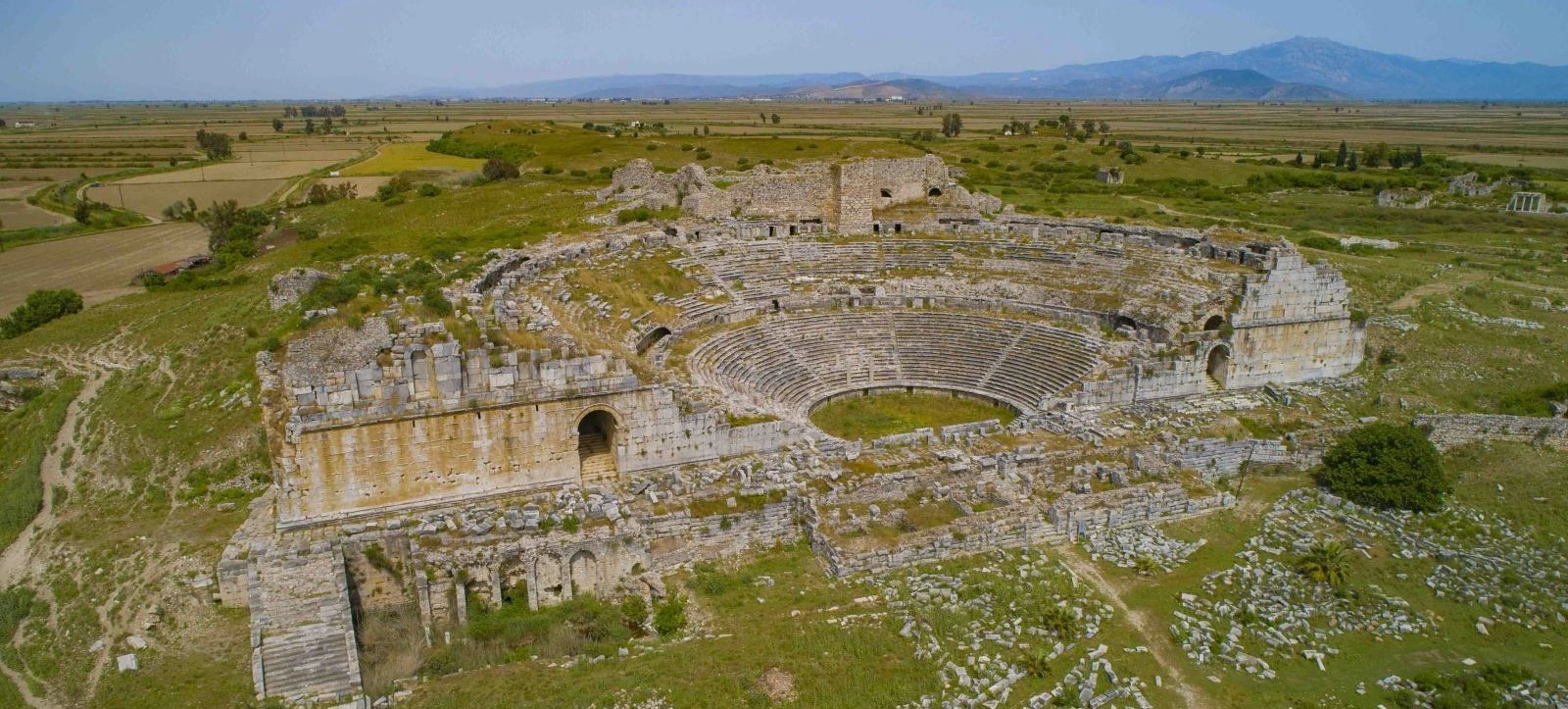
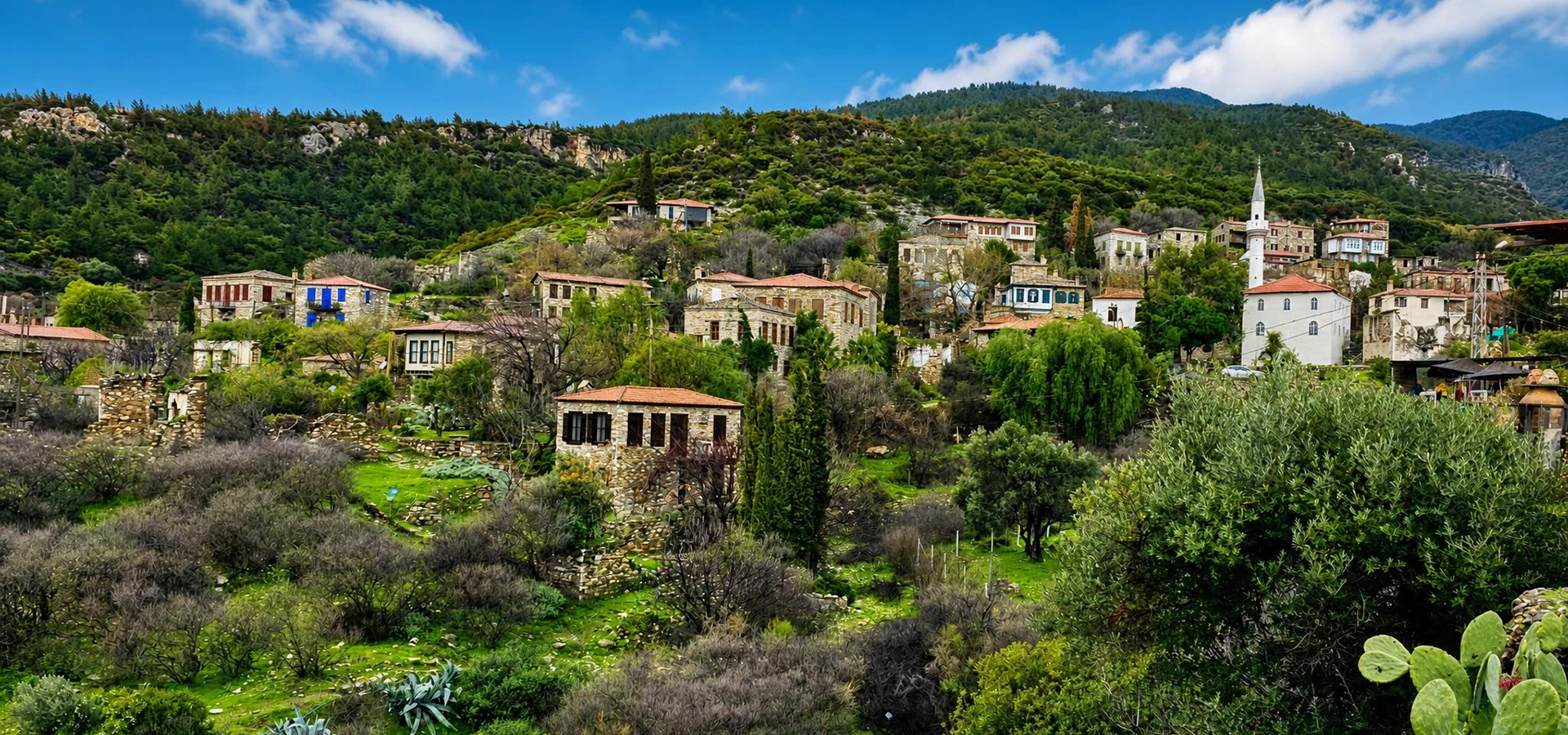
A private itinerary can combine an authentic Söke Pide meal with ancient Miletus, the Temple of Apollo at Didyma, Old Doğanbey Village, or the natural landscapes of the Büyük Menderes Delta.

These combinations offer an especially rewarding way to explore the relationship between western Anatolia's history, agriculture, culture, and regional food.

Practical Guide to Visiting Söke for Traditional Pide

Location

Söke district is situated in western Aydın Province, within Türkiye's Aegean region.

Getting There

Söke is accessible by road from Aydın, Kuşadası, Didim, and other nearby destinations.

When to Visit

Traditional pide can be enjoyed year-round, subject to individual restaurant schedules.

Best Savoury Choice

Try geographically indicated Söke Pidesi prepared with roasted beef, eggs, parsley, and çökelek.

Best Sweet Choice

Finish with warm Söke Tahinli Pidesi.

Dining Style

Local pide restaurants generally provide informal and welcoming settings.

Local Culture

Combine regional dining with Söke's markets, agricultural landscapes, and surrounding heritage.

Private Experiences

A personalised journey can include Söke's local food traditions and nearby cultural attractions.


For visitors travelling between Kuşadası, Didim, Aydın, and the nearby archaeological sites, Söke provides an excellent opportunity to experience traditional regional food.

Best Photography Opportunities for Söke Pide

Traditional Söke Pidesi offers excellent photographic opportunities, from its distinctive ingredients and oval shape to the atmospheric setting of a stone-fired bakery.

The Stone Oven

Capture the traditional oven and the process of baking freshly prepared pide.

The Rich Savoury Filling

Focus on the combination of meat, tomato, herbs, eggs, and cheese.

Traditional Dough Shaping

Photograph the baker opening and forming the distinctive oval dough.

Fresh Buttered Crust

Capture the characteristic finished edges of traditional Söke Pidesi.

Sweet Tahini Pide

Highlight the golden baked surface and sesame-rich texture of the sweet speciality.

The Dining Table

Arrange savoury Söke Pidesi and sweet tahini pide together to illustrate the district's culinary diversity.


Always request permission before photographing restaurant staff or other guests. Take care around hot stone ovens and avoid disturbing the food preparation process.

Frequently Asked Questions About Söke Pide

What is Söke Pide?

Söke Pide is a traditional Turkish baked speciality from Söke district in Aydın Province. Its registered preparation features fermented wheat dough, roasted minced beef, tomatoes, eggs, parsley, çökelek cheese, and oak-fired stone-oven baking.

What is Söke Pide called in Turkish?

It is called Söke Pidesi.

Where does Söke Pide originate?

It originates from Söke district in Aydın Province, western Türkiye.

Is Söke Pide geographically indicated?

Yes. Söke Pidesi was officially registered by the Turkish Patent and Trademark Office under geographical-indication registration number 1248.

When was Söke Pide officially registered?

The registration was completed on 31 October 2022.

Who registered Söke Pidesi?

The registration holder is the Söke Commodity Exchange, known as Söke Ticaret Borsası.

Is Söke Tahinli Pidesi separately registered?

Yes. Söke Tahinli Pidesi received its own geographical-indication registration, number 1521, on 18 January 2024.

Who registered Söke Tahinli Pidesi?

The registration holder is the Söke Chamber of Commerce, known as Söke Ticaret Odası.

What makes Söke Pidesi special?

Its slow-roasted minced beef, two-part filling preparation, use of eggs and çökelek, generous filling quantity, oak-fired stone oven, and butter-finished edges distinguish it from many other pide varieties.

What meat is used in traditional Söke Pide?

The registered recipe uses lean minced beef obtained from selected parts of the animal, including the shoulder, flank, and rib areas.

Is the minced meat cooked before the pide is baked?

Yes. Traditional Söke Pidesi uses minced beef that has already been slowly roasted before it becomes part of the filling.

How long is the beef roasted?

The registered method describes roasting the minced beef for approximately 3–4 hours at 120–130°C.

Why does Söke Pide contain çökelek?

Çökelek is a traditional fresh curd cheese that adds dairy flavour and texture to the egg-and-parsley mixture used in the filling.

Does traditional Söke Pide contain eggs?

Yes. Eggs are an important ingredient in the registered savoury filling.

Why are there two separate filling mixtures?

The registered method prepares roasted minced beef and tomatoes separately from eggs, parsley, and çökelek. These mixtures are combined shortly before the pide is assembled.

What is the traditional dough made from?

The dough is prepared with wheat flour, water, fresh yeast, and salt.

What shape is traditional Söke Pidesi?

It has an open oval shape, with the uncooked dough measuring approximately 32–35 centimetres long and 15–18 centimetres wide.

Is Söke Pide cooked in a wood-fired oven?

Yes. The registered savoury speciality is traditionally baked in a stone oven heated with oak firewood.

What temperature is used for baking Söke Pidesi?

The registered method specifies an oven temperature of approximately 350–380°C.

How long does Söke Pide take to bake?

The registered baking method describes approximately 10–15 minutes, depending on the preparation and oven conditions.

Why is butter applied after baking?

Melted butter is brushed over the thicker side crust to help prevent it from becoming excessively hard and to add richness.

What is Söke Tahinli Pidesi?

Söke Tahinli Pidesi is a traditional sweet baked speciality prepared with wheat dough, sesame tahini, sugar, and butter.

Is Söke Tahinli Pidesi sweet?

Yes. Its characteristic sweetness comes from granulated sugar combined with rich sesame tahini and butter.

How is Söke Tahinli Pidesi shaped?

The dough is rolled into a circular shape, spread with tahini and sugar, wrapped, coiled, and opened again before the final toppings are applied.

How is Söke Tahinli Pidesi baked?

The registered method describes baking it at approximately 250°C for around ten minutes, preferably in a stone-based oven.

Is Söke Tahinli Pidesi served hot?

It is recommended to enjoy it warm, after the traditional resting period following baking.

Is Söke Pide spicy?

The traditional registered filling does not depend on strong spices. Black pepper and red pepper flakes may be added optionally.

Does Söke Pide contain dairy?

Yes. Traditional savoury Söke Pidesi contains çökelek cheese and butter. The sweet tahini variety also contains butter.

Does Söke Pide contain gluten?

Yes. Both registered specialities use wheat flour and contain gluten.

Is Söke Tahinli Pidesi suitable for people with sesame allergies?

No. Sesame tahini is one of its principal ingredients.

Are there vegetarian pide options in Söke?

Some restaurants may offer cheese, vegetable, or other meat-free pide varieties. However, the registered traditional savoury Söke Pidesi contains beef.

Where can I eat authentic Söke Pidesi?

Traditional pide restaurants and bakeries in Söke district offer opportunities to experience the local speciality.

What should I order on my first visit?

Start with traditional Söke Pidesi prepared with roasted beef, egg, and çökelek, then enjoy a portion of sweet Söke Tahinli Pidesi.

Can I eat Söke Pide for breakfast?

Traditional savoury pide can be enjoyed at different times of day, depending on the restaurant's opening hours and serving schedule.

Is Söke Pide available throughout the year?

Yes. Traditional pide is a year-round food, although individual restaurant schedules and availability may vary.

Can I combine Söke Pide with sightseeing?

Yes. Söke is within reach of destinations such as Miletus, Didyma, Old Doğanbey Village, Lake Bafa, and the Büyük Menderes Delta.

Is Söke worth visiting for its local food?

Yes. Söke offers the opportunity to experience two geographically indicated pide specialities while exploring the cultural and natural heritage of western Aydın.

Private Söke Culinary Tours and Aydın Experiences

Discover traditional Söke Pidesi and the remarkable heritage of western Aydın through personally designed private journeys combining gastronomy, archaeology, nature, and local culture.

Private Söke Food and Culture Experiences

Flexible private arrangements showcasing Söke's traditional food, regional landscapes, and historical heritage.

Culture, History, and Gastronomy

Combine Söke's rich food heritage with remarkable ancient cities, traditional villages, and scenic landscapes.