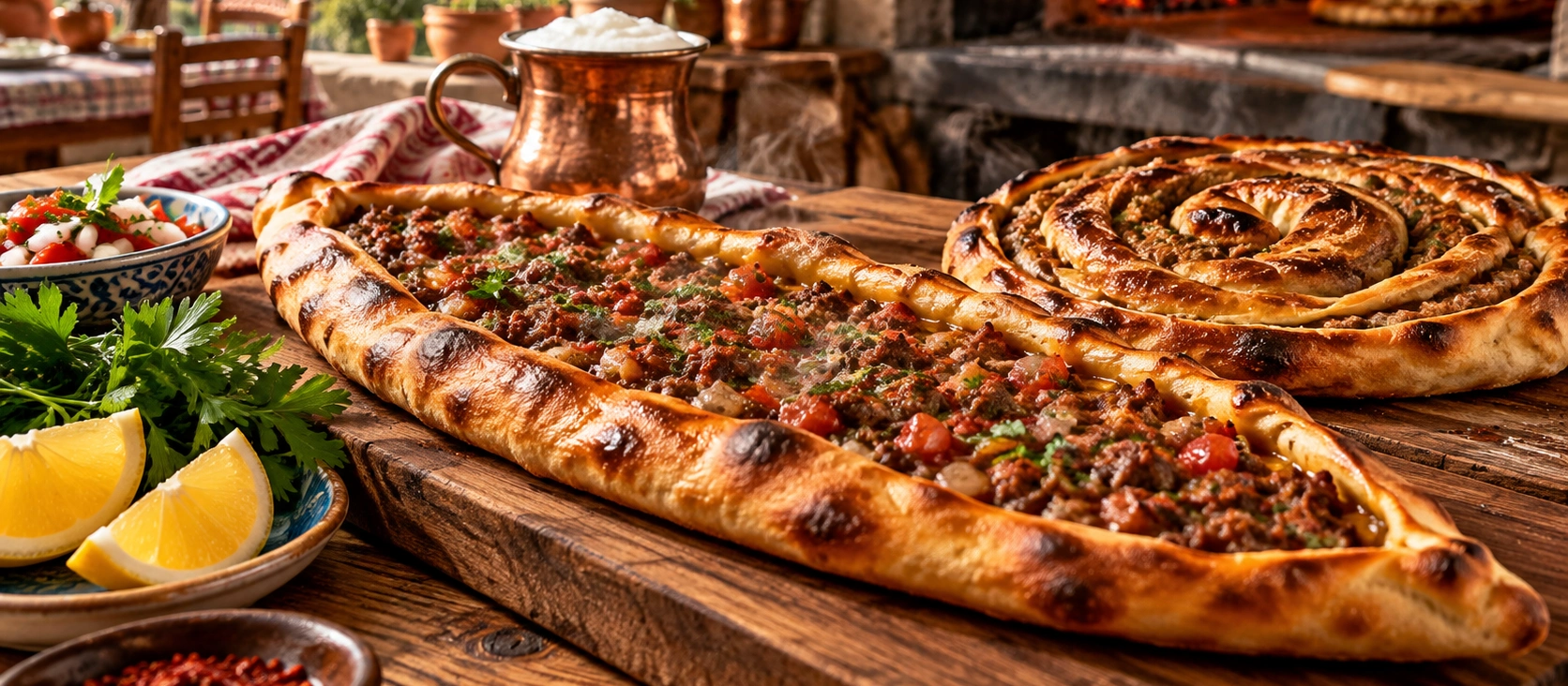
Private Nazilli Culinary Experience
Discover the traditional food culture of Nazilli through a customized gastronomic journey featuring local pide, regional specialties and authentic dining experiences.
Request a Culinary Experience





Nazilli Pide, known locally as Nazilli Pidesi, is one of the most distinctive traditional foods of Aydın Province in western Türkiye. Originating from the Nazilli area, this regional specialty combines freshly prepared dough, generous fillings, traditional craftsmanship and the distinctive heat of a wood-fired stone oven.
Although pide is enjoyed throughout Türkiye, Nazilli Pide has developed its own recognizable identity. Its generously filled surface, carefully shaped edges, balanced dough and traditional baking technique distinguish it from many other regional varieties of Turkish pide.
One of the most fascinating characteristics of Nazilli Pide is its diversity. The officially recognized specialty includes four traditional varieties: minced meat pide, cheese-and-egg pide, round minced meat pide known as Nazilli Gülü, and sweet tahini pide.
The first three varieties are generally enjoyed as savory dishes, while the fragrant tahini version is traditionally served as a sweet conclusion to a meal. Together, they create a culinary experience that reflects the creativity and hospitality of the region.
Nazilli Pidesi received official geographical indication registration from the Turkish Patent and Trademark Office on 18 November 2020, under registration number 594. The registration recognizes its historical relationship with the region, traditional ingredients, distinctive shapes and skilled production methods.
Today, Nazilli Pide remains an essential part of the local dining culture. For visitors exploring Aydın's fertile valleys, traditional towns and archaeological heritage, enjoying freshly baked pide offers a delicious introduction to the region's everyday life.
Discover a beloved traditional specialty associated with Nazilli and surrounding districts of Aydın.
Explore minced meat, cheese-and-egg, Nazilli Gülü and sweet tahini pide.
Learn how traditional baking techniques contribute to the flavor, texture and aroma.
Understand the officially recognized geographical indication and the craftsmanship behind it.
Essential information about one of Aydın's most celebrated traditional baked specialties.
Nazilli and surrounding districts of Aydın Province, western Türkiye.
Explore Nazilli on Google MapsTraditional Turkish pide made with hand-prepared wheat dough and generous fillings.
Baked in a wood-fired oven with a stone baking surface.
Geographical indication registration No. 594, dated 18 November 2020.
Kıymalı, peynirli yumurtalı, Nazilli Gülü and tahinli pide.
Usually served freshly baked, with butter applied to savory pide after baking.
A distinctive regional Turkish pide shaped by traditional baking, skilled craftsmanship and generous fillings.
Nazilli Pide is a traditional oven-baked Turkish flatbread dish associated with the Nazilli region of Aydın. It is prepared from a yeast-based wheat dough that is shaped by hand, generously covered with savory or sweet ingredients and baked in a hot wood-fired stone oven.
The term pide describes several forms of Turkish bread and filled flatbread. Across Türkiye, different regions have developed their own methods of preparing the dough, choosing the filling, shaping the bread and controlling the baking process.
Nazilli's version is particularly associated with the substantial quantity of its filling. In the traditional preparation, the topping covers the interior surface generously, creating a satisfying balance between the bread and its ingredients.
Its identity also depends on the oven. The combination of a heated stone surface and radiant heat from burning wood produces a characteristic crust, freshly baked aroma and appealing contrast between the bread and its topping.
However, traditional Nazilli Pide is not defined by ingredients alone. Experienced pide masters are responsible for preparing the dough, stretching it to the correct shape, distributing the filling, positioning it inside the oven and determining the ideal moment for serving.
For travelers exploring Aydın's regional cuisine, Nazilli Pide is an excellent example of how a seemingly simple combination of bread and local ingredients can develop into a protected culinary tradition.
What distinguishes Nazilli Pide from many other Turkish pide varieties is the combination of its dough preparation, generous topping, traditional shapes and skilled wood-fired baking.
The geographical indication specification identifies several important characteristics that contribute to the authentic product.
The registered preparation uses white wheat flour, water, salt and yeast to produce a carefully balanced dough.
The filling covers the interior generously, creating a distinctive proportion of ingredients to bread.
Experienced pide masters stretch and shape the dough manually using traditional techniques.
The traditional stone-bottomed oven contributes to the characteristic aroma, color and texture.
The specialty includes elongated boat-shaped pide and round varieties with their own traditional dimensions.
The registered method calls for freshly prepared dough that is used on the same day.
Traditional producers favor suitable ingredients, including meat and cheese preferably sourced from locally raised animals.
Experience guides every stage, from shaping and filling to placement and timing inside the oven.
Nazilli lies within the fertile Büyük Menderes Valley, one of the important agricultural landscapes of western Anatolia. The district's history is closely connected with farming, trade, local markets and the movement of people through the Aegean region.
These surroundings helped support a diverse culinary culture based on agricultural produce, grains, vegetables, dairy products and meat. Bread-making and oven cooking became familiar parts of the region's everyday food traditions.
Throughout Anatolia, bakers developed methods of preparing bread with savory toppings and fillings. Regional variations eventually became associated with individual towns, where local preferences and the techniques of experienced craftsmen shaped recognizable culinary identities.
In Nazilli, the tradition of preparing filled pide became an established element of local dining. Specialized pide bakeries and restaurants helped preserve the skills involved in dough preparation, stretching and baking.
The oven itself became an important part of this tradition. A skilled baker must understand how the oven's temperature changes, where to position each pide and how to produce the desired crust without overcooking the filling.
The cultural importance of Nazilli Pide received formal recognition when the Nazilli Chamber of Commerce applied for geographical indication registration on 4 April 2019.
The registration was completed on 18 November 2020, documenting the dish's distinctive characteristics and its geographical connection to Nazilli and neighboring districts.
The fertile lands surrounding Nazilli provide an important setting for its traditional food culture.
Traditional pide restaurants preserve baking techniques and introduce the specialty to new generations.
The knowledge of local pide masters remains a defining characteristic of the regional dish.
Four recognized varieties demonstrate the versatility of traditional pide preparation.
The official geographical indication records the specialty's distinctive preparation and regional association.
Nazilli Pide continues to be enjoyed in everyday meals and regional food experiences.
Nazilli Pidesi holds a registered Turkish geographical indication classified as a Mahreç İşareti. This designation recognizes a product whose reputation, distinctive characteristics or traditional production are connected to a particular geographical region.
Unlike the town name alone, the geographical indication covers a defined production area including Nazilli and six neighboring districts in Aydın Province.
The registration describes four traditional pide varieties and documents their shapes, ingredients, dough preparation and oven-baking techniques.
The geographical indication specifies seven districts within Aydın Province:
The principal town associated with the specialty and its traditional culinary identity.
Part of the registered geographical production area east of Nazilli.
A historic district of Aydın included within the protected geographical boundary.
A southern district associated with its own rich baking and food traditions.
A nearby district with an established regional culinary heritage.
A district in the Büyük Menderes Valley included in the geographical indication area.
The eastern district of Aydın included in the registered production boundary.
One of the most interesting aspects of Nazilli Pide is that its protected identity includes several different preparations rather than one fixed topping.
The official registration recognizes four varieties, each with its own ingredients, shape and place in the regional dining experience.
Kıymalı Nazilli Pide is the traditional minced meat variety. It features a generous mixture of finely minced beef, onion, tomato, parsley and salt spread across an elongated piece of dough.
The dough is shaped into a boat-like form, with slightly raised edges that hold the filling in place. The pide is traditionally baked in a wood-fired stone oven and brushed with butter after baking.
The meat mixture contributes richness, while the vegetables add moisture, freshness and natural sweetness.
This popular variety replaces the minced meat filling with a mixture of tulum cheese, eggs and parsley.
The traditional filling creates a rich, savory flavor and a soft texture that contrasts with the freshly baked dough.
Like the minced meat version, it is prepared in an elongated, open-topped shape and baked in a wood-fired oven.
Nazilli Gülü, meaning Rose of Nazilli, is a distinctive round variation of traditional minced meat pide.
Instead of the usual elongated shape, the dough is formed into a circle approximately 15 centimeters in diameter. Its slightly raised edges surround a generous minced meat filling.
The name and compact shape make Nazilli Gülü one of the most recognizable expressions of the local pide tradition.
Tahinli Pide provides a sweet conclusion to the Nazilli pide experience.
This variety is prepared using traditional pide dough, sesame tahini, sugar and butter. The dough is shaped into a thin circular form approximately 20 centimeters in diameter.
After baking, the combination creates a rich sesame flavor, buttery aroma and delicate sweetness. Its characteristic texture is often described as pleasantly reminiscent of a biscuit.
Tahinli Pide is traditionally enjoyed after a savory minced meat or cheese pide, turning a visit to a local pide restaurant into a complete culinary experience.
The shape of Nazilli Pide is an important part of its identity. Traditional bakers use different forms depending on the filling and intended serving style.
Approximately 25 centimeters long, with an open surface, a flat base and slightly raised sides.
Prepared in a similar boat-like form to the minced meat version, with a generous cheese-and-egg filling.
A circular pide approximately 15 centimeters in diameter, traditionally filled with minced meat.
A thin, circular sweet pide approximately 20 centimeters in diameter.
The registered specification also provides useful measurements illustrating the generous filling proportions characteristic of Nazilli Pide.
These proportions demonstrate the importance of the filling in the traditional recipe. They are part of the registered production specification rather than a guarantee that every restaurant portion will be identical.
The foundation of authentic Nazilli Pide is a simple but carefully prepared yeast dough.
The registered recipe uses white wheat flour, drinking-quality water, yeast and salt. The proportions and resting process help produce a dough that can be stretched by hand while maintaining the required structure.
The traditional preparation uses white wheat flour to achieve the intended dough texture.
Correct hydration allows the dough to be stretched and shaped without becoming excessively sticky or stiff.
Yeast helps the dough rise and develop the structure needed for baking.
Traditional kneading develops the dough's elasticity and prepares it for stretching.
The resting period allows fermentation and makes the dough easier to shape.
The registered method requires dough prepared for use on the same day rather than carried over to the following day.
The ingredients used in Nazilli Pide depend on the chosen variety. The geographical indication specification provides detailed compositions for the traditional preparations.
For the traditional minced meat variety, the registered recipe lists the following proportions.
The mixture is prepared using relatively lean minced beef, finely chopped vegetables and a measured quantity of salt. The ingredients are combined and distributed evenly across the dough before baking.
The traditional cheese version uses a smaller selection of ingredients, allowing the flavor of the cheese to remain prominent.
The sweet version uses sesame tahini, sugar and butter combined with the prepared pide dough.
In the registered production formula, the quantities for a batch based on one kilogram of prepared dough are:
The traditional production process combines carefully prepared dough, fresh fillings, skilled hand shaping and high-temperature baking.
White wheat flour, water, yeast and salt are combined to create a smooth dough. The mixture is kneaded by hand until it reaches the required consistency.
The prepared dough rests in a cool environment for at least two hours, allowing fermentation and improving its handling characteristics.
The dough is divided into individual portions according to the type of pide being prepared. For the standard elongated savory version, the registered dough portion is approximately 150 grams.
The selected ingredients are prepared according to the variety. Minced meat filling is mixed with finely chopped vegetables, while cheese-and-egg filling is blended with parsley.
The pide master stretches the dough using traditional hand movements, working it against the preparation surface and rotating it to achieve the intended shape and consistency.
The filling is spread generously and evenly across the interior, leaving sufficient space around the edges for shaping.
For the elongated savory varieties, the edges are folded inward slightly to contain the filling, creating the characteristic boat-like shape.
The pide is transferred into a heated stone-bottomed wood-fired oven using a baking peel. The baker carefully selects its position according to the heat distribution.
After baking, the traditional savory pide is brushed with butter. Depending on the season and preference, citrus juice or lemon may be added before serving.
The pide is served while hot, allowing diners to appreciate the contrast between its freshly baked crust and rich filling.
The wood-fired oven is one of the defining elements of authentic Nazilli Pide.
Traditional ovens have a stone baking surface and are heated using wood. The combination of stored heat in the stone and radiant heat within the oven creates conditions that differ from those of a conventional home oven.
The intense heat helps the dough bake rapidly while the topping cooks and develops its characteristic aroma.
Equally important is the ability of the pide master to control the baking process. The baker must judge where to place the pide, when to rotate or reposition it and when it has reached the appropriate level of browning.
The stone floor transfers heat directly to the dough, supporting the development of the base and crust.
Heat from the oven walls and fire contributes to the cooking and browning of the upper surface.
Traditional wood-fired baking helps produce the familiar aroma associated with freshly prepared Nazilli Pide.
High oven temperatures allow efficient baking when the dough thickness and filling are correctly prepared.
The baker selects positions inside the oven according to temperature and the distribution of heat.
The process depends on practical experience rather than simply following a fixed temperature setting.
The flavor of Nazilli Pide depends on the filling, but all traditional varieties share the appeal of freshly baked wheat dough and the distinctive character of wood-fired cooking.
The minced meat version combines savory beef with the freshness of tomatoes, onions and parsley. The buttery finish adds richness, while the dough provides a satisfying contrast in texture.
Cheese-and-egg pide offers a different experience, with the richness of the eggs balanced by the savory character of tulum cheese.
Nazilli Gülü delivers a compact version of the minced meat experience, distinguished by its round shape.
Tahini pide changes the character of the meal completely, introducing nutty sesame aromas, sweetness and buttery richness.
A warm wheat aroma and satisfying crust provide the foundation of the dish.
Generous meat or cheese toppings create a substantial and flavorful meal.
Tomatoes, onions and parsley bring moisture and freshness to the minced meat preparation.
Butter adds aroma and softness to the freshly baked savory pide.
Traditional oven baking contributes distinctive toasted and roasted aromas.
Tahini pide combines the richness of sesame with sugar and butter for a dessert-like experience.
Nazilli Pide is best enjoyed immediately after baking, while the bread is still warm and the toppings retain their freshly cooked flavor.
The savory varieties are commonly presented as a main dish, often cut into manageable portions. Traditional restaurants may offer fresh vegetables, seasonal salads and familiar Turkish drinks alongside the pide.
The registered preparation also describes brushing the baked savory pide with butter and optionally adding lemon or bitter orange juice according to taste and season.
Butter is traditionally applied after baking to add richness and aroma to savory pide.
A little citrus juice may be used to create a pleasantly sharp contrast to the savory filling.
Seasonal vegetables and greens can provide a refreshing accompaniment to the rich pide.
This chilled Turkish yogurt drink is a familiar pairing with freshly baked savory dishes.
Tea is a popular choice after a satisfying meal or alongside a sweet dessert.
The traditional sweet variety provides a delicious finish after minced meat or cheese pide.
Türkiye has a remarkable variety of traditional pide styles. Although many use similar basic ingredients, regional differences in dough, toppings, shapes and baking methods create distinctive local specialties.
Recognized for generous fillings, traditional hand shaping, wood-fired stone-oven baking and four registered varieties.
Black Sea regional pide includes numerous forms, often featuring local cheeses, butter, meat or eggs.
A long, relatively thin baked flatbread topped with a minced meat mixture, associated with Konya's culinary heritage.
Another geographically recognized Aydın pide tradition with its own registered preparation and regional identity.
A regional pide specialty associated with Bozdoğan, where traditional baking and hand shaping are important culinary practices.
Usually a thinner, open flatbread with a minced meat and vegetable topping rather than the more substantial boat-shaped pide.
What makes Nazilli Pide particularly interesting is its combination of substantial filling proportions, carefully documented varieties and distinctive traditional preparation.
For food enthusiasts, comparing the regional pide traditions of Aydın offers an opportunity to discover how neighboring districts can develop recognizable culinary identities from similar basic ingredients.
It is possible to prepare a home-style pide inspired by the traditional Nazilli recipe using common kitchen ingredients and a domestic oven.
However, the authentic geographical indication specification includes particular production conditions, hand-shaping techniques and wood-fired baking methods that are difficult to reproduce exactly at home.
Begin with a yeast dough made from wheat flour, water, salt and yeast. Knead until smooth and allow it to rise sufficiently.
For a minced meat topping, combine minced beef with finely chopped tomatoes, onions, parsley and salt.
Stretch the dough into an elongated shape, distribute the filling evenly and fold the edges inward slightly.
Transfer the prepared pide onto a preheated baking surface and bake until the dough is properly cooked and the meat filling reaches a safe internal temperature.
Finish with a little butter if desired and serve while warm.
Prepare the dough on the day of cooking for the best home-style results.
Resting helps the dough become easier to stretch and shape.
Small, evenly prepared pieces help distribute the filling across the dough.
The substantial filling is one of the defining characteristics of the traditional dish.
A thoroughly heated baking surface supports better crust development.
Ensure minced beef reaches 71°C (160°F), and cook egg fillings to a safe temperature.
The natural destination for discovering Nazilli Pide is Nazilli town, situated in the eastern part of Aydın Province.
The town has a longstanding culture of traditional restaurants and specialized pide bakeries. Visitors can explore local establishments offering wood-fired pide prepared in different regional styles.
The central neighborhoods of Nazilli are an excellent starting point for finding traditional pide restaurants. Look for establishments specializing in freshly prepared pide and traditional oven baking.
Specialized bakeries offer the opportunity to observe the preparation and baking process. Where the workspace is visible, guests may be able to watch pide masters stretch the dough and transfer the prepared breads into the oven.
The geographical indication includes neighboring districts such as Kuyucak, Karacasu, Bozdoğan, Yenipazar, Sultanhisar and Buharkent. These communities provide further opportunities to explore the region's broader pide traditions.
Nazilli-style pide may also be offered elsewhere in Aydın and Türkiye. However, the appearance of the name on a restaurant menu does not by itself establish compliance with the geographical indication specification.
Look for restaurants where pide is a principal part of the menu.
Traditional stone-bottomed wood-fired ovens are central to the registered preparation.
Consider ordering more than one type if dining with companions.
The round minced meat variety is especially distinctive to the regional tradition.
The traditional sweet pide is an important part of the complete experience.
Menus, opening hours, prices and availability can vary between establishments.
Aydın's culinary identity reflects its fertile agricultural landscape and the long history of settlement in the Büyük Menderes Valley.
The province is widely associated with olives, figs, olive oil, vegetables, herbs and regional agricultural products. Alongside these Mediterranean and Aegean traditions, bread-making and oven-baked foods remain important parts of local cuisine.
Nazilli Pide demonstrates how agricultural ingredients become an expression of local identity through skilled preparation.
The traditional dish brings together wheat flour, meat, dairy products, vegetables and sesame-based preparations, depending on the chosen variety.
It also reflects the social importance of eating together. Pide restaurants are familiar gathering places where friends, families and travelers enjoy freshly prepared food in a relaxed atmosphere.
For visitors, a meal of Nazilli Pide offers more than an opportunity to taste regional bread. It provides a connection to local craftsmanship and the everyday food traditions of western Anatolia.
The ingredients reflect the productive farming landscapes surrounding Nazilli.
Traditional ovens and dough preparation remain central to the local culinary identity.
Experienced pide masters help preserve techniques associated with the regional specialty.
Pide restaurants offer welcoming settings for enjoying regional food with family and friends.
The four traditional varieties provide a complete culinary experience, from savory main dishes to dessert.
Traditional foods encourage travelers to discover the character of smaller towns and districts.
Nazilli is a rewarding food stop for travelers exploring inland Aydın and the historic landscapes of the Büyük Menderes Valley.
A traditional pide lunch can be combined with local markets, historic towns, archaeological attractions or a wider journey through the region.
Visit Nazilli town center and enjoy freshly baked pide at a traditional restaurant. Order a savory variety and finish with tahini pide for a complete regional tasting experience.
Combine a pide lunch with a relaxed exploration of Nazilli's streets, markets and local shopping areas. This option offers an introduction to everyday life in a traditional Aydın town.
Combine a culinary experience in Nazilli with a visit to Nysa Ancient City near Sultanhisar, subject to current access and opening arrangements.
Build a food-focused itinerary that connects Nazilli Pide with Aydın figs, Memecik olive oil, regional meat dishes and traditional local desserts.
Nazilli Pide is not a seasonal dish. Traditional restaurants may prepare it throughout the year, depending on their opening schedules and daily availability.
For travelers combining food experiences with sightseeing, spring and autumn often offer comfortable conditions for exploring the wider Aydın region.
Enjoy comfortable sightseeing weather and discover regional food alongside the green landscapes of the valley.
Traditional pide makes a satisfying meal, while outdoor sightseeing is best planned around the summer heat.
Milder weather creates pleasant conditions for culinary journeys through inland Aydın.
Freshly baked pide provides a comforting meal during cooler travel days.
A traditional pide lunch is convenient for visitors traveling through Nazilli and nearby districts.
Evening dining may be available at establishments offering dinner service; confirm their current hours.
Discovering traditional foods is one of the most rewarding parts of traveling through Türkiye. A few simple recommendations can help you appreciate the distinctive qualities of Nazilli Pide.
Fresh preparation allows you to enjoy the intended contrast between warm dough and cooked filling.
Look for the four traditional varieties rather than assuming every pide on the menu is part of the registered specification.
Ordering several types for the table is a convenient way to compare flavors and textures.
The sweet version is a memorable part of the regional dining tradition.
Restaurants may offer different portion sizes, extra toppings and regional variations.
Traditional pide establishments can provide an opportunity to appreciate the skill involved in hand shaping and baking.
Prices and menu offerings change over time, so check directly with the restaurant.
Enjoy the freshly prepared food without rushing through the experience.
Nazilli Pide contains wheat-based dough, and its additional ingredients vary depending on the selected traditional variety.
Travelers with allergies, intolerances or particular dietary requirements should verify the ingredients and preparation practices directly with the restaurant.
Traditional Nazilli Pide uses wheat flour and is therefore not suitable for a gluten-free diet.
Kıymalı Pide and Nazilli Gülü contain minced beef and are unsuitable for vegetarian diets.
The traditional cheese version contains both dairy products and eggs.
Tahini Pide contains concentrated sesame paste and is unsuitable for those with sesame allergies.
Traditional cheese pide contains dairy, and butter is used in registered savory and sweet preparations.
Cheese-and-egg or tahini varieties may suit some vegetarians, depending on cheese ingredients and individual requirements.
The registered cheese and tahini preparations include animal-derived ingredients, so vegan visitors should ask about available alternatives.
Visitors requiring halal verification should confirm meat sourcing and preparation directly with the establishment.
Visitors who enjoy combining regional gastronomy with history and culture can use Nazilli as a starting point for exploring several fascinating destinations in Aydın Province.
Discover another traditional Nazilli specialty, a refreshing local dessert associated with the region's culinary identity.
Explore the story of an ancient sacred site associated with the historic Nysa region and its religious traditions.
Learn about an ancient settlement associated with the nearby Arpaz area and the history of inland Aydın.
Discover a historical fortified complex reflecting the regional heritage of the Nazilli countryside.
Explore a traditional Aydın district known for its historic character, pottery heritage and proximity to Aphrodisias.
Discover one of Türkiye's remarkable archaeological destinations, celebrated for its ancient sculpture and monumental architecture.
Explore the rural landscapes and local traditions of a neighboring district included in Nazilli Pide's geographical indication area.
Learn about an important figure in the Turkish National Struggle and the cultural history of the region.
Nazilli Pide is one of many regional specialties that make Aydın an interesting destination for culinary exploration. Discover other foods shaped by the province's fertile landscapes, agricultural heritage and traditional cooking methods.
Discover Aydın's famous grilled meatballs, associated with traditional meat selection and charcoal cooking.
Explore a refreshing traditional dessert that represents another distinctive flavor of Nazilli.
Learn about the celebrated fig-growing heritage of the Büyük Menderes region.
Discover Aydın's traditional olive oil production and the distinctive character of the Memecik olive.
Explore a traditional wheat-and-meat specialty associated with community gatherings and celebrations.
Discover a traditional sweet dish made with pumpkin and familiar Turkish dessert ingredients.
Learn about chestnut cultivation and the culinary traditions surrounding this regional agricultural product.
Explore another traditional savory dish from the diverse food culture of Aydın.
Discover a traditional slow-cooked meat specialty associated with Dalama and local cooking heritage.
Explore the traditional small-skewer grilled meat specialty associated with Ortaklar in Aydın.
Discover an important local olive variety and its role in the region's agricultural identity.
Discover a traditional sweet specialty combining walnuts with a fruit-based coating.
Nazilli Pide is a traditional Turkish oven-baked flatbread specialty from the Nazilli region of Aydın Province. It is known for its generous fillings, hand-prepared dough and wood-fired stone-oven baking.
It is associated with Nazilli and six neighboring districts of Aydın Province in western Türkiye.
It is recognized for its traditional craftsmanship, substantial filling proportions, distinctive shapes and wood-fired preparation.
Yes. Nazilli Pidesi received Turkish geographical indication registration number 594 on 18 November 2020.
The geographical indication was registered following an application by the Nazilli Chamber of Commerce.
The registered varieties are minced meat pide, cheese-and-egg pide, round minced meat pide known as Nazilli Gülü, and sweet tahini pide.
Nazilli Gülü is a round minced meat pide approximately 15 centimeters in diameter, distinguished from the elongated traditional shape.
The traditional filling contains minced beef, tomato, onion, parsley and salt.
The registered cheese-and-egg variety uses tulum cheese together with eggs and parsley.
Tahinli pide is a sweet, round version of Nazilli Pide prepared using sesame tahini, sugar, butter and traditional pide dough.
Yes. In the traditional Nazilli dining experience, tahini pide is commonly enjoyed after savory minced meat or cheese pide.
It is baked in a traditional wood-fired oven with a stone baking surface.
The oven's heat and stone surface contribute to the pide's characteristic crust, aroma, color and texture.
The registered professional production method describes approximately 3–6 minutes in a traditional wood-fired oven, depending on heat intensity. Domestic baking times differ.
The traditional dough is made with white wheat flour, water, yeast and salt, kneaded by hand and rested for at least two hours.
The elongated minced meat and cheese varieties are approximately 25 centimeters long under the registered specification.
Both involve baked dough and toppings, but Nazilli Pide has its own regional ingredients, traditional shaping techniques, filling proportions and wood-fired baking practices.
Lahmacun is generally a thin, open flatbread with a minced meat topping, while traditional Nazilli Pide includes more substantial dough and fillings, with several distinctive shapes.
The registered minced meat filling is not defined by hot spices. However, individual restaurants may offer spicy accompaniments or variations.
It combines freshly baked wheat bread with rich meat or cheese fillings. The tahini version offers a sweet, buttery sesame flavor.
Yes. The registered savory preparation describes applying butter to the pide and its edges after baking.
The substantial quantity of filling is one of the traditional characteristics distinguishing Nazilli Pide from many other regional preparations.
Restaurants may serve fresh vegetables, salad, ayran and other accompaniments. Traditional tahini pide is a popular sweet finish.
Nazilli town and the surrounding registered districts of Aydın are the natural places to discover the traditional specialty.
Restaurants outside the area may serve Nazilli-style pide, but the geographical indication specifies production within a defined group of districts in Aydın.
The traditional cheese-and-egg variety may be suitable for some vegetarians, depending on the cheese. Minced meat varieties are not vegetarian, and the tahini version contains butter.
No. Traditional Nazilli Pide uses wheat flour and contains gluten.
Yes. Sesame tahini is one of its principal ingredients and must be avoided by anyone with a sesame allergy.
You can prepare a home adaptation using similar ingredients, although a domestic oven and simplified shaping methods will produce different results from the traditional registered method.
Yes. It is a year-round specialty, subject to individual restaurant opening hours and menu availability.
Yes. A traditional pide meal can be included in an itinerary visiting Nazilli, Nysa Ancient City, Karacasu or other destinations in inland Aydın.
Absolutely. It offers an opportunity to discover traditional Turkish baking, regional ingredients and the distinctive culinary identity of Aydın beyond its better-known agricultural products.
Traditional foods are an important part of regional heritage. Travelers can support their preservation by choosing local businesses, appreciating craftsmanship and approaching culinary experiences with curiosity and respect.
Dining at independent local establishments helps support the community's food traditions.
Recognize the craftsmanship required to prepare and bake authentic regional pide.
Learn about geographical indications and their role in preserving local culinary identities.
Ask permission before photographing kitchens, bakers or other guests.
Choose suitable portion sizes and share dishes when exploring several varieties.
Discover smaller towns and neighboring districts as part of a broader Aydın culinary journey.
Explore the regional gastronomy of Aydın, discover traditional specialties such as Nazilli Pide and combine authentic food experiences with historic towns, archaeology and countryside scenery through a tailor-made private journey.
Our team can help you arrange customized cultural and culinary experiences with comfortable private transportation, knowledgeable local guidance where arranged, and no compulsory shopping stops.
Discover the traditional food culture of Nazilli through a customized gastronomic journey featuring local pide, regional specialties and authentic dining experiences.
Request a Culinary Experience
Combine traditional Aydın cuisine with archaeological discoveries, countryside scenery and historic towns through a flexible private itinerary designed around your interests.
Plan Your Private TourFrom traditional baked specialties and celebrated figs to local olive products and regional desserts, Aydın offers a remarkable variety of flavors.
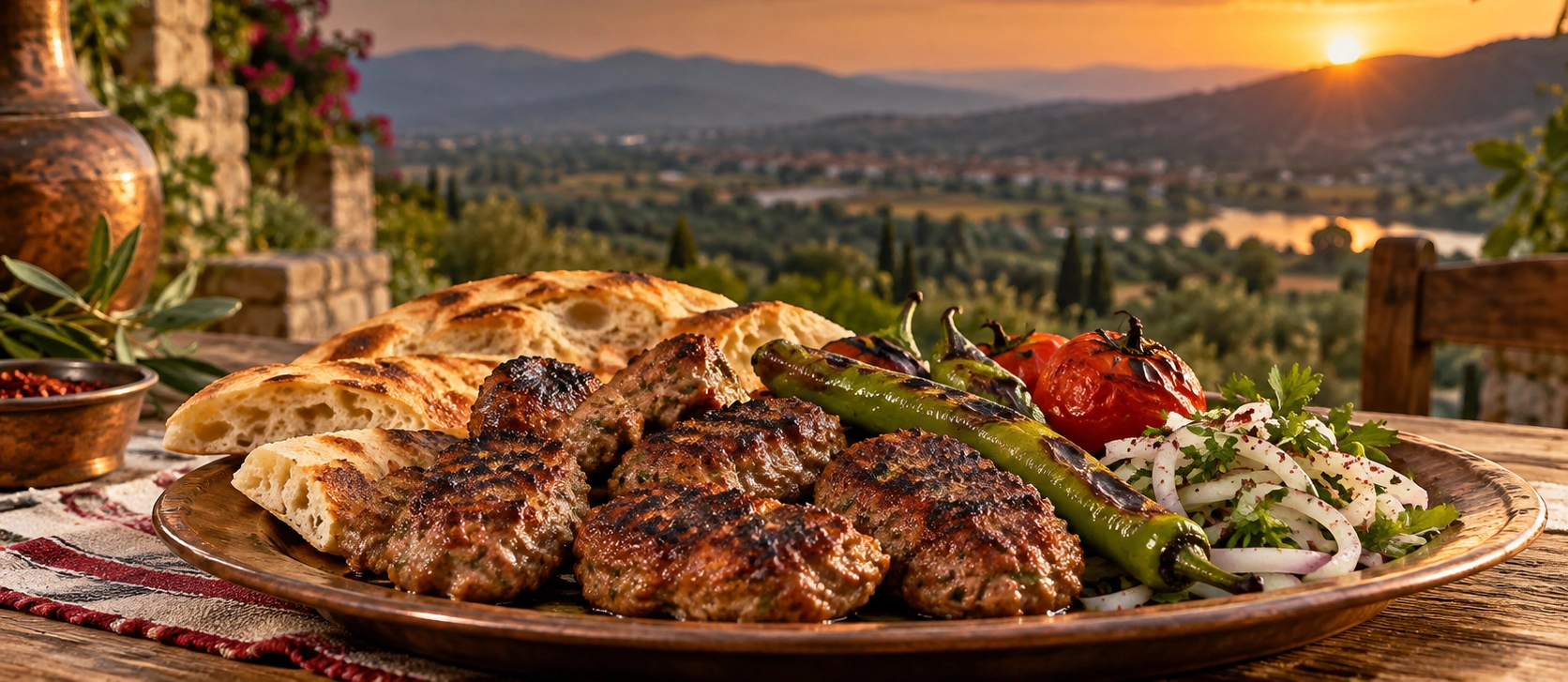
Explore another geographically recognized specialty of Aydın, famous for traditional meat preparation and charcoal-grilled flavor.
Discover Çine Köfte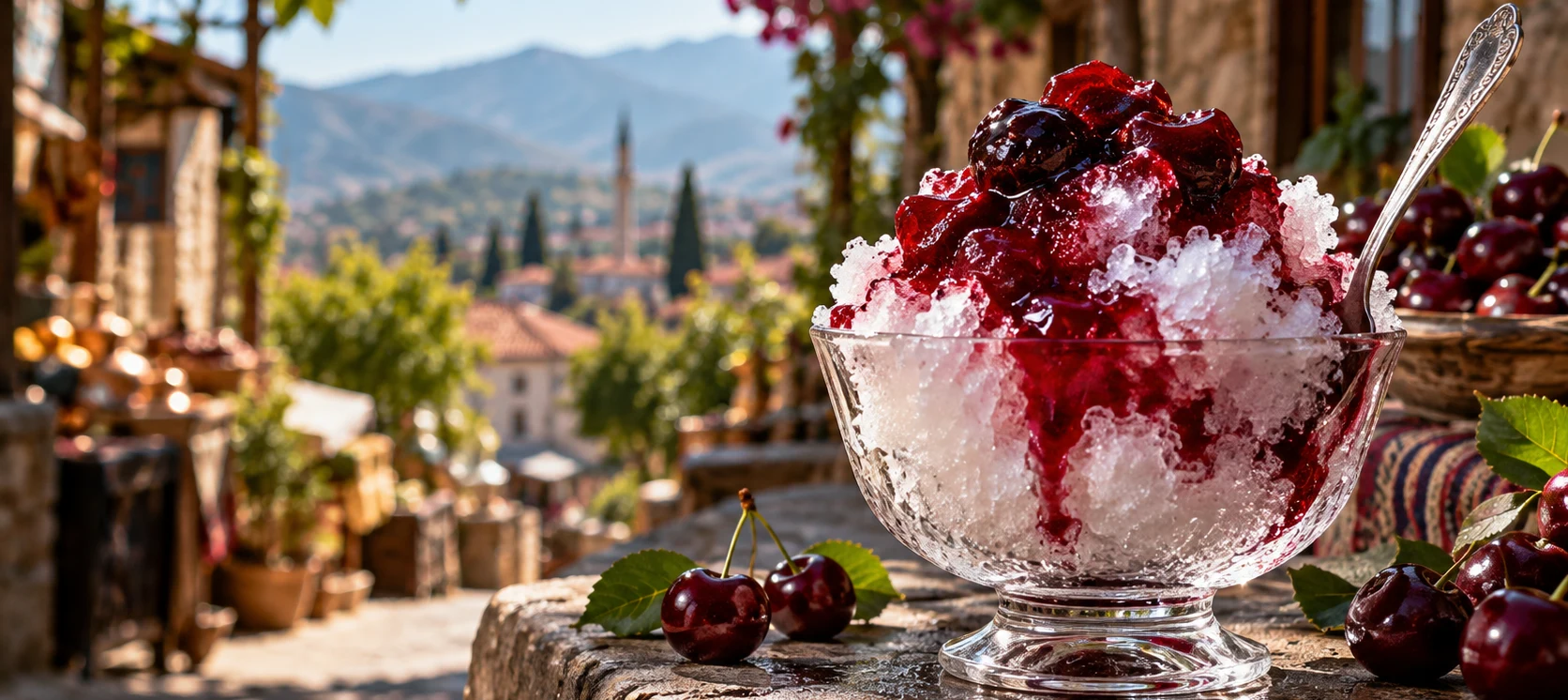
Discover another distinctive Nazilli specialty and explore the refreshing traditional dessert culture of the region.
Explore Nazilli Snow Halva
Discover one of Aydın's most celebrated agricultural products and its lasting importance in regional cuisine and culture.
Explore Aydın Figs