Private Tire Tuesday Market Experience
Ask us about a tailor-made market day focused on regional food, traditional crafts, photography, Tire's historic center and authentic local culture.
Request a Custom Tour





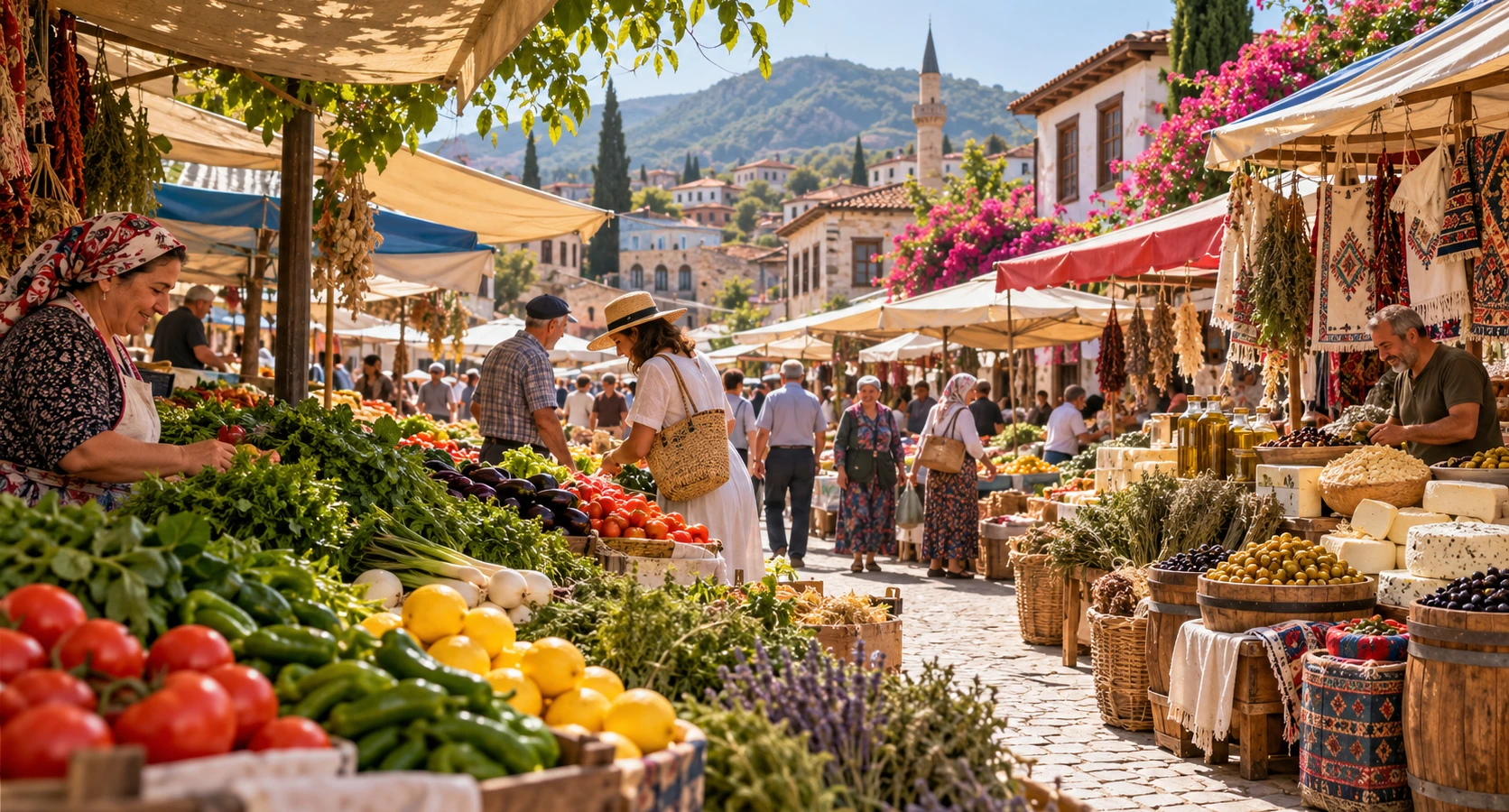
Every Tuesday, the historic town of Tire in İzmir Province undergoes an extraordinary transformation. Streets, squares and lanes throughout the center fill with stalls selling vegetables, fruit, herbs, cheeses, olives, textiles, household goods and traditional handicrafts.
Known in Turkish as Tire Salı Pazarı, the market is considered one of Türkiye's largest traditional open-air bazaars. Official tourism information describes a market extending for several kilometers, while more than 1,700 stalls may operate across the town on a busy market day.
Yet size is only part of its attraction. Tire Tuesday Market still functions primarily as a genuine regional marketplace. Farmers arrive from surrounding villages with seasonal produce, craftspeople sell work connected with centuries-old local traditions, and residents come to complete their weekly shopping.
For travelers, it provides something increasingly difficult to find: an opportunity to experience everyday Aegean life rather than a marketplace created specifically for tourists.
Experience Tire when its historic center becomes an enormous weekly marketplace.
Discover seasonal vegetables, wild herbs, fruit, cheese, olives and village products.
Look for Beledi weaving, felt, needlework and other crafts associated with Tire.
Explore a market that remains part of the weekly rhythm of the Küçük Menderes region.
Essential information for experiencing Tire's famous weekly market.
Central Tire, İzmir Province, in the Küçük Menderes Valley of western Türkiye.
Open on Google MapsTuesday every week.
More than 1,700 stalls may operate across several kilometers of central streets.
Fresh produce, Aegean herbs, village foods, textiles, handicrafts and local products.
Free. Tire Tuesday Market is a working public street market rather than a ticketed attraction.
Allow around 2–4 hours for the market, or combine it with historic Tire for a full-day visit.
Tire Market brings together agriculture, food, craftsmanship and community life on an extraordinary scale.
Many towns in Türkiye still have weekly markets, but few transform their urban center as completely as Tire. On Tuesday, the marketplace spreads through numerous streets rather than occupying a single enclosed square or purpose-built hall.
The result is an experience somewhere between a farmers' market, traditional bazaar and weekly regional gathering. Villagers and traders arrive from across the surrounding agricultural districts while local residents move between specialist sections selling everything from vegetables and dairy products to clothing and household supplies.
For visitors interested in gastronomy, the market provides an introduction to the extraordinary agricultural diversity of the Küçük Menderes Valley. Seasonal herbs, vegetables, fruit, olive products and cheeses change throughout the year.
The bazaar is equally important for preserving traditional craftsmanship. Tire has long been associated with weaving, felt making, ropework, saddlery, clog making and other trades that once supported everyday life throughout western Anatolia.
Tire developed into an important commercial center because of its position within the fertile Küçük Menderes Valley and its connections with the surrounding towns, villages and agricultural lands of western Anatolia.
During the medieval and Ottoman periods, Tire became known for agriculture, trade and specialized crafts. Its commercial streets contained inns, workshops, baths, mosques and bazaars serving merchants and residents from across the region.
Market traditions in Tire therefore developed alongside a much larger urban culture of craftsmanship and exchange. Rope makers, weavers, leather workers, felt makers and other craftsmen once operated alongside farmers selling the products of the surrounding countryside.
That relationship between town and countryside remains visible every Tuesday. Although modern clothing, household products and manufactured goods now occupy many stalls, farmers, food producers and artisans continue to give Tire Market its distinctive identity.
The town developed as an important agricultural, commercial and administrative center.
Weekly trade connected Tire with farming communities throughout the Küçük Menderes Valley.
Weaving, felt, rope, leatherwork and woodworking became important local trades.
The weekly bazaar served economic, social and community purposes simultaneously.
Contemporary products now share the streets with traditional foods and handmade goods.
The market remains a functioning local institution rather than simply a historic attraction.
Part of the pleasure of Tire Market is that there is no single product to search for. Different streets and sections specialize in different goods, and the selection changes according to season, harvest and local production.
Look for bundles of seasonal edible greens used extensively in the cuisine of western Türkiye.
Tomatoes, peppers, aubergines, beans, courgettes and leafy greens appear according to season.
Figs, grapes, melons, citrus fruit, cherries and other regional produce arrive throughout the year.
Explore stalls offering regional cheeses, yogurt and other products from local dairy traditions.
Sample one of the defining ingredients of Aegean cuisine from producers and specialist vendors.
Find dried vegetables, fruit, legumes, grains and ingredients used in traditional home cooking.
Look for decorative needle lace, embroidery and textile work made by local women.
Large sections sell kitchenware, tools, fabrics, clothing and everyday household products.
Western Türkiye is famous for its tradition of gathering and cooking wild and semi-wild greens. Tire Market is an excellent place to see how important these plants remain in everyday Aegean cuisine.
Depending on the season, vendors may display many unfamiliar leaves and shoots beside familiar vegetables. They may be boiled, sautéed with olive oil, added to pastries, mixed with yogurt or prepared as salads with lemon.
The selection changes constantly according to rainfall, temperature and growing season.
Many greens reflect culinary knowledge traditionally passed between generations.
Simple cooking with olive oil and lemon allows the character of local plants to remain central.
If you do not recognize a herb, ask how local families prepare and serve it.
Tire is one of the most interesting destinations in western Türkiye for travelers interested in traditional craftsmanship. Several crafts that once existed throughout Anatolia survived here longer than in many other towns.
Some are encountered directly in the Tuesday Market, while others can be discovered in workshops and historic commercial streets nearby.
A distinctive Tire textile tradition associated with complex patterned weaving and centuries of local production.
Traditional felt once had countless uses, from clothing and floor coverings to equipment for pastoral life.
Fine decorative edging and textile work remains an important form of local women's handicraft.
Wooden nalın clogs belong to an older craft culture associated with baths and domestic life.
Tire historically supported craftsmen producing saddles, harnesses and equipment for working animals.
Rope production was once an important Tire industry connected with regional trade and transport.
Arrive in Tire on an ordinary weekday and the town feels relaxed. Arrive on Tuesday and the atmosphere is completely different.
Stalls extend along street after street beneath awnings and umbrellas. Shoppers carry bags of vegetables between cafés and historic buildings, vendors call out prices, delivery vehicles unload goods and the smell of food drifts through the commercial center.
Individual sections gradually reveal themselves as you walk. One street may concentrate on vegetables and herbs, another on clothing, another on household goods, while smaller producers appear with cheese, olives or handmade products.
The sheer scale means that visitors should not treat Tire Market like a single row of souvenir stalls. Wandering, turning into side streets and allowing time for unexpected discoveries are part of the experience.
A Tuesday visit is an excellent opportunity to combine the market with the traditional cuisine of Tire. The town has several specialties worth planning into your day rather than eating only snacks while shopping.
The town's famous elongated meatballs are traditionally grilled and served in a simple local style.
Tire köfte may be served with bread, tomato sauce, yogurt or butter in richer restaurant preparations.
A traditional local meat preparation associated with Tire's older culinary culture.
Seasonal greens prepared with olive oil provide a lighter introduction to regional cuisine.
Black mulberry drinks and desserts are strongly associated with Tire and make a refreshing market-day treat.
Fresh lor cheese appears in local sweets, sometimes combined with black mulberry.
The market is held on Tuesday, but the time of day you arrive can significantly change the experience.
Watch the town come alive as stalls are completed and the first serious shoppers arrive.
An excellent period for photography, fresh produce and exploring before the busiest midday crowds.
The market reaches its liveliest atmosphere as streets fill with local shoppers and visitors.
The market remains active, although some producers may begin packing earlier than permanent traders.
Excellent for tender Aegean greens, mild weather and comfortable walking.
Harvest products, comfortable temperatures and seasonal produce make autumn equally rewarding.
The morning provides the broadest produce selection and a more comfortable introduction to the market.
You may easily walk several kilometers while exploring Tire's market streets.
Small producers and traditional market stalls may not accept international or domestic payment cards.
Useful for fruit, herbs, textiles and other small purchases.
Summer market days can become hot despite awnings covering many stalls.
As in any crowded market, keep phones, wallets and cameras secure.
Most vendors are welcoming, but permission is polite when making close portraits.
The experience is far more rewarding when you explore beyond the first streets you encounter.
Begin your visit in the morning while the market is at its freshest. Walk first through the vegetable, fruit and herb sections, where the relationship between Tire and the surrounding agricultural countryside is most visible.
Continue toward stalls selling cheese, olives, dried foods and handmade products. Take time to look for traditional textile work and other crafts rather than rushing through the market.
Around lunchtime, leave the busiest streets temporarily and try Tire köfte or another local specialty. Afterwards, continue into Tire's historic center, where Ottoman mosques, baths, commercial buildings and museums reveal the prosperity of the old town.
Finish the afternoon with Turkish coffee, tea or a glass of black mulberry sherbet before returning toward İzmir, Selçuk or your next destination.
Enough only for a quick introduction to one or two central market sections.
A comfortable overview of food stalls, produce and several surrounding streets.
Ideal for visitors who want to explore the market properly and stop for local food.
Combine extensive market exploration with lunch and several historic streets.
The best choice if you also want to discover Tire Museum, historic architecture and local crafts.
Allow extra time for tasting, shopping and conversations with local producers.
Tire Market is one of the most rewarding places in the region for documentary and travel photography. Colourful produce, traditional shopfronts, vendors, shoppers and historic streets constantly overlap.
Morning light and less crowded streets make compositions easier before peak activity.
Bundles of different greens create detailed photographs filled with texture and colour.
Photograph carefully arranged tomatoes, peppers, fruit, olives and seasonal vegetables.
Use market awnings, historic buildings and crowds together to communicate the scale of the bazaar.
Textiles, felt, embroidery and handmade objects reward close-up photography.
Ask permission before taking recognizable close photographs of vendors or shoppers.
Because Tire Market spreads through public streets rather than a purpose-built visitor complex, accessibility varies considerably from one section to another.
Most stalls are located at street level and can be approached without formal entrances.
Tuesday crowds can make movement difficult for wheelchairs and visitors with limited mobility.
Historic streets, kerbs and temporary stall equipment can create obstacles.
Earlier visits generally provide more space before the heaviest shopping crowds arrive.
Cafés and restaurants throughout central Tire provide convenient breaks.
Visitors with limited stamina can explore selected central sections instead of attempting the entire market.
Tire lies southeast of central İzmir in the fertile Küçük Menderes region. On Tuesday, traffic and parking around the town center can be much busier than on ordinary weekdays.
Tire can be reached by regional road transport and public transportation connections from the İzmir metropolitan area.
Tire can be combined with the Selçuk and Ephesus region as part of a wider exploration of inland İzmir.
Tire and Ödemiş are natural partners for exploring the traditional towns of the Küçük Menderes Valley.
Driving provides flexibility, but expect busy approaches and limited central parking on Tuesday.
A private vehicle makes it easier to combine Tire Market with villages, historical sites and Ödemiş.
The best way to experience the market itself is on foot through the central streets.
Market day can easily become a broader exploration of historic Tire and the surrounding inland landscapes of İzmir Province.
Discover archaeological finds, coins, ethnographic objects and artifacts documenting the history of the district.
Visit one of Tire's remarkable Ottoman cultural monuments and its historic manuscript collection.
Explore an important surviving complex illustrating Tire's rich Ottoman architectural heritage.
Look for mosques, baths, fountains, traditional houses and traces of the town's commercial past.
Continue across the Küçük Menderes Valley to another historic market town surrounded by mountains and villages.
Escape into the mountains above Ödemiş and enjoy the lakeside landscape of the Bozdağ range.
Explore an atmospheric mountain settlement famous for its old stone houses and dramatic setting.
Continue into one of İzmir Province's most impressive mountain landscapes.
The famous large traditional market in Tire is held every Tuesday.
The market spreads through numerous streets in central Tire, İzmir Province, rather than occupying one small enclosed marketplace.
It normally operates every Tuesday throughout the year, although exceptional public events, weather conditions or local regulations can affect individual market days.
Traders begin setting up early in the morning. For visitors, approximately 08:00–11:00 is an excellent period to explore while produce selections are fresh and the market is fully active.
There is no single closing moment because individual vendors begin packing at different times. Do not leave your visit until late afternoon if the market is your main reason for coming.
Official tourism information describes a market extending for several kilometers with more than 1,700 stalls on busy market days.
It is widely described as one of Türkiye's largest traditional open-air weekly markets and is remarkable for the way it spreads through much of central Tire.
Visitors certainly come to experience the market, but it remains primarily a functioning regional marketplace used by local residents, farmers and traders.
Seasonal vegetables, Aegean herbs, cheese, olives, olive products, dried foods, embroidery and traditional textiles are among the most interesting purchases.
Yes. Handmade textiles, needlework and other locally produced goods can appear in the market, while additional traditional workshops can be found elsewhere in Tire.
Beledi is a traditional patterned textile associated particularly with Tire. The weaving tradition has deep historical roots and represents one of the town's most distinctive surviving crafts.
Tire is particularly known for Tire köfte, while black mulberry drinks and desserts, regional dairy products and Aegean herb dishes are also worth trying.
Yes. The market occupies public streets and there is no entrance fee.
Allow at least two hours. Three to four hours provides a much better experience if you enjoy food, photography or local culture.
Yes. Tire can be visited as a day trip from İzmir, particularly if you dedicate most of the day to exploring the market and historic town.
Yes. Tire and Ödemiş lie in the same broad Küçük Menderes region and make an excellent combination for travelers interested in local markets, food, traditional towns and rural landscapes.
Yes. Colourful produce, handmade goods, historic streets and active local life make it one of the region's most rewarding locations for travel photography.
Yes. Although some established businesses may accept cards, cash remains useful for small market stalls and village producers.
Yes, but streets can become extremely busy. Keep young children close and consider visiting earlier in the morning before peak crowds.
Yes. It offers a rare opportunity to experience a large working Aegean market where regional agriculture, traditional crafts, food and everyday local life come together.
Buying directly from farmers and craftspeople helps traditional small-scale production continue.
Reduce unnecessary single-use plastic when purchasing produce and market goods.
Respect vendors and shoppers by requesting permission for close personal photographs.
Remember that the market is a workplace and residents are completing their normal shopping.
Ask before extensively touching fruit, vegetables or handmade objects on display.
Local cafés, restaurants and traditional businesses also benefit from responsible tourism.
Combine Tire Tuesday Market with traditional food, historic monuments, local craftsmanship and the beautiful towns and landscapes of the Küçük Menderes Valley through a private itinerary shaped around your interests.
Explore one of western Türkiye's great weekly markets at a relaxed pace, with time for local food, historic streets and traditional crafts.
Ask us about a tailor-made market day focused on regional food, traditional crafts, photography, Tire's historic center and authentic local culture.
Request a Custom Tour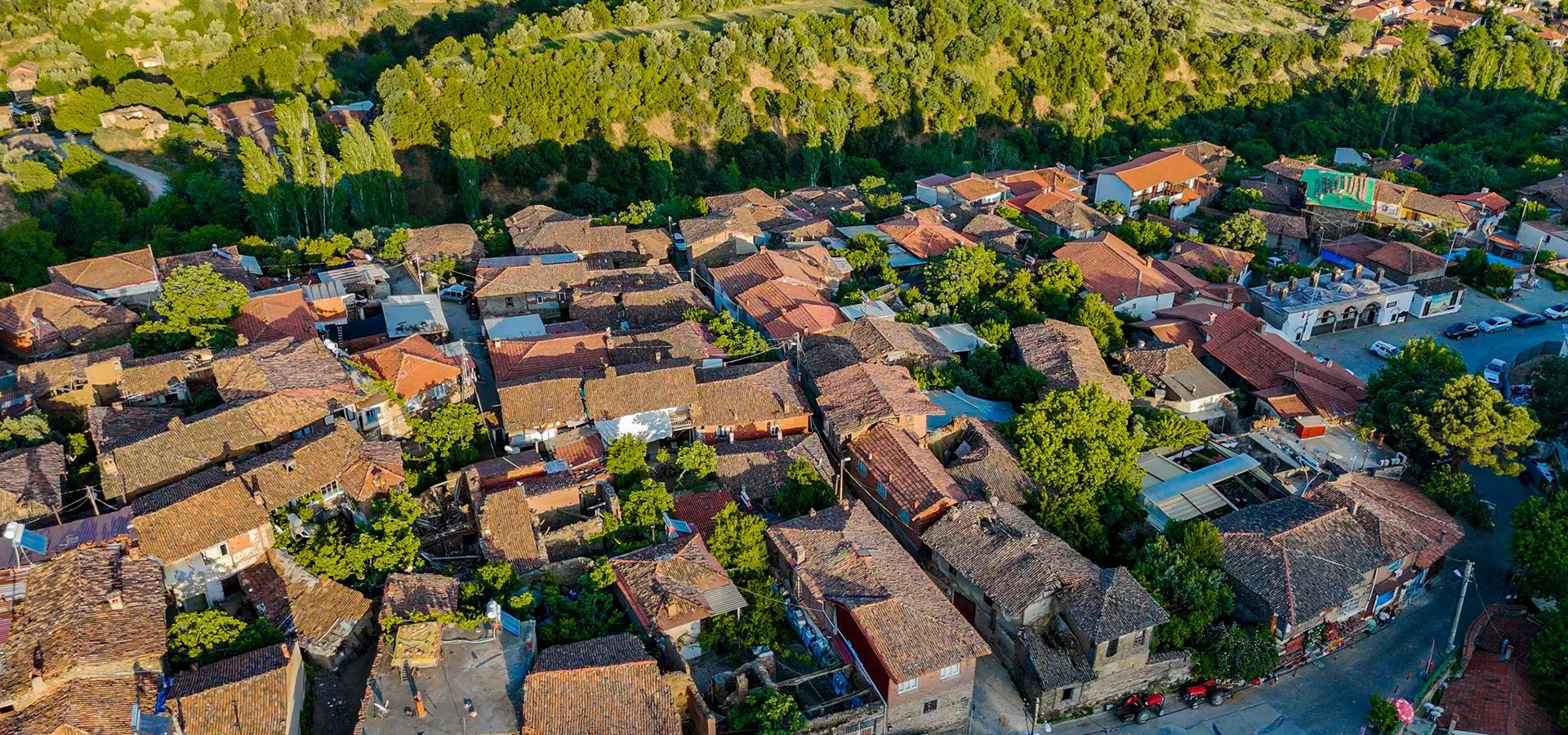
Continue through the Küçük Menderes Valley to discover traditional markets, local cuisine, historic towns and mountain landscapes.
Explore ÖdemişCombine Tire with mountain villages, lakes and traditional towns away from the Aegean coast.
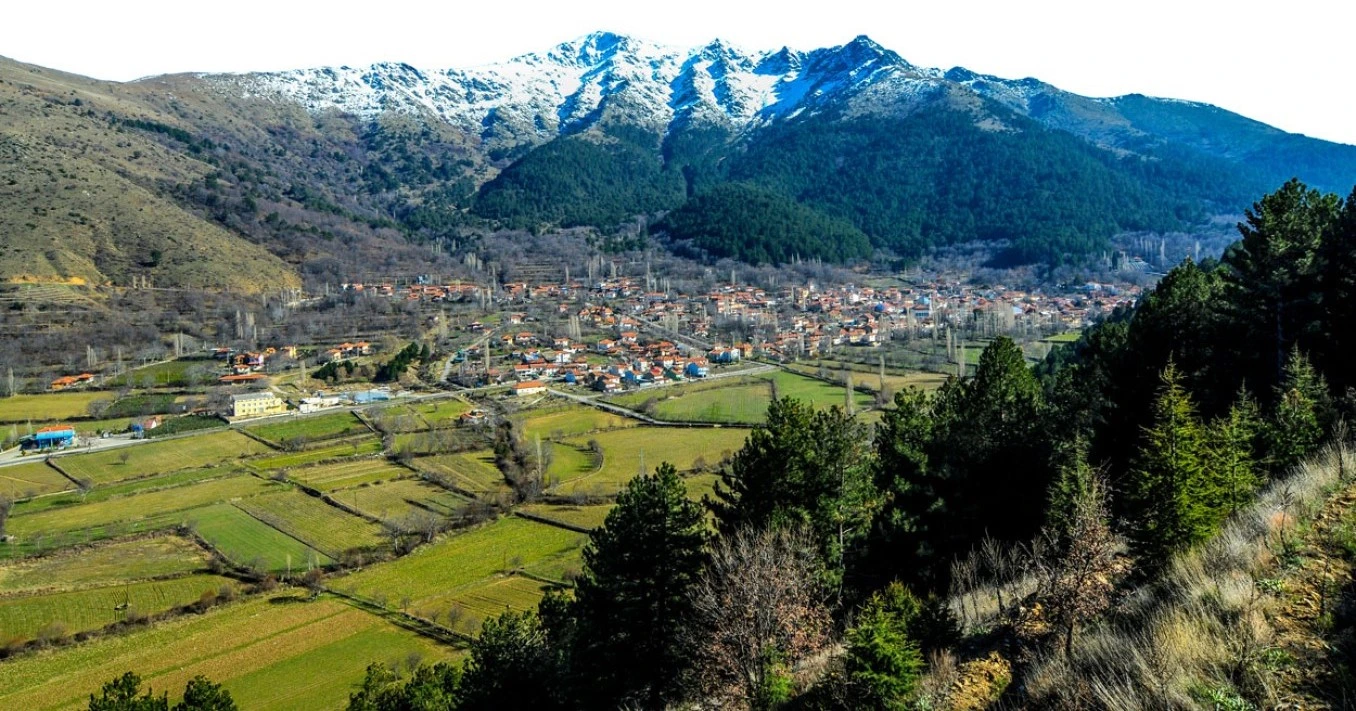
Travel into the mountains overlooking the Küçük Menderes Valley and discover a completely different side of İzmir.
Explore Bozdağ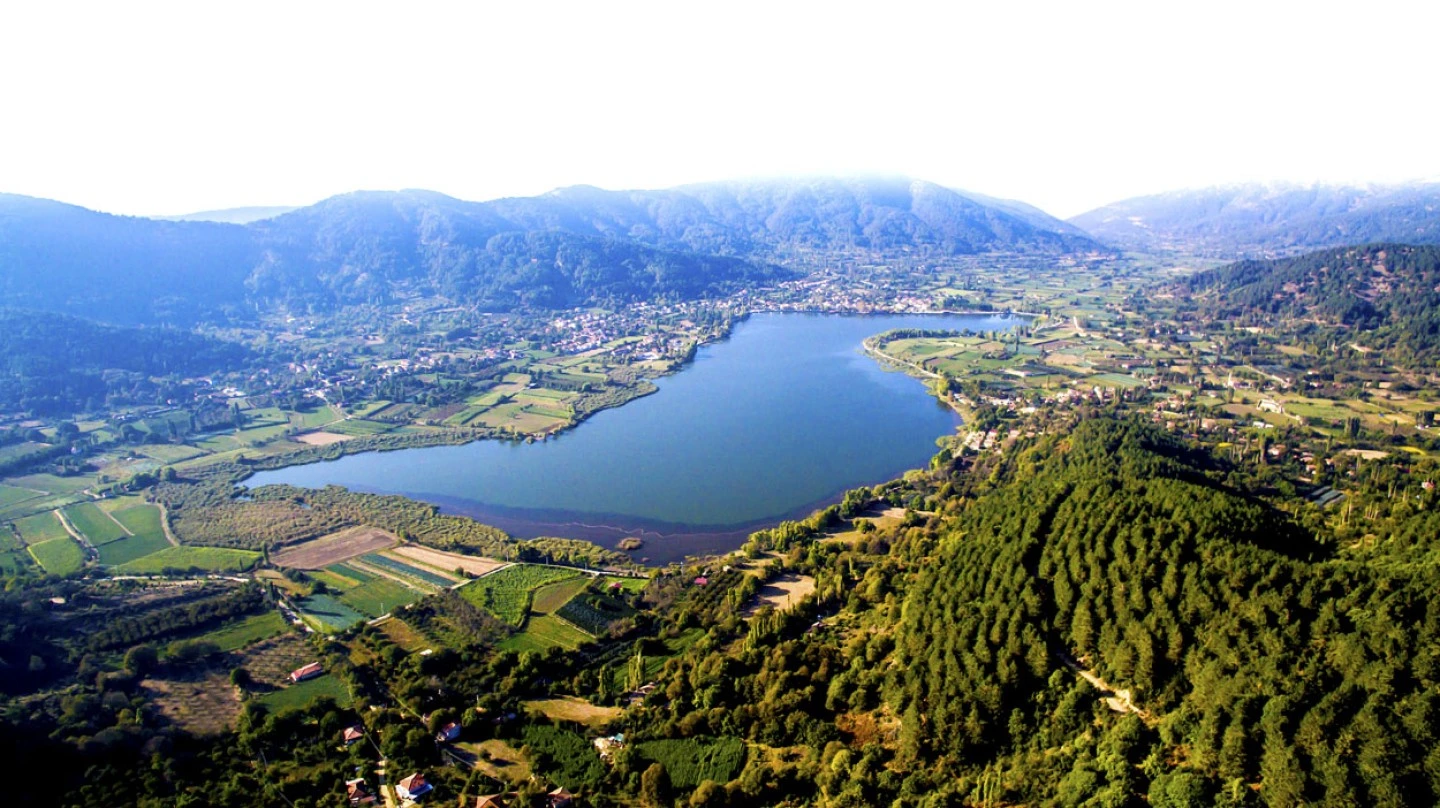
Relax beside a mountain lake surrounded by forests, orchards and traditional settlements above Ödemiş.
Explore Gölcük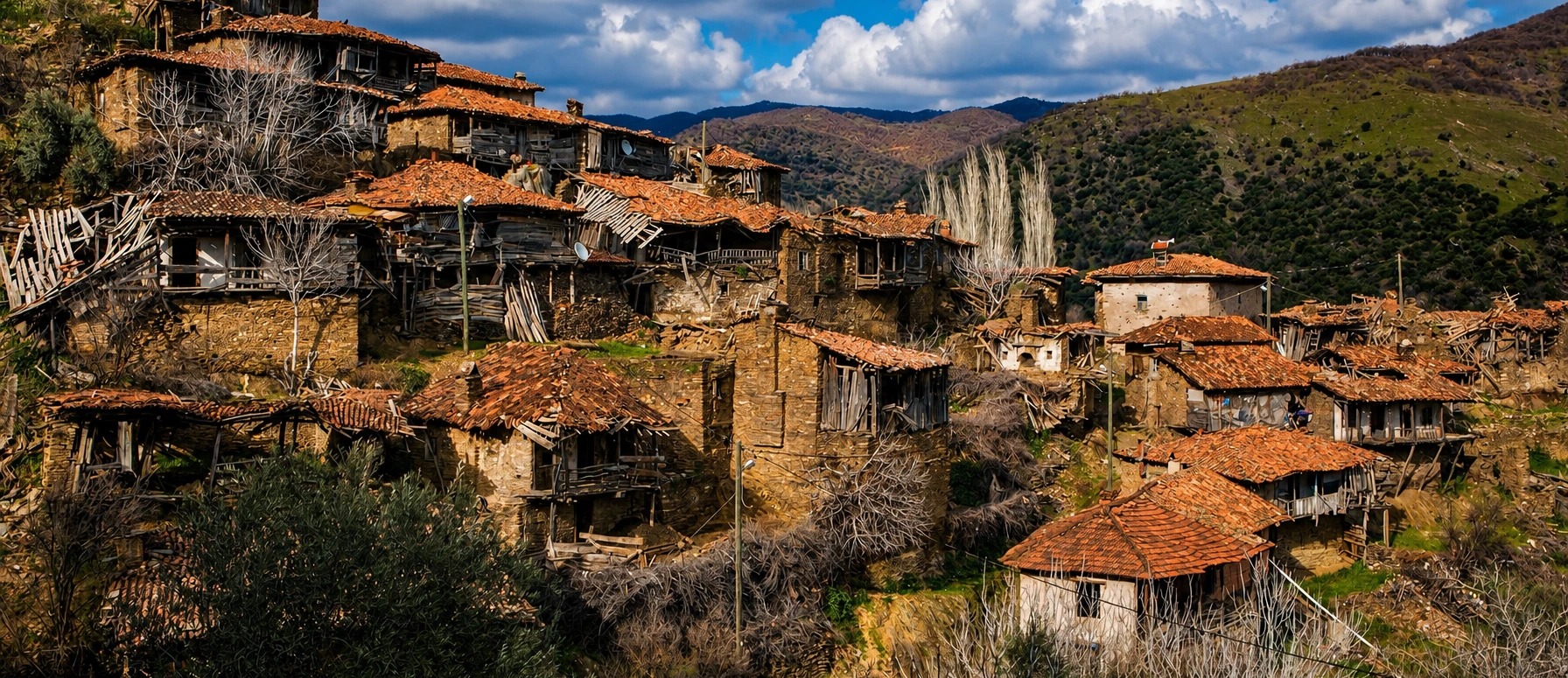
Discover an atmospheric mountain village of stone houses, narrow lanes and remarkable views over inland İzmir.
Explore Lübbey