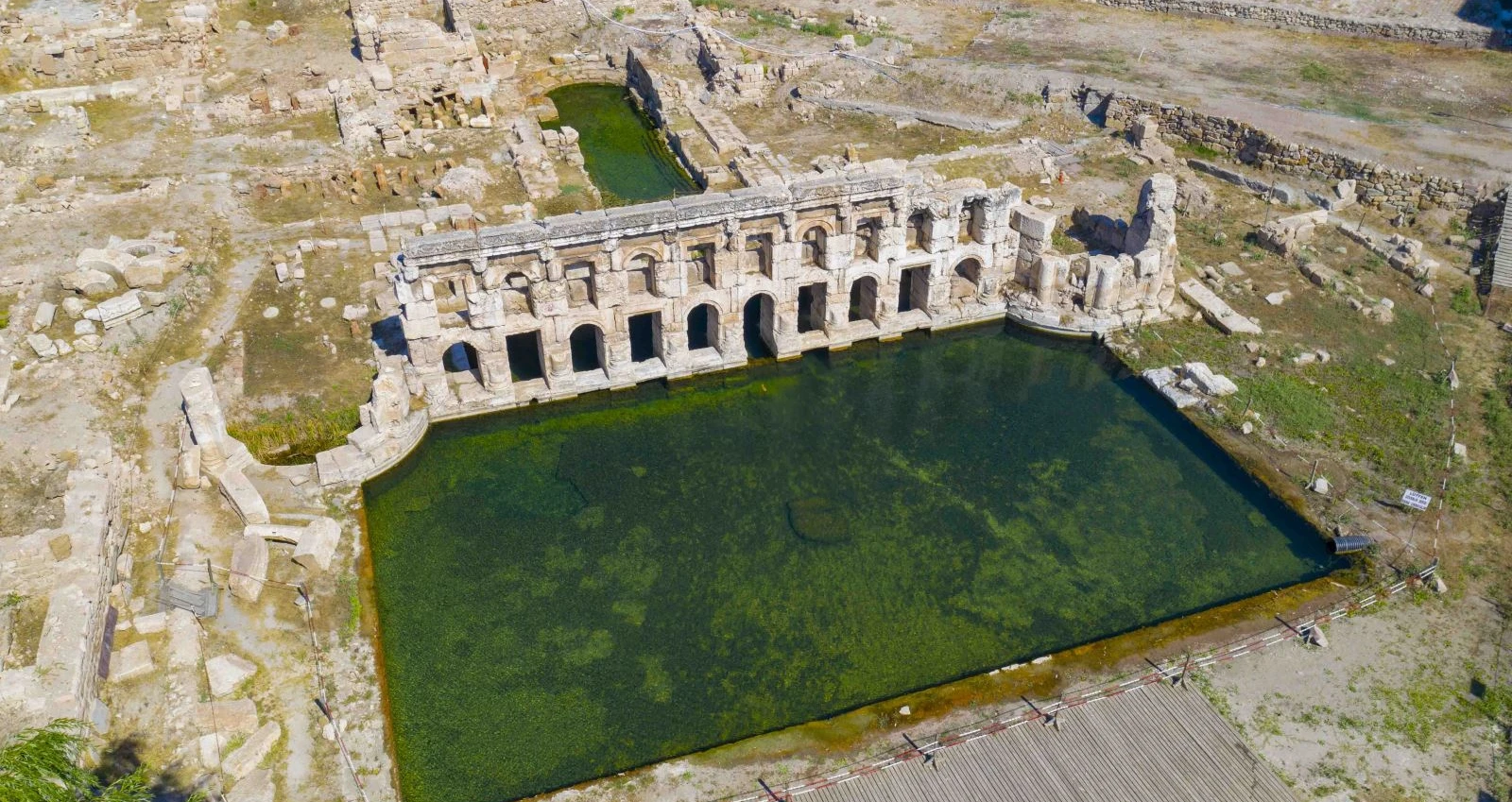
Basilica Therma – Sarıkaya Roman Bath
Sarıkaya
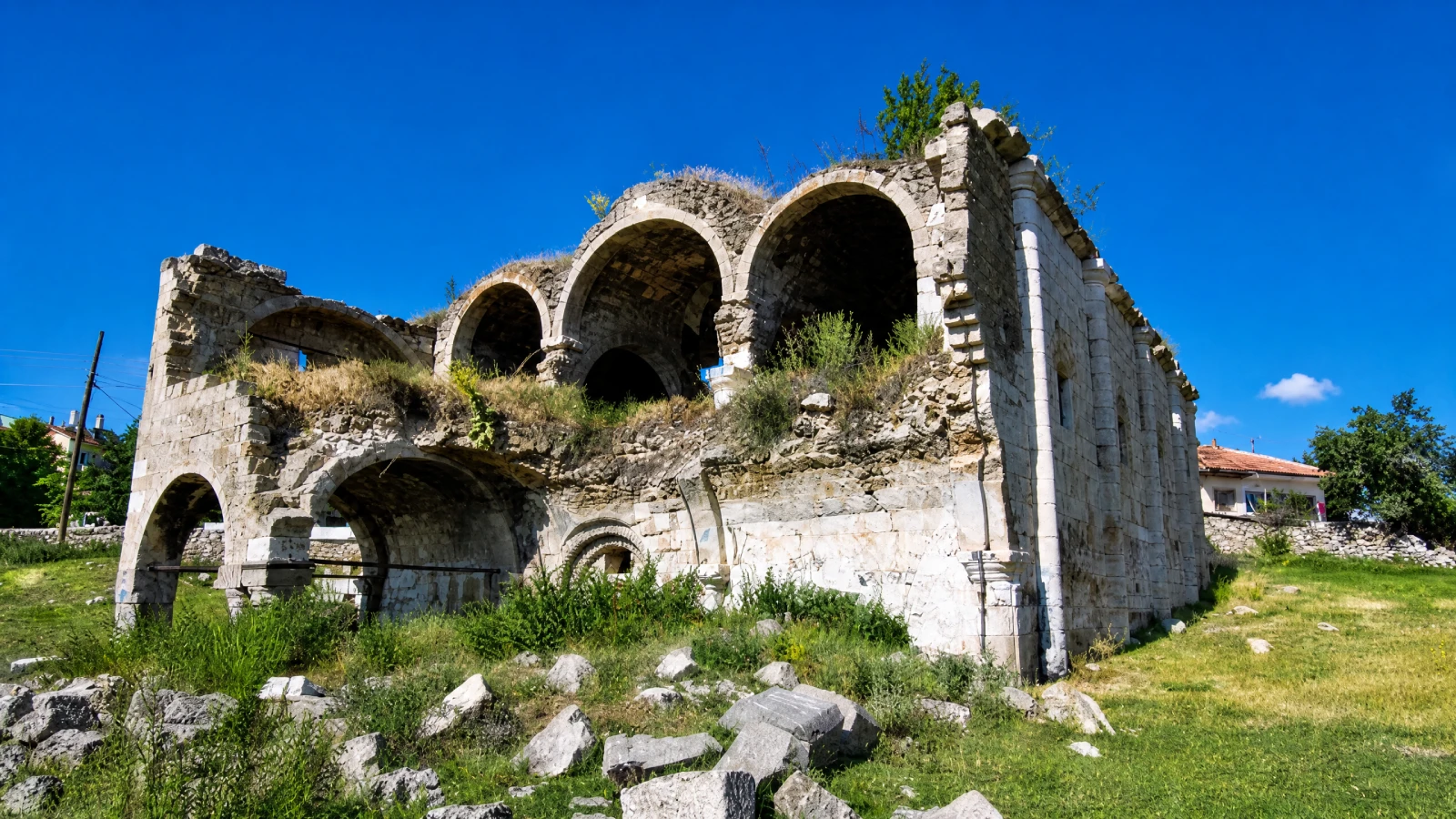
A monumental Roman bathing complex built around naturally hot springs, with a surviving arched stone façade. On the UNESCO Tentative List since 2018.






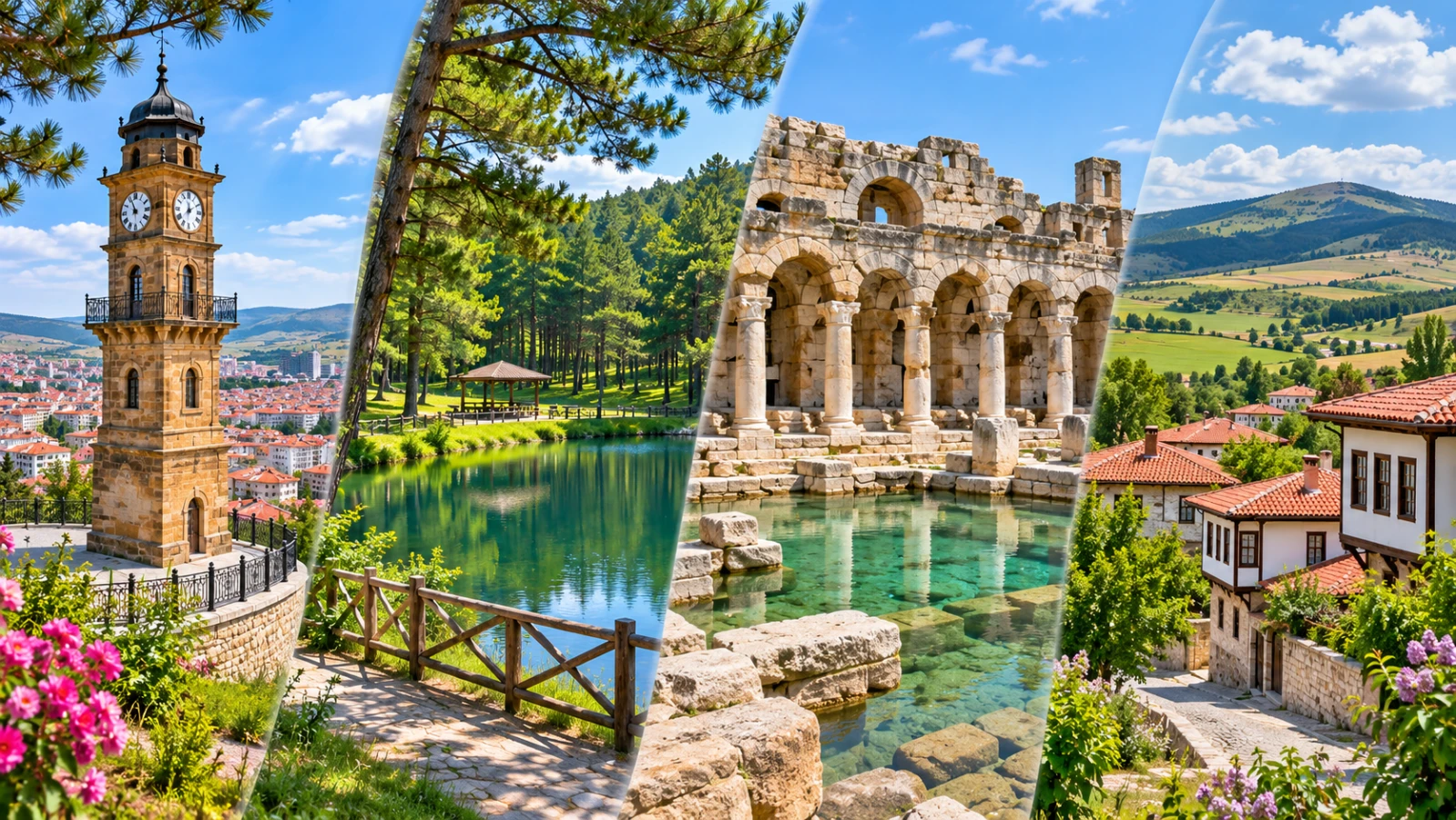
Explore the Bozok Plateau of Central Anatolia: Roman thermal baths, Hittite settlements, the fortified Iron Age city of Kerkenes, Ottoman mansions, Türkiye’s first national park and traditional Yozgat cuisine.
Yozgat occupies the elevated Bozok plateau between the Kızılırmak and Yeşilırmak drainage systems. Wheat fields and villages dominate much of the landscape, but the wooded hills above the provincial capital and the deeply incised Çekerek valley reveal a more varied geography.
The province preserves a remarkable archaeological sequence. Alişar’s layers illuminate prehistoric and Bronze Age Anatolia, Uşaklı Höyük and Çadır Höyük reveal long-lived settlements, and the fortified ridge of Kerkenes records a brief but ambitious episode of Iron Age urbanism. At Tavium, Galatian and Roman history takes the story into later antiquity.
The modern capital developed particularly under the influential Çapanoğulları family in the eighteenth century. Its mosque, mansions and later clock tower contrast with the Roman stonework of Sarıkaya. A journey through Yozgat can pair archaeology with forest walks, thermal bathing and the winter ritual of arabaşı.
Excavations at Alişar Höyük, begun by the University of Chicago’s Oriental Institute in 1927, helped establish a chronological framework for ancient central Anatolia. The mound contains remains from multiple periods, rather than a single Hittite city. Research at Çadır Höyük and Uşaklı Höyük continues to refine this regional picture.
The Hittite kingdom controlled much of the central plateau in the second millennium BC. At Uşaklı Höyük, monumental architecture and written finds have prompted a proposed association with the sacred Hittite city of Zippalanda, although the identification is not definitive. Quarry and sculpture traces at Karakız provide a different perspective on ancient material culture.
In the Iron Age, Kerkenes emerged as an immense planned city protected by a circuit of fortifications. Its short occupation and destruction make the site especially valuable for studying urban form. Later, Tavium became a major centre of the Galatian Trocmi, while Roman engineering harnessed the thermal water of Sarıkaya.
The medieval landscape includes castles, caravan infrastructure and Dulkadir funerary monuments. Following Seljuk, Mongol and post-Seljuk rule, the region entered the Ottoman realm; Türkmen settlement contributed to the name Bozok. By the eighteenth century the Çapanoğulları had become powerful provincial notables, with influence extending far beyond the town.
Mustafa Bey’s mosque of 1779 and the expansion commissioned by Süleyman Bey in the 1790s document the family’s urban patronage. Nineteenth-century houses, the late Ottoman clock tower (documented by 1897) and educational buildings show the subsequent evolution of the provincial centre. On 25 June 1927, the Grand National Assembly accepted the proposal to restore Yozgat as the province’s official name. In 1990, five additional districts were established, bringing the total to fourteen including the provincial centre.
Start with the Roman bath, the Ottoman city centre, ancient settlements and the province’s most distinctive natural landscapes.
A monumental Roman bathing complex built around naturally hot springs, with a surviving arched stone façade. On the UNESCO Tentative List since 2018.
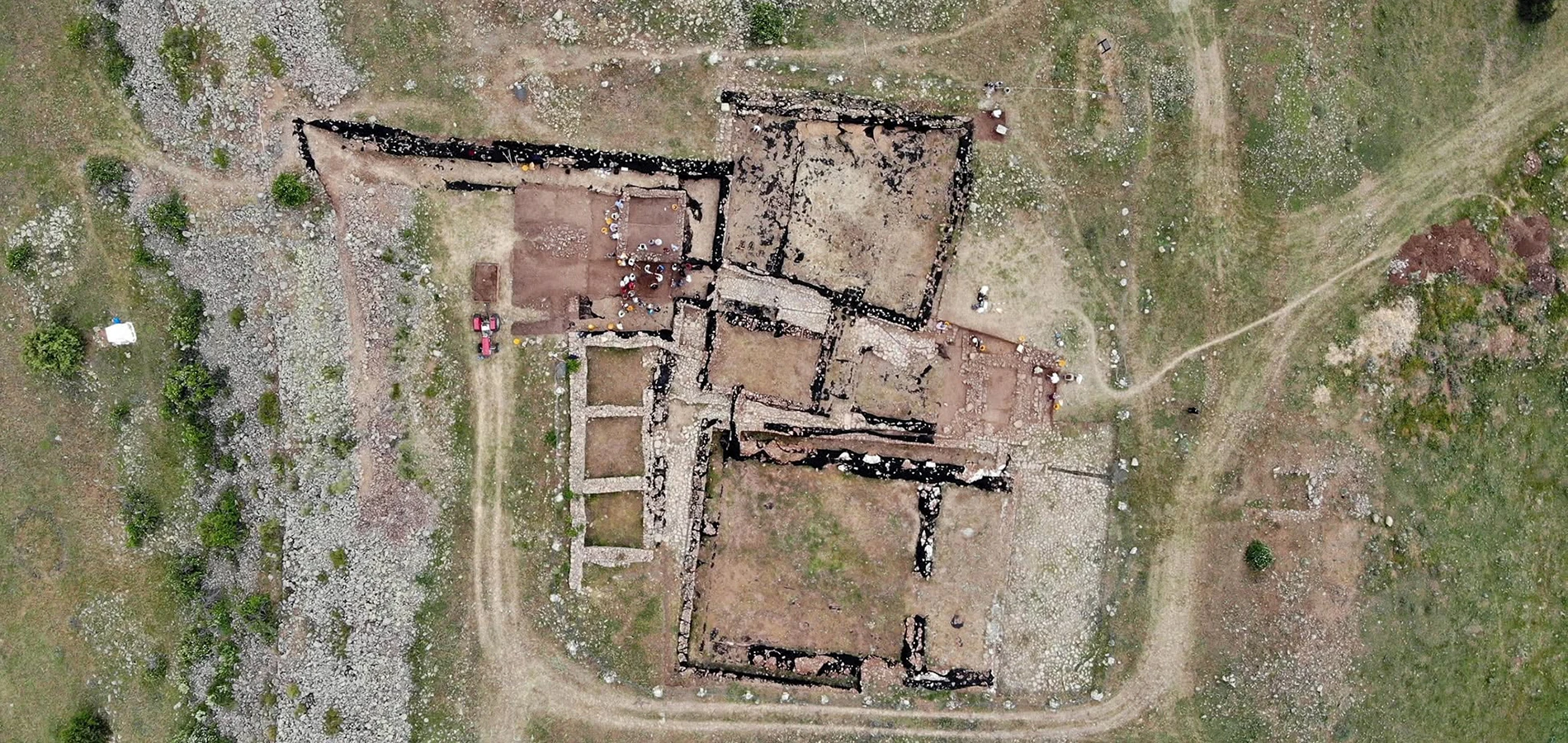
A vast fortified Iron Age city with a planned street network and the monumental Cappadocia Gate; its identification as Pteria remains a hypothesis.
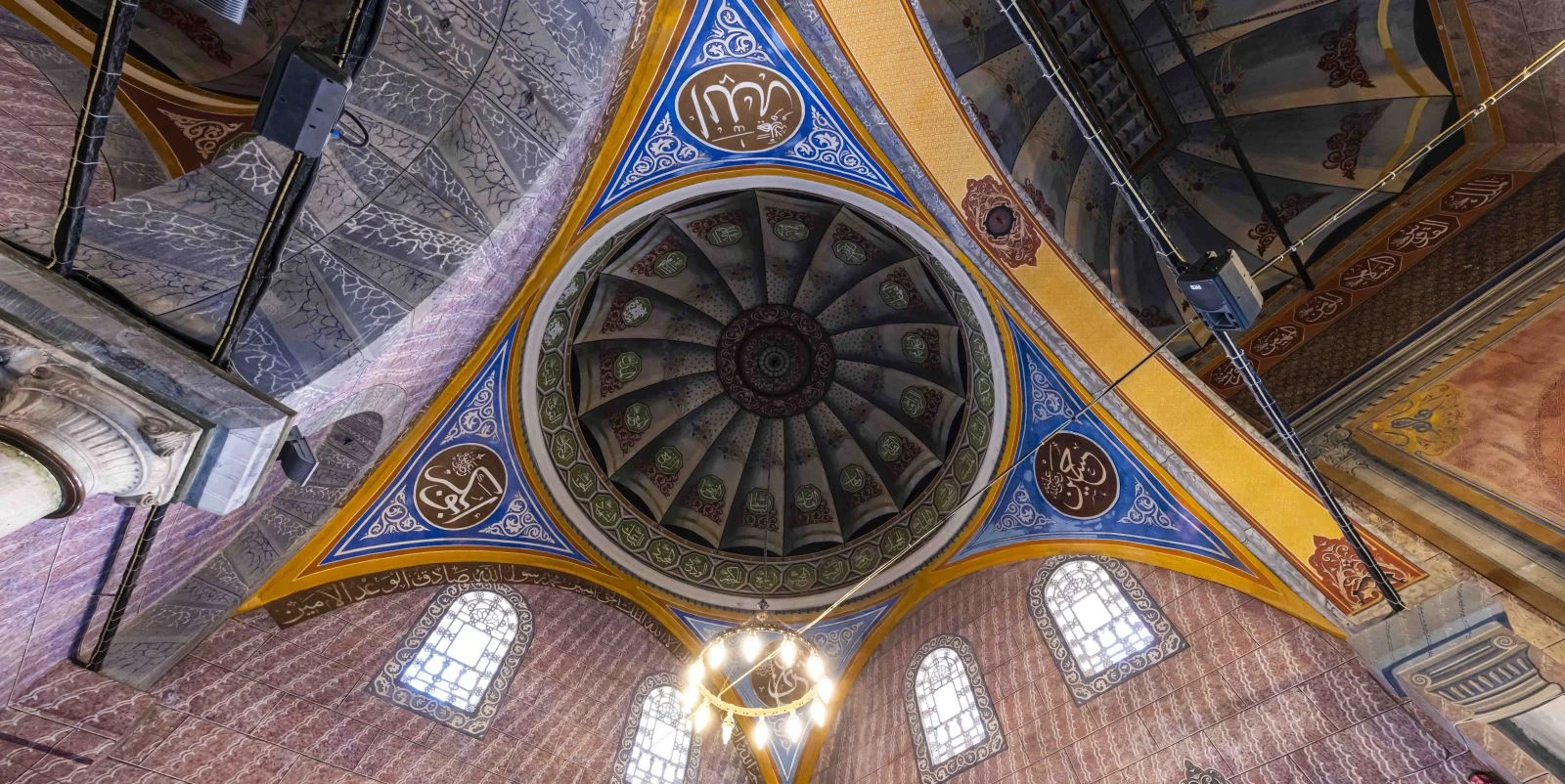
Mustafa Bey commissioned the inner mosque in 1779; Süleyman Bey added the outer section in the 1790s. Painted decoration and carved portals reflect late Ottoman tastes.
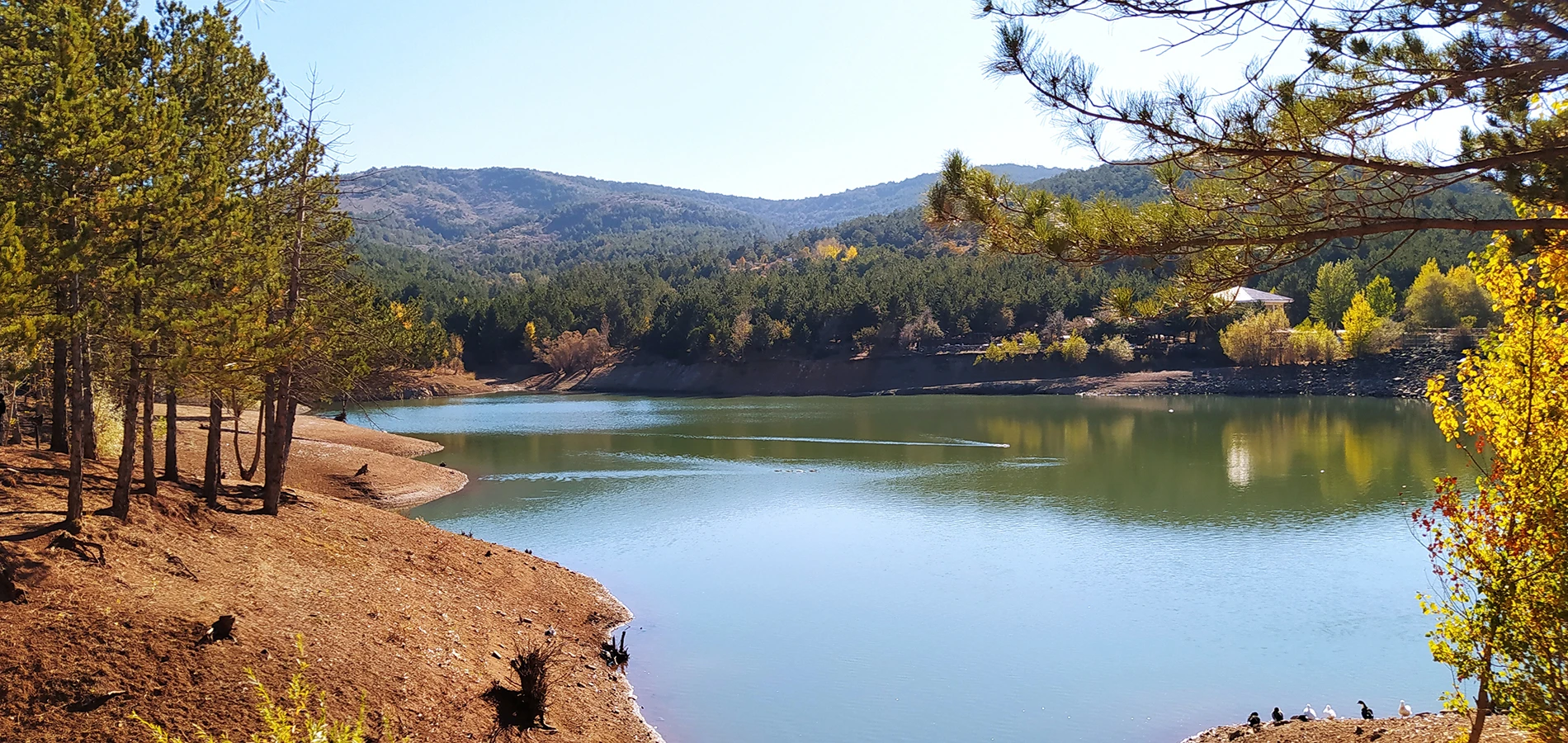
Declared Türkiye’s first national park in 1958, this upland black-pine forest expanded to 517.33 hectares in 2022.
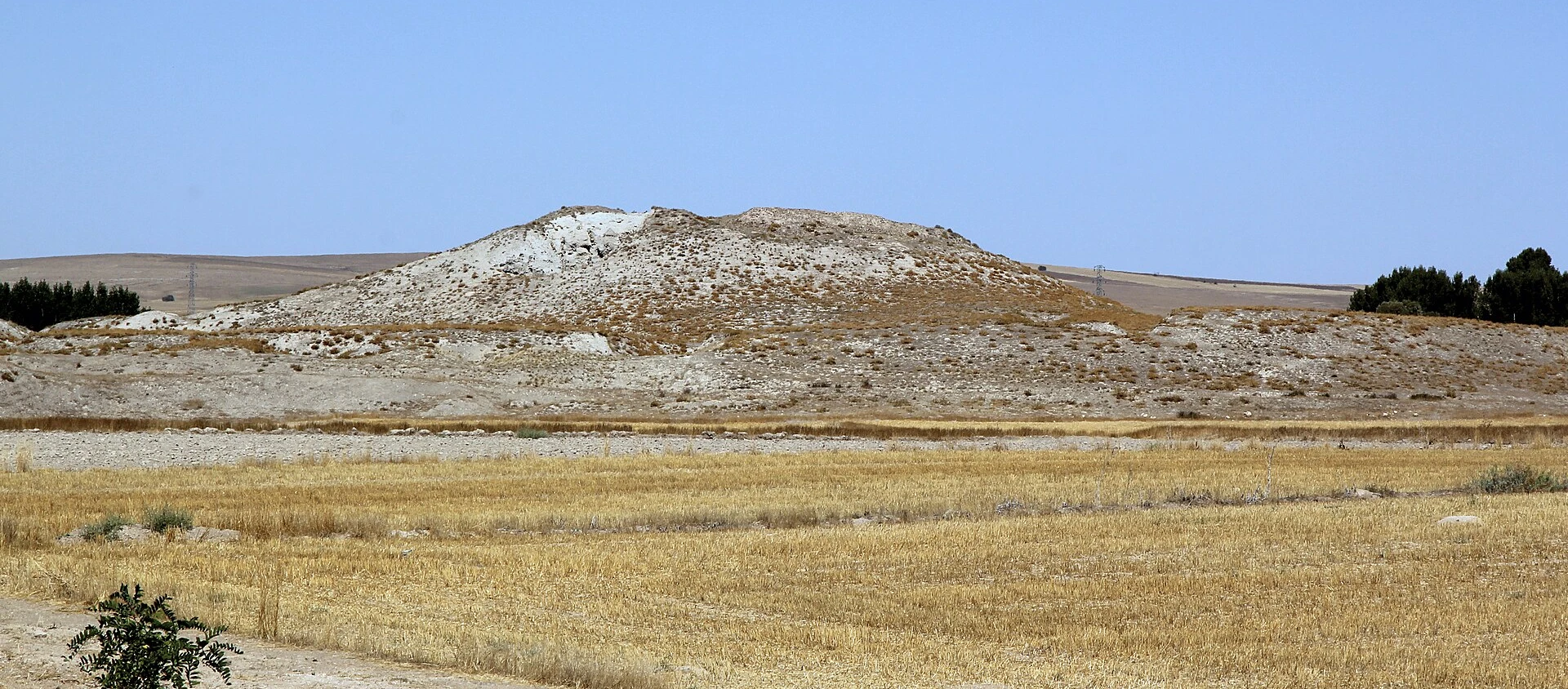
A multi-period settlement mound investigated by the Oriental Institute from 1927, crucial to the chronology of central Anatolian prehistory and the Bronze Age.
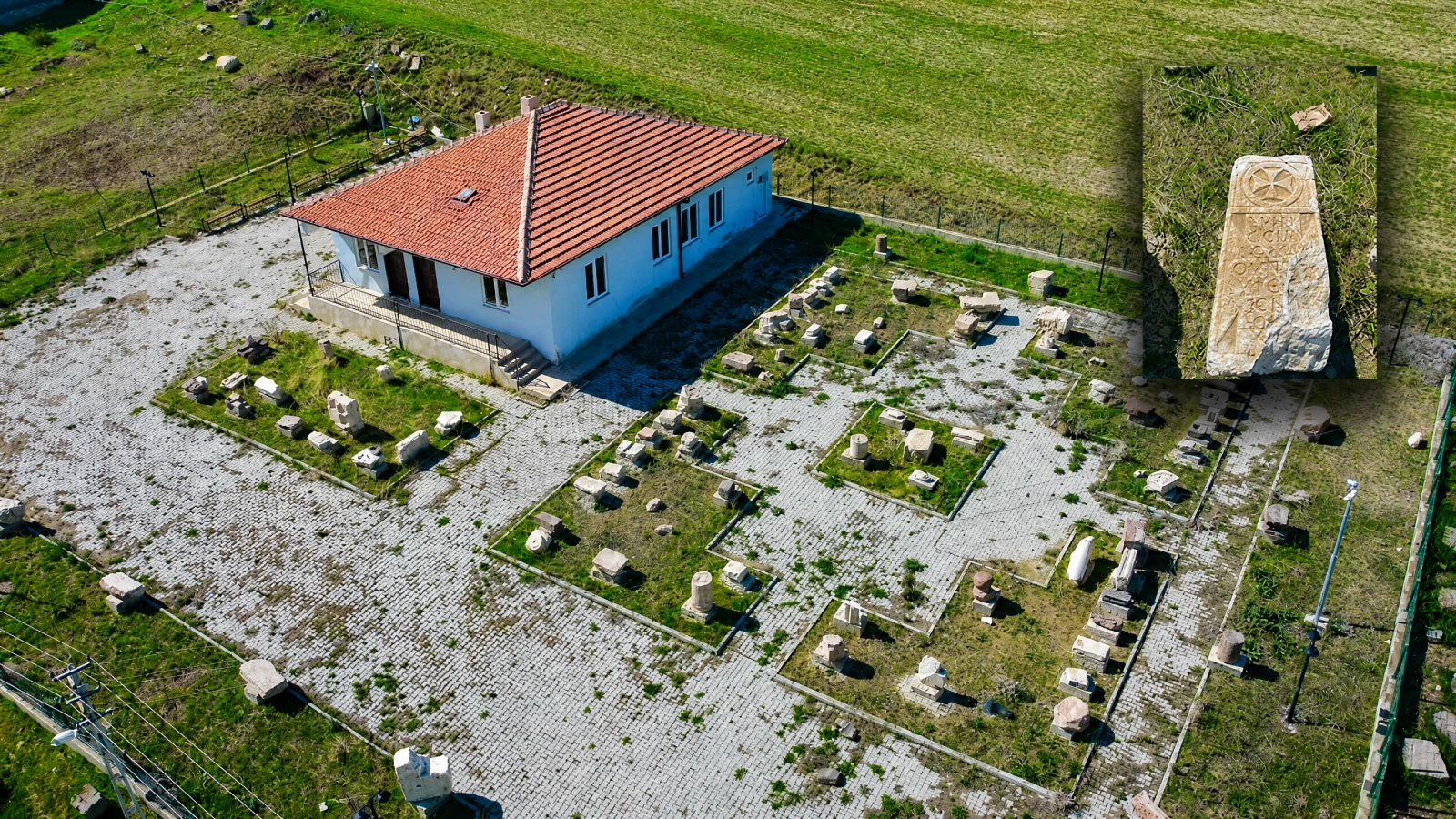
An ancient centre of the Galatian Trocmi, later integrated into the Roman road network; scattered ruins and reused stonework mark the settlement.
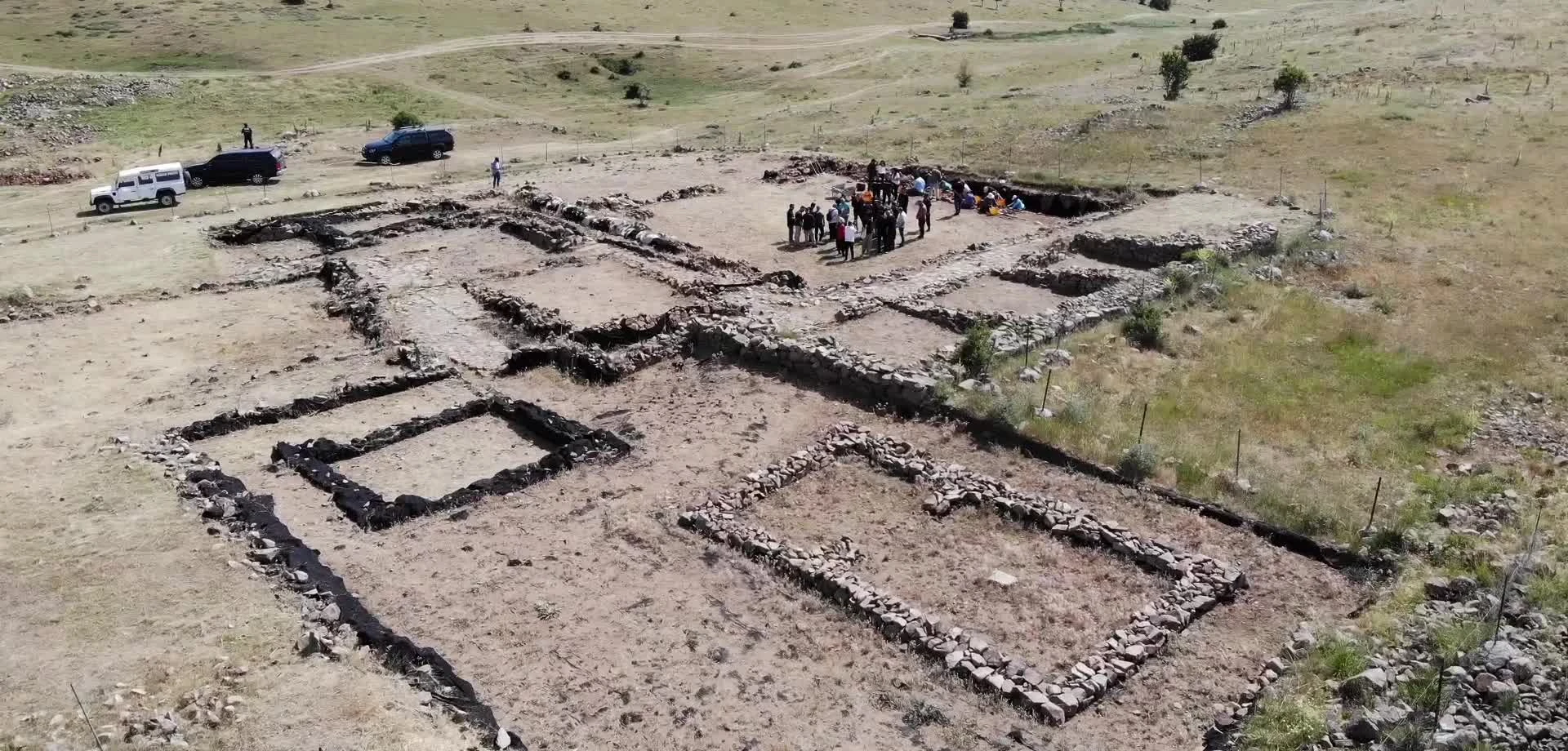
A Hittite-period monumental complex and later settlement on a mound and terrace, investigated by an international archaeological mission; possibly ancient Zippalanda.
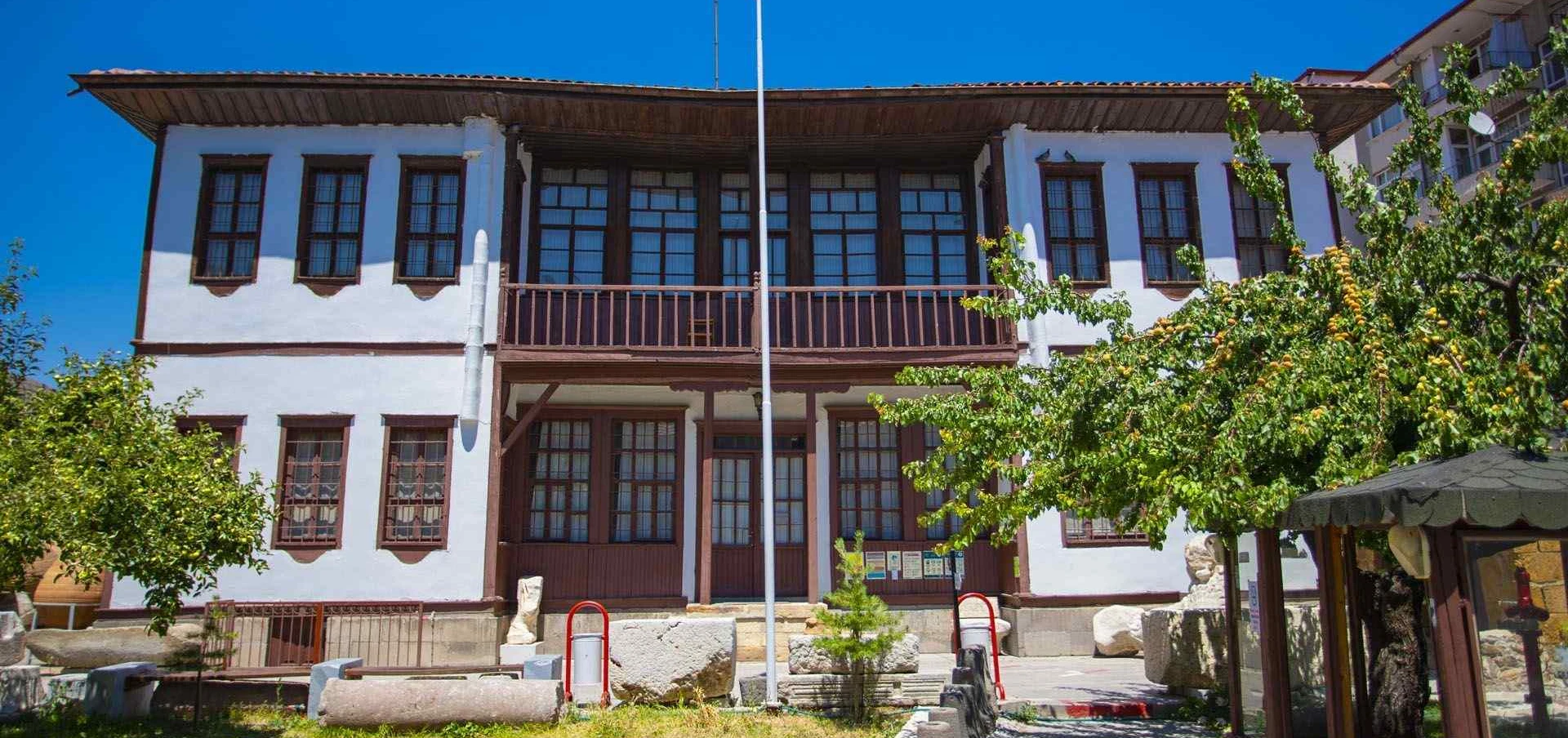
An 1871 mansion converted into a museum in 1985, combining archaeological and ethnographic collections with painted nineteenth-century interiors.
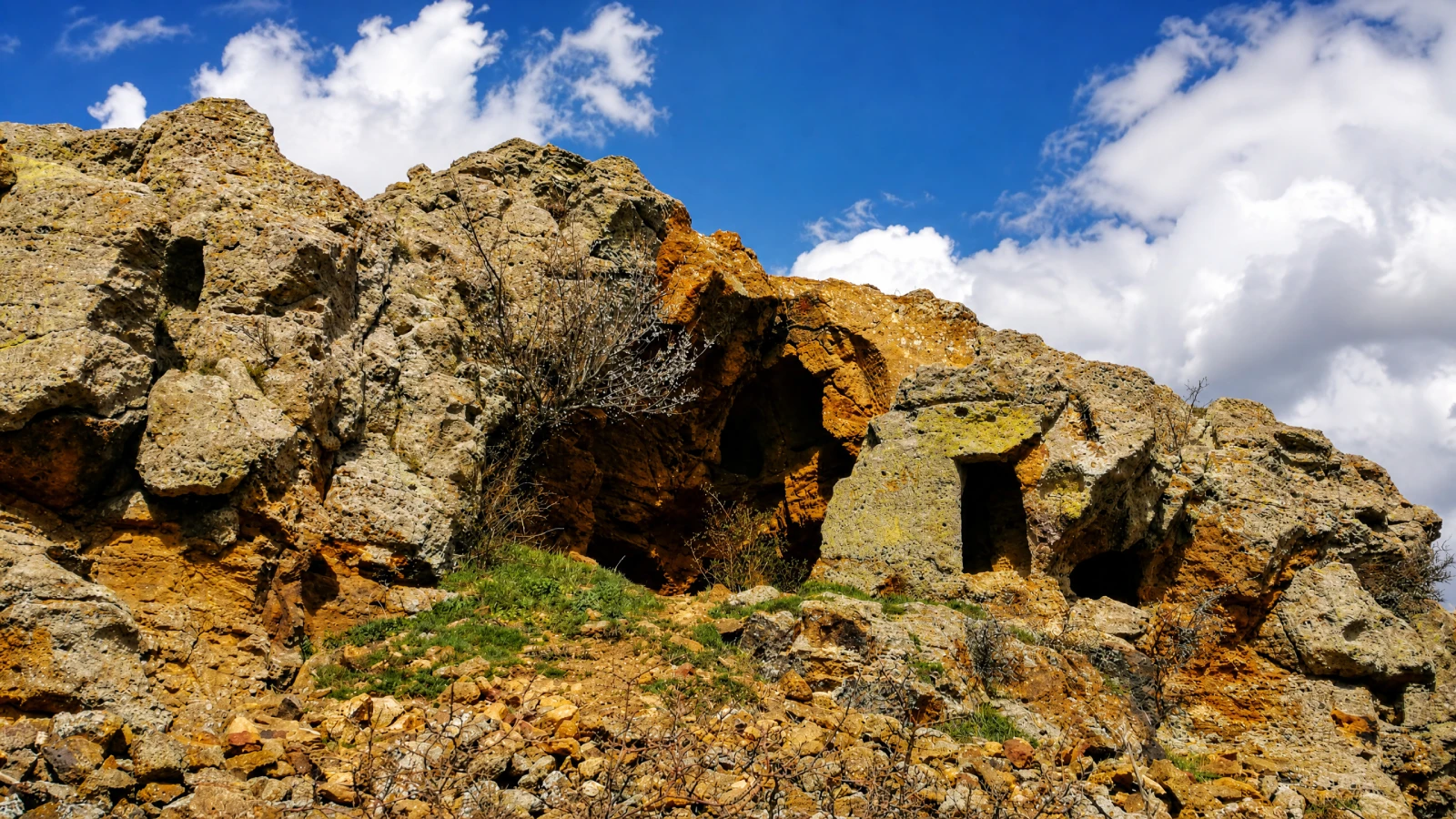
Rock-cut chambers, passages and burial spaces on a hill above Kirazlı pond; pottery from several periods complicates a single-date interpretation.
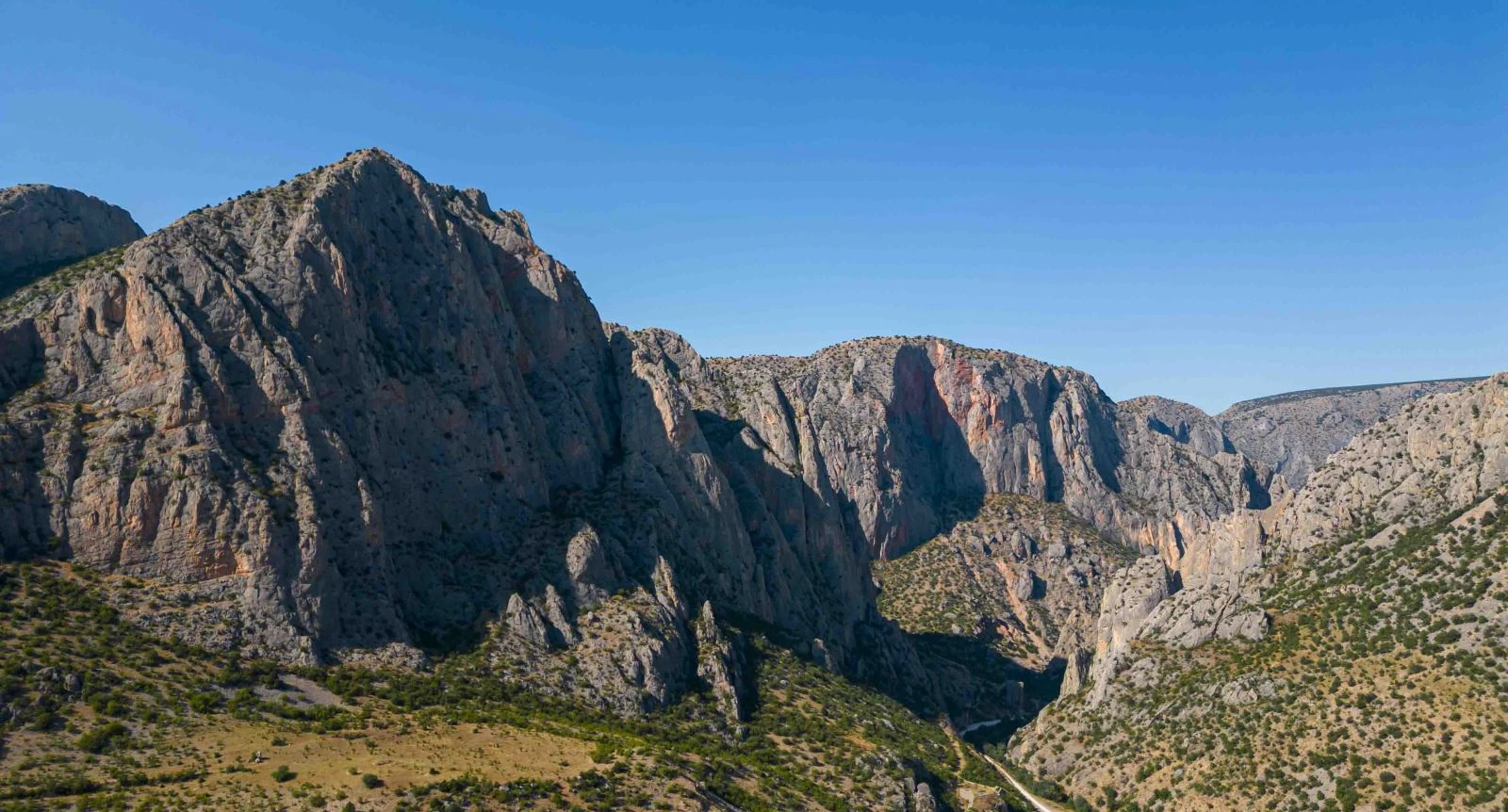
A roughly ten-kilometre gorge carved by the Çekerek River, with steep rock faces and traces of ancient activity.
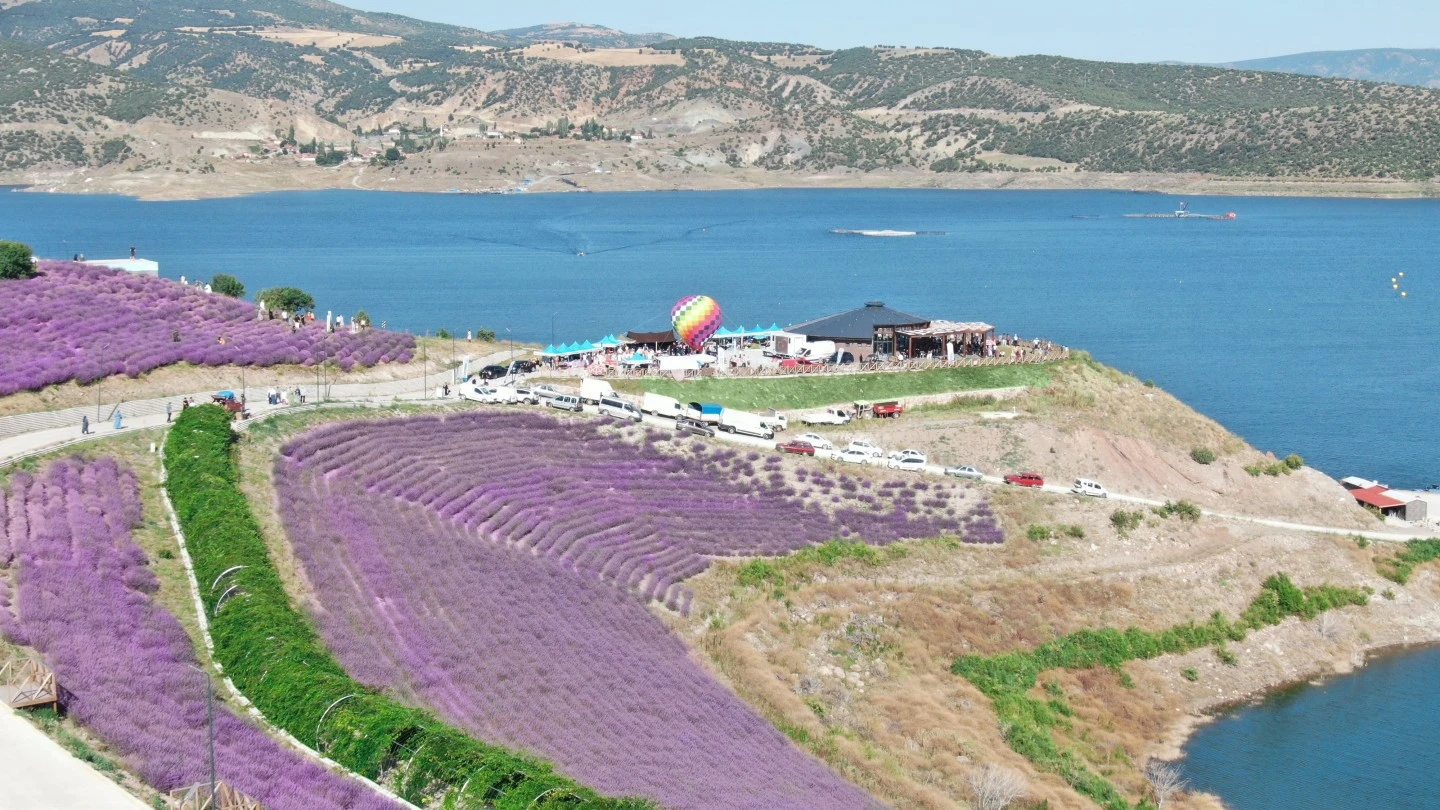
Seasonal lavender plantings beside the reservoir create a striking summer landscape; flowering varies with weather.
Stone church architecture recalls the Greek Orthodox community and the mining town’s multi-community past.
Compare settlement mounds, Kerkenes and the Roman bath.
Walk from the Çapanoğlu Mosque to traditional houses and the clock tower.
Discover Çamlığı, Kazankaya and the Çekerek basin.
Combine modern thermal facilities with local breads, cheese and winter soups.
The monumental bath at Sarıkaya was built around a natural hot-water source during the Roman period. Its surviving arcaded façade, stone masonry and pool complex offer a rare opportunity to study how a provincial Roman settlement adapted its architecture to geothermal resources.
Basilica Therma was added to Türkiye’s UNESCO World Heritage Tentative List in 2018. This is a preparatory designation, not inscription on the World Heritage List. The local name Kral Kızı Hamamı (King’s Daughter’s Bath) belongs to the site’s popular tradition and should be distinguished from archaeological evidence.
The ancient monument is not the same as a modern bathing facility. Visitors should check permitted access and arrange any spa experience separately.
Explore 45 destinations and cultural traditions across the province, organised by subject.
A monumental Roman bathing complex built around naturally hot springs, with a surviving arched stone façade. On the UNESCO Tentative List since 2018.
View Details →A multi-period settlement mound investigated by the Oriental Institute from 1927, crucial to the chronology of central Anatolian prehistory and the Bronze Age.
View Details →An ancient centre of the Galatian Trocmi, later integrated into the Roman road network; scattered ruins and reused stonework mark the settlement.
View Details →A vast fortified Iron Age city with a planned street network and the monumental Cappadocia Gate; its identification as Pteria remains a hypothesis.
View Details →Rock-cut chambers, passages and burial spaces on a hill above Kirazlı pond; pottery from several periods complicates a single-date interpretation.
View Details →A Hittite-period monumental complex and later settlement on a mound and terrace, investigated by an international archaeological mission; possibly ancient Zippalanda.
View Details →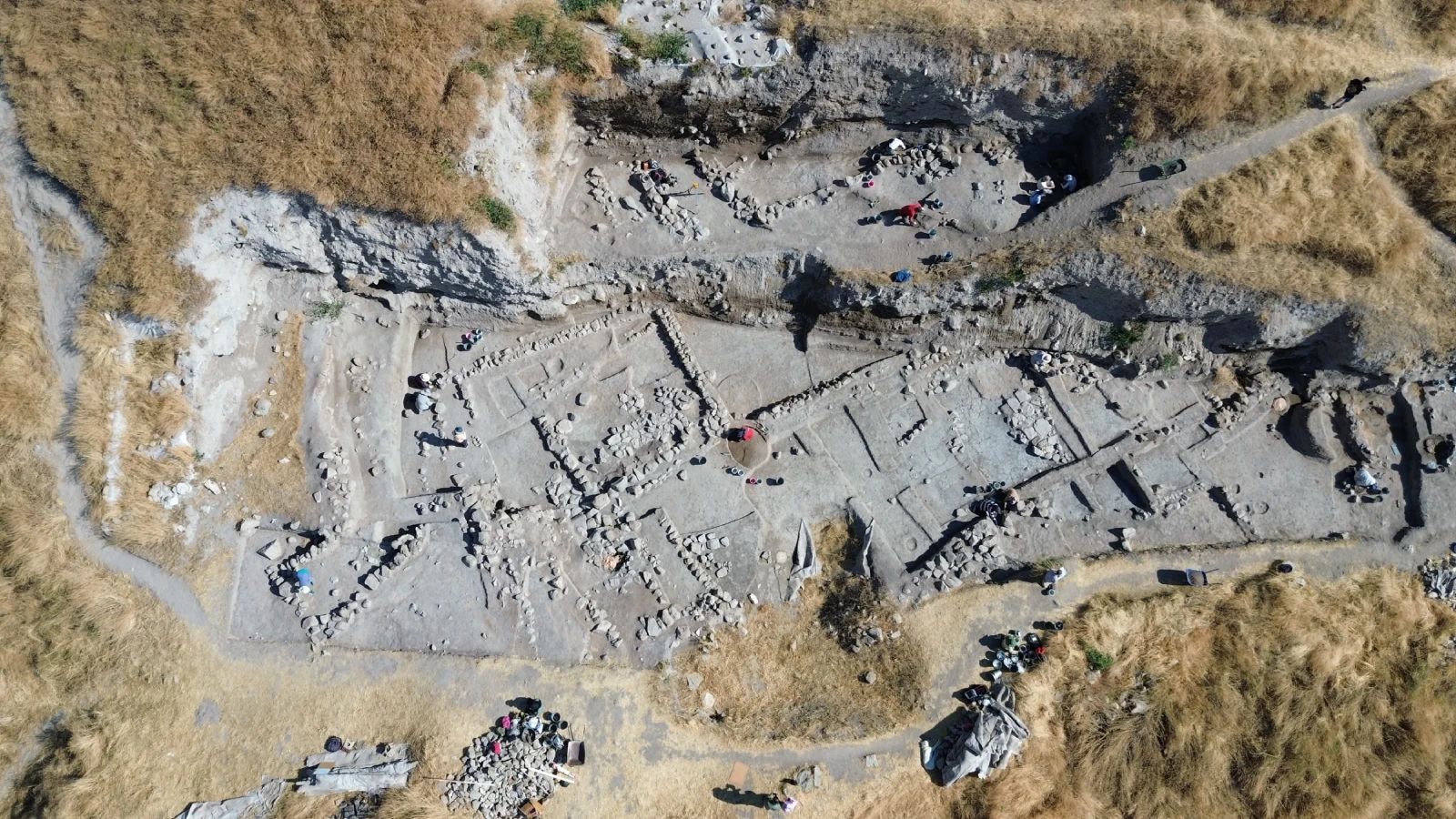
Excavated settlement near Gelingüllü reservoir with a long sequence of occupation from prehistoric periods through later Anatolian history.
View Details →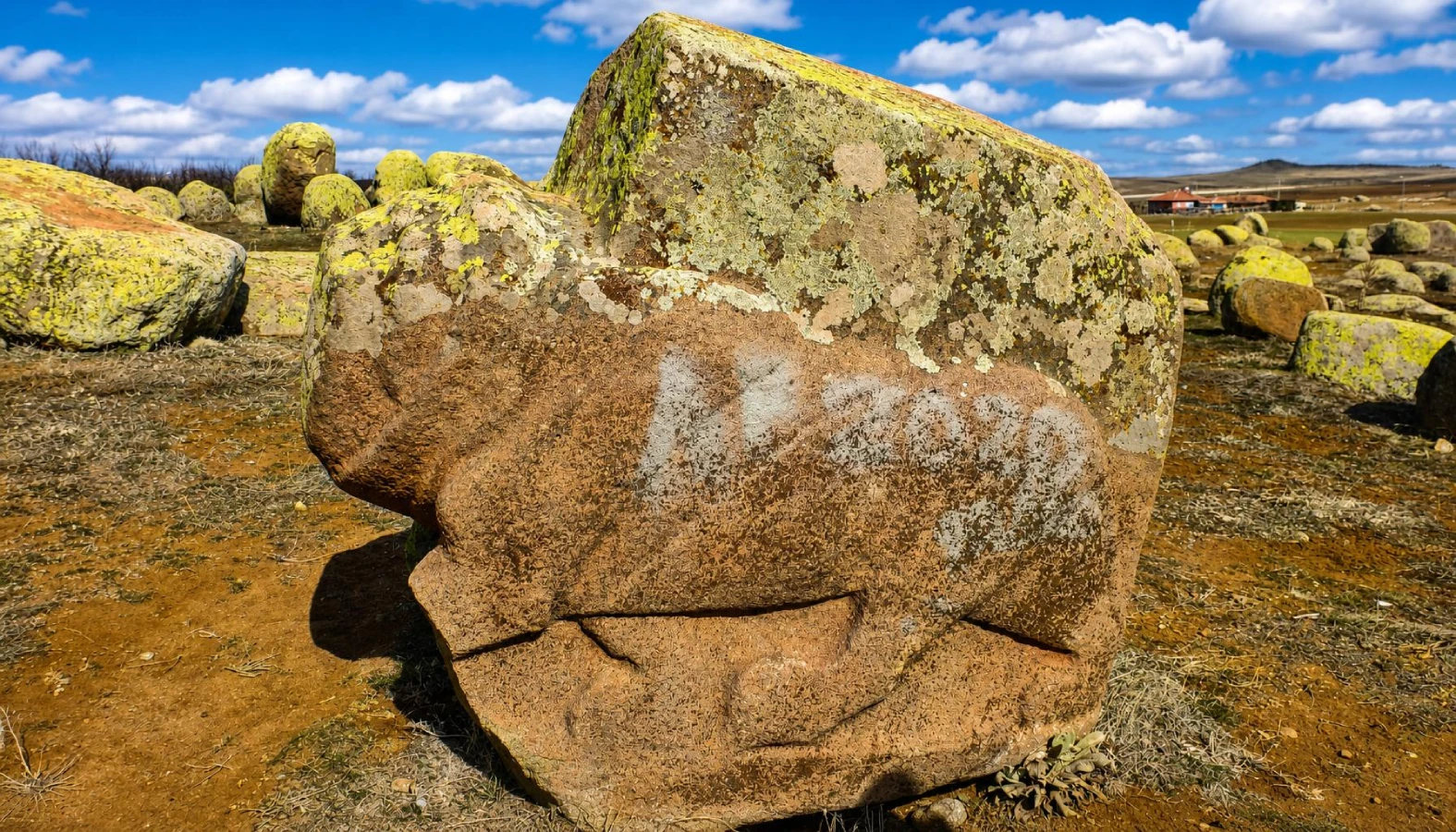
Unfinished monumental stone sculpture and quarry traces reveal the practical stages of ancient stoneworking.
View Details →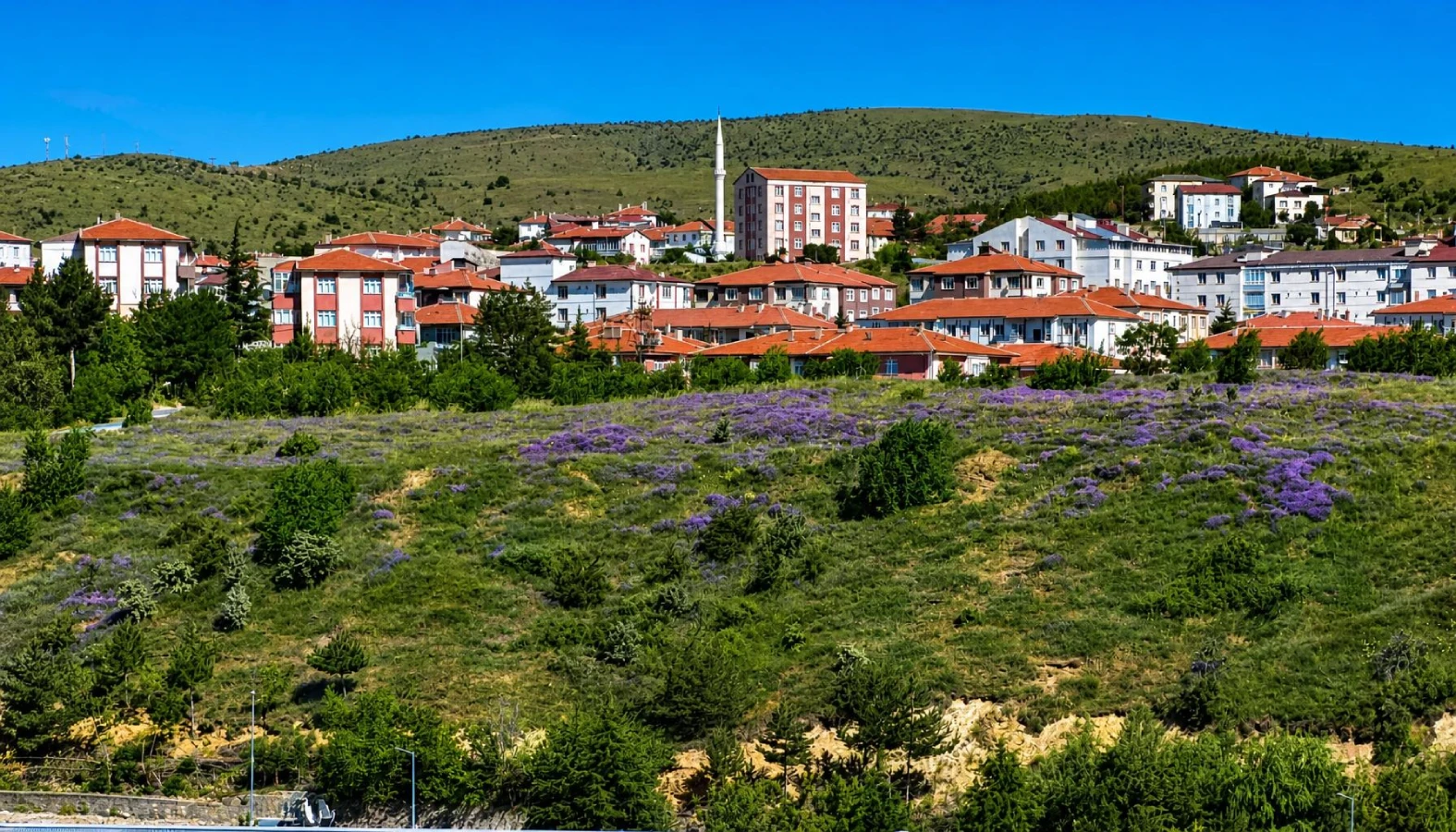
A protected mound near the eastern outskirts of Yozgat, a reminder of settlement long before the modern town.
View Details →Mustafa Bey commissioned the inner mosque in 1779; Süleyman Bey added the outer section in the 1790s. Painted decoration and carved portals reflect late Ottoman tastes.
View Details →An 1871 mansion converted into a museum in 1985, combining archaeological and ethnographic collections with painted nineteenth-century interiors.
View Details →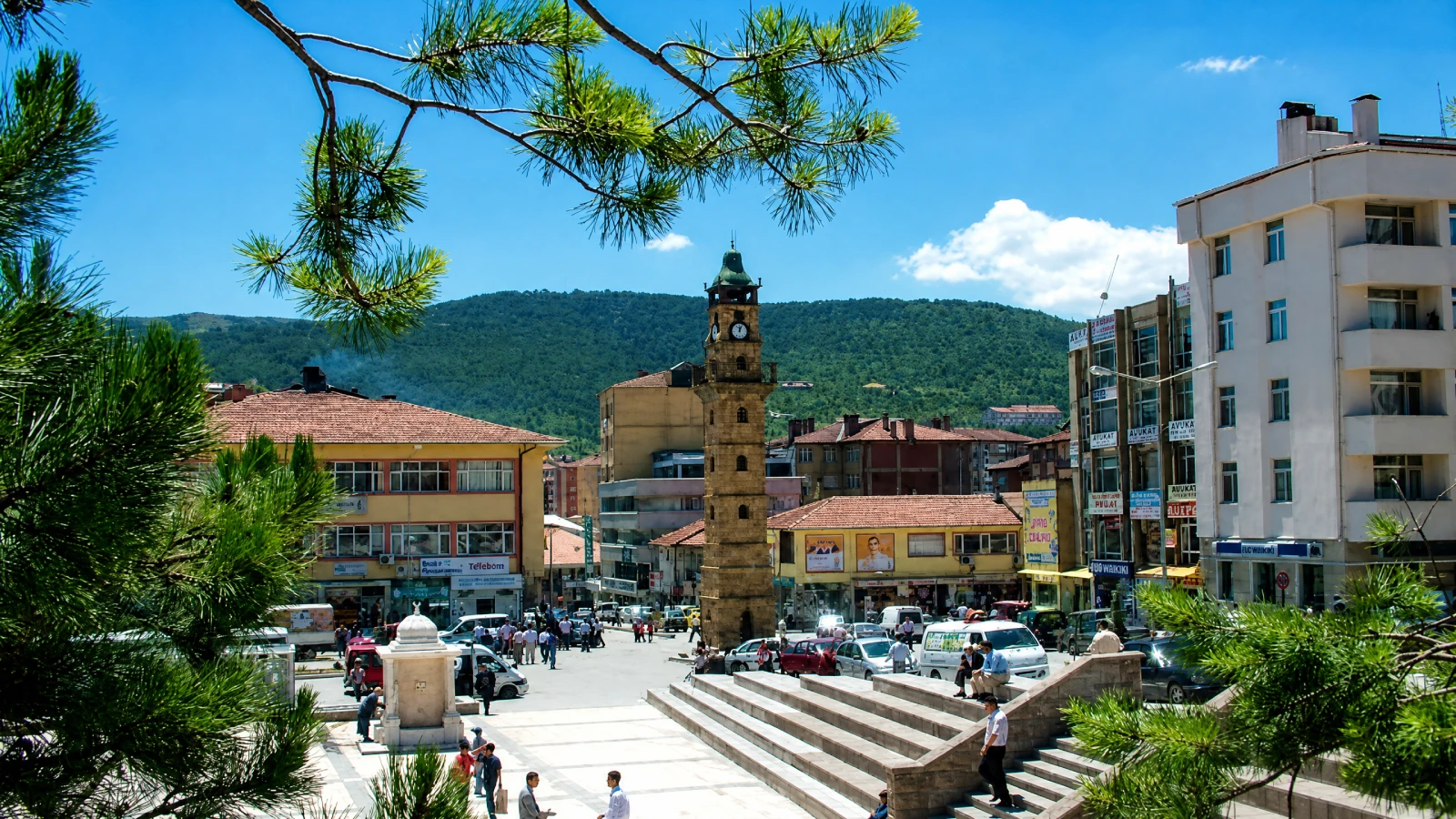
The yellow-stone tower has four clock faces; archival evidence places its construction in 1897, earlier than the frequently cited 1908 date.
View Details →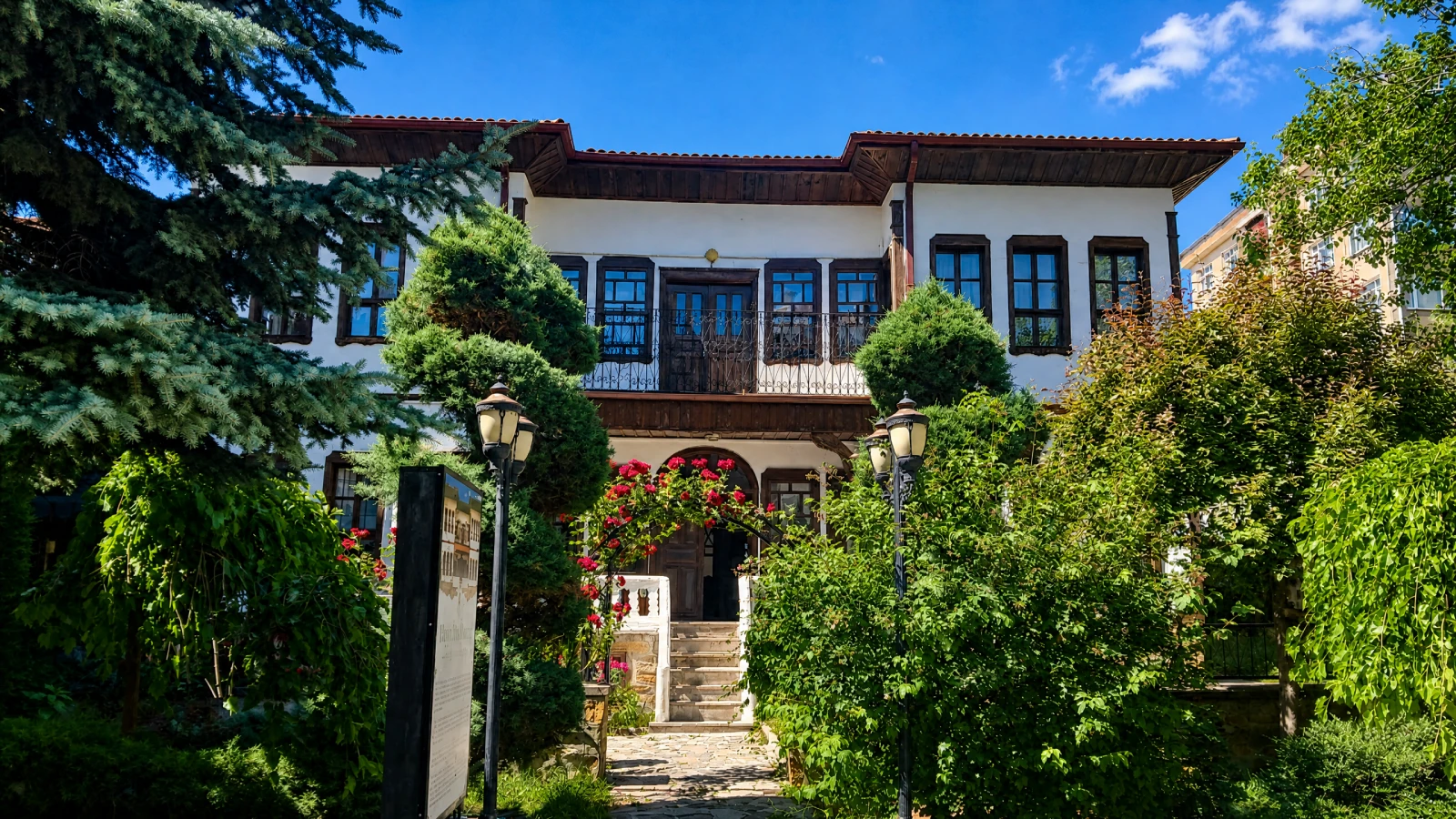
A surviving example of the domestic architecture of the late Ottoman town, with traditional room arrangement and timber details.
View Details →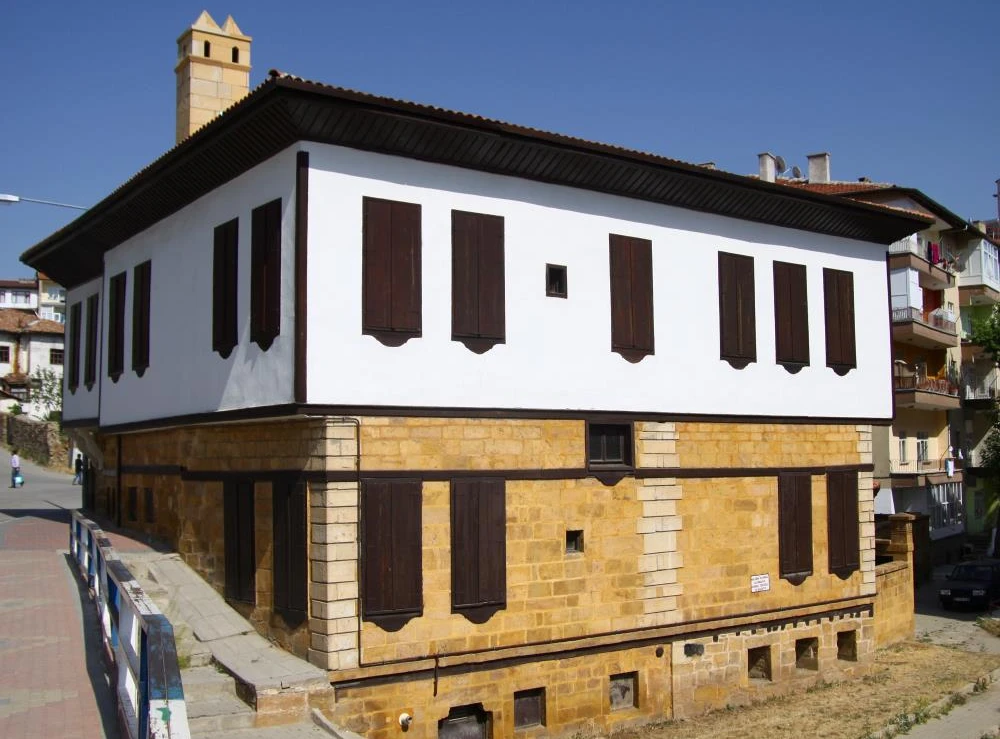
A historic residence associated with Atatürk’s first visit to Yozgat and later used as a governor’s residence.
View Details →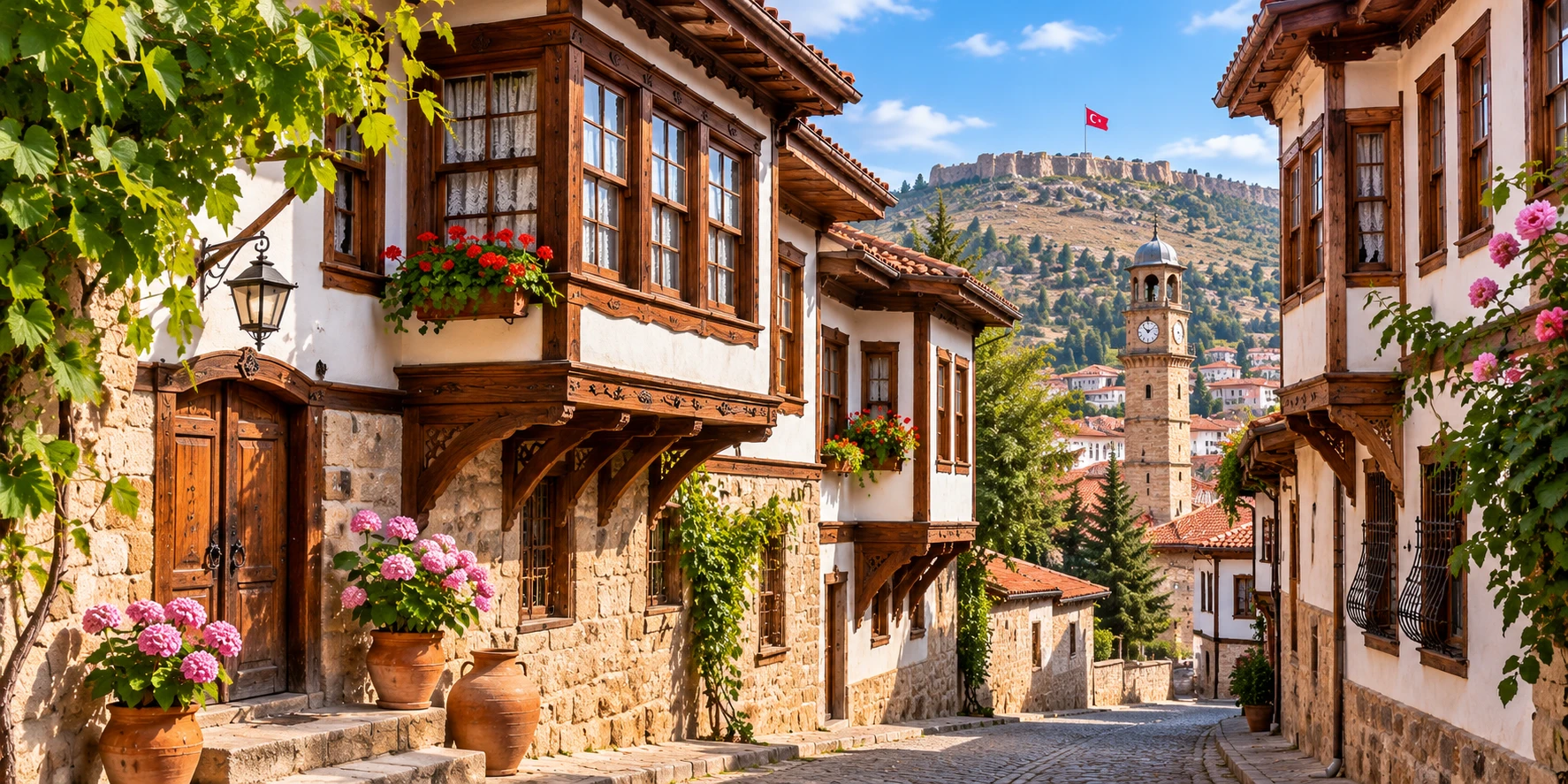
Traditional courtyard houses and surviving mansions illustrate the urban growth of the Bozok provincial centre.
View Details →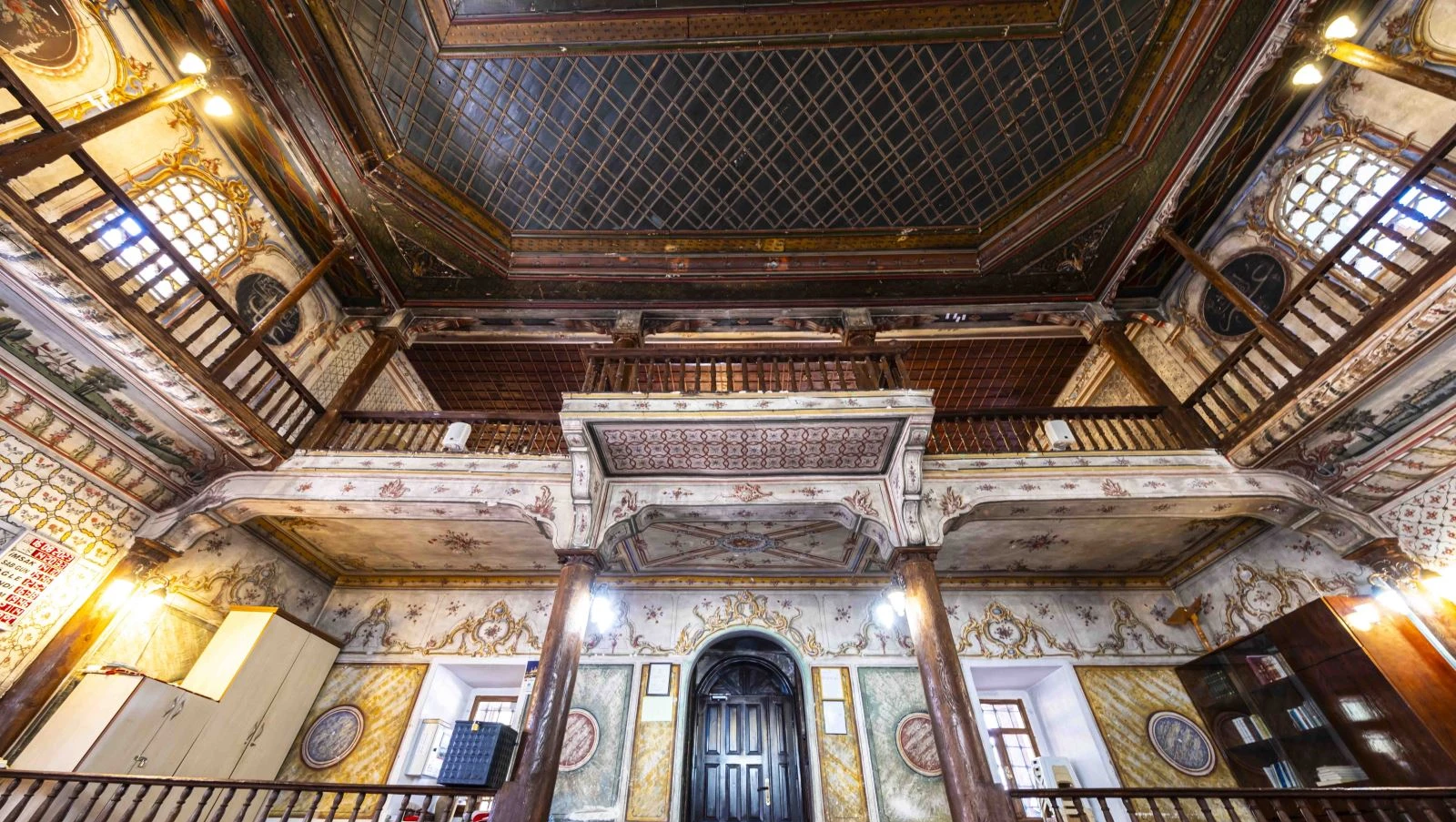
A historic neighbourhood mosque illustrating the smaller-scale religious foundations of Ottoman Yozgat.
View Details →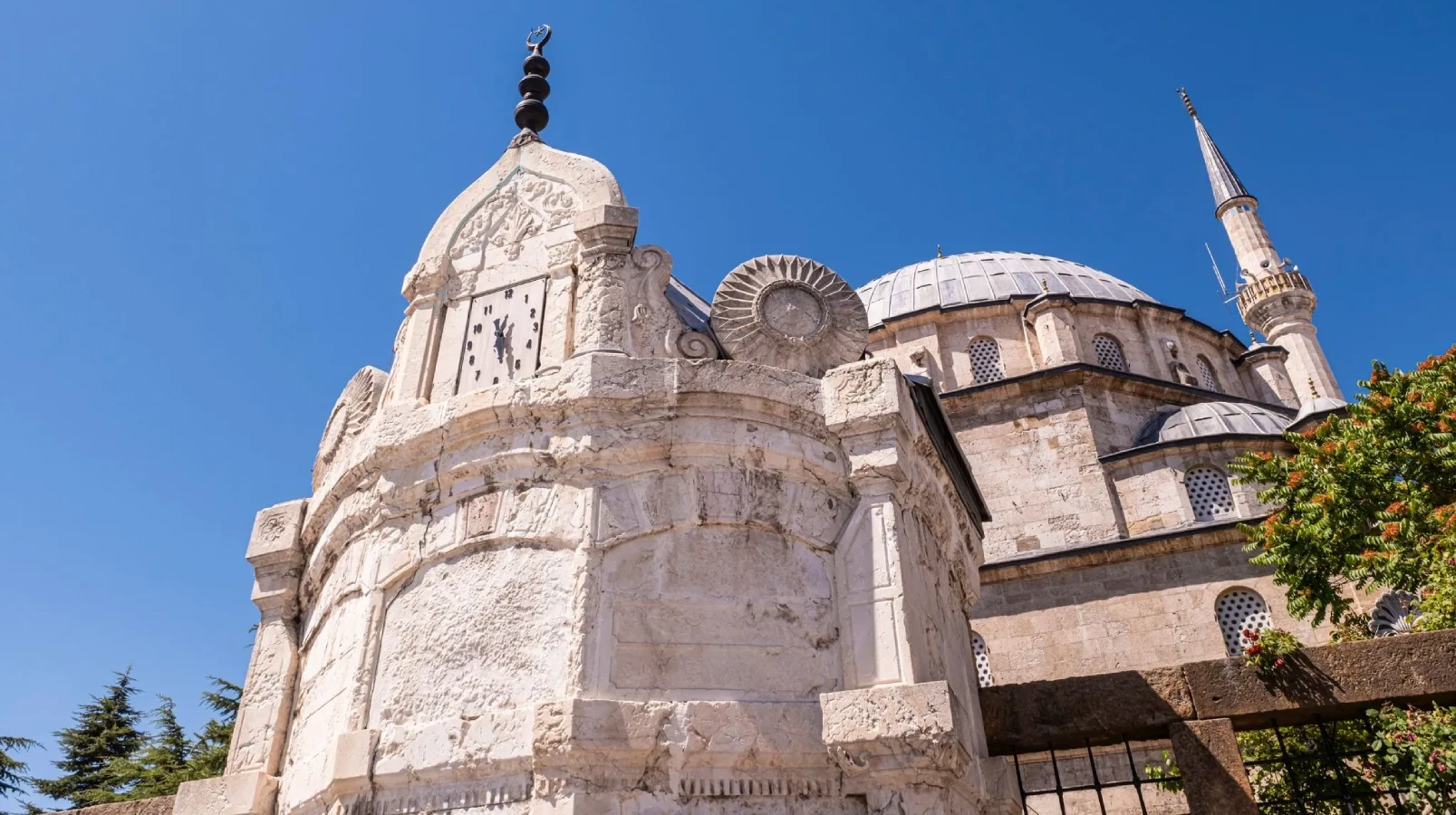
A late Ottoman public fountain beside the Çapanoğlu Mosque precinct, connecting the bazaar with civic water provision.
View Details →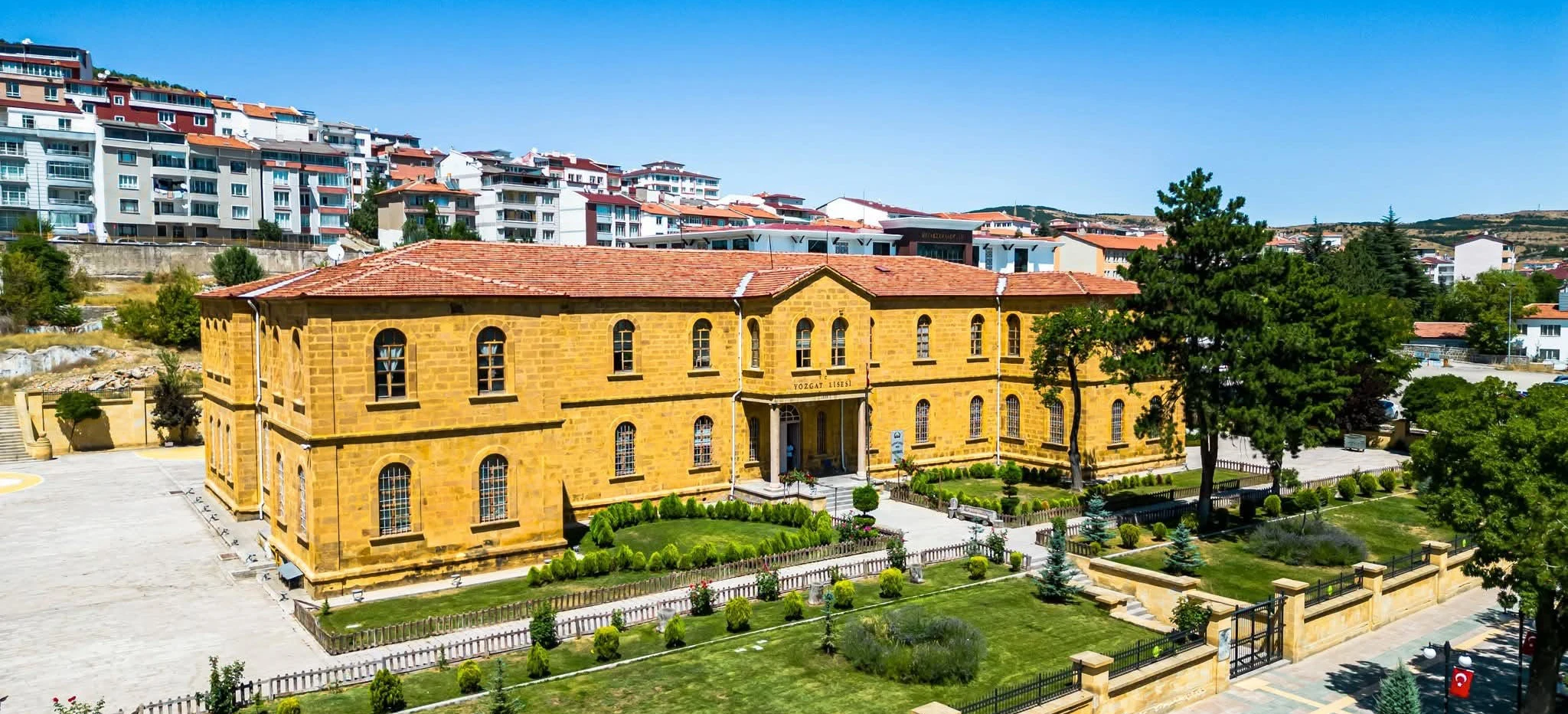
A landmark of the city’s educational heritage, best appreciated from public space while respecting the school’s use.
View Details →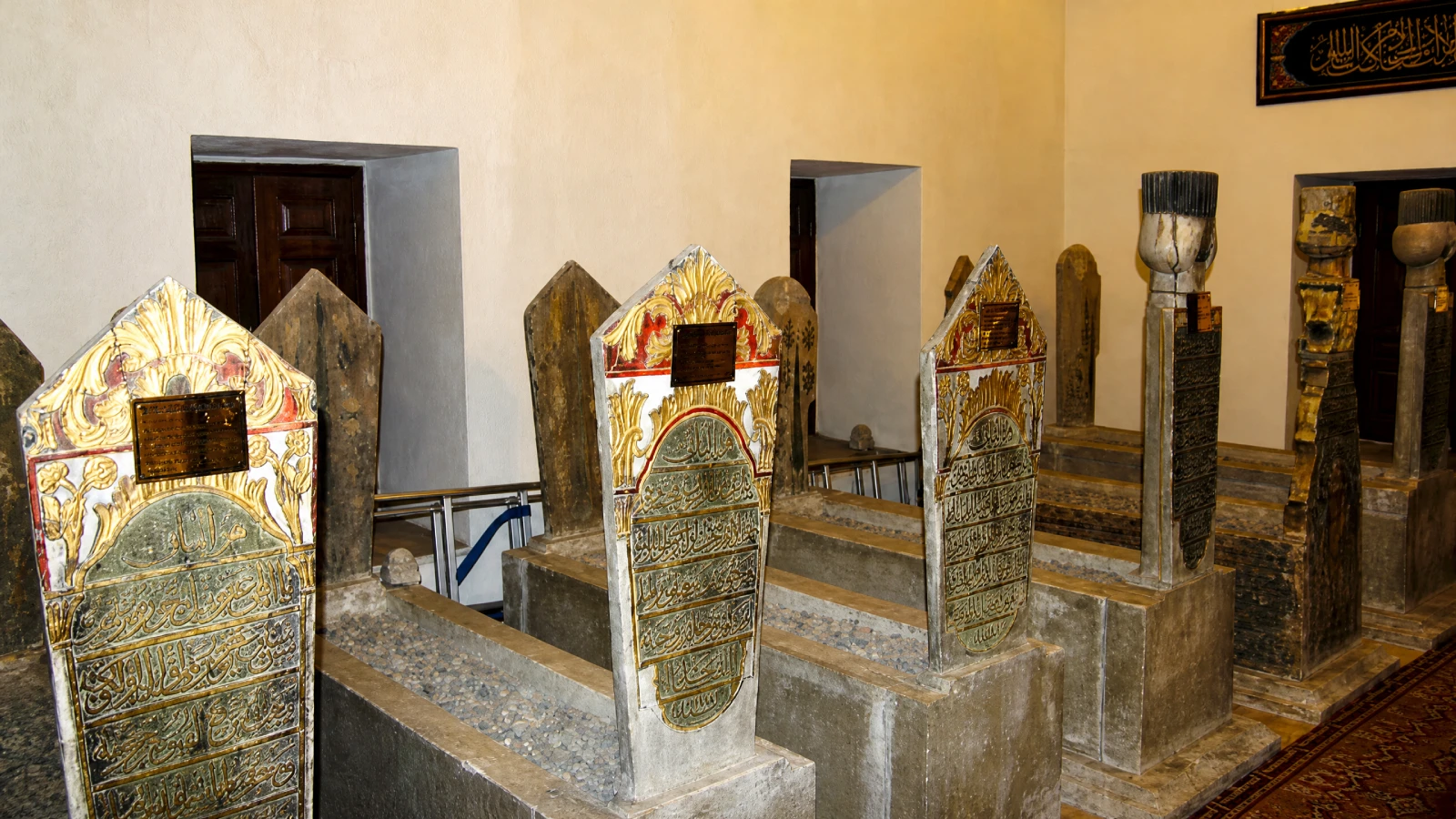
The domed family mausoleum adjoining the mosque contains burials associated with the influential local dynasty.
View Details →Stone church architecture recalls the Greek Orthodox community and the mining town’s multi-community past.
View Details →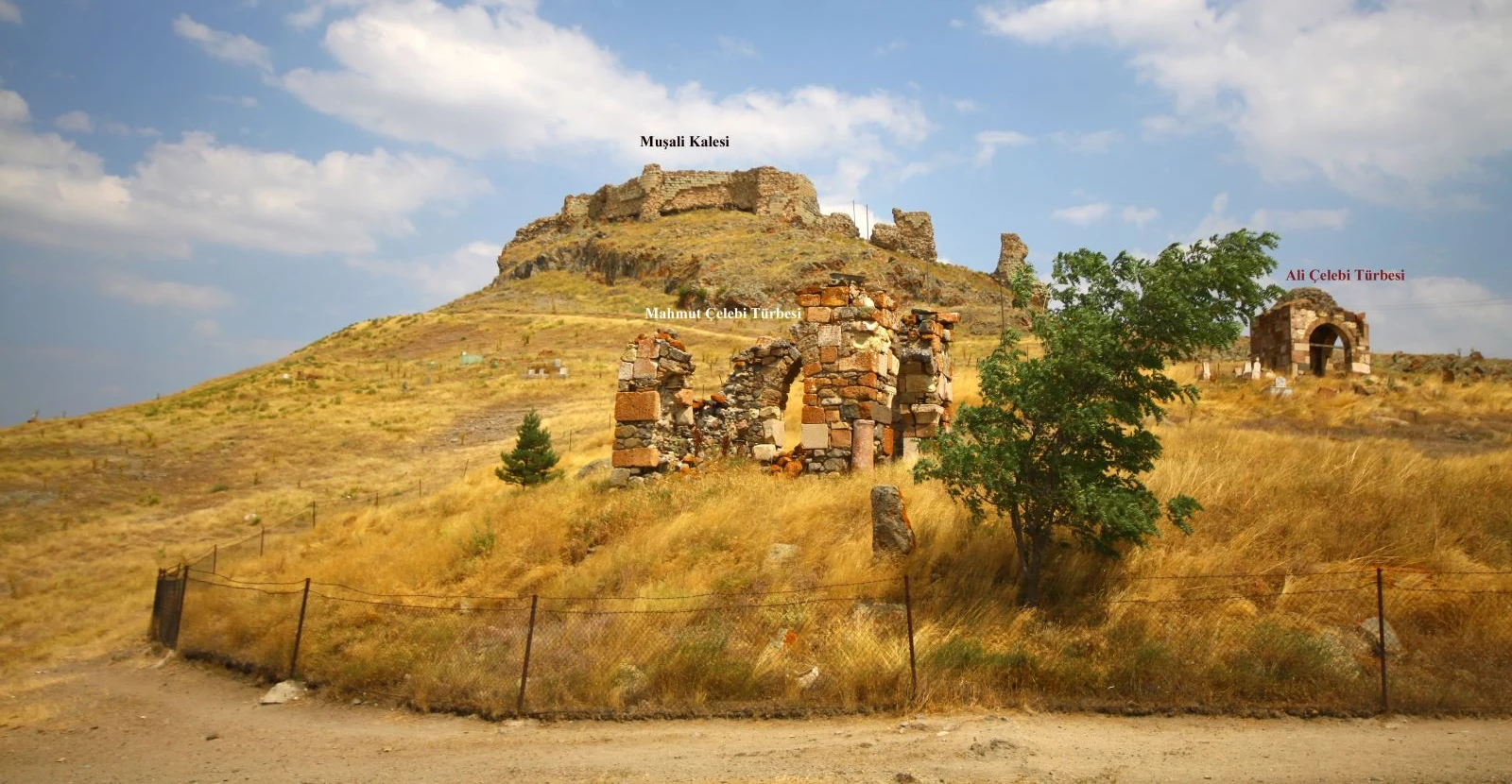
Ruined fortification overlooking the surrounding countryside, part of the medieval defensive heritage of eastern Yozgat.
View Details →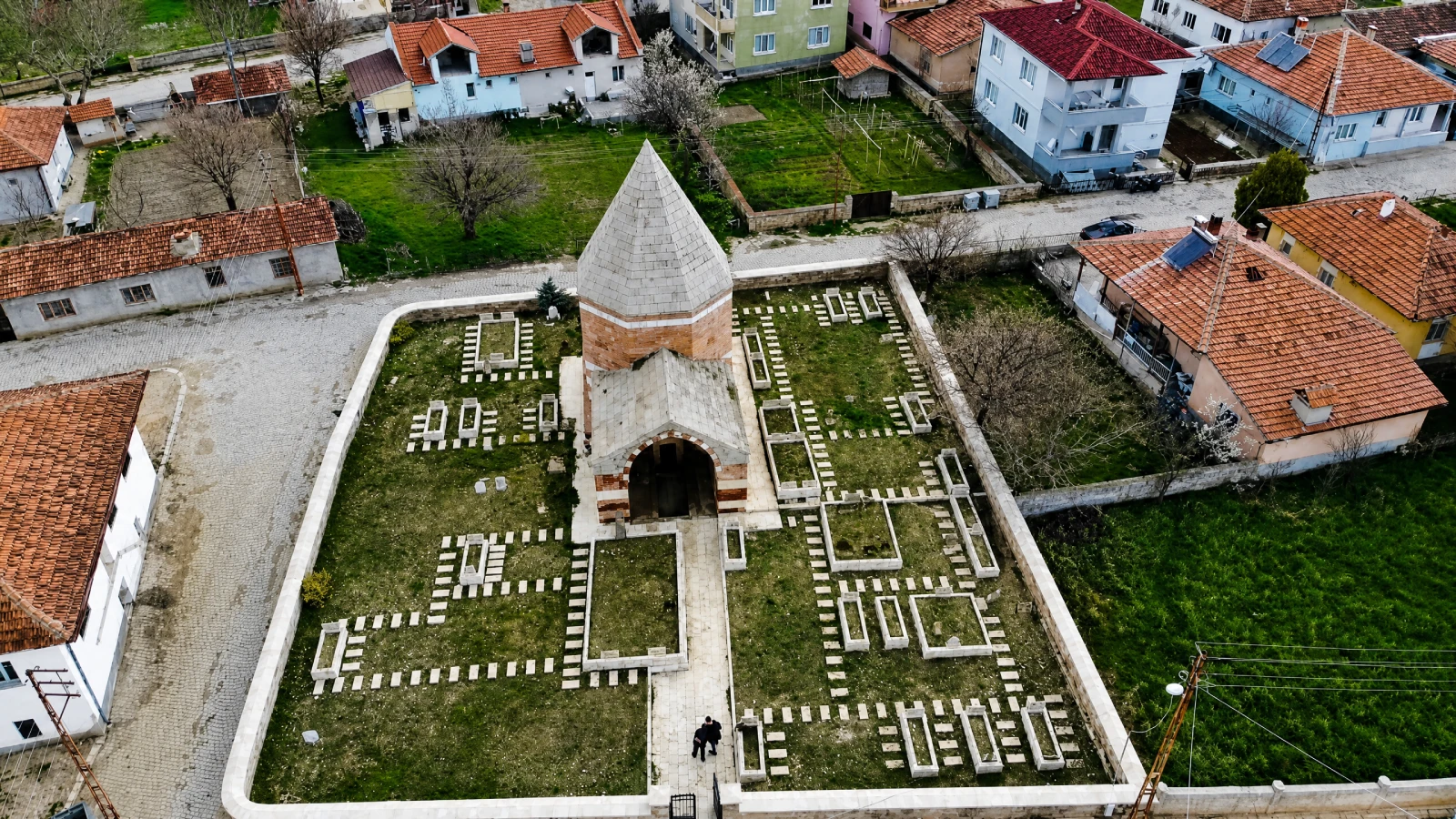
A Dulkadir dynastic mausoleum whose inscribed sarcophagus dates to 1499–1500.
View Details →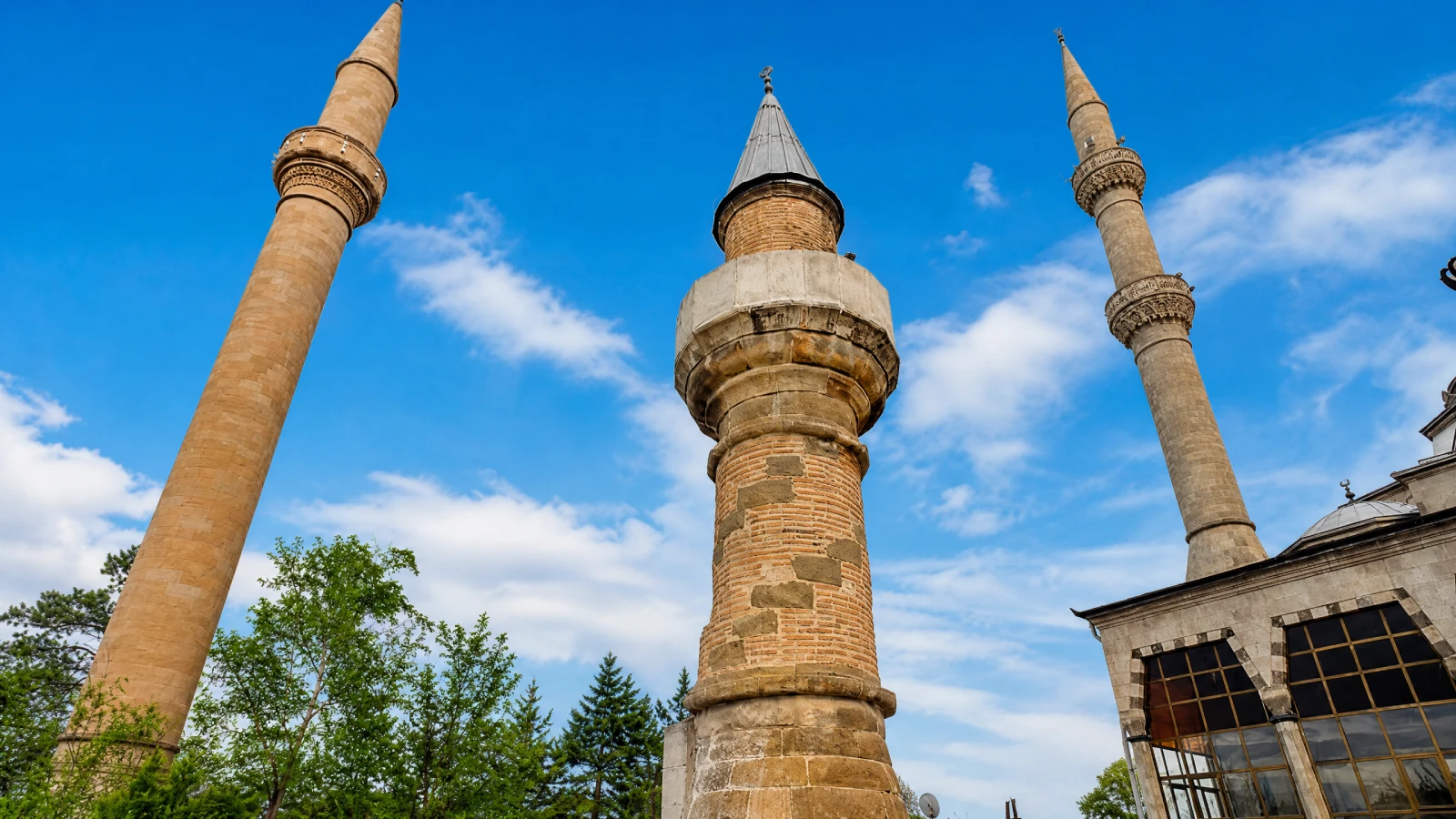
A religious foundation associated with Şahruh Bey, son of the Dulkadir ruler Alaüddevle.
View Details →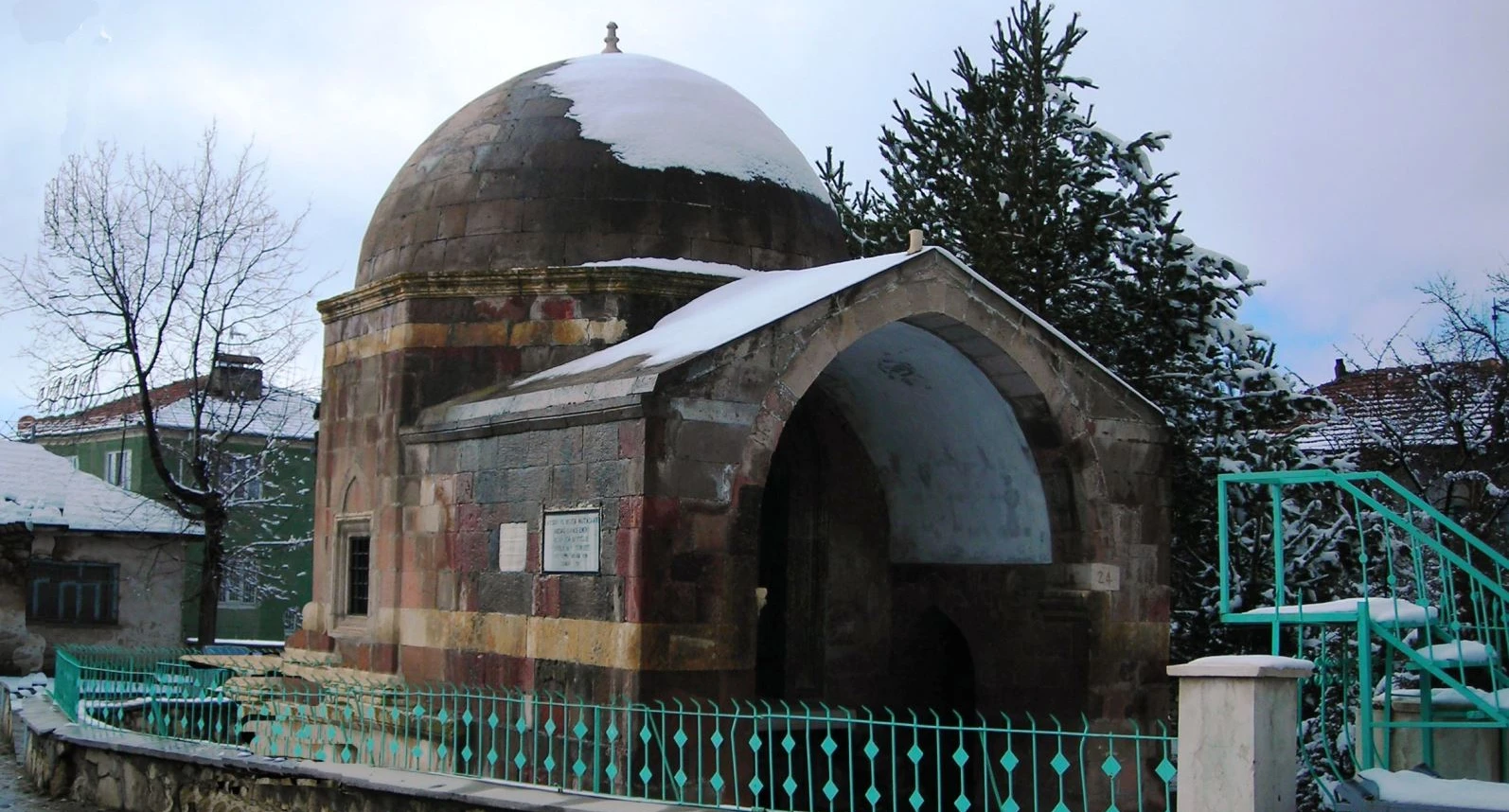
A sixteenth-century funerary monument associated with an Ottoman provincial official.
View Details →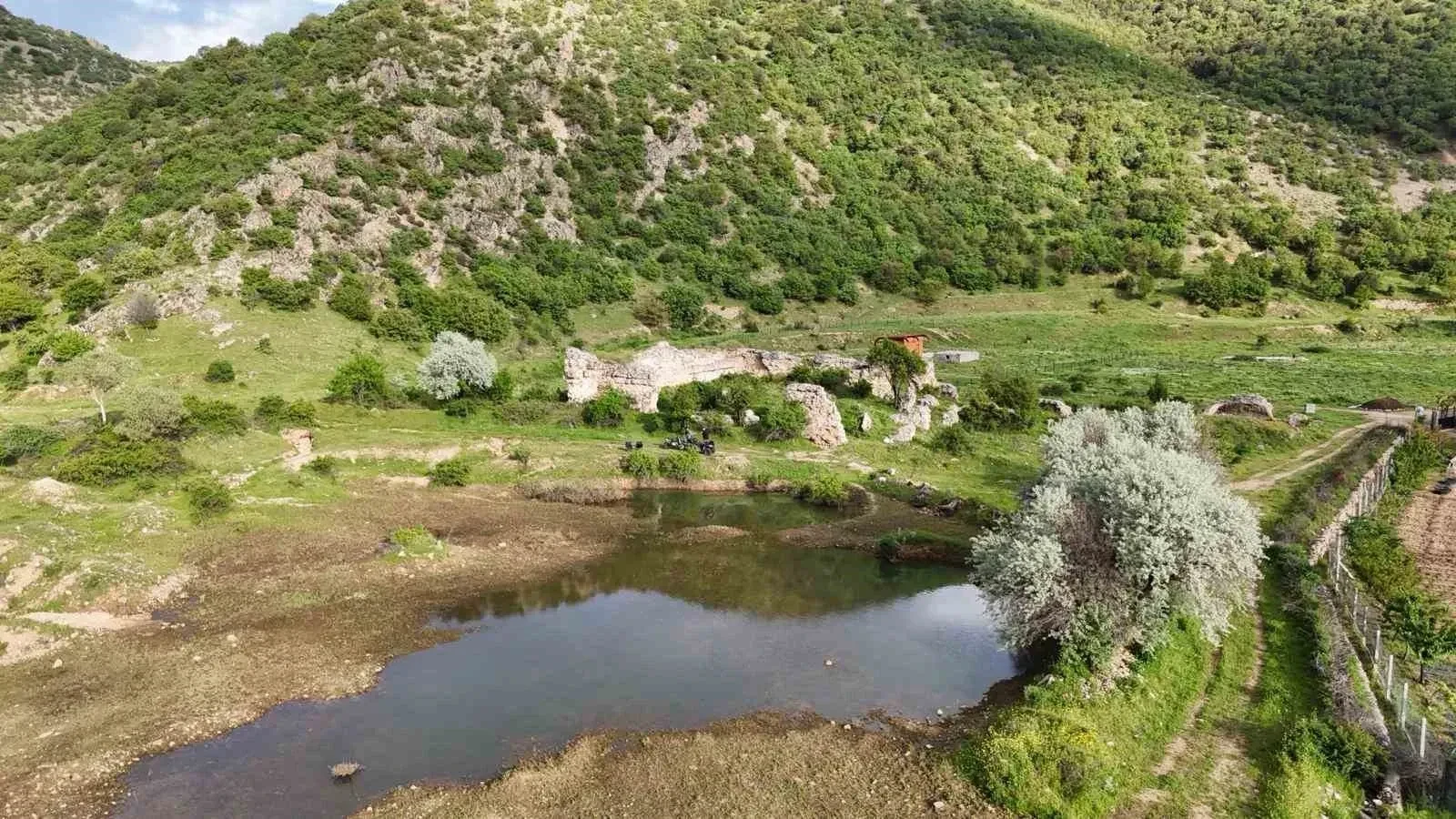
Remains of a medieval roadside inn recalling the commercial routes across the plateau.
View Details →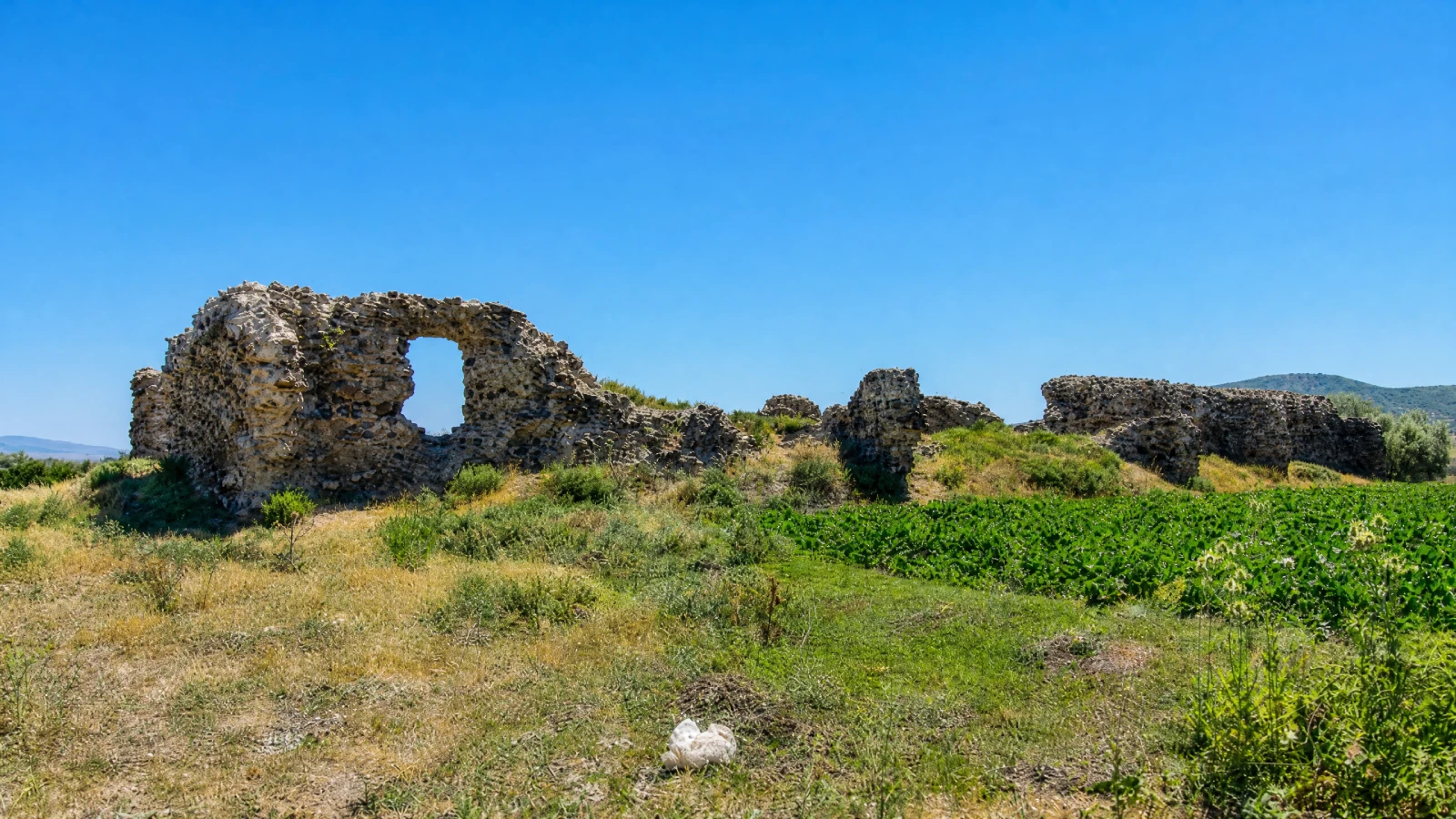
Historic transport infrastructure associated with routes crossing the Çekerek river system; access requires local confirmation.
View Details →Declared Türkiye’s first national park in 1958, this upland black-pine forest expanded to 517.33 hectares in 2022.
View Details →A roughly ten-kilometre gorge carved by the Çekerek River, with steep rock faces and traces of ancient activity.
View Details →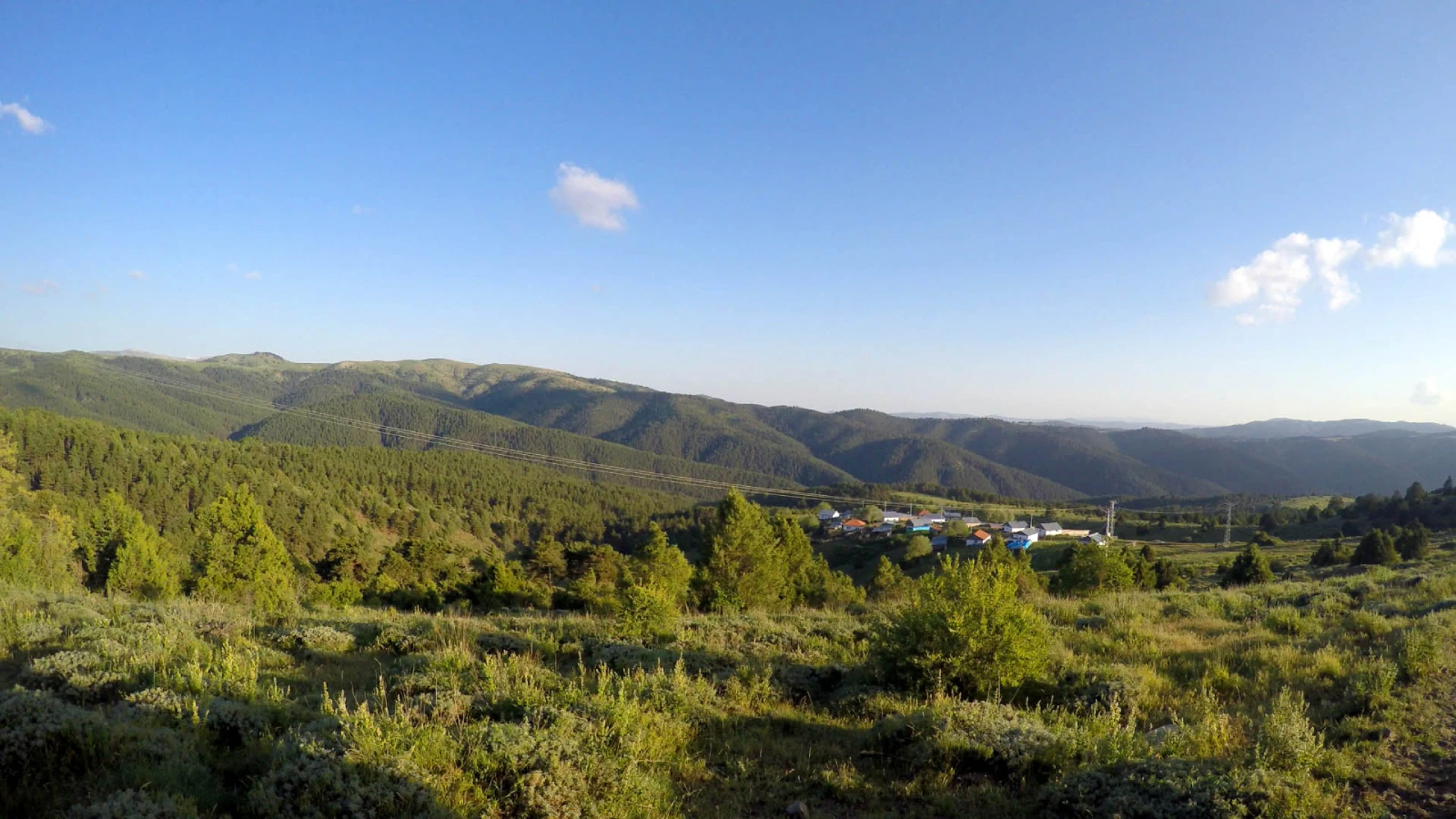
Extensive upland woodland contrasts with the cultivated open plateau around Yozgat city.
View Details →Seasonal lavender plantings beside the reservoir create a striking summer landscape; flowering varies with weather.
View Details →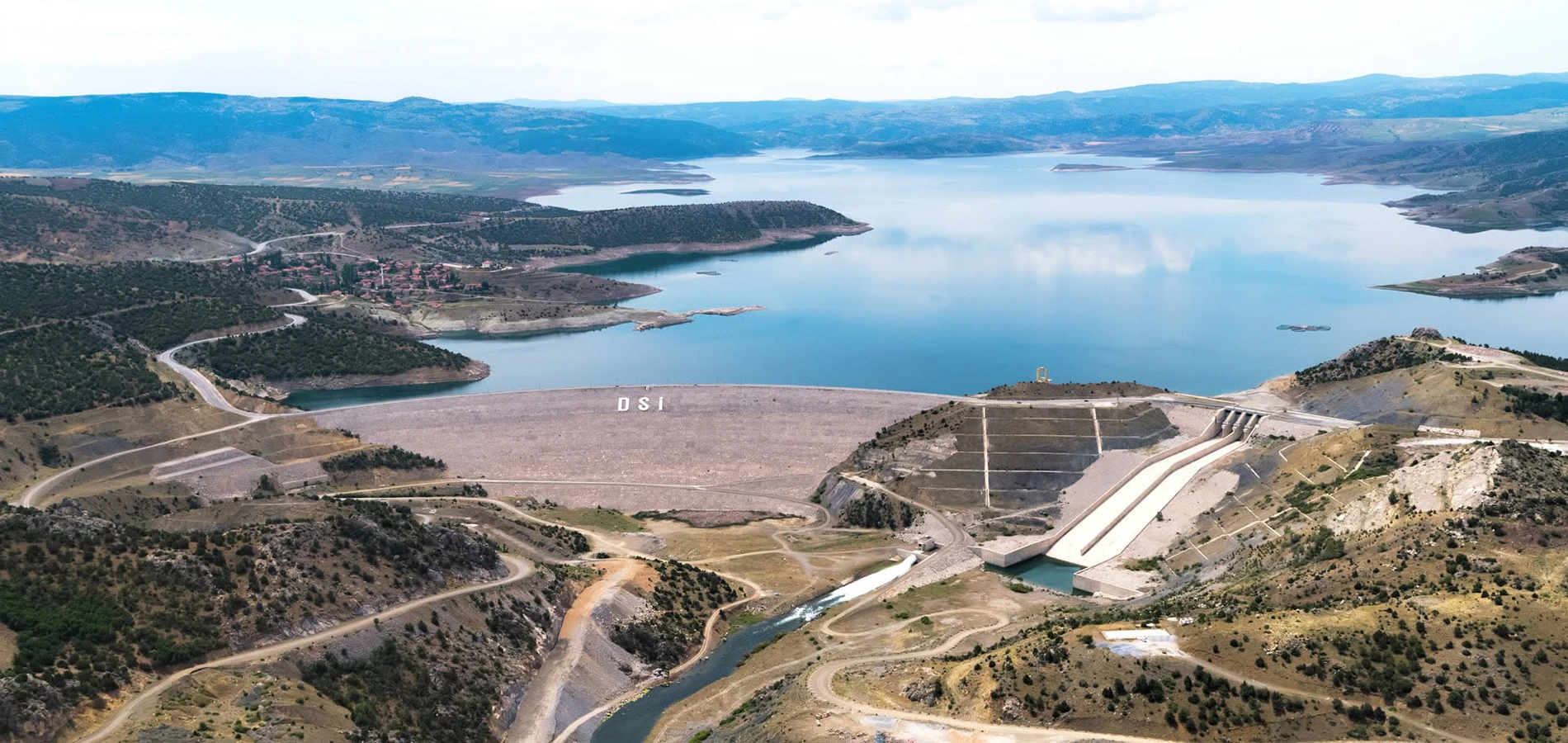
Reservoir scenery, shore viewpoints and nearby outdoor recreation form a separate northern excursion.
View Details →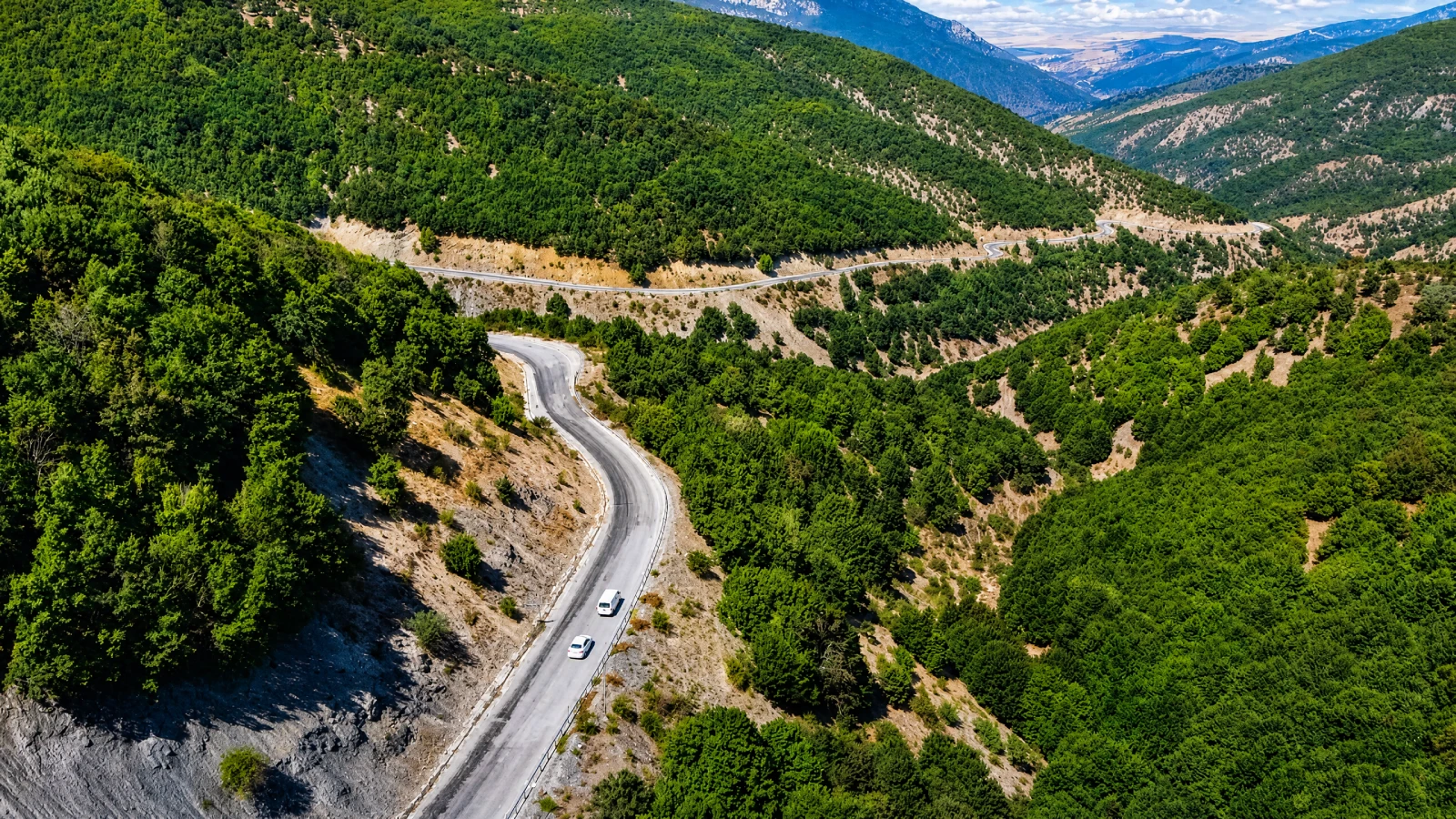
A wooded upland recreation landscape for cool-air outings and picnics in suitable weather.
View Details →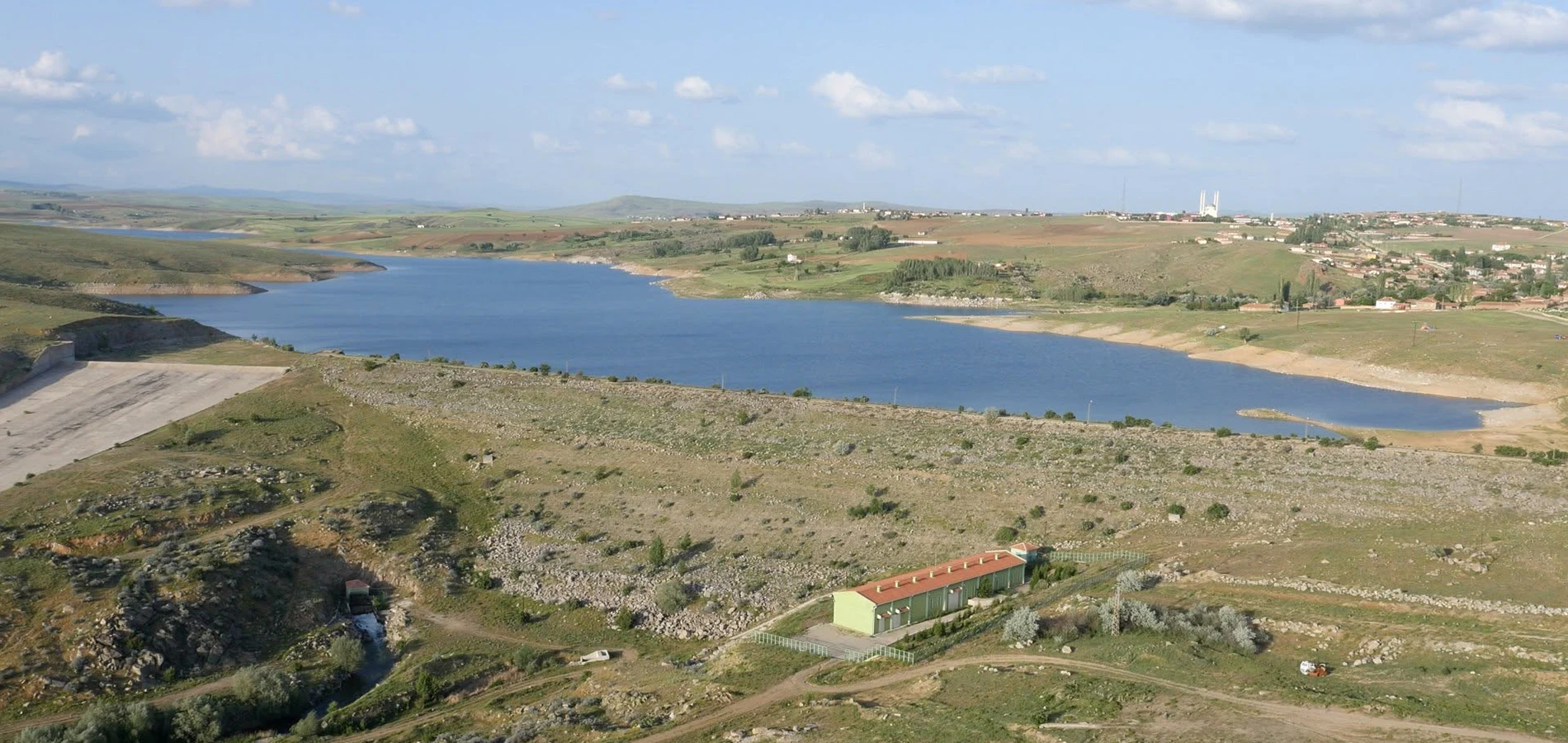
An extensive reservoir landscape near archaeological mounds and agricultural villages.
View Details →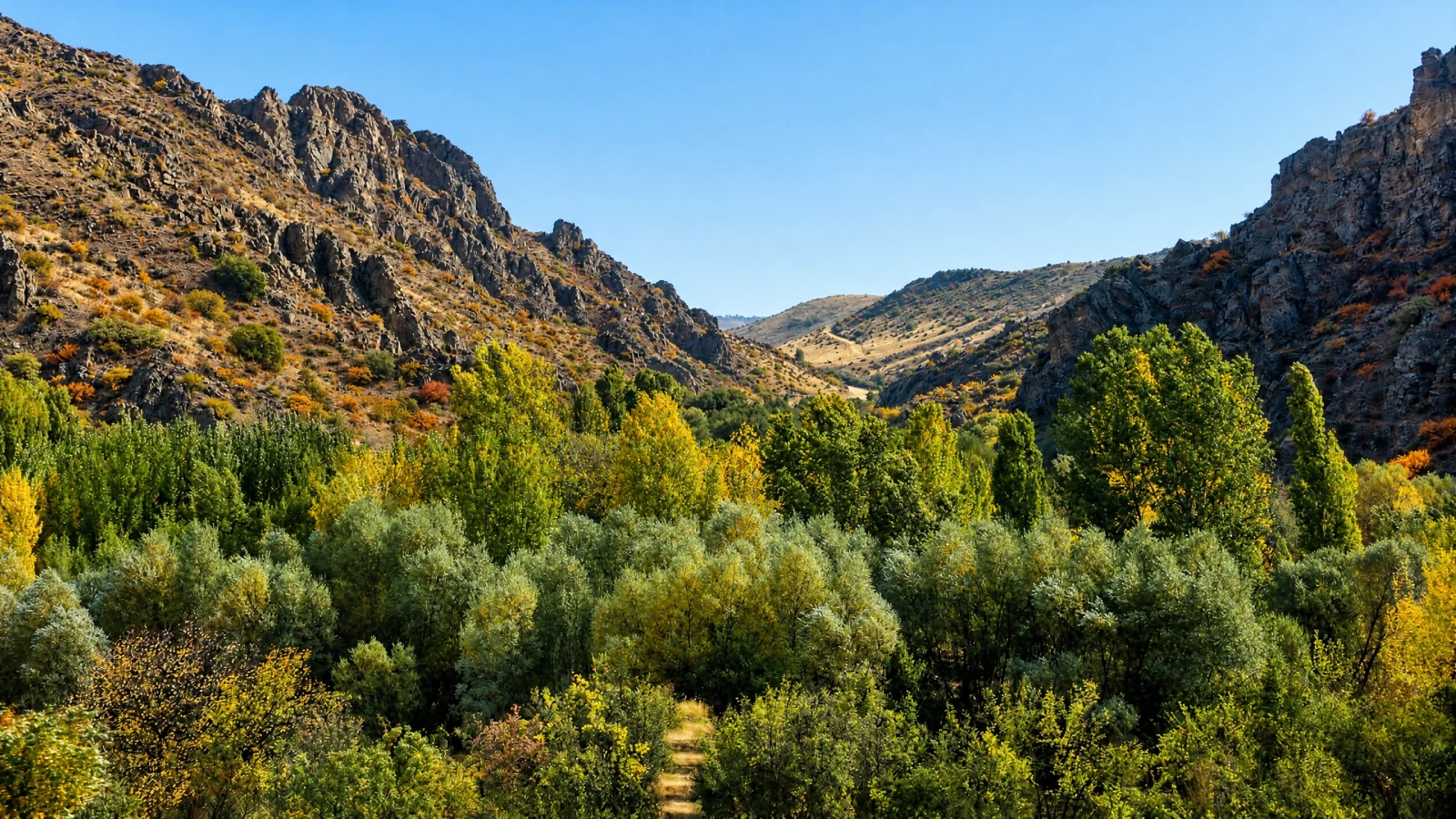
A river-valley landscape with orchards and rural settlements, contrasting with the higher Bozok plateau.
View Details →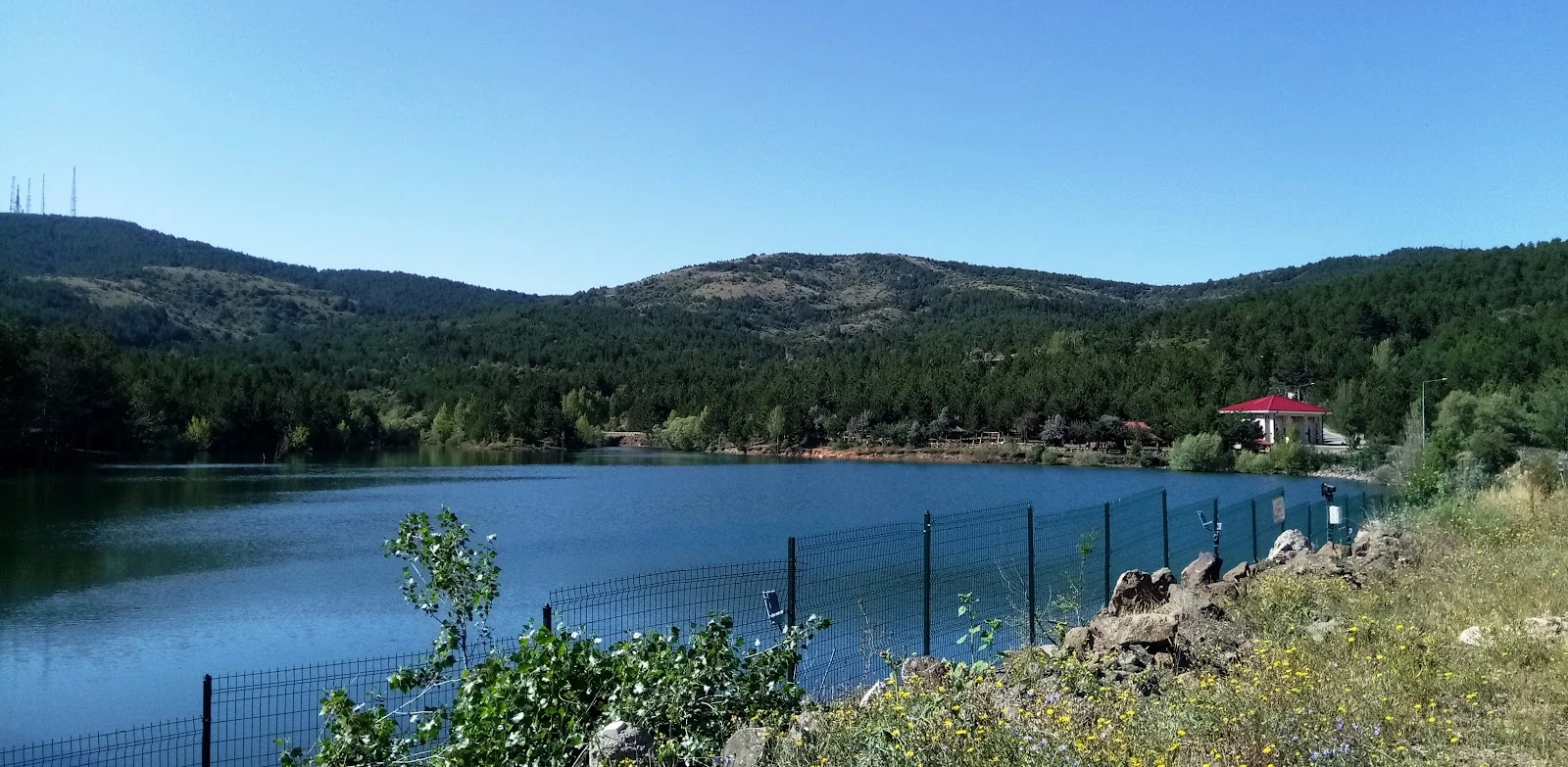
Wooded recreation area adjoining Çamlığı National Park, with habitats for diverse birds and small animals.
View Details →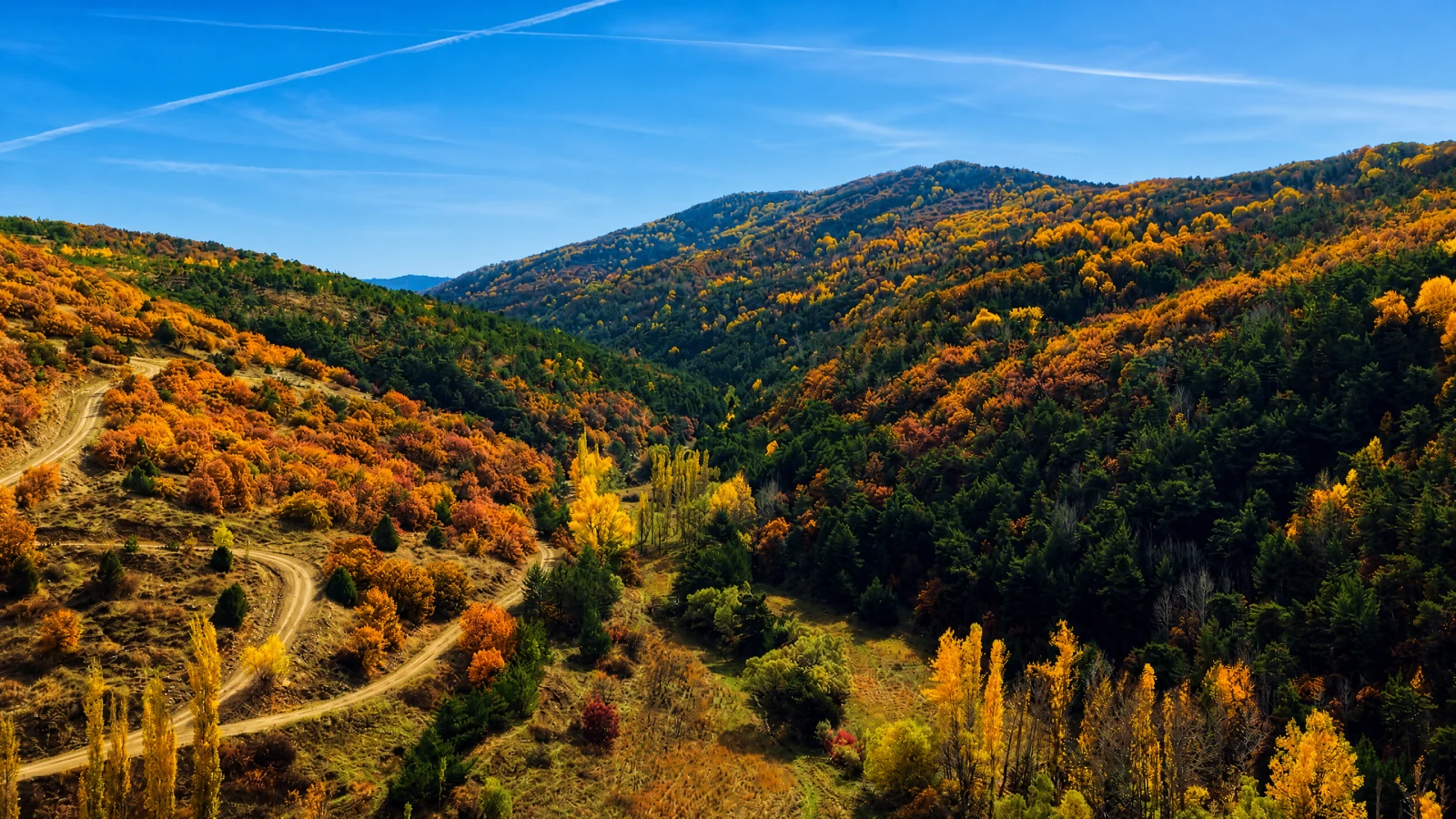
Southern highland forest landscapes near the Akdağ mountain system.
View Details →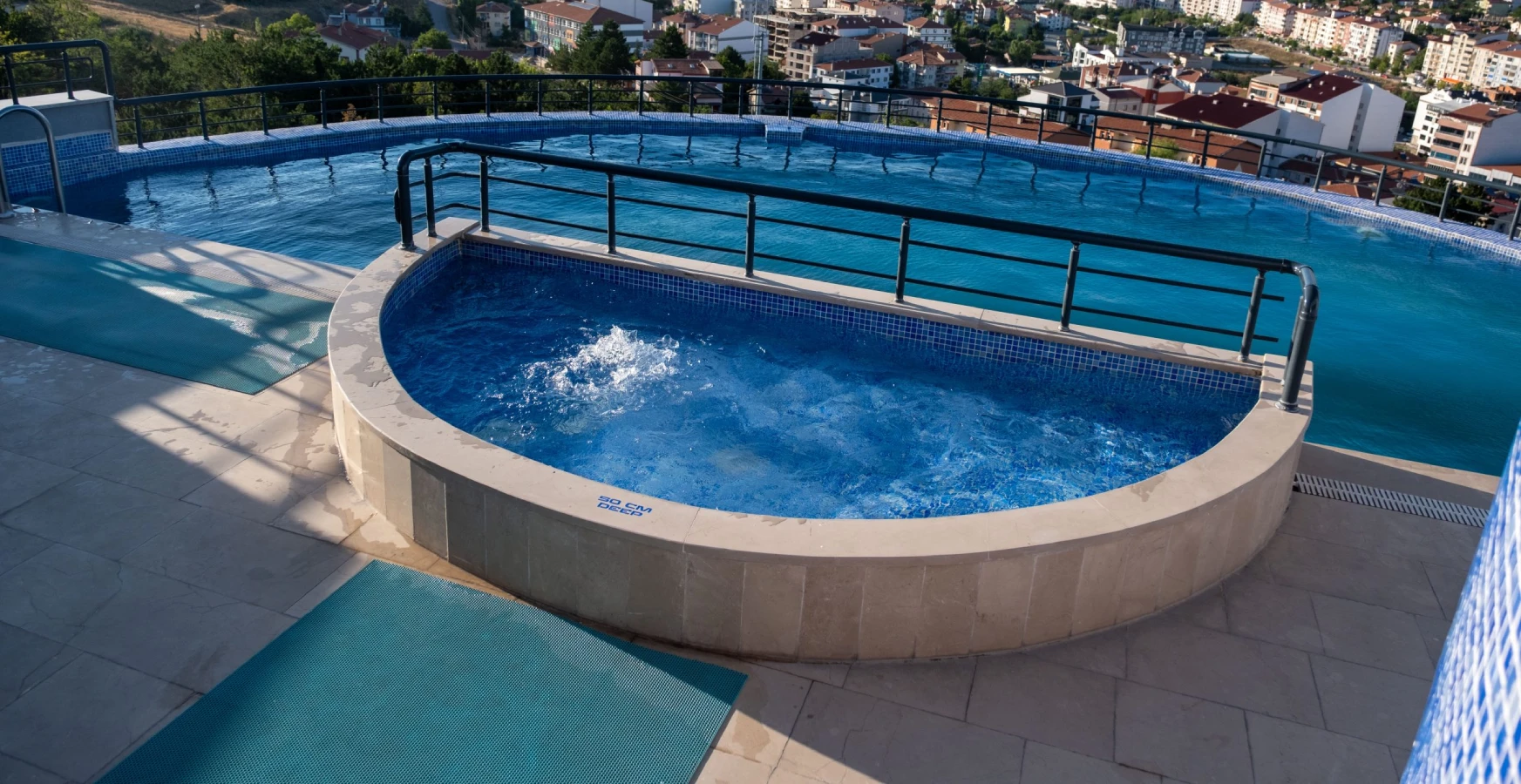
Modern thermal bathing in the town where mineral-rich hot springs also sustained Roman Basilica Therma.
View Details →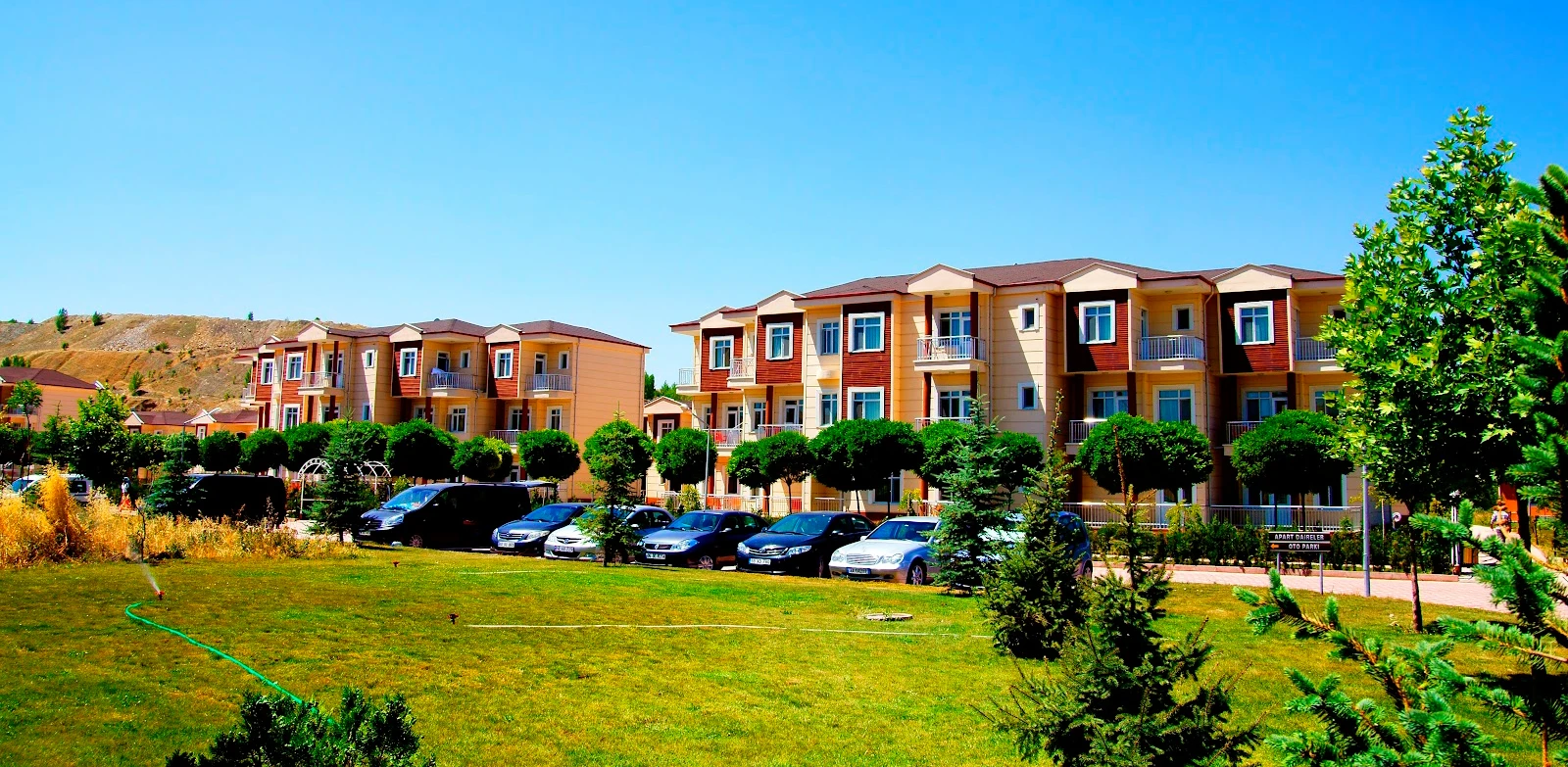
Naturally hot mineral waters support spa facilities; source temperatures are not bathing temperatures.
View Details →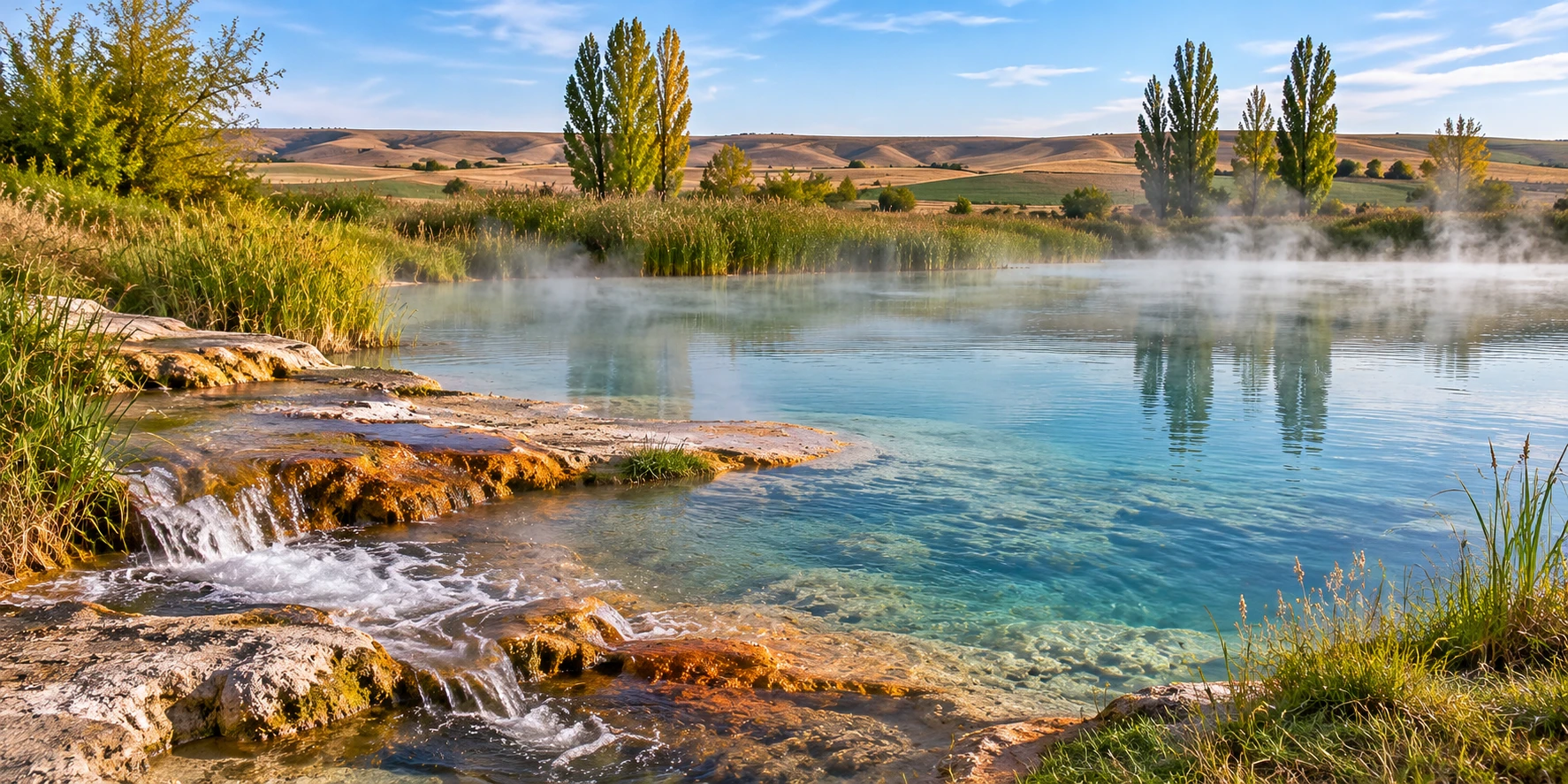
A geothermal area associated with Boğazlıyan’s bathing tradition.
View Details →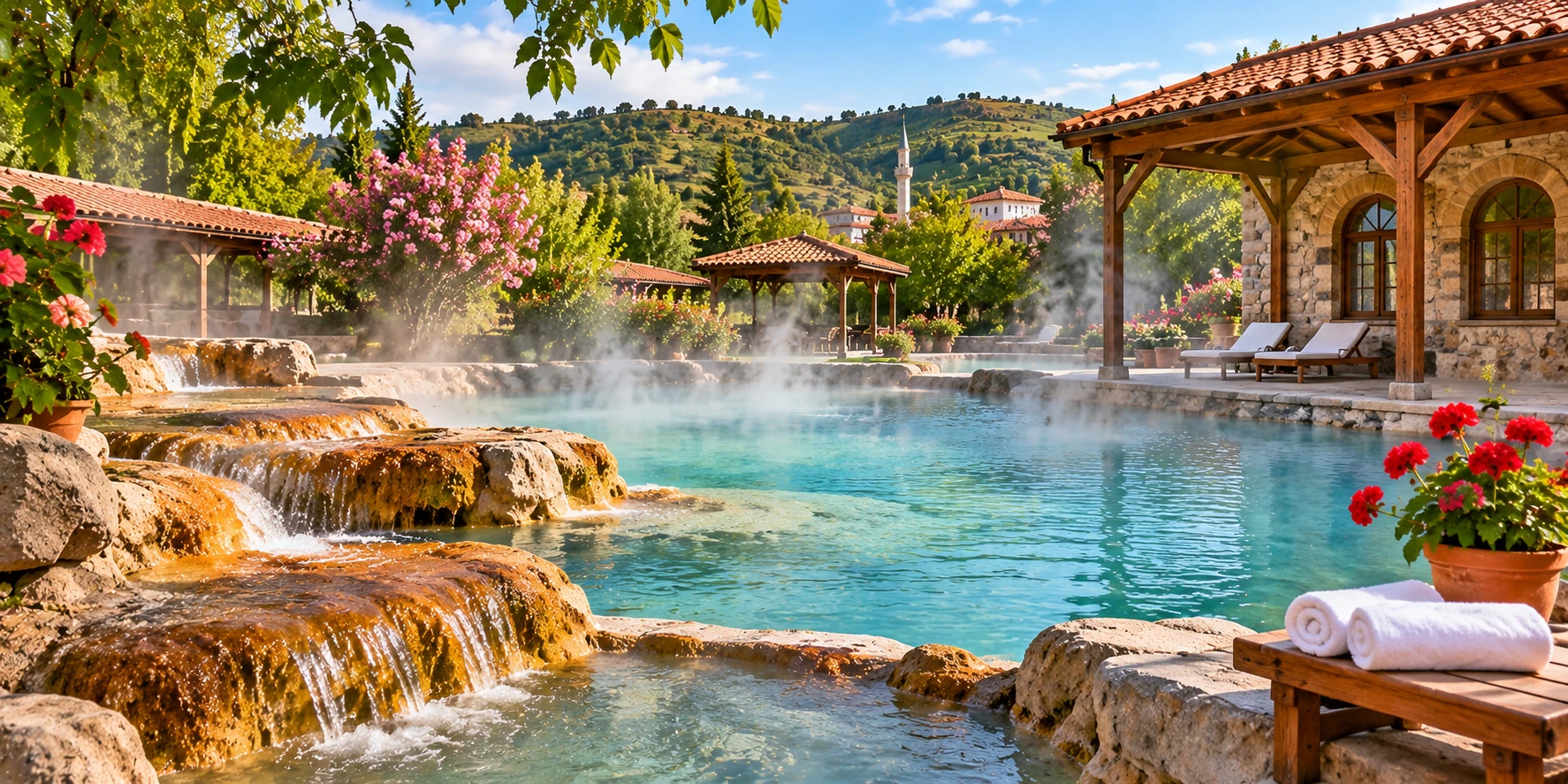
Local geothermal resources on the eastern side of the province; confirm operating facilities before travel.
View Details →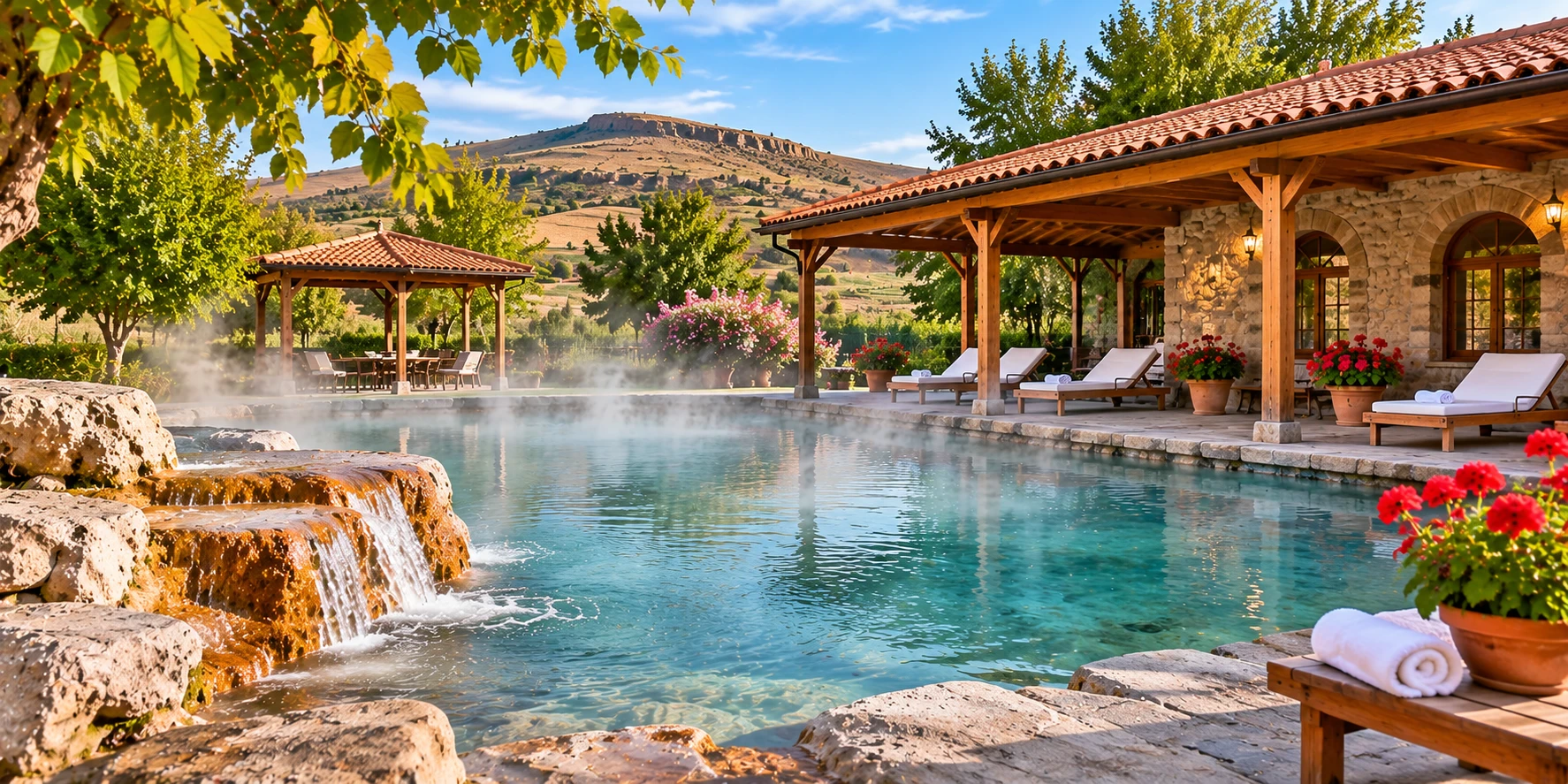
Thermal water resources in the western district, with facility availability requiring local confirmation.
View Details →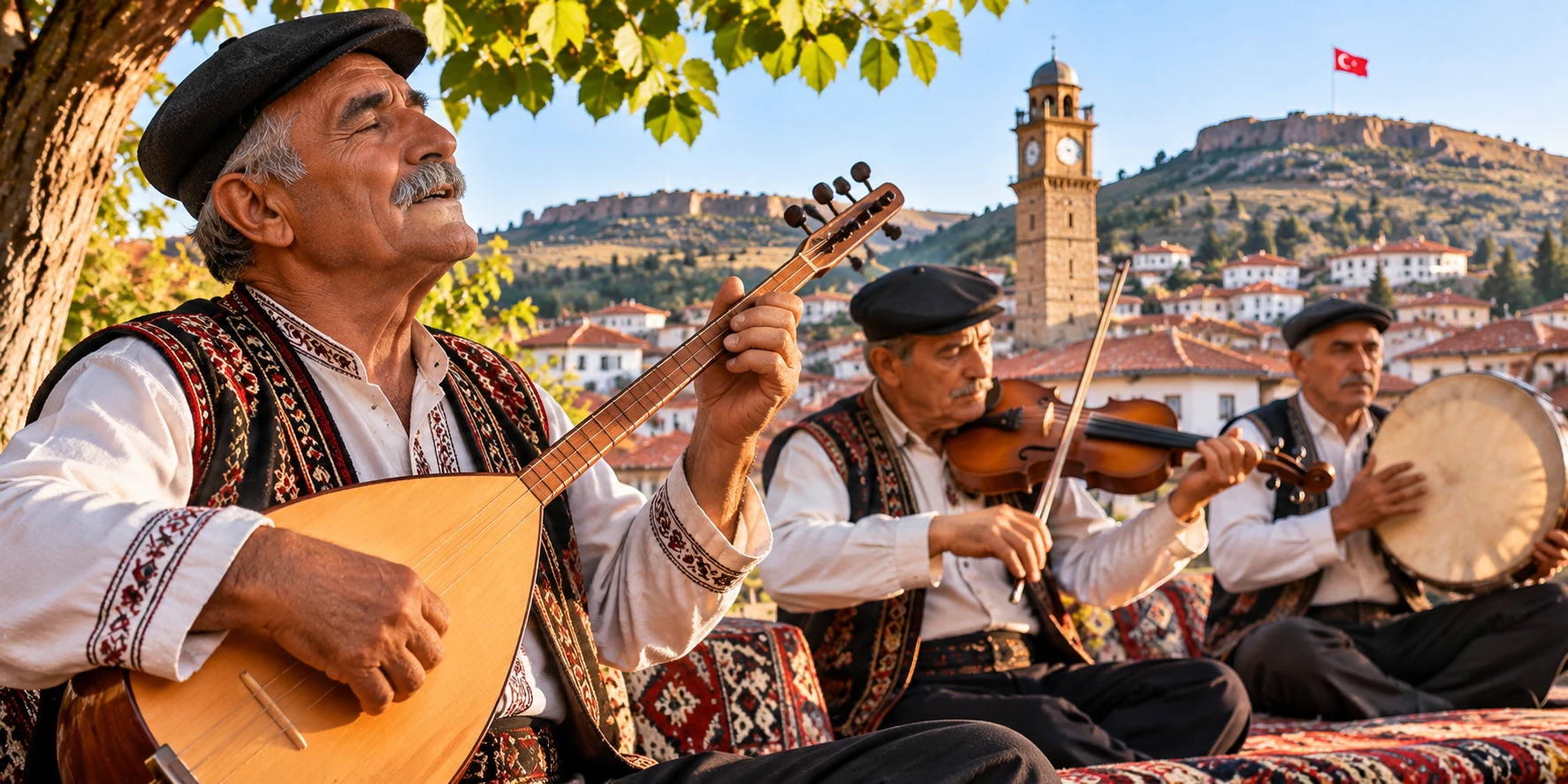
The Sürmeli song tradition expresses the regional vocabulary of longing, separation and rural life through Anatolian folk music.
View Details →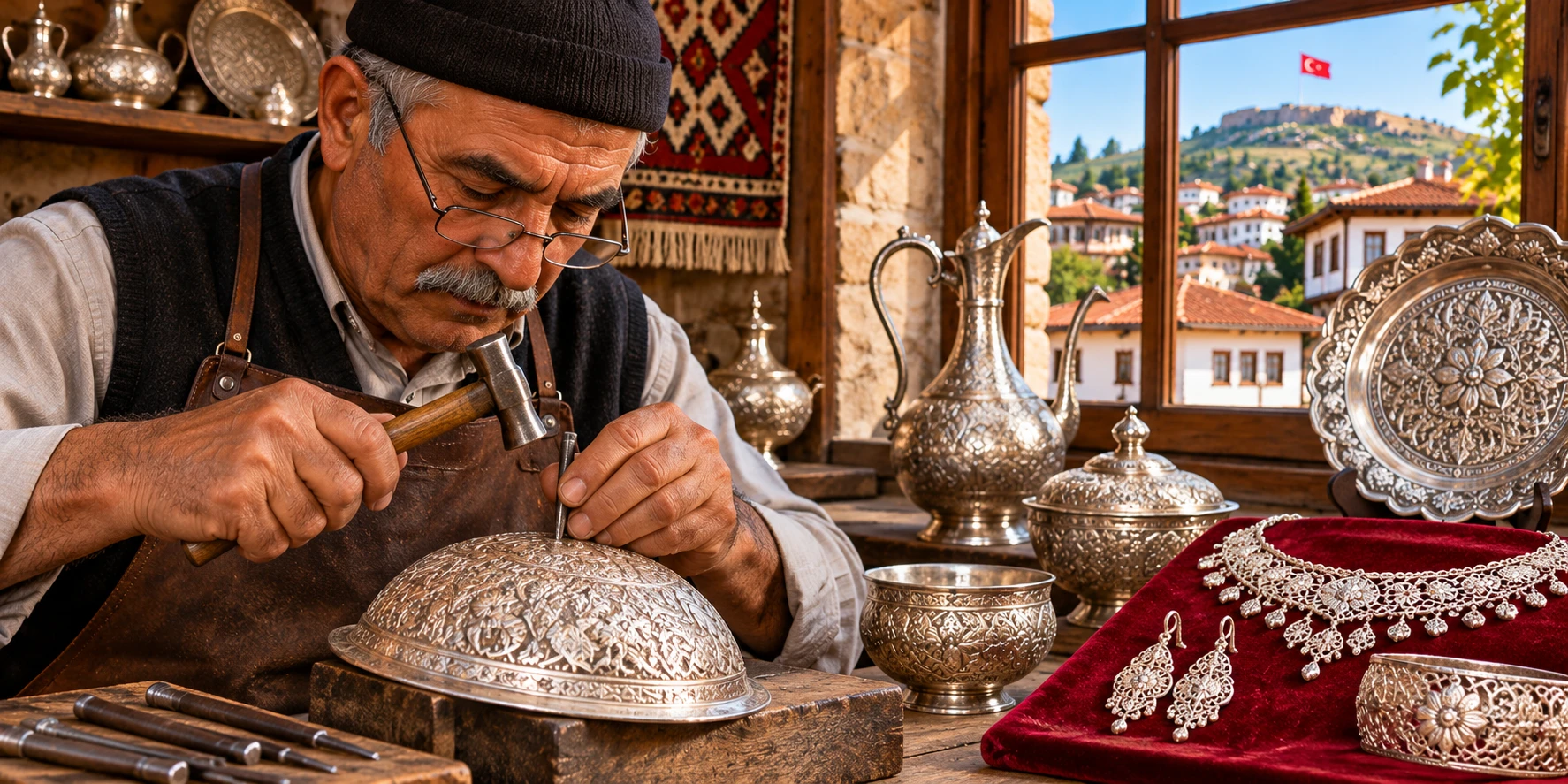
Local metalworking traditions include decorative silver objects and jewellery recorded in the cultural inventory.
View Details →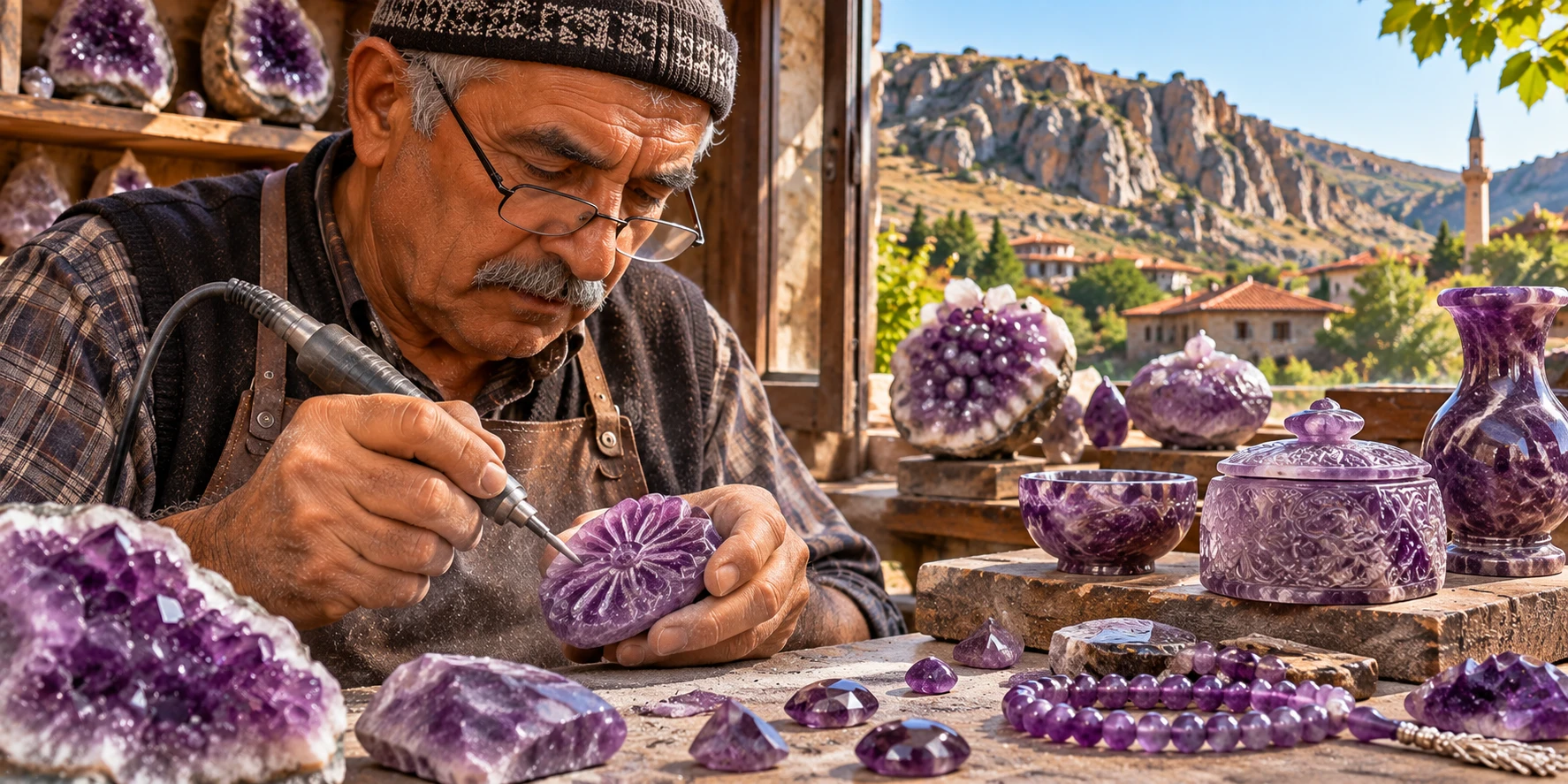
Local purple quartz deposits and stoneworking connect geology with regional crafts.
View Details →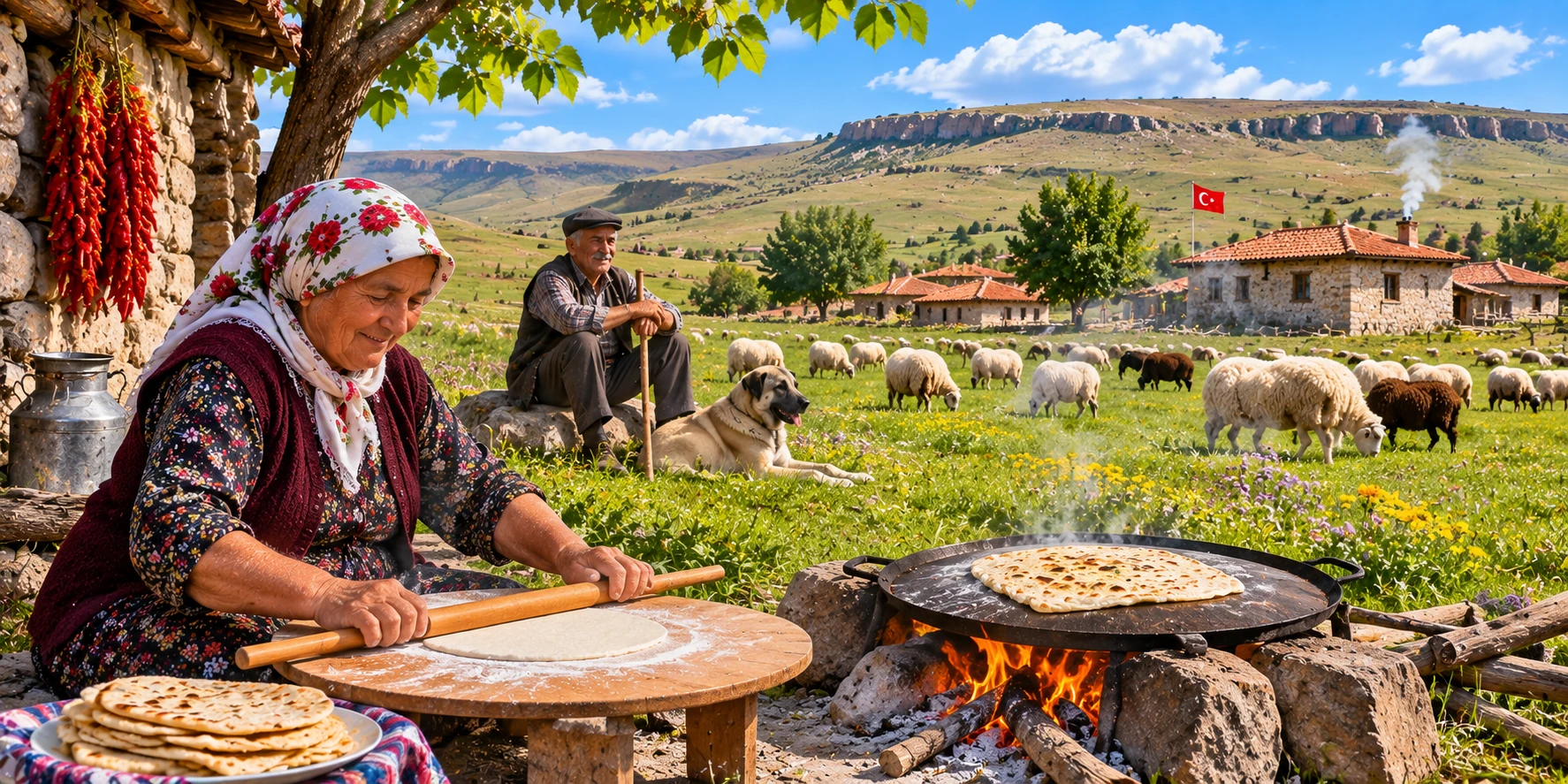
Cereal farming, livestock, seasonal food preparation and village hospitality shape the rural landscape.
View Details →Kerkenes occupies a high granite ridge near Şahmuratlı. Remote sensing and excavation have revealed an extensive network of streets, building blocks, gates and fortifications. The proposed association with Herodotus’s Pteria is compelling but unproven; the city’s ancient name remains unknown. Its roughly seven-kilometre wall circuit enclosed 2.5 square kilometres and incorporated seven gates. The Cappadocia Gate was excavated between 1999 and 2011.
Alişar and Çadır Höyük offer a contrasting archaeological experience: repeated rebuilding accumulated layers over centuries. At Uşaklı Höyük, research has examined a substantial lower terrace and a smaller raised mound. These are active or protected archaeological landscapes, not fully serviced open-air museums. The 2018 season at Uşaklı Höyük revealed a patterned stone pavement belonging to a major Late Bronze Age building; Çadır Höyük preserves occupation extending from the sixth millennium BC to the late medieval period.
Tavium, near Büyüknefes, represents a later chapter in central Anatolian urban history. Its Galatian associations and Roman-era regional connections complement the prehistoric and Iron Age sites. Do not enter private fields, climb unstable walls or remove ceramics from the surface.
The Çapanoğlu Mosque’s two principal building phases are particularly revealing: the inner prayer hall dates to 1779 and the outer hall was added by Süleyman Bey in the 1790s. Its decorative language shows how late Ottoman architectural fashions travelled beyond Istanbul into provincial Anatolia.
At Nizamoğlu Mansion, completed in 1871 and opened as a museum in 1985, the building itself is part of the collection. Painted upper rooms reveal nineteenth-century domestic taste, while the exhibits place household life beside the region’s archaeological finds.
Continue to the clock tower, documented in 1897, and the surrounding bazaar streets. The surviving houses illustrate a town whose civic buildings and residential architecture developed around local patronage and commerce.
The central district is covered above; discover each of the other districts through its distinct landscape and heritage.
Group excursions by geography rather than trying to cover the whole province in a day.
Explore the mosque, family tomb, clock tower and museum, then take a forest walk.
Visit approved areas at Kerkenes and combine with another archaeological stop if access permits.
Allow time for the Roman bath and a separately arranged modern thermal experience.
Combine canyon viewpoints and reservoir scenery, subject to road and seasonal conditions.
Explore eight products listed in the provincial geographical-indication register and sixteen further regional dishes.
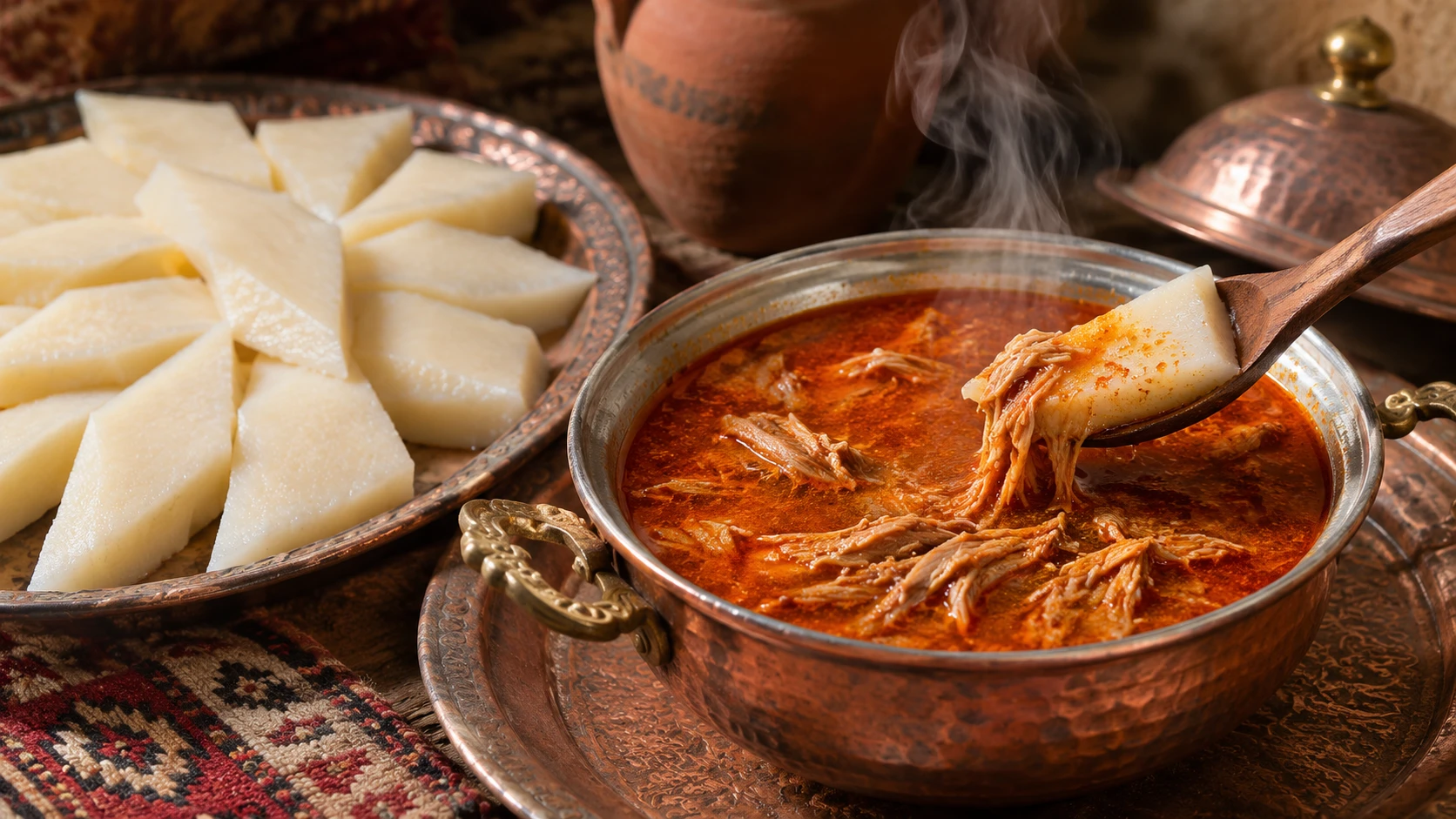
A hot, peppery soup eaten with a separately prepared flour-and-water dough, especially during winter gatherings.
View Details →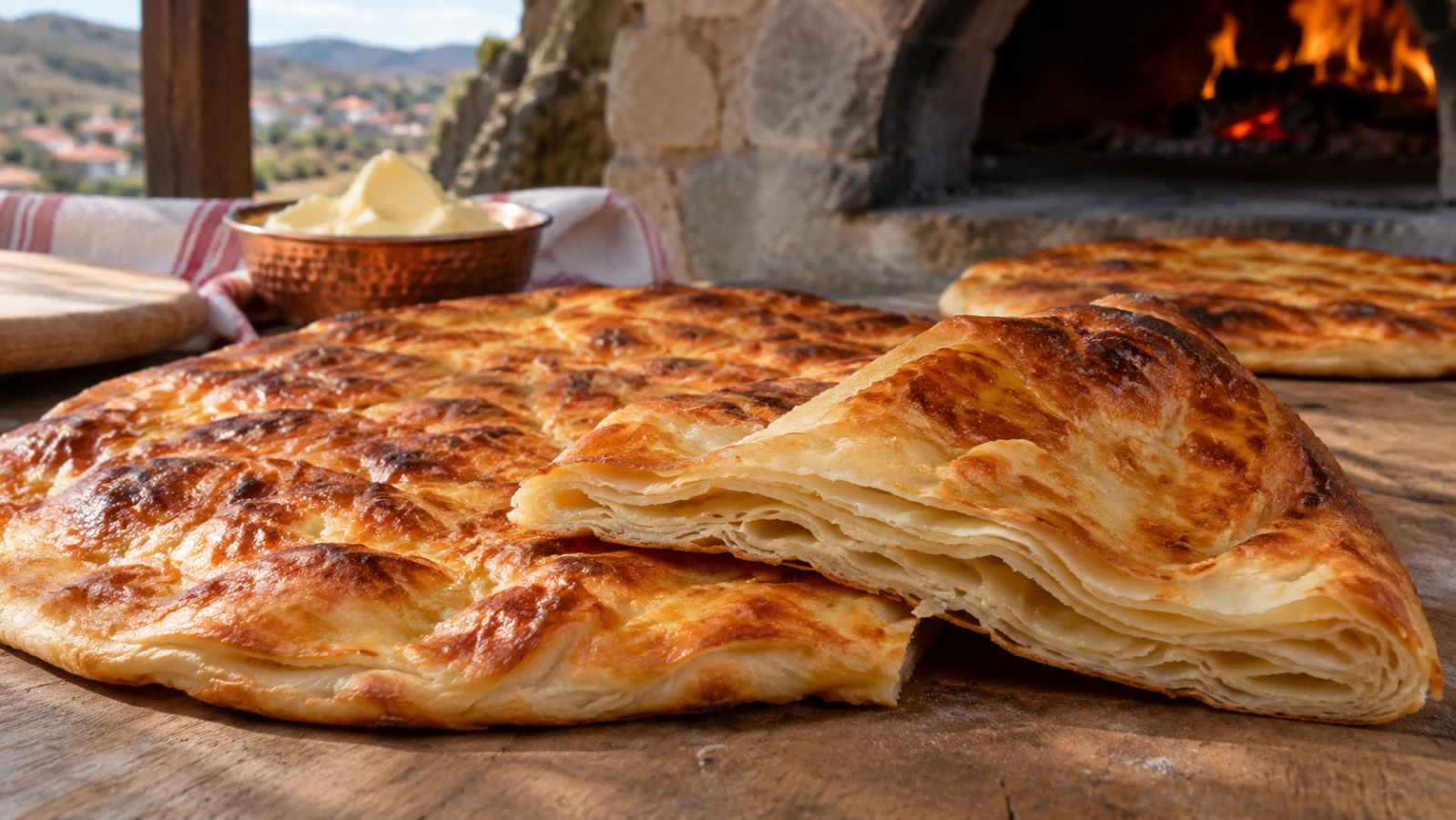
A traditional enriched layered bakery bread from Sorgun; the name refers to the pastry rather than cooking oil.
View Details →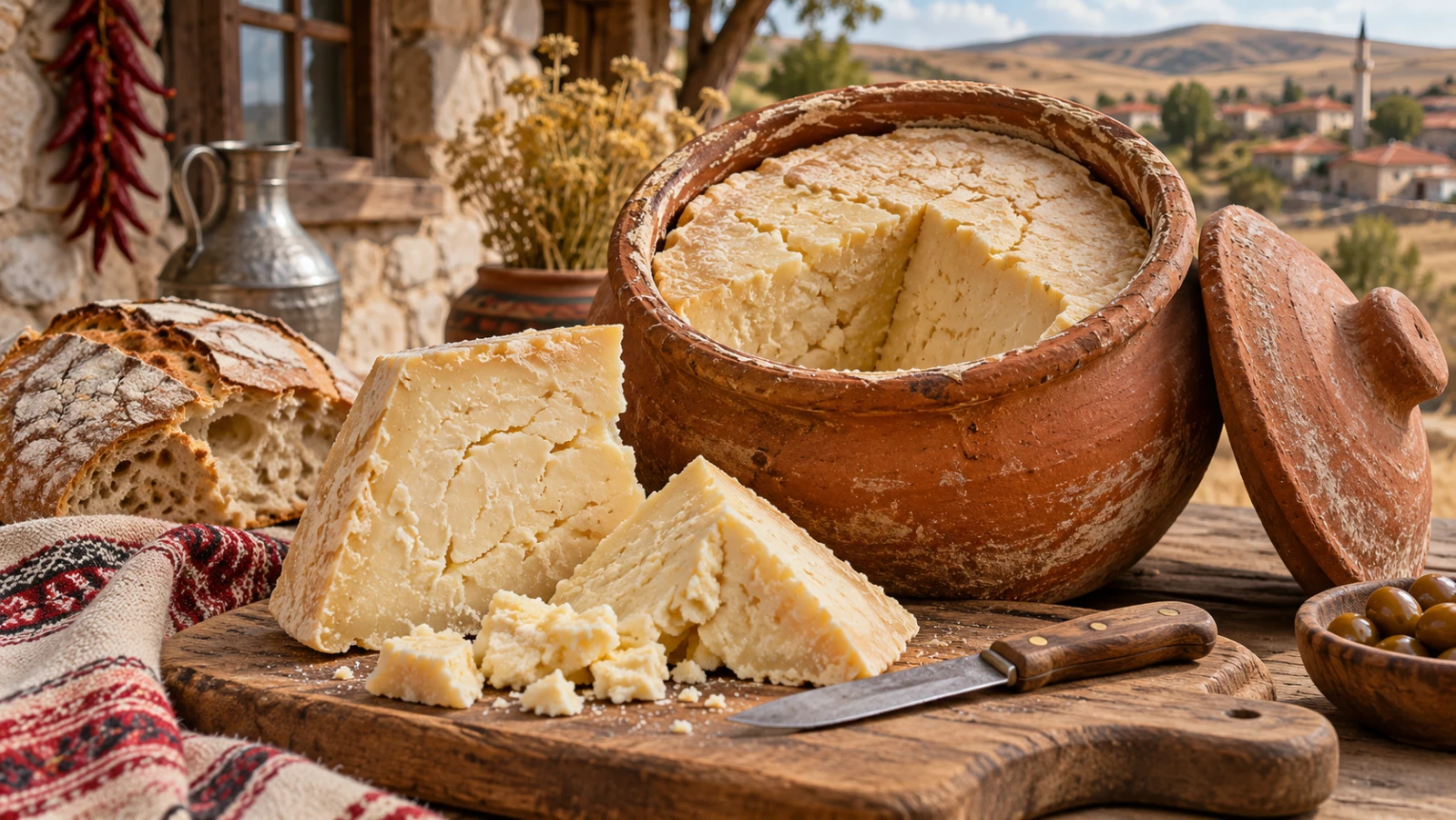
A traditional cheese matured in vessels, associated with local dairy production.
View Details →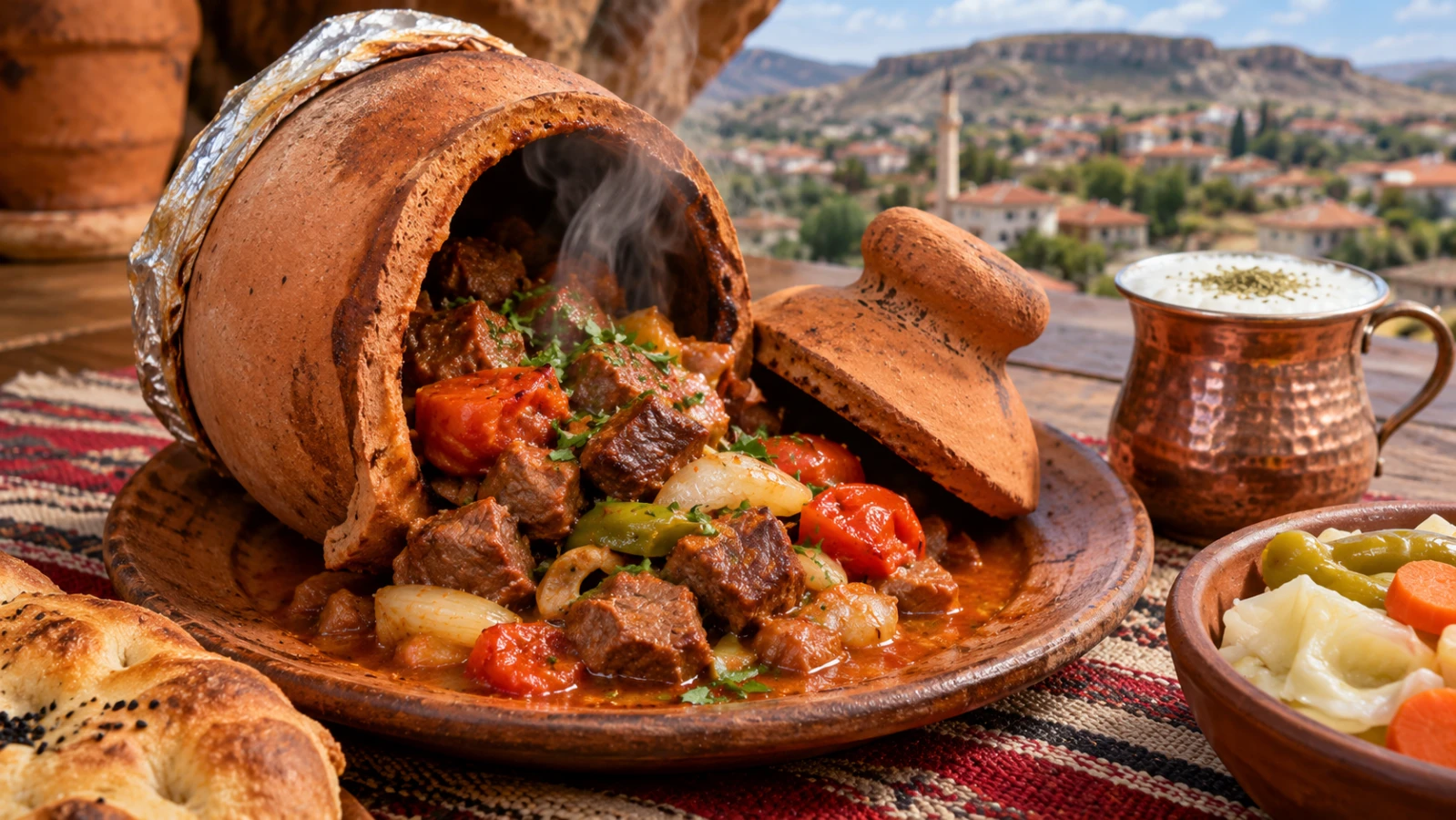
Meat and vegetables slowly cooked in a sealed earthenware vessel.
View Details →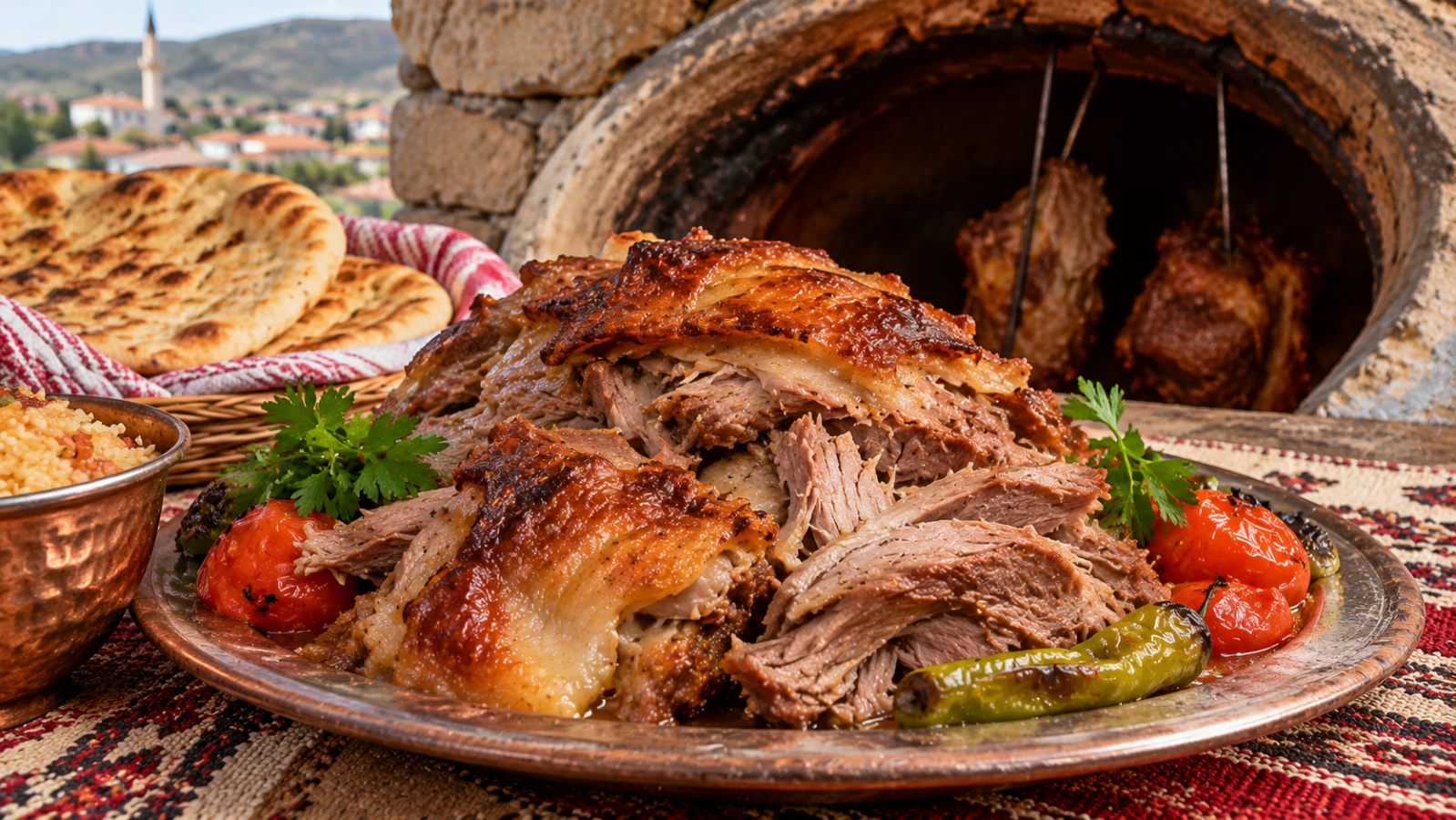
Slow-cooked meat associated with the traditional tandoor oven.
View Details →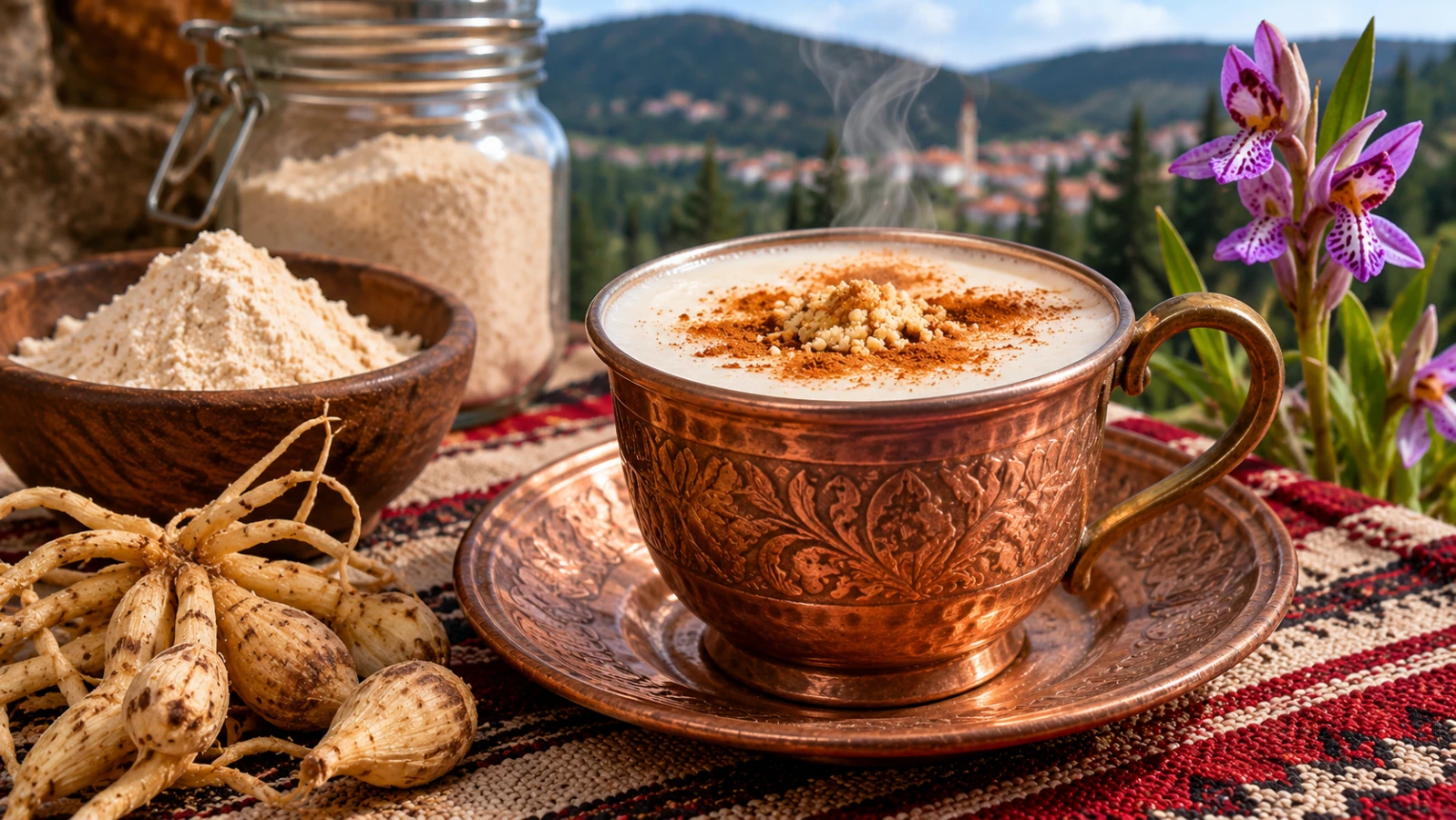
A traditional orchid-derived product used in thick hot drinks; choose legally sourced products.
View Details →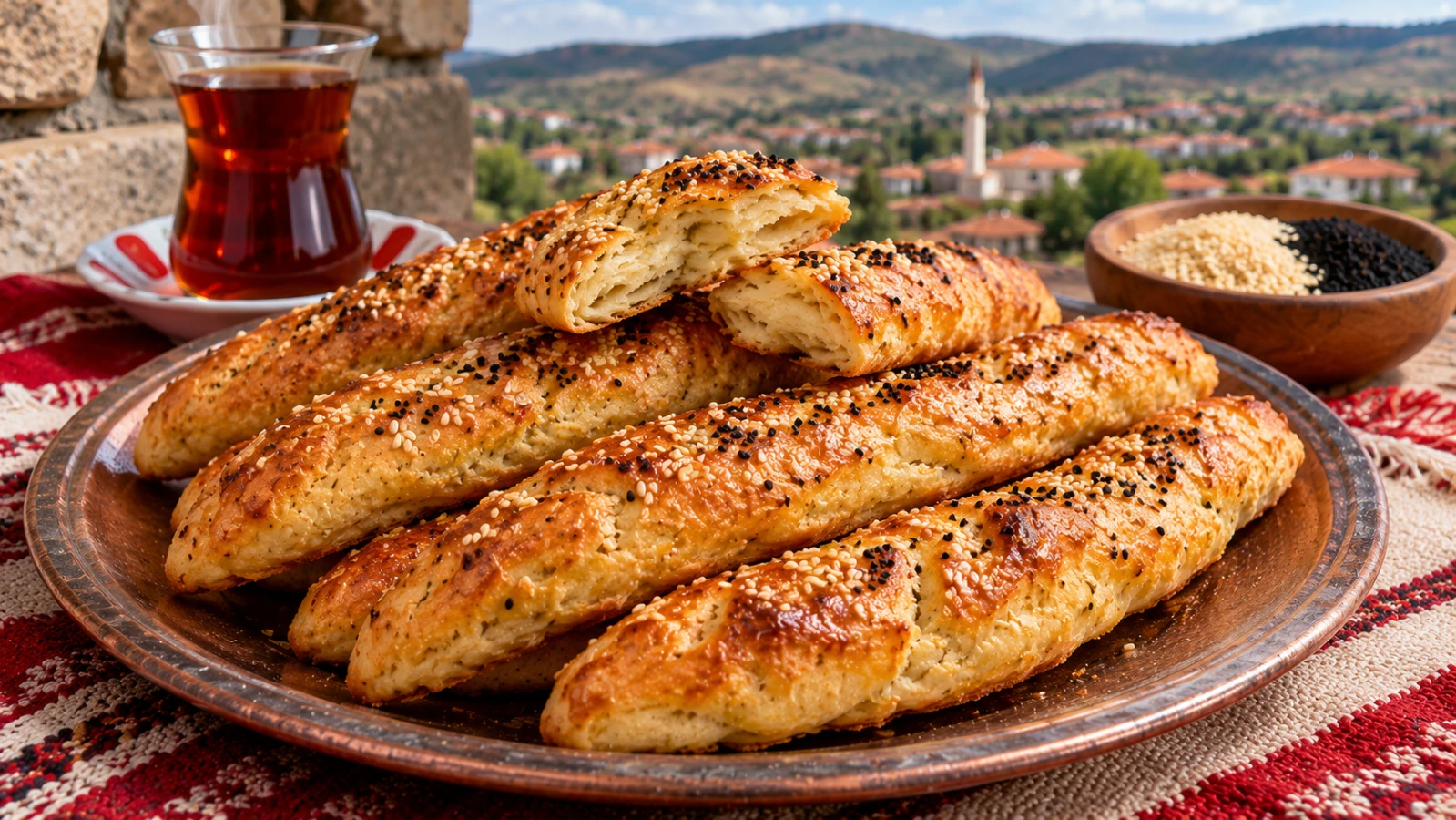
A distinctive regional bakery product shaped into elongated finger-like portions.
View Details →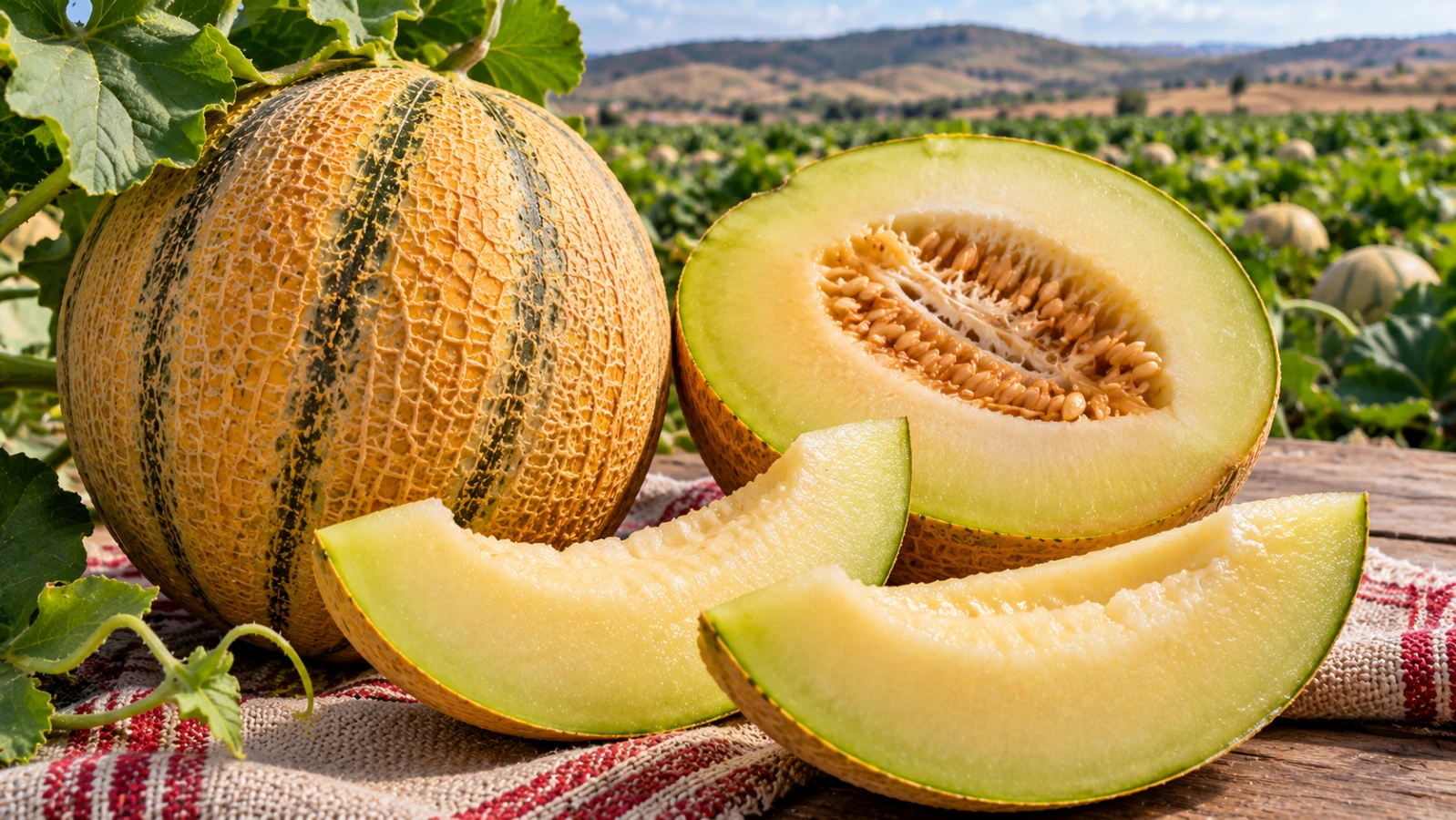
A locally identified melon variety tied to regional cultivation.
View Details →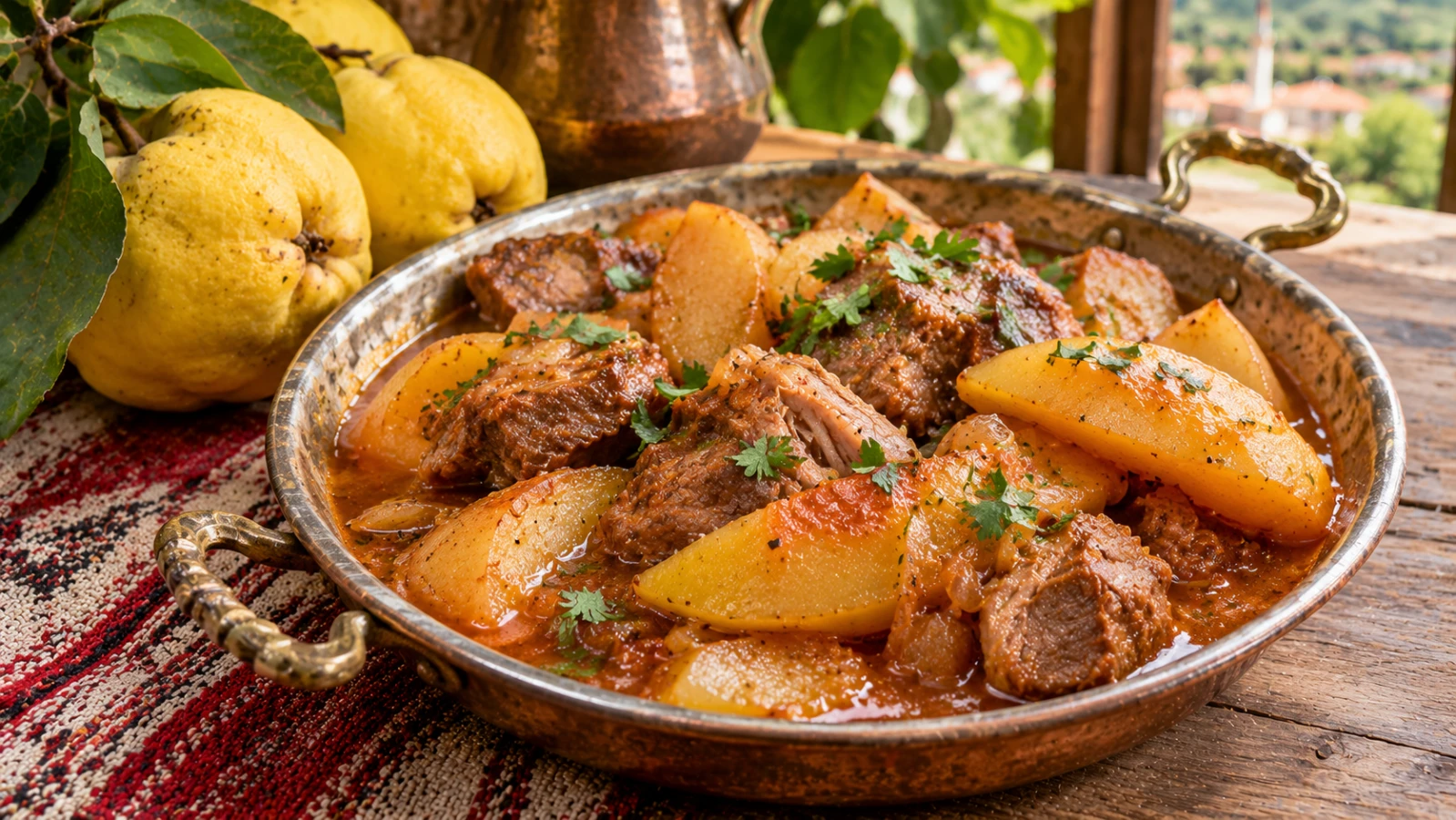
A regional quince preparation listed in the provincial culinary inventory.
View Details →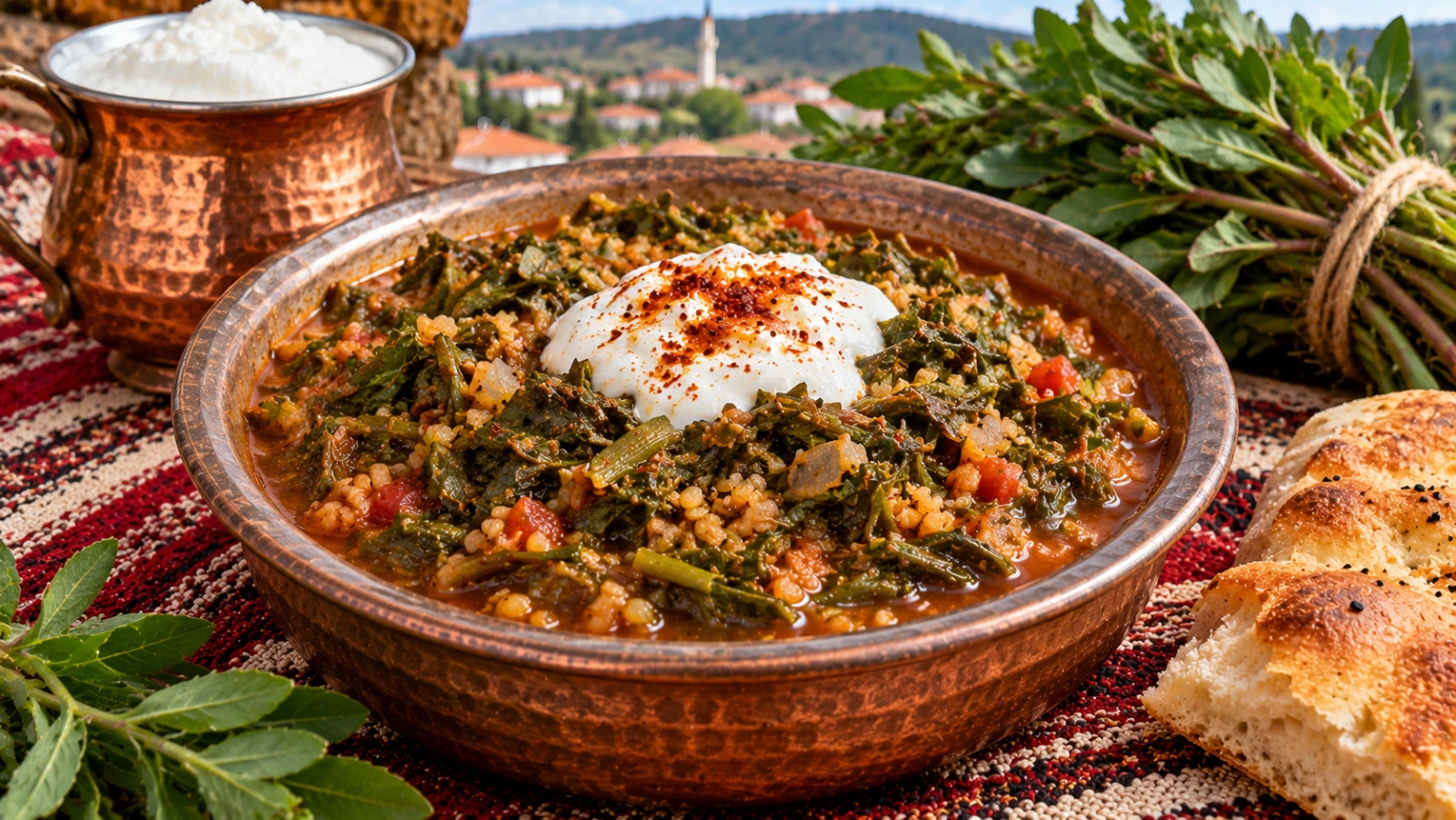
A spring dish made with gathered madımak greens, prepared in different household styles.
View Details →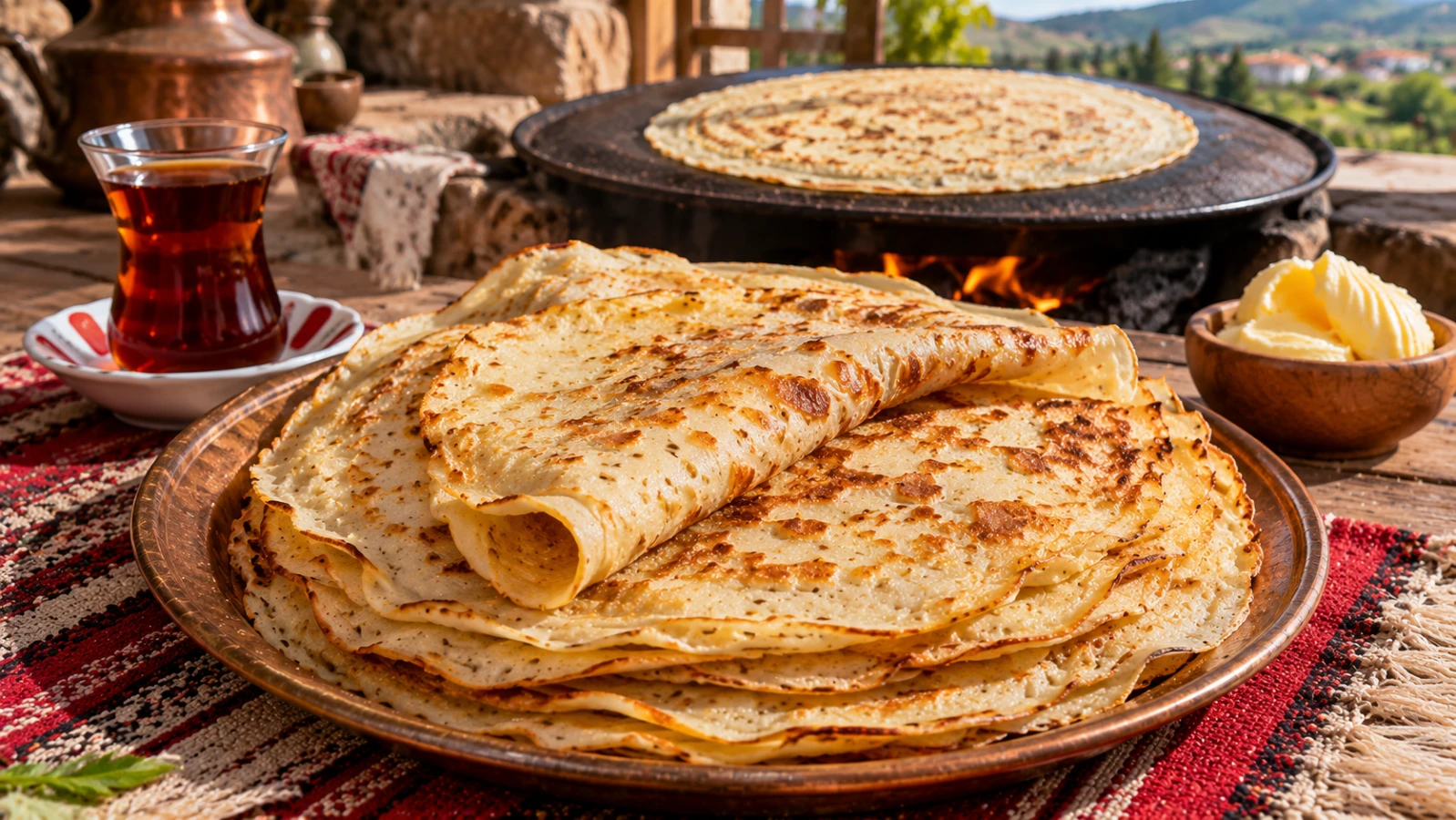
A pan-cooked batter or dough speciality served in local households.
View Details →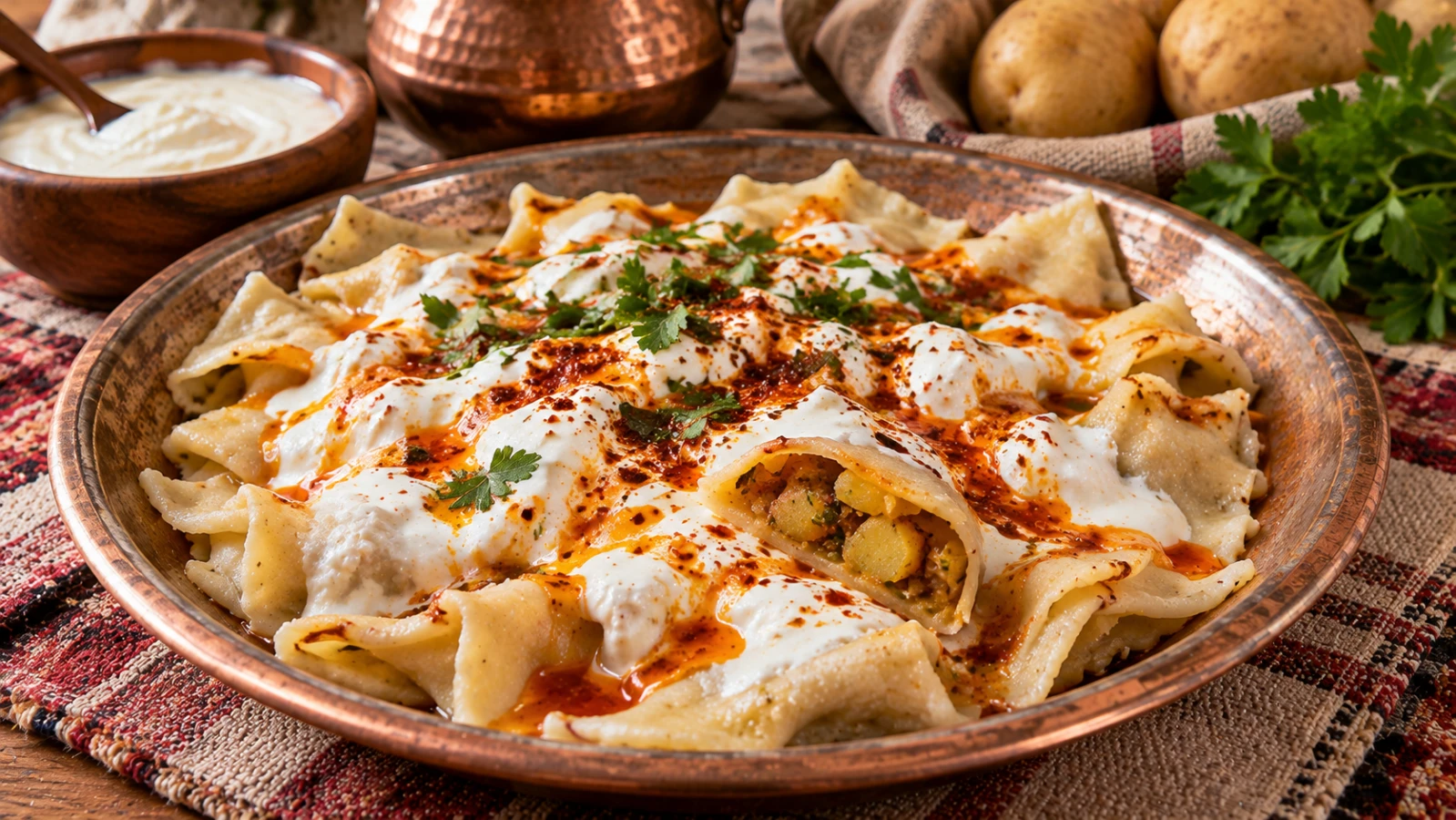
A handmade dough or mantı preparation whose name can overlap with kaypak in local usage.
View Details →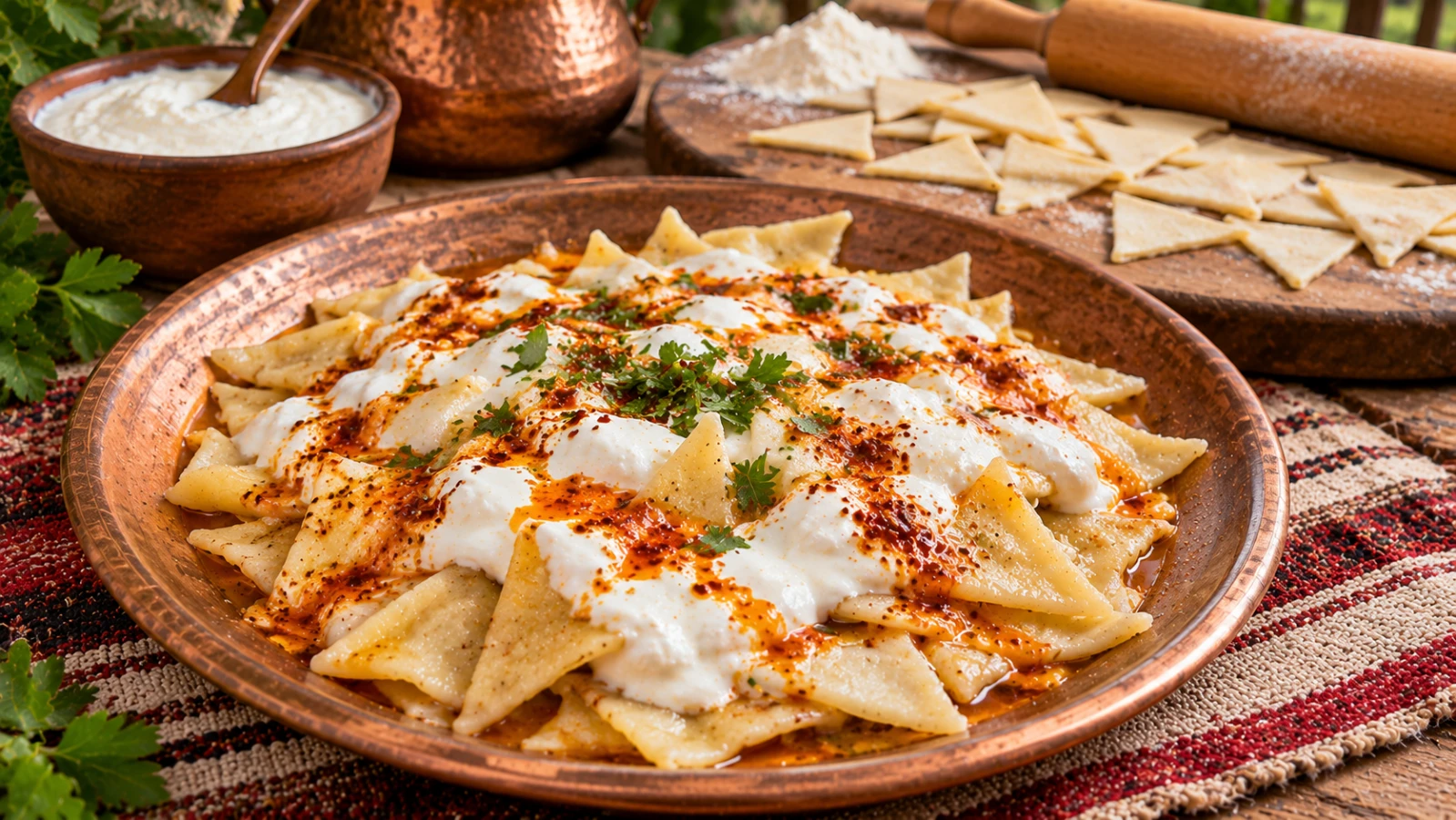
A handmade dough preparation sometimes known by the related name çapçup.
View Details →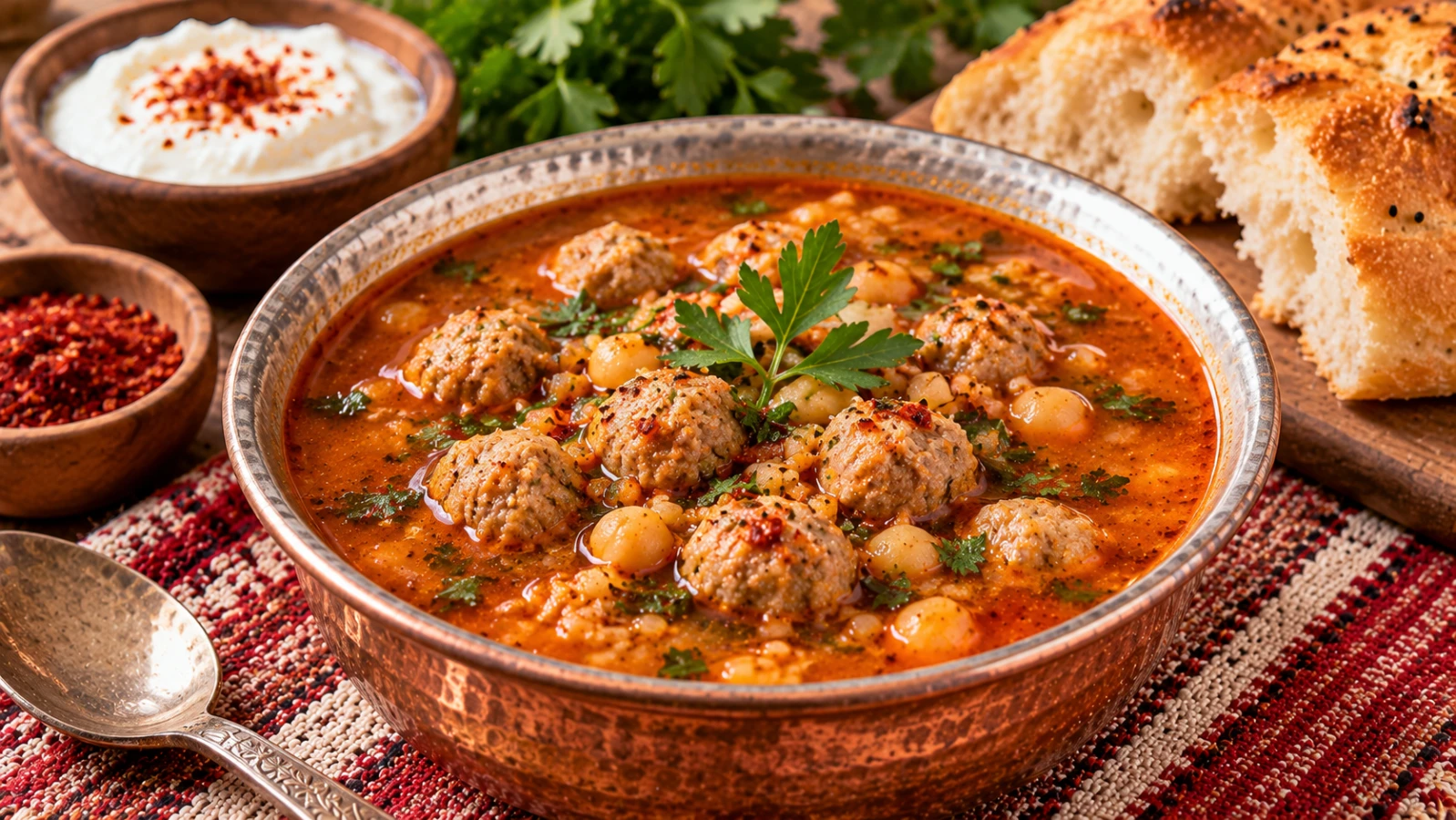
A soup named for its small rounded pieces, with recipes varying between households.
View Details →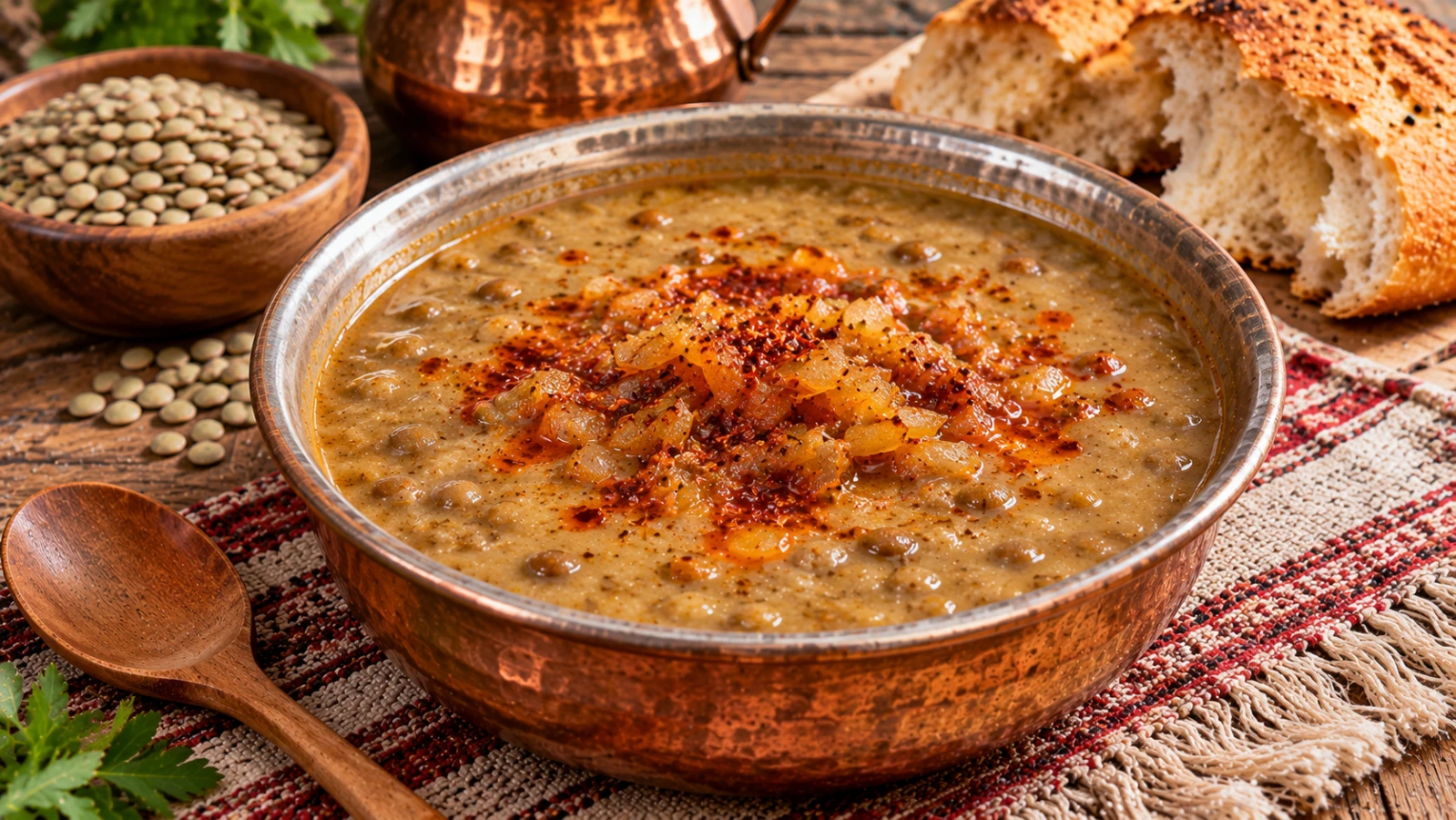
A flour-based soup from the repertoire of everyday Anatolian cooking.
View Details →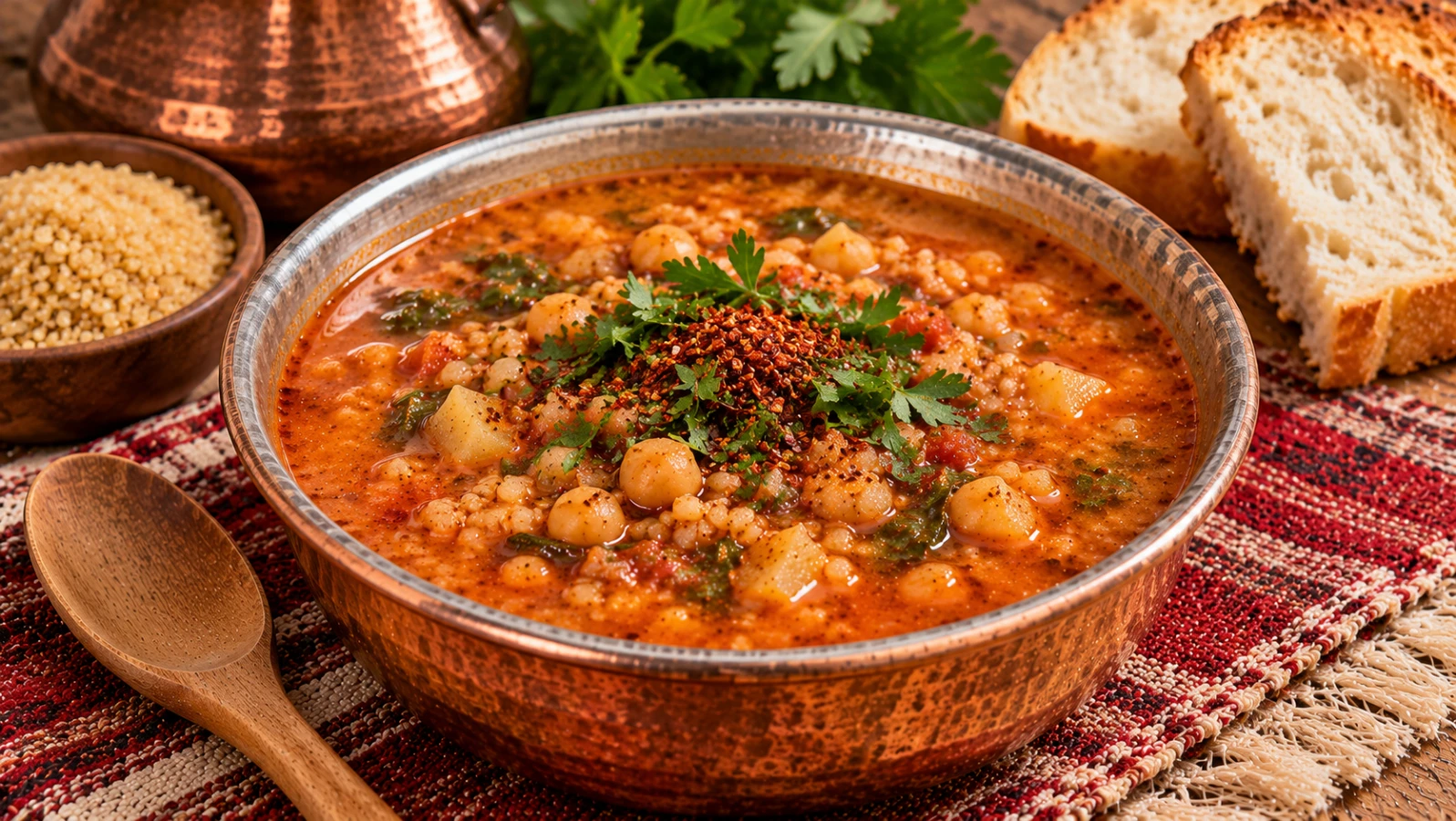
A traditional soup using fine broken grain, associated with local bulgur cooking.
View Details →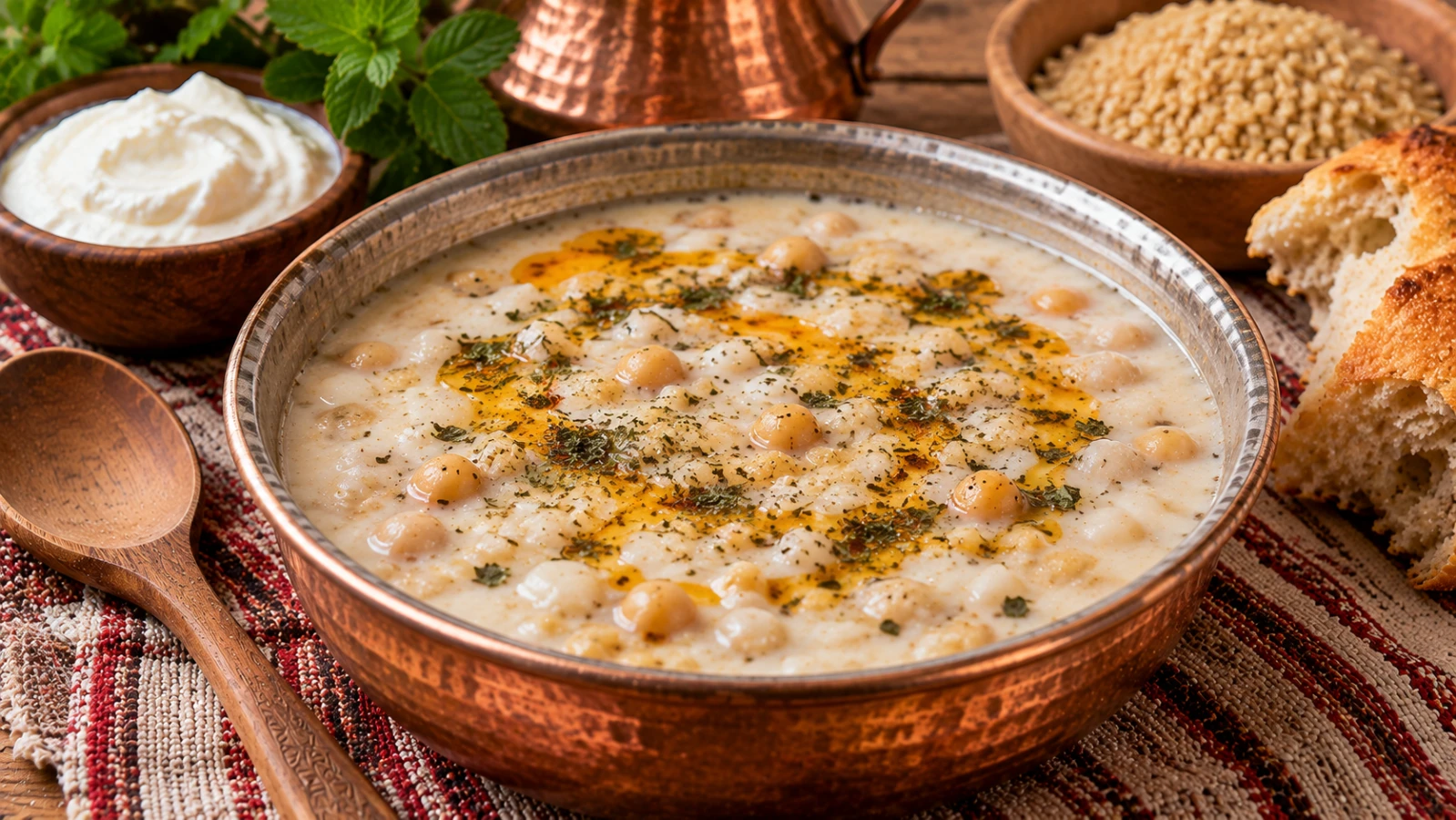
A named household soup recorded in the provincial culinary inventory; ingredients vary.
View Details →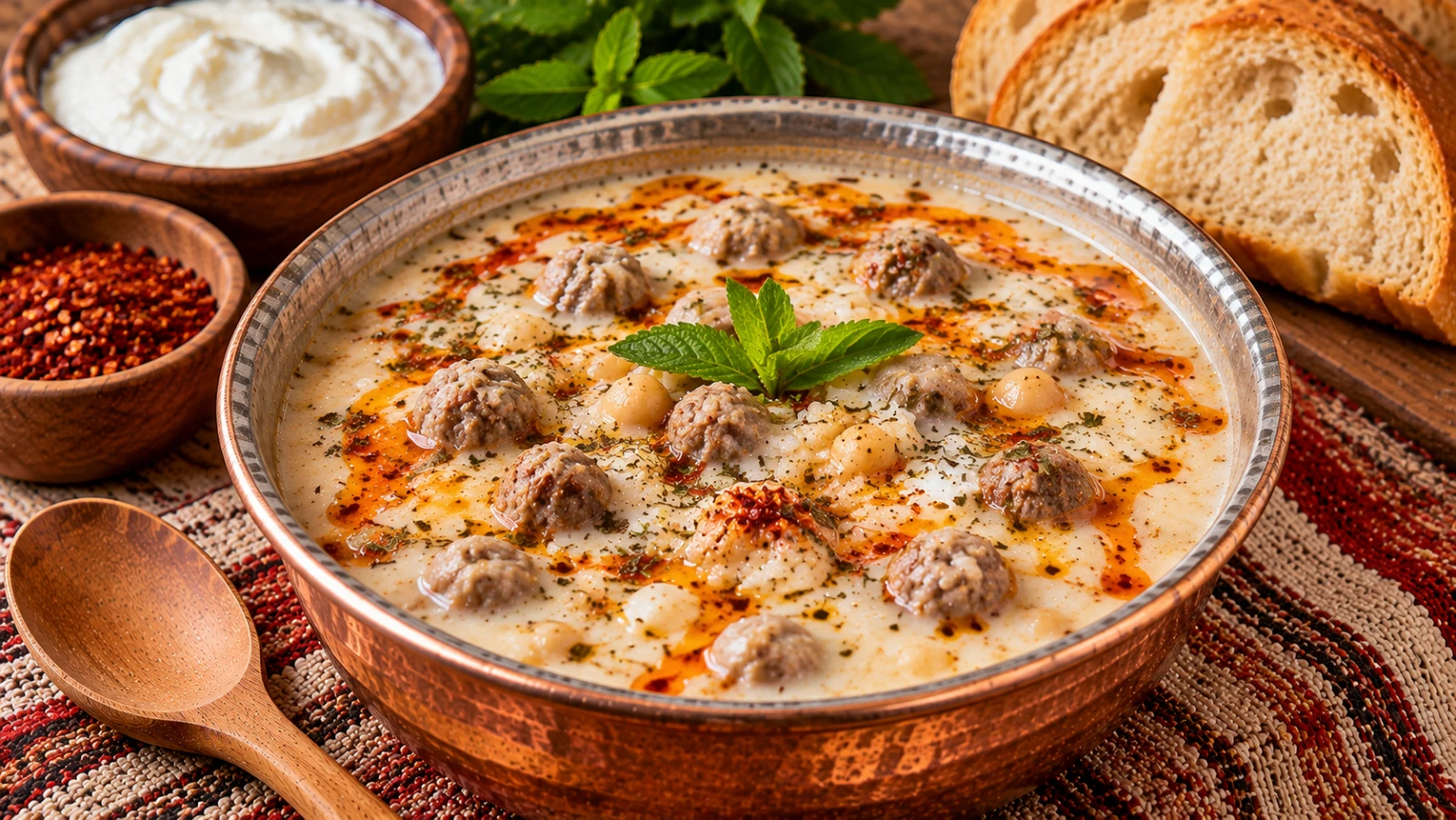
A noodle-based soup whose playful name evokes strands hanging down from a beard.
View Details →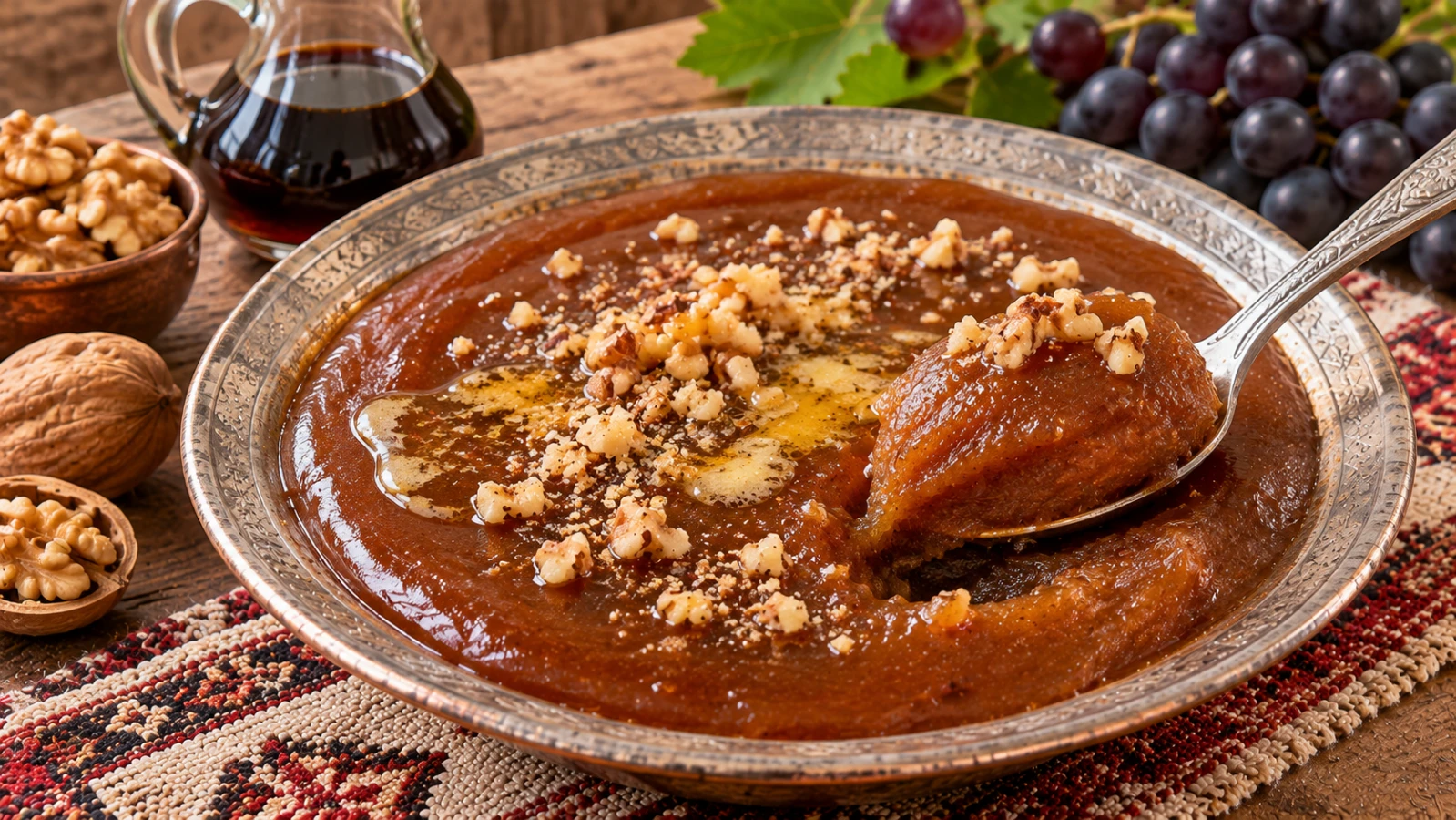
A cooked sweet from the local flour or starch-based dessert repertoire.
View Details →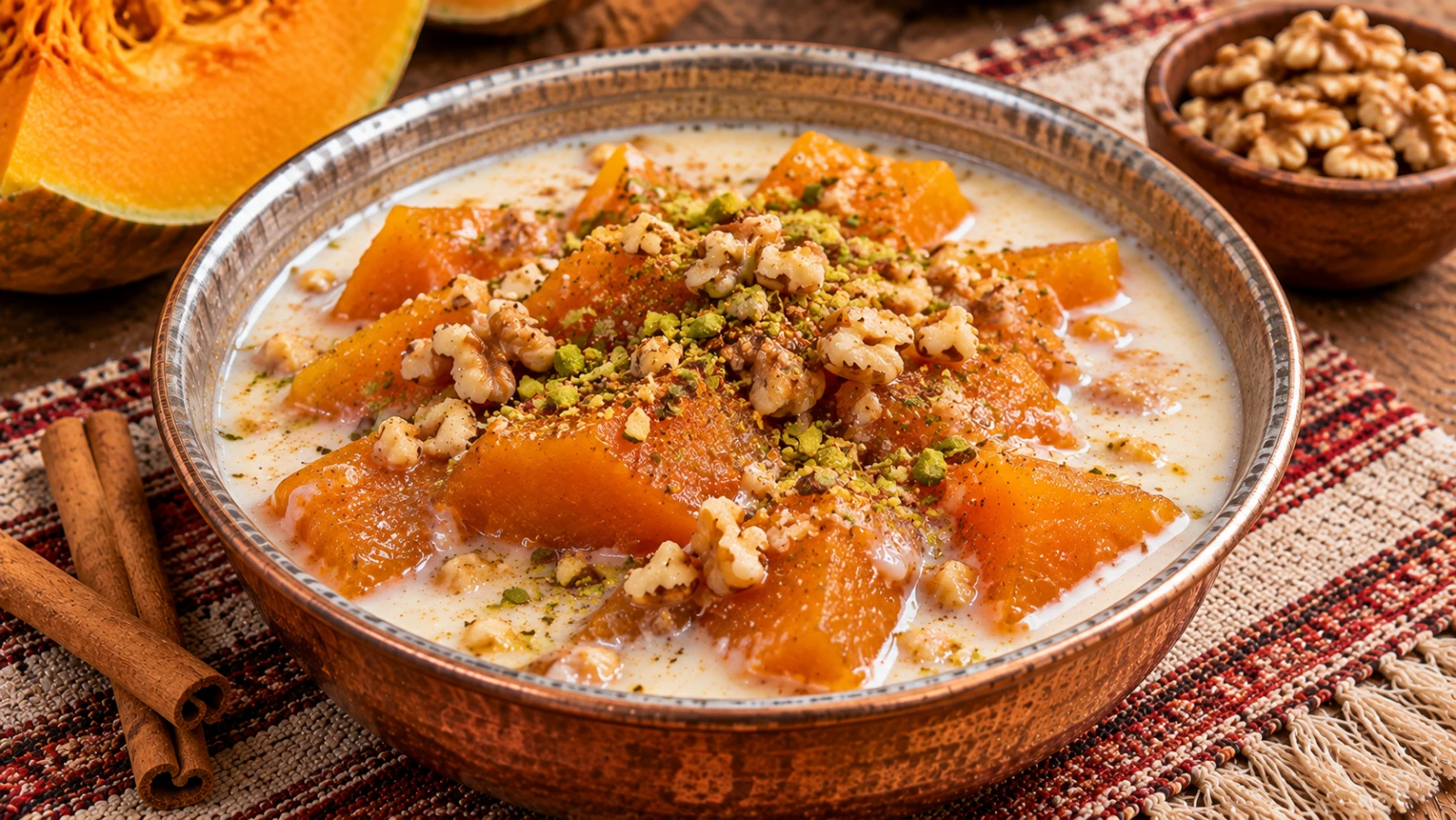
A milk-and-squash preparation reflecting seasonal home cooking.
View Details →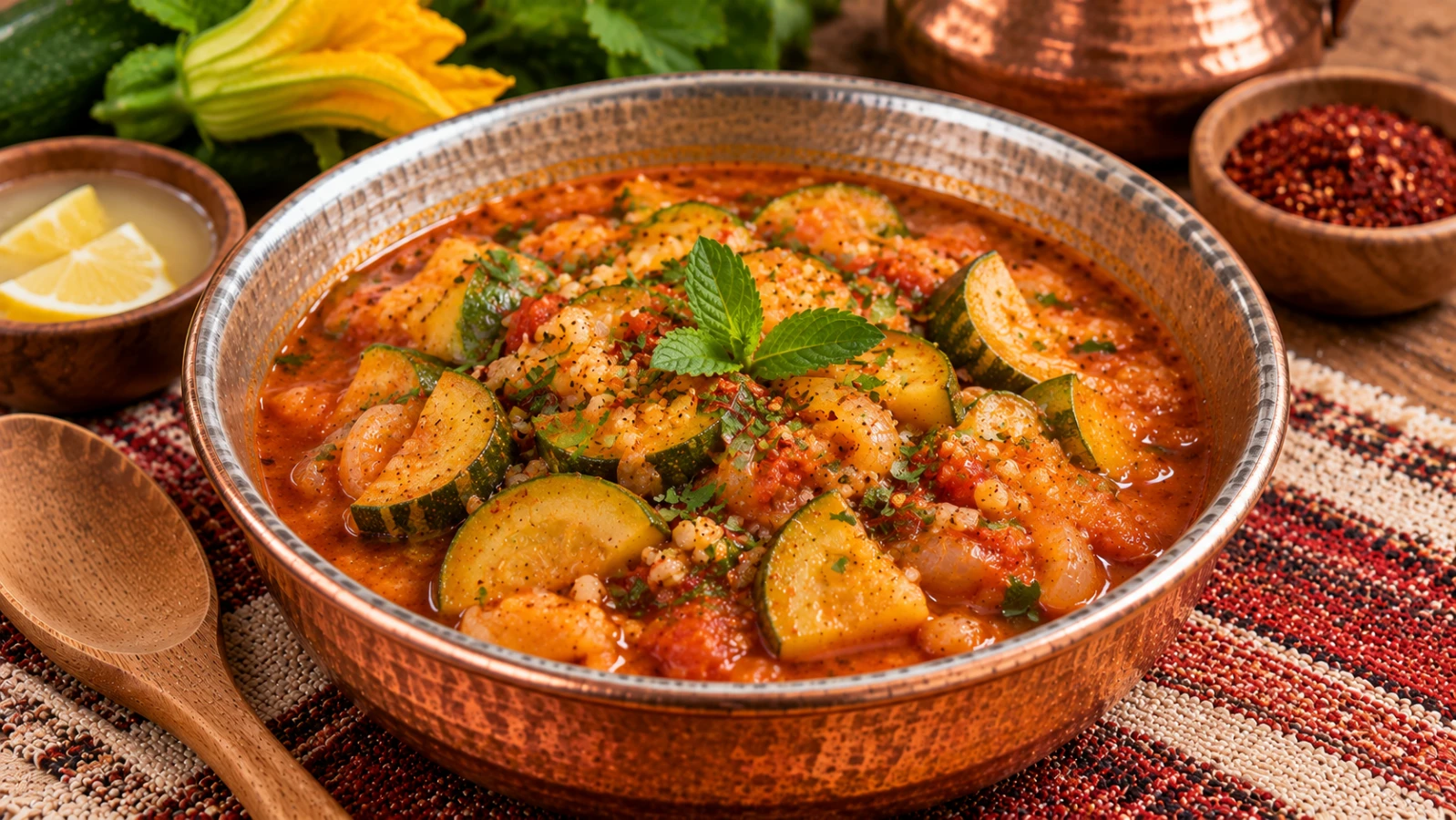
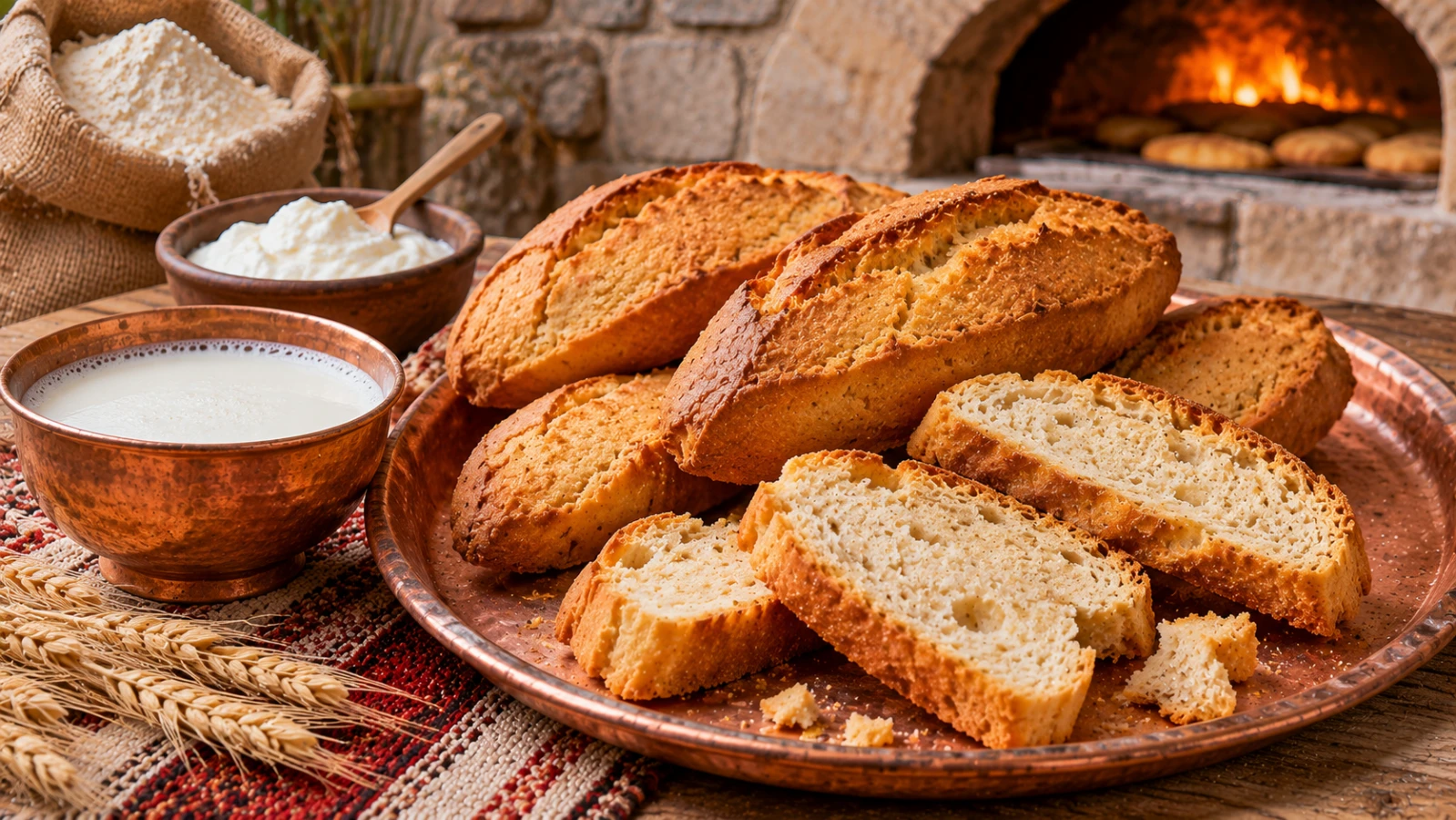
A durable regional bread associated with storage and household provisioning.
View Details →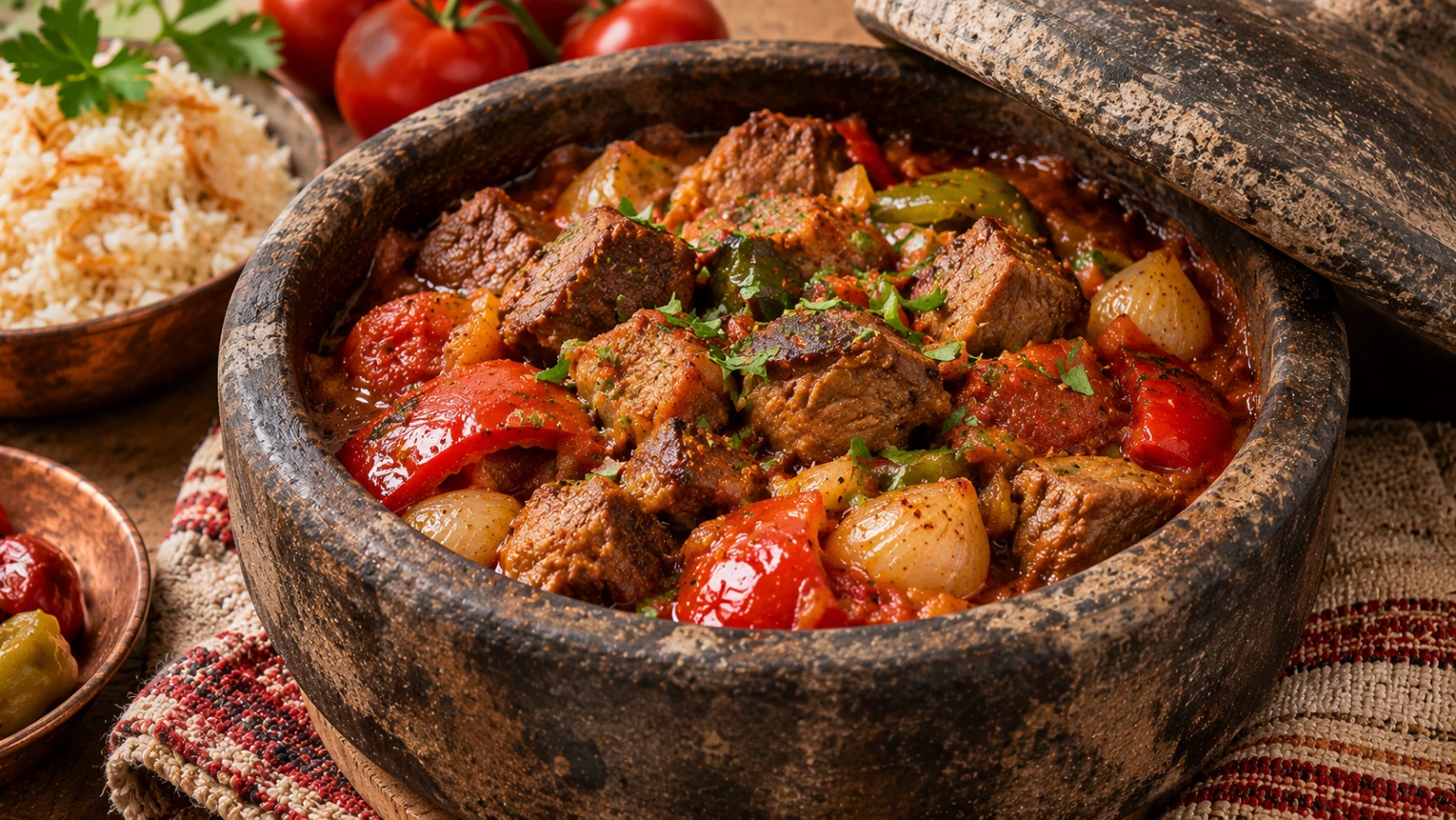
A meat dish named after the cooking vessel, with regional variations.
View Details →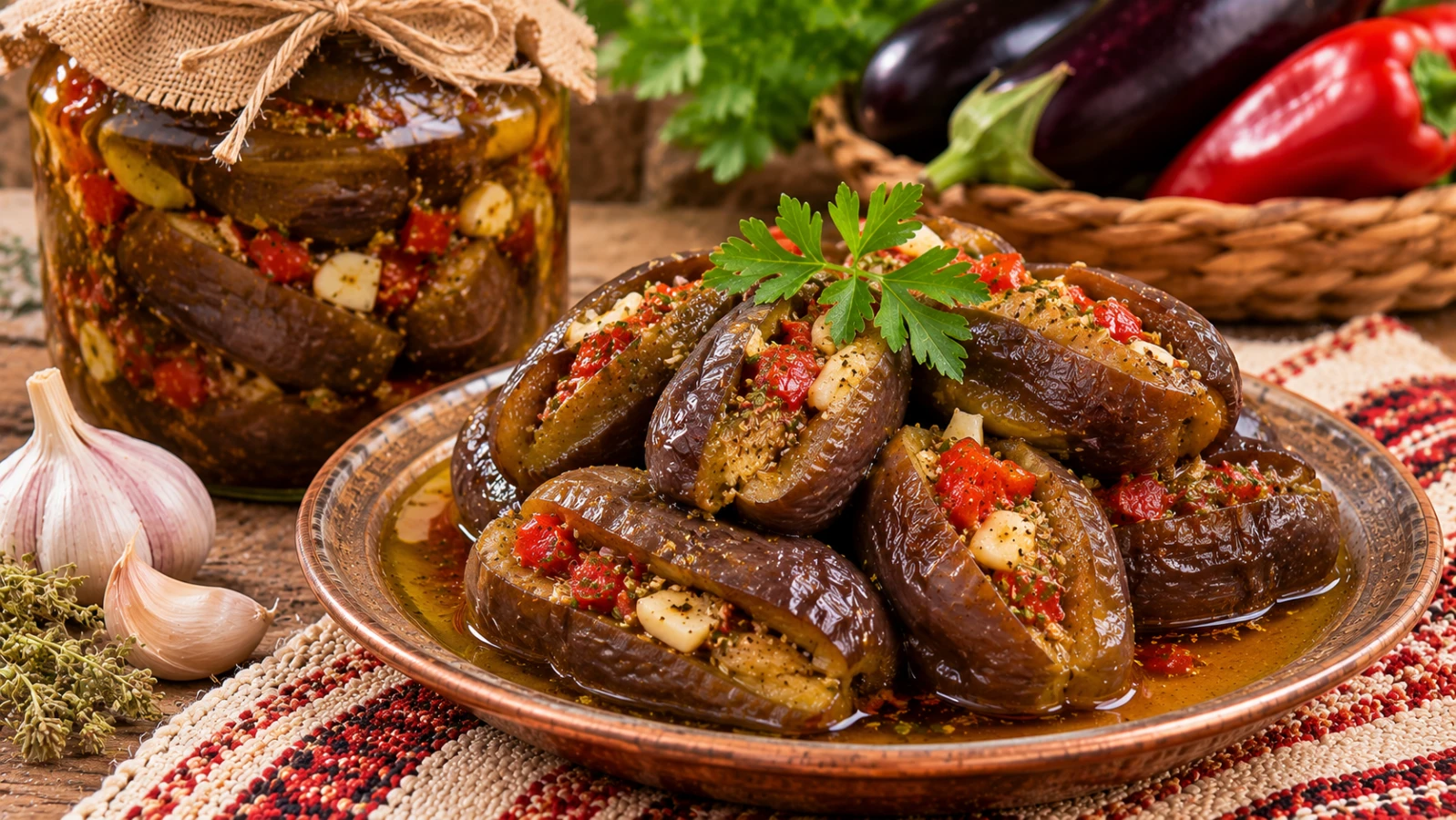
Preserved aubergines form part of the annual household pickle-making tradition.
View Details →Arabaşı is both a meal and a social occasion. The separately set dough is taken with hot soup, traditionally in winter. Its texture and serving technique distinguish it from an ordinary bread accompaniment.
Sorgun Yağlısı is a bakery speciality, not a type of oil, despite the literal ambiguity of its name. Çanak Peyniri recalls local milk processing and maturation traditions; parmak çörek and peksimet illustrate different uses of dough and baked bread.
Desti kebabı and tandır kebabı use different cooking environments. The first relies on the enclosed earthenware pot, while the second is associated with roasting skewered lamb in a tandır. Seasonal greens such as madımak, orchard fruit and preserved vegetables complete the picture of a plateau cuisine shaped by agriculture and winter storage.
Mosque, clock tower, museum and Çamlığı.
Add Basilica Therma and a modern spa if desired.
Add an archaeological day around Sorgun, subject to site access.
Allow separate excursions for Aydıncık–Çekerek and Akdağmadeni.
The Ankara–Sivas railway corridor serves the region, but station locations and onward connections should be checked before departure. A car or private vehicle offers flexibility for the scattered rural destinations.
Spring and autumn are generally suitable for cultural travel. Winters on the plateau can be cold and snowy; summer lavender flowering and reservoir conditions vary. At Kazankaya, avoid unmarked routes and water activities without suitable local guidance.
Confirm opening hours and permissions with the museum directorate before visiting protected sites. At mosques dress respectfully and avoid prayer times. Thermal-water bathing should take place only in authorised facilities; do not assume medicinal benefits or that every spring has public bathing access.
Basilica Therma, Kerkenes, Çapanoğlu Mosque, Türkiye’s first national park and regional foods including arabaşı and çanak cheese.
It has been on the UNESCO Tentative List since 2018, but this does not mean it has been inscribed on the World Heritage List.
No. The identification is a significant scholarly hypothesis, but the ancient name is not securely established.
Access varies. Confirm permission and current conditions with the museum or excavation authorities before planning a visit.
There are fourteen districts including the central district.
It was declared in 1958, becoming Türkiye’s first national park.
Try arabaşı, desti kebabı, Sorgun Yağlısı, çanak cheese and parmak çörek; availability varies by season and venue.
Yes. Sarıkaya and southern Yozgat can form part of a longer central Anatolian itinerary; allow time for driving and site access.
Two days cover a selection of city and thermal heritage; three to five days allow more archaeology and nature excursions.
Continue your journey through Anatolian history and nearby destinations.
Tell us your travel dates, group size and interests. We can design a private journey combining ancient cities, Ottoman heritage, thermal landscapes and Cappadocia.