Pergamon Sculpture, Ancient Treasures & Bergama's Living Heritage

Bergama Museum – Complete Visitor Guide

Discover archaeological treasures from ancient Pergamon,
alongside sculpture, ceramics, coins, funerary monuments and the traditional culture of Bergama.

Explore Bergama Museum

Bergama Museum – The Story of Pergamon Beyond the Ruins

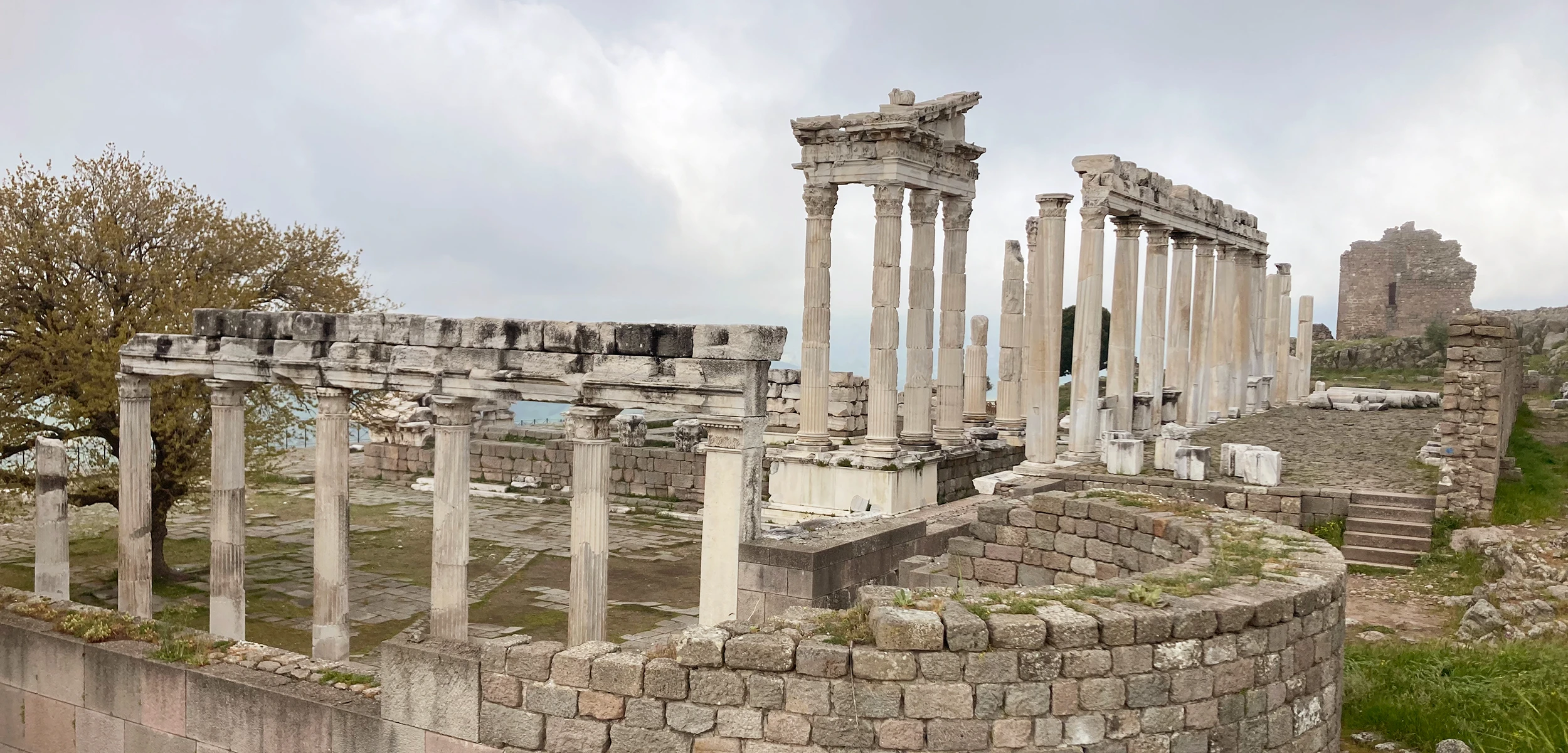
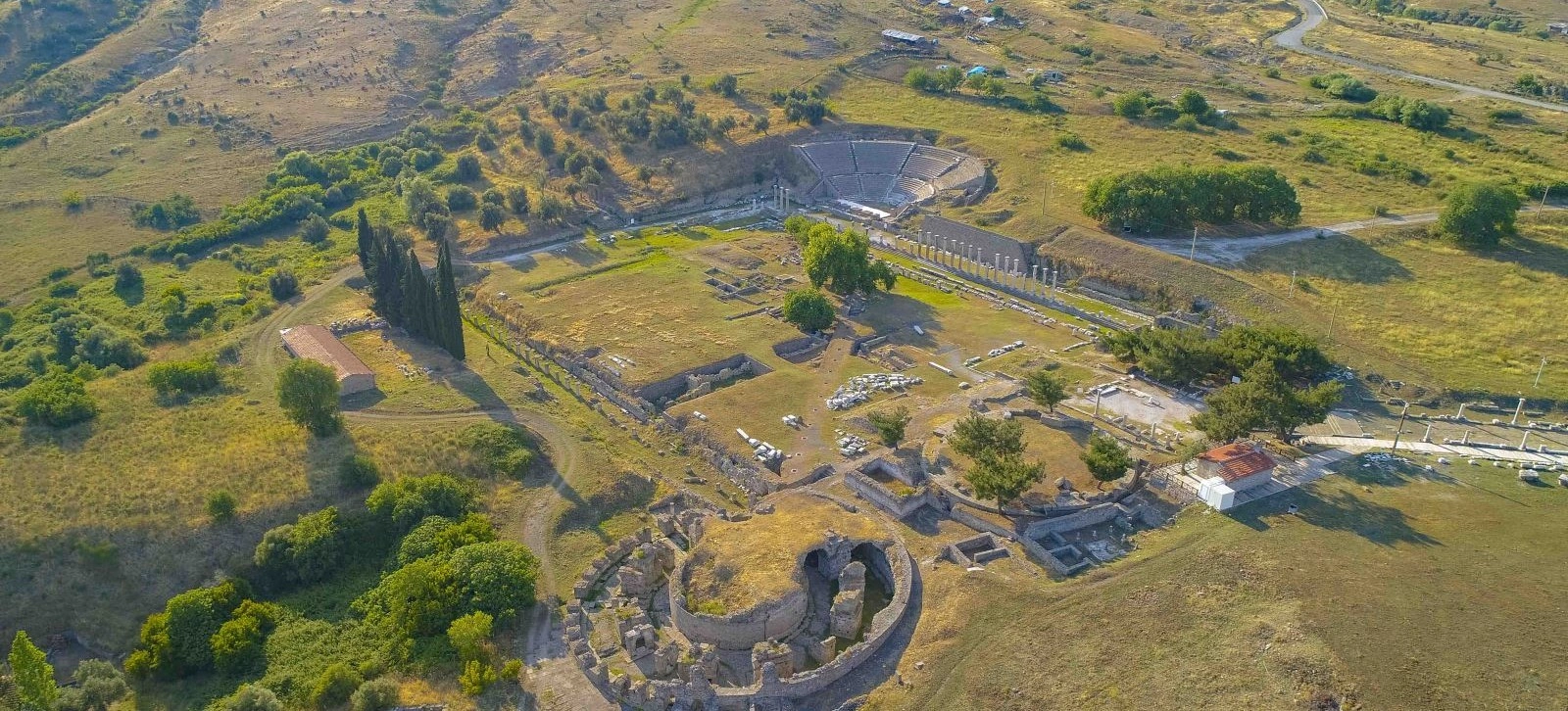
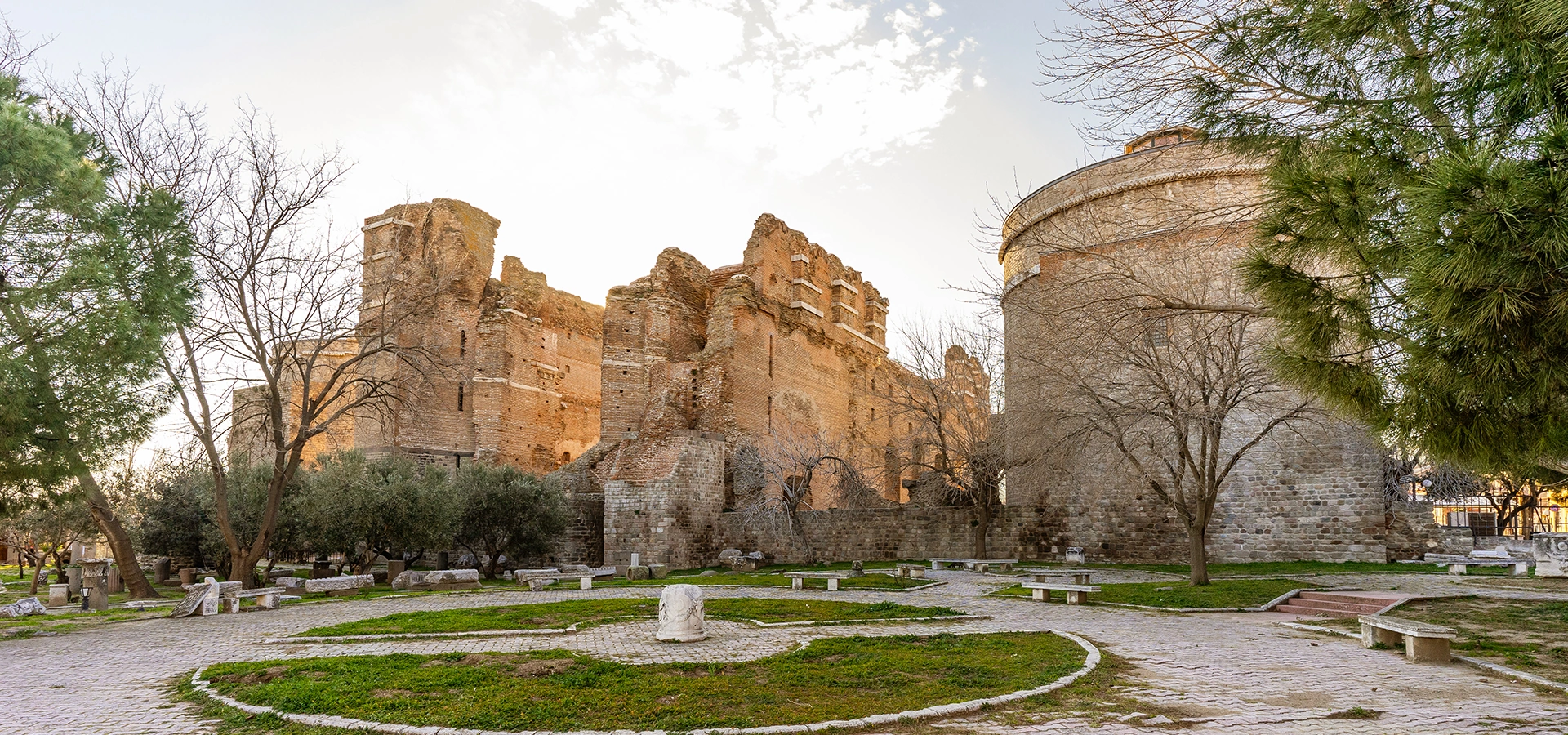
Ancient Pergamon is spread across an extraordinary landscape. Its royal Acropolis rises high above the modern town, the Asklepion occupies a separate sacred valley, and the monumental Red Basilica stands within central Bergama.

But many of the objects that once filled those ancient spaces can be understood most clearly inside Bergama Museum.

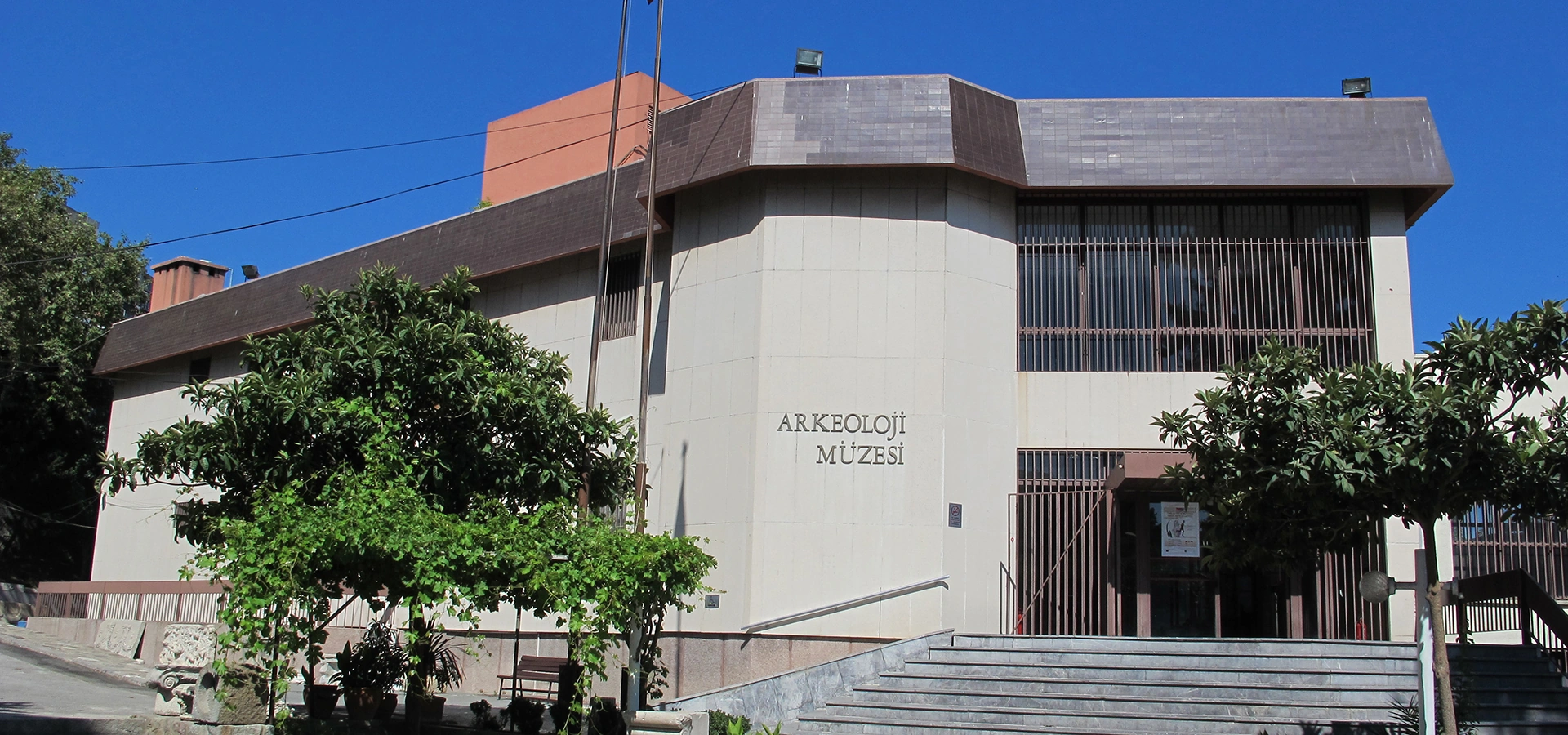
Located in the centre of Bergama in İzmir Province, the museum brings together archaeological finds from Pergamon and important ancient settlements throughout the surrounding region.

Its collections extend across thousands of years, from the Bronze Age through the Archaic, Classical, Hellenistic, Roman and Byzantine periods.

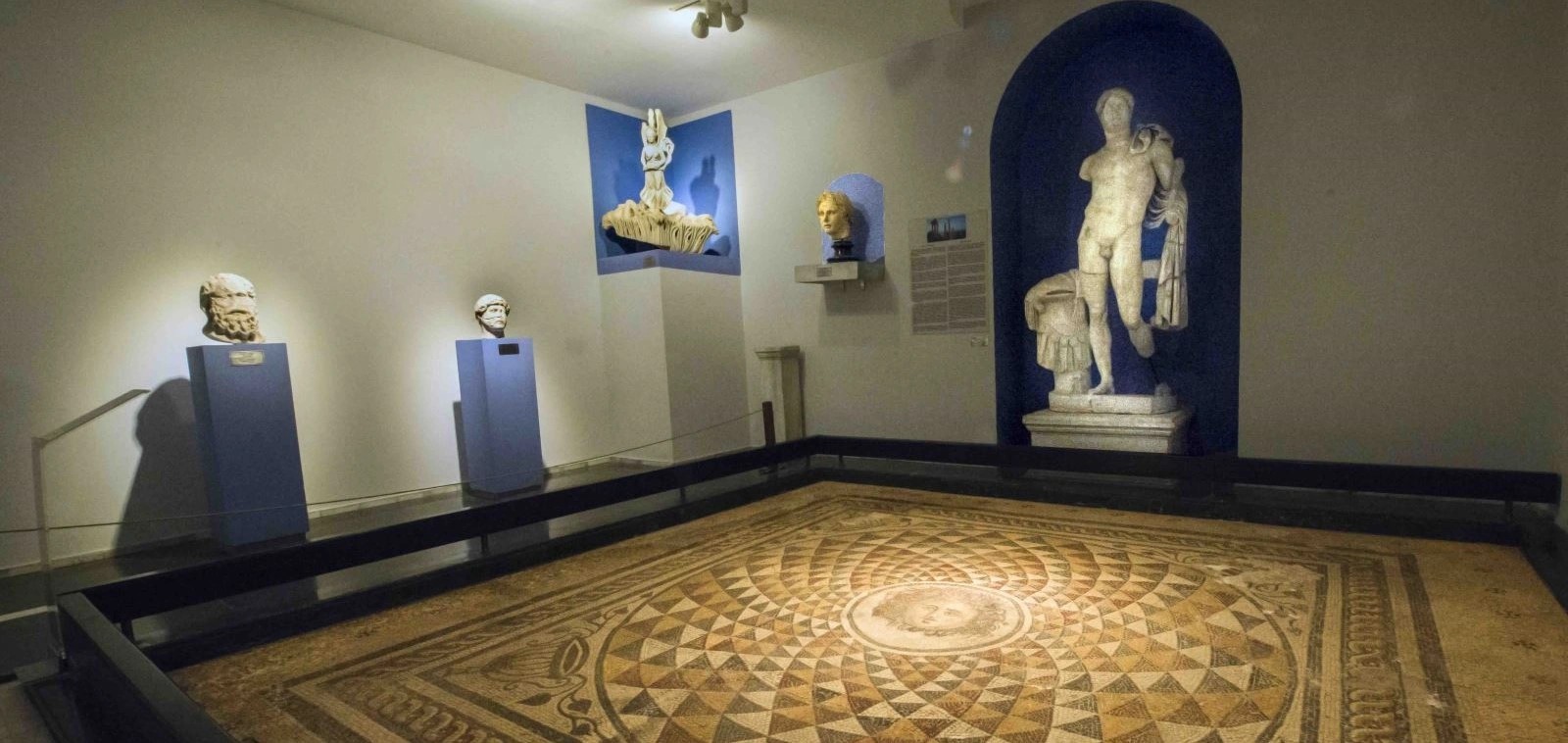
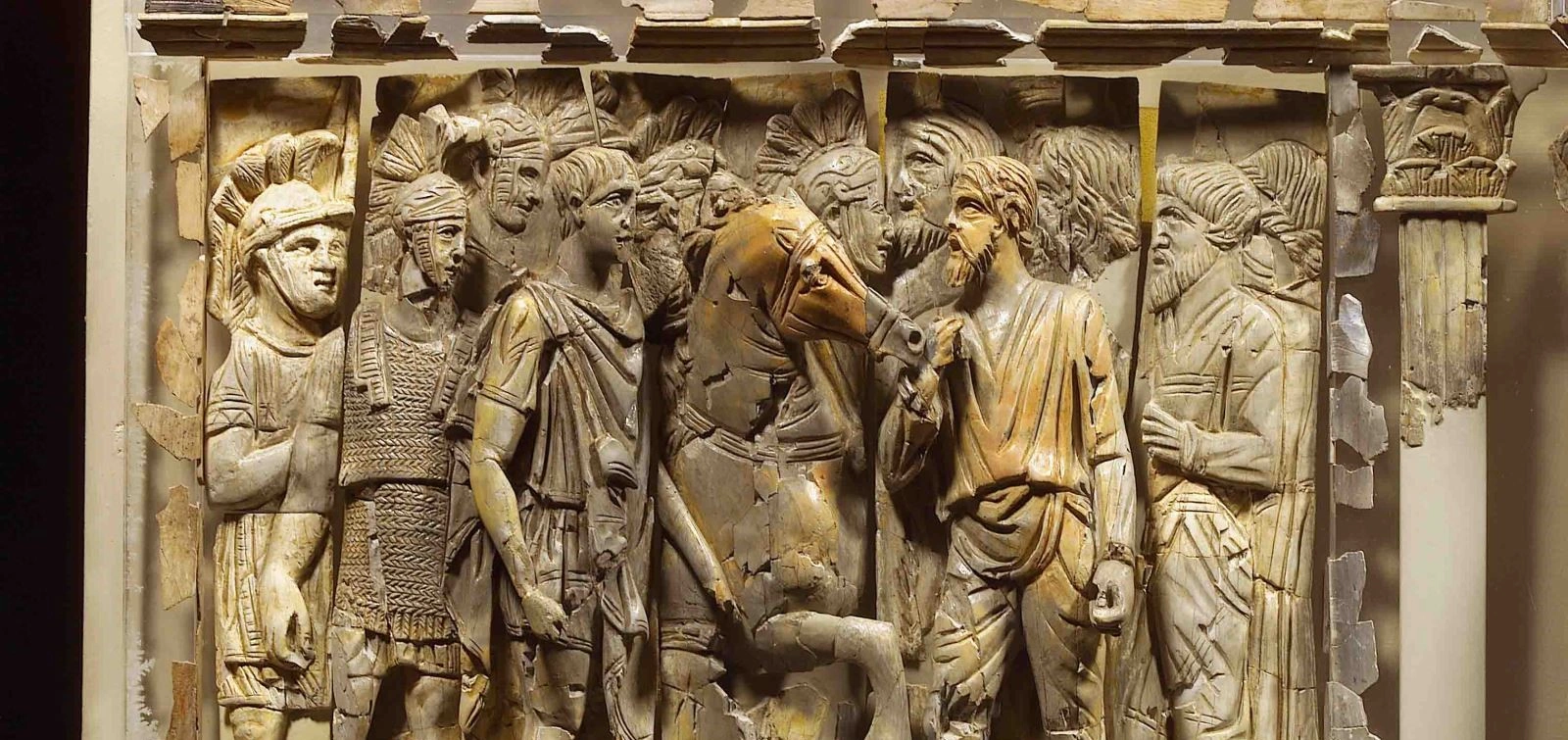
Visitors encounter sculpture from the celebrated artistic tradition of Pergamon, ancient ceramics, coins, terracotta figurines, funerary monuments, architectural fragments and discoveries from sites including Asklepion, the Acropolis, Kızıl Avlu, Pitane, Myrina, Gryneion and Allianoi.

The museum also preserves another side of Bergama's history. Its ethnographic collection contains traditional clothing, carpets, kilims, textiles and objects connected with the Yörük, Türkmen and Çepni communities of the region.

For travellers exploring Pergamon, the museum is therefore much more than an optional indoor stop. It provides the objects, faces and everyday details that bring the archaeological landscape outside back to life.

Pergamon Sculpture

See important examples connected with one of the most influential sculptural traditions of the Hellenistic world.

Ancient Artefacts

Explore ceramics, coins, terracottas, inscriptions, funerary monuments and everyday objects spanning thousands of years.

Bergama Heritage

Discover traditional carpets, kilims, clothing and ethnographic material from Bergama and its surrounding communities.

Pergamon in Context

Connect finds from the museum with the Acropolis, Asklepion, Red Basilica and the wider UNESCO landscape.


Know Before You Go

Bergama Museum – Quick Facts

Essential information for exploring one of western Türkiye's most important regional archaeological museums.

📍

Location

Cumhuriyet Caddesi in central Bergama, İzmir Province, Türkiye.

Open on Google Maps
🏛️

Museum Type

Archaeology and ethnography museum dedicated principally to Pergamon and the surrounding region.

📅

Opened

The present museum building officially opened on 30 October 1936.

🏺

Collection Range

Bronze Age, Archaic, Classical, Hellenistic, Roman, Byzantine and later regional heritage.

🗿

Highlights

Pergamon sculpture, Nike, Hadrian, terracottas, ceramics, coins, funerary monuments and Allianoi finds.

🧶

Ethnography

Bergama carpets, kilims, clothing, textiles and material connected with regional traditional life.

⏱️

Suggested Visit

Allow approximately 60–90 minutes for a comfortable museum visit.

🌍

Best Combined With

Pergamon Acropolis, Asklepion, Red Basilica and Bergama's historic centre.


The Objects Behind the Ancient City

Why Visit Bergama Museum?

Pergamon's monuments reveal the scale of the ancient city. Bergama Museum reveals many of the people, objects and artistic traditions that once filled it.

Walking through the ruins of Pergamon is unforgettable, but archaeological sites rarely preserve their original objects in the exact places where they were discovered.

Sculptures, ceramics, coins, grave monuments, terracotta figurines and smaller archaeological finds are frequently removed for conservation, study and protection.

Bergama Museum allows those objects to become part of the visitor experience again.

Here, the monumental architecture visible across Bergama is connected with the material culture of the people who inhabited the region.

You can move from royal and religious sculpture to household ceramics, coins, burial traditions, textiles and regional clothing.

The result is a much broader understanding of Pergamon: not simply as a city of temples and kings, but as a place inhabited by artists, craftspeople, patients, priests, traders, families and generations of communities long after antiquity.

For anyone visiting the Acropolis or Asklepion, the museum provides valuable context that can make the archaeological sites themselves considerably easier to understand.

What Is Bergama Museum?

Bergama Museum is the principal archaeological and ethnographic museum serving Bergama and the ancient landscape of Pergamon.

The museum operates under the Republic of Türkiye Ministry of Culture and Tourism and preserves finds recovered from archaeological excavations throughout Bergama and its surrounding region.

Its archaeological collection includes material from major sites such as the Pergamon Acropolis, Asklepion and Kızıl Avlu, as well as discoveries from ancient settlements beyond the centre of Bergama.

These include Pitane, Myrina and Gryneion, together with finds from rescue excavations connected with Allianoi and other locations.

The museum is also an ethnographic museum, preserving objects that document the traditional social and cultural life of Bergama and surrounding communities.

Useful distinction: Bergama Museum is not simply a museum about the ancient Acropolis. Its collections represent a much wider archaeological and cultural landscape extending throughout the Bakırçay region.

The History of Bergama Museum

The history of Bergama Museum is closely connected with the long history of archaeological excavation at Pergamon.

Modern archaeological research in the area developed during the 19th century, when major remains of ancient Pergamon began attracting increasing international attention.

Formal excavations associated with Carl Humann and Alexander Conze began in the late 19th century.

As excavations continued, archaeologists required secure spaces where discoveries could be stored, studied and protected.

A museum depot was consequently established near the excavation facilities during the archaeological campaigns of the early 20th century.

Excavation activity was interrupted by the First World War but resumed in 1927 under Theodor Wiegand.

The expansion of excavation work, particularly at the Asklepion, produced increasing quantities of archaeological material and made the need for a purpose-built museum much more urgent.

In 1932, Marshal Fevzi Çakmak visited Bergama and became involved in efforts to establish a new museum.

The museum project was subsequently developed through Turkish-German cooperation.

Construction began in the early 1930s, and the completed museum officially opened to visitors on 30 October 1936.

Early Archaeological Research 19th century
Major Excavations From 1878 onward
Excavations Resume 1927
New Museum Project Early 1930s
Construction From 1933
Museum Opened 30 October 1936

The Architecture of Bergama Museum

The museum building is itself part of the history of archaeology in Bergama.

The project was designed by architects Bruno Meyer and Harold Hanson during the early 1930s.

Official museum information notes that the design was inspired by the architectural character of the Great Altar of Pergamon.

The original museum arrangement centred on a rectangular courtyard surrounded by galleries, with an exhibition hall positioned behind it.

The courtyard galleries were particularly suitable for displaying large stone monuments, architectural fragments and sculpture in an open-air setting.

Additional museum spaces were later constructed as the collections expanded.

An extension allowed ethnographic material to be transferred into the museum complex, while storage, laboratory, photographic and archival facilities were also added.

Look at the building too: Bergama Museum is not simply a container for ancient artefacts. Its design belongs to the early history of archaeological museology in Republican Türkiye and reflects the strong connection between the museum and the excavations at Pergamon.

Atatürk and the Construction of Bergama Museum

Bergama Museum's history also intersects with the early decades of the Republic of Türkiye.

On 13 April 1934, Mustafa Kemal Atatürk visited Bergama.

During the visit, he toured the Asklepion, the famous ancient healing sanctuary outside the centre of town.

At this time, construction of the new museum building was still underway.

The museum would be completed and formally opened approximately two and a half years later, on 30 October 1936.

This places Bergama Museum within the broader story of archaeology, heritage protection and museum development during the formative years of the Turkish Republic.

The Archaeological Collection of Bergama Museum

The archaeological collection forms the heart of Bergama Museum.

Most of the displayed objects originate from Bergama and its surrounding archaeological landscape.

The collection begins with material from the Bronze Age and continues through the Archaic, Classical, Hellenistic, Roman and Byzantine periods.

This enormous chronological range allows visitors to see how the region changed long before and long after Pergamon became the capital of the Attalid kingdom.

Objects include ceramic vessels, lamps, coins, stone sculpture, terracotta figurines, inscriptions, grave stelae, sarcophagi and architectural fragments.

Rather than presenting only monumental art, the museum combines prestigious objects with material connected to everyday life, trade, religion, burial and local production.

Bronze Age

Early vessels and archaeological material reveal occupation long before the rise of Hellenistic Pergamon.

Archaic Period

Important finds from regional ancient settlements help place Pergamon within the wider archaeology of Aeolis.

Hellenistic Pergamon

Sculpture, ceramics and other artefacts reflect the age when Pergamon became a major royal capital.

Roman Period

The collection preserves material from the centuries when Pergamon remained one of Roman Asia's important cities.

Byzantine Period

Later objects document the continuing occupation and transformation of the ancient urban landscape.

Regional Excavations

Finds from neighbouring archaeological sites broaden the museum far beyond the ancient city itself.

The Pergamon School of Sculpture

Ancient Pergamon became one of the great artistic centres of the Hellenistic world.

Its sculptors developed a reputation for powerful compositions, dramatic movement, emotional intensity and sophisticated treatment of the human body.

The artistic tradition associated with Pergamon is particularly famous because of the monumental sculpture connected with the city's royal building programmes.

Bergama Museum preserves important sculptural material associated with this wider artistic environment.

Seeing these works at close range allows visitors to appreciate details that can easily disappear when sculpture is viewed only as part of distant architectural ruins.

Expressions, folds of clothing, hairstyles, portrait features and carving techniques reveal the extraordinary skill of ancient sculptors.

Before visiting the Acropolis: Spend time looking closely at the sculpture inside the museum. It makes it much easier to imagine the level of artistic decoration that once filled Pergamon's sanctuaries, public buildings and monuments.

The Nike Statue at Bergama Museum

Among the museum's celebrated sculptures is an image of Nike, the ancient Greek personification and goddess of victory.

Nike was an important figure in the visual language of the ancient Mediterranean, appearing in religious, military and political contexts.

Images of the goddess could communicate victory, divine favour and political success.

The Bergama Museum example has become one of the museum's most recognisable works and a powerful reminder of the sophisticated sculptural culture associated with ancient Pergamon.

Rather than moving quickly past the statue, look carefully at the treatment of movement, drapery and body position.

These details help explain why Pergamene sculpture occupies such an important place in the history of Hellenistic art.

The Statue of Emperor Hadrian

Bergama Museum also preserves sculpture connected with Emperor Hadrian, one of the most important Roman emperors associated with the monumental development of Pergamon.

Hadrian ruled from AD 117 to 138 and travelled extensively throughout the Roman Empire.

Pergamon flourished within the Roman province of Asia, and imperial patronage contributed to major architectural projects throughout the city.

The monumental Temple of Trajan on the Acropolis and the vast Roman sanctuary now known as the Red Basilica belong to the wider imperial landscape through which visitors understand Roman Pergamon.

Imperial sculpture inside the museum therefore helps connect the surviving architecture outside with the political system that helped shape the Roman city.

Diodoros Pasporos and Portrait Sculpture

One of the particularly interesting individuals represented in the museum is Diodoros Pasporos.

He was an important citizen of ancient Pergamon whose surviving portrait and funerary material provide a more personal connection with the city's past.

Ancient cities are often presented through kings, emperors and monumental buildings.

Portraits such as this remind visitors that Pergamon was also shaped by influential local citizens, religious officials, benefactors and families.

The museum preserves material connected with Diodoros Pasporos, including sculptural and funerary elements.

Objects such as these transform ancient history from an abstract chronology into the stories of individual people who actually lived within the city.

Bronze Age Finds and Yortan Culture

The history represented by Bergama Museum begins long before the Hellenistic kings.

Archaeological material from the Bronze Age reveals that northwestern Anatolia supported complex communities thousands of years before Pergamon became internationally famous.

Among the important early objects are vessels connected with archaeological discoveries from Yortanlı and the surrounding region.

Characteristic ceramic forms include bowls, pots, vessels and distinctive beak-spouted pottery.

These objects could serve practical, ceremonial or funerary purposes and provide important evidence for prehistoric life in western Anatolia.

They are particularly valuable because they place Pergamon within a much deeper regional timeline.

Look beyond the famous Hellenistic period: One of the museum's strengths is its ability to show that the history of the Bergama region extends far earlier than the Attalid kingdom.

Pergamon Ceramics, Megarian Bowls and Sigillata

Ceramics are among archaeology's most useful sources of information.

They survive in enormous quantities and can reveal trade, chronology, manufacturing techniques, food culture and patterns of everyday life.

Bergama Museum preserves several important ceramic traditions connected with ancient Pergamon.

These include Megarian-style mould-made bowls, appliqué ceramics and pottery traditionally described as Pergamene sigillata.

Decorated ceramics were not merely practical household objects.

Their shapes, surface treatments and motifs reveal changing tastes and the sophisticated craft industries that operated within ancient urban economies.

Oil lamps and smaller household vessels add another dimension, providing glimpses into ordinary activities that monumental architecture cannot show.

Mould-Made Bowls

Decorated vessels demonstrate the technical skill and ornamental tastes of Hellenistic pottery workshops.

Applied Decoration

Appliqué ceramics use separately formed decorative elements added to the surface of vessels.

Sigillata

Fine red-slipped pottery formed an important part of Roman-period ceramic production and consumption.

Oil Lamps

Small lamps preserve evidence of domestic life, religious activity and ancient manufacturing.

Ancient Coins and the Cistophori of Pergamon

Coins are among the smallest objects in Bergama Museum, but historically they can be among the most informative.

Pergamon became an important minting centre, and the city is strongly associated with the silver currency known as the cistophorus.

These coins circulated widely through western Anatolia and provide evidence for economic networks, political authority and regional exchange.

Ancient coin imagery also communicated religious and political messages.

Images of deities, sacred objects, rulers and civic symbols could identify the authority responsible for issuing a coin while simultaneously expressing cultural identity.

When viewing the museum's numismatic material, remember that ancient coins were both money and miniature works of political communication.

Pitane, Gryneion and Myrina

Bergama Museum's archaeological importance extends beyond Pergamon itself.

Its collections include material from several ancient settlements across the surrounding region.

Among the most significant are Pitane, Gryneion and Myrina.

These sites belonged to the wider cultural world of ancient Aeolis and the northern Aegean coast.

Finds from these settlements allow the museum to present a regional archaeological story rather than focusing exclusively on one ancient city.

Pitane

The ancient settlement associated with modern Çandarlı has produced important Archaic and later archaeological material.

Gryneion

The ancient coastal settlement near modern Yeni Şakran contributes significant regional finds to the museum collection.

Myrina

The ancient city is particularly celebrated for its remarkable tradition of Hellenistic terracotta figurines.

The Terracotta Figurines of Myrina

Among the most visually engaging objects associated with the wider Bergama region are terracotta figurines from ancient Myrina.

Terracotta allowed ancient craftspeople to produce relatively small sculptural objects using clay and moulding techniques.

The resulting figures could represent deities, women, children, actors, mythological beings and scenes connected with everyday life.

Many were deposited in graves, where they formed part of ancient funerary customs.

Although far smaller than Pergamon's monumental marble sculptures, terracotta figurines can reveal a remarkably intimate side of ancient art.

Their clothing, hairstyles, gestures and expressions provide details of the ancient world that rarely survive in monumental architecture.

Allianoi Finds at Bergama Museum

The museum also preserves important objects recovered during rescue excavations at Allianoi, also associated with the Paşa Ilıcası area.

Allianoi developed around thermal water and became an important Roman-period healing centre within the wider Pergamon region.

Archaeological rescue excavations revealed baths, architectural remains, sculpture and other material connected with the ancient settlement.

Among the noteworthy sculptures associated with these discoveries are representations of nymphs, or water divinities.

Their presence is particularly appropriate within a place whose identity was shaped by springs, bathing and healing.

The museum therefore helps preserve part of the archaeological memory of a site that cannot be experienced in the same way as Pergamon's major open-air monuments.

Sarcophagi, Grave Stelae and Ancient Burial Traditions

Ancient attitudes toward death and remembrance form another important part of the museum collection.

Visitors can encounter sarcophagi, grave stelae, ossuary containers and relief monuments connected with ancient burial practices.

Funerary monuments were designed not simply to contain remains.

They also preserved names, family relationships, occupations, status, beliefs and visual memories of the deceased.

Figures carved on grave monuments may represent families, individuals, servants, objects or symbols associated with the identity of the dead.

When examined carefully, these monuments offer one of archaeology's most direct connections with individual ancient lives.

Take time with the inscriptions: Even when you cannot read the ancient Greek or Latin text, the arrangement of names, figures and symbols can reveal how people wished to be remembered.

Medusa and Mosaic Art

Among the museum's archaeological objects are works decorated with imagery from the ancient mythological world, including Medusa.

Medusa's head, known as the Gorgoneion, was one of the ancient Mediterranean's most recognisable protective symbols.

It appeared on buildings, armour, shields, jewellery, mosaics and funerary monuments.

Although the myth of Medusa is famous today, ancient viewers could also understand her image as apotropaic: a symbol intended to repel danger or evil.

Decorative archaeological pieces displayed in the museum demonstrate how mythology was woven into the visual environment of the ancient city.

The Ethnography Collection

Bergama Museum does not end its story with the Byzantine period.

Its ethnography collection preserves material connected with the traditional culture, clothing, craftsmanship and social life of Bergama and the surrounding region.

The collection includes material connected with Yörük, Türkmen and Çepni communities.

Traditional garments, bridal clothing, everyday dress, woven textiles, embroidered pieces, carpets, kilims and saddlebags document cultural traditions that continued shaping the region into the modern era.

This section creates an important transition.

After viewing thousands of years of ancient archaeology, visitors are reminded that Bergama did not disappear after antiquity.

It remained a living cultural landscape where new communities, traditions and artistic practices continued to develop.

Traditional Clothing

Regional garments preserve information about identity, community and social customs.

Bridal Dress

Wedding clothing reflects traditional craftsmanship and important stages of family life.

Embroidery

Hand-worked textiles demonstrate extraordinary domestic and decorative craftsmanship.

Carpets & Kilims

Woven objects connect the museum with one of Bergama's most celebrated continuing artistic traditions.

Bergama Carpets, Kilims and Regional Weaving

Bergama has long been one of western Anatolia's important carpet and weaving regions.

The museum's ethnographic displays preserve examples associated with areas including Yuntdağı, Kozak and Yağcıbedir.

Carpets and kilims were not simply decorative household objects.

They expressed craft knowledge, regional identity, family traditions and the visual vocabulary of communities throughout western Anatolia.

Materials, dyes, weaving structures and geometric motifs could differ between villages and communities.

Saddlebags and other woven objects further demonstrate how textile traditions were integrated into daily life, transport and pastoral culture.

For visitors who associate Bergama only with ancient Pergamon, the weaving collection reveals a completely different but equally important part of the region's heritage.

Tuzcu Efe and Bergama's Modern History

The ethnography collection also reaches into the history of the Turkish War of Independence.

Among the important regional objects preserved by the museum are personal belongings associated with Tuzcu Efe, a well-known local figure from the Bergama region.

Material connected with individuals such as Tuzcu Efe demonstrates how museums can preserve not only ancient civilizations, but also the collective memory of more recent historical periods.

The contrast is striking.

Within the same museum, visitors can move from Bronze Age pottery and Hellenistic sculpture to regional clothing and objects connected with the foundation period of modern Türkiye.

That enormous chronological range is one of Bergama Museum's greatest strengths.

The Museum Courtyard and Garden

Do not finish your visit after exploring the indoor galleries.

Bergama Museum was designed with courtyard and open-air exhibition areas that allow large stone objects to be displayed in natural light.

These spaces contain architectural elements, inscriptions, reliefs, sculptural fragments, grave monuments and other archaeological pieces whose scale is often easier to appreciate outdoors.

The museum garden also contains grave stelae and sarcophagi.

Walking slowly through these areas provides a different experience from the enclosed exhibition halls.

Large architectural pieces begin to make more sense when imagined as fragments of temples, public buildings, sanctuaries and funerary monuments.

Stone Inscriptions

Written monuments preserve names, civic information and traces of ancient public life.

Architectural Fragments

Columns, blocks and decorative pieces reveal the monumental architectural vocabulary of ancient Pergamon.

Reliefs

Carved stone panels preserve mythological, funerary and decorative imagery.

Funerary Monuments

Grave stelae and sarcophagi document ancient traditions of remembrance and burial.

Bergama Museum and Pergamon's UNESCO Heritage

In 2014, Pergamon and its Multi-Layered Cultural Landscape was inscribed on the UNESCO World Heritage List.

The World Heritage property reflects much more than one archaeological site.

It brings together Hellenistic royal monuments, Roman urban expansion, ancient sanctuaries, Byzantine heritage, Ottoman architecture and the continuing historic landscape of modern Bergama.

Bergama Museum plays an important interpretive role within that landscape.

The Acropolis shows where monumental buildings stood.

The Asklepion reveals the architecture of an ancient healing sanctuary.

The Red Basilica demonstrates Roman engineering and centuries of religious transformation.

The museum, meanwhile, preserves many of the portable objects that help explain who used those places.

Best approach: Think of Bergama Museum and Pergamon's archaeological sites as parts of the same experience. The ruins provide architectural context; the museum provides the objects.

Exploring Bergama Museum Today

Bergama Museum is relatively compact compared with major national archaeological museums, which makes it particularly easy to explore thoughtfully.

Instead of attempting to see hundreds of galleries, visitors can concentrate on a focused regional collection.

Begin with the archaeological displays and follow the chronology carefully.

Look for changes in ceramic technology, sculptural style, religious imagery and burial customs.

Spend additional time with objects associated with Hellenistic and Roman Pergamon, particularly if you are also visiting the Acropolis or Asklepion.

Continue into the ethnographic collection to see how the region's cultural story continues beyond antiquity.

Finally, explore the courtyard and outdoor stone displays.

Pergamon Sculpture

Study facial expressions, drapery and movement at close range.

Ancient Ceramics

Look for changes in form, decoration and manufacturing technique through time.

Coins

Notice how tiny images communicate religion, civic identity and political authority.

Myrina Terracottas

Look closely at clothing, hairstyles and gestures preserved in small clay figures.

Ethnography

Compare ancient material culture with the traditional textiles and clothing of later Bergama communities.

Courtyard

Finish with larger inscriptions, architectural fragments and funerary monuments.

Photography at Bergama Museum

Museum photography can be an excellent way to record details that become even more meaningful after visiting Pergamon's archaeological sites.

Sculpture

Portraits and statues often reward close-up photography of faces, hair and carved drapery.

Terracotta Figurines

Small figures contain extraordinary details that can be difficult to notice at first glance.

Ancient Ceramics

Decorated bowls, lamps and vessels reveal patterns and workshop techniques particularly well in detail photographs.

Stone Inscriptions

Side lighting can reveal carved letters and surface textures on ancient stone.

Courtyard

Natural light provides excellent conditions for photographing larger stone monuments and architectural pieces.

Traditional Textiles

Regional carpets and kilims offer striking geometric patterns and craftsmanship.

Photography etiquette: Follow all current museum signs regarding photography, flash, tripods and restricted objects. Rules can change according to exhibition and conservation requirements.

Best Time to Visit Bergama Museum

Because the collections are principally indoors, Bergama Museum can be visited comfortably throughout the year.

Spring

Excellent for combining the museum with archaeological sightseeing at the Acropolis and Asklepion.

Summer Mornings

Visit the exposed Acropolis first, then use the museum as a cooler indoor stop later in the day.

Summer Afternoons

The museum is particularly useful during the hottest hours when exposed archaeological sites can become uncomfortable.

September & October

Comfortable temperatures make it easy to combine archaeological sites, the museum and Bergama's historic centre.

Winter

An excellent indoor cultural attraction when rain or cold weather makes archaeological sightseeing less comfortable.

After the Ruins

Visiting after the Acropolis or Asklepion can help you immediately connect museum objects with the places you have just explored.

Our favourite strategy: On hot summer days, visit Pergamon Acropolis early, continue to Bergama Museum around midday and explore the Red Basilica or historic centre later.

How Much Time Do You Need at Bergama Museum?

30–45 Minutes

Enough for a quick overview when your Bergama itinerary is very tight.

60 Minutes

A practical visit covering the principal archaeological and ethnographic displays.

60–90 Minutes

Ideal for most travellers who want to study the collection without rushing.

2 Hours

Worth allowing if you have a strong interest in archaeology, sculpture, ceramics or regional ethnography.

With a Guide

A licensed guide can connect individual objects directly with the monuments you see around Pergamon.

Full Pergamon Day

The museum fits comfortably into a day including the Acropolis, Asklepion and Red Basilica.

Accessibility at Bergama Museum

Bergama Museum stands within the modern town and is considerably easier to reach than the steep archaeological landscape of Pergamon Acropolis.

The museum includes indoor galleries, a courtyard and outdoor display areas.

Conditions can vary between these areas, particularly where historical stone objects and open-air exhibits are displayed.

Visitors with specific mobility requirements should confirm current step-free routes and accessibility arrangements before travelling.

Central Location

The museum stands within modern Bergama and can be reached directly by road.

Indoor Galleries

Most of the principal collection is displayed within dedicated museum spaces.

Courtyard Areas

Outdoor archaeological displays may include different surfaces and changes in level.

Check in Advance

Confirm current arrangements directly when wheelchair or step-free access is essential.

Bergama Museum Visitor Information

Bergama Museum is located on Cumhuriyet Caddesi in central Bergama, İzmir Province.

For the official summer schedule applying between 1 May and 1 October 2026, the İzmir Provincial Directorate of Culture and Tourism lists visitor hours as 08:30–20:00.

For the same period, the listed ticket-office closing time is 19:30.

The current official admission tariff lists Bergama Museum at €3 for foreign visitors, while Müzekart is accepted according to the conditions applying to eligible visitors.

Opening hours and admission tariffs are seasonal and can change.

Visitors travelling after 1 October 2026 should check the latest official schedule before arriving.

Official Name Bergama Müzesi
Location Bergama, İzmir Province, Türkiye
Address Cumhuriyet Cad. No:10/A, Bergama, İzmir
2026 Summer Opening 08:30
2026 Summer Closing 20:00
Ticket Office 19:30 during the current summer schedule
Current Foreign Visitor Fee €3
Müzekart Accepted according to current official tariff
Suggested Visit Approximately 60–90 minutes
Important: Visitor hours, ticket-office times, admission prices and access conditions may change seasonally. Always confirm current official information immediately before your visit.
Official museum information: For current information about Bergama Museum and museums administered by the Ministry, consult the Republic of Türkiye Ministry of Culture and Tourism – Bergama Museum .

How to Get to Bergama Museum

Bergama Museum is situated within the modern town, making it considerably easier to reach than some of Pergamon's archaeological sites.

From Bergama Centre

The museum is centrally located and convenient to combine with other attractions within the modern town.

On Foot

Walking can be practical from central Bergama depending on your hotel and planned route.

Taxi

Taxis are convenient when moving between the museum, Asklepion and the Acropolis cable-car area.

Private Vehicle

A vehicle is useful for a complete Pergamon day because the major archaeological attractions are spread across different areas.

Private Tour

A private licensed guide can connect objects in the museum with their archaeological and historical contexts.

From İzmir

Bergama is suitable for a full-day historical excursion from İzmir when transport is planned efficiently.

Planning tip: Pergamon is not one continuous archaeological park. The Acropolis, Asklepion, Red Basilica, Bergama Museum and historic centre occupy different locations around the modern town.

Bergama Museum, Acropolis, Asklepion or Red Basilica?

These attractions should not really be considered alternatives.

If your schedule permits, they work best together.

Each reveals a different dimension of Pergamon's history.

Pergamon Acropolis

Royal power, Hellenistic city planning, temples, palaces, theatre, library traditions and dramatic mountain views.

Asklepion

Ancient medicine, Asklepios, sacred water, healing rituals and the intellectual world associated with Galen.

Red Basilica

Roman monumental religion, Egyptianising imagery, early Christianity and centuries of religious transformation.

Bergama Museum

Sculpture, ceramics, coins, terracottas, funerary monuments and the regional objects that once belonged to this landscape.

The archaeological sites show space and architecture.

The museum shows objects and people.

Together, they create a far more complete understanding of one of the ancient Mediterranean's great cities.

Places to Visit Near Bergama Museum

Bergama Museum stands within one of Türkiye's richest archaeological and historical landscapes.

Pergamon Acropolis

Explore the dramatic royal city above Bergama with its theatre, temples, terraces and monumental Hellenistic landscape.

Asklepion of Pergamon

Walk through one of antiquity's celebrated healing sanctuaries associated with Asklepios and the medical traditions of Galen.

Red Basilica

Discover an extraordinary Roman sanctuary later transformed through Christian, Jewish and Islamic history.

Bergama Historic Centre

Explore traditional neighbourhoods and buildings that reveal the later Ottoman and modern history of Bergama.

Arasta Bazaar

Experience Bergama's traditional commercial quarter and historic market atmosphere.

Selinos Stream

Follow the historic watercourse that passes through central Bergama and beneath the monumental Red Basilica complex.

Suggested Bergama Museum & Pergamon Route

Begin early at Pergamon Acropolis, particularly during warmer months.

Allow approximately 2–3 hours to explore the theatre, Trajan Temple, royal terraces, sanctuaries and surviving remains of the upper city.

Return to central Bergama and continue to Bergama Museum.

Allow around 60–90 minutes to explore the archaeological galleries, Pergamon sculpture, regional finds, ethnography and museum courtyard.

After lunch, continue to the Asklepion of Pergamon.

Approximately 1½–2 hours allows a comfortable exploration of the healing sanctuary.

Finish in central Bergama with the Red Basilica and, if time permits, a walk through the historic town.

Early Morning Pergamon Acropolis
Late Morning Bergama Museum
Lunch Central Bergama
Afternoon Asklepion of Pergamon
Late Afternoon Red Basilica & historic centre
Total Time Approximately one full day
Why this route works: You first experience Pergamon's monumental architecture, then see archaeological objects recovered from the wider landscape, before continuing into its medical and religious history.

Practical Tips for Visiting Bergama Museum

Visit the Archaeological Sites Too

The museum becomes much more meaningful when combined with the Acropolis, Asklepion and Red Basilica.

Do Not Rush the Sculpture

Some of the finest details appear in faces, drapery and carved surfaces that reward close observation.

Look at Small Objects

Coins, lamps and terracottas often reveal more about everyday ancient life than monumental architecture can.

Explore the Courtyard

Large stone monuments and architectural fragments continue beyond the principal indoor galleries.

See the Ethnography Section

Do not leave after the ancient collection; traditional Bergama textiles and clothing tell an entirely different story.

Check Current Hours

Seasonal museum schedules can change, especially around the transition between summer and winter opening periods.

Use a Licensed Guide

A knowledgeable guide can identify which objects connect directly with sites visited elsewhere in Pergamon.

Allow Around 90 Minutes

This provides enough time to explore carefully without making the museum feel rushed.

Frequently Asked Questions About Bergama Museum

What is Bergama Museum?

Bergama Museum is an archaeological and ethnographic museum in Bergama, İzmir Province, preserving finds from ancient Pergamon and archaeological sites throughout the surrounding region.

Where is Bergama Museum?

The museum is located on Cumhuriyet Caddesi in central Bergama, making it easy to combine with other attractions around the modern town.

When did Bergama Museum open?

The present museum building officially opened on 30 October 1936.

Who designed Bergama Museum?

The museum project was designed by architects Bruno Meyer and Harold Hanson as part of Turkish-German cooperation during the early 1930s.

Was the museum design inspired by the Great Altar of Pergamon?

Official information from the Bergama Museum Directorate states that the museum's architectural plan was inspired by the Zeus Altar of Pergamon.

Did Atatürk visit Bergama Museum?

Mustafa Kemal Atatürk visited Bergama in April 1934 while the new museum building was still under construction. During the same visit, he also toured the Asklepion.

What can you see inside Bergama Museum?

The museum contains sculpture, ceramics, coins, terracotta figurines, inscriptions, sarcophagi, grave stelae, architectural fragments and ethnographic material from Bergama and the surrounding region.

Which periods are represented in Bergama Museum?

The archaeological collection extends from the Bronze Age through the Archaic, Classical, Hellenistic, Roman and Byzantine periods, while ethnographic displays continue the regional story into later history.

Are objects from Pergamon Acropolis displayed in the museum?

Yes. A significant part of the archaeological collection comes from excavations carried out at Pergamon Acropolis and other areas of ancient Pergamon.

Are finds from the Asklepion displayed here?

Yes. The museum preserves archaeological material discovered during excavations at the Asklepion of Pergamon.

Are finds from the Red Basilica displayed at Bergama Museum?

Yes. Objects recovered from Kızıl Avlu, or the Red Basilica, form part of the museum's wider archaeological collection.

Does Bergama Museum have Pergamon sculpture?

Yes. Examples connected with the celebrated Pergamon sculptural tradition are among the most important elements of the archaeological collection.

Is there a Nike statue in Bergama Museum?

Yes. A sculpture representing Nike, the ancient goddess of victory, is among the museum's recognised works.

Does the museum contain a statue of Emperor Hadrian?

The museum collection includes important Roman imperial sculpture, including material associated with Emperor Hadrian.

Who was Diodoros Pasporos?

Diodoros Pasporos was an important citizen of ancient Pergamon. Sculptural and funerary material associated with him provides a rare personal connection with individuals who lived in the ancient city.

Does Bergama Museum contain finds from Myrina?

Yes. The collection includes archaeological material from Myrina, an ancient city particularly famous for its Hellenistic terracotta figurines.

What is Pitane?

Pitane was an ancient settlement associated with modern Çandarlı. Archaeological material from Pitane forms part of the regional collections preserved in Bergama Museum.

Does Bergama Museum contain finds from Allianoi?

Yes. Objects recovered during archaeological rescue work at Allianoi are represented within the museum collection.

What are the Cistophorus coins?

The cistophorus was an important ancient silver coin strongly associated with Pergamon and the wider economic network of western Anatolia. Examples form part of the museum's numismatic story.

Does the museum contain Bronze Age objects?

Yes. The museum's archaeological chronology begins in the Bronze Age and includes early pottery and other material from the Bergama region.

Does Bergama Museum have an ethnography collection?

Yes. The ethnography section contains traditional clothing, carpets, kilims, textiles, embroideries and regional cultural objects.

Can I see traditional Bergama carpets in the museum?

Yes. The ethnographic collection includes woven material associated with regional traditions including Yuntdağı, Kozak and Yağcıbedir.

Are there archaeological objects outside the museum building?

Yes. Courtyard and garden areas display architectural fragments, stone inscriptions, grave stelae, sarcophagi and other large archaeological objects.

What are Bergama Museum's opening hours?

For the official summer schedule applying from 1 May to 1 October 2026, Bergama Museum is currently listed as open from 08:30 to 20:00, with the ticket office closing at 19:30. Always check the latest official schedule before visiting.

How much is Bergama Museum?

The current official 2026 tariff lists admission for foreign visitors at €3. Admission prices can change, so confirm the latest official tariff before travelling.

Is Müzekart valid at Bergama Museum?

Yes. The current official admission tariff lists Müzekart as valid according to the applicable conditions for eligible visitors.

How long should I spend at Bergama Museum?

Allow approximately 60–90 minutes for a comfortable visit covering the archaeological galleries, ethnographic displays and courtyard.

Can I visit Bergama Museum and Pergamon Acropolis on the same day?

Yes. Bergama Museum, Pergamon Acropolis, Asklepion and the Red Basilica can all be combined in one well-planned full day.

Should I visit Bergama Museum before or after the Acropolis?

Either works. Visiting the museum first provides useful archaeological background, while visiting afterward allows you to recognise objects and artistic traditions connected with places you have already seen.

Is Bergama Museum worth visiting?

For travellers interested in Pergamon, archaeology, Hellenistic sculpture, Roman history or traditional Bergama culture, the museum provides important context that the ruins alone cannot offer.

Private Bergama Museum & Pergamon Experiences

Discover Pergamon through its monumental archaeological sites and the extraordinary objects preserved inside Bergama Museum, with a private itinerary designed around your interests, your preferred pace and without compulsory shopping stops.

Pergamon Archaeology & Museum Experience

Connect the sculpture, ceramics, coins and ancient objects of Bergama Museum with the monumental sites where Pergamon's history unfolded.

Continue Exploring Ancient Pergamon

Discover the royal, medical, religious and artistic worlds that made Pergamon one of the great cities of the ancient Mediterranean.

Discover More of İzmir Province

Continue exploring western Türkiye through ancient cities, archaeological museums, Aegean landscapes and some of Anatolia's greatest cultural heritage.