Beyazıt Mosque – The Early Imperial Masterpiece beside the Grand Bazaar
The Beyazıt Mosque, also known as Bayezid II Mosque or Beyazıt Camii, stands at the eastern side of Beyazıt Square in the heart of Istanbul's Historic Peninsula.
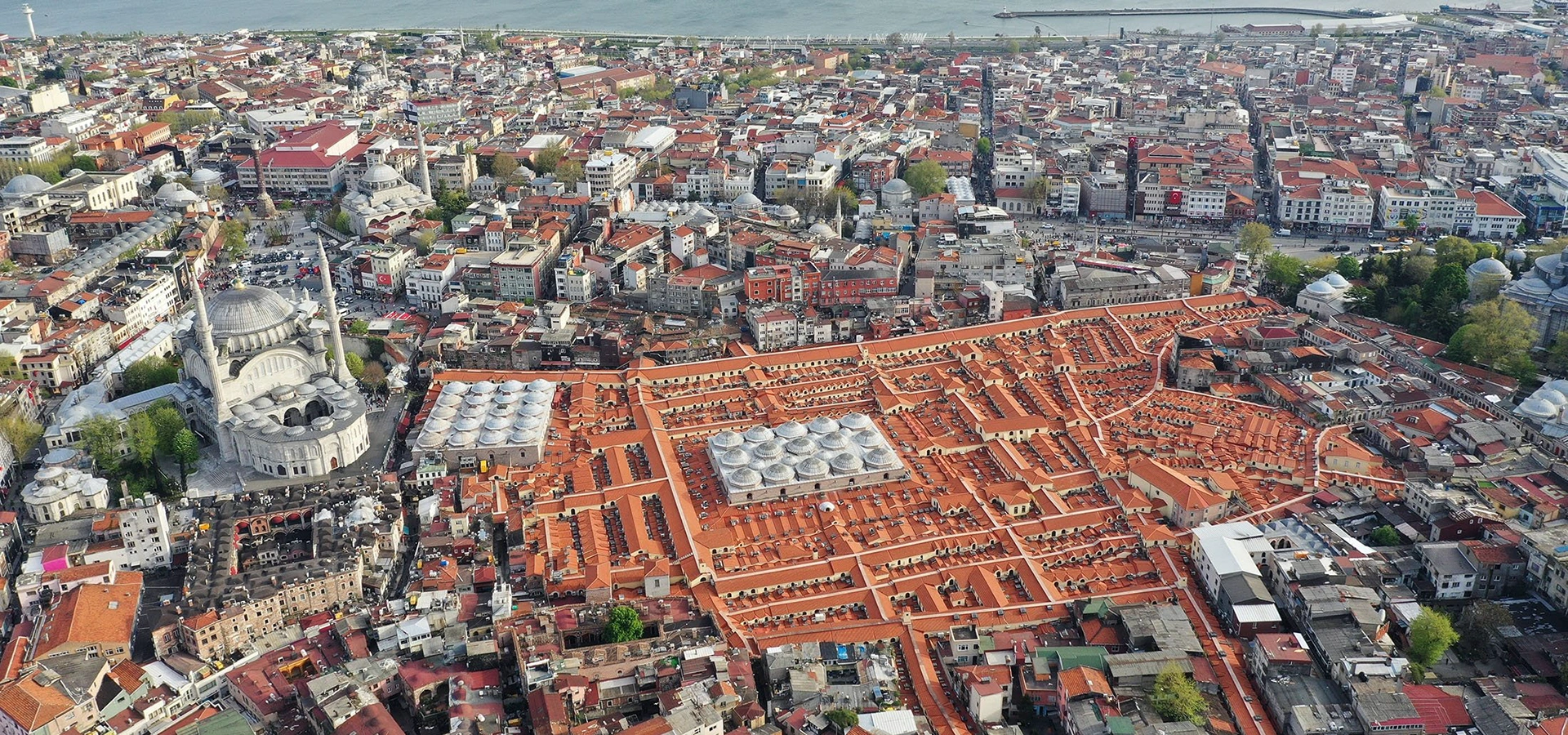
Only a few minutes from the
Grand Bazaar,
it is one of the most important surviving monuments from the generation immediately after the Ottoman conquest of Constantinople.
Commissioned by Sultan Bayezid II, son and successor of Mehmed the Conqueror, the mosque was constructed between 1501 and 1505 according to the monumental inscription above its main entrance.
It formed the religious center of a major külliye that included a medrese, imaret, caravanserai, primary school, tabhane guest rooms, bath and the sultan's mausoleum.
Architecturally, Beyazıt Mosque is especially significant because it stands between the experimental monumental mosques of the 15th century and the mature classical tradition that would later reach its height under Mimar Sinan.
A great central dome approximately 16.78 meters in diameter is supported by two half-domes on the main axis, while smaller domed spaces extend along the sides.
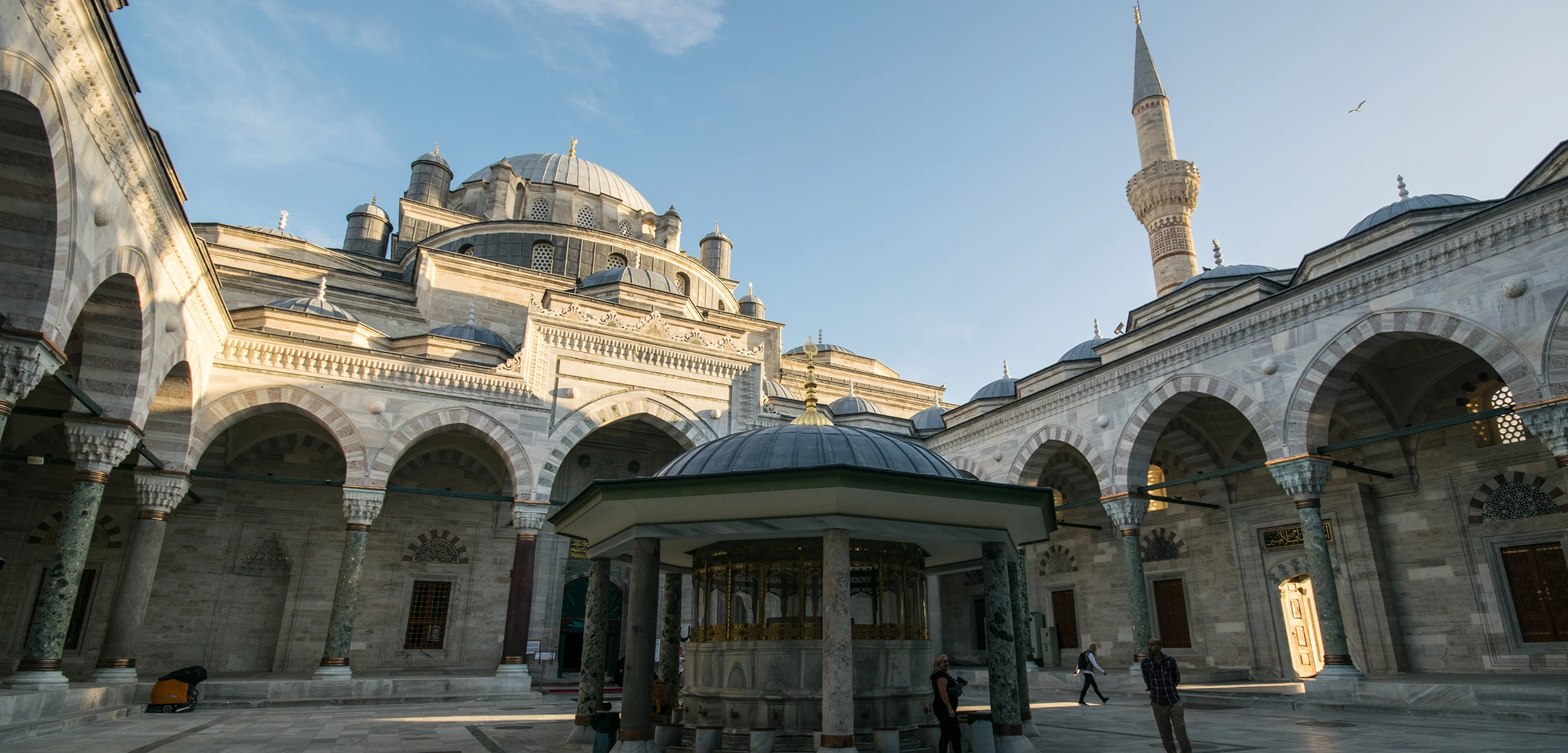
The mosque also preserves one of Istanbul's most beautiful imperial courtyards.
Twenty-four small domes cover the surrounding arcades, colored marble and reused ancient stone elements appear throughout the enclosure, and the central şadırvan creates a calm architectural focus only steps from one of the busiest pedestrian areas in the city.
1501–1505
The mosque was built for Sultan Bayezid II in the first decades of Ottoman Istanbul.
16.78 m Dome
A monumental central dome dominates the historic prayer hall.
24 Courtyard Domes
Explore one of the finest arcaded imperial courtyards in the Historic Peninsula.
Grand Bazaar
Combine the mosque with one of the world's most famous historic covered markets.