Aegean Wetlands, Flamingos, Pelicans & Wildlife

Büyük Menderes Delta Birdwatching – Complete Aydın Nature Guide

Discover one of Türkiye's most remarkable coastal wetlands,
where flamingos, pelicans and migratory birds gather between river and sea.

Explore the Büyük Menderes Delta

Büyük Menderes Delta – A Birdwatching Paradise on Türkiye's Aegean Coast

The Büyük Menderes Delta, also known as the Great Menderes Delta, is one of western Türkiye's most important wetland ecosystems. Located near Söke in Aydın Province, where the Büyük Menderes River reaches the Aegean Sea, this protected landscape supports an extraordinary variety of waterbirds, migrating species, coastal wildlife and native plants.

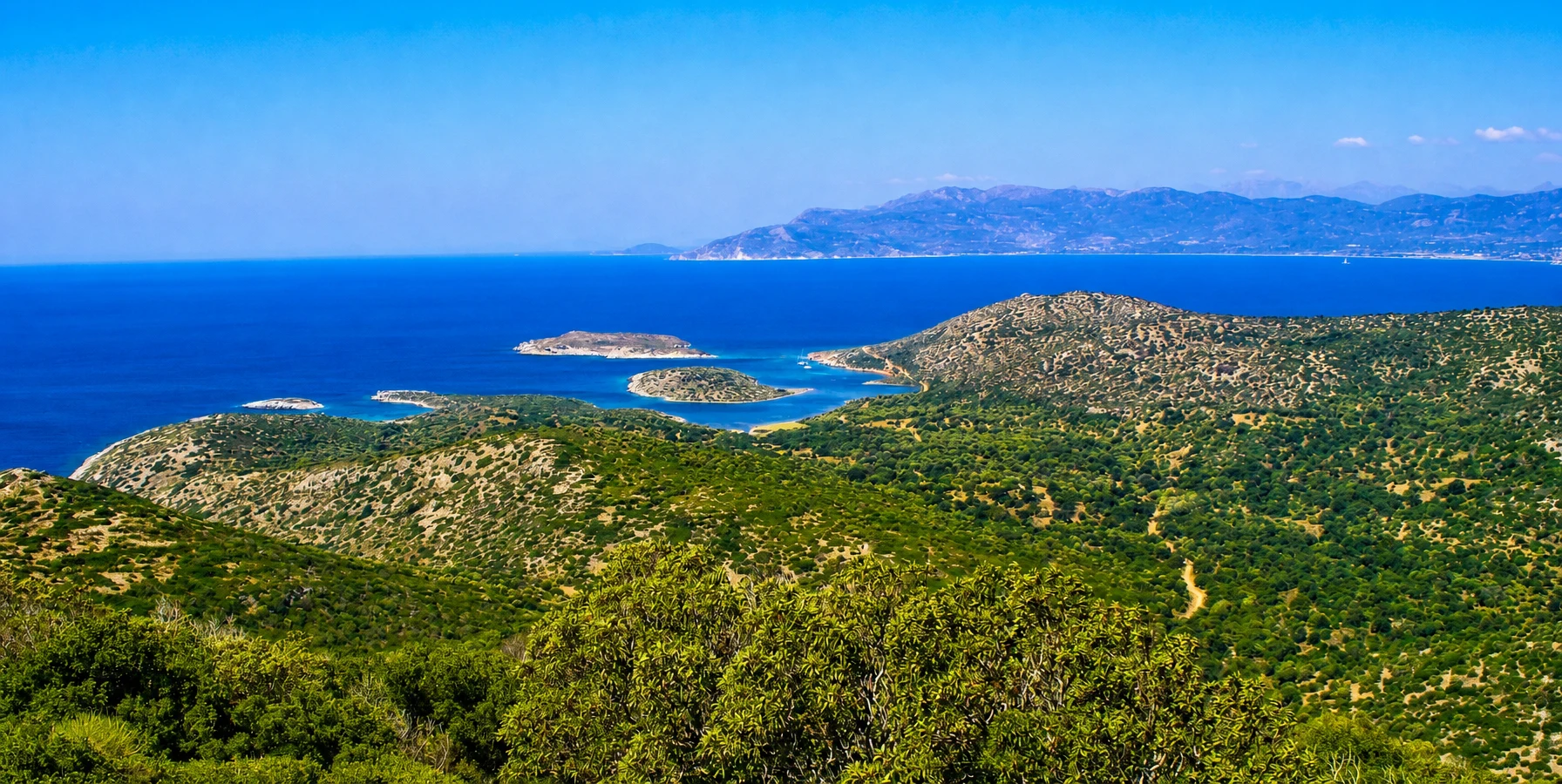
Part of Dilek Peninsula–Büyük Menderes Delta National Park, the wetland extends across approximately 16,600–16,700 hectares of lagoons, salt marshes, mudflats, reedbeds, river channels and coastal habitats. The surrounding national park contains mountains, Mediterranean forests, beaches and historic settlements, creating an exceptional meeting place of natural and cultural heritage.

Approximately 250–256 bird species have been recorded in the national park and delta landscape, according to official and regional birdwatching sources. The area's best-known birds include greater flamingos, Dalmatian pelicans, pygmy cormorants, little egrets, Kentish plovers and numerous migrating waders.

Unlike a conventional wildlife park, the Büyük Menderes Delta is a living and changing natural ecosystem. Seasonal water levels, migration patterns, weather conditions and conservation restrictions determine what visitors can see and where they can safely observe wildlife.

Whether you are an experienced birder carrying a spotting scope, a photographer searching for flamingos or a traveler exploring the natural landscapes of Aydın, this guide explains how to discover the delta responsibly.

250+ Bird Species

Discover an exceptional diversity of resident, breeding and migratory birds.

Protected Wetlands

Explore the remarkable biodiversity of a nationally protected river delta.

Flamingos & Pelicans

Watch some of the Aegean's most recognizable wetland birds.

Nature Photography

Capture expansive lagoons, dramatic birdlife and beautiful coastal light.

Know Before You Go

Büyük Menderes Delta Birdwatching – Quick Facts

Essential information for planning a wildlife experience in Aydın's great coastal wetland.

📍

Location

Büyük Menderes River estuary, near Söke and Doğanbey in Aydın Province, western Türkiye.

Open on Google Maps
🦩

Bird Diversity

Approximately 250–256 recorded bird species across the delta and national park landscape.

🌿

Wetland Area

Approximately 16,600–16,700 hectares, according to different official descriptions.

🏞️

Protection

The delta was added to Dilek Peninsula National Park in 1994.

📅

Best Birdwatching

Autumn, winter and spring are especially rewarding; birding is possible year-round.

⏱️

Suggested Visit

Allow 2–3 hours for a short observation session or 4–6 hours for a broader outing.

🔭

Recommended Equipment

Binoculars, a spotting scope, a bird identification guide and a camera with a telephoto lens.

🎟️

Visitor Access

Use permitted public routes; entrance fees and restrictions vary by managed park area.


A Vital Refuge for Mediterranean Wildlife

Why Is the Büyük Menderes Delta Important?

A coastal ecosystem connecting freshwater rivers, Mediterranean wetlands and one of the world's major bird migration regions.

The Büyük Menderes Delta is much more than a scenic coastal landscape. It provides feeding, resting, breeding and wintering habitats for birds whose survival depends on healthy wetlands.

For migratory birds traveling between Europe, western Asia and Africa, coastal wetlands can serve as essential stopping places. Here, birds can feed on fish, insects, crustaceans, mollusks and other organisms before continuing their journeys.

Different water depths and levels of salinity support different bird communities. Shallow lagoons attract flamingos and wading birds, open waters provide feeding areas for pelicans and cormorants, and reedbeds offer shelter for smaller wetland species.

The delta also supports fish populations and aquatic invertebrates and contributes to the ecological health of the surrounding Aegean coastal environment. Its importance extends beyond birds to the natural processes that sustain the wider landscape.

Because wetlands are sensitive to changes in water availability, pollution, disturbance and coastal development, the conservation of Büyük Menderes is especially important for long-term biodiversity.

How Was the Büyük Menderes Delta Formed?

The Büyük Menderes River has shaped the southwestern Anatolian landscape over thousands of years. Its name is associated with the winding course that gave the English language the geographical word meander.

As the river flows toward the Aegean Sea, it carries sediments eroded from inland valleys and mountains. Over long periods, these sediments accumulate near the coast, creating new land, changing shorelines and forming shallow wetland environments.

The delta contains a complex combination of river channels, former watercourses, coastal lagoons, salt marshes and mudflats. These features developed as the river changed its course and the coastline gradually advanced.

This process also transformed the history of the region. Ancient cities such as Priene, Myus and Miletus once occupied landscapes much closer to navigable waterways and the sea. Sedimentation helped reshape their relationship with the coast, leaving several archaeological sites inland from today's shoreline.

River Sediment

Materials carried downstream gradually build the coastal plain and alter the shoreline.

Changing Channels

River branches and abandoned channels create varied wetland habitats.

Coastal Lagoons

Shallow water bodies develop behind sediment barriers near the sea.

Salt Marshes

Areas influenced by seawater support salt-tolerant plants and specialized wildlife.

Mudflats

Exposed sediments provide important feeding areas for waders and shorebirds.

Living Delta

Water levels, sediment movement and seasonal conditions continuously reshape the ecosystem.

Natural Habitats of the Büyük Menderes Delta

The impressive bird diversity of the delta comes from the close proximity of multiple habitats. Different species depend on different environments, and even small variations in water depth can change the birds visible from one observation point.

Shallow Lagoons

Prime feeding areas for flamingos, ducks, egrets, avocets and other waterbirds.

Mudflats

Seasonally exposed feeding grounds for plovers, sandpipers and other migrating shorebirds.

Reedbeds

Dense aquatic vegetation shelters small birds and provides nesting and feeding habitat.

River Channels

Flowing freshwater and river margins attract herons, cormorants, kingfishers and fish-eating birds.

Salt Marshes

Salt-tolerant plants grow in coastal soils influenced by seawater and changing water levels.

Open Water

Deeper sections support diving birds, pelicans, gulls and other aquatic wildlife.

Coastal Grassland

Open, relatively dry areas may attract larks, pipits, stone-curlews and seasonal visitors.

Surrounding Hills

Elevated terrain and woodland margins broaden the opportunities to observe birds of prey.

Birdwatching principle: A lagoon that appears nearly empty during one visit may become an important feeding area when water levels or seasonal conditions change. Patience and observation are often more productive than constantly moving.

Bird Species You May See at the Büyük Menderes Delta

Birdwatchers visit the delta for its remarkable combination of resident wildlife, wintering waterbirds and seasonal migrants. Sightings depend on the time of year, weather, habitat conditions and access to suitable observation points.

The following species are among the characteristic birds recorded in the delta or its wider habitat complex. No individual species or flock size can be guaranteed on a particular day.

Greater Flamingo

Phoenicopterus roseus – An unmistakable long-legged bird, often feeding in groups in shallow saline water.

Dalmatian Pelican

Pelecanus crispus – A very large, pale pelican with a massive bill and curly feathers around its head.

Pygmy Cormorant

Microcarbo pygmaeus – A relatively small cormorant associated with wetlands, sheltered waters and fish-rich habitats.

Little Egret

Egretta garzetta – A slender white heron with a dark bill and yellow feet, frequently seen feeding in shallow water.

Grey Heron

Ardea cinerea – A tall grey waterbird that often stands motionless while searching for fish.

Great White Egret

Ardea alba – A large white heron usually distinguished by its size and graceful neck.

Kentish Plover

Anarhynchus alexandrinus – A small coastal shorebird associated with sandy and muddy environments.

Pied Avocet

Recurvirostra avosetta – A black-and-white wader recognized by its long, upward-curving bill.

Collared Pratincole

Glareola pratincola – An elegant, long-winged bird that hunts insects over open wetlands and surrounding ground.

Stone-curlew

Burhinus oedicnemus – A cryptically patterned bird of open terrain, notable for its large yellow eyes.

White-tailed Eagle

Haliaeetus albicilla – A powerful, locally uncommon bird of prey associated with large wetland landscapes.

Lesser Kestrel

Falco naumanni – A small migratory falcon that hunts insects in suitable open landscapes.

Common Kingfisher

Alcedo atthis – A brilliantly colored small bird that may be encountered along suitable channels and water margins.

Great Cormorant

Phalacrocorax carbo – A larger fish-eating cormorant often observed swimming, diving or resting near open water.

Sandpipers & Plovers

Seasonal groups of small shorebirds search exposed mud and shallow edges for invertebrates.

Ducks & Other Waterfowl

Winter brings opportunities to observe various dabbling and diving ducks as conditions permit.

Identification tip: Bird names and scientific classifications can change as taxonomic research develops. A modern field guide or reputable bird-recording application is useful when identifying difficult species.

Flamingos and Dalmatian Pelicans at the Büyük Menderes Delta

Greater Flamingos – The Pink Birds of the Lagoons

Greater flamingos are among the most recognizable birds in the region. Their long legs, curved necks and pinkish plumage make them relatively easy to identify even from a considerable distance.

Flamingos feed by filtering small organisms from shallow water and soft sediments. Watching a flock sweep its bills through the water is one of the most memorable experiences available to wetland visitors.

Large concentrations are most likely where food availability, water depth and seasonal conditions are suitable. Numbers fluctuate, and the birds may move between the Büyük Menderes Delta and other regional wetlands.

Dalmatian Pelicans – Giants of the Wetland

The Dalmatian pelican is one of Europe's largest flying birds and an important conservation species. Its pale plumage, expansive wings and substantial bill make it an impressive sight in flight or on open water.

The Büyük Menderes wetland complex is significant for Dalmatian pelicans, which use suitable aquatic environments for feeding, resting and breeding. The species also occurs at nearby Lake Bafa.

Pelicans should be watched from a substantial distance, particularly around breeding or resting areas. Approaching them for close photographs can interrupt feeding or force birds to abandon a safe location.

Signature SpeciesGreater flamingo and Dalmatian pelican
Key HabitatShallow lagoons and open wetland waters
Viewing EquipmentBinoculars or spotting scope
Best ApproachWatch quietly from established, permitted observation areas
ImportantDo not approach breeding colonies, roosts or feeding flocks

Bird Migration at the Büyük Menderes Delta

The eastern Mediterranean and western Anatolia form part of an interconnected region used by birds moving between breeding and wintering areas. The Büyük Menderes Delta contributes to this network by providing productive wetland habitats.

During migration, birds may arrive for short periods to feed and rest before continuing their journeys. Others remain through winter, while resident and breeding birds use the landscape during other parts of the year.

Spring Migration

From approximately March to May, northbound migrants pass through the region and breeding activity increases.

Summer Breeding

Some species breed in suitable local habitats, making distance and careful behavior especially important.

Autumn Migration

From approximately August through November, southbound birds bring changes in the wetland's species composition.

Wintering Birds

Cooler months can bring significant waterbird activity, including ducks, waders, cormorants and pelicans.

Seasonal variation: Migration timing changes with weather patterns, rainfall and broader ecological conditions. Dates should be treated as approximate periods rather than fixed arrival and departure schedules.

Best Birdwatching Areas Around the Büyük Menderes Delta

The delta covers a large, partly sensitive landscape rather than one visitor attraction with a continuous public walking route. Some sections are accessible from existing roads, while other areas may be restricted, seasonally flooded or unsuitable for independent exploration.

The following locations provide useful geographic reference points for planning a responsible visit.

Karina Coastal Area

The Karina area near the northern delta margin provides coastal scenery and opportunities to observe birds from appropriate public viewpoints. Respect fishing activity and any controlled zones.

Doğanbey Wetland Approaches

The surrounding landscape offers views toward marshes, waterways and the edges of the delta. Observe from roads and other approved locations without entering sensitive habitats.

Eski Doğanbey

This historic settlement offers an excellent starting point for learning about the national park and the relationship between local communities and the natural landscape.

Doğanbey Visitor Center

The national park's visitor and interpretation center at Eski Doğanbey can provide educational context and a starting point for asking about current birdwatching access.

Delta-Edge Lagoons

Where public viewpoints are available, shallow lagoon margins can be productive places for observing flamingos, herons, ducks and waders.

Lake Bafa – Nearby Birding Extension

Southeast of the delta, Lake Bafa is a separate protected wetland offering additional opportunities to observe pelicans, cormorants and wintering waterbirds.

Access warning: These are general birdwatching areas, not a list of guaranteed open observation platforms. Protected nesting zones, agricultural land, fishing facilities and some roads may be inaccessible. Check current national park guidance before entering or driving along unfamiliar tracks.

Suggested Büyük Menderes Delta Birdwatching Route

Begin your morning near Eski Doğanbey, where historic stone houses and the national park visitor center introduce the cultural and natural character of the region.

After learning about the delta, continue toward the Karina area using roads currently open to visitors. Stop only at safe, legal locations where there is sufficient visibility over suitable wetland habitats.

Spend time scanning the shallow waters for flamingos, pelicans, herons and cormorants. A spotting scope is particularly useful when birds remain far from the shoreline.

If bird activity is limited, explore another permitted viewpoint rather than attempting to approach distant flocks. Changing light, water levels and weather conditions can make different areas productive during the same day.

Finish with a leisurely visit to Eski Doğanbey or continue to nearby historical attractions. Travelers interested in more birdwatching can plan a separate extension to Lake Bafa.

StartEski Doğanbey and the national park visitor center
ContinueApproved public roads toward the Karina area
ObserveOpen water, lagoon margins and visible mudflats
PhotographyQuiet observation from safe public viewpoints
Optional ExtensionLake Bafa or nearby ancient cities
Suggested DurationApproximately 4–6 hours, depending on stops and conditions
Flexible itinerary: This is a suggested sequence, not an officially marked or continuously accessible trail. Confirm access with the national park management and adapt the route to road conditions, protected areas and seasonal closures.

Best Time to Visit the Büyük Menderes Delta for Birdwatching

Birdwatching is possible throughout the year, but the species and numbers present can differ dramatically between seasons. Cooler months are often particularly productive for waterbirds, while spring and autumn provide opportunities to encounter migrating species.

December – February

Often an excellent period for wintering waterbirds and observing concentrations of wetland species.

March – May

Spring migration, changing bird activity and comfortable daytime temperatures make this a rewarding period.

June – July

Breeding birds may be present, but strong heat and the need to avoid nesting disturbance require careful planning.

August – October

Autumn migration can bring interesting waders and other seasonal visitors to suitable habitats.

Early Morning

Generally provides comfortable temperatures, softer light and good opportunities for observing feeding activity.

Late Afternoon

Beautiful light for photography, although shadows, glare and changing wind can affect visibility.

Best overall strategy: Choose autumn, winter or spring for a broad birdwatching experience, arrive early and allow enough time for birds to appear naturally.

Recommended Birdwatching Equipment

Many of the delta's birds spend time on distant lagoons or open water. Appropriate optical equipment greatly improves the experience and allows observation without disturbing wildlife.

Binoculars

A comfortable pair of 8×42 or 10×42 binoculars is ideal for most general birdwatching situations.

Spotting Scope

Especially useful for identifying distant pelicans, flamingos, ducks and smaller shorebirds.

Field Guide

Use a reliable European or Western Palearctic bird guide to compare similar species.

Camera

A telephoto lens helps photograph wildlife without approaching birds too closely.

Notebook

Record the date, habitat, weather and distinctive features of unfamiliar birds.

Sun Protection

Bring a hat, sunscreen and sunglasses for exposed wetland environments.

Water and Snacks

Carry supplies because shops and other facilities are not available throughout the delta.

Appropriate Footwear

Wear comfortable shoes suitable for permitted gravel roads and potentially uneven ground.

Birdwatching Tips for Beginners

You do not need to be an expert to appreciate the Büyük Menderes Delta. A basic understanding of bird behavior and careful use of binoculars can transform an ordinary landscape visit into a rewarding wildlife experience.

Scan Before Walking

Look carefully across open water and mudflats before moving to another observation point.

Start With Large Birds

Flamingos, pelicans, herons and cormorants are easier to recognize than many small shorebirds.

Watch Bird Behavior

Feeding techniques, posture and movement patterns can help distinguish similar species.

Study the Habitat

Different water depths attract different species, so examine both open water and shallow edges.

Use Landmarks

When sharing a sighting, describe nearby features such as reeds, channels or visible shoreline bends.

Be Patient

Remaining quietly in one appropriate location can be more productive than repeatedly approaching birds.

Photography at the Büyük Menderes Delta

The Büyük Menderes Delta offers striking photographic opportunities, from the elegant silhouettes of flamingos to the immense wings of pelicans and the reflections of clouds over shallow lagoons.

The most compelling photographs often come from watching natural behavior at a respectful distance rather than trying to get physically close to wildlife.

Flamingo Reflections

Calm shallow water can create beautiful reflections of feeding flocks during soft morning light.

Pelicans in Flight

Watch for soaring birds and use continuous autofocus to follow their movement.

Wetland Panoramas

Wide compositions emphasize the relationship between water, sky, vegetation and surrounding hills.

Shorebird Details

Photograph feeding patterns and interactions along shallow water edges using a long lens.

Golden-Hour Light

Early and late daylight can add warm tones to the reeds, mudflats and distant mountains.

Responsible Distance

Use optical equipment rather than entering restricted habitats or disturbing birds for closer images.

Wildlife photography ethics: Never use drones, playback calls, artificial lighting near nests or deliberate flushing of birds without the required authorization. A missed photograph is always preferable to disturbing wildlife.

Other Wildlife and Natural Features of the Büyük Menderes Delta

Although birds are the main attraction, the delta is part of a much larger ecosystem that supports a rich variety of aquatic organisms, plants and terrestrial wildlife.

Fish and Aquatic Life

River channels and lagoons support fish and other aquatic organisms that sustain many wetland food chains.

Salt-Tolerant Plants

Specialized vegetation survives in soils influenced by changing salinity and periodic flooding.

Reed Communities

Reeds and marsh vegetation provide shelter, food sources and nesting opportunities.

Invertebrates

Insects, mollusks and other small organisms are essential food sources for migrating and resident birds.

Coastal Vegetation

The transition between freshwater, salty wetlands and dry land creates diverse plant communities.

Surrounding Mediterranean Habitats

The nearby Dilek Peninsula adds woodland, rocky slopes and shrubland to the wider ecological landscape.

Conservation and Environmental Challenges at the Büyük Menderes Delta

The protected status of the Büyük Menderes Delta recognizes its ecological significance, but legal protection alone cannot eliminate all threats to a river-fed coastal wetland.

The health of the delta depends on processes occurring far upstream, including water use, agriculture, river management and water quality throughout the Büyük Menderes basin.

Changing freshwater flows can affect lagoon salinity, sediment movement, wetland vegetation and food availability for birds. Pollution entering the watershed can also influence the aquatic environment.

Within the delta, disturbance from vehicles, unauthorized access, littering and activities near nesting or roosting sites can place additional pressure on wildlife.

Water Availability

Reduced or altered freshwater flow can change important wetland habitats.

Water Quality

Pollution and nutrient inputs can affect ecological conditions throughout connected waterways.

Habitat Disturbance

Human activity close to sensitive areas can interrupt feeding, resting and breeding behavior.

Climate Variability

Changes in rainfall, temperature and drought frequency may influence wetland conditions.

Coastal Pressures

Development, infrastructure and inappropriate land use can affect habitat connectivity.

Responsible Ecotourism

Well-managed nature visits can encourage appreciation and support long-term conservation.

Important distinction: The delta is part of a Turkish national park and is important under international wetland and biodiversity conservation frameworks. This should not be confused with a claim that the delta itself is individually inscribed on the Ramsar List.

Büyük Menderes Delta Visitor Information

Birdwatching in the Büyük Menderes Delta differs from visiting a conventional attraction. The wetland is extensive, parts of it are ecologically sensitive, and visitor arrangements may vary between public approaches, protected areas and managed national park facilities.

The wider national park management operates designated recreational and visitor areas, but published hours for the Dilek Peninsula entrance should not automatically be assumed to apply to every road or viewpoint in the delta.

Visitors should verify current access conditions, road closures, park regulations and any applicable fees before traveling, particularly if planning a specialist birdwatching or photography excursion.

ProvinceAydın, Türkiye
Main DistrictSöke and the surrounding coastal delta area
Protected AreaDilek Peninsula–Büyük Menderes Delta National Park
Delta ProtectionNational park status since 1994
AccessDesignated public roads and currently permitted visitor areas
FeesConfirm separately for relevant entrances and managed facilities
FacilitiesLimited in remote wetland areas; plan supplies in advance
Best ForBirdwatching, conservation education and nature photography

Practical Tips for Visiting the Büyük Menderes Delta

Arrive Early

Morning visits usually provide cooler temperatures and comfortable light for observing wildlife.

Check Access First

Contact park authorities or obtain reliable local guidance about currently permitted viewpoints.

Bring Drinking Water

Do not assume refreshments or shops will be available along wetland roads.

Prepare for Wind

Coastal winds can affect visibility, comfort and the use of a spotting scope.

Wear Neutral Clothing

Comfortable, subdued clothing helps you blend into the landscape without drawing unnecessary attention.

Watch Road Conditions

Unpaved tracks may become muddy or impassable after rain; never drive into protected habitats.

Download Offline Maps

Save relevant public routes before arriving, as remote areas may have inconsistent connectivity.

Respect Private Property

Surrounding farmland, fishing operations and other working areas are not automatically public access routes.

Safety first: Avoid walking onto soft mudflats, entering flooded channels or exploring remote wetland areas alone. Stay on established and authorized routes.

How Much Time Do You Need for Büyük Menderes Delta Birdwatching?

1 Hour

A brief observation session from one suitable public viewpoint, ideal for travelers with limited time.

2–3 Hours

A relaxed birdwatching session with time for binocular observations and photography.

4–6 Hours

A broader excursion combining Eski Doğanbey, visitor information and multiple permitted observation stops.

Full Day

Combine the delta with another destination such as Lake Bafa or one of the nearby ancient cities.

Specialist Birdwatchers

Allow flexible time because locating particular species may depend on conditions and patient observation.

Families

Choose a short, accessible nature stop and include a cultural visit rather than attempting difficult wetland walks.

Accessibility at the Büyük Menderes Delta

Accessibility varies considerably across the delta. Some birdwatching opportunities may be possible from roadside viewpoints, while other areas involve uneven gravel, soft ground, limited facilities or restricted access.

Vehicle-Based Viewing

Some wildlife can be observed from safe, legal vehicle stopping points without long walks.

Uneven Ground

Gravel, stones and soft soil can make movement difficult outside maintained surfaces.

Wheelchair Access

Confirm the accessibility of specific visitor facilities and viewpoints before departure.

Limited Shade

Many open wetland viewpoints are exposed to strong sun and coastal wind.

Facilities

Toilets, seating and refreshments may not be available close to remote observation areas.

Adapted Itinerary

A short, vehicle-based visit can be preferable for travelers with reduced mobility.

How to Get to the Büyük Menderes Delta

The delta is situated in western Aydın Province, near the mouth of the Büyük Menderes River. Söke is a useful regional transport and supply center, while Doğanbey provides a practical reference point for approaching parts of the northern wetland landscape.

Because the delta has multiple approaches and protected sections, it is important to navigate to a specific permitted destination rather than relying on a single map pin for the entire wetland.

From Söke

Travel toward Doğanbey and the national park's delta-side visitor locations, following current local road guidance.

From Kuşadası

Drive via the Söke area toward Doğanbey for access to the delta's surrounding landscapes.

From Didim

Approach the wider Büyük Menderes region through the road network around Söke.

From İzmir

Travel south toward Söke before continuing to the selected delta-side destination.

Public Transport

Regional buses and local services reach surrounding towns, but direct access to birdwatching viewpoints may be limited.

Private Vehicle

Useful for reaching dispersed public viewpoints and carrying binoculars, spotting scopes and photography equipment.

Important navigation note: The popular beach entrance to Dilek Peninsula National Park near Güzelçamlı and the delta-side approaches near Doğanbey are different visitor areas. Do not assume that the peninsula's coastal road provides direct driving access through the delta.

Places to Visit Near the Büyük Menderes Delta

The delta lies within one of western Anatolia's most fascinating cultural landscapes. Ancient ports, mountain villages and other protected wetlands make excellent additions to a birdwatching excursion.

Eski Doğanbey Village

Explore atmospheric stone houses, narrow streets and the cultural history of this restored historic settlement.

Güzelçamlı

Discover a charming coastal town close to the Dilek Peninsula's beaches and Mediterranean landscapes.

Panionion

Visit the ancient sanctuary associated with the Ionian League near the Dilek Peninsula.

Myus Ancient City

Explore the remains of a former Ionian settlement transformed by the sedimentation of the Meander valley.

Priene Ancient City

Walk among the remains of a carefully planned ancient Greek city overlooking the historic Meander plain.

Miletus Ancient City

Discover one of the most influential cities of ancient Ionia, once closely connected with the Aegean coastline.

Lake Bafa

Continue to a separate protected lake famous for aquatic birds, dramatic mountain scenery and ancient heritage.

Didim

Combine regional nature experiences with beautiful beaches and the cultural heritage of ancient Didyma.

Frequently Asked Questions About the Büyük Menderes Delta

Where is the Büyük Menderes Delta?

The delta is located in Aydın Province in western Türkiye, near Söke, where the Büyük Menderes River reaches the Aegean Sea.

What is the Büyük Menderes Delta famous for?

It is famous for its extensive coastal wetlands, impressive bird diversity, flamingos, Dalmatian pelicans and important migratory bird habitats.

Is the Büyük Menderes Delta a national park?

Yes. The delta was added to Dilek Peninsula National Park in 1994 and forms part of Dilek Peninsula–Büyük Menderes Delta National Park.

How many bird species live in the Büyük Menderes Delta?

Official and regional sources report approximately 250–256 bird species in the delta and national park landscape. The total includes resident, breeding and migratory species rather than birds present simultaneously.

Can you see flamingos at the Büyük Menderes Delta?

Yes. Greater flamingos are among the characteristic birds of the delta, particularly in suitable shallow-water habitats. Their numbers and exact locations vary seasonally.

Are Dalmatian pelicans found in the delta?

Yes. The wider Büyük Menderes wetland complex is important for Dalmatian pelicans, which use suitable waters for feeding, resting and breeding.

What is the best time of year for birdwatching?

Autumn, winter and spring are especially attractive for many birdwatchers, although wildlife can be observed throughout the year.

Is winter a good time to visit?

Yes. Winter can be particularly productive for waterbirds, including some ducks, pelicans, cormorants and other wetland species.

What is the best time of day to watch birds?

Early morning is usually a good choice because temperatures are comfortable and the light is often favorable for observing and photographing wildlife.

Do you need binoculars?

Binoculars are strongly recommended. A spotting scope is especially valuable for birds resting or feeding far out in the lagoons.

Where should I start a birdwatching visit?

Eski Doğanbey and its national park visitor center provide a useful starting point. Current information can help determine which public viewpoints are suitable.

Can you visit the delta independently?

Some public areas can be explored independently, but access restrictions, unclear tracks and limited facilities make advance planning important.

Are there birdwatching towers?

Observation structures have been documented in the delta, but their present condition and public availability should be confirmed locally rather than assumed.

Is there an entrance fee?

Entrance rules vary across the wider national park and its visitor facilities. Check whether the specific entrance or managed area you plan to use charges a fee.

What are the opening hours?

There is no single schedule covering every delta-side viewpoint. Visitor centers, designated entrances and protected routes may have separate hours or restrictions.

Can visitors walk across the mudflats?

Visitors should not enter mudflats or marshes outside authorized routes. The ground can be unstable, and entering sensitive habitats may disturb protected wildlife.

Can you use a drone for wildlife photography?

Do not fly a drone without confirming and obtaining all necessary permissions. Drones can disturb birds, particularly large flocks and breeding colonies.

Is the delta suitable for children?

Yes, a short visit from safe public viewpoints can be an excellent nature-learning experience. Avoid long exposed walks and areas with soft ground or open water.

Is the delta wheelchair accessible?

Accessibility varies. Some views may be possible from vehicles or roadside locations, but many wetland tracks are uneven and not suitable for wheelchairs.

Are Büyük Menderes Delta and Lake Bafa the same place?

No. Lake Bafa is a separate lake and protected area southeast of the delta. Both are closely connected to the geological and ecological history of the Büyük Menderes region.

Is the delta a Ramsar site?

The delta is nationally protected and has significance under international wetland conservation frameworks. Its relationship with the Ramsar Convention should not be confused with an individual Ramsar-listing designation.

Can I combine birdwatching with ancient cities?

Yes. Priene, Miletus, Myus and other archaeological destinations in the wider region provide excellent opportunities to connect natural and ancient history.

How long should I spend at the delta?

Two to three hours can provide a satisfying introduction, while four to six hours allows time for a broader, relaxed visit to multiple permitted observation locations.

Is the Büyük Menderes Delta worth visiting?

Absolutely. For travelers who appreciate birds, wetlands, photography and peaceful natural landscapes, the delta offers a distinctive experience far removed from the conventional Aegean beach holiday.

Responsible Birdwatching at the Büyük Menderes Delta

Wetland birds depend on safe places to feed, rest and reproduce. Even apparently harmless human activity can cause birds to waste energy or abandon important habitat.

Keep Your Distance

Observe through binoculars or a scope rather than walking toward resting or feeding birds.

Protect Nesting Areas

Never approach nests, breeding colonies or locations closed for conservation.

Stay on Approved Routes

Use permitted tracks, roads and public viewpoints and respect all barriers.

Keep Noise Low

Avoid loud music, shouting and repeated disturbances near concentrations of birds.

Leave No Waste

Carry away all food packaging, bottles and other litter.

Do Not Feed Wildlife

Feeding wild birds can alter natural behavior and create unhealthy dependence.

Respect Local Communities

Keep fishing access, agricultural roads and village entrances clear.

Support Conservation

Follow national park guidance and share an appreciation of the area's ecological importance.

Remember: If birds stop feeding, become alert or take flight because of your presence, you are too close. Retreat calmly and allow wildlife to resume its natural behavior.

Private Büyük Menderes Delta & Aegean Nature Experiences

Discover the extraordinary wetlands of the Büyük Menderes Delta alongside the ancient cities, traditional villages and coastal scenery of western Türkiye through a customized private itinerary.

Custom Birdwatching and Nature Experience

Plan a relaxed wildlife-focused excursion with suitable observation stops, cultural highlights and a comfortable pace.

Continue Exploring the Aydın Region

Discover the places where ancient Ionian history meets the natural landscapes of the Aegean.