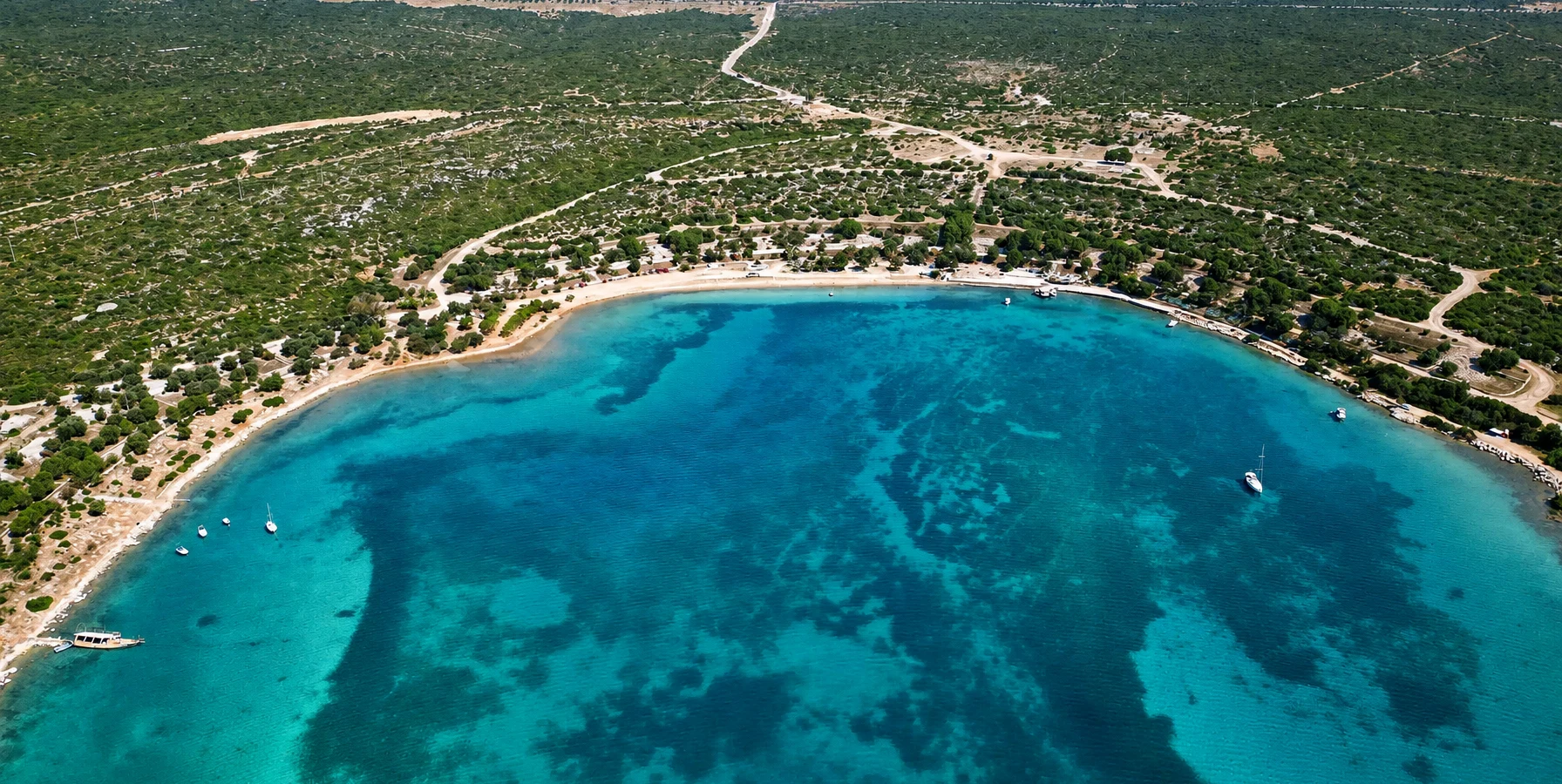
Private Didim & Aegean Coast Experience
Ask us about a customized day combining the Temple of Apollo, scenic beaches, traditional villages, coastal viewpoints and regional cuisine, with no compulsory shopping stops.
Request a Custom Experience





Didim, on the western coast of Türkiye in Aydın Province, is one of the southern Aegean's most rewarding combinations of seaside holidays, ancient history and Mediterranean landscapes. Known for the golden sands of Altınkum Beach, the monumental Temple of Apollo at Didyma, peaceful Akbük Bay and a coastline dotted with coves, Didim offers far more than a conventional beach resort.
The district occupies a peninsula overlooking the Aegean Sea and the Gulf of Güllük, with a coastal landscape of sandy beaches, rocky headlands, sheltered bays and traditional settlements. Its position between the cultural landscapes of Miletus, Priene and Lake Bafa makes it an excellent base for travelers who enjoy combining relaxation with archaeology and nature.
Didim's ancient name survives through Didyma, one of the most influential oracle sanctuaries of the Greek and Roman worlds. Pilgrims once traveled here to seek divine guidance from Apollo, following a ceremonial route from the great Ionian city of Miletus. Today, visitors can stand among the enormous Ionic columns of the unfinished temple before enjoying a swim in the Aegean on the same afternoon.
The modern holiday atmosphere centers on Altınkum, with its lively promenade, restaurants, accommodation and beach activities. Beyond the busiest waterfront, Mavişehir, Akbük, Tavşanburnu and smaller coastal settlements reveal a gentler side of the district, particularly appealing to travelers looking for sunsets, local seafood, nature and quiet sea views.
Whether visiting for a day, enjoying a family beach holiday or exploring the ancient cities of Ionia, Didim provides a fascinating meeting point between 3,000 years of cultural heritage and the relaxed rhythm of the Aegean coast.
Discover one of the ancient Mediterranean's most celebrated oracle sanctuaries.
Enjoy golden sand, clear water and a lively seafront atmosphere.
Explore Akbük, Tavşanburnu and quieter corners of the peninsula.
Visit Miletus, Priene and the remarkable landscape around Lake Bafa.
Essential information for planning your visit to Didim and the surrounding Aegean coastline.
Southwestern Aydın Province, on Türkiye's southern Aegean coast.
Open on Google MapsHome to ancient Didyma, the celebrated oracle sanctuary of Apollo associated with Miletus.
Altınkum, famous for its long sandy waterfront, clear water and holiday facilities.
Sandy beaches, sheltered bays, marina facilities, seaside promenades and nature areas.
May–June and September–October for balanced sightseeing; summer for beach holidays.
One day for highlights, or 3–5 nights for beaches, archaeological excursions and relaxation.
A destination where the pleasures of a seaside holiday meet some of the most remarkable ancient monuments in western Anatolia.
Didim is particularly appealing because it offers several very different travel experiences within one compact coastal district. Travelers can spend the morning studying the colossal architecture of Apollo's sanctuary, enjoy lunch at a seaside restaurant, swim at Altınkum in the afternoon and finish the day watching the sunset over the Aegean.
The ancient landscape gives Didim a depth that distinguishes it from many modern beach resorts. The Temple of Apollo was not an isolated monument but part of a connected religious and cultural region dominated by the city of Miletus. Nearby Priene, Lake Bafa and the former coastline of the Büyük Menderes delta help visitors understand how geography, trade, religion and settlement shaped ancient Ionia.
Didim also offers different atmospheres for different visitors. Altınkum is energetic and convenient, Akbük feels more peaceful and nature-oriented, while Mavişehir is associated with sunset views and a relaxed coastal character. Exploring beyond the main beachfront reveals olive groves, traditional villages, small harbors and scenic headlands.
For travelers exploring Aydın, Didim works particularly well alongside Miletus, Priene and Lake Bafa and Heracleia, creating a journey through some of western Anatolia's most extraordinary historic landscapes.
The history of modern Didim is inseparable from the ancient sanctuary of Didyma, which stood within the territory of Miletus, one of the most influential Greek cities of western Anatolia. The area has a cultural history extending back to the early first millennium BC, although settlement and human activity in the wider region are older.
Ancient Didyma was primarily a religious sanctuary rather than an independent city. Its central attraction was the oracle of Apollo, where priests interpreted divine messages for visitors seeking guidance about political decisions, religious matters and personal concerns. The sanctuary became especially prominent during the Archaic Greek period.
The famous historical traditions associated with Didyma include gifts reportedly dedicated by rulers such as the Lydian king Croesus. In 494 BC, the Persian destruction of Miletus was followed by a major disruption of the sanctuary. The great temple visible today belongs principally to the ambitious rebuilding begun in the late 4th century BC and developed through the Hellenistic and Roman periods.
After Alexander the Great's campaigns, Didyma regained importance, and the Seleucid rulers supported the sanctuary's monumental expansion. Architects designed an extraordinary Ionic building with enormous columns, complex entrance passages and an open-air inner court. The project was never fully completed, but its surviving structure remains one of the masterpieces of ancient architecture in Türkiye.
In Late Antiquity, changing religious traditions transformed the sanctuary. A Christian church was eventually constructed within the temple's sacred inner area. Across the Byzantine and later Turkish periods, communities continued to inhabit the surrounding landscape, and the ancient masonry remained an enduring landmark.
The modern district developed from the settlement formerly known as Yenihisar, with the name Didim reflecting the region's ancient identity. During the late 20th century, tourism, residential development and improved infrastructure transformed Altınkum and the surrounding coastline into one of Aydın's important holiday regions.
Didyma develops as an important religious sanctuary connected with Miletus.
The oracle of Apollo gains considerable influence and receives prestigious offerings.
Persian campaigns against Miletus disrupt the sanctuary and its religious institutions.
Reconstruction of the monumental Hellenistic Temple of Apollo begins.
Temple construction and religious activity continue, although the ambitious building remains unfinished.
Christian use of the sanctuary includes the construction of a church within the temple complex.
Archaeological research advances as the modern coastal settlements expand.
The district develops into a major Aegean destination for beaches, heritage and leisure.
The Temple of Apollo at Didyma is the outstanding archaeological monument of the Didim district. Standing within the modern Hisar neighborhood, its colossal columns, monumental stairways and partially preserved walls reveal the extraordinary ambitions of Hellenistic religious architecture.
Unlike an ordinary Greek city temple, Didyma was designed around the functions of an oracle. Its immense inner court, known as the adyton, was open to the sky, and the sanctuary's arrangement reflected the ceremonial movement of priests, visitors and offerings.
The surviving building is particularly famous for its enormous Ionic columns, sculpted architectural details and the imposing entrance leading toward the sacred interior. Two distinctive sloping passages connect the front sections with the lower inner court, making the temple's spatial organization especially memorable.
Visitors should not expect a fully reconstructed building. Part of Didyma's fascination is the contrast between its ambitious original design and its incomplete, ruined state. Unfinished architectural surfaces, fallen column drums and carefully worked marble illustrate the immense scale of the construction project.
Examine the enormous surviving columns and capitals that demonstrate the monument's exceptional scale.
Discover the unusual inner sanctuary, designed as an open space within the monumental temple.
Learn how ancient communities sought divine guidance at one of the Mediterranean's influential prophetic sanctuaries.
Look for the famous sculpted Medusa head among the architectural remains associated with the temple.
Study the monumental entrances, carefully cut stonework and ambitious temple layout.
Capture dramatic perspectives of columns, staircases, carved details and the enormous sacred court.
One of the most important historical connections in the Didim region is the Sacred Way, the ancient ceremonial road linking Miletus with Apollo's sanctuary at Didyma. Its approximately 17-kilometer historical route expressed the religious relationship between the great Ionian city and the oracle.
The road was used during ceremonial processions and festivals. Ancient pilgrims, priests and civic representatives traveled along the route, which passed through the coastal landscape and the area of ancient Panormos, associated with modern Mavişehir.
Parts of the route were decorated with sculptures of seated figures, lions and other monumental elements. Several important works associated with the Sacred Way are now preserved in museums, offering valuable evidence of the sanctuary's ceremonial importance.
The route should not be imagined as a fully preserved paved road continuously open for modern walking. The surviving archaeological remains are fragmentary, and present-day roads, fields and settlements have changed the landscape considerably.
The ancient city and political center closely associated with Apollo's sanctuary.
Religious ceremonies connected the urban community of Miletus with sacred Didyma.
The historic harbor area along the ceremonial and maritime approach to Didyma.
Statues of people and animals once emphasized the symbolic importance of the route.
Didim's coastline is one of the district's principal attractions. The peninsula combines extensive sandy beaches with smaller coves, coastal parks and quieter swimming areas. The best choice depends on whether you prefer a lively resort atmosphere, shallow family-friendly water or a less developed natural setting.
The main resort beach, known for its golden sand, gentle entry into the sea and extensive choice of nearby cafés, restaurants and accommodation.
A popular alternative to the principal Altınkum waterfront, with a more compact bay and surrounding holiday facilities.
A coastal area near the marina side of Didim, suitable for visitors who want to explore beyond the busiest central beachfront.
A selection of bays and swimming areas set against green hills, often appealing to travelers seeking quieter surroundings.
A natural coastal setting associated with Tavşanburnu Nature Park, where trees, picnic areas and the sea come together.
A coastal neighborhood with smaller swimming spots and coves that can feel less concentrated than central Altınkum.
A residential and holiday coastline with beaches that provide alternatives to the central resort promenade.
Explore additional coastal spots, checking access, sea conditions and facilities before choosing a quieter bay.
Altınkum, meaning Golden Sand, is the best-known holiday area of Didim. Its broad sandy beachfront curves around a shallow bay and is backed by a developed promenade offering restaurants, shops, cafés and accommodation.
The central beach is particularly popular with families because of its fine sand and generally gradual entry into the water. However, it is also one of the busiest parts of Didim during the main summer season, especially on weekends and public holidays.
Visitors can spend an entire day here without needing additional transportation. Beach relaxation, swimming, waterfront dining and evening walks are all within easy reach. The promenade becomes particularly lively after sunset, when the daytime beach atmosphere gives way to restaurants and entertainment.
Altınkum is also a convenient base for visitors without a rental car. Local transport and taxis connect the beachfront with central Didim, the Temple of Apollo and other parts of the peninsula.
Choose suitable supervised areas and enjoy the sandy waterfront, checking sea conditions before entering.
Walk beside the beach and enjoy the cafés, shops and restaurants along the waterfront.
Seasonal operators may offer boat excursions, water sports and other activities, subject to weather and availability.
Enjoy a relaxed dinner, a seaside stroll or the lively holiday atmosphere after sunset.
Akbük lies along a beautiful bay east of central Didim. Its green hills, sheltered coastal views and relaxed atmosphere make it attractive to visitors who want the sea without being in the center of the busiest resort district.
The Akbük coastline includes small swimming areas, waterfront restaurants, residential developments and quieter stretches between more established facilities. The surrounding landscape adds a different character to the holiday experience, with hills and vegetation framing views across the bay.
Akbük is especially pleasant for unhurried seaside meals, photography, swimming and exploring by car. The area is spread out, however, and not all beaches or waterfront sections are connected by a continuous pedestrian promenade.
For visitors staying several nights in Didim, Akbük provides an excellent contrast to Altınkum. It can also be considered as an alternative accommodation base for those who prioritize calm surroundings over nightlife.
Enjoy coastal scenery where the blue sea meets green hills and small bays.
Relax over fresh fish, mezes and regional dishes at waterfront establishments.
Consider accommodation away from the busiest entertainment areas of Didim.
Explore viewpoints and coastal roads, stopping where public access is permitted.
Mavişehir, on the northern side of the Didim peninsula, is a popular area for relaxed coastal outings and sunset views. Its atmosphere differs from the main Altınkum resort, with a stronger emphasis on local seaside life.
The area has an additional historical connection with ancient Panormos, the harbor associated with the sanctuary of Didyma and its Sacred Way. This relationship makes Mavişehir particularly interesting for visitors exploring how ancient maritime and religious routes functioned.
Today's visitors often come for waterfront walks, casual dining, small shops and the evening atmosphere. Market activity can vary by season and day, so travelers hoping to visit a particular market should confirm the current schedule locally.
Look west across the Aegean as the changing light transforms the coastline.
Browse seasonal stalls and enjoy an evening outing when local markets are operating.
Discover the area's historical importance as a maritime approach to Didyma.
Enjoy small-scale coastal surroundings away from the center of Altınkum.
Although Didim is widely known for its beaches, the wider district includes coastal parks, green hills, quiet bays and landscapes that are especially appealing outside the hottest part of summer.
A coastal recreation area with trees, picnic spaces and camping facilities, subject to current park rules and operating arrangements.
A small coastal island near the Akbük area, known for its distinctive shape and changing relationship with the shallow shoreline.
Explore the landscape above the bay for coastal scenery and panoramic viewpoints.
Photograph small bays, rocky coastal formations and views across the Aegean.
Discover the agricultural landscape of inland Didim and the surrounding villages.
Take an excursion to a remarkable lake landscape surrounded by mountains, archaeological remains and traditional villages.
Didim is an easy destination to personalize. Visitors can focus entirely on the coast or balance beach time with archaeology, local food, photography, boat excursions and nature.
Explore Didyma's monumental columns, sacred architecture and ancient oracle traditions.
Enjoy the famous sandy beach, waterfront cafés and holiday atmosphere.
Discover the coastline from the sea on a seasonal excursion, with routes and swimming stops depending on conditions.
Visit an ancient Ionian metropolis celebrated for its intellectual history, theater and urban remains.
Spend an evening in Mavişehir or at another accessible west-facing coastal viewpoint.
Explore a quieter stretch of coastline and stop for a relaxing seaside meal.
Walk through one of the ancient world's most fascinating examples of planned urban architecture.
Combine striking natural scenery with the historical remains of Heracleia under Mount Latmos.
Taste Aegean olive-oil dishes, seafood, herbs and seasonal regional specialties.
Capture colorful fishing boats, sandy beaches, monumental ruins and scenic Aegean sunsets.
Explore inland settlements such as Akköy and observe the region's rural architecture and agricultural landscape.
Spend time beneath coastal trees and enjoy a slower-paced day close to nature.
Didim is an excellent starting point for visiting the archaeological landscapes of southern Ionia and Caria. Many important monuments are within reach by road, making it possible to combine several sites in one carefully planned cultural excursion.
Explore the magnificent sanctuary of Apollo and the monumental remains of one of antiquity's great oracle centers.
Discover a major Ionian center associated with philosophers, urban planning, trade and the sanctuary at Didyma.
View archaeological objects from Miletus, Didyma and surrounding settlements to deepen your understanding of the region.
Walk among a carefully planned ancient city, its monumental buildings and spectacular mountain setting.
Explore archaeological remains and dramatic granite landscapes beside Lake Bafa.
Admire the refined architecture of a 15th-century Turkish-Islamic monument near ancient Miletus.
Discover another ancient Ionian settlement within the changing landscape of the Büyük Menderes region.
Learn about the religious and political meeting place associated with the Ionian League.
Didim's cuisine reflects the broader culinary heritage of Aydın and the Aegean region. Olive oil, seasonal herbs, fresh vegetables, seafood, grains and regional fruits play an important role in the local food culture.
Along Altınkum and Akbük, restaurants serve everything from casual seaside meals to traditional Turkish dishes. For a more regional experience, look for establishments offering seasonal olive-oil vegetables, local greens, fresh fish and home-style cooking.
Enjoy grilled seasonal fish, ideally accompanied by salads, lemon and olive-oil mezes.
Try small dishes prepared with vegetables, yogurt, herbs, seafood and olive oil.
A delicate regional specialty, often filled with seasoned rice and served with olive oil.
Discover seasonal plants such as radika and other greens traditionally dressed with olive oil and lemon.
Enjoy artichokes, beans and seasonal vegetables prepared in the region's characteristic style.
Taste one of Aydın's best-known agricultural products, fresh in season or dried throughout the year.
Start the day with olives, cheese, tomatoes, cucumbers, eggs, bread and locally produced accompaniments.
Choose a waterfront table at sunset and enjoy the relaxed atmosphere of the Aegean coast.
Accommodation in Didim ranges from central beachfront hotels and apartments to quieter coastal properties and family-oriented holiday complexes. The most suitable area depends on your preferred balance of beaches, restaurants, transport and relaxation.
Best for travelers who want to walk to the beach, restaurants, shops and evening entertainment.
Convenient for local services, markets, everyday shopping and access to the Temple of Apollo.
Suitable for quieter holidays, scenic sea views and a more residential coastal atmosphere.
An option for visitors preferring smaller bays, residential surroundings and access to coastal viewpoints.
Consider accommodation around the southern waterfront for marina scenery and access to nearby beaches.
Useful for families and longer stays, especially when private living space and self-catering facilities are priorities.
Didim can be explored as a short cultural stop, a beach-centered holiday or a base for more extensive discovery of ancient Ionia. These suggested itineraries balance sightseeing with a comfortable pace.
Begin at the Temple of Apollo, ideally during the cooler morning hours. Explore the monumental sanctuary and learn about its association with the oracle of Miletus. Continue to the Altınkum waterfront for lunch, a beach walk or swimming.
In the late afternoon, explore another coastal area such as Mavişehir, where you can enjoy the changing light over the Aegean. Finish with dinner at a seaside restaurant.
Spend the first day exploring the Temple of Apollo and enjoying the beaches of Didim. On the second day, follow the ancient cultural landscape toward Miletus and its museum. Add Priene if you enjoy archaeological sites and have enough time for a longer excursion.
With three days, enjoy a more balanced combination of beaches, ancient sites and nature. The third day can be dedicated to Akbük and Tavşanburnu for relaxation, or to Lake Bafa and Heracleia for an exploration of landscapes and archaeology.
Didim is a living coastal district rather than a single managed attraction. Its beaches, public promenades, archaeological sites, nature parks and private visitor facilities have different access arrangements.
Public beaches and waterfront areas are generally accessible without an overall destination entrance ticket, although sunbeds, umbrellas, parking, organized beach areas and recreational services may involve separate charges.
The Temple of Apollo is a managed archaeological site with admission arrangements and published opening hours. Türkiye's Ministry of Culture and Tourism has also operated seasonal evening visits at the monument. These arrangements can change with the season, special events or conservation work.
For the most reliable information, consult the official Temple of Apollo museum listing before setting your visit time.
Didim has a Mediterranean climate, with hot, dry summers and generally mild, wetter winters. The best season depends on whether swimming, historical sightseeing or relaxed exploration is your priority.
Comfortable temperatures and greener landscapes make spring excellent for archaeology, nature and scenic drives.
A strong choice for combining beach activities with sightseeing before the busiest summer holiday period.
Ideal for travelers prioritizing swimming and beach activities, but expect heat, crowds and strong midday sunshine.
Often one of the best months for warm sea temperatures, more comfortable sightseeing and a relaxed holiday rhythm.
Excellent for historical exploration and quieter coastal visits, with swimming still possible depending on the weather.
Suitable for uncrowded cultural excursions and local life, although some tourism businesses reduce services or close seasonally.
Visit the Temple of Apollo and enjoy a short walk through the surrounding historical area.
Combine the Temple of Apollo with Altınkum Beach or a relaxed seaside meal.
Explore the sanctuary, enjoy the waterfront and visit Mavişehir or another coastal area.
Add Miletus and Priene to the principal sights of Didim.
Enjoy a comfortable mix of archaeology, beaches and natural attractions.
Use Didim as a relaxed coastal base with time for excursions, boat trips and unhurried beach days.
Didim offers unusually varied photography opportunities, from monumental ancient ruins to sandy beaches, coastal landscapes, small fishing boats and dramatic sunsets.
Photograph monumental columns, the sacred court, architectural details and the relationship between ruins and the surrounding neighborhood.
Capture the curve of the sandy shoreline, turquoise water and colorful resort atmosphere.
Use the warm evening light to photograph coastal silhouettes and reflections over the Aegean.
Look for panoramic combinations of green hills, sheltered bays and blue water.
Capture the theater, archaeological landscape and the dramatic contrast between ancient ruins and open countryside.
Photograph granite formations, ancient remains, tranquil water and the distinctive slopes of Mount Latmos.
Accessibility varies significantly between Didim's modern resort areas, archaeological sites and natural coastal locations. Some seafront paths are relatively straightforward, while historic ruins and smaller coves can involve uneven ground or steps.
Much of the modern waterfront offers paved pedestrian areas, though individual beach entrances and facilities differ.
Ancient stone surfaces, changes in level and archaeological structures can create mobility challenges.
Confirm the availability of ramps, accessible toilets, beach wheelchairs and assistance for the specific beach you intend to use.
Check lifts, adapted bathrooms, step-free access and the route between accommodation and the beach.
Modern promenades are generally more convenient than rocky beaches, ancient ruins or countryside trails.
A suitable vehicle and carefully chosen drop-off points can make multi-site sightseeing more comfortable.
Didim can be reached by road from several major destinations in western Türkiye. The most practical journey depends on your arrival airport, accommodation location and whether you plan to visit surrounding archaeological sites.
This airport is a convenient option for Didim. Arrange a suitable transfer, rental car or confirmed transport connection to your accommodation.
Travel south through the Söke region toward Didim, using a rental car, private transfer or available public transport connections.
Reach Didim by road through the Söke area, with the possibility of including Priene or Miletus on a sightseeing route.
Travel by road around the Gulf of Güllük, allowing extra time during busy summer periods.
Didim has road connections with other Turkish destinations. Direct services and transfer requirements vary by operator and season.
Door-to-door transfers are particularly useful for families, groups and travelers with substantial luggage.
Distances between the main beach, the Temple of Apollo, Akbük, Mavişehir and surrounding ancient sites make transport planning important. Visitors staying in central Altınkum can enjoy much of the local waterfront on foot, but exploring the full district is easier with additional transportation.
Ideal for Altınkum's promenade and compact local sightseeing areas, especially in cooler weather.
Dolmuş services can link holiday neighborhoods and central areas, with routes and frequency varying by season.
Convenient for shorter journeys between beaches, hotels and attractions when public transport is less direct.
Useful for visiting Akbük, Lake Bafa, Miletus, Priene and scattered coastal locations independently.
Comfortable for travelers who want a flexible day of sightseeing without navigating unfamiliar roads.
A licensed guide can add valuable context when visiting Didyma, Miletus and Priene together.
Didim's archaeological sites, natural coastline and local communities are part of a shared cultural and environmental landscape. Small choices by visitors can help preserve these places for future generations.
Do not climb fragile ruins, move ancient stones or enter restricted excavation areas.
Take rubbish with you and avoid leaving plastics or cigarette waste on the sand.
Do not disturb wildlife, remove marine organisms or anchor boats in protected areas.
Use water thoughtfully, particularly during the hot and dry summer season.
Choose local restaurants, regional products and responsible service providers.
Keep noise considerate, park legally and respect the privacy of people living in the district.
Didim is a coastal district of Aydın Province in southwestern Türkiye, located on the Aegean coast near the Gulf of Güllük.
Didim is best known for Altınkum Beach, the ancient Temple of Apollo at Didyma, its Aegean coastline, Akbük Bay and access to ancient sites such as Miletus.
Yes. Didim combines beaches, ancient history, coastal scenery and relaxed holiday facilities, making it appealing to families, couples and cultural travelers.
Modern Didim takes its name from ancient Didyma, but the ancient site was principally a religious sanctuary associated with Miletus rather than an independent city.
It is the monumental ancient sanctuary of Apollo at Didyma, famous for its oracle, enormous Ionic columns and ambitious Hellenistic architecture.
Religious activity at Didyma dates back to the early first millennium BC. The monumental temple largely visible today was begun in the late 4th century BC and developed during subsequent centuries.
Didyma was primarily a sanctuary and oracle center within the territory of Miletus, although a settlement developed around its sacred buildings.
The Sacred Way was an ancient processional route of approximately 17 kilometers connecting Miletus with the Temple of Apollo at Didyma.
Altınkum is the most famous and convenient beach, especially for visitors who want sand, restaurants and holiday facilities. Akbük and Tavşanburnu offer alternatives with different surroundings.
Yes. Altınkum is known for its long stretch of fine golden sand and generally gradual entrance into the water.
Yes. Didim offers sandy beaches, family accommodation and seaside facilities. Parents should still check individual beach conditions, water depth, lifeguard services and accessibility.
Akbük generally offers a more relaxed coastal atmosphere, while Altınkum has a busier concentration of restaurants, beach facilities and entertainment.
You can visit Didyma, explore Miletus and Priene, take boat excursions, discover local cuisine, visit Mavişehir and explore the natural landscapes around Lake Bafa.
Yes. Miletus is within the Didim district and can be reached by road. It is an excellent archaeological excursion from the main holiday areas.
Yes. A carefully planned itinerary can combine Priene and Miletus, with the Temple of Apollo added if the day begins early and the pace is comfortable.
Mavişehir is a popular choice, while other accessible west-facing coastal locations can also offer beautiful evening views.
June and September are particularly appealing for combining swimming with sightseeing. Spring and autumn are especially pleasant for archaeological and nature excursions.
Altınkum and other popular coastal areas can be very busy in July and August, particularly during weekends and public holidays.
Swimming is often still possible in early October, depending on sea temperature, weather and personal preference. Conditions become less predictable as autumn progresses.
Milas–Bodrum Airport is a convenient option for many visitors. İzmir Adnan Menderes Airport is another possibility, depending on flight availability and onward transport.
Not necessarily if you stay in Altınkum and focus on the main beachfront. A car, private driver or organized tour is more convenient for exploring Akbük, Miletus, Priene and Lake Bafa.
One day is enough for the main historical monument and a short beach visit. Three to five nights allow a much more relaxed combination of beaches, cultural excursions and coastal exploration.
Some modern promenades and accommodation facilities offer accessible routes, but archaeological sites, natural coves and certain beaches may present obstacles. Confirm specific facilities before traveling.
Seasonal evening visits have been offered under Türkiye's nighttime museum program. Availability and hours vary, so check the official museum listing before planning an evening visit.
Yes. Its location near Didyma, Miletus, Priene and the wider Büyük Menderes landscape makes it a particularly interesting base for travelers combining archaeology with a coastal holiday.
Discover the Temple of Apollo, Miletus, Priene, Lake Bafa and Didim's beautiful coastline through carefully planned private experiences tailored to your interests, preferred pace and travel schedule.
Combine world-class archaeology with Aegean scenery, cultural discovery and time to relax by the sea.
Ask us about a customized day combining the Temple of Apollo, scenic beaches, traditional villages, coastal viewpoints and regional cuisine, with no compulsory shopping stops.
Request a Custom Experience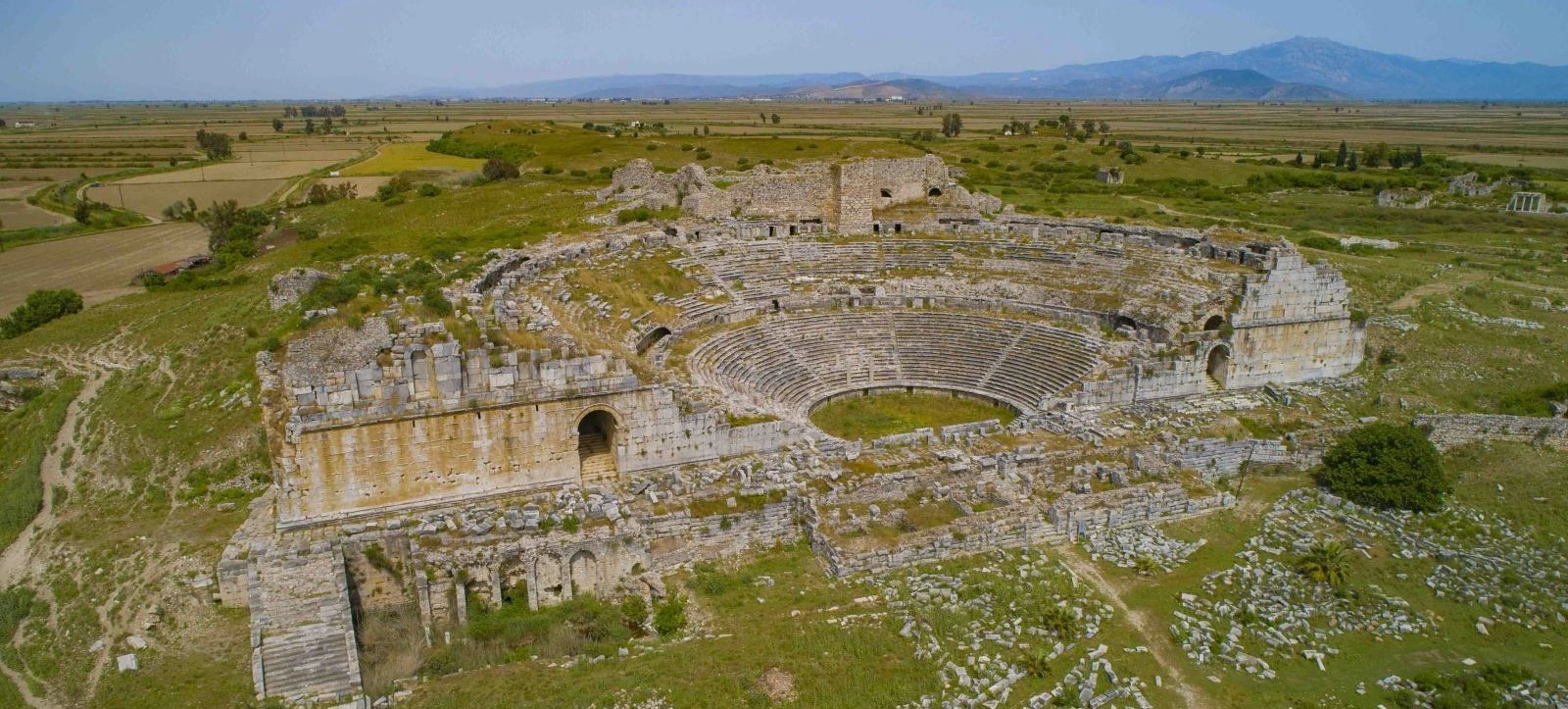
Explore Didyma, Miletus and Priene with a licensed guide, following the history of Greek cities, sacred oracles, philosophy and ancient architecture.
Plan Your Private TourDiscover remarkable archaeological sites and natural landscapes connected with Didim's history.
Discover the influential Ionian metropolis known for philosophy, trade, monumental architecture and its connection with the oracle at Didyma.
Explore Miletus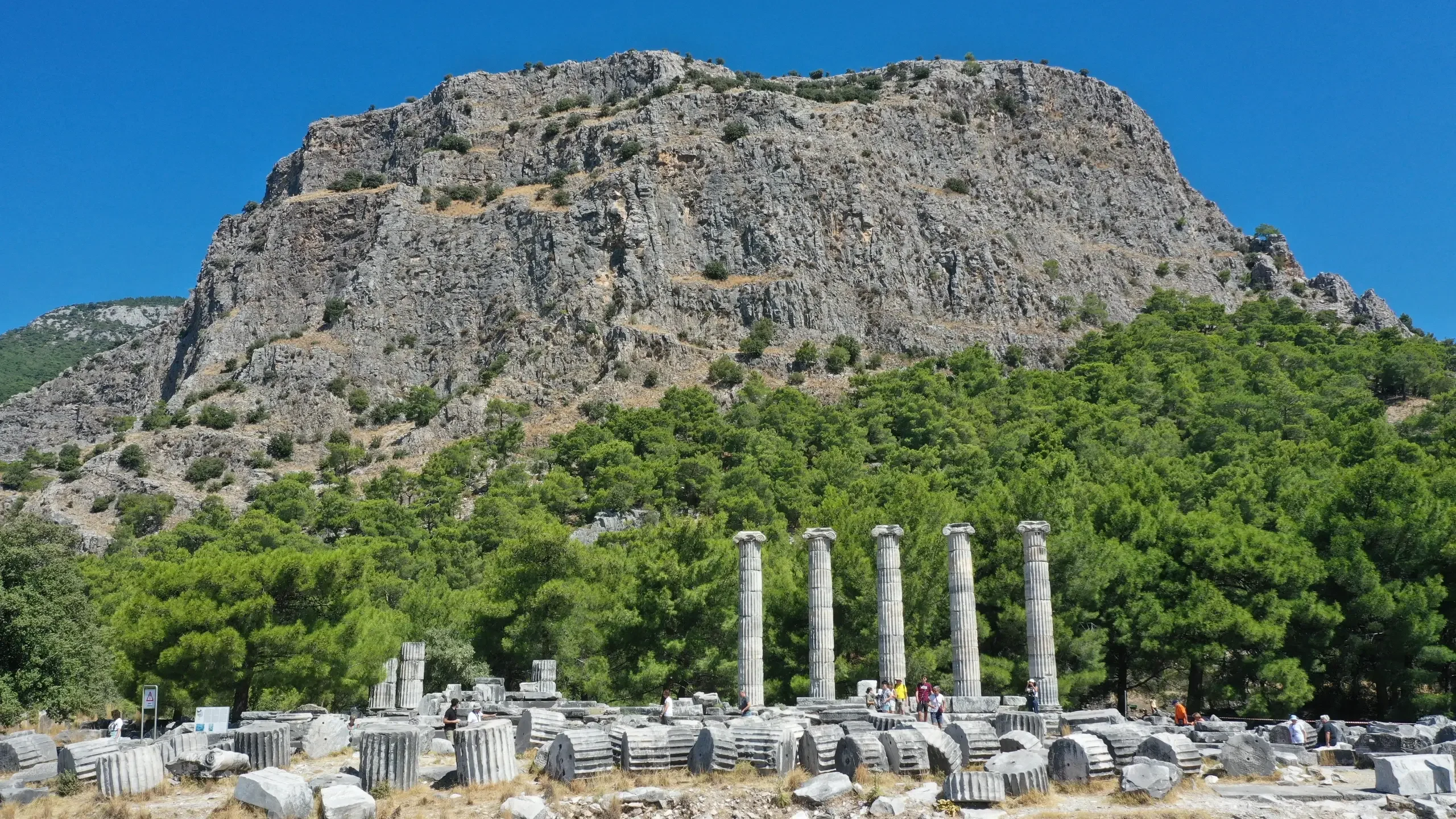
Walk through one of the finest surviving examples of ancient urban planning, with dramatic mountain scenery and impressive archaeological remains.
Explore Priene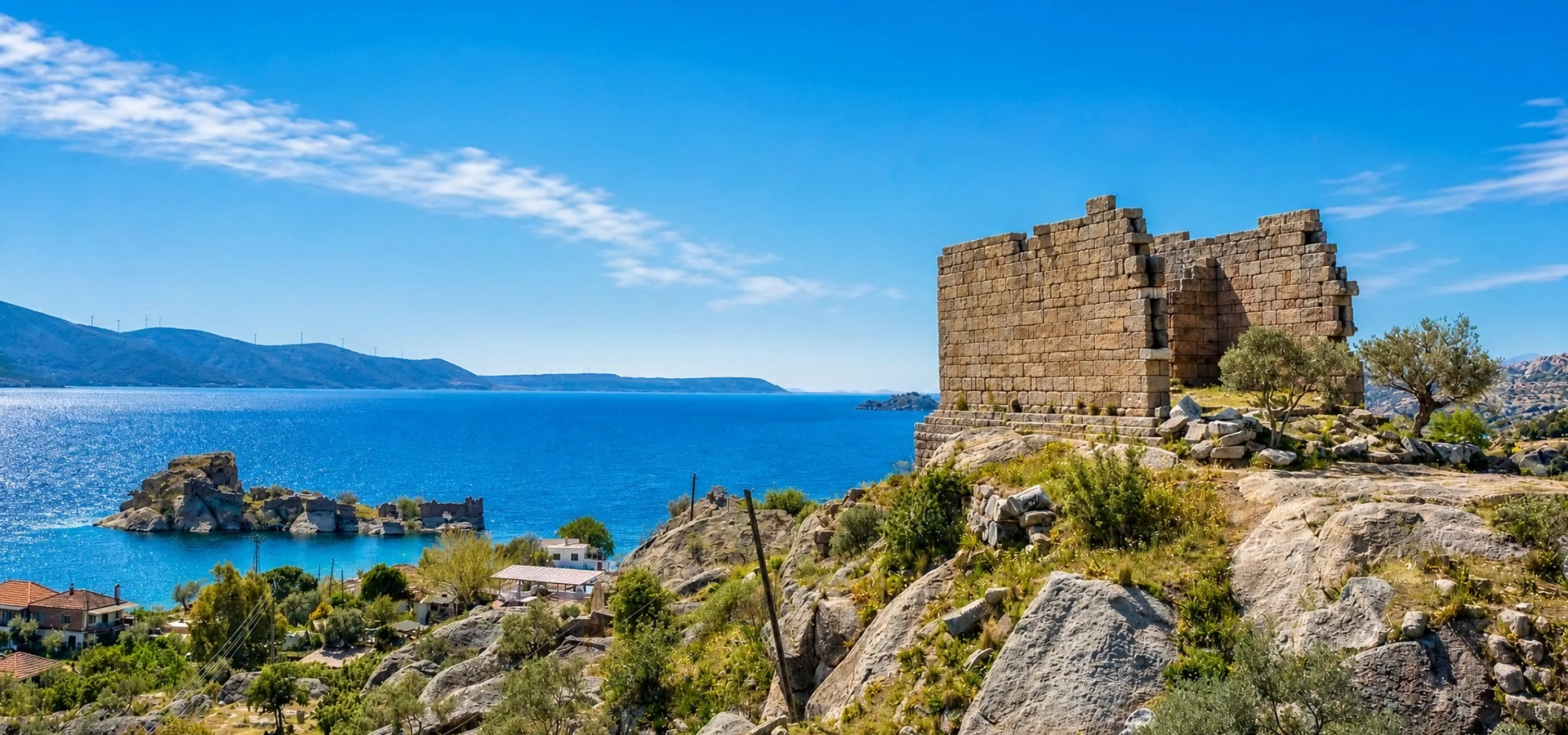
Discover tranquil lakeside landscapes, ancient ruins, extraordinary rock formations and the cultural heritage of Mount Latmos.
Explore Lake BafaExtend your journey from Didim to the historic towns, beaches and cultural attractions of Aydın Province.
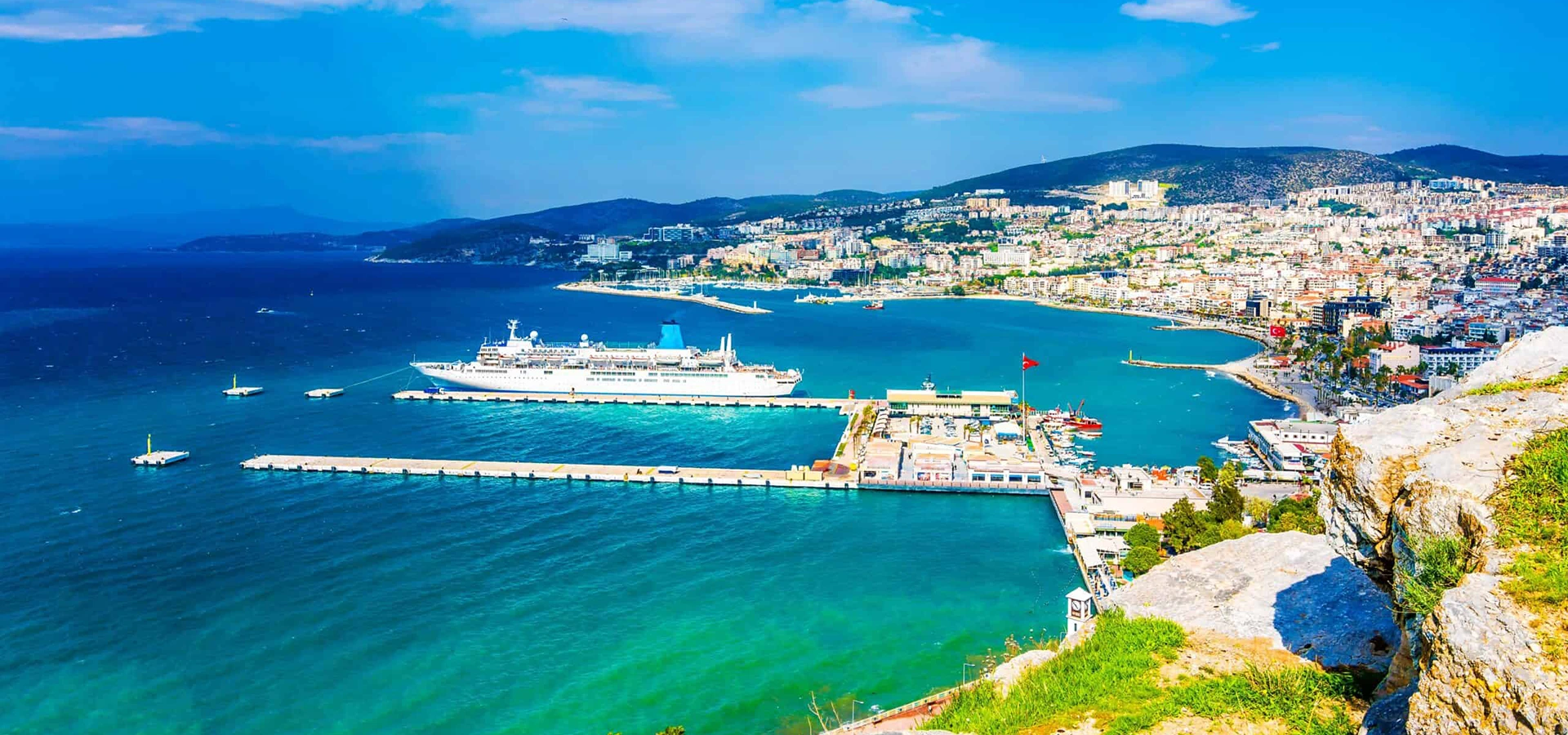
Explore another celebrated Aegean coastal destination, with historic landmarks, lively waterfronts and access to outstanding cultural attractions.
Discover Kuşadası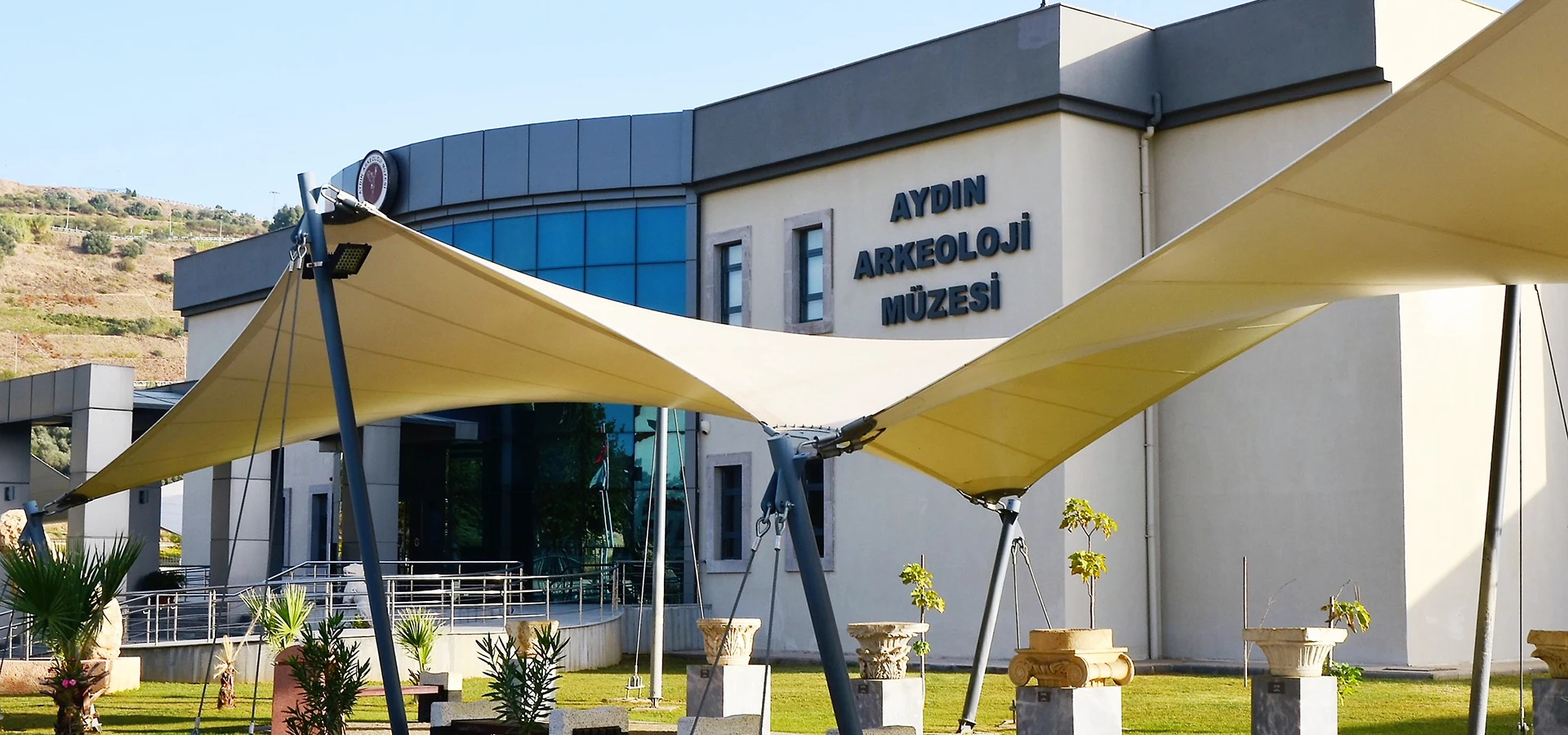
Explore archaeological discoveries that illuminate the ancient civilizations, artistic traditions and cultural history of the wider Aydın region.
Explore Aydın Museum