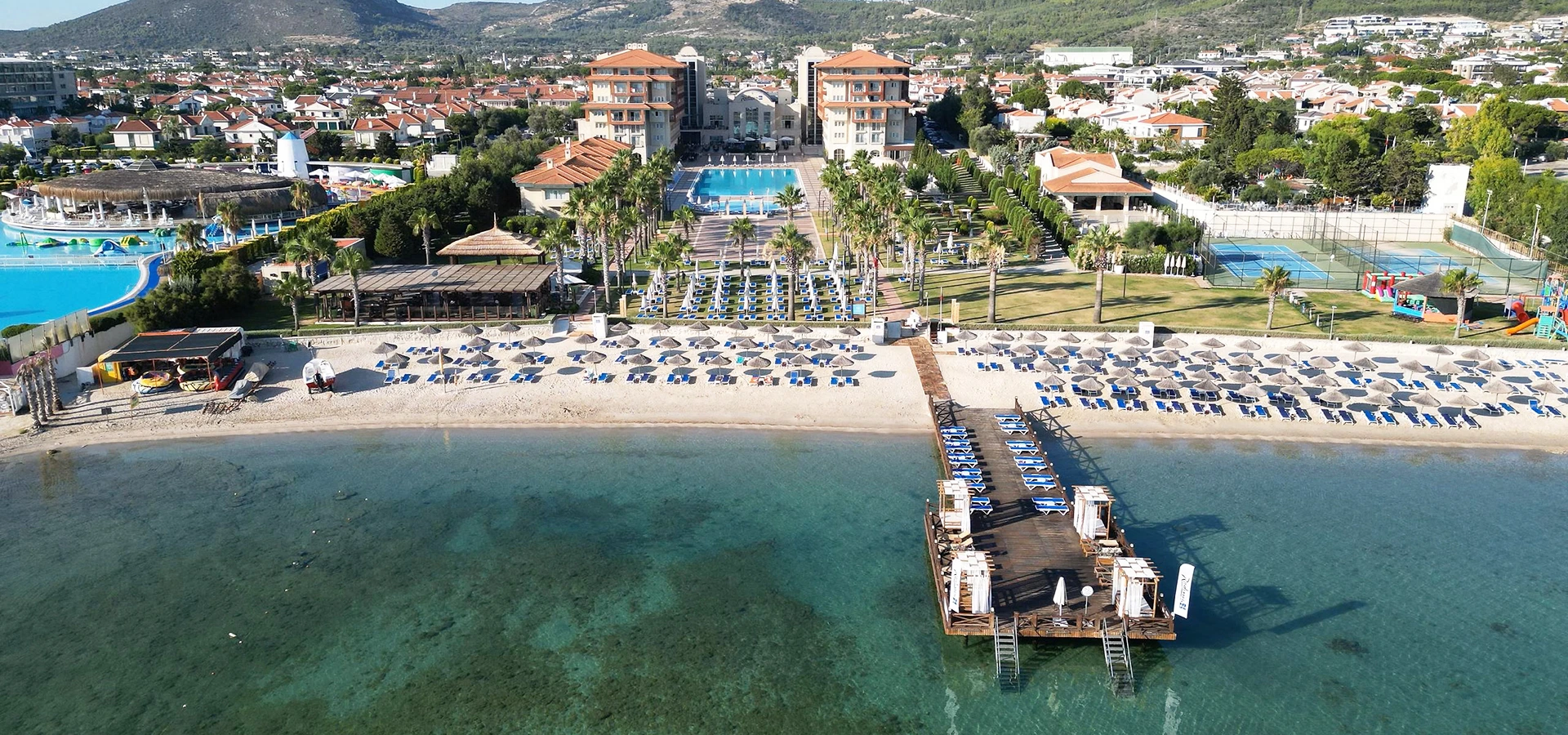
Private Çeşme Thermal Springs Experience
Ask us about a tailor-made day combining Ilıca, Çeşme's thermal heritage, Şifne, Alaçatı and other highlights of the peninsula at a comfortable private pace.
Request a Custom Tour





The Çeşme Peninsula is famous for beaches, clear Aegean water, windsurfing, stone villages and summer holidays. Yet beneath this well-known coastal identity lies another natural feature: geothermal water.
For centuries, warm mineral-rich water has emerged from the ground around parts of Çeşme, particularly near Ilıca and Şifne.
What makes the peninsula especially unusual is the relationship between these thermal springs and the coastline itself. In several places, geothermal water rises extremely close to the sea or mixes directly with seawater, creating a rare combination of thermal bathing and Aegean coastal scenery.
The very name Ilıca is connected with warm springs and thermal water, and the area has long developed around this natural resource. Today, thermal pools, spa hotels, traditional bathing areas and naturally warm coastal sections continue this heritage.
Farther northeast, Şifne is another important thermal area, traditionally associated with mineral springs, thermal bathing and mud treatments.
Together, Ilıca and Şifne make Çeşme much more than a summer beach destination. They add a wellness tradition that can be experienced throughout much of the year.
Discover geothermal springs that have shaped Çeşme's identity for generations.
Experience the peninsula's best-known thermal area, where warm springs occur beside the Aegean coast.
Explore another historic thermal district known for mineral-rich water and traditional spa culture.
Enjoy one of Çeşme's most distinctive features: geothermal water emerging remarkably close to the sea.
Essential information for understanding Çeşme's remarkable geothermal heritage and planning a thermal experience on the peninsula.
Ilıca and the northeastern side of the Çeşme Peninsula, İzmir Province, Türkiye.
Open Ilıca on Google MapsNatural hot springs, mineral-rich water, seaside thermal bathing and spa facilities.
The natural Çeşme thermal source is traditionally described at around 58°C before cooling or mixing for bathing.
Thermal water emerges remarkably close to the Aegean Sea and in places mixes with coastal seawater.
Ilıca is the best-known thermal district, while Şifne is another important historic spring area farther northeast.
Allow 1–3 hours for a dedicated thermal experience, or combine it with Ilıca, Alaçatı and central Çeşme.
Çeşme combines geothermal water and the Aegean coastline in a way rarely encountered in conventional seaside destinations.
Many thermal destinations are located inland, in mountain valleys or around isolated geothermal basins. Çeşme is different.
Here, thermal springs occur beside one of Türkiye's most celebrated coastal landscapes. Warm mineral water rises only a short distance from beaches, marinas and the clear blue waters of the Aegean.
This is particularly noticeable around Ilıca, where geothermal sources have historically emerged close to the shoreline. The warm spring water can mix with seawater, creating localized areas that feel warmer than the surrounding Aegean.
The natural resource has also influenced the development of the peninsula. Hotels, spa facilities and thermal pools have been established around the springs, allowing visitors to experience the geothermal water in more controlled environments.
Farther northeast, Şifne represents another side of Çeşme's thermal tradition. Its warm mineral water has long been associated with bathing, relaxation and traditional mud applications.
The result is a destination where a visitor can move from a sandy beach to a thermal pool, from an Aegean village to a spa, and from historic Çeşme to the geothermal coastline within a relatively small geographical area.
For a broader introduction to the peninsula, continue to our complete Çeşme travel guide .
Çeşme's best-known thermal resources are concentrated primarily around the northern and northeastern side of the peninsula.
For visitors, the two names that matter most are Ilıca and Şifne.
Ilıca lies east of central Çeşme and is closely associated with both thermal water and one of the peninsula's most famous beaches.
Şifne lies farther northeast, on the coast beyond the Ilıca and Reisdere area. It has a quieter character and a particularly strong traditional association with thermal bathing.
Modern thermal hotels and spa facilities also use geothermal resources in the wider Ilıca–Boyalık–Şifne area, although access, services, water temperatures and day-use policies vary by property.
The best-known thermal district of Çeşme, where geothermal water and the coastline meet.
A historic thermal area northeast of Ilıca known for warm mineral water and traditional bathing.
The wider coastal zone between central Çeşme and Ilıca includes hotels and modern spa facilities using thermal resources.
Some natural sources occur remarkably close to the shore, allowing warm geothermal water to interact with seawater.
Several properties around Çeşme incorporate thermal pools, spa treatments and wellness facilities.
Unlike many inland spa regions, Çeşme combines geothermal bathing with beaches and coastal scenery.
Ilıca is the place most closely associated with Çeşme's thermal identity. Even its name reflects this heritage: in Turkish, the word ılıca is traditionally associated with a warm spring or thermal bath.
The area lies east of central Çeşme and developed around a remarkable natural combination: hot geothermal water emerging very close to the Aegean Sea.
Official tourism information describes the natural Çeşme thermal source at approximately 58°C. Water used for bathing, however, is naturally or deliberately cooled, mixed or regulated before people enter it.
Along parts of the Ilıca coastline, thermal water mixes with the sea. This is one reason certain coastal sections can feel noticeably warmer than surrounding Aegean water.
Today, the district includes public coastal areas, hotels, spa complexes and thermal pools. The exact experience therefore depends on where you visit.
For visitors interested primarily in the beach, see our dedicated Ilıca Beach visitor guide .
Warm geothermal sources occur extremely close to the coast and can mix naturally with seawater.
The principal Çeşme thermal source has traditionally been recorded at approximately 58°C.
Hotels and spa facilities regulate thermal water to temperatures appropriate for controlled bathing.
The neighboring beach is famous for shallow water, pale sand and its connection with the area's geothermal sources.
The thermal side of Ilıca gives the area appeal beyond the conventional summer beach season.
Ilıca lies between central Çeşme and Alaçatı, making it simple to include in a peninsula itinerary.
Northeast of Ilıca, the coastal district of Şifne has another important concentration of geothermal water.
Şifne has historically been associated with thermal bathing, mineral water and mud applications. Compared with the busy atmosphere of Ilıca, the surrounding area can feel quieter and more closely connected with Çeşme's traditional thermal culture.
Official tourism information has historically described Şifne's thermal water at around 38°C, although measurements and individual pools can differ. Modern facility information may show temperatures in the mid-to-high 30s Celsius.
The water is mineral rich, and Şifne's traditional reputation developed around bathing and wellness rather than conventional swimming.
Facilities, public access, mud-bath availability, opening periods and day-use arrangements can change. Visitors specifically traveling for a thermal treatment or facility should therefore confirm current conditions before making the journey.
Şifne is known for naturally warm, highly mineralized geothermal water.
The district has long been associated with thermal bathing and spa culture.
Şifne is historically associated with thermal mud applications as well as mineral-water bathing.
Like Ilıca, Şifne combines geothermal resources with a setting beside the Aegean Sea.
The area generally feels more residential and less intensely touristic than central Çeşme or Alaçatı.
Individual thermal facilities and services can change, so verify access if a specific experience is essential.
One important distinction is the difference between natural source temperature and the temperature of water in a pool or bathing area.
Official tourism information describes the principal Çeşme thermal source near Ilıca at approximately 58°C. Water at this temperature is far too hot for normal prolonged bathing.
Before thermal water reaches a bathing pool, it may cool naturally, be mixed with cooler water or pass through a managed system that produces a more comfortable bathing temperature.
Şifne's thermal water is generally associated with lower temperatures, around the mid-to-high 30s Celsius, depending on the source, facility and measurement.
Where thermal water mixes directly with the sea, the temperature can vary greatly over only a short distance. A warm section can become noticeably cooler as seawater circulation increases.
Thermal water is not simply seawater that has become warm. It has travelled through underground geological formations, where heat and minerals influence its composition before it returns toward the surface.
Official descriptions of Çeşme's thermal resources identify mineral components including sodium chloride, potassium chloride and magnesium chloride.
Şifne's water is also highly mineralized and is especially associated with sodium, chloride and calcium.
These dissolved minerals, combined with the natural heat of the water, are part of the reason Çeşme developed a long-standing bathing and wellness tradition.
The exact mineral composition varies between sources, so water from one spring or thermal facility should not automatically be assumed to be identical to another.
One of the principal mineral components documented in the peninsula's saline thermal waters.
The thermal waters around Çeşme and Şifne have a strongly saline mineral character.
Magnesium compounds are included in official descriptions of Çeşme's geothermal water.
Calcium is particularly associated with descriptions of the highly mineralized water around Şifne.
Geothermal processes warm the underground water before it rises again toward the surface.
Temperature and mineral concentrations can vary from one spring or facility to another.
Perhaps the most memorable aspect of Çeşme's thermal landscape is the way geothermal water appears directly beside the sea.
Around Ilıca and nearby coastal sections, warm spring water can emerge through the seabed or from points immediately beside the shoreline.
When this warm water mixes with cooler Aegean seawater, small variations in temperature can be felt while swimming.
The effect is not uniform. Currents, wind, waves, water depth and the strength of the thermal source all influence how noticeable the warmth becomes.
On some days, the change may be subtle. In localized areas near active springs, it can be much more apparent.
This meeting of geothermal water, sand and the Aegean Sea is one of the natural characteristics that makes Ilıca different from a conventional beach resort.
Localized areas of seawater may feel noticeably warmer where thermal water enters the coast.
The temperature changes continuously as geothermal water mixes with the surrounding Aegean.
Wind, waves and currents influence how strongly the thermal water can be felt.
Parts of the Ilıca coastline are naturally shallow, making variations in water temperature easier to notice.
The entire sea is not warm; the thermal effect is localized around natural spring outlets.
Avoid blocking, altering or damaging natural outlets and surrounding coastal formations.
There is no single way to experience thermal Çeşme. The peninsula offers several different styles, from natural coastal encounters to full-service thermal hotels.
Choose a professionally managed spa or hotel with temperature-controlled thermal pools.
Experience places where warm mineral water emerges beside or directly into the Aegean Sea.
Explore the peninsula's quieter northeastern thermal district and its traditional bathing heritage.
Some hotels combine thermal pools with hammam, massage and modern wellness facilities.
Combine swimming at Ilıca with a separate thermal or spa experience later in the day.
Enjoy the thermal side of Çeşme when beach swimming is no longer the main attraction.
Thermal bathing has a long cultural association with relaxation and wellbeing, and Çeşme's mineral waters have historically been used within spa and balneotherapy traditions.
Modern thermal facilities may also describe specific therapeutic programs. These should be understood separately from casual recreational bathing.
A thermal pool is not a substitute for medical diagnosis or treatment. Anyone considering thermal bathing for a medical reason should discuss it with an appropriate healthcare professional.
Hot water places additional demands on the body. Long sessions are not necessarily better, and individual facilities may recommend short bathing periods followed by rest.
Respect the recommended bathing duration shown by the thermal facility rather than remaining in hot water indefinitely.
Drink normal drinking water before and after thermal bathing, particularly in warm weather.
Allow your body to adapt to the temperature rather than entering very warm water suddenly.
If a facility recommends several short sessions, allow adequate cooling and recovery time between them.
Seek professional medical advice if you have a health condition that could be affected by prolonged exposure to heat.
Age restrictions and permitted bathing times vary between facilities and should always be respected.
Both areas belong to the same broader geothermal landscape, but they offer somewhat different experiences.
Unlike conventional beaches, thermal springs are not limited to the summer season. In fact, many visitors find Çeşme's geothermal side especially appealing when the weather becomes cooler.
Comfortable temperatures make spring excellent for combining thermal bathing with sightseeing around the peninsula.
Combine Ilıca Beach, swimming and a thermal experience before peak-season crowds become most intense.
The peninsula is at its busiest, and indoor or very hot thermal bathing may feel less appealing during intense daytime heat.
An excellent period for combining warm Aegean weather with beach time and spa experiences.
Cooler air makes thermal pools increasingly attractive while Çeşme becomes quieter.
Thermal facilities provide a reason to experience Çeşme even when conventional sea swimming is out of season.
Bring appropriate swimwear even when visiting a thermal facility rather than a conventional beach.
Non-slip footwear is useful around wet thermal pools, changing areas and coastal rocks.
Hydration is especially important when alternating between hot thermal water and warm outdoor weather.
Some spa facilities provide towels, but bring your own if visiting an informal coastal thermal area.
Useful when moving between pools, spa areas and outdoor spaces.
Protect your phone, documents and valuables around pools and natural bathing areas.
Enough to see a natural coastal thermal area and understand Çeşme's unusual geothermal setting.
Comfortable for a thermal-pool visit with time for bathing and relaxation.
Ideal for a more complete spa experience including changing, bathing and rest periods.
Combine thermal bathing with Ilıca Beach or a relaxed meal beside the coast.
Choose a thermal hotel or spa offering additional treatments and spend the day at a slower pace.
Combine Ilıca, thermal water, Alaçatı and central Çeşme within one private or self-drive itinerary.
Begin the morning around Ilıca, where you can see the coastal setting that gave Çeşme's thermal tradition much of its character.
If visiting during the warm season, spend some time at Ilıca Beach and experience the shallow Aegean coastline.
Continue toward Şifne to see the quieter northeastern side of the peninsula and explore its thermal heritage.
After lunch, return toward Alaçatı for stone streets, traditional architecture and cafés.
Finish the afternoon in central Çeşme, where Çeşme Castle , the marina and waterfront provide an easy contrast with the thermal landscape.
There is no single entrance gate or unified ticket for the thermal springs of Çeşme.
The geothermal resource is spread across different areas and is experienced through natural coastal locations, individual thermal facilities, spa hotels and private businesses.
Consequently, opening hours, entrance fees, minimum ages, pool temperatures, towel policies and day-use access depend on the individual establishment.
Anyone traveling specifically for a spa facility should confirm current operating information directly before arrival.
Accessibility varies considerably because Çeşme's thermal experiences range from modern hotels to informal natural coastal areas.
Large thermal resorts may provide step-free entrances, elevators, accessible changing rooms and purpose-designed pool access.
Natural coastal spring areas can be much more challenging. Uneven rocks, wet surfaces, steps and direct access to the shoreline may create difficulties for visitors with reduced mobility.
Usually provide the most predictable accessibility and indoor infrastructure.
Rocky coastal terrain and wet surfaces may make independent access difficult.
Availability varies significantly between informal springs and full-service thermal properties.
Ask in advance about steps, handrails or assisted access if these are important.
A carefully planned vehicle drop-off can reduce unnecessary walking between thermal areas.
Contact the selected facility directly when step-free access or accessible equipment is essential.
The main thermal areas lie east and northeast of central Çeşme, making them relatively straightforward to reach by road.
Ilıca is particularly convenient because it lies along the developed corridor between Çeşme and Alaçatı.
Şifne is farther northeast and is most convenient with a private vehicle, taxi or rental car.
Travel east from central Çeşme toward Ilıca for the peninsula's principal thermal district.
Ilıca is only a short journey west from Alaçatı, making the two destinations very easy to combine.
Continue northeast beyond the Ilıca and Reisdere area toward Şifne Bay.
Follow the main motorway or highway toward Çeşme and leave the route for Ilıca before reaching central Çeşme.
Useful if you want to combine thermal sites with Alaçatı, Çeşme Castle and other peninsula attractions.
Provides the greatest flexibility for exploring both Ilıca and the more dispersed Şifne coastline.
The location of Ilıca and Şifne makes the thermal springs particularly easy to combine with Çeşme's beaches, historic sites and traditional Aegean towns.
Discover Çeşme's famous shallow sandy beach and the coastline most closely connected with the peninsula's thermal heritage.
Walk through historic stone streets filled with traditional houses, restaurants, cafés and boutique shops.
Visit the restored stone windmills overlooking one of the peninsula's most recognizable historic settlements.
Explore the historic center, marina, waterfront, restaurants and broader coastline of the peninsula.
Discover the imposing fortress overlooking the harbor and learn about Çeşme's strategic maritime history.
Continue northeast to the quieter coastline associated with Çeşme's second major thermal district.
Explore a peaceful coastal village beside the remains of ancient Erythrai on the northern peninsula.
Finish your day with restaurants, cafés and an evening walk around the marina in central Çeşme.
The best-known thermal springs are around Ilıca, east of central Çeşme, with another important thermal area at Şifne farther northeast.
Natural geothermal water emerges extremely close to the coastline around Ilıca and in some places mixes with the Aegean Sea. The area has been associated with thermal bathing for generations.
In Turkish, ılıca is a traditional term associated with a warm spring or thermal bathing place, reflecting the area's geothermal character.
Official tourism information describes the principal Çeşme thermal source at approximately 58°C before cooling or mixing.
No. Water at that temperature is far hotter than normal comfortable bathing water. Thermal facilities cool, mix or otherwise regulate water before it is used in bathing pools.
Parts of the coastline can contain warmer pockets where geothermal water mixes with seawater. The entire sea is not uniformly warm, and conditions vary according to currents, wind and the location of thermal outlets.
Yes. Ilıca Beach is closely connected with the area's geothermal landscape, although the strength of the thermal effect varies along the coast. See our Ilıca Beach guide for detailed beach information.
Şifne is a coastal district northeast of Ilıca known for mineral-rich thermal water, traditional bathing and a historical association with thermal mud applications.
Şifne's thermal water is generally associated with temperatures in the mid-to-high 30s Celsius, although individual sources and facilities may differ.
Şifne has historically been known for thermal mud treatments. Current availability depends on individual facilities and should be confirmed before traveling specifically for a mud-bath experience.
Official descriptions identify mineral components including sodium chloride, potassium chloride and magnesium chloride, while Şifne water is also associated with calcium and high overall mineralization.
Do not drink water from a spring, pool or thermal outlet unless it is specifically identified and officially managed as suitable for drinking.
It depends on the location. Some naturally accessible coastal areas may not operate as ticketed thermal spas, while hotels, thermal pools and commercial wellness facilities charge their own entrance or service fees.
Yes. Several hotels in the wider Ilıca, Boyalık and Çeşme area incorporate geothermal water, thermal pools or spa facilities.
Some properties offer day access, while others restrict facilities to hotel guests or require advance reservations. Policies can change, so confirm directly with the selected property.
Thermal bathing is possible throughout the year. Spring, autumn and winter are particularly attractive because cooler air creates a pleasant contrast with warm thermal water.
Yes. During very hot July and August weather, morning, late afternoon or evening may be more comfortable than spending long periods in hot thermal water around midday.
Follow the guidance provided by the individual facility. Thermal bathing is generally better approached as shorter periods in warm water with breaks for rest and hydration rather than one extremely long session.
Policies vary. Some facilities impose minimum ages or shorter permitted bathing periods for children because of the water temperature. Always follow the rules of the facility you are visiting.
Thermal water has a long history of use in wellness and balneotherapy, but casual thermal bathing should not be considered a substitute for professional medical diagnosis or treatment.
Anyone with a condition that could be affected by heat, including certain cardiovascular or blood-pressure conditions, should obtain appropriate medical advice before using very warm thermal pools.
Ilıca is usually the easiest introduction because the thermal heritage, beach and major visitor facilities are concentrated close together. Şifne offers a quieter and more traditional thermal atmosphere.
Yes. They are both on the northern and northeastern side of the Çeşme Peninsula and can comfortably be combined by rental car, taxi or private vehicle.
Yes. Ilıca lies very close to Alaçatı , making a thermal experience and an Alaçatı visit one of the easiest combinations on the peninsula.
Yes. A thermal experience around Ilıca followed by Çeşme Castle , the marina and waterfront creates an easy full-day itinerary.
Yes. Çeşme can be reached from İzmir by road, and Ilıca is located on the eastern side of the peninsula before central Çeşme.
They reveal a side of Çeşme that many summer visitors overlook: a geothermal landscape where naturally hot, mineral-rich water emerges beside the Aegean Sea and supports a thermal tradition that continues throughout the year.
Do not block, dig into or alter places where thermal water naturally reaches the surface.
Take bottles, packaging and other rubbish away from natural coastal thermal areas.
Shower when requested and follow hygiene requirements at managed thermal facilities.
Observe maximum bathing times, age limits and other safety instructions displayed by the facility.
Avoid soaps, cosmetics or other pollutants in natural spring outlets and seawater.
Thermal areas are often used for quiet relaxation, so keep noise and photography considerate.
Combine Çeşme's thermal heritage with Ilıca, Alaçatı, Çeşme Castle, the marina, coastal villages and beautiful Aegean scenery through a private itinerary designed around your interests and without compulsory shopping stops.
Discover the geothermal side of the peninsula while combining thermal water, coastal scenery, historic towns and relaxed Aegean culture.
Ask us about a tailor-made day combining Ilıca, Çeşme's thermal heritage, Şifne, Alaçatı and other highlights of the peninsula at a comfortable private pace.
Request a Custom Tour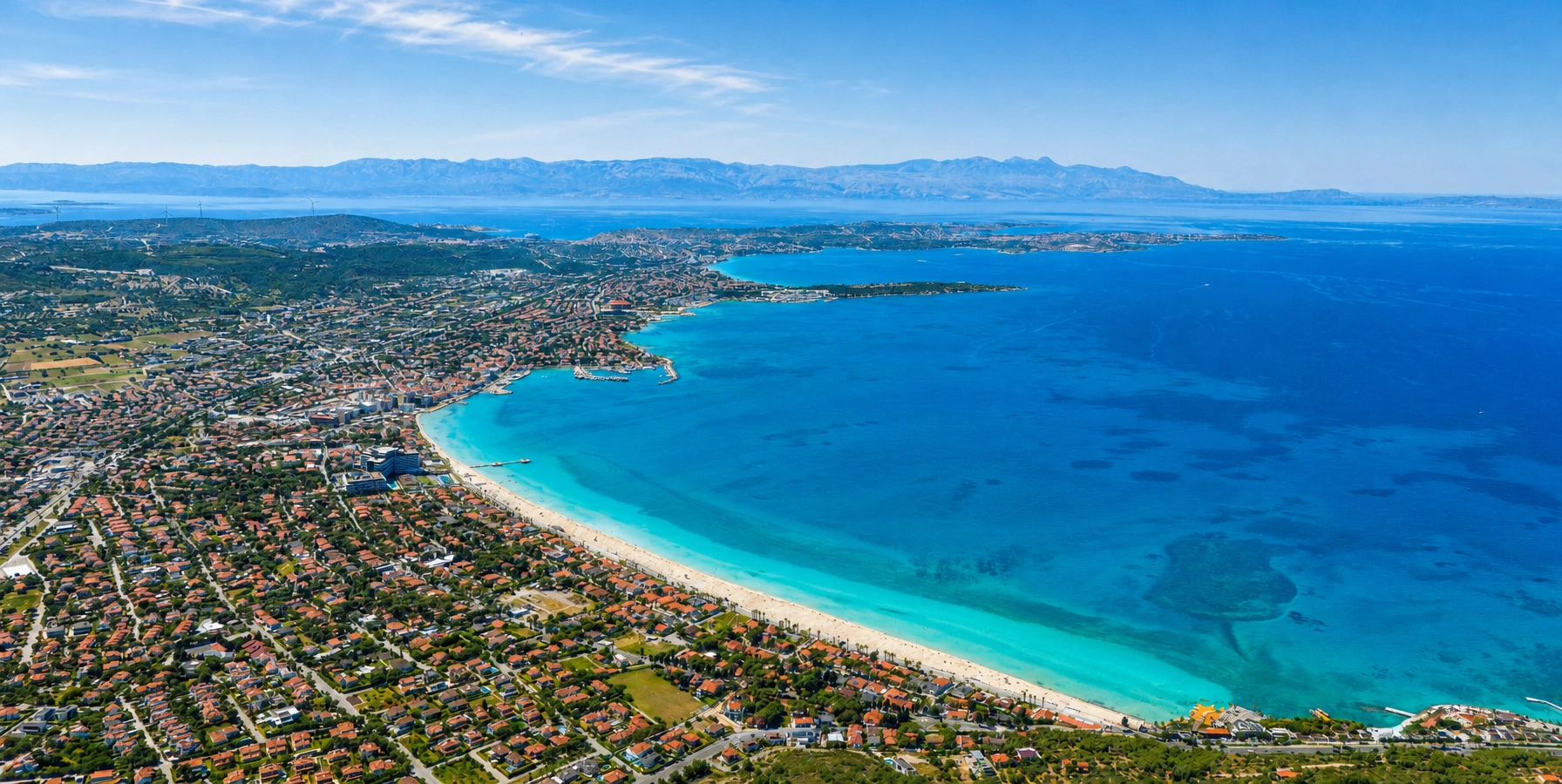
Continue beyond the thermal springs to discover Çeşme's castle, marina, historic center, beaches, villages and extraordinary Aegean coastline.
View Çeşme GuideCombine the thermal springs with the historic, cultural and coastal highlights of western İzmir.
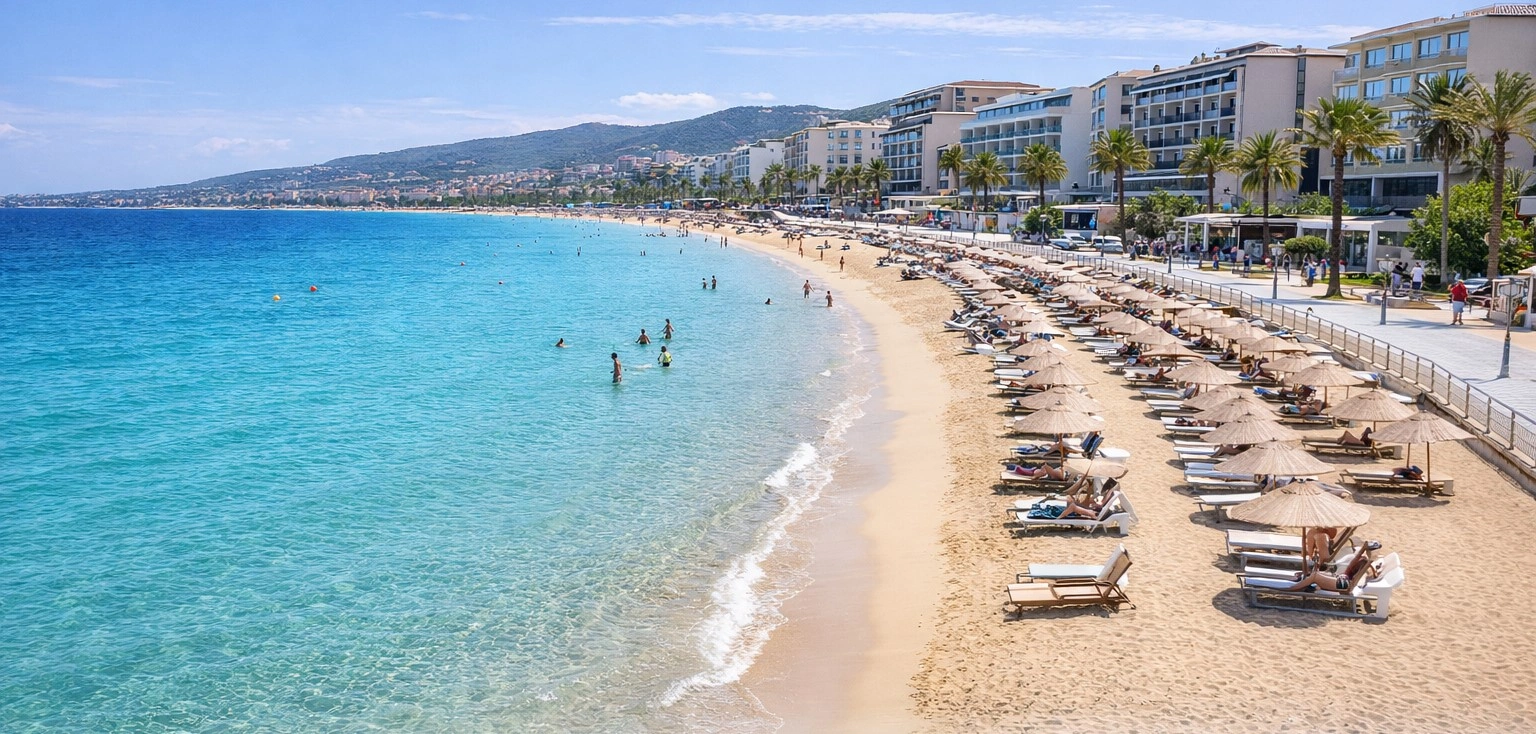
Explore Çeşme's famous shallow sandy beach, where geothermal water and the Aegean coastline create one of the peninsula's most distinctive natural environments.
Explore Ilıca Beach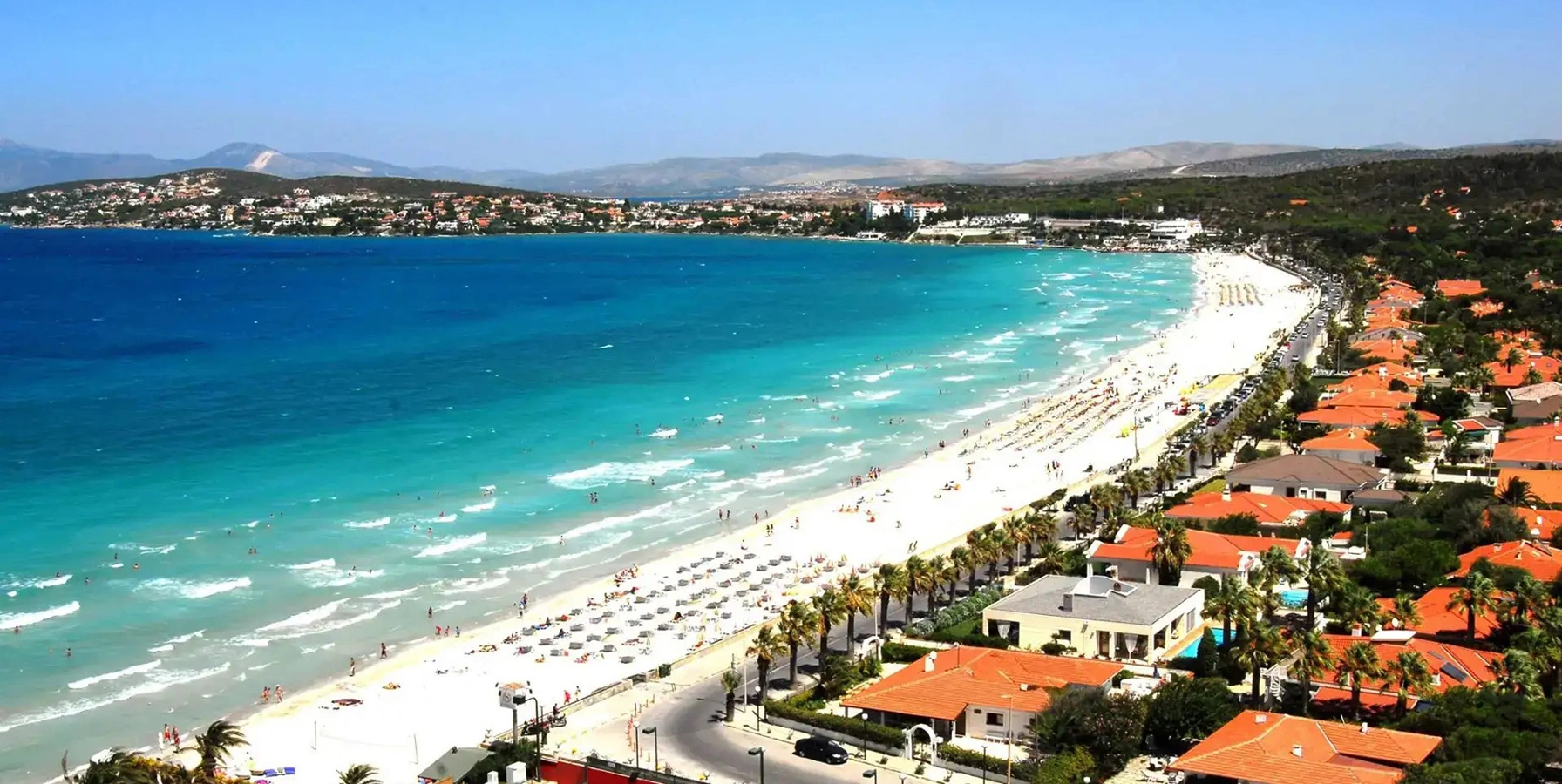
Continue to Alaçatı for historic stone architecture, cobbled streets, restaurants, cafés and one of the Aegean coast's most distinctive towns.
Explore Alaçatı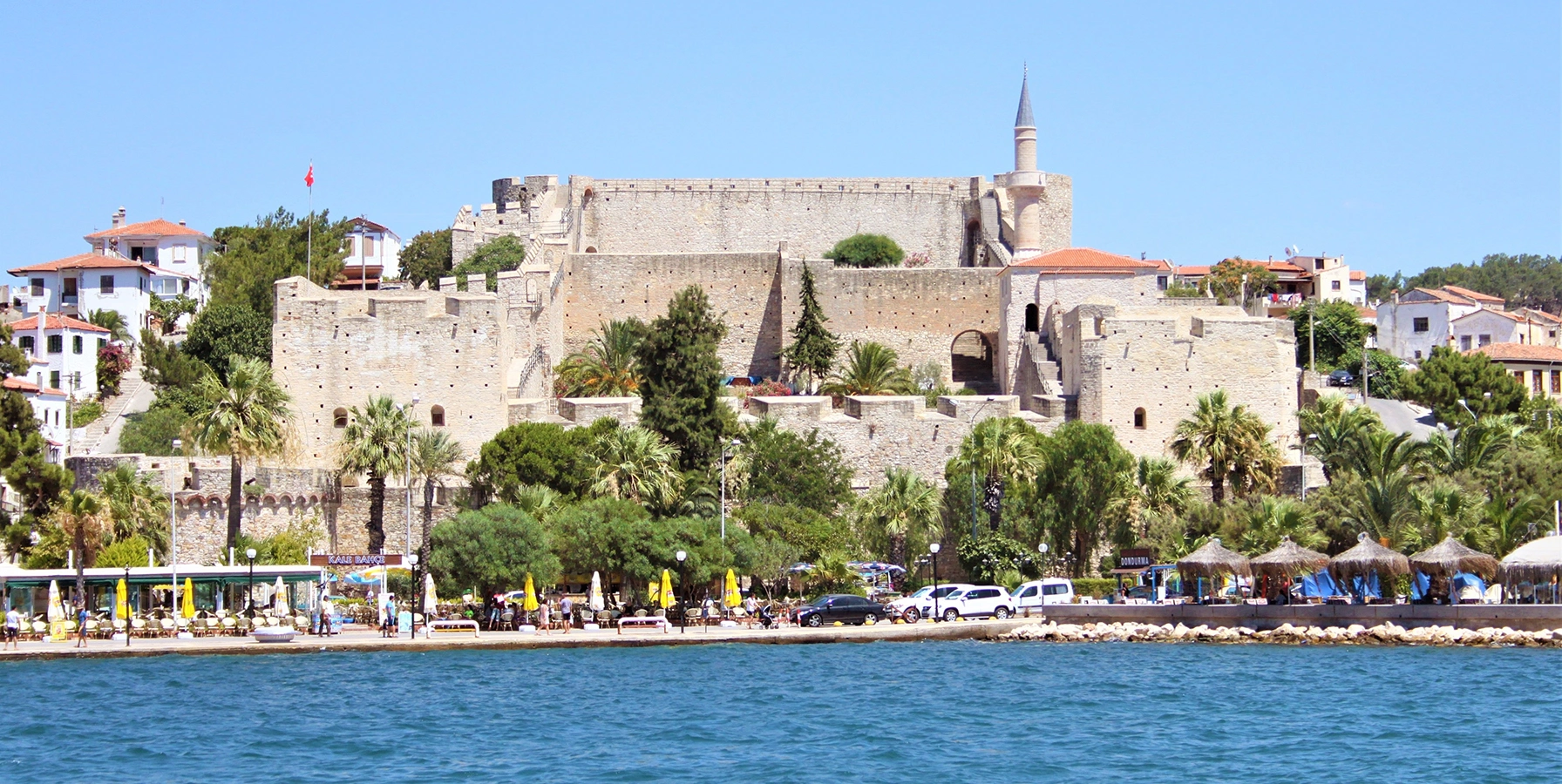
Explore the imposing fortress overlooking Çeşme's harbor and discover the peninsula's strategic maritime history after your thermal experience.
Explore Çeşme Castle