Private Çine Heritage Experience
Ask about a tailor-made visit connecting Çine's beekeeping heritage with the district's rural landscapes and historical attractions, subject to museum access.
Request a Custom Experience





The Çine Beekeeping Museum (Çine Arıcılık Müzesi) is one of Aydın Province's most distinctive specialist museums. Located in the rural neighborhood of Yağcılar, near Çine, it introduces visitors to the relationship between humans and honeybees, from traditional honey gathering and ancient hive designs to modern apiculture and environmental conservation.
Officially inaugurated on 4 October 2010, the museum is recognized as Türkiye's first beekeeping museum. Its establishment brought together Aydın Adnan Menderes University, Çine Municipality and the Çine Development Foundation, creating a place dedicated to preserving the history of beekeeping while promoting practical knowledge and environmental awareness.
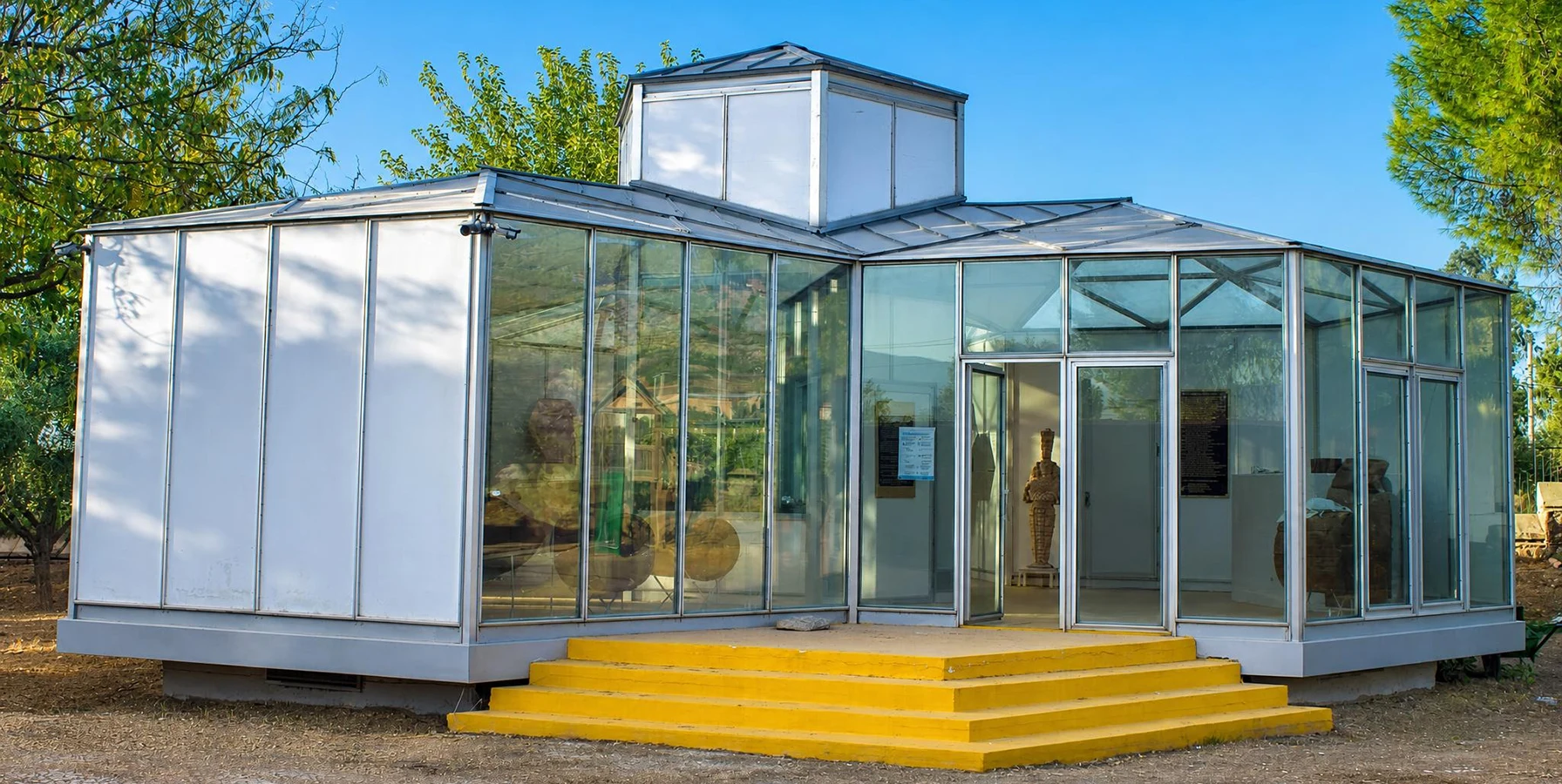
The museum's unusual architecture is part of its attraction. Designed by architect Cengiz Bektaş, the principal exhibition pavilion uses interlocking hexagonal forms inspired by the geometry of a honeycomb. Natural daylight illuminates displays of traditional wooden hives, historic equipment and objects associated with beekeeping across Anatolia.
Beyond its collections, the museum was conceived as an educational landscape where children, families, students and experienced beekeepers could discover how honeybee colonies function, why pollinators matter and how rural communities have developed different methods of caring for bees.
Discover the country's pioneering museum devoted specifically to beekeeping.
Explore historic hive forms and the craftsmanship of Anatolian beekeepers.
Understand colony life, pollination and the ecological value of bees.
Discover a museum designed to make nature and rural heritage accessible to different generations.
Essential information for visiting this unusual museum in rural Aydın.
Yağcılar neighborhood, Çine district, Aydın Province, Türkiye.
Open on Google MapsOfficially opened on 4 October 2010 as Türkiye's first specialist beekeeping museum.
History of beekeeping, traditional hives, honey production, bee biology and pollination.
Honeycomb-inspired exhibition pavilion designed by architect Cengiz Bektaş.
Monday–Friday, 09:00–17:00; weekends closed. Confirm current access before visiting.
Allow approximately 45–90 minutes, depending on access to the exhibits and educational areas.
The museum preserves a rural tradition that connects agriculture, biodiversity, architecture and everyday life.
Beekeeping is among humanity's oldest agricultural activities. Long before modern wooden-frame hives existed, people collected honey from wild colonies and developed containers that allowed bees to live close to settlements. These practices gradually became specialized crafts requiring knowledge of seasons, flowering plants, colony behavior and the local environment.
The Çine Beekeeping Museum preserves this story through historic objects, reproductions and educational interpretation. Its purpose extends beyond presenting old agricultural tools. It also highlights how knowledge was transmitted between generations and why bees remain essential to many forms of agriculture.
The museum represents an important example of specialist rural heritage preservation in Türkiye. Rather than concentrating on royal palaces, archaeological monuments or major political events, it celebrates the everyday ingenuity of farmers, craftspeople and beekeepers.
Its educational mission is equally significant. Understanding pollination, responsible hive management and the importance of insect diversity helps visitors appreciate the ecological relationships supporting both natural landscapes and cultivated fields.
The idea for a dedicated beekeeping museum developed through cooperation between academic institutions, local government and organizations interested in protecting the agricultural heritage of Aydın.
Formal project agreements were signed in December 2009 and March 2010, involving Aydın Adnan Menderes University, Çine Municipality and the Çine Development Foundation. Lecturer Mustafa Köseoğlu led the museum project, while architect Cengiz Bektaş prepared its architectural design.
The museum opened on 4 October 2010. Later that year, on 23 December, it received authorization as a private museum from the Turkish Ministry of Culture and Tourism. Official descriptions identify it as Türkiye's first and, at the time of its establishment, the world's 71st beekeeping museum.
The project made use of land associated with the former Yağcılar village primary school. The museum grounds were developed to accommodate exhibition spaces, educational facilities and examples of traditional beekeeping structures.
Its founders wanted an institution that would combine the preservation of historical equipment with contemporary beekeeping education, public awareness and appreciation for the natural environment.
Institutional cooperation establishes the foundations of the museum project.
The Çine Beekeeping Museum officially opens on 4 October.
The museum receives formal recognition under the private museum framework.
Cengiz Bektaş creates a distinctive exhibition building inspired by honeycomb geometry.
The museum develops a mission connecting beekeepers, students and the wider public.
Traditional hive designs, tools and historical representations preserve generations of rural knowledge.
One of the museum's most recognizable features is its modern exhibition pavilion, designed by Turkish architect Cengiz Bektaş. Unlike a conventional rectangular gallery, the building incorporates three connected hexagonal forms recalling the six-sided cells of a honeycomb.
Its glass and lightweight metal structure creates an open relationship between the exhibits and the surrounding rural landscape. Natural light enters through transparent surfaces, illuminating the historic hives and traditional equipment inside.
The honeycomb is an appropriate architectural reference because bees construct highly organized wax cells for storing honey, pollen and developing young. The familiar hexagonal geometry also gives the museum an easily recognizable visual identity.
Three connected geometric forms recall the structure of natural honeycomb cells.
Glass surfaces allow visitors to see the relationship between the exhibition and its setting.
The pavilion was designed to make extensive use of daylight for illumination.
The shape of the building reinforces the educational theme of bees and honey production.
Outdoor spaces connect the museum's displays with trees, agricultural landscapes and traditional hive structures.
The modestly sized pavilion encourages visitors to examine individual objects closely.
The museum's documented collections illustrate how people have kept bees, collected honey and designed protective hive structures across different historical periods. Exhibits include authentic tools, traditional hive examples and reproductions used to explain the long development of beekeeping.
The displays also connect Anatolian beekeeping with wider Mediterranean traditions. Historic representations of honey gathering, examples of wooden and ceramic equipment, and material associated with Ottoman-era apiculture help visitors understand the continuity of this agricultural craft.
Examine cylindrical and hollow-log hive designs historically used to shelter honeybee colonies.
See equipment associated with handling bees, managing colonies and collecting honey.
Discover reproductions recalling early depictions of honey gathering and beekeeping.
Explore ceramic vessels and hive-related objects associated with traditional apiculture.
Historical descriptions record honey spoons, ceramic hive covers and beekeeping publications.
Learn about the organization, communication and life cycle of honeybee colonies.
Explore traditional apiary structures and the variety of shelters developed for bees.
The museum was developed with demonstrations encouraging visitors to understand bees through observation and sensory learning.
The relationship between humans and bees began long before organized agriculture. Early communities sought wild honey as a concentrated source of energy, while beeswax eventually became valuable for lighting, crafts, sealing and other practical purposes.
Ancient Mediterranean societies developed methods for keeping colonies close to settlements. Archaeological evidence from different parts of the Mediterranean demonstrates that beekeeping was already an established activity in antiquity.
Across Anatolia, communities adapted hive construction to local materials and environmental conditions. Some used hollow tree trunks, others constructed woven or clay-based hives, while specialized apiary structures provided protection against weather and animals.
During the Ottoman period, honey and wax remained important agricultural products. Beekeeping knowledge circulated through village practice, specialist writings and commercial networks. Modern equipment later transformed hive management, allowing beekeepers to inspect colonies and remove honeycomb more systematically.
Early communities collected honey from wild nests before managed hives became widespread.
Beekeeping developed into an organized agricultural activity supplying honey and wax.
Local materials and environmental conditions shaped different hive designs.
Honey, beeswax and apiculture knowledge remained part of rural and commercial life.
Removable frames made colony inspection and honey harvesting more manageable.
Bee health, responsible management and environmental conservation are increasingly important.
Traditional beehives reveal the creativity of rural communities. Before the widespread adoption of standardized modern hives, beekeepers constructed shelters from whatever materials were locally available, including timber, bark, woven plant fibers and clay.
The museum's collection is particularly interesting because it introduces several forms of hive construction, allowing visitors to understand the practical challenges faced by earlier beekeepers.
One of the oldest widespread methods involved creating a cavity inside a section of tree trunk. The enclosed space provided a sheltered location where a colony could establish its combs. The size, entrance position and protection from rain depended on local practices.
Clay-based hives were used in parts of the ancient Mediterranean. Their durable material could form cylindrical or vessel-like shelters. Ceramic beekeeping traditions illustrate the connection between pottery craftsmanship and agricultural practice.
Some communities arranged several hives beneath purpose-built shelters. These structures protected colonies from weather and helped organize beekeeping in rural landscapes.
A particularly distinctive feature documented at the museum is a seren, a traditional elevated apiary structure associated with the Elmalı region of southwestern Türkiye. Such constructions provided a raised place for hives and helped protect them from certain animals and environmental hazards.
The architecture of some seren structures recalls forms associated with ancient Lycian building traditions. Their survival illustrates how local construction techniques can continue across very long periods of cultural change.
Honeybees are social insects that live in organized colonies. Thousands of individual bees cooperate to gather food, rear young, maintain their home and respond to changes in the surrounding environment.
Understanding this organization is one of the most rewarding parts of learning about beekeeping. A colony functions through specialized roles rather than through a single bee directing every activity.
The principal reproductive female lays eggs and produces chemical signals influencing colony behavior.
Female workers collect nectar and pollen, care for developing bees, build comb and protect the colony.
Male bees have a reproductive role, mating with queens from other colonies.
Wax cells provide space for developing young and for storing honey and pollen.
Worker bees visit flowers to collect nectar and pollen, supporting both the colony and pollination.
Honeybees exchange information through movement, scent and other signals.
One of the most fascinating forms of communication is the waggle dance. A returning forager can perform movements that convey information about the direction and distance of a valuable food source relative to the sun.
Honeybees also recognize chemical signals, regulate the temperature of their brood area and cooperate in defending the colony. These behaviors make them an important subject of scientific study.
Beekeeping produces several materials that have been used in food, crafts and traditional practices. Learning how these substances originate within a colony helps visitors understand their different roles.
Made by bees from collected nectar or other plant-derived secretions, then processed and stored in comb cells.
A natural material produced by worker bees and used to construct honeycomb cells.
A resinous mixture gathered and modified by bees to seal and protect parts of their nest.
A secretion produced by nurse bees and used in feeding larvae, particularly developing queens.
Pollen collected from flowers provides important proteins and other nutrients for the colony.
A defensive substance that can cause serious allergic reactions; medical claims require reliable clinical evidence.
Honeybees are among the best-known pollinating insects. As they move between flowers collecting food, they can transfer pollen from one flower to another, contributing to plant reproduction.
Many cultivated crops benefit from insect pollination, including numerous fruit, vegetable, seed and nut crops. In agricultural regions such as Aydın, pollination connects insect activity with the broader health of cultivated landscapes.
However, honeybees are only one part of the story. Wild bees, butterflies, moths, beetles, flies and other animals also perform important pollination services. Some crops rely on particular pollinator species, while others are pollinated mainly by wind or through self-pollination.
The museum's environmental message therefore extends beyond honey production. It encourages visitors to recognize the diversity of insect life and the ecological importance of protecting suitable habitats.
Insect pollination supports the development of fruits and seeds in many agricultural plants.
Many flowering plants depend on animal pollinators for successful reproduction.
Pollinating insects help maintain plant communities that support other wildlife.
Flower-rich environments and nesting places are important for many wild pollinators.
Careful pesticide use and habitat management can reduce unnecessary harm to beneficial insects.
Changes in flowering times, temperatures and rainfall can affect pollinator activity.
The museum was established not simply as a static exhibition but as a center for learning. Its documented facilities include a 40-person educational hall, spaces intended for workshops and family activities, and outdoor areas displaying traditional apiary designs.
Historical accounts also describe observation and sensory arrangements designed to introduce visitors to the sounds, scents and behavior of a living bee colony. These activities were particularly intended to make bees less frightening and more understandable to children.
Discover the connections between insects, agriculture, biodiversity and rural heritage.
Learn about bee movement and social behavior through interpretation and documented observation-hive concepts.
The museum was equipped for technical courses and educational meetings for beekeepers.
The original museum plan included a play area and spaces for creative learning.
Historical descriptions mention an area presenting games inspired by Roman and Turkish traditions.
Educational facilities were designed to encourage creative engagement with the natural world.
The museum is a comparatively small specialist attraction in a rural setting. A little preparation will help make your visit enjoyable, particularly if you are traveling independently or with children.
Verify the current schedule before departure, especially if visiting from another district.
Plan around one hour for the main displays, with additional time if educational facilities are accessible.
Natural daylight is especially important to the appearance of the main exhibition pavilion.
Carry drinking water, particularly during the hotter months in inland Aydın.
Choose shoes suitable for walking between indoor exhibits and outdoor garden areas.
Avoid touching historic hives, fragile tools and objects unless expressly permitted.
Find out whether a guided introduction or observation-hive activity is operating on your visit date.
Visitors with severe insect-sting allergies should ask about any outdoor live-bee activities in advance.
The museum is located in Yağcılar, Çine, Aydın, outside the district's main urban center. Travelers should confirm the exact entrance and current visitor arrangements before setting off.
As listed on the Turkish Ministry of National Education's out-of-school learning platform, the museum's visiting hours are 09:00–17:00, Monday through Friday, with Saturday and Sunday marked as closed. Older printed visitor guides show different schedules, so the current listing should be confirmed directly before travel.
A reliably current admission price has not been established. School groups, researchers and travelers interested in educational programs should inquire about advance arrangements.
The indoor exhibitions can be enjoyed in different seasons when the museum is open. However, the surrounding landscape and weather conditions influence the experience of its outdoor areas.
Comfortable temperatures and flowering landscapes make spring especially appealing.
A good period for appreciating the relationship between flowers and pollinating insects.
Plan for strong inland Aydın heat and reduce time outdoors during the hottest hours.
Milder weather often makes it pleasant to combine the museum with surrounding heritage sites.
Indoor displays remain the main attraction; rain and cooler weather may affect outdoor exploration.
Plan within published weekday hours, after confirming that the museum will receive visitors.
A brief introduction to the pavilion's architecture and principal exhibition themes.
A comfortable visit for examining the historic hives, equipment and educational displays.
Allow more time to explore traditional hive designs and available outdoor areas.
Allow extra time for questions and observation-based learning, where available.
Duration depends on any prearranged workshop, presentation or guided activity.
Combine the museum with another nearby cultural attraction, allowing time for local transport.
The museum offers unusual photographic subjects, from its modern hexagonal pavilion to the textures of weathered timber, traditional clay objects and carefully shaped beehives.
Frame the transparent building and its geometric roof against the surrounding trees.
Look for repeating hexagonal patterns in architectural and exhibition details.
Capture details of bark, old timber, clay and handmade construction.
Use the daylight entering the pavilion to photograph the relationship between objects and space.
Photograph traditional apiary designs from permitted visitor areas.
Confirm photography rules and avoid flash or handling fragile displays.
The museum's glass exhibition pavilion is relatively compact, but visitors should not assume that every part of the site has the same accessibility conditions. Outdoor paths, entrance steps and the availability of ramps should be checked in advance.
The Ministry of National Education's listing indicates accessible access and guidance services. However, it does not provide a detailed description of step-free routes, adapted facilities or the accessibility of each exhibition area.
Ask about the route into the principal pavilion and available assistance.
Photographs show steps at the main pavilion entrance; confirm an accessible alternative.
Garden routes may contain uneven ground or changes in surface material.
Contact the venue for current information on step-free access and accessible facilities.
Check whether stroller access is possible throughout the exhibition and garden areas.
Ask whether staff assistance or a guided visit can be arranged on your chosen date.
The museum is situated in Yağcılar, near Çine, along the wider Aydın–Muğla travel corridor. Its rural location makes a private vehicle or taxi a practical option for travelers who are not already visiting the district.
Travel toward the Yağcılar area, confirming the museum entrance through a current map and local directions.
Follow the main road toward Çine and continue toward Yağcılar using a verified navigation route.
Travel north toward Çine along the regional road network, checking the museum location before departure.
A rental car is convenient for combining the museum with other attractions in the Çine region.
Arrange transport and confirm a return pickup rather than assuming a taxi will be waiting nearby.
Ask locally about services toward Yağcılar; routes and stopping points should be verified in advance.
The museum makes an interesting addition to a journey through southern Aydın, particularly for travelers who enjoy combining archaeology, local history, nature and traditional culture.
Discover the district's connection with the Turkish War of Independence and the local resistance movement.
Learn about an important archaeological settlement revealing prehistoric life in the Çine region.
Explore the archaeological landscape associated with Gerga and its unusual monumental remains.
Discover traditional villages, agricultural scenery and the countryside surrounding the district.
Extend your historical exploration into the life of one of the Aegean region's important resistance figures.
Continue your journey through the region's ancient civilizations and archaeological discoveries.
It is a specialist museum in Çine, Aydın, dedicated to the history of beekeeping, traditional hive designs, bee biology and the importance of bees in agriculture and nature.
The museum is located in the Yağcılar neighborhood of Çine district in Aydın Province, southwestern Türkiye.
Yes. Official institutional histories identify Çine Beekeeping Museum as the country's first museum specifically dedicated to beekeeping.
The museum officially opened on 4 October 2010 and received authorization as a private museum later that year.
The museum was developed through cooperation involving Aydın Adnan Menderes University, Çine Municipality and the Çine Development Foundation. Lecturer Mustafa Köseoğlu led the project.
Architect Cengiz Bektaş designed its distinctive exhibition pavilion, which incorporates honeycomb-inspired hexagonal forms.
The hexagonal architecture refers to the geometry of wax cells built by honeybees, connecting the building's appearance with the subject of its exhibitions.
Documented collections include traditional wooden hives, historic beekeeping tools, ceramic objects, reproductions of early honey-gathering representations and materials connected with Ottoman-era apiculture.
Historical museum descriptions mention observation and sensory installations involving living bee colonies. Whether these are currently operating should be confirmed before visiting.
Yes. The museum was developed with an educational mission aimed at different age groups, including children and school students.
The museum has documented facilities for courses and seminars. Current workshops, guided activities and group programs should be arranged directly with the relevant organizers.
The Ministry of National Education's current listing gives 09:00–17:00 from Monday to Friday, with Saturday and Sunday closed. Confirm before traveling because visitor arrangements can change.
A reliably current entrance fee has not been confirmed. Visitors should ask the museum or relevant local cultural authorities about admission arrangements.
Allow approximately 45–90 minutes for the exhibition and accessible outdoor features. Educational programs may require more time.
The education ministry's listing identifies accessible access, but specific step-free routes and facilities should be checked. Photographs show steps at the principal pavilion entrance.
A seren is an elevated apiary structure associated particularly with parts of southwestern Anatolia. It provides a raised, protected place for beehives.
Honeybees help pollinate many flowering plants and agricultural crops. They also produce honey, wax and other materials used by humans.
No. Wild bees, butterflies, moths, flies, beetles and other animals also contribute to pollination, while certain plants depend on wind or other mechanisms.
No. Honey varies according to the nectar sources or plant-derived secretions collected by bees, as well as environmental conditions and processing.
No. Honey color and texture naturally vary. Reliable authenticity assessment may require traceability and specialized laboratory analysis.
For visitors interested in rural heritage, traditional craftsmanship, agriculture, insects and environmental education, it offers an unusual perspective on the cultural history of Aydın.
Do not touch or move traditional hives and fragile equipment without permission.
Keep a safe distance from any active colonies and follow staff instructions.
Use designated paths and do not enter restricted areas or working apiaries.
Carry away bottles, food packaging and other litter.
Remember that the museum is situated in a local community with homes and agricultural activity.
Protect flowering vegetation and avoid disturbing wild insect nests.
Discover the rural traditions, archaeology and fascinating local history of southern Aydın through a personalized journey arranged around your interests, with no compulsory shopping stops.
Connect agricultural traditions with the archaeological and cultural landscapes of the region.
Ask about a tailor-made visit connecting Çine's beekeeping heritage with the district's rural landscapes and historical attractions, subject to museum access.
Request a Custom Experience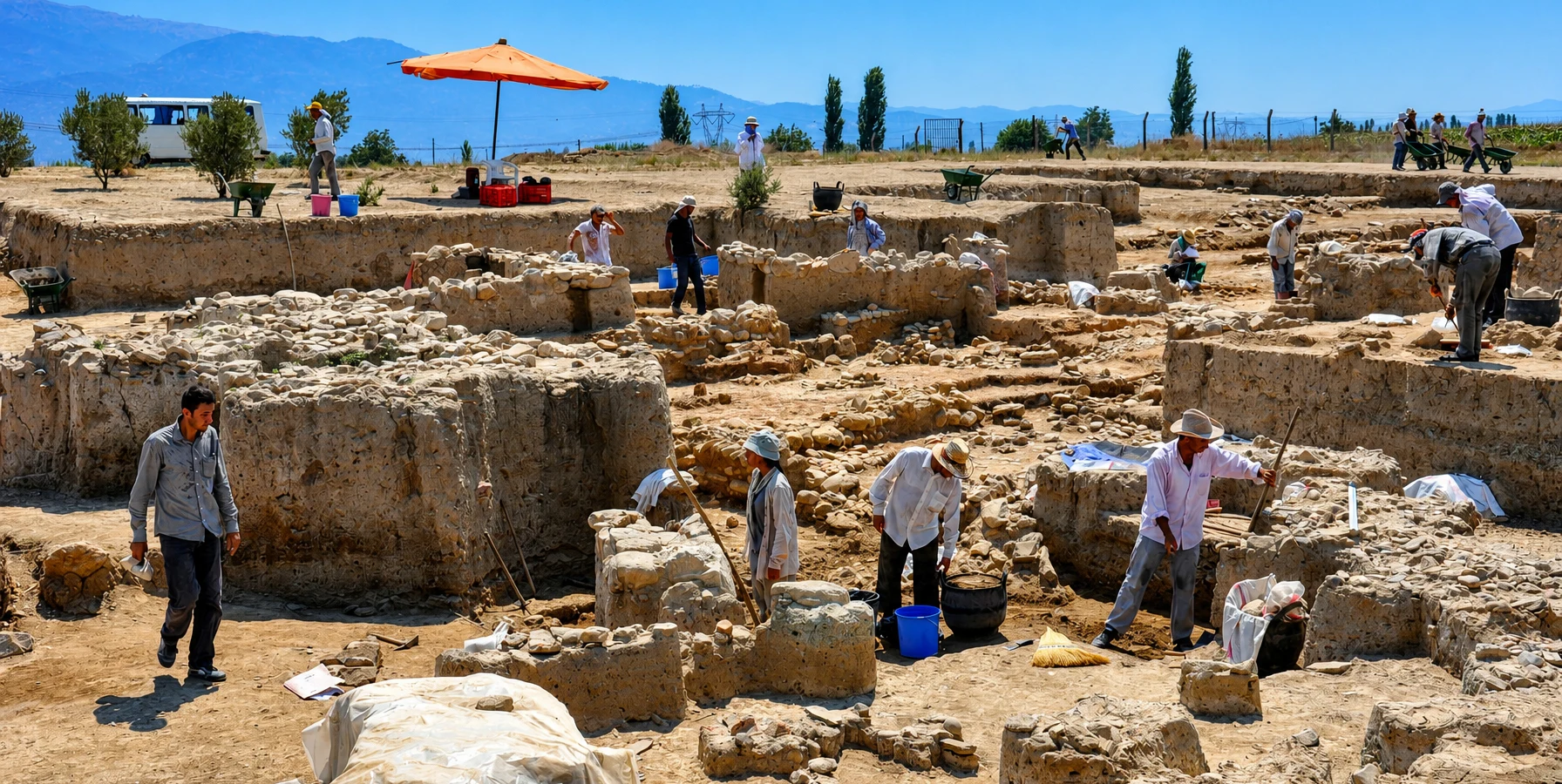
Explore the archaeological discoveries that reveal the region's deep prehistoric past and early settlement history.
Explore Tepecik HöyükFrom unusual ancient monuments to regional museums, Aydın offers remarkable cultural diversity.
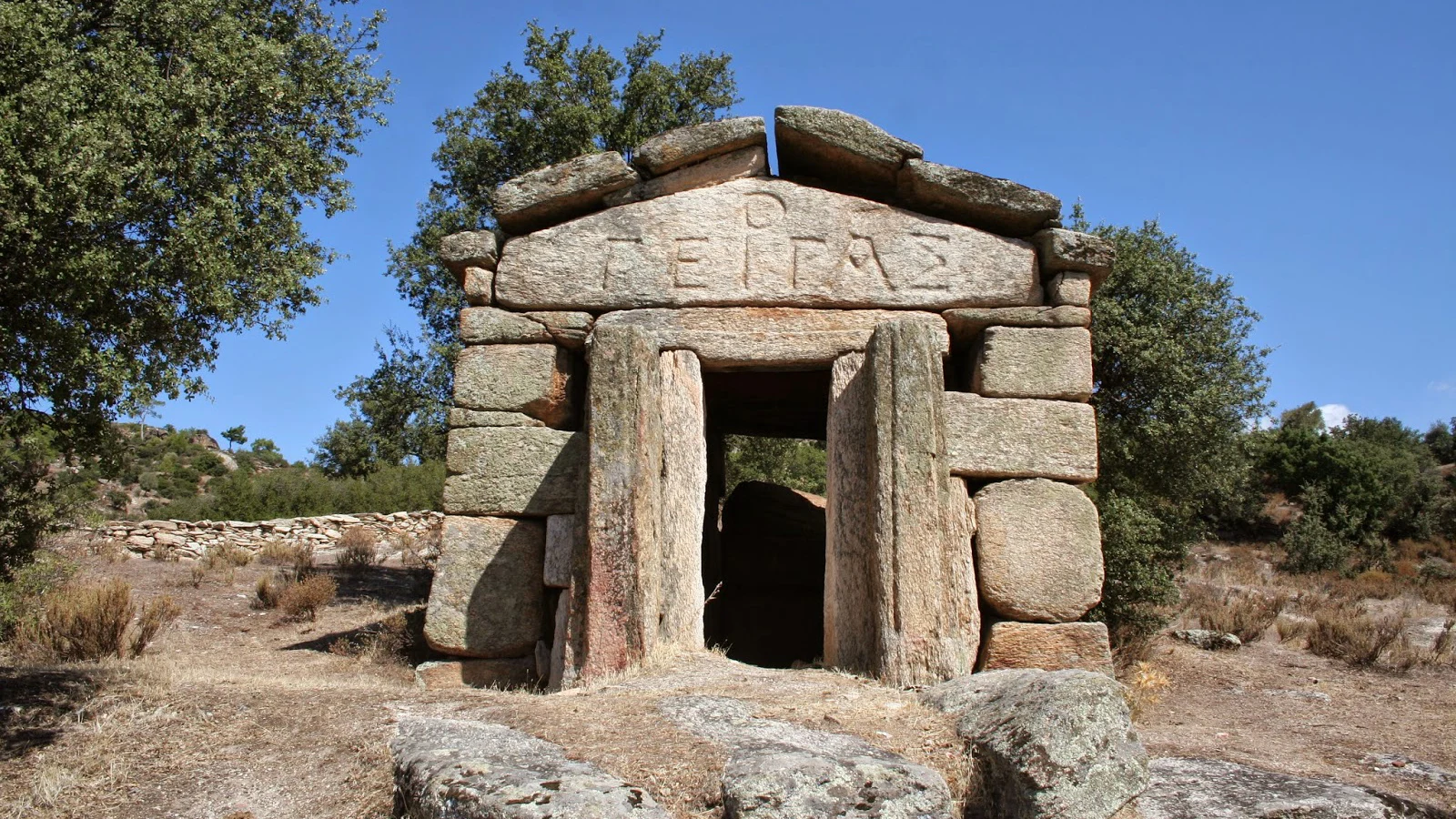
Discover one of the region's more enigmatic ancient sites and its remarkable surviving stone monuments.
Explore Ancient Gerga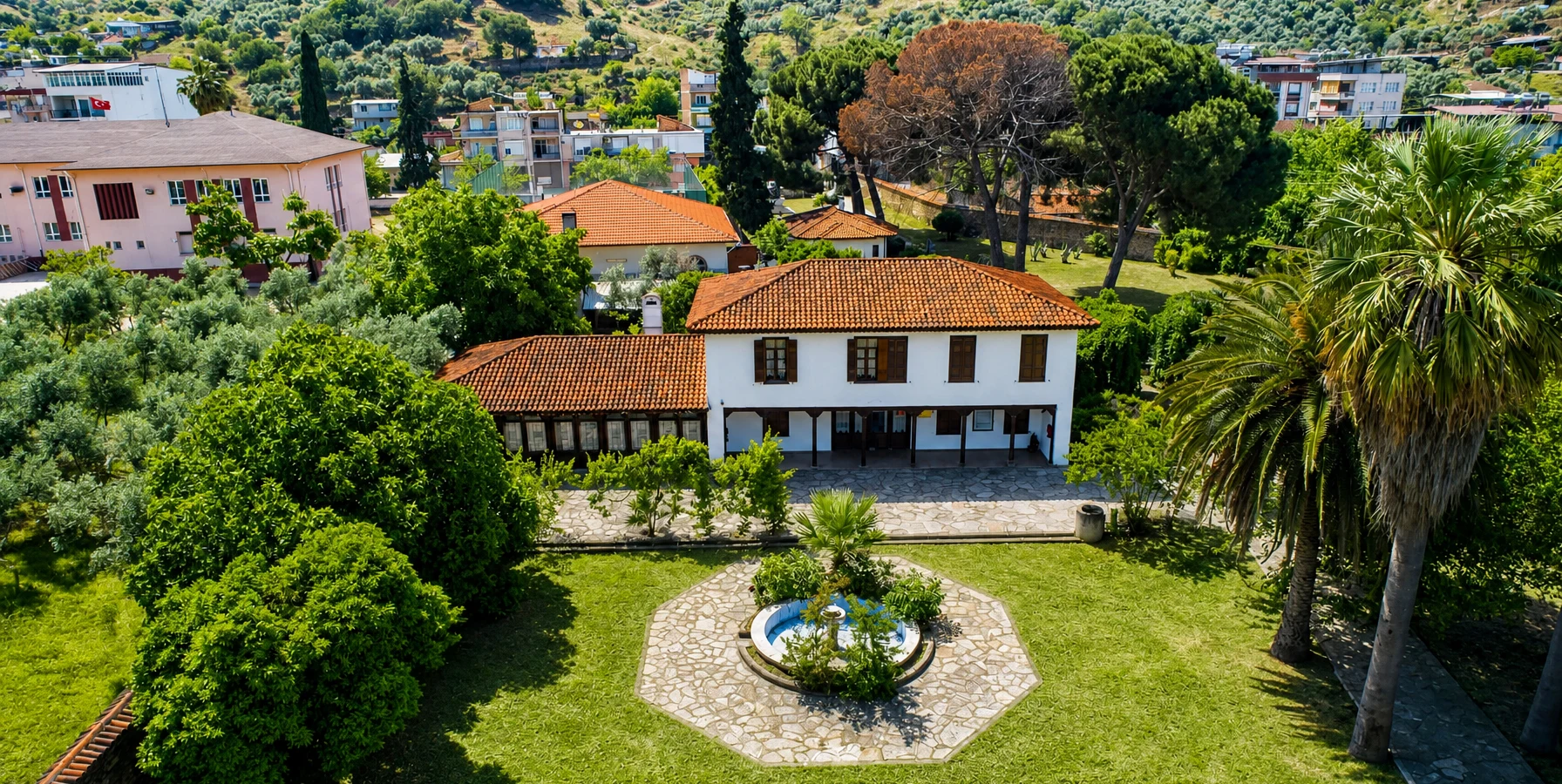
Explore the life and historical legacy of a significant figure in the Aegean resistance movement.
Discover Yörük Ali Efe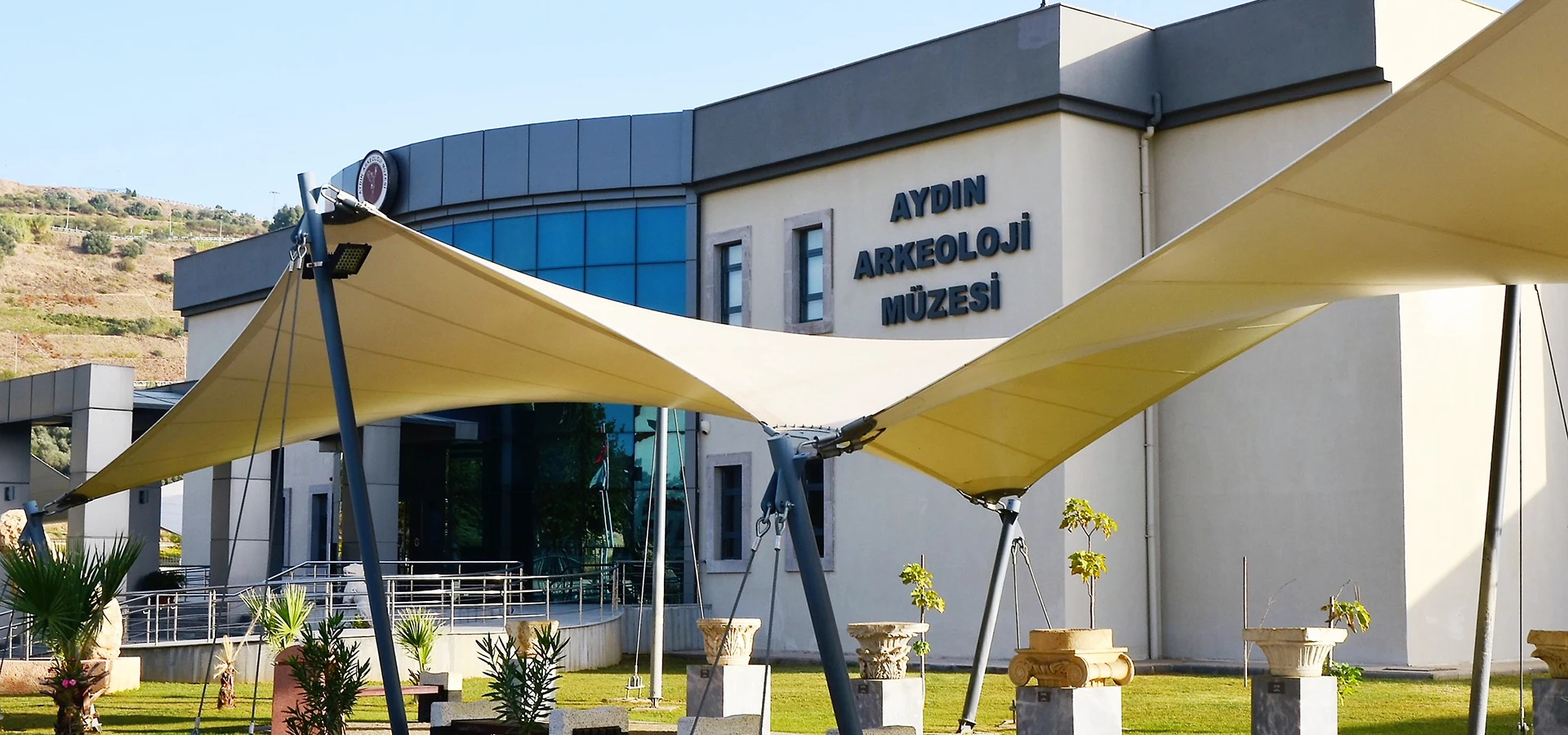
Discover the ancient civilizations of the Büyük Menderes region through archaeological collections and historical interpretation.
Explore Aydın Archaeology Museum