Private Yörük Ali Efe Heritage Experience
Ask us about a private cultural itinerary exploring the story of Yörük Ali Efe, the early National Struggle, Yenipazar and Aegean zeybek traditions.
Request a Custom Tour





The Yörük Ali Efe Museum, officially known as Yörük Ali Efe Evi Müzesi, is a historic house museum in Yenipazar, Aydın, dedicated to one of the best-known commanders of the Turkish National Struggle. Its restored rooms, personal collections and memorial garden preserve the story of Yörük Ali Efe (1895–1951), a leader whose name became closely associated with the resistance to the Greek occupation of western Anatolia after the First World War.
During the turbulent months of 1919, Yörük Ali Efe helped organize local volunteers known as Kuvâ-yi Milliye, or National Forces. His group's successful attack on a Greek military position near the Malgaç railway bridge on 16–17 June 1919 became an important early episode of armed resistance in the Aydın region.
The museum occupies the site of the house where Yörük Ali Efe lived during his later years. After the building was destroyed by fire in the 1980s, it was reconstructed and restored to reflect its earlier character. The museum opened to visitors on 8 June 2001, with exhibitions incorporating personal belongings, historical photographs, documents and ethnographic objects.
Unlike a large military history museum, this is an intimate memorial environment. Visitors encounter the National Struggle through the life of an individual, the traditions of the Aegean zeybeks and the domestic surroundings of a provincial Turkish home. Yörük Ali Efe's grave, moved to the museum garden in 2000, gives the site an additional commemorative importance.
Learn about resistance in western Anatolia during the Turkish War of Independence.
Discover the traditions and leadership culture of the Aegean efes.
Explore reconstructed domestic interiors and personal collections.
Visit the final resting place of Yörük Ali Efe in Yenipazar.
Essential information for visiting this historic house museum in Yenipazar, Aydın.
Yörük Ali Efe Caddesi, Yenipazar, Aydın, Türkiye.
Open on Google MapsHistoric house, memorial museum and regional ethnographic collection.
8 June 2001, following reconstruction and restoration of the house.
Free according to the official Turkish Museums listing.
Allow approximately 45–75 minutes for the rooms, exhibits and memorial garden.
Yörük Ali Efe, the Kuvâ-yi Milliye and the 1919–1922 National Struggle.
The museum connects the history of Turkish independence with the traditions, communities and historical memory of the Aegean region.
Yörük Ali Efe is remembered as one of the significant local leaders who helped organize resistance in western Anatolia after the Ottoman Empire's defeat in the First World War. At a time when political authority, military organization and public confidence were deeply unsettled, irregular volunteer forces played an important role in the early stages of the National Struggle.
The museum is particularly valuable because it presents this history through the life of someone rooted in the rural society of Aydın. Before becoming a National Struggle commander, Yörük Ali Efe belonged to the regional zeybek tradition, a world shaped by mountain communities, local loyalties, distinct clothing, music, codes of conduct and the leadership of figures known as efes.
His later participation in the resistance helped connect that regional identity with a much wider national movement. The story is therefore not simply about one battle or one commander. It is also about the transformation of local armed groups into organized resistance formations and their eventual relationship with the regular national army.
The museum's personal objects, household furnishings and memorial garden provide a human-scale experience of these historical changes. They also make Yenipazar an important stop for travelers interested in the history of Aydın, the Büyük Menderes Valley and modern Türkiye.
For broader cultural context, continue with our Aydın Zeybek Heritage Guide, which explores the traditions associated with the efes of western Anatolia.
Yörük Ali Efe was born in 1895 in Kavaklı village, in the present-day Sultanhisar district of Aydın. He grew up in a region where rural communities, agriculture, mountain routes and zeybek traditions formed an important part of social life.
As a young man, he joined the zeybek group associated with Alanyalı Molla Ahmet Efe. He developed a reputation for courage and leadership and eventually became an efe himself. His familiarity with local terrain, rural communities and the organization of armed groups later proved significant during the National Struggle.
Following the Greek landing at İzmir on 15 May 1919 and the occupation of Aydın later that month, resistance began to organize across the region. Yörük Ali Efe joined other local leaders, volunteers and Ottoman military officers in opposing the occupation.
His actions during the summer of 1919 established him as one of the prominent figures of the Aydın resistance. He subsequently helped command larger forces, and units under his leadership became associated with the Milli Aydın Alayı, or National Aydın Regiment.
After the War of Independence, he continued his life as a respected regional figure. He was awarded the İstiklâl Madalyası (Independence Medal) by the Turkish Grand National Assembly. He died on 23 September 1951 in Bursa.
Born in Kavaklı village in the Sultanhisar district of Aydın.
Joins the regional zeybek tradition and becomes known as an efe.
The occupation of western Anatolian towns prompts growing local resistance.
Leads the celebrated Malgaç Raid near Sultanhisar.
Helps organize and command resistance forces in the Aydın region.
Dies on 23 September and is buried in Yenipazar according to his wishes.
The Malgaç Raid (Malgaç Baskını) is among the best-known episodes associated with Yörük Ali Efe and the early National Struggle in western Anatolia. It took place during the night of 16–17 June 1919 near the Malgaç railway bridge, east of Sultanhisar.
At the time, the railway through the Büyük Menderes Valley was strategically important for the movement of troops, supplies and communications. Greek forces had established a guarded position near the bridge to help protect this connection.
Yörük Ali Efe and a group of approximately sixty volunteers attacked the military position. The operation disrupted the railway crossing and resulted in the seizure of weapons and ammunition. It demonstrated that locally organized resistance units could successfully challenge an occupying force at a vulnerable point.
The raid carried a significance beyond its immediate military outcome. News of the action encouraged supporters of the resistance and contributed to Yörük Ali Efe's growing reputation. Within days, his group entered Nazilli after Greek forces withdrew toward Aydın.
During the subsequent fighting, resistance forces temporarily recaptured Aydın at the end of June 1919, although Greek troops retook the city in early July. These events illustrate the fluid and violent conditions of the early campaign, before the National Struggle developed a more regular military structure.
Night of 16–17 June 1919.
Malgaç railway bridge near Sultanhisar in Aydın Province.
Yörük Ali Efe and his local National Forces volunteers.
Attack a guarded military position and disrupt a strategic railway connection.
A successful raid that damaged railway infrastructure and captured supplies.
A landmark early action that encouraged resistance throughout the Aydın region.
To understand Yörük Ali Efe's historical role, visitors should first understand the meaning of efe and zeybek in western Anatolia. These terms are closely associated with a distinctive regional culture that developed across parts of the Aegean countryside, particularly in Aydın, İzmir, Denizli and Muğla.
Zeybek groups were often organized around an experienced leader known as an efe. Their historical circumstances were complex: some were celebrated as protectors of local communities, while others became involved in armed conflicts with authorities or rival groups. Later popular memory increasingly associated the ideal efe with courage, loyalty, dignity and resistance to injustice.
The zeybek tradition also survives in music, costume and dance. The celebrated zeybek dances, with their measured movements and proud posture, remain among the strongest symbols of western Anatolian cultural identity.
Yörük Ali Efe's participation in the National Struggle gave this regional tradition a particular historical meaning. His story demonstrates how men familiar with local networks and irregular fighting could become part of a broader military and political movement.
A title associated with leadership, seniority and authority within certain zeybek groups.
A historical regional identity connected with armed groups, traditional clothing, music and dance.
Distinctive jackets, short trousers, sashes and decorated accessories associated with Aegean costume.
Regional melodies and rhythms associated with ceremonial dance and local storytelling.
Ballads and oral traditions preserve the names of famous efes and episodes from their lives.
The role of regional zeybek leaders in 1919 helped connect local identity with the independence movement.
Explore the tradition in greater detail in our Aydın Zeybek Heritage guide.
The house in Yenipazar was associated with Yörük Ali Efe during the later part of his life, after his return from İzmir. The property occupied an important place in local memory and was also connected with his activities during the National Struggle.
The original house was severely damaged and ultimately destroyed by a fire during the 1980s. The loss threatened an important link between the town and one of its most famous historical figures.
In 1995, the Aydın provincial authorities proposed that the property be restored and transformed into a museum house. Yörük Ali Efe's heirs agreed to donate the property to the Ministry of Culture on the condition that it become a museum.
The necessary allocation and conservation processes were completed during the following years. The house was reconstructed to reflect its earlier appearance, while the garden was landscaped and exhibition rooms were prepared.
The museum displays belongings donated by the family alongside ethnographic artifacts obtained through the Aydın Museum and other sources. It officially opened on 8 June 2001, becoming a memorial to Yörük Ali Efe and to the wider resistance movement.
The Yenipazar property served as Yörük Ali Efe's home during his later years.
A fire destroyed the original building.
A proposal was advanced to restore the property and establish a memorial museum.
Administrative and conservation arrangements progressed toward reconstruction.
Yörük Ali Efe's grave was transferred to the museum garden.
The restored house officially opened as Yörük Ali Efe Evi Müzesi.
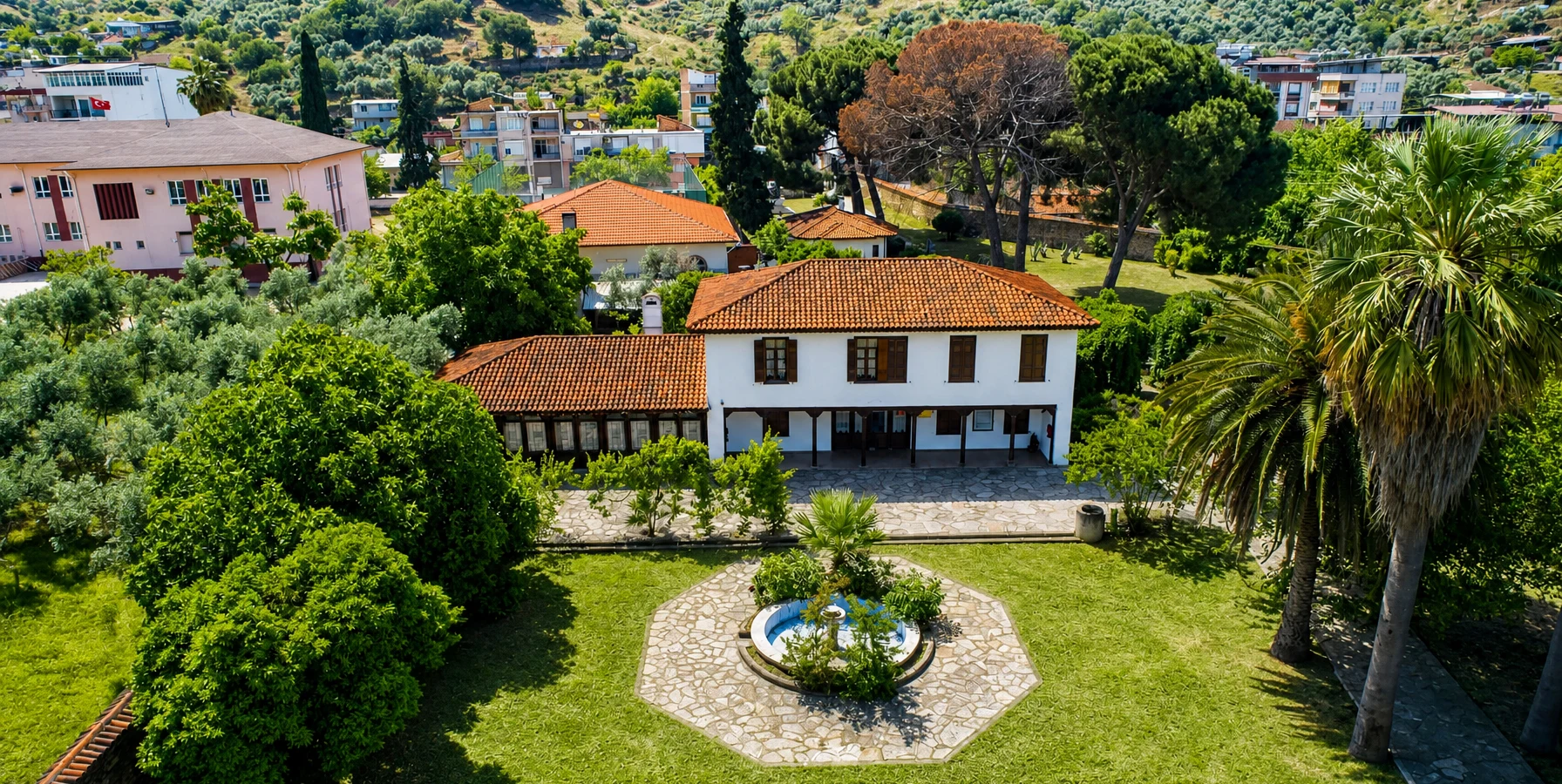
The Yörük Ali Efe Museum is an appealing example of the domestic architecture associated with traditional houses in western Anatolia. Its whitewashed exterior, tiled roof, wooden shutters, veranda and garden create an atmosphere very different from the monumental ruins and archaeological museums elsewhere in Aydın Province.
The restored building uses familiar elements of an Aegean provincial residence. Timber features, modestly proportioned rooms, interior furnishings and the relationship between house and courtyard reflect the domestic environment in which regional families lived during the late Ottoman and early Republican periods.
The garden is especially important to the experience. Its paths, trees, courtyard features and memorial areas allow visitors to move from the story of a family residence into the public remembrance of a National Struggle commander.
Simple plastered façades reflect the understated appearance of traditional houses in the region.
Wooden shutters, ceilings and structural elements contribute warmth and regional character.
A red-tiled roof gives the house a familiar western Anatolian silhouette.
The sheltered frontage connects the rooms with the courtyard and garden.
Restored rooms evoke the furnishings and everyday material culture of the period.
Landscaped grounds create a peaceful environment for visiting the memorial.
The museum's exhibitions combine artifacts directly associated with Yörük Ali Efe and objects representing the domestic and cultural environment of his lifetime. Collections include personal belongings, photographs, historical documents and ethnographic materials.
Several personal objects were provided by his descendants. Other artifacts came from Aydın Museum collections, acquisitions and donations. These different sources help reconstruct the atmosphere of the house while introducing visitors to the history of the National Struggle.
Objects associated with Yörük Ali Efe offer a direct connection with his personal life and public reputation.
Portraits and period images document people and events connected with the Aydın resistance.
Historical written material provides context for his activities and the period in which he lived.
Traditional garments and personal accessories illustrate regional dress and zeybek identity.
Selected artifacts connect the museum's personal narrative with the era of armed resistance.
Furniture, textiles and domestic objects evoke daily life in an Aegean household.
Regional material culture adds context beyond the life of a single historical individual.
Interpretive materials introduce Yörük Ali Efe's place in National Struggle history.
One of the most meaningful parts of the museum is its garden, which contains Yörük Ali Efe's grave. His wish was to be buried in Yenipazar, a town with which he felt a particularly strong personal connection.
Following his death in 1951, he was buried at Muslukuyu Cemetery in Yenipazar. By a Council of Ministers decision dated 29 August 2000, his remains were transferred to the grounds of the restored museum property.
The move united his memorial and his former home, creating a single site where visitors could learn about his life and pay their respects. The garden also includes a monument commemorating the legendary efe.
Today the grounds have both cultural and commemorative functions. Visiting the grave should be approached with the same respect appropriate to any burial site, particularly during official remembrance ceremonies.
Yörük Ali Efe's grave is located within the museum grounds.
He was initially buried at Muslukuyu Cemetery in Yenipazar.
The grave was moved to the museum garden in 2000 following an official decision.
The grounds continue to serve as a place of remembrance for his contribution to the National Struggle.
The National Struggle in western Anatolia developed in response to a profound crisis at the end of the First World War. The Ottoman government faced military defeat, foreign occupation and an uncertain political future. The Greek landing at İzmir in May 1919 became a major turning point for the population of the Aegean region.
In Aydın and the Büyük Menderes Valley, armed opposition initially depended heavily on local volunteers, former soldiers, regional leaders and groups capable of organizing resistance before the establishment of a stronger regular military system.
The term Kuvâ-yi Milliye describes these National Forces, although they varied considerably in organization, leadership and military effectiveness. Yörük Ali Efe's group was part of this diverse early movement.
His importance grew after the Malgaç Raid and the fighting around Nazilli and Aydın. Supported by cooperation with Ottoman officers, resistance groups developed more substantial formations. Yörük Ali Efe became associated with the National Aydın Regiment and the southern sector of the regional resistance.
The later transition to a regular army was a crucial stage of the independence movement. It brought local forces into a broader national command structure under the Ankara government and enabled the sustained campaigns that ultimately ended the occupation.
Greek troops land at İzmir, beginning a major new phase of the postwar occupation crisis.
Greek forces occupy Aydın, intensifying local resistance.
Yörük Ali Efe's group carries out the Malgaç Raid.
National Forces temporarily recapture Aydın following fierce fighting.
Greek forces regain control of Aydın, illustrating the changing military situation.
The final phase of the War of Independence brings the end of Greek military control in western Anatolia.
The museum is best experienced at a relaxed pace. Rather than rushing through the rooms, take time to connect the objects with the wider history of Aydın and to appreciate the relationship between the domestic setting and the memorial garden.
Begin with the traditional façade, wooden details and tiled roof that establish the character of the historic residence.
Examine the reconstructed living spaces and the household furnishings representing the period.
Look for belongings associated with Yörük Ali Efe and consider what they reveal about his daily life.
Study historical photographs that connect the house with the events of 1919 and the later resistance.
Explore traditional clothing, textiles and domestic artifacts that reflect the culture of the Aydın region.
Pause outside to appreciate the restored domestic environment and the quiet character of the grounds.
Visit the commemorative monument and consider his role in regional historical memory.
Finish at his final resting place, a central reason for the museum's importance to local visitors.
The museum is situated on Yörük Ali Efe Caddesi in Yenipazar, Aydın Province. It is a relatively compact historic house museum and can be visited independently or as part of a cultural journey through the Büyük Menderes Valley.
As checked in October 2026, the Turkish Ministry of Culture and Tourism's museum directory lists the museum as open daily from 08:30 to 17:30, with last admission at 17:00. Admission is listed as free.
Some older official educational materials and brochures describe different seasonal opening hours. For this reason, visitors should confirm the latest schedule directly with the museum before traveling, especially on holidays or when planning a late-afternoon arrival.
The museum is suitable for a visit throughout the year because much of its collection is displayed indoors. However, seasonal conditions can affect the comfort of exploring the garden and combining the visit with other sites in the Büyük Menderes Valley.
Generally pleasant temperatures and fresh greenery make spring an excellent time for a cultural visit.
Milder weather is especially comfortable for exploring Yenipazar and nearby historical places.
Visit earlier in the day to avoid the strongest heat of the Büyük Menderes Valley.
The indoor collections remain worthwhile, although the garden may be less comfortable in rainy weather.
Often suitable for a quieter museum experience outside organized visits and commemorations.
Events around the anniversary of Yörük Ali Efe's death may provide an opportunity to observe local remembrance traditions.
A brief visit covering the principal rooms and memorial garden.
Enough time for a comfortable overview of the personal exhibits and restored interiors.
A recommended visit including the historical displays, building details and grave.
Ideal for visitors who enjoy studying historical documents, cultural details and exhibits carefully.
Combine the museum with a leisurely exploration of Yenipazar and a local meal.
Add the surrounding countryside and other historical attractions of the Büyük Menderes Valley.
Begin at the museum house, where the restored building introduces the domestic environment associated with Yörük Ali Efe. Spend time examining the personal collections and historical photographs before continuing to the memorial garden.
After visiting the grave, take a short break in Yenipazar. The town provides a quieter perspective on everyday life in Aydın Province, away from the larger coastal tourism centers.
Yenipazar is also known for its local food culture, particularly Yenipazar pide. A regional lunch can be a pleasant addition to the museum experience.
Travelers continuing through the Büyük Menderes Valley can combine the visit with Sultanhisar, the ancient city of Nysa or other historical landmarks around Nazilli. The museum provides a modern historical counterpart to the area's extensive ancient heritage.
The restored house and garden offer attractive architectural subjects, but the museum has published photography restrictions in official educational visitor guidance. Do not assume that photography is permitted inside the building or around sensitive exhibits. Ask museum staff for the current rules before taking photographs.
The whitewashed façade, tiled roof and wooden veranda provide a strong architectural composition.
Landscaping, courtyard surfaces and architectural features can offer attractive views where photography is permitted.
Observe restored timber features, shutters and domestic construction details.
Respect the solemn character of the grave and follow any restrictions on photographing the site.
Seek permission before photographing documents, personal belongings or reconstructed rooms.
Avoid interrupting ceremonies or photographing participants without appropriate consent.
The museum occupies a traditional reconstructed house rather than a modern purpose-built exhibition building. This can create limitations for visitors with restricted mobility, particularly where the route includes stairs, door thresholds or changes in floor level.
Because access arrangements and the visitor route may change, visitors who require step-free entry, assistance or other accessibility accommodations should contact the museum before arriving.
Ask staff which exhibition and courtyard sections can be reached without stairs.
Confirm whether historic stairs or other barriers affect access to the upper floor.
Traditional architectural details may require extra care for visitors using mobility aids.
Courtyard paving and outdoor surfaces may be less even than those of a modern museum.
Contact the museum directly to confirm the accessible route and available assistance.
The compact nature of the museum makes it suitable for a shorter history-focused visit.
The museum is located in Yenipazar district center, in the inland part of Aydın Province. Visitors usually approach the town by road through the Büyük Menderes Valley.
The most convenient transport depends on where you are staying and whether you are combining the museum with other historical sites. A private vehicle offers the greatest flexibility for reaching multiple destinations on the same day.
Travel east toward the Nazilli and Yenipazar area using the main regional road network.
Follow local roads toward Yenipazar, then navigate to Yörük Ali Efe Caddesi.
Reach Yenipazar via local road connections across the Büyük Menderes Valley.
Plan an inland road journey through Aydın Province, ideally with additional cultural stops.
Check current interdistrict bus or minibus connections to Yenipazar and allow time for local travel.
A practical choice for linking the museum with Nysa, Nazilli and other regional heritage sites.
Yenipazar lies within a landscape rich in archaeological remains, regional food traditions, historic settlements and sites associated with the National Struggle. The following places and guides can help turn a museum visit into a broader cultural journey.
Explore the local atmosphere, traditional food culture and daily life of this inland Aydın district.
Discover the landscape associated with Yörük Ali Efe's celebrated railway bridge raid of June 1919.
Explore the remains of an important ancient city in the Büyük Menderes Valley near Sultanhisar.
Discover an ancient settlement near Nazilli, known particularly for the remains of its Roman amphitheater.
Explore a striking historic fortified residence in the countryside of the Nazilli district.
Continue through the ancient history of the Büyük Menderes region at this lesser-known archaeological site.
Explore artifacts from the many ancient civilizations that shaped the wider province.
Learn more about regional efe traditions, zeybek music, costume and cultural identity.
The museum is located on Yörük Ali Efe Caddesi in the town center of Yenipazar, Aydın Province, Türkiye.
Yörük Ali Efe was a regional zeybek leader and National Forces commander who played an important role in organizing resistance in the Aydın region during the Turkish War of Independence.
He was born in 1895 in Kavaklı village, in the present-day Sultanhisar district of Aydın.
He is especially remembered for his leadership in the early National Struggle and the successful Malgaç Raid of June 1919, which encouraged local resistance to the Greek occupation.
It was an attack carried out by Yörük Ali Efe and his volunteers on a Greek military position near the Malgaç railway bridge, east of Sultanhisar, on the night of 16–17 June 1919.
Efe is a title historically associated with leaders of certain zeybek groups in western Anatolia. It became linked in regional folklore with bravery, authority and a code of honor.
The Kuvâ-yi Milliye, or National Forces, were irregular local resistance formations that played an important role during the early stages of the Turkish National Struggle.
Yes. He received the İstiklâl Madalyası from the Turkish Grand National Assembly in recognition of his contribution to the National Struggle.
He died in Bursa on 23 September 1951, after suffering severe injuries in a tram accident earlier that year.
Yes. He was originally buried at Muslukuyu Cemetery in Yenipazar, and his grave was transferred to the museum garden in 2000.
Yes. The museum stands on the site of the Yenipazar house associated with Yörük Ali Efe's later life. The original building was destroyed by fire and subsequently reconstructed and restored.
The museum officially opened to visitors on 8 June 2001.
The museum contains personal belongings of Yörük Ali Efe, historical photographs, documents, traditional furnishings and ethnographic objects representing regional culture.
No. The displays combine original personal belongings with other ethnographic artifacts and furnishings collected or arranged to represent the period.
Yes. The official Turkish Museums listing identifies the museum as free to enter. Check for changes before visiting.
As checked in October 2026, the Ministry museum directory lists 08:30–17:30 daily, with last admission at 17:00. Older materials show seasonal variations, so verify the current schedule.
The current official museum listing describes it as open every day, including Monday, although special closures may occur.
Most visitors can explore the museum in about 45–75 minutes. History enthusiasts may wish to spend longer with the exhibits.
Official educational visitor guidance has stated that photography is not permitted. Ask staff for the current policy and follow all displayed restrictions.
Yes. It can provide an educational introduction to the War of Independence, regional history and traditional Turkish life. Adults can help younger visitors understand the historical context.
Access may vary between the house's floors and the garden. Visitors should contact the museum to confirm current step-free routes and available assistance.
Yes. Nysa, near Sultanhisar, is a useful additional stop for travelers exploring the historical heritage of the Büyük Menderes Valley by road.
Yes, particularly for travelers interested in the Turkish War of Independence, zeybek heritage, historic houses and the cultural history of Aydın Province.
This museum is both a protected cultural property and a commemorative site. Treating the exhibits and memorial garden with care helps preserve its historic and emotional importance for future generations.
Maintain a quiet and respectful atmosphere around Yörük Ali Efe's grave.
Do not touch original documents, personal objects or fragile historic furnishings.
Ask before taking photographs and comply with restrictions inside the museum.
Observe the museum's rules concerning food and beverages in exhibition areas.
Give space to educational groups, local families and visitors attending commemorations.
Consider spending time in Yenipazar and supporting local cafés, shops and food traditions.
Discover Yörük Ali Efe's legacy, regional zeybek traditions, historic towns and the ancient heritage of the Büyük Menderes Valley through a tailor-made private route designed around your interests, without compulsory shopping stops.
Combine the museum with Yenipazar, Sultanhisar and other places connected with regional history.
Ask us about a private cultural itinerary exploring the story of Yörük Ali Efe, the early National Struggle, Yenipazar and Aegean zeybek traditions.
Request a Custom Tour
Learn about the historical efes, traditional costume, regional music, dances and cultural identity of western Anatolia.
Explore Zeybek HeritageTravel through a landscape where ancient civilizations and modern Turkish history meet.
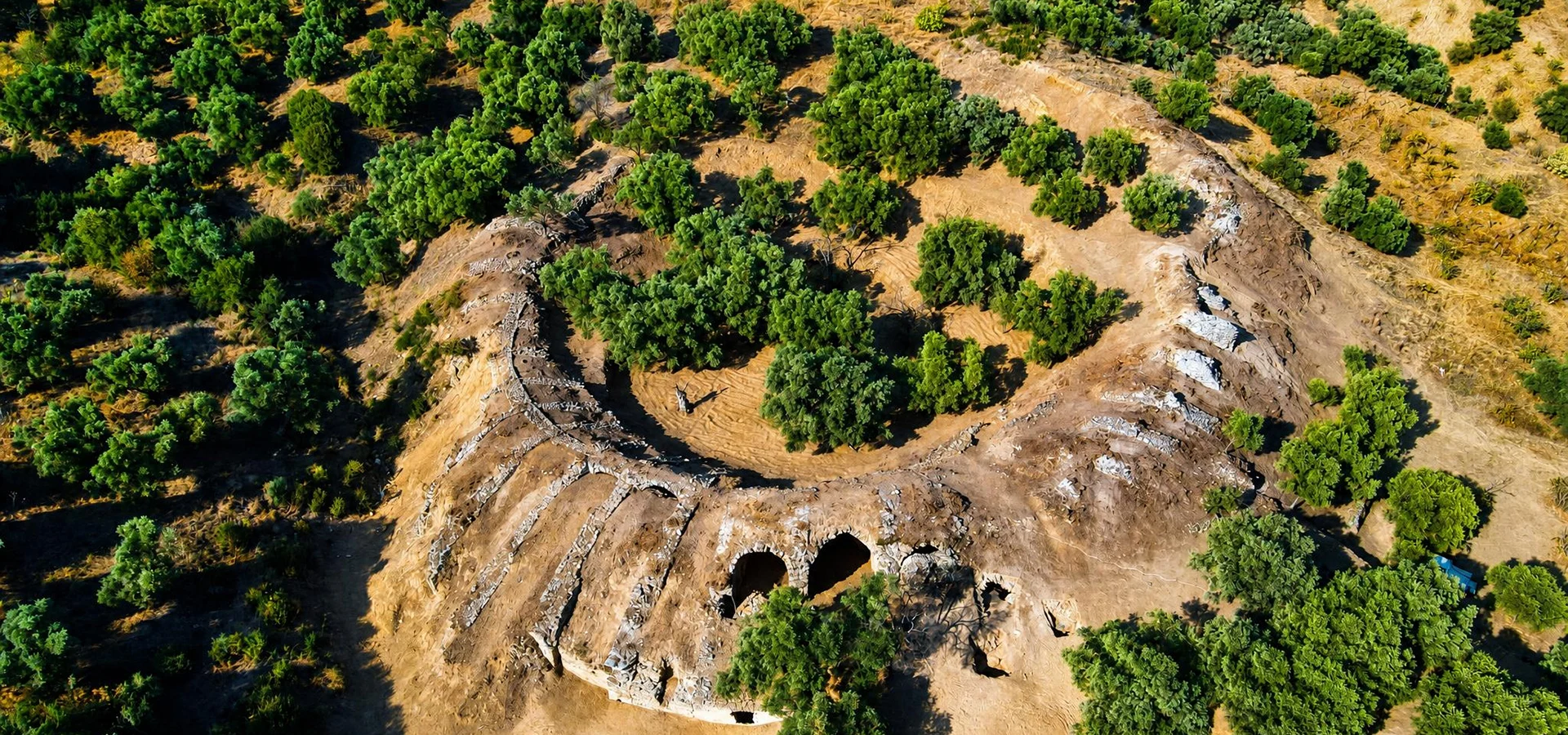
Explore a lesser-known ancient settlement and its remarkable Roman amphitheater in the Nazilli region.
Explore Mastaura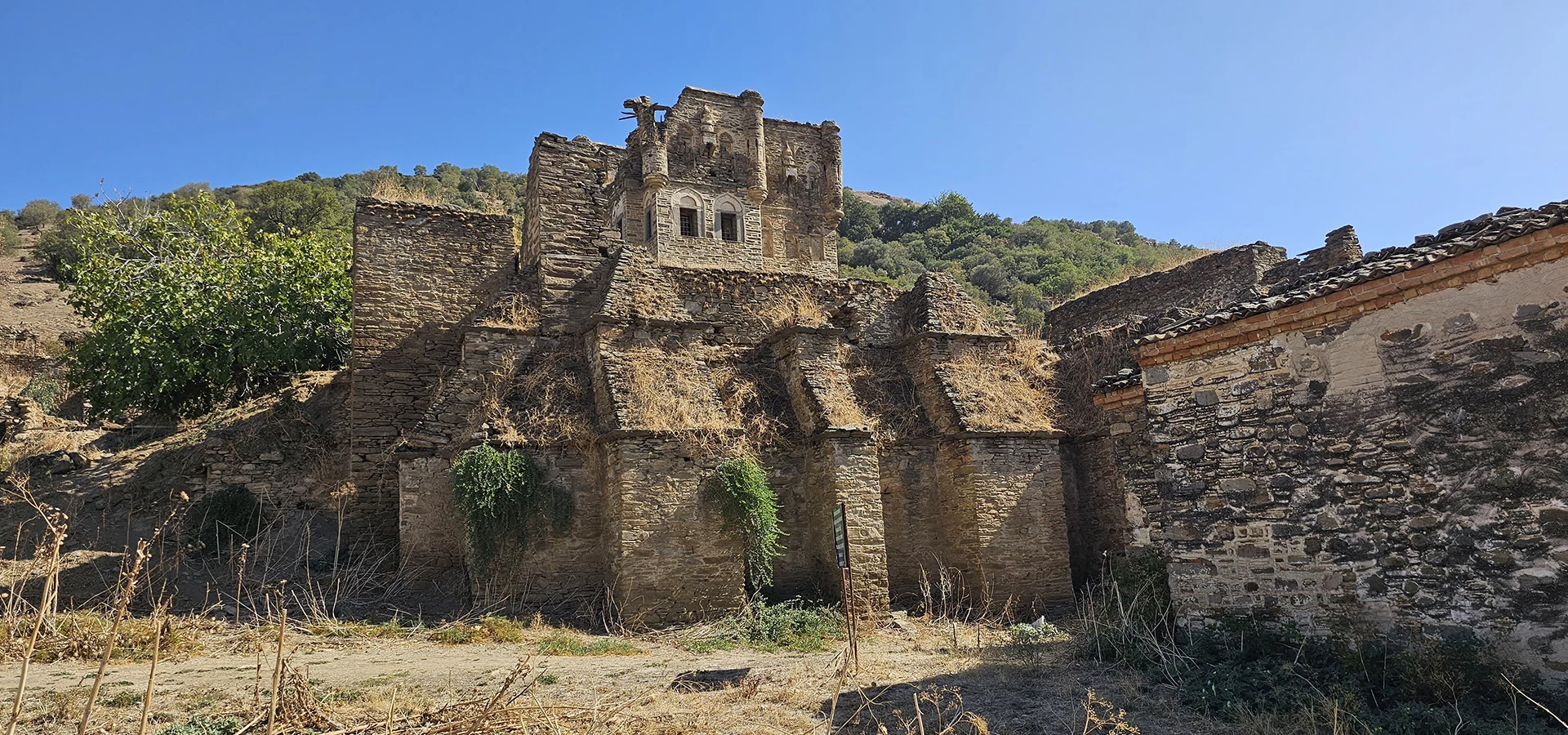
Discover a fascinating fortified residence that reveals another layer of Aydın's regional history.
Discover Arpaz Castle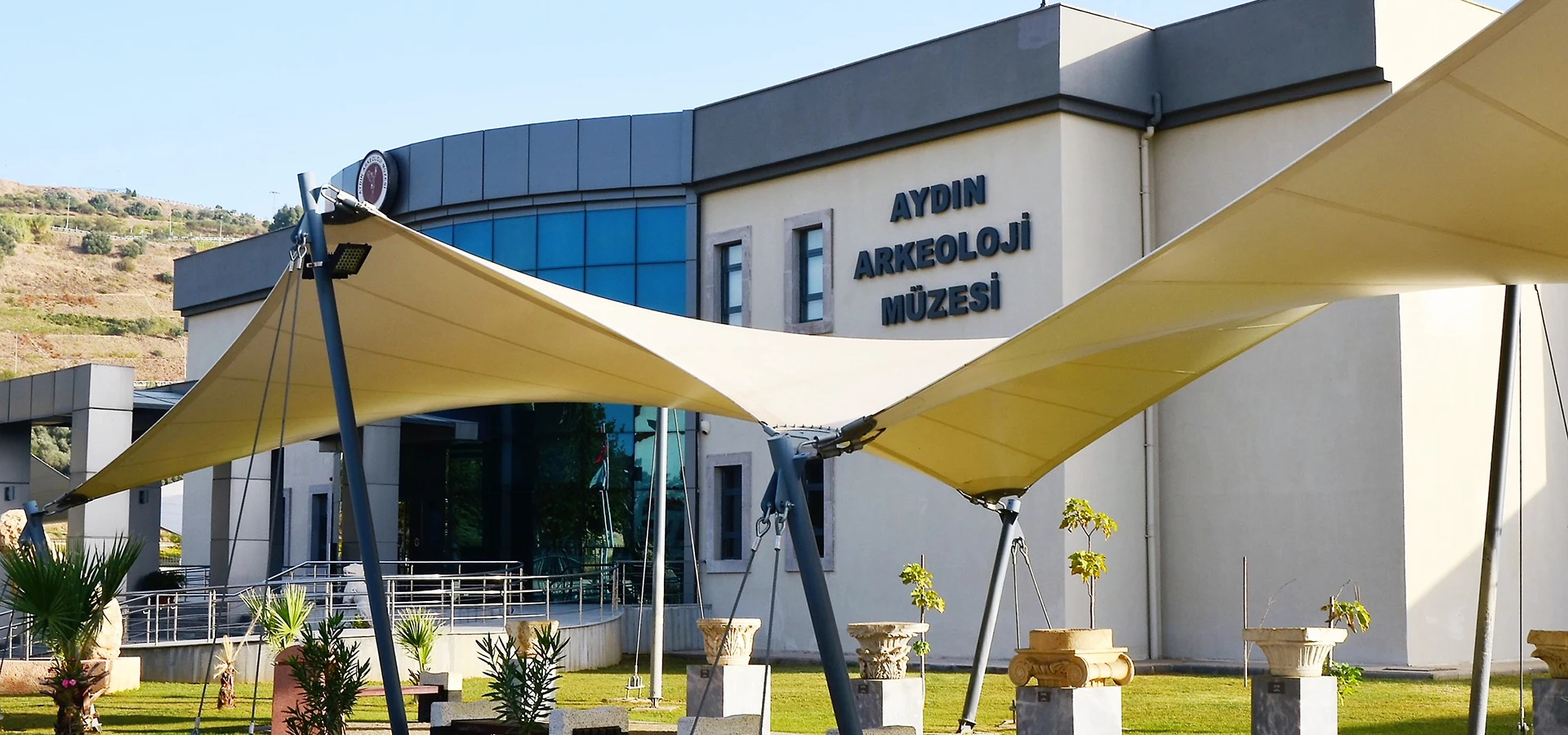
Explore the province's ancient history through archaeological collections from Caria, Ionia and the Meander Valley.
Explore Aydın Museum