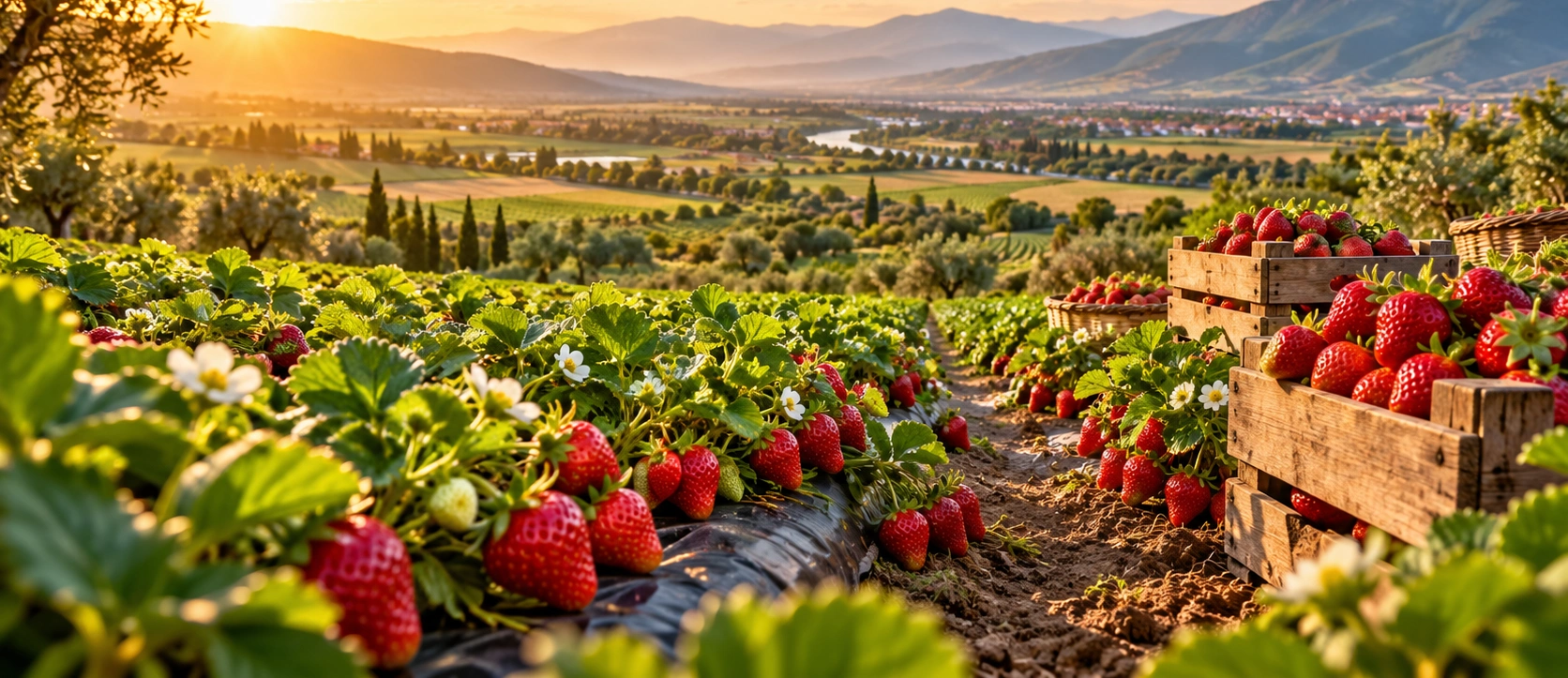
Sultanhisar Strawberry
Discover the fragrant strawberries of nearby Sultanhisar and the agricultural traditions behind this geographically registered fruit.
Discover Sultanhisar Strawberry





Kuyucak Orange, known in Turkish as Kuyucak Portakalı, is one of the distinctive agricultural specialties of Aydın Province in western Türkiye. Grown in the fertile Kuyucak district, this orange is celebrated for its pleasant aroma, juicy character, appealing flavor and suitability for storage.
Unlike a generic regional name for all citrus fruit grown in Aydın, the officially registered Kuyucak Orange refers specifically to the Washington Navel variety of sweet orange, botanically identified as Citrus sinensis, cultivated within the geographical boundaries of Kuyucak district.
Its agricultural history reaches far into the past. Official geographical indication documentation refers to Ottoman tax registers from 1844–1845, when approximately 1,230 dönüms of cultivated land in Kuyucak were recorded as being used for orange production.
This historical evidence reveals that orange cultivation was already an established part of the local agricultural economy during the nineteenth century, long before modern orchard-management systems and commercial citrus distribution networks developed.
One of the most interesting features of Kuyucak Orange is the influence of its geographical environment. Although Aydın belongs to the Aegean region, Kuyucak is situated farther inland than the coastal citrus-growing districts. Its seasonal temperature conditions differ from those of the coast and contribute to the characteristics of the locally grown fruit.
According to the registered product specification, Kuyucak oranges are particularly associated with their comparatively substantial peel structure, which contributes to their storage characteristics and helps protect the fruit's internal juice.
On October 18, 2023, Kuyucak Portakalı was officially registered by the Turkish Patent and Trademark Office under geographical indication registration number 1487.
The product received the designation Menşe Adı, meaning Designation of Origin, recognizing the close relationship between the orange, its local environment and its established production methods.
Today, orange production continues to contribute to the agricultural identity of Kuyucak. Orchards, seasonal harvesting, agricultural expertise and the local fruit trade connect the district's historical traditions with its modern economy.
For visitors exploring Aydın, Kuyucak Orange offers a delicious introduction to the agricultural heritage of the Büyük Menderes Valley and the remarkable diversity of regional products found throughout western Anatolia.
Officially registered in Türkiye in 2023 under geographical indication number 1487.
Orange-growing activities are documented in historical records from 1844–1845.
The registered product is made up of Washington Navel sweet oranges grown in Kuyucak.
Its characteristic peel structure contributes to protecting the fruit during storage.
Essential information about one of western Türkiye's officially registered agricultural specialties.
Kuyucak district, Aydın Province, Türkiye.
Explore Kuyucak on Google MapsKuyucak Portakalı, translated into English as Kuyucak Orange.
Washington Navel sweet orange, Citrus sinensis.
Geographical Indication No. 1487, registered October 18, 2023.
Orange cultivation documented in Ottoman records from 1844–1845.
Kuyucak Municipality, known in Turkish as Kuyucak Belediyesi.
Generally from late November until approximately mid-December, depending on conditions.
Characteristic peel thickness, attractive aroma, sweetness and juice content.
Discover the sweet orange that has become an important symbol of Kuyucak's agricultural heritage.
Kuyucak Orange is the English name of Kuyucak Portakalı, a protected regional agricultural product consisting of Washington Navel oranges grown in Kuyucak district.
The Washington Navel orange is a cultivated variety of the sweet orange, Citrus sinensis, belonging to the Rutaceae family.
Navel oranges are widely recognized for the small secondary fruit structure often visible at the blossom end, giving them their characteristic navel-like appearance.
However, Kuyucak Orange is distinguished by more than its botanical variety. Its registered identity is connected to the geographical environment of Kuyucak and the production practices documented in the official specification.
According to the Turkish Patent and Trademark Office, the district's inland climatic conditions contribute to the fruit's characteristic peel structure and storage qualities.
The combination of the Washington Navel variety, suitable soils, established orchard-management techniques and regional environmental influences forms the foundation of the product's recognized identity.
The designation does not mean that Washington Navel oranges are exclusive to Kuyucak. Rather, the protected geographical name applies to the specified orange produced in compliance with the conditions of the registration.
Today, Kuyucak Orange represents both a familiar seasonal fruit and an important example of the agricultural diversity of Aydın Province.
Kuyucak is a district of Aydın Province, situated within the agricultural landscape of the Büyük Menderes Valley in western Türkiye.
The district occupies an important position along the wider Aydın–Denizli corridor, connecting agricultural communities and historic settlements across the river basin.
The local landscape includes productive valley lands, cultivated orchards and surrounding hills that form part of the wider geographical setting of the Aegean hinterland.
Agriculture has long played an important role in the district's economy. Alongside oranges, the broader area is associated with crops including olives, figs and other agricultural produce.
Orange cultivation is particularly significant because of the district's longstanding reputation for producing Washington Navel oranges.
The characteristic inland climate and local soil conditions help explain why citrus cultivation in Kuyucak has developed a recognizable regional identity.
For travelers, Kuyucak offers an opportunity to experience a different side of Aydın, away from the coastal resorts and within a living agricultural landscape.
The wider fertile river basin forms an important agricultural region of western Türkiye.
Citrus cultivation is a recognizable feature of the district's farming traditions.
Seasonal conditions differ from those experienced along the nearby Aegean coast.
Orange production supports growers and businesses involved in agricultural commerce.
The wider district contains evidence of ancient settlement and regional trade.
Fresh citrus fruit forms part of Aydın's diverse agricultural and culinary identity.
The history of orange cultivation in Kuyucak extends well beyond the development of modern commercial citrus farming.
During the Ottoman period, Kuyucak belonged to the administrative geography of the Aydın Sanjak, an important agricultural region of western Anatolia.
Historical tax and agricultural records provide particularly valuable evidence of local farming activity during the nineteenth century.
The official geographical indication specification cites Ottoman temettuat registers from 1844–1845, recording approximately 1,230 dönüms of land devoted to orange cultivation in Kuyucak.
A dönüm is a traditional land-area unit commonly corresponding to approximately 1,000 square meters in modern Turkish measurement. The historical figure is significant primarily because it documents an established commercial and agricultural tradition.
During subsequent generations, agricultural practices evolved as producers gained greater access to improved planting materials, cultivation methods and fruit distribution networks.
Modern citrus farming introduced more systematic approaches to orchard planning, irrigation, fertilization, pruning, harvesting and storage.
The reputation of Kuyucak oranges continued to develop, particularly around the quality and keeping characteristics of the locally grown fruit.
On March 16, 2022, Kuyucak Municipality submitted an application for the geographical indication registration of Kuyucak Portakalı.
Following the official examination and publication process, the product received registration on October 18, 2023.
This recognition established a formal framework for preserving and identifying the characteristics of the orange and its geographical production area.
Kuyucak is recognized as an orange-producing district within the historical Aydın region.
Ottoman registers document approximately 1,230 dönüms of land associated with orange cultivation.
Citrus cultivation continues through improved agricultural techniques and distribution networks.
Kuyucak Municipality submits the geographical indication application.
Kuyucak Portakalı receives official registration number 1487.
Kuyucak oranges remain an important expression of the district's agricultural heritage.
Kuyucak Portakalı received official geographical indication registration from the Turkish Patent and Trademark Office on October 18, 2023.
The registration number is 1487, while the original application number is C2022/000102.
The registration holder is Kuyucak Municipality, known in Turkish as Kuyucak Belediyesi.
The designation is classified as a Menşe Adı, translated into English as a Designation of Origin.
This designation connects the recognized qualities and production of the product with a specifically defined geographical area.
The registered geographical boundary is Kuyucak district of Aydın Province.
The specification identifies the Washington Navel orange variety, the fruit's characteristic physical and chemical properties, orchard-management methods, harvesting procedures and inspection requirements.
For products marketed under the geographical indication, the registration also governs the use of the Kuyucak Portakalı name, its registered logo and the official designation-of-origin emblem.
The officially registered Kuyucak Orange is produced using the Washington Navel variety of sweet orange.
Washington Navel belongs to the species Citrus sinensis, one of the world's most widely cultivated groups of sweet oranges.
Navel oranges are particularly associated with fresh-fruit consumption because of their appealing flavor, recognizable structure and generally convenient eating characteristics.
The name "navel" refers to the small secondary fruit structure often found at the blossom end, creating an appearance similar to a human navel.
Although Washington Navel oranges are cultivated in numerous citrus-growing regions, Kuyucak Portakalı has its own geographically registered identity.
The distinction lies in the combination of the Washington Navel variety and the environmental and agricultural conditions specified for production in Kuyucak district.
Citrus sinensis, the cultivated sweet orange.
Rutaceae, the citrus or rue family.
Washington Navel.
Sweet orange intended primarily for fresh consumption and suitable culinary uses.
A characteristic formation frequently visible at the blossom end of the fruit.
Geographical registration connects the Washington Navel variety with Kuyucak's production area.
The distinctive identity of Kuyucak Orange is associated with its geographical environment, the Washington Navel variety and established citrus-growing methods.
The registered specification emphasizes the effects of Kuyucak's inland climatic conditions on the orange's peel characteristics and ability to preserve its internal juice during storage.
The fruit's sensory qualities, including its aroma and sweetness, are also important features of its reputation.
The registered fruit has a peel thickness documented within a range of 5.0–6.7 mm.
The peel structure contributes to limiting moisture loss during suitable storage conditions.
Fragrant citrus notes contribute to the sensory appeal of the ripe fruit.
Natural sugars contribute to the recognizable taste of Washington Navel oranges.
Its characteristic protective peel supports the fruit's keeping qualities when properly handled.
Kuyucak's climatic setting differs from that of citrus-growing areas directly along the coast.
Orange growing is documented in the district as early as the nineteenth century.
The Menşe Adı registration recognizes the product's geographical and production identity.
The official geographical indication specification includes measurable physical characteristics of Kuyucak Portakalı.
These characteristics help describe the recognized product and provide reference values for evaluating its conformity with the registered identity.
The documented values include fruit weight, fruit width, peel thickness and juice content.
These figures are derived from the registered technical specification. Individual fruit characteristics may vary within the documented ranges according to growing conditions, maturity and agricultural management.
Peel color is also described through standardized color-measurement values in the official documentation.
Such technical measurements are useful for product identification and agricultural quality assessment, but consumers can also judge fresh oranges through their aroma, condition, appearance and overall fruit quality.
In addition to physical measurements, the official registration describes selected compositional characteristics of Kuyucak oranges.
These include soluble solids, acidity, natural sugar content and organic acids.
Soluble solids, commonly expressed as a percentage or degrees Brix, are frequently used in fruit-quality assessment because they provide information about dissolved substances, including sugars.
Natural acidity contributes to the balance and refreshing character of citrus flavor.
The registration also documents other compositional characteristics, including sucrose, citric acid, malic acid, tartaric acid and ascorbic acid.
These measurements contribute to the technical description of the product, but they should not be interpreted as a guarantee that every orange has exactly the same sweetness or nutritional composition.
Kuyucak's orange-growing identity is closely connected with its position in the inland agricultural geography of Aydın Province.
The wider Büyük Menderes basin provides an important environmental setting for regional fruit cultivation.
Compared with coastal citrus-producing areas, Kuyucak experiences more pronounced inland seasonal conditions.
The official product specification notes that Kuyucak is situated approximately 120 kilometers from the sea and experiences more severe seasonal conditions than coastal production areas.
These conditions are associated with the characteristic development of the orange peel, which plays an important role in protecting the fruit during storage.
Soil characteristics are also relevant. The registered production method refers to calcareous soils and the selection of suitable rootstocks.
Successful production requires more than favorable geography. Producers must manage irrigation, drainage, soil nutrition, orchard spacing and the risk of unfavorable weather.
Seasonal conditions are different from those of the coastal Aegean region.
The registered cultivation method identifies suitable rootstocks for lime-containing soils.
The Büyük Menderes basin supports a wide range of fruit-growing activities.
Appropriate sunlight is important for tree development and fruit maturation.
Planned irrigation supports healthy citrus trees during demanding growing periods.
Suitable soil drainage helps protect citrus roots from excessive moisture.
One of the most interesting characteristics documented for Kuyucak Portakalı concerns the relationship between the local climate and the fruit's peel.
According to the geographical indication specification, Kuyucak's location away from the sea exposes its orange orchards to more pronounced seasonal conditions than those experienced by many coastal producers.
The registration associates this environment with a relatively substantial peel structure in the locally grown Washington Navel oranges.
The peel provides a protective barrier around the fruit and can help limit moisture loss during suitable storage conditions.
For a product sold as fresh citrus fruit, the ability to maintain internal juice and acceptable fruit quality after harvest can be commercially important.
The registered specification therefore highlights peel thickness as one of the characteristic features helping distinguish Kuyucak oranges.
However, fruit preservation also depends on harvesting maturity, handling, storage temperature, humidity and the overall condition of the individual oranges.
Approximately 120 kilometers, as described in the registered product specification.
The inland setting produces different seasonal conditions from the coastal growing regions.
Environmental influences contribute to the recognizable structure of the fruit's protective peel.
The peel helps reduce the loss of internal moisture during appropriate storage.
Good agricultural management remains essential for obtaining desirable fruit characteristics.
Proper handling and suitable conditions help maintain the marketability of harvested oranges.
The cultivation of Kuyucak Orange involves a combination of suitable plant material, orchard planning and regular tree management.
The officially registered production method identifies important stages from rootstock selection and orchard establishment to irrigation, pruning, fertilization and harvesting.
These methods reflect established citrus-growing principles adapted to the agricultural conditions of Kuyucak.
Rootstocks suited to the district's calcareous soils are selected for orchard establishment.
The planting area is cultivated and prepared to support healthy root development.
Tree spacing is determined according to cultivation requirements and agricultural operations.
Suitable drainage arrangements help prevent excessive water accumulation around citrus roots.
Washington Navel trees are planted at appropriate times according to local frost risk.
Watering is adjusted according to tree age, soil conditions and seasonal requirements.
Tree nutrition is managed with consideration of soil and leaf analysis results.
Unwanted growth and dead branches are removed to maintain healthy and productive trees.
Growers monitor tree health, manage vegetation and maintain suitable orchard conditions.
Orange color, fruit size and maturity develop throughout the growing season.
Mature oranges are picked carefully to avoid damage.
The harvested fruit is handled, sorted and transported for commercial distribution.
In commercial citrus production, the selection of an appropriate rootstock plays an important role in orchard performance.
A rootstock forms the root system and lower portion of a grafted fruit tree, while the scion provides the desired fruit-producing variety.
For Kuyucak Portakalı, the fruit-producing variety is Washington Navel.
The geographical indication specification refers to the use of rootstocks suitable for the district's calcareous agricultural soils.
Two rootstocks identified in the registered method are sour orange, botanically known as Citrus aurantium, and Troyer citrange.
Rootstock selection can influence tree development, soil adaptation and orchard-management requirements.
The registered orange variety supplies the fruit-producing portion of the tree.
Citrus aurantium is one of the rootstocks mentioned in the official specification.
A citrus rootstock identified among the cultivation options for Kuyucak.
Rootstock choice should account for local soil characteristics and orchard conditions.
Establishing a productive citrus orchard requires careful preparation before planting young trees.
The registered cultivation method begins with appropriate land preparation and the removal of obstacles that could restrict root growth.
Where compacted soil layers are present, suitable preparation may be necessary to improve root penetration and orchard drainage.
The specification identifies several planting arrangements, including 7 × 5 meters, 6 × 3 meters and 5 × 3 meters, depending on the intended production system.
On sloping land, terracing may be needed to establish suitable cultivation conditions and help manage surface runoff.
Drainage is especially important because citrus trees can be sensitive to prolonged water accumulation around their roots.
The design of an orchard should also allow appropriate sunlight, ventilation, tree maintenance and efficient harvesting operations.
Suitable cultivation prepares the soil for the development of young citrus roots.
The registered method includes 7 × 5 m, 6 × 3 m and 5 × 3 m arrangements.
Sloping orchard sites may require terraces as part of appropriate land management.
Water-management infrastructure helps protect root systems from excessive moisture.
Orchard spacing should allow agricultural work and harvesting operations.
Appropriate orchard design supports tree development and practical canopy management.
The timing of orange-tree planting depends on seasonal conditions and the risk of cold damage.
According to the registered specification, autumn planting can be suitable in locations where frost damage is not expected.
Autumn planting allows young trees to become established before the stronger growing activity of the following season.
In areas where frost is a concern, spring planting may be more appropriate after the danger of severe cold has passed.
Spring planting should also take place before excessively high summer temperatures create additional stress for young trees.
The overall objective is to provide favorable conditions for successful root establishment and early tree development.
Suitable where seasonal conditions do not present a significant frost risk.
An alternative after severe frost danger has passed.
Newly planted citrus trees require appropriate moisture and establishment conditions.
Planting schedules must take actual conditions into account rather than following calendar dates alone.
Orange trees require appropriate soil moisture to support healthy growth and fruit development.
The registered cultivation method distinguishes between the watering needs of young trees and those of established orchards.
Young citrus trees generally require closer attention because their developing root systems have a more limited capacity to access moisture throughout the soil.
As trees grow and their roots expand, watering schedules are adjusted according to seasonal requirements and orchard conditions.
Insufficient irrigation during demanding periods can negatively influence tree growth, flowering and fruit size.
Excessive irrigation can also cause problems, particularly where soil drainage is inadequate.
Therefore, effective irrigation depends on maintaining an appropriate balance rather than simply applying more water.
Recently planted trees need careful moisture management.
Watering requirements change as tree size and root development increase.
Hot and dry periods can increase agricultural water demand.
Waterlogging should be avoided to protect healthy root function.
Well-managed irrigation can help reduce unnecessary water use.
Suitable soil moisture supports fruit growth and commercial quality.
Pruning is an important part of maintaining productive orange trees and managing their growth.
Washington Navel trees develop a branching canopy that requires appropriate attention throughout the orchard's productive life.
The registered method describes the regular removal of dried branches and unwanted vigorous shoots.
These operations help maintain tree structure and support practical orchard management.
The specification also describes periodic pruning, generally at intervals of approximately three to four years, alongside regular maintenance.
The frequency and intensity of pruning should always reflect the health and development of the individual tree.
Dry or damaged branches are removed as part of regular tree maintenance.
Unwanted growth is controlled to maintain the desired tree structure.
Pruning supports appropriate branch distribution and practical fruit harvesting.
The registered cultivation method includes pruning at multi-year intervals.
Successful orange production depends on the availability of suitable nutrients throughout tree growth and fruit development.
The official production specification emphasizes fertilization according to soil and leaf analyses.
These analyses help growers evaluate the nutritional condition of their orchards and identify the need for appropriate agricultural inputs.
Nitrogen, phosphorus and potassium are among the major nutrients considered in citrus orchard management.
However, fertilizer requirements differ according to tree age, growing conditions, soil characteristics and the existing nutrient balance.
Applying fertilizers without suitable assessment may create unnecessary costs or negatively affect soil and water resources.
Responsible nutrient management aims to support productive trees while minimizing waste and environmental impacts.
Provides information about soil fertility and characteristics relevant to citrus cultivation.
Helps assess the nutritional condition of established orange trees.
Supports vegetative development when applied according to actual tree requirements.
Important nutrients whose application should be based on professional agricultural assessment.
The orange harvest is one of the most important periods in Kuyucak's seasonal agricultural calendar.
According to the official geographical indication specification, harvesting generally begins during the final week of November.
The documented harvest period normally continues until approximately December 15, with completion expected before the first significant frost.
Actual harvesting dates can vary according to weather conditions, orchard location and the maturity of the fruit.
Harvesting at an appropriate stage of maturity helps ensure that oranges have developed their characteristic qualities.
The registered method describes oranges being harvested by hand without damaging the fruit.
After picking, oranges are placed into suitable plastic or wooden crates for handling and transport.
Careful harvesting is especially important because damaged fruit may become more vulnerable to deterioration during storage and distribution.
The registered harvest period generally begins during the final week of November.
Orange harvesting is normally underway as the winter season begins.
The registered harvesting period is expected to finish by approximately mid-December.
Harvest scheduling considers the risk of damaging winter temperatures.
Oranges are picked carefully to reduce fruit damage.
Suitable containers help protect the fruit during handling and transport.
One of the characteristics highlighted in the Kuyucak Portakalı geographical indication is the fruit's suitability for storage.
The registered specification links this property with the orange's comparatively substantial peel structure.
The peel acts as a protective layer that helps limit the loss of moisture from the fruit.
Maintaining internal moisture is important because oranges are appreciated for their juicy texture and fresh flavor.
Fruit quality during storage also depends on several practical factors, including maturity, handling, ventilation, temperature and humidity.
Oranges that are bruised or damaged during harvesting may deteriorate more quickly than carefully handled fruit.
For this reason, harvesting and storage should be considered connected stages of successful citrus production.
Although Kuyucak oranges have recognized keeping characteristics, this does not mean that they can be stored indefinitely or without suitable conditions.
The peel contributes to limiting internal moisture loss.
Suitable handling helps maintain the desirable juicy texture of the fruit.
Reducing bruising and physical damage supports storage performance.
Storage conditions should be appropriate for fresh citrus fruit.
Suitable airflow helps maintain an appropriate storage environment.
Oranges should be checked for deterioration during longer storage periods.
Kuyucak Orange is appreciated for the pleasant eating characteristics associated with its Washington Navel variety and local growing environment.
Ripe sweet oranges generally offer a combination of natural sweetness, refreshing acidity and recognizable citrus aroma.
The balance between these characteristics contributes to the fruit's flavor.
The registered specification describes measurable sugar and acid characteristics, which help define the product's chemical composition.
The exact sweetness of an individual orange varies according to maturity, tree conditions, growing season and storage.
For visitors discovering locally grown citrus fruit, a fresh Kuyucak orange offers a simple way to experience the district's agricultural identity.
Natural sugars contribute to the appealing taste of ripe Washington Navel oranges.
Organic acids provide balance to the fruit's sweetness.
The peel and fruit release the familiar aroma associated with fresh oranges.
The registered product is associated with desirable juice characteristics.
Washington Navel oranges are particularly suitable for enjoyment as fresh fruit.
Fruit quality naturally differs with maturity and agricultural conditions.
Fresh oranges are a familiar component of balanced diets because they provide water, vitamins, fiber and naturally occurring plant compounds.
Like other sweet oranges, Kuyucak Orange can contribute vitamin C and other nutrients when enjoyed as fresh fruit.
Oranges also contain dietary fiber, particularly when the edible fruit segments are consumed rather than only the extracted juice.
The characteristic orange coloration is associated with naturally occurring plant pigments, including carotenoid compounds.
These nutritional characteristics relate to sweet oranges generally and should not be confused with product-specific health claims.
The geographical indication registration establishes the agricultural identity of Kuyucak Portakalı rather than certifying special medicinal properties.
Fresh sweet oranges are a recognized dietary source of vitamin C.
Eating whole orange segments provides fiber as part of a varied diet.
The fruit's natural moisture contributes to its refreshing character.
Ripe oranges contain naturally occurring fruit sugars.
Citric acid and other naturally occurring acids contribute to citrus flavor.
Sweet oranges contain naturally occurring pigments and other plant substances.
Fresh Kuyucak oranges are particularly enjoyable when eaten directly, allowing their natural flavor and aroma to remain the focus.
However, sweet oranges are also versatile ingredients in a wide range of familiar culinary preparations.
They can be used in freshly squeezed juice, desserts, cakes, salads, preserves and fruit-based beverages.
Orange zest can contribute citrus fragrance to baked goods and selected savory dishes when the peel is suitable for culinary use.
The following examples represent common culinary uses of sweet oranges rather than exclusively documented traditional recipes of Kuyucak.
Enjoy the peeled, ripe fruit as a simple seasonal snack.
Extract the juice for a refreshing citrus beverage.
Suitable orange fruit and peel can be prepared as a sweet preserve.
Orange juice and zest add fragrance to homemade cakes.
Fresh orange pieces add sweetness and acidity to mixed fruit dishes.
Orange flavor complements puddings, creams and other sweet preparations.
Orange juice can be incorporated into suitable syrups for desserts and beverages.
Fresh orange juice can provide a sweet-acidic component in salad dressings.
Food-safe, properly prepared peel adds fragrance to selected culinary recipes.
Sweet orange juice can be transformed into a refreshing frozen dessert.
Fresh orange segments complement a varied Turkish or continental breakfast.
Properly dried orange slices can be used for suitable culinary or decorative purposes.
Freshly squeezed orange juice is one of the familiar ways to enjoy sweet oranges.
Kuyucak oranges contain naturally occurring juice, sugars and acids that contribute to their characteristic flavor.
When oranges are properly ripened and carefully handled, their juice can offer an appealing combination of sweetness and refreshing citrus acidity.
Juice is best prepared from clean, sound fruit using appropriate food-hygiene practices.
Fresh juice should be consumed promptly or refrigerated properly because quality can deteriorate after extraction.
Although orange juice provides some naturally occurring nutrients, eating whole oranges offers the additional benefit of consuming more of the fruit's dietary fiber.
Orange juice can be prepared directly from ripe fruit.
The fruit's own sugars and acids create a refreshing flavor balance.
Maturity and fruit condition influence the sensory characteristics of the juice.
Clean equipment, sound fruit and appropriate refrigeration support safe preparation.
Although Kuyucak Orange is primarily recognized as a fresh agricultural product, its peel can also have culinary value.
Orange peel contains aromatic compounds that contribute to the recognizable fragrance of citrus fruit.
When suitable for culinary use, the outer colored portion of the peel can be grated as zest and added to cakes, cookies and selected desserts.
The peel may also be used in suitable preserves and other preparations.
The characteristic peel thickness of Kuyucak Orange makes this part of the fruit particularly interesting in the context of its registered product description.
However, culinary peel use requires appropriate washing, food-safe sourcing and suitable preparation.
Can provide natural citrus fragrance to suitable baked goods.
Selected preparations incorporate both orange flesh and properly prepared peel.
Orange peel can be candied or otherwise preserved in suitable recipes.
Use peel only when its treatment and condition make it suitable for consumption.
Orange production contributes to the agricultural character and commercial activities of Kuyucak district.
Citrus cultivation requires investment in orchard establishment, irrigation, tree maintenance, harvesting and post-harvest handling.
These activities support not only farming households but also businesses involved in agricultural supplies, fruit distribution and transport.
The harvest season can create employment opportunities associated with fruit picking, sorting, packing and commercial movement.
Geographical indication registration provides a recognized regional identity that can help distinguish compliant Kuyucak oranges in agricultural markets.
For producers, the long-term value of the geographical indication depends on maintaining quality, traceability and confidence in the registered product.
Orange cultivation contributes to the agricultural livelihoods of local producers.
Harvesting and post-harvest activities create agricultural work opportunities.
Fruit must be prepared carefully for commercial distribution.
Distribution networks connect local orange production with wider fruit markets.
The protected geographical name helps communicate the product's distinctive origin.
Orchard-management experience represents an important resource for local growers.
When purchasing oranges marketed as Kuyucak Portakalı, consumers should look for reliable information about their geographical origin.
The official registration provides for the use of the Kuyucak Portakalı name, its registered logo and the relevant Menşe Adı emblem.
According to the registered specification, these identifying elements should appear on the fruit or packaging where applicable.
Where direct use on the product or its packaging is not possible, the required identification should be displayed visibly at the place of sale.
The protected name refers to Washington Navel oranges produced in compliance with the geographical indication requirements within Kuyucak district.
Not every orange grown elsewhere in Aydın or marketed as an Aegean orange automatically qualifies for the registered name.
Look for the name Kuyucak Portakalı.
The official Menşe Adı identification is part of the registered labeling framework.
The protected geographical boundary is Kuyucak district of Aydın.
The registered product specifically identifies this sweet-orange variety.
Traceable sources provide greater confidence in the stated origin.
Select sound, appropriately mature oranges free from obvious deterioration.
Visitors interested in tasting Kuyucak Orange may look for fresh seasonal produce through reputable local fruit sellers and agricultural retailers.
The best opportunities to find recently harvested local oranges are generally associated with the harvest and subsequent marketing period.
Availability varies according to the season, distribution arrangements and individual retailers.
When buying, examine the fruit for visible damage, mold or signs of deterioration.
Good fruit quality cannot be determined by size or peel appearance alone. The reputation of the producer and the condition of the oranges are also important.
For consumers specifically seeking the geographically registered product, information about the producer and the protected name provides useful additional reassurance.
Look for seasonal oranges through reputable shops and produce retailers.
Late November and early December are particularly relevant to fresh local production.
Ask about the geographical production area when seeking registered Kuyucak Portakalı.
Avoid oranges showing obvious deterioration or significant physical damage.
Supplies depend on harvesting, storage and distribution conditions.
Purchasing traceable regional produce can help maintain awareness of Kuyucak's agricultural identity.
Although Kuyucak oranges are recognized for their storage characteristics, appropriate handling remains important after purchase.
Oranges should be protected from excessive heat, direct sunlight and conditions that encourage deterioration.
For longer storage, suitable refrigeration can help maintain fruit quality.
Before storage, check individual oranges for bruises, broken skin and visible mold.
Fruit showing signs of deterioration should be separated from sound oranges.
Wash oranges before eating or preparing them, using clean water and appropriate food-hygiene practices.
High temperatures can accelerate deterioration and moisture loss.
Cool storage can help maintain freshness for longer periods.
Check stored oranges for signs of damage or spoilage.
Clean the fruit appropriately before peeling, slicing or juicing.
The significance of Kuyucak Orange extends beyond its characteristics as fresh fruit.
The documented history of cultivation connects today's orchards with an agricultural tradition already established during the Ottoman period.
Over generations, growers developed practical knowledge concerning tree care, irrigation, pruning, harvesting and the preservation of fruit quality.
The geographical indication gives formal recognition to the connection between the product and its production area.
Such registrations can also encourage greater public awareness of the diversity of traditional agricultural specialties throughout Türkiye.
In Aydın, Kuyucak Orange joins other notable regional agricultural products, including figs, olives and strawberries, in reflecting the province's rich food-producing landscape.
Orange cultivation connects current agricultural activities with nineteenth-century historical records.
Farming experience contributes to the continuation of regional cultivation practices.
The orange has become one of the recognizable agricultural products of Kuyucak.
The Menşe Adı registration recognizes the connection between the product and the district.
Maintaining the long-term value of Kuyucak Orange requires attention to both product quality and the agricultural environment.
Citrus orchards depend on suitable water resources, healthy soil, appropriate pest management and responsible use of agricultural inputs.
Changing weather patterns and seasonal temperature variations can create additional challenges for fruit growers.
Good agricultural practices can help producers respond to these challenges while maintaining the quality expected from a geographically registered product.
Continued agricultural education, quality monitoring and cooperation between producers and relevant institutions are also important.
Protecting the regional identity of Kuyucak Orange ultimately means supporting the agricultural knowledge and growing environment on which the product depends.
Appropriate irrigation planning helps limit unnecessary water consumption.
Responsible orchard management helps maintain productive soil conditions.
Monitoring and appropriate control measures can support healthier citrus production.
Access to agricultural knowledge helps growers adapt to changing cultivation requirements.
Consistent standards help maintain confidence in the protected product.
Collaboration can support the preservation of Kuyucak's agricultural reputation.
The geographical indication registration includes an inspection framework for products using the protected name Kuyucak Portakalı.
According to the official specification, inspections are coordinated by Kuyucak Municipality.
The inspection body includes representatives of the municipality, the district agricultural administration, the citrus producers' association and the chamber of agriculture.
Inspections are carried out regularly, at least once each year, and may also be conducted when required or following complaints.
The process evaluates the product's distinguishing characteristics, compliance with the registered production method and appropriate use of the geographical indication identification.
Coordinates the geographical indication inspection framework.
Participates in the inspection structure described in the official specification.
Provides representation from the regional citrus-production sector.
Participates in the agricultural inspection process.
Checks the use of the registered variety and compliance with the documented requirements.
Verifies appropriate use of the registered name, logo and Menşe Adı emblem.
For travelers exploring inland Aydın, Kuyucak provides an opportunity to discover the agricultural side of the Aegean region.
The district is located along the wider road corridor connecting Aydın and Denizli, making it accessible as part of a regional journey.
During the citrus harvest season, orange cultivation becomes especially visible within the local agricultural landscape.
Visitors may enjoy exploring local produce, learning about the district's agricultural history and discovering nearby cultural heritage.
However, commercial orange orchards are working agricultural environments rather than automatically open tourist attractions.
Any planned farm visit, agricultural demonstration or harvesting experience should be arranged with the prior permission of the property owner or producer.
Discover a traditional agricultural district of eastern Aydın.
Observe the regional agricultural setting without entering private orchards without permission.
Look for fresh regional fruit from reputable sellers.
Discover traditional cuisine and the wider produce of Aydın Province.
Explore the connection between the modern district and its ancient geographical setting.
Combine agricultural discovery with a personalized exploration of the region.
The most relevant period for discovering the local orange harvest is generally late November to mid-December.
This is the harvesting period described in the geographical indication specification.
Visitors interested in seeing mature fruit on trees or learning about harvesting techniques should inquire about local orchard conditions before traveling.
Because weather patterns vary from one year to another, a specific date cannot guarantee that harvesting will be underway.
Outside the main harvest season, Kuyucak can still be interesting for its agricultural landscape, regional history and surrounding cultural attractions.
The beginning of the registered harvest period.
A particularly relevant period for discovering the seasonal orange harvest.
Discover the district's agricultural landscape and surrounding cultural heritage.
Contact local growers before planning a private orchard or harvest-related visit.
Kuyucak Orange is one of several agricultural products that reflect the remarkable diversity of Aydın's food-producing landscapes.
The province is widely associated with figs, olive oil, olives, chestnuts, citrus fruits and numerous traditional dishes.
Different districts have developed distinctive agricultural specialties according to their local geography and farming traditions.
While Kuyucak is celebrated for oranges, nearby Sultanhisar is closely associated with strawberry cultivation.
Across the broader province, traditional breads, regional pide varieties, vegetable dishes and seasonal fruit preparations contribute to the local cuisine.
Exploring these products provides a deeper understanding of the relationship between agriculture, geography and food culture in western Anatolia.
A geographically registered Washington Navel orange from eastern Aydın.
A celebrated regional strawberry with its own geographical indication registration.
One of the province's most recognized agricultural specialties.
A traditional olive variety closely connected with western Anatolian agriculture.
An essential ingredient and agricultural product of the wider region.
A regional specialty reflecting Aydın's traditional baking culture.
The district of Kuyucak offers more than agricultural heritage. Its surrounding landscape also preserves connections with the ancient civilizations of western Anatolia.
One particularly interesting historical site is Antiochia ad Maeandrum, also known as Antiocheia on the Maeander.
The ancient settlement is located within modern Kuyucak district, between the Azizabat and Başaran neighborhoods.
It occupied a strategically significant position near the meeting point of the Dandalaz River, historically known as Morsynos, and the Büyük Menderes River, ancient Maiandros.
The ancient city belonged to the historical region of Caria and was connected with the wider political and cultural history of western Anatolia.
Although the surviving archaeological remains are less extensively developed for tourism than some of Aydın's major ancient cities, the site provides an intriguing connection between Kuyucak's ancient and modern landscapes.
For culturally curious travelers, discovering the region's orange-growing heritage alongside its ancient history offers an interesting perspective on the long relationship between people, rivers and fertile agricultural lands.
The historical region that included Antiochia ad Maeandrum.
An ancient settlement situated within modern Kuyucak district.
A major river shaping the agricultural and historical geography of western Anatolia.
The river valley formed part of important routes connecting settlements across the region.
Today's citrus orchards reflect the continuing importance of the area's fertile landscape.
Historical sites can complement a journey through Kuyucak's agricultural identity.
A visit to Kuyucak can become part of a wider cultural and agricultural journey through Aydın Province.
The district's location makes it suitable for inclusion in regional excursions connecting agricultural communities and historical attractions.
Travelers interested in gastronomy can combine local fruit discoveries with traditional cuisine and visits to nearby towns.
Private tours offer flexibility to explore the region according to seasonal availability and personal interests.
Late November and early December are especially relevant, but conditions vary.
Do not enter cultivated land or pick fruit without permission.
Look for reputable local suppliers and traceable regional produce.
Discover regional cuisine and the agricultural culture of the wider valley.
Explore the historical geography surrounding Antiochia ad Maeandrum.
Enjoy a personalized itinerary with a licensed guide and no compulsory shopping stops.
Kuyucak Orange is a geographically registered Washington Navel orange grown in Kuyucak district of Aydın Province, Türkiye.
It is called Kuyucak Portakalı.
Kuyucak is a district of Aydın Province in western Türkiye, situated within the wider Büyük Menderes Valley.
Kuyucak has a long orange-growing tradition and is particularly recognized for the characteristic qualities of its locally produced Washington Navel oranges.
The officially registered variety is Washington Navel, belonging to Citrus sinensis.
Official documentation cites Ottoman agricultural records from 1844–1845, demonstrating an established nineteenth-century cultivation history.
The geographical indication specification refers to approximately 1,230 dönüms of land used for orange production in 1844–1845.
Yes. Kuyucak Portakalı received official geographical indication registration on October 18, 2023.
The registration number is 1487.
The registration holder is Kuyucak Municipality, known in Turkish as Kuyucak Belediyesi.
Kuyucak Portakalı is registered as a Menşe Adı, meaning Designation of Origin.
The protected geographical boundary is Kuyucak district in Aydın Province.
The registered product is associated with characteristic peel thickness, juice content, aroma and storage properties influenced by local growing conditions.
The official specification identifies a peel-thickness range of 5.0–6.7 mm.
Yes. The registered specification describes juice-content values ranging from 26.01% to 46.17% and recognizes the fruit's ability to retain juice during suitable storage.
They are sweet oranges with natural sugars and acidity. The exact balance varies according to maturity and growing conditions.
According to the registered method, harvesting generally begins in the final week of November and is completed by approximately December 15, before significant frost.
The official specification associates their keeping characteristics with the fruit's comparatively substantial peel, which helps limit internal moisture loss under suitable conditions.
Yes. They can be squeezed for fresh orange juice, although the Washington Navel variety is also well suited to eating fresh.
Yes. Sweet oranges can be used in cakes, marmalades, fruit salads and numerous other culinary preparations.
The protected product specifically uses the Washington Navel variety of the sweet orange species Citrus sinensis.
No. Only qualifying fruit produced within the registered geographical boundary and in compliance with the specification may use the protected name.
Visits may be possible through prior arrangements with growers. Commercial orchards are private working agricultural properties and are not automatically open to visitors.
Late November and early December are particularly relevant for the harvest, but actual conditions should be confirmed locally.
The ancient city of Antiochia ad Maeandrum is located within Kuyucak district, near the confluence of the Dandalaz and Büyük Menderes rivers.
Aydın is known for products including figs, Memecik olives, olive oil, chestnuts and Sultanhisar strawberries.
The Turkish Patent and Trademark Office maintains the official geographical indication record and registered technical specification for Kuyucak Portakalı.
Exploring Kuyucak's citrus heritage can become part of a memorable journey through the fertile landscapes, local cuisine and ancient history of Aydın Province.
Late autumn and early winter offer opportunities to discover seasonal orange production.
Discover a district with a long agricultural tradition and characteristic inland Aegean landscape.
Learn about the historical settlement near the Büyük Menderes River.
Purchase fresh produce through reliable and identifiable local suppliers.
Discover how official registration helps document regional agricultural products.
Discover figs, strawberries, olive oil and traditional regional dishes.
The geographical indication, registered orange variety, historical cultivation details and agricultural methods described in this guide are based primarily on official Turkish product-registration documentation.
Official geographical indication record number 1487 for Kuyucak Portakalı.
Official documentation describing the protected orange, geographical boundary and cultivation characteristics.
Turkish Patent and Trademark Office Bulletin No. 159, published October 16, 2023, including the final published product specification.
Local information about Kuyucak district, cultural heritage and municipal activities.
Government information concerning the district and its historical landscape.
Regional agricultural information and official initiatives concerning citrus production in Aydın.
Continue your journey through the agricultural treasures, traditional cuisine and extraordinary heritage of western Türkiye. Explore Aydın with private, personalized cultural experiences and no compulsory shopping stops.
Explore the fruits and traditional products that contribute to the remarkable culinary identity of the Aegean region.
Discover the fragrant strawberries of nearby Sultanhisar and the agricultural traditions behind this geographically registered fruit.
Discover Sultanhisar Strawberry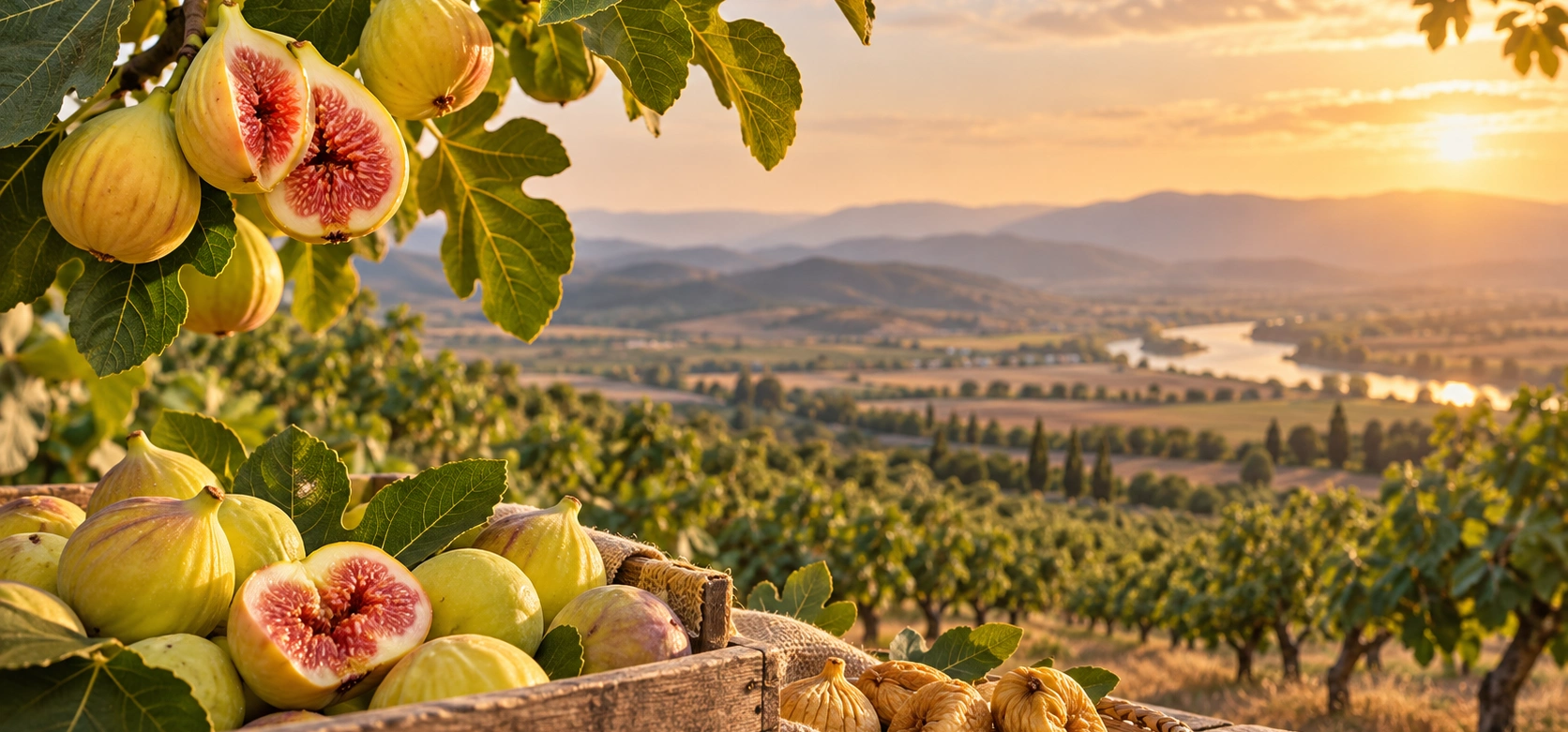
Explore one of the Aegean region's most celebrated fruits and learn about the centuries-old agricultural traditions surrounding it.
Discover Aydın Figs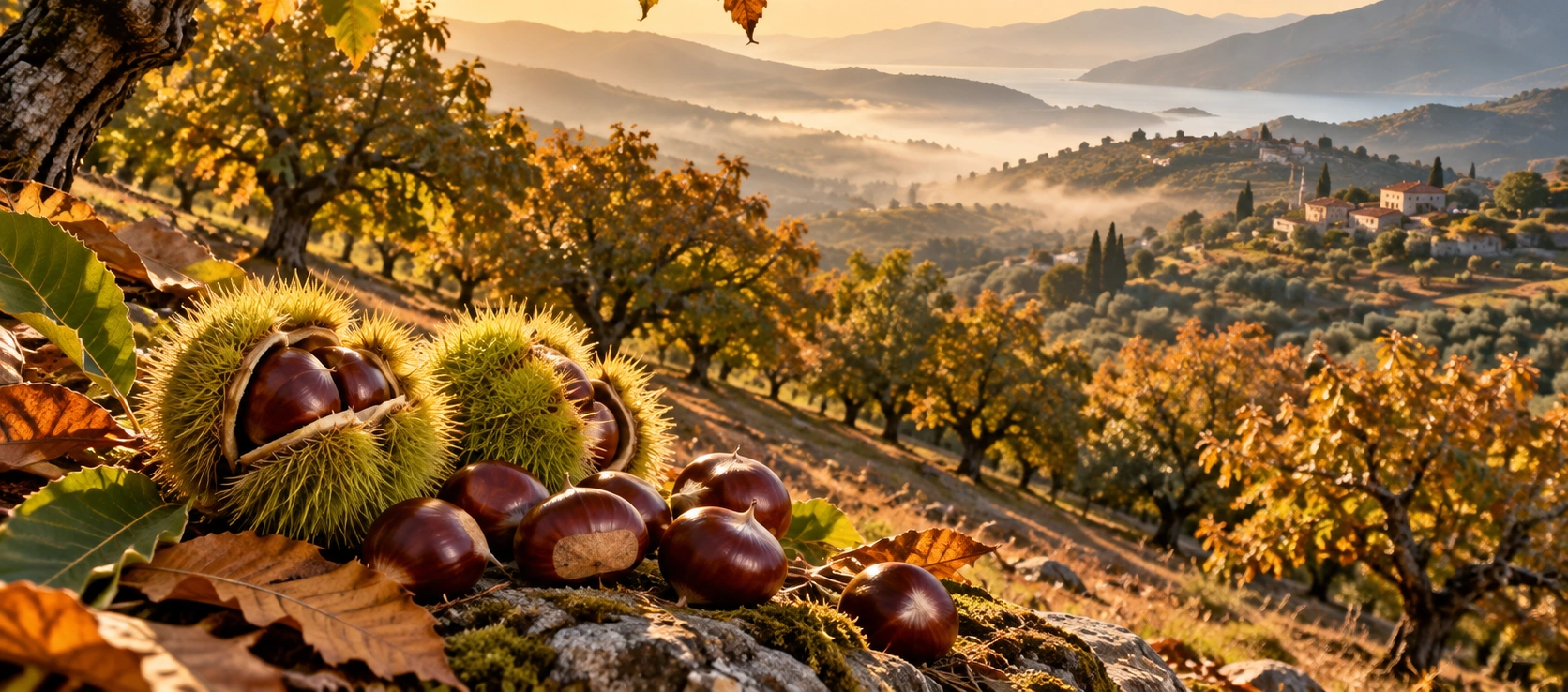
Discover the chestnut-growing heritage of Aydın and the seasonal agricultural traditions of its mountain communities.
Explore Aydın ChestnutsDiscover the agricultural knowledge and flavors associated with one of western Anatolia's most important crops.
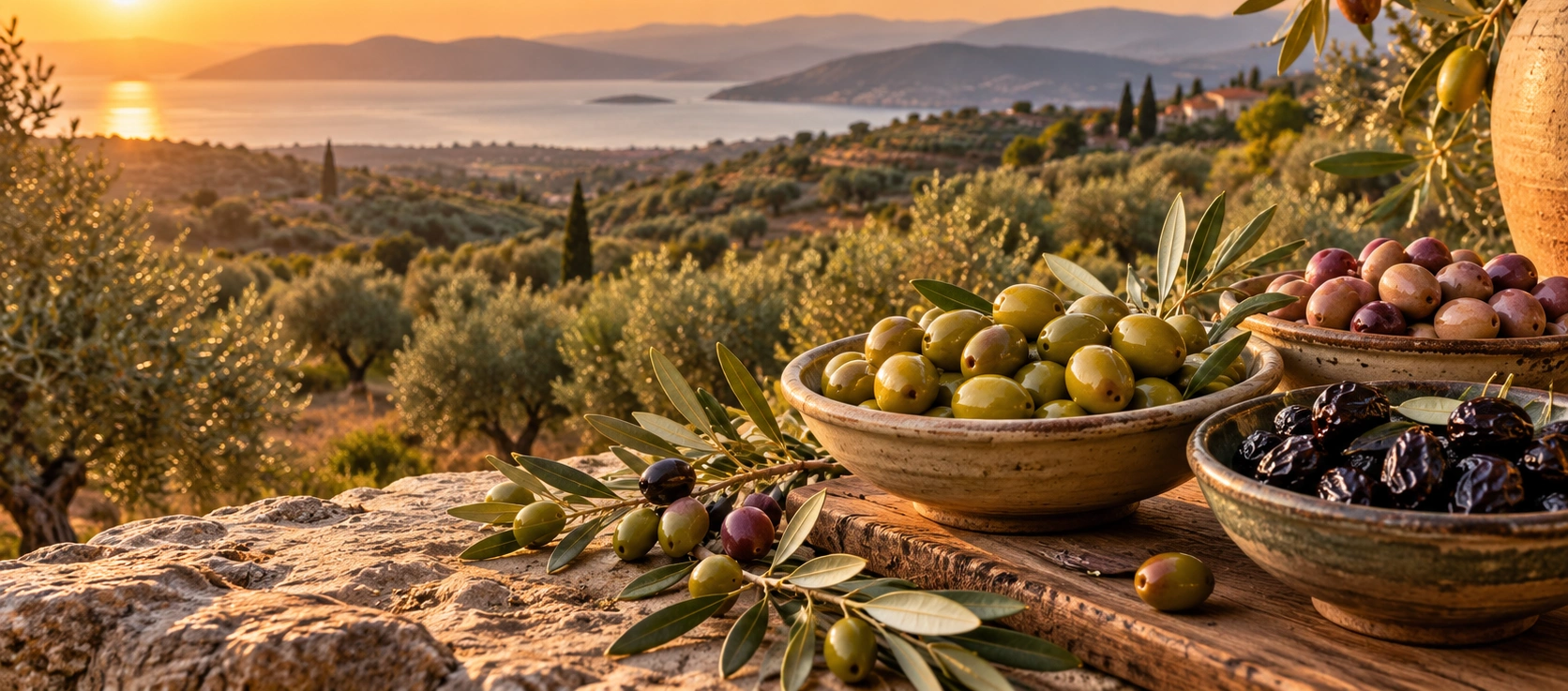
Discover the distinctive Memecik olive variety and its importance within the agricultural traditions of western Türkiye.
Explore Memecik Olives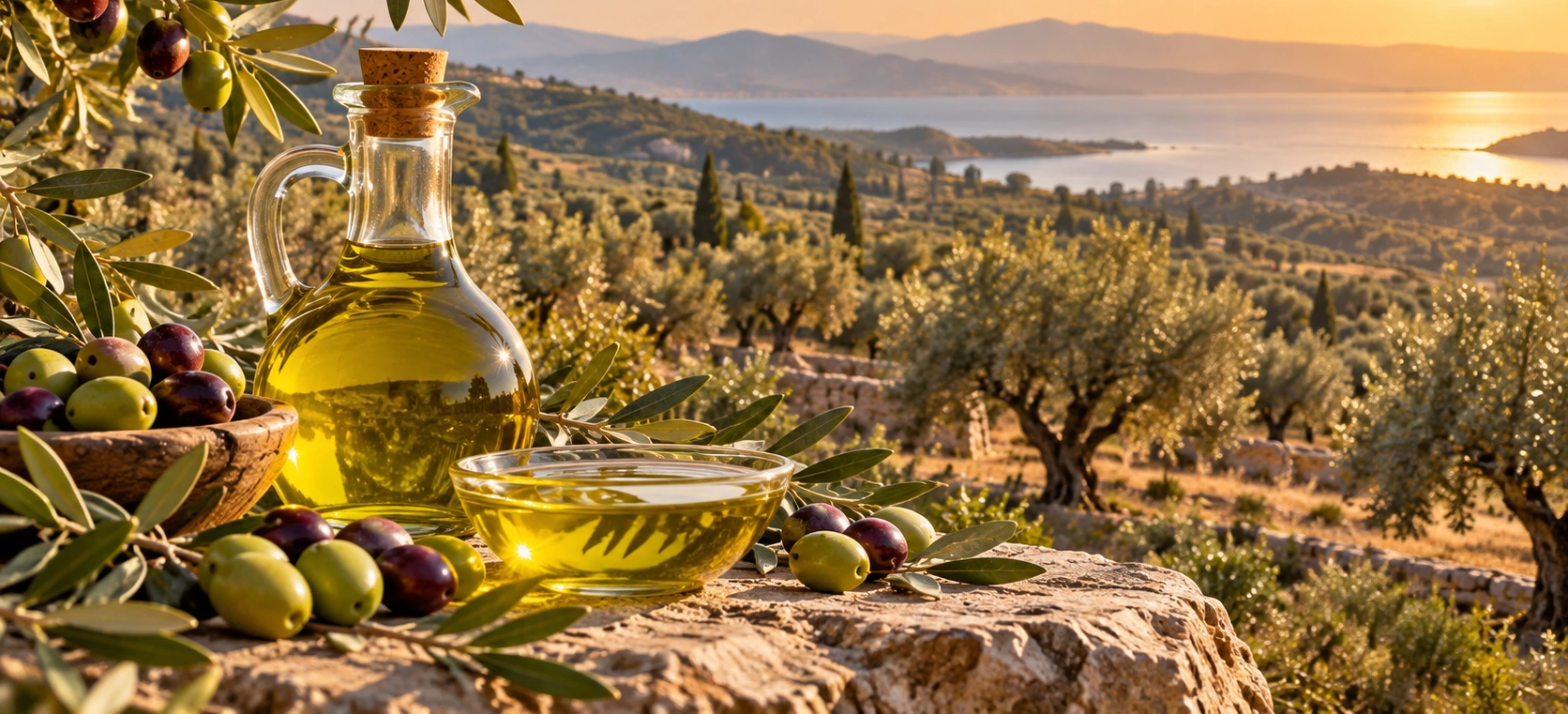
Explore the flavors of traditional Aegean olive oil and discover its significance in the region's culinary heritage.
Discover Memecik Olive OilDiscover traditional regional dishes, freshly baked specialties and the culinary traditions of western Türkiye.

Explore the traditional baking culture of nearby Nazilli and discover a favorite regional culinary specialty.
Discover Nazilli Pide
Discover another celebrated style of Aydın pide and the local baking traditions behind it.
Explore Yenipazar Pide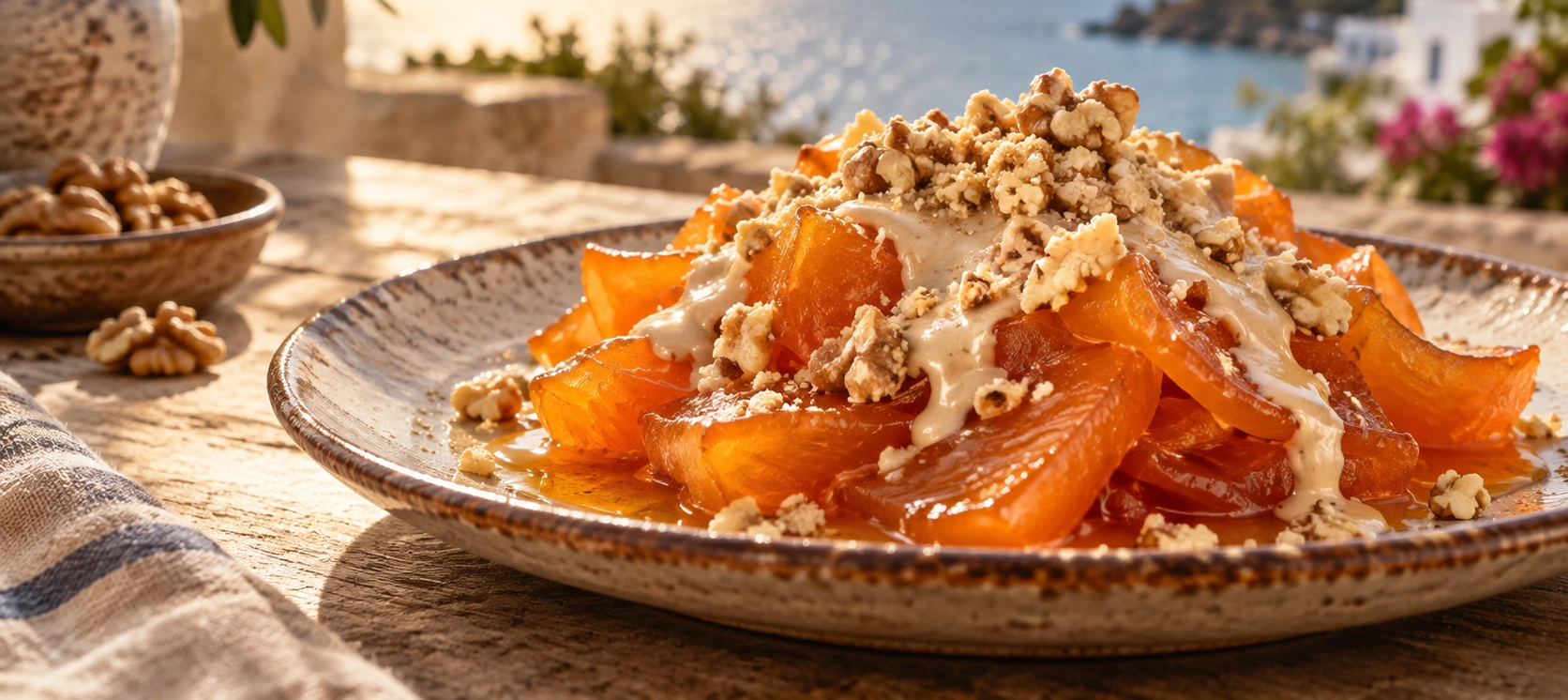
Explore the sweeter side of Aydın gastronomy through a traditional dessert prepared with seasonal ingredients.
Discover Aydın DessertsExperience the fascinating connections between western Anatolia's fertile landscapes and its extraordinary historical heritage.
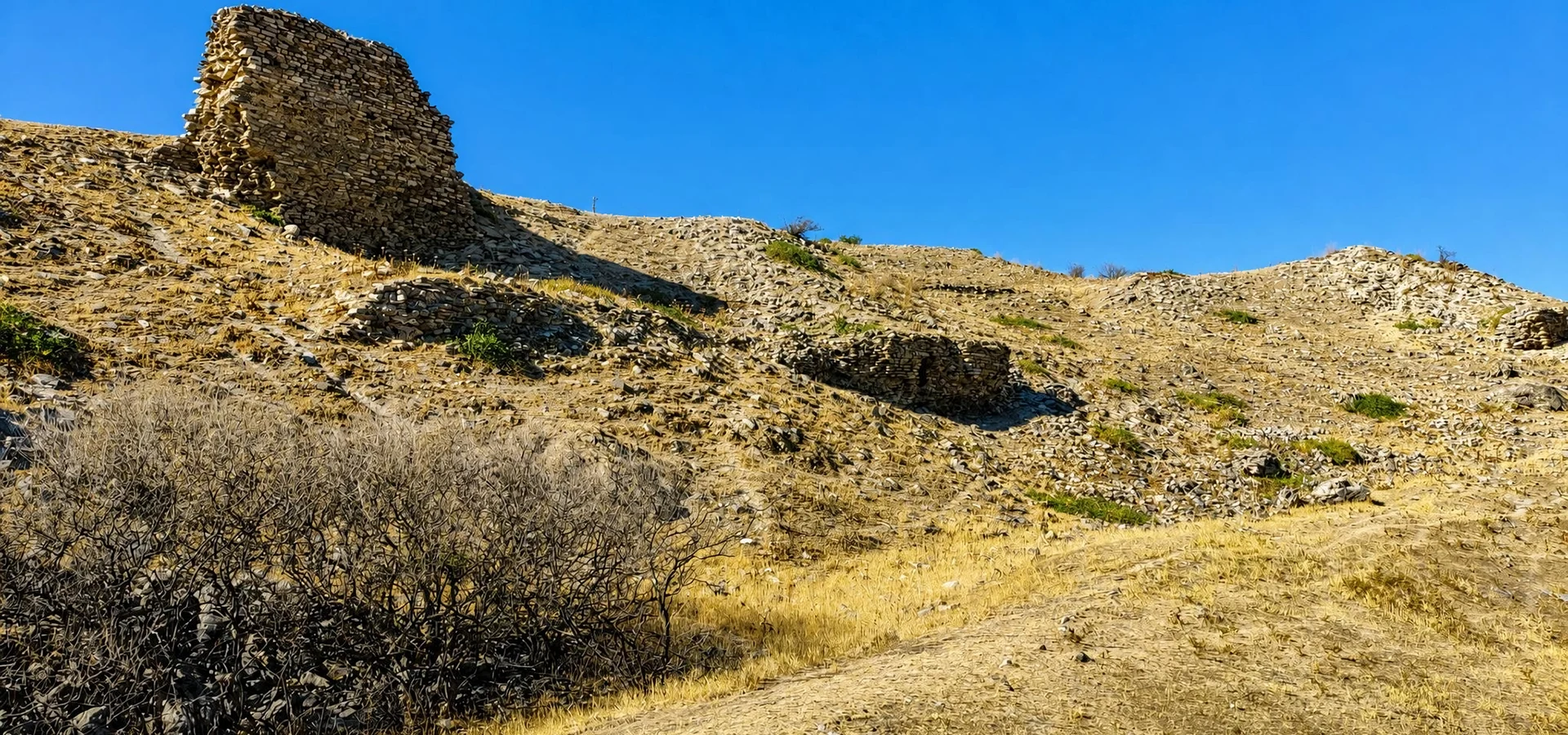
Discover the ancient settlement within modern Kuyucak district and explore its connection with the history of the Büyük Menderes Valley.
Explore Ancient Antiochia
Ask about a personalized journey through Kuyucak, the agricultural landscapes of Aydın, historical settlements and local gastronomy with a licensed guide and private vehicle.
Request a Custom Experience