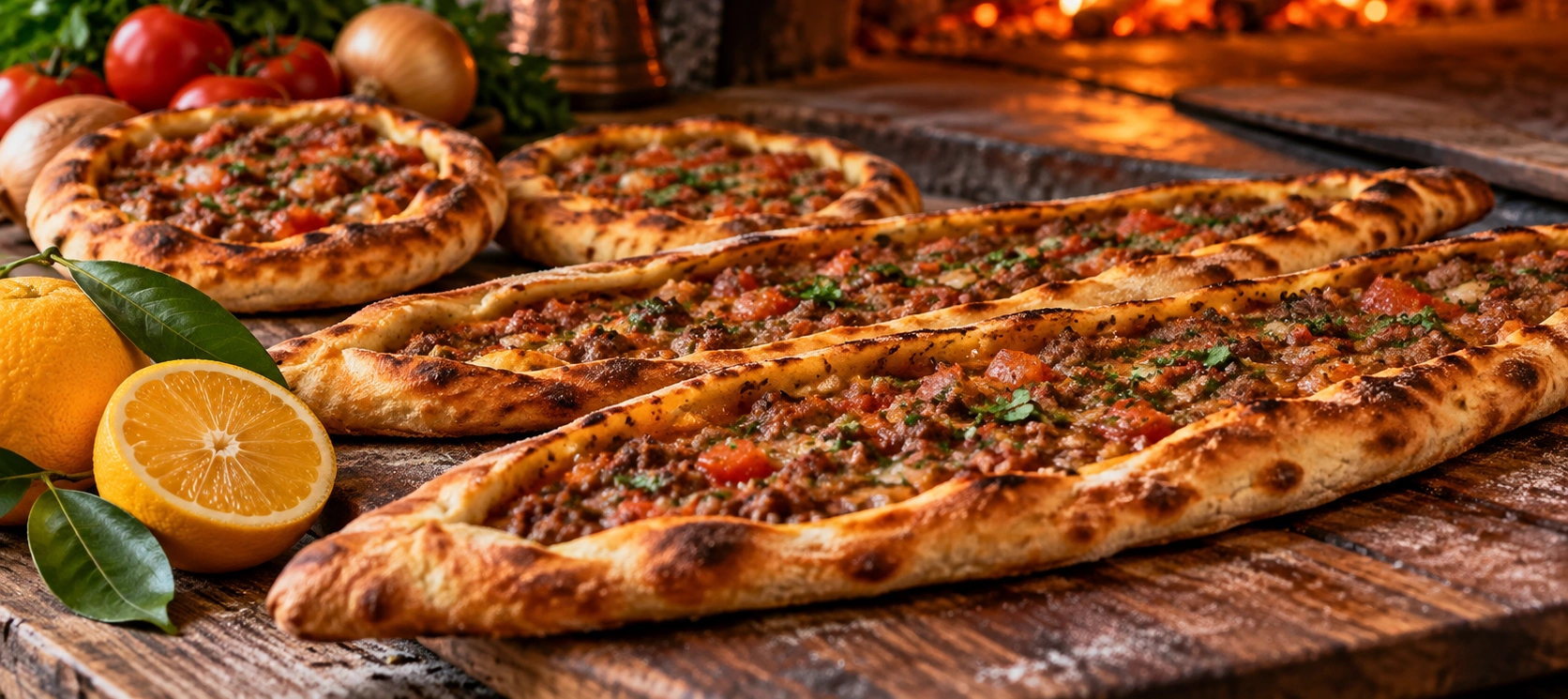
Private Yenipazar Culinary Experience
Discover Yenipazar's famous regional pide, enjoy traditional Turkish dining and explore the culinary heritage of one of Aydın's most interesting gastronomic destinations.
Request a Culinary Experience





Yenipazar Pide, known in Turkish as Yenipazar Pidesi, is one of the most celebrated regional culinary specialties of Aydın Province in western Türkiye. Closely associated with the peaceful district of Yenipazar, this traditional baked flatbread is famous for its hand-stretched dough, locally inspired fillings, wood-fired preparation and distinctive serving traditions.
In Yenipazar, pide is more than a familiar Turkish dish. It represents generations of craftsmanship, family dining traditions and the culinary identity of a district renowned for its welcoming atmosphere and traditional food culture.
Local pide masters prepare their dough using wheat flour, water, salt and fresh yeast. After resting, the dough is stretched by hand, filled with carefully prepared ingredients and baked in a traditional firebrick oven heated with wood.
One of the district's most recognizable specialties is Yenipazar Yuvarlak Kıymalı Pide, a small, round minced-beef pide distinguished by its raised, puffy edges. Another beloved preparation is Yenipazar Tahinli Pide, a sweet sesame-tahini specialty traditionally enjoyed at the end of a pide meal.
The registered tradition includes six principal varieties: long minced-meat pide, minced-meat and egg pide, round minced-meat pide, closed çökelek-and-cheese pide, cheese-and-egg pide and sweet tahini pide.
The local dining experience also includes a special detail: minced-meat pide may be served with turunç, a pleasantly tart and slightly bitter citrus fruit that adds a distinctive regional flavor when squeezed over the freshly baked bread.
On 5 September 2024, Yenipazar Pidesi was officially registered as a geographical indication by the Turkish Patent and Trademark Office, under registration number 1637.
Today, Yenipazar Pide is an essential culinary experience for travelers exploring Aydın's countryside. A traditional pide lunch combines beautifully with visits to Yörük Ali Efe House Museum, the ancient settlement of Orthosia and the surrounding landscapes of the Büyük Menderes Valley.
Discover a regional baking heritage preserved through generations of skilled pide masters.
Explore traditional meat, cheese, egg and sweet sesame-tahini preparations.
Taste the distinctive small round pide with its puffy edges and flavorful minced-beef topping.
Learn about the official geographical indication recognizing Yenipazar's traditional food culture.
Essential information about one of Aydın's best-known traditional wood-fired specialties.
Yenipazar district, Aydın Province, western Türkiye.
Explore Yenipazar on Google MapsTraditional Turkish filled flatbread prepared in a wood-fired oven.
Geographical indication No. 1637, registered on 5 September 2024.
Six traditional savory and sweet pide preparations.
Wood-fired firebrick oven, traditionally using olive or peach wood.
Turunç, a tart, slightly bitter citrus fruit, or lemon with meat pide.
Yuvarlak Kıymalı Pide, the traditional small round minced-meat pide.
Freshly baked tahinli pide, traditionally accompanied by tea.
A traditional Turkish pide celebrated for its handmade dough, distinctive shapes, regional ingredients and carefully preserved serving customs.
Yenipazar Pide is a traditional baked flatbread associated with the Yenipazar district of Aydın Province. It is prepared by kneading and resting a yeast-based wheat dough, shaping it by hand, adding savory or sweet ingredients and baking it in a wood-fired oven.
Although pide is popular throughout Türkiye, Yenipazar has developed a particularly recognizable regional tradition. The preparation is closely associated with local ingredients, experienced bakers and a distinctive combination of shapes and fillings.
The savory varieties commonly feature minced beef, regional cheese, çökelek or eggs. The sweet preparation uses sesame tahini and sugar.
Different varieties may be formed into long, narrow flatbreads, small rounds or folded closed breads. The dough is worked carefully to achieve the desired texture while allowing the filling to cook evenly.
Freshly baked pide is traditionally finished with butter. Meat varieties may be accompanied by locally grown turunç or lemon, adding a refreshing citrus contrast to the rich flavors.
Yenipazar is especially associated with a dining custom in which several varieties may be served in a particular sequence. This transforms a simple pide meal into an opportunity to experience different aspects of the district's culinary heritage.
For visitors, Yenipazar Pide is a wonderful example of how local food traditions can express the history, skills and hospitality of a community.
Yenipazar Pide is distinguished by much more than its filling. Its identity comes from the traditional dough, careful hand shaping, characteristic serving styles, regional ingredients and specialized wood-fired baking.
The geographical indication specification documents the essential features of the registered product.
Traditional dough is shaped manually, requiring experience and a careful understanding of elasticity.
The famous yuvarlak kıymalı variety has a small circular shape and characteristic puffy edges.
The registered product includes different combinations of meat, eggs, cheese, çökelek and tahini.
The pide is baked in a purpose-built wood-fired oven with a characteristic construction.
The registered production method identifies olive and peach wood among suitable fuels.
Traditional cheese fillings include cow's milk cheese and locally familiar çökelek.
The tart flavor of turunç adds a distinctive regional finishing touch to meat pide.
Different pide varieties may be served in sequence, with sweet tahini pide completing the meal.
Several savory preparations are traditionally brushed with butter immediately after baking.
Correct dough preparation, topping distribution and oven management depend on practical skill.
Yenipazar is a historic district in the Büyük Menderes Basin of Aydın Province, surrounded by agricultural landscapes and the foothills of the Madran Mountains.
Its traditional food culture developed within a region known for grain production, livestock farming, dairy products, vegetables and the wider agricultural heritage of western Anatolia.
The exact beginning of Yenipazar Pide is not established by a precise historical date. However, local authorities describe a longstanding tradition preserved through the relationship between experienced masters and their apprentices.
Over time, bakers developed specialized knowledge concerning dough preparation, the selection of meat and cheese, the shaping of different pide varieties and the management of wood-fired ovens.
Local restaurants helped preserve these practices and introduced visitors from neighboring districts to the characteristic flavors of Yenipazar.
The dish eventually became recognized beyond the district itself, attracting travelers who wished to experience its famous round minced-meat pide and sweet tahini preparations.
On 16 June 2023, Aydın Metropolitan Municipality submitted the geographical indication application for Yenipazar Pidesi.
Official registration followed on 5 September 2024, under registration number 1637.
This recognition documented the product's traditional characteristics and its established reputation within Aydın's culinary culture.
Today, Yenipazar Pide remains closely connected with regional hospitality, local restaurants, family dining and the district's wider cultural identity.
The specialty developed within the food traditions of Yenipazar and the Büyük Menderes region.
Practical baking knowledge has been passed between generations of local craftsmen.
Regional grain, livestock, dairy and vegetable production supports the local cuisine.
Traditional pide restaurants became important places for everyday meals and family gatherings.
Geographical indication protection officially documented the traditional product.
Yenipazar Pide continues to connect local food craftsmanship with cultural tourism.
Yenipazar Pidesi is registered by the Turkish Patent and Trademark Office as a geographically indicated product under the classification Mahreç İşareti.
This geographical indication recognizes a product whose reputation, characteristics or traditional production methods are connected with a defined geographical region.
Although the specialty takes its name from the district of Yenipazar, the registered geographical boundary is the entire Aydın Province.
The official specification states that all production stages of the registered Yenipazar Pidesi must take place within that geographical boundary.
The geographical indication specification describes the production features that establish Yenipazar Pidesi's identity and reputation.
The registered formula includes wheat flour, water, fresh yeast and salt.
The specification documents kneading, resting and the use of freshly prepared dough.
The six documented varieties use specific combinations and quantities of ingredients.
The registered methods describe elongated, round and closed preparations.
Traditional oven construction and baking procedures are part of the specification.
All registered production stages must take place within Aydın Province.
One of the most interesting aspects of Yenipazar Pide is its diversity of traditional fillings, shapes and serving styles.
The geographical indication specification documents six principal varieties, each representing a particular expression of the district's baking heritage.
Yenipazar Uzun Kıymalı Pide is a traditional elongated pide made with minced beef, finely chopped onion, tomato and parsley.
The dough is carefully stretched by hand into a long, thin shape without tearing.
The meat mixture is distributed across the surface, while the edges are folded inward to create the familiar open pide form.
After wood-fired baking, the finished pide is brushed with butter and served fresh.
During the appropriate season, diners may squeeze a little turunç over the meat to add a distinctive citrus flavor.
This traditional variety combines the rich flavor of minced beef with eggs added during baking.
The prepared meat, tomato, onion and parsley mixture is placed on elongated hand-stretched dough.
According to the registered method, eggs are added after the pide has partially baked, while it remains inside the traditional oven.
The eggs are spread over the filling, and baking continues until the preparation is complete.
A final application of butter contributes to the characteristic richness of the dish.
Yuvarlak Kıymalı Pide is one of Yenipazar's most recognizable regional specialties.
Unlike the elongated varieties, this pide is prepared as a small circular bread approximately 10 centimeters across.
The center of the dough is pressed down, while the outer edges are left thicker and raised.
A mixture of minced beef, finely chopped vegetables and parsley is distributed across the center, leaving the outer border uncovered.
During baking, the edge develops a distinctive puffy appearance that gives the finished pide its characteristic shape.
Locally, this preparation may also be called Gıyma.
It is traditionally served by individual piece rather than following the same portion system as the elongated varieties.
Kapalı Kesikli Pide is a traditional closed pide featuring a mixture of çökelek, cow's milk cheese and parsley.
The word kesik is a regional term associated with çökelek, a traditional curd-style dairy product.
The dough is stretched into a wider shape before the cheese mixture is placed over one half.
The remaining dough is folded over the filling, forming a closed, half-moon-style pide.
The bread is baked until cooked and traditionally finished with butter.
This variety provides a distinctive alternative to the open meat preparations.
This traditional preparation combines cow's milk cheese, çökelek, eggs and parsley.
The filling is mixed before being distributed over elongated hand-stretched dough.
The edges are folded inward, leaving the cheese-and-egg mixture exposed during baking.
The finished pide offers a rich combination of regional dairy flavors, eggs and freshly baked bread.
It is an appealing meat-free alternative for visitors who enjoy traditional Turkish cheese dishes.
Yenipazar Tahinli Pide is the traditional sweet conclusion to the regional pide experience.
The preparation uses wheat dough, sesame tahini and granulated sugar.
The dough is stretched into a circle, coated with tahini, rolled and kneaded again before being opened into a wider circular shape.
Additional tahini and sugar are spread over the surface before baking.
Traditional tahinli pide is associated with a rich sesame aroma, sweetness and a distinctive baked texture.
It is commonly enjoyed at the end of a meal, accompanied by Turkish tea.
One of the most distinctive details documented in Yenipazar Pide's geographical indication is the traditional serving sequence offered when customers wish to sample different varieties.
Rather than choosing only one pide, diners may ask the restaurant to bring a selection in the customary order.
This approach allows visitors to appreciate the differences in shape, filling, texture and flavor throughout the meal.
The registered serving description also mentions salad and onion cooked in an earthenware dish, known as kiremitte soğan, alongside the savory dishes.
Where available in season, the minced-meat varieties may be accompanied by locally grown turunç or lemon.
Restaurants may adapt the actual service according to customer preferences, portions and availability, so visitors should ask whether the traditional tasting sequence is offered.
Traditional Yenipazar Pide begins with a carefully prepared wheat dough designed for manual shaping and wood-fired baking.
The registered production method uses wheat flour, water, fresh baker's yeast and salt.
The dough must develop a suitable consistency and elasticity so that it can be stretched by hand without tearing.
The geographical indication specification provides the following quantities for a professional production batch.
Wheat flour, water, salt and fresh yeast are combined and kneaded until the mixture reaches a uniform consistency.
The prepared dough is placed in a cool environment and allowed to rest for at least one hour.
After rising, the dough is divided into small portions and formed into individual balls.
These portions are placed into lightly floured dough trays known locally as pasa.
When the dough is ready for use, the pide master stretches it into the appropriate shape according to the selected variety.
The dough is prepared fresh each day. The registered method does not permit unused dough from one day to be carried over for pide production the next day.
Wheat flour provides the foundation of the registered dough.
Fresh baker's yeast supports fermentation and the development of the dough's structure.
The relationship between flour and water helps establish suitable dough consistency.
The dough rests in a cool environment before being divided and shaped.
Experienced bakers stretch the dough carefully without tearing the surface.
Traditional production emphasizes preparing and using fresh dough within the same day.
The ingredients used in traditional Yenipazar Pide vary according to the selected preparation.
The official geographical indication includes detailed quantities for the six principal varieties.
Minced beef is an essential ingredient in several of the most popular Yenipazar Pide varieties.
The geographical indication specification describes using beef from cattle raised on natural pasture.
Traditional minced meat is prepared using suitable cuts, including the brisket, shoulder, forequarter and rib sections.
The meat is minced together with its natural fat. Where the meat is insufficiently fatty, the registered method permits the use of a particular type of beef membrane fat, known as gömlek yağı.
The traditional filling is completed with finely chopped tomato, onion and parsley.
These ingredients help create the familiar flavor of Yenipazar's minced-meat pide while allowing the character of the beef to remain prominent.
The registered method connects the meat with traditional pasture-based livestock production.
Brisket, shoulder, forequarter and rib sections are specified for the traditional minced filling.
The traditional method preserves the natural fat of the meat during preparation.
Finely chopped onions, tomatoes and parsley balance the savory meat.
The cheese varieties of Yenipazar Pide showcase another important part of Aydın's regional food culture.
The registered production method describes using cheese made from cow's milk and traditional çökelek.
Çökelek is a curd-style dairy product produced through the separation or curdling of milk. In the Yenipazar tradition, it is also known by the regional name kesik.
For closed pide, çökelek is mixed with cow's milk cheese and parsley before being enclosed within the dough.
For the cheese-and-egg variety, eggs are added to the cheese and çökelek mixture before the filling is spread over the dough.
These ingredients create traditional meat-free savory preparations with flavors different from the more familiar kaşar cheese pide available in many Turkish restaurants.
Grated cow's milk cheese is used in the registered cheese preparations.
This curd-style dairy product provides a distinctive regional flavor and texture.
Eggs enrich the traditional open cheese-and-egg preparation.
Finely chopped parsley adds a fresh herbal note to the dairy mixtures.
Yenipazar Pide is traditionally prepared in several recognizable shapes.
The selected filling determines how the dough is stretched, folded and positioned during baking.
The long minced-meat and related egg varieties are prepared from dough stretched into an elongated shape.
The edges are folded slightly inward while the filling remains visible.
The famous yuvarlak kıymalı variety is shaped into a small circle approximately 10 centimeters across.
The central area is pressed down while the outer rim remains thicker, allowing the edges to puff during baking.
Kapalı kesikli pide is made by placing the cheese mixture on one half of a wider piece of dough.
The dough is then folded over into a half-moon shape, enclosing the filling.
The sweet tahini variety is rolled and reshaped before being opened into a round preparation approximately 30 centimeters across.
The open minced-meat varieties use carefully stretched elongated dough.
The signature round minced-meat pide has distinctive raised edges.
The traditional kesikli variety encloses its cheese filling inside folded dough.
The tahini variety is opened into a larger circular preparation.
Traditional Yenipazar Pide is baked in a wood-fired oven constructed with firebricks.
The official geographical indication describes ovens with a firebrick base measuring approximately 1.40 × 1.40 meters or 2 × 2 meters.
The documented oven design includes a double-entry and single-chimney arrangement intended to reduce the formation of smoke and soot inside the baking area.
The registered method identifies suitable fuel woods such as olive and peach wood.
The experienced baker manages the fire, observes the movement of heat inside the oven and positions each pide according to the selected preparation.
The geographical indication specifies the following cooking periods for the traditional professional oven.
These baking periods reflect specialized traditional oven conditions rather than conventional home cooking.
The baker's experience plays an essential role in judging when the dough and its filling have reached the desired result.
The traditional oven is built to store and transfer high levels of heat.
Olive wood is one of the documented fuels used in traditional baking.
Peach wood is another suitable fuel identified in the registered specification.
The baker adjusts the position and handling of each pide according to oven conditions.
Meat, cheese and sweet fillings require different traditional baking procedures.
Experienced pide masters understand the behavior of dough in the wood-fired environment.
The traditional preparation of Yenipazar Pide involves several stages requiring care, experience and attention to detail.
Wheat flour, water, salt and fresh baker's yeast are measured according to the traditional production formula.
The ingredients are mixed and kneaded until a uniform dough is obtained.
The dough rests for at least one hour in a cool environment to develop the required structure.
The rested dough is divided and formed into balls, which are placed in lightly floured trays.
The selected ingredients are prepared according to the type of pide, including minced beef, chopped vegetables, cheese, çökelek, eggs or sesame tahini.
The baker opens the dough manually into an elongated, round or wider shape without tearing it.
Ingredients are distributed carefully across the prepared surface or placed inside the dough for the closed variety.
The edges are folded inward for long open pide, left puffy for the round minced variety or closed for kapalı kesikli pide.
The traditional firebrick oven is heated with suitable wood until the baker judges the conditions ready for baking.
The shaped pide is transferred into the oven and baked according to its particular filling and traditional method.
Several savory varieties are traditionally brushed with butter after baking.
The finished pide is served while fresh, with accompaniments such as salad, cooked onion or seasonal turunç.
One of the most memorable features of the Yenipazar dining experience is the traditional use of turunç with minced-meat pide.
Turunç is a type of bitter orange known for its sharp, aromatic and slightly bitter citrus flavor.
When squeezed over freshly baked minced-meat pide, the juice provides a refreshing contrast to the savory beef and rich baked dough.
The geographical indication specification mentions serving the round minced-meat, long minced-meat and minced-meat-and-egg varieties with locally grown turunç when it is in season, or with lemon.
This distinctive custom illustrates the relationship between the agricultural products of Aydın and its regional cuisine.
Turunç has a tart, pleasantly bitter taste that differs from ordinary sweet oranges.
The fruit is associated especially with Yenipazar's minced-meat pide varieties.
Fresh turunç may not be available throughout the year.
Lemon is also recognized as an accompaniment in the registered serving tradition.
Yenipazar Pide offers a combination of freshly baked dough, savory or sweet fillings and the distinctive aromas of traditional wood-fired cooking.
The minced-meat varieties feature rich beef flavors balanced by tomato, onion and parsley.
The round minced-meat version adds a different textural experience through its small shape and raised bread edges.
The closed çökelek-and-cheese variety offers a flavorful combination of soft regional dairy products and freshly baked dough.
Cheese-and-egg pide provides a satisfying balance of savory cheese, eggs and bread.
Finally, the sweet tahini preparation introduces the concentrated aroma of sesame and sugar.
Traditional wood-fired baking creates appealing roasted bread aromas and contrasting textures.
Carefully prepared beef provides the characteristic savory flavor of the meat varieties.
Onion, tomato and parsley balance the traditional minced-meat mixture.
Cow's milk cheese and çökelek create distinctive dairy flavors.
Turunç or lemon introduces a bright contrast to rich minced-meat pide.
Tahinli pide combines concentrated sesame aroma with traditional sweetness.
Among Yenipazar's traditional specialties, tahinli pide occupies an important place as the sweet conclusion to a classic regional meal.
Unlike the savory varieties, tahinli pide combines traditional wheat dough with sesame tahini and sugar.
The registered method begins by stretching the dough into a circular form.
Tahini is distributed over the surface, and the dough is rolled before being worked again.
The enriched dough is then opened into a larger circle approximately 30 centimeters across.
Additional tahini is applied, followed by a layer of sugar.
The preparation is placed in the traditional oven at a location away from the strongest direct fire and baked according to the registered professional method.
Once finished, the pide is served as a sweet specialty, traditionally accompanied by Turkish tea.
Yenipazar Municipality also describes local versions incorporating sesame and butter, illustrating the traditional restaurant practices associated with the district.
Tahini provides the distinctive sesame flavor and rich aroma.
Sugar creates the classic sweet character of the registered preparation.
The dough is rolled, worked again and stretched into its traditional round form.
The registered baking method places the pide away from the strongest direct fire.
Tahinli pide provides a sweet alternative to the savory meat and cheese varieties.
The official traditional sequence concludes with tahinli pide accompanied by tea.
It is possible to prepare a home-style Turkish pide inspired by Yenipazar's traditional recipes.
However, the authentic registered preparation involves specific ingredients, manual shaping skills and a traditional wood-fired oven.
A conventional home oven may produce a delicious filled flatbread, but the result will differ from the traditional regional preparation.
Begin with a simple yeast dough prepared from wheat flour, water, salt and fresh or appropriately substituted baker's yeast.
Knead the dough until smooth and elastic, then allow it to rise and rest.
Prepare the topping using minced beef, finely chopped onion, tomato and parsley.
Divide the dough into portions and stretch each portion into the desired shape.
For a long pide, fold the edges inward. For a small round version, leave a raised border around the filling.
Bake in a thoroughly preheated oven until the dough is cooked and the minced beef reaches a safe internal temperature.
Serve immediately, finishing with butter if desired.
Use wheat flour appropriate for elastic bread dough.
Allow adequate time for the dough to develop and become easier to shape.
Small, evenly prepared ingredients help distribute the topping.
Stretch the dough carefully to avoid tearing.
A hot baking surface helps improve the texture of home-style pide.
Cook minced beef to 71°C (160°F), and ensure egg fillings are thoroughly cooked.
The most natural destination for discovering Yenipazar Pide is Yenipazar town, located in the inland landscapes of Aydın Province.
The district is widely associated with traditional pide restaurants and its distinctive regional food culture.
Yenipazar's central streets provide a convenient starting point for exploring traditional pide establishments.
Look for restaurants preparing fresh dough, baking pide to order and offering multiple regional varieties.
Specialized pide restaurants provide an opportunity to appreciate the craftsmanship behind the dish.
Where the kitchen is visible and the restaurant permits it, visitors may observe the manual stretching of the dough and the use of traditional ovens.
The small round minced-meat variety is particularly associated with Yenipazar and is an excellent introduction to the district's culinary traditions.
Consider ordering it alongside a closed cheese variety or a long minced-meat pide.
Traditional sweet tahini pide makes a memorable final course.
Ask whether it is freshly prepared and available when ordering, particularly if visiting outside peak dining hours.
Aydın is one of western Türkiye's most important agricultural regions, known for its figs, olives, olive oil, vegetables and diverse culinary traditions.
Within this larger food culture, Yenipazar Pide represents the local relationship between wheat-based baking, livestock products, traditional dairy ingredients and regional dining customs.
Its preparation reflects the practical knowledge of bakers who have learned how to work with fresh dough and traditional wood-fired ovens.
Its serving traditions also reveal how meals can become social experiences rather than simply individual dishes.
Sharing several varieties allows families and friends to taste different combinations of meat, cheese, eggs and sweet sesame.
The fame of Yenipazar Pide has also helped establish the town as an appealing stop for gastronomic travelers exploring inland Aydın.
The regional preparation reflects Anatolia's longstanding culture of breadmaking.
Beef and dairy products contribute to the savory varieties.
Sharing several pide varieties encourages a communal dining experience.
Traditional pide masters preserve techniques developed through years of practice.
The specialty attracts visitors interested in Aydın's local food heritage.
Yenipazar Pide has become an important symbol of the district's culinary reputation.
Yenipazar is known not only for its famous pide but also for its association with the international Cittaslow, or Slow City, movement.
The movement emphasizes local identity, environmental awareness, cultural traditions and a more thoughtful approach to everyday living.
These values complement the district's traditional culinary heritage, where handmade food, locally associated ingredients and the experience of skilled craftsmen remain important.
Located within the Büyük Menderes Basin, Yenipazar offers an appealing contrast to the busier coastal tourism destinations of western Türkiye.
Its quieter town atmosphere, agricultural surroundings and traditional food culture make it a rewarding stop for travelers interested in authentic regional experiences.
Yenipazar is recognized for its association with the Slow City movement.
Traditional pide is an important expression of the town's cultural identity.
The town is surrounded by the agricultural countryside of the Büyük Menderes Basin.
Local restaurants offer visitors an opportunity to experience a more relaxed regional dining culture.
Yenipazar is an appealing destination for visitors exploring the inland districts of Aydın Province.
A traditional pide meal can become part of a broader journey involving regional history, ancient settlements and the agricultural landscapes of the Büyük Menderes Valley.
Visit the town center and enjoy a traditional pide meal. Begin with the famous round minced-meat variety, explore another savory preparation and finish with sweet tahinli pide.
Discover the story of Yörük Ali Efe, an important figure of the Turkish National Struggle, before enjoying a traditional Yenipazar Pide lunch.
Explore the archaeological heritage associated with ancient Orthosia and complete the experience with a local meal in Yenipazar.
Enjoy a relaxed exploration of the district's town center, traditional food culture and surrounding rural scenery.
Combine Yenipazar Pide with other regional specialties, including Nazilli Pide, Karacasu Pide, Aydın figs and traditional olive products.
Yenipazar Pide is a year-round culinary specialty and is not limited to a particular season.
However, the time of year can influence the wider sightseeing experience and the availability of seasonal ingredients such as fresh turunç.
Comfortable weather makes spring an appealing time for countryside excursions and traditional dining.
Enjoy freshly baked pide while arranging outdoor sightseeing around the warmer parts of the day.
Milder temperatures create pleasant conditions for exploring Yenipazar and the Büyük Menderes region.
A traditional wood-fired pide meal offers a comforting culinary experience during cooler weather.
For visitors planning a dedicated gastronomic excursion, lunchtime is a natural choice, although individual restaurant service hours should be confirmed in advance.
Experiencing Yenipazar Pide is straightforward, but a few practical suggestions can help visitors make the most of their meal.
The small yuvarlak kıymalı variety is one of the most characteristic local preparations.
Some restaurants may offer a selection of varieties served in the customary order.
The sweet sesame variety is traditionally enjoyed at the end of a meal.
A little citrus juice adds a characteristic regional accent to minced-meat pide.
Traditional pide is most enjoyable shortly after it leaves the oven.
Restaurants may offer different portion sizes, while round pide is commonly ordered by piece.
Visitors with dietary restrictions should check fillings and preparation methods.
Ask permission before photographing bakers, preparation areas or other guests.
Yenipazar Pide contains different ingredients depending on the variety selected.
Visitors with allergies, religious dietary requirements or other food restrictions should always confirm the current ingredients and kitchen practices directly with the restaurant.
Traditional dough contains wheat flour and is not gluten-free.
Cheese varieties contain dairy, and several savory preparations are finished with butter.
The minced-meat-and-egg and cheese-and-egg preparations contain eggs.
Traditional tahinli pide contains sesame tahini, a relevant allergen.
Cheese and egg varieties may suit some vegetarians, depending on ingredients and preparation practices.
The traditional preparations may involve butter, cheese or eggs. Confirm all ingredients before ordering.
The traditional minced-meat varieties use beef, with specific animal-fat requirements documented in the registration.
Traditional pide kitchens may prepare several varieties using shared tools and baking areas.
Yenipazar's location in the Büyük Menderes region makes it possible to combine a traditional food experience with cultural and historical exploration.
The Yörük Ali Efe House Museum is one of Yenipazar's important cultural attractions.
It preserves the memory of Yörük Ali Efe, a notable figure of the Turkish National Struggle, through personal belongings, photographs and historical exhibits.
The museum provides a rewarding introduction to the local history of Yenipazar and Aydın.
Orthosia Ancient City is associated with the ancient cultural landscape surrounding Yenipazar.
The site preserves traces of the region's archaeological past and its connection with the ancient civilizations of western Anatolia.
Visitor access, excavation areas and site conditions should be checked before traveling.
The town center offers an opportunity to experience the local atmosphere and traditional food culture for which the district is known.
A relaxed walk around central streets can complement a leisurely lunch in one of Yenipazar's pide restaurants.
The agricultural landscapes of the Büyük Menderes Basin provide an attractive setting for rural exploration and scenic drives.
The valley has played an important role in the agricultural and cultural history of Aydın.
The countryside toward the Madran Mountains offers a different perspective on the inland landscapes of western Türkiye.
Visitors interested in rural scenery can incorporate selected viewpoints and countryside roads into their journey.
Yenipazar Pide is one of many specialties reflecting the rich agricultural and culinary heritage of Aydın Province.
Travelers interested in regional gastronomy can explore several other traditional foods during their journey.
Discover another geographically protected Aydın pide tradition with its own characteristic varieties.
Explore the distinctive long, narrow wood-fired pide associated with the Karacasu district.
Try Aydın's traditional grilled meatball specialty from the Çine district.
Learn about one of the province's best-known agricultural products.
Discover the olive-growing heritage and regional olive oil traditions of western Türkiye.
Explore a traditional sweet preparation associated with local Turkish dessert culture.
Türkiye has a rich tradition of regional pide, with different districts and provinces developing their own ingredients, shapes and baking techniques.
Although many varieties share a foundation of wheat dough and traditional fillings, each region may have distinctive characteristics.
Known for its six registered varieties, small round minced-meat pide, çökelek fillings, wood-fired baking and traditional serving order.
Recognized for its exceptionally long and narrow savory preparations and traditional kara fırın baking.
A geographically protected regional specialty featuring four documented traditional varieties.
Black Sea pide traditions include numerous varieties featuring regional cheeses, butter, meat and eggs.
A long, thin baked specialty traditionally associated with minced-meat toppings.
Another recognized pide tradition of Aydın with its own production methods and culinary characteristics.
Both traditions are geographically protected specialties associated with Aydın Province, but their registered preparation methods differ.
Yenipazar is especially associated with its small round minced-meat variety, distinctive serving sequence and use of turunç.
Karacasu Pide is particularly recognizable for its elongated proportions and the characteristics of its traditional wood-fired baking method.
Yenipazar Pide includes six principal varieties documented in its 2024 registration, while the geographical indication for Nazilli Pide describes four traditional varieties.
Both regions have round minced-meat specialties, but their documented ingredients, dough methods and other production details should not be treated as identical.
Helpful answers about the history, ingredients, geographical indication and traditional dining customs of Yenipazar Pidesi.
Yenipazar Pide is a traditional Turkish filled flatbread associated with Yenipazar in Aydın Province. It is known for handmade dough, regional fillings, wood-fired baking and distinctive serving traditions.
It is traditionally associated with the Yenipazar district of Aydın Province in western Türkiye.
Yes. Yenipazar Pidesi was officially registered as a geographical indication on 5 September 2024, under registration number 1637.
The registered geographical boundary is Aydın Province. The official specification requires all production stages to take place within this area.
The geographical indication specification documents six principal preparations: long minced meat, minced meat and egg, round minced meat, closed çökelek and cheese, cheese and egg, and sweet tahini pide.
It is a small, round minced-meat pide with raised, puffy edges. It is one of Yenipazar's best-known traditional specialties.
Gıyma is a local name associated with Yenipazar's traditional round minced-meat pide.
It is a traditional closed pide filled with çökelek, cow's milk cheese and parsley. The dough is folded into a half-moon shape before baking.
It is a traditional sweet pide made with sesame tahini, sugar and wheat dough. It is commonly enjoyed as the final course of a pide meal.
Turunç is a tart, slightly bitter citrus fruit traditionally served with certain minced-meat pide varieties. Its juice adds a refreshing contrast to the rich meat filling.
The registered method uses a traditional wood-fired oven constructed with firebricks, with olive or peach wood among the documented fuel choices.
Yes. Manual dough stretching and shaping are important parts of the traditional preparation.
The registered sequence begins with round minced-meat pide, followed by closed cheese, minced meat and egg, cheese and egg, long minced-meat pide, and finally sweet tahini pide with tea.
Some cheese and egg varieties are meat-free, but ingredients and kitchen practices should be confirmed with the restaurant.
Yes. Traditional Yenipazar Pide is made with wheat flour and contains gluten.
You can prepare an inspired home-style version, but the registered traditional preparation uses specific ingredients and professional wood-fired baking methods.
Yenipazar town in Aydın Province is the natural destination for experiencing the dish close to its traditional home.
Yes. A traditional pide meal can be combined with visits to Yörük Ali Efe House Museum, the Orthosia area and the surrounding Büyük Menderes countryside.
Yes. It is a year-round regional specialty, although restaurant opening hours, menu availability and seasonal accompaniments may vary.
Absolutely. Its distinctive round minced-meat pide, regional cheese varieties, sweet tahini preparation and traditional serving customs make it a memorable introduction to Aydın's culinary heritage.
Traditional regional foods are an important part of cultural heritage. Visitors can help preserve these traditions by supporting local businesses and appreciating the skill involved in their preparation.
Choosing traditional establishments helps support the district's culinary culture.
Recognize the knowledge and experience required for handmade pide production.
Learn about geographical indications and their role in preserving regional identities.
Ask permission before photographing food preparation areas, bakers or other guests.
Choose sensible portions and consider sharing when sampling several varieties.
Combine traditional dining with museums, historic places and local cultural experiences.
Discover the celebrated pide traditions of Yenipazar, explore its cultural heritage and enjoy a personalized journey through the historic landscapes of Aydın with Wow Cappadocia.
Our team can help arrange customized cultural and culinary experiences with comfortable private transportation, knowledgeable local guidance where arranged, flexible sightseeing and no compulsory shopping stops.
Discover Yenipazar's famous regional pide, enjoy traditional Turkish dining and explore the culinary heritage of one of Aydın's most interesting gastronomic destinations.
Request a Culinary Experience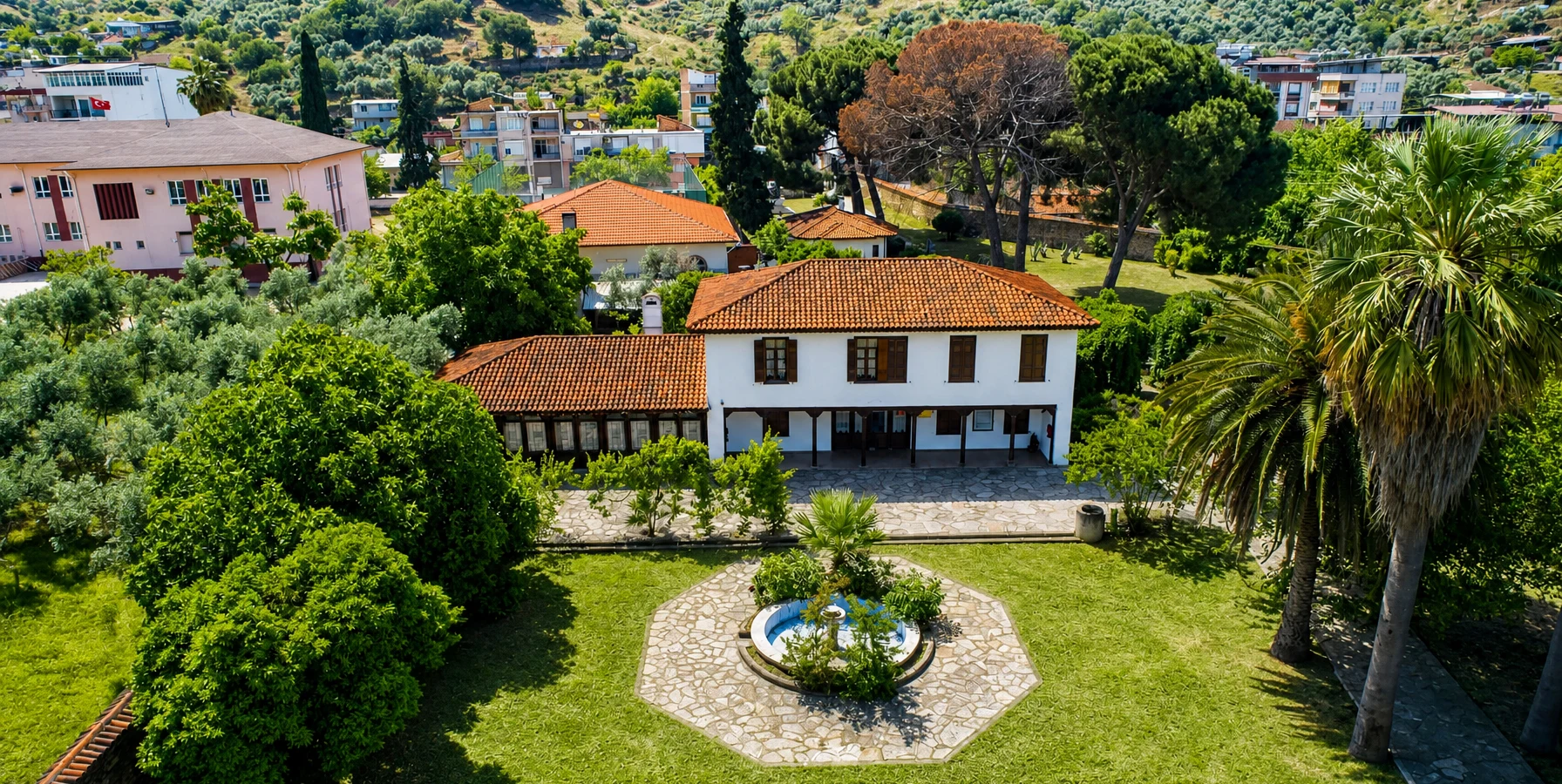
Combine Yenipazar's local history, the Yörük Ali Efe House Museum and traditional cuisine in a personalized cultural experience through inland Aydın.
Plan Your Private TourFrom Yenipazar's famous round minced-meat pide to the traditional flavors of Nazilli and Karacasu, Aydın offers a wonderful variety of regional gastronomic experiences.
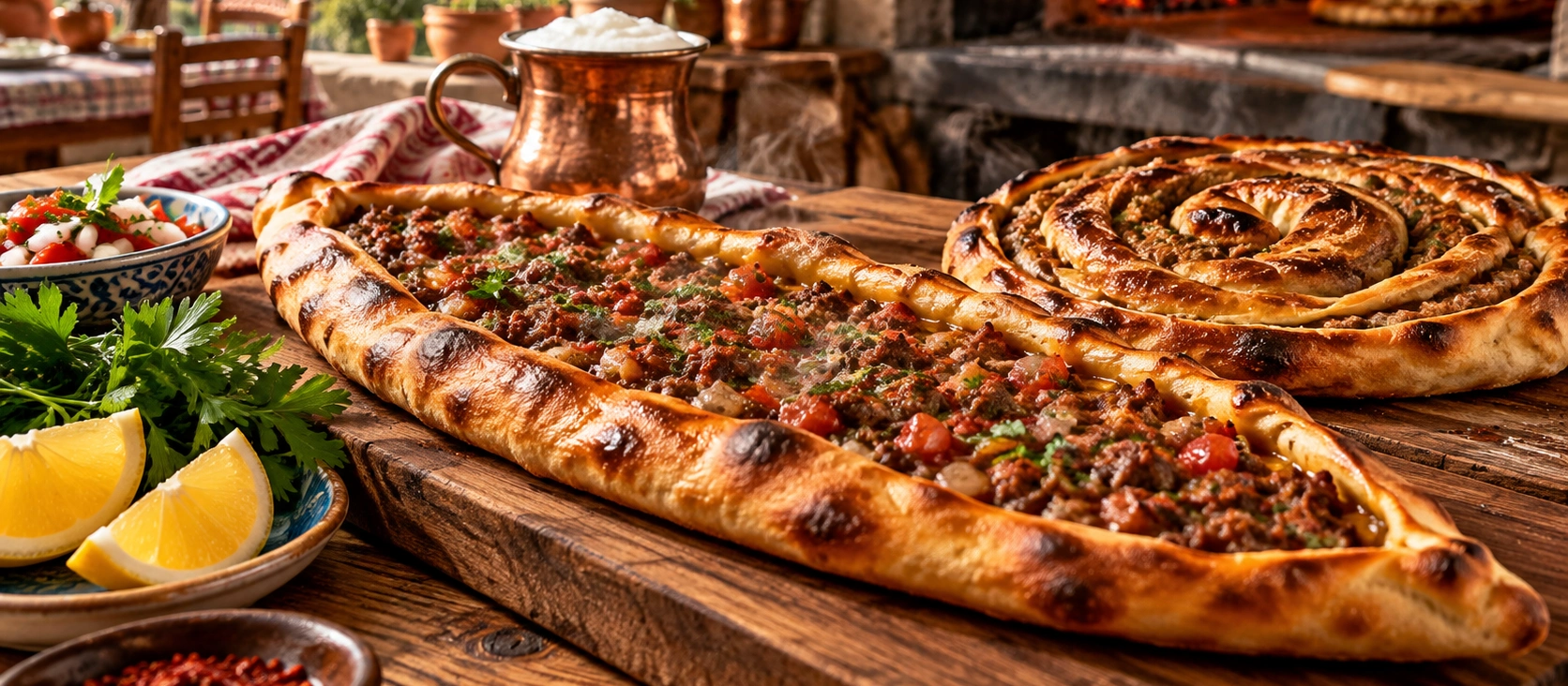
Discover another geographically protected Aydın pide tradition and learn how its four registered varieties reflect the region's baking heritage.
Discover Nazilli Pide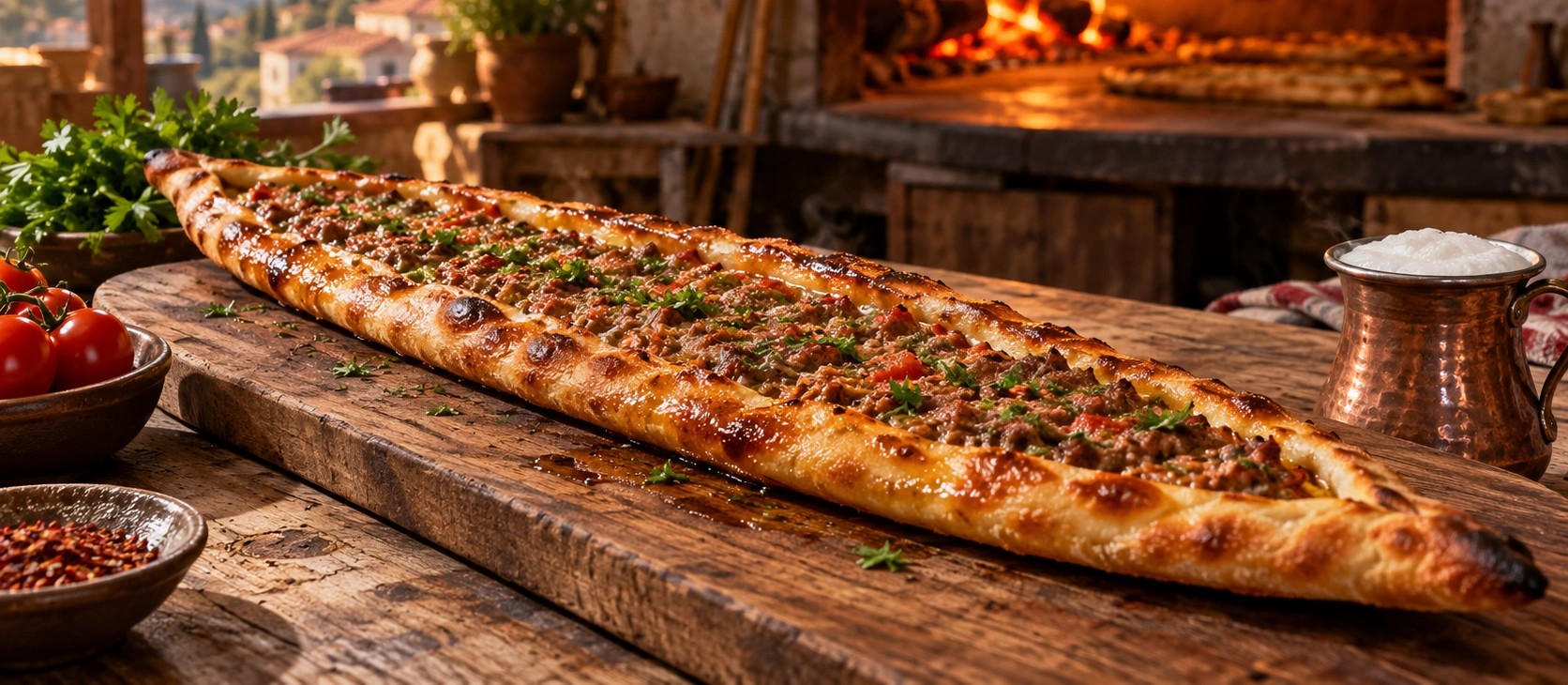
Explore the famous long, narrow wood-fired pide of Karacasu and its distinctive traditional baking methods.
Discover Karacasu Pide
Discover the agricultural heritage and culinary significance of Aydın's celebrated figs, one of western Türkiye's most recognizable regional products.
Explore Aydın Figs