A Port City at the Crossroads of Thrace
The Story of Perinthos
For more than two millennia, Perinthos occupied a strategic position between the sea routes of the Propontis and the roads of Thrace.
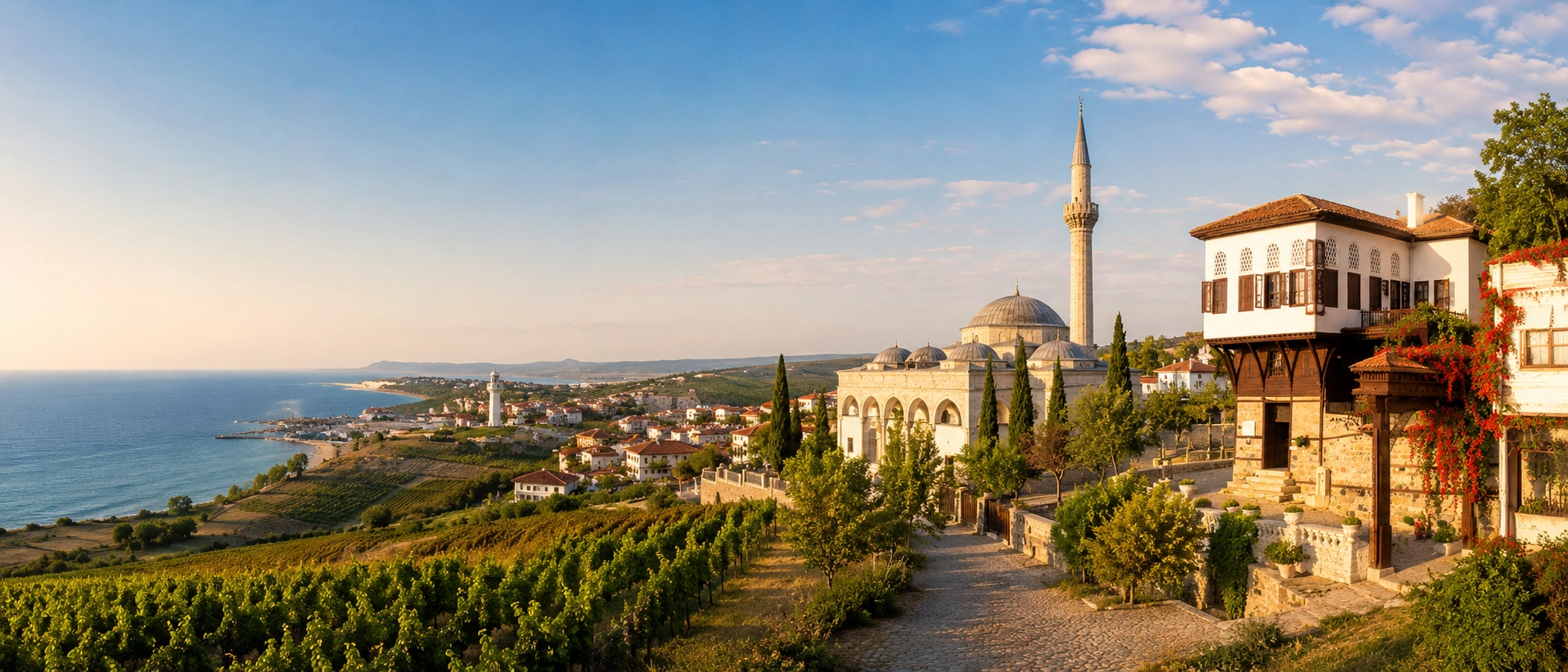
Ancient Perinthos was established on the coast of the Propontis — the ancient Sea of Marmara. Literary and archaeological tradition connects its Greek foundation with colonists from Samos around 600 BC, although evidence from the wider area shows that human occupation in and around Marmara Ereğlisi reaches much further back.
Its geography gave the settlement immediate advantages. A projecting peninsula offered strong natural defenses, while sheltered coastal areas supported maritime activity. Perinthos stood close to routes connecting the northern Aegean, the Hellespont, Byzantium and inland Thrace.
By the Classical period, Perinthos had become prosperous enough to play a significant role in regional politics. Its most famous ancient episode came in 340 BC, when the city resisted the siege of Philip II of Macedon. Ancient historian Diodorus describes houses climbing the slope so steeply that the city appeared almost like a theater.
Under Roman rule, Perinthos became an increasingly important administrative and commercial center. It later served as a provincial capital in Thrace and received imperial attention, especially during the age of the Severan dynasty.
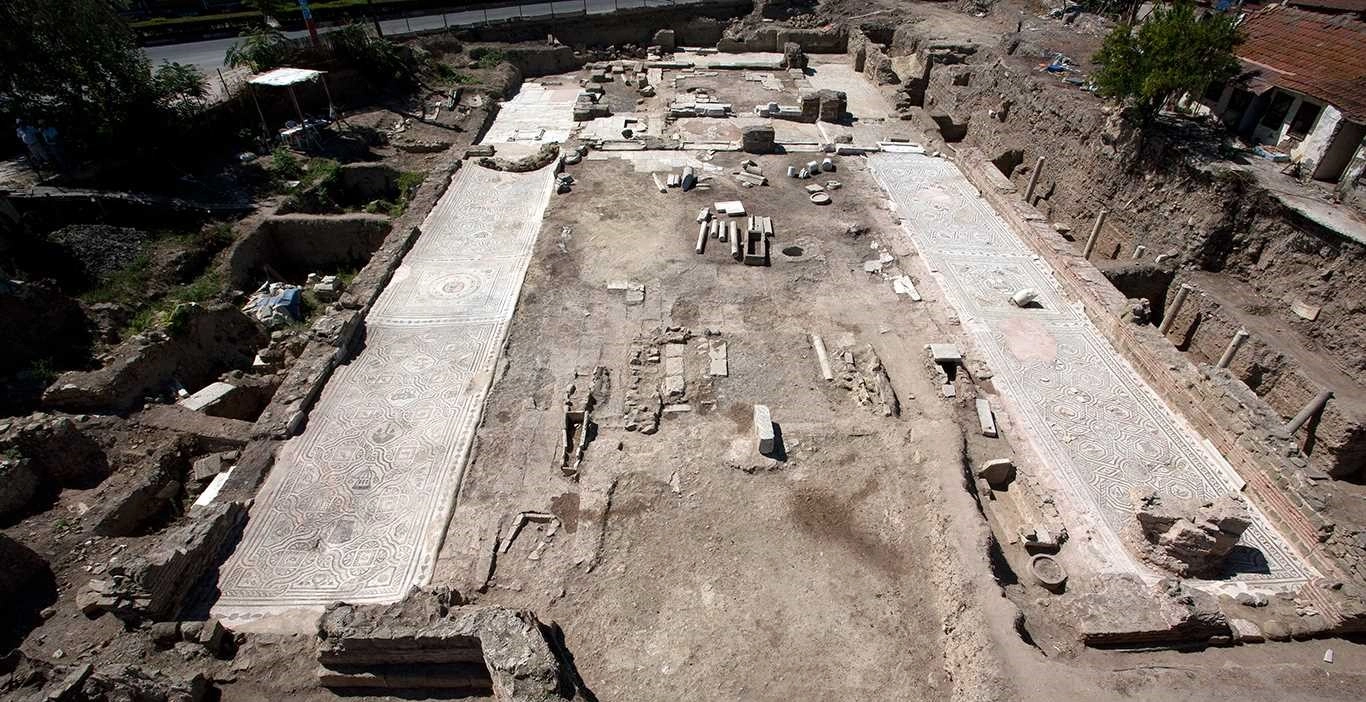
In Late Antiquity the city became known as Heraclea or Heraclea Perinthos. Its Christian importance is reflected in the remains of churches and the monumental basilica with mosaic and marble pavements.
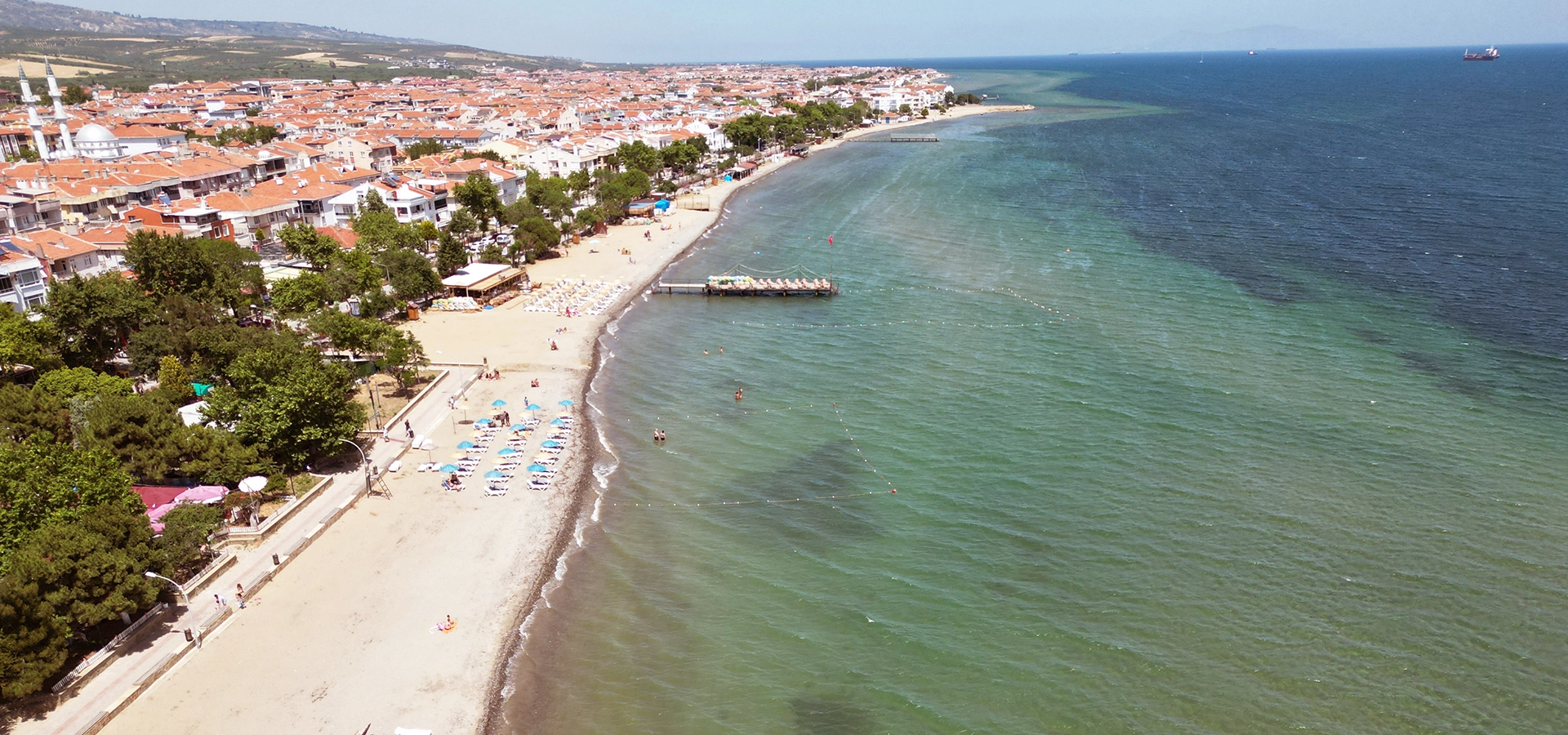
Modern Marmara Ereğlisi now occupies the same peninsula and surrounding landscape. This overlap between ancient city and living town makes Perinthos especially fascinating: archaeology appears among streets, houses, coastal roads and active urban spaces rather than within a completely isolated archaeological park.