Mastaura Travel & Archaeology Questions
Frequently Asked Questions about Mastaura Ancient City
Practical answers about the Roman amphitheatre, ancient history and visiting Mastaura near Nazilli.
Where is Mastaura Ancient City?
Mastaura is located approximately 3 kilometres north of Nazilli in Aydın Province, within a narrow valley between the Bozyurt and Eycelli areas.
What is Mastaura famous for?
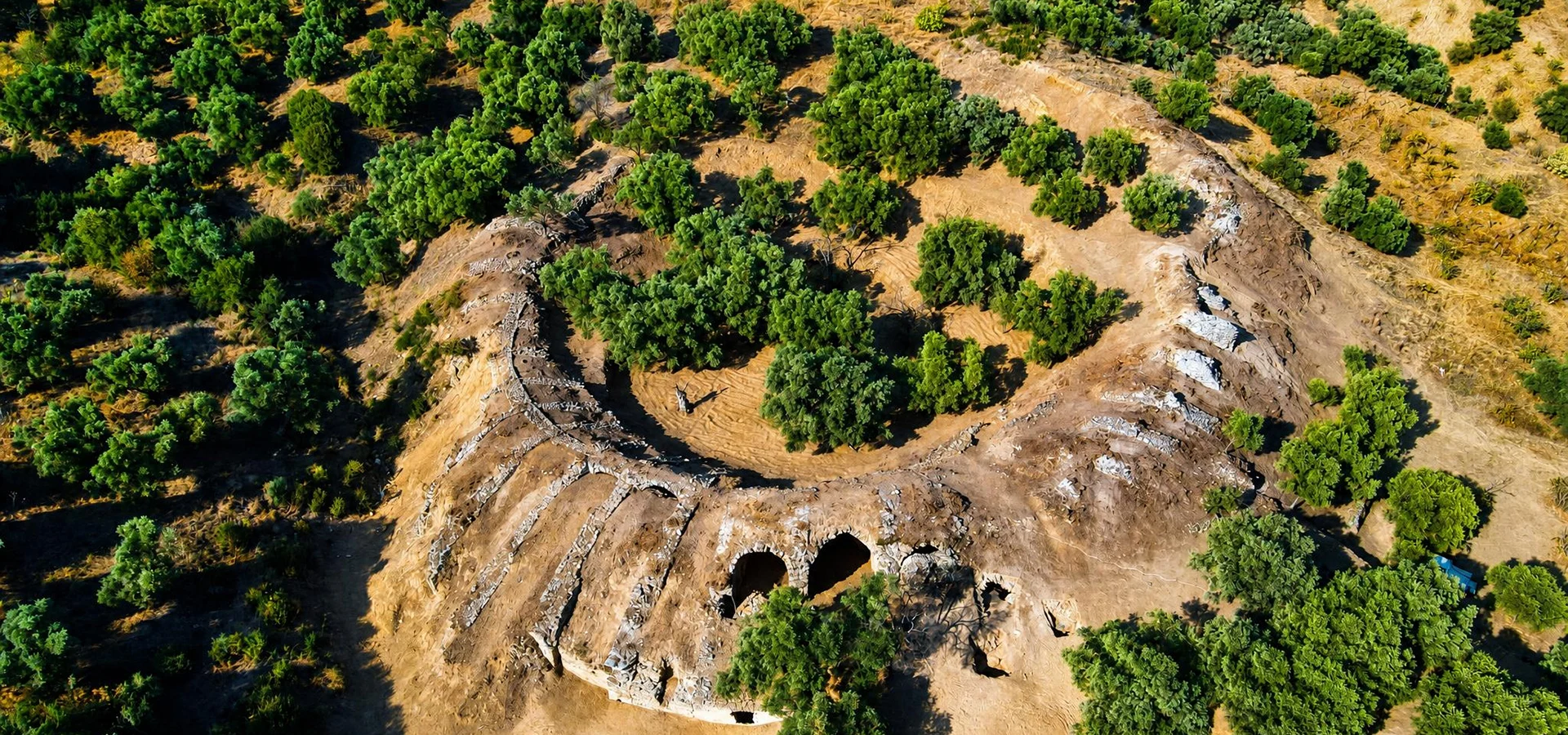
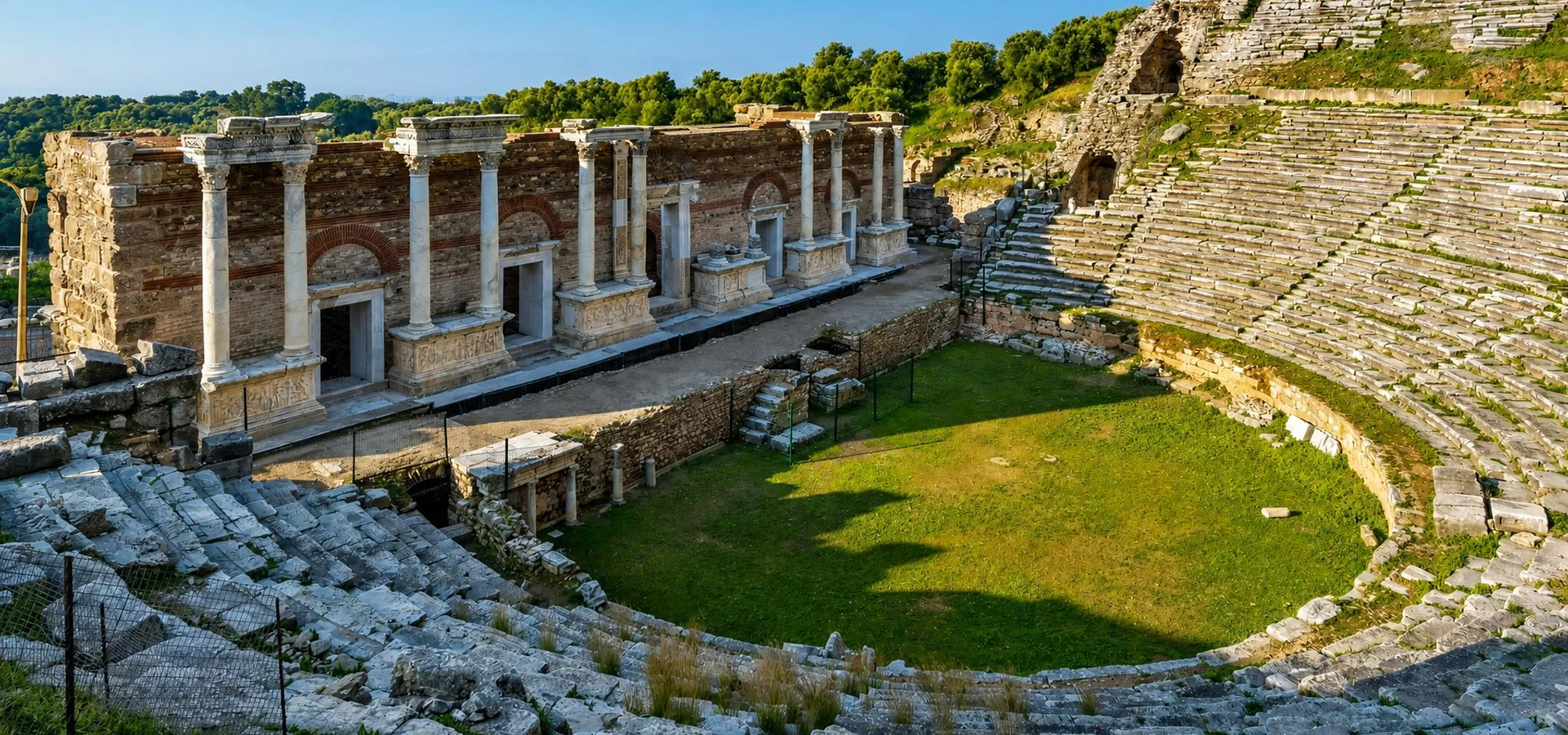
The city is particularly famous for its exceptionally well-preserved Roman amphitheatre and central arena.
Is Mastaura a Roman city?
Mastaura existed before the Roman Imperial period, but many of its most impressive surviving monuments belong to Roman times.
Was Mastaura in Lydia or Caria?
Ancient sources generally associate Mastaura with Lydia, although its position near the Carian frontier resulted in influences from both cultural regions.
What is the Mastaura amphitheatre?
It is a Roman entertainment building with spectator seating surrounding a central arena through a complete circular circuit.
How large is the Mastaura amphitheatre?
Official archaeological information describes the structure as occupying an area approximately 90 metres in diameter.
How old is the Mastaura amphitheatre?
It belongs to the Roman Imperial period and is generally described as approximately 1,800 years old.
Is the Mastaura arena really like the Colosseum?
Both are Roman amphitheatres built around central arenas, but Rome's Colosseum is dramatically larger. The comparison is useful architecturally, not as an indication that both structures were equal in scale.
Were there gladiators at Mastaura?
The building was designed for the kinds of arena spectacles associated with Roman amphitheatres, including gladiatorial entertainment. Archaeological research continues into the precise history of individual events held there.
Were wild animals used in the arena?
Animal spectacles were a recognised part of Roman amphitheatre culture and are among the activities associated with the architectural function of the Mastaura arena.
When was the amphitheatre rediscovered?
Modern archaeological research identified and documented the structure clearly in 2020 after its form had become heavily obscured by vegetation.
Was the amphitheatre completely forgotten?
No. Earlier travellers and scholars had described the structure, and photographs were taken in the early twentieth century, but dense vegetation later made it difficult to recognise from ground level.
What other buildings survive at Mastaura?
Research has documented a Roman bath, water and drainage infrastructure, terraces, fortification remains and the nearby Byzantine castle in addition to the amphitheatre.
Did Mastaura have Roman baths?
Yes. The remains of a substantial Roman bath complex have been identified east of the amphitheatre.
Did Mastaura have a sewer system?
Archaeological research has revealed substantial underground drainage channels associated with removing wastewater from the ancient settlement.
Did Mastaura mint coins?
Yes. Mastaura issued civic coinage carrying imperial portraits, local religious imagery and symbols connected with the city's identity.
Which gods were worshipped at Mastaura?
Coinage and literary traditions connect the city with deities including Demeter, Dionysos, Rhea or Ma, Leto and Apollo among others.
What does the name Mastaura mean?
Its exact origin remains debated. One ancient tradition connects the name with Ma, a figure associated with the Mother Goddess and local Dionysian mythology.
Was Mastaura a Christian city?
Christianity became established during Late Antiquity and historical records preserve bishops representing Mastaura at major church councils.
Is there a Byzantine castle at Mastaura?
Yes. A medieval fortified settlement survives on higher ground northeast of the Roman valley city.
How long should I spend at Mastaura?
Allow approximately one to two hours if you are interested in archaeology and want time to understand the amphitheatre and surrounding landscape.
Can I visit Mastaura independently?
Independent visits are possible, but a knowledgeable guide can greatly improve the experience because many architectural remains are only partly exposed.
What should I wear at Mastaura?
Wear comfortable shoes with good grip and clothing appropriate for open countryside and seasonal temperatures.
Is Mastaura wheelchair accessible?
Natural slopes, archaeological terrain and uneven surfaces can make significant parts of the site difficult for visitors with restricted mobility.
When is the best time to visit Mastaura?
Spring and autumn provide particularly comfortable temperatures. During summer, early morning is preferable because the Nazilli region can become extremely hot.
Is Mastaura good for photography?
Yes. Roman vaults, circular architecture, olive trees, valley slopes and the Aydın Mountains create unusual archaeological landscape photography.
Can Mastaura and Nysa be visited together?
Yes. Mastaura and Nysa are one of the best archaeological combinations around Nazilli and can comfortably form a half-day or extended regional itinerary.
Can Mastaura be combined with Tralleis?
Yes. Mastaura, Nysa and Tralleis create an excellent route following ancient settlements along the northern side of the Büyük Menderes Valley.
Can Mastaura be combined with Aphrodisias?
Yes, particularly by private vehicle, although a combined itinerary requires more time because Aphrodisias lies farther southeast of Nazilli.
Is Mastaura worth visiting?
Yes, especially for travellers interested in Roman architecture, gladiatorial history and less-visited archaeological sites. The amphitheatre makes Mastaura one of the most unusual ancient sites in the Nazilli region.