Private Kuşadası Heritage Experience
Explore the caravanserai, Kaleiçi Mosque, historic town streets and the harbor with an itinerary focused on Ottoman history, architecture and local culture.
Request a Private Experience





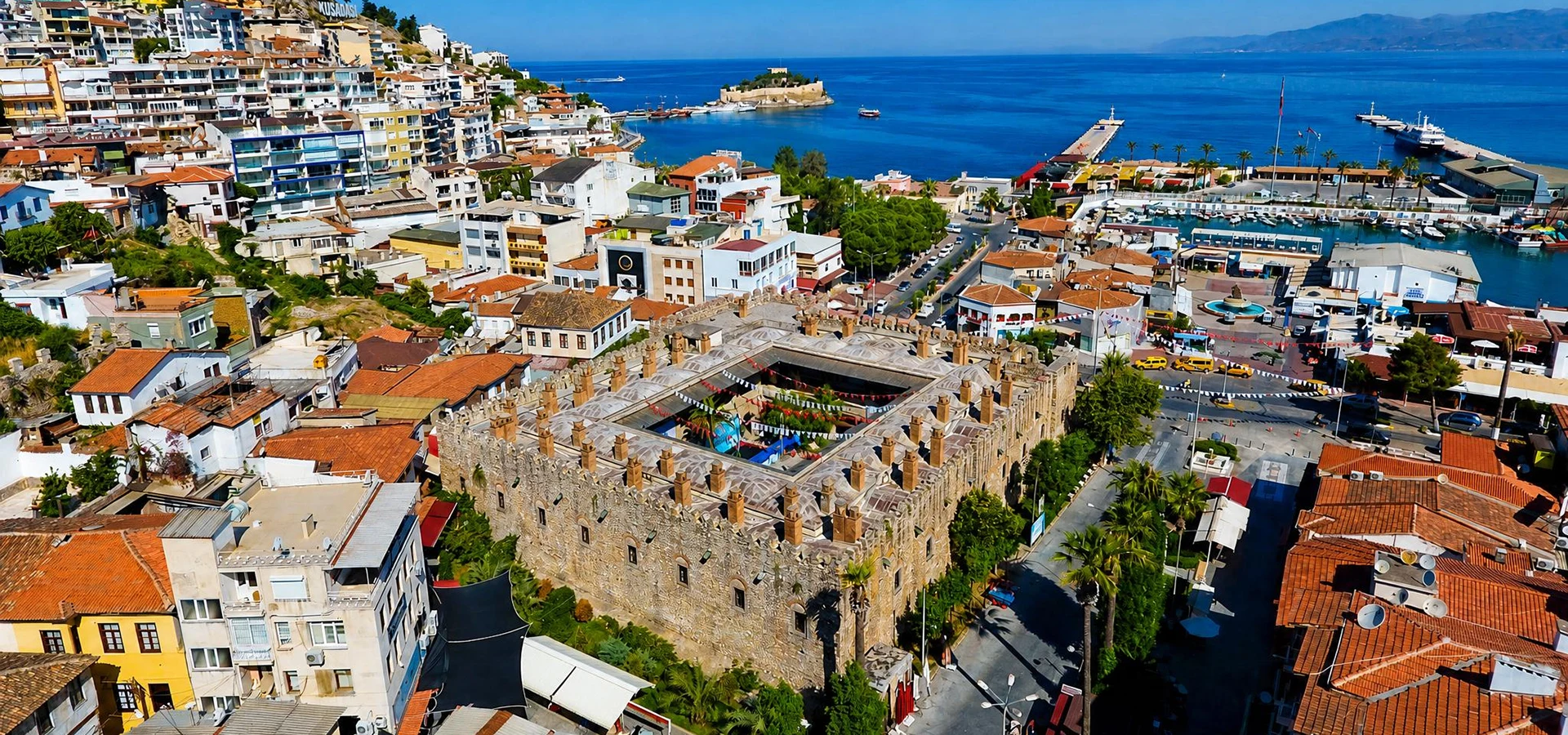
Standing near the historic harbor of Kuşadası in Aydın Province, the Öküz Mehmet Paşa Caravanserai is one of the town's most remarkable surviving Ottoman monuments. Built in 1618 by Grand Vizier Öküz Mehmet Paşa, this imposing stone building recalls a time when merchants, ships, caravans and commercial travelers connected the Aegean coast with the wider Ottoman world.
Also known as Öküz Mehmed Pasha Caravanserai or Kurşunlu Han, the structure combines the practical organization of an Ottoman inn with the imposing appearance of a small fortress. Thick stone walls, crenellated parapets, a monumental entrance and enclosed accommodation surround a spacious internal courtyard.
Unlike the caravanserais built along remote inland routes, this building occupied a strategic position close to a maritime trading center. It reflects the relationship between overland commerce and the Aegean ports through which agricultural products, merchandise and travelers moved between Anatolia and the Mediterranean.
Today, the restored building remains a prominent feature of central Kuşadası. Its historical architecture and changing hospitality and cultural uses make it an important heritage landmark, although access to its interior depends on current arrangements.
Discover an early 17th-century monument commissioned by an Ottoman grand vizier.
Admire thick stone walls, crenellations and a monumental northern gateway.
Explore the history of merchants and accommodation beside an Aegean port.
Find one of the town's principal historic monuments near the harbor.
Essential information about this historic Ottoman landmark in central Kuşadası.
Central Kuşadası, Aydın Province, near the harbor and Atatürk Boulevard.
Open on Google Maps1618, during the early 17th-century Ottoman period.
Öküz Mehmet Paşa, an important Ottoman statesman and grand vizier.
Two-storey stone caravanserai with an enclosed rectangular courtyard.
Fortified appearance with massive masonry, defensive openings and crenellations.
Allow approximately 20–40 minutes, depending on whether interior access is available.
This fortified inn reveals how Kuşadası developed as a commercial and maritime settlement under Ottoman rule.
The historical importance of Öküz Mehmet Paşa Caravanserai lies in its connection with the commercial development of Ottoman Kuşadası. The building represents an era when caravan routes and Mediterranean sea trade formed complementary parts of the same economic network.
Caravanserais provided organized accommodation for merchants and travelers. Such buildings could also support the exchange, temporary storage and security of goods, helping commerce function across long distances. In coastal towns, these services were particularly valuable because travelers moving along inland roads could connect with shipping routes.
The Kuşadası caravanserai is especially distinctive because of its powerful defensive exterior. Although the internal courtyard and surrounding rooms reflect the traditional organization of an Ottoman inn, the high walls and battlement-like features resemble those of a fortified stronghold.
The monument also demonstrates how the Ottoman state and its senior officials invested in urban infrastructure. Buildings such as inns, mosques, baths and commercial facilities contributed to the growth and identity of provincial towns.
For visitors exploring Kuşadası and its historical attractions, the caravanserai provides a valuable link between the town's modern cruise-port identity and its much older role as an Aegean trading center.
The history of the caravanserai belongs to a period when Kuşadası was becoming an increasingly important Ottoman coastal settlement. Its position on the western Anatolian shoreline gave it access to maritime routes across the Aegean and to agricultural and commercial districts inland.
The building was constructed in 1618 under the patronage of Grand Vizier Öküz Mehmet Paşa. The same patron is associated with important Ottoman development works in Kuşadası, including the Kaleiçi Mosque and the town's historical fortifications.
Kuşadası Municipality identifies the caravanserai with the name Kurşunlu Han and describes it as a structure originally built as a fortress before being used as an inn. Its surviving architecture certainly reflects a combination of commercial accommodation and strong defensive design.
Throughout the Ottoman period, buildings of this kind offered a controlled and relatively secure setting for travelers. The central courtyard served as the organizing space, while the surrounding rooms provided enclosed accommodation and other practical functions.
As commerce, transportation and urban life evolved, the traditional functions of caravanserais gradually declined. In Kuşadası, however, the building survived as a substantial architectural landmark.
Following restoration campaigns in different periods, the structure acquired modern tourism and hospitality functions. Its survival makes it one of the most visible reminders of the town's Ottoman commercial past.
The town develops as a coastal settlement connected with inland commercial routes and Aegean shipping.
Öküz Mehmet Paşa commissions the monumental stone structure near the harbor.
The fortified complex becomes associated with commercial accommodation and the life of the port.
New commercial practices and transportation networks gradually reduce the traditional role of caravan inns.
Repairs and restoration projects help preserve the historic masonry and courtyard arrangement.
The caravanserai continues as a historic landmark associated with the town's visitor and cultural life.
Öküz Mehmet Paşa, also written as Öküz Mehmed Pasha, was a prominent Ottoman official who rose to the position of grand vizier during the reign of Sultan Ahmed I and served in high office again under Sultan Osman II.
His political and military career belongs to a complex period in early 17th-century Ottoman history, marked by conflict on the empire's eastern frontier, administrative challenges and changes in the imperial court.
Like many influential Ottoman statesmen, Mehmet Paşa is remembered not only for his political career but also for architectural patronage. The construction of public and commercial buildings helped strengthen settlements, facilitate travel and establish lasting charitable and civic foundations.
His name is associated with more than one Ottoman caravanserai complex, including a major foundation at Ulukışla in Niğde Province. The Kuşadası monument, however, is a separate structure distinguished by its coastal location and fortress-like design.
Mehmet Paşa held one of the highest administrative offices in the Ottoman Empire.
His name is linked to public buildings and commercial infrastructure in different parts of Anatolia.
His building activity helped shape the historical center of the town.
The surviving caravanserai remains one of the most recognizable monuments associated with his name.
The caravanserai is an impressive example of early 17th-century Ottoman commercial architecture. Its design combines the enclosed plan of a traditional urban inn with an unusually substantial fortified exterior.
The structure is organized around a large rectangular courtyard, enclosed by high masonry walls. Rooms and covered arcaded areas are arranged over two storeys, creating an inward-facing building protected from the activity of the surrounding town.
The external walls were constructed using rubble stone and reused architectural materials, a combination recorded in official descriptions of the monument. Their considerable thickness contributes to the building's imposing appearance.
A monumental arched entrance opens through the northern side. Inside, the courtyard provides the principal circulation space, while the galleries and rooms reflect the practical needs of an Ottoman inn.
According to official architectural descriptions, staircases at the northwestern and southeastern corners provide access to the upper level. The roofline is distinguished by pointed crenellations, giving the building the silhouette of a small castle.
A spacious open-air center organizes the building and connects its surrounding rooms.
Upper and lower levels provide a compact arrangement of rooms and covered circulation areas.
Thick walls of rubble stone and reused materials emphasize solidity and protection.
Covered passages provide sheltered circulation around the central courtyard.
A prominent marble-framed gateway forms the main architectural entrance.
Pointed battlement-like features create the structure's distinctive defensive silhouette.
Two principal stairs connect the ground level with the upper floor.
Accommodation and service spaces open toward the protected interior of the complex.
One of the most frequently noticed features of the caravanserai is its fortress-like exterior. Unlike many modern hotels and commercial buildings, it presents a relatively closed stone façade with high walls and a controlled entrance.
This architectural character reflected the need for security in a busy coastal settlement. During the early modern period, maritime conflict, piracy and regional instability could threaten commercial life along the Aegean coast.
Türkiye's Ministry of Culture and Tourism specifically notes the presence of artillery openings in the exterior walls, associating them with protection against pirate attacks.
The structure therefore illustrates how commercial and defensive concerns could overlap. The enclosed courtyard, thick masonry, restricted access and crenellated roofline helped create a protected environment for the people and activities inside.
Substantial masonry separates the inner accommodation spaces from the surrounding town.
Openings in the exterior are associated in official accounts with protection against maritime threats.
The principal gateway creates a clearly defined passage into the protected courtyard.
Pointed crenellations make the building visually similar to a small coastal stronghold.
Visitors interested in the defensive history of Kuşadası can compare the caravanserai with Güvercinada Castle, another important landmark connected with the protection of the town's maritime approaches.
A caravanserai, known in Ottoman Turkish contexts as a han or kervansaray, provided organized accommodation and services for people traveling along commercial routes.
Merchants traveling long distances needed more than somewhere to sleep. They required secure places to rest, arrange transactions, manage merchandise and connect with local markets. Caravanserais formed part of the infrastructure supporting these activities.
In a port settlement such as Kuşadası, the relationship between sea transport and inland roads was particularly important. Goods arriving from Anatolian agricultural and commercial districts could move onward through maritime networks, while imported merchandise could travel inland.
The architecture of Öküz Mehmet Paşa Caravanserai reflects this broad commercial tradition, although the precise historical function of every individual room cannot be determined simply from its modern appearance.
Travelers could find shelter during journeys that might otherwise involve uncertain overnight stops.
Inns supported contact between merchants, transporters and local commercial networks.
Enclosed plans and controlled gateways improved security compared with exposed stopping places.
Travelers from different regions could exchange information, news and business opportunities.
The open central space connected rooms and supported the practical movement of occupants.
The location near Kuşadası Harbor linked the building with the town's maritime setting.
The building is relatively compact compared with large archaeological sites, but its architectural details reward careful observation. Even when the interior is unavailable, the exterior provides a striking example of Ottoman stone construction.
Examine the prominent northern gateway and its framed archway.
Study the irregular masonry, reused stone and strong fortress-like silhouette.
Look upward at the pointed parapet features lining the roofline.
If access is permitted, experience the open space surrounded by traditional galleries.
Observe how the two-storey arrangement creates sheltered circulation around the courtyard.
Examine the rhythm of brick and stone arches along the interior passageways.
Notice the rooms opening from the galleries, subject to their current use and access restrictions.
Step outside to understand the caravanserai's close relationship with the waterfront.
Kuşadası's position on the Aegean coastline has long shaped its history. Its harbor provided a connection between western Anatolia, neighboring islands and Mediterranean shipping networks.
In the Ottoman period, coastal towns performed several functions at once. They served as places of exchange, administrative centers, transport links and points of contact between maritime and inland economies.
The construction of a major caravanserai near the harbor demonstrates the importance of accommodating and protecting commercial travelers. Its location allowed it to participate in a landscape of shipping activity, markets, warehouses, religious buildings and urban streets.
Although the vessels and commercial practices of the 17th century differed greatly from those of today, the basic importance of Kuşadası's coastal position remains visible. Modern cruise ships and passenger facilities now occupy a waterfront whose history stretches back through many centuries.
The coastal setting connected Kuşadası with islands and other Mediterranean ports.
Road connections linked the town with agricultural districts and inland settlements.
The caravanserai formed part of the infrastructure supporting commercial visitors.
Fortifications and protected commercial buildings reflected the risks of maritime activity.
Trade-related infrastructure encouraged the expansion of the Ottoman town.
Today's visitor port provides a useful starting point for exploring the historical center.
Öküz Mehmet Paşa Caravanserai has survived for more than four centuries, but its present appearance reflects a long history of maintenance, adaptation and restoration.
Official descriptions record that the building has undergone restoration in different periods and remains in a substantial state of preservation. Its reuse for tourism and hospitality has helped retain a functional role within the modern town.
Adapting a historic building for contemporary purposes brings both opportunities and responsibilities. Continued use can help support maintenance, but original masonry, spatial arrangements and architectural features require careful conservation.
For visitors, the caravanserai illustrates an important principle of architectural heritage: a historic monument does not always remain a museum. Some structures continue to form part of daily economic and social life while retaining their cultural significance.
Stone walls and architectural details preserve evidence of Ottoman building practices.
Hospitality and cultural functions have allowed the building to serve modern purposes.
The enclosed courtyard remains fundamental to understanding the original architectural arrangement.
The monument remains part of central Kuşadası rather than an isolated archaeological ruin.
The caravanserai's central position makes it an easy addition to a Kuşadası walking itinerary. A few practical considerations will help you appreciate the monument without disrupting its current operations.
Confirm whether the courtyard is open to sightseeing before planning an interior visit.
A brief architectural visit usually fits comfortably into a wider town-center walk.
Natural light makes the masonry, gateway and architectural proportions easier to appreciate.
Weddings, events or hospitality activities may limit public entry or photography.
Stone paving and steps may be uneven in parts of the historic complex.
Include the harbor, Kaleiçi Mosque and the historic streets in the same outing.
The contrasting exterior walls and courtyard galleries offer attractive architectural compositions.
Avoid touching fragile features, entering restricted areas or climbing historic masonry.
Begin near Kuşadası Harbor, where the town's maritime setting provides an introduction to the commercial world in which the caravanserai developed.
Continue to Öküz Mehmet Paşa Caravanserai and examine its large stone façade, northern gateway and defensive roofline. If interior access is available, take time to observe the courtyard, arcades and two-storey organization.
Next, walk into the historic center to visit Kaleiçi Mosque, another important building associated with Öküz Mehmet Paşa. Continue through the town's older streets toward the surviving historic Castle Gate.
Finish with the waterfront walk toward Güvercinada Castle, where the defensive character of the caravanserai can be compared with a coastal fortification overlooking the Aegean Sea.
The caravanserai stands in the center of Kuşadası near the harbor and Atatürk Boulevard. Its location is convenient for visitors staying in the town and for cruise passengers exploring the waterfront on foot.
Because the building has been used for hospitality and tourism rather than functioning exclusively as a public museum, access arrangements may differ from those of conventional archaeological attractions.
The exterior can normally be appreciated from surrounding public areas, but entry into the courtyard, upper galleries or individual rooms may depend on current management, events or other restrictions.
There is no reliably confirmed universal sightseeing schedule or standard admission fee for independent interior visitors. Travelers should verify current conditions locally before expecting full access.
The caravanserai can be appreciated throughout the year. The best time depends mainly on weather, daylight, the atmosphere around the harbor and whether the interior is accessible.
Comfortable temperatures and pleasant daylight make walking through central Kuşadası enjoyable.
An earlier visit avoids the strongest midday heat and some of the busiest waterfront periods.
Milder weather and warm afternoon light create favorable conditions for architecture photography.
The town is generally quieter, although rain and wind can affect a walking itinerary.
Soft light can highlight the texture of the stone walls and the surrounding streets.
The historic façade can be atmospheric after dark, though interior access should not be assumed.
A brief exterior stop to see the entrance, stone walls and historic setting.
A comfortable architectural visit, including the courtyard if accessible.
Combine the caravanserai with Kaleiçi Mosque and a short walk through the old town.
Extend the route to the historic Castle Gate, waterfront and Güvercinada Castle.
Explore the town's Ottoman heritage, harbor, viewpoints and local cafés at a relaxed pace.
Spend additional time learning about Ottoman commerce, defensive architecture and the surrounding monuments.
The caravanserai offers appealing opportunities for architectural photography. Its strong geometric form, textured stonework, crenellations and courtyard galleries create compositions very different from the surrounding modern town.
Frame the monumental northern gateway against the surrounding stone façade.
Use a wider composition to capture the imposing walls and pointed roofline.
Photograph variations in masonry and the details of the historic building materials.
If permitted inside, capture the repeated arches and two-storey galleries.
Morning and late-afternoon light can reveal depth and texture in the architecture.
Include the surrounding town to show how the Ottoman landmark survives in modern Kuşadası.
The caravanserai occupies a central urban location, but its original 17th-century construction was not designed to modern accessibility standards. Access conditions may vary between the surrounding pavement, main entrance, courtyard and upper level.
The large façade can be appreciated from public streets without entering the historic complex.
Thresholds and changes in level may require assistance or alternative arrangements.
Stone paving may include uneven sections depending on current maintenance and layout.
Historic stairs may make upper galleries difficult to access for visitors with reduced mobility.
Confirm current step-free entrance routes and accessible facilities with the venue directly.
The compact location allows visitors to focus on exterior architecture without a lengthy walk.
The caravanserai is located near the harbor in the central part of Kuşadası. Its position makes it convenient for travelers staying locally, visitors arriving by cruise ship and guests combining Kuşadası with an excursion to Ephesus.
Walk into the central waterfront area and follow local signs or maps toward the historic caravanserai.
The monument is close to the port district and can usually be included in an independent town walk.
Many centrally located hotels are within a convenient walk or short taxi journey.
Travel toward Kuşadası by road, then continue into the historic waterfront center.
Use local minibuses or buses serving Kuşadası center, followed by a short walk.
Request a town-center drop-off, as parking and traffic conditions can vary around the harbor.
The caravanserai is an excellent starting point for discovering the historic town center and nearby Aegean attractions. Explore our complete Kuşadası guide for additional information about the area's beaches, culture, archaeology and natural landscapes.
Discover an Ottoman mosque associated with Öküz Mehmet Paşa and the historical development of Kuşadası.
See a surviving feature connected with the historic fortified town.
Explore the waterfront that has shaped the town's commercial and maritime history.
Visit the picturesque coastal fortress associated with the defense of Kuşadası Harbor.
Walk through traditional streets, local shops and historic neighborhoods near the harbor.
Combine a cultural visit with one of the best-known beaches along the Kuşadası coastline.
Discover the atmospheric natural pool near the entrance to Dilek Peninsula National Park.
Explore beautiful coastal scenery, protected natural habitats and Aegean beaches south of Kuşadası.
It is located in central Kuşadası, Aydın Province, Türkiye, near Kuşadası Harbor and Atatürk Boulevard.
The caravanserai was constructed in 1618 during the Ottoman period.
It was commissioned by Grand Vizier Öküz Mehmet Paşa, an influential early 17th-century Ottoman statesman.
The monument is also known as Kurşunlu Han. English-language sources sometimes use the spelling Öküz Mehmed Pasha Caravanserai.
Built in 1618, it is more than four centuries old and represents the architectural heritage of Ottoman Kuşadası.
It became an Ottoman inn associated with accommodation and commerce near the harbor. Kuşadası Municipality also describes the structure as initially built as a fortress before its use as an inn.
Its massive stone walls, defensive openings, controlled gateway and pointed crenellations give it a fortified appearance. The defensive features reflect the security concerns of an Ottoman coastal settlement.
Official tourism descriptions associate the artillery openings visible in the external walls with measures intended to protect the town against pirate attacks.
The building combines a fortress-like stone exterior with a two-storey arrangement of rooms and arcaded galleries around a large rectangular courtyard.
It has two storeys surrounding its courtyard, with historic corner staircases providing access to the upper level.
Interior access depends on the building's current management and use. Visitors should confirm whether courtyard sightseeing is permitted before their visit.
The exterior can be viewed from surrounding public areas. Any fees for interior entry or special activities should be confirmed with the current operator.
There is no reliably confirmed universal public sightseeing timetable. Access may be affected by hospitality operations and private events.
Official heritage descriptions record modern hospitality and tourism use, but the current operational status and accommodation arrangements should be verified directly.
Allow approximately 20–40 minutes for a focused architectural visit, depending on interior access and your interest in photography.
Yes. The building is near the Kuşadası harbor district and can generally be included in a central town walking route.
It is in Kuşadası, while the ancient city of Ephesus is inland near Selçuk. Both can be included in a broader regional itinerary, but they are separate locations.
Kaleiçi Mosque, the historic Castle Gate, Kuşadası Harbor, old-town streets and Güvercinada Castle are useful attractions to combine with the caravanserai.
Spring and autumn provide comfortable walking conditions. Summer mornings are often preferable for avoiding strong heat, while late-afternoon light is attractive for exterior photography.
Exterior views are available from the surrounding town, but the historic entrance, courtyard surfaces and upper-floor stairs may create barriers. Contact the venue for current accessibility arrangements.
Exterior photography from public areas is generally straightforward. Interior photography may be subject to restrictions, particularly during private events or hospitality operations.
Both monuments are associated with the architectural patronage of Öküz Mehmet Paşa and the development of Ottoman Kuşadası in the early 17th century.
No. Öküz Mehmet Paşa sponsored a different caravanserai complex at Ulukışla in Niğde Province. The Kuşadası caravanserai is a separate coastal monument.
Yes. It is one of Kuşadası's most important surviving Ottoman monuments and offers a valuable insight into the town's history of architecture, trade and maritime security.
The caravanserai is a historic building with centuries-old architectural features. Respectful behavior helps protect both the monument and the people who currently work in or use the complex.
Do not scratch, mark, damage or remove any material from the building.
Enter only areas currently open to visitors and respect locked doors or barriers.
Do not climb parapets, historic walls or architectural features for photographs.
Private functions and hospitality activities should not be interrupted by sightseeing.
Use appropriate waste bins and avoid leaving litter around the historic entrance.
Follow conservation signs and staff instructions to help protect the historic structure.
Discover the Ottoman heritage of Kuşadası, its picturesque harbor, historic fortifications and the remarkable ancient cities and natural landscapes of the surrounding Aegean region with a private itinerary tailored to your interests.
Combine local Ottoman heritage, maritime history and coastal scenery in a comfortable private experience.
Explore the caravanserai, Kaleiçi Mosque, historic town streets and the harbor with an itinerary focused on Ottoman history, architecture and local culture.
Request a Private Experience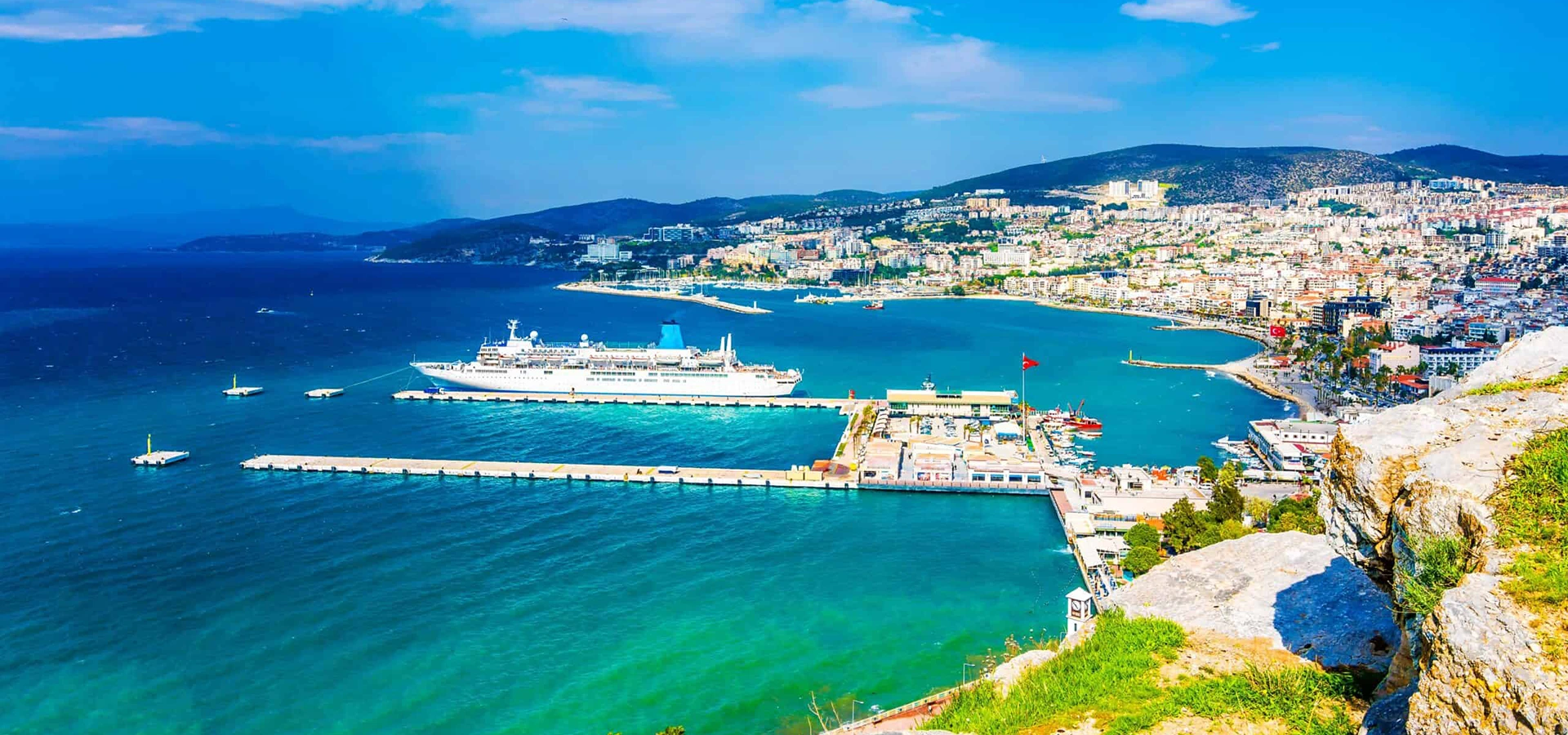
Discover the town's historical landmarks, waterfront promenades, local neighborhoods, beaches and nearby natural attractions.
View Kuşadası GuideFrom Ottoman fortifications to ancient landscapes, discover the remarkable heritage surrounding Kuşadası.
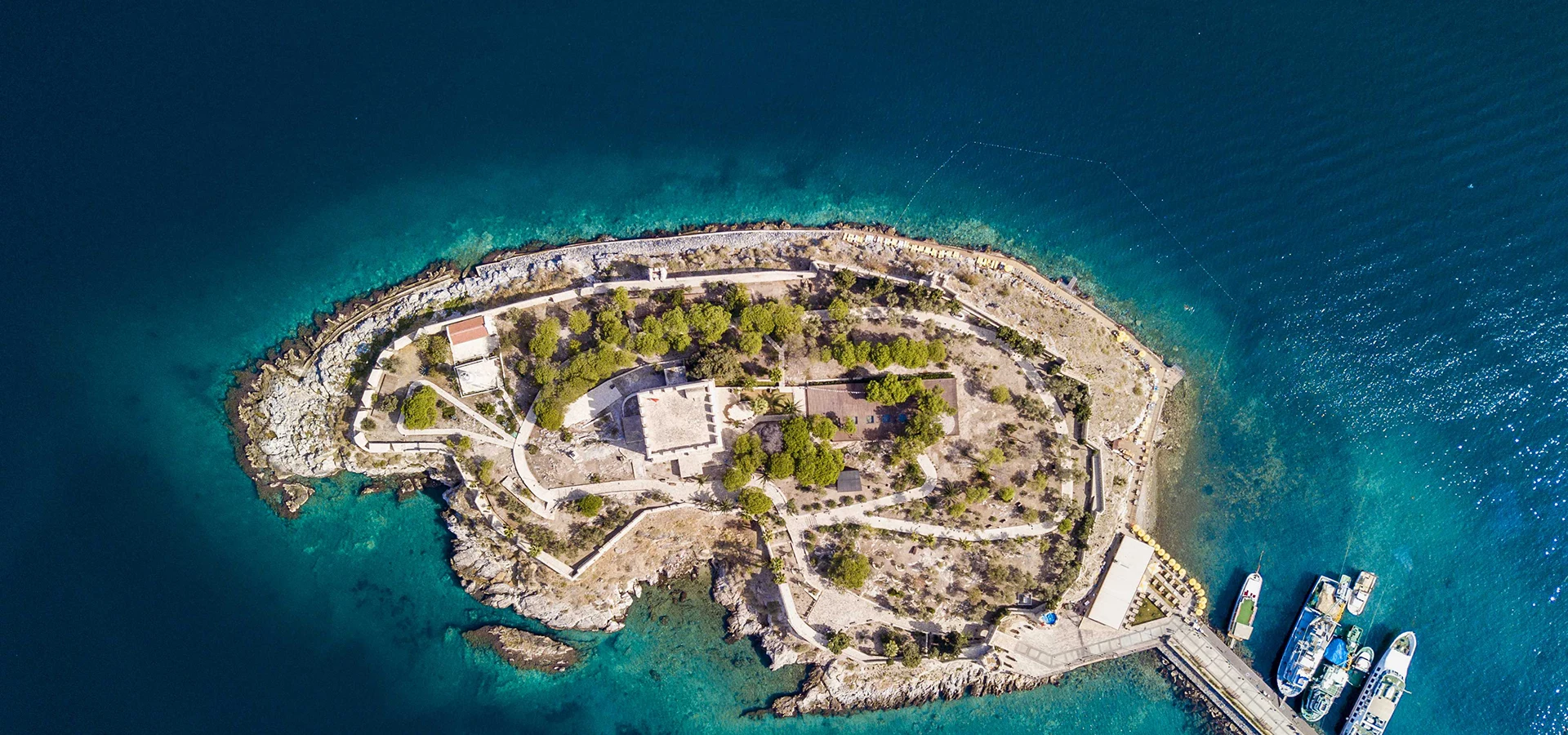
Explore the maritime defensive heritage of Kuşadası and enjoy scenic views of the harbor and Aegean Sea.
Explore Güvercinada Castle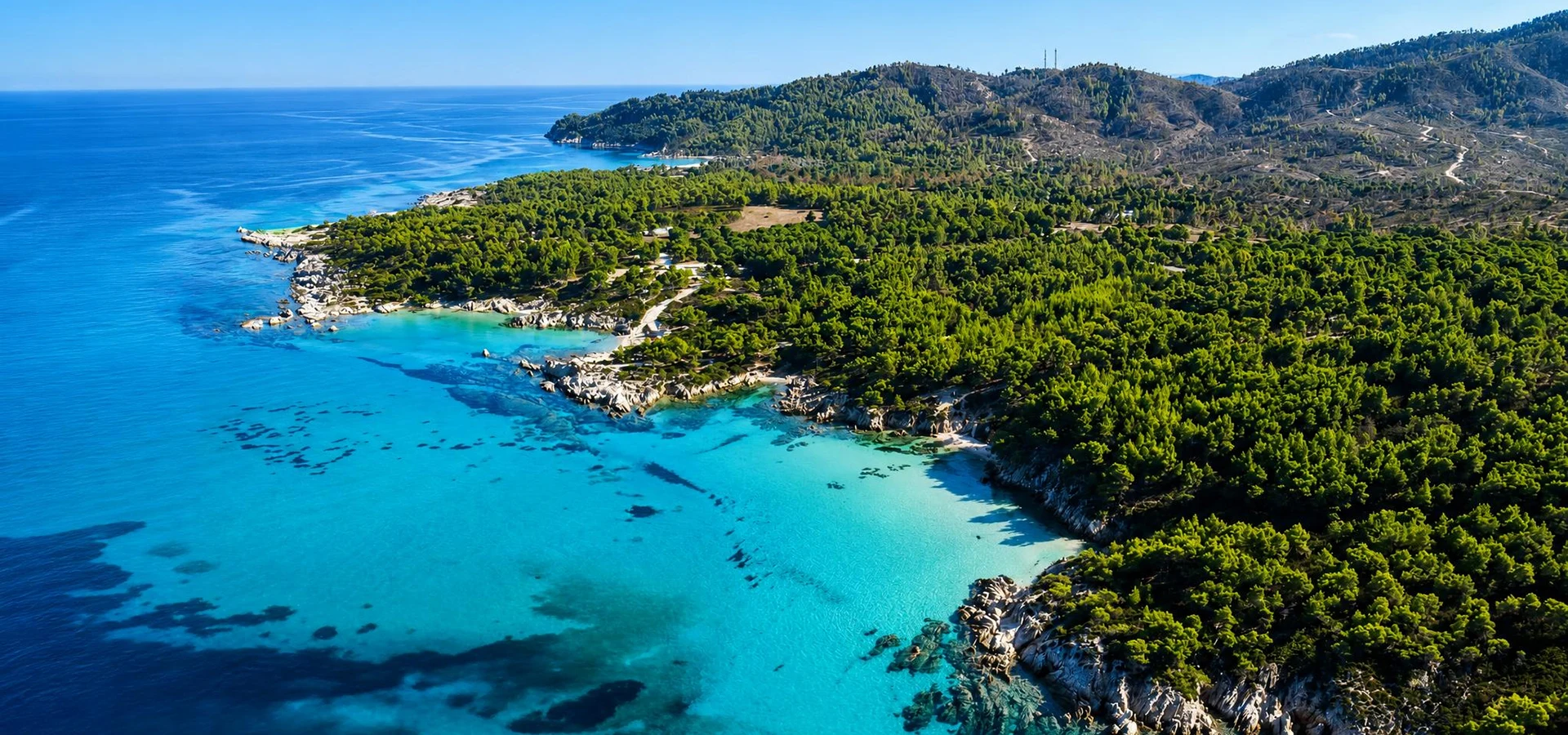
Discover one of the Aegean coast's outstanding natural areas, with beautiful beaches, forested mountains and protected wildlife.
Explore the National Park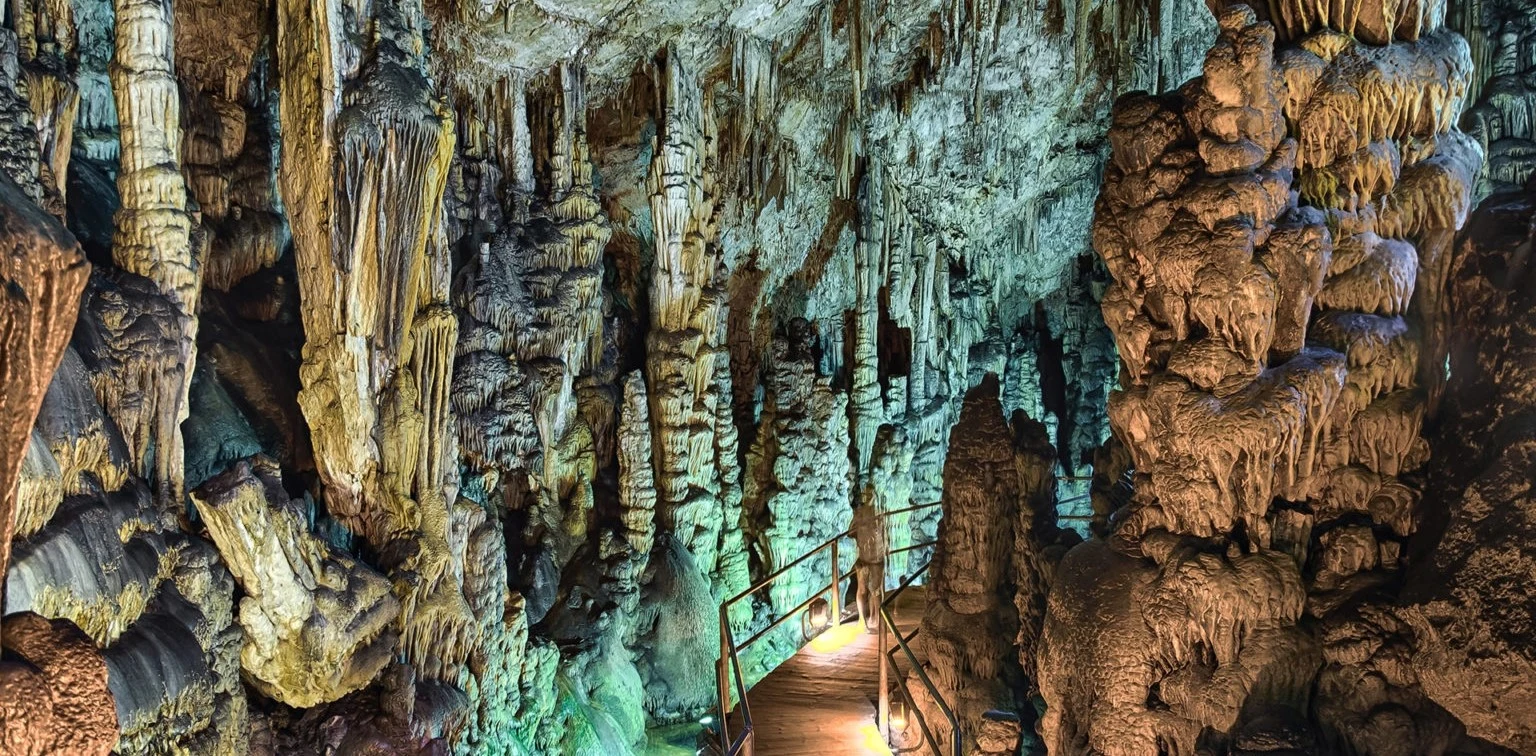
Visit a beautiful natural cave pool near Güzelçamlı and learn about the mythology and landscape of the southern Kuşadası region.
Discover Zeus Cave