Private Historic Tire Experience
Ask us about a tailor-made day focused on Tire's archaeology, Ottoman monuments, traditional crafts, local cuisine and historic neighborhoods.
Request a Custom Tour





The historic town of Tire contains one of western Türkiye's remarkable regional museum collections. From prehistoric objects and Classical antiquity to Ottoman textiles, manuscripts and traditional household objects, Tire Museum preserves the extraordinarily long history of the surrounding Küçük Menderes Valley.
The museum traces its origins to 1935, making it one of Türkiye's older district museum institutions. Its collections eventually grew to include more than 30,000 registered cultural assets, among them archaeological objects, ethnographic artifacts, coins, archival documents, manuscripts and works of art.
The archaeological collection reflects civilizations that shaped western Anatolia over thousands of years, while the ethnographic collection introduces visitors to Ottoman-period clothing, decorative arts, textiles, ceramics, religious objects and traditions of everyday life.
Important: Tire Museum is currently closed to visitors because of building and construction issues while work connected with a new museum continues. Travelers should therefore check the latest official information before planning a visit.
Discover one of the long-established district museum collections of western Türkiye.
The registered collection includes archaeology, ethnography, coins, manuscripts and works of art.
Explore material connected with prehistoric, Hellenistic, Roman and Byzantine history.
Discover textiles, ceramics, clothing, carpets, manuscripts and objects from everyday life.
Essential information about Tire's archaeological and ethnographic museum.
Ketenci Mahallesi, central Tire, İzmir Province, western Türkiye.
Open on Google MapsThe museum collection was first established in Tire in 1935.
More than 30,000 registered archaeological, ethnographic, numismatic and historical objects.
Archaeology, Ottoman ethnography, coins, ceramics, textiles and stone monuments.
The museum is currently closed to visitors while construction and museum development work continues.
The official museum portal lists the museum as free, although admission is currently unavailable while the museum remains closed.
This means that travelers should not plan a journey to Tire specifically around entering the archaeological museum until an official reopening has been announced.
The closure does not mean that Tire has lost its museum experience altogether. The separately operated Tire City Museum focuses primarily on the town's social history, traditional trades, crafts and everyday culture and should not be confused with the state archaeological museum described on this page.
A Ministry of Culture and Tourism museum containing archaeological, numismatic and ethnographic collections.
A separate municipal museum concentrating on local traditions, crafts, professions and urban memory.
Museum status can change when construction or relocation work is completed.
The town's mosques, streets, markets, traditional businesses and other cultural attractions can still be explored.
The collection preserves archaeological discoveries and cultural traditions from one of the most historically important inland regions of İzmir Province.
Tire occupies a fertile landscape between the mountains of inland İzmir and the ancient centers of the Aegean coast. Communities have lived, farmed, traded and built settlements throughout this region for thousands of years.
Material preserved by Tire Museum therefore tells a much larger story than that of a single modern town. Archaeological objects document the ancient civilizations of western Anatolia, while inscriptions, funerary monuments and coins help reconstruct communities whose names survive only fragmentarily in written history.
The ethnographic collection brings the story forward into later centuries. Ottoman clothing, textiles, ceramics, carpets, manuscripts and domestic objects illustrate the everyday cultural world from which modern Tire developed.
Seen together, these collections connect ancient settlement, regional commerce, religion, craftsmanship and domestic life across an exceptionally long historical period.
Tire Museum began in 1935 when a museum collection was established by the museum branch of the Tire People's House inside the historic Yahşi Bey Zaviyesi.
The monument had been associated with Halil Yahşi Bey, a commander during the reign of Ottoman Sultan Murad II. The museum collection continued developing until it was formally registered by the state authorities in 1946.
From 1946 until 1971, the museum operated within the Yahşi Bey complex. Increasing numbers of artifacts eventually required a larger and more suitable building.
In 1971, Tire Museum moved into the building associated with the museum today. Archaeological and ethnographic collections were displayed indoors while large stone and terracotta artifacts were exhibited in the surrounding gardens.
A museum collection is established in the historic Yahşi Bey Zaviyesi.
The collection becomes formally registered and operates as a state museum.
Tire Museum moves into its later purpose-used museum building.
Archaeological discoveries, ethnographic objects and coins continue to expand the museum holdings.
The institution preserves cultural material connected with Tire and the surrounding districts.
The existing museum is currently closed while development of new museum facilities continues.
The scale of Tire Museum is easy to underestimate from the size of the town itself. Official records list a total collection of 30,079 registered cultural assets.
The largest individual category is the museum's remarkable numismatic collection, but thousands of archaeological and ethnographic objects also document the long history of the Küçük Menderes region.
Sculpture, funerary monuments, ceramics, glass, metalwork and other material from ancient western Anatolia.
Clothing, textiles, ceramics, carpets, household objects and material associated with Ottoman life.
A major numismatic collection representing different civilizations and historical periods.
Historical documents preserved as part of the museum's wider cultural collection.
Handwritten works forming a small but significant part of the museum holdings.
Works of art complement the archaeological and ethnographic collections.
Before its closure, the museum's principal archaeological hall presented objects dating broadly from approximately 3500 BC to AD 1100.
The collection reflects the long sequence of civilizations that controlled western Anatolia, including communities associated with prehistoric settlement, Lydia, the Hellenistic world, Rome and Byzantium.
Marble statues and sculptural fragments reveal the artistic traditions of Classical western Anatolia.
Stone grave monuments preserve names, images and inscriptions connected with ancient inhabitants of the region.
Marble and terracotta burial containers illustrate ancient funerary traditions.
Figurines, lamps and ceramic objects provide insight into both ritual and everyday life.
Ancient glass vessels demonstrate specialized craftsmanship and changing patterns of daily consumption.
Metal artifacts including lamps and smaller objects survive from different archaeological periods.
The territory around modern Tire stood within an important inland corridor connecting fertile agricultural land with the great cities of the Aegean coast.
During the first millennium BC, the wider region belonged to the Lydian Kingdom, whose capital was Sardis. Archaeological evidence from the Tire area demonstrates activity during both the Lydian and subsequent Persian periods.
After Alexander the Great defeated the Persian Empire in the fourth century BC, the area entered the Hellenistic world. Connections with nearby Ephesus became especially important, while fortified sites and towers appeared along routes crossing the surrounding landscape.
The region later became part of the Kingdom of Pergamon and ultimately passed to Roman rule. Inscriptions and monuments preserved around Tire demonstrate the existence of several ancient communities distributed across the valley.
The Tire region lay within the southern territories of the powerful kingdom centered on Sardis.
Persian authority followed the conquest of Lydia in the sixth century BC.
The region became closely connected with the political and commercial networks of the Hellenistic Aegean.
The Küçük Menderes region eventually became part of the expanding Attalid kingdom.
Roman-period inscriptions and funerary monuments provide important evidence for settlements around Tire.
The museum collection continued into the medieval period, reflecting the region's long occupation.
Coins form by far the largest category within Tire Museum's registered holdings. With almost 25,000 examples, the numismatic collection provides an extraordinary historical record extending across many centuries.
Coins are particularly valuable to archaeologists because they can preserve rulers' portraits, religious imagery, city names, symbols, titles and political messages while also providing evidence for regional commerce.
Among the objects associated with the Tire region are coins dating from the Persian period and later currencies produced under Hellenistic, Roman, Byzantine and subsequent authorities.
Coins help identify the political powers and commercial networks that influenced the region.
Changes in coinage allow historians to trace successive periods of rule.
Ancient coin designs sometimes preserve names and symbols connected with local communities.
Currency circulating through the valley illustrates Tire's connections with surrounding regions.
While archaeology reveals the distant past, Tire Museum's ethnographic holdings bring visitors much closer to the lives of people who inhabited the region during the Ottoman and early modern periods.
Objects associated with clothing, domestic interiors, religion, writing, ceramics and traditional decorative arts demonstrate how homes and communities functioned before industrial production transformed everyday life.
Men's and women's garments preserve regional styles, materials and decorative traditions.
Bed covers, towels and decorative fabrics demonstrate highly developed needlework traditions.
Textiles and chests reflect marriage traditions and the material culture of domestic life.
Traditional writing sets represent literacy, administration and scholarly culture.
Objects associated with dervishes, zawiyas and manuscript culture reflect Tire's religious history.
Personal ornaments demonstrate changing styles and regional metalworking traditions.
Traditional floor coverings preserve weaving patterns associated with western Anatolian craftsmanship.
Distinctive ceramics from western Anatolia form part of the ethnographic collection.
The ethnographic collection also demonstrates that historic Tire was connected with commercial networks extending far beyond the immediate valley.
Ceramics produced in different parts of the Ottoman world appeared in regional households, while imported European ceramics demonstrate changing tastes and expanding trade relationships.
Ceramic vessels reveal both practical household functions and decorative traditions.
Highly recognizable ceramics from northwestern Anatolia circulated widely in the Ottoman period.
Imported pieces demonstrate the influence of international trade on Ottoman domestic culture.
Textiles, stained glass, paintings and crafted objects demonstrate changing aesthetic traditions.
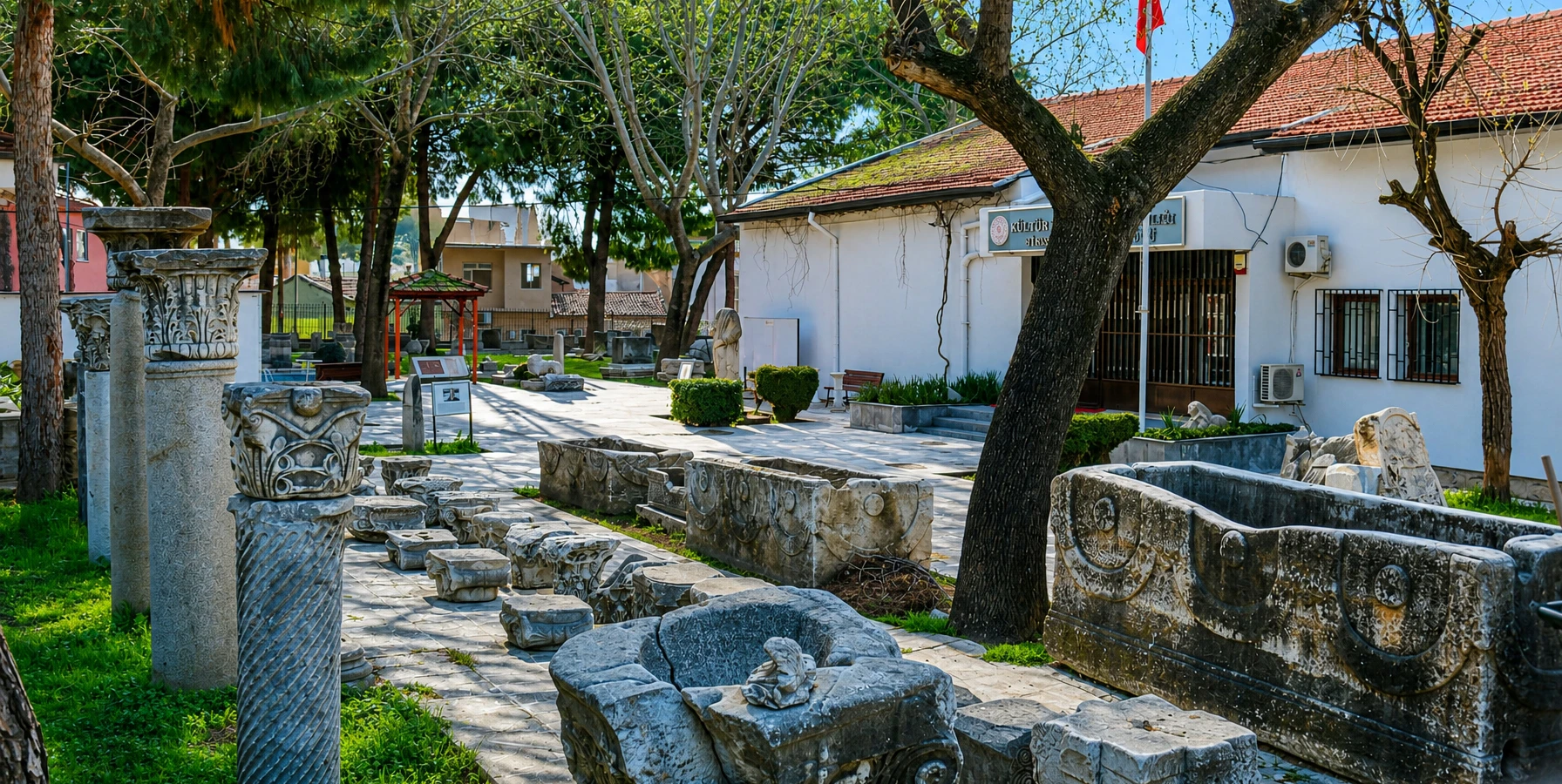
The museum's historical displays were not limited to its indoor galleries. Large stone and terracotta objects that could not easily be accommodated inside were traditionally presented in the front and rear gardens.
These outdoor collections transformed the museum grounds into a compact lapidarium, where architectural fragments and funerary monuments could be examined at close range.
Architectural fragments represent Greek, Hellenistic, Roman and Byzantine construction traditions.
Large carved stone pieces preserve evidence of ancient funerary monuments.
Large storage vessels recall agricultural production and food storage in ancient communities.
The rear garden traditionally presented historic Islamic-period grave markers in chronological order.
Ancient Greek inscriptions preserve personal names and references to settlements that once existed around Tire.
Steles, sarcophagi and grave monuments reveal ancient attitudes toward identity, family and remembrance.
Small artifacts frequently tell more about ordinary life than monumental sculpture.
Political history, trade, religion and iconography can all be traced through numismatic evidence.
Clothing, embroidery and carpets demonstrate skills deeply connected with Tire's craft traditions.
Household and ceremonial objects connect Tire's monumental architecture with the people who actually used it.
Visitors researching Tire online can easily confuse Tire Museum with Tire City Museum. They are separate institutions with different collections and purposes.
The state museum administered through Türkiye's Ministry of Culture and Tourism.
Contains archaeological objects, ancient stonework, inscriptions and a major coin collection.
Also preserves historical clothing, ceramics, carpets, manuscripts and traditional objects.
A municipal museum presenting the social, commercial and cultural history of Tire.
The City Museum recreates local professions, workshops and elements of everyday town life.
Once the state museum reopens, the two institutions will offer complementary perspectives on Tire's history.
While Tire Museum remains closed, the town itself still contains enough history for a rewarding full-day visit.
Begin in central Tire by exploring the historic commercial quarter and Ottoman monuments. Continue through traditional streets where the scale and prosperity of the old town remain visible in mosques, baths, fountains and surviving commercial structures.
Visit Tire City Museum to understand traditional occupations and everyday life, and make time for local food such as Tire köfte.
If your visit falls on a Tuesday, the enormous Tire Tuesday Market transforms the town center and adds one of western Türkiye's best living cultural experiences to the day.
The museum is currently closed, so a precise visit duration cannot be guaranteed for its future exhibition layout. Based on the scale and variety of the collection, however, visitors should allow enough time to examine both archaeological and ethnographic material once public access resumes.
A future quick visit focusing only on major archaeological highlights.
A more comfortable museum visit covering archaeology, ethnography and important individual objects.
Suitable for travelers with a strong interest in archaeology, coins or Ottoman material culture.
Combine the museum with surrounding historic monuments and Tire's traditional commercial streets.
Explore the wider historic town, local cuisine, Tire City Museum and other cultural attractions.
Allow considerably longer if combining the museum area with Tire Tuesday Market.
Photography policies may change when the museum reopens, particularly if the collection is transferred into a new exhibition environment.
Confirm photography regulations at the museum entrance after reopening.
Flash photography can be restricted around sensitive archaeological and textile objects.
Inscriptions, funerary monuments and carved architectural fragments reward close observation.
Decorated pottery can reveal fine details that are easily overlooked during a quick visit.
Traditional embroidery, carpets and costume provide rich examples of regional craftsmanship.
Some objects or temporary exhibitions may prohibit photography completely.
Because Tire Museum is currently closed and future exhibitions may occupy renovated or new facilities, accessibility arrangements could differ considerably from those of the previous museum layout.
Check current accessibility information when an official reopening date is announced.
Future ramps, level access and entrance arrangements should be confirmed directly with the museum.
New exhibition planning may provide different circulation routes from the former building.
Stone monuments displayed outdoors may involve different surfaces from indoor galleries.
Ask staff about available seating and rest points once the museum reopens.
The surrounding historic town contains cafés and restaurants suitable for breaks during a longer visit.
Tire lies southeast of central İzmir in the fertile Küçük Menderes Valley. The museum is located within central Tire, making it easy to combine with the town's historic streets once public access resumes.
Tire can be reached from the İzmir metropolitan area by road and regional public transportation.
Tire makes an interesting inland addition to a journey through Selçuk and the Ephesus region.
Tire and Ödemiş can easily be combined while exploring the Küçük Menderes Valley.
Driving provides flexibility for combining Tire with surrounding villages, mountains and historic towns.
A private itinerary allows Tire's archaeology, Ottoman monuments, cuisine and crafts to be explored together.
Once in the historic center, many cultural sights can be explored on foot.
Even while the archaeological museum remains closed, Tire offers an unusually rich concentration of cultural heritage, food and traditional town life.
Experience one of western Türkiye's great traditional weekly markets, filling the historic center every Tuesday.
Discover traditional professions, local crafts, household culture and the social history of Tire.
Explore one of Tire's important Ottoman cultural institutions and its historic manuscript tradition.
Discover mosques, baths, fountains, traditional houses and old commercial neighborhoods.
Continue through the Küçük Menderes Valley to another historic inland town famous for food, markets and local culture.
Escape into the mountains above Ödemiş and enjoy a peaceful lakeside landscape.
Explore an atmospheric mountain settlement known for old stone houses and dramatic scenery.
Continue into the high landscapes overlooking the Küçük Menderes Valley.
Tire Museum is located in Ketenci Mahallesi in central Tire, İzmir Province, western Türkiye.
No. Official museum information currently lists Tire Museum as closed to visitors because of construction-related issues while work connected with a new museum continues.
An exact reopening date should be confirmed through current official museum information. Travelers should check again shortly before visiting Tire.
No. Tire Museum is the state archaeological and ethnographic museum. Tire City Museum is a separate municipal institution focused more strongly on Tire's social history, crafts and traditional professions.
The original museum collection was established in 1935 in the historic Yahşi Bey Zaviyesi.
The museum was formally registered by state authorities in 1946.
The museum began operating in its later museum building in 1971.
Official records list 30,079 registered cultural assets across archaeological, ethnographic, numismatic, archival, manuscript and fine-art categories.
The collection includes ancient sculpture, funerary steles, sarcophagi, ceramics, glass, bronze objects, coins, clothing, textiles, carpets, manuscripts and Ottoman-period decorative arts.
The registered collection includes 24,943 coins, making numismatics the museum's largest collection category.
The former archaeological exhibition included material dating broadly from approximately 3500 BC to AD 1100.
Yes. The collection contains Roman-period stone monuments, inscriptions and other archaeological material from the Tire region.
Yes. Byzantine material forms part of the broader archaeological collection of the region.
Yes. The ethnographic collection contains clothing, textiles, ceramics, carpets, religious objects and material associated with Ottoman daily life.
The former museum arrangement included archaeological stone and terracotta objects in its gardens, as well as a chronological display of Islamic-period tombstones.
The official museum portal currently lists admission as free, but the museum is closed and therefore cannot presently be visited.
Tire City Museum is a separate attraction and can provide an excellent introduction to the town's local history, crafts and traditional professions. Check its current opening information before visiting.
Tire lies inland from the Selçuk and Ephesus region, making the wider Tire area a possible addition for travelers interested in the archaeology and cultural history of western Anatolia.
Yes. Tire and Ödemiş are natural partners for exploring the historic towns, markets, food and landscapes of the Küçük Menderes Valley.
Tuesday is especially interesting because Tire's enormous traditional weekly market fills much of the town center. For a quieter historical visit, another weekday may be more comfortable.
Yes. Tire contains Ottoman monuments, traditional commercial streets, local cuisine, historic neighborhoods, Tire City Museum and one of the region's most impressive weekly markets.
Follow photography, touching and visitor regulations when the archaeological museum reopens.
Stone, ceramics, textiles and archaeological objects can be damaged by repeated physical contact.
Buying directly from genuine local craftspeople helps traditional skills survive.
Tire's mosques, cemeteries, fountains and historic streets remain part of a living town.
Independent cafés, restaurants and traditional shops contribute to the preservation of Tire's historic center.
Understanding both archaeological history and living culture creates a more meaningful visit.
Explore historic Tire through Ottoman architecture, traditional markets, regional cuisine, craftsmanship and the extraordinary landscapes of the Küçük Menderes Valley with a private itinerary designed around your interests.
Discover one of inland İzmir's most fascinating historic towns through archaeology, architecture, food, traditional crafts and local life.
Ask us about a tailor-made day focused on Tire's archaeology, Ottoman monuments, traditional crafts, local cuisine and historic neighborhoods.
Request a Custom Tour
Experience Tire at its liveliest when farmers, craftspeople and traders transform the historic center into an enormous traditional market.
Explore Tire MarketCombine Tire with historic towns, mountain villages and beautiful inland landscapes away from the Aegean coast.
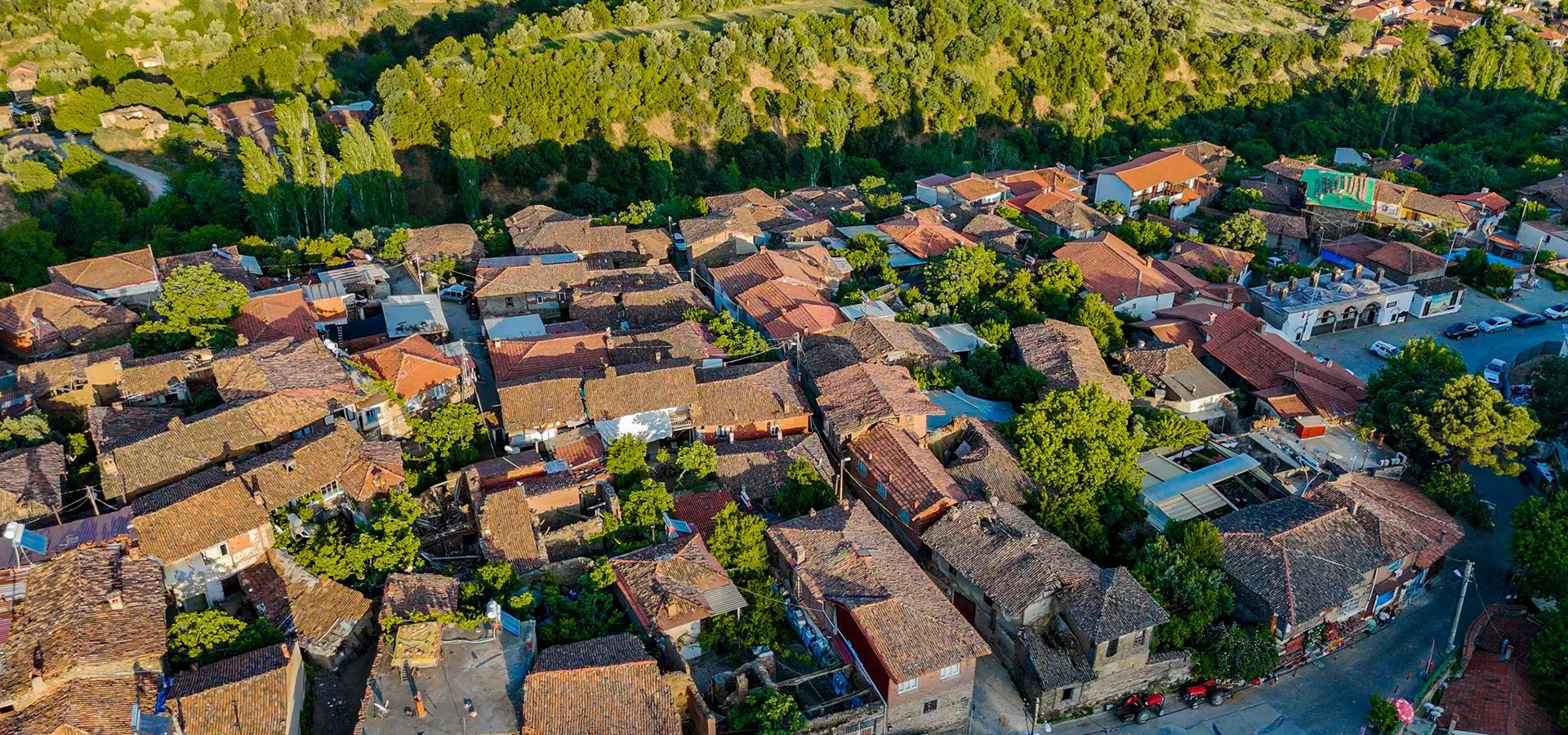
Continue through the valley to another historic market town famous for regional food, traditional culture and mountain scenery.
Explore Ödemiş
Relax beside a mountain lake surrounded by forests, orchards and traditional communities above Ödemiş.
Explore Gölcük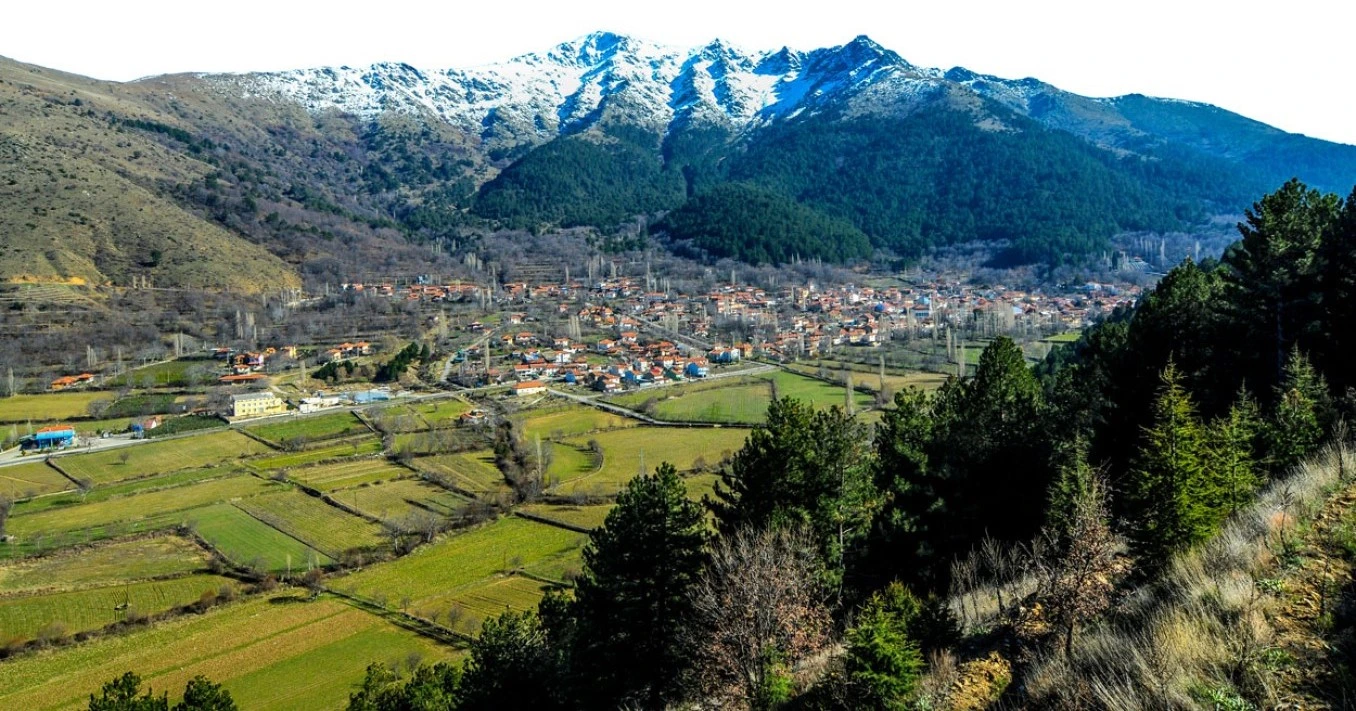
Travel into the high country above the Küçük Menderes Valley and discover a completely different side of İzmir Province.
Explore Bozdağ