Private Urla Art & Historic Center Tour
Ask us about a tailor-made cultural experience combining Urla Sanat Sokağı, Malgaca Pazarı, the historic Arasta, local cafés and the architectural character of central Urla.
Request a Custom Tour





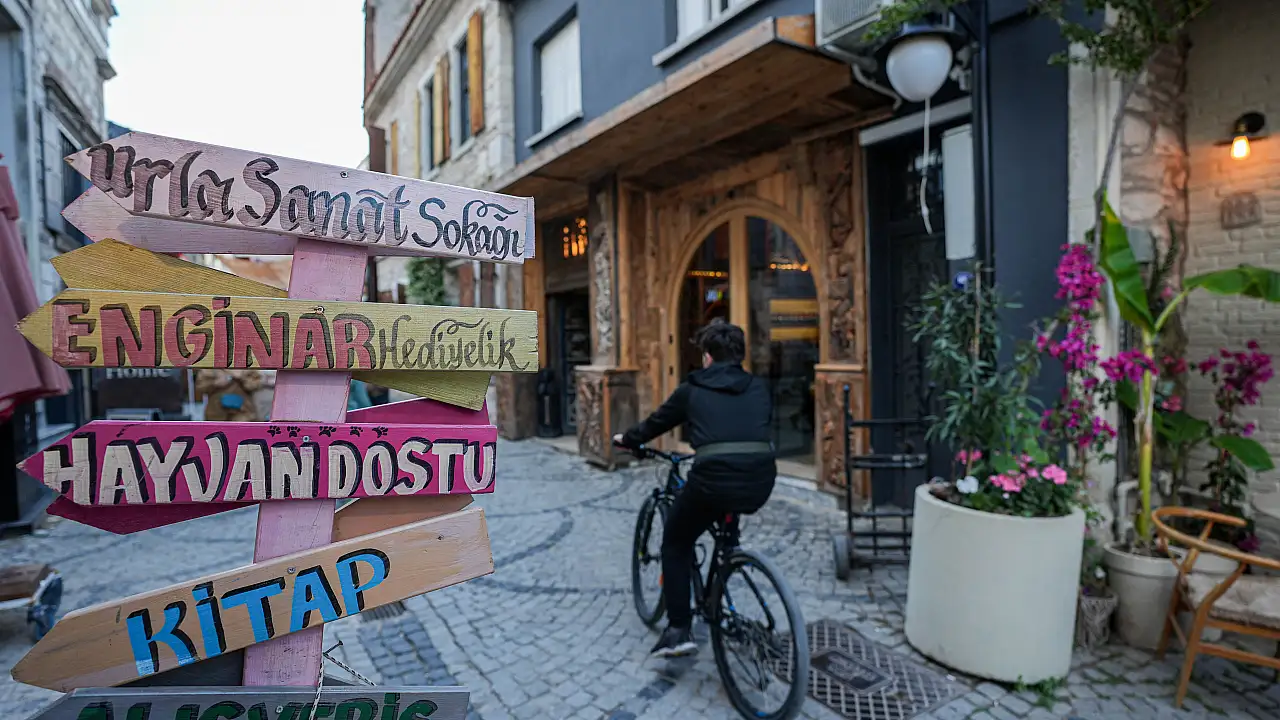
In the historic center of Urla, west of İzmir, a narrow street of old stone houses has become one of the town's most recognizable cultural destinations.
Known locally as Urla Sanat Sokağı, or Urla Art Street, the street follows part of Zafer Caddesi through the traditional urban fabric of central Urla.
Its historic buildings, cobblestone paving, small courtyards and colorful façades provide the setting for art workshops, ceramic studios, handmade jewelry, boutique shops, cafés and small creative businesses.
The area began developing its modern identity as an arts and culture street during the early 2010s, when artists and craftspeople increasingly opened studios inside restored historic buildings.
Today, the street feels less like a conventional tourist attraction and more like a living neighborhood where historic architecture, local entrepreneurship and contemporary creativity overlap.
Visitors can browse handmade objects, look inside independent workshops, stop for Turkish coffee, photograph the historic houses or simply wander slowly through one of central Urla's most atmospheric streets.
Its location also makes it ideal for combining with Malgaca Pazarı, the historic Arasta, central Urla and the wider cultural landscape of the peninsula.
Walk between traditional Urla buildings whose architecture preserves the atmosphere of the town's older neighborhoods.
Browse studios and small shops displaying ceramics, jewelry, paintings, textiles and locally made decorative objects.
Stop for coffee, desserts or a relaxed break among colorful façades, flowers and street-side tables.
Continue easily toward Malgaca Pazarı, the historic Arasta and other cultural landmarks in the town center.
Essential information for exploring one of the most atmospheric streets in central Urla.
Central Urla, İzmir Province, along the historic Zafer Caddesi area.
Open on Google MapsArt studios, handmade crafts, boutique shops, cafés and historic streetscape.
Traditional stone houses and historic buildings form much of the character of the street.
On foot, allowing time to browse workshops, small shops and the neighboring historic center.
Creative, relaxed and distinctly Aegean, with cafés and small businesses occupying historic buildings.
Allow approximately 1–2 hours, or longer when combining the street with cafés, shopping and central Urla.
Urla Sanat Sokağı offers an easy introduction to the architectural character, creative culture and relaxed everyday atmosphere of modern Urla.
Urla Art Street is interesting not because of one monumental building or a single famous museum, but because of the character created by the street as a whole.
Historic stone façades, small courtyards, traditional windows and narrow pedestrian-friendly spaces provide a visual connection with the older town.
Inside and between these buildings, a newer generation of artists, designers, café owners and independent businesses has created a contemporary cultural district.
Visitors may encounter ceramics, paintings, handmade jewelry, textile work, decorative crafts, antiques and locally inspired design objects while moving between workshops and shops.
The result is a part of Urla that feels both historical and actively lived in.
It also provides an important contrast with the other experiences available around the peninsula.
In a single day, travelers can move from the artistic streets of central Urla to ancient archaeology, Aegean vineyards, traditional markets and the coastal landscape around Urla İskele.
For a broader introduction to the district, continue to our complete Urla travel guide .
The history of Sanat Sokağı belongs first to the history of Urla's traditional town center.
Long before the street became associated with art, this part of Urla formed part of a busy urban area linked with local commerce, craftsmanship and everyday neighborhood life.
The street is officially associated with Zafer Caddesi, which runs through one of the historically important sections of the town.
Many of the buildings reflect the architectural character that developed in Urla during the later Ottoman period and into the modern era.
Stone construction, timber details, shutters, small balconies and enclosed courtyards contribute to the area's distinctive appearance.
During the early 2010s, artists and craftspeople increasingly began opening workshops, studios and small creative businesses along the street.
This new activity gradually transformed the area into what visitors now know as Urla Sanat Sokağı.
Rather than replacing the older identity of the neighborhood, the creative businesses became part of it, giving historic buildings new cultural and commercial uses.
The street belongs to the traditional urban fabric of central Urla rather than to a purpose-built modern cultural complex.
Sanat Sokağı developed along the historic Zafer Caddesi area running through central Urla.
Stone houses and older commercial buildings give the street much of its architectural atmosphere.
From around 2010, artists and small creative businesses increasingly established workshops in the area.
The street remains part of everyday Urla rather than functioning only as a tourism attraction.
Art, food, design, crafts and historic architecture now combine to create one of Urla's best-known cultural streets.
The pleasure of Sanat Sokağı comes largely from its scale.
This is not a vast shopping district that requires a rigid itinerary.
Instead, visitors move through a compact network of historic façades, small businesses, workshop doors, street displays and café tables.
Some shops are polished boutiques, while others feel closer to working artists' studios.
Handmade objects may appear in windows, on tables outside workshops or inside restored stone buildings.
Flowers, shaded sections, old masonry and colorful shopfronts give the street a particularly photogenic Aegean atmosphere.
The experience also changes throughout the day.
Mornings can feel relaxed and local, while afternoons and weekends usually bring more visitors browsing shops and sitting at cafés.
Traditional paving adds to the visual character and encourages visitors to explore slowly on foot.
Many creative spaces are intimate, allowing visitors to see artworks and handmade objects at close range.
Crafts, ceramics and decorative objects often extend visually into the street itself.
Outdoor seating adds to the relaxed social atmosphere of the neighborhood.
Stone walls, shutters, balconies and colorful details create an unmistakably western Anatolian streetscape.
The combination of working artists and independent businesses gives the street a personality different from a conventional shopping area.
The creative businesses are the defining feature of Sanat Sokağı.
Depending on the season and which studios are open, visitors may encounter a wide variety of artistic disciplines.
Ceramics are particularly natural to the atmosphere of the street, with handmade bowls, plates, decorative pieces and sculptural objects appearing in several styles.
Other spaces may display paintings, illustrations, photography, handcrafted jewelry, textiles, woodwork or small decorative items.
The most interesting aspect is that many objects are produced on a small scale.
This gives visitors an opportunity to purchase something connected more directly with an individual artist or maker rather than a mass-produced souvenir.
Opening patterns can vary between independent workshops, so it is best to approach Sanat Sokağı as a place to explore rather than expecting every studio to operate according to identical hours.
Look for handmade bowls, cups, plates, tiles, sculptural objects and decorative pieces created by local makers.
Independent studios may display original paintings, prints and artwork inspired by Urla and the Aegean.
Small-scale jewelry workshops provide an alternative to standardized souvenir shopping.
Handmade textile pieces and traditional techniques sometimes appear alongside more contemporary design work.
Wood, glass, mixed-media pieces and home decorations contribute to the variety of the street.
Where artists are working on site, browsing can become an opportunity to learn about how individual pieces are created.
Even travelers who are not particularly interested in shopping can enjoy Sanat Sokağı for its architecture alone.
The street passes through a historic part of Urla where older stone buildings continue to define the scale and appearance of the town.
Rather than large monuments, the architectural interest comes from ordinary urban buildings: houses, shops, workspaces and small courtyards.
Stone masonry, wooden shutters, projecting balconies, narrow entrances and red-tiled roofs create a visual language shared with many historic settlements along the Aegean coast.
Restoration and adaptive reuse have allowed many buildings to function today as cafés, boutiques and studios.
This relationship between old buildings and new creative uses is one of the most attractive features of the street.
Local stone gives many of the historic façades their warm color and distinctive Aegean texture.
Shutters, narrow openings and timber details contribute to the character of individual buildings.
Upper-floor balconies and decorative details provide some of the street's most attractive architectural compositions.
Older buildings have been adapted for modern boutiques and cafés without completely losing their traditional scale.
Look beyond the main façades for small entrances and courtyards that reveal another side of traditional Urla architecture.
The street demonstrates how historic urban buildings can continue to function through cultural and commercial reuse.
Shopping is part of the experience of Sanat Sokağı, but it is very different from visiting a conventional retail street.
The emphasis is generally on small shops, independent makers and objects with a craft or design element.
Visitors may find ceramics, jewelry, art prints, home decorations, handmade accessories, textiles and locally themed gifts.
Antique and vintage objects may also appear among the boutiques and displays.
Because businesses change over time and individual artists may work seasonally, there is always an element of discovery.
Rather than visiting with one particular purchase in mind, allow time to browse and see what is being produced during your visit.
One of the most characteristic purchases for travelers interested in contemporary Aegean craft.
Paintings, illustrations and prints offer a more personal alternative to standard travel souvenirs.
Independent jewelry makers often work with distinctive small-scale designs.
Look for handmade decorative pieces suited to travelers seeking something practical as well as artistic.
Small objects inspired by Urla, the Aegean landscape and regional culture make easy gifts to take home.
When buying directly from a workshop, asking about the process and materials often adds meaning to the piece.
Sanat Sokağı is not only a place for art and shopping.
Cafés and small food businesses are an important part of its social atmosphere.
Street-side tables make it easy to pause between workshops, especially during the warmer months.
Turkish coffee, espresso-based drinks, tea, desserts and light meals can usually be found around the street and the surrounding historic center.
For a larger lunch, visitors can continue toward Malgaca Pazarı and other parts of central Urla, where traditional eateries and contemporary restaurants sit within walking distance.
Urla's wider reputation for Aegean cuisine also makes the street a useful starting point for a food-focused day around the peninsula.
A natural choice for a slow break while exploring the historic center.
Modern cafés contribute to the younger creative character of Sanat Sokağı.
Coffee and sweet treats make an easy pause between browsing studios and shops.
Continue through central Urla to discover dishes based on local vegetables, herbs and olive oil.
The neighboring market district expands the choice of traditional food and local businesses.
For a slower itinerary, combine Sanat Sokağı with one of Urla's restaurants before continuing toward the coast or vineyards.
Sanat Sokağı is one of central Urla's most photogenic areas.
The strongest images usually combine historic architecture with the visual details that give the street its contemporary personality.
Stone walls, wooden shutters, flowering plants, café tables, handmade objects and colorful shop signs create numerous small compositions.
Rather than relying only on wide photographs, look for architectural details and scenes that show the relationship between the historic street and its modern creative life.
Morning light can provide quieter scenes, while late afternoon often gives the stone façades a warmer appearance.
After sunset, café lighting and illuminated shopfronts create a completely different atmosphere.
Use the natural texture of Urla's old buildings as the background for wider street scenes.
Flowering plants create some of the most recognizable Aegean compositions during the warmer seasons.
Handmade objects outside shops add color and texture to street photography.
Earlier hours are useful for photographing architecture before the street becomes busier.
Late-afternoon light can bring out the warm tones of stone walls and historic façades.
Street lighting, cafés and open shopfronts create a lively atmosphere after daylight fades.
Sanat Sokağı can be visited throughout the year.
Because the experience combines indoor workshops with outdoor walking, spring and autumn are particularly comfortable.
Summer brings long daylight hours, a lively atmosphere and more visitors traveling around the Urla Peninsula.
Winter is quieter, and although some seasonal businesses may operate differently, the historic center retains much of its character.
Comfortable walking weather and fresh spring color make this a pleasant period for exploring central Urla.
One of the most attractive periods for combining Sanat Sokağı with Urla's countryside, coast and outdoor dining.
Expect warm weather, busy weekends and a lively summer atmosphere throughout the peninsula.
Warm evenings and slightly softer summer conditions make September particularly enjoyable.
Milder temperatures and fewer peak-season crowds suit visitors interested in culture and food.
A quieter experience for photography, cafés and exploring Urla without summer crowds.
Enough for a quick walk through the street and a look at its architecture and shopfronts.
Suitable for a relaxed walk with time to browse several studios and small shops.
Ideal for exploring the street properly, shopping and stopping for coffee.
Combine Sanat Sokağı with Malgaca Pazarı, the historic Arasta and other parts of central Urla.
Continue toward Urla İskele, Klazomenai, Karantina Island or the surrounding countryside.
Use central Urla as part of a slower stay including vineyards, coastal villages and Aegean dining.
Begin your visit at Urla Sanat Sokağı while the street is still relatively calm.
Walk slowly along the historic façades and browse whichever studios, galleries and small shops are open.
Continue toward Malgaca Pazarı, one of the historic commercial areas of central Urla.
Nearby, explore the traditional Arasta, where older commercial traditions remain part of the town's everyday life.
Pause for coffee or lunch in central Urla before continuing toward the coast.
In the afternoon, travel to Urla İskele for the waterfront, ancient Klazomenai and the coastal landscape.
Travelers particularly interested in history can also continue toward Karantina Island and the remarkable story of Urla's Ottoman quarantine complex.
Sanat Sokağı is part of the public street network of central Urla rather than an enclosed attraction.
There is therefore no general entrance ticket required simply to walk through the street.
Individual galleries, workshops, cafés and shops operate independently and may have their own opening days and hours.
Some businesses may operate seasonally or open later in the day, particularly outside the main visitor season.
For this reason, the best approach is to enjoy the historic street itself while treating specific shops and studios as part of the discovery.
Sanat Sokağı is explored primarily on foot.
Its historic urban character, however, means surfaces may not always match those of a modern pedestrian development.
Cobblestones, uneven paving, small thresholds and narrow entrances can create challenges for some visitors.
Access inside individual historic shops and studios also varies from building to building.
Visitors using wheelchairs or those who require step-free access may wish to confirm specific venues in advance.
The compact layout makes the street convenient to explore without long walking distances.
Historic paving can be uneven and may require additional care for visitors with limited mobility.
Some older shops may have thresholds, steps or narrow doorways.
Cafés provide useful opportunities to sit and rest during a longer exploration of central Urla.
Morning or late-afternoon visits can be more comfortable during hot weather.
A vehicle is useful for continuing afterward toward İskele, vineyards and other parts of the Urla Peninsula.
Urla Art Street is located in the center of Urla and is straightforward to include in a wider visit to the peninsula.
Once you reach central Urla, the street is best approached as part of a walking exploration of the historic center.
Parking directly beside the busiest pedestrian sections may be limited, so using a nearby parking area and continuing on foot is often more practical.
Sanat Sokağı lies within the historic central area and can be reached easily on foot from surrounding streets.
Travel inland from the waterfront toward central Urla before continuing on foot through the historic district.
Travel west toward Urla using the İzmir–Çeşme corridor, then continue into the town center.
Travel east toward Urla and enter the central district before beginning your walking route.
Follow the peninsula east toward Urla, making Sanat Sokağı an easy cultural stop on the journey toward İzmir.
Particularly convenient when combining central Urla with vineyards, archaeological sites and coastal locations in one day.
One of the main advantages of Sanat Sokağı is its location within central Urla.
Historic markets, traditional streets, archaeological sites, the waterfront and the surrounding countryside can all be incorporated into the same itinerary.
Discover the wider district through its archaeology, food culture, vineyards, coast and historic neighborhoods.
Explore one of the historic commercial centers of Urla and experience the everyday character of the old town.
Walk through an old commercial district associated with generations of local merchants and craftspeople.
Continue through traditional streets containing old houses, local businesses and civic architecture.
Head toward the coast for seafood restaurants, waterfront walks and access to Urla's archaeological landscape.
Explore the remains of one of ancient Ionia's important cities close to the modern Urla coastline.
Discover the extraordinary combination of ancient Klazomenai and a historic Ottoman quarantine complex.
Continue into the countryside to experience the landscapes behind Urla's modern wine and gastronomy culture.
Urla Art Street, known locally as Sanat Sokağı, is located in central Urla in İzmir Province, on Türkiye's Aegean coast.
The street commonly known as Sanat Sokağı is associated with Zafer Caddesi in central Urla.
The area became known for artists, craft workshops, galleries and independent creative businesses that established themselves inside the historic buildings.
Its modern creative identity developed especially from around 2010, as artists and craftspeople began opening studios in the area.
Yes. The wider district preserves many older stone buildings and architectural elements connected with historic Urla.
Expect a mixture of historic architecture, artist workshops, small galleries, ceramics, handmade jewelry, craft shops, boutiques and cafés.
Yes. Many independent workshops and small businesses sell art, crafts, ceramics and handmade design objects.
Sometimes. Some spaces operate as working studios, so visitors may encounter artists or makers working directly in their shops.
No general admission ticket is required to walk along the public street. Individual workshops, events or activities may have their own arrangements.
Sanat Sokağı itself is a public street, but galleries, cafés and workshops are independent businesses with their own opening hours.
Not necessarily. Individual workshops may close on particular days or operate seasonally, so do not expect every business to follow the same schedule.
Approximately one to two hours is comfortable for walking, browsing shops and stopping for coffee.
Spring, early summer, September and autumn provide particularly pleasant conditions for exploring the street on foot.
Weekends generally bring more visitors to central Urla, especially during the warmer months and holiday periods.
Morning is ideal for quieter streets and photography, while late afternoon offers a livelier atmosphere and attractive light.
Yes. Historic stone buildings, flowers, workshop displays, cafés and colorful architectural details make it one of central Urla's most attractive photography locations.
Ask permission first. Studios and galleries are private businesses, and individual artists may have different policies regarding photography of their work.
Yes. The compact historic area is best explored on foot, although cobblestones and uneven surfaces should be expected.
Yes. The short walking distances, colorful shops and handmade objects can make the area enjoyable for families, although children should be supervised inside workshops displaying fragile objects.
Yes. Cafés and small food businesses form an important part of the street's relaxed social atmosphere.
Look for handmade ceramics, jewelry, artwork, textiles, decorative objects and small locally inspired gifts.
Yes. Sanat Sokağı, Malgaca Pazarı and the historic commercial center can easily be explored as part of the same walking route.
The Arasta is part of Urla's traditional commercial center, where generations of merchants and craftspeople have operated shops and workshops.
Yes. Explore the historic center first and continue toward Urla İskele for the waterfront, restaurants and archaeological sites.
Yes. Sanat Sokağı and Karantina Island show two completely different sides of Urla's cultural history and work well within the same day.
Yes. Central Urla can easily form part of a day trip from İzmir, especially when combined with the coast, archaeology or vineyards.
Yes. Urla lies east of Alaçatı and Çeşme, making Sanat Sokağı a convenient cultural stop when traveling across the peninsula.
For travelers interested in historic streets, independent shops, art, craftsmanship, photography and relaxed Aegean town life, Sanat Sokağı is one of the most enjoyable stops in central Urla.
Continue through Malgaca Pazarı, the historic Arasta, Urla İskele, Klazomenai and the surrounding countryside. For a complete overview, see our Urla travel guide .
When possible, purchase directly from artists and small local businesses rather than treating studios only as displays.
Request permission before photographing people, artwork or the interiors of private workshops.
Do not touch handmade ceramics, paintings or delicate objects unless the artist or shop owner invites you to do so.
Remember that the surrounding streets are part of a living neighborhood as well as a visitor destination.
Use appropriate waste facilities and help preserve the appearance of the historic center.
Supporting cafés, markets and traditional businesses around the wider historic center helps spread the benefits of tourism.
Combine Urla Art Street with the historic markets of central Urla, ancient Klazomenai, Urla İskele, Karantina Island, Aegean cuisine and the beautiful countryside of the peninsula through a private itinerary designed around your interests and without compulsory shopping stops.
Explore Urla beyond the coast through historic streets, local craftsmanship, archaeology and the creative culture that has transformed the town into one of the Aegean's most interesting destinations.
Ask us about a tailor-made cultural experience combining Urla Sanat Sokağı, Malgaca Pazarı, the historic Arasta, local cafés and the architectural character of central Urla.
Request a Custom Tour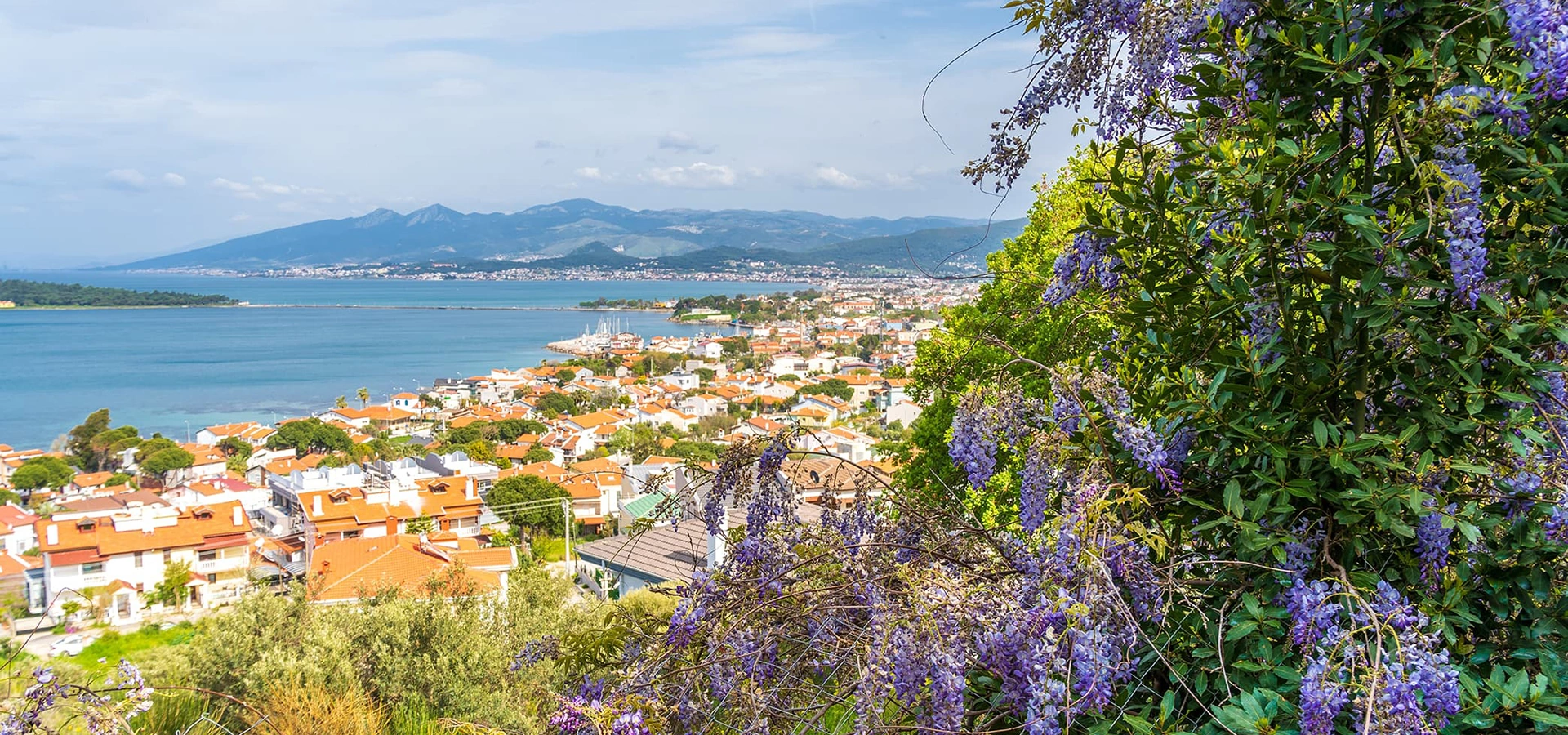
Continue beyond Sanat Sokağı to discover Urla's archaeological heritage, İskele waterfront, vineyards, gastronomy, historic neighborhoods and peaceful Aegean coastline.
View Urla GuideCombine the cultural atmosphere of Urla with some of the best-known towns and landscapes of the Çeşme Peninsula.
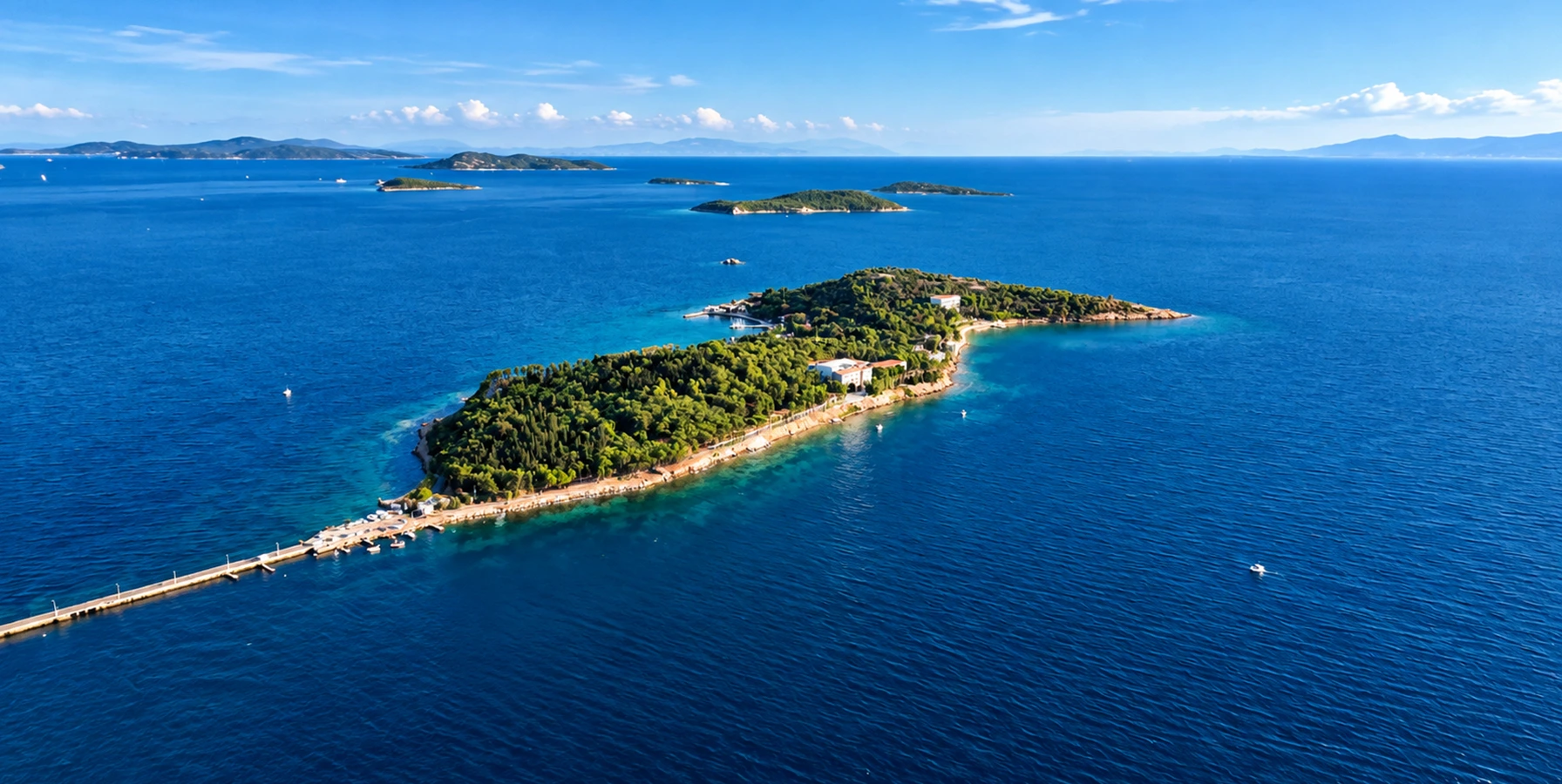
Discover a remarkable historical landscape combining ancient Klazomenai, Ottoman maritime quarantine, medicine and Urla's beautiful Aegean coast.
Explore Karantina Island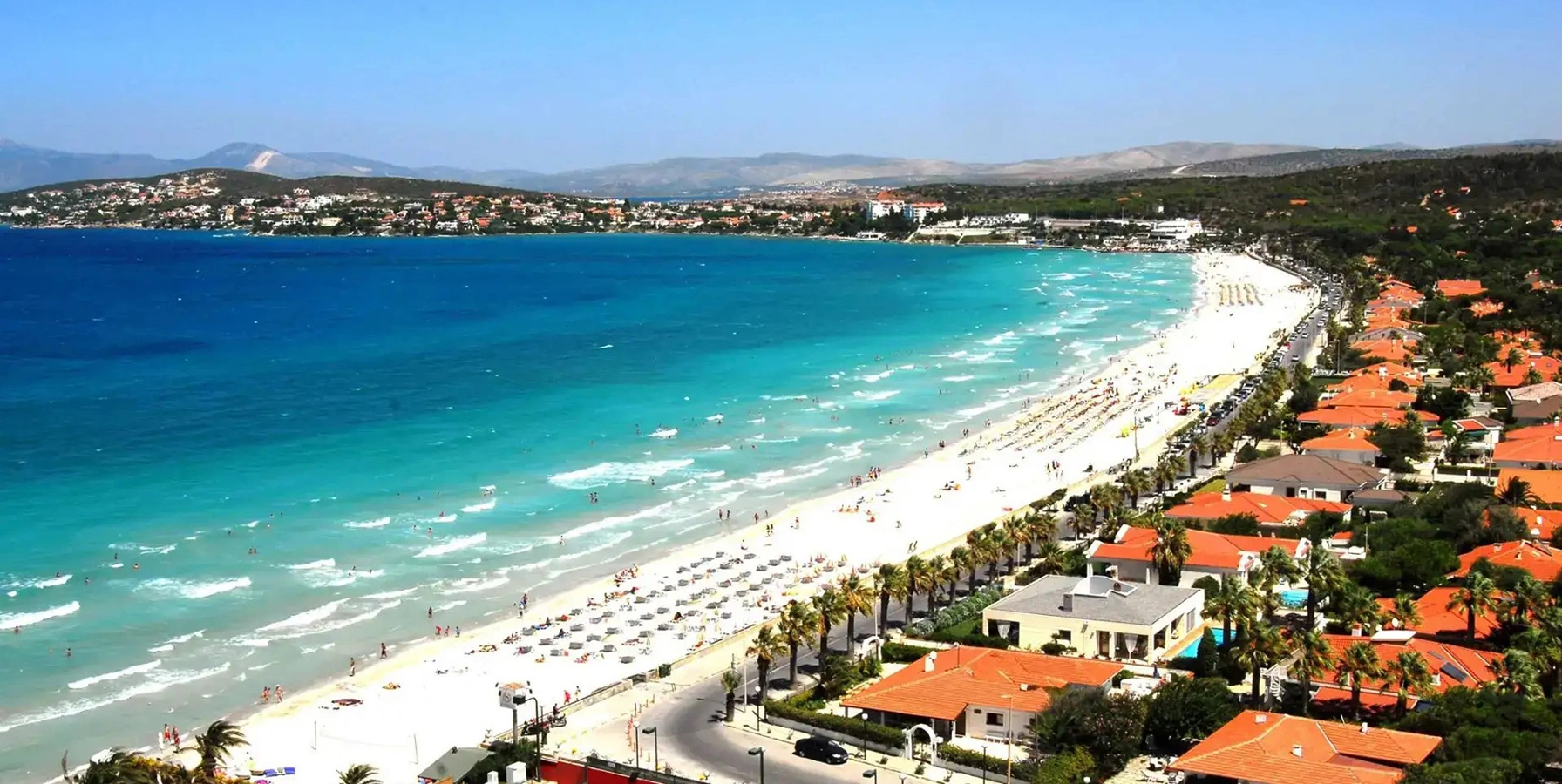
Continue west to one of the Aegean coast's best-known historic towns for stone architecture, windmills, restaurants, boutiques and atmospheric streets.
Explore Alaçatı
Continue across the peninsula for Çeşme Castle, the marina, thermal heritage, coastal villages and some of western Türkiye's most famous beaches.
Explore Çeşme