Private Urla Wine Route Tour
Ask us about a tailor-made vineyard day combining selected wineries, wine tastings, beautiful countryside, local gastronomy and private chauffeured transportation through the Urla Peninsula.
Request a Custom Tour





West of İzmir, the countryside surrounding Urla has become one of Türkiye's most distinctive destinations for vineyards, boutique wineries and contemporary Aegean gastronomy.
Known as the Urla Bağ Yolu, or Urla Wine Route, the experience is not concentrated along a single street.
Instead, vineyards and wineries are scattered through the rural landscape around villages and countryside such as Kuşçular, Yağcılar, İçmeler, Bademler and Zeytinler.
The setting is part of the attraction.
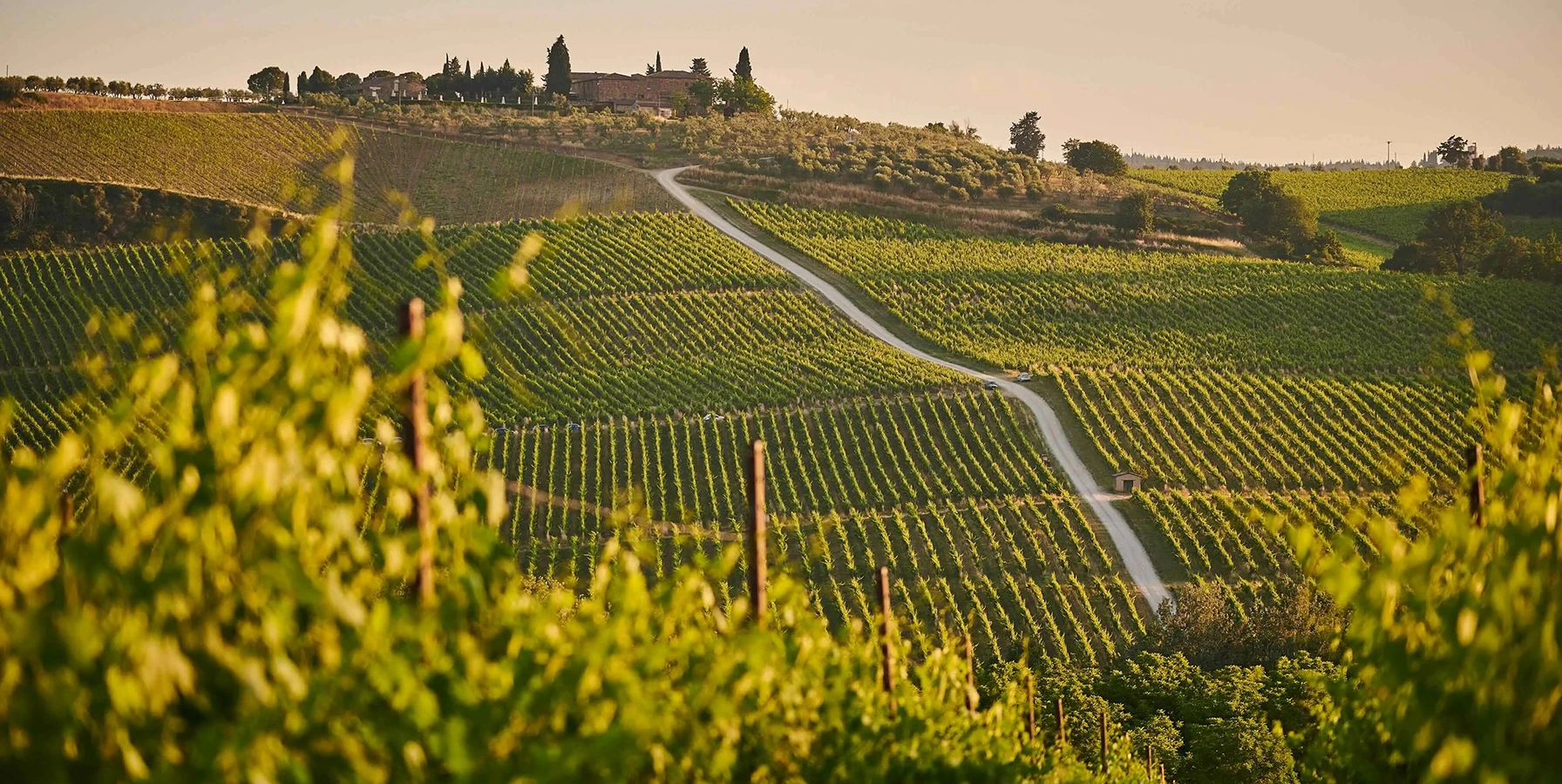
Rows of vines, olive groves, low wooded hills, stone country houses and the maritime climate of the Urla Peninsula create a landscape that feels very different from the nearby resorts of Alaçatı and Çeşme.
Urla's connection with grapes and wine, however, is far older than its modern wineries.
Ancient Klazomenai, one of the Ionian cities of the Aegean coast, participated in a regional culture of viticulture, olive production and maritime trade more than two thousand years ago.
Today, a new generation of producers has brought vineyards back into the cultural identity of the peninsula.
Visitors can explore boutique wineries, learn about local and international grape varieties, join tastings, walk through vineyards, enjoy vineyard restaurants and combine the experience with some of Türkiye's most exciting contemporary cuisine.
Discover independent wine estates with different philosophies, architecture, vineyard landscapes and production styles.
Learn about varieties including Urla Karası, Bornova Misketi, Foça Karası and other grapes connected with Anatolian wine culture.
Combine vineyard visits with olive oil, seasonal herbs, local vegetables and the contemporary food scene for which Urla is increasingly known.
Travel through vineyards, olive groves, rural villages and Mediterranean landscapes only a short distance from the Aegean coast.
Essential information for exploring Urla's vineyards, boutique wineries and Aegean countryside.
Urla Peninsula, west of İzmir, with wineries spread across several rural areas surrounding Urla.
Open on Google MapsBoutique wineries, vineyard landscapes, local grape varieties, wine tastings and Aegean gastronomy.
By private vehicle, chauffeured transfer or organized itinerary, as the wineries are spread throughout the countryside.
Advance reservations are strongly recommended for tastings, winery tours and vineyard restaurants.
Spring, early summer and September–October are especially attractive for vineyard landscapes and outdoor experiences.
Allow half a day for two wineries or a full day for a slower vineyard and gastronomy experience.
Urla combines ancient viticultural traditions, a revived boutique wine culture and one of the most interesting rural landscapes on Türkiye's Aegean coast.
The attraction of the Urla Wine Route extends far beyond the contents of a wine glass.
The route brings together landscape, agriculture, history, local entrepreneurship, food and rural tourism within a relatively compact part of the Urla Peninsula.
Some visitors come specifically to discover boutique Turkish wines.
Others are attracted by the vineyards themselves, the architecture of the wineries, the restaurants, olive groves and the opportunity to experience a quieter side of western Türkiye.
The modern route was organized in 2013 through cooperation between local producers seeking to revive Urla's historic wine culture and encourage sustainable regional development.
That development has increasingly connected wine tourism with local agriculture, gastronomy, village life and the cultural heritage of the peninsula.
The Urla Vineyard Route was also selected for the 2024 Green Destinations Top 100 Destination Sustainability Stories, bringing international attention to the region's efforts to connect tourism with local production and cultural heritage.
For travelers, this means the route offers something increasingly rare: a contemporary tourism experience that remains strongly tied to the agricultural landscape around it.
For a broader introduction to the peninsula, continue to our complete Urla travel guide .
Wine in Urla is not simply a modern tourism trend.
The peninsula belongs to an Aegean landscape where grape cultivation and wine production have deep roots extending into antiquity.
The ancient city of Klazomenai, located close to modern Urla, was an important Ionian settlement connected with maritime commerce across the Aegean and Mediterranean worlds.
Archaeological evidence from the wider region shows a long tradition of agricultural production, trade and the movement of products in amphorae through ancient sea routes.
Viticulture remained part of the agricultural character of the peninsula through different historical periods.
Urla was once known for extensive vineyards, grape varieties and rural vineyard houses.
Changing population patterns, agricultural priorities, disease and economic transformation eventually reduced the prominence of local wine production.
A major revival began during the early 2000s.
New vineyard estates were planted, modern wineries were established and producers began investigating both international grape varieties and older grapes associated with western Anatolia.
The creation of the modern Urla Bağ Yolu brought several of these producers together within a recognizable tourism route.
Today, visiting Urla's wineries is also a journey through the revival of a regional agricultural tradition.
Urla's ancient Ionian heritage connects the peninsula with a much older Mediterranean culture of agriculture, trade and wine.
Grape growing was once a major part of the rural landscape and economic identity of Urla and the surrounding peninsula.
From the early 2000s onward, new producers increasingly replanted vineyards and established boutique wineries.
The organized vineyard route emerged in 2013 as producers worked together to promote regional wine culture and rural tourism.
The revival has included renewed interest in varieties such as Urla Karası, Bornova Misketi and Foça Karası.
Wine, gastronomy, agriculture, architecture and tourism now combine to form one of Urla's defining contemporary experiences.
Understanding the Urla Wine Route begins with the peninsula itself.
Urla projects into the Aegean landscape west of İzmir, surrounded by coastal influences and shaped by a mixture of valleys, low hills, woodland and agricultural land.
The proximity of the sea helps create a distinctive Mediterranean environment for vineyards.
Warm, dry summers are moderated by maritime air, while the varied topography creates differences between individual vineyard sites.
Many vineyards are planted on clay-rich and calcareous soils, although conditions vary considerably across the route.
Vineyards frequently sit beside olive groves, pine-covered slopes, fields and rural settlements, creating the visual landscape that makes the route so attractive even for visitors who are not wine specialists.
Different producers make use of these conditions in different ways.
Some focus heavily on particular vineyard parcels or local varieties, while others experiment with grapes originating from France, Italy, Spain and other established wine-producing regions.
The result is not one single "Urla style", but a collection of approaches shaped by individual vineyards, grape varieties and winemaking philosophies.
The surrounding Aegean contributes to the distinctive climate of the Urla Peninsula and helps moderate the hot Mediterranean summer.
Clay-rich and calcareous soils occur in vineyard areas across the peninsula and contribute to the diversity of growing conditions.
Vineyards occupy valleys, slopes and rural plateaus rather than forming one continuous agricultural plain.
Vines and olive trees frequently share the same countryside, linking two of the Aegean's oldest agricultural traditions.
Long, sunny Mediterranean summers create the characteristic seasonal rhythm of Urla's vineyard landscape.
Changing elevation, exposure and distance from the sea allow individual vineyard sites to develop their own characteristics.
One of the pleasures of exploring Urla is discovering how different its wineries can feel.
Some estates have contemporary architecture and modern tasting facilities.
Others provide a smaller, more intimate vineyard experience focused on direct contact with the landscape and producer.
Current Urla Wine Route association materials feature a growing collection of producers, including several names that have become closely associated with Urla's modern wine revival.
Because individual wineries may change their tasting programs, opening days, restaurant operations or reservation policies, it is always wise to confirm arrangements before traveling.
One of the best-known estates of the modern Urla revival, with extensive vineyards and particular work involving regional grape varieties.
An early contributor to the contemporary revival of viticulture in Urla, combining boutique production with a relaxed vineyard setting.
A boutique producer in the Kuşçular area whose modern winery combines technology, vineyard production and tasting experiences.
A family vineyard estate known for working with a wide range of red grape varieties and an individual boutique approach.
A vineyard and winery associated with night harvesting and a visitor experience combining tastings with food.
A contemporary Urla producer located in the Kuşçular countryside with vineyards, wines and a gastronomy component.
Located around Yağcılar, its name means “between two seas” and reflects the geography of the Urla Peninsula.
A modern vineyard estate in the Zeytinler area combining wine production with distinctive contemporary architecture.
Part of the expanding contemporary wine landscape of Urla and one of the newer names appearing within the route association.
Another contemporary producer now presented within the wider Urla Wine Route community as the region continues to develop.
Urla's vineyards are particularly interesting because producers work with both Anatolian grape varieties and grapes familiar from other major wine regions of the world.
Cabernet Sauvignon, Merlot, Syrah, Chardonnay, Sauvignon Blanc, Sangiovese, Grenache and Nero d'Avola can all be encountered within the wider region.
The more distinctive story, however, is the renewed interest in older regional and Anatolian grapes.
Urla Karası is particularly important to the identity of modern Urla wine.
The variety was rediscovered and returned to commercial cultivation during the revival of local viticulture.
Bornova Misketi, an aromatic grape with strong associations with the İzmir region, also has an important place in local vineyards.
Other grapes connected with the wider story include Foça Karası, Gaydura, Boğazkere, Öküzgözü, Narince and Sultaniye.
For visitors, this combination makes tastings especially interesting.
A single day may introduce wines made from familiar international grapes and varieties that are rarely encountered outside Türkiye.
A rare local red variety brought back into production as part of the modern effort to recover Urla's historic grape heritage.
An aromatic white grape strongly associated with the İzmir region and one of western Anatolia's distinctive native varieties.
An old western Anatolian red grape that has attracted renewed attention through the region's contemporary wine revival.
A rare white grape now cultivated in limited quantities and part of Urla's ongoing exploration of older varieties.
Cabernet Sauvignon, Merlot, Syrah, Chardonnay and Sauvignon Blanc are among the internationally recognized varieties grown around Urla.
Producers may also work with grapes from other parts of Türkiye, creating blends and interpretations that connect Urla with the wider Anatolian wine landscape.
A winery visit in Urla can take several forms.
At some estates, the experience centers on a structured tasting inside a dedicated tasting room.
Others may combine wine with a vineyard walk, cellar visit, restaurant meal or outdoor seating overlooking the vines.
The exact experience depends entirely on the winery and season.
Some visits are relaxed and relatively informal, while others operate through scheduled tasting sessions or require advance reservations.
When possible, allow enough time to hear the story of the estate, understand which grapes are grown and learn how different wines relate to their vineyard sites.
This makes the experience far more meaningful than attempting to visit as many wineries as possible in one day.
For most travelers, two or three carefully chosen wineries provide a much better day than rushing between numerous estates.
Many winery experiences introduce several wines while explaining grape varieties, production methods and the character of individual vintages.
Depending on the estate and reservation, visitors may be able to see production areas, barrel rooms or other parts of the winery.
Some estates provide an opportunity to spend time among the vines and better understand the agricultural landscape behind the wines.
Selected wineries offer food, tasting plates or complete restaurant experiences designed around local and seasonal ingredients.
Visitors of legal drinking age may usually purchase available wines directly from winery shops or tasting areas.
Urla works best when treated as a slow countryside experience rather than a checklist of tasting rooms.
Wine tourism is only one part of Urla's rapidly growing gastronomic identity.
The surrounding countryside produces olive oil, vegetables, herbs, fruit and other ingredients closely associated with Aegean cuisine.
At the same time, Urla has developed a remarkable contemporary restaurant scene.
Some vineyard estates operate their own restaurants or food services, while other visitors combine winery visits with lunch or dinner elsewhere around Urla.
Typical Aegean flavors may include olive-oil dishes, wild greens, artichokes, seasonal vegetables, seafood, cheeses, herbs and dishes designed around produce from the surrounding region.
The result is one of the strongest reasons to devote a full day to the wine route rather than treating a tasting as a quick stop.
Olive groves are inseparable from the Urla countryside and local olive oil is an essential part of regional food culture.
Seasonal wild greens and herbs are among the defining ingredients of western Türkiye's traditional cuisine.
Urla is particularly associated with artichokes, one of the ingredients most closely linked with its seasonal food identity.
Selected estates integrate tastings with carefully prepared food, allowing visitors to remain within the vineyard landscape for longer.
Urla's modern restaurant scene has made the peninsula an increasingly important destination for travelers interested in Turkish gastronomy.
A long vineyard lunch can become the centerpiece of the day rather than simply a break between winery visits.
Late summer and early autumn bring the vineyards into one of their most interesting periods.
This is harvest season, when ripe grapes are collected and winery activity moves into a particularly important phase.
The exact harvest period varies according to grape variety, vineyard location and the conditions of each growing season.
Some grapes may be collected earlier in summer, while others remain on the vines until later.
Visitors during this period can expect green vineyards, mature bunches of grapes and a sense of agricultural activity that is less obvious during winter.
Urla also has a traditional grape harvest festival culture, with celebrations generally associated with the late-summer harvest period.
Festival dates and programs can change each year, so travelers planning specifically around an event should confirm the current calendar.
Late summer marks the beginning of an important period in the vineyards and may coincide with local harvest celebrations.
One of the most atmospheric months for combining vineyard landscapes, pleasant evenings and the activity of harvest season.
Each variety ripens according to its own schedule, so harvesting does not happen everywhere at exactly the same time.
Harvest work may begin early or even at night at some vineyards in order to bring grapes into the winery under cooler conditions.
Harvest is an exciting period but also an extremely busy working season for producers, making reservations especially important.
Weather and grape development determine the real harvest timetable, so no fixed date applies to every vineyard.
Urla's vineyard countryside is one of the most photogenic parts of the peninsula.
The most distinctive images often combine orderly rows of vines with olive trees, rural roads, stone buildings and the wooded hills of the surrounding landscape.
Spring brings fresh green growth, while summer creates fuller, denser vineyards.
Around harvest, grape bunches and mature vines add another level of detail.
Later in autumn, vineyard colors begin to change, creating a different visual character.
Many wineries also incorporate striking contemporary architecture, terraces and landscaped gardens into their estates.
Late afternoon is particularly attractive when softer light reaches across the vineyard rows.
Use the repeating geometry of the vines to create strong perspectives across the agricultural landscape.
Old olive trees beside younger vineyards create images that reflect the wider agricultural identity of the peninsula.
Several estates combine vineyard scenery with distinctive modern or regional architecture.
Late summer provides opportunities for close photographs of mature bunches before harvest.
Late-afternoon sunlight can create long shadows and warm tones across the vineyard landscape.
After harvest, changing vine leaves can transform the appearance of the countryside.
The Urla Wine Route can be explored throughout much of the year, but each season creates a different experience.
Spring is particularly beautiful as vegetation across the peninsula becomes greener and temperatures are comfortable for spending time outdoors.
Early summer brings long daylight hours and increasingly full vineyards.
July and August are hotter and the wider peninsula becomes busier, especially on weekends.
Late summer leads into the harvest period, making August and September particularly interesting for vineyard enthusiasts.
September and October often offer an excellent combination of pleasant weather, vineyard scenery and slower conditions after the height of the summer holiday season.
Winter is quieter and the vineyards look completely different, but winery experiences can still be rewarding for travelers focused on tastings, food and cellar visits.
Fresh countryside, spring vegetation and comfortable temperatures make this an attractive time for exploring rural Urla.
One of the best periods for green vineyards, outdoor lunches and combining the wine route with the Urla coast.
Long sunny days and lively summer conditions, but expect hotter temperatures and greater demand for weekend reservations.
A particularly rewarding period when vineyard landscapes, harvest activity and warm Aegean weather come together.
Autumn brings softer temperatures, changing vine colors and a quieter atmosphere across much of the peninsula.
A peaceful period suited to winery visits and gastronomy, although vineyard landscapes are less lush and schedules may be more limited.
Enough for a pre-arranged visit to one winery when the vineyard route is only one part of a wider Urla itinerary.
Ideal for visiting two wineries at a relaxed pace with time for a tasting and short countryside drive.
The best choice for two or three wineries combined with a vineyard lunch, gastronomy and scenic stops.
Visit vineyards during the first half of the day and continue toward Urla İskele or Karantina Island later.
Combine one or two wineries with Urla Art Street, the historic center or ancient Klazomenai.
Stay in Urla and divide vineyards, restaurants, archaeology and the coast across two unhurried days.
Begin the morning in central Urla or travel directly from İzmir, Alaçatı or Çeşme toward the vineyard countryside.
Arrange your first winery appointment for the late morning.
This allows time to explore the estate, walk through the vineyard where available and enjoy a tasting without feeling rushed.
Continue with a long lunch.
Depending on your itinerary, this may be at a winery restaurant or at one of the many dining destinations around Urla.
During the afternoon, visit a second vineyard in another part of the route.
Changing location between estates also allows you to experience more of the rural landscape and small settlements of the peninsula.
Rather than adding a third or fourth rushed tasting, consider finishing the vineyard portion of the day during late afternoon.
Continue afterward toward Urla İskele, central Urla or Urla Art Street for an evening walk and dinner.
The Urla Wine Route is not an enclosed attraction with one entrance, ticket office or fixed timetable.
It is a network of independent wineries spread throughout the countryside around Urla.
Each producer sets its own opening hours, tasting programs, restaurant arrangements, prices and reservation policies.
Some wineries may accept visitors during normal operating hours, while others may require an advance booking.
Restaurants and special tasting experiences should particularly be reserved ahead, especially on weekends and during the busy season.
Travel times between wineries also need to be included when planning the day.
The route works best when you choose a small number of estates and confirm each appointment beforehand.
Accessibility varies considerably from one winery to another.
Many modern tasting rooms and restaurants may provide relatively straightforward access, but vineyards are agricultural environments.
Gravel, soil, grass, sloping terrain and uneven outdoor surfaces can be encountered.
Historic or rural buildings may also include steps or different floor levels.
Visitors who require step-free access should contact each winery directly before making a reservation.
This is particularly useful when the planned experience includes a vineyard walk, cellar visit or outdoor restaurant area.
Some wineries have contemporary visitor buildings that may provide easier access than traditional rural properties.
Expect agricultural terrain including soil, gravel, grass and uneven pathways among the vines.
Production and barrel areas may involve stairs or restricted access depending on the winery.
Many visitor experiences make use of terraces and garden areas, but surface conditions differ from estate to estate.
Shade, water and comfortable clothing become particularly important during outdoor visits in midsummer.
Contacting the winery before arrival is the safest way to confirm accessibility for individual requirements.
Urla lies west of İzmir on the peninsula leading toward Alaçatı and Çeşme.
The main point to understand is that the Urla Wine Route is not one walkable road.
Individual vineyards are spread across the countryside, so traveling between them requires road transport.
A private vehicle provides flexibility, but anyone participating in tastings should not drive afterward.
For this reason, a private vehicle with driver is one of the easiest ways to experience the route.
It also allows vineyards to be combined with central Urla, the coast, archaeological sites or nearby villages without worrying about parking or navigation.
Most vineyard estates require a drive into the surrounding countryside rather than a walk from the town center.
Travel west toward Urla before leaving the main corridor for the rural roads connecting the peninsula's vineyard areas.
Travel east toward Urla, making the wine route a natural countryside excursion during a stay on the Çeşme Peninsula.
The vineyards can be incorporated into a full-day journey between Çeşme and İzmir or explored as a dedicated Urla excursion.
A chauffeured vehicle provides the greatest flexibility and removes the need for anyone participating in tastings to drive.
Check the locations of your confirmed wineries before departure so that the day follows a logical route through the countryside.
One of the greatest advantages of the vineyard route is how easily it can be combined with other sides of Urla.
Ancient archaeology, historic streets, coastal landscapes, creative culture and traditional villages all lie within the wider peninsula.
Discover the wider peninsula through its coast, archaeology, historic neighborhoods, villages, markets and gastronomy.
Walk through Sanat Sokağı for historic stone houses, artisan workshops, ceramics, independent shops and cafés.
Explore the archaeological remains of ancient Ionia and discover another layer of Urla's connection with Mediterranean agriculture and trade.
Discover an extraordinary landscape combining ancient Klazomenai with the history of an Ottoman maritime quarantine station.
Continue toward the waterfront for seafood, coastal walks, sunsets and a relaxed evening beside the Aegean.
Experience a rural Urla settlement known for village traditions, creative community projects and the surrounding countryside.
Visit one of the peninsula's culturally distinctive villages and discover another side of rural life around Urla.
Continue west toward historic stone streets, windmills, boutiques, restaurants and the lively atmosphere of the Çeşme Peninsula.
The Urla Wine Route is located across the countryside of the Urla Peninsula in İzmir Province on Türkiye's Aegean coast.
It is known locally as Urla Bağ Yolu. The phrase can be translated as the Urla Vineyard Route or Urla Wine Route.
No. The wineries are distributed across different parts of the rural Urla Peninsula and require road transport between them.
The modern organized route was founded in 2013 through cooperation between local organizations and wine producers.
Yes. Viticulture and wine culture in the wider region extend back into antiquity, including the period of ancient Ionian Klazomenai.
Current route materials feature producers including Urla Şarapçılık, Urlice, USCA, Mozaik, MMG, Çakır, İkidenizarası, Perdix, Statera and HUS. The route continues to develop, so confirm current participants before visiting.
Advance reservations are strongly recommended. They are particularly important for winery tours, structured tastings, restaurants, weekends and larger groups.
Policies vary. Some estates may accommodate visitors when capacity allows, while others operate scheduled experiences or reservation-only services.
For most travelers, two or three is plenty. This allows time for tastings, a relaxed lunch and travel between vineyards.
Allow at least half a day. A complete vineyard, wine and gastronomy experience is better enjoyed over a full day.
Yes. The countryside, architecture, food and agricultural landscape can all be enjoyable without participating in alcohol tastings. Individual winery access policies, however, may vary.
Vineyards include international varieties such as Cabernet Sauvignon, Merlot, Syrah, Chardonnay and Sauvignon Blanc, alongside Anatolian and regional varieties.
Urla Karası is a rare local red grape variety that was rediscovered and returned to cultivation during Urla's modern wine revival.
Bornova Misketi is an aromatic white grape strongly associated with İzmir and western Anatolia. It is one of the characteristic local varieties found in the region.
Yes, although access into vineyard areas depends on the estate. Some wineries include vineyard walks or outdoor experiences as part of a visit.
Sometimes. Winery tours may include production facilities, cellars or barrel rooms, but access varies and often needs to be arranged in advance.
Some wineries offer restaurants, bistros, tasting plates or food pairings. Others focus primarily on wine production and tastings.
Urla's wider cuisine is strongly influenced by the Aegean, with olive oil, seasonal herbs, vegetables, artichokes, seafood and locally produced ingredients playing important roles.
Harvest generally falls during late summer and early autumn, but the timing changes according to grape variety, weather and vineyard conditions.
Yes. September is particularly attractive for warm weather, mature vineyards and the atmosphere surrounding harvest season.
Late spring through summer usually provides the lushest vineyard scenery, with vines becoming fuller as the growing season progresses.
Urla has a traditional grape harvest festival culture, generally associated with the late-summer harvest season. Check the current year's official program for exact dates.
Yes. Spring offers green countryside, comfortable temperatures and an excellent environment for combining vineyards with villages and outdoor dining.
Yes, although vineyards look very different after the growing season and some visitor programs may operate on reduced schedules.
Weekends can be considerably busier, especially during spring, summer and harvest season. Advance reservations are recommended.
You can explore the countryside by car, but anyone participating in alcohol tastings should not drive afterward. Use a designated driver or chauffeured vehicle instead.
Yes. A private vehicle with driver is one of the most convenient ways to move between widely separated vineyards while allowing guests to participate safely in tastings.
Generally no. The route covers a broad rural area and many wineries are separated by significant road distances.
Parts of the countryside can be explored by bicycle, but distances, road conditions and summer heat must be considered. Cycling should not be combined with alcohol consumption.
Visitors of legal drinking age can generally purchase available bottles directly from wineries, subject to each producer's sales arrangements.
Yes. Vineyards, olive groves, rural roads, modern winery architecture and warm Aegean light make the route particularly photogenic.
Ask permission first. Production areas, cellars and private tasting spaces may have their own photography policies.
Individual winery policies vary. Families should contact the winery beforehand to confirm whether children can accompany adults during the planned visit. Alcohol tastings are, of course, only for guests of legal drinking age.
Yes. Visit the vineyards during the day and continue afterward to Urla Art Street for historic architecture, art workshops, cafés and an evening walk.
Yes. Karantina Island and the vineyards show completely different sides of Urla and can work together within a full-day itinerary.
Yes. This is particularly interesting for travelers who want to connect Urla's modern agricultural identity with the ancient history of the peninsula.
Yes. Urla is easily reached from İzmir, making the vineyards a popular full-day countryside excursion.
Yes. Urla lies east of Alaçatı and Çeşme, and the wine route can be incorporated into a day trip across the peninsula.
Yes. The experience can be enjoyed for the countryside, food, architecture, history and agricultural landscape without requiring specialist wine knowledge.
Continue toward Urla center, Urla Art Street , Urla İskele, Klazomenai or Karantina Island . For a complete overview, see our Urla travel guide .
Respect winery schedules by confirming tastings, tours and meals before arriving, particularly during busy periods.
Use a designated driver, chauffeur or private transfer whenever your itinerary includes alcoholic tastings.
Vineyards are agricultural properties. Do not enter vine rows, pick grapes or leave designated visitor areas without permission.
Purchasing directly from wineries and choosing locally produced food helps support the agricultural economy behind the route.
Keep vineyard landscapes clean and use appropriate waste and recycling facilities wherever they are provided.
Spending time in Urla's villages, markets and independent businesses helps spread the benefits of tourism beyond individual wineries.
Explore Urla's boutique vineyards, beautiful countryside and acclaimed gastronomy through a private itinerary designed around your interests, with comfortable transportation, carefully planned winery appointments and no compulsory shopping stops.
Spend a relaxed day among the vineyards with private transportation, selected winery visits, Aegean countryside and time for a memorable lunch without rushing from one tasting room to another.
Ask us about a tailor-made vineyard day combining selected wineries, wine tastings, beautiful countryside, local gastronomy and private chauffeured transportation through the Urla Peninsula.
Request a Custom Tour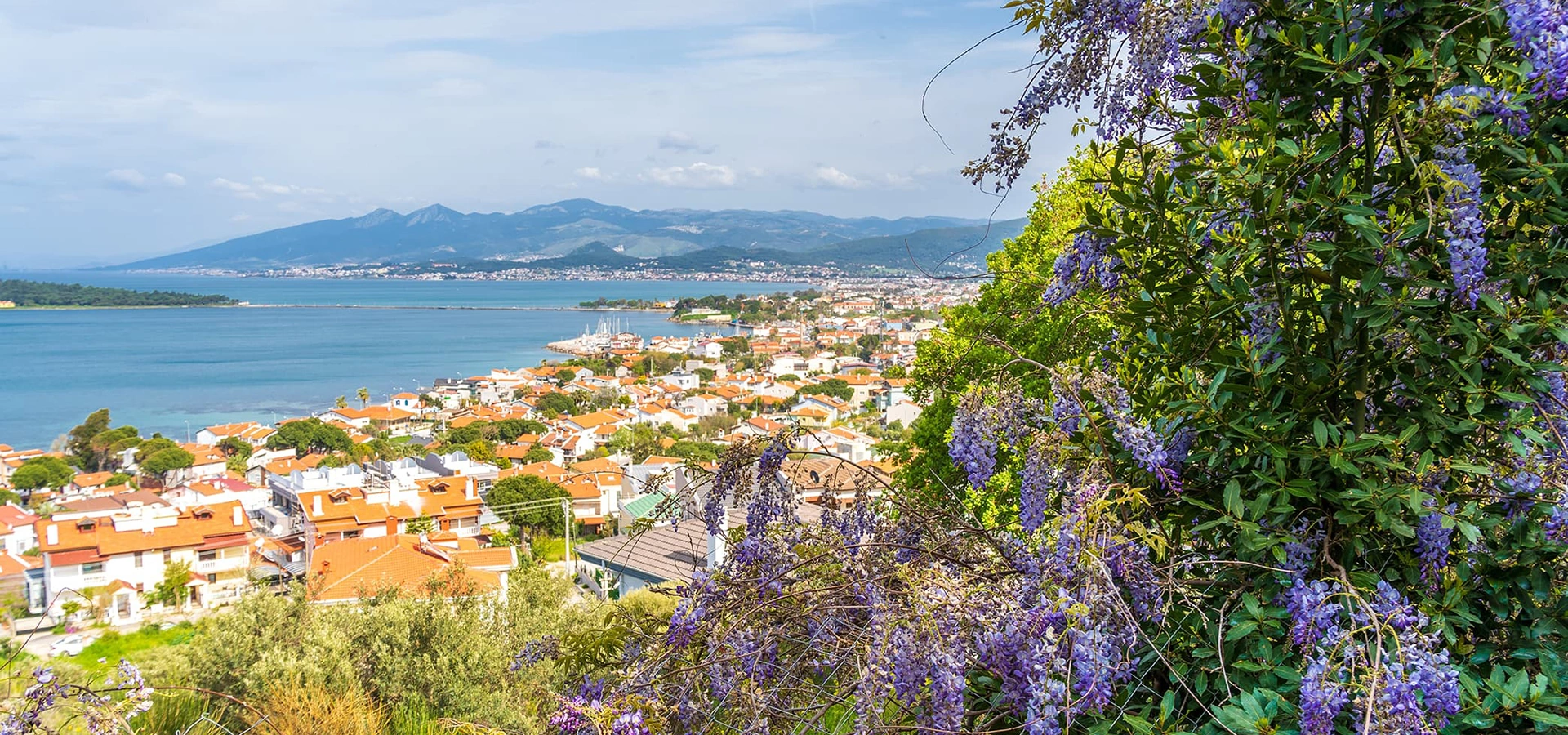
Continue beyond the vineyards to discover Urla's archaeological heritage, historic neighborhoods, creative culture, İskele waterfront, villages and peaceful Aegean coastline.
View Urla GuideCombine the vineyard countryside with Urla's history, creative culture and beautiful Aegean coast.
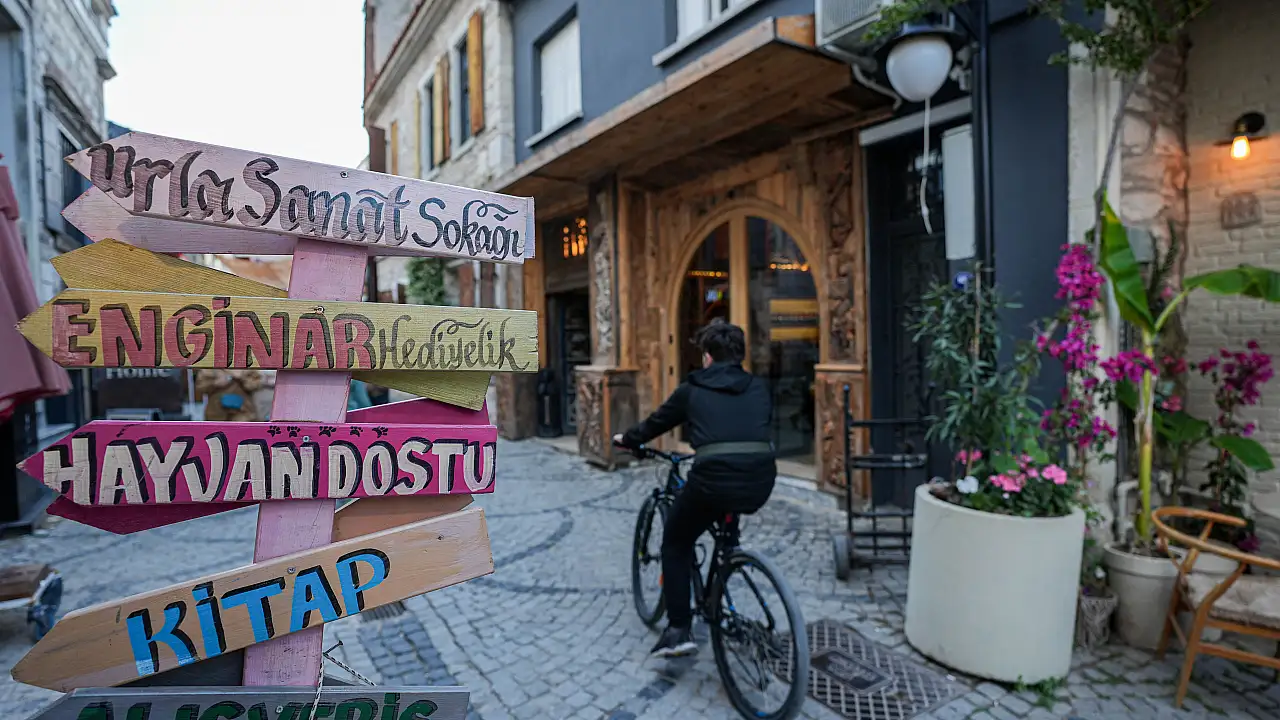
Explore historic Sanat Sokağı for artisan workshops, ceramics, independent boutiques, cafés and the atmospheric architecture of central Urla.
Explore Urla Art Street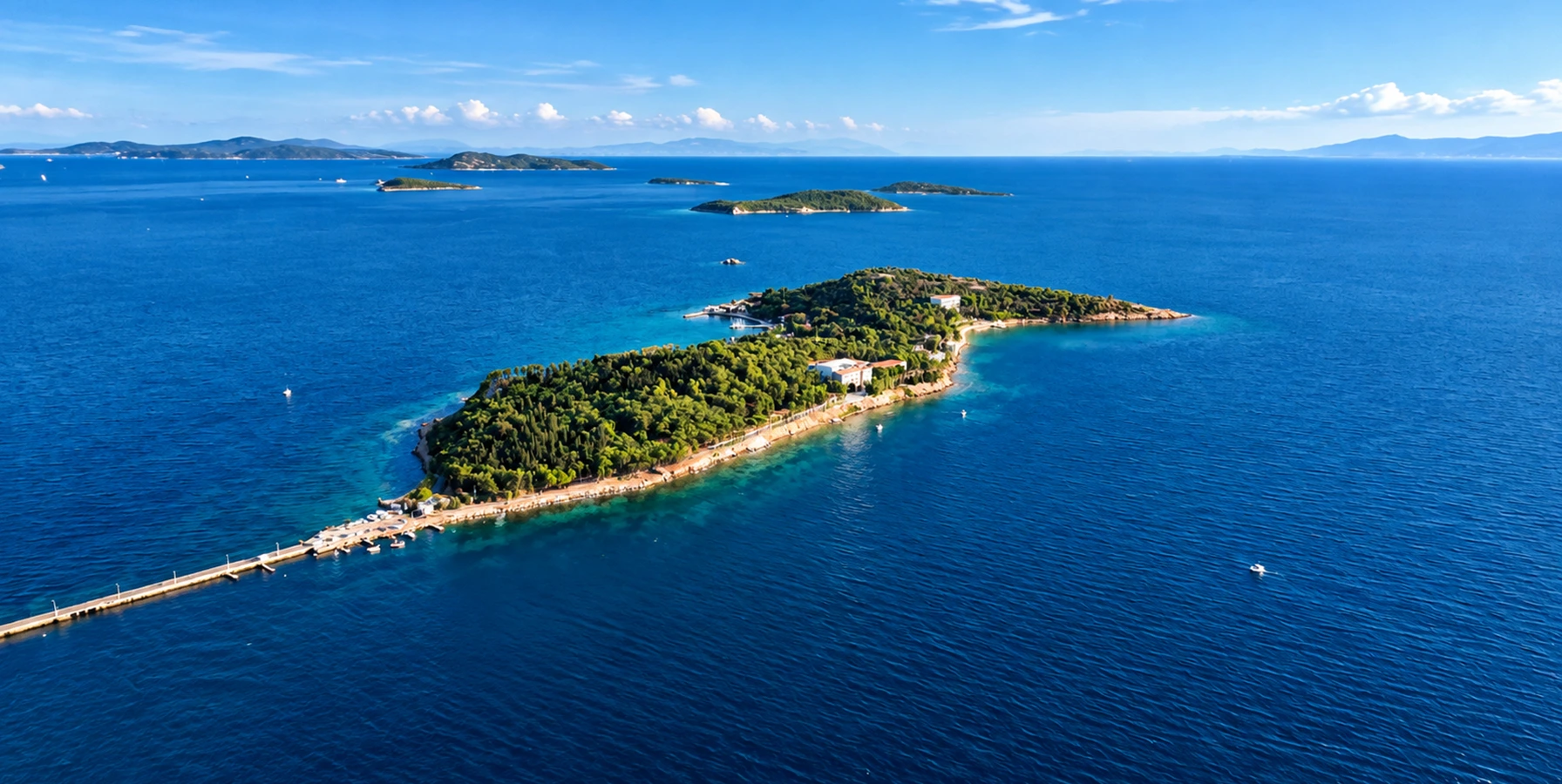
Discover a remarkable historical landscape combining ancient Klazomenai, Ottoman maritime quarantine, medical history and the beautiful Urla coastline.
Explore Karantina Island
Continue west toward one of the Aegean coast's best-known historic towns for stone architecture, windmills, restaurants, boutiques and atmospheric streets.
Explore Alaçatı