Private Bayındır Experience
Ask us about a tailor-made day combining flower growers, historic Bayındır, Ottoman heritage, local cuisine and the surrounding countryside.
Request a Custom Tour





Southeast of the city of İzmir, where the fertile Küçük Menderes Valley rises toward wooded mountains and highland villages, lies one of western Türkiye's most colorful agricultural towns: Bayındır.
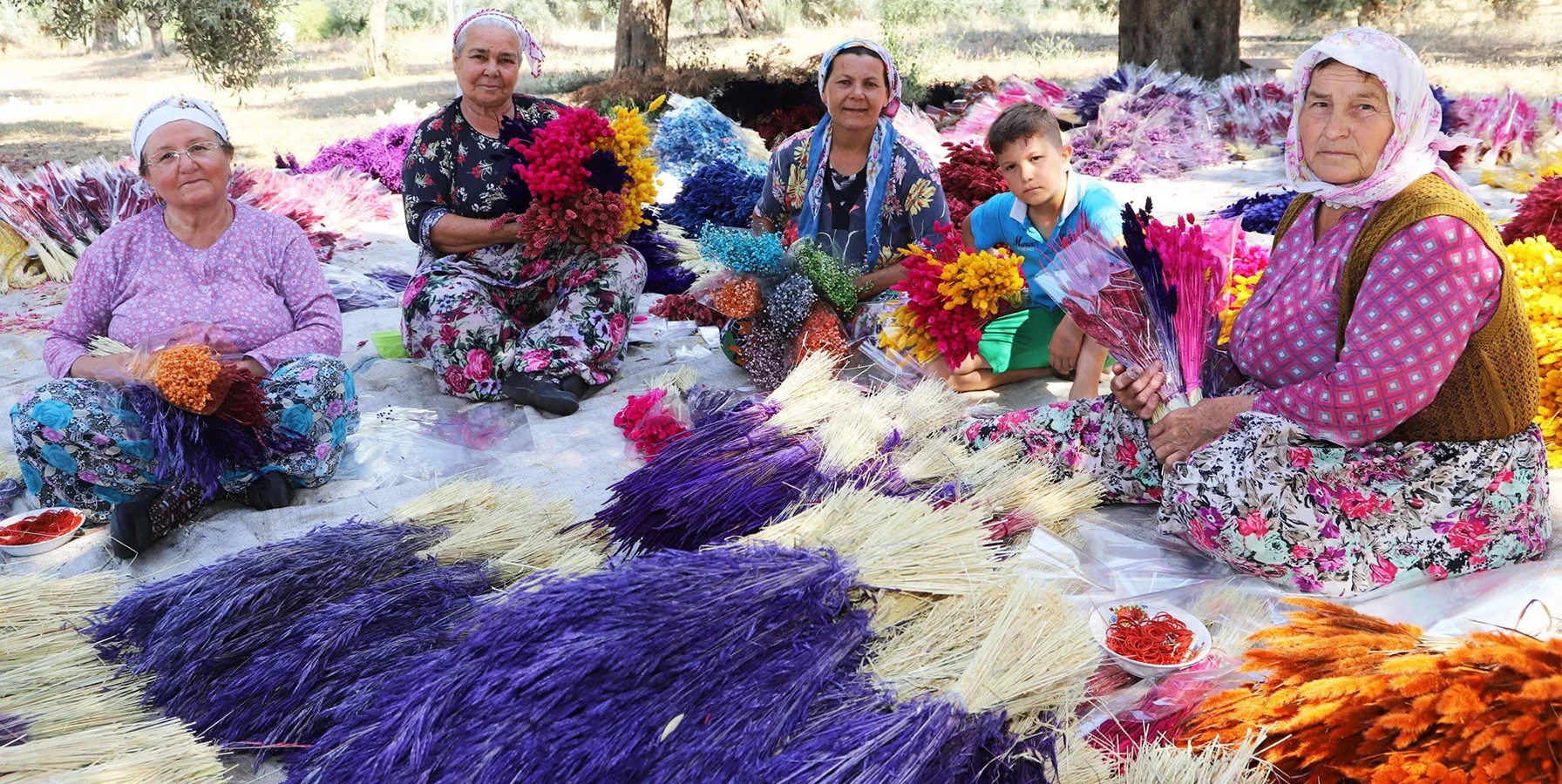
Bayındır is best known throughout Türkiye for flower cultivation and ornamental plants. Greenhouses, nurseries and gardens surround the district, while every spring the town celebrates this tradition with the famous International Bayındır Flower Festival.
But flowers are only part of Bayındır's story. The district contains Ottoman mosques and religious complexes, historic commercial buildings, old railway architecture, thermal springs, mountain villages, orchards, walking routes and landscapes stretching toward the Bozdağ mountain system.
Unlike İzmir's famous coastal resorts, Bayındır offers a completely different experience: inland Aegean Türkiye, where agriculture, local markets, village traditions and historic architecture remain closely connected to everyday life.
Discover one of the country's best-known centers for ornamental plant and flower production.
Explore mosques, madrasas, baths, tombs, historic commercial buildings and traditional streets.
Travel beyond the town center to historic hot-spring areas including Ergenli and Dereköy.
Discover waterfalls, forests, orchards, highlands and rural walking routes above the valley.
Essential information for exploring one of the most distinctive inland districts of İzmir Province.
Küçük Menderes Valley, southeast of central İzmir in western Türkiye.
Open on Google MapsFlower cultivation, ornamental plants, greenhouses and the annual Bayındır Flower Festival.
Ottoman mosques, madrasas, baths, tombs, historic houses and commercial architecture.
Ergenli and Dereköy are among the district's best-known thermal areas.
Fertile agricultural plains surrounded by forested mountains, orchards and highland settlements.
Spring is especially colorful, while every season reveals a different side of rural Bayındır.
Bayındır reveals an inland landscape of flowers, agriculture, Ottoman architecture, thermal water and traditional Aegean life.
Many travelers associate İzmir primarily with the Aegean coast, beaches and famous archaeological sites such as Ephesus. Bayındır demonstrates how different the province becomes once you travel into the fertile interior.
Here, flower nurseries line rural roads, farmers work orchards and fields across the Küçük Menderes plain, Ottoman monuments remain embedded within the modern town and mountain roads climb toward forests and isolated settlements.
The district is particularly rewarding for travelers interested in slow travel, local culture, photography, agriculture, architecture and landscapes rather than conventional resort tourism.
Bayındır can also be combined naturally with Tire, Ödemiş, Bozdağ and the wider Küçük Menderes Valley, creating one of the most interesting inland cultural routes in İzmir Province.
Flowers have become the modern symbol of Bayındır. The district is one of Türkiye's important centers for the production of ornamental plants, garden plants, seasonal flowers, shrubs and trees.
Travel through the countryside surrounding the town and you will frequently encounter nurseries, greenhouse areas, rows of potted plants and cultivated plots filled with color.
Although commercial flower production expanded dramatically during the late twentieth century, local traditions of horticulture reach much further back. Historical accounts connect the area with rose cultivation during the Ottoman period.
Large and small greenhouse operations produce seasonal and ornamental plants throughout the year.
Bayındır is particularly associated with plants used in gardens, parks and landscaped urban areas.
Many nurseries developed from small-scale family cultivation into established commercial producers.
The district becomes especially photogenic when nurseries and festival displays reach peak color.
Visitors interested in gardening can encounter an extraordinary variety of locally cultivated plants.
Floriculture is not simply decorative in Bayındır; it remains an important part of the local economy.
The International Bayındır Flower Festival is the district's best-known annual celebration and one of the most colorful seasonal events in the İzmir region.
During the festival, streets and public spaces fill with flowers, ornamental plants, nursery stands, local products, visitors, music and cultural activities.
For flower growers, the event provides an opportunity to present their plants directly to thousands of visitors. For travelers, it transforms Bayındır into an enormous open-air garden.
Streets become filled with thousands of flowering plants, shrubs, trees and decorative arrangements.
Local producers present plants directly to visitors and professional buyers.
Food, handicrafts and regional products often accompany the horticultural displays.
Colorful streets and enormous plant displays make festival time ideal for photographers.
Expect significantly larger crowds and heavier traffic during the main festival days.
An early start allows more comfortable exploration before the busiest visitor period.
The Küçük Menderes Valley has supported human communities for thousands of years. Its fertile soil, water resources and position between inland Anatolia and the Aegean coast made the wider region attractive to successive civilizations.
The history of the Bayındır area reflects the broader history of western Anatolia, passing through ancient Anatolian cultures, the Lydian world, Persian influence, Hellenistic kingdoms, Roman rule and the Byzantine period.
Turkish settlement became increasingly important during the medieval period. The modern name Bayındır is traditionally associated with the Bayındır branch of the Oghuz Turks.
Under Ottoman rule, the settlement developed as an agricultural and commercial center serving the surrounding countryside.
The wider valley formed part of one of western Anatolia's longest continuously inhabited cultural landscapes.
The region belonged to the inland territories influenced by powerful Lydia and its capital at Sardis.
The fertile valley continued to support settlement and agricultural production through antiquity.
Turkmen communities became established across the region during the medieval period.
Mosques, religious institutions, baths and commercial structures developed within the growing town.
Bayındır became a municipality in the nineteenth century and continued developing as an agricultural center.
The most rewarding way to understand Bayındır is to leave the main roads and walk through the older neighborhoods of the town center.
Historic religious structures, fountains, traditional buildings and narrow streets reveal a quieter architectural identity beneath the modern commercial town.
Unlike monumental archaeological cities designed around a single visitor route, Bayındır's heritage is dispersed throughout a living community. Part of the pleasure comes from discovering details gradually while walking.
Ottoman religious architecture remains among the most visible elements of Bayındır's historic identity.
Older neighborhoods preserve traces of the scale and texture of the pre-modern town.
Historic water structures recall the importance of neighborhood fountains in Ottoman urban life.
Several historic tombs and religious sites survive around the district center.
Historic inns and market buildings reflect Bayındır's role as a center serving surrounding agricultural communities.
The historic center remains part of an active town rather than a separate tourist district.
Among Bayındır's most important historic monuments is the Hacı Sinan complex, where mosque and educational architecture reflect the religious and social institutions of Ottoman town life.
The madrasah associated with the mosque contains a series of domed spaces that once served educational and charitable purposes.
Together with nearby historical structures, the complex helps visitors understand how Ottoman Bayındır functioned not simply as a collection of houses but as an organized urban community centered around religious, educational and commercial institutions.
The mosque forms the religious heart of the historic complex.
Domed spaces associated with Islamic education survive as part of the architectural ensemble.
Architectural fragments incorporated into the complex hint at the much older history of the surrounding region.
The complex illustrates the close relationship between worship, education and charitable institutions.
One of Bayındır's most interesting surviving commercial buildings is the historic Öşür Han, also known through its later use as the former Tekel building.
The nineteenth-century structure once contained storage areas and accommodation connected with trade. Its architecture reflects the practical requirements of an inland market town where agricultural goods moved between rural producers and wider commercial networks.
After restoration, the building took on cultural functions including the Bayındır City Museum, cultural spaces and library facilities.
The structure represents Bayındır's nineteenth-century commercial and agricultural economy.
A date of 1869 appears above the entrance and is associated with the historic building.
Photographs, documents and local objects help introduce the social history of Bayındır.
The building demonstrates how historic architecture can be returned to everyday civic use.
Railways transformed the economy of western Anatolia during the nineteenth century by linking fertile inland agricultural districts with İzmir and its port.
Bayındır's historic railway complex forms part of this story. Station buildings, accommodation structures and storage facilities recall the period when agricultural produce moved increasingly quickly from the Küçük Menderes Valley toward İzmir.
The architecture also reflects the international character of early railway development in western Anatolia, combining local requirements with British railway engineering and design traditions.
The railway complex remains one of the most recognizable pieces of Bayındır's transport heritage.
Rail transport helped connect the productive valley with İzmir's commercial markets and port.
Nineteenth-century railway construction in western Anatolia involved British companies and engineering traditions.
The station provides a different historical layer from Bayındır's mosques and Ottoman religious architecture.
Bayındır also belongs to İzmir's extensive geothermal landscape. Several thermal sources occur around the district, particularly toward the mountainous countryside.
The best-known names include Ergenli Thermal Springs and Dereköy Thermal Springs. Official tourism information describes waters in this area at approximately 40°C and containing minerals including sulphur, sodium and bicarbonate.
Thermal traditions form part of a much wider culture of hot-spring use throughout western Anatolia, where naturally heated waters have been visited for bathing and relaxation for centuries.
One of the principal thermal areas associated with the Bayındır district.
A second well-known hot-spring area in the countryside beyond central Bayındır.
The thermal sources are associated with naturally heated mineral-rich waters.
A thermal visit can be combined with villages, agricultural landscapes and mountain scenery.
The landscape changes dramatically as roads leave the Küçük Menderes plain and climb toward the mountain areas north of Bayındır.
Forests, walnut trees, oak, pine, vineyards, cherry orchards and highland vegetation create an environment far removed from the urban image usually associated with İzmir.
Several rural areas around Bayındır are promoted for walking, nature exploration and ecotourism.
Mountain scenery and seasonal water features make the area attractive for nature excursions.
The mountain zone includes protected wildlife habitat and extensive forest landscapes.
Rural mountain routes provide opportunities for exploring less-visited countryside.
Another possible area for walkers interested in the district's upland geography.
Cherry, olive and other agricultural landscapes change character throughout the seasons.
Higher elevations introduce pine, oak and cooler mountain environments above the valley floor.
One of the district's better-known natural attractions is the waterfall landscape associated with Hisarlık and Güvercinlik.
The surrounding countryside contains walnut and oak trees, vineyards and orchards, while flowing water gathers among natural rock formations.
Water volume is seasonal, so the appearance of the waterfall can change considerably depending on rainfall and the time of year.
Spring generally offers greener vegetation and a greater chance of stronger seasonal water flow.
Higher elevations provide a cooler atmosphere than the Küçük Menderes plain.
Forests, rocks, orchards and seasonal water create attractive natural compositions.
Mountain access can differ from urban roads, so allow additional travel time.
The mountainous landscape around Ovacık forms part of an important wildlife area within the wider Bozdağ system.
The protected environment supports roe deer together with other mammals and birds of prey, while vegetation includes oak, red pine and black pine communities.
Travelers should approach this landscape as a natural habitat rather than as a wildlife park. Animals may never be visible, and protecting their environment is more important than obtaining photographs.
The protected landscape is particularly associated with conservation of roe deer populations.
Raptors and other mountain birds can inhabit the surrounding forests and open landscapes.
Red and black pine contribute to the changing vegetation as elevation increases.
Stay on appropriate routes and avoid disturbing wildlife or entering restricted areas.
Some of Bayındır's most memorable landscapes lie beyond the district center, where agricultural communities occupy valleys, hillsides and mountain clearings.
These rural areas reveal the strong relationship between geography and traditional livelihoods. Lower settlements are surrounded by productive farmland, while higher communities depend more strongly on orchards, forestry, livestock and seasonal agriculture.
A rural settlement associated with thermal springs and regional food traditions.
Known particularly for the thermal landscape in the countryside northeast of Bayındır.
A gateway to upland scenery, orchards and seasonal waterfall landscapes.
Mountain forests and protected natural habitats characterize the wider area.
Fruit cultivation and the local cherry tradition give this rural area a seasonal identity.
An old settlement site on the mountain slopes representing another layer of Bayındır's rural heritage.
Flowers dominate Bayındır's public identity, but fruit cultivation is another important part of the district's agricultural landscape.
The mountain environment around Balcılar is particularly associated with cherries, and seasonal celebrations traditionally mark the harvest.
Traveling through the area around harvest time offers a chance to see a very different side of the region from the spring flower season.
Higher rural areas provide favorable conditions for fruit growing.
Cherry season generally follows the main spring flower period.
Orchards demonstrate how strongly rural livelihoods remain connected to seasonal production.
Harvest celebrations provide opportunities to experience rural culture alongside local produce.
Bayındır's cuisine belongs to the agricultural culture of inland western Anatolia. Rather than elaborate tourist dining, many of the most interesting dishes are associated with village kitchens, family cooking and modest local restaurants.
Regional tourism sources highlight foods such as keşkek, arabaşı, terbiye, ekşi aş, etli ekmek and cooked pickles, together with dishes prepared from local meat and agricultural produce.
A deeply traditional wheat-based dish associated with celebrations and communal meals across Anatolia.
A warming regional preparation associated particularly with the colder months.
A local dish particularly associated with the Ergenli area.
Meat and bread preparations reflect the hearty cuisine of inland agricultural communities.
Some mountain areas contain trout restaurants and farms popular with regional visitors.
Fruit, vegetables and agricultural products are best experienced according to the season.
Bayındır changes dramatically with the seasons, so the best time to visit depends on what you want to experience.
Spring greenery develops across the valley while flower production becomes increasingly colorful.
The most vibrant period for visitors interested in nurseries, flowers and the town's festival atmosphere.
Warm weather, green mountains and early fruit harvests make rural exploration especially rewarding.
The valley can become hot, making mountain areas and early-morning sightseeing more comfortable.
A quieter period for agricultural landscapes, village roads and cultural exploration.
Thermal springs and local food become particularly appealing during cooler weather.
A private vehicle provides the greatest flexibility because Bayındır's most interesting sights are divided between the town center and surrounding countryside.
Bayındır works particularly well for travelers who enjoy discovering places without a checklist of monumental attractions.
A morning may involve photographing flower nurseries, drinking tea in the town center and visiting an Ottoman monument. The afternoon can be spent driving through orchards, mountain forests or thermal villages.
This rhythm provides a very different experience from highly visited sites such as Ephesus, Pamukkale or coastal resort towns.
Small architectural details often reveal more than rushing between individual monuments.
Nurseries and agricultural businesses demonstrate the living economy behind the landscape.
Choose small restaurants serving dishes associated with the surrounding agricultural region.
Rural roads reveal landscapes rarely seen by visitors who remain on the Aegean coast.
Bayındır provides unusually varied photographic subjects within a relatively compact district.
Rows of colorful plants create strong patterns, textures and natural foregrounds.
During festival time, entire streets become filled with vivid color and local activity.
Mosques, old commercial buildings and railway structures provide contrasting architectural subjects.
Orchards, forests and traditional rural landscapes reward slower exploration.
Early and late sunlight can be especially attractive across the agricultural plain.
Always ask before photographing local residents closely or entering private nurseries and working areas.
Bayındır lies southeast of central İzmir within the Küçük Menderes Valley, between the metropolitan area and the inland districts of Tire and Ödemiş.
Bayındır can be reached by road and regional transportation from the İzmir metropolitan area.
The railway through the Küçük Menderes Valley historically connects Bayındır with the wider İzmir region.
Bayındır and Tire can easily be combined during an inland İzmir itinerary.
Continue west through the valley from Ödemiş to reach Bayındır.
A car provides the greatest freedom for thermal springs, highlands, villages and nurseries outside the center.
A customized route can combine Bayındır with Tire, Ödemiş and mountain landscapes in a single day.
Bayındır sits naturally within a wider Küçük Menderes itinerary connecting historic towns, mountain landscapes and traditional agricultural communities.
Discover the archaeological and ethnographic heritage of the neighboring Tire region.
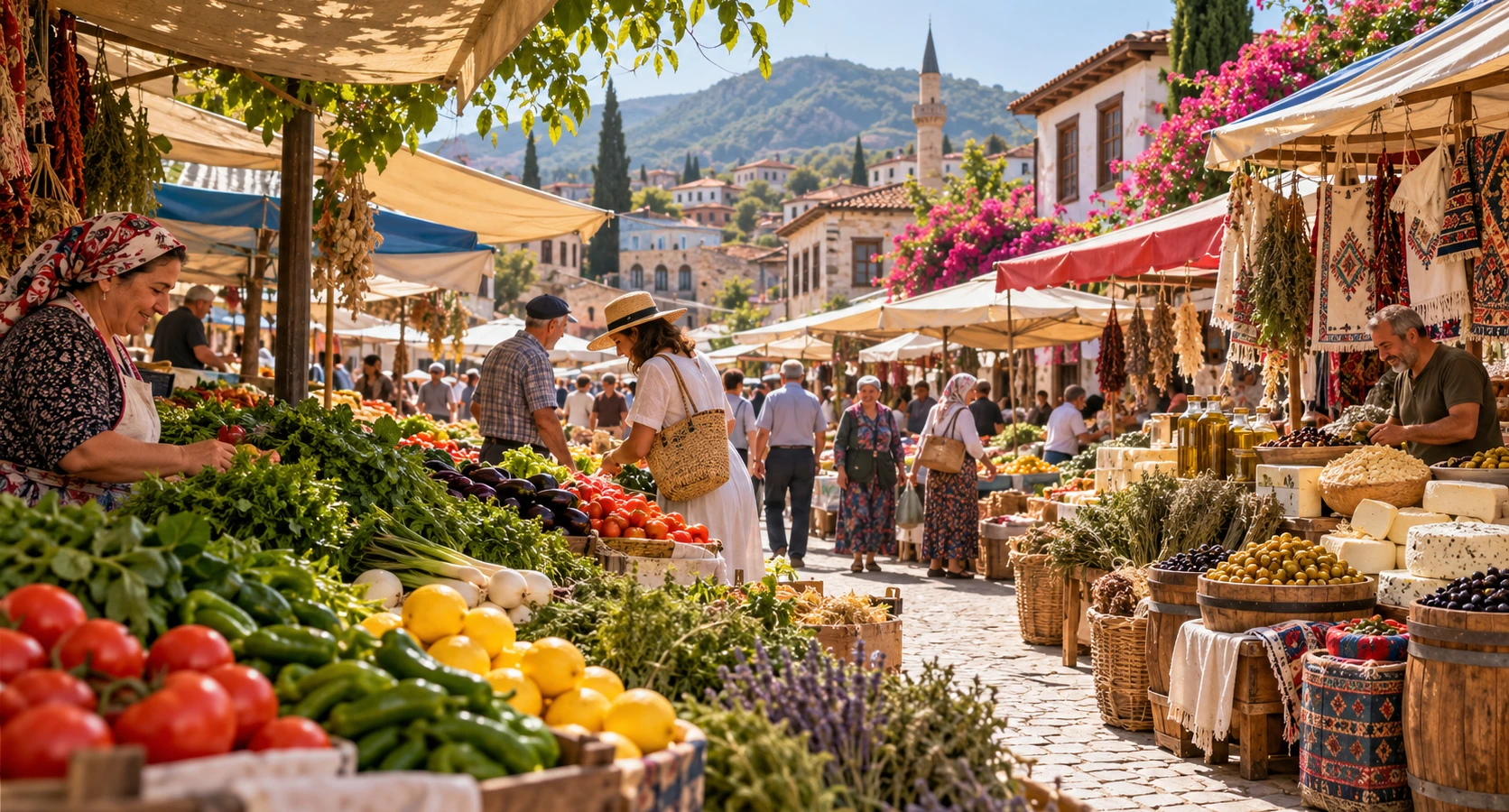
Experience one of western Türkiye's largest and most atmospheric traditional weekly markets.
Continue east through the valley to a historic market town famous for regional food and traditional culture.
Relax beside a mountain lake surrounded by forests and highland scenery above Ödemiş.
Travel into one of İzmir Province's highest and most dramatic mountain landscapes.
Explore an atmospheric mountain settlement known for old stone houses and striking scenery.
Bayındır, Tire and Ödemiş form a natural cultural route through the Küçük Menderes Valley.
Although each town has its own identity, together they tell a larger story of western Anatolian agriculture, trade, Ottoman urban culture, mountain traditions and regional cuisine.
Flowers, nurseries, thermal springs, Ottoman monuments and mountain landscapes.
Historic streets, traditional crafts, Ottoman monuments, markets and famous regional food.
A lively agricultural town serving as a gateway to Birgi, Gölcük and Bozdağ.
Add highland landscapes for a complete contrast with the fertile valley floor.
Flower farms and greenhouses are working businesses. Ask before entering production areas.
Purchasing directly from growers and craftspeople helps support the district's rural economy.
Take all waste with you and avoid damaging vegetation during mountain excursions.
Never chase, feed or deliberately disturb animals in protected mountain areas.
Historic mosques remain places of worship and should be visited appropriately.
Mountain and village roads may be narrow, agricultural or shared with tractors and livestock.
Bayındır is an inland district of İzmir Province located in the fertile Küçük Menderes Valley of western Türkiye.
Bayındır is especially famous for flower cultivation, ornamental plants, greenhouses and its annual International Bayındır Flower Festival.
Yes. It is particularly interesting for travelers who enjoy local culture, Ottoman architecture, agriculture, flowers, thermal springs and rural landscapes.
The festival is associated with the spring flower season and is generally held in May. Exact dates vary, so check the current municipal program before traveling.
Yes. Bayındır contains numerous flower and ornamental-plant producers, although access and retail arrangements vary between individual businesses.
Yes. The district contains Ottoman mosques, madrasas, baths, tombs, historic commercial buildings, railway architecture and traditional streets.
Hacı Sinan Mosque forms part of an important historic Ottoman religious complex in Bayındır that also includes a madrasah.
Bayındır's historic Öşür Han has been restored for cultural use and includes the Bayındır City Museum with material relating to local history.
Yes. Ergenli and Dereköy are among the best-known thermal areas associated with the district.
Yes. Bayındır forms part of İzmir Province's wider geothermal landscape and contains naturally heated mineral waters.
Yes. Mountain areas including Hisarlık, Ovacık, Alankıyı and Çınardibi are associated with rural and nature routes.
Yes. The Hisarlık and Güvercinlik area is known for a seasonal waterfall landscape whose water flow varies according to rainfall.
The wider Ovacık mountain area contains protected wildlife habitat, forests and natural landscapes within the Bozdağ mountain system.
The protected landscape is associated with roe deer together with other mammals and several species of birds of prey.
Regional dishes include keşkek, arabaşı, terbiye, ekşi aş, etli ekmek and other dishes associated with inland Aegean village cuisine.
Yes. Bayındır can be visited as a day trip from the İzmir metropolitan area, although a private vehicle is particularly useful for exploring the surrounding countryside.
Yes. Bayındır and Tire are natural partners for a day focused on Ottoman heritage, markets, food, agriculture and local culture.
Yes. Both towns lie within the wider Küçük Menderes Valley and can be incorporated into the same inland İzmir route.
Yes. Bayındır provides a useful starting point for exploring the dramatic transition from the agricultural valley floor toward the mountain landscapes of inland İzmir.
Allow at least half a day for the town center. A full day is better if you want to include flower nurseries, thermal areas, villages or mountain landscapes.
Most of the year Bayındır receives far fewer tourists than İzmir's famous coastal destinations. The major exception is the Flower Festival, when visitor numbers increase dramatically.
Spring is the most colorful season because of flower production and green landscapes, while autumn and winter can be excellent for quieter cultural and thermal visits.
Explore flower nurseries, Ottoman monuments, traditional towns, regional cuisine, thermal landscapes and the mountains of inland İzmir with a private itinerary designed around your interests.
Discover the flower-growing heart of İzmir together with local history, architecture and rural landscapes.
Ask us about a tailor-made day combining flower growers, historic Bayındır, Ottoman heritage, local cuisine and the surrounding countryside.
Request a Custom Tour
Explore Bayındır's celebrated horticultural tradition together with its historic streets, architecture and local food.
Plan Your ExperienceCombine Bayındır with some of inland İzmir's most rewarding historic towns and mountain landscapes.
Experience one of western Türkiye's great traditional markets and combine it naturally with nearby Bayındır.
Explore Tire Market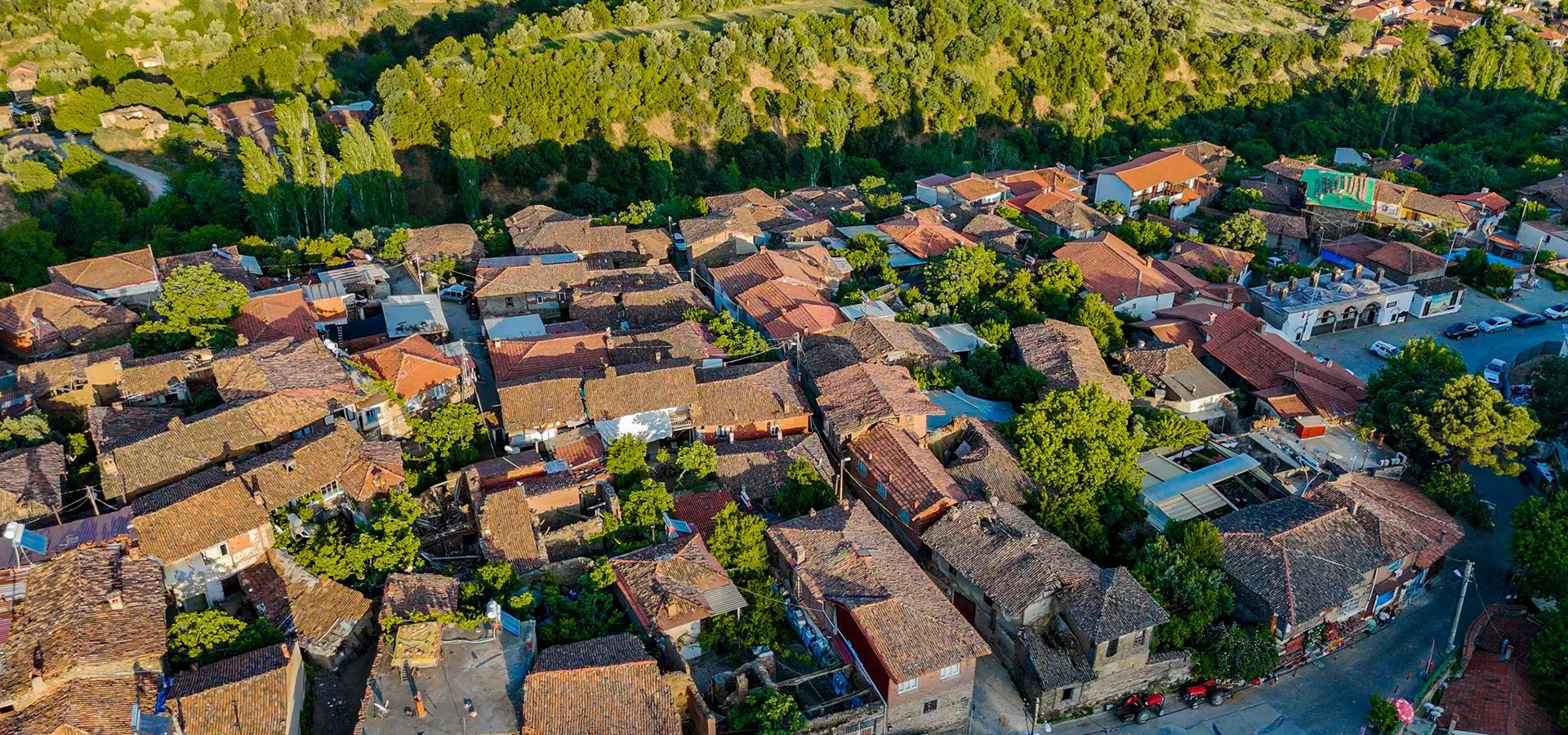
Continue deeper into the valley to a historic market town famous for regional cuisine, agriculture and local culture.
Explore Ödemiş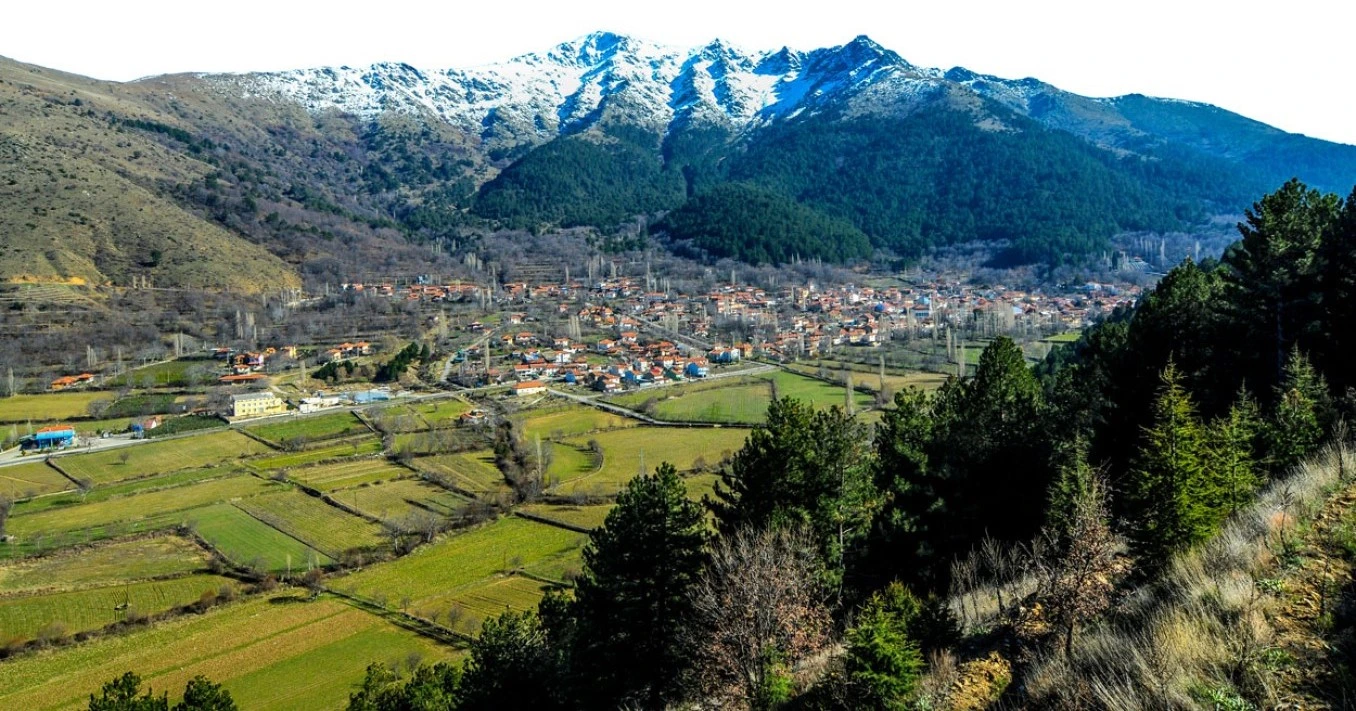
Leave the agricultural plain behind and travel into the dramatic high country overlooking the Küçük Menderes Valley.
Explore Bozdağ