Private Ephesus & Çamlık Railway Experience
Explore ancient Ephesus privately with a licensed guide, then continue to Çamlık to discover historic steam locomotives, railway carriages and Türkiye's early railway heritage.
Request a Custom Tour





Hidden among the pine-covered countryside south of Selçuk, Çamlık Steam Locomotive Museum offers one of the most unusual historical experiences in the wider Ephesus region. Instead of marble temples, ancient theatres and archaeological ruins, visitors encounter enormous steam engines, historic railway carriages, workshops and tracks from the early age of rail travel in Türkiye.
Also known as Çamlık Railway Museum, Çamlık Train Museum and in Turkish as Çamlık Açık Hava Buharlı Lokomotif Müzesi, the museum occupies part of the historic railway complex associated with the İzmir–Aydın railway, the pioneering line that introduced railway transport to Ottoman Anatolia.
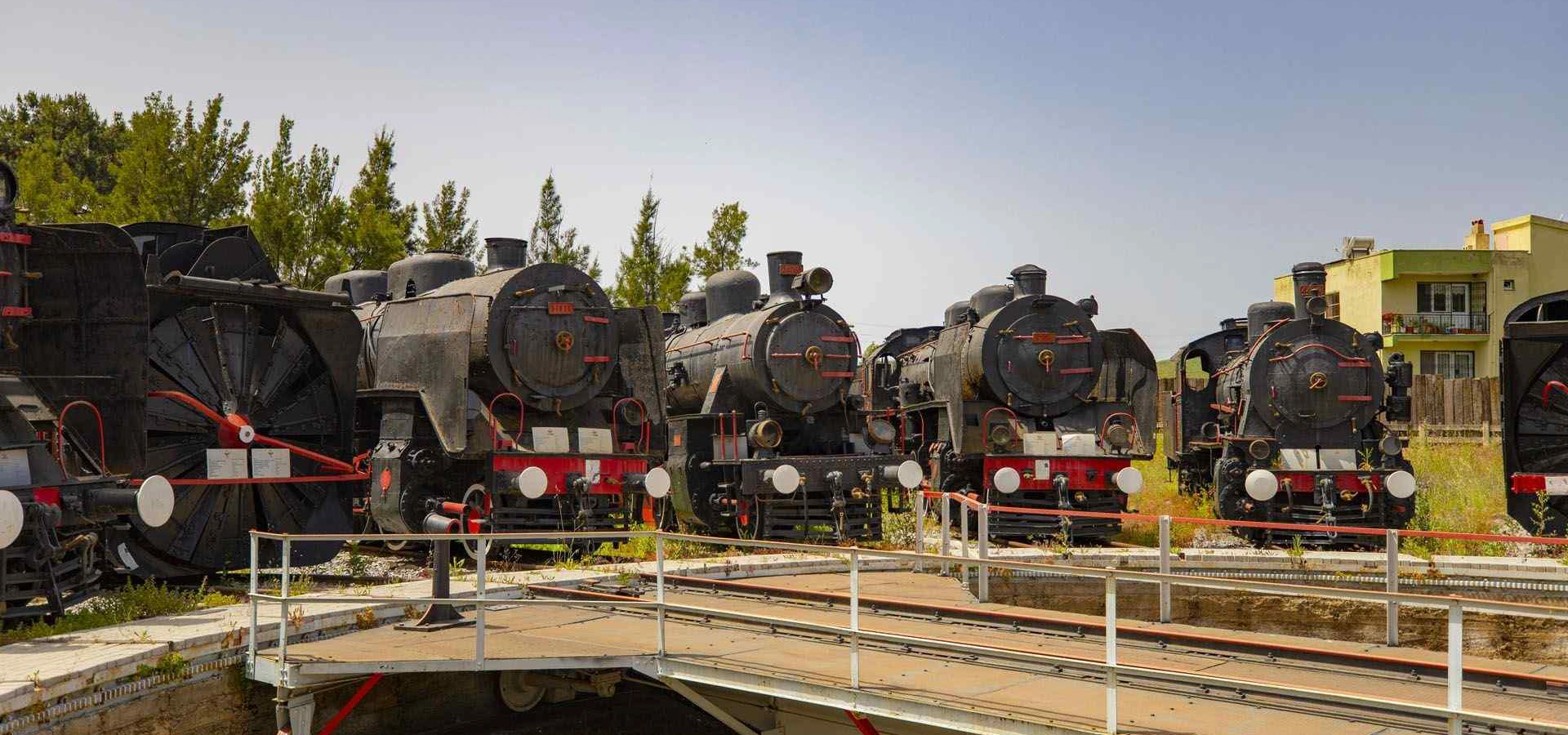
More than 30 historic steam locomotives are displayed throughout the extensive open-air grounds, many positioned around the museum's large railway turntable. The locomotives represent manufacturers from several European countries and the United States, creating an extraordinary visual history of steam engineering.
The site is much more than a collection of engines. Historic passenger carriages, railway maintenance equipment, water installations, workshop structures and a carriage associated with Mustafa Kemal Atatürk's 1937 visit to the region help tell the wider story of Türkiye's railway heritage.
Walk among a remarkable collection of historic steam engines from the late 19th and 20th centuries.
Explore a former railway complex connected with the pioneering İzmir–Aydın railway.
See a carriage associated with Atatürk's journey to the 1937 Aegean military manoeuvres.
Add the museum easily to a day exploring Selçuk, Ephesus and the surrounding countryside.
Essential information for visiting this extraordinary open-air railway museum near Selçuk.
Çamlık village, approximately 7 km south of Selçuk in İzmir Province.
Open on Google MapsLarge open-air railway museum specialising in historic steam locomotives and railway equipment.
Established around the former Çamlık railway complex on the historic İzmir–Aydın railway route.
More than 30 historic steam locomotives together with carriages, cranes and railway equipment.
A railway carriage associated with Mustafa Kemal Atatürk's 1937 visit to Çamlık.
Allow approximately 1½–2 hours for a relaxed exploration of the museum grounds.
Çamlık reveals an entirely different chapter of history from the archaeological monuments normally associated with Selçuk and Ephesus.
Most visitors arrive in this region to explore Ephesus, the Temple of Artemis, Byzantine churches and the medieval monuments of Selçuk. Çamlık introduces another important layer: the transformation of western Anatolia during the age of railways.
The museum's open-air setting creates a very different experience from a conventional indoor collection. Visitors move between full-size locomotives, carriages, tracks and railway equipment, making the scale and mechanical complexity of the steam era immediately visible.
For railway enthusiasts, the collection is the obvious attraction. For travellers with no specialist knowledge, however, the museum can be equally enjoyable simply because the locomotives are visually dramatic and the historic station setting feels unusually atmospheric.
It is also one of the easiest family-friendly additions to a Selçuk itinerary. Children can see real locomotives at close range, while adults can explore the historical relationship between transport, industry and the changing landscape of western Türkiye.
The history of Çamlık is closely connected with the İzmir–Aydın Railway, a pioneering railway project that played a major role in the economic transformation of western Anatolia during the 19th century.
The railway was constructed during the Ottoman period and linked the important port city of İzmir with the agricultural interior of the Meander Valley. Its development created new stations, maintenance facilities and railway settlements along the route.
Çamlık, historically also associated with the name Aziziye, became one of these important railway locations. Station buildings, workshops and supporting infrastructure gradually developed around the line.
Later changes to the railway alignment reduced the operational importance of the original station complex. Instead of disappearing completely, however, part of the historic railway landscape eventually became the setting for today's steam locomotive museum.
The site preserves part of the landscape created during the earliest period of railway construction in western Anatolia.
The railway formed one of the foundational chapters in the development of modern rail transport in Türkiye.
Çamlık developed around a functioning railway complex rather than being created solely as a modern museum.
Tracks, workshops and maintenance infrastructure provide context for the locomotives displayed today.
The transformation of the old Çamlık railway complex into a museum began in 1991. The project brought retired steam locomotives and other railway equipment together within the historic railway environment.
The museum was completed and opened to visitors in 1997, creating a permanent home for locomotives that represent several generations of steam railway technology.
An important part of the museum's character is authenticity of place. This is not simply a collection of locomotives transported to an unrelated exhibition ground. The displays occupy a landscape that already formed part of Türkiye's historic railway network.
The original railway context helps visitors understand how locomotives, turntables, workshops, water systems and station facilities functioned together as part of a working railway.
The locomotives are the overwhelming visual highlight of Çamlık. More than 30 historic steam engines are distributed around the grounds, creating one of Türkiye's most impressive collections of preserved railway machinery.
The collection reflects the international character of railway engineering. Locomotives used by the Turkish railways were produced by manufacturers in countries including Britain, Germany, France, Sweden, Czechoslovakia and the United States.
Together they demonstrate how dramatically locomotive design changed between the late 19th century and the middle decades of the 20th century. Some engines were intended for passenger services, others for freight, and others for the demanding operating conditions of Türkiye's expanding rail network.
Look closely at the driving wheels, connecting rods, boilers, smokestacks, cab controls and manufacturer's plates. Even visitors with little knowledge of railway engineering can appreciate the differences in scale and construction.
Locomotives produced in several European countries and the United States reflect the international history of Turkish railways.
Large boilers, pistons, driving rods and wheels make the mechanics of steam traction easy to observe.
Some locomotives were designed for passenger services where speed and reliable long-distance operation were essential.
Heavy locomotives illustrate the power required to move goods through Türkiye's varied terrain.
The collection spans several decades of steam locomotive development.
Manufacturer plates, wheels, cab equipment and mechanical components reward slower inspection.
One of the defining sights at Çamlık is the large circular railway turntable surrounded by steam locomotives.
Turntables were essential pieces of railway infrastructure during the steam era. Because many steam locomotives were designed to operate most efficiently in one direction, a turntable allowed an engine to be rotated and directed toward another track or maintenance bay.
At Çamlık, the surviving turntable also provides one of the best ways to understand how a steam locomotive depot was organised. Tracks radiate outward while locomotives stand around the circular arrangement.
From a photographic perspective, this is one of the strongest compositions in the museum. The repeating rails and semicircle of black locomotives create an unmistakable image of the age of steam.
One of Çamlık's most historically significant exhibits is connected with Mustafa Kemal Atatürk and his journey to western Anatolia during the 1937 Aegean military manoeuvres.
Atatürk travelled through the region by train and stayed at Çamlık during the manoeuvres. A railway carriage associated with this journey is preserved and displayed at the museum.
The carriage provides a very different form of historical connection from the locomotives surrounding it. Instead of concentrating on mechanical engineering, it recalls the role of railways in official journeys and state travel during the early decades of the Turkish Republic.
For visitors interested in modern Turkish history, this exhibit is one of the most important reasons to explore the museum carefully rather than viewing it only as a collection of old trains.
Atatürk travelled to the region during the large-scale Aegean military manoeuvres.
Train travel remained an essential form of long-distance official transport during this period.
Atatürk stayed in the Çamlık area during the manoeuvres.
A carriage connected with that journey survives among the museum displays.
The steam engines may dominate the museum, but the supporting collection helps explain how a railway actually functioned.
Historic passenger and freight vehicles, railway cranes, water equipment, maintenance tools and workshop structures reveal the enormous amount of infrastructure that existed behind every train journey.
Historic railway coaches illustrate how travellers experienced rail journeys before modern trains.
Goods wagons and transport equipment reflect the commercial importance of the railway network.
Heavy maintenance and lifting equipment demonstrates how locomotives and rolling stock were serviced.
Steam locomotives required substantial water infrastructure, represented by surviving railway equipment around the site.
Maintenance structures help place the locomotives within the working environment of a railway depot.
The surviving rails and railway layout preserve the connection between the collection and the original site.
Some railway vehicles carry histories that extend far beyond their engineering. One notable example associated with the Çamlık collection is steam locomotive 45501.
The locomotive was involved in the 1957 Yarımburgaz train disaster near Istanbul, when a serious railway collision caused major loss of life.
Its survival gives the locomotive a particularly powerful historical dimension. Rather than being merely an example of steam technology, it also represents the human history of Türkiye's railway network and the importance of safety, signalling and operational procedures.
Visitors interested in individual locomotives should read the information panels throughout the museum whenever available, as many engines have their own technical and operational stories.
Çamlık is primarily an open-air museum, which gives the visit a very different atmosphere from an indoor technical museum.
Locomotives stand among tracks, trees and surviving railway infrastructure. Instead of viewing engines from behind a continuous barrier, visitors can appreciate their enormous scale from multiple angles.
The outdoor arrangement also allows the museum to preserve objects that would be difficult to display inside a conventional building. Full-size steam engines, railway cranes and passenger carriages need considerable space, and Çamlık has plenty of it.
The result feels less like walking through a gallery and more like wandering through a preserved railway landscape.
Most of the collection is displayed outside among tracks and mature trees.
The scale of the locomotives becomes much more impressive when seen at ground level.
The large site rewards visitors who move slowly rather than rushing between exhibits.
The old railway environment helps create a stronger sense of place than a conventional exhibition hall.
Çamlık is one of the most family-friendly historical attractions around Selçuk, particularly for children fascinated by trains, machines or vehicles.
The locomotives are enormous when viewed from a child's perspective, and the open-air environment generally feels less formal than a traditional archaeological or art museum.
Parents should nevertheless remember that this is a historic railway environment. Tracks, steps, metal surfaces and industrial equipment require sensible supervision.
Children can see full-size locomotives rather than models or photographs.
The open-air layout provides more freedom of movement than many indoor museums.
The collection provides an easy introduction to transport, mechanics and industrial history.
Historic railway tracks and equipment can involve uneven surfaces, steps and heavy metal structures.
Few attractions around Selçuk offer photographic subjects quite like Çamlık. The combination of black locomotives, red-painted mechanical details, old railway tracks and mature trees creates strong compositions throughout the museum.
Use the radiating tracks and surrounding locomotives to create symmetrical compositions.
Large wheels, connecting rods and mechanical components are ideal subjects for detail photography.
Low viewpoints emphasise the enormous scale and dramatic shape of the steam engines.
Where visitor access is permitted, controls and gauges provide atmospheric close-up photographs.
Passenger coaches introduce different colours, textures and forms to the collection.
Lower-angle sunlight can reveal far more texture in dark locomotive bodies than harsh midday light.
Because much of Çamlık is outdoors, weather and temperature can influence the experience considerably.
One of the most pleasant periods, with comfortable temperatures and greener surroundings.
Excellent for combining the museum with Ephesus before the most intense midsummer heat.
Visit earlier in the day when possible, as outdoor areas can become very hot around midday.
A particularly pleasant month for combining railway history with archaeological sightseeing.
Cooler weather can make exploring the extensive outdoor collection more comfortable.
The museum remains interesting year-round, although rain and colder weather affect the outdoor experience.
Enough for a relatively quick walk around the main locomotives and turntable.
A reasonable minimum for seeing the principal engines and railway carriages.
The best choice for most visitors who want to explore the collection without rushing.
Recommended for railway enthusiasts, photographers and visitors reading locomotive information in detail.
Allow extra time if younger visitors want to examine the engines and carriages carefully.
The museum fits comfortably into a full-day Selçuk and Ephesus itinerary.
The official Turkish Museums listing identifies accessibility facilities at the museum, but visitors should remember that Çamlık is an extensive historic railway environment rather than a purpose-built modern exhibition building.
Conditions can include railway tracks, gravel, uneven ground and changes between paved and unpaved surfaces.
Visitors with reduced mobility should therefore allow additional time and confirm any specific access requirements directly with the museum before travelling.
Much of the visit takes place across extensive open-air grounds.
Historic tracks, gravel and older pathways can create mobility challenges.
Plan occasional breaks when exploring the collection, particularly during warm weather.
Contact the museum beforehand if wheelchair access to a particular exhibit is essential.
The museum is located in Çamlık, Selçuk, İzmir, approximately 7 km from central Selçuk. Selçuk Municipality describes the museum as open seven days a week.
The official Turkish Museums listing currently provides seasonal opening hours and admission information. Because prices and operating schedules may change, visitors should verify the latest information shortly before travelling.
Çamlık lies south of Selçuk, close to the main transportation corridor toward Aydın. Its location makes the museum particularly convenient for travellers exploring the wider Ephesus and Selçuk region by road.
The museum is approximately 7 km from central Selçuk and is easily reached by road.
Çamlık can be added easily after an archaeological visit without requiring a major detour.
A car provides the greatest flexibility when combining Çamlık with several Selçuk attractions.
A taxi from Selçuk is a practical option for travellers without their own vehicle.
The museum can be incorporated into a customised Ephesus and Selçuk itinerary.
Parking is listed among the visitor facilities available at the museum.
One of the advantages of Çamlık is its proximity to the extraordinary archaeological landscape of Selçuk and Ephesus.
The two experiences could hardly be more different. At Ephesus, visitors walk through a Greco-Roman city of marble streets, temples and monumental architecture. At Çamlık, the focus moves forward by almost two millennia to steel, steam power and the industrial transformation of transportation.
That contrast makes the combination surprisingly rewarding. Rather than spending an entire day visiting archaeological sites with similar themes, Çamlık introduces a completely different historical period.
Families in particular may appreciate alternating between archaeological sightseeing and the more visually immediate experience of the locomotive museum.
Çamlık is surrounded by one of Türkiye's richest historical regions, making the museum easy to combine with ancient, Byzantine, medieval and coastal attractions.
Explore the Library of Celsus, Great Theatre, Curetes Street and monumental remains of one of the ancient Mediterranean's greatest cities.
Visit the surviving remains of one of the Seven Wonders of the Ancient World.
See original statues, cult objects and archaeological discoveries excavated from Ephesus and its surroundings.
Explore the Late Antique cemetery and pilgrimage complex associated with the famous Seven Sleepers tradition.
Discover one of western Anatolia's most important surviving monuments of 14th-century architecture.
Climb above Selçuk to explore the fortified settlement overlooking the ancient landscape.
Finish your historical day beside the Aegean on the broad sandy coast west of Selçuk.
Begin early at Ephesus Ancient City, particularly during the warmer months. Allow several hours to explore the main streets, terraces and monumental buildings before the strongest afternoon heat develops.
Continue into Selçuk for lunch and visit the Ephesus Museum to see original sculptures and archaeological objects discovered around the ancient city.
After lunch, drive south to Çamlık Steam Locomotive Museum and allow approximately 1½–2 hours to explore the steam engines, turntable, railway carriages and historic station environment.
If you still have time, return toward Selçuk or continue west to Pamucak Beach for an entirely different conclusion beside the Aegean Sea.
You will be walking across a large historic railway site with tracks and uneven surfaces.
Although trees provide some shade, significant parts of the locomotive collection are outdoors.
Railway enthusiasts can easily spend longer than expected examining individual locomotives.
Rails, sleepers and changes in ground level are part of the historic environment.
Seasonal opening times and ticket prices should be confirmed before travelling.
The museum's location makes it easy to include in a wider Selçuk and Ephesus itinerary.
The museum is located in Çamlık village in the Selçuk district of İzmir Province, approximately 7 km south of central Selçuk.
It is a large open-air railway museum displaying historic steam locomotives, railway carriages, maintenance equipment and infrastructure connected with Türkiye's railway history.
Yes. The attraction is known by several English and Turkish names, including Çamlık Railway Museum, Çamlık Train Museum and Çamlık Açık Hava Buharlı Lokomotif Müzesi.
The museum displays more than 30 historic steam locomotives. Published inventories vary slightly according to how individual pieces of rolling stock are classified.
The historic railway complex is connected with the İzmir–Aydın railway, one of the foundational railway projects in Ottoman Anatolia and an important chapter in Türkiye's transport history.
Preparation of the museum began in 1991 and the completed museum opened to visitors in 1997.
Most of the locomotive collection is displayed outdoors, making Çamlık primarily an open-air railway museum.
The large circular railway turntable was used to rotate locomotives and direct them onto different tracks. Today it forms one of the museum's most impressive surviving pieces of railway infrastructure.
Yes. A railway carriage associated with Mustafa Kemal Atatürk's journey to the 1937 Aegean military manoeuvres is displayed at Çamlık.
Yes. Atatürk travelled through the Çamlık area during the 1937 Aegean military manoeuvres and stayed there during the visit.
The wider collection includes historic railway carriages, cranes, water-related railway equipment, maintenance installations, tracks and other objects connected with railway operations.
Yes. The full-size steam locomotives and open-air setting make it particularly appealing to families, although children should be supervised around tracks, steps and historic machinery.
Allow approximately 1½–2 hours for a relaxed visit. Railway enthusiasts and photographers may want considerably longer.
The official Turkish Museums listing currently shows an adult admission price of 220 TL for the 2026 season. Prices can change, so check the official listing before visiting.
The current Turkish Museums listing shows 08:30–17:30 from 1 April to 1 October and 08:00–18:00 from 1 October to 1 April. Selçuk Municipality describes the museum as open seven days a week. Always verify current hours before travelling.
Yes. Parking is listed among the facilities available at the museum.
Accessibility facilities are listed, but the historic outdoor site includes tracks, gravel and uneven surfaces. Visitors with specific mobility requirements should confirm current arrangements directly with the museum.
The open-air locomotive displays provide excellent photography opportunities. Follow any restrictions applying to individual carriages, cab interiors or protected exhibits.
Yes. The museum is close enough to Selçuk and Ephesus to combine comfortably with the archaeological city, Ephesus Museum or other nearby attractions.
Selçuk Municipality places the museum approximately 7 km from central Selçuk.
Yes. The scale of the steam engines, historic station environment, Atatürk carriage and unusual open-air setting make it interesting even for visitors with little previous knowledge of railway history.
Nearby attractions include Ephesus Ancient City, the Temple of Artemis, Ephesus Museum, Seven Sleepers, İsa Bey Mosque, Ayasuluk Castle and Pamucak Beach.
Combine the ancient monuments of Ephesus with the fascinating industrial heritage of Çamlık through a private itinerary designed around your interests, your preferred pace and without compulsory shopping stops.
Explore Ephesus with a private licensed guide and add Çamlık's historic steam locomotives for a completely different chapter of Türkiye's past.
Explore ancient Ephesus privately with a licensed guide, then continue to Çamlık to discover historic steam locomotives, railway carriages and Türkiye's early railway heritage.
Request a Custom Tour
Create a private historical day combining Ephesus, the Temple of Artemis, Selçuk's museums and monuments with optional time at Çamlık Railway Museum.
Plan Your Private Ephesus TourDiscover the remarkable historical landscape surrounding Çamlık, from ancient Ephesus to pilgrimage sites, medieval monuments and the nearby Aegean coast.
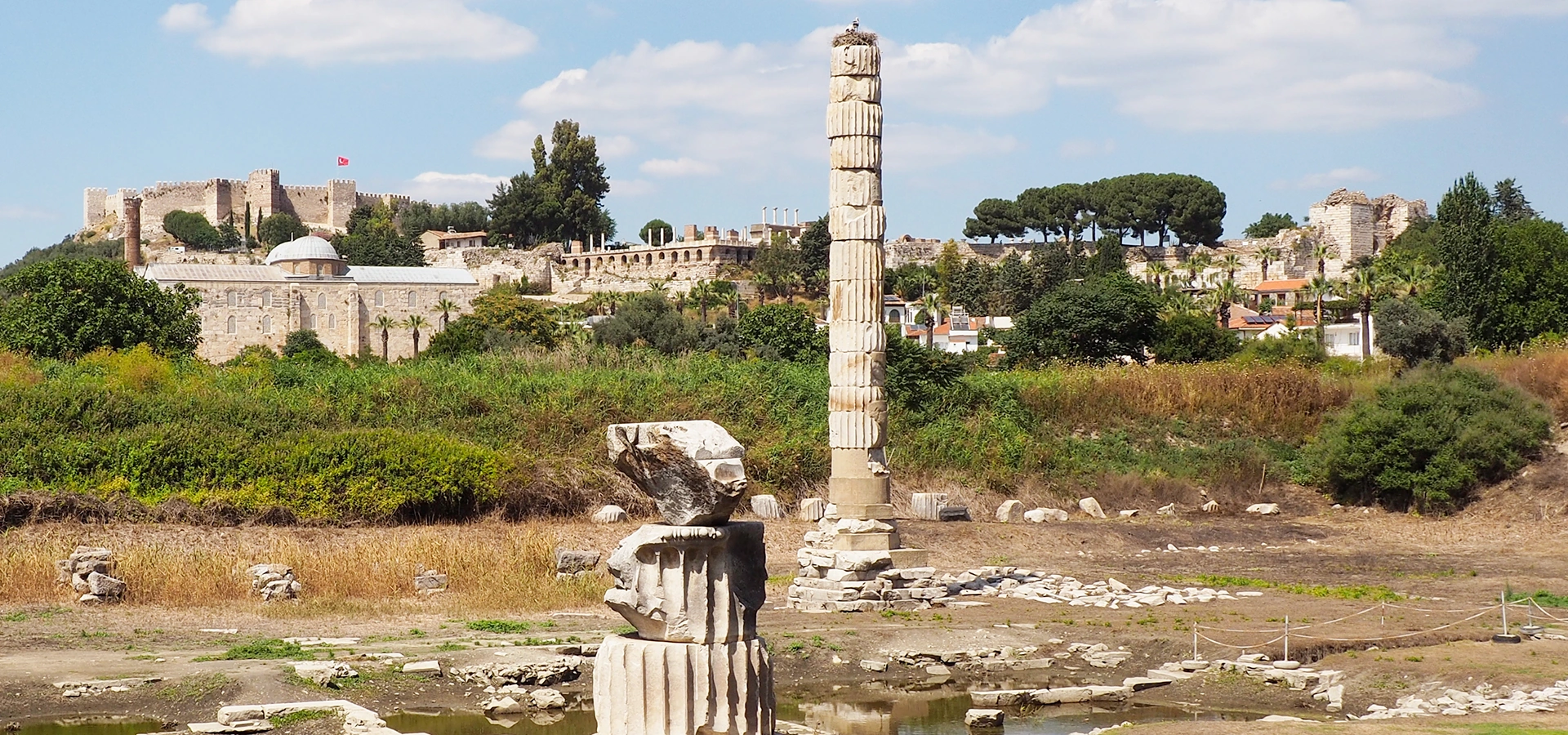
Visit the surviving remains of one of the Seven Wonders and explore the sacred landscape of ancient Ephesus.
Explore the Temple of Artemis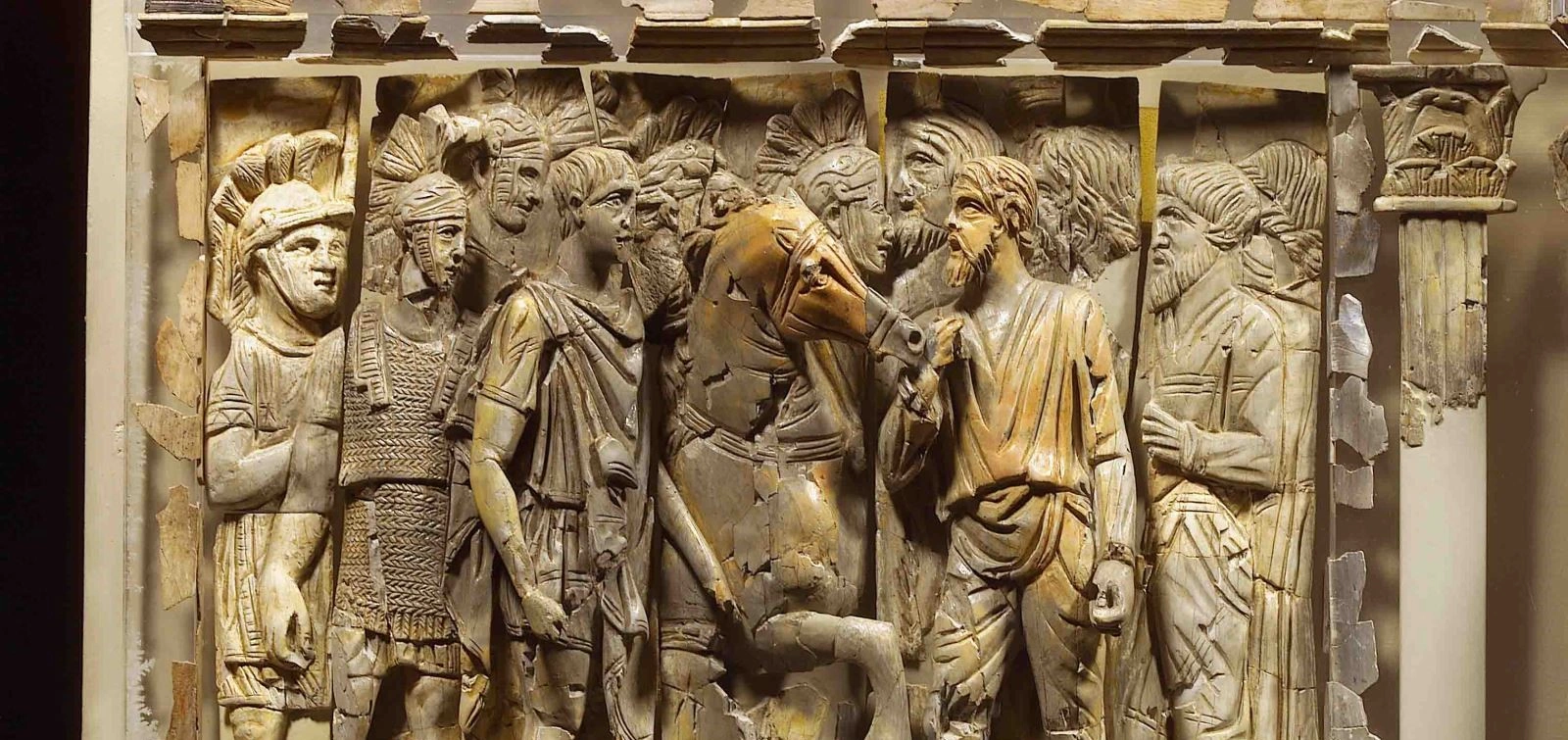
See sculptures, cult objects and archaeological discoveries that bring the ancient city vividly to life.
Explore Ephesus Museum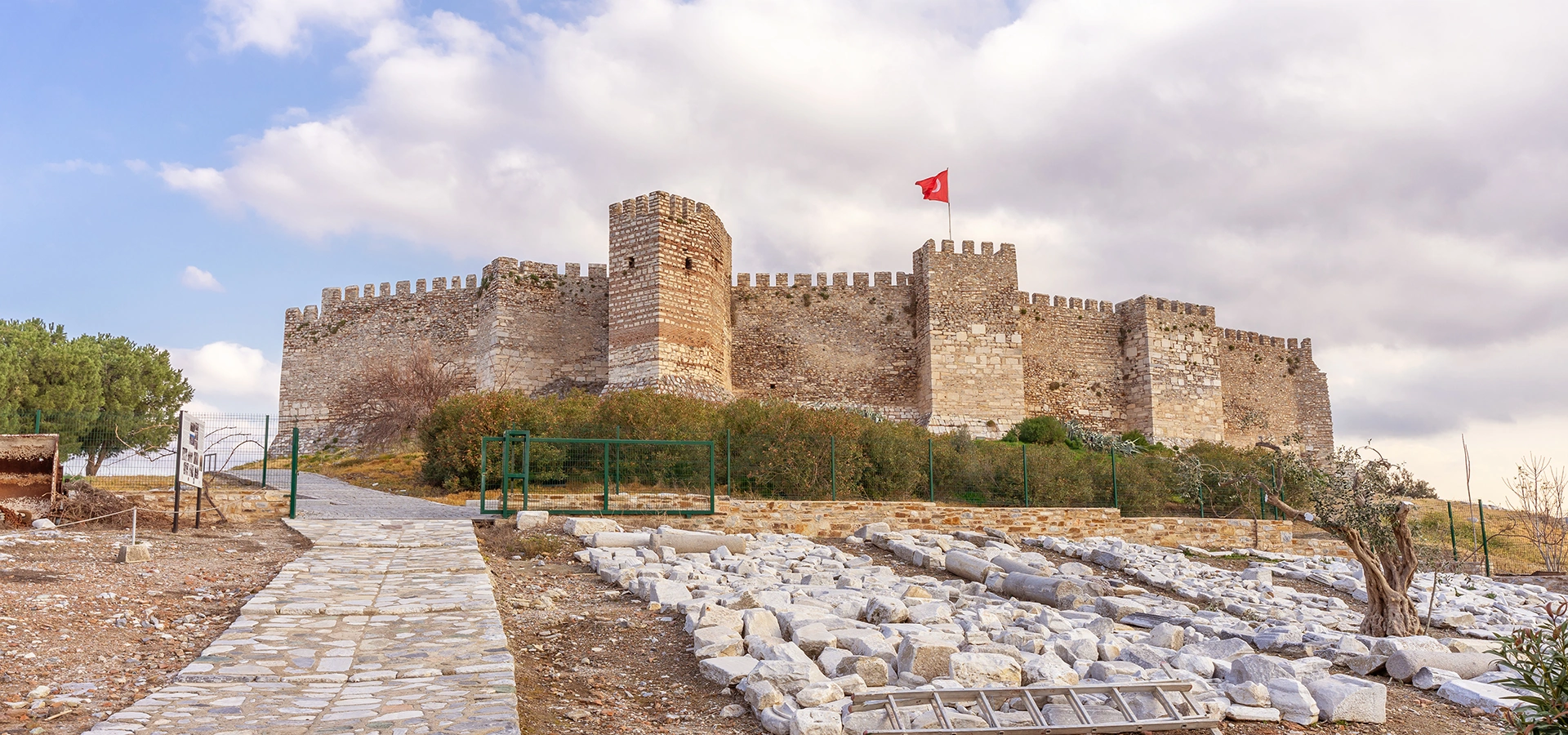
Climb above Selçuk to discover the fortified medieval settlement overlooking the surrounding historical landscape.
Explore Ayasuluk Castle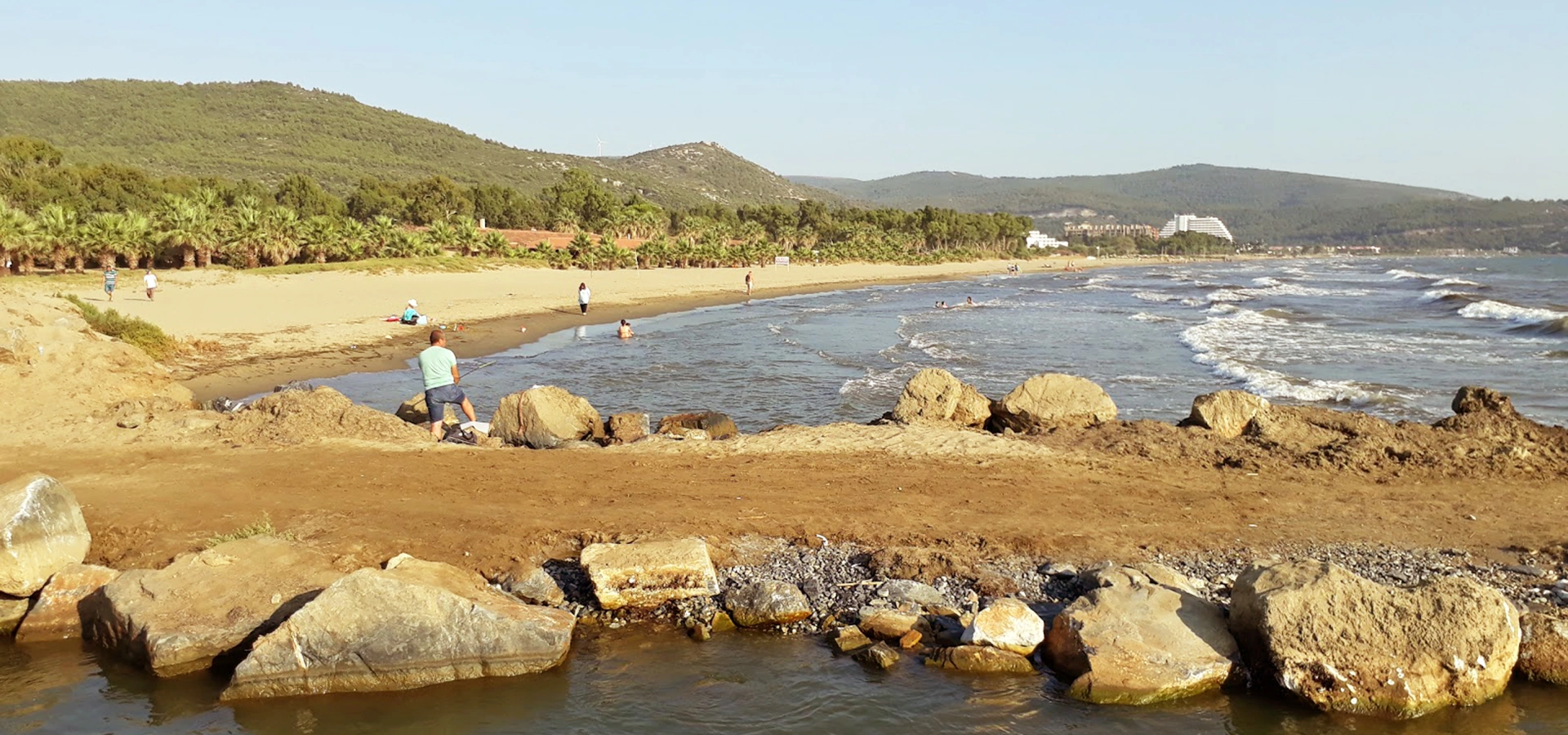
Finish your day beside the Aegean on the broad sandy coastline only a short journey from Selçuk.
Explore Pamucak Beach