Private Çandarlı & North Aegean Experience
Ask us about a tailor-made journey combining Çandarlı Castle with historic towns, archaeology, beaches and the beautiful northern İzmir coastline.
Request a Custom Experience





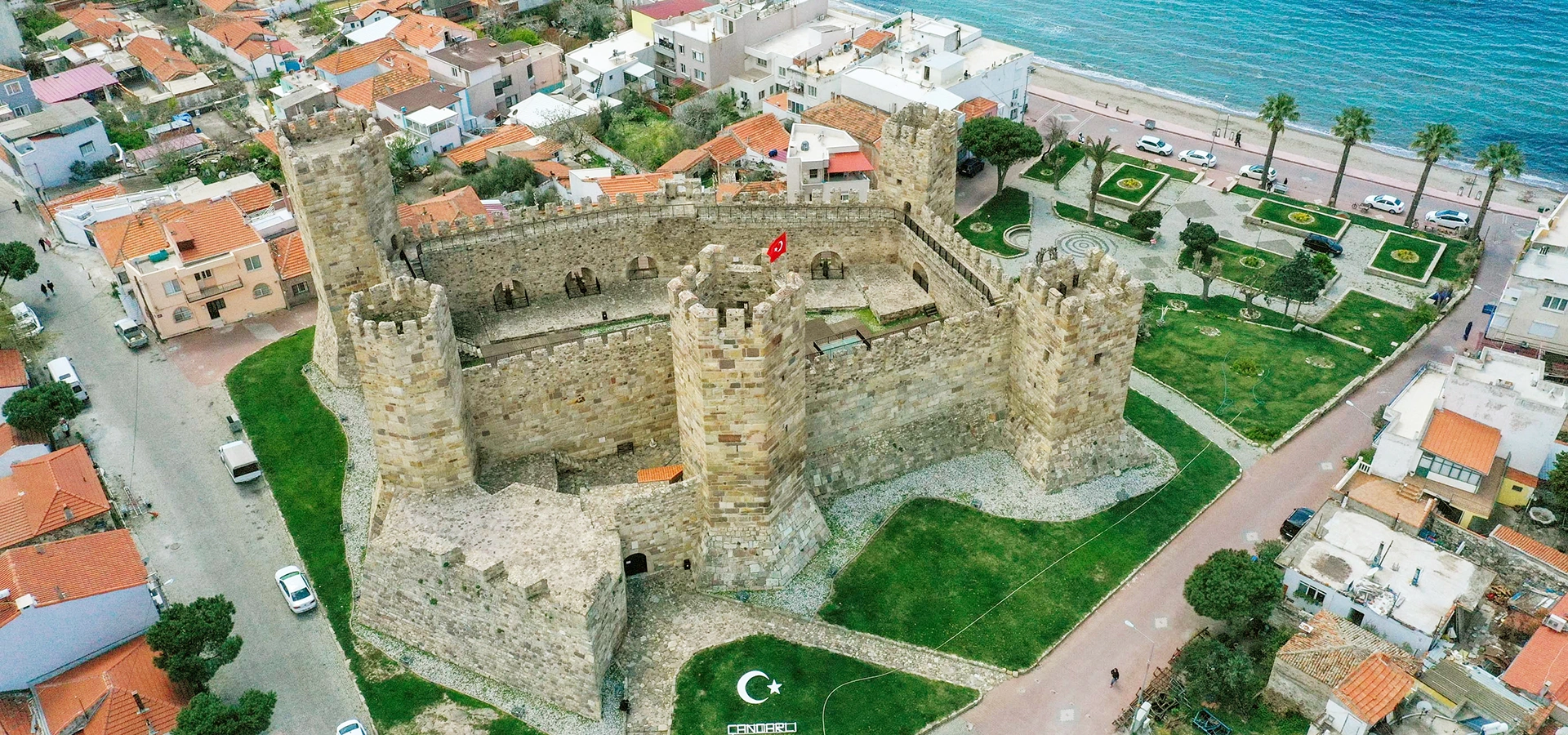
Standing immediately beside the sea in the historic coastal town of Çandarlı, the massive stone walls of Çandarlı Castle form one of the most impressive surviving fortifications on the northern İzmir coast.
The fortress occupies a strategic position overlooking the sheltered waters of Çandarlı Bay, a location that had been important long before the medieval castle took its present form. The surrounding settlement was known in antiquity as Pitane, one of the ancient cities of the Aeolian coast.
The precise date when the first medieval fortress was built remains uncertain. Historical sources nevertheless connect the castle strongly with the Genoese maritime presence in the Aegean during the Middle Ages, particularly when Genoese merchants controlled important coastal trading points around Foça and Çandarlı.
The fortress was later strengthened during the Ottoman period and is particularly associated with Çandarlı Halil Pasha, the powerful grand vizier of Sultan Murad II. The substantial walls, defensive towers and heavy stone construction visible today reflect centuries of rebuilding and military adaptation rather than a single moment of construction.
With its five towers, crenellated walls and extraordinary position beside the modern waterfront, Çandarlı Castle remains one of the defining landmarks of the Dikili district and an essential stop on a historical journey through the North Aegean.
A major medieval coastal fortress connected with the Genoese maritime trading network of the Aegean and Black Sea.
The surviving fortress is distinguished by five substantial defensive towers linked by remarkably well-preserved stone walls.
The castle rises within a landscape occupied since antiquity and associated with the ancient Aeolian city of Pitane.
Çandarlı Fortress forms part of Türkiye's UNESCO Tentative List nomination for the Genoese maritime network.
Essential information for exploring one of the most important historic fortifications on the North Aegean coast.
Çandarlı Castle stands in central Çandarlı on the coast of the Dikili district in İzmir Province.
A substantial coastal fortress with medieval origins and important Genoese and Ottoman construction phases.
The fortress occupies part of the historic settlement area associated with ancient Pitane.
The castle protected an important natural harbour and maritime trading point on the North Aegean coast.
The Genoese controlled Çandarlı and its harbour during the medieval period and restored the fortifications.
The fortress was strengthened after Ottoman control and is particularly associated with Çandarlı Halil Pasha.
The surviving castle has five prominent defensive towers connected by substantial curtain walls.
The castle follows a roughly rectangular fortified plan adapted to its strategic coastal position.
Part of Türkiye's UNESCO Tentative List property representing the Genoese maritime trading network.
The fortress rises immediately beside the sea, harbour, beaches and modern Çandarlı waterfront.
Allow approximately 45–90 minutes for the castle and surrounding waterfront, longer if exploring Çandarlı town.
Spring, early summer and autumn provide comfortable conditions, while late afternoon offers excellent photography.
Çandarlı Castle is unusual because history, architecture and everyday coastal life remain concentrated within the same compact landscape.
The first reason to visit is the fortress itself. Thick stone walls and monumental towers rise unexpectedly beside the town's waterfront, creating one of the strongest historic silhouettes anywhere along the North Aegean coast.
The second reason is the castle's maritime setting. This was never simply an isolated military structure. Its purpose was connected directly with harbour security, coastal communication and the movement of ships through an important commercial landscape.
The third reason is the extraordinary historical layering beneath the site. Long before Genoese merchants or Ottoman officials appeared here, the surrounding settlement formed part of ancient Pitane, linking the castle landscape with thousands of years of Aegean history.
Finally, Çandarlı is still a living seaside town. Within minutes of examining medieval stonework, visitors can walk beside fishing boats, beaches, cafés and the waterfront, making the castle easy to combine with a relaxed North Aegean day.
Çandarlı Castle stands in the centre of Çandarlı, a coastal settlement in the southern part of the Dikili district of İzmir Province.
Çandarlı occupies the northern side of the broad Gulf of Çandarlı, where the coastline forms a naturally protected maritime setting.
The castle rises directly beside the historic waterfront rather than on a remote mountaintop. Houses, cafés, beaches, fishing boats and modern streets surround the monument.
This position helps explain why control of Çandarlı was historically important. A fortress here could protect both the settlement and a harbour used by ships travelling through the North Aegean.
Understanding Çandarlı Castle requires separating several different historical layers.
The land beneath and around the fortress formed part of an ancient settlement long before the present walls were constructed. Archaeological evidence from Çandarlı demonstrates occupation stretching back deep into antiquity.
During the medieval period, the settlement acquired renewed strategic value because of its harbour. Genoese merchants operating from important Aegean trading centres such as Foça established influence over Çandarlı and used its protected maritime position.
The castle was restored and strengthened during this period, although the exact chronology of its earliest surviving medieval structures remains uncertain.
Following Ottoman expansion through western Anatolia, the fortress entered another major phase. Çandarlı Halil Pasha, one of the most powerful statesmen of the early Ottoman Empire, is associated with extensive strengthening of the castle during the reign of Sultan Murad II.
Later restorations and repairs allowed the massive structure to survive in remarkably complete form compared with many other medieval coastal fortifications.
Long before the name Çandarlı appeared, the settlement was known in antiquity as Pitane.
Pitane belonged to the cultural landscape of ancient Aeolis, the historic region extending along part of the western Anatolian coast opposite the island of Lesbos.
Archaeological work in the wider Çandarlı area has produced pottery, sculpture and other material demonstrating that settlement here began many centuries before the medieval fortress.
Finds associated with the ancient acropolis and cemetery demonstrate connections with the wider Aegean world and help explain why the sheltered coastal position remained significant through successive historical periods.
The surviving castle should therefore not be viewed as the beginning of Çandarlı's history. It represents one monumental chapter within a much longer story of settlement beside the Aegean.
Excavations and archaeological research in Çandarlı have identified material from several ancient periods.
Ceramic finds demonstrate occupation and cultural connections extending back into the prehistoric and early historic Aegean.
Vessels, sculpture and other finds show the importance of Pitane during the Archaic Greek period.
The fortified area occupies part of a landscape associated with the elevated centre of the ancient settlement.
Older building material appears within later structures, illustrating the reuse of ancient masonry across centuries.
Archaeological investigations inside the fortress have revealed earlier walls, floor levels and other structural evidence.
Investigations within the castle courtyard have identified a cistern associated with the Byzantine period.
Many important objects recovered from the wider Pitane area are preserved in museum collections rather than remaining exposed around the castle.
The Genoese were among the great maritime trading powers of the medieval Mediterranean.
From the eleventh to fifteenth centuries they established commercial colonies, ports and fortified trading stations stretching through the Mediterranean and Black Sea.
The North Aegean coast was particularly important because maritime routes connected Constantinople, the Dardanelles, western Anatolia, the islands and the wider Mediterranean.
The Genoese established a strong presence in nearby Foça and also controlled Çandarlı during the thirteenth and fourteenth centuries.
Çandarlı offered a protected harbour that could support shipping and commercial activity. The existing fortress was repaired and strengthened as part of this maritime defensive network.
This historical connection ultimately explains why Çandarlı Castle is included within Türkiye's UNESCO Tentative List property representing Genoese trading posts and fortifications.
The fortress entered an important new phase after Ottoman authority expanded across western Anatolia.
The name Çandarlı is closely associated with the powerful Çandarlı family, whose members held some of the highest offices in the early Ottoman state.
Çandarlı Halil Pasha served as grand vizier during the reign of Sultan Murad II and continued in office during the early reign of Mehmed II.
Historical tradition and official cultural sources associate Halil Pasha with major repairs and strengthening of the castle during the fifteenth century.
The work helped transform older fortifications into a more substantial defensive structure capable of responding to changing military technology.
The enormous masonry walls visible today therefore preserve both the medieval maritime importance of Çandarlı and the strategic concerns of the expanding Ottoman state.
The settlement was known in antiquity as Pitane, while different names were used locally during later periods.
The modern name is traditionally connected with the influential Çandarlı family and particularly with the restoration activities associated with Çandarlı Halil Pasha.
Over time, the name Çandarlı replaced the older place names and became attached to both the town and its famous fortress.
Today the castle is so visually dominant that the identities of the town, harbour and fortress remain closely connected.
Çandarlı Fortress forms part of Türkiye's UNESCO Tentative List property concerning the Genoese maritime network of trading posts and fortifications from the Mediterranean to the Black Sea.
The wider nomination recognizes a network rather than one isolated castle.
Genoese merchants developed commercial routes across enormous distances and used fortified ports to protect goods, ships and trading communities.
Within Türkiye, surviving places connected with this maritime history include fortifications at locations such as Çandarlı, Foça, Çeşme, Amasra, Sinop and other strategic coastal points.
Tentative List status should not be confused with full World Heritage inscription. It means the site forms part of a property that Türkiye may consider for future nomination to the UNESCO World Heritage List.
The visual power of Çandarlı Castle comes from its compact yet extremely solid design.
The fortress follows a roughly rectangular plan surrounded by high stone walls and dominated by substantial towers.
Large towers strengthen the defensive perimeter and create the castle's distinctive profile above the waterfront.
Thick walls connect the towers and create an enclosed defensive courtyard.
The upper defensive line preserves the unmistakable appearance of a fortified medieval stronghold.
Wall openings and firing positions reflect the military purpose of the fortress and later adaptations.
The entrance forms one of the most important architectural transitions between the modern town and historic interior.
A large open area occupies much of the space enclosed by the surrounding defensive walls.
The five defensive towers are among the fortress's most immediately recognizable features.
Their scale allowed defenders to observe both approaches from the land and activity around the harbour.
Projecting beyond the line of the curtain walls also enabled defenders to protect sections of wall that would otherwise have been difficult to cover directly.
Today the towers give the castle its remarkable visual rhythm. Seen from the waterfront, they appear almost like enormous stone anchors holding the historic centre of Çandarlı to the coast.
Photographers should walk around several sides of the monument because the apparent shape of the towers changes dramatically depending on viewing angle and light.
Close inspection of Çandarlı Castle reveals that the walls are not completely uniform.
Different masonry patterns, repairs and reused stone reflect the long life of the monument.
Historic fortresses were rarely completed once and then left unchanged. Walls were repaired after damage, towers were strengthened and defensive details were adapted as military technology developed.
Older stone from the surrounding ancient settlement was also reused within later construction, creating a physical connection between ancient Pitane and the medieval fortress.
This architectural layering is one of the reasons it is better to think of Çandarlı Castle as an evolving defensive complex rather than a monument belonging exclusively to one civilization.
The castle's position beside the sea was fundamental to its purpose.
A protected harbour provided merchants with somewhere to anchor, load cargo and obtain supplies, but that same commercial activity required security.
Fortified coastal settlements allowed maritime powers to control important points along trading routes rather than attempting to dominate every kilometre of coastline.
From Çandarlı, ships could continue through the North Aegean toward Foça, the islands, the Dardanelles and wider Mediterranean trading routes.
The modern waterfront is very different from the medieval harbour, but standing beside the castle and watching fishing boats enter the bay still makes its strategic location immediately understandable.
Archaeological investigations within the castle have identified a Byzantine-period cistern.
Cisterns were essential pieces of infrastructure in fortified settlements because defenders could not depend entirely on water supplies outside the walls.
Collected rainwater could provide an emergency reserve during periods when access to external springs or wells became difficult.
The discovery also demonstrates that significant structures existed here before the better-known Genoese and Ottoman phases of the fortress.
It is another reminder that the visible castle represents only the latest layers of a much older archaeological landscape.
Begin with the gateway and examine how access into the fortress could be controlled and defended.
Walk around the exterior to appreciate their scale and different perspectives.
Look for changes in stonework that reveal repairs and different construction phases.
The upper defensive profile produces some of the castle's most characteristic medieval imagery.
When interior access is available, the enclosed space reveals the scale of the defensive perimeter.
Walk toward the harbour side to understand the relationship between fortress and maritime landscape.
The contrast between monumental medieval walls and ordinary modern streets is one of Çandarlı's distinctive features.
Step farther away along the coast to photograph the entire fortress rising above the Aegean.
The castle stands directly within Çandarlı town and its exterior can easily be viewed while exploring the waterfront.
Access arrangements for the interior have varied over time because the monument may close temporarily for maintenance, conservation, local management or events.
For this reason, travellers specifically hoping to enter the courtyard should confirm the current situation locally rather than relying on an old timetable found online.
Even when interior access is unavailable, walking around the castle remains worthwhile because much of its architecture is best appreciated from outside.
The surrounding waterfront also provides several excellent perspectives where the towers can be viewed against the sea.
Drive south from Dikili toward Çandarlı. The journey is short enough to combine both towns comfortably in one day.
Travel west toward the Çandarlı coast, making the fortress an easy addition to a day exploring ancient Pergamon.
Follow the main northern İzmir route toward Aliağa and continue toward Çandarlı and Dikili.
A private vehicle provides the greatest flexibility for combining Çandarlı with nearby beaches, Dikili and Bergama.
Regional bus and minibus connections serve the wider Dikili and Çandarlı area, although schedules should be checked locally.
The castle stands prominently near the centre and waterfront and is straightforward to reach on foot.
Because the fortress stands directly within the urban centre, visitors should not expect the large dedicated car parks found at major archaeological sites.
Street parking and local parking areas may be available within walking distance, depending on season and time of day.
During busy summer weekends, the waterfront can become considerably more crowded, so arriving earlier in the morning can make parking easier.
Once parked, Çandarlı is best explored on foot. The castle, harbour, waterfront, beaches and central streets all lie relatively close together.
The surrounding town and waterfront allow travellers with limited mobility to obtain excellent exterior views without needing to climb a remote hill.
Inside a medieval fortress, however, visitors may encounter uneven stone surfaces, thresholds, steps and architectural features that were never designed for modern accessibility.
Anyone requiring step-free access should confirm current interior conditions before making the castle interior an essential part of the day.
A relaxed waterfront visit remains possible even when climbing or uneven historic surfaces are unsuitable.
Cool and often quiet, with good conditions for history-focused exploration when the weather is dry.
Excellent for combining the castle with green countryside and comfortable coastal walking.
One of the most pleasant months, with warm days and fewer visitors than peak summer.
Ideal for combining historical sightseeing with beaches and waterfront dining.
Hot and lively. Visit the castle earlier or later in the day to avoid the strongest midday sun.
The busiest holiday period, with warm sea temperatures and considerably more activity around town.
Excellent for warm-water swimming, softer light and a more relaxed atmosphere later in the month.
A rewarding period for cultural exploration, photography and quieter North Aegean road trips.
For travellers primarily interested in the castle and surrounding history, April, May, June, September and October provide an especially comfortable balance.
Morning is ideal for a peaceful walk and is particularly useful during hot summer months.
Around midday, the fortress can feel more exposed to the sun and the contrast between bright sky and dark stone becomes stronger.
Late afternoon is often the most atmospheric time for photography as lower sunlight adds texture to the stone walls.
Remaining around the waterfront toward sunset also allows you to see the castle gradually change from a monumental historical structure into a dramatic silhouette beside the evening sea.
Enough for exterior photographs and a quick walk around part of the fortress.
A good minimum for examining the walls, towers and surrounding waterfront without rushing.
Ideal when interior access is possible and you want time for photography from several directions.
Combine the castle with Çandarlı harbour, beaches, waterfront cafés and the historic town centre.
Add Dikili, Bademli or another section of the North Aegean coast.
Useful for combining Çandarlı with Pergamon, Dikili, Bademli and the surrounding countryside.
The fortress is only part of the reason to spend time in Çandarlı.
The town wraps around a broad coastal landscape of beaches, small boats, waterfront streets and residential neighbourhoods.
Unlike archaeological sites that become empty after visitors leave, Çandarlı remains an active community where historic architecture exists beside everyday coastal life.
A walk through the centre allows you to move naturally between castle walls, harbour views, seafood restaurants, cafés and swimming areas.
This makes Çandarlı particularly enjoyable for travellers who prefer combining history with a slower seaside atmosphere rather than spending an entire day inside archaeological ruins.
One of the pleasures of Çandarlı is the ease with which a historical visit can be combined with the sea.
Beaches and swimming areas extend around the town, making the fortress a natural morning or late-afternoon addition to a summer beach day.
Convenient swimming areas close to cafés, shops and the centre of Çandarlı.
The broad bay provides attractive coastal scenery and numerous perspectives toward the historic settlement.
Combine an early swim with the castle before midday temperatures become strongest.
Visit the castle later in the day before continuing with a seaside walk and dinner.
Move away from the walls along the waterfront to fit several towers into a single composition.
Photograph changes in masonry, weathered surfaces and construction details at close range.
Use upward angles to emphasize the height and defensive mass of the fortifications.
Include blue water in the composition to show why the fortress occupied this strategic location.
Boats in the foreground create a strong visual connection between medieval maritime history and modern coastal life.
Lower sunlight adds texture and depth to the castle's heavy stone surfaces.
The fortress can become particularly atmospheric as evening light fades over the waterfront.
A wider lens is useful when photographing large towers from narrow streets close to the walls.
Çandarlı Castle can work particularly well for families because it provides a visually impressive historical experience without requiring a long archaeological hike.
Children can easily understand the basic defensive purpose of towers, walls, battlements and gateways.
The nearby waterfront also allows the historical visit to be followed by food, beach time or a walk beside the sea.
As with all historic fortifications, supervise younger children closely around steps, uneven stone surfaces and elevated areas whenever access to those sections is permitted.
If entering the castle is important to you, confirm current access conditions locally before travelling.
Morning provides cooler temperatures and easier conditions during July and August.
Historic stone surfaces can be uneven even though the surrounding town is easy to walk.
Carry drinking water during hot weather, especially if continuing along the waterfront afterward.
There can be considerable exposure to direct sunlight around the castle and harbour.
Do not view the castle only from its main entrance; several sides provide very different perspectives.
The surrounding town deserves at least a short walk rather than treating the castle as a roadside photo stop.
If photography matters, late afternoon can produce much richer textures on the stone walls.
Historic masonry may appear strong but unnecessary climbing can damage vulnerable sections.
Fragments and archaeological material belong to the monument and must remain where they are.
Never scratch names or markings into historic masonry.
Closed sections may contain conservation work, unstable surfaces or sensitive archaeological remains.
Use local bins and help preserve both the castle surroundings and waterfront.
The castle may occasionally be used for cultural activities, requiring temporary changes to visitor movement.
Continue north for waterfront promenades, beaches, restaurants and access to the wider Dikili coastline.
Discover olive landscapes, quiet beaches and some of the clearest turquoise water in northern İzmir.
Explore remarkable island scenery and luminous turquoise water off the Bademli coast.
Head inland for forest, waterfalls, natural pools and a very different side of the Dikili district.
Explore traditional streets and the modern town beneath the extraordinary archaeological landscape of ancient Pergamon.
Visit one of the ancient world's great healing sanctuaries and learn about medicine, sacred therapy and Roman architecture.
Discover one of Pergamon's most monumental Roman buildings and its remarkable later Christian history.
See archaeological finds that help explain the ancient civilizations of the wider Bergama and North Aegean region.
Continue into pine forests, granite landscapes and highland villages inland from the Aegean coast.
Explore another historic maritime settlement strongly connected with Genoese fortifications and Aegean trade.
Explore the fortress in the morning before continuing north for beaches, waterfront walks and dinner in Dikili.
Combine medieval history with one of the most beautiful turquoise coastal landscapes in northern İzmir.
Pair a medieval maritime fortress with the Acropolis, Asklepion and monuments of one of antiquity's great cities.
Combine castle architecture and sea views with forest, waterfalls and freshwater pools inland from Dikili.
Trace the Genoese maritime story through two historically important fortified settlements on the İzmir coast.
Include Çandarlı on a longer journey linking Foça, Bergama, Dikili, Bademli and the surrounding coast.
Çandarlı Castle stands in Çandarlı in the Dikili district of İzmir Province on Türkiye's North Aegean coast.
Yes. Çandarlı is a coastal settlement administratively belonging to the Dikili district.
It is known for its remarkably well-preserved stone walls, five towers, Genoese heritage, Ottoman restorations and dramatic coastal position.
The exact original construction date is uncertain. The site has ancient foundations and the medieval fortress experienced important Genoese and Ottoman construction phases.
No single builder can confidently be assigned to the entire monument. Genoese authorities restored medieval fortifications, while major strengthening later occurred during the Ottoman period.
The castle has a strong Genoese historical connection. Genoese merchants controlled Çandarlı during the medieval period and restored its fortifications.
Çandarlı offered a secure harbour along important Aegean maritime trading routes and complemented the Genoese presence in nearby Foça.
Çandarlı Halil Pasha was an influential fifteenth-century Ottoman grand vizier associated with major strengthening of the castle.
Yes. The fortress became part of the Ottoman coastal defensive landscape and underwent significant repair and strengthening.
The surviving fortress is distinguished by five major towers.
Its fortified plan is approximately rectangular, with towers reinforcing the defensive perimeter.
The walls enclose a large courtyard where archaeological investigations have identified earlier structural remains and a Byzantine-period cistern.
The ancient settlement was known as Pitane.
Pitane was an ancient settlement belonging to the historic Aeolian cultural landscape of western Anatolia.
Yes. Archaeological evidence from the surrounding area demonstrates occupation many centuries before the medieval fortress.
It is not currently a fully inscribed World Heritage Site. It forms part of a property on Türkiye's UNESCO World Heritage Tentative List.
Its importance relates particularly to the wider network of Genoese maritime trading posts and fortifications extending across the Mediterranean and Black Sea.
Interior access has varied over time. Confirm current opening arrangements locally if entering the courtyard is important to your visit.
Yes. The fortress is surrounded by the town and waterfront, and its towers and walls can be viewed extensively from outside.
Visitor arrangements have changed at different times, so confirm current access and any applicable fees locally before visiting.
Allow approximately 45–90 minutes for the castle and waterfront, or several hours if exploring Çandarlı town.
It is especially rewarding for travellers interested in medieval architecture, maritime history, Genoese trade, Ottoman history and coastal scenery.
Yes. The fortress is an accessible introduction to castle architecture, although children require supervision around historic stone surfaces and elevated sections.
Exterior views from the surrounding town are relatively straightforward, while interior historic surfaces may include uneven ground and steps.
April, May, June, September and October provide particularly comfortable conditions for historical sightseeing.
Yes. July and August are lively periods, but mornings and late afternoons are more comfortable than the hottest part of the day.
Late afternoon is particularly attractive because low sunlight reveals more texture in the castle's stone walls.
Yes. The fortress stands directly beside the historic coastal settlement and harbour.
Beaches and swimming areas are available around Çandarlı, making it easy to combine the castle with a seaside day.
Yes. Çandarlı is a living coastal town with cafés, restaurants and other services within walking distance.
Yes. The two destinations are close enough to combine comfortably within the same day.
Yes. Çandarlı and Bergama make an excellent historical combination linking medieval maritime heritage with ancient Pergamon.
Yes. Visit the fortress before continuing toward Bademli for beaches, coves and turquoise Aegean water.
Yes. The two places are particularly interesting together because both have important connections with Genoese maritime history.
Yes when travelling by car. The combination provides a contrast between medieval coastal architecture and inland natural scenery.
Comfortable shoes, drinking water, sun protection and a camera are sufficient for most visits.
Yes. Its location makes it a natural stop on routes connecting Foça, Bergama, Dikili, Bademli and the northern İzmir coastline.
A tailor-made North Aegean journey can combine Çandarlı Castle with ancient Pergamon, traditional Bergama, Dikili, Bademli and the remarkable coastal landscapes of northern İzmir.
Tell us whether your priority is ancient history, medieval castles, Genoese heritage, archaeology, photography, beaches or a complete North Aegean road trip, and we can shape the route around your interests.
Ask us about a tailor-made journey combining Çandarlı Castle with historic towns, archaeology, beaches and the beautiful northern İzmir coastline.
Request a Custom Experience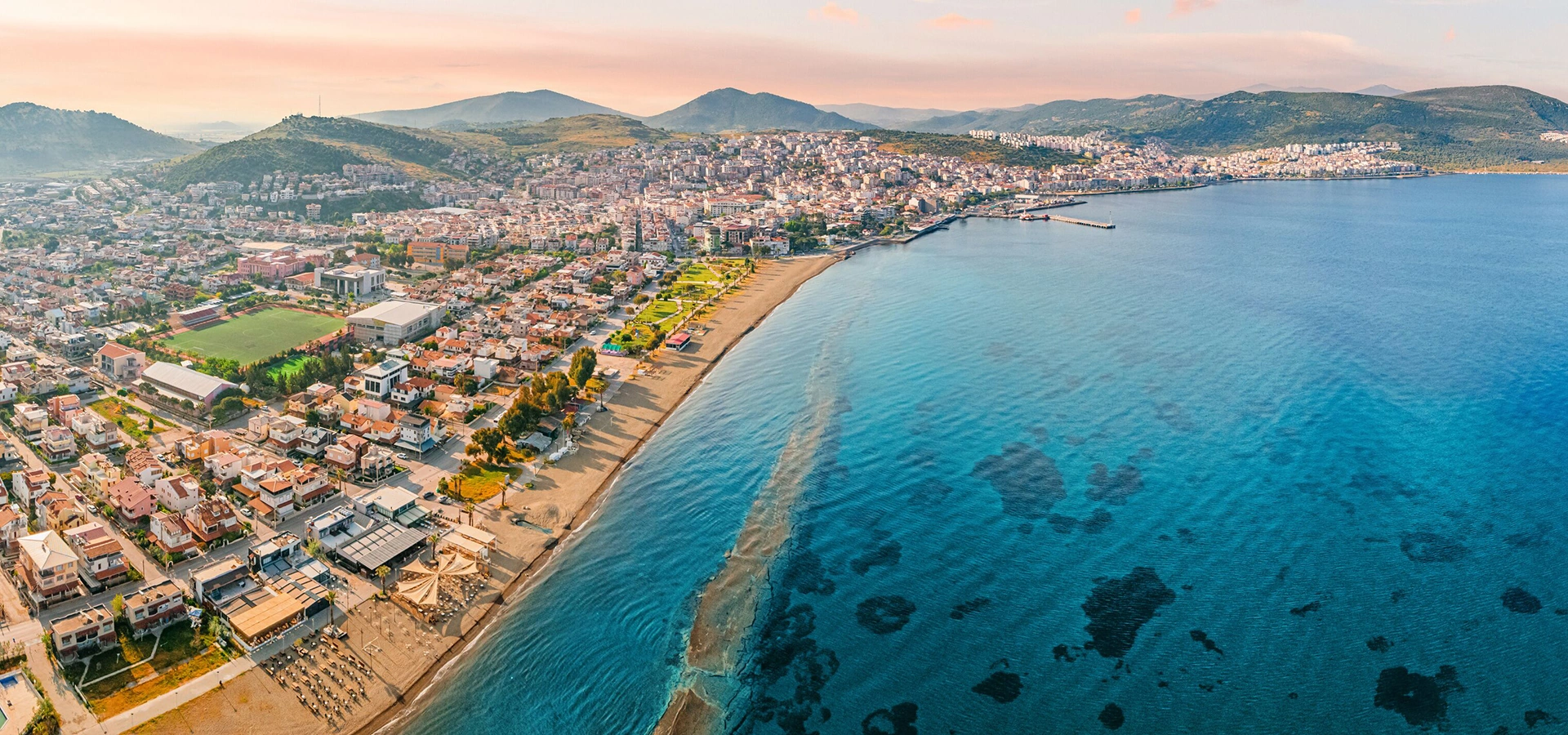
Continue with our complete Dikili guide for beaches, islands, waterfalls, thermal landscapes and the best places to explore across the district.
View Dikili Guide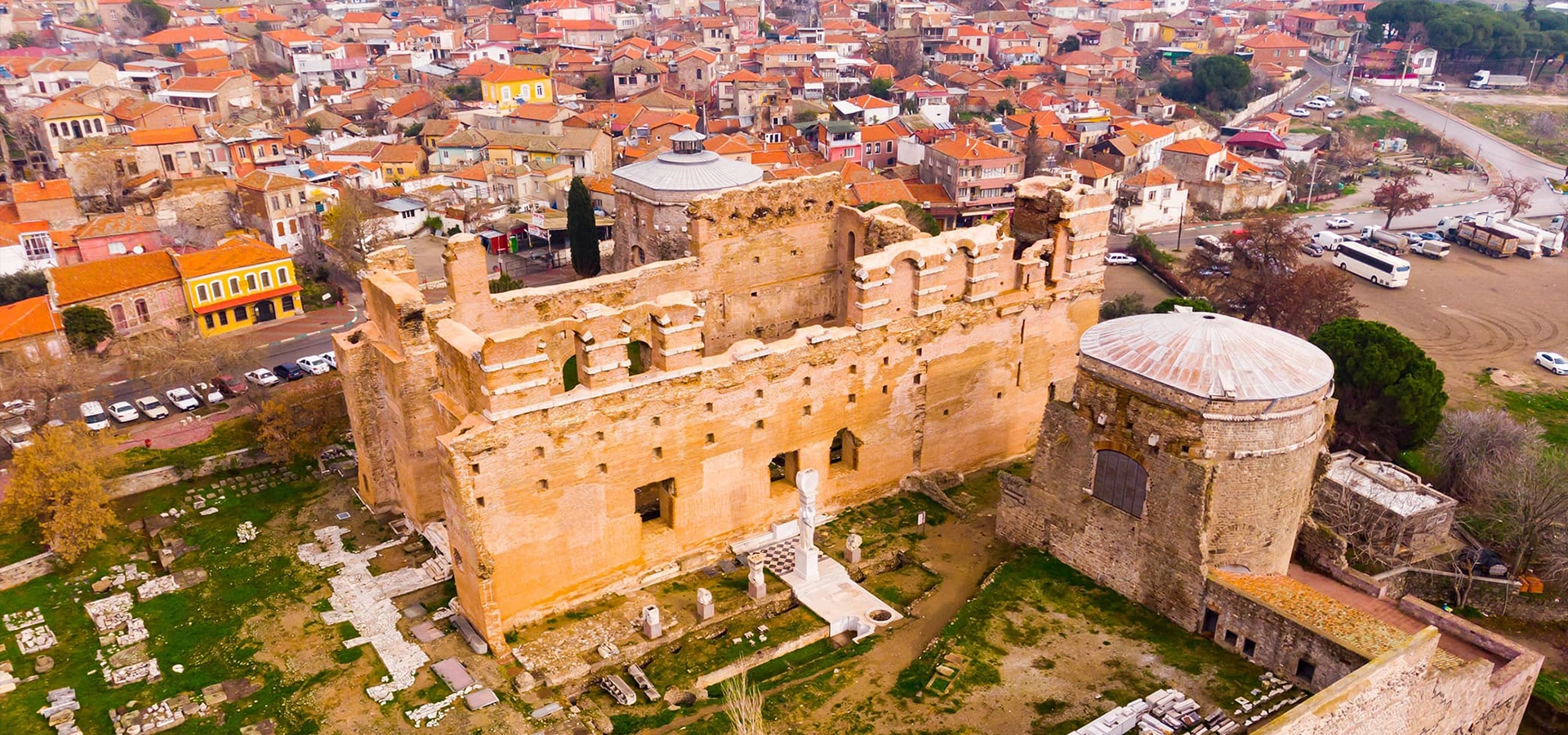
Continue inland to one of western Türkiye's great historical destinations, combining ancient Pergamon with traditional streets and local town life.
View Bergama Guide
Discover the extraordinary ancient healing sanctuary associated with medicine, sacred springs, therapy and the physician Galen.
View Asklepion Guide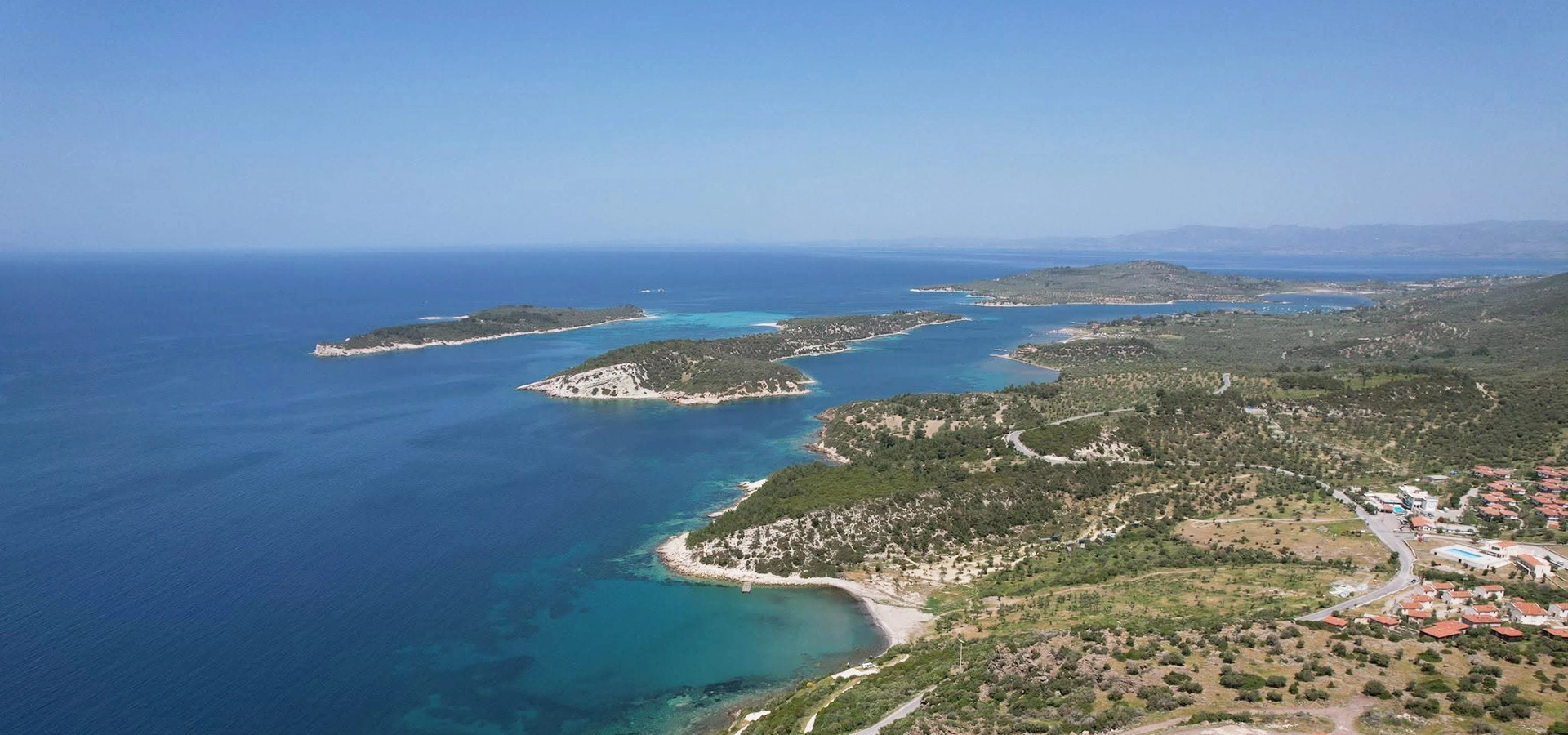
Exchange fortress walls for olive landscapes, beaches, quiet coves and some of the clearest turquoise water around Dikili.
View Bademli Guide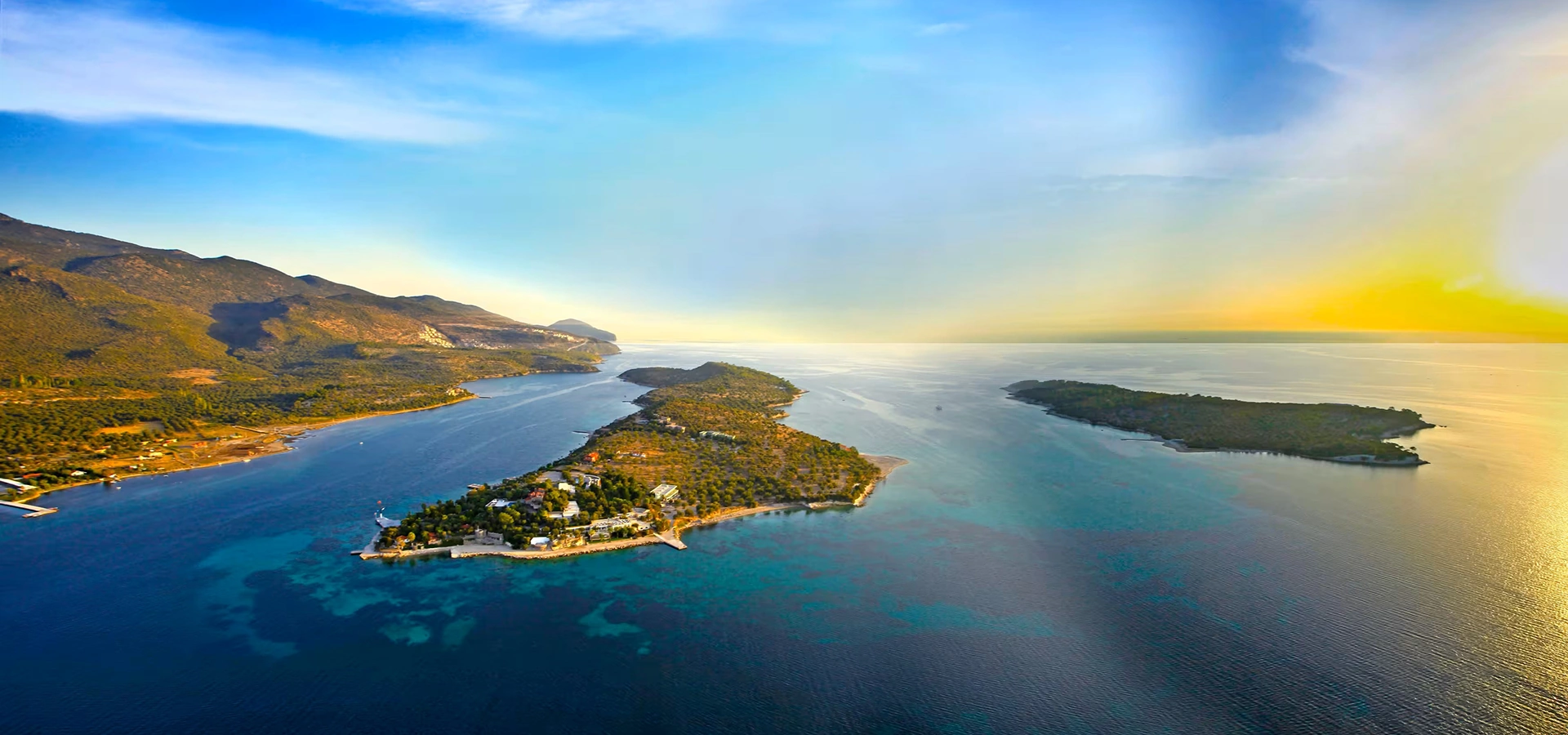
Continue your North Aegean journey with extraordinary island scenery, clear water, boat trips and the beautiful coastline around Bademli.
View Islands Guide