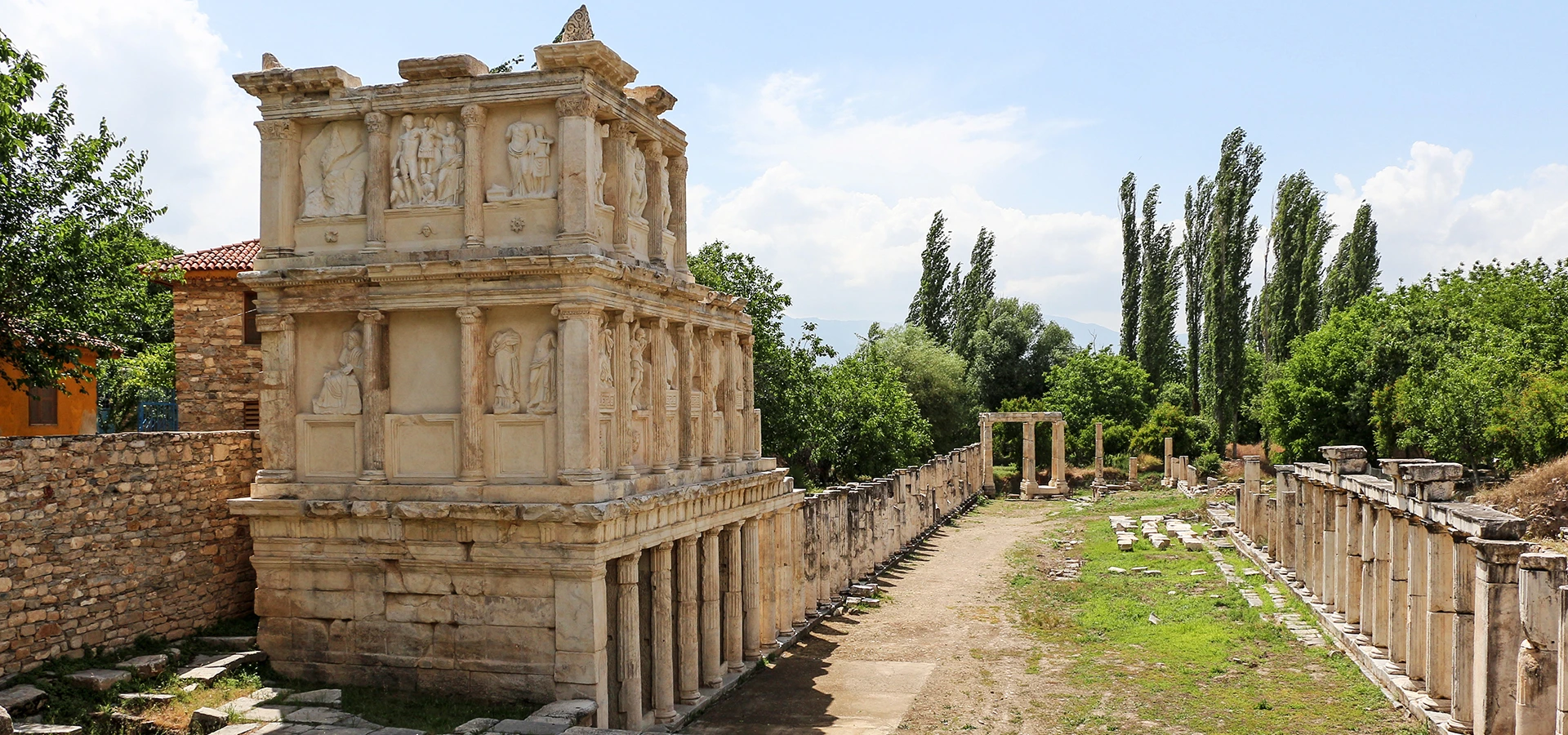
Aphrodisias Ancient City
Explore the UNESCO-listed ancient city, including its Tetrapylon, Temple of Aphrodite, Stadium, Sebasteion and magnificent Roman monuments.
Explore Aphrodisias





Nestled in the southeastern part of Aydın Province, Karacasu is one of the most culturally distinctive inland towns of Türkiye's Aegean region. Surrounded by mountains, agricultural landscapes and traditional villages, the district brings together an extraordinary combination of ancient archaeology, Ottoman-era heritage, skilled craftsmanship and authentic regional cuisine.
Karacasu is internationally known as the home of Aphrodisias Ancient City, one of the Mediterranean world's greatest centers of marble sculpture and a UNESCO World Heritage Site since 2017. Yet the ancient city represents only one chapter of the district's remarkable story. Beyond its Roman monuments, Karacasu preserves traditions that continue to shape the cultural identity of the region.
The town is particularly celebrated for its traditional red-clay pottery. In its workshops, artisans transform locally sourced clay into distinctive terracotta vessels, cooking pots and decorative ceramics. The sight of pottery wheels, earthenware kilns and rows of handcrafted vessels offers visitors a fascinating encounter with a craft passed between generations.
Another essential part of Karacasu's identity is its famous Karacasu pide, traditionally prepared with handmade dough and baked in wood-fired ovens. Alongside pottery and pide-making, leatherworking and blacksmithing form part of the district's longstanding artisan culture.
Historic streets, old stone houses, local mosques, traditional fountains and lively neighborhood life reveal a different side of Aydın from its better-known coastal resorts. Beyond the town center, the Dandalaz Valley, surrounding highlands, waterfalls and natural formations create opportunities for visitors interested in rural landscapes and cultural discovery.
Karacasu is a particularly rewarding destination for travelers who want to explore the Aegean region beyond the conventional sightseeing routes. Combining its living traditions with the monumental ruins of Aphrodisias creates an experience in which ancient history and present-day Anatolian culture can be appreciated together.
Discover an extraordinary ancient city famous for Roman architecture and marble sculpture.
Experience the district's celebrated red-clay pottery tradition and artisan workshops.
Taste a geographically registered regional specialty prepared in traditional ovens.
Explore old neighborhoods, traditional crafts, rural landscapes and local hospitality.
Essential information about Karacasu, its cultural heritage and its most distinctive attractions.
Karacasu district, southeastern Aydın Province, Türkiye.
Open on Google MapsAphrodisias Ancient City and its archaeological museum.
Aphrodisias and its ancient marble quarries were inscribed in 2017.
Distinctive red-clay pottery, including traditional vessels and cooking pots.
Karacasu Pidesi, a geographically registered regional food.
Pottery, leatherworking, blacksmithing and traditional baking.
Dandalaz Valley, mountain highlands, waterfalls and rural landscapes.
2–4 hours for the town; a full day when combined with Aphrodisias.
A destination where archaeology, traditional craftsmanship, regional food and everyday cultural life remain closely connected.
The greatest appeal of Karacasu is the extraordinary variety of experiences available within a relatively compact rural district. Few places in western Türkiye allow travelers to admire world-famous Roman sculpture, watch traditional pottery production and enjoy a local meal in a historic town during the same day.
While Aphrodisias attracts international visitors for its archaeological significance, Karacasu town offers an equally valuable opportunity to understand the region's living cultural heritage. Its workshops, traditional ovens, markets and neighborhood streets reveal occupations and customs that continue to play a meaningful role in local life.
Karacasu also offers a quieter atmosphere than many coastal destinations. Here, the visitor experience is shaped less by large-scale tourism and more by genuine encounters with local craftspeople, traditional architecture and the agricultural landscapes of inland Aydın.
The municipality describes Karacasu as the district where leather, iron, dough, clay and marble come to life. This expression summarizes five traditions that have contributed to the area's distinctive cultural and economic identity.
Explore the exceptional Roman monuments and sculpture collections of nearby Aphrodisias.
Discover how traditional artisans transform local red clay into functional and decorative ceramics.
Enjoy Karacasu pide and other dishes associated with the rural cuisine of inland Aydın.
Wander through neighborhoods containing old houses, historic mosques and fountains.
Discover mountain scenery, highlands, natural formations and traditional village environments.
Appreciate local craftsmanship and traditional daily life beyond the region's major tourism centers.
Karacasu lies in the southeastern part of Aydın Province, within the mountainous interior of the Aegean region. Its landscapes are shaped by the Dandalaz Valley, which opens toward the wider Büyük Menderes river basin.
The district is associated with the foothills of the Karıncalı Mountains and the mountainous terrain surrounding the ancient city of Aphrodisias. The combination of fertile valleys, elevated settlements and wooded highlands creates a landscape noticeably different from the coastal Aegean.
Agriculture, craft production and the availability of local natural resources have influenced the development of Karacasu over many centuries. Clay has supported pottery production, while nearby marble deposits contributed to the extraordinary ancient sculptural tradition of Aphrodisias.
The district's geographical setting also helps explain its historical connections. Mountain routes and valleys linked local communities with the wider Meander basin, allowing settlement, agricultural production and regional exchange to develop over time.
The history of Karacasu is inseparable from the wider history of southwestern Anatolia. Although the present town developed through later settlement and administrative changes, its surrounding landscape contains evidence of human activity extending back thousands of years.
The region belonged to the historical landscape of Caria, an area of southwestern Anatolia with distinctive cultural traditions and extensive connections to the Greek and Roman worlds.
Archaeological investigations at nearby Aphrodisias have identified prehistoric settlement evidence dating back to the fifth millennium BC. These discoveries demonstrate the long history of human occupation in the district, although they should not be confused with the founding date of the present town of Karacasu.
During the Hellenistic and Roman periods, Aphrodisias developed into one of the most distinguished urban centers of the region. Its sanctuary of Aphrodite, monumental architecture and productive marble quarries contributed to its exceptional cultural significance.
The city became especially prosperous under Roman rule. Its sculptors produced impressive statues, architectural decoration and reliefs whose artistic achievements can now be appreciated at Aphrodisias Museum.
During Late Antiquity, Christianity transformed the religious and civic landscape of Aphrodisias. The ancient Temple of Aphrodite was adapted into a Christian cathedral, while the settlement continued to change during the Byzantine period.
Over subsequent centuries, political developments, changing settlement patterns and the arrival of Turkish communities contributed to the emergence of new local centers in the surrounding countryside.
Following the expansion of Turkish rule across western Anatolia, the Karacasu region became associated with the political and cultural developments of the Seljuk successor principalities and, subsequently, the Ottoman Empire.
Agriculture, market activity and traditional craftsmanship played important roles in the developing town. Pottery, blacksmithing, leatherworking and food production became enduring elements of local economic life.
Historic mosques, fountains, traditional houses and old neighborhood streets preserve traces of this later architectural and social history.
During the Republican period, Karacasu continued as an agricultural and artisan district while becoming increasingly recognized for its archaeological heritage.
Modern excavations at Aphrodisias, beginning in 1961 under Professor Kenan T. Erim, brought international attention to the region. UNESCO recognition in 2017 further strengthened the district's position on the cultural tourism map of Türkiye.
Today, Karacasu's historical identity embraces both the world-renowned ancient city and the traditions of the modern town, providing a particularly rich example of cultural continuity and transformation in the Aegean region.
Approximately 12 kilometers from Karacasu town, near the settlement of Geyre, lies Aphrodisias Ancient City, one of Türkiye's most important archaeological destinations.
Named after Aphrodite, the ancient goddess associated with love and beauty, Aphrodisias reached particular prominence during the Roman period. Its exceptional architectural remains and marble sculpture reveal the wealth, artistic ambition and civic sophistication of a major provincial city.
Aphrodisias and its associated ancient marble quarries were inscribed on the UNESCO World Heritage List in 2017, recognizing the site's remarkable archaeological and artistic significance.
Admire the reconstructed monumental gateway with its richly decorated columns and architectural details.
Discover the sanctuary that formed the religious heart of the city and its later Christian transformation.
Explore one of the ancient world's most impressive surviving stadium structures.
Visit the monumental imperial sanctuary celebrated for its remarkable sculptural program.
Experience a major Roman-period performance venue overlooking the archaeological landscape.
Examine the monumental remains of an elaborate Roman public bathing complex.
Discover the extraordinary monumental pool complex and surrounding civic architecture.
See exceptional marble statues, imperial portraits and the original Sebasteion reliefs.
Aphrodisias deserves considerably more time than a brief photographic stop. Visitors interested in its historical significance should allow approximately three to four hours for the archaeological site and museum together.
Karacasu pottery, known locally as Karacasu Çömleği, is one of the district's most distinctive cultural traditions. Its warm red color, handcrafted shapes and traditional decorative techniques make it an immediately recognizable product of the region.
The pottery tradition is closely connected to the district's natural resources. Clay obtained from the surrounding countryside, particularly the Yazır area, contains iron-rich material that contributes to the characteristic reddish color of the finished ceramics.
Traditional workshops produce a variety of household vessels, including water jugs, cooking pots, drinking vessels and earthenware containers. Decorative pieces are also made for visitors and collectors.
The most recognizable examples often combine reddish terracotta surfaces with pale or white-painted decorative patterns. These may include geometric lines, floral designs and other motifs associated with the local workshop tradition.
In 2020, Karacasu Çömleği received geographical indication registration in Türkiye, recognizing the identity and production tradition associated with the district.
What makes Karacasu pottery particularly meaningful is the combination of local materials and human skill. The potter must understand the consistency of the clay, the speed of the wheel, the relationship between the vessel's shape and its function, and the effects of drying and firing.
The tradition also belongs to an important regional history of ceramic production. Ancient archaeological discoveries demonstrate that pottery has been used in this landscape for millennia, although today's workshop methods should not be regarded as an unchanged continuation of every prehistoric technique.
Visitors interested in craftsmanship may find the experience of watching an artisan at work as rewarding as seeing the finished pottery. The subtle movements of the hands, the transformation of wet clay and the precision required to create symmetrical forms reveal the knowledge involved in this traditional occupation.
Traditional Karacasu pottery is produced through a sequence of processes that require patience, experience and a detailed understanding of clay. Although individual workshops may use somewhat different methods, the principal stages follow a recognizable pattern.
Suitable clay is obtained from local deposits, traditionally including sources associated with the Yazır area.
The clay is cleaned, mixed with water and worked until it reaches a suitable consistency for shaping.
The artisan uses carefully controlled hand movements to transform a lump of clay into a vessel.
The newly formed pieces are left to dry gradually before decorative work and firing.
Depending on the product, pale painted designs or other traditional finishing techniques are applied.
The vessels are fired to harden the clay, traditionally using kilns heated with wood.
The finished pottery must cool under suitable conditions to reduce the risk of thermal damage.
The completed vessels are checked before being used, displayed or offered for sale.
One of the most appealing features of traditional pottery is the individuality of each piece. Even when craftsmen produce familiar shapes, small differences reflect the handwork involved in shaping and decorating the vessel.
For visitors, purchasing a locally made piece can provide a meaningful souvenir while supporting the continuation of regional craftsmanship. If buying a vessel for food preparation, confirm its intended use and suitability directly with the producer.
A visit to Karacasu's traditional pottery-making area is among the most memorable experiences available in the town.
Local workshops and pottery businesses preserve an atmosphere of practical craftsmanship rather than presenting ceramics exclusively as decorative objects. Working wheels, unfired vessels, drying areas and traditional kilns help explain the different stages of production.
The pottery workshops are especially interesting for visitors who enjoy traditional crafts, cultural photography and understanding the relationship between local resources and everyday objects.
Watch how a skilled artisan controls the shape and thickness of a vessel while the clay rotates.
Discover traditional forms originally designed for carrying, storing and serving water.
Examine the shapes used for traditional oven-baked and slow-cooked dishes.
Look for the pale-painted designs that contrast with the red terracotta surfaces.
Learn about the heating and firing processes required to turn shaped clay into durable ceramics.
Choose a handcrafted vessel that reflects the district's distinctive artistic identity.
No introduction to Karacasu would be complete without its famous Karacasu Pidesi, a local specialty whose reputation extends far beyond the district.
Karacasu pide is traditionally prepared from carefully worked dough, filled or topped with selected ingredients, and baked in a hot oven. The use of traditional wood-fired ovens is particularly associated with the local baking culture.
The combination of dough preparation, oven temperature and the experience of the baker gives the regional product its distinctive character. Different fillings and styles offer a variety of flavors, with meat and cheese among the familiar ingredients.
Karacasu Pidesi received geographical indication registration on 17 September 2020, under registration number 536, recognizing its regional identity and characteristic production methods.
Pide-making is more than a local culinary tradition. Generations of bakers from Karacasu have established businesses in other Turkish cities, helping spread the district's food culture across the country.
Traditional preparation gives the bread its particular texture and makes skilled handling especially important.
High oven temperatures produce the characteristic baked surface and appealing aroma.
Meat, cheese and other locally familiar ingredients create different varieties of pide.
Experienced bakers control dough thickness, filling proportions and cooking times.
Pide restaurants provide a natural opportunity to experience everyday food traditions in Karacasu.
The product's geographical indication reflects its established place in the district's culinary heritage.
Alongside pottery, leatherworking has long been an important part of Karacasu's artisan and commercial history.
The development of tanning was influenced by the district's water resources and the availability of natural materials traditionally used in leather processing. Oak species in the surrounding landscape provided tannin-rich products valued in traditional methods.
Leather production became an established economic activity during the Ottoman period, with the nineteenth century representing an important phase in its development.
The industry subsequently evolved through changing production techniques and the establishment of more modern processing facilities, particularly in the Dandalaz area.
One product associated with Karacasu is vaketa leather, a type of vegetable-tanned leather used for items such as sandals and other leather goods.
Although leather production is primarily an industrial and commercial activity rather than a conventional visitor attraction, it remains an important part of understanding the economic history of the district.
Historical leather-processing methods relied on specialist knowledge and locally available materials.
Leather treated with plant-derived tannins forms an important part of the regional production tradition.
Processed leather has supplied producers of sandals, shoes, belts, bags and related products.
Leatherworking illustrates how natural resources influenced the development of skilled trades.
Blacksmithing, known in Turkish as demircilik, is another occupation that has contributed to the cultural identity of Karacasu.
Traditional blacksmiths use heat, hammers and specialized tools to transform iron into practical objects. The craft is closely connected to rural life because farming communities have historically relied on locally produced tools for agricultural work and daily activities.
Karacasu blacksmiths have been associated with the production of knives, axes, cutting tools and agricultural implements. The practical knowledge involved in controlling the heat and working the metal is traditionally transmitted through apprenticeship.
Some modern artisan products also draw inspiration from ancient Anatolian imagery, including the labrys, a double-headed axe with important associations in ancient Carian religious symbolism.
While the form of individual workshops may have changed, the tradition remains part of the district's broader history of skilled manual production.
Beyond its famous crafts, Karacasu is an appealing place to explore on foot. The town preserves elements of traditional Anatolian urban life, including neighborhood streets, historic places of worship, old fountains and houses reflecting regional architectural practices.
Traditional houses often reveal the influence of locally available building materials and the practical requirements of everyday life. Stone construction, modest courtyards and characteristic roof forms contribute to the architectural identity of the settlement.
The old neighborhoods are especially rewarding for travelers who appreciate observing places at a relaxed pace rather than moving quickly between major monuments.
Explore an area associated with traditional town architecture and a historic fountain.
Discover one of the religious buildings associated with Karacasu's traditional town center.
Encounter another element of the district's historic religious and architectural heritage.
See a historic local mosque that has undergone restoration, reflecting the preservation of neighborhood heritage.
Learn about a locally significant historic tomb associated with the town's cultural landscape.
Look for old stone houses, historic entrances and architectural details throughout the older neighborhoods.
Discover surviving public fountains that reflect the social importance of water in traditional town life.
Experience the everyday commercial character of Karacasu and its connection with surrounding rural communities.
Many historic structures remain part of active neighborhoods or religious life. Their condition and accessibility may vary, so a respectful exterior-focused walking route is often the most practical way to appreciate this heritage.
The Dandalaz Valley is one of the defining geographical features of Karacasu. Its streams, agricultural lands and surrounding hills create the natural setting through which the district is connected to the wider Büyük Menderes basin.
The Dandalaz watercourse, known in antiquity as the Morsynus, is particularly important to the historical landscape of Aphrodisias. The fertile valley and its access to natural resources helped support settlement and agricultural activity over many centuries.
Today, the valley provides a quieter landscape of fields, rural roads, hills and traditional settlements. Its importance is both environmental and historical.
Elements of the area's rural heritage include old milling traditions and bridge structures, demonstrating the practical relationship between settlements, water and regional transportation.
A historic stone bridge in the Dandalaz area forms part of Karacasu's local heritage. Regional tradition associates the bridge with the passage of Sultan Süleyman the Magnificent, although such historical associations should be distinguished from securely documented construction dates.
Remains associated with traditional watermills also reflect the historical importance of streams in local agricultural production.
The valley is best appreciated as part of a wider journey through Karacasu rather than as a single organized tourist attraction.
Although Karacasu is principally associated with archaeology and traditional craftsmanship, the district also offers a variety of natural environments. Mountain landscapes, caves, waterfalls, highlands and valleys provide additional reasons to explore beyond the town center.
A natural cave near Çamarası, known for its geological formations and biological interest.
A scenic waterfall in a wooded area associated with walking and nature photography.
Enjoy mountain landscapes and traditional summer highland environments.
Discover agricultural scenery, rural settlements and the district's important river landscape.
Explore an area associated with recreation and one of Karacasu's most important communal traditions.
Experience countryside landscapes through suitable local routes, subject to access and weather conditions.
Visitors planning nature excursions should remember that not every location is a developed tourist attraction. Road conditions, marked trails, access arrangements and seasonal water levels may vary significantly.
Sırtlanini Cave, located in the Çamarası area of Karacasu district, is one of the region's notable geological features.
According to the municipality's published description, the cave lies approximately 20 kilometers from Karacasu at an elevation of around 1,060 meters. It has a reported length of approximately 450 meters and contains geological formations including stalactites and stalagmites.
The cave is also of biological interest, with insect species recorded in its environment. Such underground ecosystems can be sensitive to disturbance, making protection and controlled access important considerations.
The surrounding mountainous landscape offers an additional perspective on the natural diversity of the Karacasu district.
Bahçeköy Waterfall is a scenic natural attraction in the Yenice area of Karacasu district, associated with the wooded landscapes of the Karıncalı Mountains.
The waterfall is located south of the Bahçeköy area and is reached through countryside routes that may involve walking. Its natural setting makes it particularly appealing for visitors interested in landscape photography, vegetation and the quieter environments of inland Aydın.
Conditions can change significantly with the seasons. Rainfall influences the amount of flowing water, while weather and maintenance can affect the condition of walking routes.
Discover wooded slopes, running water and seasonal vegetation in a rural mountain environment.
Access may require a countryside walk, so appropriate footwear and route planning are important.
Water, rocks and surrounding vegetation create attractive compositions for nature photography.
Water flow and trail conditions depend on rainfall, temperature and local circumstances.
The highlands surrounding Karacasu provide a distinctive contrast to the warmer agricultural valleys below. Known locally as yaylalar, these elevated areas have long been associated with seasonal rural life, gardens, grazing, cooler summer conditions and outdoor recreation.
The district contains numerous named highland areas, including Nacıpınar, Tekke, Ataköy, Ballıpınar, Dedebağı, Gölcük, Taşdelen and Kahvederesi.
Rather than offering one uniform visitor experience, these places represent different rural environments where local traditions, mountain landscapes and seasonal activities are closely connected.
The highlands can appeal to travelers interested in scenic drives, countryside photography and traditional village settings. However, some routes may involve narrow roads or limited visitor services.
Enjoy the quieter setting of elevated landscapes away from major urban centers.
Observe how agriculture, seasonal movement and local settlement patterns have shaped the countryside.
Discover changing views of valleys, wooded hills and traditional mountain settlements.
Experience different vegetation and weather conditions throughout the year.
One of Karacasu's most meaningful cultural traditions is Dedebağ Hayrı, a longstanding communal gathering associated with food, hospitality, charitable giving and cooperation.
The celebration reflects the Anatolian tradition of hayır, in which members of a community contribute resources and labor to provide food and bring people together.
Karacasu's Dedebağ tradition has a particularly strong local identity. The municipality describes its historical roots as extending back several centuries, making it one of the district's most treasured examples of collective memory and social solidarity.
A central part of the gathering is the preparation and distribution of keşkek, a traditional dish made from wheat and meat that is closely associated with communal celebrations in many parts of Anatolia.
The preparation traditionally involves considerable cooperation, with community members contributing ingredients, time and practical assistance.
A traditional wheat-and-meat dish prepared in substantial quantities for the gathering.
Local residents contribute labor, ingredients and support to help organize the event.
Food is distributed as part of a tradition emphasizing generosity and communal participation.
The gathering connects present-day residents with traditions maintained across generations.
Dedebağ Hayrı is closely associated with Karacasu's cultural festival traditions. Visitors interested in attending should consult current municipal announcements for the confirmed date and arrangements.
Karacasu Ethnography Museum, known in Turkish as Karacasu Etnografya Müzesi, was established to present the cultural history and traditional everyday life of Karacasu and its surrounding region.
Opened in 2007, the museum was developed in a space associated with the Karacasu municipal building. Its ethnographic collections were intended to introduce visitors to the region's social customs, material culture and traditional occupations.
The institution is particularly relevant to understanding Karacasu beyond its archaeological heritage, including the everyday tools and craft traditions that have shaped local communities in the modern historical period.
Karacasu's cultural identity is closely connected to the rural traditions of the inland Aegean. Agriculture, craftsmanship, neighborhood relationships, local religious practices and communal celebrations have all helped shape the district's way of life.
The town's historic trades reflect the importance of specialized occupations within traditional communities. Potters, bakers, leatherworkers and blacksmiths supplied goods needed for households, farming and regional commerce.
Traditional food also plays an important cultural role. Pide-making and the communal preparation of keşkek illustrate two different aspects of local cuisine: the skilled work of professional bakers and the shared preparation of food during important gatherings.
Karacasu also belongs to the broader cultural landscape of Aydın, where regional folk music, traditional celebrations and the heritage of the zeybek have contributed to local identity.
For a deeper exploration of this aspect of Aydın's cultural history, visit our Aydın Zeybek Heritage guide.
Traditional skills are preserved through practical learning and the transfer of experience between generations.
Local celebrations help maintain social relationships and preserve shared cultural memory.
Baking, communal cooking and agricultural ingredients contribute to a distinctive culinary identity.
The relationship between the town and surrounding villages remains important to local cultural life.
Old houses, fountains, streets and religious buildings reflect the traditions of previous generations.
Karacasu preserves a quieter and more traditional side of the wider Aydın region.
Visitors looking for authentic local souvenirs should focus on items that reflect the traditional craftsmanship of Karacasu. Handmade pottery is the district's most recognizable artisan product, but its wider craft heritage provides other possibilities.
Handcrafted terracotta jugs are among the most characteristic products associated with Karacasu.
Traditional güveç vessels are a practical expression of the local pottery tradition.
Choose a red-clay piece featuring the painted motifs characteristic of local craftsmanship.
Smaller pottery items offer a convenient option for visitors traveling with limited luggage space.
Depending on seasonal availability, local shops may offer products from the surrounding agricultural area.
Where available, products associated with local leatherworking or metal craftsmanship provide alternative souvenirs.
Karacasu offers photographic subjects that are quite different from those of the Aegean coastline. Traditional workshops, terracotta textures, old architectural details and rural landscapes create opportunities for both documentary and artistic photography.
Capture the movements of artisans shaping clay and the rich colors of traditional terracotta vessels.
Look for weathered walls, stone houses, old doorways and traditional architectural details.
With permission, photograph the preparation of traditional pide and the atmosphere of wood-fired ovens.
Discover monumental classical architecture, marble columns and one of Türkiye's most impressive ancient stadiums.
Explore rural agricultural scenery, hills and the changing light of the inland Aegean landscape.
Find scenic views of wooded hills, traditional rural settlements and seasonal vegetation.
Karacasu can be visited throughout the year, but seasonal conditions affect outdoor sightseeing, rural excursions and the experience of exploring Aphrodisias.
One of the most comfortable seasons for archaeology, walking through the town and enjoying the surrounding countryside.
Long daylight hours are useful for sightseeing, although daytime heat can be intense at exposed archaeological sites.
Pleasant conditions and softer light make autumn particularly appealing for cultural visits and photography.
A quieter season for town exploration, with cooler temperatures and potentially wet conditions in the countryside.
A good time to explore active workshops, old streets and outdoor archaeological monuments.
Warm natural light can enhance views of historic architecture and the district's rural landscape.
April to June and September to October are generally attractive periods for combining the town with the outdoor monuments of Aphrodisias. In summer, an early start is advisable for extended archaeological visits.
The following itinerary combines Karacasu's traditional craftsmanship and local cuisine with the extraordinary archaeological heritage of Aphrodisias. It is a suggested sequence rather than a fixed tour schedule; the timing should be adapted to museum hours, workshop arrangements and travel conditions.
Begin with a relaxed introduction to the town center, traditional streets and historic architecture.
Visit an arranged local workshop and discover the production of the district's distinctive red-clay pottery.
Explore old neighborhood streets, local mosques, fountains and traditional architectural details.
Enjoy the town's famous regional specialty, traditionally prepared in a wood-fired oven.
Travel toward Geyre and begin exploring the major monuments of the ancient city.
Discover the Tetrapylon, Temple of Aphrodite, Stadium, Sebasteion and other remarkable monuments.
Examine the famous marble sculptures and reliefs, subject to the current exhibition and opening arrangements.
Conclude the day with a scenic drive through the countryside, allowing extra time where needed.
Karacasu provides a rewarding addition to a wider journey through the historical and natural attractions of Aydın Province. Its location makes it particularly relevant to routes connecting the Meander Valley, Aphrodisias and the archaeological destinations of inland southwestern Türkiye.
Discover the UNESCO-listed ancient city famous for its monumental architecture and exceptional sculptural heritage.
Explore one of Türkiye's finest collections of Roman marble sculpture and the remarkable Sebasteion reliefs.
Learn about the district's striking underground geological formations, subject to access restrictions.
Experience a natural waterfall and surrounding wooded landscape on a separately planned excursion.
Explore another important ancient settlement in the Meander Valley region, famous for its theater and Roman library.
Discover the dramatic canyon landscapes of the wider Aydın region on a separate nature-focused excursion.
Combine ancient history with the celebrated travertine terraces and archaeological monuments of neighboring Denizli Province.
Continue your exploration of the region through archaeological collections from settlements across Aydın Province.
For more inspiration, explore our complete Aydın travel guide, covering historical towns, archaeological sites, regional traditions and natural attractions.
Karacasu is located inland from Aydın's main east–west transport corridor. The town is generally approached by road through the Nazilli area and the route leading into the Dandalaz Valley.
Karacasu is accessible by road from Nazilli, making it a practical starting point for exploring the district.
Travel east toward Nazilli and continue on the road leading to Karacasu. Allow sufficient time for local road conditions.
A full-day private excursion provides a convenient way to combine Karacasu with Aphrodisias.
Karacasu can be reached on an extended road journey through the Aydın region, particularly with a private vehicle.
Road travel from the Denizli region allows visitors to incorporate Karacasu and Aphrodisias into a wider cultural itinerary.
A private vehicle offers the greatest flexibility for workshops, sightseeing stops and visiting the archaeological site.
Public transportation arrangements may involve local connections and vary by day or season. Travelers planning to rely on buses or minibuses should verify the current schedules before departure.
Karacasu is a working provincial town rather than a purpose-built tourist resort. This is an important part of its appeal, but visitors should plan accordingly, particularly when combining several rural attractions or arranging artisan experiences.
Comfortable walking shoes are recommended for the town's older streets and the extensive archaeological site.
Bring drinking water and sun protection when exploring outdoor monuments during hot weather.
Contact workshops in advance when demonstrations or a particular artisan experience are important to your visit.
Some traditional streets, rural paths and archaeological surfaces are uneven. Confirm individual access conditions beforehand.
Karacasu pide is a worthwhile lunch choice, but restaurant opening times and menu availability should be checked locally.
Ask permission before photographing craftspeople and respect rules at museums, religious sites and private properties.
Do not overlook the town itself. Karacasu's pottery workshops and local cuisine deserve a place in the itinerary.
Workshop visits are more rewarding when arrangements have been confirmed with the craftspeople beforehand.
Karacasu pide is one of the simplest and most enjoyable ways to discover the district's culinary heritage.
Aphrodisias is extensive, so allow sufficient time for walking, interpretation and photography.
Historic mosques, residential streets and working workshops remain part of local daily life.
Do not assume caves, waterfalls and highland routes are permanently maintained or available without restrictions.
Buying directly from artisans, when possible, helps sustain distinctive regional traditions.
A private cultural excursion allows stops to be adapted to the interests and pace of the travelers.
Karacasu is a district and town in the southeastern part of Aydın Province, southwestern Türkiye, within the inland Aegean region.
Karacasu is best known for nearby Aphrodisias Ancient City, traditional red-clay pottery, Karacasu pide, leatherworking, blacksmithing and its regional cultural heritage.
Yes. Aphrodisias Ancient City is located near Geyre within the administrative boundaries of Karacasu district, approximately 12 kilometers from Karacasu town.
Yes. Aphrodisias and its associated ancient marble quarries were inscribed on the UNESCO World Heritage List in 2017.
Karacasu pottery is a traditional ceramic craft using locally sourced red clay. Artisans produce distinctive jugs, cooking pots, drinking vessels and decorative earthenware items.
The characteristic color is associated with the iron-rich clay used in local pottery production, which develops its recognizable reddish appearance during firing.
Yes. Karacasu Çömleği received geographical indication registration in Türkiye on 23 November 2020 under registration number 606.
Visitors may be able to observe production in local pottery workshops, depending on operating arrangements and the artisans' permission. Arranging a visit in advance is recommended.
Karacasu pide is a traditional regional baked specialty associated with handmade dough, distinctive preparation methods and wood-fired ovens.
Yes. Karacasu Pidesi was registered on 17 September 2020 under geographical indication registration number 536.
The district is especially associated with pottery, leatherworking, blacksmithing and traditional pide-making.
Local heritage includes traditional houses, Dellalzade Street, Çarşı Mosque, Hacı Arap Mosque, Cumaönü Mosque, historic fountains and other structures associated with the town's past.
Yes. Visitors interested in traditional crafts, regional food, historic streets and rural Aegean culture can enjoy Karacasu town independently of the archaeological site.
Spring and autumn are generally particularly pleasant for town walks and archaeological visits. Summer visits are also possible, but outdoor sightseeing is best planned around the heat.
Approximately two to four hours is suitable for exploring the town, enjoying local food and visiting an arranged pottery workshop. A full day is recommended when combining Karacasu with Aphrodisias.
Sırtlanini Cave is a natural cave in the Çamarası area of Karacasu, known for its stalactites, stalagmites and biological interest. Public access conditions should be verified before planning a visit.
The cave should not be assumed to be an operating show cave. Travelers should confirm whether access is permitted and whether specialist guidance is required.
Bahçeköy Waterfall is located in the Yenice area of Karacasu district, within the mountainous countryside south of the Bahçeköy locality.
Dedebağ Hayrı is a longstanding communal gathering in Karacasu involving traditional food preparation, charitable sharing and community participation. Keşkek is particularly associated with the celebration.
The official Turkish Museums website currently lists Karacasu Ethnography Museum as closed. Confirm any reopening before planning an interior visit.
Karacasu lies within the historical geographical region of Caria. Its surrounding landscape includes Aphrodisias, an important ancient settlement that flourished particularly during the Roman period.
Yes. Karacasu can be included in a full-day private excursion from Kuşadası, especially when combined with Aphrodisias Ancient City.
Yes. Karacasu and Aphrodisias can be incorporated into a wider itinerary connecting Aydın with the Denizli and Pamukkale region, provided adequate time is allowed for the journey.
Yes. Traditional pottery workshops, old streets, architectural details, rural landscapes and the nearby monuments of Aphrodisias offer rewarding photographic subjects.
Handcrafted red-clay pottery, especially traditional jugs and decorative vessels, is among the most characteristic local souvenirs.
Yes. Pottery demonstrations, traditional food and the archaeological monuments of Aphrodisias can be interesting for families, although workshop safety and outdoor walking conditions should be considered.
A guide is not essential for a general town walk, but a knowledgeable local guide can provide valuable explanations about its traditions, historical buildings and the archaeological importance of Aphrodisias.
Karacasu offers an inland cultural experience centered on traditional crafts, historic neighborhoods, rural landscapes and ancient archaeology rather than beaches and seaside resorts.
Combine a relaxed walk through the town with a pottery workshop visit, a traditional Karacasu pide lunch and a carefully planned exploration of Aphrodisias Ancient City and Museum.
Karacasu is far more than the gateway to one of Türkiye's greatest archaeological sites. It is a place where the relationship between landscape, history and craftsmanship remains visible in everyday life.
At Aphrodisias, ancient sculptors transformed marble into masterpieces that still inspire admiration nearly two thousand years later. In Karacasu's workshops, contemporary artisans continue to shape red clay into practical and beautiful objects. The materials and techniques differ, but both traditions reveal the enduring importance of craftsmanship in the cultural identity of the region.
Historic streets, traditional ovens, the aroma of freshly baked pide, old houses and the surrounding agricultural landscape create an experience that feels closely connected to the everyday character of inland Aydın.
For travelers who value archaeology, authentic cultural encounters and places beyond the busiest tourism routes, Karacasu offers a particularly rewarding opportunity to discover the living heritage of the Aegean.
Whether visited as part of an Aphrodisias excursion or included in a longer journey through western Türkiye, Karacasu reveals a fascinating story of ancient artistic achievement, traditional craftsmanship and regional hospitality.
From the living traditions of Karacasu to the monumental remains of ancient Aphrodisias, explore the remarkable heritage of southwestern Türkiye.
Discover the ancient city and museum that made the region internationally famous for Roman marble sculpture.
Explore the UNESCO-listed ancient city, including its Tetrapylon, Temple of Aphrodite, Stadium, Sebasteion and magnificent Roman monuments.
Explore Aphrodisias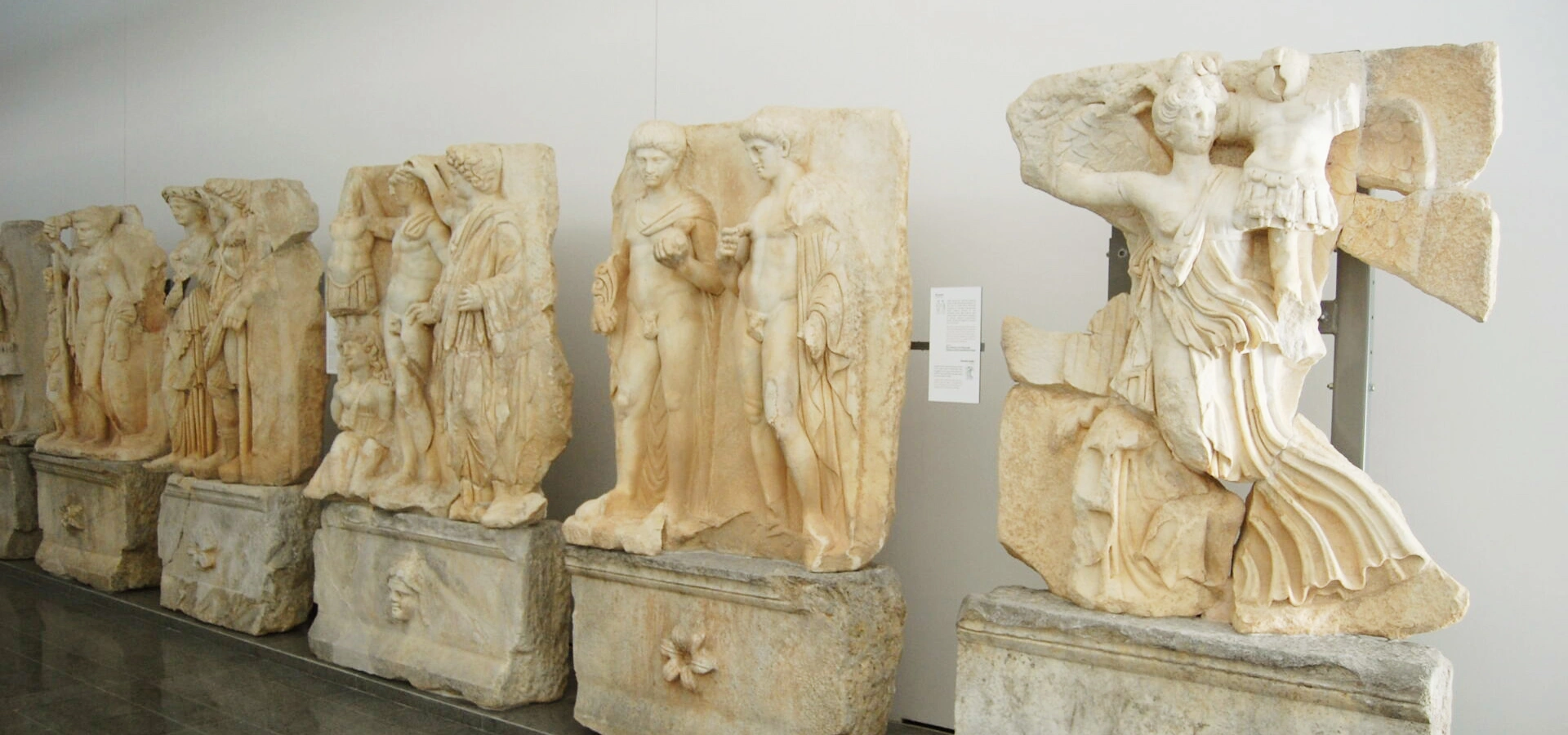
Discover masterpieces of ancient marble sculpture, including the cult image of Aphrodite, the Zoilos Frieze and the exceptional Sebasteion reliefs.
Discover the MuseumExplore more extraordinary archaeological sites, regional history and authentic cultural heritage across the Aegean region.
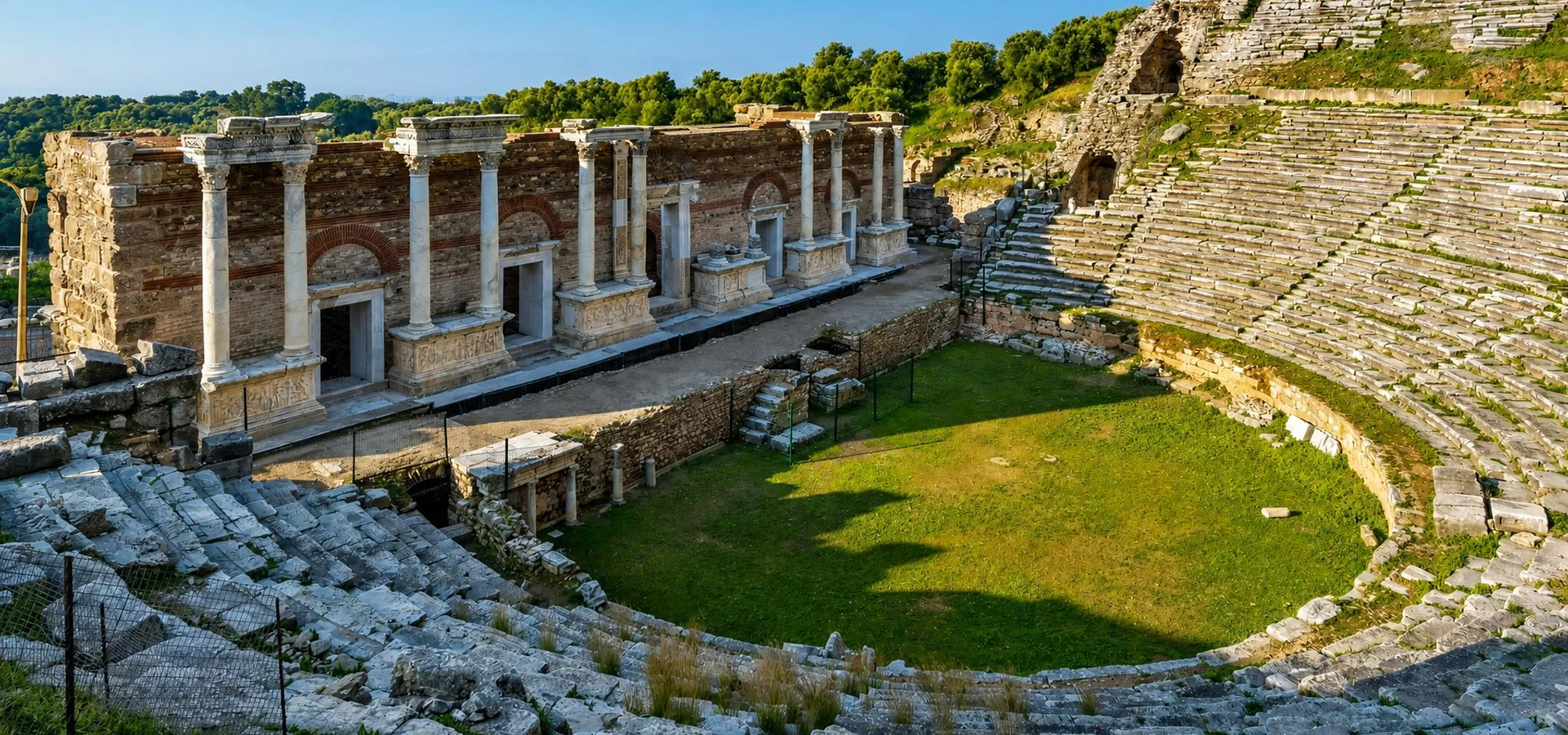
Discover another fascinating ancient Carian settlement, renowned for its theater, Roman library and distinctive monumental architecture.
Explore Nysa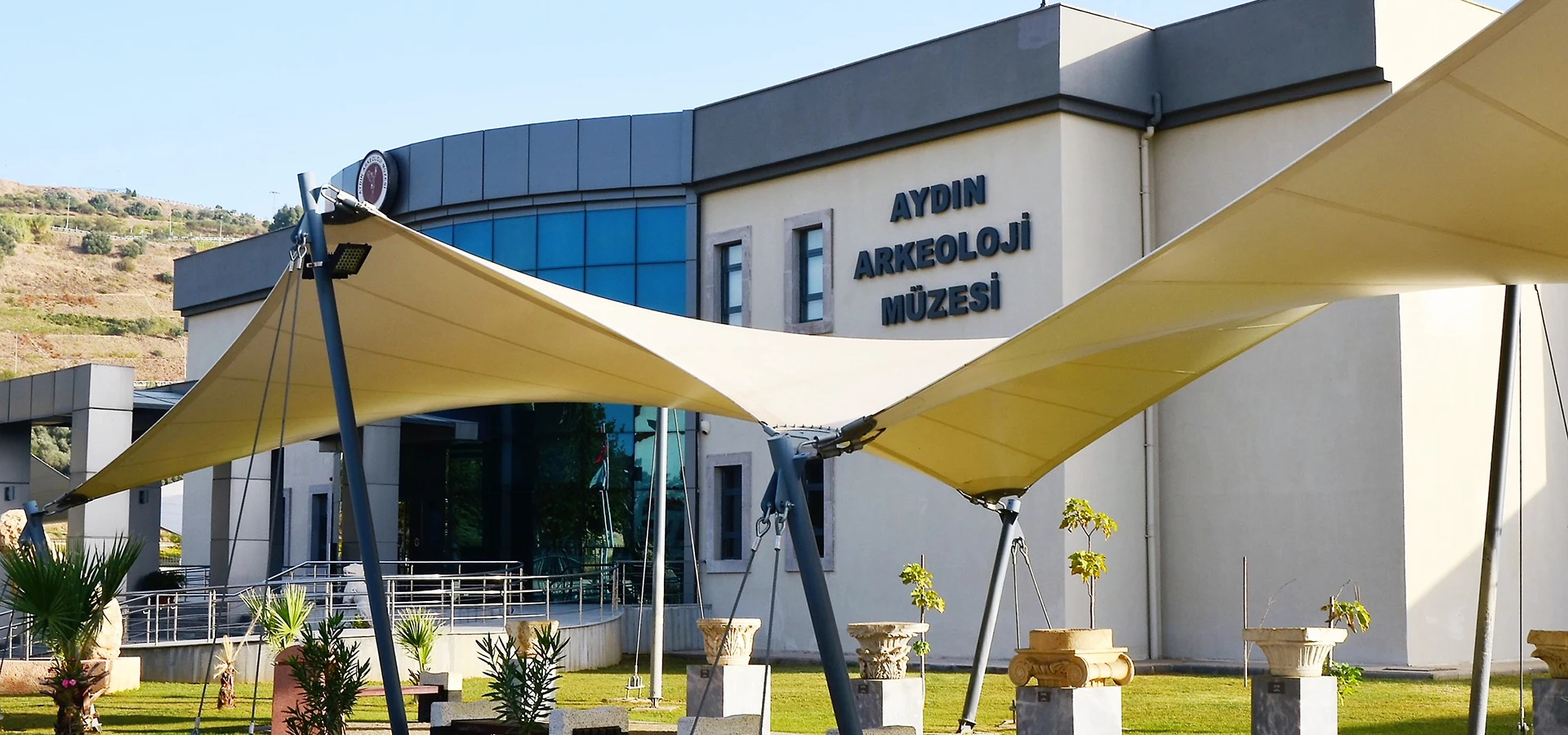
Explore the region's rich archaeological history through collections representing ancient settlements and cultural traditions across Aydın Province.
Discover the Museum
Continue your journey through ancient cities, traditional towns, remarkable landscapes and the diverse cultural heritage of Türkiye's Aegean region.
View Aydın Guide