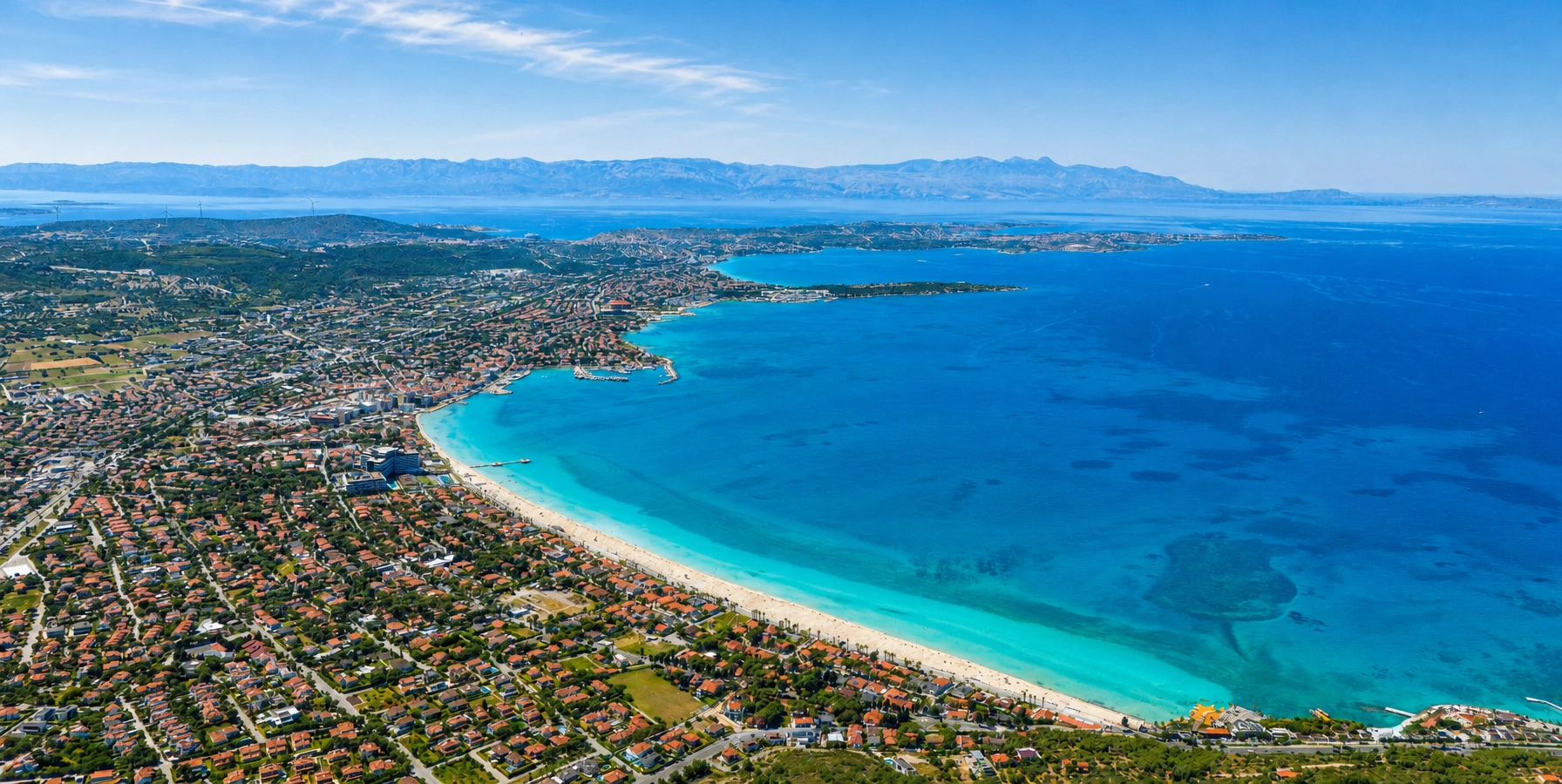
Quiet Beaches, Aegean Villages & Peninsula Landscapes

Mordoğan, İzmir – Complete Travel Guide

Discover one of the quieter corners of the Karaburun Peninsula,
where clear Aegean water, beaches, olive groves, village heritage and local mythology meet.

Explore Mordoğan

Mordoğan – The Quieter Side of İzmir's Aegean Coast

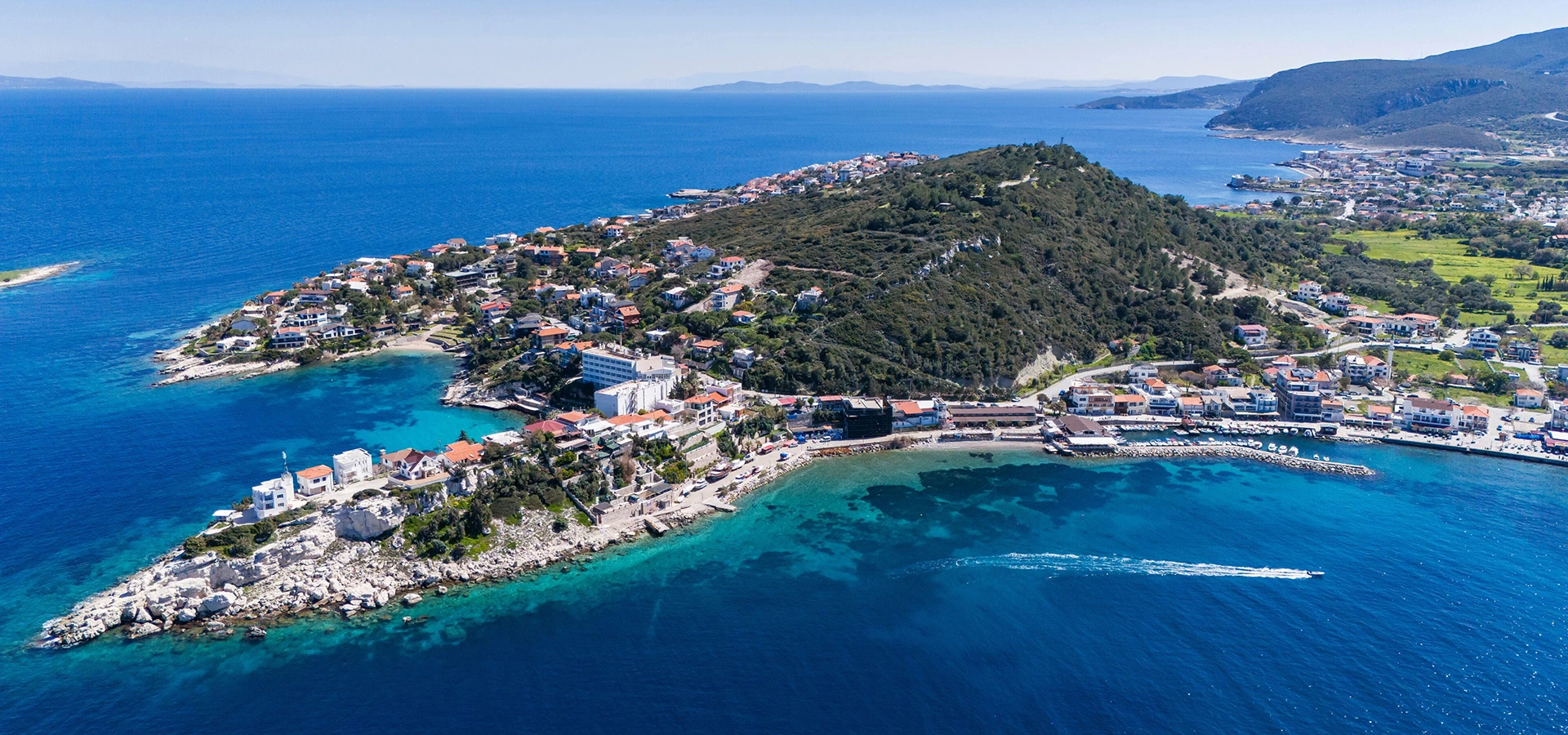
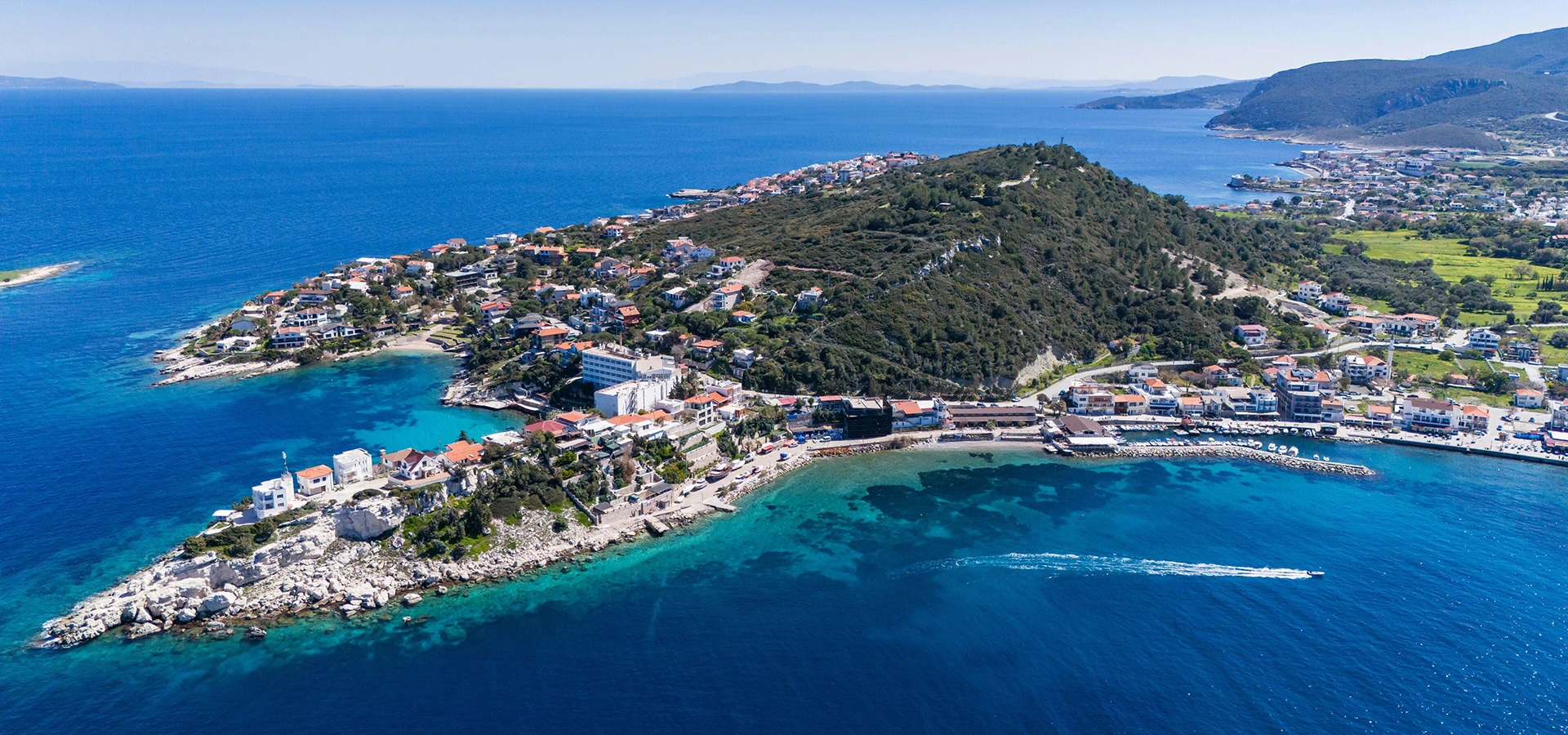
On the eastern side of the Karaburun Peninsula, roughly 80 kilometers from central İzmir, Mordoğan combines clear Aegean water, small beaches, olive-covered hills and a relaxed coastal atmosphere.

It belongs to Karaburun district and lies along the peninsula road between Balıklıova and Karaburun.

Compared with Çeşme and Alaçatı, Mordoğan generally feels smaller, quieter and more closely connected with the traditional landscapes of the peninsula.

The modern waterfront is the center of summer life, with swimming areas, small restaurants, cafés, fishing boats and views across the sea.

A short distance inland, however, the character changes.

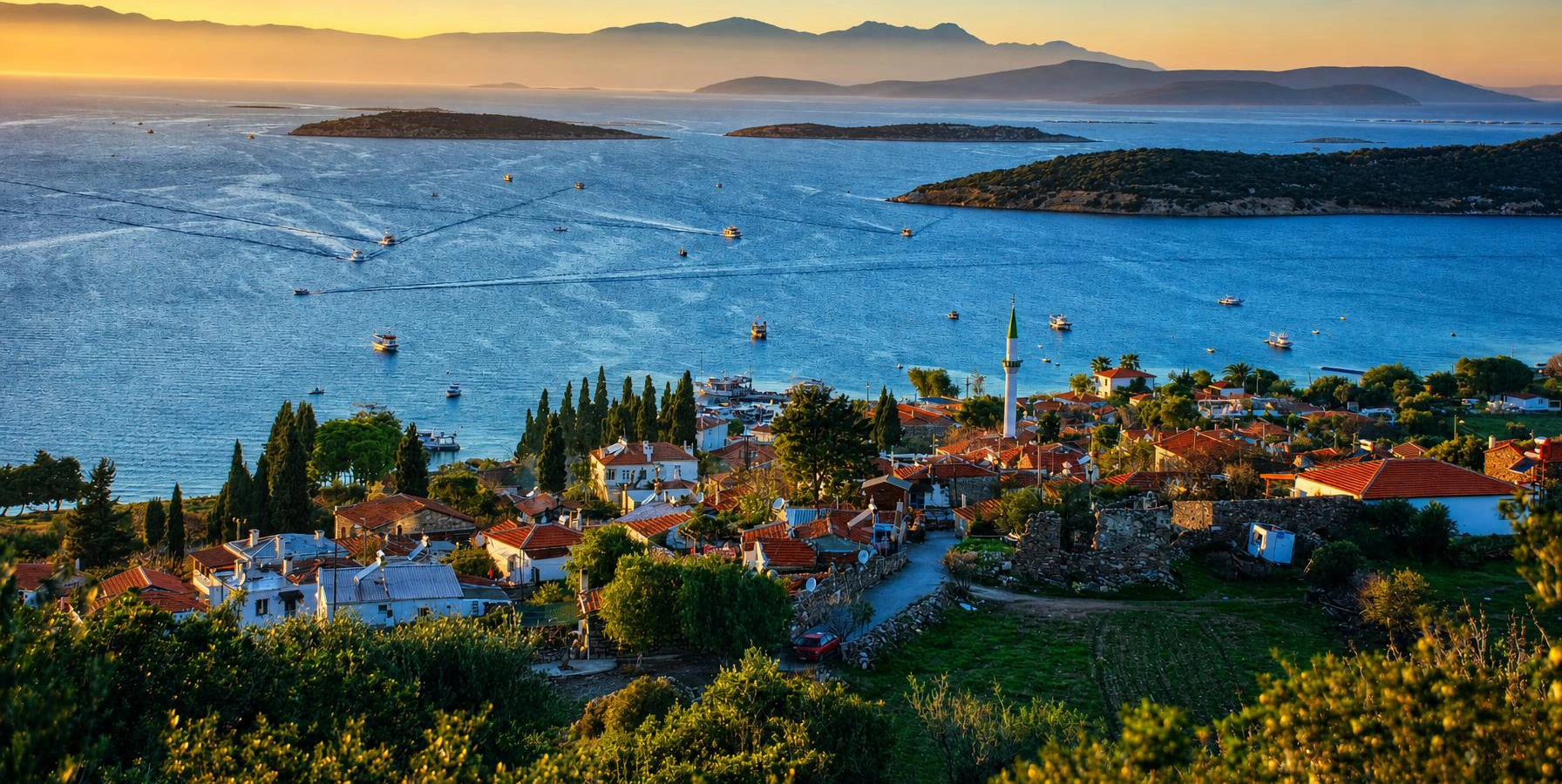
Eski Mordoğan preserves traces of older village life, including historic fountains, traditional houses, the remarkable Ayşe Kadın Mosque, local cultural collections and landscapes shaped by olives, flowers and agriculture.

Mordoğan is also associated with the mythology of Narkissos, whose story is connected locally with the spring known today as Dilek Pınarı.

Along the coast, Kocakum, Ardıç and Ayıbalığı are among the best-known places for swimming.

The surrounding Karaburun Peninsula also offers snorkeling, scuba diving, boat trips, walking routes and access to quieter villages and coves.

For travelers who prefer a slower coastal experience to the busier resort towns of western İzmir, Mordoğan can be one of the peninsula's most rewarding bases.

Clear Aegean Water

Swim at Kocakum, Ardıç, Ayıbalığı and smaller coves along Mordoğan's attractive coastline.

Old Mordoğan

Leave the waterfront behind to discover historic village architecture, fountains, olive landscapes and local heritage.

Ayşe Kadın Mosque

Visit one of Mordoğan's most distinctive historic buildings, known especially for its painted floral decoration.

Aegean Slow Travel

Enjoy seafood, coastal walks, olive groves, small villages and a pace very different from İzmir's larger holiday resorts.

Know Before You Go

Mordoğan – Quick Facts

Essential information for planning a visit to one of the most relaxed coastal settlements on the Karaburun Peninsula.

📍

Location

Karaburun Peninsula, İzmir Province, on Türkiye's Aegean coast.

Open on Google Maps
🌊

Known For

Clear sea, beaches, peaceful coastal life, traditional village heritage and peninsula landscapes.

🏖️

Main Beaches

Kocakum, Ardıç and Ayıbalığı are among Mordoğan's best-known swimming areas.

🕌

Historic Highlight

Ayşe Kadın Mosque in Eski Mordoğan is one of the area's most distinctive historic buildings.

🌿

Landscape

Olive groves, Mediterranean vegetation, agricultural land, flower cultivation and rugged Aegean coastline.

⏱️

Recommended Time

One full day for the highlights, or several nights for beaches, villages and the wider Karaburun Peninsula.


Beaches, Village Heritage & the Slower Aegean

Why Visit Mordoğan?

Mordoğan offers a version of the İzmir coast shaped less by large resort development and more by sea, local communities, agriculture and the natural character of the Karaburun Peninsula.

Many travelers discover western İzmir through Çeşme and Alaçatı.

Mordoğan offers a very different experience.

Here, the attraction is not one monumental archaeological site or a polished resort center.

Instead, Mordoğan is best understood through a combination of beaches, coastal life, old villages, local food, olive landscapes and quiet exploration.

You can spend the morning swimming in clear water, have lunch beside the sea, walk through the older settlement in the afternoon and finish the day watching the light change over the peninsula.

Its location also makes Mordoğan a useful starting point for exploring the wider Karaburun Peninsula.

Villages, hiking landscapes, isolated coves, diving sites and the northern coast can all be incorporated into a longer stay.

For travelers who appreciate small-scale destinations, Mordoğan's greatest quality may simply be that it still feels connected with the everyday life of the peninsula.

Continue north to our complete Karaburun travel guide for a broader exploration of the peninsula.

The Story of Mordoğan

Mordoğan forms part of the historic landscape of the Karaburun Peninsula, known in antiquity through traditions associated with the name Mimas.

The peninsula's location between the Aegean Sea, İzmir Gulf and the maritime routes of western Anatolia gave the wider region a long history of settlement, agriculture and coastal communication.

Mordoğan's historic character, however, is not represented by a single large ancient city open to visitors today.

Instead, its past survives through old village settlements, religious buildings, fountains, agricultural traditions, windmills, local objects and stories passed from generation to generation.

The older inland settlement known as Eski Mordoğan preserves some of the area's most important architectural and cultural traces.

The most recognizable is Ayşe Kadın Mosque, traditionally associated with the early Ottoman period.

The building is especially notable for decorative floral motifs connected in local tradition with the flowers and agricultural products of Mordoğan.

Historic windmills also recall a time when the peninsula's strong winds were used directly in local agricultural production.

During the modern era, the coast gradually became the focus of summer life, with beaches, holiday houses, restaurants and recreational activity developing around the waterfront.

Despite this growth, Mordoğan still retains a visible connection between the sea, the old village, agriculture and the landscapes of Karaburun.

Ancient Mimas

The wider Karaburun Peninsula was known in the ancient world as Mimas and appears in the mythological geography of western Anatolia.

Old Mordoğan

The inland historic settlement preserves village architecture, religious heritage and traces of traditional peninsula life.

Ottoman Heritage

Ayşe Kadın Mosque is traditionally attributed to the early Ottoman period and remains Mordoğan's best-known historic building.

Historic Windmills

Restored windmill heritage reflects how the peninsula's strong winds were once used for grinding grain.

Agricultural Landscape

Olives, flowers, herbs and seasonal crops have long contributed to the economy and identity of the surrounding countryside.

Modern Mordoğan

Today the settlement combines local life with summer tourism, beach culture, fishing and recreational travel.

What Is Mordoğan Like?

Mordoğan is more relaxed than many of the famous holiday towns on the Çeşme Peninsula.

The waterfront becomes lively during summer, but the overall scale remains relatively small.

Fishing boats, small beaches, cafés, restaurants and residential neighborhoods form much of the modern coastal settlement.

The atmosphere changes quickly when you leave the waterfront.

Olive groves, hills, older houses and agricultural land begin to dominate the landscape.

This contrast between coast and countryside is central to Mordoğan's appeal.

It is possible to spend part of the day in the water and another part exploring a traditional village environment only a short drive away.

The surrounding coastline is also much less uniform than a conventional resort beach.

Sandy sections, rocky edges, small bays and clear-water swimming areas appear along different parts of the shore.

Small-Town Waterfront

Restaurants, cafés, boats and swimming areas give central Mordoğan a relaxed summer atmosphere.

Olive Landscapes

Travel only a short distance inland and the coastal town gives way to olive trees, fields and peninsula vegetation.

Clear Sea

The transparent Aegean water around the peninsula is one of the main reasons visitors return to the area.

Local Rhythm

Outside the busiest summer weeks, Mordoğan retains the pace of a small coastal community rather than a major resort.

Sea Breezes

The peninsula's winds can soften the summer heat and contribute to the area's characteristic coastal climate.

Easy Exploration

A private vehicle makes it simple to move between beaches, Old Mordoğan, villages and the wider Karaburun Peninsula.

Best Beaches & Swimming Areas in Mordoğan

The sea is one of Mordoğan's main attractions.

Rather than depending on a single enormous beach, the area provides several different places to enter the water.

Among the best-known are Kocakum, Ardıç and Ayıbalığı.

Each has a slightly different setting, so travelers staying for more than one day can easily explore several sections of coast.

Kocakum Beach

A compact sandy beach in Mordoğan and one of the settlement's best-known public swimming areas.

Ardıç Beach

A broad sandy beach popular during summer and particularly convenient for visitors looking for an established public beach.

Ayıbalığı

A scenic section of the Mordoğan coast known for clear water, rocky surroundings and its connection with the peninsula's protected marine environment.

Smaller Coves

Numerous smaller access points and rocky bays reward travelers who explore beyond the best-known beaches.

Snorkeling

Bring a mask in calm conditions to explore the clear water and rocky seabed found around many sections of the peninsula.

Beach Shoes

Useful when entering the water from rocky sections or exploring less developed coastal access points.

Sea conditions: Mordoğan's coast includes both sandy and rocky sections, and wind can affect conditions considerably. Check the sea, local warnings and access conditions before entering the water.

Ardıç Beach

Ardıç Beach is one of Mordoğan's largest and most established sandy swimming areas.

Its relatively broad shoreline makes it particularly popular during the summer season.

The beach is close to residential areas and transport connections, making it convenient for visitors who want a straightforward beach day.

Municipal visitor information also identifies accessibility facilities at Ardıç, including adapted access toward the water.

As with many popular Aegean beaches, the atmosphere changes significantly between weekdays and summer weekends.

Visit earlier in the morning if you prefer more space and quieter conditions.

Sandy Shore

Ardıç is particularly attractive to visitors who prefer a conventional sandy beach rather than a rocky swimming platform.

Easy Access

Its location close to the settlement makes Ardıç one of the more practical beach choices around Mordoğan.

Families

The broader beach environment can be convenient for families, although sea conditions should always be checked on the day.

Summer Weekends

Expect significantly more visitors during July and August, particularly on weekends and public holidays.

Morning

Earlier hours generally provide a calmer atmosphere and are also more comfortable before the strongest summer heat.

Accessibility

The beach is documented with facilities designed to improve access for visitors with limited mobility.

Kocakum & Ayıbalığı

Kocakum and Ayıbalığı show two different sides of Mordoğan's coastline.

Kocakum is a compact sandy beach associated closely with the settlement itself.

It works well for travelers who want an uncomplicated swim without spending the entire day driving around the peninsula.

Ayıbalığı, by contrast, is associated with a more rugged coastal setting.

Its clear water and rocky landscape make it especially attractive for swimming, snorkeling and coastal photography.

The wider Ayıbalığı area is also connected with habitat used by the Mediterranean monk seal, one of the most sensitive marine mammals of the Mediterranean.

Sightings are never guaranteed and should not be actively pursued.

Any wildlife encounter should be treated with considerable distance and respect.

Kocakum

A short sandy beach suited to visitors looking for an easy swim close to Mordoğan.

Ayıbalığı

A more dramatic coastal setting with clear water and rocky scenery.

Snorkeling

Rocky sections around the coast can provide interesting underwater scenery when conditions are calm.

Marine Life

Observe underwater life without touching, feeding or removing animals, shells or other natural material.

Monk Seals

The wider Karaburun coast supports Mediterranean monk seals, making responsible behavior around caves and secluded shores particularly important.

Photography

Rock, turquoise water and the surrounding slopes produce some of Mordoğan's strongest coastal compositions.

Eski Mordoğan – Discover the Historic Village

Travelers who remain only on the waterfront see only one part of Mordoğan.

The older inland settlement, commonly referred to as Eski Mordoğan, reveals a different landscape.

Here, traditional houses, village streets, historic fountains, olive trees and religious architecture reflect the older life of the peninsula.

The village does not feel like an open-air museum.

It remains part of a living rural settlement, which is precisely what makes exploring it interesting.

Walk slowly, look for architectural details and allow time for the atmosphere itself.

The principal cultural highlight is Ayşe Kadın Mosque.

Historic windmill remains and agricultural landscapes provide further clues to Mordoğan's pre-tourism economy.

Village Streets

Explore slowly to appreciate the relationship between traditional houses, small gardens and the surrounding agricultural landscape.

Historic Fountains

Old fountains scattered through the settlement are reminders of village life before modern water infrastructure.

Stone Architecture

Older structures use the materials and proportions typical of traditional settlements on the peninsula.

Olive Trees

Olive cultivation remains one of the strongest visual links between today's landscape and generations of local agriculture.

Quiet Atmosphere

Outside summer holiday periods, the old village can feel remarkably peaceful compared with the waterfront.

Respect Residents

Remember that historic houses and courtyards are private homes, not visitor attractions.

Ayşe Kadın Mosque

Located in the village square of Eski Mordoğan, Ayşe Kadın Mosque is one of the most distinctive historic buildings on the Karaburun Peninsula.

Local and official visitor sources associate the building with the 14th century, although the mosque itself does not preserve an original construction inscription that independently fixes its exact date.

The building has a central dome, stone construction and a compact scale appropriate to the historic village setting.

Its most unusual feature is the decorative program inside the mosque.

Local tradition explains that motifs including daffodils, hyacinths, carnations and olives were inspired by embroidery connected with the story of Ayşe Kadın.

These motifs create a strong visual relationship between the building and the agricultural identity of Mordoğan.

Visitors should remember that the mosque is first and foremost a place of worship.

Dress respectfully, avoid entering during prayer unless invited, and keep photography discreet.

Early Ottoman Tradition

Official visitor information associates the mosque with the 14th century and the early Ottoman period.

Floral Decoration

Daffodil, hyacinth, carnation and olive imagery connects the interior decoration with plants historically associated with Mordoğan.

Village Setting

The mosque's location in Eski Mordoğan makes it easy to combine with a slow walk through the historic settlement.

Traditional Craftsmanship

Wooden elements and decorative details contribute to the building's unusual character.

Living Heritage

Unlike a conventional museum monument, the mosque continues to belong to the religious life of the local community.

Visitor Etiquette

Use modest clothing, remove shoes where required and avoid disturbing worshippers.

Historical note: Stories surrounding Ayşe Kadın form an important part of Mordoğan's local heritage. Some details are preserved primarily through local tradition, so they are best understood as part of the cultural memory of the community rather than as fully documented historical biography.

Müesser Aktaş Ethnography & History House

For an introduction to the everyday culture of the peninsula, look for the Müesser Aktaş Ethnography and History House.

The local cultural collection was opened by Müesser Aktaş in 2008.

Its displays focus not on imperial monuments or archaeological treasures, but on objects connected with ordinary domestic and village life.

Traditional clothing, household objects, handicrafts, kitchen equipment and the recreation of a village room help visitors understand how families lived across the peninsula.

Small local collections like this are particularly valuable in regions such as Karaburun, where much of the historic identity survives through living traditions rather than monumental architecture.

Because small cultural institutions can change their schedules, confirm opening arrangements locally before making a special journey.

Opened in 2008

The cultural house was established by Müesser Aktaş as a place for preserving the material memory of the peninsula.

Traditional Clothing

Regional garments help illustrate the visual culture and domestic traditions of previous generations.

Village Room

A traditional room display provides context for understanding historic household life.

Kitchen Objects

Everyday cooking and household equipment reveal practical aspects of local life often absent from larger museums.

Handicrafts

Craft objects preserve knowledge connected with household production, textiles and regional traditions.

Local Memory

The collection is valuable precisely because it focuses on the ordinary lives of people from the Karaburun Peninsula.

Dilek Pınarı & the Narkissos Legend

Mordoğan's landscape is also connected with local retellings of one of Greek mythology's most enduring stories: Narkissos.

The familiar myth tells of a beautiful young man who becomes fascinated by his own reflection in water.

Unable to leave the image, he eventually dies and is associated with the flower that carries his name: the narcissus or daffodil.

In Mordoğan tradition, the story is linked with Dilek Pınarı and the ancient landscape of Mount Mimas.

Local versions also connect the story with the nymph Echo, whose unreturned love for Narkissos became another famous element of the myth.

The importance of the story in Mordoğan is strengthened by the region's long association with flowers, especially the nergis or narcissus.

The myth should be understood as part of the cultural imagination of the peninsula, rather than evidence that the events of the classical story can be located historically at one specific spring.

Narkissos

The mythical young man became a lasting symbol of self-reflection and gave his name to the narcissus flower.

Echo

The nymph Echo forms the other half of the famous story, able only to repeat the final words spoken by others.

Dilek Pınarı

Local tradition places the spring within Mordoğan's mythological landscape and connects it with the Narkissos story.

Mimas

The ancient name associated with the Karaburun Peninsula adds another layer to Mordoğan's mythological identity.

Narcissus Flowers

The peninsula is strongly associated with nergis flowers, creating a natural link between landscape and mythology.

Local Tradition

Treat the connection as cultural storytelling: an important part of regional identity rather than a literal archaeological claim.

Nature Around Mordoğan

The landscape surrounding Mordoğan is one of the reasons the area feels so different from a conventional resort.

Olive groves cover slopes and cultivated land, while Mediterranean scrub, pine, wild herbs and seasonal flowers occupy less intensively farmed areas.

The peninsula is particularly associated with nergis flowers, which have become one of the cultural symbols of Karaburun.

Other traditional products include olives, artichokes, aromatic herbs and flowers grown according to season.

For walkers, the wider peninsula contains numerous rural routes linking villages, agricultural landscapes and coastal viewpoints.

Spring is particularly attractive when wildflowers and cultivated landscapes are at their greenest.

By late summer, the appearance changes to the dry gold, silver-green olives and deep blue sea that define the Aegean landscape.

Olive Groves

Olives are one of the defining crops of the peninsula and shape much of the countryside around Mordoğan.

Nergis

Daffodils are closely associated with Karaburun's cultural landscape and remain one of its most recognizable seasonal products.

Aromatic Herbs

Thyme, bay and other Mediterranean plants thrive naturally in the peninsula's dry climate.

Artichokes

Seasonal artichokes are part of the wider agricultural and culinary culture of western İzmir.

Spring Landscapes

March, April and May are especially attractive for travelers interested in walking, flowers and green countryside.

Sea & Hills

Short drives can move rapidly between the coast, agricultural valleys and elevated viewpoints across the peninsula.

Diving, Snorkeling & Boat Trips

The Karaburun Peninsula is well known among Turkish divers for clear water, rocky underwater terrain and varied marine environments.

Mordoğan provides access to this wider underwater landscape.

Official regional tourism information also promotes an underwater arkeopark and submerged aircraft among the area's diving experiences.

For visitors without scuba qualifications, snorkeling can still reveal rocky seabeds, small fish and clear underwater views close to shore.

Local boat trips provide another way to reach sections of the coastline that are less convenient by road.

Conditions, operators and departure points can change seasonally, so arrangements are best confirmed locally.

Scuba Diving

Karaburun is one of the İzmir region's recognized destinations for recreational diving.

Snorkeling

A mask and snorkel are enough to enjoy clear water around suitable rocky sections when the sea is calm.

Underwater Heritage

Special diving experiences in the wider Mordoğan area include underwater attractions promoted as an arkeopark.

Boat Trips

Seasonal boat excursions can provide access to quieter coves and a completely different perspective on the peninsula.

Marine Protection

Never enter caves, chase wildlife or disturb sensitive coastal habitat in areas used by Mediterranean monk seals.

Qualified Operators

Use established diving operators and follow local safety instructions, weather advice and certification requirements.

What to Eat in Mordoğan

Food in Mordoğan draws naturally from the sea and the agricultural landscape of Karaburun.

Fish and seafood are an obvious choice along the waterfront.

Depending on season and restaurant, you may encounter grilled or baked fish, sardines, mussels and other Aegean seafood.

The wider local cuisine also uses wild greens, olive oil, artichokes, vegetables, goat products and preserved foods.

Regional specialties associated with Karaburun include hurma olives, local cheeses, peksimet, herb dishes and distinctive jams.

Rather than searching for one famous restaurant, Mordoğan is often best enjoyed by finding a relaxed waterfront table and ordering according to what is fresh that day.

Fresh Fish

Ask what is fresh rather than choosing only by species from a fixed menu.

Aegean Meze

Olive-oil vegetables, yogurt dishes and seasonal herbs make an ideal beginning to a coastal meal.

Hurma Olives

This distinctive naturally sweetened olive is one of the agricultural products particularly associated with Karaburun.

Artichokes

Spring is an excellent period for dishes based on one of the wider İzmir Peninsula's characteristic vegetables.

Goat Products

Goat milk and cheese remain part of the traditional food culture of the rural peninsula.

Local Jams

Artichoke, lavender-family herbs, citrus blossom and other unusual flavors appear in the wider Karaburun culinary tradition.

Photography in Mordoğan

Mordoğan offers several completely different types of photography within a compact area.

Along the coast, the strongest compositions combine clear water, rock, small boats and the hills of the peninsula.

In Eski Mordoğan, look instead for stone walls, wooden details, historic fountains, village streets and olive trees.

Ayşe Kadın Mosque offers architectural and decorative interest, although photography should always respect its religious function.

Spring creates the most colorful landscapes, while late summer produces the classic gold, olive and deep-blue tones of the Aegean.

Early morning is usually best for quiet village scenes and uncrowded beaches.

Late afternoon brings warmer light to the hills, stone buildings and coastline.

Coastal Water

Use elevated viewpoints to capture the color contrast between clear Aegean water and the dry peninsula landscape.

Fishing Boats

Small boats around the waterfront add scale, color and everyday life to coastal compositions.

Old Mordoğan

Look for small architectural details rather than only wide village photographs.

Olive Trees

The silver-green foliage works particularly well against dry summer hills and blue sea.

Spring Flowers

Earlier in the year, greener landscapes and flowers give Mordoğan a completely different visual character.

Golden Hour

Late-afternoon light creates warmer color on stone, vegetation and coastal slopes.

Drone users: Always check current Turkish aviation restrictions, protected-area rules, privacy and local permissions before flying. Never use a drone to approach wildlife, especially Mediterranean monk seals or nesting birds.

Best Time to Visit Mordoğan

Mordoğan can be visited throughout the year, but the ideal season depends on what you want to do.

For swimming, the main season extends through the warmer months.

For walking, photography, villages and cultural exploration, spring and autumn are generally more comfortable.

July and August bring the warmest weather, the busiest beaches and the highest number of summer residents.

Outside peak summer, Mordoğan becomes considerably quieter.

March–April

Green landscapes, spring flowers and comfortable temperatures make this an attractive period for exploration.

May–June

Excellent for combining cultural visits, walking, outdoor dining and increasingly comfortable swimming conditions.

July–August

The main beach season, with warm weather, busy weekends and the liveliest waterfront atmosphere.

September

One of the most attractive periods for warm sea conditions with a gradually calmer atmosphere.

October–November

Good for road trips, photography, village exploration and enjoying the peninsula beyond beach tourism.

Winter

Very quiet and atmospheric, although some tourism-oriented businesses operate more limited schedules.

Best Time of Day in Mordoğan

Early Morning Quiet beaches, cooler temperatures and peaceful waterfront photography
Morning Best for swimming before the strongest summer heat and crowds
Midday Lunch, shade and a slower pace during the hottest summer hours
Late Afternoon Old Mordoğan, cultural stops and warm light across the peninsula
Evening Waterfront walks, seafood, cafés and relaxed summer atmosphere
A good summer rhythm: Swim early, take a long lunch during the hottest part of the day, explore Eski Mordoğan in the later afternoon and return to the coast for dinner.

How Much Time Do You Need in Mordoğan?

2–3 Hours

Enough for a short coastal stop, coffee and a swim while traveling through the peninsula.

Half Day

Combine one beach with the Mordoğan waterfront and a seafood lunch.

Full Day

Ideal for a beach, Old Mordoğan, Ayşe Kadın Mosque, local culture and an evening by the sea.

Two Days

Add several beaches, snorkeling, surrounding villages and a slower exploration of the coast.

Three–Four Days

Use Mordoğan as a base for exploring Karaburun, rural villages, coves and nature routes.

One Week

Suitable for travelers who want a genuinely slow coastal holiday rather than a sightseeing-focused itinerary.

Suggested One-Day Mordoğan Itinerary

Begin early at Ardıç Beach or another Mordoğan swimming area.

Enjoy the sea before the strongest heat and before summer beaches become busier.

Continue afterward toward central Mordoğan for a short walk along the waterfront.

Stop for coffee, a light snack or an early lunch before heading inland.

In the afternoon, explore Eski Mordoğan.

Visit Ayşe Kadın Mosque, walk through the village and look for traditional architecture, fountains and agricultural landscapes.

If open, add the Müesser Aktaş Ethnography and History House for a closer look at the domestic culture of the peninsula.

Continue toward Dilek Pınarı if you are interested in the local Narkissos tradition.

Return toward the coast for late-afternoon light and finish with a relaxed fish or Aegean dinner beside the sea.

Morning Ardıç, Kocakum or another Mordoğan beach
Late Morning Mordoğan waterfront, coffee and a short coastal walk
Lunch Fresh fish, seafood and Aegean meze beside the coast
Afternoon Eski Mordoğan and Ayşe Kadın Mosque
Late Afternoon Ethnography House, Dilek Pınarı or countryside viewpoints
Evening Return to the waterfront for dinner and a relaxed coastal atmosphere
With another day: Continue north toward Karaburun and explore the peninsula's smaller villages, clear-water bays, hiking landscapes and remote coastline.

Mordoğan Visitor Information

Mordoğan is a coastal settlement rather than a ticketed attraction, so there is no general admission fee to explore the town, waterfront or public streets.

Individual beaches, beach businesses, museums, activities, boat trips and diving operators may have their own charges and schedules.

Summer weekends can be considerably busier than weekdays, especially at popular beaches.

Outside summer, some tourism businesses may operate reduced hours.

Location Karaburun district, İzmir Province, Türkiye
Distance Approximately 80 km from central İzmir, depending on your starting point and route
Main Season May to October, with July and August the busiest beach months
Recommended Stay One full day minimum; 2–4 nights for wider peninsula exploration
Best For Beaches, slow travel, local culture, swimming, nature, seafood and road trips
Combine With Karaburun, Balıklıova, Ildırı, Urla and the wider western İzmir Peninsula
Good to know: Mordoğan becomes much busier during peak summer. For a quieter experience, consider May, June, September or early October.

Accessibility in Mordoğan

Accessibility varies considerably between Mordoğan's modern waterfront, public beaches, older village streets and natural coves.

Central areas generally provide the easiest access.

Ardıç Beach is particularly important because official visitor information documents facilities designed for visitors with disabilities, including access ramps and adapted beach infrastructure.

Old village areas can be more challenging.

Uneven surfaces, slopes, historic thresholds and narrow streets may affect wheelchair users or anyone with limited mobility.

Natural coves and rocky swimming areas are often the least accessible.

Ardıç Beach

The most promising option for travelers looking for documented accessible beach facilities in Mordoğan.

Waterfront

Central coastal areas generally provide easier surfaces than the historic village and remote coves.

Old Mordoğan

Expect village streets, slopes and older surfaces that can create mobility challenges.

Natural Coves

Rock, gravel, steep approaches and informal access can make secluded beaches unsuitable for some visitors.

Private Vehicle

A private vehicle can considerably reduce walking distances between Mordoğan's scattered attractions.

Confirm in Advance

Accessibility features can change, so contact individual venues when specific facilities are essential.

How to Get to Mordoğan

Mordoğan lies on the main road leading north through the Karaburun Peninsula.

From İzmir, travel west toward the peninsula before turning onto the road leading toward Karaburun.

Mordoğan appears before Karaburun town, making it a convenient first base for travelers entering the northern peninsula.

A private car or private transfer provides the greatest flexibility, particularly if you intend to visit beaches, Eski Mordoğan, villages and more remote parts of Karaburun.

Public transport also connects the peninsula with the İzmir region, although routes and frequencies should be checked for the date of your journey.

From İzmir

Travel west toward the peninsula and continue north on the Karaburun road to Mordoğan.

From Urla

Continue north-west through the peninsula road network toward Mordoğan and Karaburun.

From Çeşme

Travel east toward the interior of the peninsula before connecting with the road north toward Mordoğan.

From Alaçatı

Mordoğan works well as part of a road trip contrasting the busier Çeşme Peninsula with quieter Karaburun.

Public Transport

Bus and minibus connections operate in the wider peninsula, but check current schedules before travel.

Private Transfer

The most convenient option when combining Mordoğan with beaches, villages and multiple peninsula stops in one day.

For exploring the peninsula: Reaching Mordoğan is only part of the journey. A private vehicle becomes particularly useful once you begin visiting small coves, inland villages and the northern coast.

Places to Visit Near Mordoğan

Mordoğan's position on the peninsula makes it easy to combine with both coastal and rural destinations.

Travel north for Karaburun and the more remote landscapes of the peninsula, or south toward Balıklıova, Ildırı, Urla and the Çeşme Peninsula.

Frequently Asked Questions About Mordoğan

Where is Mordoğan?

Mordoğan is a coastal settlement in Karaburun district, İzmir Province, on Türkiye's Aegean coast.

How far is Mordoğan from İzmir?

Mordoğan is approximately 80 kilometers from central İzmir, although the exact distance depends on your starting point and route.

Is Mordoğan worth visiting?

For travelers interested in quiet beaches, clear water, small-town Aegean life, village heritage, nature and local food, Mordoğan offers a very different experience from busier Çeşme and Alaçatı.

What is Mordoğan famous for?

It is known for its beaches, clear Aegean water, olive landscapes, Ayşe Kadın Mosque, the Narkissos tradition, local flowers, diving and relaxed coastal atmosphere.

What are the best beaches in Mordoğan?

Kocakum, Ardıç and Ayıbalığı are among the area's best-known swimming locations.

Is Ardıç Beach sandy?

Yes. Ardıç is known as one of Mordoğan's principal sandy beaches.

Is Ardıç Beach accessible?

Official visitor information documents accessibility infrastructure including beach access and facilities for visitors with limited mobility.

What is Ayıbalığı?

Ayıbalığı is a scenic coastal area in Mordoğan known for clear water, rocky surroundings and the sensitive marine environment of the Karaburun Peninsula.

Are there Mediterranean monk seals near Mordoğan?

The wider Karaburun coast, including the Ayıbalığı area, is associated with habitat used by Mediterranean monk seals. Sightings are uncommon and wildlife should never be approached or disturbed.

Can I snorkel in Mordoğan?

Yes. Clear water and rocky coastal sections can provide good snorkeling conditions when the sea is calm.

Can I scuba dive in Mordoğan?

Yes. The wider Karaburun Peninsula is an established diving area with several underwater environments and attractions.

Are there boat trips from Mordoğan?

Seasonal boat excursions operate in the region and can provide access to coves and coastal scenery. Availability varies, so confirm locally.

What is Eski Mordoğan?

Eski Mordoğan is the older inland village area, where visitors can experience historic architecture, fountains, agricultural landscapes and traditional peninsula life.

Where is Ayşe Kadın Mosque?

The mosque is located in the village square of Eski Mordoğan.

How old is Ayşe Kadın Mosque?

Official visitor information associates the mosque with the 14th century. The building does not retain an original construction inscription, so some details survive through later documentation and local tradition.

Why is Ayşe Kadın Mosque unusual?

It is particularly known for interior decoration featuring floral and agricultural motifs associated with Mordoğan, including daffodils, hyacinths, carnations and olives.

What is the Müesser Aktaş Ethnography and History House?

It is a local cultural collection opened in 2008 that displays traditional clothing, handicrafts, household objects, kitchen equipment and material connected with village life.

What is Dilek Pınarı?

Dilek Pınarı is a local spring associated in Mordoğan tradition with the mythology of Narkissos.

Is Mordoğan connected with the myth of Narcissus?

Local tradition connects the Narkissos story with the landscape of Mordoğan and ancient Mimas. It should be understood as part of the area's mythological heritage, not as a documented historical event.

Are there historic windmills in Mordoğan?

Yes. Windmill heritage survives in the area and reflects the historical use of the peninsula's winds for grinding grain.

What grows around Mordoğan?

The surrounding countryside is associated with olives, nergis flowers, artichokes, herbs and other Mediterranean crops.

What is the best time to visit Mordoğan?

May, June and September are excellent for combining beaches with sightseeing. July and August are best for peak summer atmosphere but are considerably busier.

Can I visit Mordoğan in spring?

Yes. Spring is particularly attractive for green landscapes, flowers, walking, photography and exploring villages.

Is Mordoğan crowded in summer?

July and August can become busy, especially on weekends and at popular beaches. The atmosphere is much quieter outside peak summer.

How long should I spend in Mordoğan?

Allow at least one full day to combine a beach, the waterfront and Old Mordoğan. Two to four nights work well for exploring the wider peninsula.

Do I need a car in Mordoğan?

A car is not essential for staying close to central Mordoğan, but it is strongly useful for visiting Old Mordoğan, multiple beaches, villages and the wider Karaburun Peninsula.

Can I visit Mordoğan from İzmir as a day trip?

Yes. Mordoğan can be visited as a long day trip from İzmir, especially with a private vehicle.

Can I combine Mordoğan with Karaburun?

Yes. Mordoğan and Karaburun are naturally combined on the same peninsula route.

Can I combine Mordoğan with Ildırı?

Yes. Ildırı provides an interesting contrast through ancient Erythrai, village streets and another beautiful section of Aegean coastline.

Can I combine Mordoğan with Urla?

Yes. Urla can be combined with Mordoğan on a longer western İzmir itinerary focused on food, history, villages and the coast.

Is Mordoğan suitable for families?

Yes. Beaches, short coastal walks and the relaxed atmosphere can work very well for families. Choose swimming areas according to sea conditions and children's abilities.

Is Mordoğan good for couples?

Its quieter beaches, seafood restaurants, coastal views and slower atmosphere make Mordoğan particularly suitable for couples who prefer relaxed travel.

Is Mordoğan good for photography?

Yes. The area combines clear water, rocky coast, fishing boats, olive groves, traditional village scenes and historic architecture.

What should I eat in Mordoğan?

Look for fresh fish, Aegean meze, seasonal herbs, olive-oil dishes, artichokes, local olives and products from the wider Karaburun Peninsula.

Where should I go after Mordoğan?

Continue north toward Karaburun for quieter coves and peninsula landscapes, or travel south toward Ildırı, Urla, Alaçatı and Çeşme.

Responsible Visiting in Mordoğan

Protect the Sea

Never leave plastic, cigarette ends, fishing line or other waste on beaches or rocky coastal areas.

Respect Monk Seals

Do not approach seals, enter resting caves or use boats and drones to follow protected marine wildlife.

Support Local Businesses

Choose local restaurants, small accommodation providers, markets and producers whenever practical.

Respect Village Life

Old Mordoğan is a living settlement. Do not enter private courtyards or photograph residents closely without permission.

Protect Historic Sites

Do not touch painted decoration, carve surfaces or climb onto historic structures for photographs.

Leave Natural Objects

Shells, plants, stones and marine life belong to the local ecosystem and are best left where you find them.

Private Mordoğan & Karaburun Experiences

Combine Mordoğan's beaches, Old Mordoğan, Ayşe Kadın Mosque, local villages, Karaburun, hidden Aegean bays and regional food through a private itinerary designed around your interests, with comfortable transportation and no compulsory shopping stops.

Custom Mordoğan & Karaburun Peninsula Experience

Explore a quieter side of western İzmir through clear-water beaches, historic villages, traditional food, olive landscapes and the remarkable coastline of the Karaburun Peninsula.

Karaburun Peninsula turquoise bays villages coast Izmir Turkey

Explore Karaburun

Continue deeper into the peninsula for quiet villages, crystal-clear bays, traditional agriculture, hiking landscapes, Sarpıncık and some of western İzmir's least developed coastline.

View Karaburun Guide

Continue Exploring the İzmir Peninsula

Combine Mordoğan with archaeology, historic towns, vineyards and the famous coastal destinations of western İzmir.

Ildiri Erythrai ancient ruins village Aegean coast Cesme Izmir Turkey

Explore Ildırı

Continue toward ancient Erythrai for archaeological remains, traditional village streets, coastal scenery and one of the most atmospheric corners of Çeşme.

Explore Ildırı
Urla Izmir vineyards coast historic streets and Aegean landscape Turkey

Explore Urla

Travel south for ancient Klazomenai, the İskele waterfront, vineyards, creative neighborhoods and one of Türkiye's most exciting Aegean food destinations.

Explore Urla
Cesme Peninsula castle marina beaches Aegean coast Izmir Turkey

Explore Çeşme

Continue across the peninsula for Çeşme Castle, the marina, thermal heritage, Alaçatı, historic villages and some of western Türkiye's best-known beaches.

Explore Çeşme