Aegean Cliffs, Lighthouse Views & Remote Peninsula Landscapes

Sarpıncık Lighthouse, Karaburun – Complete Visitor Guide

Discover one of the most atmospheric corners of the Karaburun Peninsula,
where a historic lighthouse watches over cliffs, open sea and the distant Aegean islands.

Explore Sarpıncık Lighthouse

Sarpıncık Lighthouse – At the Edge of the Karaburun Peninsula

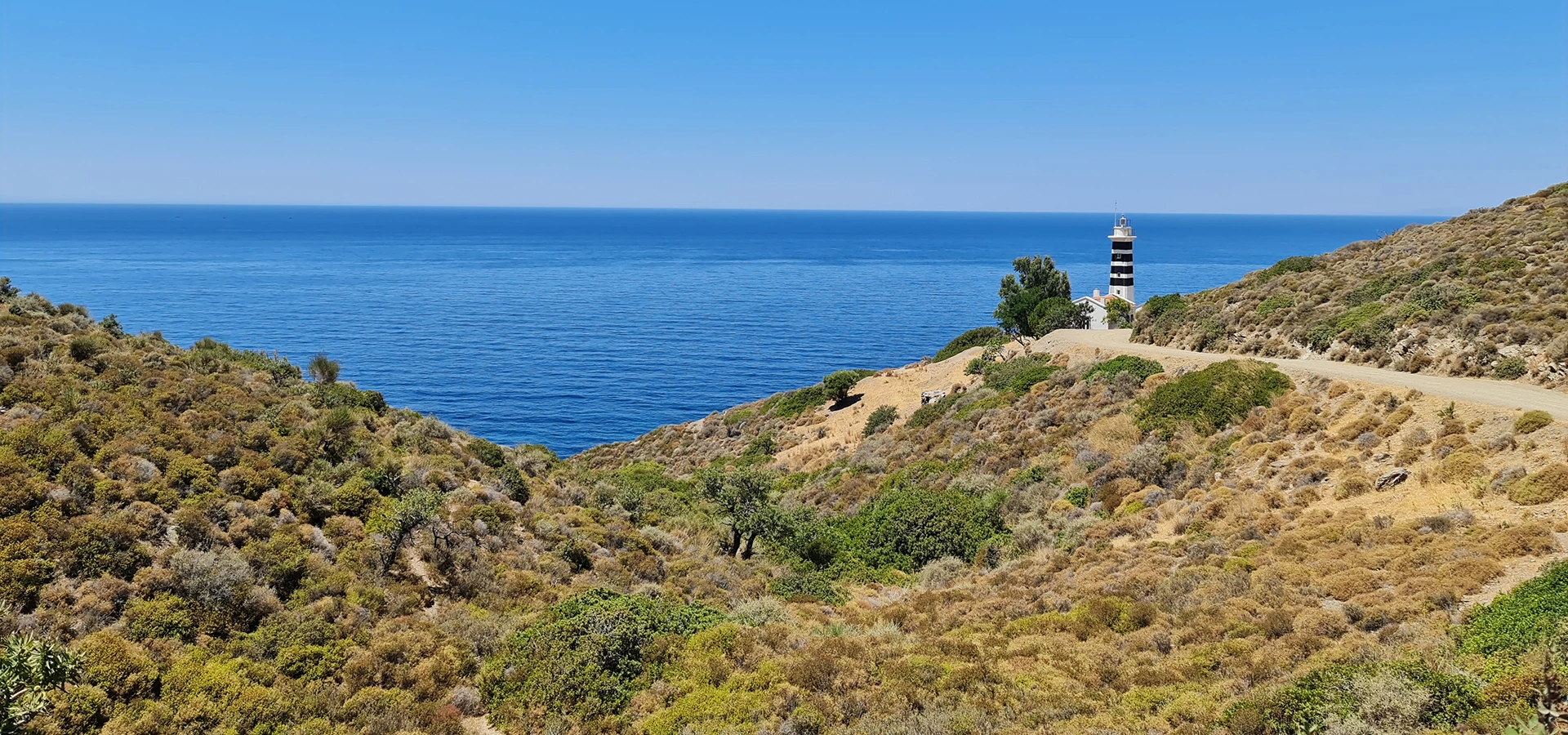
At the remote outer edge of the Karaburun Peninsula, Sarpıncık Lighthouse stands above one of the most dramatic sections of coastline in İzmir Province.

The lighthouse lies beyond Sarpıncık Village, approximately 12 kilometers from Karaburun town, in a landscape of rugged hills, low Mediterranean vegetation, rocky cliffs and open Aegean Sea.

Built in 1938, the lighthouse has served mariners for generations.

Its white tower rises approximately 12 meters, while the light itself is positioned around 97 meters above sea level.

Today, the beacon operates with solar energy, continuing its practical role as a navigational landmark while also becoming one of Karaburun's most memorable scenic destinations.

The journey is part of the experience.

After passing Sarpıncık Village, travelers leave the more developed parts of the peninsula and continue toward an increasingly wild landscape.

The final approach includes smaller rural roads and sections where surfaces can be rougher than the main peninsula road.

When the lighthouse finally appears above the sea, the surroundings feel far removed from the busy resort towns of western İzmir.

On a clear day, views extend across the Aegean toward Chios and Lesbos.

The combination of sea, wind, cliffs, islands and the isolated lighthouse makes Sarpıncık particularly rewarding for photographers, road-trip travelers, walkers and anyone attracted to remote coastal landscapes.

Historic Lighthouse

A 12-meter white lighthouse established in 1938 and still serving as a navigational beacon on the Karaburun Peninsula.

Open Aegean Views

Look across a vast horizon toward the islands of Chios and Lesbos when visibility is clear.

Remarkable Sunset

The west-facing coastal landscape makes Sarpıncık one of the peninsula's most atmospheric places for late-afternoon light.

Remote Karaburun

Experience the quieter, wilder side of the peninsula beyond its main towns, beaches and summer settlements.


Know Before You Go

Sarpıncık Lighthouse – Quick Facts

Essential information for visiting one of the most remote and photogenic landmarks on the Karaburun Peninsula.

📍

Location

Sarpıncık, Karaburun Peninsula, İzmir Province, Türkiye.

Open on Google Maps
🗓️

Established

The lighthouse entered service in 1938 and remains an active maritime landmark.

🗼

Tower Height

Approximately 12 meters, with the light positioned high above the surrounding Aegean coastline.

🌊

Elevation

The lighthouse stands approximately 97 meters above sea level.

☀️

Power

The lighthouse operates using solar energy.

📷

Best For

Coastal scenery, sunset, photography, road trips, walking and remote Aegean landscapes.


Where the Karaburun Peninsula Meets the Open Aegean

Why Visit Sarpıncık Lighthouse?

Sarpıncık is not simply a lighthouse visit. The appeal comes from the journey, the sense of isolation and one of the broadest coastal panoramas on the Karaburun Peninsula.

Many visitors experience Karaburun through its beaches, small harbors and village settlements.

Sarpıncık reveals another side of the peninsula.

Here, the landscape opens toward the outer Aegean Sea.

Development becomes sparse, vegetation becomes lower and wind, rock and sea begin to dominate the experience.

The lighthouse itself is simple rather than monumental.

Its power comes from its setting.

The white tower rises against an enormous blue horizon, while steep coastal slopes fall toward the water below.

On clear days, distant islands appear on the horizon, reinforcing the sense that Sarpıncık stands on a geographical threshold between Anatolia and the wider Aegean.

For photographers, the lighthouse offers a strong focal point within a landscape that changes dramatically with light, cloud and season.

For road-trip travelers, it provides a memorable destination at the end of one of Karaburun's quiet rural routes.

For anyone who appreciates remote places, the greatest attraction may simply be the silence, wind and scale of the surrounding sea.

Discover the wider region in our complete Karaburun travel guide .

The Story of Sarpıncık Lighthouse

Sarpıncık Lighthouse began service on 10 January 1938.

Its position was chosen on the exposed outer coastline of the Karaburun Peninsula, where vessels traveling through the Aegean could use the light as a navigational reference.

The lighthouse consists principally of a 12-meter white tower accompanied by traditional service buildings.

Its setting high above the shoreline places the light approximately 97 meters above sea level.

The beacon now operates using solar energy, combining modern technology with a structure that has been part of the peninsula's maritime landscape for nearly a century.

Official sources give a visibility range of approximately 10–12 nautical miles, with slight variation between published technical and tourism descriptions.

Although travelers today often visit for scenery and photography, the lighthouse's primary purpose remains maritime navigation.

That distinction is important.

Visitors should treat the lighthouse buildings as working infrastructure and should never assume that the tower, service buildings or restricted areas are open for entry.

1938

Sarpıncık Lighthouse entered service on 10 January 1938.

12-Meter Tower

The narrow white tower forms the unmistakable visual focus of the headland.

97 Meters Above Sea Level

Its elevated coastal position gives the beacon exceptional exposure across the surrounding Aegean.

Solar Powered

Modern solar energy provides power for the lighthouse beacon.

Maritime Role

The lighthouse continues the centuries-old tradition of using coastal lights to help vessels navigate exposed waters.

Working Facility

Enjoy the landscape respectfully and follow any barriers, signs or access restrictions around operational areas.

What Is Sarpıncık Lighthouse Like?

The first impression at Sarpıncık is usually not the lighthouse itself.

It is the scale of the landscape.

The coastline feels exposed, open and remarkably spacious.

Low scrub covers the hills, rocky slopes fall toward the sea and there are few visual distractions between the lighthouse and the horizon.

Strong Aegean winds are part of the character of the location.

They carry the smell of salt, thyme and Mediterranean vegetation across the headland.

Unlike a conventional tourist attraction, Sarpıncık has no large visitor complex or polished promenade.

That simplicity is exactly what makes the place so memorable.

The experience is about standing at the edge of the peninsula, watching the changing sea and appreciating how isolated this section of coast still feels.

Remote Setting

The lighthouse feels far removed from the busier resort landscapes of western İzmir.

Open Horizon

Very little interrupts the view across the Aegean, creating an exceptional sense of space.

Strong Winds

Wind is a defining feature of the headland and can become powerful even when nearby villages feel calmer.

Rocky Coast

Steep slopes and exposed rock create a dramatic contrast with the deep blue water below.

Minimal Development

Expect a natural coastal environment rather than a conventional sightseeing complex.

Quiet Atmosphere

Outside busy holiday periods, the combination of wind and sea can create an extraordinary sense of solitude.

Sarpıncık Lighthouse Up Close

The lighthouse's visual identity is simple and unmistakable.

A slender white tower rises beside low service buildings, its upper section marked by dark horizontal bands.

The tower itself is approximately 12 meters high, but because the entire complex stands on elevated ground, the beacon sits far above the sea below.

From a photographer's perspective, this creates several different possibilities.

From close range, the tower can be framed against sky and cloud.

From farther back, the lighthouse becomes a small human structure inside a much larger landscape of hills, cliffs and open water.

The second approach often communicates the character of Sarpıncık most effectively.

Remember that this is an operational lighthouse, not simply a monument.

Remain in permitted areas and avoid climbing fences, entering buildings or interfering with equipment.

White Tower

The clean lighthouse silhouette stands out strongly against blue sea, cloudy skies and golden evening light.

Service Buildings

Low white structures with traditional tiled roofs add another visual layer to the lighthouse complex.

Elevated Position

The headland allows the lighthouse to dominate a much larger section of coast than its tower height alone suggests.

Active Beacon

The structure continues to serve navigation rather than functioning solely as a historical attraction.

Simple Architecture

Its restrained utilitarian design contrasts beautifully with the dramatic natural surroundings.

Respect Restrictions

Access to operational areas can be limited, so always follow current signage and barriers.

The Views from Sarpıncık Lighthouse

The panorama is the principal reason many travelers make the journey to Sarpıncık.

With the lighthouse behind you and the sea in front, the horizon opens toward the islands of the eastern Aegean.

In sufficiently clear conditions, Lesbos lies toward the right and Chios toward the left.

Atmospheric conditions can change visibility considerably.

Some days produce remarkably clear island silhouettes, while haze can make them almost disappear.

Even when the islands are invisible, the position remains spectacular.

The combination of uninterrupted sea, rocky coastline and enormous sky makes Sarpıncık one of the strongest panoramic viewpoints on the peninsula.

Chios

The Greek island of Chios can appear across the Aegean toward the left when looking out from the lighthouse.

Lesbos

On clear days, Lesbos can be visible farther across the sea toward the opposite side of the panorama.

Western Horizon

The broad sea view gives Sarpıncık exceptional evening light as the sun approaches the Aegean horizon.

Coastal Cliffs

Look downward as well as outward: the rugged shoreline below is an important part of the landscape.

Changing Weather

Cloud, haze, wind and sunlight can transform the appearance of the same view within a short time.

Binoculars

A compact pair can be useful for examining distant islands, passing vessels and coastal detail.

Sarpıncık Village

Before reaching the lighthouse, travelers pass through Sarpıncık Village.

The settlement lies on the western side of the Karaburun Peninsula and developed during the 19th century.

Traditional local livelihoods have included olive cultivation and animal husbandry, reflecting the agricultural character of Karaburun's remote villages.

Sarpıncık is not a large tourist village.

Its value lies instead in the way it connects the cultivated interior of the peninsula with the wild coast beyond.

Olive trees, stone walls, rural houses and Mediterranean vegetation create a landscape very different from İzmir's larger coastal resorts.

Drive slowly through the settlement and remember that this remains a living community.

Residential streets, gardens, agricultural land and working areas should be treated with the same respect you would expect in any small village.

Rural Karaburun

Sarpıncık reflects the agricultural and small-scale village character of the peninsula's outer settlements.

Olive Cultivation

Olive trees form an important part of both the scenery and traditional rural economy of the area.

Local Life

The village is a residential community rather than a purpose-built visitor attraction.

Gateway to the Lighthouse

The road toward Sarpıncık Lighthouse continues beyond the village toward the exposed coastline.

Slow Driving

Village roads can be narrow, so drive carefully and avoid obstructing homes, agricultural access or local traffic.

Respect Privacy

Ask before photographing residents closely and do not enter private property while exploring the village.

The Road to Sarpıncık Lighthouse

From Karaburun, follow the road toward Sarpıncık Village.

Official visitor information places the village approximately 12 kilometers from Karaburun's Yeni İskele area.

After passing through Sarpıncık, continue toward the coast by following local signs for Hamzabükü and Sarpıncık Lighthouse.

The character of the journey changes considerably after the village.

The route becomes more rural and the final approach can include unpaved, rough or narrow sections.

Conditions may change after winter weather, road works or heavy rain.

Do not judge the final road only by distance.

Allow additional time, drive slowly and avoid attempting the route in poor weather if conditions appear unsuitable for your vehicle.

Follow Sarpıncık

From Karaburun town, first follow the road toward Sarpıncık Village.

Hamzabükü Direction

Beyond the village, local directions toward Hamzabükü help lead travelers toward the coastal road.

Unpaved Sections

Expect the possibility of gravel or dirt surfaces on the final approach rather than continuous smooth asphalt.

Drive Slowly

Loose surfaces, bends and changing road conditions make a cautious pace much more appropriate than rushing.

Avoid Darkness

First-time visitors may find the rural road considerably easier to navigate while there is still daylight.

Check Conditions

After heavy rain or severe weather, confirm locally that the final road is suitable before setting out.

Important: Road surfaces and access arrangements can change. Treat navigation apps as a useful guide, but follow current local signs and conditions once you leave the main road.

Walking & Trekking Around Sarpıncık

Karaburun Municipality identifies the lighthouse area as attractive for trekking as well as photography.

The combination of rural tracks, open slopes and coastal viewpoints makes this part of the peninsula particularly appealing to walkers.

However, Sarpıncık should not be approached like an urban walking trail.

Shade is limited, wind can be strong, summer temperatures can be high and the terrain may include loose stone, steep slopes and uneven surfaces.

Carry sufficient water, wear appropriate shoes and avoid walking close to unprotected cliff edges.

In warmer months, early morning or later afternoon is considerably more comfortable than midday.

Rural Tracks

The wider area contains unpaved roads and tracks rather than formal urban walking paths.

Coastal Views

Walking slowly gives you more opportunities to appreciate the relationship between hills, lighthouse and sea.

Limited Shade

Much of the exposed landscape provides little protection from direct summer sun.

Strong Wind

Wind can affect balance and comfort, particularly close to exposed slopes and cliff edges.

Walking Shoes

Closed footwear with reliable grip is preferable to sandals on loose or rocky ground.

Carry Water

Do not depend on finding visitor services immediately beside the lighthouse.

Nature Around Sarpıncık Lighthouse

The landscape around Sarpıncık is shaped by exposure.

Strong wind, dry summers, salt and rocky soil favor low Mediterranean vegetation rather than dense forest.

Aromatic plants, including wild thyme, contribute strongly to the character of the area.

In spring, the countryside becomes greener and seasonal flowers soften the rugged slopes.

By summer, the palette changes toward dry gold, grey-green vegetation, pale rock and deep blue sea.

The surrounding Karaburun Peninsula is also known for valuable coastal and marine habitats.

Visitors should avoid disturbing wildlife, removing plants, leaving waste or driving away from established tracks into sensitive vegetation.

Wild Thyme

Aromatic Mediterranean plants are one of the sensory signatures of the exposed Sarpıncık landscape.

Low Scrub

Wind-shaped vegetation allows broad views across the hills and toward the sea.

Spring Green

Earlier in the year, seasonal growth gives the headland a greener and softer appearance.

Summer Gold

Dry grasses and pale slopes create the classic color contrast of the Aegean summer landscape.

Rocky Shore

Distinctive coastal rock formations can be seen far below the elevated lighthouse position.

Sensitive Habitat

Stay on established routes whenever practical and leave plants, rocks and wildlife undisturbed.

Sunset at Sarpıncık Lighthouse

Sarpıncık is particularly celebrated for sunset.

The lighthouse's exposed position above the western Aegean allows the evening light to spread across the sea, headland and white tower.

As the sun lowers, the landscape can change from hard midday contrast to softer gold, orange, pink and blue tones.

Clouds can make the scene even more dramatic, especially when sunlight breaks through toward the horizon.

Arrive well before the actual sunset time.

This gives you time to park safely, understand the terrain, choose a viewpoint and enjoy the gradual change of light.

Remember, however, that remaining until complete darkness means driving the rural access road after sunset.

If you are unfamiliar with the route, consider leaving while enough daylight remains for the first part of the return journey.

Arrive Early

Reach the area at least well before sunset so you are not rushing on the final approach road.

Golden Light

Low sunlight gives the white lighthouse and dry peninsula vegetation particularly attractive warmth.

Sea Reflections

Depending on cloud and wind conditions, bands of evening light can spread across the Aegean surface.

Cloud Drama

Partly cloudy evenings can create more interesting skies than completely clear conditions.

Bring a Layer

Even after a warm day, exposed wind can make the lighthouse area feel considerably cooler around sunset.

Plan the Return

Factor the rural road into your sunset plan, especially if you prefer not to drive unfamiliar unpaved sections in darkness.

Photography at Sarpıncık Lighthouse

Sarpıncık is one of Karaburun's strongest landscape photography locations.

The lighthouse provides a clear architectural subject, while the surrounding sea and hills allow countless different compositions.

Wide-angle photographs can emphasize the scale of the coastline.

A longer lens can compress the lighthouse, passing ships and distant islands into a more graphic image.

Do not concentrate only on the tower.

The access road, coastal rock, wild vegetation, service buildings and distant horizon can all contribute to stronger storytelling.

Early morning offers cleaner atmosphere and fewer visitors.

Late afternoon and sunset usually provide the most dramatic light.

Wide Landscapes

Place the lighthouse within the wider coastline to communicate the isolation and scale of the setting.

Telephoto Views

A longer focal length can bring distant islands, vessels and the lighthouse visually closer together.

Leading Lines

Use tracks, slopes and coastline contours to guide the eye naturally toward the lighthouse.

Golden Hour

Late-afternoon light adds warmth and depth to the otherwise stark white, blue and earth-toned landscape.

Wind & Clouds

Fast-changing weather often produces the most atmospheric images at exposed Aegean locations.

Cliff Safety

No photograph is worth moving onto unstable slopes or standing dangerously close to an exposed edge.

Drone users: Check current Turkish aviation rules, restricted areas, privacy requirements and local permissions before flying. Strong coastal wind can also change rapidly, making this a demanding location for drone operations.

Wind & Weather at Sarpıncık

The lighthouse stands in a highly exposed coastal position.

Conditions here can feel noticeably different from Karaburun town or sheltered villages only a short drive away.

Wind is the most important factor.

Strong gusts can affect walking, photography, comfort and driving on loose road surfaces.

In summer, the wind can provide welcome relief from heat, but direct sunlight remains strong and shade is limited.

In winter and during storms, the headland can become far more severe.

Check the forecast before making a special journey, particularly if strong wind, rain or thunderstorms are expected.

Wind

Expect a stronger breeze than in sheltered parts of the peninsula, particularly on exposed slopes.

Summer Sun

Use sun protection and carry water because there is little guaranteed shade near the viewpoint.

Spring

Milder temperatures and greener landscapes make spring one of the most pleasant periods for walking.

Autumn

September and October can combine attractive light with fewer peak-summer visitors.

Winter Storms

Avoid exposed cliff areas during severe weather or when strong gusts make conditions uncomfortable.

Check Before Driving

Weather matters not only at the lighthouse but also for the condition of the final rural access road.

Best Time to Visit Sarpıncık Lighthouse

Sarpıncık Lighthouse can be approached throughout much of the year, but the character of the landscape changes substantially between seasons.

Spring is one of the most attractive periods for walking, green scenery and wild vegetation.

Summer brings clear skies, dry golden hills and long evenings, although midday heat can be intense.

September often combines warm conditions with a quieter peninsula.

Autumn can provide dramatic skies and beautiful photographic light.

Winter reveals a much wilder side of Sarpıncık, but wind, rain and road conditions require greater caution.

March–April

Excellent for green landscapes, wildflowers, cooler walking conditions and atmospheric photography.

May–June

Longer days and generally comfortable conditions make this one of the easiest periods for a peninsula road trip.

July–August

Expect dry landscapes, strong sun and beautiful evening light; avoid unnecessary exposure during the hottest hours.

September

A particularly rewarding period for warm weather, sunset and combining the lighthouse with coastal swimming elsewhere on Karaburun.

October–November

Quieter roads, lower sun and changing weather can create excellent conditions for road trips and photography.

Winter

Wild and dramatic, but visit only when weather and access conditions make the exposed route sensible.

Best Time of Day at Sarpıncık Lighthouse

Early Morning Quiet conditions, cooler temperatures and crisp landscape photography
Morning Excellent for exploring the lighthouse and continuing into the northern peninsula
Midday Strongest sunlight, highest summer temperatures and least flattering photography light
Late Afternoon Warmer colors, longer shadows and one of the most beautiful periods for the landscape
Sunset The classic Sarpıncık experience, with the lighthouse silhouetted against the western Aegean sky
For first-time visitors: Late afternoon is an excellent compromise. You can enjoy the changing light without necessarily waiting until complete darkness before beginning the return drive.

How Much Time Do You Need at Sarpıncık Lighthouse?

30 Minutes

Enough for a quick viewpoint stop and several photographs if you are already driving through the area.

1 Hour

A comfortable minimum for enjoying the lighthouse, views and surrounding headland without rushing.

1–2 Hours

Ideal for photographers or visitors who want to walk around permitted areas and experience the changing landscape.

Late Afternoon

Combine the lighthouse with sunset, allowing extra time for the rural approach road and safe return.

Half Day

Add Sarpıncık Village, rural scenery and other northern Karaburun viewpoints.

Full Day

Combine Sarpıncık with Karaburun town, peninsula villages, coastal bays and a relaxed local lunch.

Suggested Sarpıncık & Karaburun Itinerary

Begin the day in Karaburun , where you can walk around the waterfront and enjoy a relaxed coffee.

Continue north-west toward Sarpıncık Village.

Drive slowly through the rural landscape, allowing time for olive groves, small settlements and peninsula views.

Beyond the village, follow the route toward Sarpıncık Lighthouse.

Spend at least an hour around the lighthouse, enjoying the sea views and photographing the headland.

If conditions are suitable, allow additional time for a short walk on established routes in the surrounding landscape.

Return toward Karaburun for lunch or continue exploring the northern peninsula.

If your schedule permits, remain in the area until late afternoon and return toward Sarpıncık for the changing light before sunset.

Morning Karaburun waterfront and Yeni İskele
Late Morning Drive toward Sarpıncık Village through the rural peninsula landscape
Midday Sarpıncık Lighthouse, panoramic views and photography
Afternoon Karaburun villages, coastal scenery or a relaxed local lunch
Late Afternoon Return toward an elevated coastal viewpoint for golden-hour scenery
Evening Karaburun waterfront or return south toward Mordoğan
With another day: Continue exploring the peninsula through Mordoğan , smaller villages, hidden bays and walking landscapes rather than attempting to rush everything into one journey.

Sarpıncık Lighthouse Visitor Information

Sarpıncık Lighthouse is an operational maritime facility in a remote coastal landscape.

The principal visitor experience is the exterior setting, panorama and surrounding landscape.

Do not assume that the lighthouse tower or service buildings are open for interior visits.

There is no reason to expect the same visitor infrastructure you might find at a museum, archaeological site or developed scenic attraction.

Bring water, sun protection, suitable footwear and anything else you may need before leaving Karaburun or the larger settlements of the peninsula.

Location Sarpıncık, Karaburun district, İzmir Province, Türkiye
Established 10 January 1938
Tower Height Approximately 12 meters
Elevation Approximately 97 meters above sea level
Power Solar energy
Best For Sunset, photography, landscapes, road trips and remote coastal scenery
Good to know: Facilities, road conditions and access restrictions may change. For this kind of remote destination, current local conditions matter more than an old timetable or travel blog.

Accessibility at Sarpıncık Lighthouse

Sarpıncık Lighthouse should not be considered a fully accessible urban attraction.

The remote setting, rural access road, uneven ground and exposed slopes can present challenges for visitors with limited mobility.

Conditions may also vary depending on where a vehicle can safely stop and whether temporary access restrictions are in place.

Anyone for whom step-free access, firm surfaces or short walking distances are essential should check current local conditions before making a special journey.

Rural Road

The final approach may include uneven or unpaved surfaces that can affect comfort and accessibility.

Uneven Ground

Expect natural terrain rather than continuous level pavements around the wider landscape.

Limited Facilities

Do not plan around guaranteed visitor facilities immediately beside the lighthouse.

Strong Wind

Exposed weather can create an additional challenge for visitors with balance or mobility limitations.

Private Vehicle

A suitable private vehicle provides the most practical way to reduce unnecessary walking on the approach.

Confirm Before Travel

When accessibility is essential, ask locally about current road and parking conditions before setting out.

How to Get to Sarpıncık Lighthouse

The easiest way to reach Sarpıncık Lighthouse is by private vehicle.

First travel to Karaburun on the northern Karaburun Peninsula.

From the Yeni İskele area, continue toward Sarpıncık Village, approximately 12 kilometers away.

After passing the village, follow signs toward Hamzabükü and then the local signs for Sarpıncık Lighthouse.

The final section is much more rural than the main road into Karaburun.

Allow extra time for the journey and avoid planning the final approach too tightly around sunset.

From Karaburun

Follow the road toward Sarpıncık Village and continue toward the outer coast using the lighthouse signs.

From Mordoğan

Travel north through the peninsula to Karaburun before continuing toward Sarpıncık.

From İzmir

Treat Sarpıncık as a full road-trip destination rather than a quick urban excursion from the city center.

Navigation

Use digital navigation together with current road signs rather than depending exclusively on either one.

Fuel & Supplies

Take care of fuel, drinks and essential supplies before continuing into the more remote part of the peninsula.

Private Transfer

A private vehicle with a driver familiar with Karaburun can make the remote route considerably easier for visitors.

Allow more time than the map suggests: Distance alone does not describe the journey. Village roads, photography stops and the final rural approach all make Sarpıncık a destination best explored without rushing.

Places to Visit Near Sarpıncık Lighthouse

The lighthouse works best as part of a wider journey through northern Karaburun.

Small villages, quiet bays, abandoned settlements, walking landscapes and traditional coastal towns can all be incorporated into a longer route.

Frequently Asked Questions About Sarpıncık Lighthouse

Where is Sarpıncık Lighthouse?

Sarpıncık Lighthouse is located on the outer coast of the Karaburun Peninsula in İzmir Province, western Türkiye.

How far is Sarpıncık Lighthouse from Karaburun?

Sarpıncık Village is approximately 12 kilometers from Karaburun's Yeni İskele area. The lighthouse lies beyond the village toward the coast.

When was Sarpıncık Lighthouse built?

The lighthouse entered service on 10 January 1938.

How tall is Sarpıncık Lighthouse?

The white lighthouse tower is approximately 12 meters high.

How high above the sea is Sarpıncık Lighthouse?

The lighthouse is positioned approximately 97 meters above sea level.

Does Sarpıncık Lighthouse still work?

Yes. It remains an operational maritime beacon and currently uses solar energy.

How far can the lighthouse be seen?

Official published information places its visibility at roughly 10–12 nautical miles, with a small difference between current technical and tourism listings.

Can you go inside Sarpıncık Lighthouse?

Visitors should not assume that the tower or operational buildings are open to the public. Treat the site as a working lighthouse and follow all current signs and restrictions.

Is Sarpıncık Lighthouse worth visiting?

For travelers interested in remote landscapes, photography, sunset, coastal scenery and road trips, it is one of the most memorable places on the Karaburun Peninsula.

Is the road to Sarpıncık Lighthouse paved?

The journey uses normal roads for much of the route, but the final approach can include rougher, unpaved or gravel sections. Conditions can change, so drive cautiously.

Can a normal car reach Sarpıncık Lighthouse?

Visitors regularly approach the area by vehicle, but suitability depends on current road and weather conditions. Drive slowly and avoid continuing if the road appears unsafe for your vehicle.

Do I need a 4x4?

A 4x4 should not automatically be considered essential, but a vehicle with suitable clearance can provide additional confidence when road surfaces are rough. Always judge current conditions.

What is the best time to visit Sarpıncık Lighthouse?

Spring, early summer and September are excellent for comfortable exploration. Late afternoon is particularly attractive for photography and sunset.

Is Sarpıncık Lighthouse good for sunset?

Yes. Its exposed western Aegean setting makes sunset one of the main reasons travelers visit the lighthouse.

Can you see Greek islands from Sarpıncık?

Yes, when visibility is sufficiently clear. Official visitor information identifies Lesbos and Chios among the islands visible across the Aegean.

Is Sarpıncık Lighthouse good for photography?

Yes. The white tower, rocky coastline, distant islands, open sea and changing sunset light make it one of Karaburun's strongest landscape photography locations.

Can I hike around Sarpıncık?

The wider area is popular with walkers and trekking enthusiasts, but expect natural terrain, little shade, strong wind and uneven surfaces.

Is Sarpıncık suitable for children?

Families can visit, but close supervision is essential because of exposed slopes, uneven terrain and potentially strong wind. Keep children well away from cliff edges.

Are there restaurants at Sarpıncık Lighthouse?

Do not depend on finding restaurants or extensive visitor facilities at the lighthouse itself. Plan meals and supplies around Karaburun or other established settlements.

Should I bring water?

Yes. Carry sufficient drinking water, particularly during the warmer months when the exposed landscape offers limited shade.

Is Sarpıncık Lighthouse windy?

Often, yes. The headland is highly exposed and can experience considerably stronger wind than sheltered villages elsewhere on the peninsula.

Can I visit Sarpıncık Lighthouse in winter?

Yes, when weather and road conditions are suitable. Winter can be dramatic and atmospheric, but strong wind, rain and poor road conditions require extra caution.

Can I visit Sarpıncık Lighthouse from İzmir in one day?

Yes, but it becomes a substantial road trip. Allow enough time for Karaburun, the rural final approach and stops along the peninsula.

Can I combine Sarpıncık Lighthouse with Karaburun?

Yes. The lighthouse is naturally combined with Karaburun town on the same journey.

Can I combine Sarpıncık with Mordoğan?

Yes. Mordoğan lies farther south on the same peninsula and adds beaches, village heritage and a more relaxed waterfront atmosphere.

What should I wear?

Use comfortable footwear with good grip, sun protection during warmer months and an extra layer when visiting around sunset or in windy weather.

Can I fly a drone at Sarpıncık Lighthouse?

Drone users must check current Turkish aviation regulations, local restrictions, privacy requirements and operational considerations. The exposed wind can also make flying particularly challenging.

How long should I spend at Sarpıncık Lighthouse?

Allow at least one hour for an unhurried visit. Photographers and sunset visitors may prefer one to two hours or longer.

Where should I go after Sarpıncık Lighthouse?

Return toward Karaburun for the waterfront and local food, or continue a longer peninsula journey toward Mordoğan and western İzmir.

Responsible Visiting at Sarpıncık Lighthouse

Leave No Waste

Carry all bottles, food packaging, cigarette ends and other waste back with you from this remote coastal environment.

Stay Away from Cliffs

Do not approach unstable or unprotected edges for photographs, particularly during strong wind.

Respect the Lighthouse

Do not enter restricted operational areas, climb structures or interfere with lighthouse equipment.

Protect Vegetation

Use existing roads and tracks rather than driving or walking unnecessarily across sensitive coastal plants.

Respect Village Life

Drive carefully through Sarpıncık and avoid blocking homes, agricultural entrances or narrow village roads.

Protect Wildlife

Observe birds and marine life from a distance and never use drones or vehicles to pursue animals.

Private Sarpıncık & Karaburun Experiences

Combine Sarpıncık Lighthouse, remote villages, dramatic Aegean viewpoints, Karaburun, Mordoğan and hidden corners of the peninsula through a private itinerary designed around your interests, with comfortable transportation and no compulsory shopping stops.

Private Sarpıncık Lighthouse & Karaburun Peninsula Experience

Travel beyond the familiar resorts of western İzmir and discover one of the region's quietest coastal landscapes, combining village life, open-sea panoramas, the historic lighthouse and the remarkable scenery of the Karaburun Peninsula.

Continue Exploring the İzmir Peninsula

Combine Sarpıncık with beaches, historic villages, archaeology, vineyards and the famous coastal destinations of western İzmir.

Ildiri Erythrai ancient ruins village Aegean coast Cesme Izmir Turkey

Explore Ildırı

Continue toward ancient Erythrai for archaeological remains, traditional village streets, coastal scenery and another beautiful perspective on the Aegean landscape.

Explore Ildırı
Urla Izmir vineyards coast historic streets Aegean Turkey

Explore Urla

Travel south for ancient Klazomenai, the İskele waterfront, vineyards, creative neighborhoods and one of Türkiye's most exciting Aegean food destinations.

Explore Urla