Early Harvest
Sakız artichoke is particularly valued for its early-season production.
- Character: Early variety
- Growing season: Cool months
- Peak culinary interest: Spring






Drive west from İzmir toward the Urla Peninsula and the landscape begins to change. Vineyards, olive groves, vegetable fields, herb-covered hills and small agricultural communities stretch toward the Aegean Sea.
Among the peninsula's most celebrated products is the Urla Sakız Enginarı, known in English as the Urla Sakız Artichoke.
It is not simply another artichoke variety. Its identity is closely connected with the mild, humid maritime climate of the İzmir Peninsula, where the plant develops the early growth, tenderness and distinctive head shape for which the Sakız type is known.
The edible artichoke itself is actually an immature flower bud. If left unharvested, it eventually opens into a spectacular purple flower. Harvested young, however, its tender base and inner leaves become one of the most important ingredients of the western Turkish spring kitchen.
In Urla, artichokes appear in home cooking, restaurant menus, producer markets, olive-oil dishes and an entire festival dedicated to the vegetable.
The story of Urla Sakız Artichoke is therefore about much more than food. It connects agriculture, seasonality, local knowledge, gastronomy and the changing identity of modern Urla.
Sakız artichoke has become one of the agricultural products most strongly associated with Urla and the surrounding İzmir Peninsula.
One of the defining characteristics of the Sakız variety is its ability to produce earlier than many other traditional Turkish artichokes.
Urla Sakız Enginarı is protected in Türkiye as a registered geographical indication with Menşe Adı status.
Its delicate flavour naturally belongs beside olive oil, lemon, dill, peas, broad beans and other spring ingredients.
Essential information about one of the İzmir Peninsula's most important seasonal vegetables.
An early traditional artichoke variety closely associated with the İzmir Peninsula.
Urla Sakız Enginarı, one of the best-known regional artichokes of western Türkiye.
Frequently cooked with extra-virgin olive oil, lemon, fresh herbs and seasonal vegetables.
Discover artichokes in Urla's markets, farm areas, restaurants and seasonal food events.
Open Urla on Google MapsThe history of the Sakız artichoke is inseparable from the agricultural landscape of the İzmir Peninsula.
Artichokes have been cultivated around the Mediterranean for centuries, thriving especially in regions where winters are relatively mild and spring arrives gradually.
The coastal climate around Urla, Çeşme and Karaburun provides precisely these conditions. The influence of the Aegean Sea moderates temperature while maintaining the humidity needed by the plant during its growing season.
Over generations, local farmers preserved and multiplied the Sakız variety, selecting plants valued for their early harvest, characteristic shape and suitability for fresh consumption.
Unlike annual vegetables planted anew from seed every season, traditional Sakız artichoke cultivation is strongly connected with perennial plants and vegetative propagation. New plants can be established from shoots produced around mature root systems.
This means an artichoke field is not simply planted and forgotten. Its productivity depends on watering, soil management, removing unwanted shoots, harvesting at the correct stage and maintaining healthy plants from one season to another.
As Urla developed into one of western Türkiye's most visible gastronomic destinations, the artichoke gradually became something more: a symbol of Urla itself.
Restaurants began placing greater emphasis on seasonal local ingredients, producers sold directly to visitors, and the annual Urla Artichoke Festival turned the spring harvest into a celebration of regional agriculture.
Several characteristics distinguish the Sakız artichoke from other traditional artichokes grown in Türkiye.
Sakız artichoke is particularly valued for its early-season production.
The head is characteristically slightly elongated and often described as cup- or drinking-glass-shaped.
The overlapping outer leaves, known botanically as bracts, are comparatively long and narrow.
The variety has traditionally been particularly appreciated for fresh culinary use.
The mild and humid coastal conditions of the peninsula play an important part in developing the variety's characteristics.
Its connection with the peninsula is officially recognised through a registered geographical indication.
In Turkish, enginar means artichoke.
Sakız is the traditional Turkish name associated with Chios, the Aegean island opposite the Çeşme Peninsula, and the word appears in the names of several Aegean foods and plant varieties.
Today, Urla Sakız Enginarı is the established protected geographical name used for this artichoke when produced according to its registered regional specification.
One of the most fascinating facts about artichokes is that the vegetable placed on the kitchen table is actually an immature flower head.
Farmers harvest it before the flower opens. If allowed to continue developing, the centre eventually produces a dramatic mass of purple to violet flowers.
The familiar artichoke head is the unopened flower structure harvested while still tender.
The overlapping leaf-like structures surrounding the head are botanically known as bracts.
The fleshy flower base forms the prized centre generally called the artichoke heart.
When harvested young, part of the tender inner stem can also be used in cooking.
Unharvested heads eventually open into striking purple flowers.
Sakız artichoke is perennial and can continue growing from its established underground system for several years.
The relationship between the Sakız artichoke and the İzmir Peninsula is not merely cultural. It is also agricultural.
The variety performs particularly well under mild and humid maritime conditions. The Aegean coast provides relatively gentle winters compared with colder inland regions.
Severe frost can damage both leaves and developing artichoke heads.
Proximity to the Aegean helps moderate the seasonal temperature extremes experienced farther inland.
The peninsula's humid maritime environment is particularly suitable for this cool-season crop.
Very hot and dry weather can accelerate flowering and reduce eating quality.
Deep, well-drained soil with sufficient organic matter supports strong perennial plants.
Regular moisture is important, especially while plants are actively developing their valuable heads.
Traditional Sakız artichoke cultivation follows the rhythms of the western Aegean year.
Because the plant is perennial, farmers are managing an established living root system rather than simply planting a new field from seed every spring.
After the previous growing cycle, the plant's underground system remains ready for the next season.
An important irrigation traditionally known as uyandırma suyu helps stimulate renewed growth toward the end of summer.
Fresh shoots emerge from the established underground structure of the plant.
Farmers manage excess side shoots so that productive plants can develop properly.
Large grey-green leaves form a powerful rosette close to the soil.
The central flowering stem develops and produces the valuable artichoke head.
Heads are harvested while still young, closed and suitable for the table.
Additional heads can develop, allowing farmers to return repeatedly to the plants through the harvest period.
One of the most interesting expressions connected with Sakız artichoke farming is uyandırma suyu, literally “awakening water.”
The name refers to the irrigation given to established artichoke plants toward the end of their summer resting period.
Water encourages dormant buds on the underground plant structure to begin producing new growth, starting another cultivation cycle.
The registered production specification describes Urla Sakız Artichoke as an early variety, with harvesting possible during the cooler part of the year.
For food travellers, however, spring is the most visible artichoke season. Fields are active, markets fill with fresh heads and restaurant menus increasingly revolve around the vegetable.
Exact timing changes from year to year according to rainfall, temperature, frost and the individual field.
The variety can begin producing significantly earlier than later traditional Turkish artichoke varieties.
March, April and May are especially rewarding months for travellers interested in İzmir's artichoke culture.
A quality artichoke should be harvested before the bracts open excessively.
A relatively tender and slightly flexible stem is another sign that the head has not become overly mature.
As the flower develops, the edible tissues gradually become tougher and more fibrous.
A warm or cold year can shift both harvest quantity and timing.
Artichoke has one of the most distinctive flavours in Mediterranean vegetable cooking.
Its character is subtle rather than aggressive, which is why simple ingredients such as olive oil, lemon and fresh herbs work so beautifully with it.
Young artichoke hearts have a refined flavour that can easily be overwhelmed by excessively heavy sauces.
A fresh green character immediately connects the dish with spring vegetable cooking.
Properly cooked fresh hearts can develop a gentle natural sweetness.
Some preparations reveal a mild nut-like richness beneath the vegetable flavour.
Lemon, dill and olive oil preserve the clean seasonal character of the artichoke.
The best recipes generally support the artichoke rather than hiding it.
Texture is one of the most important indicators of artichoke quality.
Young, freshly harvested artichokes can be wonderfully tender, while heads allowed to mature for too long become increasingly fibrous.
The central base becomes soft and delicate when properly cooked.
The lower portions of suitable inner bracts contain edible tender flesh.
The inner section of the stem may also be tender enough for culinary use.
Late harvesting encourages tougher fibres and reduces eating quality.
Gentle cooking helps preserve the structure of the heart without turning it into a puree.
Artichokes lose moisture after harvest, so recently harvested heads provide the best experience.
One reason the artichoke has become such a symbol of Urla is its extraordinary versatility.
It can appear in the simplest home-style olive-oil dish or become the centrepiece of contemporary restaurant cooking.
Artichoke hearts cooked gently in olive oil are among the classic preparations of the Aegean kitchen.
Fresh broad beans and artichoke are natural spring companions in western Turkish cooking.
Peas, carrots and potatoes can be combined with artichoke hearts for a colourful olive-oil dish.
Fresh dill provides one of the most characteristic aromatic partners for artichoke.
Tender cooked hearts can be incorporated into fresh seasonal salads.
Urla's contemporary chefs use artichoke in imaginative preparations ranging from starters to seafood pairings.
Few ingredients represent the Aegean kitchen more naturally than artichoke and extra-virgin olive oil.
The olive oil adds richness while allowing the delicate vegetable flavour to remain recognisable.
Artichokes and fresh broad beans arrive naturally in the same seasonal kitchen.
Combining them is therefore not simply a culinary invention. It reflects the logic of traditional seasonal cooking: eat what the land produces at the same moment.
Provides the tender central heart and the principal flavour of the dish.
Bring fresh green sweetness and another characteristic taste of Aegean spring.
Forms the foundation of the traditional cooking method.
Balances the richness of olive oil while helping maintain a bright flavour.
Adds a fresh herbal note strongly associated with vegetable dishes of western Türkiye.
The combination is most meaningful when both vegetables are locally available and fresh.
The International Urla Artichoke Festival has become one of the best-known culinary events on the İzmir Peninsula.
During the festival, Urla's relationship with the artichoke moves visibly from agricultural fields into streets, markets, restaurants, workshops and public spaces.
Farmers and regional producers bring the agricultural side of Urla directly into the town.
Chefs demonstrate how the same vegetable can move from traditional home cooking into creative modern cuisine.
Visitors encounter an enormous variety of artichoke dishes and other regional products.
Cooking, agriculture and food heritage become subjects for hands-on learning.
Music, performances and community events turn the harvest season into a town-wide celebration.
Discussions around geographical indications, sustainable agriculture and regional ingredients add depth beyond simple tasting.
Urla Sakız Enginarı received official Turkish geographical indication protection in 2017.
Its status is Menşe Adı, a designation linking the product's distinctive characteristics closely with its defined geographical environment.
The registered geographical area covers locations on the İzmir Peninsula including Urla, Çeşme, Karaburun, Balçova and the Mordoğan area.
The protection recognises that the variety's identity depends not simply on its plant material but on the environmental conditions and established production methods of the region.
Urla's artichoke fields reveal many of the characteristics that define the wider food culture of the İzmir Peninsula.
Traditional Aegean cooking changes according to what is growing in fields and gardens at that moment.
Vegetables are frequently cooked gently in olive oil rather than hidden beneath heavy sauces.
Food culture begins with farmers, soil, climate and regional varieties.
Dill, parsley, wild greens and aromatic plants create freshness rather than excessive seasoning.
Many dishes celebrated by modern gastronomy began as practical seasonal recipes prepared in family kitchens.
Contemporary Urla restaurants increasingly reinterpret traditional ingredients without disconnecting them from their agricultural origins.
Türkiye grows more than one type of artichoke, and regional varieties can differ significantly in size, shape, harvest season and preferred culinary use.
An early, medium-sized and slightly elongated variety strongly associated with fresh consumption and Aegean cooking.
Generally associated with a larger and broader head and a later production season than Sakız artichoke.
Sakız is characteristically more cylindrical, while some other Turkish types appear broader and flatter.
Early maturity is one of the defining advantages of the Sakız variety.
Sakız artichoke has traditionally been especially appreciated as a fresh table vegetable.
The name Urla Sakız Enginarı refers not merely to an artichoke type but to a protected regional product.
Buying artichokes directly from a market or producer can be one of the most rewarding parts of travelling through Urla during spring.
The bracts should not be excessively open, which can indicate that the flower has matured too far.
Fresh heads should feel substantial rather than dry, soft or badly wilted.
A fresh-looking stem can provide useful clues about how recently the artichoke was harvested.
Do not assume that every artichoke sold in Urla is automatically Urla Sakız Enginarı.
The simple question “Bu Sakız enginarı mı?” can help begin a conversation with the seller.
Local seasonal produce normally provides the best opportunity to understand what makes the variety distinctive.
The best place to understand Urla's artichoke culture is not a supermarket shelf but the landscape where it is actually grown and eaten.
Local markets provide an opportunity to see fresh artichokes beside other seasonal vegetables, herbs and regional products.
The historic commercial heart of Urla provides excellent context for understanding the town's everyday food culture.
Buying directly from producers creates the strongest connection between the ingredient and the people who grow it.
Seasonal roadside and farm-based sales may appear around agricultural areas during the harvest period.
Look for artichokes among seasonal olive-oil dishes and regional vegetable plates.
Contemporary chefs increasingly use local artichokes in tasting menus and creative seasonal preparations.
A few Turkish expressions can transform a simple market visit into a conversation with local producers.
Artichokes begin losing moisture after harvest, so freshness matters.
For the best culinary experience, buy them close to the time you intend to cook them.
Fresh artichokes should be protected from heat and direct sunlight after purchase.
Use appropriate refrigeration if they will not be cooked immediately.
Excessive moisture loss causes the head and stem to wilt.
Cleaning and cutting the artichoke immediately exposes delicate surfaces to oxidation.
Prepared artichoke hearts are commonly kept in acidulated lemon water while waiting to be cooked.
When buying cleaned hearts, follow the producer's recommendations for refrigeration and consumption.
Spring provides the richest combination of active fields, fresh produce and artichoke dishes.
Seeing artichokes beside herbs, broad beans and other spring vegetables explains the season better than a restaurant menu alone.
Begin with a simple zeytinyağlı artichoke preparation before exploring more experimental dishes.
Ask how the season is progressing, where the crop was grown and how they cook it at home.
A traditional olive-oil dish and a contemporary restaurant interpretation can reveal completely different sides of the same ingredient.
Seeing the enormous leaves and upright flower heads makes the finished vegetable much easier to understand.
Later in the season, unharvested artichokes may reveal the extraordinary flower hidden inside the familiar vegetable.
Artichoke fields are working agricultural spaces. Never enter private fields without permission.
Artichoke becomes even more meaningful when tasted as part of a wider exploration of Urla's agricultural and gastronomic landscape.
Begin among traditional streets, markets and the everyday life of the district.
Connect seasonal agriculture with the historic commercial life of Urla.
See the extraordinary scale of the plants from which the familiar vegetable heads emerge.
Add one of ancient Ionia's important settlements and its remarkable olive-oil heritage.
Discover another agricultural tradition that has helped shape the region's modern gastronomic identity.
Finish beside the Aegean with seafood, meze and a view toward the islands and peninsula coast.
Regional ingredients can disappear surprisingly quickly when traditional varieties are replaced, agricultural land is lost or farming no longer provides a viable livelihood.
Preserving Sakız artichoke therefore means protecting much more than one ingredient.
Traditional plant material represents agricultural knowledge maintained across generations.
Understanding irrigation, shoot selection, harvest timing and field management is as important as the plant itself.
Agricultural fields form part of Urla's cultural landscape, not merely empty land awaiting development.
Strong demand for regional produce can support farmers, markets and small food businesses.
Distinctive ingredients give travellers a reason to associate a flavour with a particular place.
A traditional variety survives most effectively when people continue to grow, cook, buy and value it.
Urla Sakız Artichoke belongs to a much larger Aegean culinary landscape.
Wild and cultivated greens form one of the defining elements of western Turkish cuisine.
Discover İzmir Aegean Herbs →Another delicate seasonal vegetable dish closely associated with the Aegean kitchen.
Discover Stuffed Zucchini Flowers →A distinctive Aegean plant transformed into one of İzmir's most characteristic regional dishes.
Discover Şevketi Bostan →Discover the Aegean tradition of eating wild and cultivated bitter greens with olive oil and lemon.
Discover Radika →Deniz börülcesi brings the salty character of the Aegean shoreline directly onto the table.
Discover Samphire →Explore the shared table where vegetables, seafood, herbs and olive oil come together.
Discover İzmir Meze Culture →A journey built around local food can easily become a wider exploration of archaeology, vineyards, coastal landscapes and Aegean village life.
Discover one of the cities of ancient Ionia and an extraordinary archaeological connection with early olive-oil production.
Enjoy the waterfront atmosphere, seafood restaurants and views across the Aegean.
Explore the rural landscapes and modern wineries that have transformed the peninsula into an important wine destination.
Walk through one of the town's best-known pedestrian areas for small shops, cafés and local atmosphere.
Continue west toward Çeşme and Alaçatı for coastal landscapes, historic settlements and another rich layer of Aegean food culture.
Travel north-west into a quieter peninsula landscape shaped by villages, olive groves, herbs and spectacular coastline.
Urla Sakız Artichoke, or Urla Sakız Enginarı, is an early traditional artichoke associated with the İzmir Peninsula and protected in Türkiye by a geographical indication.
Yes. Urla Sakız Enginarı is registered in Türkiye as a geographical indication with Menşe Adı status. Its registration number is 245.
The geographical indication was registered on 24 November 2017.
The official geographical indication defines a production area within the İzmir Peninsula including Urla, Çeşme, Karaburun, Balçova and the Mordoğan area.
Its distinguishing characteristics include early production, a medium-sized slightly elongated cylindrical head, longer and narrower bracts and its close adaptation to the mild maritime environment of the İzmir Peninsula.
Fresh Sakız artichokes can appear earlier, but spring is generally the most rewarding season for travellers interested in Urla's artichoke cuisine, markets and agricultural landscape.
Culinarily it is treated as a vegetable, but botanically the edible artichoke head is an immature flower bud.
The head continues developing and eventually opens into a striking purple flower.
One of the classic methods is zeytinyağlı enginar: artichoke hearts gently cooked with olive oil and often accompanied by lemon, dill and seasonal vegetables.
Olive oil, lemon, dill, fresh broad beans, peas, carrots and other spring vegetables are classic companions.
Uyandırma suyu, literally “awakening water,” is the irrigation given toward the end of summer to stimulate renewed growth in established artichoke plants.
Traditional production relies strongly on vegetative propagation using shoots associated with established plants rather than simply planting new seed-grown crops every year.
Yes. The International Urla Artichoke Festival celebrates the vegetable through producers, food stalls, chef events, workshops, cultural activities and regional gastronomy.
Yes, artichoke cultivation forms part of the agricultural landscape around Urla. However, fields are private working farmland and should only be entered with the owner's permission.
During the season, markets and vegetable sellers may offer both whole artichokes and cleaned hearts prepared for cooking. Availability varies according to seller and season.
No. Different varieties may be sold in the region. If origin matters, ask the seller specifically whether the product is Urla Sakız Enginarı and where it was grown.
Artichokes are unusually photogenic. Their dramatic leaves, geometric heads and purple flowers can tell the entire story of Urla's agricultural landscape visually.
Wide views of rows of enormous grey-green plants immediately communicate the agricultural landscape.
Photograph newly cut artichokes together to emphasise shape, colour and seasonality.
A cleaned heart beside lemon, dill and olive oil creates a simple culinary composition.
Photograph a finished artichoke dish in natural light with visible olive oil and spring vegetables.
An artichoke allowed to bloom creates one of the most dramatic botanical images associated with the crop.
Artichokes beside broad beans, herbs, lemons and other local produce communicate the full Aegean spring season.
A producer standing among mature plants gives the ingredient a human story. Always ask permission before photographing people closely.
Combine agricultural fields with vineyards, olive groves or glimpses of the peninsula countryside to establish a strong sense of place.
Combine Urla's seasonal produce, Sakız artichokes, olive oil, vineyards, local markets, Aegean cuisine and ancient heritage in a privately designed journey through the İzmir Peninsula.
Custom-designed private touring with professional guiding, comfortable transportation and flexible timing for travellers who want to discover the agricultural and gastronomic landscape behind modern Urla.
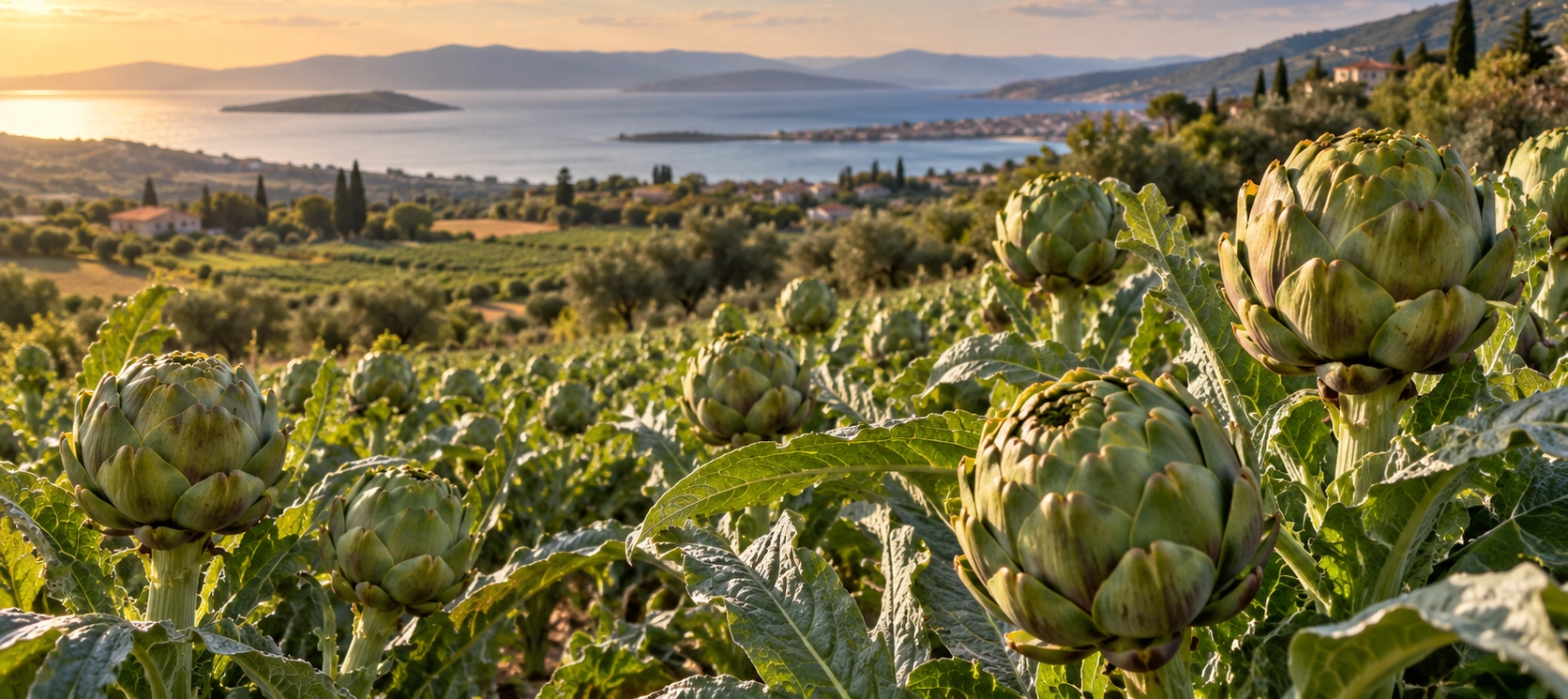
Explore Urla's regional food culture through seasonal vegetables, Sakız artichokes, local olive oil, producer markets, vineyards and the people keeping the peninsula's agricultural traditions alive.
Request a Private Experience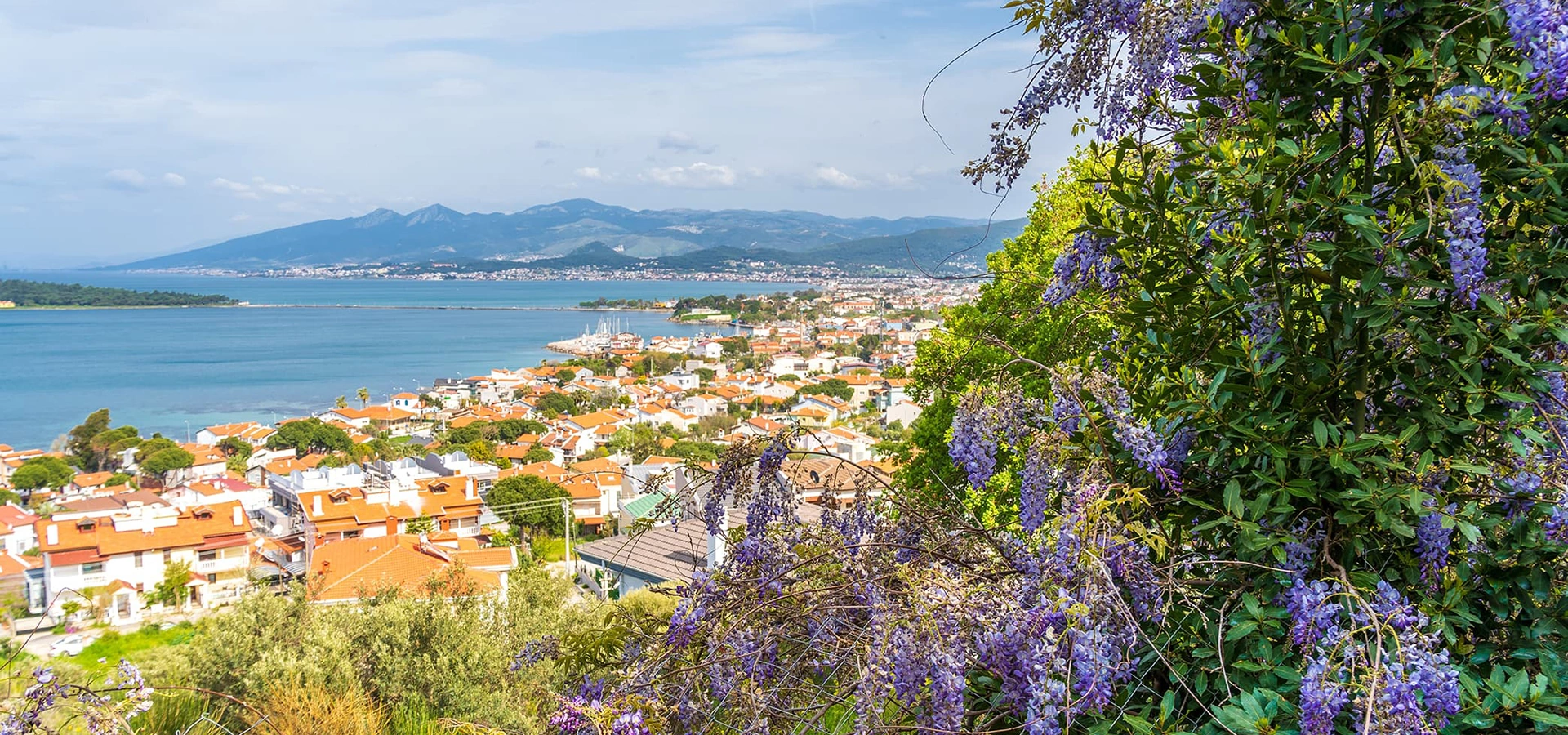
Combine the historic streets of Urla, local markets, seasonal cuisine, vineyard landscapes, wine tasting and archaeological heritage in a personalised private day on the peninsula.
Plan Your Urla JourneyTravel deeper into Türkiye through its regional food traditions. Our private experiences can be customised around gastronomy, archaeology, wine, local agriculture, photography or a combination of interests.
Contact Wow Cappadocia