Aydın Gastronomy, Traditional Turkish Cuisine & Regional Flavors

Karacasu Pide – Aydın's Traditional Wood-Fired Specialty

Discover the crispy, flavorful tradition of Karacasu Pidesi,
a geographically protected culinary treasure from Aydın, Türkiye.

Discover Karacasu Pide

Karacasu Pide – More Than a Century of Traditional Turkish Baking

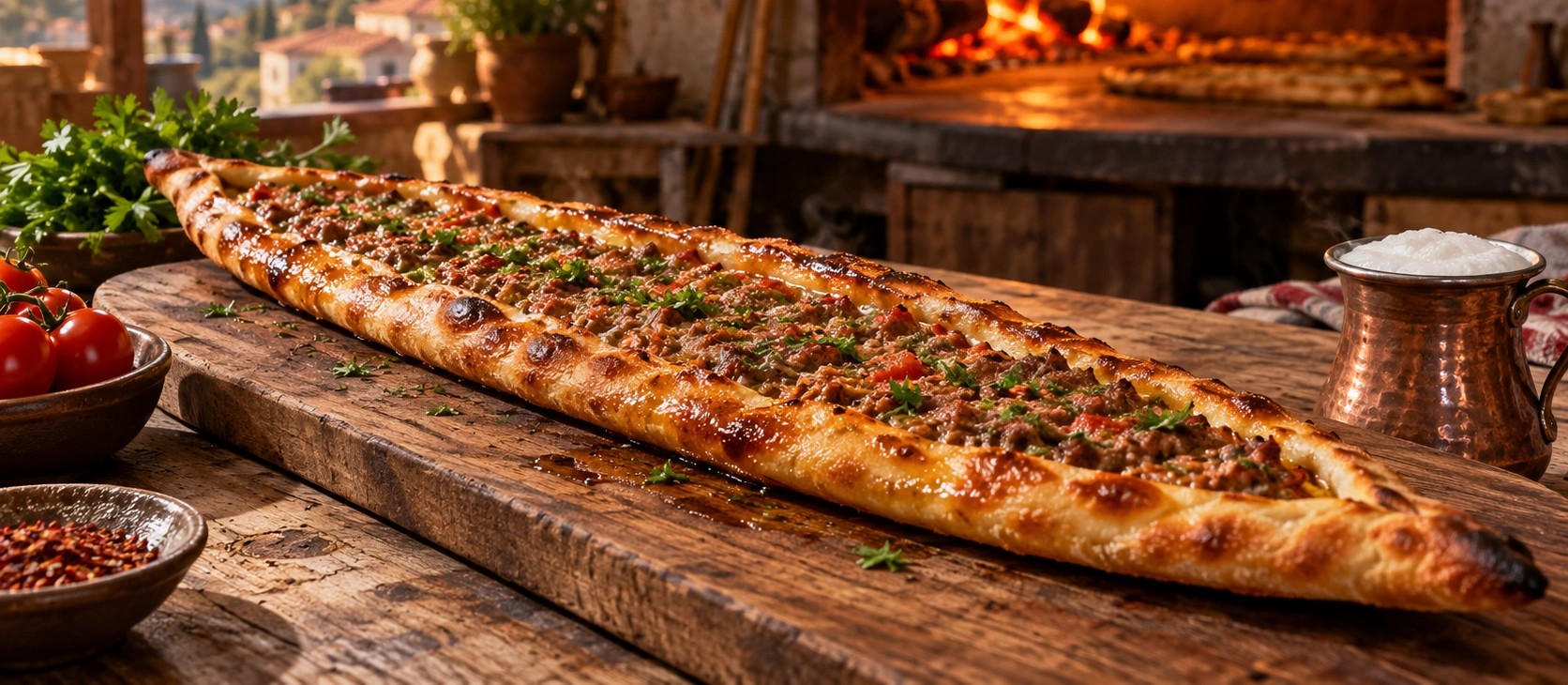
Karacasu Pide, known in Turkish as Karacasu Pidesi, is one of the most distinctive culinary specialties of Aydın Province in western Türkiye. Originating in the historic district of Karacasu, this traditional dish is celebrated for its long, slender shape, generous selection of fillings, exceptionally crispy texture and authentic wood-fired preparation.

For more than a century, local bakers have preserved the craftsmanship associated with Karacasu Pide. The traditional preparation involves carefully kneaded wheat dough, skilled hand stretching, selected regional ingredients and baking in a special wood-fired oven known as a kara fırın.

Unlike many ordinary varieties of Turkish pide, Karacasu Pide is particularly associated with its elongated proportions. A traditional single portion measures approximately 40–45 centimeters in length and 8–10 centimeters in width, while a larger one-and-a-half portion can reach approximately 60–65 centimeters.

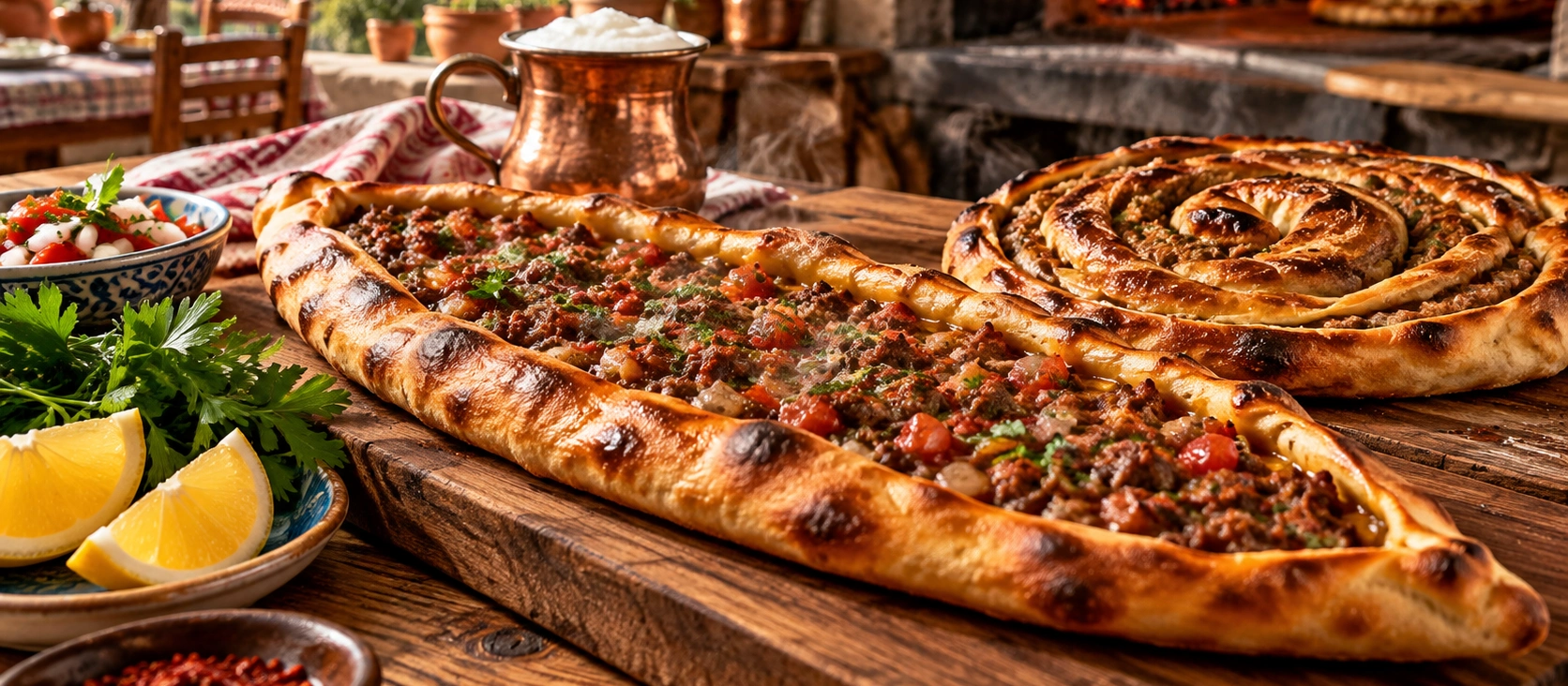
The specialty is traditionally prepared in six recognized varieties: open minced meat pide, kaşar cheese pide, diced beef pide, white cheese and egg pide, round minced meat pide and sweet tahini pide.

Each variety offers a different combination of flavors, from rich beef and melted cheese to the delicate sweetness of sesame tahini. Together, they reflect the creativity of local bakers and the diversity of Karacasu's food culture.

Traditional Karacasu Pide is baked in a wood-fired oven at approximately 270–300°C. This intense heat contributes to the characteristic crispness that distinguishes the finished bread.

On 17 September 2020, Karacasu Pidesi received official geographical indication registration from the Turkish Patent and Trademark Office, under registration number 536. The registration recognizes the product's distinctive traditional characteristics, its historical association with Karacasu and the specialized skills required for its preparation.

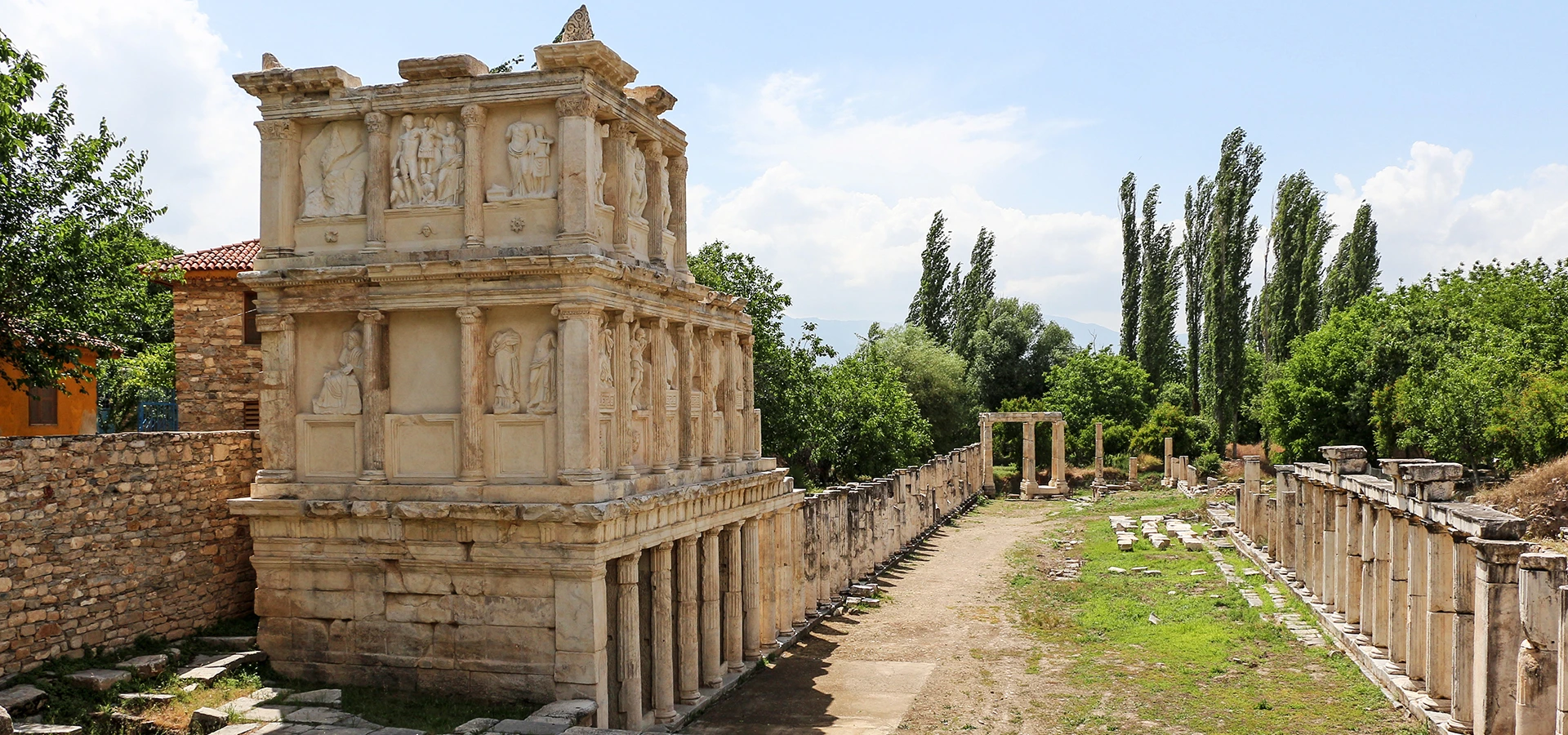
Today, tasting freshly baked Karacasu Pide is one of the most enjoyable gastronomic experiences for travelers visiting the district. It also combines beautifully with an exploration of Aphrodisias Ancient City, Karacasu's traditional pottery workshops and the surrounding countryside.

Over 100 Years of Tradition

Discover a regional baking specialty whose history extends back more than a century.

Six Traditional Varieties

Explore minced meat, diced beef, two cheese varieties, round minced meat and sweet tahini pide.

Traditional Kara Fırın

Learn how high-temperature wood-fired baking creates its signature crispy texture.

Protected Culinary Heritage

Understand its official geographical indication and connection to the Karacasu district.

Know Before You Taste

Karacasu Pide – Quick Facts

Essential information about one of Aydın's most distinctive traditional wood-fired foods.

📍

Origin

Karacasu district, Aydın Province, western Türkiye.

Explore Karacasu on Google Maps
🥖

Food Category

Traditional Turkish filled flatbread baked in a wood-fired oven.

📜

History

A regional culinary tradition documented as more than 100 years old.

🏅

Protected Status

Geographical indication No. 536, registered on 17 September 2020.

🍽️

Traditional Varieties

Six officially recognized savory and sweet preparations.

🔥

Baking Temperature

Approximately 270–300°C in a traditional wood-fired kara fırın.

📏

Traditional Size

Approximately 40–45 cm long and 8–10 cm wide for one standard portion.

🧈

Serving Style

Savory pide is traditionally buttered, sliced and served immediately.


Discover Karacasu's Culinary Heritage

What Is Karacasu Pide?

A distinctive regional Turkish pide combining hand-stretched dough, traditional ingredients and high-temperature wood-fired baking.

Karacasu Pide is a traditional Turkish baked flatbread specialty associated with the Karacasu district of Aydın Province. It is made by stretching prepared wheat dough by hand, adding a selected savory or sweet filling and baking the bread in a traditional wood-fired oven.

Although Turkish pide is enjoyed in many parts of the country, each region has developed its own variations in dough preparation, filling combinations, shaping and baking techniques.

Karacasu Pide stands out because of its particularly long and relatively narrow shape. The dough is stretched into a canoe-like form, filled and folded slightly along the edges without completely covering the topping.

The intense heat of the wood-fired oven helps create a crisp exterior while cooking the topping and developing the characteristic roasted aroma of freshly baked pide.

Its preparation requires considerable practical knowledge. The baker must understand the dough's elasticity, the moisture content of the filling, the distribution of heat inside the oven and the correct moment to remove the pide.

Karacasu Pide can be enjoyed with minced beef, diced beef, kaşar cheese or a mixture of white cheese and eggs. Other traditional versions include small round minced meat pide and a sweet preparation made with sesame tahini, sugar and butter.

For visitors, it represents much more than a convenient meal. Karacasu Pide is an expression of local identity, culinary craftsmanship and the food traditions that have developed in this historic part of western Anatolia.

What Makes Karacasu Pide Special?

The distinctive identity of Karacasu Pide comes from the relationship between its traditional dimensions, ingredient selection, hand preparation and specialized wood-fired baking.

The official geographical indication specification documents several characteristics that distinguish the authentic regional product.

Remarkably Long Shape

Traditional standard portions reach approximately 40–45 centimeters in length while remaining comparatively narrow.

Hand-Stretched Dough

The traditional dough must be opened and shaped manually, making the baker's practical skill an essential part of production.

Six Registered Varieties

The geographical indication covers six different preparations with distinctive fillings and shapes.

Traditional Kara Fırın

The special wood-fired oven uses a firebrick cooking surface and carefully controlled heat.

High Baking Temperature

Temperatures of approximately 270–300°C contribute to rapid cooking and the characteristic crispness.

Regional Beef Selection

The registered meat preparations specify beef from animals raised on pasture in Karacasu and neighboring districts.

Traditional Wood Fuel

The documented oven method uses suitable hardwoods, including oak and related local wood types.

Fresh Butter Finish

After baking, savory pide is traditionally brushed with butter and served without delay.

Master Baker's Experience

The preparation requires knowledge of kneading, resting, filling proportions and oven temperature.

Distinctive Crisp Texture

Traditional baking produces a crisp bread that provides a contrast with the rich ingredients.

The essential characteristic: Karacasu Pide is not defined simply by the type of filling. Its identity depends on the complete traditional production process, from hand-stretched dough to controlled wood-fired baking.

The History and Cultural Heritage of Karacasu Pide

Karacasu is a historic district situated in the inland landscapes of Aydın Province, near the celebrated archaeological site of Aphrodisias.

The surrounding region has a long agricultural history and a traditional food culture associated with grains, livestock, dairy products, vegetables and locally prepared bread.

Over generations, local bakers developed specialized techniques for preparing filled pide. These methods became closely associated with Karacasu's identity and helped establish a reputation extending beyond the district itself.

The official geographical indication specification states that Karacasu Pide has been produced in the district for more than 100 years.

During this long history, experienced pide masters passed their knowledge to younger bakers. Techniques such as achieving the correct dough elasticity, stretching long and narrow portions, preparing traditional fillings and controlling the wood-fired oven became an important part of local craftsmanship.

Traditional pide restaurants also developed an important social role. They became familiar places for family meals, gatherings and visitors wishing to experience the local cuisine.

On 12 July 2018, the Karacasu Chamber of Tradesmen and Craftsmen submitted an application for geographical indication protection.

The application resulted in official registration on 17 September 2020, helping document and preserve the regional characteristics of Karacasu Pidesi.

Today, the specialty remains a recognizable symbol of the district and forms a natural part of cultural and gastronomic tourism in the wider Aphrodisias region.

Over a Century of Production

The registered history recognizes a baking tradition extending back more than 100 years.

Traditional Bakeries

Local pide establishments have helped maintain the characteristic recipes and cooking techniques.

Regional Agricultural Heritage

Wheat, livestock, dairy products and vegetables provide the foundation of the traditional cuisine.

Knowledge Passed Down

Experienced bakers preserve practical skills that cannot be replaced by a recipe alone.

2020 Registration

Official geographical indication protection documents the specialty's distinctive regional identity.

Living Culinary Culture

Karacasu Pide remains connected with local dining, family gatherings and regional hospitality.

Karacasu Pide and Its Geographical Indication Registration

Karacasu Pidesi is registered by the Turkish Patent and Trademark Office as a geographically indicated product under the classification Mahreç İşareti.

This classification recognizes products whose reputation, distinctive characteristics or production traditions are associated with a particular geographical area.

The official registration identifies the geographical boundary as the Karacasu district of Aydın Province.

The production specification also requires the traditional production stages to take place within this defined area because of the regional ingredients and specialized craftsmanship involved.

Registered Name Karacasu Pidesi
Registration Number 536
Registration Date 17 September 2020
Application Number C2018/149
Application Date 12 July 2018
Registration Holder Karacasu Esnaf ve Sanatkârlar Odası
Geographical Indication Type Mahreç İşareti
Geographical Boundary Karacasu District, Aydın Province
Recognized Varieties Six traditional types
Traditional Cooking Method Wood-fired kara fırın

What Does the Geographical Indication Protect?

The registration documents the essential characteristics that distinguish Karacasu Pide and establish its connection with the district.

Traditional Dough

The specified flour, yeast, water and salt preparation and traditional dough-handling process.

Hand Preparation

The skilled manual stretching and shaping of the dough into its characteristic forms.

Filling Ingredients

The documented compositions and quantities of the six recognized preparations.

Regional Meat Requirements

The specified sourcing and characteristics of beef used in the traditional meat varieties.

Traditional Dimensions

The required dimensions of the standard and larger elongated portions.

Wood-Fired Baking

The traditional oven structure, temperatures, baking times and finished characteristics.

Official geographical indication reference: The registered product and original production specification can be examined through the Turkish Patent and Trademark Office – Karacasu Pidesi . The official registration specification provides detailed information about ingredients, shaping, baking and geographical production requirements.

The Six Traditional Varieties of Karacasu Pide

One of the most appealing characteristics of Karacasu Pide is the variety of fillings and shapes included in its traditional preparation.

The geographical indication recognizes six types, ranging from savory beef and cheese preparations to a rich, sweet sesame tahini pide.

1. Açık Kıymalı Pide – Open Minced Meat Pide

Açık Kıymalı Karacasu Pide is a classic savory preparation made with a mixture of minced beef, onion, tomato, parsley and seasoning.

The filling is spread evenly over the hand-stretched dough, while the edges are folded slightly inward to create the traditional long, open canoe-like shape.

The registered recipe uses beef obtained from the rib section of the animal, providing the meat character associated with the traditional filling.

After baking, the pide is brushed with butter, sliced into smaller pieces and served hot.

2. Kaşar Peynirli Pide – Turkish Kaşar Cheese Pide

This cheese-filled variety uses full-fat kaşar cheese, a popular Turkish cheese that melts beautifully when heated.

Grated cheese is spread over the prepared dough before baking. The result combines a crisp bread base with the rich, savory flavor of melted cheese.

An egg may also be added according to preference.

Kaşar cheese pide is especially appealing to visitors who prefer a meat-free savory filling.

3. Kuşbaşılı Pide – Diced Beef Pide

Kuşbaşılı Karacasu Pide is prepared with small pieces of beef rather than minced meat.

The traditional specification describes using suitable tender beef cuts, such as entrecôte or fillet, which are carefully trimmed and cut into small pieces.

The beef is combined with chopped tomatoes, parsley and seasoning before being distributed over the stretched dough.

As the pide bakes, the meat develops a savory roasted flavor while the dough becomes crisp around the edges.

Egg may be included as an optional addition.

4. Beyaz Peynirli Yumurtalı Pide – White Cheese and Egg Pide

This traditional variety combines full-fat Turkish white cheese, eggs and parsley.

The cheese is grated and mixed with two eggs and chopped parsley before being placed over the dough.

During baking, the ingredients form a rich, satisfying savory filling that contrasts with the crisp outer bread.

The combination of salty cheese, eggs and freshly baked dough makes this variety an excellent alternative to the meat preparations.

5. Yuvarlak Kıymalı Pide – Round Minced Meat Pide

The traditional Yuvarlak Kıymalı Pide differs from the long varieties because of its compact, circular shape.

The dough is stretched by hand into a circle approximately 13–15 centimeters in diameter.

A minced beef mixture containing tomato, onion, parsley and seasoning is spread over the surface.

Its smaller size makes it an interesting choice for tasting alongside other varieties.

6. Tahinli Pide – Sweet Sesame Tahini Pide

Tahinli Karacasu Pide is the traditional sweet expression of the regional specialty.

Unlike the elongated savory varieties, it is prepared in a round shape using dough enriched with sesame tahini, sugar and butter.

The dough is stretched, combined with tahini and sugar, rested briefly and shaped again before baking.

The finished pide develops a sweet sesame aroma, buttery richness and a distinctive texture.

It may be served plain or accompanied by ingredients such as crushed walnuts or pistachios. The registered method also allows a sugar-free version on request.

What to order first: For a classic Karacasu dining experience, begin with open minced meat pide or diced beef pide, try a cheese variety if sharing dishes, and finish with traditional sweet tahini pide.


The Distinctive Size and Shape of Karacasu Pide

Traditional Karacasu Pide is particularly recognizable because of its long and narrow form.

The official geographical indication establishes characteristic dimensions for the elongated preparations, while the round minced meat and tahini varieties follow different shaping methods.

Standard Elongated Pide – Length Approximately 40–45 cm
Standard Elongated Pide – Width Approximately 8–10 cm
One-and-a-Half Portion – Length Approximately 60–65 cm
One-and-a-Half Portion – Width Approximately 8–10 cm
Round Minced Meat Pide – Diameter Approximately 13–15 cm
Round Tahini Pide – Diameter Approximately 20–25 cm

Why Is the Traditional Shape Important?

The elongated shape is not merely decorative. It forms part of the recognized regional identity and requires careful control over dough thickness, filling distribution and baking.

The narrow form allows the ingredients to remain relatively exposed while the dough develops its characteristic crispness.

Creating a long, even pide without tearing the dough requires experience. The baker must stretch the dough carefully, maintain sufficient structure and prevent the filling from escaping during preparation.

Long Canoe Shape

The familiar elongated form is characteristic of the traditional savory varieties.

Narrow Width

The relatively narrow proportions distinguish Karacasu Pide from many shorter, broader preparations.

Slightly Folded Edges

The sides are brought inward without fully enclosing the traditional savory filling.

Round Meat Variety

A compact circular preparation offers a different traditional serving style.

Round Tahini Variety

The sweet sesame version is formed into a wider circular shape.

Handmade Craftsmanship

Each traditional shape depends on the experience and manual skills of the pide master.

How Is Authentic Karacasu Pide Dough Prepared?

The foundation of traditional Karacasu Pide is a carefully prepared wheat dough that can be stretched by hand into its characteristic long, narrow form.

The registered dough formula uses special-purpose wheat flour suitable for pide, fresh baker's yeast, drinking water and salt.

Although the ingredients are simple, the traditional kneading and resting process is important for developing the elasticity needed for manual stretching.

Traditional Dough Ingredients

The official specification provides the following quantities for a commercial production batch.

Special-Purpose Wheat Flour 50 kg
Fresh Baker's Yeast 250–300 g
Drinking Water 25–30 liters
Salt 200–250 g
Initial Dough Rest Approximately 25 minutes
Typical Savory Dough Portion 150 g

Traditional Dough Preparation

The flour, water, salt and yeast are placed into the dough-mixing container and kneaded until the ingredients begin to form a cohesive mixture.

The dough is initially kneaded to a relatively firm consistency for approximately five minutes.

Additional water is then introduced gradually while kneading continues for around ten minutes.

The baker checks the dough's structure by stretching it. The desired consistency allows the dough to extend without breaking easily.

After an initial resting period of approximately 25 minutes, the dough is divided into individual portions.

The portions are then placed in a traditional wooden resting tray called a pasa, covered with cloth and allowed to rest before shaping.

Suitable Wheat Flour

The dough uses flour appropriate for traditional pide preparation.

Fresh Yeast

Yeast supports fermentation and the development of the dough's structure.

Gradual Hydration

Water is added carefully to develop the desired dough consistency.

Correct Elasticity

The dough must be able to stretch into the traditional long shape without tearing.

Traditional Resting

Resting makes the dough easier to handle and prepares it for shaping.

Wooden Pasa Tray

Dough portions are traditionally rested under cloth in a wooden tray before use.

Why dough preparation matters: The exceptionally long shape of Karacasu Pide requires dough with suitable elasticity and structure. Correct preparation allows the baker to stretch it evenly while maintaining the intended thickness and shape.

The Importance of Beef in Traditional Karacasu Pide

Meat selection is an important part of the traditional Karacasu Pide specification, particularly for the minced meat and diced beef varieties.

The geographical indication describes the use of beef from cattle raised on pasture in Karacasu and neighboring districts, where animals feed on regional vegetation, including aromatic plants such as thyme.

The specification also identifies different cuts for the traditional fillings.

Beef for Minced Meat Pide

The traditional minced meat preparation uses beef from the rib section of the animal.

The meat is minced and combined with finely prepared onions, tomatoes, parsley and seasoning.

The mixture is then spread across the dough to produce the traditional open minced meat pide.

Beef for Diced Meat Pide

For the kuşbaşılı variety, the registered method describes using suitable tender cuts such as entrecôte or fillet.

The meat is carefully trimmed and cut into small pieces before being mixed with tomatoes, parsley and seasoning.

The result is a different texture and eating experience from the minced meat preparation.

Regional Pasture

The registered method connects meat sourcing with the traditional livestock-rearing landscapes of the district.

Beef Rib for Minced Meat

The rib section provides the meat used for the traditional minced filling.

Tender Cuts for Kuşbaşı

Carefully prepared beef pieces form the distinctive diced meat topping.

Fresh Vegetables

Onion, tomato and parsley contribute moisture, freshness and balance.

Protected production requirement: The official specification connects traditional Karacasu Pide meat production with cattle raised in Karacasu and its neighboring districts. Individual restaurant compliance should be verified where certification is important.

Authentic Karacasu Pide Ingredients

Each of the six recognized Karacasu Pide varieties has its own traditional combination of ingredients.

The geographical indication specification provides detailed recipes and quantities to help preserve the original preparation methods.

Traditional Minced Meat Pide Filling

For a standard open minced meat pide, the registered preparation includes:

Minced Beef 60 g
Onion 30 g
Tomato 30 g
Prepared Dough 150 g
Additional Seasoning Parsley, salt and black pepper as required
Optional Additions Egg and kaşar cheese

Traditional Diced Beef Pide

Diced Beef 100 g
Tomato 30 g
Prepared Dough 150 g
Additional Ingredients Parsley, salt and black pepper
Optional Addition Egg

Traditional Kaşar Cheese Pide

Grated Kaşar Cheese 90 g
Prepared Dough 150 g
Optional Addition Egg

Traditional White Cheese and Egg Pide

Grated White Cheese 90 g
Prepared Dough 150 g
Eggs 2
Parsley As required

Traditional Round Minced Meat Pide

Minced Beef 20 g
Tomato 10 g
Onion 10 g
Prepared Dough 50 g
Additional Seasoning Parsley and salt

Traditional Sweet Tahini Pide

Sesame Tahini 130 g
Granulated Sugar 60 g
Prepared Dough 120 g
Butter 15–20 g
Optional Garnishes Crushed walnuts or pistachios
Recipe authenticity: These ingredient quantities follow the registered traditional production specification. Actual restaurant portions or modern adaptations may differ and should not automatically be considered identical to the officially registered preparation.

How Is Authentic Karacasu Pide Made?

The preparation of Karacasu Pide combines several traditional techniques that require precision and experience.

Although the exact filling and final shape depend on the selected variety, the main production stages follow a familiar process.

Step 1 – Prepare the Dough Ingredients

Suitable wheat flour, fresh yeast, drinking water and salt are measured according to the traditional production formula.

Step 2 – Knead the Dough

The ingredients are combined and kneaded, with water added gradually to develop the required consistency and elasticity.

Step 3 – Allow the Dough to Rest

After an initial resting period of approximately 25 minutes, the dough is divided into portions and rested further under cloth in a traditional wooden tray.

Step 4 – Prepare the Filling

Depending on the selected variety, the baker prepares minced beef, diced beef, grated cheese, eggs or a sweet tahini mixture.

Step 5 – Stretch the Dough by Hand

The rested dough is stretched manually. For standard savory varieties, it is formed into a long, narrow canoe-like shape.

Step 6 – Add the Traditional Ingredients

The chosen filling is spread evenly across the dough. The correct distribution is important for consistent baking.

Step 7 – Fold the Edges

For the elongated preparations, the sides are folded slightly inward without completely covering the filling.

Step 8 – Prepare the Wood-Fired Oven

The traditional kara fırın is heated using suitable wood until it reaches the required high baking temperature.

Step 9 – Bake the Pide

The prepared pide is transferred onto an oven peel and positioned carefully inside the hot oven.

Step 10 – Monitor the Baking

The baker observes the development of the crust and filling, adjusting the baking process when necessary.

Step 11 – Add Butter

After baking, the savory varieties are traditionally brushed with butter while still warm.

Step 12 – Slice and Serve

The pide is cut into smaller portions and served immediately so that diners can enjoy its fresh texture and aroma.

Traditional craftsmanship: The precise results depend on dough thickness, filling composition, oven temperature and the experience of the pide master. The registered professional baking method should not be confused with a conventional home-oven recipe.

What Is the Traditional Kara Fırın Oven?

One of the most important characteristics of authentic Karacasu Pide is its preparation in a traditional wood-fired oven called a kara fırın.

This specialized oven differs from a conventional modern domestic oven in both construction and the way it transfers heat to the bread.

The registered specification describes a traditional oven approximately 2 × 2 meters in size, with a baking surface constructed from firebricks and a traditional heat-retaining foundation.

The oven is heated with suitable wood, including oak and related hardwoods identified in the production method.

During traditional baking, temperatures reach approximately 270–300°C.

This intense heat helps create the crisp texture for which Karacasu Pide is known.

Why Does the Oven Make a Difference?

Firebrick Surface

The traditional cooking surface stores and transfers heat directly to the dough.

Wood-Fired Heat

Heat generated by burning wood contributes to the characteristic cooking environment.

High Temperature

The oven operates at approximately 270–300°C under the registered method.

Crisp Crust

Rapid baking helps produce the distinctive crisp texture of traditional Karacasu Pide.

Traditional Aroma

Wood-fired baking contributes roasted and toasted aromas to the finished bread.

Master Baker's Control

Experienced bakers understand the changing heat levels and the ideal placement of each pide.

Traditional Baking Temperatures and Times

The official specification provides typical professional baking periods for each recognized variety.

Oven Temperature Approximately 270–300°C
Diced Beef Pide Approximately 5–7 minutes
Minced Meat Pide Approximately 5–7 minutes
Kaşar Cheese Pide Approximately 4–6 minutes
White Cheese and Egg Pide Approximately 4–6 minutes
Round Minced Meat Pide Approximately 4–6 minutes
Tahini Pide Approximately 3–5 minutes
Important cooking note: These are documented times for professional traditional ovens. Domestic ovens have different heating characteristics, and all meat and egg fillings must be cooked to safe temperatures.

What Does Karacasu Pide Taste Like?

Karacasu Pide offers an appealing combination of freshly baked bread, savory or sweet fillings and the distinctive texture produced by traditional wood-fired cooking.

One of its most recognizable qualities is its crispness. The thinly stretched dough and high baking temperature create a satisfying contrast between the bread and the ingredients.

The minced meat version combines savory beef with tomatoes, onions and parsley, while the diced beef variety offers a more substantial meat texture.

Kaşar cheese pide provides the rich flavor of melted Turkish cheese, and the white cheese and egg variety offers a different balance of salty cheese and cooked eggs.

The sweet tahini variety introduces a completely different flavor profile, combining sesame, sugar and butter in a fragrant baked dessert.

Crisp Baked Dough

The long, thinly stretched bread develops a characteristic crispness.

Savory Beef

Traditional minced or diced beef provides depth and richness.

Fresh Vegetable Notes

Tomatoes, onions and parsley balance the meat varieties.

Melted Cheese

Kaşar and white cheese offer two different savory experiences.

Butter Finish

A traditional application of butter adds aroma and richness to the savory preparations.

Sweet Sesame Flavor

Tahini pide combines nutty sesame aromas with buttery sweetness.

How Is Karacasu Pide Traditionally Served?

Karacasu Pide is traditionally served immediately after baking, when its freshly cooked ingredients and crisp bread can be enjoyed at their best.

For the savory varieties, butter is applied after baking, and the long pide is cut into smaller pieces for convenient serving.

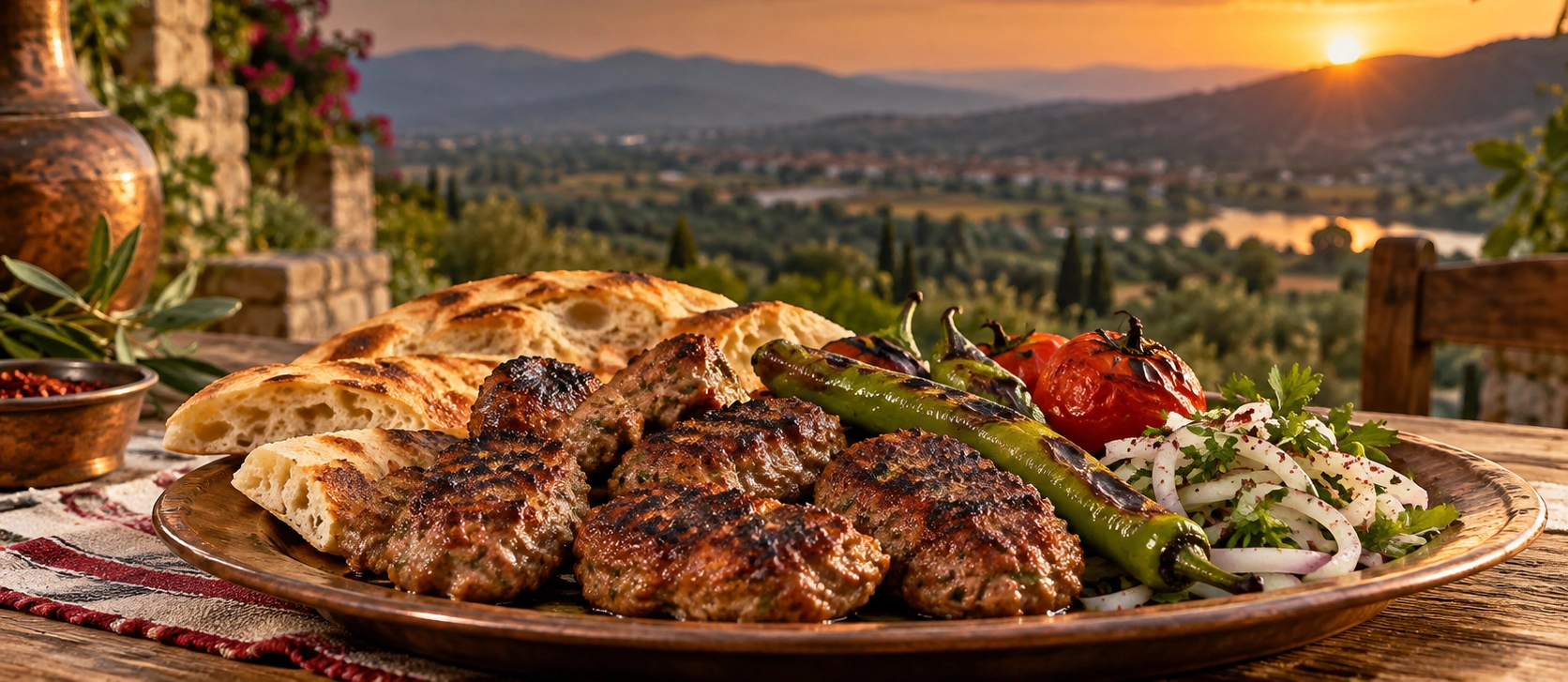
Restaurants may accompany the dish with seasonal vegetables, fresh salad, ayran or other familiar Turkish beverages.

Guests wishing to experience the complete range of flavors can begin with a savory variety and finish with sweet tahini pide.

Served Hot

The bread is at its most appealing when eaten soon after leaving the oven.

Butter After Baking

The traditional savory preparation includes brushing the finished pide with butter.

Cut into Portions

The elongated pide is usually sliced into convenient pieces before serving.

Fresh Accompaniments

Vegetables and seasonal salads can provide a refreshing contrast.

Ayran

This chilled Turkish yogurt drink is a familiar accompaniment to savory pide.

Sweet Tahini Finish

A portion of tahinli pide can complete the traditional dining experience.

Local dining suggestion: If visiting with friends or family, order several different varieties to share. This is an enjoyable way to appreciate the different textures and flavors of Karacasu's culinary tradition.

How Is Karacasu Pide Different from Other Turkish Pide?

Türkiye is home to many varieties of pide, each reflecting the ingredients, craftsmanship and culinary preferences of its region.

Although these specialties share a common foundation of baked wheat dough and savory or sweet fillings, they can differ considerably in size, shape and preparation.

Karacasu Pide

Known for its long and narrow shape, six traditional varieties, hand-stretched dough and high-temperature kara fırın baking.

Nazilli Pide

A geographically protected Aydın specialty with four traditional varieties and shorter elongated savory preparations.

Karadeniz Pidesi

Black Sea regional pide includes a wide variety of styles featuring local cheeses, butter, meat and eggs.

Konya Etli Ekmek

A long, thin Turkish baked specialty associated with Konya and traditionally topped with a minced meat mixture.

Söke Pidesi

Another geographically recognized Aydın pide tradition with its own production characteristics.

Traditional Lahmacun

A thin, open flatbread topped with a finely prepared minced meat and vegetable mixture.

Karacasu Pide vs. Nazilli Pide

Karacasu and Nazilli are both located in Aydın Province, yet their recognized pide traditions have important differences.

Karacasu Pide includes six registered varieties, compared with four for Nazilli Pide.

The traditional elongated Karacasu preparation measures approximately 40–45 centimeters in length, while the registered elongated Nazilli preparation is approximately 25 centimeters.

Both traditions depend on hand preparation and wood-fired baking, but their registered ingredients, shaping methods and production specifications differ.

A culinary discovery: Tasting Karacasu Pide and Nazilli Pide during a journey through inland Aydın is an excellent way to appreciate how neighboring districts have developed their own distinctive food traditions.

Karacasu Tahinli Pide – A Traditional Sesame Dessert

Among the six recognized varieties, Karacasu Tahinli Pide has a special place because it transforms traditional pide dough into a rich sweet specialty.

The preparation combines sesame tahini, granulated sugar, butter and rested dough.

According to the registered method, the dough is stretched by hand on a marble surface, combined with tahini and sugar, and kneaded before being allowed to rest briefly.

The enriched dough is then stretched again into a round shape approximately 20–25 centimeters across.

Butter is added before the pide is transferred into the traditional oven.

The registered baking time is approximately three to five minutes, depending on the oven conditions.

Unlike savory pide, the sweet version may be allowed to cool before serving.

It can be enjoyed plain or garnished with crushed walnuts or pistachios.

Sesame Tahini

Tahini provides the characteristic nutty flavor and rich aroma.

Traditional Sugar

Sugar balances the concentrated sesame flavor in the classic sweet preparation.

Fresh Butter

Butter contributes richness and aroma to the dough.

Round Shape

The sweet pide is stretched into a circular form rather than the long savory shape.

Optional Nuts

Walnuts or pistachios may be used as a finishing garnish.

Optional Sugar-Free Version

The registered preparation allows the pide to be made without added sugar at the customer's request.

Do not miss: Even if you visit Karacasu primarily to try a savory minced meat or cheese pide, save room for traditional tahinli pide. It provides a deliciously different perspective on the region's baking heritage.

Can You Make Karacasu Pide at Home?

It is possible to prepare a home-style Turkish pide inspired by Karacasu's traditional recipes using familiar kitchen ingredients.

However, the authentic registered preparation requires particular ingredients, traditional shaping skills and a specialized wood-fired oven.

A domestic adaptation can reproduce some of the flavors but will usually differ in texture, size and baking characteristics.

Preparing Home-Style Minced Meat Pide

Begin by preparing a yeast dough from wheat flour, water, salt and baker's yeast.

Knead the dough until smooth and elastic, then allow it to rest until it can be stretched easily.

Prepare a filling using minced beef, finely chopped onion, tomato, parsley, salt and black pepper.

Divide the dough into portions and stretch each one into an elongated, narrow shape.

Spread the meat filling across the surface and fold the sides slightly inward.

Bake on a thoroughly preheated baking surface until the bread is cooked and the meat reaches a safe internal temperature.

Finish with a little butter and serve immediately.

Choose Suitable Flour

Use wheat flour appropriate for preparing an elastic bread dough.

Rest the Dough

Allow sufficient time for fermentation and easier shaping.

Finely Prepare Ingredients

Small, evenly chopped vegetables help distribute the topping.

Stretch Carefully

Aim for an elongated shape without tearing the dough.

Preheat Thoroughly

A hot oven and preheated baking surface help improve crust development.

Cook Fillings Safely

Cook minced beef to a safe internal temperature of 71°C (160°F), and ensure egg fillings are properly cooked.

Authenticity note: A home recipe inspired by Karacasu Pide should not be confused with the complete geographically registered preparation. For the traditional experience, visit a specialist bakery in Karacasu.

Where to Eat Authentic Karacasu Pide in Aydın

The natural destination for enjoying traditional Karacasu Pide is Karacasu town, located in the inland part of Aydın Province.

The district has a longstanding culinary reputation and traditional pide establishments associated with the preparation of this local specialty.

Karacasu Town Center

The town center is a convenient starting point for exploring local restaurants and traditional bakeries.

Look for establishments specializing in freshly prepared wood-fired pide and offering several traditional varieties.

Traditional Pide Bakeries

Specialized pide restaurants provide the opportunity to experience the dish close to its place of origin.

Where the kitchen is visible, visitors may be able to observe the dough-stretching and oven-baking process.

Dining After Visiting Aphrodisias

Many visitors travel to the Karacasu district to explore the extraordinary archaeological heritage of Aphrodisias.

A traditional pide lunch in Karacasu can be a rewarding culinary addition to a day of sightseeing.

Finding Karacasu-Style Pide Elsewhere

Restaurants in other parts of Türkiye may offer dishes described as Karacasu-style pide.

However, the use of a regional name on a menu does not automatically establish compliance with the geographical indication requirements.

Choose a Pide Specialist

Look for establishments where traditional pide is a central part of the menu.

Ask About the Oven

Traditional kara fırın baking is central to the registered preparation.

Explore Six Varieties

Ask which of the six registered preparations are available.

Try Freshly Baked

Enjoy the pide soon after preparation to appreciate its characteristic crisp texture.

Save Room for Dessert

Traditional sweet tahini pide makes an excellent conclusion to the meal.

Confirm Current Details

Restaurant opening times, menus and prices can change throughout the year.

Find traditional pide restaurants: Explore Karacasu Pide restaurants on Google Maps to review current locations, business details and customer experiences.

Karacasu Pide and the Culinary Culture of Aydın

Karacasu Pide represents an important part of Aydın's diverse regional food culture.

The province is widely associated with agricultural products such as figs, olives, olive oil, vegetables and traditional grains. Its inland districts also preserve distinctive baking and meat-preparation traditions.

Karacasu's culinary heritage reflects a relationship between agriculture, livestock, local craftsmanship and community life.

The traditional pide brings together wheat dough, meat, cheese, eggs, vegetables and sesame-based ingredients, depending on the chosen variety.

Its preparation also reflects the importance of practical skills passed through generations of bakers.

Local pide restaurants serve as familiar gathering places where residents and visitors can enjoy freshly prepared regional food.

For travelers, trying Karacasu Pide offers an opportunity to connect with the everyday food traditions of western Anatolia.

Agricultural Heritage

Wheat, vegetables and regional ingredients connect the dish with Aydın's farming traditions.

Livestock Traditions

Regional beef production forms an important part of the registered meat preparations.

Local Craftsmanship

Traditional baking depends on skilled dough preparation, stretching and oven control.

Family Dining

Freshly baked pide is a familiar meal enjoyed by families and groups.

Sweet and Savory Traditions

Six recognized varieties create an appealing range of regional flavors.

Culinary Tourism

The specialty encourages visitors to discover Karacasu beyond its famous archaeological attractions.

Including Karacasu Pide in Your Aydın Travel Itinerary

Karacasu is a rewarding destination for travelers interested in combining gastronomy, archaeology, traditional crafts and the cultural heritage of western Anatolia.

A visit to a traditional pide restaurant can easily become part of a wider cultural journey through the district.

Option 1 – Traditional Karacasu Pide Lunch

Enjoy freshly baked Karacasu Pide in the town center. Choose a classic savory variety and consider finishing with sweet tahini pide.

Option 2 – Aphrodisias Ancient City and Local Cuisine

Explore the remarkable archaeological remains of Aphrodisias Ancient City, then enjoy a traditional Karacasu Pide meal during your visit to the district.

Option 3 – Karacasu Pottery and Pide Experience

Discover the district's traditional pottery heritage, visit local craft workshops where appropriate and enjoy a meal featuring the region's famous pide.

Option 4 – Karacasu Heritage and Gastronomy

Combine Karacasu town, local architecture, traditional crafts and regional cuisine for a relaxed introduction to the district's cultural identity.

Option 5 – Inland Aydın Culinary Journey

Explore the wider food heritage of Aydın by combining Karacasu Pide with other regional specialties such as Nazilli Pide, traditional olive products, figs and local desserts.

Main Destination Karacasu, Aydın Province
Principal Experience Traditional Karacasu Pidesi tasting
Suggested Dining Duration Approximately 45–90 minutes
Recommended Combination Aphrodisias Ancient City and Karacasu pottery traditions
Travel Style Private cultural excursion, independent travel or customized food itinerary
Travel planning: Opening hours at archaeological sites, pottery workshops and restaurants may vary. Confirm current arrangements and travel distances before finalizing your itinerary.

Best Time to Enjoy Karacasu Pide

Karacasu Pide is not a seasonal specialty and may be enjoyed throughout the year at restaurants offering traditional preparation.

For travelers combining a meal with sightseeing, spring and autumn often offer comfortable conditions for exploring the historic and rural landscapes of inland Aydın.

Spring

Pleasant conditions make it a rewarding season for visiting Aphrodisias and enjoying local cuisine.

Summer

Enjoy traditional pide while planning outdoor archaeological visits around the warmer hours.

Autumn

Milder weather is well suited to cultural and culinary exploration.

Winter

Freshly baked wood-fired pide offers a satisfying meal during cooler weather.

Lunch

A traditional pide lunch fits naturally into a sightseeing day in Karacasu.

Dinner

Evening dining may be possible at restaurants offering dinner service.

Practical Tips for Trying Karacasu Pide

A few simple recommendations can help visitors make the most of their introduction to Karacasu's traditional baking culture.

Choose Freshly Baked Pide

Enjoy the dish while the crust is crisp and the filling is freshly cooked.

Try the Local Varieties

Ask about the six recognized traditional preparations.

Ask About Portion Sizes

Traditional elongated portions can be surprisingly long, particularly the larger sizes.

Share Different Fillings

Sharing several varieties makes it easier to compare flavors.

Watch the Baking Process

Where permitted, observe how dough is stretched and transferred into the oven.

Try Tahini Pide

The sweet version is a memorable part of the complete experience.

Check Current Prices

Restaurant prices and available menu items can change.

Allow Time to Enjoy

Plan a relaxed meal rather than rushing through the local culinary experience.

Dietary Information About Karacasu Pide

Traditional Karacasu Pide contains wheat-based dough, while the additional ingredients depend on the selected variety.

Travelers with food allergies, intolerances or dietary requirements should confirm all ingredients and preparation practices directly with the restaurant.

Contains Gluten

Traditional pide dough uses wheat flour and is not gluten-free.

Meat Varieties

The minced meat, diced beef and round minced meat preparations contain beef.

Dairy Products

Cheese varieties contain dairy, and butter is used in the traditional finishing and sweet preparation.

Eggs

The white cheese variety includes eggs, and eggs may be added to some other savory preparations.

Sesame Allergy

Traditional tahini pide contains sesame paste and is unsuitable for anyone with a sesame allergy.

Vegetarian Options

Cheese varieties may suit some vegetarians, depending on the ingredients and their dietary preferences.

Vegan Requirements

The registered cheese and tahini varieties include animal-derived ingredients, and savory pide may be finished with butter.

Nut Allergies

Sweet tahini pide may be garnished with walnuts or pistachios, so confirm ingredients and potential cross-contact.

Halal Requirements

Visitors requiring halal verification should confirm meat sourcing and restaurant preparation practices.

Cross-Contact

Shared preparation surfaces and ovens may create allergen cross-contact risks.

Important allergy information: Geographical indication registration describes the traditional recipe rather than the current allergen practices of an individual restaurant. Always confirm ingredients and potential cross-contact before ordering.

Places to Visit Around Karacasu After Your Pide Meal

Karacasu is particularly rewarding for visitors who enjoy combining traditional gastronomy with archaeology, historic towns and local craftsmanship.

Several attractions in the district and wider inland Aydın region offer opportunities for cultural discovery.

Planning advice: Attractions are spread across Karacasu and neighboring areas. Some smaller sites and museums may have limited opening arrangements, so confirm current access before visiting.

Other Traditional Foods to Try in Aydın

Karacasu Pide is one of many regional specialties that make Aydın an appealing destination for food lovers.

From traditional meat dishes and wood-fired baking to agricultural products and desserts, the province offers a remarkably varied culinary heritage.

Frequently Asked Questions About Karacasu Pide

What is Karacasu Pide?

Karacasu Pide is a traditional Turkish wood-fired flatbread specialty from the Karacasu district of Aydın Province. It is known for its long, narrow shape, crisp texture and six traditional varieties.

Where does Karacasu Pide come from?

It originates from Karacasu, a historic district of Aydın Province in western Türkiye.

Why is Karacasu Pide famous?

It is recognized for its century-old baking heritage, distinctive elongated shape, hand-stretched dough and traditional wood-fired preparation.

How old is the Karacasu Pide tradition?

The official geographical indication specification states that the specialty has been produced in the district for more than 100 years.

Is Karacasu Pide geographically protected?

Yes. Karacasu Pidesi received Turkish geographical indication registration number 536 on 17 September 2020.

Who registered Karacasu Pidesi?

The registration holder is the Karacasu Chamber of Tradesmen and Craftsmen, known in Turkish as Karacasu Esnaf ve Sanatkârlar Odası.

How many traditional Karacasu Pide varieties are there?

There are six recognized varieties: open minced meat, kaşar cheese, diced beef, white cheese and egg, round minced meat, and sweet tahini pide.

How long is traditional Karacasu Pide?

A standard elongated portion measures approximately 40–45 centimeters in length and 8–10 centimeters in width.

How long is a one-and-a-half portion?

The registered larger portion measures approximately 60–65 centimeters in length.

What is the traditional Karacasu Pide oven?

Traditional Karacasu Pide is baked in a wood-fired oven known as a kara fırın, which uses a special firebrick baking surface.

At what temperature is Karacasu Pide baked?

The registered traditional baking method describes oven temperatures of approximately 270–300°C.

How long does Karacasu Pide take to bake?

Professional baking times vary by filling, generally ranging from approximately three to seven minutes in the traditional oven.

Why is Karacasu Pide so crispy?

The hand-stretched dough, relatively narrow shape and high-temperature wood-fired baking contribute to its distinctive crisp texture.

Is Karacasu Pide made by hand?

Yes. The official traditional production method requires the dough to be stretched by hand.

What ingredients are used in Karacasu Pide dough?

The traditional dough contains suitable wheat flour, fresh baker's yeast, drinking water and salt.

What meat is used in Karacasu Pide?

The registered meat varieties use beef. The minced meat preparation specifies beef from the rib section, while diced beef pide uses suitable tender cuts.

What is kuşbaşılı pide?

Kuşbaşılı pide is a traditional variety topped with small pieces of beef, tomatoes, parsley and seasoning.

What cheese is used in Karacasu Pide?

The registered cheese preparations use full-fat Turkish kaşar cheese or full-fat white cheese, depending on the variety.

What is round Karacasu Pide?

Yuvarlak kıymalı pide is a small circular minced meat variety approximately 13–15 centimeters in diameter.

What is Karacasu Tahinli Pide?

It is a traditional sweet pide prepared using sesame tahini, sugar, butter and specially prepared dough.

Can tahini pide be made without sugar?

Yes. The registered production method allows a version without added sugar at the customer's request.

Can tahini pide contain nuts?

Yes. It may be served with walnuts or pistachios, although these are optional additions rather than required ingredients.

Is butter added to Karacasu Pide?

Yes. Traditional savory pide is brushed with butter after baking, and butter is also used in the registered tahini preparation.

Is Karacasu Pide spicy?

The traditional recipes include familiar seasonings such as salt and black pepper, but they are not necessarily hot or heavily spicy. Restaurant variations may differ.

What is the difference between Karacasu Pide and Nazilli Pide?

Karacasu Pide has six recognized varieties and a traditional elongated portion approximately 40–45 centimeters long. Nazilli Pide has four registered varieties and a shorter traditional elongated form.

Is Karacasu Pide vegetarian?

The cheese varieties may be suitable for some vegetarians, depending on the cheese ingredients and preparation practices. The meat varieties contain beef.

Is Karacasu Pide gluten-free?

No. The traditional dough uses wheat flour and therefore contains gluten.

Does Karacasu Pide contain sesame?

The traditional sweet tahini variety contains sesame paste. Other varieties may have different ingredients, but cross-contact should always be checked with the restaurant.

Where can I eat authentic Karacasu Pide?

The natural place to experience the specialty is Karacasu town in Aydın Province, where the traditional baking culture developed.

Can I combine Karacasu Pide with a visit to Aphrodisias?

Yes. A traditional pide meal in Karacasu can be combined with a visit to Aphrodisias Ancient City and other nearby cultural attractions.

Is Karacasu Pide available throughout the year?

Yes. It is a year-round regional specialty, subject to individual restaurant opening hours and menu availability.

Is Karacasu Pide worth trying?

Absolutely. Its distinctive long shape, traditional wood-fired crispness and variety of savory and sweet fillings make it a memorable introduction to Aydın's regional culinary heritage.

Responsible Culinary Tourism in Karacasu

Traditional regional foods are an important part of cultural heritage. Visitors can support their preservation by choosing local businesses, appreciating craftsmanship and approaching food experiences with respect.

Support Local Restaurants

Dining at traditional establishments helps support the district's food culture.

Appreciate Local Craftsmanship

Recognize the experience required for traditional hand stretching and wood-fired baking.

Discover Protected Specialties

Learn about geographical indications and their role in preserving culinary identities.

Respect Kitchen Staff

Ask permission before photographing bakers, preparation areas or other guests.

Avoid Food Waste

Choose suitable portions and consider sharing when trying several varieties.

Explore the Wider Community

Combine dining with local museums, traditional pottery workshops and cultural sites.

Private Karacasu Culinary & Cultural Experiences

Explore the traditional flavors of Karacasu, discover its famous wood-fired pide and combine local gastronomy with the extraordinary archaeological heritage of Aphrodisias and the district's historic pottery traditions through a tailor-made private journey.

Explore Karacasu and Aphrodisias with Wow Cappadocia

Our team can help arrange customized cultural and culinary experiences with comfortable private transportation, knowledgeable local guidance where arranged, flexible sightseeing and no compulsory shopping stops.

Continue Discovering Aydın's Culinary Heritage

From Karacasu's traditional pide to regional meat specialties, figs, olives and sweet desserts, Aydın offers many flavors worth exploring.

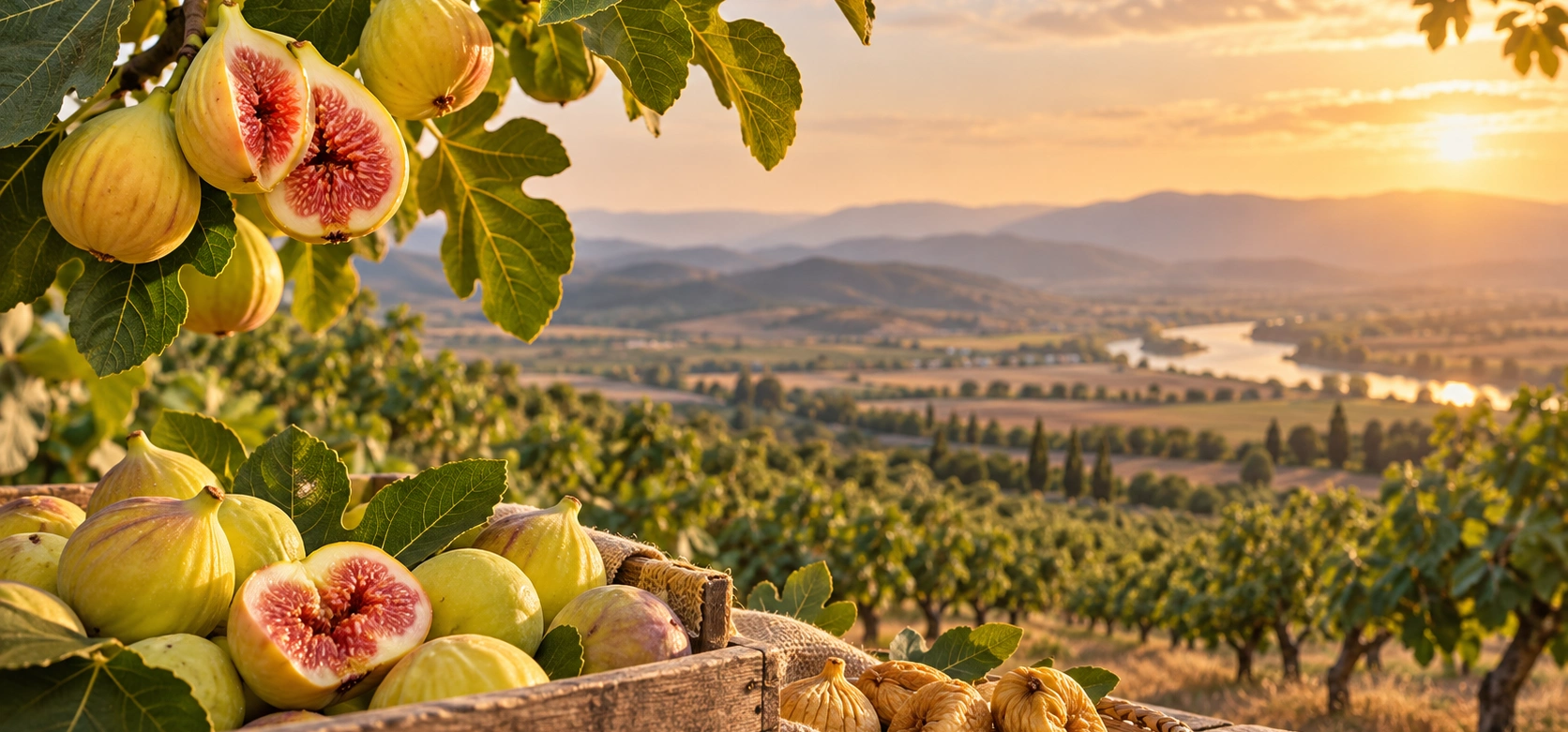
Fresh and dried Aydın figs representing the agricultural heritage of western Türkiye

Aydın Figs

Discover the history and culinary significance of Aydın's celebrated figs, one of the province's best-known agricultural products.

Explore Aydın Figs