A Craft Passed Through Generations
The Culinary Tradition of Bayramiç Tahini Halva
Discover how sesame cultivation and confectionery craftsmanship became part of Bayramiç’s local identity.
Bayramiç lies inland from the northern Aegean coast in one of Çanakkale’s fertile agricultural landscapes. For generations, the district and its surrounding countryside have been associated with fruit growing, sesame cultivation, local markets, artisan food production, and the culinary traditions of western Anatolia.
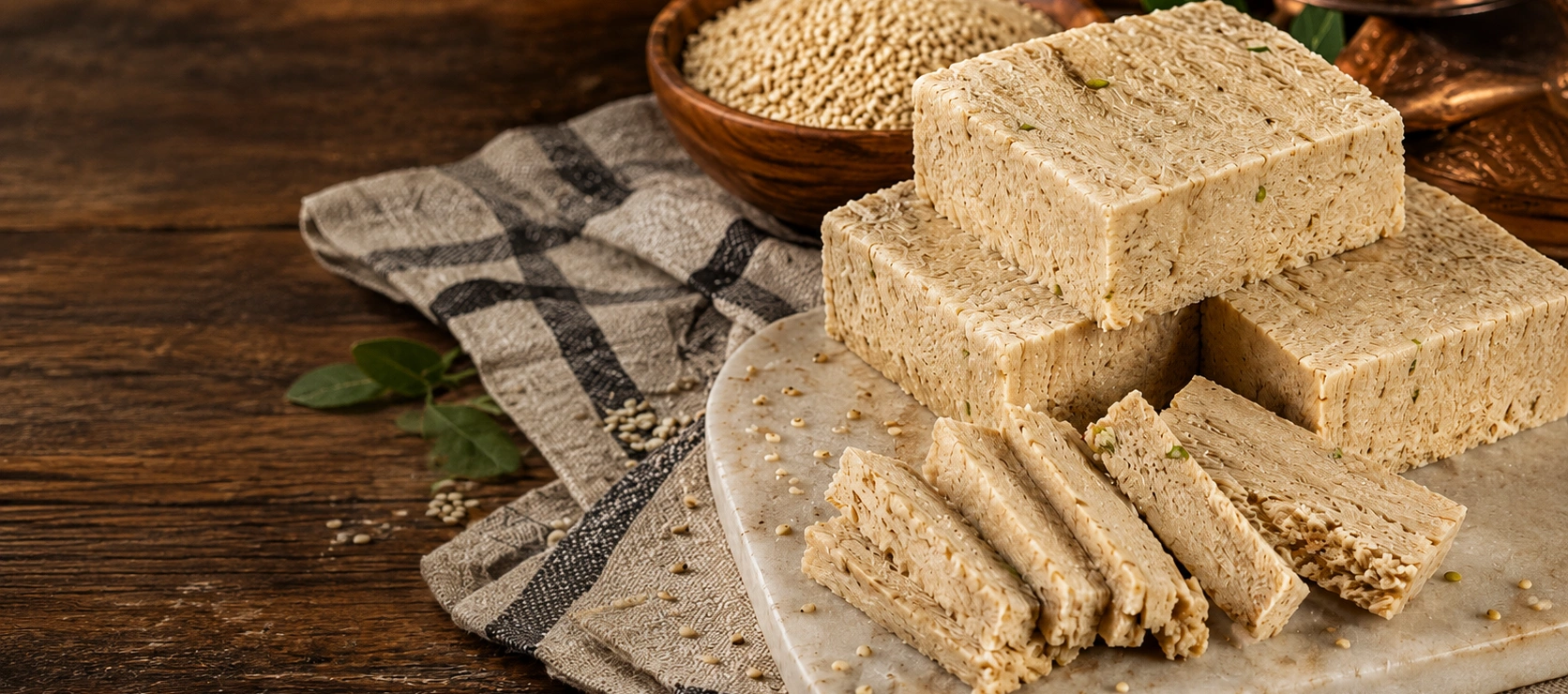
Within this setting, Bayramiç Tahin Helvası developed into one of the district’s most recognisable foods. Its history is recorded as reaching back to the 1870s, when local knowledge of sesame processing and confectionery production helped establish a distinctive style of tahini halva.
The sweet depends on much more than a simple mixture of tahini and sugar. The sugar base must be cooked correctly, the soapwort extract must be incorporated at the right stage, the mixture must mature to the proper consistency, and the tahini must then be kneaded into the mass until the halva develops its expected texture and appearance.
This process traditionally relied on the skill of experienced halva masters. Judging temperature, consistency, elasticity, and texture requires practice, which is one reason the production knowledge became an important part of Bayramiç’s local food culture.
The strength of the product’s reputation is connected with the district itself. The official geographical-indication registration specifically notes Bayramiç’s intensive sesame cultivation, development of sesame processing, and long-established halva craftsmanship as the reasons the sweet became identified with the region.
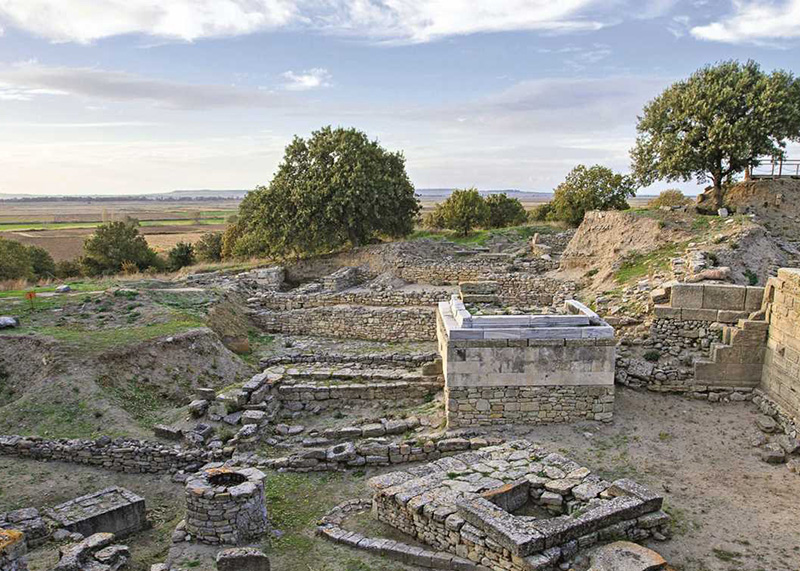
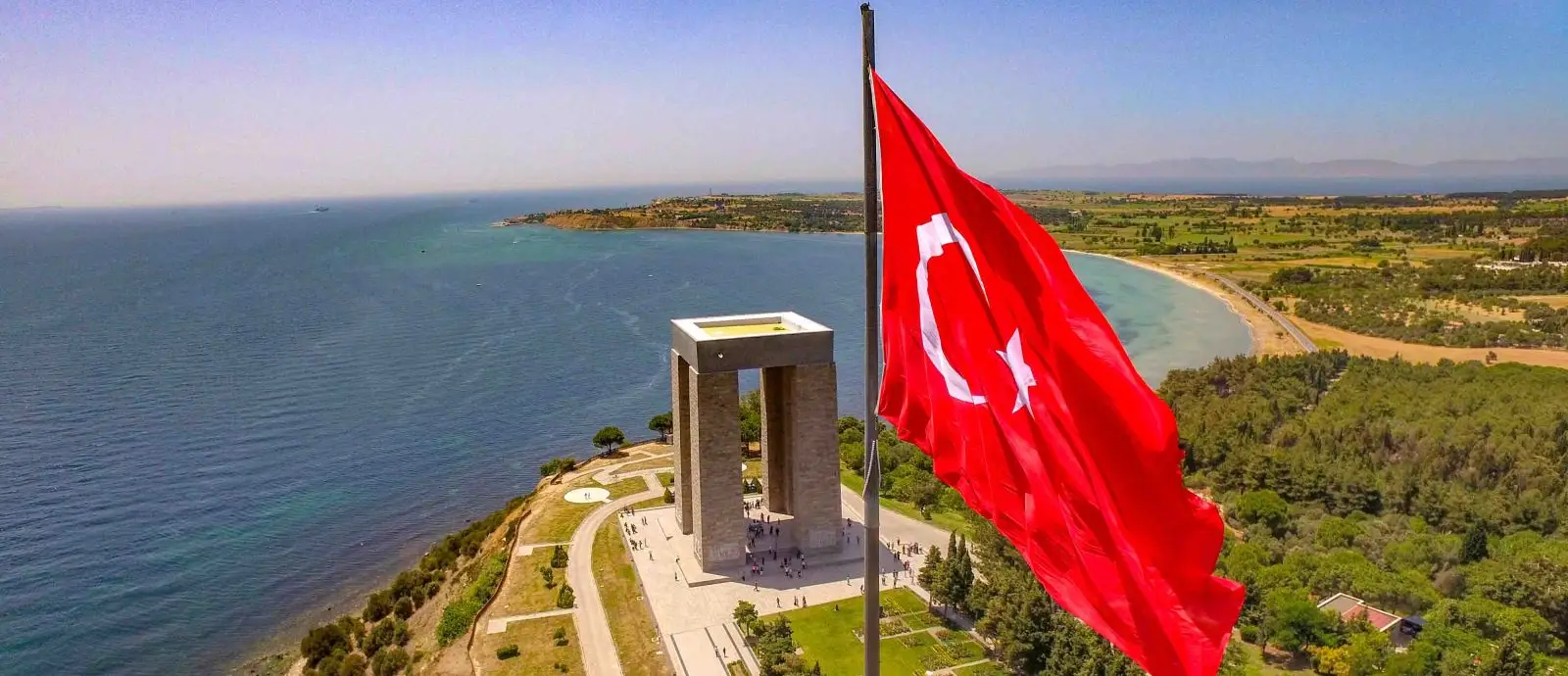
Today, Bayramiç Tahini Halva is both an everyday sweet and a piece of protected culinary heritage. For travelers exploring Çanakkale beyond Troy and Gallipoli, tasting regional foods such as this one reveals another layer of the province’s cultural landscape.