Private Old Foça History & Heritage Tour
Explore ancient Phokaia, traditional streets, Ottoman monuments, historic harbors and Foça's extraordinary maritime story with a private guide.
Request a Custom Tour





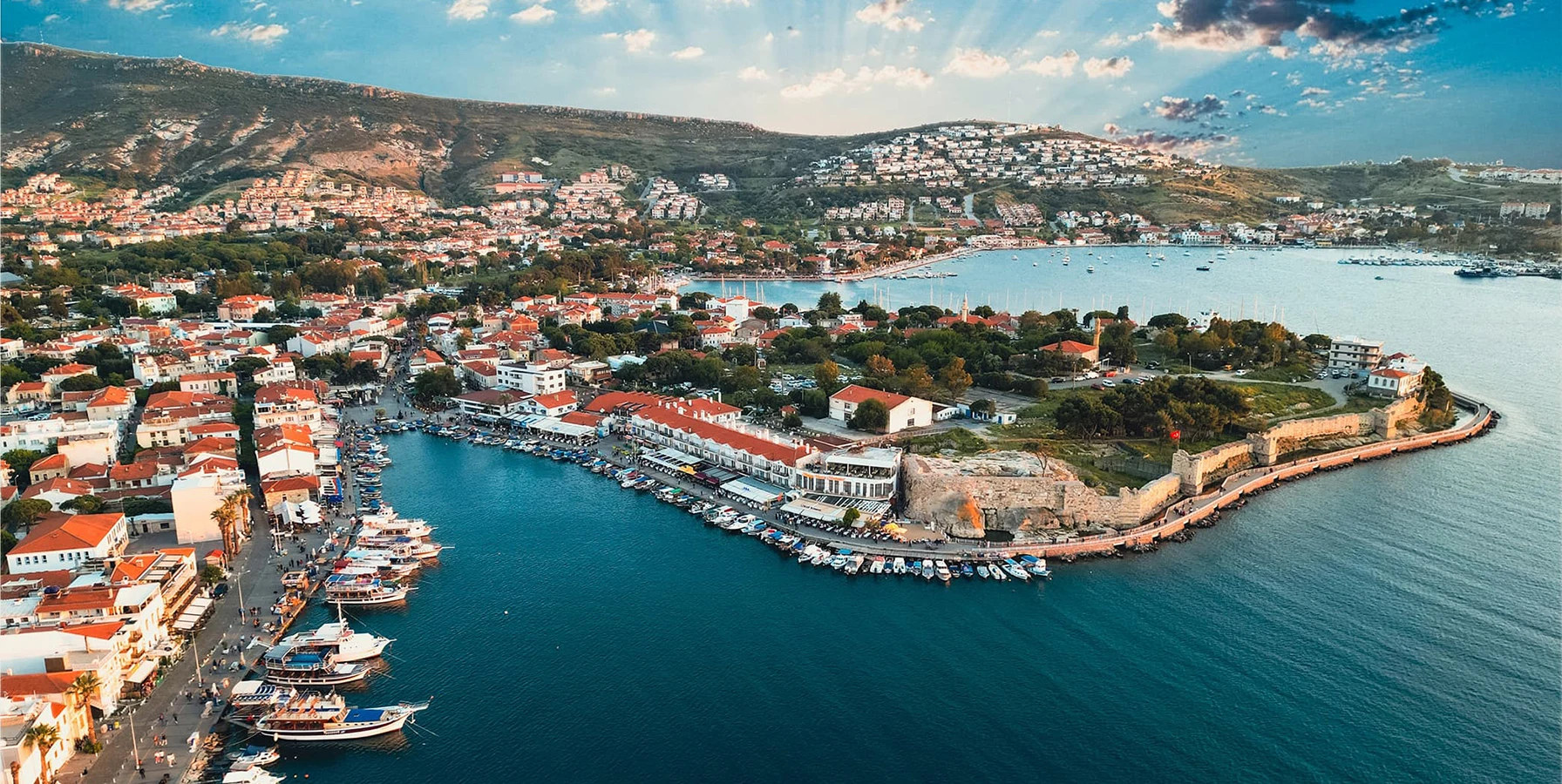
Old Foça, known locally as Eski Foça, is one of the most distinctive historic coastal towns in İzmir Province. Built around two natural harbors and the remains of ancient Phokaia, the town combines archaeology, maritime history, traditional neighborhoods and the relaxed rhythm of Aegean life.
This is not a destination where the historic quarter has been separated from the modern town. Ancient remains, Ottoman monuments, medieval fortifications, fishing boats, restaurants and residential streets continue to occupy the same compact landscape.
That continuity gives Old Foça much of its character. You can walk from the waterfront to the walls of Foça Castle and Beşkapılar, continue through narrow streets lined with traditional houses, climb toward historic windmills and return to the harbor in time for sunset.
The surrounding coast adds another dimension. Islands, rocky headlands and sheltered bays frame the town, while the wider Foça coastline is also known as an important habitat for the endangered Mediterranean monk seal.
Walk through the modern town that developed directly above one of ancient Ionia's great maritime cities.
Experience Küçükdeniz and Büyükdeniz, the natural bays that shaped Foça's history for thousands of years.
Explore traditional houses, stone lanes, waterfront cafés and the living historic center of Eski Foça.
Combine history with boat trips, island views, swimming, seafood and spectacular sunsets.
Essential information for exploring one of the most atmospheric historic coastal towns on the northern İzmir shoreline.
Foça District, İzmir Province, on the Aegean coast of western Türkiye.
Open on Google MapsPhokaia, one of the historically important maritime cities of ancient Ionia.
Ancient settlement, fishing town, traditional neighborhoods and two natural harbors.
Foça Castle and Beşkapılar, overlooking the historic waterfront.
The surrounding Foça coastline is associated with the endangered Mediterranean monk seal.
Allow at least half a day, although a full day or overnight stay gives a much better experience.
Old Foça is unusual because its ancient, medieval, Ottoman and modern identities remain closely connected within the same walkable coastal landscape.
The first reason to visit Old Foça is its extraordinary relationship with the sea. The sheltered natural harbors that attract visitors today were also fundamental to the development of ancient Phokaia.
The Phocaeans became famous as seafarers and traders who traveled far beyond the Aegean and established settlements throughout the Mediterranean.
Centuries later, the same geography attracted Byzantine, Genoese and Ottoman interest. Fortifications were repaired, harbors protected and the town remained connected with maritime trade.
Old Foça therefore offers much more than a picturesque waterfront. Its streets and coastline form part of a cultural landscape shaped continuously by sailors, merchants, soldiers, fishermen and local communities.
Today visitors can move between archaeological history and everyday Aegean life without leaving the town center: ancient Phokaia lies beneath and around modern Foça, historic mosques remain within the old settlement and fishing boats continue to fill the harbors beside centuries-old fortifications.
Travelers frequently see the names Old Foça and New Foça when planning a journey and assume that they describe different neighborhoods of the same compact town.
They are actually two separate coastal settlements within the wider Foça District.
Eski Foça, or Old Foça, is the historic center associated with ancient Phokaia. This is where visitors find the castle, Beşkapılar, historic streets, traditional houses, archaeological remains and the classic fishing-harbor atmosphere.
Yeni Foça, or New Foça, lies farther along the coastline and has its own waterfront, beaches and residential areas.
If your priority is archaeology, traditional architecture and the historical identity of Phokaia, Old Foça should be your main destination.
Old Foça stands directly above and around the ancient city of Phokaia, whose history reaches back far beyond the surviving medieval and Ottoman monuments visible today.
Archaeological discoveries indicate settlement in the Foça area during the Bronze Age. Later evidence points toward Aeolian occupation, followed by the development of Phokaia as an important Ionian city.
Its natural harbors allowed Phokaia to develop a strong maritime identity. The Phocaeans became famous sailors, merchants and colonists who traveled throughout the Mediterranean.
The city's prosperity attracted powerful rivals. Phokaia came under Persian control in the 6th century BC and later passed through the Hellenistic kingdoms before eventually entering the Roman world.
During Byzantine times, Foça continued to benefit from its strategic coastal position. A major medieval chapter began when Genoese merchants became closely associated with the town and its valuable regional resources.
Foça entered Ottoman control in 1455. Existing defenses were repaired and Ottoman religious and civic structures became part of the fortified settlement.
Modern Old Foça has grown directly through this historical landscape, creating the remarkable mixture of archaeology, traditional architecture and contemporary life experienced by visitors today.
Archaeological material demonstrates occupation in the region long before classical Phokaia.
The settlement developed into one of the most important seafaring communities of ancient Ionia.
Phokaia came under Persian domination during the great political changes of the 6th century BC.
The settlement continued through Roman and medieval Byzantine history.
Medieval maritime commerce created a new phase in the town's international history.
After 1455, the historic defenses and settlement continued under Ottoman administration.
To understand Old Foça, it is essential to understand Phokaia.
Phokaia became one of the great maritime communities of ancient Ionia, the culturally influential region extending along the central Aegean coast of western Anatolia.
The city's prosperity was closely tied to its sheltered harbors, maritime expertise and ability to establish connections with distant Mediterranean communities.
Ancient writers remembered the Phocaeans as exceptional sailors. Their ships traveled westward through the Mediterranean at a period when long-distance navigation remained both difficult and dangerous.
The modern streets of Foça now cover substantial areas of the ancient city. For this reason, Phokaia should not be imagined as a single fenced archaeological park. Its remains survive within and around the living town.
Ancient Phokaia became especially famous because its sailors ventured far beyond the Aegean.
Phocaean merchants explored routes extending toward Italy, France and the Iberian Peninsula, participating in commercial networks that connected Anatolia with the western Mediterranean.
The best-known settlement associated with Phocaean colonists is Massalia, modern Marseille in southern France, traditionally founded around 600 BC.
Phocaean expansion also became associated with settlements such as Emporion in the Iberian Peninsula, Alalia on Corsica and Elea in southern Italy.
These connections explain why Old Foça belongs to a much larger Mediterranean story. The quiet Aegean harbor seen today was once the starting point for some of antiquity's most ambitious maritime journeys.
Modern Marseille became the most famous western Mediterranean city associated with Phocaean settlers.
A Phocaean trading settlement on the northeastern coast of the Iberian Peninsula.
An important Phocaean settlement on the island of Corsica.
Phocaean refugees helped establish this celebrated ancient city in southern Italy.
Foça's natural harbors allowed ships to connect Anatolia with wider Mediterranean markets.
The sea remained central to Foça long after the ancient Phocaean period ended.
Old Foça's geography is one of the keys to understanding its long history.
The historic town occupies a coastal landscape framed by the harbors traditionally known as Küçükdeniz and Büyükdeniz.
Protected water, surrounding headlands and a defensible peninsula created ideal conditions for ancient sailors and later maritime communities.
Today the two harbor areas offer different perspectives on Foça. Fishing boats, small pleasure craft, restaurants, waterfront promenades and historic buildings continue to emphasize the town's relationship with the sea.
Walking between the two sides of Old Foça is one of the simplest ways to appreciate how compact the historic settlement really is.
One of Old Foça's greatest pleasures is simply walking without a strict itinerary.
Away from the busiest waterfront areas, historic streets reveal traditional houses, stone details, colorful shutters, small gardens and architectural elements reflecting the town's long Aegean identity.
The urban fabric is not monumental in the way of a large archaeological city. Its appeal comes from scale, texture and continuity.
A quiet residential lane may open suddenly toward the sea, a historic mosque may appear behind modern homes, and sections of ancient or medieval history remain embedded within the same neighborhood.
For this reason, Old Foça rewards slow exploration much more than a rushed checklist of attractions.
Look for stone construction, timber details, shutters, courtyards and characteristic Aegean architecture.
Small lanes create an intimate walking experience away from the main waterfront.
Many streets naturally lead back toward one of the two historic harbor areas.
Old Foça remains a living town rather than a preserved open-air museum.
Take time to notice masonry, doorways and small architectural features rather than only major monuments.
The old streets become especially atmospheric as evening light reaches the harbor.
The historic fortifications are among Old Foça's most important landmarks.
Foça Castle reflects multiple periods of defensive construction, repair and reuse rather than a single building campaign.
The surviving walls contain important medieval and Ottoman phases and demonstrate why controlling Foça's protected harbors remained strategically important.
One of the best-known sections is Beşkapılar, meaning “Five Gates.” The waterfront structure is associated with the boathouse section of the Ottoman castle and creates one of the most recognizable historic scenes in Foça.
Because the fortress deserves deeper explanation, we have created a dedicated visitor guide covering its history, architecture, Genoese period, Ottoman repairs and UNESCO Tentative List connection.
Historic defenses survive around parts of the peninsula and waterfront.
The famous five-arched waterfront section is one of Old Foça's signature landmarks.
Medieval Foça formed part of wider Genoese commercial networks across the Aegean.
The fortifications continued to protect the settlement after Foça entered Ottoman control.
Foça's Ottoman history extends beyond the castle walls. Several religious buildings survive within the historic settlement and reveal another important layer of the town's past.
The most important is Fatih Mosque, located within the old fortified area. Its history is connected with the Ottoman conquest of Foça and later 16th-century reconstruction.
Visitors can also encounter Kayalar Mosque and Hafız Süleyman Masjid, further illustrating how Ottoman urban life developed inside the historic coastal settlement.
These buildings are still part of a living community. Visitors should therefore dress and behave respectfully, particularly during prayer times.
One of the principal monuments associated with Ottoman Foça.
A historic mosque within the old town incorporating material connected with earlier periods.
A small historic place of worship connected with the Ottoman castle community.
Ottoman funerary heritage forms another element of Foça's wider historical landscape.
The historic windmills above Foça provide a completely different perspective on the town.
From the elevated landscape, the reason for Foça's maritime importance becomes much clearer. Visitors can look across the town, surrounding hills, offshore islands and the protected bays around the historic peninsula.
The windmill structures also recall an agricultural and pre-industrial landscape that existed alongside the better-known maritime character of Foça.
The area is especially attractive during the softer light of late afternoon, although visitors should be prepared for exposed terrain, uneven ground and wind.
See the harbors, old town and surrounding Aegean coastline from above.
The windmills provide insight into another aspect of traditional Foça life.
Wide views make this one of the most rewarding landscape-photography areas around Old Foça.
Late afternoon often creates beautiful illumination across the town and coastline.
The seascape surrounding Old Foça is filled with islands, islets, rocky formations and small bays.
Among the most famous natural landmarks are the Siren Rocks, traditionally associated with the Sirens of ancient mythology.
The volcanic rocks have been shaped by erosion into dramatic formations and lie within the offshore landscape around Foça.
Their mythological association adds another layer to a coastline already strongly connected with ancient sailors.
Visitors generally experience the offshore landscape by boat, allowing broader views of Foça's islands and rugged coastal formations.
Foça is widely associated with the Mediterranean monk seal (Monachus monachus), one of the world's rarest seal species.
The rocky coastline, isolated caves, islands and relatively undisturbed sections around Foça provide habitat important to Mediterranean marine biodiversity.
A monk seal sighting should never be expected or guaranteed during a visit. These are wild animals whose survival depends upon avoiding disturbance.
Responsible boat operators should maintain appropriate distances from wildlife and avoid entering sensitive caves or approaching resting animals.
Mediterranean monk seals are not a tourist attraction and sightings are never guaranteed.
Never move closer to an animal for photographs or video.
Sea caves may function as sensitive resting or breeding habitat and should not be disturbed.
Select operators who prioritize marine conservation rather than wildlife chasing.
A boat trip provides one of the best ways to understand the geography surrounding Old Foça.
From the water, visitors can see how the historic settlement fits between bays, headlands, islands and rocky coastal formations.
Routes vary according to season, weather and individual operators, but typically focus on scenic coves, swimming areas and the island landscape surrounding Foça.
A boat excursion also offers a useful contrast to exploring the archaeological and architectural heritage on foot.
See Foça's offshore landscape from perspectives impossible to reach by road.
Many seasonal boat routes include time in sheltered bays and clear Aegean water.
Observe volcanic formations, headlands and rugged shoreline features around Foça.
Responsible operators should avoid disturbing monk seals and other marine wildlife.
Wind and sea conditions can change routes or cause cancellations.
Confirm duration, swimming stops, inclusions and boat size before departure.
Old Foça works especially well for travelers who want to combine cultural exploration with time beside the sea.
Swimming opportunities can be found around the wider Foça coastline, from areas close to town to quieter bays reached by road or boat.
Conditions vary considerably. Some places have organized facilities, while other coastal areas are more natural and exposed.
Visitors planning a summer day can explore the historic center during the cooler morning hours before spending the hotter part of the afternoon beside the water.
The bays around Foça are known for attractive Aegean coastal scenery.
Old Foça makes it easy to combine historic sightseeing with swimming on the same day.
Some attractive swimming areas are best experienced during a boat excursion.
The Aegean can become windy, so sea conditions should always be checked locally.
Walk beside fishing boats, cafés and traditional harbor scenery in the heart of Old Foça.
Explore the historic fortifications connecting Genoese maritime history with Ottoman Foça.
Look for archaeological traces of the ancient Ionian city beneath and around the modern town.
Wander through residential lanes lined with old houses and characteristic Aegean architecture.
Visit one of the principal Ottoman monuments within the historic settlement.
Climb above the town for broad views across the harbors, islands and Aegean coast.
Discover the offshore volcanic landscape associated with ancient mythological traditions.
See islands, coastal formations and secluded bays from the Aegean Sea.
End the day beside the waterfront as evening light transforms the stone walls and harbor.
Begin beside the waterfront around Küçükdeniz, where fishing boats and the compact harbor provide an immediate introduction to Foça's maritime identity.
Continue through the historic streets toward the peninsula and Foça Castle and Beşkapılar. Take time to examine the fortification walls and the relationship between the castle and surrounding sea.
Continue into the old settlement toward Fatih Mosque and nearby historic streets.
From here, wander back through residential lanes rather than returning directly along the same road. The small streets provide some of the most atmospheric views of traditional Old Foça.
Travelers who enjoy walking can then continue uphill toward the historic windmills for panoramic views.
Return toward the waterfront in the late afternoon and finish the route beside Büyükdeniz for dinner or sunset.
Food is an important part of the Old Foça experience, particularly around the waterfront where restaurants and cafés overlook the harbor.
Seafood naturally plays a major role, alongside the broader culinary traditions of Türkiye's Aegean coast.
Visitors may encounter seasonal fish, calamari, octopus, vegetable dishes prepared with olive oil, local herbs, mezes and other regional specialties.
Rather than choosing a restaurant only for its view, it is worth comparing menus, daily seafood options and current prices before sitting down.
Seasonal fish and seafood form an important part of the local waterfront dining scene.
Cold and warm small plates highlight vegetables, herbs, olive oil and regional flavors.
Begin a slow morning beside the water before exploring the historic streets.
Evening dining beside Büyükdeniz can be especially atmospheric.
Take a break in the old town and enjoy one of Türkiye's most traditional drinks.
Review prices and seasonal seafood choices before ordering, particularly along the waterfront.
Walk the harbor, visit Beşkapılar, explore several old streets and enjoy a short waterfront break.
Add Foça Castle, Fatih Mosque, traditional neighborhoods and a relaxed meal beside the sea.
Include the windmills, archaeological landmarks, swimming and a longer exploration of the historic town.
Combine morning sightseeing with an afternoon cruise through the islands and surrounding bays.
Stay overnight to experience sunset, evening dining and the quieter harbor atmosphere the following morning.
Allow extra time for ancient Phokaia, Ottoman monuments and the detailed history of Foça Castle.
Mild weather makes spring excellent for walking, archaeology and exploring the historic streets.
Long daylight hours allow visitors to combine sightseeing, swimming and evening waterfront walks.
Expect hot weather and a livelier atmosphere, especially around beaches and waterfront restaurants.
Warm sea temperatures often combine with a more relaxed atmosphere after the peak summer period.
Comfortable walking conditions make autumn particularly appealing for history-focused visitors.
Old Foça becomes quieter and atmospheric, although wind and rain can affect coastal activities.
Enjoy quieter streets, fishing boats and softer light around the harbor before the town becomes busier.
Explore archaeological and architectural landmarks before the hottest summer temperatures.
Take a boat trip, swim or relax beside the water during warmer months.
Historic walls and traditional houses become especially photogenic in softer late-afternoon light.
Return to the waterfront for changing colors across the Aegean and surrounding islands.
Enjoy restaurants, cafés and the relaxed atmosphere of the illuminated harbor.
Old Foça offers a remarkable variety of photographic subjects within a very small area.
The strongest images often combine architectural heritage with the sea rather than isolating individual monuments.
Colorful boats, reflections and waterfront buildings create classic Old Foça compositions.
Historic arches and stone fortifications provide one of the town's strongest architectural subjects.
Look for doors, shutters, flowers, stone textures and narrow perspectives between traditional houses.
Elevated positions allow wide compositions showing the town, bays and offshore islands together.
Warm evening light enhances stone, terracotta roofs and the blue Aegean water.
Harbor lights shortly after sunset can create atmospheric waterfront photographs.
The historic center is compact enough to experience most major landmarks while walking.
Historic paving, hills and uneven surfaces make practical footwear worthwhile.
Visit archaeological and architectural sites before the hottest part of the day.
Old Foça changes character in the evening and should not be treated only as a daytime stop.
This is particularly important when walking uphill toward the windmills during warm weather.
Many old houses and courtyards are private homes rather than visitor attractions.
Wind and sea conditions may affect departures, routes and swimming stops.
Never approach monk seals or disturb caves, resting areas and nesting wildlife.
Accessibility varies considerably across Old Foça because modern waterfront promenades, historic streets and archaeological landscapes have very different surfaces.
Many promenade areas are relatively level and provide the easiest way to experience the town.
Expect uneven paving, narrow lanes and occasional changes in level.
Historic fortifications should not be assumed to provide continuous step-free access.
Uphill approaches and rough terrain make the elevated landscape more challenging.
A waterfront-focused route can provide an enjoyable experience without reaching every historic site.
Modern promenade sections are considerably easier than archaeological and rough historic surfaces.
Old Foça lies on the northern Aegean coastline of İzmir Province.
Its relative proximity to İzmir makes it possible to visit as a day trip, although staying longer provides a much more relaxed experience.
Travel north from central İzmir toward Foça and follow signs for Eski Foça rather than Yeni Foça.
A car offers flexibility for combining Old Foça with beaches, coastal viewpoints and other northern İzmir destinations.
Door-to-door transportation is convenient for travelers staying in central İzmir or arriving through the airport.
Public transportation connections are available through the wider İzmir transport network, although journeys may involve connections.
The principal historic center, harbors and castle area are best explored on foot.
Search for “Eski Foça” rather than simply “Foça” when confirming your final destination.
Old Foça can form part of a wider journey through northern İzmir and the Aegean coast.
Explore the medieval and Ottoman fortifications overlooking Old Foça's historic harbor.
Discover archaeological remains belonging to the famous Ionian maritime city beneath modern Foça.
See an unusual rock-cut funerary monument reflecting Persian-period influence near Foça.
Climb above the historic settlement for panoramic views over the town and Aegean coastline.
Continue along the northern İzmir coast to another impressive historic fortress beside the Aegean.
Discover a quieter İzmir peninsula with dramatic coastal landscapes, traditional villages and clear Aegean water.
Travelers with a private vehicle can use Old Foça as part of a broader exploration of northern İzmir.
Begin in Old Foça, combining ancient Phokaia, the historic harbor and Foça Castle.
Continue toward Çandarlı Castle, where another imposing fortress dominates a historic Aegean harbor.
A longer journey can connect these destinations with traditional coastal settlements, beaches and landscapes farther around İzmir Province.
Old Foça, or Eski Foça, is located in Foça District of İzmir Province on the Aegean coast of western Türkiye.
Old Foça is the historic settlement generally associated with ancient Phokaia. The wider Foça District also includes Yeni Foça, or New Foça, which is a separate coastal settlement.
The ancient city was known as Phokaia, or Phocaea in Latinized form.
Phokaia was an important Ionian maritime city whose sailors and merchants traveled throughout the Mediterranean and established colonies far from Anatolia.
Ancient Massalia, modern Marseille in southern France, was established by Phocaean settlers around the beginning of the 6th century BC.
Highlights include the historic harbors, Foça Castle and Beşkapılar, traditional streets, archaeological remains of Phokaia, Fatih Mosque and the hilltop windmills.
Beşkapılar means “Five Gates” and is the famous waterfront section associated with the Ottoman-period castle complex.
The castle is one of the key landmarks for understanding Old Foça's strategic importance and its Byzantine, Genoese and Ottoman history.
Yes. Archaeological remains survive within and around the modern settlement, although ancient Phokaia does not function as a single enclosed archaeological park.
The Siren Rocks are volcanic formations in the offshore Foça landscape traditionally associated with the Sirens of ancient mythology.
The coastline around Foça is an important area associated with Mediterranean monk seals. They are endangered wild animals, however, and sightings should never be expected or guaranteed.
Yes. Seasonal boat excursions are a popular way to explore the surrounding islands, bays and coastal landscapes. Routes depend on weather and individual operators.
Yes. The surrounding Foça coastline offers numerous opportunities for swimming, and many visitors combine a historic town visit with time beside the sea.
Half a day is sufficient for the principal historic center, but a full day is recommended. Staying overnight allows you to experience sunset and the quieter morning atmosphere.
Yes. Old Foça can be visited from İzmir as a day trip, especially by private vehicle or arranged transportation.
Spring and autumn are excellent for walking and sightseeing. Summer is ideal for combining the historic town with swimming and boat trips, although midday temperatures can be high.
The waterfront and coastal areas can become considerably busier during summer, particularly on weekends and during holiday periods.
Yes. The combination of harbors, islands, castle walls and Aegean water makes late afternoon and sunset particularly attractive.
Yes. Families can combine easy waterfront walks with boat trips, swimming and historic sightseeing, although children should be supervised around fortifications and waterfront edges.
Some waterfront areas are relatively level, but historic streets, archaeological areas and hilltop sites may contain uneven surfaces and changes in level.
A guide is not essential for walking around the harbor, but a knowledgeable guide can greatly improve understanding of ancient Phokaia, Genoese maritime history and Ottoman Foça.
Yes. Travelers using private transportation can combine Old Foça with Çandarlı and other destinations along the northern İzmir coastline.
Traditional houses are often private residences, so avoid entering courtyards or photographing residents intrusively.
Never remove stones, ceramics or archaeological material from historic areas.
Avoid climbing fragile walls and fortifications for photographs.
Never approach, follow, feed or disturb Mediterranean monk seals.
Avoid entering sensitive caves or encouraging boat operators to approach wildlife habitat.
Carry reusable water containers where possible and leave beaches and boat stops clean.
Spend time in locally operated restaurants, cafés, shops and accommodation within the historic town.
The compact center is best explored on foot, reducing unnecessary vehicle traffic through historic streets.
Discover Old Foça through private experiences combining archaeology, maritime history, traditional neighborhoods and beautiful Aegean scenery without compulsory shopping stops.
Explore the story of ancient Phokaia while discovering the living harbors, streets and monuments of modern Old Foça.
Explore ancient Phokaia, traditional streets, Ottoman monuments, historic harbors and Foça's extraordinary maritime story with a private guide.
Request a Custom Tour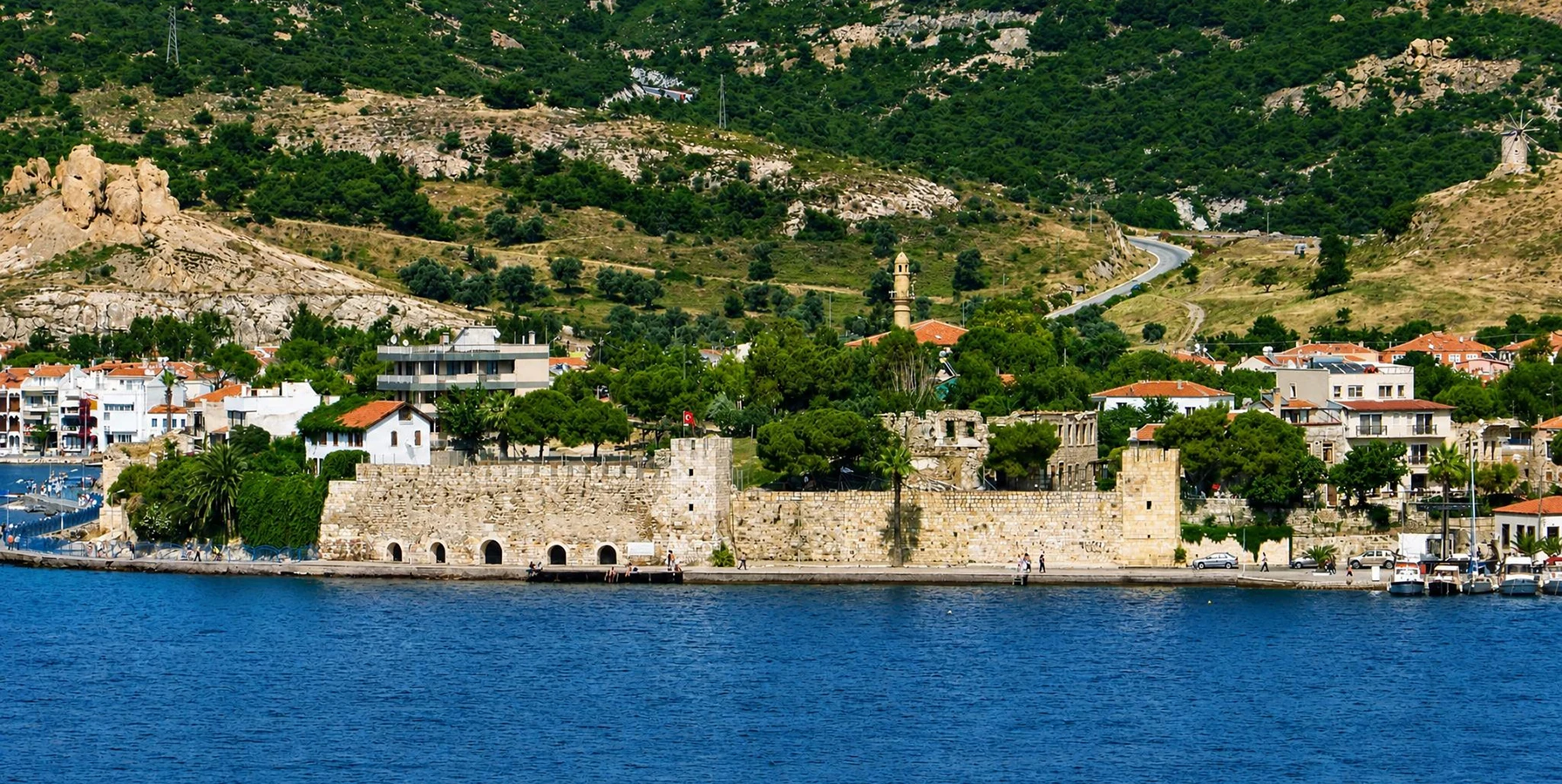
Go deeper into Foça's Byzantine, Genoese and Ottoman history through the fortifications guarding its strategic Aegean harbors.
Explore Foça CastleFollow the Aegean coastline through historic fortresses, traditional towns and spectacular coastal landscapes.
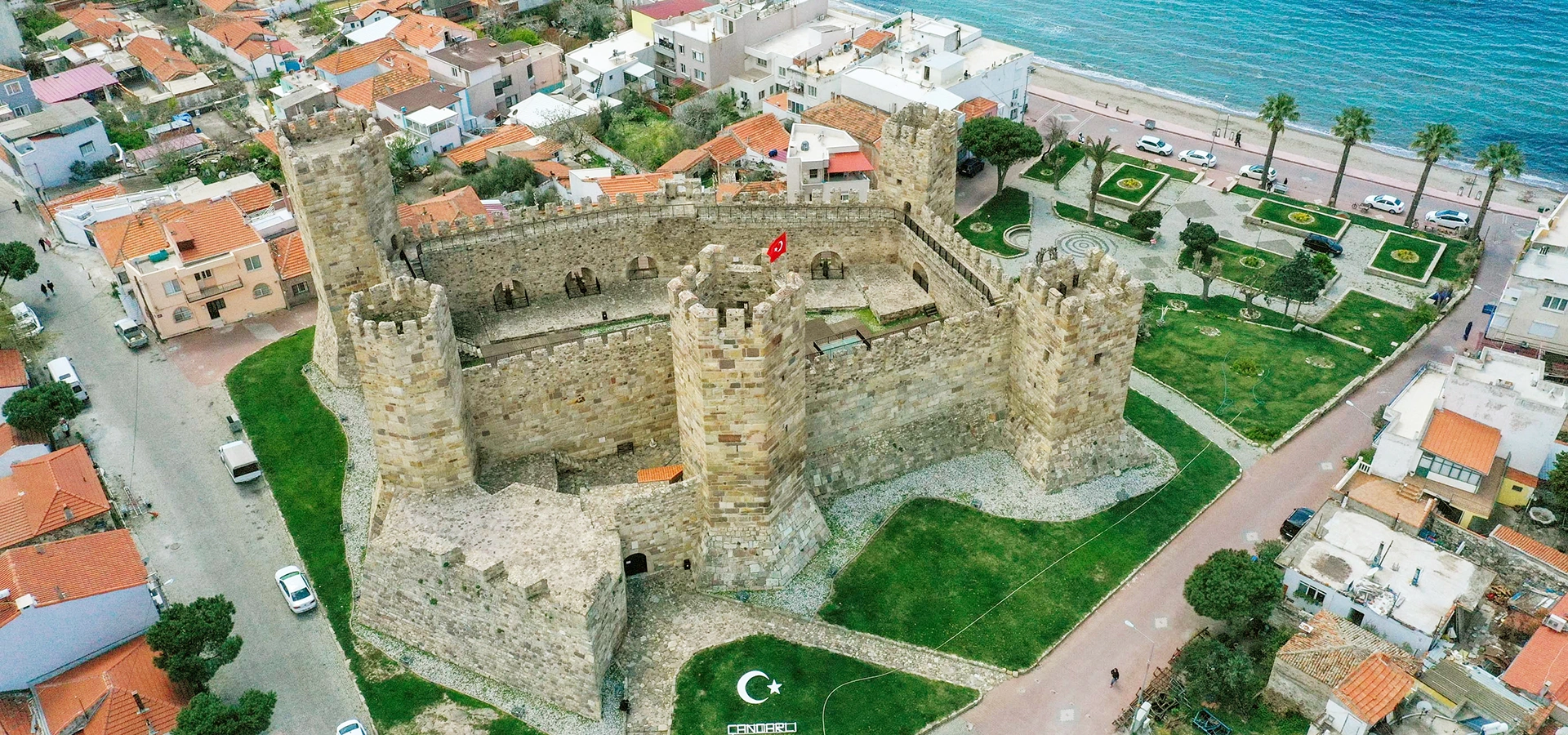
Continue north to another remarkable fortified Aegean harbor with its own medieval and Ottoman maritime story.
Explore Çandarlı Castle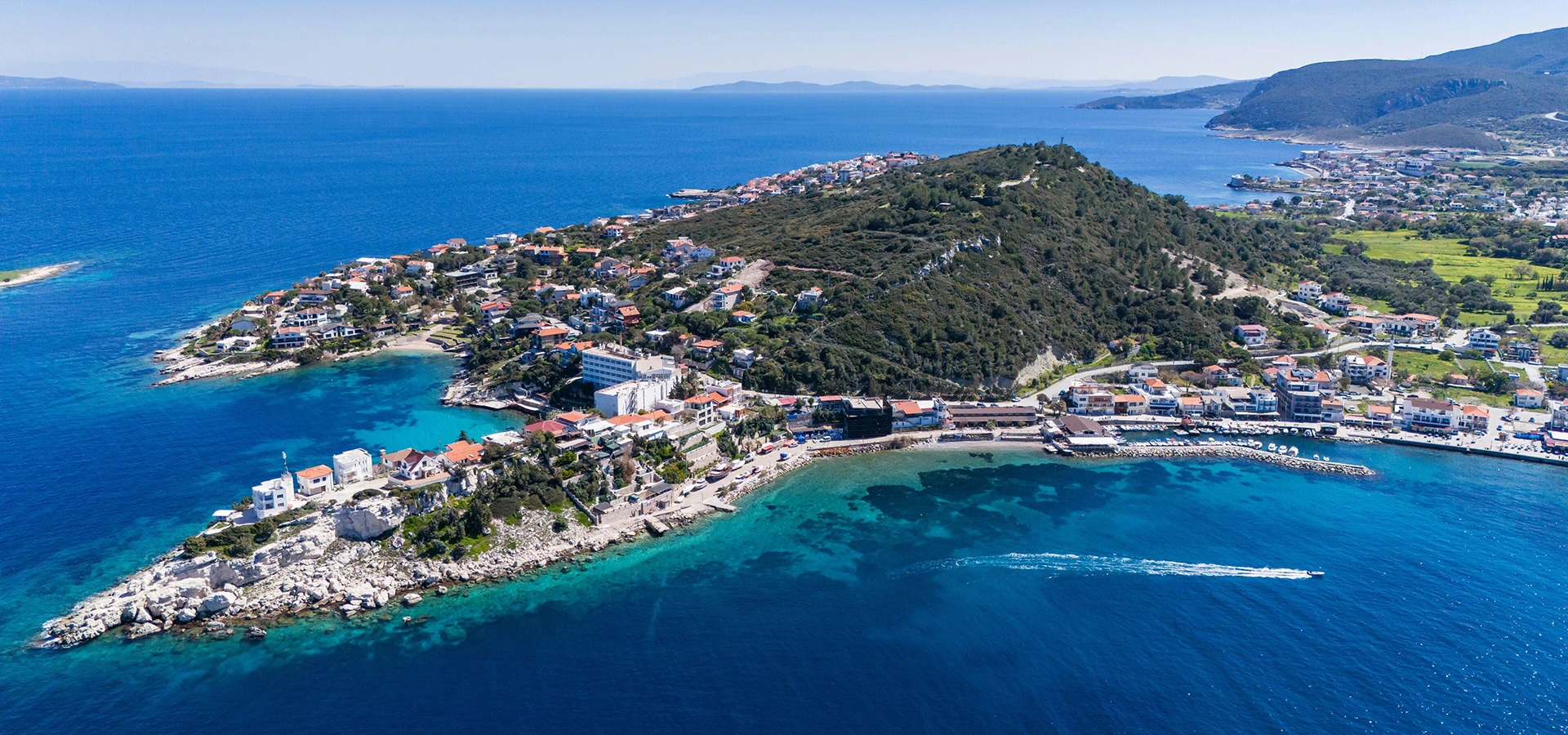
Discover one of İzmir's quieter peninsulas with traditional villages, dramatic coastlines and clear Aegean water.
Explore KaraburunContinue your journey through historic towns, ancient landscapes and distinctive destinations around the İzmir Peninsula.
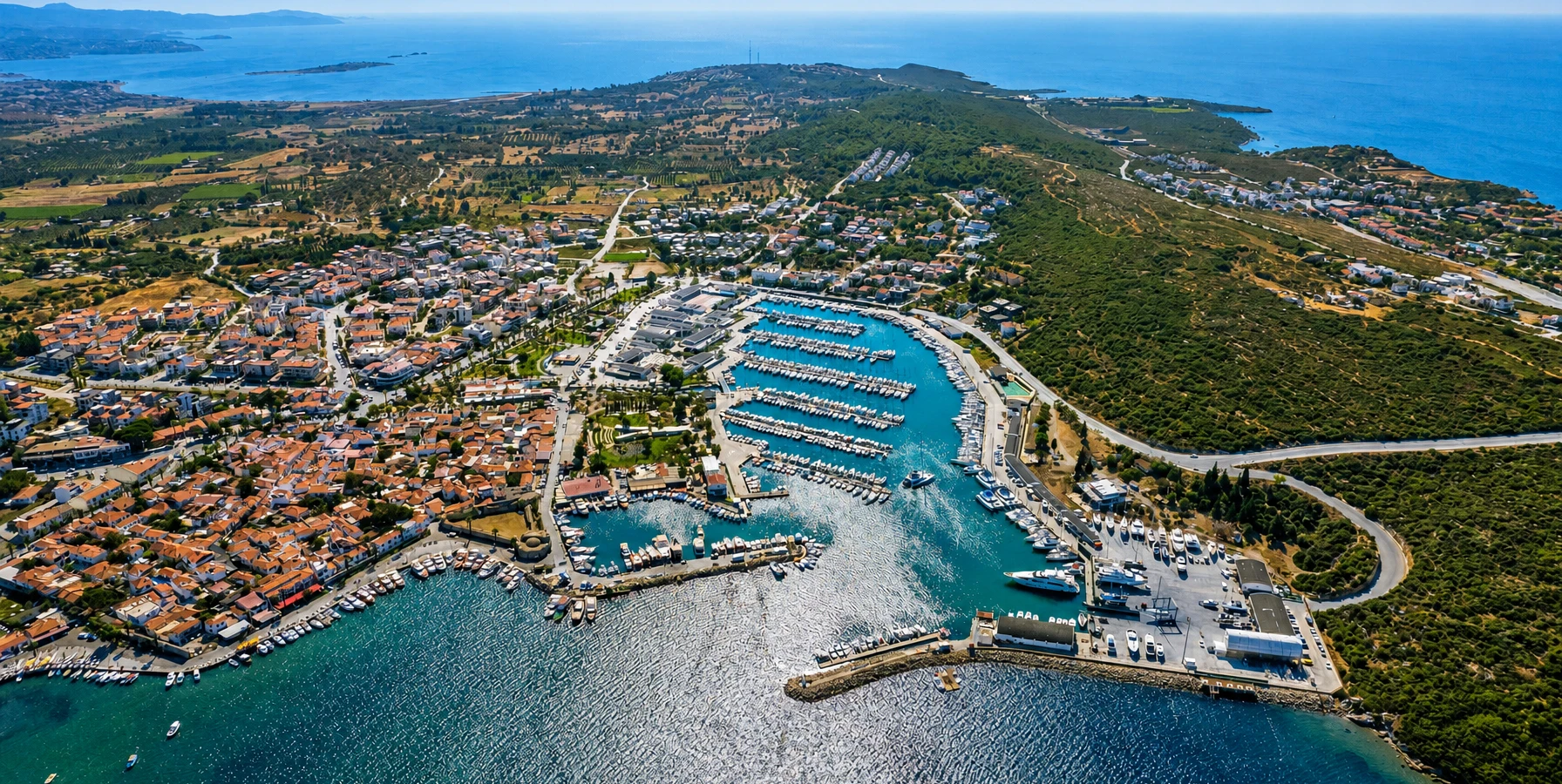
Explore another Aegean district where ancient heritage, traditional settlements and coastal landscapes meet.
Explore Seferihisar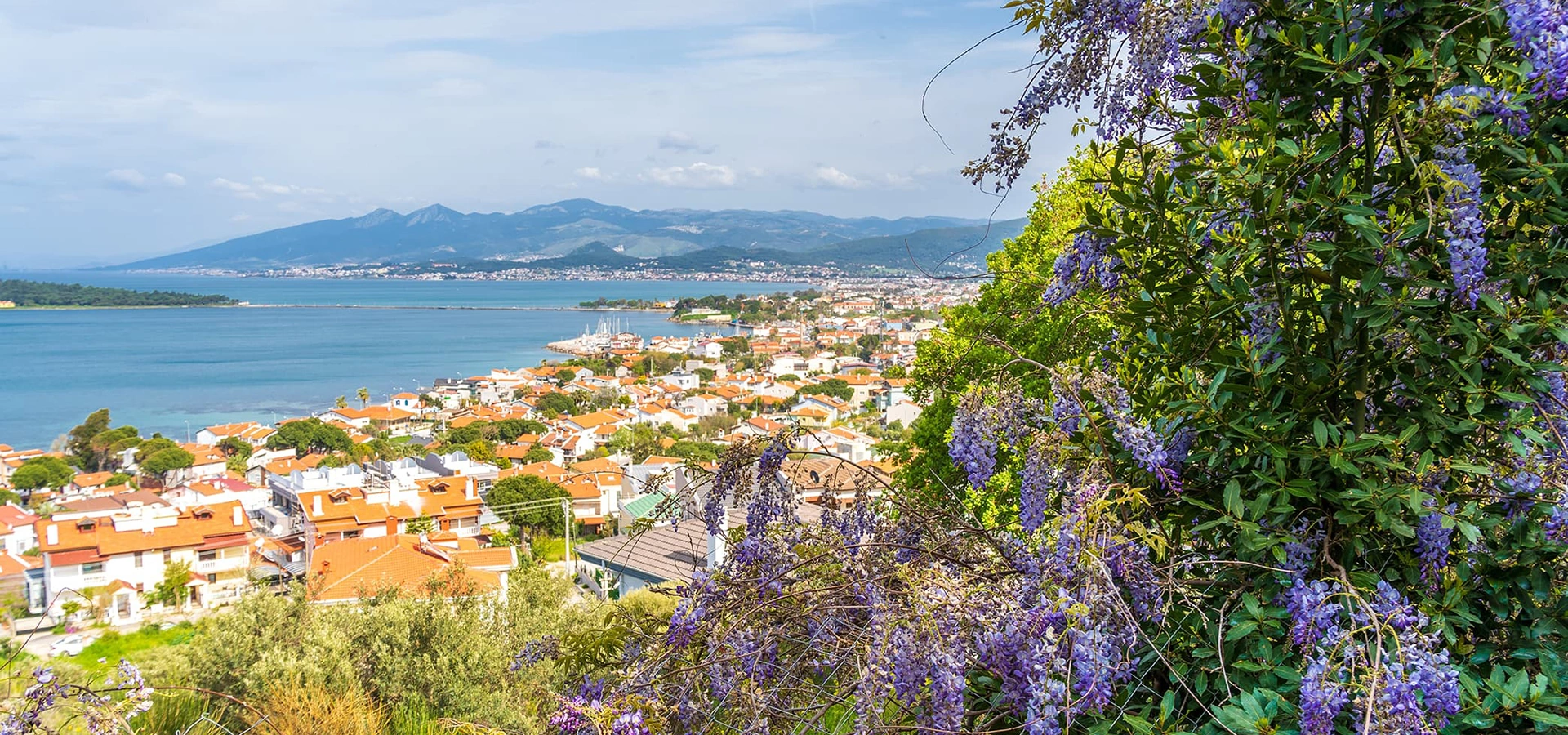
Experience another historic Aegean destination combining archaeology, coastal life, vineyards and contemporary gastronomy.
Explore Urla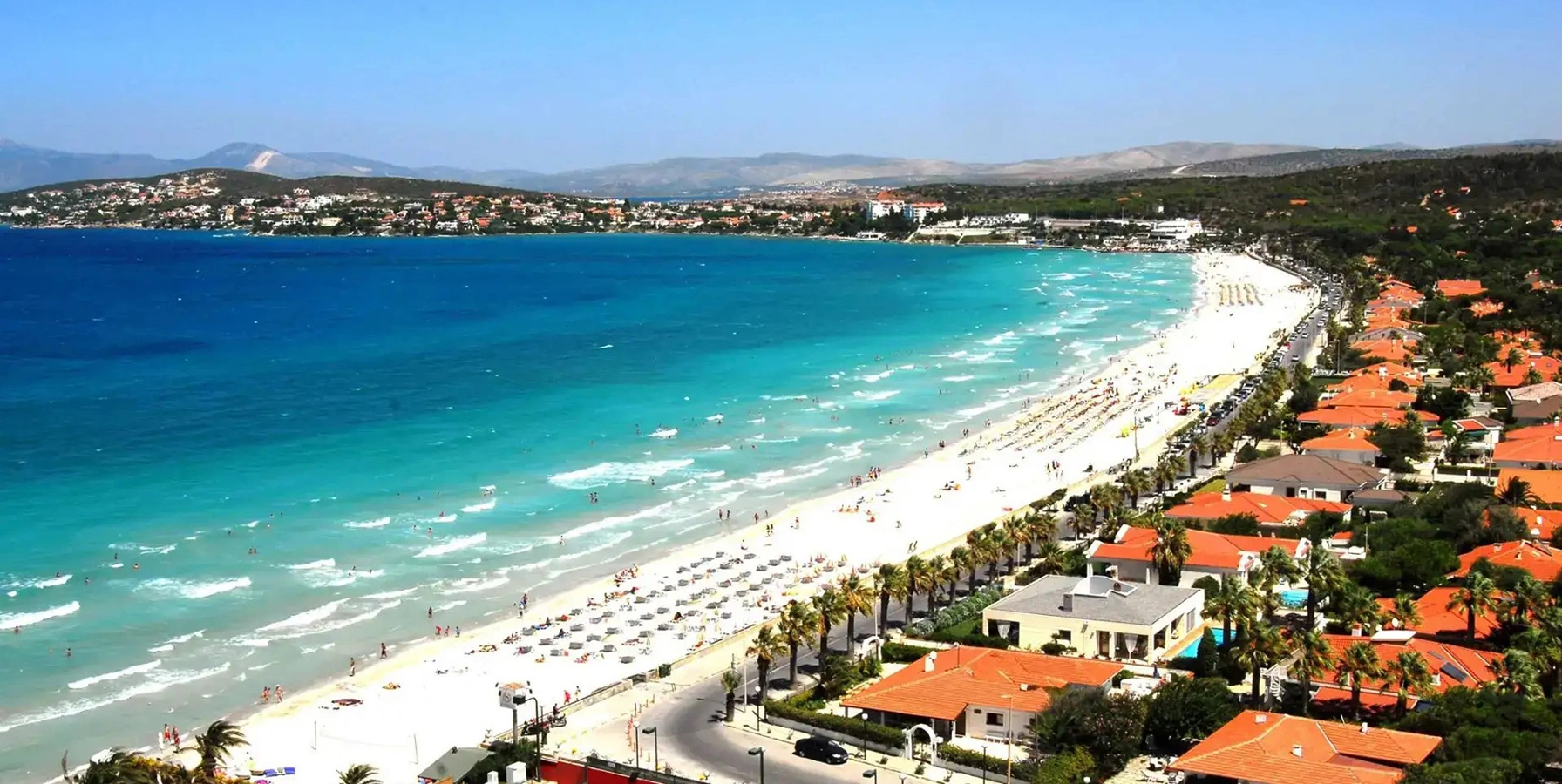
Continue through the İzmir Peninsula to historic windmills, stone architecture and one of the Aegean's most recognizable towns.
Explore Alaçatı