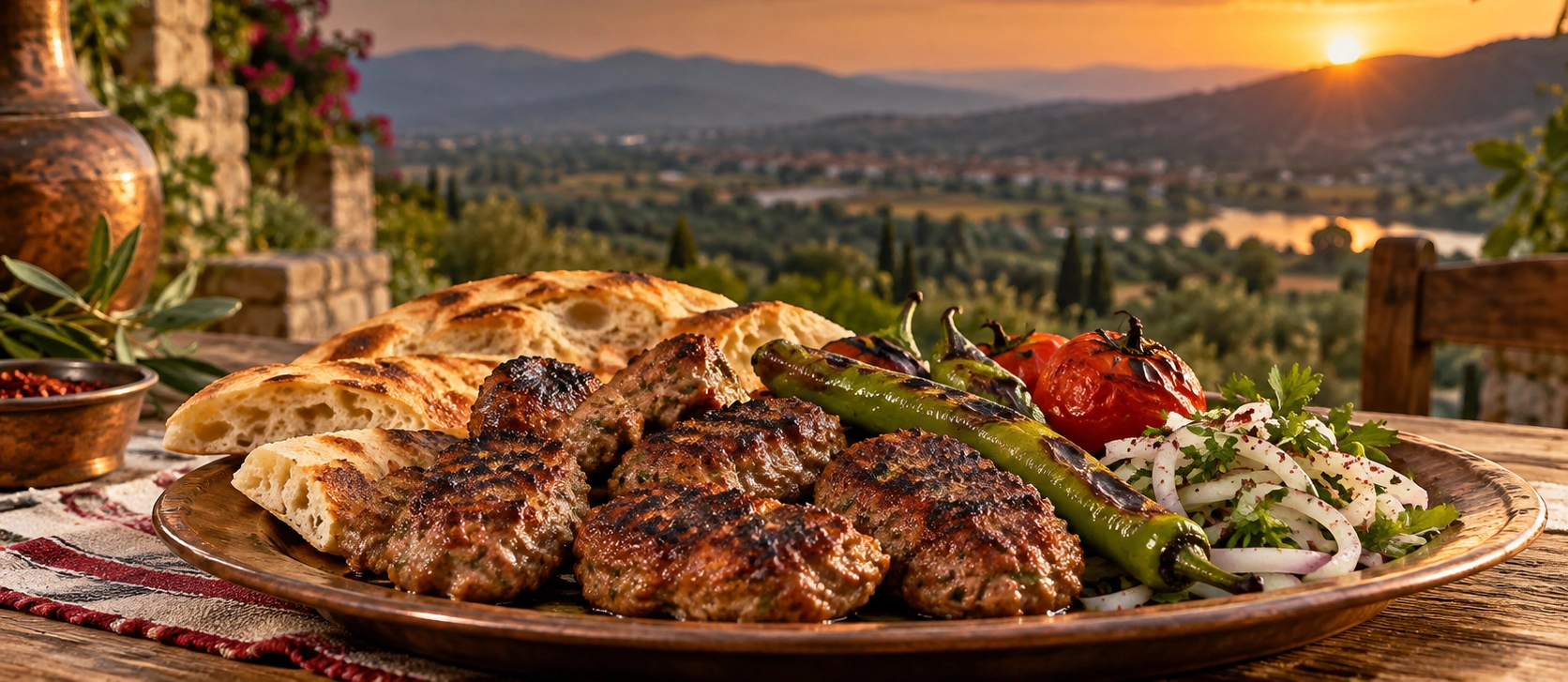
Çine Köfte
Discover another celebrated Aydın specialty, reflecting the region's traditional meat preparation and grilling culture.
Explore Çine Köfte





İncirliova Deve Sucuğu, meaning İncirliova Camel Sausage, is a traditional Turkish sausage produced from camel meat in İncirliova, a district of Aydın Province in western Türkiye. Prepared with carefully processed camel meat, beef fat, garlic, salt and selected spices, this regional delicacy represents a remarkable combination of local culinary knowledge, traditional butchery and the cultural heritage of western Anatolia.
Unlike conventional Turkish sucuk, which is commonly associated with beef, İncirliova Deve Sucuğu uses camel meat as its principal meat ingredient. Its characteristic seasoning, reddish-brown appearance, distinctive slightly tangy flavor and traditional sausage shapes make it an identifiable specialty of the district.
The history of camel sausage production in İncirliova reaches back to the early twentieth century. Initially prepared in households and small butcher shops, production developed commercially after the establishment of a municipal slaughterhouse in 1949 and a dedicated sausage-production facility in 1952.
On March 29, 2021, İncirliova Deve Sucuğu received official geographical indication registration from the Turkish Patent and Trademark Office under registration number 710. The product is protected as a Mahreç İşareti, a geographical indication recognizing its distinctive connection to İncirliova.
Today, the registered product may be prepared through two officially documented methods: traditional production involving fermentation and drying, and modern production involving controlled fermentation and heat treatment.
For visitors discovering the culinary traditions of Aydın, İncirliova Deve Sucuğu offers an opportunity to explore a regional product whose identity reflects traditional craftsmanship, local economic history and the wider culture of camel husbandry in western Türkiye.
Officially registered in Türkiye in 2021 under registration number 710.
Produced using camel carcass meat and beef fat with traditional sausage seasonings.
A sausage-making tradition documented in İncirliova since the early twentieth century.
Traditional fermented production and modern heat-treated production.
Essential information about one of Aydın's most distinctive geographically registered meat products.
İncirliova district, Aydın Province, western Türkiye.
Explore İncirliova on Google MapsTraditional spiced camel-meat sausage, known locally as deve sucuğu.
Camel carcass meat, combined with beef fat and traditional seasonings.
Geographical Indication No. 710, registered March 29, 2021.
Garlic, cumin, ground red pepper, black pepper and salt.
Traditional fermentation and drying, or modern controlled heat treatment.
Discover the traditional camel-meat sausage that has become an important symbol of İncirliova's local food culture.
İncirliova Deve Sucuğu is a seasoned sausage made primarily from camel meat, with beef fat and a combination of garlic, salt and spices. Its production is associated with İncirliova, a district of Aydın in Türkiye's Aegean region.
The word sucuk refers to a family of traditional Turkish sausages distinguished by their spiced meat mixtures, characteristic casings and methods of maturation or processing.
Although most visitors to Türkiye encounter beef-based sucuk, the camel-meat version represents a more unusual expression of Anatolian meat-preservation and sausage-making traditions.
İncirliova Deve Sucuğu is characterized by its reddish-brown exterior, a cross-section in which pieces of fat form a mosaic-like appearance, and a distinctive tangy flavor associated with its seasoning and production method.
The officially registered product is made using camel carcass meat rather than simply adding a small quantity of camel meat to an otherwise conventional sausage. Beef fat supplies the fat component specified in the registered formulation.
The product may be manufactured as small traditional finger sausages, longer half-baton sausages or ring-shaped kangal sausages.
Its identity is inseparable from the experience of local butchers and sausage producers, whose knowledge of meat preparation, seasoning, casing, fermentation and drying has developed over generations.
İncirliova is a district in Aydın Province, situated within the agricultural and cultural landscape of the Büyük Menderes basin in western Türkiye.
The district's culinary traditions reflect the relationship between local agriculture, livestock husbandry, traditional markets and the food practices of communities throughout the Aegean region.
Among the features that distinguish İncirliova is its long-standing association with camel husbandry and the wider cultural tradition of camel wrestling, known in Turkish as deve güreşleri.
Within this environment, local knowledge about camels and traditional meat processing contributed to the development of camel sausage as a recognized specialty.
Historical household production gradually developed into organized commercial preparation, allowing the product to reach consumers beyond the district.
İncirliova belongs to the Aegean region, an area known for its agricultural diversity and distinctive local foods.
The district is closely associated with the wider traditions of camel raising and camel-related cultural activities.
Experienced local meat processors have contributed to the preservation of distinctive camel-sausage preparation skills.
Traditional sausage products have historically circulated through markets and cultural gatherings across western Anatolia.
Camel sausage is recognized as an important culinary expression of İncirliova's distinctive regional heritage.
Geographical indication registration formally connects the product and its established production knowledge to İncirliova.
The production of camel sausage in İncirliova has roots extending to the early twentieth century, when local households and butchers prepared limited quantities for personal and community consumption.
At first, production was relatively small and depended on the available meat, household knowledge and the expertise of individual butchers.
A significant development occurred in 1949, when İncirliova Municipality established a municipal slaughterhouse. This facility provided an important foundation for more organized local meat processing.
In 1952, a dedicated sausage-production facility known as a sucukhâne began operating as part of the municipal meat-processing infrastructure.
These developments helped traditional camel sausage progress from household preparation to a more established commercial activity.
Over subsequent decades, the knowledge of camel-meat cutting, sausage seasoning and maturation continued to be preserved and developed by regional producers.
As traditional food production evolved, İncirliova also adopted modern processing techniques while retaining the distinctive identity of its camel sausage.
The official geographical indication registration granted in 2021 represents a further milestone in documenting and protecting this regional food heritage.
Camel sausage was prepared in İncirliova households and butcher shops on a relatively small scale.
The municipal slaughterhouse began operating, supporting the development of commercial meat processing.
A dedicated sucukhâne started operating and helped establish organized camel-sausage production.
Local producers continued traditional preparation while the product gained recognition across regional markets.
İncirliova Municipality submitted the geographical indication application on November 13.
İncirliova Deve Sucuğu was formally registered as a geographical indication on March 29.
On March 29, 2021, the Turkish Patent and Trademark Office officially registered İncirliova Deve Sucuğu under geographical indication number 710.
The application was submitted by İncirliova Municipality on November 13, 2017, under application number C2017/186.
The geographical indication is classified as a Mahreç İşareti, a Turkish designation recognizing a product whose reputation, distinguishing characteristics or production tradition is associated with a particular geographical area.
For İncirliova Deve Sucuğu, the registered specification establishes an important geographical production requirement: all production stages must take place within İncirliova district.
The registration also documents the product's principal ingredients, production methods, characteristic shapes, technical properties and labeling requirements.
Both the traditional fermented product and its modern heat-treated counterpart are included within the registered specification.
Geographical indication protection helps preserve the established identity of the product and provides a framework for oversight of producers using the registered name.
While Turkish sucuk is familiar throughout the country, the camel-meat tradition of İncirliova stands apart through its ingredients, history, production methods and connection to local culture.
The registered product is prepared using camel carcass meat rather than the beef commonly used in ordinary Turkish sucuk.
The registered formulation uses beef fat to provide the required fat content and characteristic texture.
Garlic, cumin, red pepper and black pepper create a recognizable, savory spice combination.
Small, rounded finger sausages represent the historically characteristic form of the product.
Traditional maturation helps create the slightly tangy flavor documented in the registered description.
Specialized butchery and sausage-making skills have been associated with the district for generations.
The registration recognizes both traditionally fermented and modern heat-treated versions.
The registered identity is linked to İncirliova through a defined production specification.
Camel meat is the defining ingredient of İncirliova Deve Sucuğu. Its use reflects the district's historical relationship with camel husbandry and specialized local meat processing.
The official specification requires camel carcass meat obtained through regulated slaughter and handling procedures. Camel meat used for production must be accompanied by appropriate documentation and veterinary controls.
The meat is processed using specialized butchery techniques before being combined with the other sausage ingredients.
Although camels possess distinctive fat deposits, the registered product does not rely on camel hump fat for its sausage formulation.
Instead, beef fat is used as the added fat ingredient, while the meat itself supplies the distinctive character of the finished product.
The combination creates a sausage with a recognizable red-brown appearance, seasoned flavor and dispersed fat pattern visible when sliced.
The principal meat ingredient required by the official product specification.
The processing of camel carcasses requires knowledge of their anatomy and suitable meat-cutting techniques.
Used in the registered formulation to produce the intended consistency and fat distribution.
Meat must be sourced and handled through appropriate slaughterhouse and food-safety procedures.
Chilled transportation and controlled processing help maintain the quality of the meat before sausage production.
Local expertise contributes to selecting, preparing and processing the meat used for the regional sausage.
The characteristic flavor of İncirliova Deve Sucuğu comes from a carefully balanced mixture of meat, fat, salt, garlic and traditional spices.
The official registration provides separate ingredient formulations for traditional fermented production and modern heat-treated production.
For the traditional method, the registered formulation identifies the following principal proportions by weight:
The seasoning component includes the following traditional ingredients:
Provides the familiar aromatic character associated with traditional Turkish sucuk.
Contributes a warm, earthy spice aroma that complements the camel meat.
Adds color, mild pepper sweetness and characteristic savory flavor.
Provides gentle pungency and additional aromatic complexity.
Contributes to seasoning and the controlled preservation process.
Natural beef or calf intestinal casings are used to shape the sausages.
The traditional production of İncirliova Deve Sucuğu combines skilled meat preparation, careful seasoning, controlled resting, natural casing and a drying process.
The following stages summarize the officially documented production method. They are provided to explain the tradition rather than as instructions for uncontrolled home fermentation.
Approved camel carcass meat is processed by experienced butchers and prepared for sausage production.
The prepared meat is divided into appropriately sized pieces before grinding.
Beef fat and ground garlic are combined with the camel meat during the initial grinding process.
The meat mixture is processed and mixed to distribute the fat and garlic evenly.
Cumin, ground red pepper, black pepper and salt are incorporated according to the registered formulation.
The ingredients undergo further processing until the sausage mixture reaches an even consistency.
The traditional specification describes a refrigerated resting stage before casing.
The sausage mixture is placed into natural beef or calf casings and formed into the desired shape.
The filled sausages are treated and arranged under controlled conditions before the drying stage.
The sausages are suspended with adequate separation to allow air movement around the casings.
Traditional production uses natural and/or controlled artificial drying, with monitored temperature, humidity and airflow.
After the prescribed processing stages, compliant products are labeled and prepared for sale under suitable storage conditions.
The registered traditional method includes approximately two days of controlled drying following earlier preparation and resting stages.
The final product develops its characteristic color, texture and slightly tangy flavor through the interaction of meat composition, seasoning and the managed production process.
Alongside the traditional fermented product, the geographical indication also recognizes a modern heat-treated version of İncirliova Deve Sucuğu.
This method is known in Turkish as Isıl İşlem Görmüş İncirliova Deve Sucuğu.
Modern production uses camel meat, beef fat, salt, garlic, traditional spices and certain permitted processing ingredients within the registered formulation.
The ingredients are combined through mechanical mixing, filled into natural casings and processed through controlled resting, fermentation and heat-treatment stages.
The official method uses a combination of dry heat and steam, with the product's internal temperature monitored during processing.
After further treatment and resting, the sausages are packaged and labeled for distribution.
The heat-treated version is recognizable by the required wording on the product label, helping consumers distinguish it from the traditionally produced version.
Although both forms share the İncirliova geographical identity, their ingredient formulations and final processing methods are different.
75.6% camel meat in the registered formulation.
64% camel meat in the registered formulation.
17% beef fat is specified in the ingredient formulation.
27% beef fat is specified in the ingredient formulation.
Uses a resting, maturation and controlled drying sequence without the registered heat-treatment stage.
Includes controlled fermentation followed by an additional monitored thermal treatment.
Identified as İncirliova Deve Sucuğu with the required geographical indication information.
Must carry the additional description identifying the product as heat-treated.
Neither version should be assumed to be ready for uncooked consumption solely because it has undergone fermentation or heat processing. Consumers should follow the manufacturer's cooking, handling and storage instructions.
İncirliova Deve Sucuğu is produced in several distinctive forms, reflecting both its historical presentation and the needs of contemporary consumers.
The geographical indication documentation identifies three characteristic product shapes.
The traditional small finger-sausage form, described as rounded or ball-like and weighing approximately 30–40 grams.
A shorter baton-shaped sausage, approximately 10–15 cm long and weighing around 200–250 grams.
A curved, ring-style sausage, generally around 15–20 cm long and weighing approximately 200–250 grams.
The small parmak form is particularly important because it represents the customary appearance of traditional İncirliova camel sausage.
Different shapes may offer convenient options for slicing, cooking, packaging and serving, while maintaining the product's registered composition and production requirements.
İncirliova Deve Sucuğu has a distinctive savory character formed by its camel-meat base, beef fat, garlic and spices.
The geographical indication description identifies a characteristic slightly sour or tangy taste, known in Turkish as mayhoş.
This tanginess combines with the warmth of cumin, the fragrance of garlic, the rich flavor of the meat and the gentle heat of pepper.
The exterior is described as reddish-brown, while sliced sausage reveals a mosaic-like distribution of fat throughout the meat.
The perceived intensity of flavor can vary depending on the production method, seasoning balance and cooking technique.
The meat and fat contribute a substantial, satisfying sausage flavor.
Garlic provides the familiar aromatic profile associated with Turkish sucuk.
Cumin and peppers bring warmth and aromatic complexity.
A characteristic mildly sour note is associated with the registered product.
The sausage develops a recognizable exterior color through its ingredients and processing.
Sliced sausage displays a distinctive distribution of fat within the meat mixture.
İncirliova Deve Sucuğu may be enjoyed through familiar Turkish sausage-serving styles, provided it is cooked and handled according to the manufacturer's instructions.
Slicing and pan-cooking is a practical way to appreciate the product's savory aroma and spice mixture. Grilling may also be suitable when recommended for the particular product.
Cooking methods should preserve the sausage's flavor without allowing the exterior to burn before the center is properly cooked.
Because processing methods differ, consumers should not assume that traditional fermented sausage and heat-treated sausage have identical preparation requirements.
Slice the sausage and cook thoroughly in a pan according to the manufacturer's directions.
When suitable for the product, controlled grilling can create a pleasantly browned exterior.
Enjoy properly cooked sausage with eggs for a Turkish-style breakfast variation.
Serve fully cooked sausage in fresh bread for a simple and satisfying meal.
Combine cooked sausage with tomatoes and peppers in a home-style preparation.
Offer a small cooked portion alongside bread and simple accompaniments to appreciate the distinctive flavor.
İncirliova Deve Sucuğu can be presented as a main component of a simple meal or as a tasting portion alongside other regional specialties.
Because the sausage already contains a pronounced mixture of meat, fat, garlic and spices, uncomplicated accompaniments allow its distinctive character to remain the focus.
Fresh bread, sliced vegetables and lightly seasoned side dishes can provide balance.
For visitors exploring Aydın cuisine, a tasting of properly cooked camel sausage can form one part of a broader gastronomic experience that also includes traditional local breads, vegetable dishes and desserts.
Traditional Turkish bread provides a convenient accompaniment to the richly seasoned sausage.
Fresh or cooked vegetables create a pleasant contrast with the savory meat.
Properly cooked sausage can accompany eggs, bread and other familiar Turkish breakfast foods.
A modest serving allows first-time visitors to discover the aroma, texture and seasoning.
Both camel sausage and conventional beef sucuk belong to the wider family of Turkish seasoned sausages, but they differ in their principal meat ingredients and regional identities.
Conventional sucuk is commonly made with beef, although formulations and local traditions vary.
İncirliova Deve Sucuğu, by contrast, follows a specific geographical indication specification centered on camel meat and the production traditions of İncirliova.
Camel carcass meat is the principal meat ingredient of the registered İncirliova product.
Conventional Turkish beef sucuk uses beef as its principal meat ingredient.
İncirliova Deve Sucuğu is protected through a registration associated with İncirliova district.
The registered camel sausage is distinguished by its characteristic seasoning and slightly tangy taste.
İncirliova Deve Sucuğu has documented ingredient proportions, methods, forms and geographic production requirements.
The regional camel-sausage tradition is connected with the historical camel-related culture of western Anatolia.
Individual products can vary in texture and seasoning, so a direct tasting comparison is more informative than assuming that every camel sausage tastes stronger or milder than every beef sausage.
The cultural importance of camel sausage in İncirliova extends beyond the food itself.
Camels have occupied a distinctive place in the traditional social and economic landscape of parts of western Anatolia, including areas of Aydın.
One visible expression of this heritage is the region's tradition of camel wrestling festivals, during which decorated camels, owners, spectators and local communities gather for seasonal events.
These gatherings have historically supported a wider network of local businesses, including sellers of regional foods and traditional products.
Research published through İncirliova Municipality's cultural materials identifies camel-sausage production and trade as an important economic activity associated with the wider camel-wrestling cultural environment.
Although camel sausage and camel wrestling belong to different activities, they share a connection to the local history of camel husbandry and the community networks that developed around it.
Today, the preservation of traditional food knowledge contributes another dimension to discussions about İncirliova's cultural heritage.
Knowledge of camel care and breeding has contributed to the district's cultural identity.
Camel-related gatherings are an established part of the wider cultural calendar of western Anatolia.
Traditional market networks have historically helped distribute camel sausage beyond İncirliova.
Butchers and sausage makers preserve specialized knowledge through commercial food production.
Camel-related traditions remain recognizable elements of İncirliova's local cultural heritage.
Geographical indication protection helps document one expression of this heritage for future generations.
Traditional regional foods can play an important role in supporting local producers, preserving specialist skills and creating recognizable identities for towns and districts.
İncirliova Deve Sucuğu is an example of a product that developed from relatively small-scale household preparation into organized commercial production.
The establishment of municipal meat-processing facilities during the mid-twentieth century helped support this development.
Over time, traditional butchers, sausage producers, retailers and market traders contributed to the product's distribution across western Anatolia.
Geographical indication protection now provides a formal description of the product and a framework for recognizing compliant producers.
The value of this protection lies not only in the commercial name but also in the preservation of product identity and manufacturing knowledge.
Knowledge of camel-meat processing remains important to the distinctive production method.
Specialist facilities transform the prepared ingredients into the registered sausage product.
Local shops and traders help introduce traditional products to visitors and consumers.
A registered geographical indication helps distinguish authentic regional production from misleading claims.
Traditional specialty foods contribute to the broader culinary identity of Aydın Province.
Documenting traditional methods helps retain knowledge that might otherwise decline over time.
When purchasing İncirliova Deve Sucuğu, the most useful starting point is the official product information rather than appearance alone.
The registered product is associated with a specific geographical indication logo and the Turkish Mahreç İşareti emblem.
Consumers should also examine the manufacturer's details, ingredient composition, production method and storage instructions.
Products made through the modern heat-treated method must use the appropriate additional description on their labels.
Look for the registered İncirliova Deve Sucuğu identification and the applicable Mahreç İşareti emblem.
Check the manufacturer's identity and production address.
Verify that the declared ingredients correspond to the appropriate registered formulation.
Check whether the sausage is traditionally produced or heat-treated.
Choose products with intact packaging and complete, readable labeling.
Follow the manufacturer's refrigeration, freezing and use-by information.
Prefer properly documented products from established and identifiable food businesses.
Look for the wording "Isıl İşlem Görmüş İncirliova Deve Sucuğu" when purchasing that variety.
Correct storage is essential for maintaining the safety and quality of all processed meat products, including traditional camel sausage.
The official geographical indication specification describes different storage characteristics for the traditional and heat-treated varieties.
For the traditionally produced product, the registration describes a shelf life of 15 days at 4°C and three months at -18°C under the specified conditions.
For the heat-treated version, the registration describes a shelf life of up to two months under appropriate storage conditions.
These figures are part of the registered product specification. They should not override the actual expiration date, storage requirements or handling instructions printed on an individual product.
Always follow the storage and use-by instructions supplied by the manufacturer.
Maintain the product at the refrigeration temperature specified on its packaging.
Avoid prolonged unrefrigerated transport or storage.
Only freeze according to the manufacturer's directions and within the permitted storage period.
Follow any shorter storage period specified after opening the packaging.
Use the product's stated cooking instructions and avoid consuming sausage that may be unsafe or improperly stored.
Visitors wishing to discover authentic İncirliova Deve Sucuğu can begin in İncirliova district, Aydın Province, where the registered product has its historical and geographical identity.
Established meat-product retailers, local butcher shops and specialized sausage sellers are reasonable places to enquire about the product.
Some regional products may also be distributed through wider retail networks, but availability depends on producers, suppliers and current stock.
Before purchasing, visitors should verify that the product comes from an identifiable producer and carries the required geographical indication information.
Begin with established local meat retailers and ask for geographically registered İncirliova camel sausage.
Enquire about locally produced camel sausage and check the manufacturer's details.
Specialty shops in Aydın may carry locally produced sausages depending on their suppliers.
Look for producers supplying products that meet the official geographical indication specification.
Regional events may offer opportunities to learn about traditional products and meet sellers.
Contact retailers before visiting specifically to purchase camel sausage.
İncirliova Deve Sucuğu is a traditional regional food rather than a single visitor attraction. It does not have one universal admission fee, visiting schedule or dedicated tasting venue.
The most practical way to discover the specialty is to visit established food retailers or ask local restaurants whether they serve properly prepared camel sausage.
Visitors should confirm availability and any purchasing arrangements in advance, particularly if traveling specifically for a regional food experience.
Because İncirliova Deve Sucuğu is a processed food product, it is not limited to the harvesting season of a particular fruit or vegetable.
Commercial products may be available throughout the year, subject to producer activity, stock and retail distribution.
Visitors may find it particularly interesting to combine a local food discovery with cultural events or traditional market visits in Aydın.
However, festival schedules can change, and a particular event should not be assumed to include camel-sausage tastings or sales without confirmation.
Enjoy a cultural journey through Aydın with opportunities to discover regional foods and agricultural landscapes.
Explore local culinary traditions alongside historical towns and nearby archaeological attractions.
A pleasant season for combining market visits and regional gastronomy with sightseeing.
The wider region's traditional camel-related cultural events may provide additional historical context, subject to confirmed schedules.
Aydın Province is known for a remarkable variety of regional food traditions, shaped by agriculture, livestock, trade, migration and the cultural heritage of western Anatolia.
Local culinary specialties include vegetable dishes, traditional breads, meat preparations, desserts, olives, olive oil and distinctive agricultural products.
İncirliova Deve Sucuğu contributes a particularly unusual element to this food landscape through its camel-meat base and historical production tradition.
Its official geographical indication reflects the increasing importance of documenting and protecting traditional Turkish foods.
For visitors interested in gastronomy, exploring different Aydın specialties reveals how individual districts preserve their own ingredients, cooking methods and culinary identities.
Discover another traditional meat specialty associated with Aydın's regional food culture.
Explore the traditional pide-making heritage of Nazilli.
Learn about handmade baked specialties from the Söke district.
Discover the region's tradition of preparing edible wild greens with meat and lemon.
Explore another distinctive expression of western Türkiye's bread-making heritage.
Discover a traditional regional dessert and the diversity of Aydın's culinary identity.
Visitors may wish to purchase packaged İncirliova Deve Sucuğu to enjoy after their journey.
Because it is a processed meat product, proper storage, transport and import requirements are particularly important.
Travelers should choose appropriately labeled products and make arrangements that maintain the required temperature during transportation.
International visitors must also check the animal-product import regulations of their destination country before attempting to take camel sausage across a border.
Purchase from an identifiable business selling properly labeled products.
Look for the registered product information rather than relying only on the name.
Verify the use-by date and any requirements for storage after opening.
Use suitable temperature-controlled transport where required by the product label.
Many countries restrict the import of meat and processed animal products, even when commercially packaged.
Do not purchase unpackaged or poorly stored meat products when their origin and safety cannot be verified.
Traditional food products carry knowledge that extends beyond recipes. They reflect local history, professional skills, community relationships and established methods of preparing regional ingredients.
İncirliova Deve Sucuğu is especially significant because its production is associated with specialized camel-meat processing and a local sausage-making tradition documented for more than a century.
The geographical indication helps record the product's distinguishing characteristics and establishes conditions for the use of its protected name.
At the same time, protecting a traditional food requires attention to modern food safety, responsible animal sourcing, transparent labeling and appropriate production standards.
Visitors interested in the cultural significance of İncirliova Deve Sucuğu can support knowledgeable producers and learn about the history of the district's regional food economy.
Recognize the specialized skills associated with traditional meat preparation and sausage production.
Choose businesses that provide clear information about sourcing, ingredients and food-safety standards.
Understand the connection between traditional foods, regional occupations and community identity.
Recognize the importance of geographical indication rules and accurate labeling.
Support the recording of regional recipes, production traditions and culinary histories.
Consider food safety, animal welfare, dietary preferences and cultural context when exploring traditional products.
It is a traditional Turkish sausage made primarily with camel meat, beef fat, garlic, salt and spices, produced according to a registered geographical indication specification associated with İncirliova in Aydın Province.
Deve Sucuğu means "camel sausage." İncirliova Deve Sucuğu can be translated as "İncirliova Camel Sausage."
It originates from İncirliova district in Aydın Province, western Türkiye.
Yes. It was registered by the Turkish Patent and Trademark Office as a Mahreç İşareti on March 29, 2021.
The official registration number is 710.
İncirliova Municipality submitted the application and is the registered geographical indication holder.
The geographical indication application was submitted on November 13, 2017, under application number C2017/186.
The principal meat ingredient is camel carcass meat. Beef fat is added according to the registered formulation.
No. The registered product uses camel meat together with beef fat and the specified seasonings.
No. The official specification states that camel hump fat is not used in the sausage formulation. The added fat is beef fat.
The traditional formulation contains garlic, cumin, ground red pepper, black pepper and salt.
It is richly seasoned with aromatic spices. Its perceived heat varies depending on individual sensitivity and the product's seasoning balance.
The registered product has a savory, seasoned character and a distinctive slightly tangy note, with garlic, cumin and peppers contributing to its flavor.
The official description identifies a reddish-brown exterior and a mosaic-like distribution of fat visible in cross-section.
The registered historical description traces local production to the early twentieth century.
In 1949, İncirliova Municipality established a municipal slaughterhouse, supporting the development of more organized camel-meat processing.
A dedicated sausage-production facility, known as a sucukhâne, began operating and helped develop commercial camel-sausage production.
The registered traditional method includes maturation and controlled drying. The modern method also includes a controlled fermentation stage followed by heat treatment.
It is a registered version produced through controlled processing that includes thermal treatment. Its Turkish label must identify it as "Isıl İşlem Görmüş İncirliova Deve Sucuğu."
The official traditional formulation specifies 75.6% camel meat by weight.
The official heat-treated formulation specifies 64% camel meat by weight.
The registered forms are Parmak Sucuk, Yarım Muz and Kangal. The small parmak form is the historically characteristic shape.
It is the traditional small, rounded sausage form of İncirliova Deve Sucuğu, generally weighing around 30–40 grams.
Kangal refers to a curved or ring-shaped sausage form, also included in the registered product specification.
The registered specification requires all production stages of the protected product to take place within İncirliova district.
No. Although both are seasoned Turkish sausage products, İncirliova Deve Sucuğu uses camel meat and follows its own geographically registered production specification.
Do not assume it is safe to eat uncooked. Follow the specific product's cooking instructions and food-safety guidance.
Follow the manufacturer's stated refrigeration, freezing and expiration instructions. Storage requirements can differ between traditional and heat-treated products.
Its suitability depends on the exact formulation, processing environment and label. Check allergen information and any relevant certification rather than assuming it is gluten-free.
Camel meat may be permissible under Islamic dietary rules, but the halal status of a particular sausage depends on its slaughter, processing and ingredients. Check for appropriate certification or reliable producer information.
No. It is a meat product containing camel meat and beef fat.
Visitors can enquire with established butchers, local meat retailers and specialty food sellers in İncirliova and elsewhere in Aydın.
Commercially processed products may be available throughout the year, depending on producer activity, retailers and current stock.
International import rules for meat products vary and may prohibit entry even when the sausage is commercially packaged. Check destination-country customs and food-import regulations before traveling.
Both are associated with the wider historical camel-related culture of western Anatolia. Camel-sausage production and trade have also formed part of the economic activity surrounding traditional regional gatherings.
It represents specialized local food knowledge, historical meat-processing traditions and an officially recognized element of İncirliova's culinary heritage.
The Turkish Patent and Trademark Office publishes the registration and product specification through its official geographical indications portal.
Visitors interested in İncirliova Deve Sucuğu can enjoy a more meaningful culinary experience by learning about the product's history, production methods and official geographical identity.
Ask for "İncirliova Deve Sucuğu" rather than simply requesting an unspecified camel sausage.
Learn the difference between traditionally fermented and heat-treated varieties.
Recognize the importance of geographical indication number 710.
Ask established retailers about production methods and the history of the product.
Camel meat may be unfamiliar to some travelers; tasting is a personal choice.
Discover the province's diverse culinary traditions alongside its archaeological and cultural attractions.
Combine Aydın's distinctive food traditions with archaeological discoveries, historical towns and cultural experiences on a private journey tailored to your interests, without compulsory shopping stops.
Explore regional recipes shaped by generations of local culinary craftsmanship.
Discover another celebrated Aydın specialty, reflecting the region's traditional meat preparation and grilling culture.
Explore Çine Köfte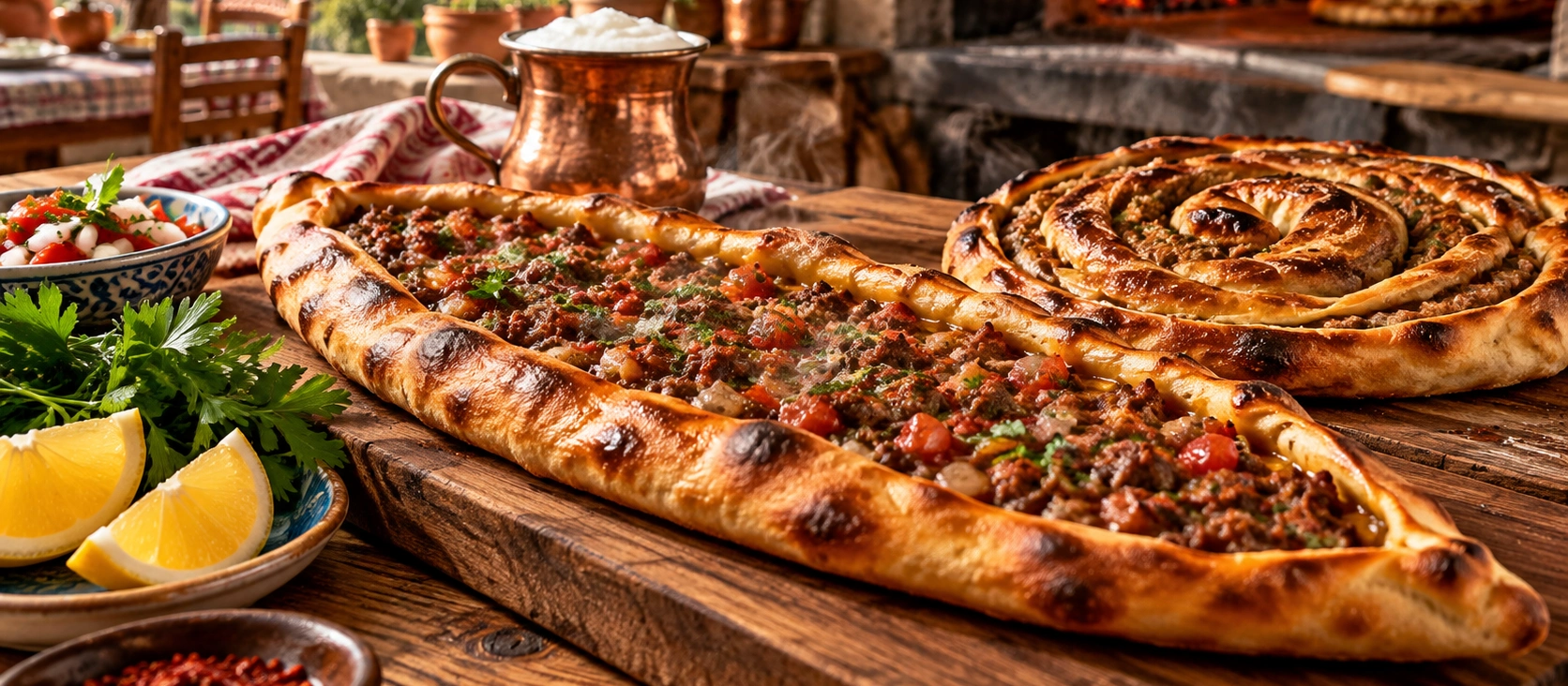
Explore the flavors and baking traditions of another well-known culinary destination in Aydın Province.
Discover Nazilli PideExplore traditional breads, distinctive dishes and regional food heritage.
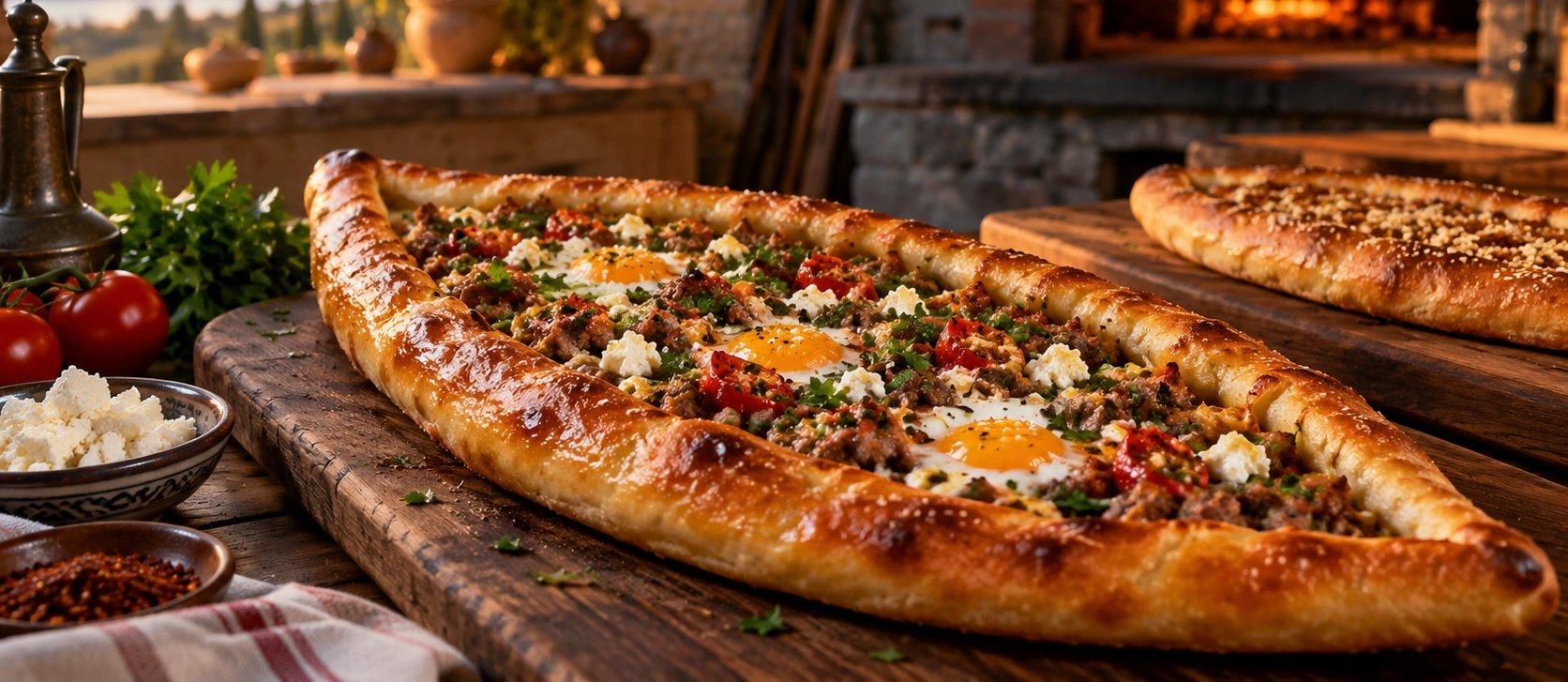
Discover the district's traditional baking culture and its distinctive freshly prepared pide.
Explore Söke Pide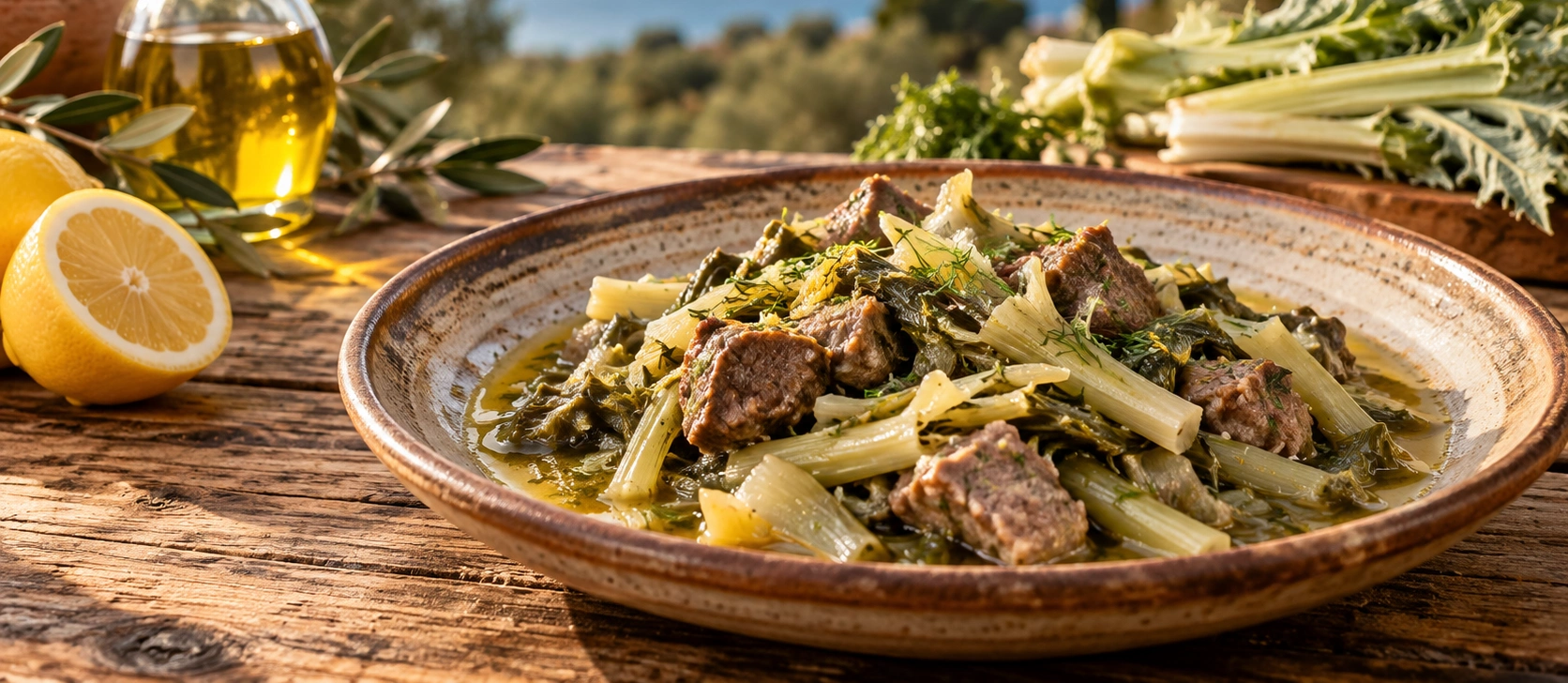
Explore a traditional wild-herb dish combining tender vegetables, meat, olive oil and a delicate lemon sauce.
Discover Şevketi Bostan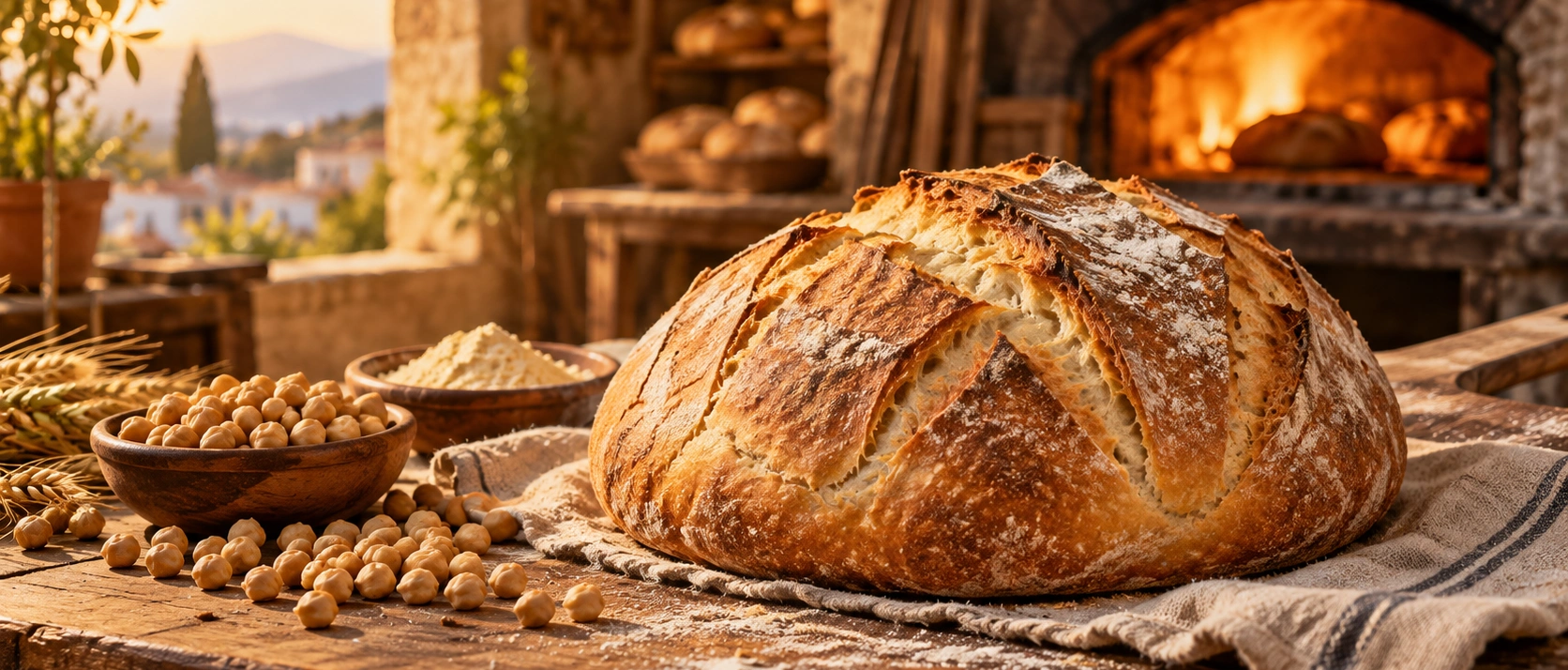
Learn about one of the traditional bread-making practices contributing to Söke's culinary identity.
Discover Söke's Traditional BreadDiscover ancient heritage and authentic regional traditions through a carefully planned private experience.

Ask about a tailored journey exploring Aydın's historical attractions, traditional towns and opportunities to discover regional gastronomy.
Request a Custom Experience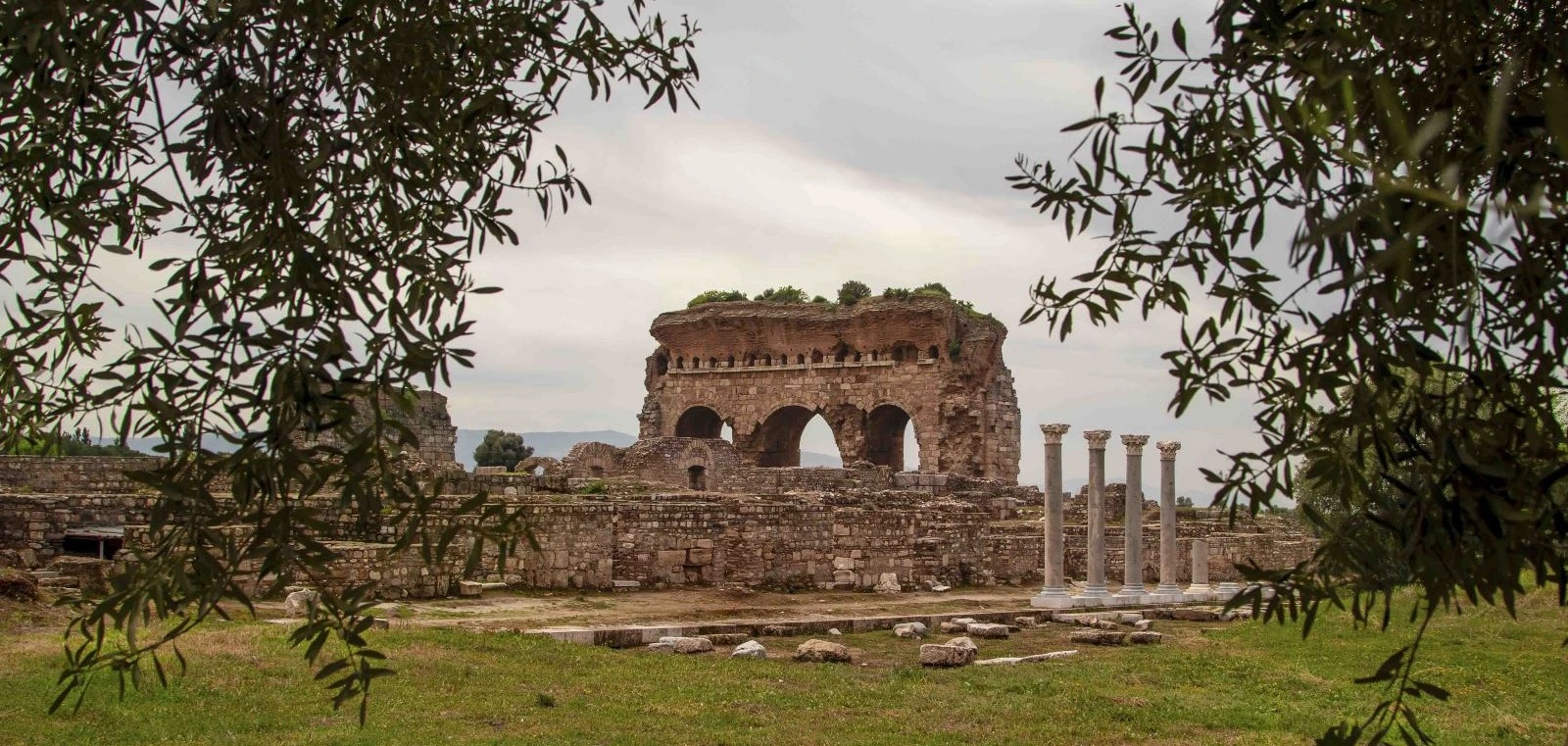
Explore the ancient heritage of the Aydın region and combine archaeological discoveries with an appreciation of local culinary traditions.
Explore Ancient Tralleis