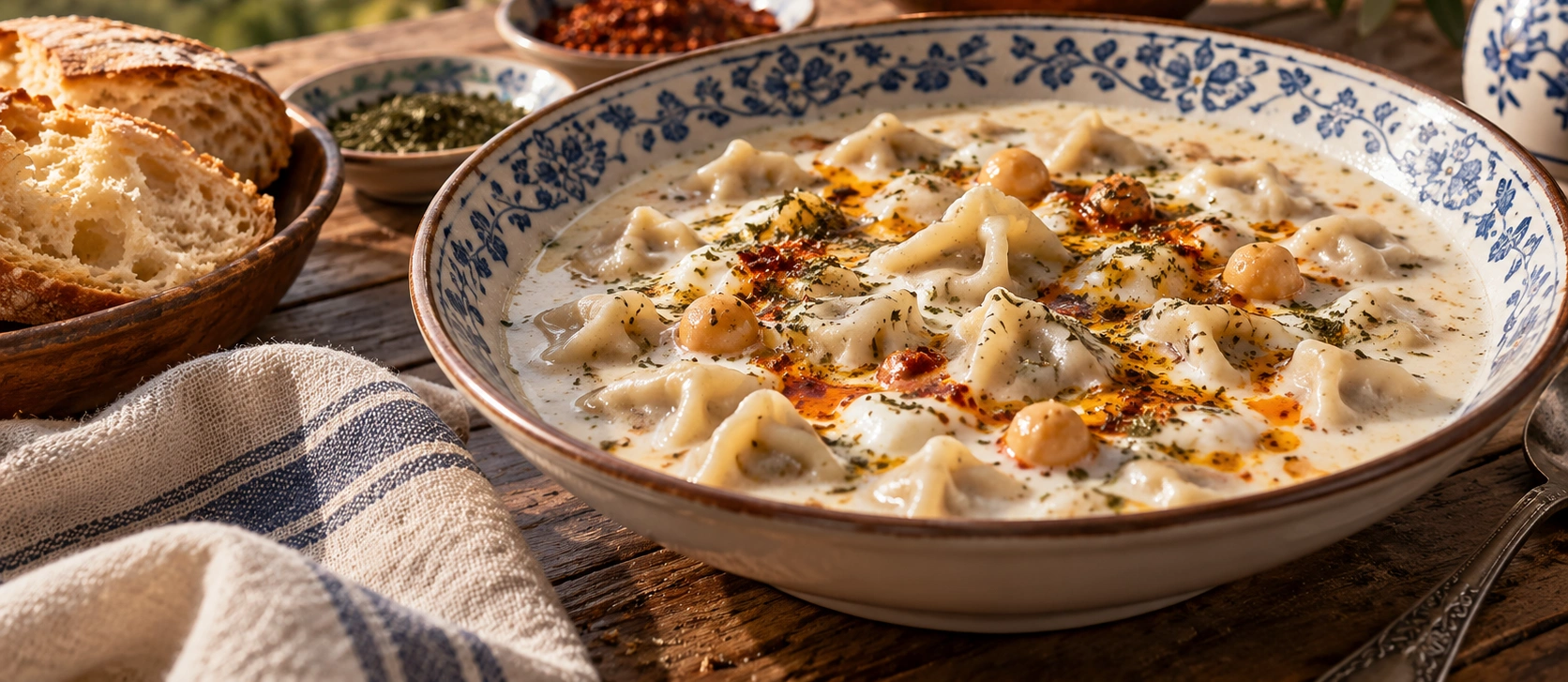
Söke Kulak Çorbası
Discover a distinctive Söke specialty featuring handmade meat-filled dumplings, chickpeas and a creamy yogurt-based broth.
Explore Söke Kulak Çorbası





Söke Şevketi Bostan Yemeği is a traditional Turkish dish closely associated with the culinary heritage of Söke in Aydın Province, western Türkiye. Prepared with carefully cleaned wild thistle, tender cubes of meat, olive oil, onions and a gently tangy lemon-based sauce, this distinctive specialty represents the relationship between the Aegean landscape and its traditional cooking culture.
Known as Şevketi Bostan or Şevket-i Bostan, the dish transforms a thorny wild plant into a flavorful meal. Although the plant can appear uninviting in its natural state, skilled preparation reveals tender edible portions with a pleasantly earthy taste often compared to artichoke.
The traditional meat-based version combines these cleaned vegetables with diced meat, usually lamb in many regional kitchens, and slowly cooks them in olive oil and water. A finishing mixture known in Turkish as terbiye, made with egg yolk, lemon juice and flour, gives the cooking liquid its characteristic texture and delicate acidity.
The dish also holds officially recognized cultural significance. On August 11, 2021, the Turkish Patent and Trademark Office registered Şevketi Bostan / Şevket-i Bostan as a Traditional Product Name under registration number G4, following an application by the Söke Chamber of Commerce.
Today, Şevketi Bostan continues to represent an important aspect of Söke's culinary identity, connecting seasonal ingredients, traditional kitchen techniques and generations of local food knowledge.
Officially registered in Türkiye in 2021 under registration number G4.
Prepared with carefully cleaned edible parts of the thorny şevketi bostan plant.
Diced meat, olive oil, onions, lemon, egg yolk and flour.
A traditional dish reflecting Söke's local cooking skills and Aegean food culture.
Essential information about this traditional wild-herb dish from western Türkiye.
Söke district, Aydın Province, in Türkiye's Aegean region.
Explore Söke on Google MapsTraditional cooked wild-green and meat dish with a lemon-based finishing sauce.
Şevketi bostan, a thorny edible plant commonly associated with Aegean cuisine.
Traditional Product Name G4, registered August 11, 2021.
Cleaned şevketi bostan, diced meat, onions, olive oil, lemon, egg yolk and flour.
Traditionally served hot, with tender vegetables and a delicate lemon sauce.
A traditional combination of wild edible greens, tender meat and carefully balanced seasoning.
Şevketi Bostan Yemeği is a traditional Turkish dish prepared from the edible portions of a thorny plant gathered or cultivated for culinary use. It is particularly associated with the food traditions of western Anatolia, including the Aegean provinces of Aydın and İzmir.
In Söke, the dish is recognized as an important expression of regional cuisine. It brings together ingredients that have long been valued in western Türkiye: wild seasonal greens, olive oil, onions, meat and fresh lemon.
Unlike many ordinary vegetable stews, Şevketi Bostan requires careful preparation before cooking. Its thorny outer portions must be removed, leaving cleaned stems and other suitable edible parts that become tender when simmered.
The traditional preparation combines the plant with diced meat and onions. After simmering, a mixture of lemon juice, egg yolk and flour is gradually incorporated into the cooking liquid, creating a gently thickened sauce.
This method produces a distinctive balance between the savory flavor of the meat, the earthy character of the plant and the refreshing acidity of lemon.
For visitors exploring Aydın's culinary heritage, Şevketi Bostan offers an opportunity to discover a dish shaped by the region's natural environment and the practical knowledge of generations of local cooks.
Şevketi bostan is the local culinary name for a thorny edible plant used in Turkish Aegean cooking. It is particularly appreciated for the tender vegetable portions that remain after its sharp outer leaves and spines have been removed.
In botanical and culinary descriptions, the edible golden thistle commonly used in regional cooking is often identified as Scolymus hispanicus, a plant belonging to the daisy family, Asteraceae.
The plant grows in Mediterranean environments, including open ground, field margins and disturbed soils. Its naturally defensive, spiny appearance contrasts with the tender edible portions obtained through careful cleaning.
Traditional cooks value the plant for its characteristic taste, which is frequently described as earthy, subtly bitter and reminiscent of artichoke.
The plant has sharp spines that require careful handling during harvesting and cleaning.
Properly prepared stems, tender leaf midribs and suitable root portions may be used according to local preparation methods.
Associated with Mediterranean landscapes, open fields and areas where wild edible greens grow.
Offers an earthy vegetable taste with a mild bitterness that becomes balanced during cooking.
Cleaning and preparing the plant requires experience because its sharp outer parts are not used in the finished dish.
Fresh supplies are commonly associated with cooler months and spring, depending on regional growing conditions.
The dish is commonly written as Şevketi Bostan, Şevket-i Bostan or Şevketibostan. These spelling variations are widely encountered in Turkish food writing, local menus and traditional recipes.
The official Turkish Traditional Product Name registration uses the paired designation Şevketi Bostan / Şevket-i Bostan.
The plant is also associated with several traditional vernacular names. However, the same common name may sometimes be applied to more than one thorny plant, making accurate identification important.
A widely used spelling for both the edible plant and the traditional prepared dish.
An alternative spelling explicitly included in the official Turkish registration.
A combined spelling frequently encountered in culinary writing and everyday usage.
One of the traditional regional plant names sometimes associated with edible thistles.
The culinary heritage of Söke reflects the wider history of western Anatolia, where agriculture, seasonal harvesting, migration and regional exchange have all influenced everyday food traditions.
The fertile surroundings of the Büyük Menderes basin have long supported agriculture, while the broader Aegean environment provides a remarkable variety of edible herbs and vegetables.
Gathering and preparing wild greens has become an especially recognizable feature of Aegean cooking. Different plants are cleaned, boiled, stewed or dressed with olive oil and lemon according to their texture and flavor.
Şevketi Bostan belongs to this wider culinary tradition. Its careful cleaning and relatively simple combination of ingredients illustrate how knowledge of local plants can turn an otherwise difficult ingredient into a valued regional dish.
The official Turkish registration associates the historical development of Şevketi Bostan with culinary traditions brought from Crete to western Anatolia during nineteenth-century migration. This reflects the importance of cultural exchange between the Aegean islands and the Anatolian mainland.
Although the dish is enjoyed in multiple parts of western Türkiye, Söke has a particularly important connection to its formal recognition. The Söke Chamber of Commerce applied for the official Traditional Product Name registration, helping document its ingredients and customary preparation.
Today, the dish continues to symbolize more than regional flavor. It represents the preservation of culinary knowledge, the appreciation of seasonal vegetables and the cultural heritage of the Aegean table.
The fertile lands surrounding Söke form an important part of the region's traditional food identity.
Aegean kitchens are recognized for their knowledge of edible herbs and vegetables.
The registered historical description connects the dish with nineteenth-century movement from Crete to western Anatolia.
Cleaning and preparing seasonal plants reflects kitchen knowledge shared within families and communities.
Olive oil contributes to the flavor and cooking method of the traditional preparation.
Traditional recipes help preserve regional food practices across generations.
On August 11, 2021, the Turkish Patent and Trademark Office officially registered Şevketi Bostan / Şevket-i Bostan under registration number G4.
The application was submitted on December 16, 2020, by the Söke Chamber of Commerce (Söke Ticaret Odası), an institution based in Söke, Aydın Province.
The registration falls under the category Geleneksel Ürün Adı, meaning Traditional Product Name. This category recognizes a traditional product name and its established composition or method of preparation.
It is important to distinguish this protection from a geographically restricted designation. Şevketi Bostan is a traditional dish known across Türkiye, and the registration does not mean that it can only be prepared in Söke.
Instead, the official specification identifies the characteristic combination of şevketi bostan, diced meat, olive oil and a lemon-based finishing mixture, along with the traditional production method.
The registration therefore provides an important documentary record of the dish while highlighting the role of Söke's local institutions in preserving Turkish culinary heritage.
The traditional preparation combines a relatively small number of ingredients. Its distinctive character comes from properly cleaned şevketi bostan, tender diced meat, olive oil and a gently thickened lemon sauce.
The following quantities follow the ingredients documented in the official Turkish Traditional Product Name registration. The number of servings depends on portion size.
500 g of cleaned şevketi bostan, prepared by removing unsuitable thorny portions.
250 g diced meat, with lamb commonly used in many Aegean regional preparations.
2 medium onions, finely chopped or sliced for cooking with the meat.
4 tablespoons olive oil, contributing richness and traditional Aegean flavor.
5–6 glasses of water, added hot to simmer the vegetables and meat.
1 egg yolk, juice of half a lemon, 1 level tablespoon wheat flour and salt.
Juice of approximately 1 lemon for soaking the cleaned vegetable in water before cooking.
Salt according to the registered recipe. Some home variations also add black pepper.
The preparation of Şevketi Bostan requires attention at two important stages: cleaning the plant correctly and finishing the cooked dish with a smooth lemon-based sauce.
The following method summarizes the official registered preparation in a practical sequence.
Remove the thorny and unsuitable green portions of the plant, retaining the edible sections intended for cooking. Take care when handling any remaining sharp spines.
Cut the cleaned şevketi bostan into pieces approximately 3–4 cm long, allowing them to cook evenly.
Wash thoroughly, then place the vegetables in plenty of water with the juice of approximately one lemon. Leave them for about 15 minutes before draining.
Place the diced meat in a suitable cooking pot. Cook until its outer surface begins to brown lightly, stirring as needed.
Add the chopped onions and olive oil to the lightly browned meat. Continue cooking briefly, approximately one minute according to the registered method.
Transfer the cleaned vegetable pieces to the pot and sauté gently until their appearance begins to change.
Pour approximately 5–6 glasses of hot water into the pot. Reduce the heat and cook slowly, stirring occasionally.
Continue cooking over low heat until the şevketi bostan is tender and the meat is thoroughly cooked. The time depends on the cut of meat and the maturity of the vegetables.
Whisk together the egg yolk, flour, salt and juice of half a lemon in a small bowl until smooth.
Gradually stir small quantities of the hot cooking liquid into the egg-and-lemon mixture. This helps prevent sudden coagulation when it is added to the stew.
Pour the tempered mixture slowly into the gently simmering stew while stirring. Bring it briefly back to a gentle boil as described in the traditional method.
Remove the pot from the heat and serve while hot, ensuring each portion contains tender vegetables, meat and some of the lemon-flavored cooking liquid.
Cleaning şevketi bostan is one of the most distinctive aspects of preparing this dish. Unlike ordinary leafy vegetables, its thorny structure makes it necessary to separate suitable edible parts from sharp and fibrous material.
Traditional cooks develop experience in recognizing the portions that can be used and preparing them efficiently.
Purchase properly identified edible şevketi bostan from a knowledgeable market vendor or producer.
Use suitable gloves when handling uncleaned plants because their spines may be sharp.
Carefully remove spiny and unsuitable sections, retaining the parts traditionally prepared as food.
Remove excessively tough or fibrous pieces that are unlikely to become pleasant during cooking.
Cut the prepared vegetable into consistent pieces, approximately 3–4 cm for the registered dish.
Rinse well to remove soil, grit and any remaining debris from the cleaned plant.
Soak the pieces in lemon water before cooking, following the traditional preparation method.
Allow the cleaned vegetables to drain before adding them to the cooking pot.
The traditional dish relies on relatively simple ingredients, but careful timing and proper preparation are necessary to achieve the intended balance of tenderness, flavor and texture.
Removing sharp and fibrous portions helps produce an enjoyable finished texture.
Lightly browning the meat before adding liquid builds savory flavor without requiring heavy frying.
Olive oil complements the plant's earthy taste and is part of the documented traditional recipe.
Gentle cooking helps soften the vegetable while allowing the meat to become tender.
The lemon should provide refreshing acidity without overwhelming the flavor of the vegetable.
Gradually warming the egg-and-lemon mixture reduces the risk of curdling when it enters the hot liquid.
In Turkish cooking, terbiye refers to a finishing or thickening mixture used in various soups and cooked dishes. Depending on the recipe, it may contain egg, lemon juice, flour or yogurt.
For the registered Şevketi Bostan preparation, the terbiye is made from egg yolk, lemon juice, wheat flour and salt.
When combined with some of the hot cooking liquid and carefully added to the pot, the mixture provides a light coating consistency and a distinctive tangy flavor.
The result is not intended to resemble a heavy cream sauce. Rather, the cooking liquid gains a delicate body that complements both the vegetable and the meat.
Helps give the cooking liquid a smooth, gently enriched texture.
Provides the refreshing acidity that is characteristic of the dish.
Contributes slight thickening without turning the dish into a heavy stew.
Used gradually to temper the mixture before it is incorporated into the dish.
The flavor of Şevketi Bostan is distinctive because it combines the natural character of a wild edible plant with the richness of meat and the brightness of lemon.
Properly prepared şevketi bostan can have an earthy, vegetal flavor with a mild bitterness and notes often compared to artichoke. Slow cooking softens its texture and integrates it with the other ingredients.
The meat contributes savory depth, while olive oil provides a rounded, characteristic Aegean flavor.
The finishing terbiye introduces gentle acidity, helping balance the richness of the dish and creating a harmonious overall taste.
The edible plant provides a natural, slightly rustic vegetable flavor.
A gentle bitterness may remain, depending on the plant and its preparation.
Tender meat and cooking juices add depth and richness.
Lemon juice balances the dish with a refreshing acidic note.
Proper simmering softens the cleaned vegetable and the meat.
A warm serving combines vegetable, meat and delicately thickened cooking liquid.
Şevketi Bostan stands out among traditional Turkish dishes because it brings together wild-plant preparation, meat cooking and a specific finishing technique.
The dish begins with a thorny plant that becomes an appealing vegetable through expert cleaning and careful cooking.
Olive oil and lemon contribute flavors strongly associated with western Turkish cuisine.
The combination of diced meat and wild greens provides a satisfying and distinctive balance.
The egg-and-lemon terbiye gives the finished preparation its traditional character.
Registration G4 formally documents the dish and its characteristic preparation.
The Söke Chamber of Commerce played a central role in achieving official recognition of the traditional dish.
Şevketi Bostan is traditionally served hot in its registered meat-based form. A serving usually contains a combination of tender vegetable pieces, cooked meat and some of the lemon-flavored liquid.
It can be presented as a main course, especially when accompanied by fresh bread or a simple side dish.
Because the flavor is already balanced by olive oil and lemon, additional heavy sauces are generally unnecessary.
Serving the dish with a modest accompaniment allows the distinctive vegetable flavor to remain the focus of the meal.
The registered preparation is presented hot after the final terbiye has been incorporated.
A little of the lemon-based liquid should accompany the meat and vegetables.
Traditional local bread makes a natural accompaniment to the savory sauce.
Serve without excessive garnishing so the character of the regional dish remains evident.
Fresh şevketi bostan is associated with the seasonal availability of edible wild greens in the Aegean and Mediterranean regions.
Depending on local weather, growing conditions and the plant's development, suitable young vegetable portions may be gathered during the cooler months and spring.
The precise availability period can vary, so it is better to ask regional market vendors rather than rely on a fixed harvesting calendar.
Cooler and wetter conditions support the development of many traditional edible Aegean greens.
A period when various fresh wild vegetables are commonly found in regional markets.
Availability may continue in some areas, although more mature plant portions can become tougher.
Some establishments may use previously prepared or preserved vegetables, but availability should be confirmed.
Şevketi bostan is used in several types of Aegean cooking. Although the registered meat-based preparation has a clearly documented composition, home kitchens may prepare the edible plant in different ways.
These variations reflect the wider culinary appreciation of wild vegetables throughout western Türkiye.
The meat-based preparation combining cleaned şevketi bostan, diced meat, olive oil and a lemon-and-egg finishing mixture.
A version prepared with lamb, appreciated for its savory flavor and tender meat.
An olive-oil-centered vegetable preparation that may omit meat and use a different finishing method.
In some Aegean kitchens, prepared edible portions are boiled and dressed with olive oil and lemon.
Families may adapt seasoning, meat cuts and consistency according to preference and tradition.
Local cooks sometimes prepare wild vegetables according to what is fresh and available in the market.
Because the traditional dish includes both meat and vegetables, it can be enjoyed as the central part of a meal.
For visitors discovering Söke's food culture, pairing Şevketi Bostan with locally prepared breads or a traditional dessert creates a pleasant introduction to the region's culinary variety.
Discover a distinctive regional bread that can accompany the savory cooking liquid.
Explore the traditional twice-baked bread associated with the district's food heritage.
Consider a small serving of traditional dumpling soup as part of a broader tasting menu.
Finish a regional culinary experience with one of Söke's traditional desserts.
Traditional dishes are important expressions of community identity, and Söke has taken steps to celebrate and promote its regional food culture.
On May 11, 2024, the district hosted the Söke Yöresel Yemek Yarışması, a traditional food competition bringing together local cooks and culinary professionals.
The event featured four notable Söke specialties: Kulak Çorbası, Çalkama, Şevketi Bostan and Kulak Tatlısı.
The competition was developed through the efforts of the Söke Historical Research and Cultural Values Preservation Association, with support from Söke Municipality and other regional organizations.
By presenting traditional dishes to a culinary jury, the event helped draw attention to local knowledge, cooking skills and the importance of preserving regional recipes.
For Şevketi Bostan, such recognition highlights the value of a dish that requires both familiarity with wild edible ingredients and skill in preparing them.
Visitors interested in trying traditional Şevketi Bostan can begin their search in Söke, Aydın Province, where the dish is an important part of local gastronomic heritage.
Traditional Turkish restaurants, home-style kitchens, establishments specializing in Aegean vegetable dishes and regional food events are all reasonable places to enquire about its availability.
However, the dish may not appear on every restaurant menu. Cleaning the plant requires labor, and fresh supplies depend on the season and local sourcing.
Some restaurants may prepare a meat-free olive-oil version rather than the registered meat-based dish. Travelers interested in the traditional preparation should ask about the ingredients and cooking method.
Ask restaurants specializing in traditional regional food whether meat-based Şevketi Bostan is available.
Look for establishments serving seasonal vegetables, traditional stews and locally prepared dishes.
Gastronomy competitions and cultural events may provide opportunities to encounter traditional recipes.
Fresh vegetable vendors may help visitors understand the ingredient and its seasonal availability.
Ask about dishes prepared with fresh Aegean greens, especially during the cooler growing season.
Confirm availability before traveling specifically to taste Şevketi Bostan.
Although Şevketi Bostan uses familiar cooking equipment, the quality of the finished dish depends heavily on ingredient preparation.
Home cooks attempting the recipe for the first time may find it easier to begin with properly cleaned vegetables supplied by a reliable vendor.
Prepared şevketi bostan can save considerable time, provided it comes from a knowledgeable supplier.
Check the prepared pieces for remaining grit, spines and unsuitable fibrous sections.
Measure the olive oil, chop the onions and prepare the meat before starting the cooking process.
Use diced meat that will become tender during gentle cooking, adjusting the simmering time accordingly.
Maintain a controlled simmer rather than allowing the cooking liquid to boil aggressively for prolonged periods.
Whisk the egg yolk, flour and lemon until smooth before adding the hot cooking liquid.
Cook until the meat is fully cooked and the vegetable is tender, rather than relying on a single fixed cooking time.
The dish is particularly enjoyable when served warm with its delicately thickened sauce.
Wild edible greens have a particularly important place in the culinary identity of Türkiye's Aegean region.
From coastal settlements to inland agricultural communities, traditional cooks prepare a wide range of seasonal plants with olive oil, lemon, onions, eggs, yogurt or meat.
This approach reflects an appreciation for ingredients obtained from the surrounding environment and the knowledge required to distinguish edible plants from unsuitable ones.
Şevketi Bostan is an excellent example of this tradition. A plant protected by sharp thorns becomes a carefully prepared ingredient through practical skill and culinary experience.
Its preparation also demonstrates that Aegean vegetable cooking is not limited to cold olive-oil dishes. Meat-based preparations, soups and warm stews are equally important elements of regional food culture.
For travelers exploring Söke, understanding this culinary context adds depth to the experience of tasting a traditional dish.
Local cooks understand when particular edible vegetables are suitable for harvesting and cooking.
Many wild ingredients require washing, trimming or other preparation before they can be cooked.
An essential component of many traditional vegetable dishes in western Türkiye.
Citrus acidity is often used to complement cooked greens and balance rich flavors.
Similar ingredients can be prepared in different ways across Aydın, İzmir and other Aegean communities.
Recording traditional recipes supports the continuation of regional food knowledge.
Şevketi Bostan is a regional food rather than a single visitor attraction. Consequently, it does not have a universal admission fee, opening schedule or dedicated tasting center.
The most practical approach is to contact restaurants or local culinary establishments and ask whether the traditional dish is available on the date of your visit.
Travelers interested in freshly prepared Şevketi Bostan may find cooler months and spring particularly suitable for exploring Aegean wild-green cuisine.
Nevertheless, fresh availability depends on weather, growing conditions, suppliers and restaurant menus. Prepared or preserved ingredients may extend the period when the dish can be offered.
A pleasant time to discover traditional warm dishes featuring regional vegetables.
An especially interesting period for exploring seasonal herbs and vegetables in western Türkiye.
Markets can reveal the range of seasonal produce used in local Aegean cooking.
Traditional food competitions and regional gatherings may introduce visitors to local recipes.
Söke's gastronomic heritage includes much more than Şevketi Bostan. The district is recognized for traditional breads, baked specialties, soups and desserts that reflect the importance of local ingredients and careful preparation.
Exploring several of these dishes offers a broader understanding of how Aydın's food culture combines seasonal vegetables, wheat-based recipes and traditional household cooking.
Discover the distinctive traditional dumpling soup featuring meat-filled dough and chickpeas.
Explore the district's traditional baked flatbread and local bakery culture.
Learn about a regional baked specialty prepared with rich sesame tahini.
Discover the traditional bread-making heritage of Söke.
Explore a traditional twice-baked bread associated with regional food traditions.
Discover a traditional Söke dessert and another example of local culinary craftsmanship.
It is a traditional Aegean dish prepared with cleaned şevketi bostan, diced meat, olive oil, onions and a finishing mixture of egg yolk, lemon juice and flour.
The dish is associated with the wider culinary traditions of western Türkiye, especially the Aegean region. Söke in Aydın Province played an important role in obtaining its official Traditional Product Name registration.
The principal vegetable ingredient is the cleaned edible portion of a thorny plant known locally as şevketi bostan.
It is traditionally associated with edible wild greens found in Mediterranean environments. Correct identification and preparation are essential.
The vegetable has an earthy, slightly bitter character often compared to artichoke. In the traditional meat-based dish, these flavors are balanced by olive oil, savory meat and lemon.
It has official Turkish registration under the Traditional Product Name category, which is different from a geographically restricted designation. Registration G4 was granted on August 11, 2021.
The Söke Chamber of Commerce applied for and obtained the official registration.
The registered Traditional Product Name number is G4, with application number G2020/036.
The officially registered preparation contains diced meat. Other vegetable-based versions also exist, but they differ from the documented traditional composition.
Lamb is commonly used in many Aegean preparations. The registered recipe specifies diced meat without limiting the ingredient to one particular animal.
Lemon is used during preparation and in the finishing sauce. It contributes acidity and balances the earthy vegetable flavor and savory meat.
Terbiye is a traditional Turkish finishing mixture. For Şevketi Bostan, it contains egg yolk, flour, lemon juice and salt.
The official registered recipe does not use yogurt in its finishing mixture. It uses egg yolk, lemon juice, wheat flour and salt.
The officially registered meat-based dish is not vegetarian. Meat-free olive-oil preparations of the vegetable are also made, but these are different recipe variations.
The registered recipe contains wheat flour in the terbiye and is therefore not gluten-free without modification.
The traditional registered preparation is not defined by hot spices. Its principal flavors come from the vegetable, meat, olive oil and lemon.
The plant has thorny and sometimes fibrous portions that must be removed before cooking. Proper preparation produces tender, edible vegetable pieces.
Only correctly identified edible plants should ever be collected. For most visitors and home cooks, purchasing şevketi bostan from an experienced and reliable supplier is the safer option.
Fresh supplies are commonly associated with cooler months and spring, although availability varies according to local growing conditions and suppliers.
The cleaned vegetable is combined with diced meat, onions and olive oil, simmered until tender and finished with a tempered egg-and-lemon mixture.
The officially registered meat-based dish is served hot. Some other olive-oil vegetable preparations may be served at different temperatures.
No. Although its flavor is sometimes compared to artichoke, şevketi bostan is a different plant ingredient requiring its own preparation method.
No. The dish is known more widely in Türkiye, particularly in Aegean food culture. Söke has an important connection through the chamber of commerce that obtained its official Traditional Product Name registration.
The official traditional product documentation associates the dish with culinary traditions brought to western Anatolia by migrants from Crete during the nineteenth century.
Yes. It was among the featured dishes in the Söke Traditional Food Competition held on May 11, 2024, alongside Kulak Çorbası, Çalkama and Kulak Tatlısı.
Visitors can ask traditional restaurants, home-style establishments and regional food venues about the dish. Because availability varies, checking ahead is recommended.
Yes. Home preparation is possible with ordinary kitchen equipment, provided the vegetable is correctly identified, cleaned and cooked thoroughly.
Fresh traditional bread makes a pleasant accompaniment. Visitors can also combine the dish with other Söke specialties as part of a regional tasting experience.
Its unusual wild-vegetable ingredient, traditional preparation, savory meat and refreshing lemon sauce offer a distinctive introduction to Aegean culinary heritage.
Discovering traditional foods can provide meaningful support for local communities, especially when visitors appreciate the preparation skills and seasonal ingredients behind regional dishes.
Şevketi Bostan is a particularly good example because the plant requires specialist knowledge and careful preparation before it can become a meal.
Choose establishments that specialize in traditional regional food and responsibly sourced ingredients.
Understand that wild vegetable dishes may not be available on every visit.
Recognize the work involved in cleaning thorny plants and preparing traditional dishes.
Use correctly identified edible plants supplied by knowledgeable producers and vendors.
Support the sharing and documentation of traditional regional recipes.
Try traditional Aegean vegetables and lesser-known dishes with curiosity and respect.
Combine regional food discoveries with Aydın's remarkable archaeological sites, traditional towns and cultural heritage through a private journey shaped around your interests, without compulsory shopping stops.
Explore handmade dishes, traditional breads and the rich regional food culture of Söke.
Discover a distinctive Söke specialty featuring handmade meat-filled dumplings, chickpeas and a creamy yogurt-based broth.
Explore Söke Kulak Çorbası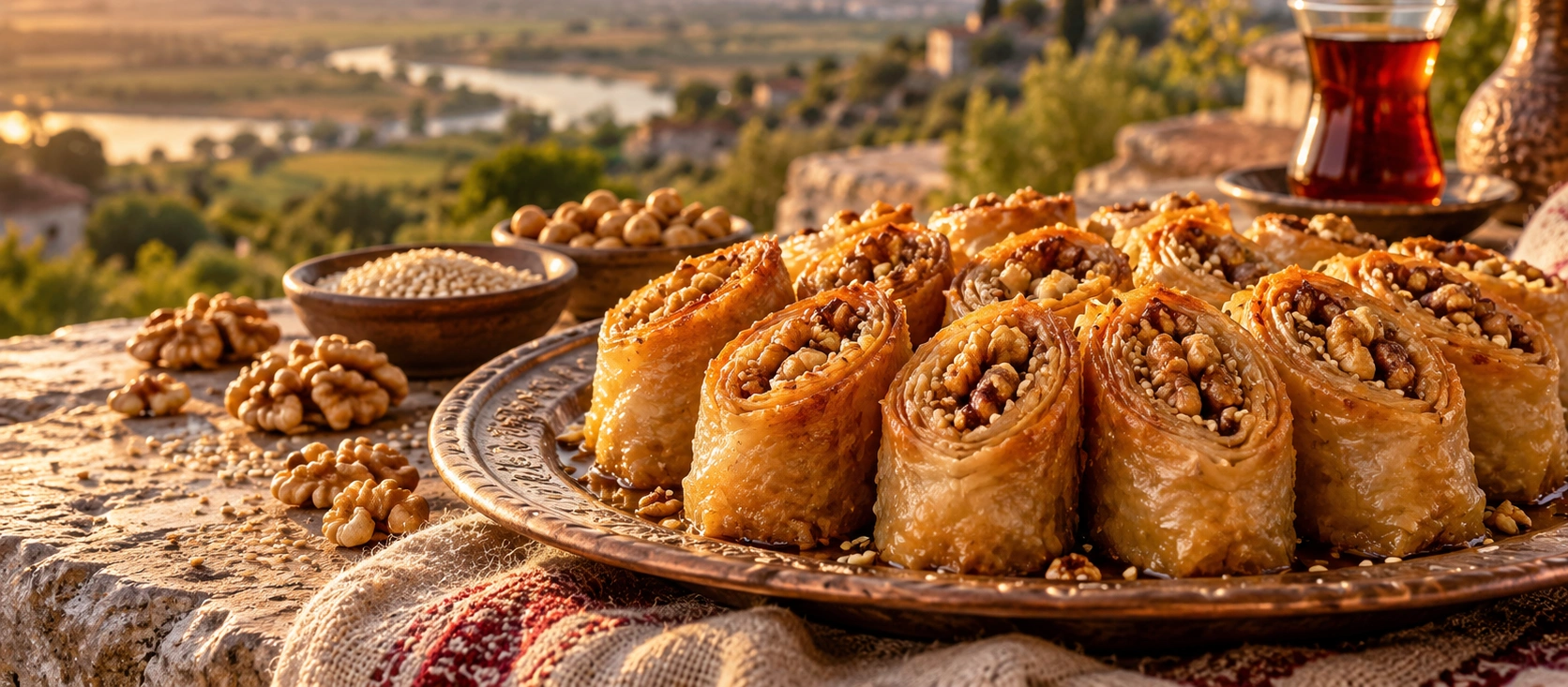
Explore another celebrated local specialty and discover the traditional dessert-making heritage of Söke.
Discover Söke Kulak TatlısıExperience more regional food traditions through our guides to Söke's handmade and baked specialties.

Explore Söke's traditional pide and the district's long-standing bakery culture.
Discover Söke Pide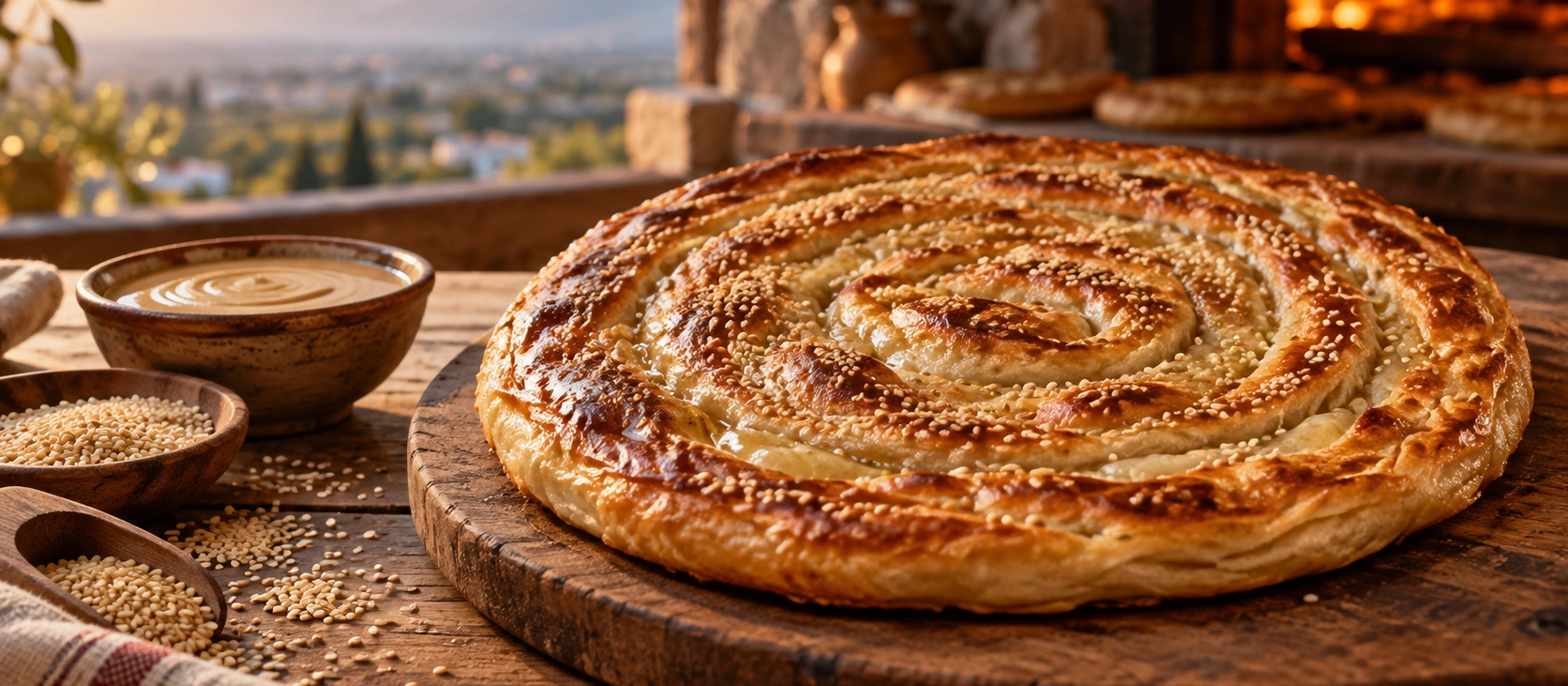
Discover a traditional regional baked specialty featuring the rich flavor of sesame tahini.
Explore Söke Tahinli Pide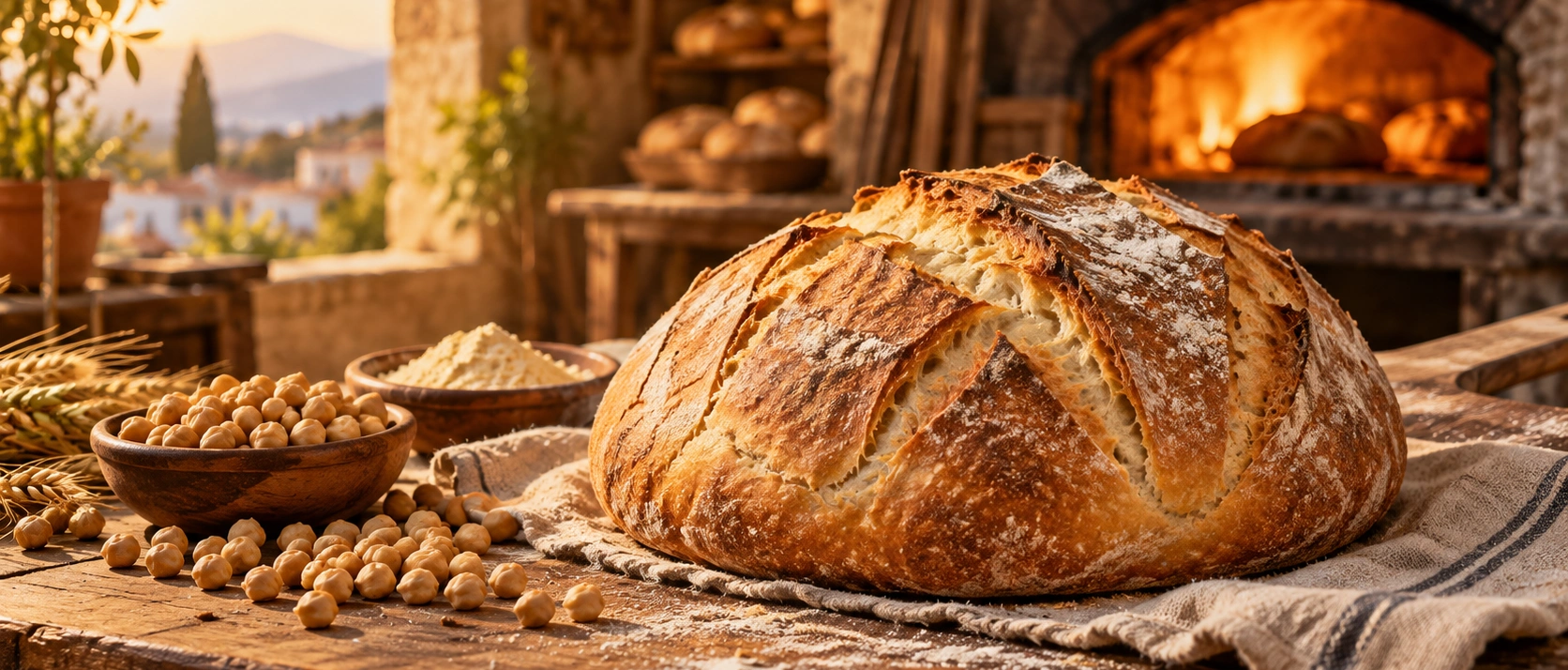
Learn about the traditional bread-making methods that contribute to Söke's distinctive culinary heritage.
Discover Söke's Traditional BreadCombine traditional regional cuisine with archaeology, cultural heritage and the beautiful landscapes of western Türkiye.

Ask about a tailor-made journey combining western Anatolia's ancient cities, local traditions and opportunities to discover authentic Aegean food culture.
Request a Custom Experience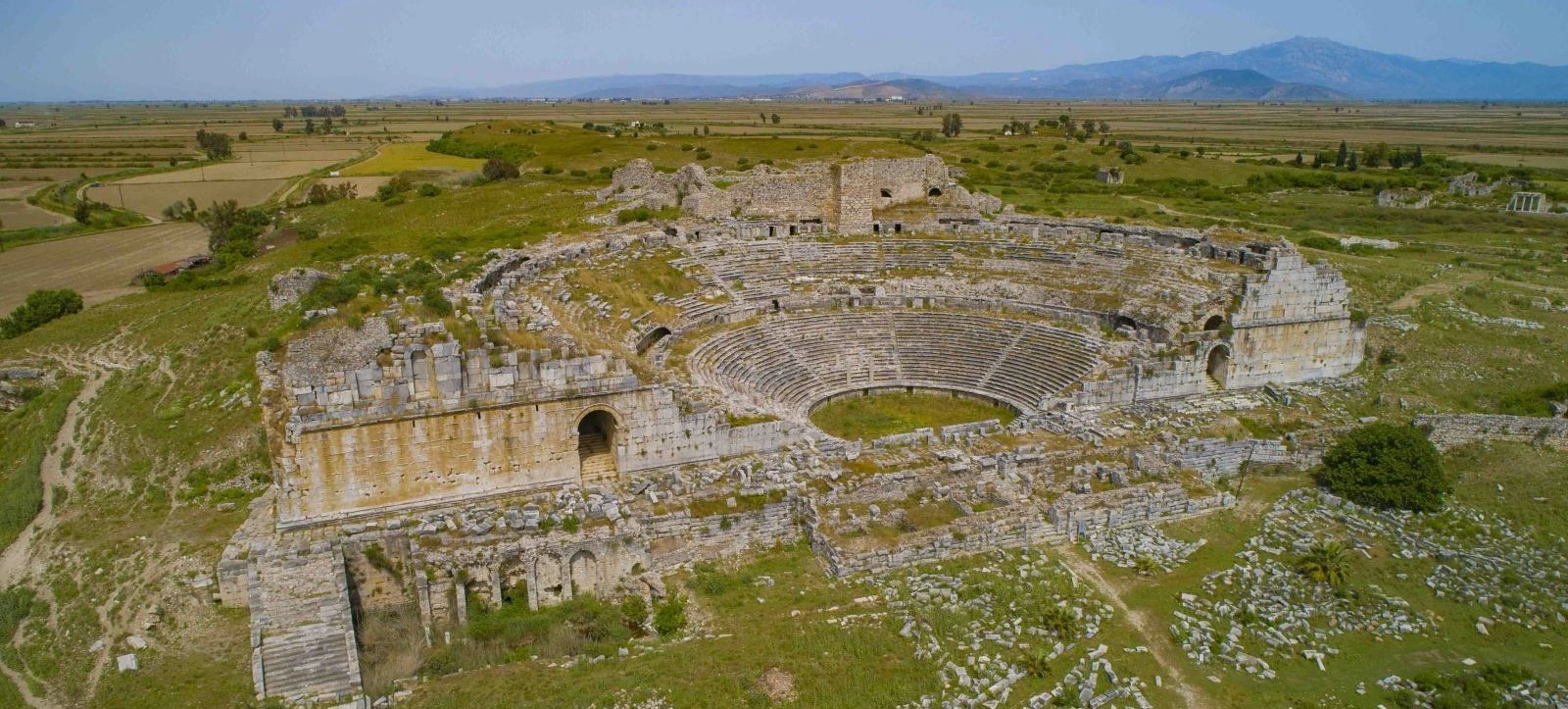
Discover one of ancient Ionia's most important cities and combine the region's remarkable historical heritage with Söke's traditional culinary culture.
Discover Miletus Ancient City