Traditional Chickpea Starter
The defining feature is a traditional fermentation starter produced using crushed chickpeas and warm water.
- Principal starter ingredient: Chickpeas
- Traditional name: Tatlı maya
- Purpose: Fermentation and dough leavening






Söke Tatlı Maya Ekmeği, translated into English as Söke Sweet-Yeast Bread, is a distinctive traditional bread originating from the district of Söke in Aydın Province, western Türkiye. Unlike ordinary commercially yeasted breads or conventional sourdough, this regional speciality uses a carefully prepared fermentation starter derived from chickpeas.
The bread is closely associated with the culinary heritage of Söke, where generations of bakers have preserved the demanding technique of preparing tatlı maya, or sweet yeast. Despite the English translation of its name, this is not necessarily a sugary dessert bread. The word tatlı refers primarily to the traditional fermentation method and its characteristic flavour rather than to a sweet filling.
The defining ingredient is the chickpea-based starter, traditionally prepared by allowing crushed chickpeas to ferment in warm water under carefully controlled conditions. This starter is then combined with wheat flour and warm water to create the bread dough.
Preparing the starter is one of the most demanding stages. Temperature, fermentation time, and the baker's experience all influence whether the fermentation develops successfully.
Once prepared, the dough is kneaded, rested, divided into rounded portions, lightly scored, and baked in a traditional oven locally known as a kara fırın.
The result is a characteristic round bread with a golden crust, a distinctive aroma, and the flavour associated with Söke's traditional chickpea fermentation.
The documented history of this regional bread extends back to at least 1937. Traditional bakeries have continued its production, preserving preparation techniques and knowledge passed between generations.
Söke Tatlı Maya Ekmeği also holds an important place in local hospitality and celebrations. It has historical associations with religious holidays, family gatherings, engagement traditions, and the sharing of bread between households.
Its cultural and gastronomic significance received official recognition when Söke Tatlı Maya Ekmeği was registered as a geographically indicated product on 9 August 2021 by the Turkish Patent and Trademark Office, under registration number 842.
The registered geographical production boundary is specifically Söke district in Aydın Province, reflecting the strong relationship between the bread, its traditional production methods, and the experience of local bakers.
This comprehensive guide explores the history, geographical-indication recognition, traditional chickpea starter, fermentation techniques, dough preparation, baking methods, appearance, flavour, local customs, preservation, dietary considerations, and practical visitor recommendations for discovering Söke Tatlı Maya Ekmeği.
A distinctive fermentation starter made from chickpeas provides the foundation of Söke's traditional bread.
Local bakers preserve a specialised technique documented in Söke since at least 1937.
Rounded, lightly scored loaves are baked in a traditional oven known as a kara fırın.
Söke Tatlı Maya Ekmeği received geographical-indication registration number 842 in August 2021.
Essential information about one of the most distinctive traditional breads of Türkiye's Aegean region.
Söke district, Aydın Province, western Türkiye.
Open Söke on Google MapsFermented chickpeas, warm water, and traditional starter preparation techniques.
Rounded loaves baked in a kara fırın, traditionally at approximately 180°C.
Registration No. 842, officially registered on 9 August 2021.
Explore the relationship between chickpea fermentation, traditional bakeries, local knowledge, and the food heritage of Söke.
Located in the western part of Aydın Province, Söke is an important agricultural district associated with the fertile Büyük Menderes Plain. Its surrounding countryside has a long relationship with wheat cultivation, farming communities, traditional markets, and regional food production.
Bread has occupied a central place in Anatolian daily life for generations. Across Türkiye, local communities developed distinctive bread-making techniques shaped by agricultural conditions, available ingredients, fermentation methods, and family traditions.
Before the widespread use of commercially prepared baker's yeast, traditional fermentation cultures were particularly important to bread production. These methods varied between regions, producing different flavours, textures, and baking traditions.
One such tradition involves the preparation of a fermentation starter using chickpeas.
In Söke, this technique developed into a recognisable regional speciality known as Tatlı Maya Ekmeği.
The official geographical-indication specification traces the documented history of Söke Tatlı Maya Ekmeği to 1937.
Traditional bakeries have played a particularly important role in maintaining the method. Some local bakery businesses have transmitted their techniques through several generations.
Unlike bread prepared simply by adding commercial yeast to flour, Söke Tatlı Maya Ekmeği begins with the careful preparation of a chickpea-based starter. This preliminary fermentation requires time, attention, suitable temperatures, and experience.
The process is therefore closely associated with the practical knowledge of skilled bakers.
A baker must understand when the starter has fermented successfully, when it should be incorporated into the dough, and how quickly the subsequent bread-making stages should proceed.
Traditional local bakeries have preserved these techniques even as commercial bread production has expanded throughout Türkiye.
The bread is also associated with the social customs of Söke. Local accounts describe its preparation for religious celebrations and its presence in traditional engagement ceremonies.
During these occasions, bread has represented much more than everyday nourishment. It has also formed part of hospitality, family relationships, and the sharing of food.
The official recognition of Söke Tatlı Maya Ekmeği in 2021 established a documented specification for its characteristic starter, production process, baking method, and geographical relationship.
Today, Söke Tatlı Maya Ekmeği represents an important example of living culinary heritage, bringing together agricultural ingredients, fermentation knowledge, skilled craftsmanship, and the traditions of western Anatolia.
Several ingredients and production techniques distinguish Söke Tatlı Maya Ekmeği from ordinary commercially yeasted breads and conventional sourdough.
The defining feature is a traditional fermentation starter produced using crushed chickpeas and warm water.
The registered specification identifies several chickpea varieties suitable for producing the traditional starter.
The starter requires carefully maintained warmth and attention throughout its fermentation period.
Traditional production uses wheat flour, prepared sweet yeast, and warm water to develop the bread dough.
The prepared dough is divided into individual portions and shaped into rounded loaves.
The tops of the shaped loaves are lightly scored before baking to help achieve more even cooking.
The registered method calls for baking in a traditional oven known locally as a kara fırın.
The bread has an officially registered identity connected with the traditional production methods of Söke.
Söke Tatlı Maya Ekmeği was officially registered by the Turkish Patent and Trademark Office (TÜRKPATENT) on 9 August 2021.
Its registration recognises the bread's relationship with Söke and documents important characteristics of the traditional chickpea fermentation and production process.
Söke Tatlı Maya Ekmeği
842
9 August 2021
19 November 2020
C2020/406
Söke Chamber of Commerce (Söke Ticaret Odası).
Mahreç İşareti, a Turkish geographical-indication designation.
Söke district, Aydın Province, Türkiye.
The geographical-indication registration documents the connection between Söke Tatlı Maya Ekmeği and its traditional production area.
The specification identifies the characteristic chickpea starter, suitable chickpea varieties, fermentation process, dough preparation, shaping, traditional baking, and preservation conditions.
It also establishes an important geographical requirement.
All production stages specified for the registered product must take place within Söke district.
This requirement reflects the significance of local knowledge and traditional craftsmanship in producing authentic Söke Tatlı Maya Ekmeği.
The geographical-indication specification also describes inspection procedures coordinated by the Söke Chamber of Commerce, with participation from relevant local authorities.
The designation is a Turkish national geographical-indication registration and should not be confused with a separate European Union registration.
Visitors interested in the official production requirements can consult the published record of TÜRKPATENT.
View the Official Söke Tatlı Maya Ekmeği Geographical-Indication Registration
The name tatlı maya literally translates as sweet yeast in English.
For international visitors, this translation may create the impression that Söke Tatlı Maya Ekmeği is a sweet pastry filled with sugar, honey, or another dessert ingredient.
However, the traditional name refers to the type of fermentation starter used in the bread.
The registered production method does not define the bread as a sugar-filled pastry. Instead, its distinctive quality comes from a chickpea-based starter and the fermentation method used to prepare the dough.
Commercial bread production commonly relies on prepared baker's yeast, which can be added directly to dough according to established measurements.
Tatlı maya requires a separate preliminary fermentation stage involving chickpeas and water.
This makes the starter more labour-intensive and temperature-sensitive than simply adding a measured quantity of commercial yeast.
Prepared from chickpeas through a separate warm fermentation process before the bread dough is mixed.
A prepared leavening ingredient commonly added directly to dough during ordinary bread production.
Typically relies on a flour-and-water culture maintained and refreshed over successive fermentation cycles.
The registered speciality uses a chickpea-based starter that can support bread production within the same day once prepared.
Not necessarily. The bread's name describes its traditional leavening method, not a requirement for a sugary filling.
A small amount of sugar may optionally be used during the preparation of the starter according to the registered method, but the bread itself is fundamentally a traditional wheat bread.
The finished flavour is associated with the chickpea fermentation, wheat dough, traditional baking, and a comparatively gentle character rather than the pronounced sweetness of a dessert pastry.
The preparation of chickpea-based sweet yeast is the most distinctive and demanding part of Söke Tatlı Maya Ekmeği.
The official geographical-indication specification describes a method involving crushed chickpeas, hot water, a small quantity of salt, and optional sugar.
The starter is fermented under warm conditions before being incorporated into the bread dough.
The registered specification identifies several chickpea varieties that may be used during production.
One of the chickpea varieties identified for preparing the traditional starter.
A recognised chickpea variety mentioned in the official production specification.
Another chickpea variety suitable for the traditional starter preparation.
Included among the chickpea varieties described in the registration.
A further example of a chickpea variety used for preparing sweet yeast.
These stages summarise the traditional registered method rather than providing a fully calibrated household recipe. Successful fermentation requires practical experience and suitable hygiene and temperature control.
The traditional preparation specifies crushing the chickpeas without reducing them to a powder.
This creates broken pieces suitable for use in the warm-water starter preparation.
The technique forms part of the established method documented in Söke's geographical-indication specification.
Temperature plays an important role in the development of the starter.
Traditional bakers describe tatlı maya as especially sensitive to cooling and the conditions in which it is prepared.
Successful production therefore involves monitoring the starter rather than relying only on a fixed timetable.
If the starter fails to develop properly, the subsequent dough may not rise as intended.
For this reason, producing traditional sweet yeast is considered an important part of the baker's expertise.
Fermentation is central to the character of Söke Tatlı Maya Ekmeği.
Unlike bread prepared with conventional commercial yeast, the traditional method depends on successfully developing a starter before mixing the principal bread dough.
The fermentation process must be managed carefully because sweet yeast is relatively time-sensitive.
The starter requires appropriate warmth throughout the fermentation period.
The registered starter preparation includes approximately 7–8 hours of fermentation.
Once fermented, the liquid starter has a comparatively limited usable storage period.
Traditional bakers evaluate the fermentation and decide when the starter is ready.
The registered specification notes that sweet yeast can support bread production on the same day.
Successful preparation depends on practical understanding of the starter and the bakery environment.
The distinction lies principally in the type of starter and the way it is maintained.
Traditional sourdough generally relies on an established flour-and-water culture that can be repeatedly refreshed.
Söke's sweet yeast is instead prepared through a specific chickpea-based fermentation method.
Its name should not be interpreted as meaning that the bread is completely without acidity or that every loaf has an identical flavour.
Fermentation characteristics can vary with production conditions, ingredients, and the individual bakery's experience.
The official production specification notes that the shelf life of the fermented starter is not long.
It also states that the starter may be preserved for longer periods when maintained in liquid form under frozen conditions.
This is a separate consideration from the storage life of the finished baked bread.
One of the most appealing aspects of Söke Tatlı Maya Ekmeği is the simplicity of its principal ingredients.
Its distinctive identity comes primarily from the preparation of its chickpea-based starter rather than an elaborate mixture of additional flavourings.
The official specification describes a bakery-scale preparation using wheat flour, water, prepared sweet yeast, and chickpeas.
It also instructs bakers to add warm water gradually until the dough reaches the desired soft consistency.
Because the documented process is intended for traditional production, its batch measurements should not be treated as a ready-to-use household recipe without suitable adaptation.
Wheat flour and water are familiar ingredients in many traditional breads.
The difference is the use of chickpea fermentation as the principal traditional leavening technique.
This starter requires additional preparation, controlled warmth, and careful timing before the dough can be made.
It is this relationship between a relatively simple ingredient list and a specialised method that gives Söke Tatlı Maya Ekmeği its distinctive culinary identity.
After the chickpea starter has fermented successfully, it is combined with wheat flour to begin preparing the bread dough.
Warm water is gradually incorporated until the dough reaches a suitably soft, workable consistency.
The official preparation describes kneading the mixture until it develops a texture traditionally compared with the softness of an earlobe.
The geographical-indication specification describes resting the kneaded dough for approximately two hours.
In warmer summer conditions, the described resting period is approximately one and a half hours.
These periods follow the separate fermentation stage required to prepare the chickpea starter.
Actual dough development may vary depending on environmental temperature, the condition of the starter, and the baker's production method.
Warmth is important to the traditional production method because the chickpea starter is sensitive to fermentation conditions.
The use of appropriately warm water helps maintain suitable dough conditions during preparation.
Experienced bakers must balance water temperature, dough texture, and timing to produce a consistent finished bread.
One of the most recognisable physical characteristics of Söke Tatlı Maya Ekmeği is its rounded form.
Following fermentation, the dough is divided into individual portions weighing approximately 350 grams before baking.
Each portion is shaped into a rounded loaf.
Before baking, the surface of each loaf is lightly cut with a knife.
The registered production method explains that this scoring helps the interior of the bread bake more evenly.
The cuts also contribute to the bread's characteristic finished appearance.
The traditional shaping method produces compact, rounded loaves.
The registered method describes portions of approximately 350 grams before baking.
Knife scoring supports even cooking through the interior of the bread.
Sesame seeds may be sprinkled on top before baking according to preference.
The shaping process reflects the practical craftsmanship of traditional bakers.
Traditional baking gives the loaves their appealing browned exterior.
No. Sesame seeds are described as an optional topping in the registered preparation.
The defining use of chickpeas occurs in the fermentation starter, not as whole chickpeas placed inside the finished bread.
The bread's identity therefore depends on its traditional fermentation and production method rather than the presence of sesame seeds on the surface.
After the dough has been fermented, divided, shaped, and scored, the prepared loaves are ready for baking.
The geographical-indication specification identifies the traditional oven known as a kara fırın as an essential element of the registered production method.
The shaped bread is placed into the oven with a traditional baker's peel.
Kara fırın, the oven specified in the registered preparation.
Approximately 180°C.
Approximately 18–20 minutes.
Prepared loaves are transferred into the oven using a baker's peel.
Water may be sprinkled during baking to help control crust development.
The finished loaves are allowed to rest before being consumed.
The use of a kara fırın is part of the registered identity of Söke Tatlı Maya Ekmeği.
Traditional baking helps give the rounded loaves their characteristic cooked appearance and flavour.
Bakers must pay attention to the oven conditions so that the bread cooks through without becoming excessively dry.
The registered method permits sprinkling water during baking to help prevent the bread from forming its crust too early.
This is intended to support the desired baking result while the interior continues to cook.
Yes. The specification describes allowing the bread to rest for a period after it leaves the oven.
This helps prevent the freshly baked interior from becoming excessively doughy when the bread is consumed.
Baking time and finishing conditions can vary between individual bakeries, even where the registered process provides a traditional reference.
The flavour of Söke Tatlı Maya Ekmeği reflects a combination of wheat flour, chickpea-based fermentation, and traditional oven baking.
Its name can be misleading for visitors unfamiliar with the term tatlı maya.
Although literally translated as sweet-yeast bread, it is not the same as a sweet pastry prepared with substantial quantities of sugar.
The traditional chickpea starter contributes to the bread's characteristic aroma.
The bread is generally associated with a comparatively mild character rather than a sugary dessert filling.
The fermented wheat dough produces the familiar structure of a traditional bread loaf.
Oven baking develops a browned exterior surrounding the bread's interior.
Freshly baked loaves combine the fragrance of wheat dough and traditional fermentation.
The flavour makes it suitable for enjoying with a variety of savoury or simple accompaniments.
Although both may use wheat flour, their production methods differ substantially.
Ordinary commercial bread generally uses prepared baker's yeast, whereas Söke Tatlı Maya Ekmeği follows a traditional chickpea-starter method.
The specialised preparation process contributes to the distinct identity and eating experience of the finished bread.
No. Söke Tatlı Maya Ekmeği is fundamentally a traditional bread rather than a sugar-filled dessert.
It should not be confused with Söke Tahinli Pidesi, a separate geographically indicated sweet speciality prepared with sesame tahini, granulated sugar, butter, and wheat dough.
Söke is home to several distinctive geographically indicated bakery specialities.
Two products that international visitors may confuse are Söke Tatlı Maya Ekmeği and Söke Tahinli Pidesi.
Despite their names, they differ significantly in their ingredients, preparation, taste, and traditional uses.
Type: Traditional bread.
Defining ingredient: Chickpea-based fermentation starter.
Main dough: Wheat flour and water with prepared sweet yeast.
Shape: Rounded loaf.
Preparation: Chickpea fermentation, dough kneading, resting, and scoring.
Traditional oven: Kara fırın.
Flavour: Traditional fermented wheat bread.
Registration: No. 842, 2021.
Type: Sweet bakery speciality.
Defining ingredient: Sesame tahini.
Main ingredients: Wheat dough, sesame tahini, sugar, and butter.
Shape: Circular pide.
Preparation: Rolling, wrapping, coiling, and reopening dough.
Traditional oven: Preferably stone-based.
Flavour: Sweet, nutty, and buttery.
Registration: No. 1521, 2024.
Both specialities offer different ways to discover Söke's traditional bakery culture.
Söke Tatlı Maya Ekmeği demonstrates the region's traditional knowledge of chickpea fermentation and bread-making.
Söke Tahinli Pidesi demonstrates a different kind of craftsmanship based on sweet sesame filling and distinctive dough shaping.
For culinary travellers, sampling both provides a broader understanding of the region's baking heritage.
Discover Söke Tahinli Pide – Traditional Ingredients, History, and Preparation
Bread occupies an important place in Turkish hospitality, daily meals, and traditional celebrations.
Söke Tatlı Maya Ekmeği is particularly interesting because its cultural importance extends beyond everyday bread consumption.
Local accounts associate the bread with engagement ceremonies, religious holidays, family gatherings, and the sharing of traditional foods.
Traditional sweet-yeast bread is enjoyed as part of ordinary meals in Söke.
Local traditions associate the bread with festive occasions and holiday food preparation.
Traditional accounts describe special preparations of tatlı maya bread exchanged during engagement customs.
Sharing traditional bread reflects the importance of food within household and family relationships.
Experienced bakers preserve methods that have become part of Söke's cultural identity.
The bread represents a distinctive example of the relationship between local food and inherited craftsmanship.
An especially interesting element of the local heritage is the association between tatlı maya bread and traditional engagement ceremonies.
Accounts published by Türkiye's Ministry of Agriculture and Forestry describe a custom in which a tray of walnut-containing tatlı maya bread was sent between the families before an engagement.
This illustrates how a familiar regional bread could become part of an important family occasion.
The walnut-containing ceremonial preparation should be distinguished from the standard geographical-indication production specification, which describes the characteristic chickpea-based bread.
Traditional accounts also connect the successful preparation of chickpea starter with ideas of abundance and good fortune.
In some local stories, the ability to prepare a successful starter was regarded symbolically as a sign of prosperity.
Such stories form part of the region's folklore and should be understood as cultural beliefs rather than scientific descriptions of fermentation.
The most important contribution to the continuity of Söke Tatlı Maya Ekmeği comes from the skilled bakers who preserve its production technique.
The starter requires care, and preparing it successfully takes both knowledge and experience.
This relationship between traditional food and practical craftsmanship explains why the bread remains strongly associated with Söke.
Traditional bakery craftsmanship is central to the identity of Söke Tatlı Maya Ekmeği.
The process requires more than combining a short list of ingredients.
Bakers must understand how to prepare chickpea starters, maintain suitable warmth, evaluate fermentation, develop the dough, and complete the baking process at the appropriate time.
The preparation of the chickpea starter is comparatively sensitive.
If the necessary fermentation does not develop, the starter may not provide the desired leavening effect.
Timing is equally important. Once the starter is ready, the baker must coordinate dough preparation, resting, shaping, and oven baking.
Knowing how to crush and ferment the chickpeas correctly.
Maintaining suitable conditions throughout the sensitive fermentation process.
Recognising when the traditional starter is ready for dough preparation.
Developing a soft, workable dough without losing control of fermentation.
Managing the baking process to produce properly cooked, rounded loaves.
Passing inherited bakery techniques from experienced masters to younger generations.
Modern food production has transformed bread-making throughout Türkiye, but traditional bakeries remain important places for maintaining regional specialities.
Reports about Söke's bakery culture have documented family-run establishments continuing the preparation of sweet-yeast bread across generations.
Their work helps preserve both the physical product and the practical knowledge behind it.
For visitors interested in traditional gastronomy, discovering the bread in an established local bakery can provide a particularly meaningful connection with Söke's food heritage.
Söke Tatlı Maya Ekmeği is a traditional bread that may be enjoyed with a variety of everyday meals.
Its rounded form makes it convenient to slice or divide into portions.
The official production method describes allowing the finished loaves to rest after baking before they are consumed.
One enjoyable way to experience Söke Tatlı Maya Ekmeği is to combine it with familiar ingredients from the wider Aydın region.
Olives, olive oil, seasonal vegetables, and regional cheeses can provide pleasant accompaniments.
These are serving suggestions rather than requirements of the registered bread preparation.
Yes. As a traditional table bread, it can be enjoyed at breakfast according to personal preference.
A simple breakfast of traditional bread, olives, cheese, fresh tomatoes, and Turkish tea can introduce visitors to the everyday food culture of the Aegean region.
Yes. The bread can accompany many ordinary savoury dishes.
It may also be enjoyed on its own as a way to appreciate its distinctive fermentation and baking character.
Proper storage is important for preserving the quality of Söke Tatlı Maya Ekmeği after baking.
The official geographical-indication specification states that the finished bread has an expected shelf life of approximately 3–5 days when stored in a closed location protected from direct sunlight.
Actual keeping quality can vary according to storage temperature, humidity, packaging, and handling.
Keep the bread in a suitable covered location away from direct sunlight.
Approximately 3–5 days under the storage conditions described in the specification.
Do not leave bread exposed to unnecessarily hot storage conditions.
Choose appropriate packaging and storage to reduce unwanted moisture accumulation.
Allow freshly baked bread to cool sufficiently before packing for a journey.
Discard bread showing mould, spoilage, or other signs that it is no longer safe to consume.
Yes, depending on the bakery's available products and packaging arrangements.
Some traditional Söke bakeries have supplied their bread to customers outside the district.
Visitors planning to transport the bread should ask the bakery about suitable packaging and the expected keeping period.
For longer journeys, storage conditions and food-safety considerations are particularly important.
The most appropriate place to discover authentic Söke Tatlı Maya Ekmeği is Söke district itself.
The officially registered production boundary covers Söke district, where the bread's characteristic chickpea fermentation and baking techniques have been preserved.
Explore traditional bakeries and established local bread-making businesses.
Ask local bakeries whether they prepare genuine Söke Tatlı Maya Ekmeği.
Look for businesses associated with traditional bread-making craftsmanship.
Ask whether traditional tatlı maya bread is available for purchase or serving.
Traditional Söke Tatlı Maya Ekmeği has a rounded loaf form and is prepared using a chickpea-based starter.
Its surface is lightly scored, and sesame seeds may be added before baking.
Appearance alone does not establish that a bread follows the registered production method.
Visitors interested in the geographically indicated product should ask the bakery about its traditional starter and production process.
The most useful question is whether the bread is prepared using traditional nohut mayası, or chickpea starter.
You may also ask whether the bakery prepares its starter on site and whether it follows the registered Söke production method.
Because production schedules and daily availability may vary, contacting a bakery before making a special journey is recommended.
Ask specifically for Söke Tatlı Maya Ekmeği or simply tatlı maya when visiting a bakery.
The name refers to the traditional fermentation method, not necessarily a sugary bread.
The characteristic starter made from chickpeas is central to the registered speciality.
Established local bakeries are valuable places to discover Söke's bread-making heritage.
Production may depend on the bakery's schedule and successful starter preparation.
The registered preparation describes individually shaped round loaves.
Traditional loaves are lightly cut before baking to support even cooking.
Interested visitors may learn about the preparation process from experienced bakers.
Consider serving the bread with local olives, olive oil, cheese, and fresh vegetables.
The traditional bread is prepared with wheat flour and is not suitable for gluten-free diets.
Ask about suitable packaging and storage when purchasing bread for travel.
Combine your visit with traditional Söke Pide and Söke Tahinli Pide.
Söke Tatlı Maya Ekmeği is made using wheat flour and a traditional chickpea-based starter.
The registered preparation is relatively simple, but visitors with allergies or dietary restrictions should always confirm the exact ingredients and preparation conditions with the bakery.
The traditional bread uses wheat flour and therefore contains gluten.
Chickpeas are used to prepare the traditional fermentation starter. People with relevant legume allergies should seek specific advice.
Sesame seeds may be added as an optional topping. Check directly if you have a sesame allergy.
Butter and milk are not specified as principal ingredients of the registered standard preparation, but individual bakery ingredients should be checked.
The registered basic production method does not specify meat, eggs, or dairy, but customers should confirm the complete recipe.
Bakeries may use the same ovens, preparation surfaces, and utensils for products containing other allergens.
No. The traditional registered preparation uses wheat flour.
It is therefore unsuitable for people who need to avoid gluten.
Chickpeas are used to prepare the fermentation starter.
Although this differs from adding whole chickpeas directly to bread dough, people with chickpea allergies should not assume the finished bread is safe.
The basic registered method does not specify animal-derived ingredients as part of the standard bread preparation.
However, individual bakeries may use different practices or prepare other bakery products with shared equipment.
Visitors following strict vegan diets should confirm the actual ingredients before ordering.
The registered product description cannot replace an allergen declaration from the establishment preparing the food.
Always ask about ingredients, toppings, and possible cross-contact when allergies are a concern.
Söke Tatlı Maya Ekmeği forms part of a diverse regional culinary heritage that includes traditional breads, savoury pide, sweet pastries, agricultural products, and local specialities.
Discover the district's geographically indicated savoury pide prepared with roasted minced beef and other traditional ingredients.
Explore the rich sweet pide made with sesame tahini, sugar, butter, and carefully shaped dough.
Discover the traditional pide preparations and bakery culture of Nazilli.
Explore another distinctive regional pide tradition from Aydın Province.
Learn about the traditional ingredients and baking techniques associated with Bozdoğan.
Discover the rich regional food traditions of Karacasu.
Explore one of Aydın's most celebrated agricultural products and traditional flavours.
Discover the olive-growing heritage of the fertile Aegean countryside.
Explore traditional regional olives that can accompany a simple Aegean breakfast.
Discover a traditional regional sweet speciality prepared from pumpkin.
Söke is conveniently located for discovering several of western Aydın's most remarkable archaeological sites, traditional villages, natural landscapes, and coastal destinations.
A visit to a traditional bakery can therefore be combined with a broader exploration of the Aegean region.
Explore the fascinating ruins of one of ancient Ionia's most influential cities.
Discover the impressive remains of one of the ancient world's great religious sanctuaries.
Walk through atmospheric historic streets and admire traditional stone architecture.
Discover rich wetland ecosystems and opportunities for birdwatching.
Explore spectacular lake scenery, historic ruins, and the dramatic landscapes of Mount Latmos.
Experience protected forests, coastal landscapes, and beautiful Aegean beaches.
Combine the traditional food heritage of Söke with one of the Aegean coast's best-known seaside destinations.
Discover beautiful coastal scenery alongside the rich archaeological heritage of the surrounding region.
A private journey through western Aydın can combine a visit to the ancient city of Miletus or the Temple of Apollo at Didyma with an opportunity to sample Söke's traditional bakery specialities.
Travellers interested in traditional villages and landscapes may prefer a route involving Old Doğanbey, the Büyük Menderes Delta, or Lake Bafa.
Including regional gastronomy in a sightseeing itinerary provides an enjoyable way to discover the relationship between local culture and everyday life.
Söke district, Aydın Province, western Türkiye.
Accessible by road from Kuşadası, Didim, Aydın, and surrounding destinations.
Söke Tatlı Maya Ekmeği, traditional chickpea-yeast bread.
Traditional bakeries and established local bread-making businesses in Söke.
Throughout the year, depending on individual bakery production schedules.
Chickpea fermentation known as tatlı maya.
Söke Pidesi and Söke Tahinli Pidesi.
Miletus, Didyma, Old Doğanbey, Lake Bafa, and the Büyük Menderes Delta.
Söke occupies a convenient position between the coastal destinations of Kuşadası and Didim and several important archaeological and natural attractions.
A personally designed itinerary can combine cultural exploration with a visit to a local bakery serving traditional Söke Tatlı Maya Ekmeği.
Travellers with a particular interest in gastronomy may also wish to sample Söke's famous savoury pide and sweet tahini pide.
Because traditional sweet-yeast bread requires a dedicated starter preparation process, visitors should confirm bakery availability in advance.
The preparation and appearance of Söke Tatlı Maya Ekmeği offer interesting opportunities for culinary photography.
Its distinctive chickpea starter, traditional dough preparation, rounded loaves, and oven baking can all contribute to a visual story about the district's food heritage.
Photograph the chickpeas used for preparing the distinctive fermentation starter.
Document the traditional containers and ingredients involved in making sweet yeast.
Capture the preparation of the soft fermented wheat dough.
Photograph the characteristic rounded dough portions before baking.
Highlight the light cuts made across the surface of the loaves.
Capture the golden crust and traditional appearance of the finished loaves.
Photograph sliced bread to reveal the character of the baked wheat dough.
Present the bread alongside olive oil, olives, cheese, and Turkish tea.
For an authentic photographic story, images of the actual traditional preparation process are particularly valuable.
Always request permission before photographing bakery workers, customers, or private preparation areas.
Söke Tatlı Maya Ekmeği is a traditional bread originating from Söke district in Aydın Province. Its distinctive feature is a fermentation starter prepared from chickpeas.
It can be translated as Söke Sweet-Yeast Bread, referring to the traditional chickpea-based fermentation method.
No. Despite its name, it is fundamentally a traditional bread. The term sweet yeast refers to the fermentation starter rather than a sugary dessert filling.
It originates from Söke district in Aydın Province, western Türkiye.
Yes. It is officially registered by the Turkish Patent and Trademark Office under geographical-indication registration number 842.
The geographical-indication registration was completed on 9 August 2021.
The registration holder is the Söke Chamber of Commerce, known in Turkish as Söke Ticaret Odası.
The registered production boundary is Söke district in Aydın Province.
The official product specification traces the documented history of Söke Tatlı Maya Ekmeği to at least 1937.
Its defining characteristic is a traditional chickpea-based fermentation starter, combined with specialised dough preparation and traditional oven baking.
Tatlı maya is a traditional fermentation starter prepared using chickpeas and warm water.
Chickpeas are used to prepare the traditional starter that provides the leavening for the bread dough.
The registered specification mentions varieties such as Canıtez 87, Işık 05, Yaşa 05, Azkan, and Akça.
Chickpeas are crushed, combined with hot water and small amounts of starter ingredients, and allowed to ferment under suitable warm conditions.
The registered preparation describes approximately 7–8 hours of fermentation after the initial cooling stage.
The traditional starter is sensitive to fermentation conditions, making appropriate warmth and careful timing essential to successful preparation.
The defining registered production method uses a traditional chickpea-based starter rather than relying on conventional commercial baker's yeast.
No. Although both use fermentation, Söke's traditional method uses a specific chickpea-based starter rather than a conventional maintained flour-and-water sourdough culture.
The registered preparation uses wheat flour, water, chickpeas, prepared sweet yeast, and small quantities of starter ingredients. Sesame seeds may be used as an optional topping.
The registered method describes approximately two hours of resting, reduced to around one and a half hours during summer conditions.
The dough is traditionally formed into rounded loaves.
The registered production method describes dough portions of approximately 350 grams before baking.
The tops are lightly cut to help the bread bake evenly through its interior.
Sesame seeds may be added as an optional topping, but they are not required for every loaf.
The registered method specifies a traditional oven known as a kara fırın.
The official production specification describes baking at approximately 180°C.
The registered method specifies approximately 18–20 minutes, although bakery conditions may affect actual cooking time.
The registered method permits sprinkling water to help control crust development while the bread continues to bake.
Yes. The official method describes allowing the freshly baked loaves to rest before consumption.
The registered specification describes an expected shelf life of approximately 3–5 days when the bread is properly stored away from sunlight.
Yes, subject to suitable packaging and storage. Ask the bakery about transport and preservation recommendations.
No. The traditional bread is made with wheat flour and therefore contains gluten.
Chickpeas are used in preparing the traditional starter. People with chickpea allergies should verify the ingredients and avoid assuming that the finished bread is safe.
The basic registered method does not specify meat ingredients. However, customers should confirm the actual recipe with the bakery.
The standard registered method does not specify animal-derived ingredients, but individual bakery practices should be checked before relying on it for a strict vegan diet.
Yes. It may be enjoyed as a breakfast bread alongside olives, cheese, olive oil, vegetables, and Turkish tea.
Yes. Local culinary traditions associate tatlı maya bread with religious holidays and family celebrations.
Yes. Traditional accounts describe ceremonial preparations of sweet-yeast bread, sometimes containing walnuts, being exchanged during engagement customs.
Söke Tatlı Maya Ekmeği is traditional bread made with a chickpea-based starter. Söke Tahinli Pide is a separate sweet bakery speciality containing sesame tahini, sugar, and butter.
Traditional bakeries in Söke district are the most appropriate starting point. Confirm current production and availability before visiting.
Yes. Söke is conveniently located for exploring Miletus, Didyma, Old Doğanbey Village, Lake Bafa, and the Büyük Menderes Delta.
Yes. Söke offers opportunities to discover distinctive bread-making traditions, geographically indicated pide specialities, and the wider food heritage of western Aydın.
Discover Söke Tatlı Maya Ekmeği and the remarkable cultural heritage of western Aydın through personalised private journeys combining traditional gastronomy, historic sites, natural landscapes, and local customs.
Explore traditional bakery culture and discover the distinctive flavours of Söke through flexible private arrangements.
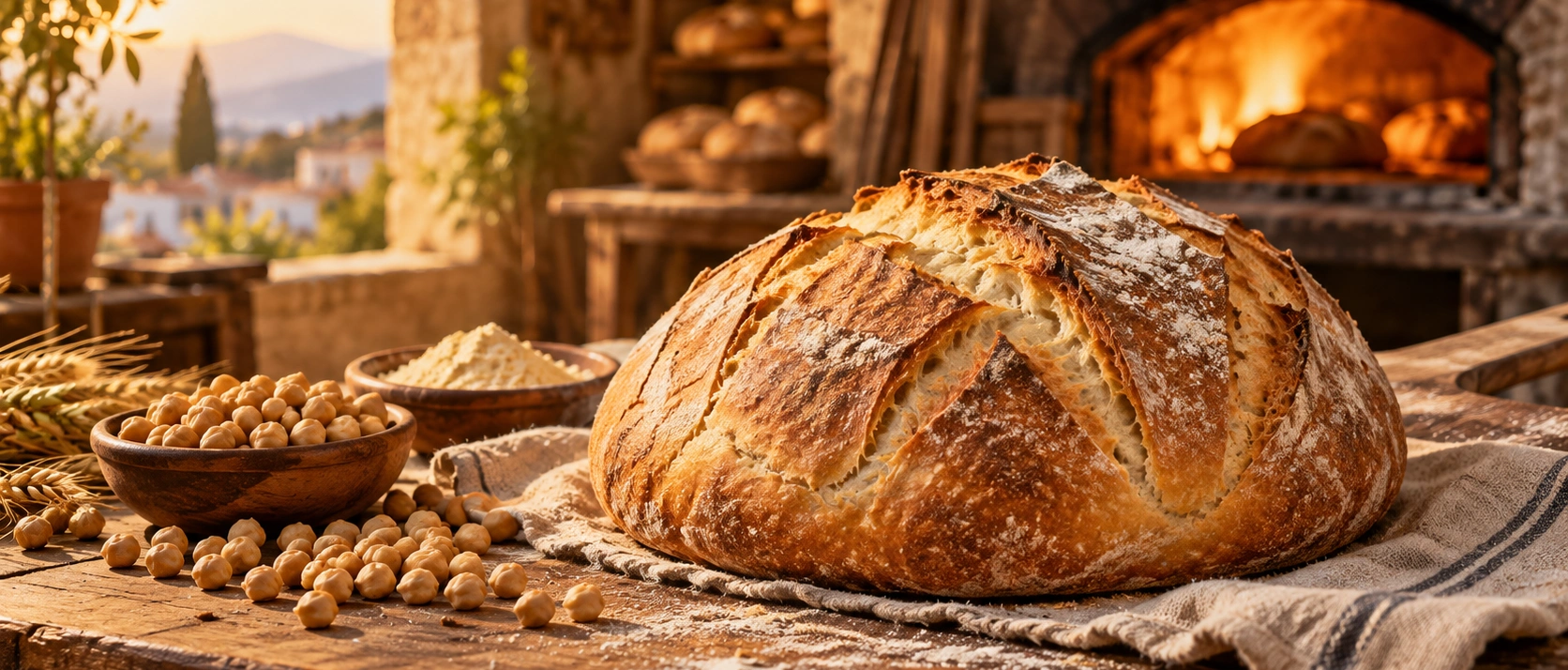
Discover the traditional chickpea-yeast bread culture of Söke, with an opportunity to enjoy this distinctive regional speciality at a local bakery.
Request This Experience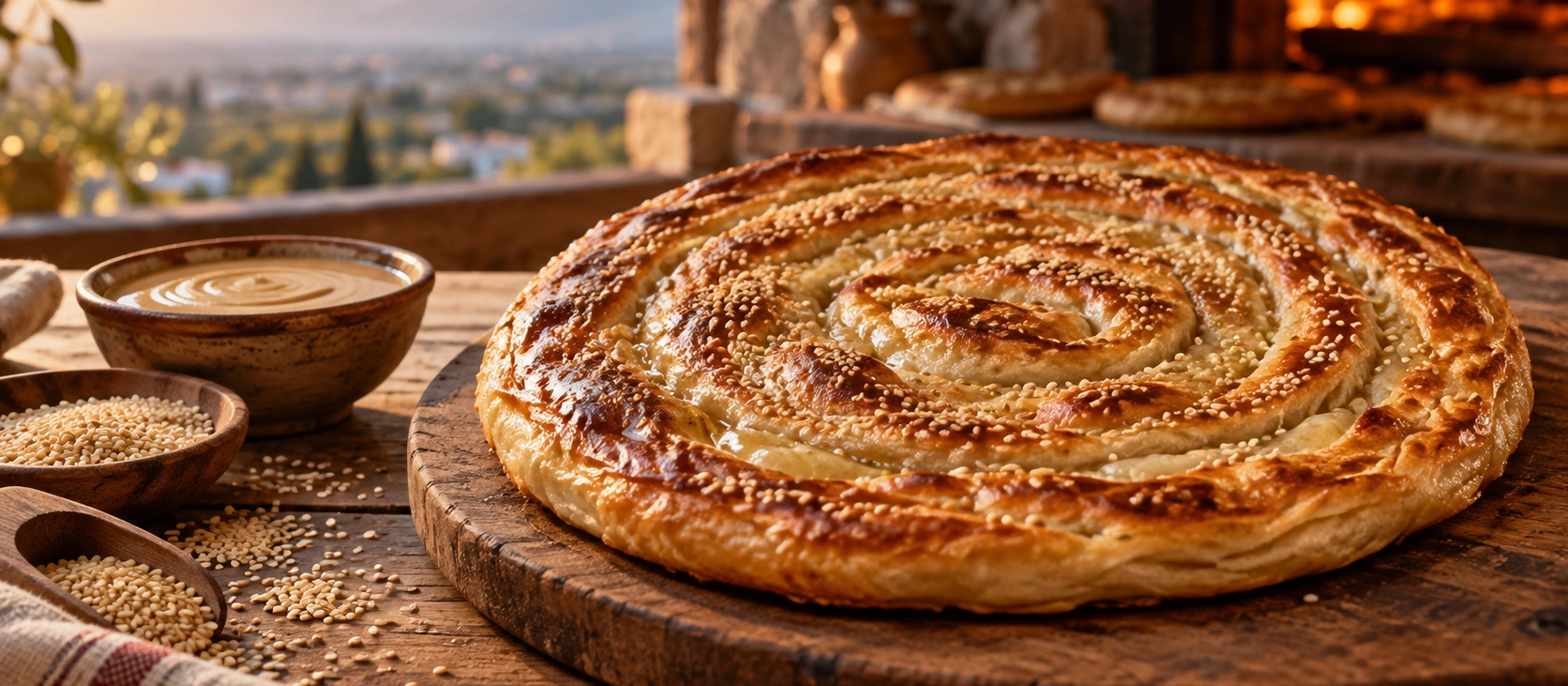
Explore the remarkable diversity of Söke's bakery heritage, from traditional chickpea-fermented bread to savoury pide and the district's rich sesame tahini speciality.
Plan Your Food ExperienceCombine Söke's distinctive culinary traditions with the fascinating archaeological sites and beautiful landscapes of western Aydın.
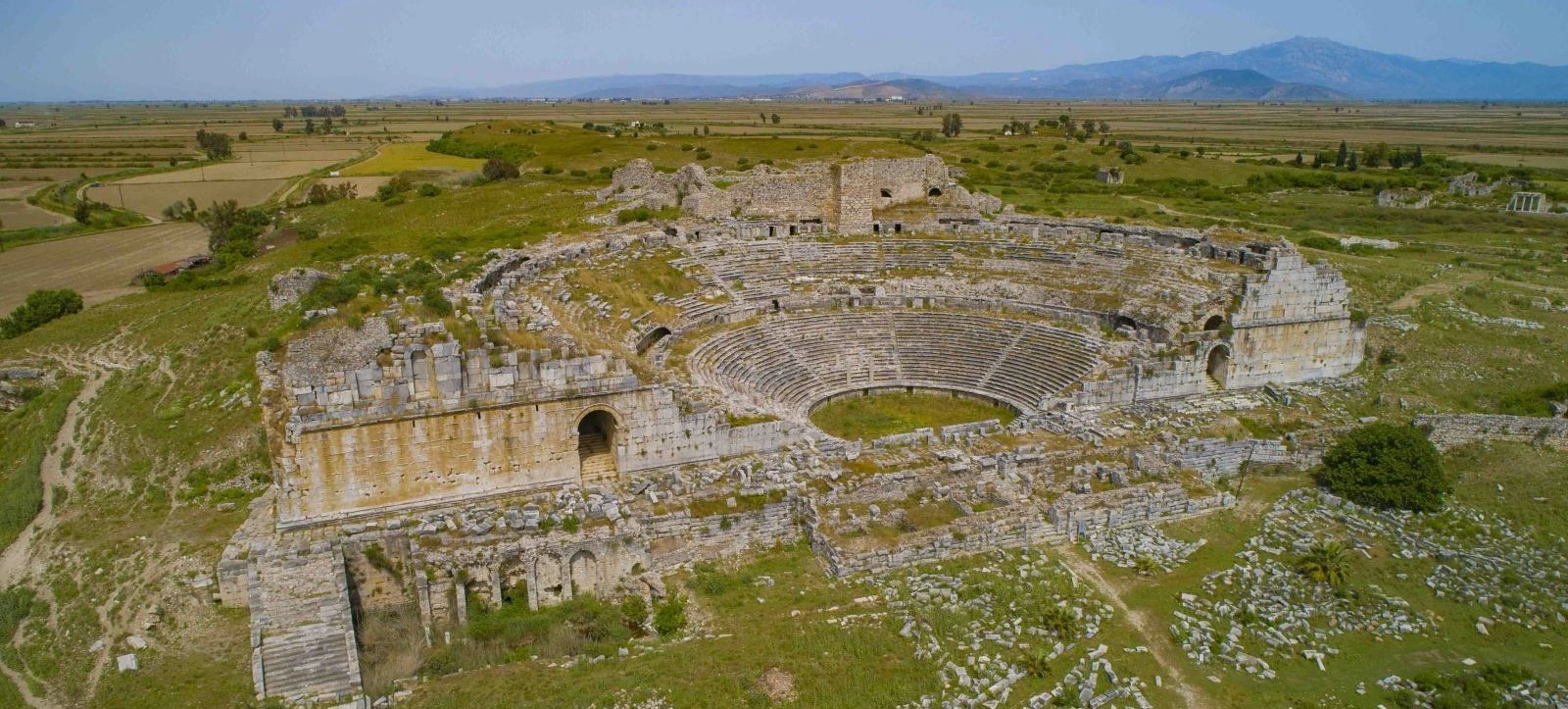
Discover the extraordinary ancient cities of Miletus and Didyma before exploring the traditional bakery heritage and regional flavours of Söke.
Request a Private Tour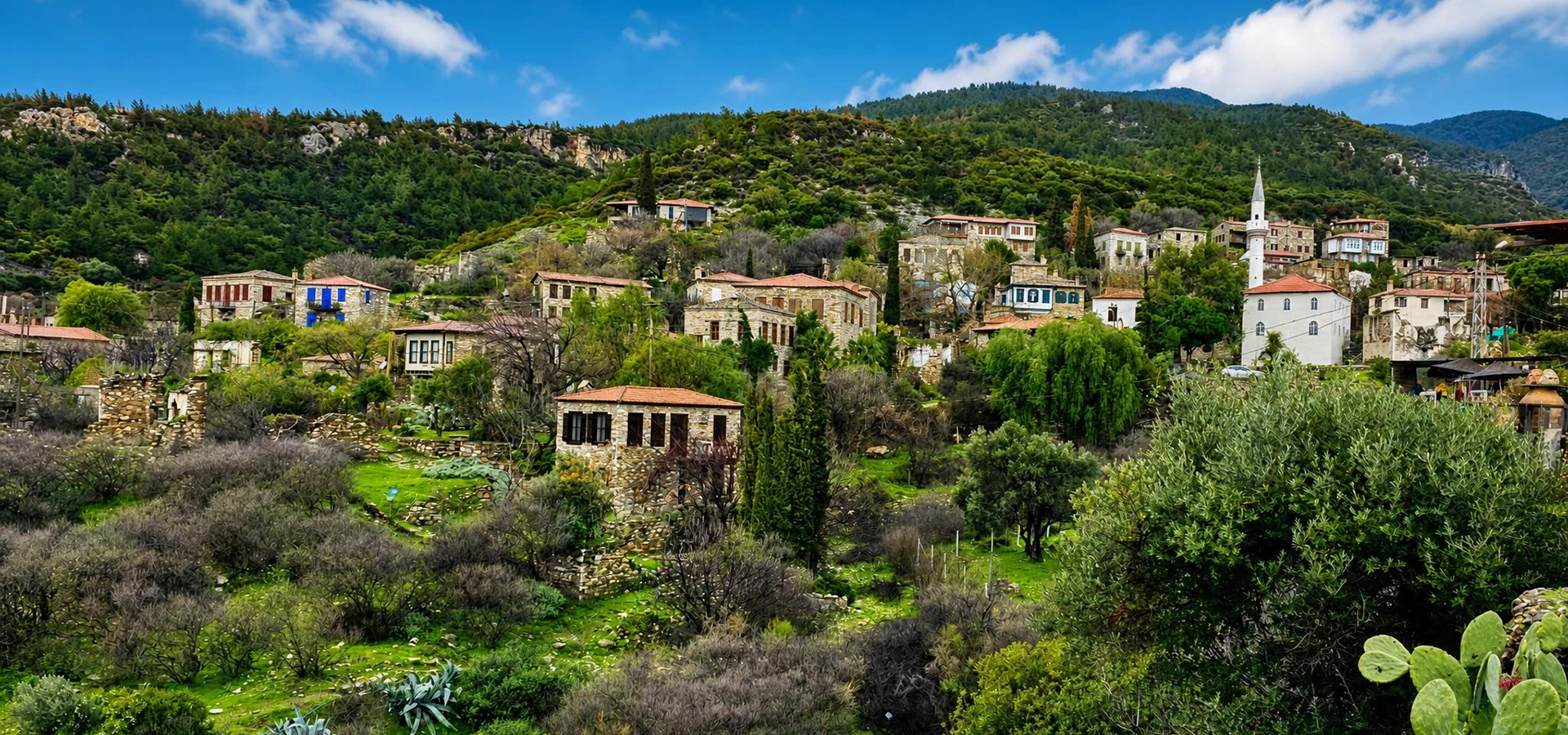
Explore Old Doğanbey Village, the Büyük Menderes Delta, and the scenic countryside of western Aydın, complemented by authentic regional food experiences.
Design Your Journey